


Stock Packaging
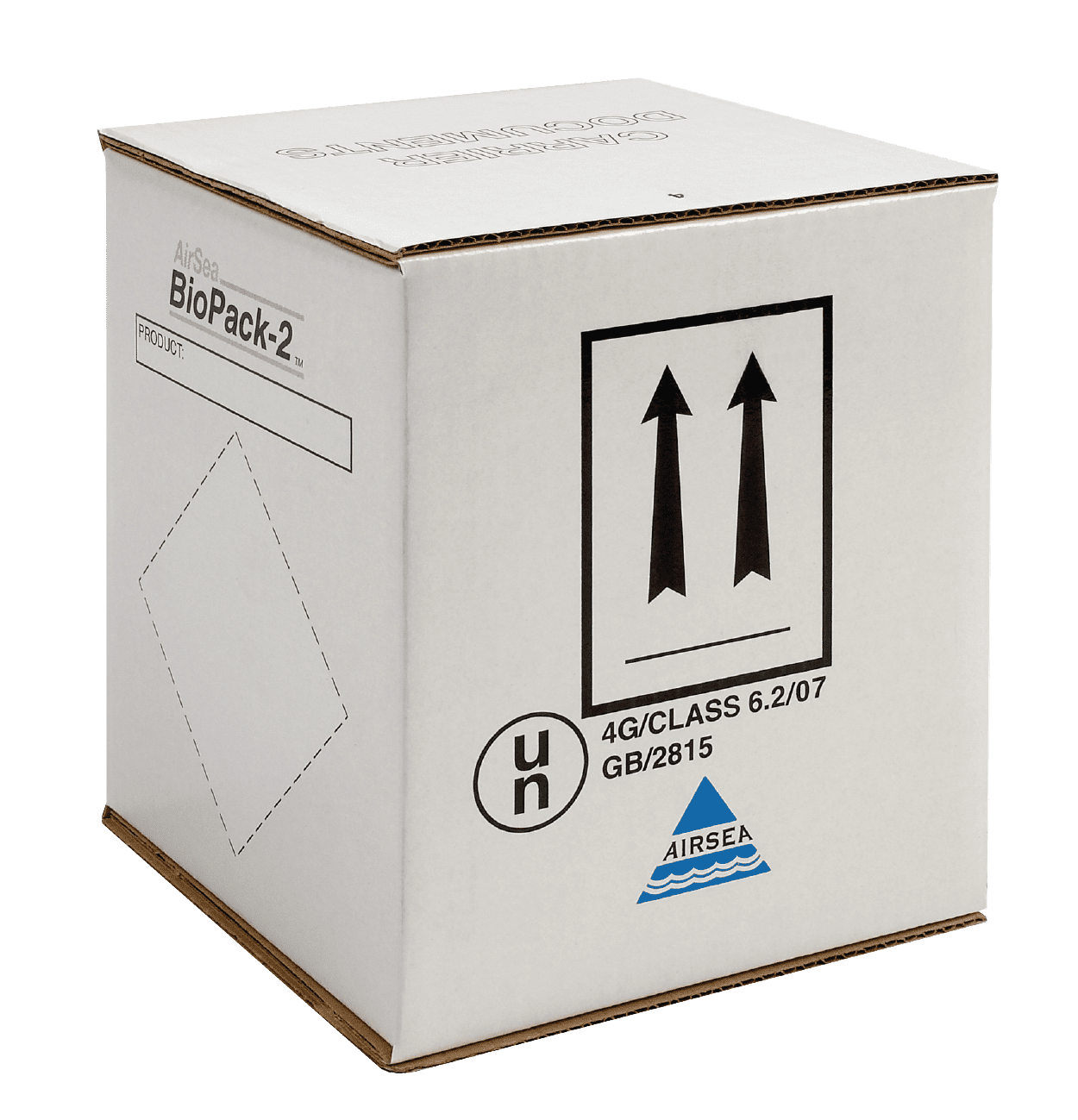
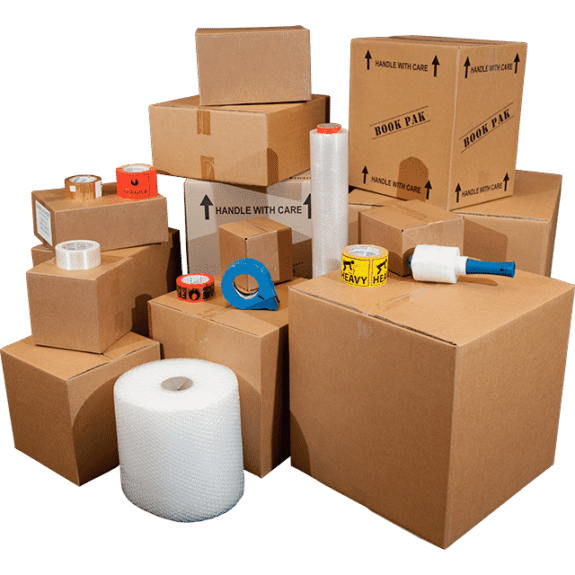
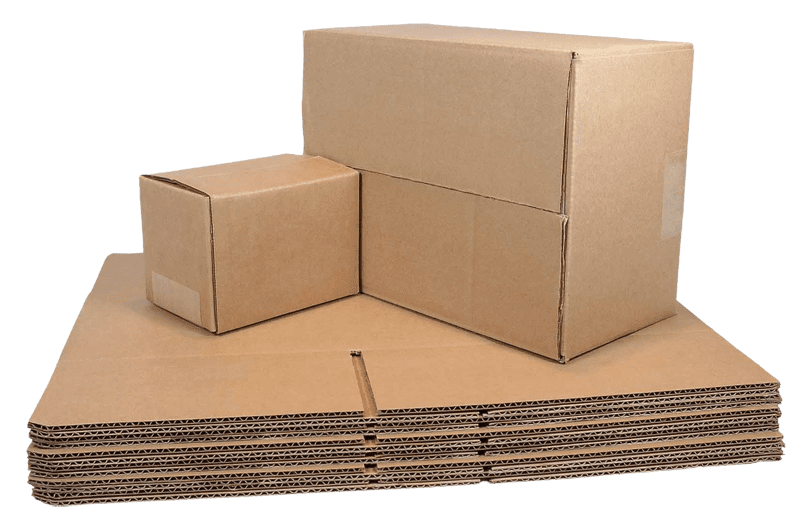
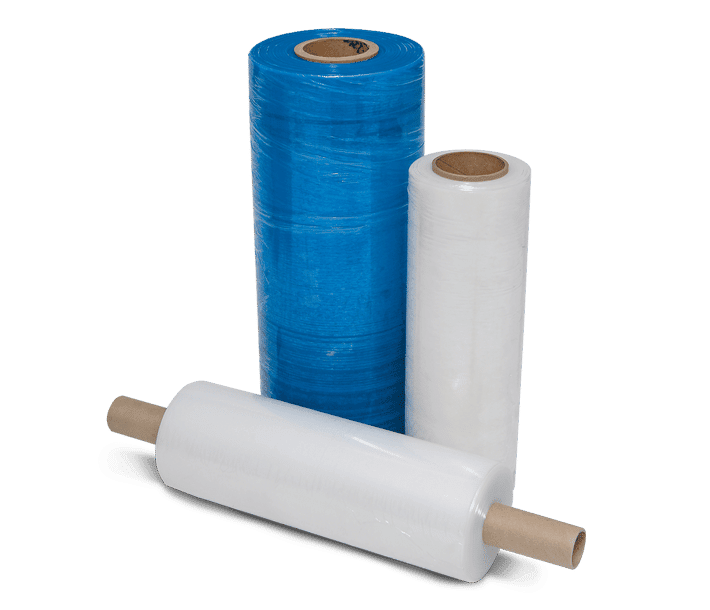
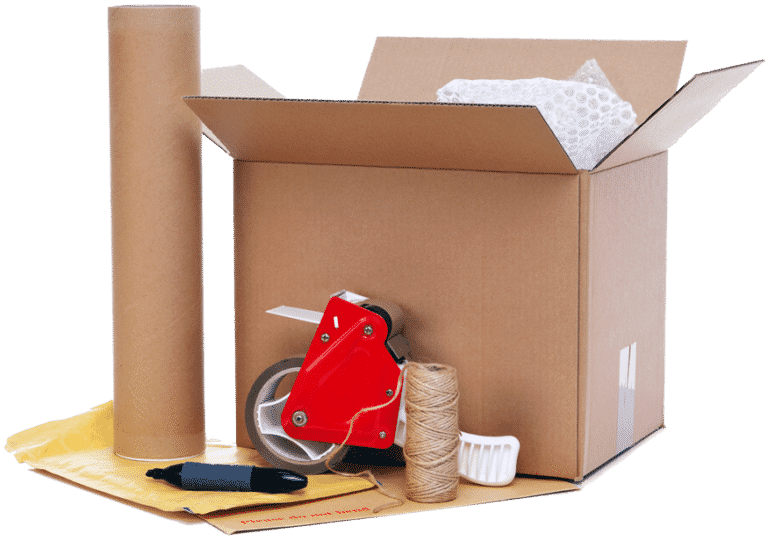
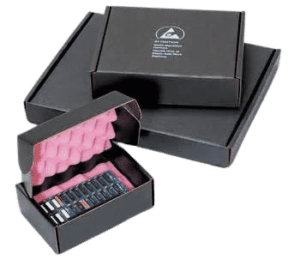
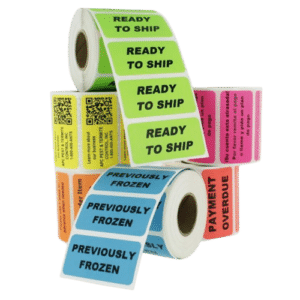
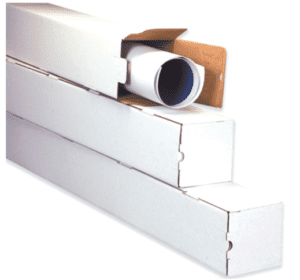
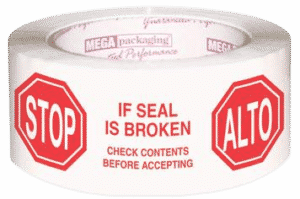
We supply businesses with a wide selection of essential packaging, shipping, and warehouse supplies. Get any standard packaging product by dimension or style from boxes, tubes, tapes, labels, and more. If you are unsure on what type of packaging you will need, then contact us for an expert consultation.


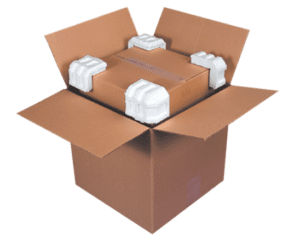
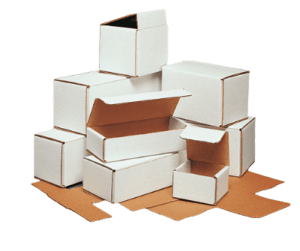
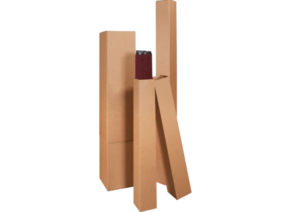
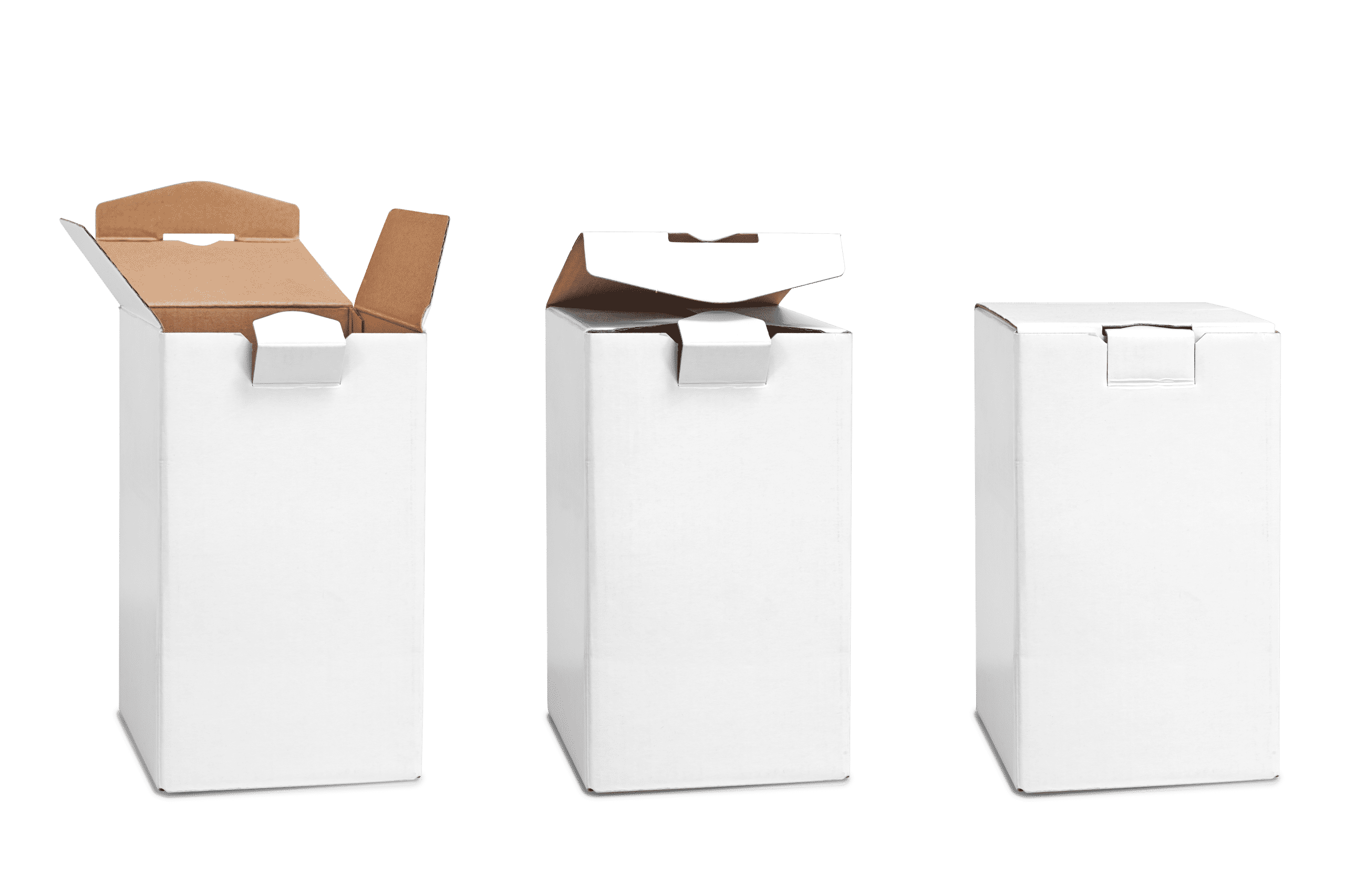
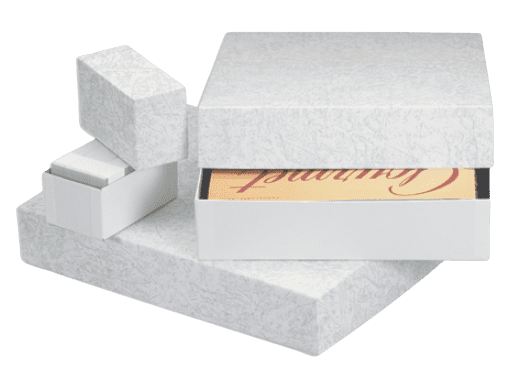
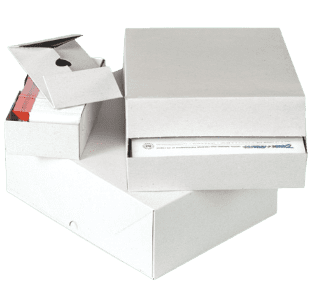
Stock packaging refers to pre-made, ready-to-ship packaging solutions like corrugated boxes, mailers, and protective materials that are designed to meet a wide range of standard needs across shipping, retail, and storage. Unlike custom packaging, stock options offer quick availability and reliable protection without the need for extensive design or production time, making them ideal for businesses needing efficient, high-quality solutions with fast lead times.
At Brown Packaging, we focus on providing durable, performance-driven stock packaging that supports our clients’ operational needs. Our stock products are sourced to ensure consistent quality and cost-effectiveness, offering a practical solution to keep operations running smoothly and on schedule. With an emphasis on reliability, we help our clients quickly access packaging solutions that meet their specific needs while maintaining quality across every order.
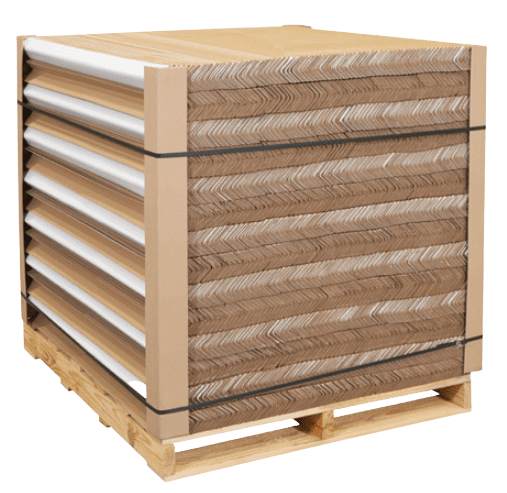
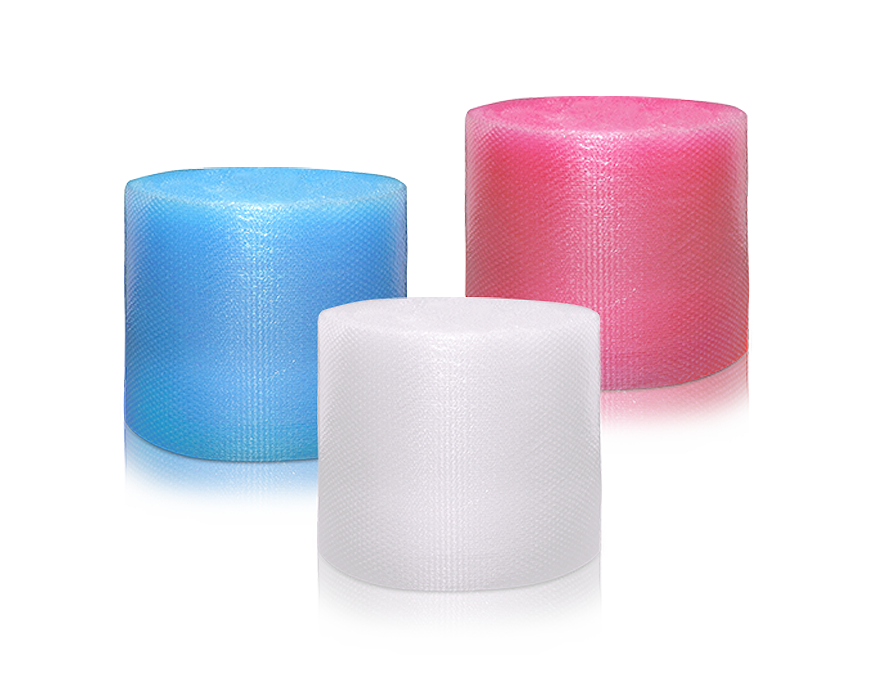
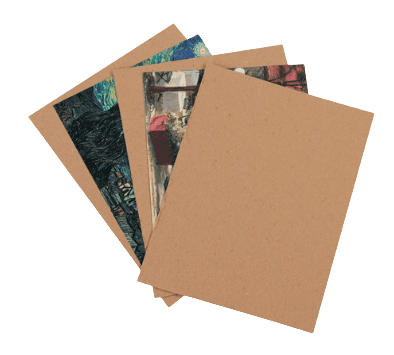
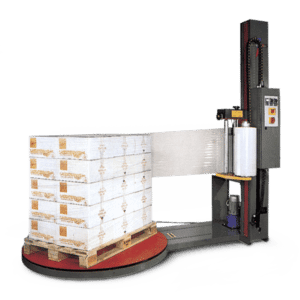
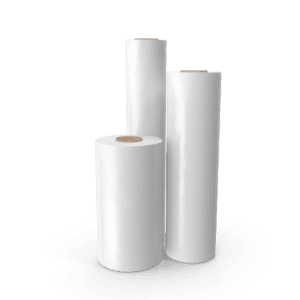
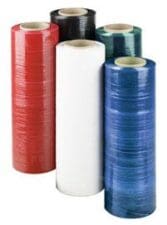
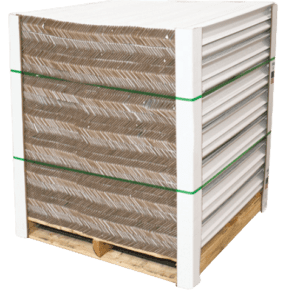
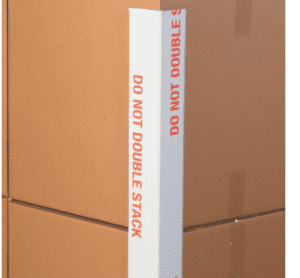
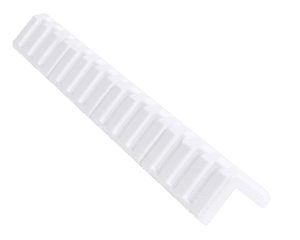
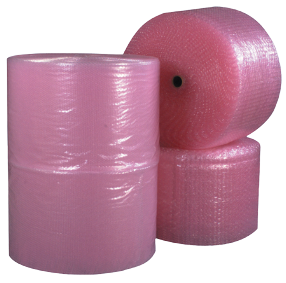
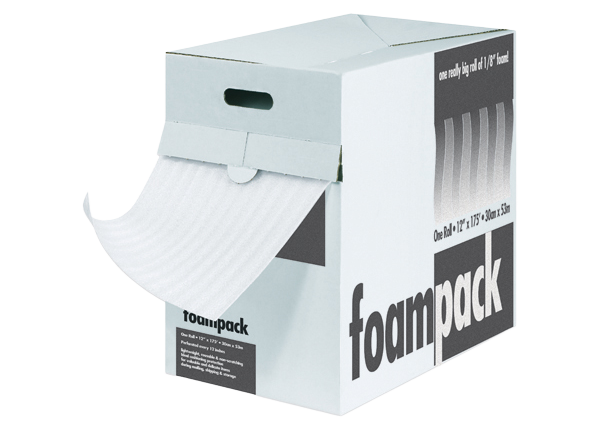
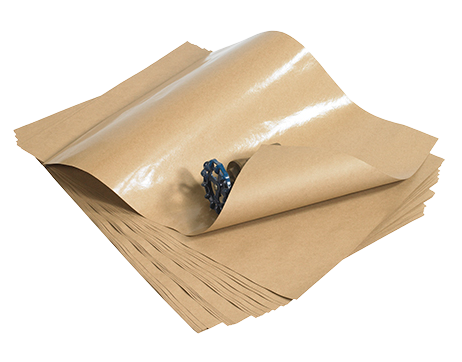
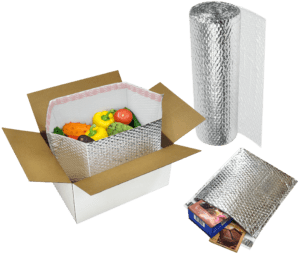
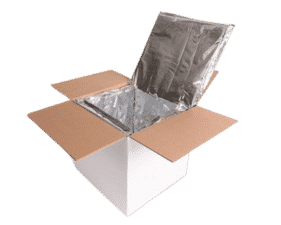
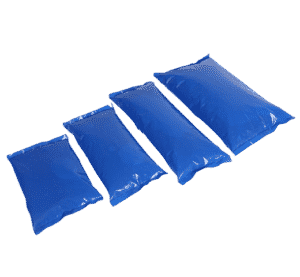
Our stock packaging products, from corrugated boxes to stretch film, offer a wide selection, including essentials like tape, edge protectors, labels, and more, with quick turnaround times to meet your packaging needs efficiently.


If you need any assistance with your packaging or have a question, then contact us directly at request@brownpackaging.com or (714)300-0650. Learn more about custom packaging by reading our blog posts on new and trending topics.

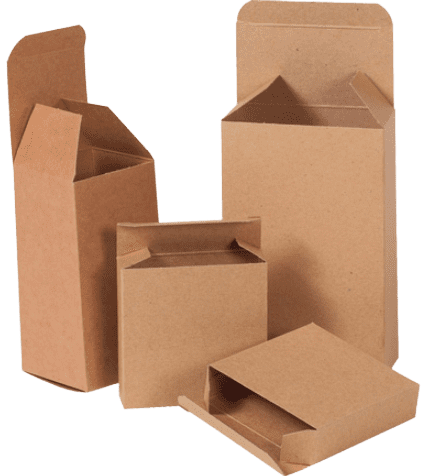
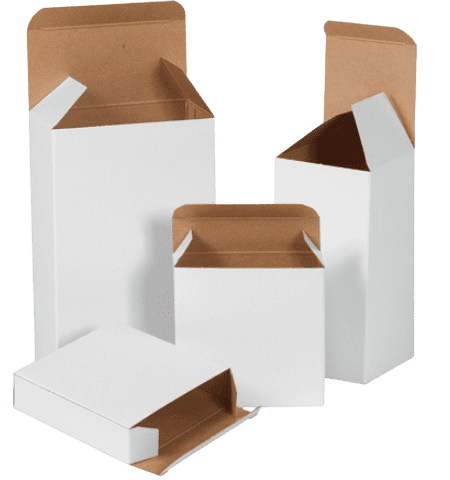
When browsing a retail store many of us have probably noticed that most products are packaged in a box, whether they are on the shelf or on a retail display. These boxes are known as corrugated boxes and folding cartons. If you are looking to package your products in a box for retail, then you should know differences between the two and when you should use them. What is a Folding Carton and Why is it Used in Retail A folding carton is made with thin, lightweight, and inexpensive chipboard and paperboard materials. Folding cartons can be manufactured in a variety of different styles such as straight tuck end (STE), reverse tuck end (RTE), roll end tuck top (RETT), full seal end, auto bottom and other styles. In addition to style, these boxes can vary in strength and thickness in material and in customization, which makes it versatile in use. A folding carton’s versatility enables it to be used in retail for a wide variety of packaging applications for lightweight and inexpensive products such as snacks, face masks, trading cards, cosmetics, electronic accessories, and other products. Brands can customize the design of folding cartons with their logo, product information, colors and more, in addition to how the printing methods and finishes applied to the box. For extra protection, inserts may be added to a folding carton. Benefits of a Folding Carton from a Retail Perspective Many companies selling in retail prefer to package their products in folding cartons due to its customization, low cost, storage, and shelf friendly features. In addition, these boxes can be made with sustainable material which is a growing requirement from retailers. Customization of a folding carton enables brands to structurally design their package to their product, which is often required by many retailers to optimize space of the product on the shelf. Folding cartons require less material, which makes it much more cost effective and waste friendly than corrugated boxes. Generally, these boxes can be manufactured to lay flat or folded to optimize storage space. These boxes can also be customized to fit on most retail fixtures by being stacked or by being hung through a hanger hole. What is a Corrugated Box and Why is it Used in Retail These boxes are made with corrugated material, often called cardboard, which consists of at least three layers: outside and inside fiberboard layers and a middle flute. These boxes are much stronger, and durable compared to folding cartons. They are used in retail for shipping and product display applications. Like a folding carton, corrugated boxes are versatile and available in a variety of styles such as regular slotted container (RSC), half slotted container (HSC), full overlap (FOL), roll end tuck top (RETT), and other styles. Corrugated material is available in a variety of thicknesses and strengths. These boxes are highly customizable and can help a retail product stand out on the shelf with graphics, finishes and high-quality print options. Typically, corrugated boxes in retail are used to package bulk, fragile and medium to heavy weight products such as appliances, TVs, computers, bikes, toys, shoes, and other consumer goods. For extra protection inserts can be placed inside the box. Benefits of a Corrugated Box from a Retail Perspective Corrugated boxes offer superior protection and strength compared to folding cartons. Brands often used these types of boxes to package much more expensive products, as these boxes can be made to look higher end in design. Despite using more material than a folding carton, corrugated material can still be sustainable and recyclable. Which to Choose Folding Carton or Corrugated Box for Retail Packaging? Often a retailer will regulate or require you to package your product in a certain way, whether it is by a corrugated box, folding carton, poly bag or by another type of packaging. However, if you are given the choice to select either a folding carton or a corrugated box, then you should select it based on your product. You should choose a folding carton if you are packaging an invaluable, non-fragile, lightweight, or small product. This will give you the most cost-effective solution for your product while maintaining adequate structural integrity to support your product. You should select a corrugated box for your retail packaging if your product is moderate to heavy weight, fragile or bulky. This will give you more secure packaging for your product which will limit inventory loss. Both boxes are highly customizable and versatile in use. If you are interested in custom retail packaging, folding cartons or corrugated boxes, then contact Brown Packaging today to get started. We help companies launch new products into retail and optimize existing ones. (714)300-0650 request@brownpackaging.com Most Recent Posts: Categories: Corrugated Folding Carton Display Packaging Rigid Box Subscribe To Our Newsletter By submitting your information, you agree to our terms and conditions and privacy policy. Custom Corrugated Boxes Facebook Twitter LinkedIn Pinterest Relevant Posts

Finding the right packaging supplier for your business can be challenging, as there are many companies to choose from. Suppliers vary in quality of service and products in addition to lead time, expertise, cost, capabilities, and product selection. As a result, it is best to partner with a company that is the best fit for your project. To select the right packaging supplier for your company, you are going to have to invest time in understanding your project needs, screening potential prospects, and determining which company you feel most comfortable working with. To help guide you along the selection process, we have created 3 tips you should follow in selecting the right packaging provider. Understand Your Packaging Project Determine Whether You Need Custom or Stock Packaging Set A Packaging Budget Set Project Deadline Evaluate and Compare Prospective Packaging Suppliers Determine Whether You Need a Manufacturer or Distributor Learn About Prospective Packaging Companies Ask Questions Consider Their Location Examine Reviews Select The Packaging Company That Is the Best Fit Understand Your Packaging Project The first thing you want to do before looking for a packaging supplier is to understand your project. What are your goals and what are you trying to achieve in addition to what product or products are you looking to package. Brainstorm with your team and do research on products like yours. The better idea you have on your requirements can help you establish what you are looking for in a packaging supplier. To understand your project, you should at least know whether you need custom or stock packaging, the budget allocated for this project and have begun planning your logistics and warehousing for the final product packaging. Determine Whether You Need Custom or Stock Packaging Not all packaging is readily available on the shelf or even in the market. This is because a good portion of the packaging created is custom made, while the other is stock. Stock packaging is readily available for purchase. It is much cheaper than custom, but is only available in limited sizes, usually the most common. Most types of packaging are available in stock such as corrugated boxes, pouches, tapes, labels and more. Stock products often appear plain without any finishes, graphics, or print. Custom packaging is not readily available as it must be created through a process. Depending on the quantity custom products may be more expensive but are much more flexible in size, shape, features, and design. Many businesses utilize custom packaging to optimize their efficiency, produce sales and improve branding. Try to determine whether you need custom or stock packaging. If you are still unsure about what type of packaging you will need, then speak to multiple packaging companies about your solutions. Set A Packaging Budget Unless you are experienced or a routine customer of a packaging supplier, you will not know the market cost for your type of project. This doesn’t mean you cannot set a budget now and change it later, but it can serve as a guideline to what you are looking to spend. When developing your project’s budget, you should consider as many factors as you possibly can such as the type of packaging, volume, and freight. Your budget will dictate which packaging provider will work with you, as most suppliers tend to have order minimums to cover costs. If your budget is low, then the availability of packaging suppliers will be lower. If you have a decent to large budget for your project, then you can pretty much work with any packaging supplier on the market that can accommodate your demand. Usually, these businesses are business to business (B2B) packaging providers. For custom projects, products not being readily available may limit your selection of suppliers as large orders can overwhelm production of smaller manufacturers. In addition, some manufacturers may not even have adequate machinery to produce your packaging, which can lead to high costs and longer lead times. Set Project Deadlines Some packaging projects are time sensitive. Maybe you need to refill your inventory, give a presentation with product samples or you just do not want to wait forever to get your product. As a result, you should always establish a deadline for your project and hold your packaging supplier accountable for meeting those deadlines. Not every packaging provider has the same capabilities and resources to fulfill your orders within a desired timeline. You should keep this in mind when evaluating and comparing prospective packaging suppliers you want to work with. Evaluate and Compare Prospective Packaging Suppliers Packaging companies vary from one another by the services and products, quality and price, capabilities, experience, expertise, and other factors. To effectively know whether a packaging supplier is right for you, you must evaluate and compare them. First you want to determine whether you need a manufacturer or a distributor. This will help narrow down which packaging providers you will consider and learn about. Ask questions to learn more about what a company can offer you. Take into consideration their location as it may affect logistic costs and lead time. Lastly, you want to look over any company reviews or testimonials to develop a reliable perspective on what to expect working with this supplier. Determine Whether You Need a Manufacturer or Distributor A packaging manufacturer and a distributor are two different types of suppliers. Choosing the correct one will help eliminate any confusion and streamline your packaging process without creating unnecessary delays and expenses. Before you select one, learn the differences between the two. Manufacturers are limited to their machines, which only enables them to produce a very limited number of products. For example, if you were getting a corrugated box manufactured from them and need a foam insert, you will have to purchase the foam insert separately from another manufacturer. Manufacturers are also limited in print options and other custom design features, depending on their machinery. A distributor partners with a network of manufacturers to produce packaging. Distributors offer much more flexibility than manufacturers by

Taking your packaging’s design from concept to completion can seem rather complex and challenging for those that are new to the packaging design process. Everyone wants to design a packaging that enhances their product, conveys their brand message, converts sales, and improve brand reputation. However, packaging design does require a lot of planning, expertise, and creativity to fulfill your custom packaging goals. Successful packaging designs offer users additional value to their product by appealing to the packaging’s accessibility, functionality, attractiveness, protection, and other features. To help put you on the right path in achieving your business goals, you should always consider these 6 factors when looking to design a package: Your Unique Selling Proposition Sales Channel Material Structural Design Graphic Design Budget and Costs Your Unique Selling Proposition A unique selling proposition is how you position your brand as unique compared to competitors whether it’s by price, quality, convenience, or something else. Essentially, your packaging design should reflect your brand, as maintaining a consistent message to consumers is important for branding. Your unique selling proposition should be considered when selecting the type of packaging product, material, graphics, and structural design. For example, if your brand is known for selling budget friendly consumer products, then you may want to invest in more cost-efficient solutions. On the other hand, if you are looking for more luxury or quality, then your packaging design should emphasize quality. There are a wide range of packaging products, materials, print options, and more to address any unique selling proposition. Speak to a packaging specialist, to get the best packaging that reflects your brand. Sales Channel A sales channel refers to where you will be selling your packaging, as the place of sale has a lot to do with consumer standards and regulations. Ecommerce, retail, and club stores each have their own consumer expectations and industry standards for a packaging’s design. By knowing your sales channel, you can focus more on creating a better packaging design. For example, retailers tend to focus their packaging on being highly attractable to acquire consumers, while club stores are more focused on bulk and quantity packaging. Ecommerce packaging usually emphasizes the packaging experience for a customer, as they want to leave a great post purchase impression for a customer. By considering your sales channel at the start of your packaging’s design can help you bring your product to market quicker. Material Material plays a large role in the structural integrity, functionality, and presentation of your packaging. Choosing the correct material can be critical in the message you send to your customer as material can vary based on price, quality, durability, shelf-life, sustainability and more. Material options will vary among different packaging options such as: corrugated boxes, folding cartons, pouches, rigid boxes, blister packs, and others. It is best to consider your unique selling proposition, sales channel and product when selecting your packaging’s material. Structural Design Structural design refers to the dimension and shape of your packaging. If you are packaging a box or display, then it will impact how they will fold. It impacts the durability, material costs, structural integrity, and protection of your product. To limit damaged products, you should carefully consider your packaging structural design as it will limit products from shifting or falling and becoming damaged. In addition, it can affect how your packaging stands or is stored on a shelf. It may also affect how friendly your package is in storage and in shipping. Optimize your packaging by carefully considering its structural design. Graphic Design Graphic design or artwork helps you communicate with your audience with images, colors, product information, branding and more. Essentially, it plays in the marketability of your product. Depending on your sales channel, budget, and market may warrant you to heavily consider your graphic design. Additionally, you will want to look at alternative print options as they will affect your overall graphics. Finishes such as (gloss, foil, soft touch, etc.) can be added to your packaging to improve its visual and marketability. Budget and Costs Packaging can greatly vary in price depending on the material, structural design, graphic design, print options and other factors. As a result, you should develop a budget for your project. Budgets will help keep you from spending too much on your packaging as well as help you prioritize what matters most. One thing to consider is the cost of packaging versus the product price. Essentially, the product should be far more valuable and expensive than the packaging. If your packaging exceeds the price of your product or even comes close to it, then your product will not be attractive price wise to your customers. You may have to consider at your sales channel, unique selling and industry when developing your project’s budget. Remember that your packaging needs to be strong and durable enough to protect and support your product. It is best for you to compare multiple material and design options as it will affect your overall budget. How To Optimize Your Packaging’s Design To optimize your packaging’s design, you should partner with a packaging expert that is experienced in projects like yours. If you do not have a packaging expert currently, then partner with Brown Packaging today. We have over 30+ years of helping a wide range of industries optimizing their packaging’s design. (714)300-0650 request@brownpackaging.com Most Recent Posts: Categories: Corrugated Folding Carton Display Packaging Rigid Box Subscribe To Our Newsletter By submitting your information, you agree to our terms and conditions and privacy policy. Custom Packaging Facebook Twitter LinkedIn Pinterest Relevant Posts