



Stock Packaging
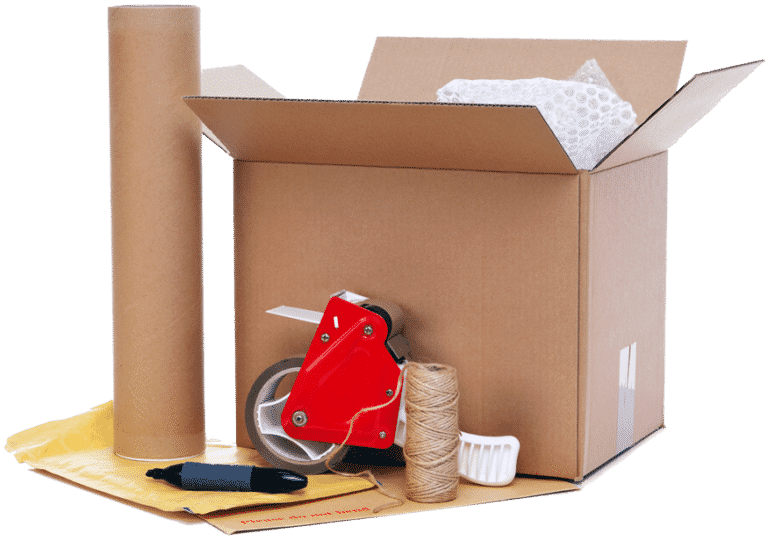
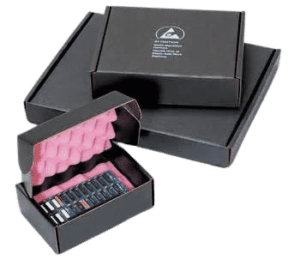
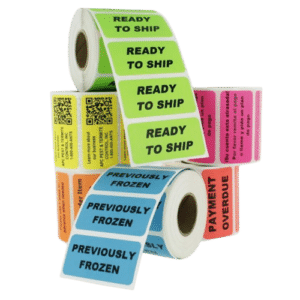
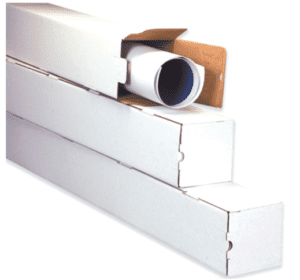
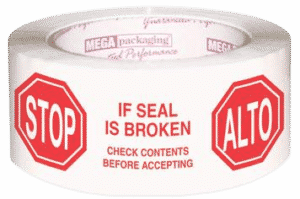
We supply businesses with a wide selection of essential packaging, shipping, and warehouse supplies. Get any standard packaging product by dimension or style from boxes, tubes, tapes, labels, and more. If you are unsure on what type of packaging you will need, then contact us for an expert consultation.


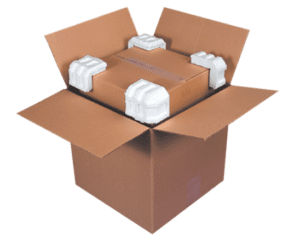
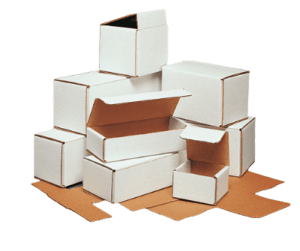
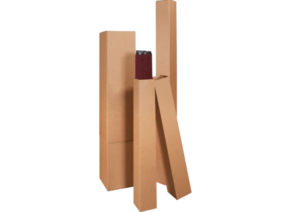
Stock packaging refers to pre-made, ready-to-ship packaging solutions like corrugated boxes, mailers, and protective materials that are designed to meet a wide range of standard needs across shipping, retail, and storage. Unlike custom packaging, stock options offer quick availability and reliable protection without the need for extensive design or production time, making them ideal for businesses needing efficient, high-quality solutions with fast lead times.
At Brown Packaging, we focus on providing durable, performance-driven stock packaging that supports our clients’ operational needs. Our stock products are sourced to ensure consistent quality and cost-effectiveness, offering a practical solution to keep operations running smoothly and on schedule. With an emphasis on reliability, we help our clients quickly access packaging solutions that meet their specific needs while maintaining quality across every order.
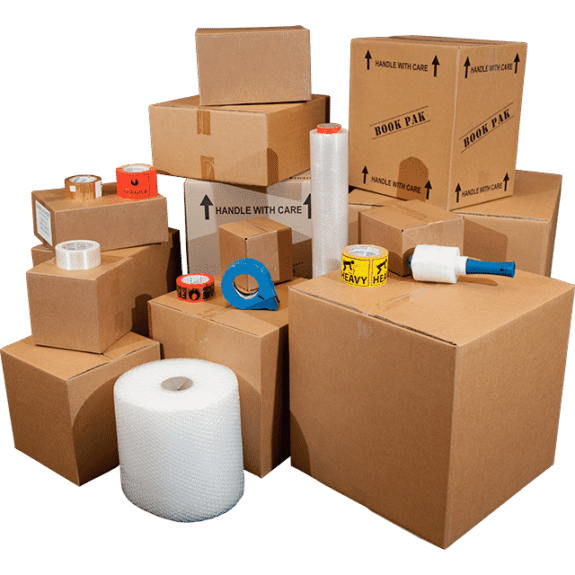
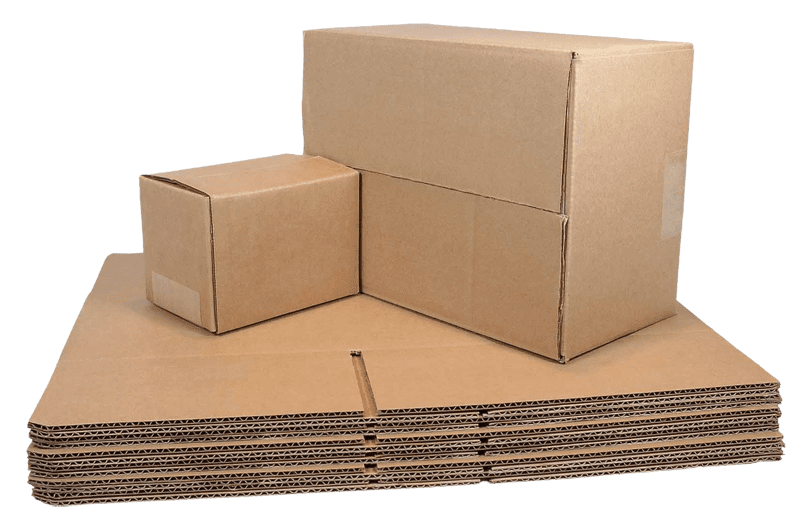
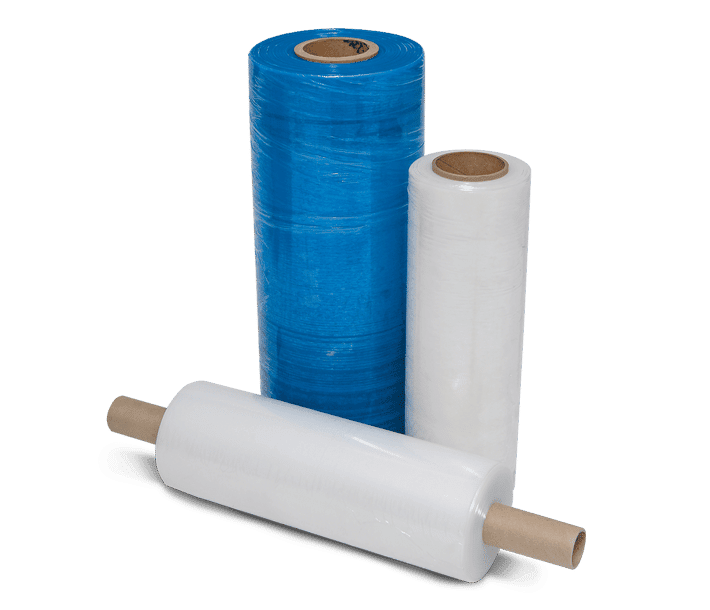
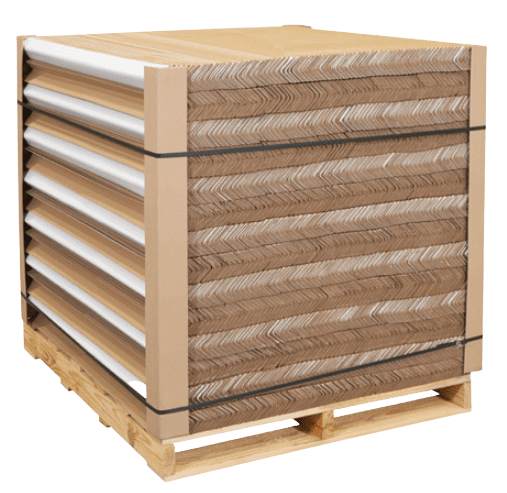
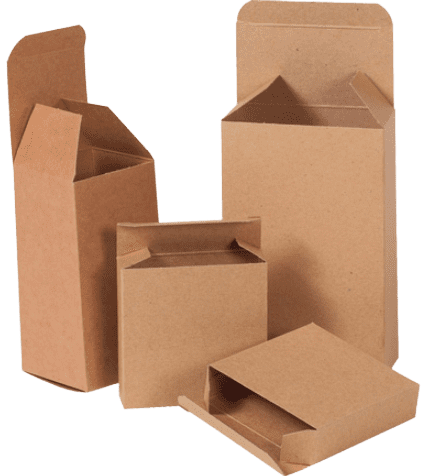
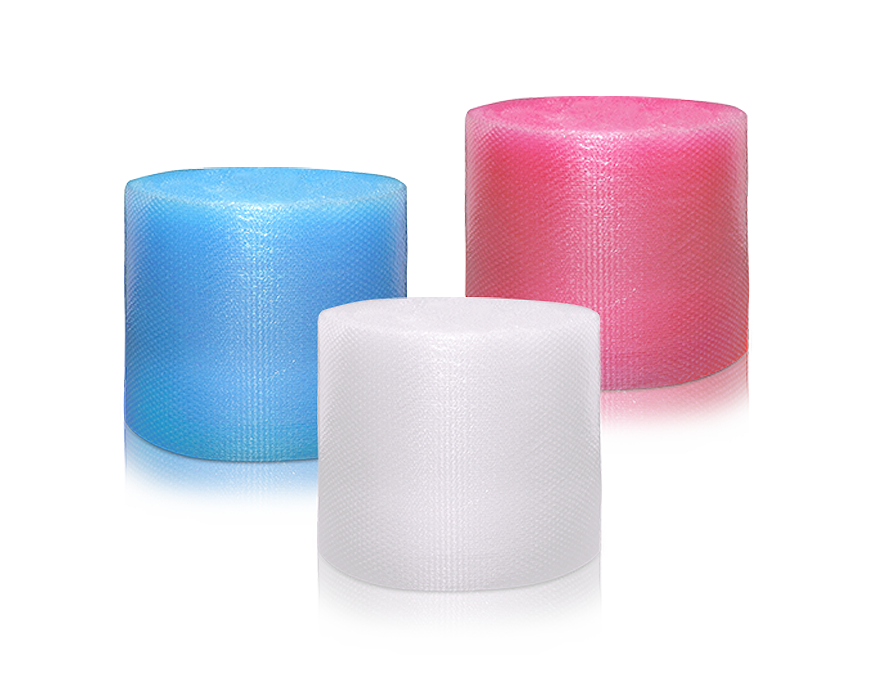
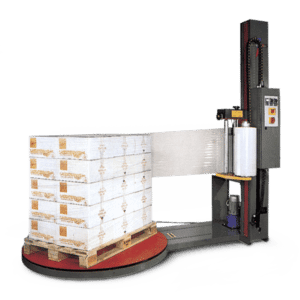
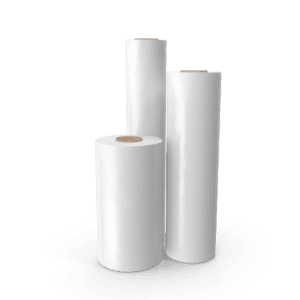
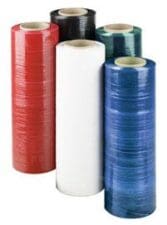
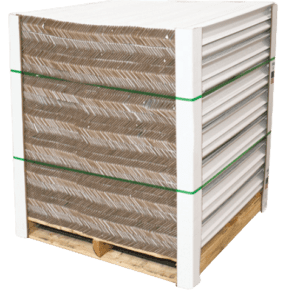
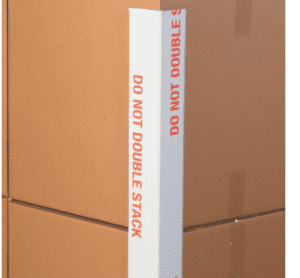
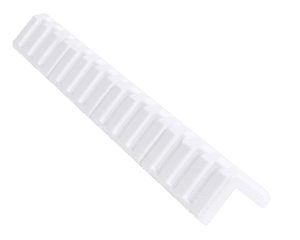
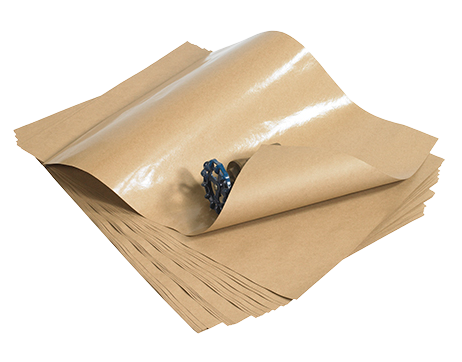
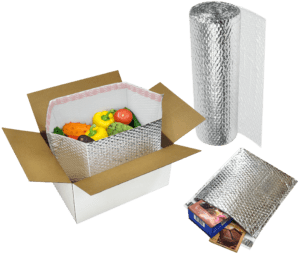
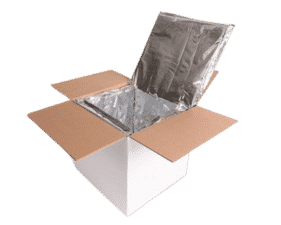
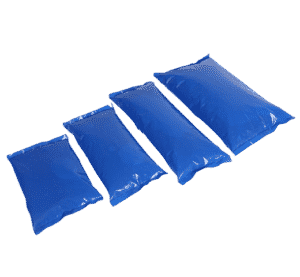
Our stock packaging products, from corrugated boxes to stretch film, offer a wide selection, including essentials like tape, edge protectors, labels, and more, with quick turnaround times to meet your packaging needs efficiently.


If you need any assistance with your packaging or have a question, then contact us directly at request@brownpackaging.com or (714)300-0650. Learn more about custom packaging by reading our blog posts on new and trending topics.

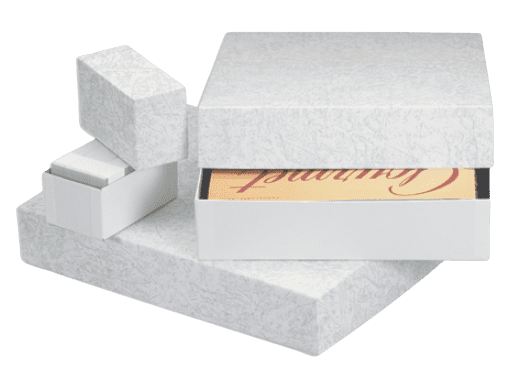
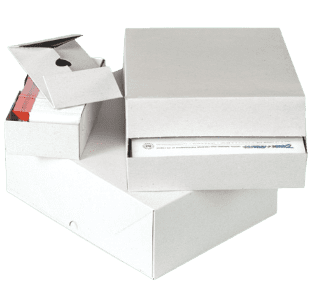
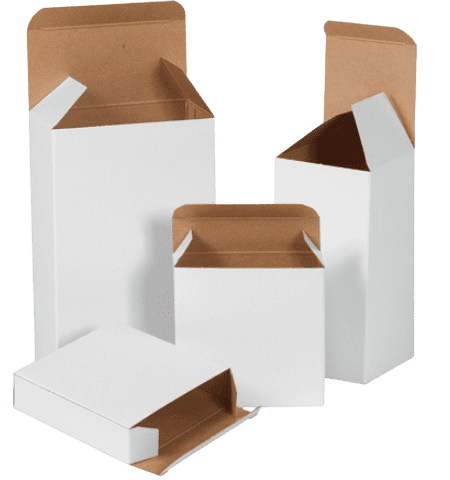
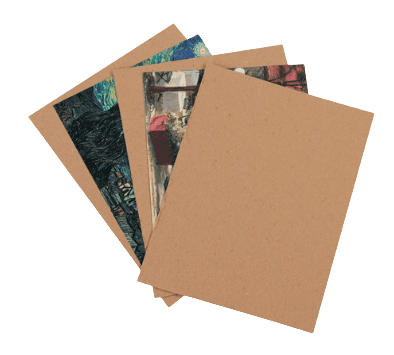
What is Chipboard? Chipboard is made from small wood particles mixed with resin, binders and other additives, which is then pressed together under high temperature with high amounts of pressure. It is thicker than normal paper, but doesn’t have flutes like corrugated boxes. Chipboard normally comes in a single layer material, but it can come in a variety of thicknesses dependent on your packaging needs. This type of packaging is not meant for shipping purposes, it is best used for small consumer goods. For the purposes of this blog SBS, CCNB, CNK, SUS, and other similar products are included in this chipboard category. Advantages: Cost Efficient: Lower production and shipping cost. Better for Storage: Takes up less space when being stored compared to other packaging products. Printing: Ideal for design and customization and can be directly printed on. Flexible: Easier to cut, fold and shape due to thinner material. Protection: The density of the material gives strength and protection against possible damage. Environmental Factors: It is made from recycled material. The energy used to create this product is far less than other packaging options. Disadvantage: Chipboard cannot hold heavy or fragile Items and does not offer as much protection compared to other materials like corrugated. What are Common Chipboard Applications? Chipboard is best suited for retail and lightweight displays because this material can be cut and folded into different sizes and thicknesses. Since it is easily customized and printed directly on, it allows for pictures and high-quality designs to be printed directly on the chipboard surface, as opposed to needing secondary labels. It is best used for lightweight and less valuable products due to it not being as strong as corrugated material. Most packaging seen in retail is chipboard material. Examples of this include packaging food, beauty products, pharmaceuticals and other retail items. What are the Chipboard Packaging Products? Folding cartons: Thin flexible paperboard or chipboard cartons used in packaging lightweight products. There are several different folding carton styles some being; Straight Tuck End, Reverse Tuck End, Auto Bottom, Full Seal, Shelf Displays and many other styles. Setup Boxes: Premium two-piece boxes used to protect luxury items. Inserts: Protect items and prevent them shifting from fulfillment to completion. Pads: Used to provide products with extra protection and separate layers. Straight Tuck End (STE) Folding Carton with hanging tab Setup Box (Rigid Box) Inserts Pads Is Chipboard Right for your Packaging needs? Deciding which packaging material will work best for your business needs is an important decision. You must take many factors into consideration when weighing your options. If you are looking for a light weight, cost efficient, highly customizable, and ecofriendly packaging option, then chipboard might be the best option for your packaging needs. If you are needing help deciding if chipboard is the right packaging material for you, contact Brown Packaging today and one of our packaging specialists will assist you. (714)300-0650 request@brownpackaging.com Most Recent Posts: Categories: Corrugated Ecommerce ESD Design Display Flexible Packaging Foam Folding Carton Packaging Plastic Packaging Pouch Printing Protection Retail Rigid Box Thermoform Sustainability Subscribe To Our Newsletter By submitting your information, you agree to our terms and conditions and privacy policy. Custom Folding Cartons Facebook Twitter LinkedIn Pinterest Relevant Posts

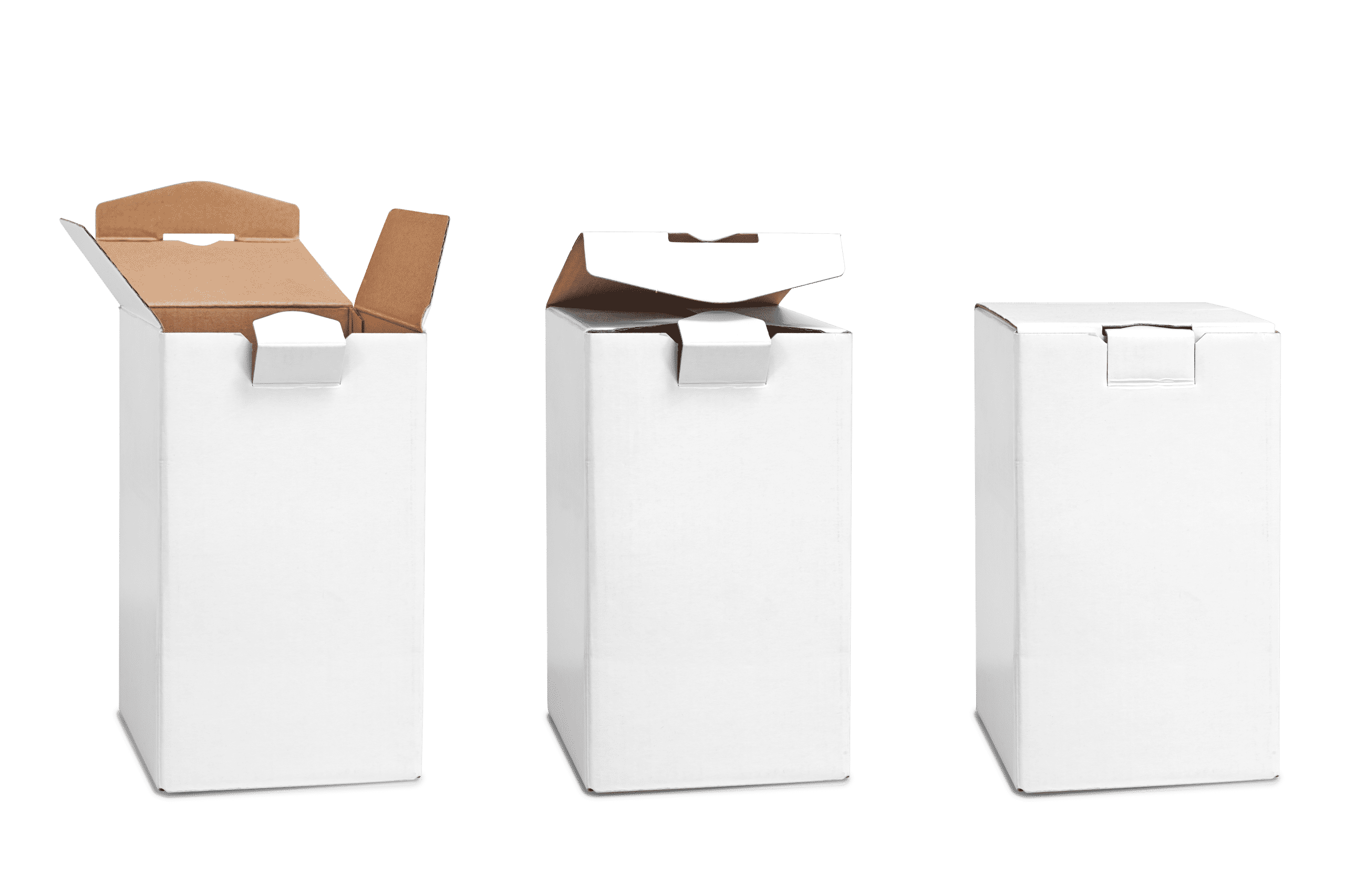
Solid Bleached Sulfate (SBS), often used under the umbrella term “paperboard,” is a common packaging material used in North America to package everyday consumer good products such as personal care, pharmaceuticals, snacks, confectionery, electronics, and other items. Typically, SBS material is used to manufacture folding cartons in addition to pads and packaging inserts. What is Solid Bleached Sulfate? SBS material is manufactured from hardwood and chemically pulped fibers that are bleached, refined, and formed into one or multi-ply board on fourdrinier-type paperboard machines. Once processed, the material is produced in to double sided white plain sheets. They are coated 1 side or both sides. Coating helps to create a better surface for printing. It can be manufactured into a variety of densities to help manage material costs and strength required for product support. Solid Bleached Sulfate Properties SBS folding cartons have an ultra-smooth surface since the material is made with short hardwood fibers that are coated and polished, which makes a high level of quality offset lithography, flexography, and digital printing. SBS material is extremely versatile, high in quality and can be used for films, metalized foil laminations, embossing and other finishes, gluing and high-speed filling. In addition, this material can easily be manufactured in to a folding carton as it can be cleanly cut and printed with high speed. Solid bleached sulfate is typically more costly to produce than other folding carton materials such other paperboard substrates. The durability of SBS folding cartons is adequate to hold small and lightweight items for long periods of time. However, overtime the material is susceptible to yellowing if exposed to sunlight or UV rays. Despite have good stiffness and compression capabilities, SBS folding cartons are not the most prominent in being tear resistant. Solid Bleached Sulfate Folding Carton Applications SBS folding cartons are highly versatile and made with quality material which makes it popular in a wide variety of packaging applications. However, due to its durability and strength limitations, SBS folding cartons are primarily used to package non-expensive, nonfragile, lightweight, and small items. SBS folding cartons can come in many styles to help accommodate products. The most popular styles include straight tuck end (STE), reverse tuck end (RTE), auto bottom and full seal. See images below to compare the visual differences between the styles. Straight Tuck End (STE) Folding Carton with hanging tab Reverse Tuck End (RTE) Folding Carton with locking tab Auto Bottom Folding Carton Full Seal Folding Carton Many industries such as food, electronic, medical, cosmetic use these folding cartons to display, ship and protect their products, as SBS material provides an ultra-surface and high-quality print options. Common food packaging applications include: snacks, confectionary, cereal, bakery products and other items. For food applications, there are versions which are laminated with poly film for grease resistance. Electronics packaging applications consist of accessories, toys, devices and more. Medical applications include medicine, devices, and other consumer goods. Beauty and personal care products supply such as eyeshadow, lipstick, lotion, face cream, serums and oils are packaged into SBS folding cartons. Summary: Solid Bleached Sulfate Folding Cartons Ultimately, SBS folding cartons are extremely versatile in customization and are primarily used by different industries to package a wide variety of items in highly competitive retail environment with its high visual graphics and smooth quality surface. If you are interested in folding cartons, bringing your product to retail or improving an existing product’s packaging, then contact Brown Packaging today to get started. (714)300-0650 request@brownpackaging.com Most Recent Posts: Categories: Corrugated Folding Carton Display Packaging Rigid Box Subscribe To Our Newsletter By submitting your information, you agree to our terms and conditions and privacy policy. Custom Folding Cartons Facebook Twitter LinkedIn Pinterest Relevant Posts

Today, more and more brands are switching to sustainable packaging options to improve their social responsibility to the environment and to meet any regulation or requirements imposed on them. As a result, many buyers are now becoming more aware and concerned about how their packaging is made and whether or not it is recyclable. For the purpose of this blog, we will thoroughly explain what corrugated packaging is made of and why it is recyclable. Corrugated Material Explained Corrugated, often mistaken for cardboard, is compressed fiberboard consisting of multiple layers. Fiberboard material is made up of wood chips from a pine pulp tree that is quickly grown. The number of layers is determined by the desired thickness and strength of the material: 2 (single face), 3 (single wall), 5 (double wall) to 7 (triple wall). Single face consists of a fiberboard and flute layer. Flutes consist of air chambers that provide additional cushioning to the material. Single wall consists of an outside and inside layer of fiberboard with a middle flute. Double wall consists of 3 fiberboard layers and two flutes, and triple wall consists of 4 fiberboard layers and 3 flutes. Corrugated Recyclability Explained Corrugated packaging products such as boxes, displays, edge protectors, inserts, and others are often advertised and described as recyclable. This is true, since corrugated material is produced from natural materials it can be recycled or naturally decomposed back into the environment. How To Recycle Corrugated Materials Out of all packaging materials, corrugated is among the most successful and frequently recycled materials in the world, as it is quite simple to recycle. It can be recycled by having it placed in the recycling bin or by taking it to a recycling center where it will be reprocessed. Corrugated packaging must be prepared and broken down prior to recycling. This may involve removing any non recyclable materials from the cardboard such as foam, plastic, bubble wrap, wood, tapes and other materials. Corrugated packaging such as boxes or displays need to be broken down with all flaps extended and pressed flat. Once flattened, corrugated can now be recycled at the curbside recycling pickup. If you are taking your material to a recycling center, then make sure you are disposing it in the correct bin. If you are recycling in large quantities then it may be best to use a bale to flatten boxes, which can greatly improve your transportation efficiency. For more flexibility and hassle free recycling, many businesses with huge quantities of recycled corrugated materials use automatic compact and balers to streamline the process. When You Should Not Recycle Corrugated Materials In most cases you should be able to recycle your corrugated packaging, however there are few exceptions. For example, food and beverages can spoil corrugated material if it has made direct physical contact. Pizza boxes, take out containers, frozen containers and other food packaging is often not recycled due to food residue or damage to the corrugated material. Some inks used to print corrugated materials with graphics, logos and colors may not be recyclable. Tapes and adhesives on a box must be removed or cut out as the material will not be recycled nor is it compatible with the recycling process. Failure to follow these recycling guidelines can result in ruined recycling materials for entire batches. Interested in Sustainable Corrugated Packaging? At Brown Packaging, we supply businesses with stock and custom corrugated packaging for boxes, displays, edge protectors and more. We have over 30+ years of experience providing businesses with sustainable packaging solutions. Partner with us today to limit your carbon footprint on the environment. (714)300-0650 request@brownpackaging.com Most Recent Posts: Categories: Corrugated Folding Carton Display Packaging Rigid Box Subscribe To Our Newsletter By submitting your information, you agree to our terms and conditions and privacy policy. Custom Corrugated Boxes Facebook Twitter LinkedIn Pinterest Relevant Posts