




window.uetq = window.uetq || []; window.uetq.push(‘event’, ‘submit_lead_form’,{ event_label:‘SUBMIT MESSAGE’ }); window.lintrk('track', { conversion_id: 10271009 }); window.lintrk('track', { conversion_id: 10271017 });

Stock Packaging

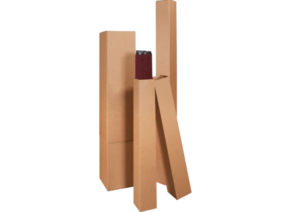
We supply businesses with a wide selection of essential packaging, shipping, and warehouse supplies. Get any standard packaging product by dimension or style from boxes, tubes, tapes, labels, and more. If you are unsure on what type of packaging you will need, then contact us for an expert consultation.


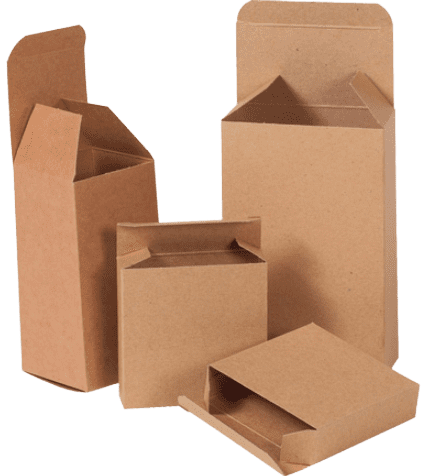
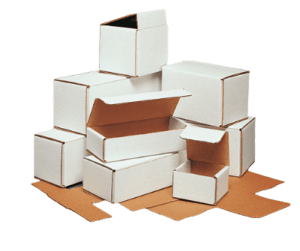
Stock packaging refers to pre-made, ready-to-ship packaging solutions like corrugated boxes, mailers, and protective materials that are designed to meet a wide range of standard needs across shipping, retail, and storage. Unlike custom packaging, stock options offer quick availability and reliable protection without the need for extensive design or production time, making them ideal for businesses needing efficient, high-quality solutions with fast lead times.

At Brown Packaging, we focus on providing durable, performance-driven stock packaging that supports our clients’ operational needs. Our stock products are sourced to ensure consistent quality and cost-effectiveness, offering a practical solution to keep operations running smoothly and on schedule. With an emphasis on reliability, we help our clients quickly access packaging solutions that meet their specific needs while maintaining quality across every order.

stock packaging products

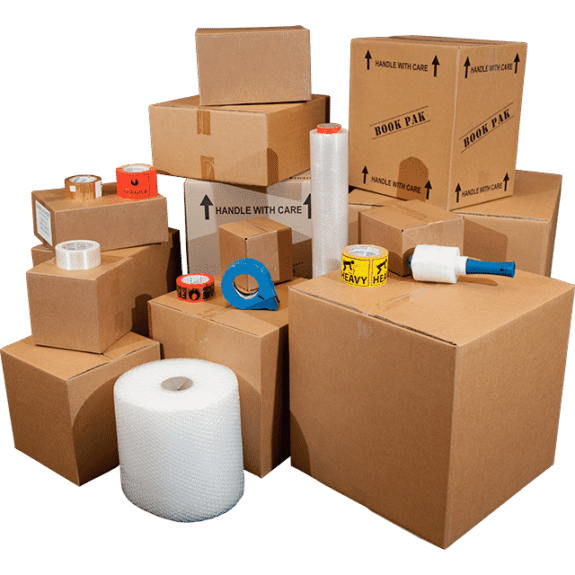
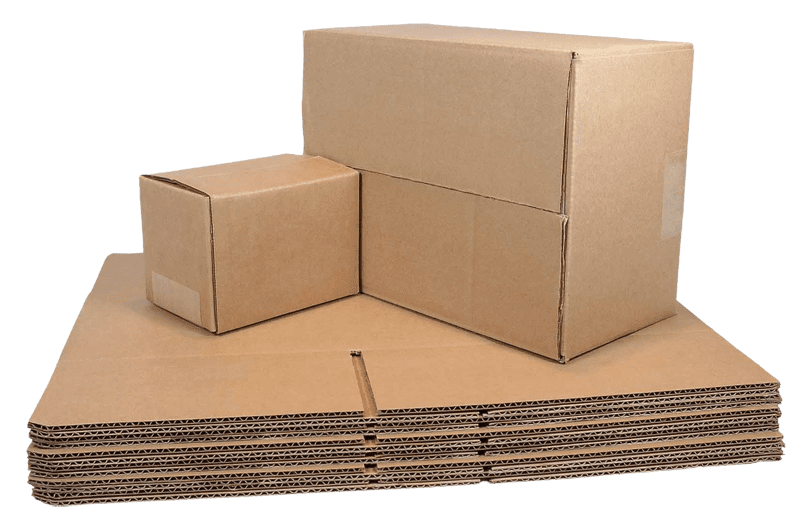
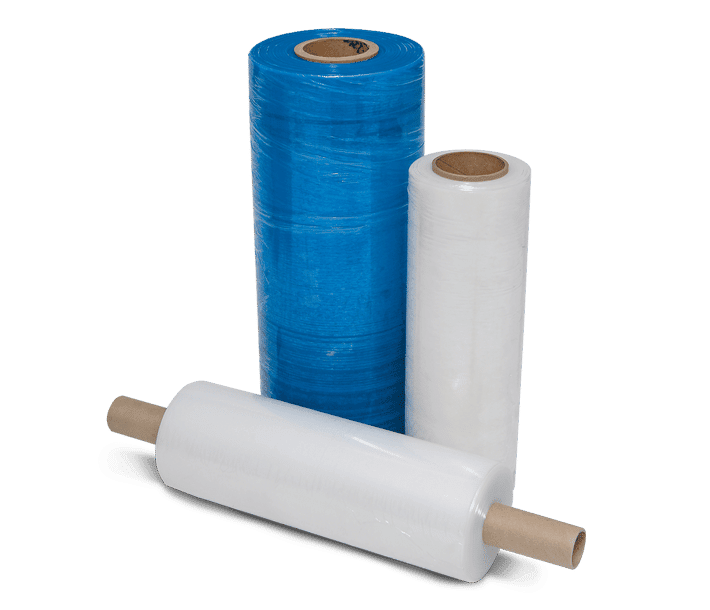
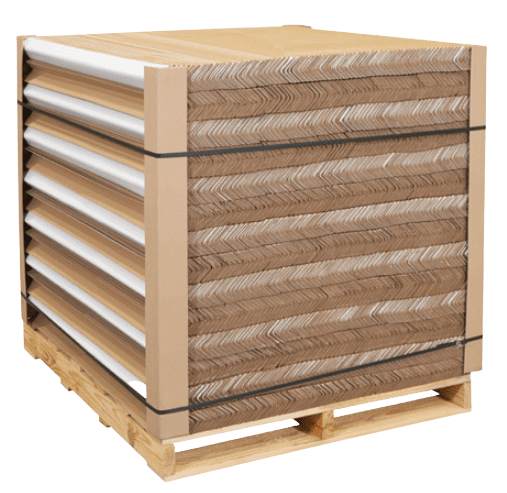
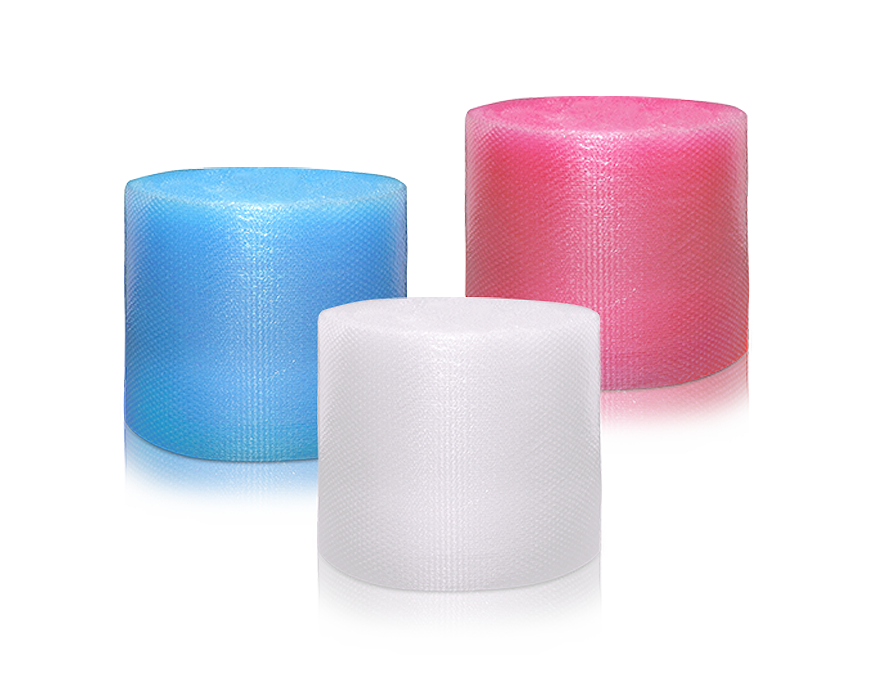
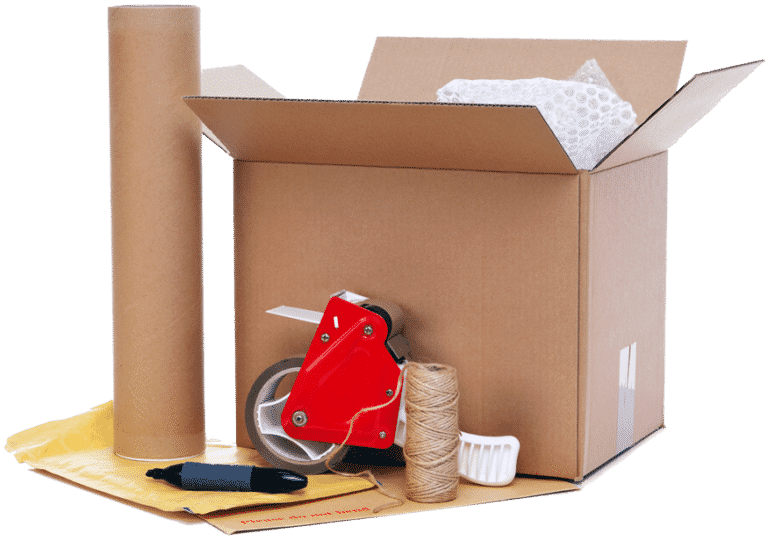
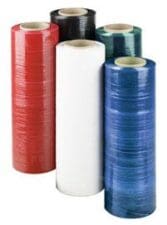
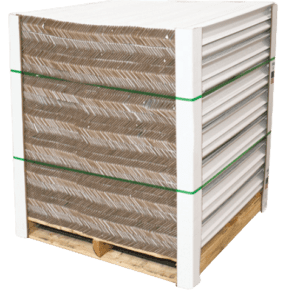
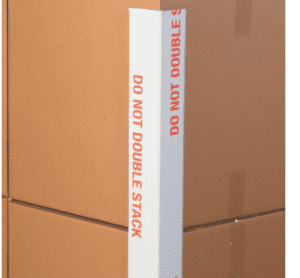
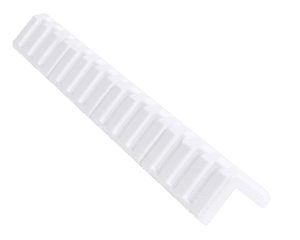
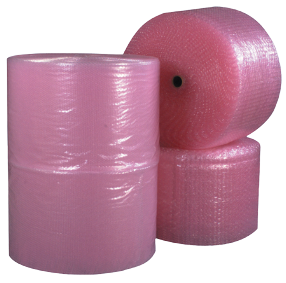
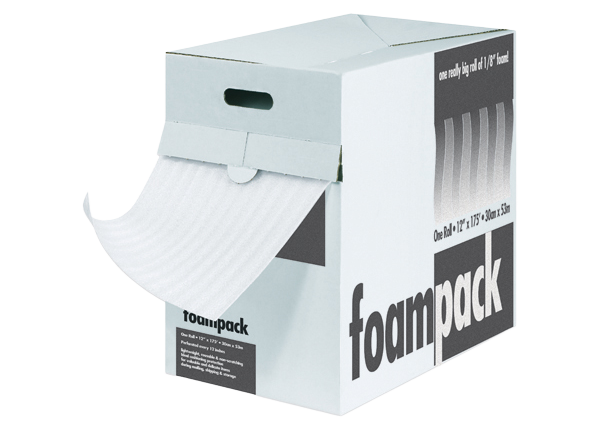
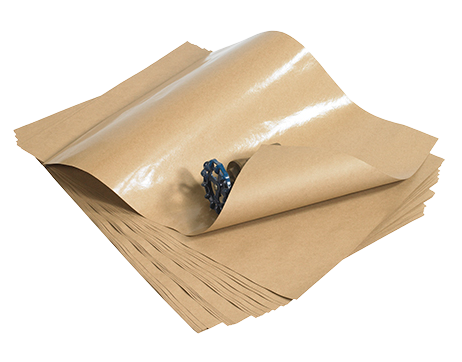
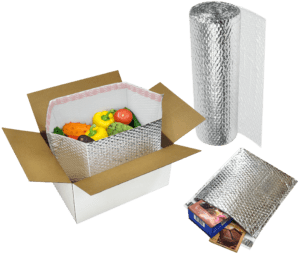
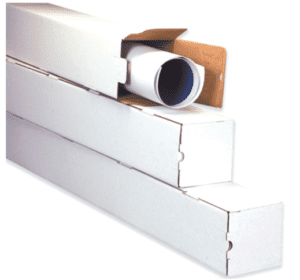
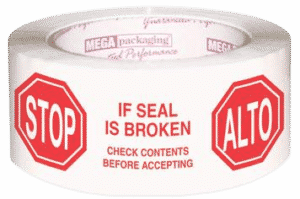
Our stock packaging products, from corrugated boxes to stretch film, offer a wide selection, including essentials like tape, edge protectors, labels, and more, with quick turnaround times to meet your packaging needs efficiently.

Edit Content
Edit Content
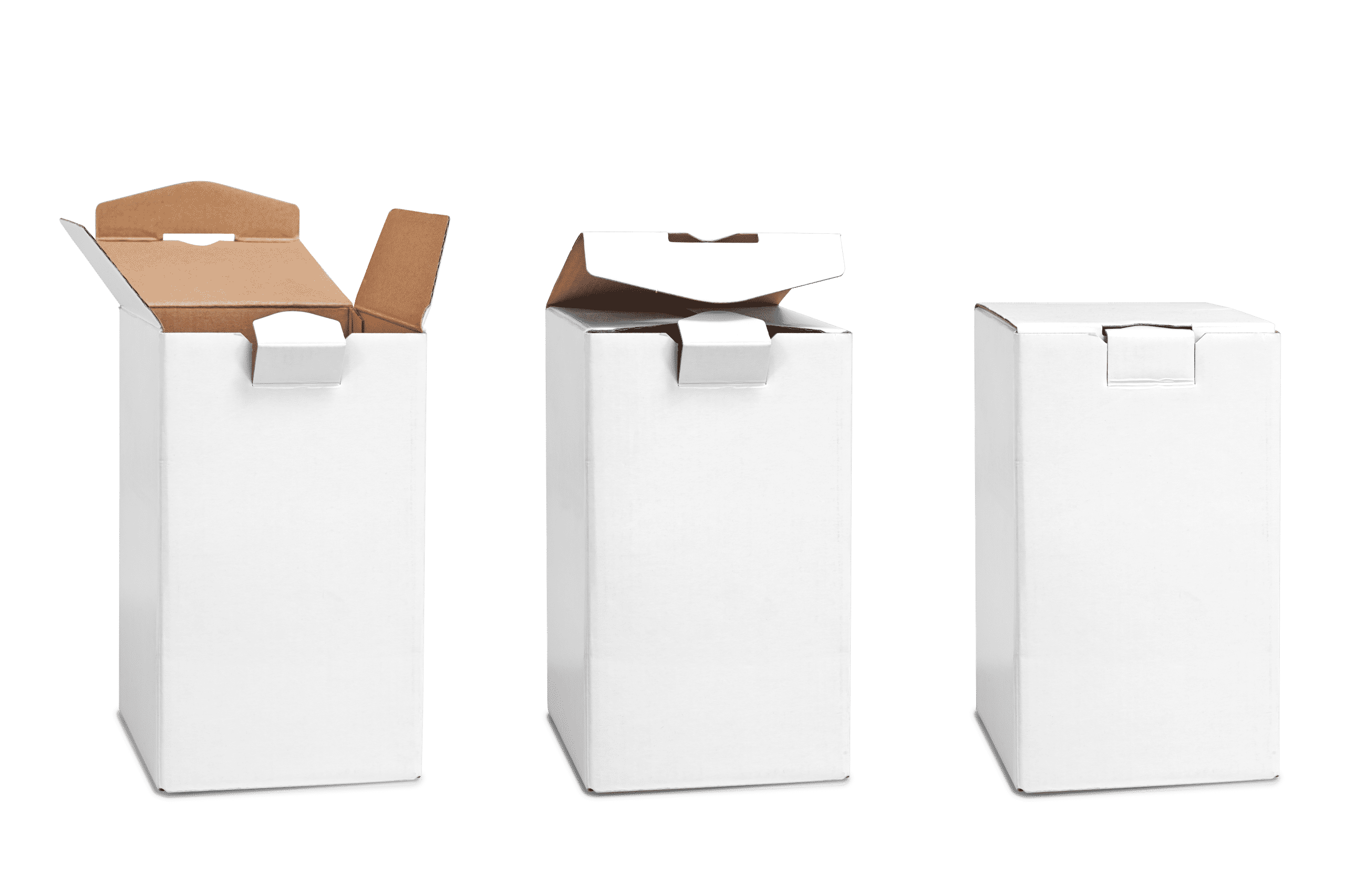
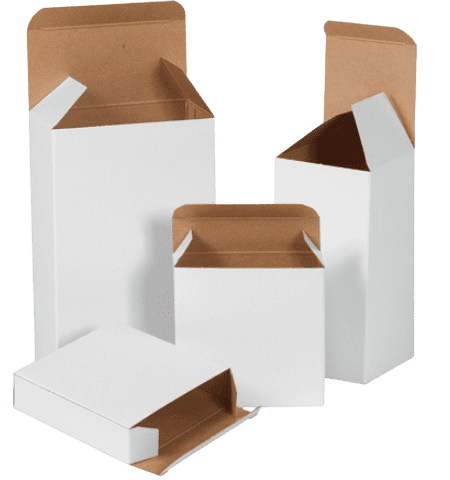
Folding Cartons
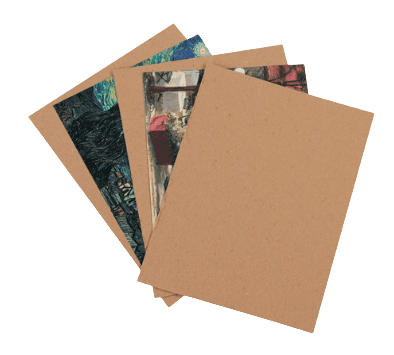
Pads
Apparel Boxes
Jewelry Boxes
Setup Cartons
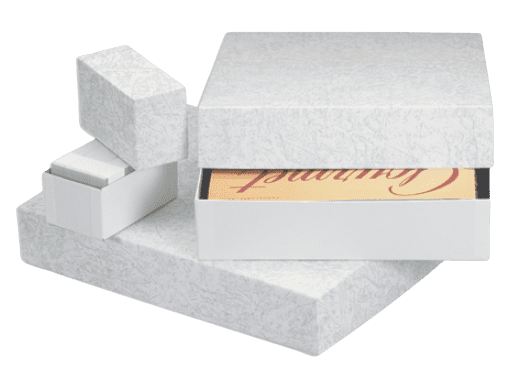
Stationary Cartons
Edit Content
Cast Film
Blown Film
Conventional Film
Engineered Film
Pre-Stretched Film
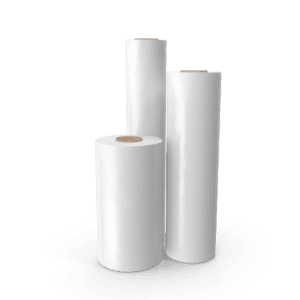
Hand Film
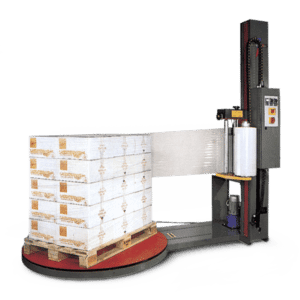
Machine Film
Edit Content
Light Duty
Medium Duty
Heavy Duty
Foam
Strapping
Frame Protectors
Edit Content
Edit Content
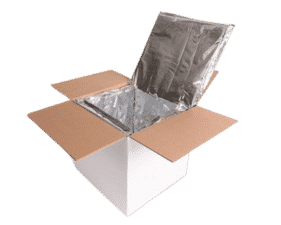
Box Liner
Metalized Pouch
Foam Cooler
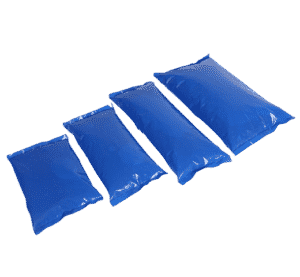
Ice Pack
Gel Pack
Edit Content
Edit Content
Edit Content
Folding Cartons
Pads
Apparel Boxes
Jewelry Boxes
Setup Cartons
Stationary Cartons
Edit Content
Cast Film
Blown Film
Conventional Film
Engineered Film
Pre-Stretched Film
Hand Film
Machine Film
Edit Content
Click on the Edit Content button to edit/add the content.
Edit Content
Edit Content
Box Liner
Metalized Pouch
Foam Cooler
Ice Pack
Gel Pack
Edit Content

If you need any assistance with your packaging or have a question, then contact us directly at request@brownpackaging.com  or  (714)300-0650. Learn more about custom packaging by reading our blog posts on new and trending topics.

A Beginner’s Guide to Purchasing the Right Packaging
Packaging
brownpackaging
A Beginner’s Guide to Purchasing the Right Packaging

Selecting the right packaging for your business is crucial to ensure the safety of your products during transportation and storage, improve your brand image, and increase customer satisfaction. In this guide we will help put you on the right path on selecting the right packaging for your business and how to research different packaging options and select the one that best meets your needs. What To Consider When Selecting Packaging for Your Business The process of selecting the right packaging for your business should be a comprehensive one, taking into account several key factors: Product Type The type of product you are packaging will play a major role in determining the type of packaging you need. For example, fragile items such as glass bottles or ceramic mugs will require different packaging than non-fragile items. Packaging solutions for fragile items include bubble wrap, foam inserts, corrugated boxes, and other cushioning packaging products. Bubble wrap will help to protect the item from any impact, foam inserts can be designed to fit the product snugly, and corrugated boxes will offer protection from all sides. There are many different types of cushioning packaging products, to learn more visit our product page. Product Size and Weight The size and weight of your product will also play a role in determining the type of packaging you need. Larger and heavier items will require different packaging than smaller and lighter items. Packaging solutions for large and heavy items may include wooden crates, pallets, and straps. Wooden crates offer protection from all sides and provide a secure fit for the product, pallets are useful for stacking and storing heavy products, and straps provide additional security. Shipping and Storage Consider the shipping and storage requirements for your product. Will the product be shipped long distances or stored for an extended period of time? If so, you may need packaging that can withstand the rigors of shipping and storage. Packaging solutions for shipping and storage include waterproof and tear-proof materials, adequate cushioning and shock absorption. Waterproof and tear-proof materials will ensure that the product remains in good condition during transit, while adequate cushioning and shock absorption can help to protect the product from damage. Branding and Marketing Your packaging should also be aligned with your brand and marketing strategy. Consider the design and colors of your packaging and how it will be perceived by your target audience. Packaging solutions for branding and marketing include custom printed packaging, unique design or shape, and high-quality materials. Custom printed packaging allows for branding and messaging, unique design or shape can make your product stand out, and high-quality materials can give a premium feel. Sustainability Many companies are looking to reduce their environmental impact by using more sustainable packaging materials. Consider the lifecycle of your packaging and how it can be recycled or reused. Packaging solutions for sustainability include biodegradable, compostable, and recycled materials, minimal packaging, and reusable packaging. Biodegradable, compostable, and recycled materials are good for the environment, minimal packaging reduces waste, and reusable packaging can be used multiple times. Cost Evaluate the cost of different packaging options and consider how it fits into your overall budget. Packaging solutions for cost include using minimal packaging, using standard sizes, and materials that are easily available in the market. Minimal packaging reduces cost, using standard sizes can help to reduce cost and make it easier to find packaging materials, and using materials that are easily available in the market can help to reduce cost. Government Regulations Be aware of any regulations that may impact the packaging of your product. For example, food and beverage packaging may be subject to additional regulations. Packaging solutions for regulations include using materials that are compliant with the regulations, including necessary labeling and certifications, which can help to avoid penalties and fines. How to Research Different Packaging Options and Select the one That Best Meets Your Needs. After considering all of these factors, you can begin to research different packaging options and select the one that best meets your needs. It is also important to test your packaging before implementing. Research Different Packaging Materials Research different materials that are suitable for your product, including paper, plastic, glass, metal, and wood. Consider the pros and cons of each material and how it will impact your product and packaging costs. Research Packaging Suppliers Look for packaging suppliers that specialize in your industry or product type. Research their reputation, quality of materials, and pricing. Consider if they have a minimum order requirement and if they offer customization options. Review Industry Standards Understand the industry standards for packaging, such as ASTM or ISO, and ensure that the packaging you select meets these standards. Test Packaging Options Once you have narrowed down your options, test the packaging to ensure that it meets your requirements. Test the packaging for durability, strength, and functionality. This will help you to identify any potential issues before making a final decision. Compare Costs Compare the costs of different packaging options and consider the long-term costs, not just the initial purchase price. Take into account the cost of materials, labor, and shipping when making your decision. Consider Sustainability Evaluate the environmental impact of the packaging options and choose one that is sustainable and eco-friendly. Get Feedback from Customers Ask your customers for feedback on the packaging and how it impacts their overall satisfaction with your product. This can help you to identify any areas that need improvement and make changes accordingly. Make a Final Decision After considering all of the above factors, make a final decision on the packaging that best meets your needs. Keep in mind that packaging is an ongoing process, so be prepared to make changes as needed. In summary, selecting the right packaging for your business requires a comprehensive approach, taking into account product type, size and weight, shipping and storage, branding and marketing, sustainability, cost, and government regulations. Researching different packaging options, testing them, comparing costs, getting feedback from customers and making a final decision

Read More »
7 Most Commonly Used Packaging Tapes: Which Should You Use?
Packaging
brownpackaging
7 Most Commonly Used Packaging Tapes: Which Should You Use?

When it comes to packaging and shipping, having the right type of tape can make all the difference. Not only does it ensure that your packages stay secure during transit, but it also helps to protect the contents inside. But with so many different types of packaging tape available, it can be difficult to know which one to choose. In this blog post, we’ll take a closer look at the 7 most commonly used types of packaging tape and their unique properties, so you can make an informed decision when it comes to your packaging needs. 7 Most Commonly Used Packaging Tapes: Clear Brown Flatback Masking Duct Water Activated Film Double-Sided Clear Tape Clear tape, also known as transparent tape, is a pressure-sensitive tape that is made from polypropylene or polyester. It is a versatile tape that is suitable for a wide range of packaging applications, including sealing boxes, envelopes, and bags. Clear tape is a great option for packaging items that need to be visible, as it does not obstruct the view of the contents inside. Advantages Versatile, suitable for a wide range of packaging applications Transparent, does not obstruct the view of the contents inside Affordable Disadvantages Not as strong as other types of tape Not suitable for heavy duty applications Brown Flatback Tape Brown flatback tape, also known as paper packaging tape, is a type of pressure-sensitive tape that is made from strong paper. It is a strong and durable tape that is commonly used for sealing boxes and other packaging materials. Flatback tape is a great option for heavy duty packaging applications as it is strong, sustainable and durable. Advantages Strong and durable Suitable for heavy duty packaging applications Sustainable Disadvantages Not transparent, can obstruct the view of the contents inside Not suitable for applications where visibility is important Masking Tape Masking tape is a type of pressure-sensitive tape made from a thin and easy-to-tear paper. It is often used for light-duty packaging, sealing and bundling applications. The adhesive on masking tape is not very strong, making it easy to remove and reposition. It is available in a variety of widths and lengths, and colors. Examples: Packaging and sealing boxes, temporarily holding items together, labeling items. Advantages Easy to tear by hand Can be repositioned easily Easy to remove without leaving residue Available in a variety of widths and lengths Available in different colors Disadvantages Not suitable for heavy-duty applications Not water-resistant Duct Tape Duct tape is a heavy-duty, water-resistant tape made from a combination of cloth and plastic. It is often used for industrial and commercial packaging applications, as well as for home repairs and DIY projects. It is available in a variety of widths and lengths. Examples: Sealing boxes and bags, bundling items, reinforcing packaging Advantages Strong and durable Water-resistant Can be used for a variety of applications Available in a variety of widths and lengths Disadvantages Not as easy to tear by hand as other types of tape Can leave residue if removed Can be difficult to remove if left on for an extended period of time. Water-Activated Tape (WAT) WAT is a type of paper tape that is activated by water, making it an ideal option for sealing heavy-duty boxes and packages. The tape is made of a thick, kraft paper material and has a water-activated adhesive on one side. This type of tape is often used in industrial and commercial packaging applications and is known for its strength and durability. Customization options include printing company logos or branding on the tape. Advantages Water-activated adhesive provides a strong bond, making it suitable for heavy-duty packages Made of durable kraft paper material Reinforced version available Customizable with company branding or logos Disadvantages Requires a water-activated dispenser to apply the tape Not as versatile as other types of tape, as it can only be used for specific packaging applications Film Tape Film tape is a type of tape that is made of a thin, clear plastic material. It is often used in packaging applications where visibility of the package’s contents is important, such as with retail packaging. The tape has a strong adhesive that is suitable for a variety of packaging materials. Customization options include printing company logos or branding on the tape. Advantages Clear plastic material allows for visibility of package contents Strong adhesive suitable for a variety of packaging materials Customizable with company branding or logos Disadvantages Not as durable as other types of tape Can be easily torn or punctured Double-Sided Tape Double-sided tape is a type of tape that has adhesive on both sides, making it ideal for attaching items together without leaving a residue. This tape is often used in packaging applications where a clean and professional look is desired, such as with retail packaging. The tape can be made of a variety of materials, such as paper, plastic, or foam. Advantages Adhesive on both sides allows for attaching items together without leaving residue Can be made of a variety of materials Disadvantages Not suitable for heavy-duty packaging applications Can be difficult to remove without leaving residue Summary: Which Packaging Tape Should You Choose? In conclusion, there are many different types of packaging tape available, each with their own unique advantages and disadvantages. It’s important to choose the right type of tape for your specific packaging application, whether it be a light-duty package or a heavy-duty package, a clean and professional look or a durable and strong hold. With the right tape, you can ensure that your packages are secure and protected during transit and storage. And if you want to add your branding on the tape, it is a good way to make your brand more memorable to the customers. If you are interested in packaging tape, stock or custom, then contact Brown Packaging today for assistance. (714)300-0650 request@brownpackaging.com Most Recent Posts: Categories: Corrugated Ecommerce ESD Design Display Flexible Packaging Foam Folding Carton Packaging Plastic Packaging Pouch Printing Protection Retail Rigid Box Thermoform Sustainability Subscribe To Our

Read More »
Contract Packaging: Everything You Need to Know
Corrugated
brownpackaging
Contract Packaging: Everything You Need to Know

Contract packaging, also known as co-packing or third-party packaging, is a service where a company outsources the packaging of their products to a specialized provider. This provider, known as a contract packager, offers a wide range of packaging services, including assembly, filling, sealing, labeling, and packaging design. Who Needs Contract Packaging? Companies that need contract packaging services typically fall into one of several categories: Manufacturers Retailers Pharmaceutical and Medical Device Companies Small Businesses Start-ups Ecommerce Companies Logistics Companies Manufacturers Manufacturers of consumer goods, such as food, beverage, personal care, and household products, may outsource their packaging to a contract packager to increase efficiency and reduce costs. For example, a beverage manufacturer may outsource the bottling and labeling of their products to a contract packager. Retailers Retailers may use contract packaging services to package and distribute their own private label products, or to package and distribute products for other brands. For example, a retail chain may outsource the packaging of their own brand of cereal to a contract packager. Pharmaceuticals and Medical Device Companies These companies may outsource their packaging to a contract packager to ensure compliance with strict regulations and to meet the specific packaging needs of their products. For example, a pharmaceutical company may outsource the packaging of their tablets to a contract packager that specializes in child-resistant packaging. Small Businesses Small businesses may not have the resources or expertise to handle their own packaging and may choose to outsource to a contract packager to save time and money. For example, a small business owner may outsource the packaging of their handmade candles to a contract packager. Start-ups Start-ups may also outsource packaging to a contract packager to get their products to market quickly while they focus on growing their business. For example, a start-up company may outsource the packaging of their new line of skincare products to a contract packager. E-commerce Companies E-commerce companies may use contract packaging services to fulfill orders, package products for shipping, and handle returns. For example, an e-commerce company may outsource the packaging and shipping of their apparel products to a contract packager. Logistics Companies Logistics companies may outsource packaging services to a contract packager to handle packaging and shipping needs for their clients. For example, a logistics company may outsource the packaging of their clients’ products to a contract packager. Benefits and Disadvantages of Contract Packaging The Benefits of Contract Packaging Cost savings: By outsourcing packaging to a contract packager, companies can reduce their labor and equipment costs. Increased efficiency: Contract packagers often have the latest equipment and technology to handle a wide range of packaging needs, which can increase efficiency and speed up the packaging process. Flexibility: Companies can choose to outsource only certain aspects of their packaging process, such as assembly or filling, rather than handling the entire process in-house. Compliance: Contract packagers often have expertise in specific areas, such as child-resistant packaging or food packaging, which can help ensure compliance with regulations. Scalability: Companies can scale up or down their packaging needs depending on demand. The Disadvantages of Contract Packaging Loss of control: Outsourcing packaging to a contract packager means giving up some control over the packaging process. Quality control: It can be difficult to ensure the same level of quality control as when packaging in-house. Communication: It can be difficult to ensure clear communication between the company and the contract packager, which can lead to mistakes or delays. Dependence: Companies may become dependent on the contract packager, which can be problematic If you are interested in contract packaging or packaging products for your company, then reach out to Brown Packaging today to get started. (714)300-0650 request@brownpackaging.com Most Recent Posts: Categories: Corrugated Ecommerce ESD Design Display Flexible Packaging Foam Folding Carton Packaging Plastic Packaging Pouch Printing Protection Retail Rigid Box Thermoform Sustainability Subscribe To Our Newsletter By submitting your information, you agree to our terms and conditions and privacy policy. Custom Inserts Facebook Twitter LinkedIn Pinterest Relevant Posts

Read More »