





window.uetq = window.uetq || []; window.uetq.push(‘event’, ‘submit_lead_form’,{ event_label:‘SUBMIT MESSAGE’ }); window.lintrk('track', { conversion_id: 10271009 }); window.lintrk('track', { conversion_id: 10271017 });

Stock Packaging

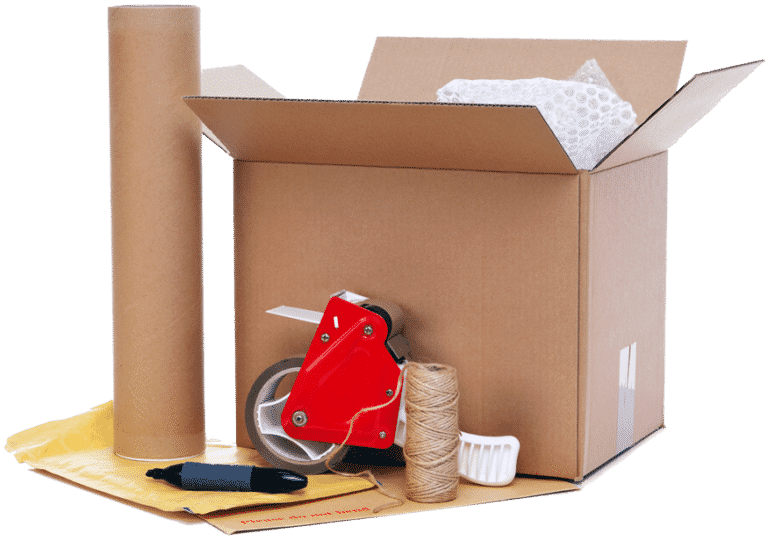
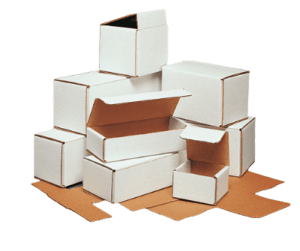
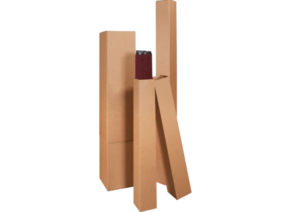
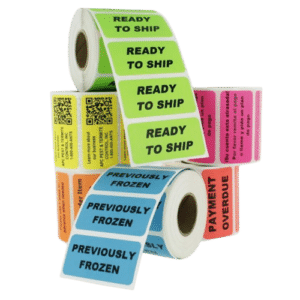
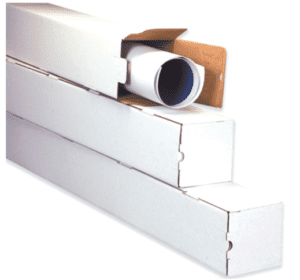
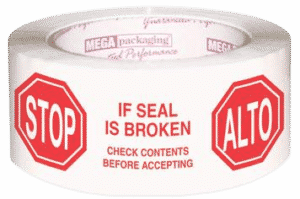
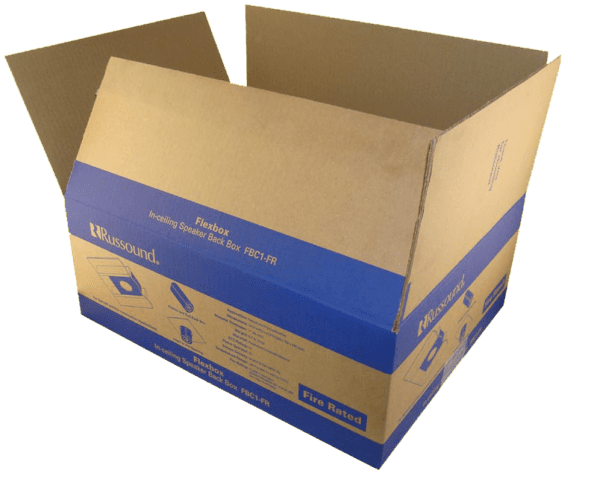
We supply businesses with a wide selection of essential packaging, shipping, and warehouse supplies. Get any standard packaging product by dimension or style from boxes, tubes, tapes, labels, and more. If you are unsure on what type of packaging you will need, then contact us for an expert consultation.


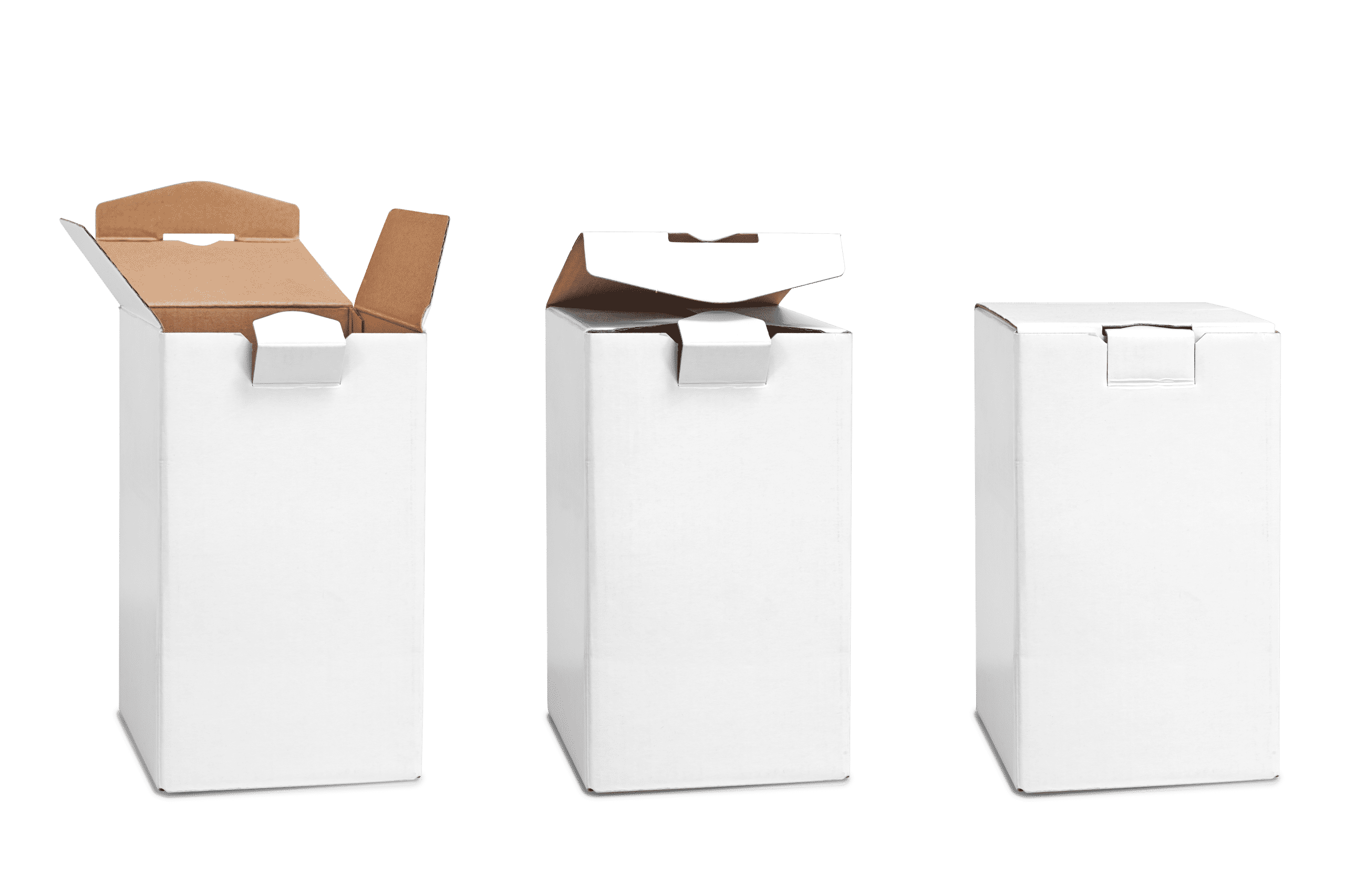
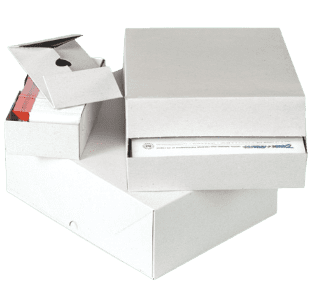
Stock packaging refers to pre-made, ready-to-ship packaging solutions like corrugated boxes, mailers, and protective materials that are designed to meet a wide range of standard needs across shipping, retail, and storage. Unlike custom packaging, stock options offer quick availability and reliable protection without the need for extensive design or production time, making them ideal for businesses needing efficient, high-quality solutions with fast lead times.

At Brown Packaging, we focus on providing durable, performance-driven stock packaging that supports our clients’ operational needs. Our stock products are sourced to ensure consistent quality and cost-effectiveness, offering a practical solution to keep operations running smoothly and on schedule. With an emphasis on reliability, we help our clients quickly access packaging solutions that meet their specific needs while maintaining quality across every order.

stock packaging products

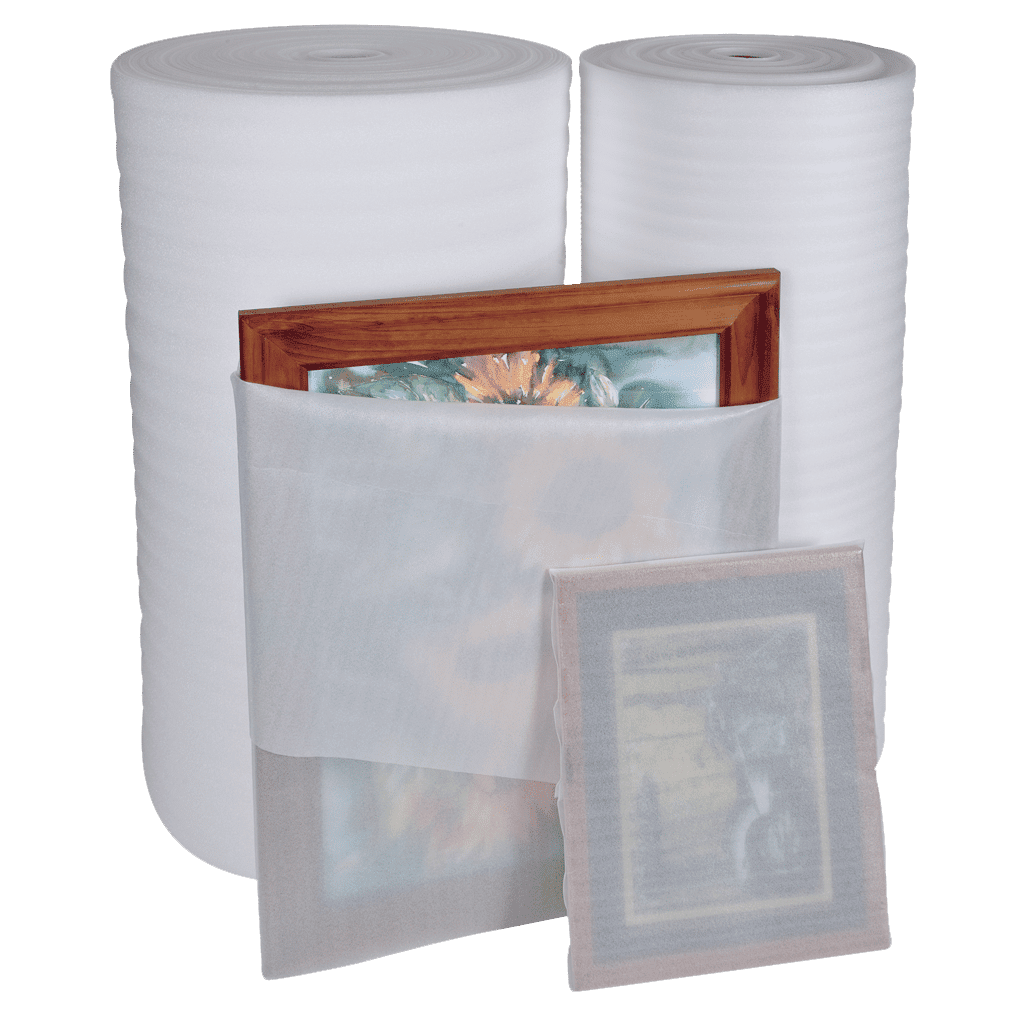
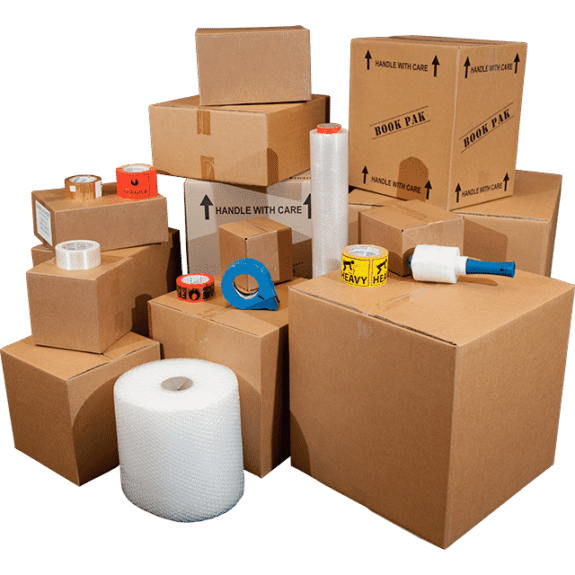
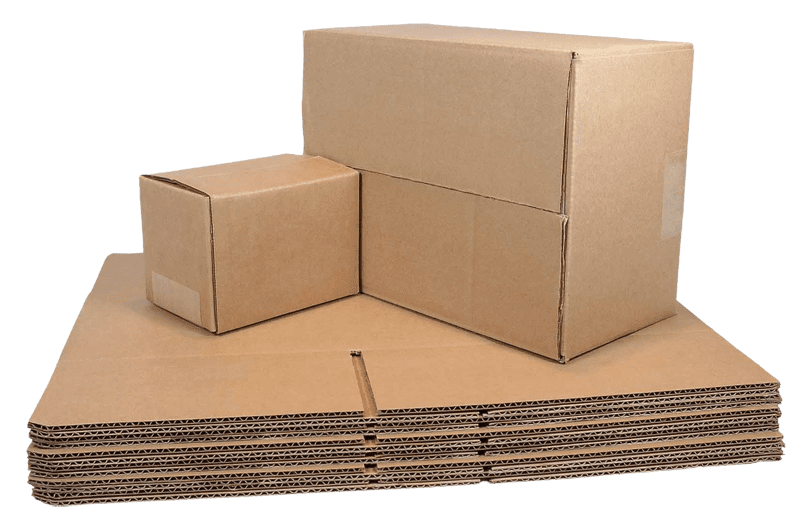
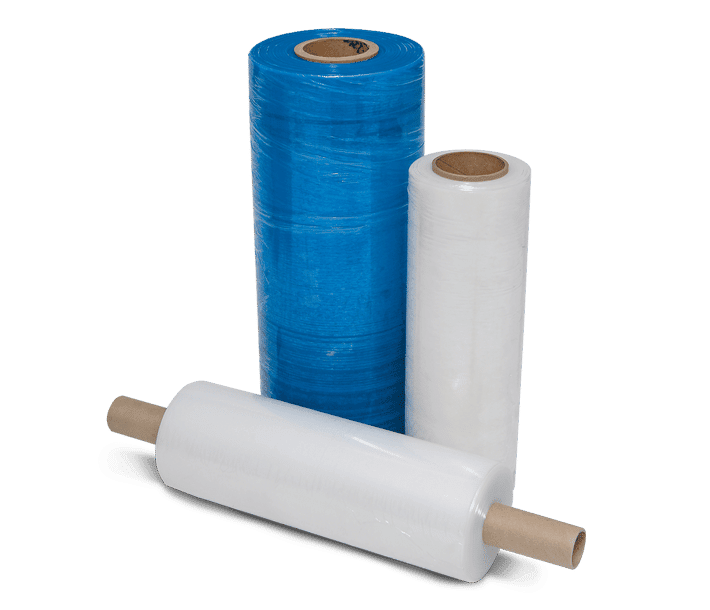
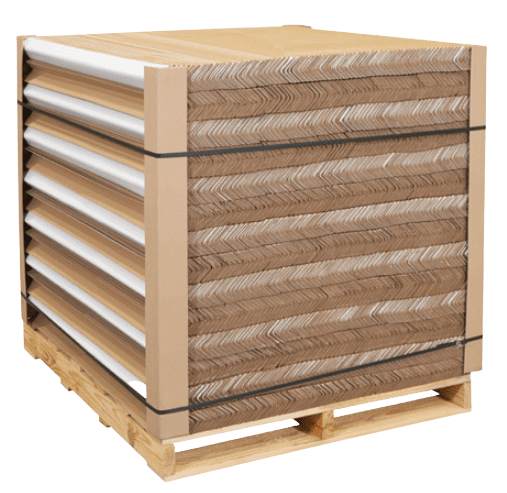
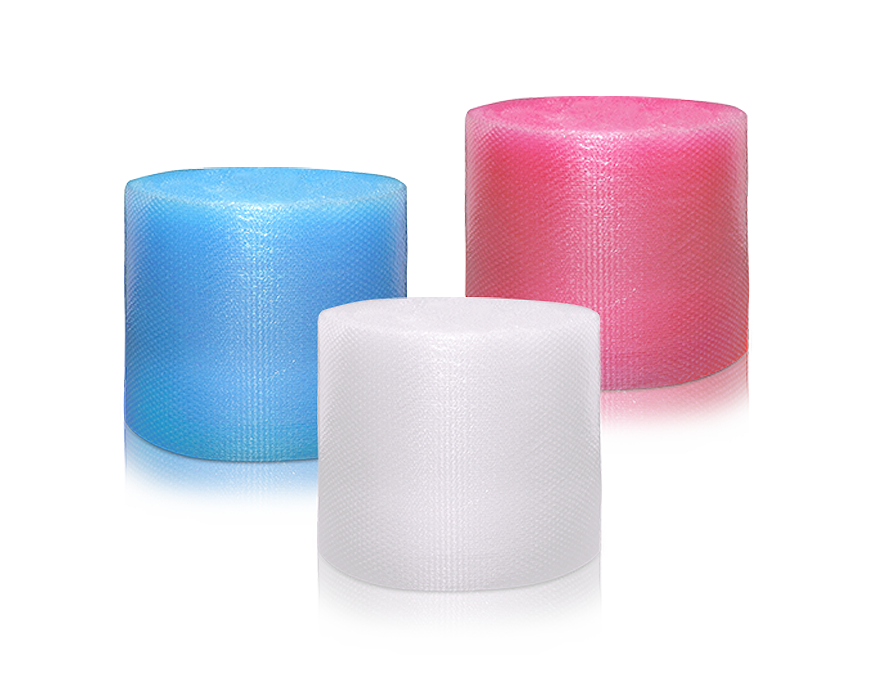
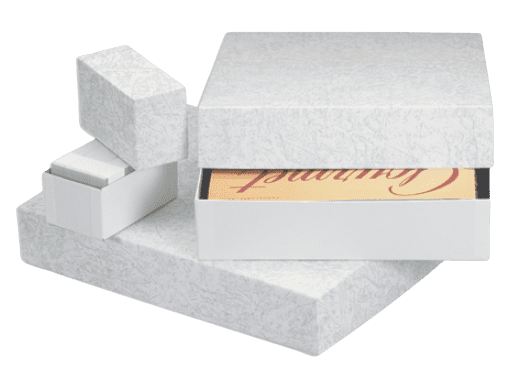
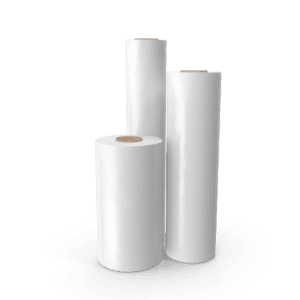
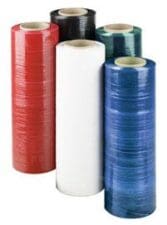
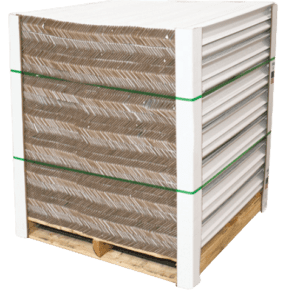
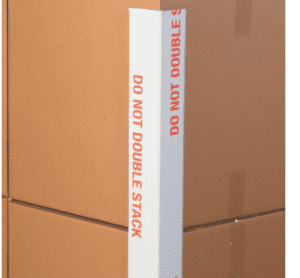
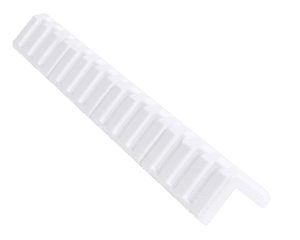
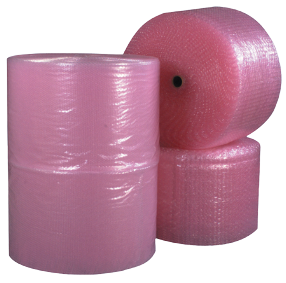
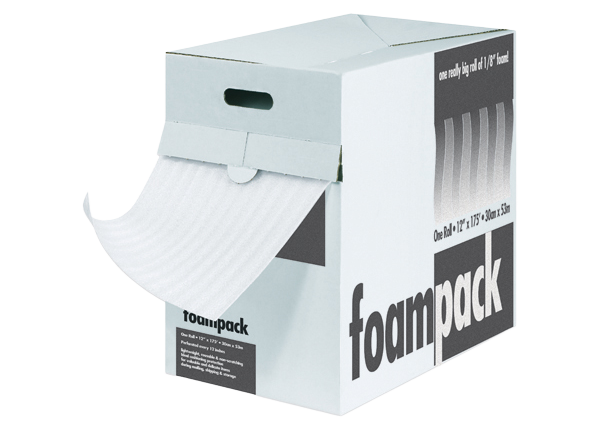
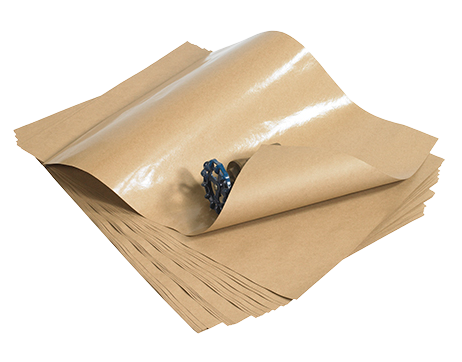
Our stock packaging products, from corrugated boxes to stretch film, offer a wide selection, including essentials like tape, edge protectors, labels, and more, with quick turnaround times to meet your packaging needs efficiently.

Edit Content
Edit Content
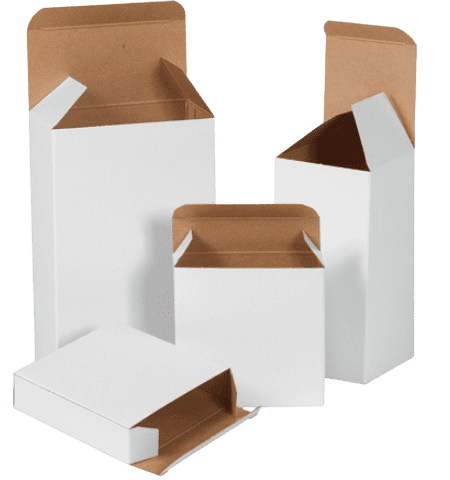
Folding Cartons
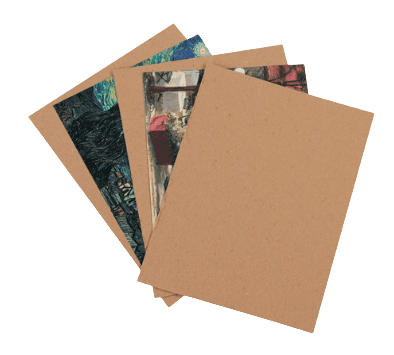
Pads
Apparel Boxes
Jewelry Boxes
Setup Cartons
Stationary Cartons
Edit Content
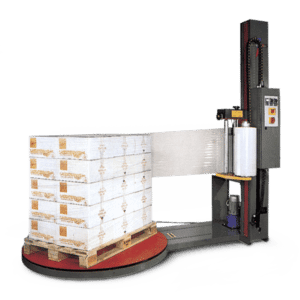
Cast Film
Blown Film
Conventional Film
Engineered Film
Pre-Stretched Film
Hand Film
Machine Film
Edit Content
Light Duty
Medium Duty
Heavy Duty
Foam
Strapping
Frame Protectors
Edit Content
Edit Content
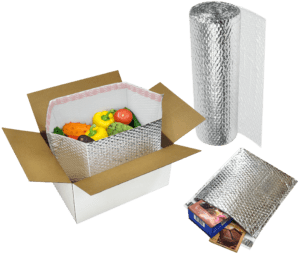
Box Liner
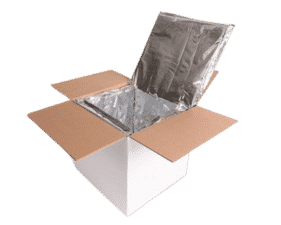
Metalized Pouch
Foam Cooler
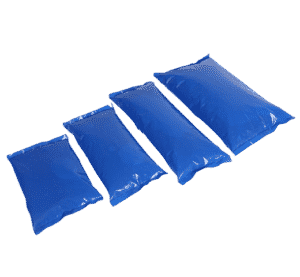
Ice Pack
Gel Pack
Edit Content
Edit Content
Edit Content
Folding Cartons
Pads
Apparel Boxes
Jewelry Boxes
Setup Cartons
Stationary Cartons
Edit Content
Cast Film
Blown Film
Conventional Film
Engineered Film
Pre-Stretched Film
Hand Film
Machine Film
Edit Content
Click on the Edit Content button to edit/add the content.
Edit Content
Edit Content
Box Liner
Metalized Pouch
Foam Cooler
Ice Pack
Gel Pack
Edit Content

If you need any assistance with your packaging or have a question, then contact us directly at request@brownpackaging.com  or  (714)300-0650. Learn more about custom packaging by reading our blog posts on new and trending topics.

Corrugated
brownpackaging
Designing Foam and Corrugated Hybrid Inserts

Foam-in-corrugated hybrid inserts combine the cushioning properties of foam with the structural rigidity of corrugated board, creating a packaging solution that is both protective and adaptable. This design approach is particularly useful in industries where precision fit and shock absorption are critical, such as electronics, medical devices, and high-value industrial components. Why Combine Foam and Corrugated? Corrugated offers structural stability, vertical stacking strength, and a printable surface for branding or instructions. Foam provides vibration dampening, energy absorption during impact, and surface protection against scratches or abrasions. When integrated, these materials address a broader range of performance requirements than either could alone. Material Selection The choice of foam type—such as polyethylene (PE), polyurethane (PU), or expanded polystyrene (EPS)—should be driven by product fragility, weight, and storage conditions. PE foam, for example, excels in repeated compression recovery, making it suitable for reusable inserts. Corrugated board grades (e.g., single-wall B-flute vs. double-wall BC-flute) must be matched to anticipated stacking loads and compression requirements. Bonding Methods and Compatibility Adhesive selection is critical. Water-based adhesives can warp corrugated under high humidity, while hot-melt options may degrade certain foam chemistries. Mechanical retention methods, such as die-cut lock tabs or slotted cavities, can reduce adhesive usage and improve recyclability. Engineering Fit and Tolerance Control Foam compression should be engineered to 10–30% deflection under typical product weight to balance retention and ease of removal. Corrugated cutouts must account for foam expansion and any dimensional variation due to manufacturing tolerances. Overly tight fits can cause stress concentrations, while loose fits reduce protection efficiency. Shock and Vibration Performance ASTM D1596 testing can determine the foam’s cushioning curve, ensuring the hybrid insert meets drop-test performance requirements. Corrugated structure should be verified under ASTM D642 compression testing to confirm stacking safety in transit and storage. Sustainability Considerations Designing with minimal adhesive, using water-based inks for print, and specifying recyclable PE foams can increase end-of-life recyclability. An emerging approach is designing separable components so the foam and corrugated can be easily disassembled for proper recycling streams. References American Society for Testing and Materials. (2019). ASTM D1596-14: Standard Test Method for Dynamic Shock Cushioning Characteristics of Packaging Material. https://doi.org/10.1520/D1596-14American Society for Testing and Materials. (2015). ASTM D642-15: Standard Test Method for Determining Compressive Resistance of Shipping Containers. https://doi.org/10.1520/D0642-15Soroka, W. (2016). Fundamentals of Packaging Technology (5th ed.). Institute of Packaging Professionals.Kistler, S. F., & Schweizer, P. M. (Eds.). (2013). Liquid Film Coating: Scientific Principles and Their Technological Implications. Springer. https://doi.org/10.1007/978-94-011-4942-0 (714)300-0650 request@brownpackaging.com Most Recent Posts: Categories: Corrugated Ecommerce ESD Design Display Flexible Packaging Foam Folding Carton Packaging Plastic Packaging Pouch Printing Protection Retail Rigid Box Thermoform Sustainability Subscribe To Our Newsletter By submitting your information, you agree to our terms and conditions and privacy policy. Custom Packaging Facebook Twitter LinkedIn Pinterest Relevant Posts

Read More »
Folding Carton
brownpackaging
How Board Caliper Impacts Folding Carton Performance and Cost

Board caliper—the thickness of paperboard—directly influences carton strength, folding behavior, print quality, and cost. Selecting the right caliper is a balancing act between performance requirements and budget. This guide explains how caliper affects carton engineering and when it makes sense to go thicker—or thinner. Defining Board Caliper Board caliper is measured in thousandths of an inch (points) or millimeters. Common folding carton calipers range from 0.012″–0.024″ (12–24 pt). Thicker boards offer greater rigidity and stacking strength, while thinner boards reduce weight and material cost. Structural Performance Compression Strength: Higher caliper increases edge crush resistance and stacking load capacity. Panel Rigidity: Reduces bowing and warping, important for large-panel cartons. Impact Resistance: Added thickness absorbs more shock during handling. Trade-Off: Excess caliper can over-spec the package, adding unnecessary cost and complicating folding on small-radius scores. Folding and Creasing Caliper affects how the board behaves at fold lines: Tighter Radii: Thicker boards need deeper scores to avoid spring-back. Score Cracking Risk: Increases with caliper if scoring isn’t adjusted for bead/channel ratio. Grain Direction Sensitivity: More critical in thicker boards—incorrect grain can cause severe cracking. Print Quality and Surface Smoothness Ink Holdout: Heavier calipers often provide better ink laydown, but fiber quality matters more than thickness alone. Show-Through Prevention: Thicker boards reduce show-through from dark products or graphics on the reverse side. Cost Implications Material Cost: Increases proportionally with caliper. Shipping Weight: Higher caliper increases per-unit mass, affecting freight cost. Storage Volume: Larger stacks and more pallet space required. Optimization Tip: Use the thinnest caliper that meets performance requirements—extra thickness adds cost with no functional benefit. Application Examples High-Strength Needs: 20–24 pt CUK for beverage carriers or frozen food requiring moisture resistance and stacking strength. Premium Branding: 18–20 pt SBS for cosmetics or electronics, balancing rigidity with a smooth print surface. Cost-Driven Retail: 14–16 pt recycled FBB for dry food or lightweight multipacks. Testing Before Scaling Prototyping: Test multiple calipers for rigidity, folding performance, and visual appeal. Distribution Simulation: Run compression, vibration, and humidity testing to confirm performance. Machine Compatibility: Thicker boards may require slower speeds or equipment adjustments. References Soroka, W. (2014). Fundamentals of packaging technology (5th ed.). Institute of Packaging Professionals. ISBN: 978-1-930268-37-2 Twede, D., & Goddard, R. (2021). Cartons, crates and corrugated board: Handbook of paper and wood packaging technology (2nd ed.). DEStech Publications. ISBN: 978-1-60595-120-5 (714)300-0650 request@brownpackaging.com Most Recent Posts: Categories: Corrugated Ecommerce ESD Design Display Flexible Packaging Foam Folding Carton Packaging Plastic Packaging Pouch Printing Protection Retail Rigid Box Thermoform Sustainability Subscribe To Our Newsletter By submitting your information, you agree to our terms and conditions and privacy policy. Custom Folding Cartons Facebook Twitter LinkedIn Pinterest Relevant Posts

Read More »
Reusable vs Disposable POP Displays

Point-of-purchase (POP) displays come in two primary formats: reusable and disposable. Each option offers advantages depending on campaign goals, budget, and retail environment. Choosing the right format requires balancing cost, durability, sustainability, and brand objectives. What Are Disposable POP Displays? Disposable POP displays are typically made from corrugated board and are designed for short-term use. After a campaign ends, they are recycled or discarded. Best for: Seasonal promotions, product launches, and short campaigns. Advantages: Lower upfront cost, lightweight, fast to ship and assemble. Limitations: Less durable, limited lifespan, not suited for extended use. What Are Reusable POP Displays? Reusable displays are built with stronger materials such as reinforced corrugated, plastic, or metal components. They can be restocked and redeployed across multiple campaigns. Best for: Long-term promotions, club stores, and high-value products. Advantages: Greater durability, long-term cost savings, premium brand presentation. Limitations: Higher upfront cost, heavier to ship, more complex to assemble. Factors to Consider When Choosing Campaign duration: Short-term promotions benefit from disposable displays. Budget priorities: Lower upfront cost vs. long-term savings. Brand positioning: Premium brands may prefer reusable for consistent presence. Sustainability goals: Reusable displays reduce waste, while recyclable disposable displays minimize footprint. Examples of Applications Disposable: Back-to-school displays, holiday promotions, limited editions. Reusable: Beverage pallet displays, electronics showcases, club store programs. POP Display Solutions with Brown Packaging Brown Packaging designs both reusable and disposable POP displays, tailored to campaign goals and supply chain needs. Whether you need cost-effective corrugated for seasonal promotions or reinforced structures for long-term use, our solutions balance impact and efficiency. Contact us to explore your options. References Shop! Association. (2021). Best Practices for In-Store Marketing and POP Displays. Retrieved from https://www.shopassociation.orgSoroka, W. (2009). Fundamentals of Packaging Technology (4th ed.). Institute of Packaging Professionals.ASTM International. (2022). ASTM D685: Standard Practice for Conditioning Paper and Paper Products for Testing. (714)300-0650 request@brownpackaging.com Most Recent Posts: Categories: Corrugated Ecommerce ESD Design Display Flexible Packaging Foam Folding Carton Packaging Plastic Packaging Pouch Printing Protection Retail Rigid Box Thermoform Sustainability Subscribe To Our Newsletter By submitting your information, you agree to our terms and conditions and privacy policy. POP Display Facebook Twitter LinkedIn Pinterest Relevant Posts

Read More »