


Stock Packaging
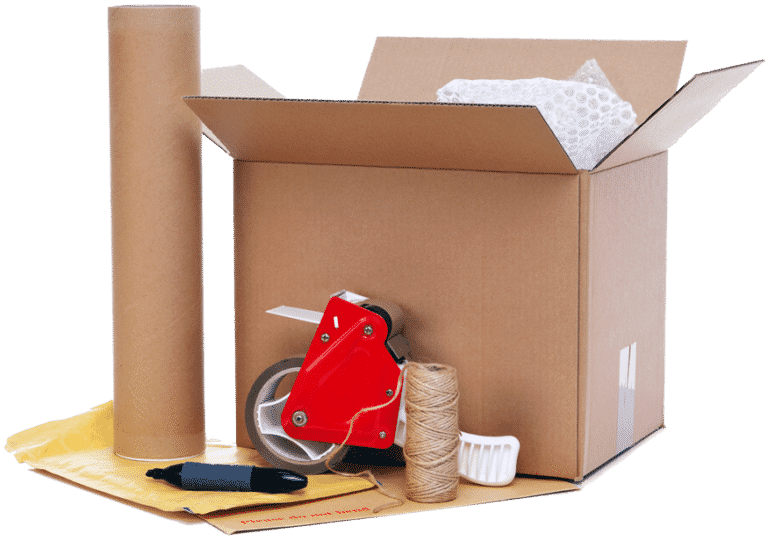
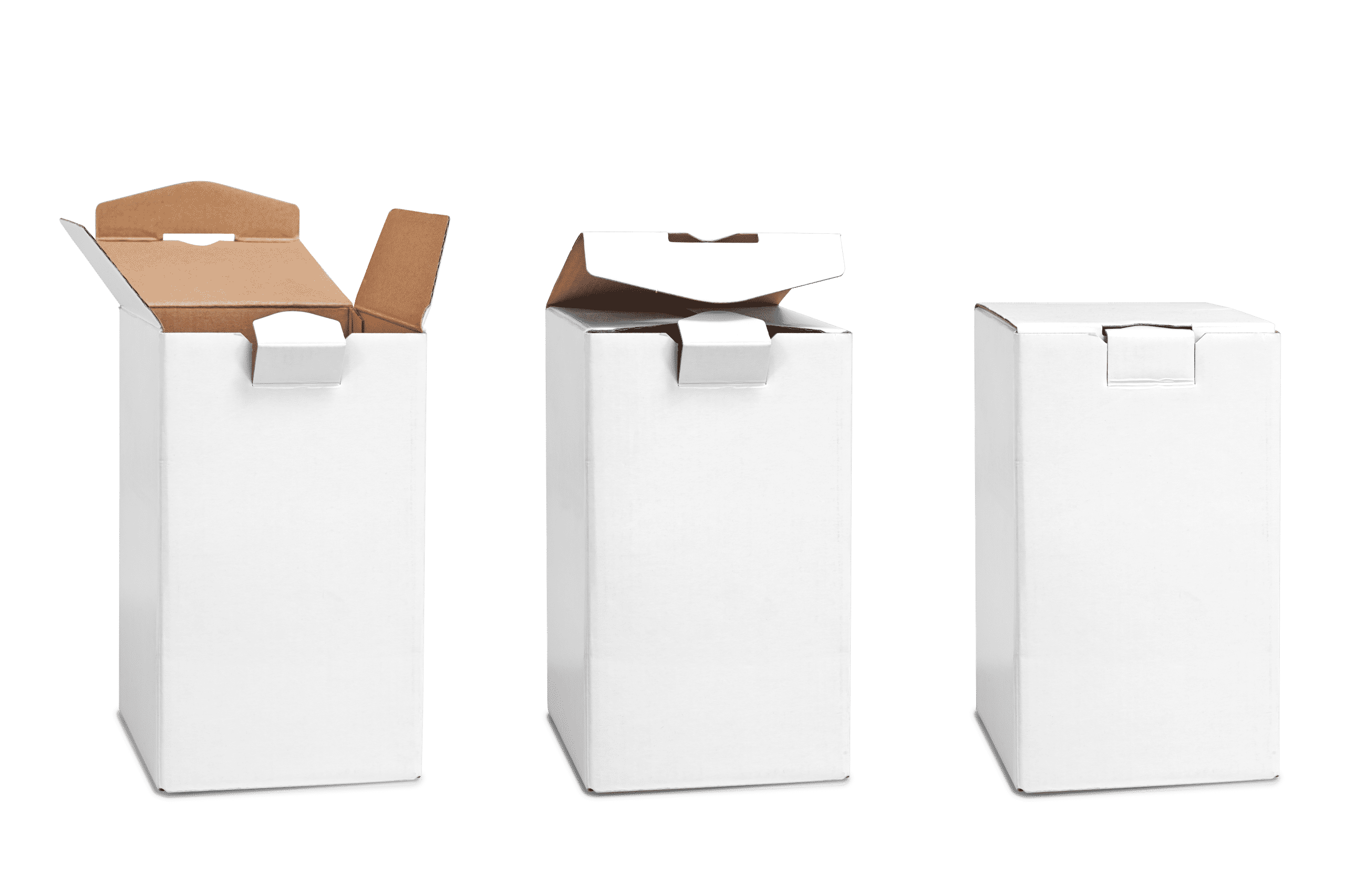
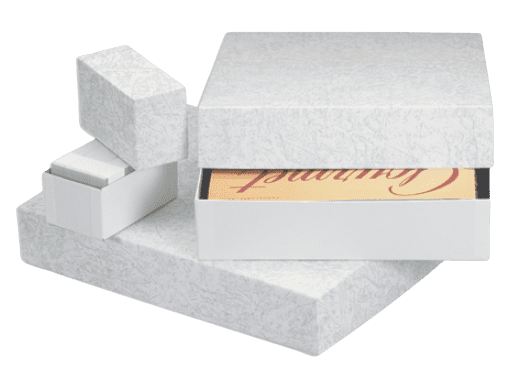
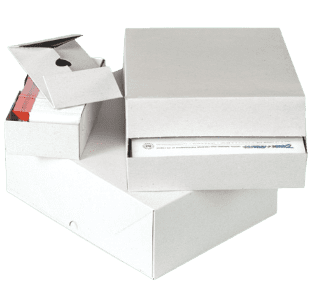
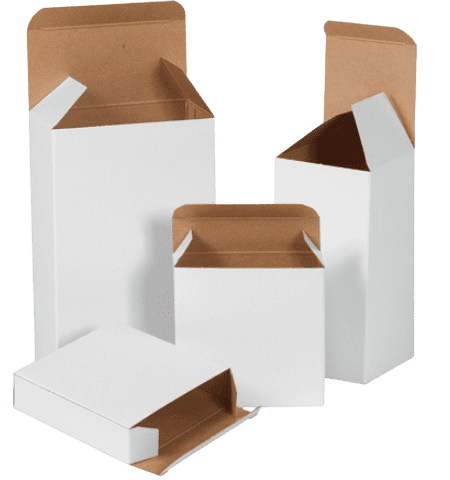
We supply businesses with a wide selection of essential packaging, shipping, and warehouse supplies. Get any standard packaging product by dimension or style from boxes, tubes, tapes, labels, and more. If you are unsure on what type of packaging you will need, then contact us for an expert consultation.


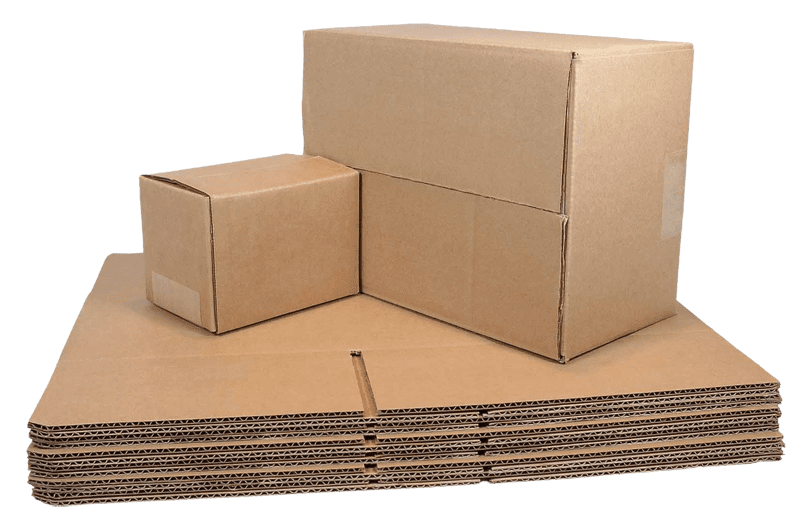
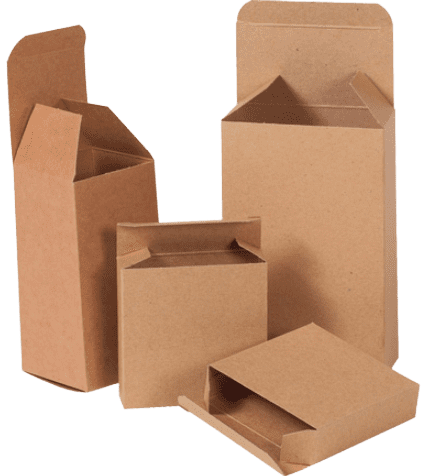
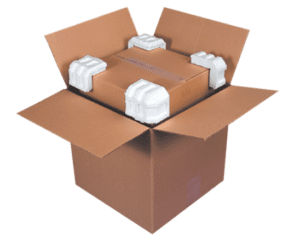
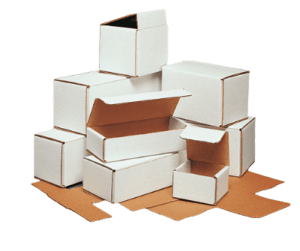
Stock packaging refers to pre-made, ready-to-ship packaging solutions like corrugated boxes, mailers, and protective materials that are designed to meet a wide range of standard needs across shipping, retail, and storage. Unlike custom packaging, stock options offer quick availability and reliable protection without the need for extensive design or production time, making them ideal for businesses needing efficient, high-quality solutions with fast lead times.
At Brown Packaging, we focus on providing durable, performance-driven stock packaging that supports our clients’ operational needs. Our stock products are sourced to ensure consistent quality and cost-effectiveness, offering a practical solution to keep operations running smoothly and on schedule. With an emphasis on reliability, we help our clients quickly access packaging solutions that meet their specific needs while maintaining quality across every order.
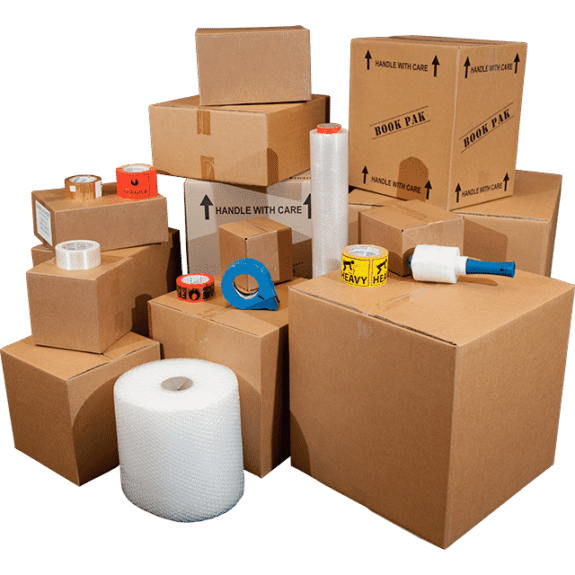
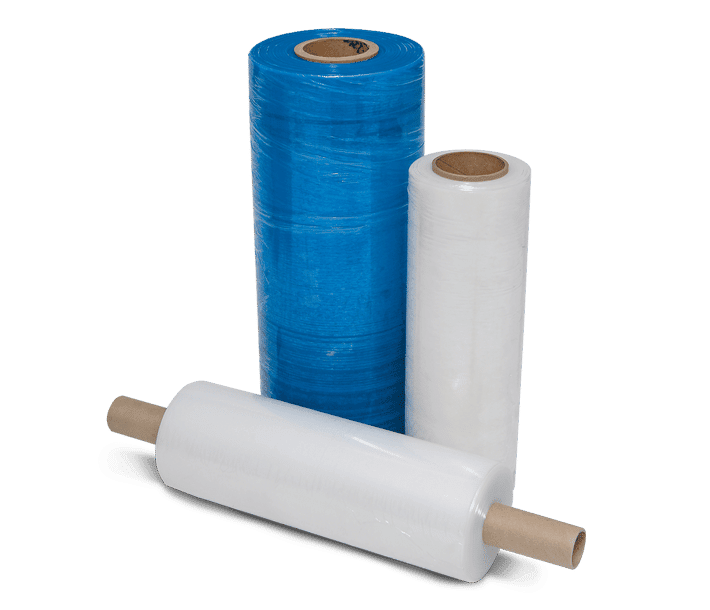
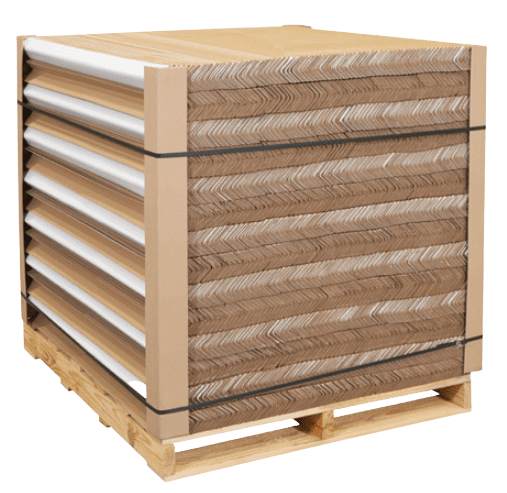
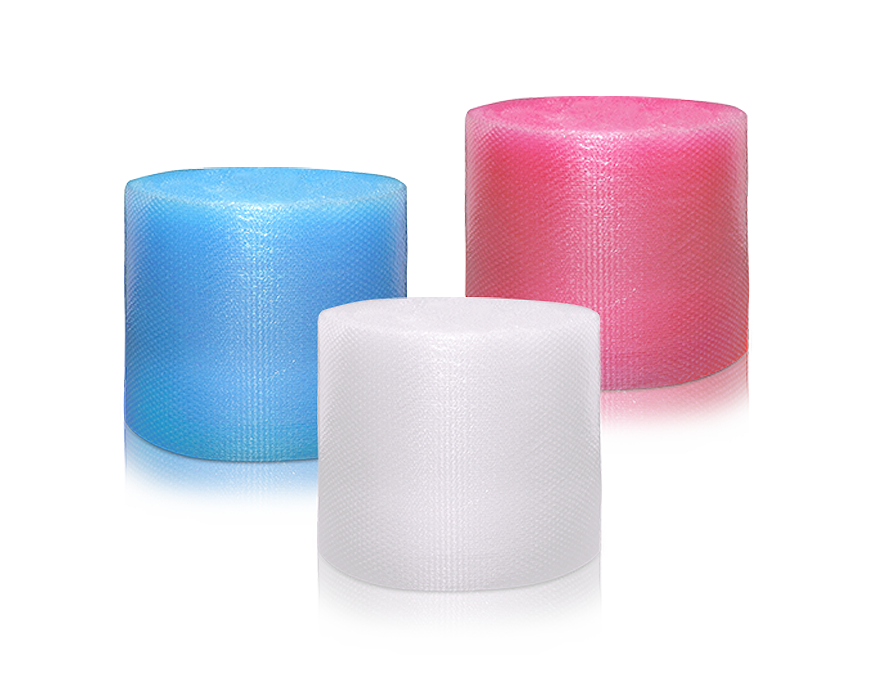
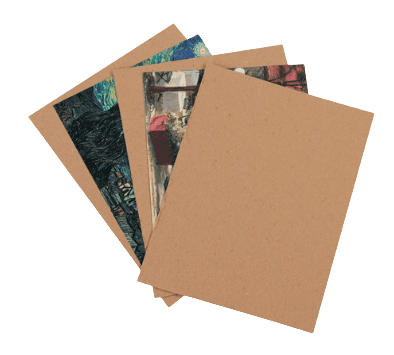
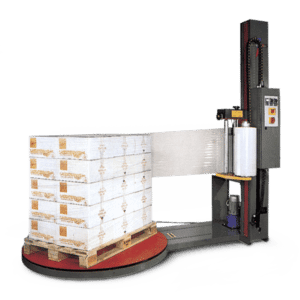
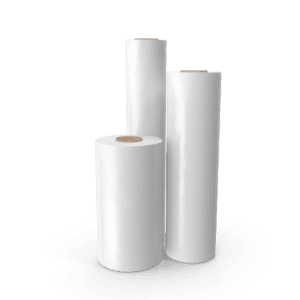
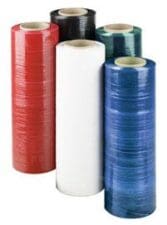
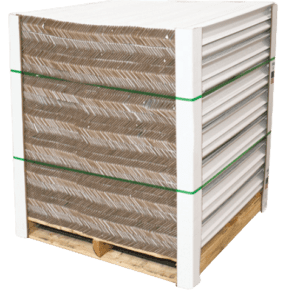
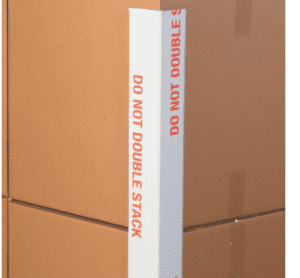
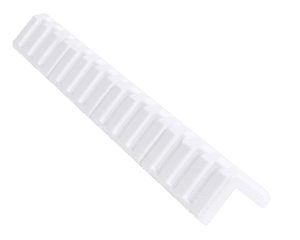
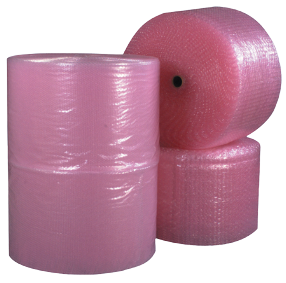
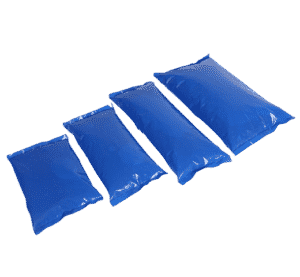
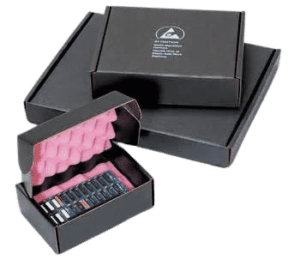
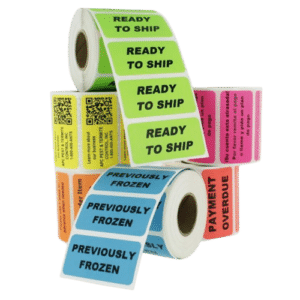
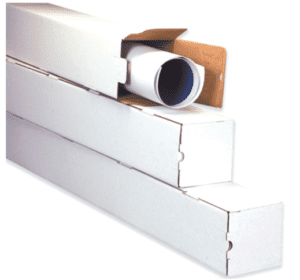
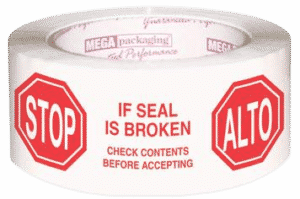
Our stock packaging products, from corrugated boxes to stretch film, offer a wide selection, including essentials like tape, edge protectors, labels, and more, with quick turnaround times to meet your packaging needs efficiently.


If you need any assistance with your packaging or have a question, then contact us directly at request@brownpackaging.com or (714)300-0650. Learn more about custom packaging by reading our blog posts on new and trending topics.

Corrugated Boxes are exposed to many different circumstances during packing, shipping and storage. Ensuring that your corrugated packaging is protecting your product fully is important. The two-test used to evaluate the strength of your packaging are Mullen Burst Test and Edge Crush Test. They both serve a similar purpose of testing the strength of the box, and they test it in different ways. It is important to understand the difference between the two tests, in order to ensure you pick the right strength quality test for your packaging needs. Mullen Burst: The Mullen Burst Test was the first standard box strength test to be used. It uses a pressurized diaphragm to measure how much pressure the side of a corrugated box can endure before it will burst. It is measured in pounds per square inch. This test is best for measuring the forces a box may be subject to during rough handling, as well as the total weight amount the box can hold. It doesn’t measure the amount of weight that can be stacked on top of a box that is when the Edge Crush Test becomes more effective. Edge Crush The Edge Crush Test (ECT) measures the vertical compression along the edge of a package and focuses on the compression and stacking strength of a corrugated box. It is measured by the force in pounds per lineal inch of load bearing edge that a box can take before failure. This test is often used when one is concerned about the max weight a box can handle during pallet shipments and warehouse stacking. More so this test measures how much weight a corrugated box can handle before it would crush. Which test should you use? Edge Crush test is best used when the items you are packaging will not move during shipment, won’t exert lateral force to the sides of the boxes, and won’t go through a variety of different shipment handlers. If you are stacking or palletizing your boxes, ECT can provide a better measure of how the box will hold up during that stacking process. In order to best protect your product from being crushed during shipment, use Edge Crush Test. Mullen Burst test is best if the items in the box will move during shipment, there will be pressure to the sides of the boxes, and the box will go through many different handlers during shipping. If you’re concerned about a package being punctured during shipment use Mullen Burst Test. BMC The Box Manufacturer Certification Stamp (BMC) is added to all corrugated boxes in order to show the boxes strength. Every BMC contains either the Mullen Burst Test Rating or the Edge Crush Test Rating information. This stamp shows that the box is compliant with the regulations set by the National Motor Freight Traffic Association (NMFTA). Although this is not legally required most carriers require it. What is located on a BMC? Box manufacturers name and location Mullen Burst Test Rating or Edge Crush Test Rating Max sum of outside dimensions Max allowed gross weight Board construction Both Mullen Burst Test and Edge Crush Test are useful in their own ways. Although they both serve a similar purpose of testing the strength of the box, these test are not equivalent as they measure completely different things. It is important to understand the difference between the two tests, in order to ensure you pick the right strength quality test for your packaging needs. If you need assistance understanding the difference between these two test and need help determining which one is best for your business packaging needs, then contact Brown Packaging and one of our packaging experts can assist you. (714)300-0650 request@brownpackaging.com Most Recent Posts: Categories: Corrugated Ecommerce ESD Design Display Flexible Packaging Foam Folding Carton Packaging Plastic Packaging Pouch Printing Protection Retail Rigid Box Thermoform Sustainability Subscribe To Our Newsletter By submitting your information, you agree to our terms and conditions and privacy policy. Custom Corrugated Facebook Twitter LinkedIn Pinterest Relevant Posts

Sustainability is growing momentum in 2023 for the packaging industry, as many businesses worldwide are looking to further limit their carbon footprint and maximize recyclability. As a result, many of these businesses are looking to adopt new methods and packaging material to address their packaging’s sustainability. Why is Sustainable Packaging Important in 2023? Sustainable packaging is more important than ever due to society’s growing interest in preserving the environment. As a result, there are increasing number of regulations being imposed on businesses to further their efforts on sustainability, packaging being one of the top concerns. Examples In California, Governor Gavin Newsom has passed a law that will being out single use plastics. In addition, California will require all packaging to be recyclable or compostable by the year 2032, cutting plastic packaging by 25 percent and requiring 65 percent of all single use plastics to be recycled. In 2022, New York had placed a ban on the use expanded polystyrene foam containers and packaging peanuts. Several states have banned the use of single use plastic bags and have also restricted or banned PFAs in food packaging. What To Expect from New Packaging Regulations Many businesses are being pushed to change the way they package their products. Usually, this is by optimizing the amount of material used to package their product. Other companies are being pushed to adopt more sustainable packaging material. Often, many businesses are finding themselves making the choice between sustainability and quality packaging. This is creating increasing pressure on packaging providers to develop innovative solutions to adopt cleaner and sustainable packaging methods and materials in producing products. Here are 9 ways businesses and suppliers are adjusting to sustainability in the packaging world. Lightweight Packaging Reusable Packaging Refillable Parent Packaging Sustainable Ink Bioplastics Carbon Labeling Plastic To Paper Packaging Downsizing Wash Off Labels Lightweight Packaging Today, companies are looking to become more efficient with their packaging by reducing materials required, manufacturing costs and becoming more sustainable. Luckily, with lightweight packaging, this has been a growing option by brands looking to create a lightweight product than previous versions. For example, pouches are typically made with 3 films, an outer layer which is printed on, middle layer acts as a barrier and inner layer is a sealant. Today, packaging suppliers are now looking to limit the number of films to 2 and possibly even 1 with innovative methods, material alternatives and advanced technology. Lightweight packaging reduces its environmental impacts by limiting potential waste in landfills in addition lowering transportation loads. Reusable Packaging Many brands are looking to ditch single use to multi-use packaging to cut down on material costs and environmental impact. Reusable packaging encourages end users from disposing of a package after use, as it can be returned or salvaged for additional use. Multi-use packages limit the burden on the environment by limiting waste, material production and pollution. For example, shipping bags are now manufactured to be used more than once. Refillable Parent Packaging Refillable packaging containers are a growing trend that helps support zero waste initiatives. This is done by having merchants provide product in bulk, while customers bring their empty refillable containers and have them filled with products. For example, cleaning supplies and personal products have become more available this way. Suppliers are selling raw materials by placing them into customers refillable containers. Refillable parent packaging is sustainable by limiting transportation and the manufacturing of excess material. Sustainable Ink Many companies have made efforts in creating their packaging with sustainable material. However, it does not always turn out that way, when you apply graphics and print to a package. Typically, graphics are made with petroleum-based inks, which contain a variety of volatile organic compounds (VOCs) that are hazardous to the environment. Today many companies are beginning to focus on more sustainable ink options by utilizing soya and vegetable-based inks, which are known to be biodegradable, easier to process during recycling and less likely to release harmful substances into the environment once disposed of. Companies do not have to fear on sacrificing on the quality of ink as these sustainable inks still can provide you with a high-quality print. Bioplastics Bioplastics are becoming a growing alternative for plastic packaging applications as technology advances and research for sustainable packaging. They are made from renewable resources such as sugar cane or cone, which are biobased. When disposed of, bioplastics break down naturally since they are biodegradable. As a result, these biodegradable plastics help reduce the amount of waste sent to landfills. Carbon Labeling Another popular trend is adding carbon labeling to packaging, which helps consumers identify carbon dioxide emissions created as a byproduct of manufacturing, transporting, or disposing of a product. Ultimately, it identifies the environmental consequences of the product, which can help consumers become more aware of their purchases for more sustainable products. Plastic To Paper Many businesses in the food, beverage, personal care, ecommerce and many other industries are ditching their flexible plastic packaging for paper packaging. Flexible paper packaging is a new innovative solution due to technological advances that enables manufactures to develop a more environmentally friendly alternative to plastic. It is a more cost effective and lightweight, as it requires less materials to produce. Flexible packaging paper can be made to provide products with desired strength, stiffness and sealing properties. Which makes it useful in preventing products from being spoiled or contaminated such as food, beverages and pharmaceuticals. Not only is flexible paper packaging more sustainable than plastic, it has been a great alternative to other packaging products such as rigid boxes, corrugated boxes and folding cartons. Downsizing Companies that sell perishable products with a short shelf life such as food, beverage, personal care products have been downsizing their product. Downsizing enables companies to provide smaller versions of original products. This enables them to cut down on material costs and product waste. Wash Off Labels Packaging materials can always be labeled as 100% recyclable and sustainable, however that does not always translate to the labels you attach

Point of Purchase (POP) displays are an effective way to promote products and increase sales in retail environments. The trends for POP displays in 2023 are likely to focus on the following areas: Sustainability Technology Integration Personalization In-Store Experience Data-Driven Multi-Functionality Experimentation Sustainability As more consumers are becoming environmentally conscious, retailers are looking for ways to reduce the environmental impact of their POP displays. This includes using eco-friendly materials such as recycled corrugated or biodegradable plastics, bamboo, or other sustainable materials. For example, a retailer can use biodegradable or compostable materials in their POP displays to reduce plastic waste. Additionally, retailers are designing displays that can be easily recycled or repurposed at the end of their life, reducing the amount of waste generated by the retail industry. Technology Integration POP displays are increasingly incorporating technology such as digital screens, QR codes, and augmented reality to create interactive and engaging experiences for consumers. This allows retailers to provide customers with additional information and product demonstrations, while also collecting data on customer interactions. For example, retailers can use digital screens to display product videos, or allow customers to scan QR codes to receive discounts or additional information. Another example is retailers using virtual reality headsets to give customers a virtual product demonstration, or using RFID tags for interactive experiences. Personalization With the rise of digital marketing, retailers have access to more consumer data than ever before. This enables them to personalize their POP displays to target specific demographics and increase their effectiveness. For example, retailers can use data to create displays that are tailored to the specific interests and needs of different customer segments. This can include personalized offers, product recommendations, and other incentives. In-Store Experience As e-commerce continues to grow, retailers are looking for ways to create a unique and engaging in-store experience to lure customers away from online shopping. POP displays can be used to create immersive environments and encourage customers to stay in the store longer. This can include displays that use lighting, sound, and other sensory elements to create a more engaging experience. An example of this is creating a themed environment in the store, with POP displays that complement the theme. Data-Driven Retailers are using data to drive their POP display strategy. This includes using data to track consumer behavior, analyze sales data, and optimize their POP display strategy accordingly. For example, retailers can use data to determine which products are selling well and which displays are most effective, and then adjust their strategy accordingly. Another example is using data-driven insights to create a dynamic POP display that changes based on the time of day, weather or foot traffic. Multi-Functionality Retailers are looking for ways to maximize the use of their POP displays, so they are looking for multi-functional displays that can be used for multiple products and purposes. This can include displays that are modular and can be reconfigured to accommodate different products, or displays that can be easily repurposed for different promotions. An example of this is using a POP display that can be easily modified to display different products, like a modular shelving system. Experimentation With the rise of e-commerce, retailers are experimenting with new POP display styles and designs, such as holographic displays, to create a more memorable and unique in-store experience. This allows retailers to stand out from their competitors and create a more engaging and memorable customer experience. An example of this is using holographic displays to showcase products in a more interactive and engaging way. If you are interested in POP displays, then contact Brown Packaging today to get started. (714)300-0650 request@brownpackaging.com Most Recent Posts: Categories: Corrugated Ecommerce ESD Design Display Flexible Packaging Foam Folding Carton Packaging Plastic Packaging Pouch Printing Protection Retail Rigid Box Thermoform Sustainability Subscribe To Our Newsletter By submitting your information, you agree to our terms and conditions and privacy policy. Custom Displays Facebook Twitter LinkedIn Pinterest Relevant Posts