window.uetq = window.uetq || []; window.uetq.push(‘event’, ‘submit_lead_form’,{ event_label:‘SUBMIT MESSAGE’ }); window.lintrk('track', { conversion_id: 10271009 }); window.lintrk('track', { conversion_id: 10271017 });

Stock Packaging

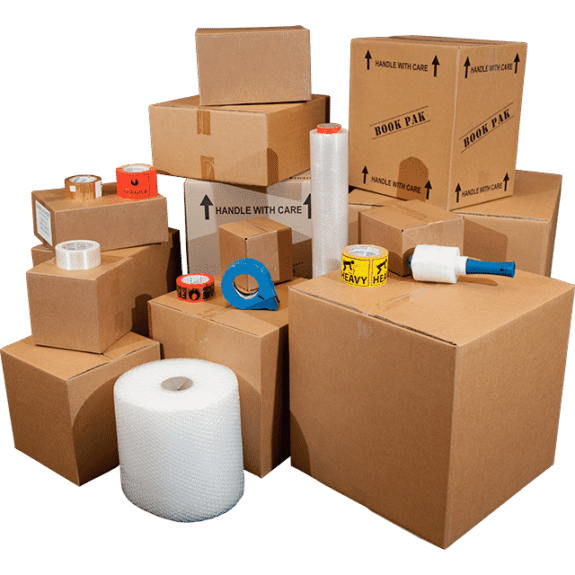
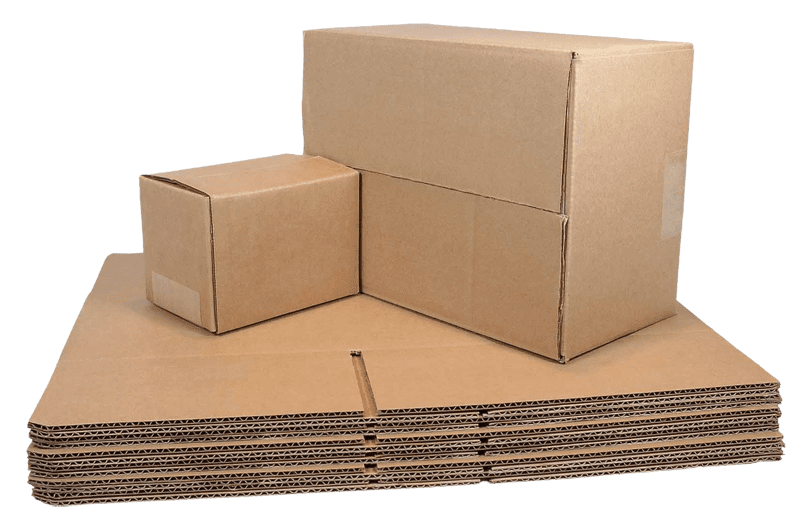
We supply businesses with a wide selection of essential packaging, shipping, and warehouse supplies. Get any standard packaging product by dimension or style from boxes, tubes, tapes, labels, and more. If you are unsure on what type of packaging you will need, then contact us for an expert consultation.


Stock packaging refers to pre-made, ready-to-ship packaging solutions like corrugated boxes, mailers, and protective materials that are designed to meet a wide range of standard needs across shipping, retail, and storage. Unlike custom packaging, stock options offer quick availability and reliable protection without the need for extensive design or production time, making them ideal for businesses needing efficient, high-quality solutions with fast lead times.

At Brown Packaging, we focus on providing durable, performance-driven stock packaging that supports our clients’ operational needs. Our stock products are sourced to ensure consistent quality and cost-effectiveness, offering a practical solution to keep operations running smoothly and on schedule. With an emphasis on reliability, we help our clients quickly access packaging solutions that meet their specific needs while maintaining quality across every order.

stock packaging products

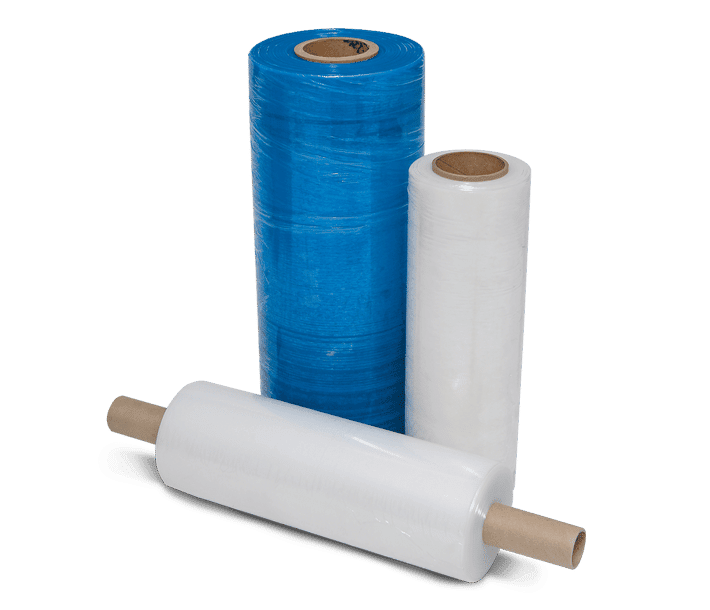
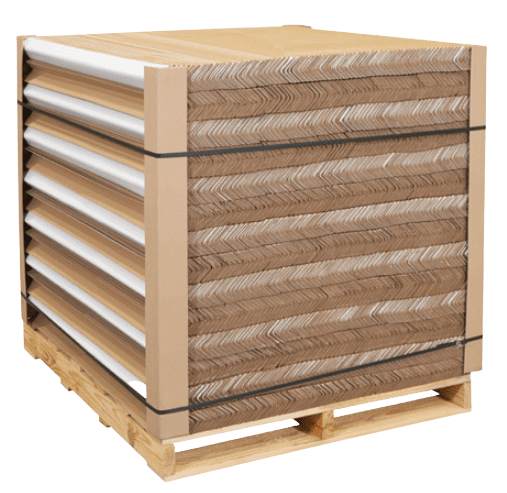
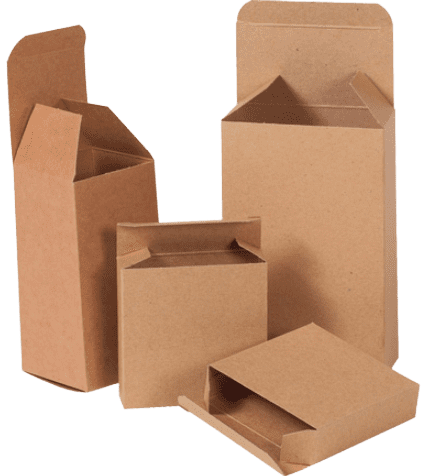
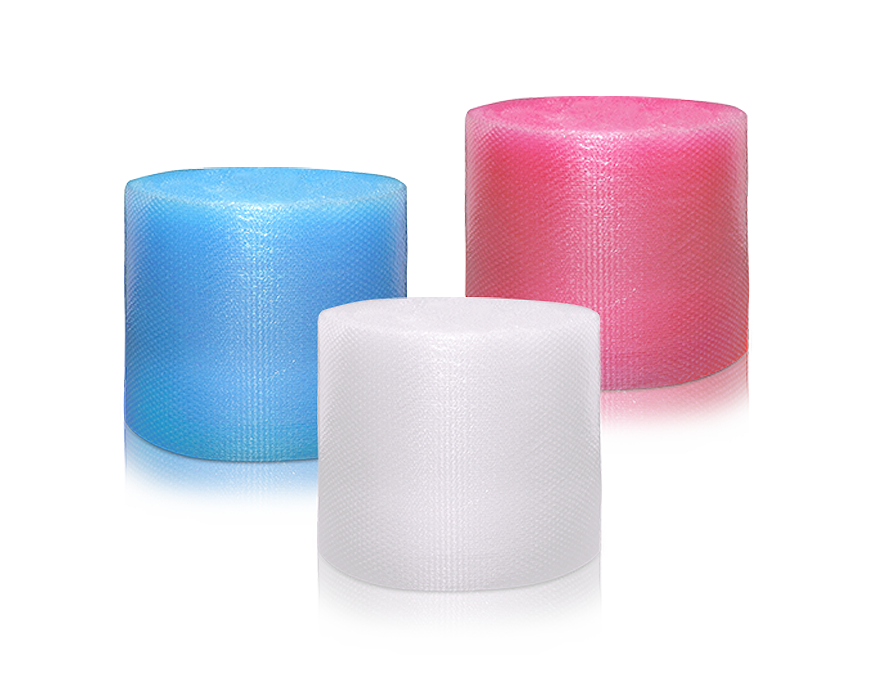
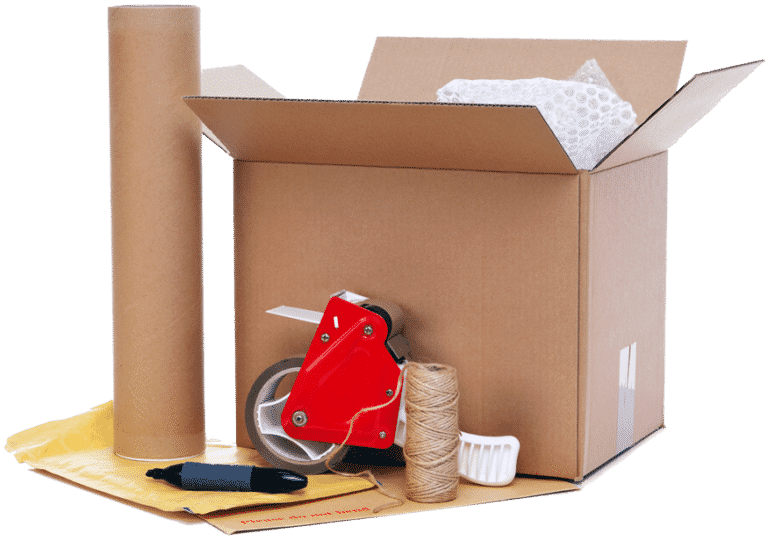
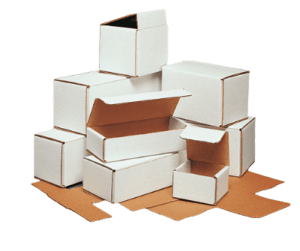
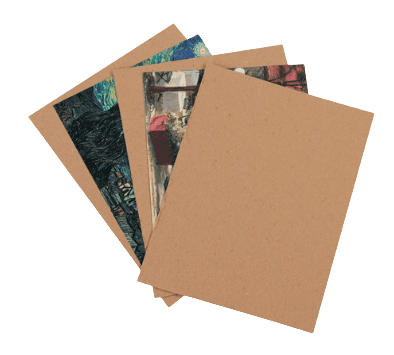
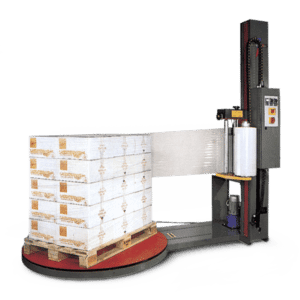
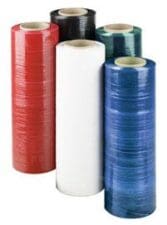
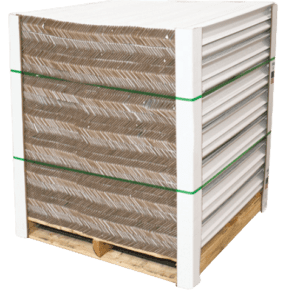
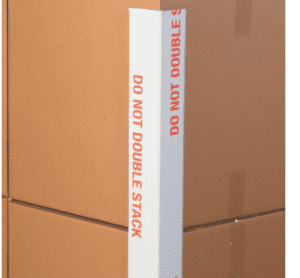
Our stock packaging products, from corrugated boxes to stretch film, offer a wide selection, including essentials like tape, edge protectors, labels, and more, with quick turnaround times to meet your packaging needs efficiently.

Edit Content
Edit Content
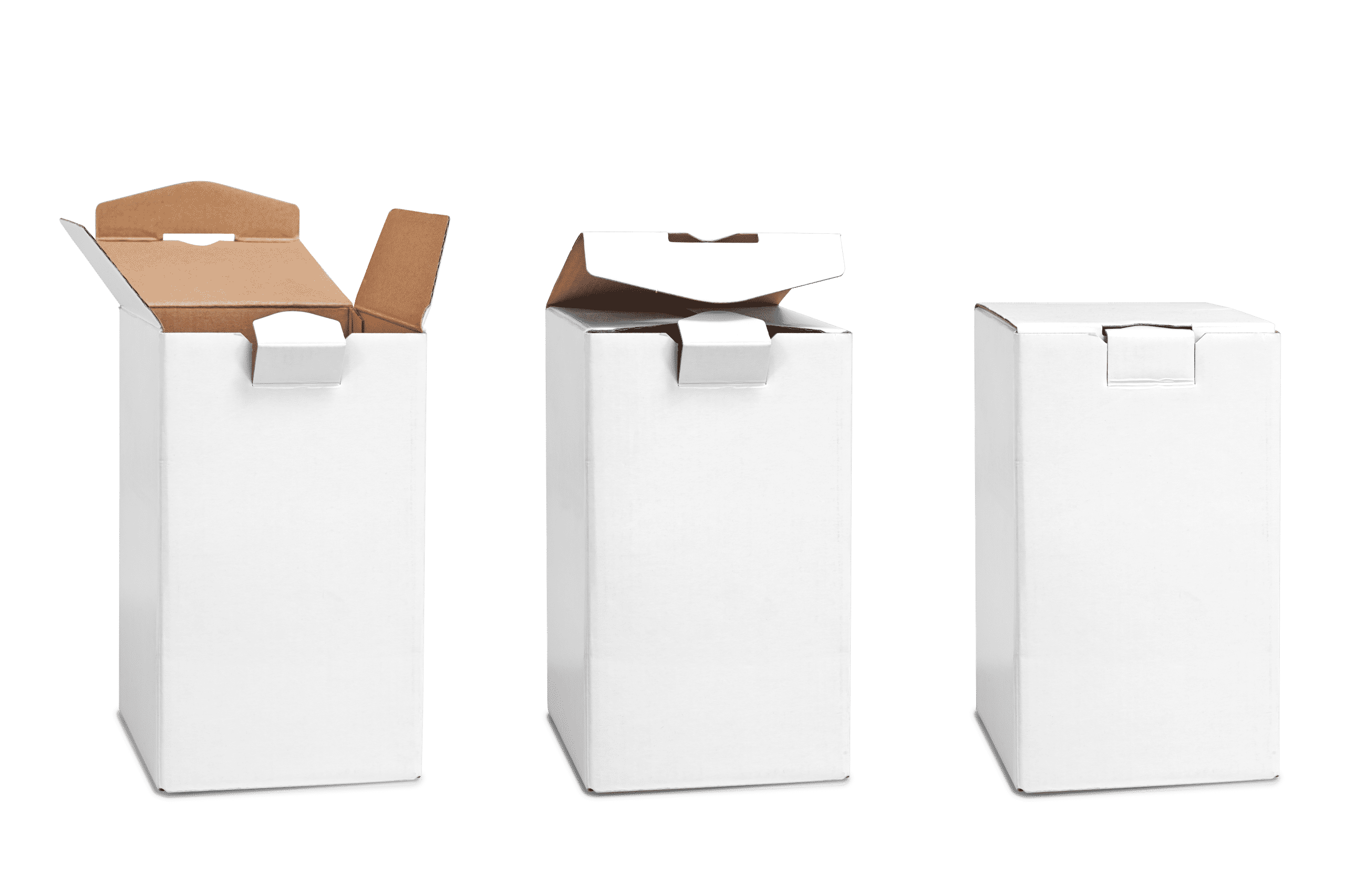
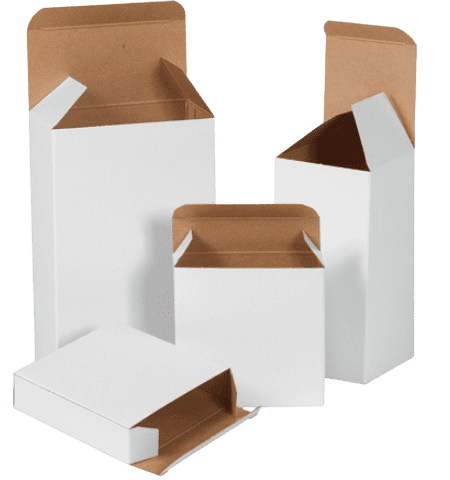
Folding Cartons
Pads
Apparel Boxes
Jewelry Boxes
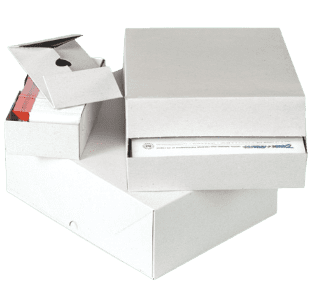
Setup Cartons
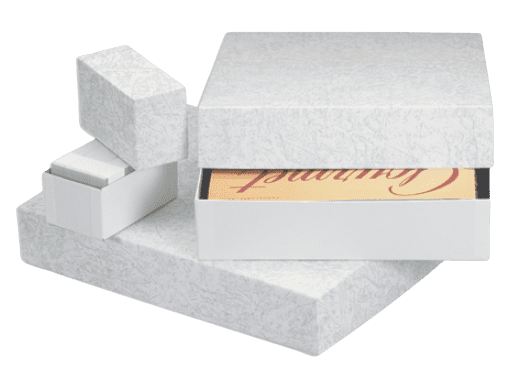
Stationary Cartons
Edit Content
Cast Film
Blown Film
Conventional Film
Engineered Film
Pre-Stretched Film
Hand Film
Machine Film
Edit Content
Light Duty
Medium Duty
Heavy Duty
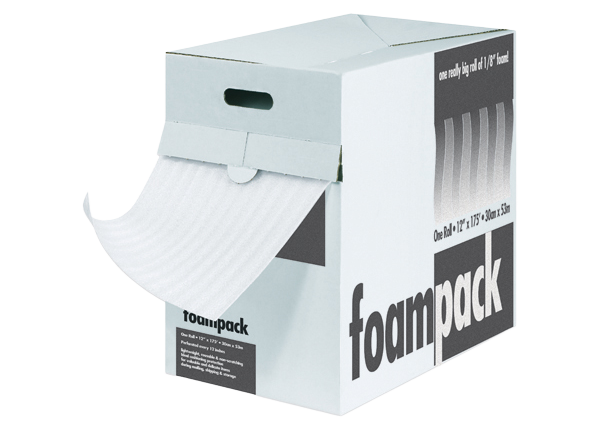
Foam
Strapping
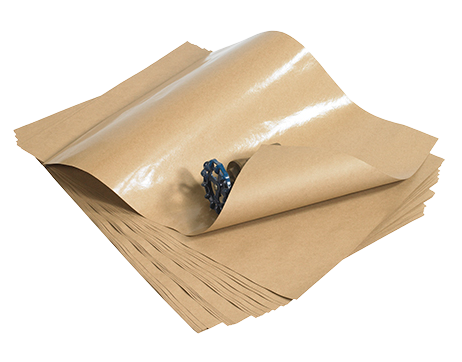
Frame Protectors
Edit Content
Edit Content
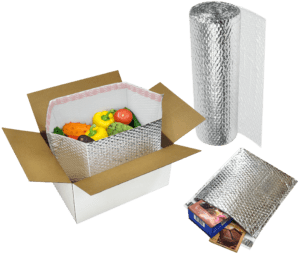
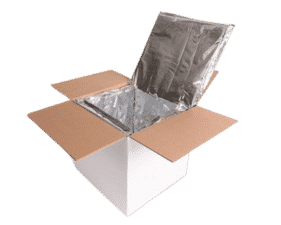
Box Liner
Metalized Pouch
Foam Cooler
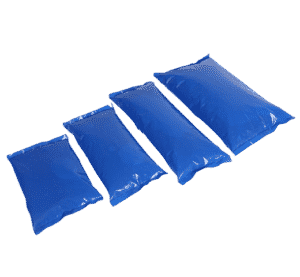
Ice Pack
Gel Pack
Edit Content
Edit Content
Edit Content
Folding Cartons
Pads
Apparel Boxes
Jewelry Boxes
Setup Cartons
Stationary Cartons
Edit Content
Cast Film
Blown Film
Conventional Film
Engineered Film
Pre-Stretched Film
Hand Film
Machine Film
Edit Content
Click on the Edit Content button to edit/add the content.
Edit Content
Edit Content
Box Liner
Metalized Pouch
Foam Cooler
Ice Pack
Gel Pack
Edit Content

If you need any assistance with your packaging or have a question, then contact us directly at request@brownpackaging.com  or  (714)300-0650. Learn more about custom packaging by reading our blog posts on new and trending topics.

Custom stand up pouches multiple designs
Printing
brownpackaging
Digital Print in Packaging: A Comprehensive Guide

The packaging industry has undergone significant changes in recent years, with new technologies such as digital print revolutionizing the way packaging materials are produced. Digital print technology offers a cost-effective and efficient way to create customized packaging materials with unique designs and graphics, while minimizing setup time and cost. In this comprehensive guide, we will explore what digital print is in packaging, how it works, its advantages and disadvantages, and its various applications. Whether you are a business owner looking to create customized packaging materials for your products or a consumer interested in the latest packaging trends, this guide provides valuable information on the benefits and limitations of digital print in packaging. Overview: Digital Print Explained This blog explores the topic of digital print in packaging, including what it is, how it works, its advantages and disadvantages, and its various applications. The guide will be explained: What is digital print in packaging? How Does Digital Printing in Packaging Work? Advantages of Digital Print Disadvantages of Digital Print Digital Print Packaging Applications What is Digital Print in Packaging? Digital print in packaging is a printing process that uses digital technology to print high-quality graphics, images, and text directly onto packaging materials. Unlike traditional printing methods, which require expensive setup costs and long lead times, digital print technology enables businesses to create customized packaging materials quickly and cost-effectively. Digital print technology works by using specialized software to create digital artwork or designs that are then printed directly onto the packaging material. The digital printer uses inkjet or laser technology to apply the design or image onto the surface of the material. One of the key advantages of digital print technology is its ability to create customized designs, graphics, and text on a wide range of packaging materials, including paper, cardboard, plastic, and metal. This allows businesses to differentiate their products from the competition by creating unique packaging materials that stand out on store shelves. Digital print technology also offers greater flexibility and speed than traditional printing methods. Because digital printers do not require the use of printing plates, setup time is significantly reduced, and changes to the design can be made quickly and easily. This makes digital print technology ideal for short runs and small batch orders, which can be produced in a matter of hours or days. How Does Digital Printing in Packaging Work? Digital print technology works by using specialized software to create digital artwork or designs that are then printed directly onto the packaging material. The process involves several steps: design creation, file preparation, printing and finishing. Design Creation The first step in the digital print process is to create the design or artwork that will be printed onto the packaging material. This is done using specialized software such as Adobe Illustrator, Photoshop or special programs created by the machine manufacturer. The design can include images, text, and graphics, and can be customized to meet the specific needs of the packaging project. File Preparation Once the design is complete, it is saved in a digital format that can be read by the digital printer. The file is then prepared for printing by adjusting settings such as color and resolution to ensure that the final print is of high quality. Printing The next step is to print the design onto the packaging material. The digital printer uses inkjet or laser technology to apply the design or image onto the surface of the material. The printer can print a single design or multiple designs on the same sheet, depending on the size and shape of the packaging material. Finishing Once the printing is complete, the packaging material is finished according to the desired specifications. This can include cutting, folding, and gluing to create the final packaging product. Overall, digital print technology offers several advantages over traditional printing methods, such as offset printing. Unlike offset printing, which requires printing plates and complex setup processes, digital print technology does not require printing plates and has a much shorter setup time. This makes it ideal for short runs and small batch orders, which can be produced quickly and cost-effectively. Additionally, digital print technology allows for greater flexibility in design, as changes can be made quickly and easily without incurring additional setup costs. This allows businesses to create customized packaging materials with unique designs and graphics, which can help them stand out from their competitors on store shelves. Advantages of Digital Print in Packaging Digital print technology offers several advantages over traditional printing methods, such as offset printing, for producing customized packaging materials. Some of the advantages of digital print in packaging are: Customization Digital print technology enables businesses to create customized packaging materials with unique designs, graphics, and text. This allows companies to differentiate their products from the competition and create packaging that aligns with their brand image and values. Speed Digital print technology has a fast turnaround time, allowing businesses to produce customized packaging materials quickly and efficiently. This is particularly useful for businesses with time-sensitive promotions or seasonal products. Multi-SKU Printing It is quite ideal for companies to print digitally for multiple SKU products. This is because digital printing is much more flexible and efficient than alternative printing methods in adjusting to changing art work. Cost-Effective Digital print technology eliminates the need for expensive setup costs associated with traditional printing methods. This allows businesses to produce short runs or small batch orders cost-effectively. Sustainability Digital print technology produces less waste than traditional printing methods, making it a more sustainable option for packaging materials. Additionally, digital printing uses water-based inks that are more environmentally friendly than solvent-based inks used in traditional printing methods. High-Quality Digital print technology produces high-quality images and text, providing businesses with a way to create packaging materials that showcase their products in the best possible light. The technology uses advanced color management systems that ensure accurate color reproduction and sharp image quality. Flexibility Digital print technology allows for greater flexibility in design, as changes can be made quickly

Read More »
Circular Packaging: An Introduction to Closed-Loop Systems
Packaging
brownpackaging
Circular Packaging: An Introduction to Closed-Loop Systems

The increasing demand for consumer goods and the resulting surge in packaging waste have prompted a growing concern for the impact of packaging on the environment. With the current linear model of packaging, where packaging is manufactured, used and then discarded, the amount of waste generated by packaging continues to rise. This has led to a growing demand for sustainable solutions, and that’s where circular packaging comes in. Circular packaging is a closed-loop system, where packaging is designed to be reused, recycled, or biodegraded after use, creating a closed loop of production, consumption, and recovery. This system not only reduces waste but also promotes resource efficiency, conserves resources, and minimizes the environmental impact of packaging. The goal of circular packaging is to create a sustainable packaging system that reduces the environmental impact of packaging and minimizes waste. This blog post will provide a comprehensive explanation of circular packaging, exploring its benefits, differences from traditional linear packaging, and real-world examples. It will provide a clear understanding of why circular packaging is the future of sustainable packaging, and the role it plays in reducing the impact of packaging on the environment. Linear vs Circular Packaging The traditional model of packaging, known as linear packaging, operates on a “take-make-waste” cycle. In this model, packaging is manufactured, used for its intended purpose, and then disposed of, resulting in a large amount of waste. This model has a significant impact on the environment, as waste generated by packaging contributes to landfills, ocean pollution, and greenhouse gas emissions. In contrast, circular packaging operates on a closed-loop system, where packaging is designed to be reused, recycled, or biodegraded after use. This model minimizes waste and conserves resources, through reuse and recycling. Circular packaging encourages the creation of a sustainable packaging system where packaging is used, recycled, and reused, reducing the amount of waste generated and the need for new resources. The main difference between linear and circular packaging lies in their approach to waste management. Linear packaging views waste as a problem to be disposed of, while circular packaging views waste as a resource to be utilized. This shift in perspective is crucial in reducing the impact of packaging on the environment and creating a sustainable packaging system. In conclusion, linear packaging operates on a “take-make-waste” model, while circular packaging operates on a closed-loop system where packaging is reused, recycled, or biodegraded after use. The shift from linear to circular packaging is crucial in reducing the environmental impact of packaging and promoting sustainability. Circular Packaging Benefits Circular packaging provides numerous benefits over traditional linear packaging, including: Reduced waste: One of the key benefits of circular packaging is that it reduces the amount of waste generated by packaging. By designing packaging to be reused, recycled, or biodegraded after use, waste is minimized, and the impact of packaging on the environment is reduced. Increased resource efficiency: Circular packaging promotes resource efficiency by conserving resources through reuse and recycling. This reduces the need for new resources, leading to more sustainable production and consumption patterns. Lower environmental impact: By reducing waste and conserving resources, circular packaging minimizes the environmental impact of packaging. This includes reducing greenhouse gas emissions, reducing the amount of waste in landfills and oceans, and preserving natural habitats and ecosystems. Cost savings: Implementing circular packaging can lead to cost savings, as the need for new packaging materials is reduced. This can result in lower production costs, as well as reduced waste management costs. Improved brand image: Companies that adopt circular packaging can benefit from improved brand image and customer loyalty. Consumers are becoming increasingly environmentally conscious, and companies that adopt sustainable packaging practices are seen as more responsible and environmentally friendly. In conclusion, the benefits of circular packaging are numerous, ranging from reduced waste and increased resource efficiency to lower environmental impact and cost savings. Implementing circular packaging is crucial in creating a sustainable packaging system and reducing the impact of packaging on the environment. Examples of Circular Packaging There are many real-world examples of circular packaging that demonstrate the potential of this approach to create a sustainable packaging system. Some of these include: Reusable packaging: Reusable packaging, such as refillable water bottles, food containers, and shopping bags, is one of the most straightforward examples of circular packaging. This type of packaging is designed to be used multiple times, reducing waste and conserving resources. Recyclable packaging: Recyclable packaging, such as paper and corrugated, is another example of circular packaging. This type of packaging can be recycled after use, reducing waste and conserving resources. Biodegradable packaging: Biodegradable packaging, such as biodegradable plastics and plant-based materials, is designed to break down into natural substances after use, reducing waste and minimizing the impact of packaging on the environment. Circular economy systems: Circular economy systems, such as closed-loop recycling programs and product-as-a-service models, are another example of circular packaging. These systems are designed to keep resources in use for as long as possible, reducing waste and conserving resources. Bioplastics: Bioplastics, such as starch-based plastics and plant-based materials, are a more sustainable alternative to traditional petroleum-based plastics. These materials are designed to be biodegradable, reducing waste and minimizing the impact of packaging on the environment. In conclusion, there are many real-world examples of circular packaging, including reusable packaging, recyclable packaging, biodegradable packaging, circular economy systems, and bioplastics. These examples demonstrate the potential of circular packaging to create a sustainable packaging system and reduce the impact of packaging on the environment. Summary: Circular Packaging In conclusion, circular packaging represents a significant shift from traditional linear packaging and is crucial in creating a sustainable packaging system. By designing packaging to be reused, recycled, or biodegraded after use, waste is minimized, and resources are conserved. The benefits of circular packaging are numerous, including reduced waste, increased resource efficiency, lower environmental impact, cost savings, and improved brand image. The shift towards circular packaging is already underway, with many companies and organizations adopting this approach to minimize the impact of packaging on the environment. However, there is

Read More »
LDPE VS HDPE
Plastic Packaging
brownpackaging
High Density and Low-Density Polyethylene Explained: Packaging Applications & Benefits

High density polyethylene (HDPE) and low-density polyethylene (LDPE) are both types of polyethylene, a thermoplastic polymer made from petroleum. The main difference between the two is the density of the material. HDPE has a higher density and a higher molecular weight, while LDPE has a lower density and a lower molecular weight. HDPE Packaging Applications In terms of packaging applications, HDPE is commonly used for making rigid containers like milk jugs, water bottles, and plastic drums. It is also used in the manufacturing of pipes and fittings for the transportation of gas and water. HDPE is known for its strength and durability, making it a popular choice for packaging products that need to withstand rough handling or transportation. It also has good chemical resistance, making it suitable for packaging products that may come into contact with chemicals. Benefits of HDPE Benefits of HDPE include: High strength, high stiffness, good chemical resistance, good impact resistance and good temperature resistance. Disadvantages of HDPE include: It is less flexible, difficult to print on and is more prone to cracking under stress. LDPE Packaging Applications On the other hand, LDPE is commonly used in packaging applications such as plastic wraps, food storage bags, and squeezable bottles. Its flexibility and versatility make it a good choice for packaging products that need to be flexible, such as bags and films. It is also used to make plastic films for packaging and in the electrical and electronic industries. LDPE’s flexibility is also an advantage for packaging products that need to be vacuum-sealed or shrink-wrapped. Benefits of LDPE Benefits of LDPE include: Its flexibility and versatility, good electrical insulation, good chemical resistance, and low cost. Disadvantages of LDPE include: it is less stiff, less strong and has lower temperature resistance, and is more likely to crack and wear over time. Which one should you choose? When deciding whether to use HDPE or LDPE for packaging, it is important to consider the properties of the product being packaged and the specific requirements of the packaging. For example, if the product requires a strong and durable container that can withstand rough handling or transportation, HDPE would be a good choice. On the other hand, if the product requires a flexible and versatile packaging that can be vacuum-sealed or shrink-wrapped, LDPE would be a better choice. Additionally, if you’re looking for a printing option on the packaging, HDPE may not be ideal as it can be difficult to print on. If you are interested in HDPE or LDPE material packaging products, then contact Brown Packaging today. We can offer our clients a wide selection of flexible packaging options and customization. (714)300-0650 request@brownpackaging.com Most Recent Posts: Categories: Corrugated Ecommerce ESD Design Display Flexible Packaging Foam Folding Carton Packaging Plastic Packaging Pouch Printing Protection Retail Rigid Box Thermoform Sustainability Subscribe To Our Newsletter By submitting your information, you agree to our terms and conditions and privacy policy. Custom Packaging Facebook Twitter LinkedIn Pinterest Relevant Posts

Read More »