

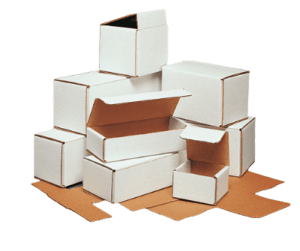


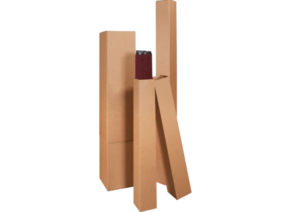

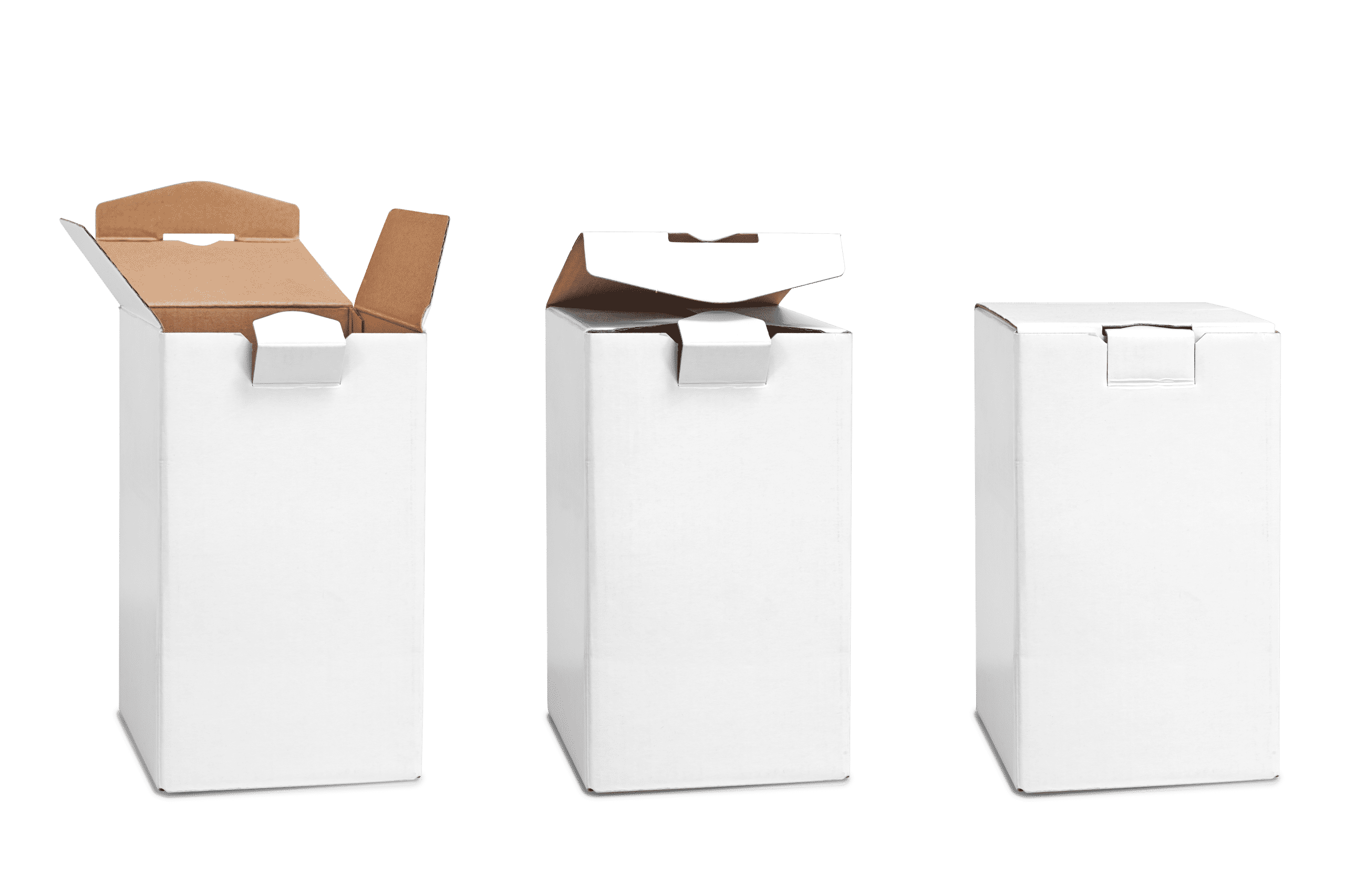
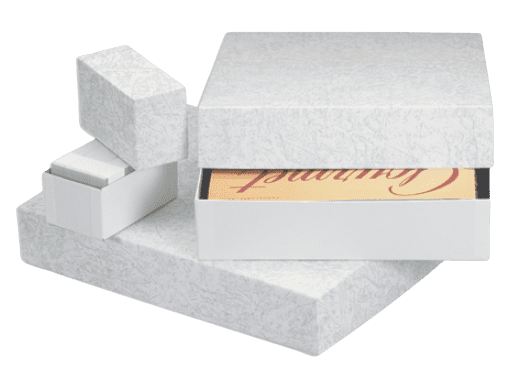
Stock Packaging
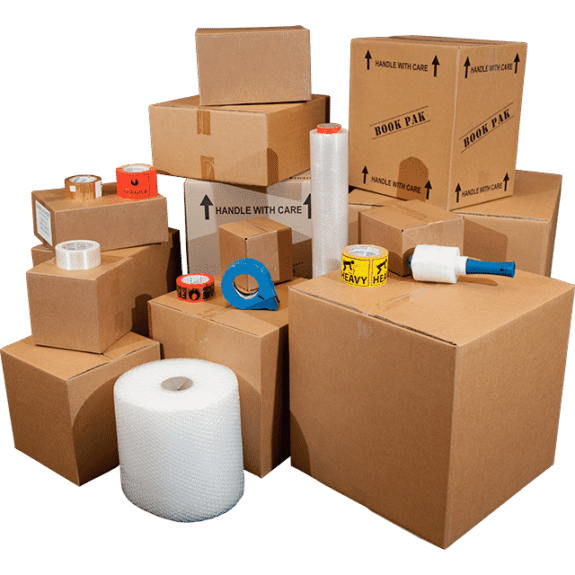
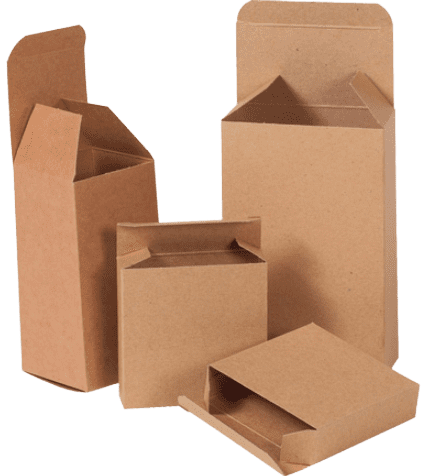
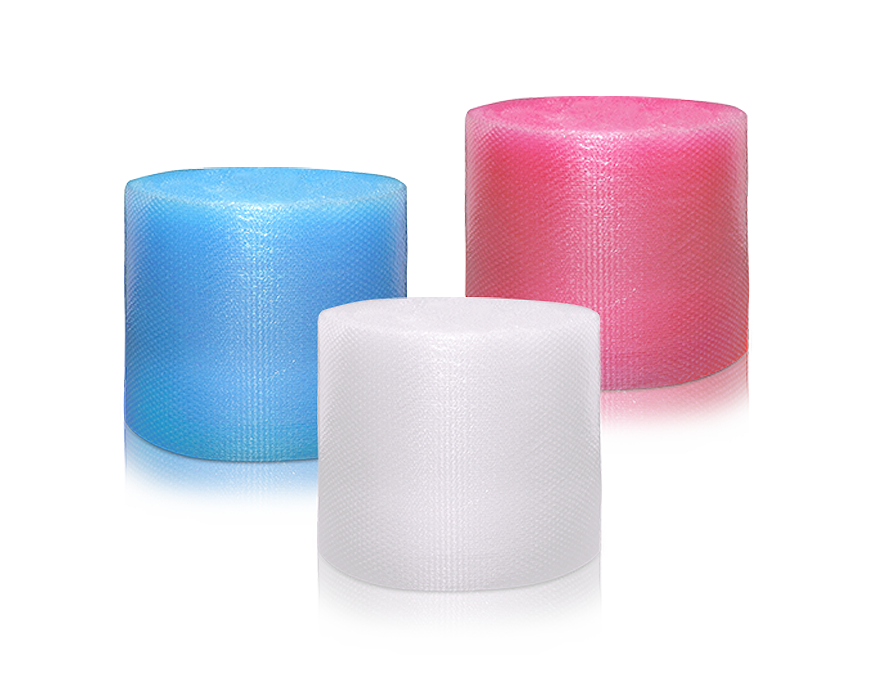
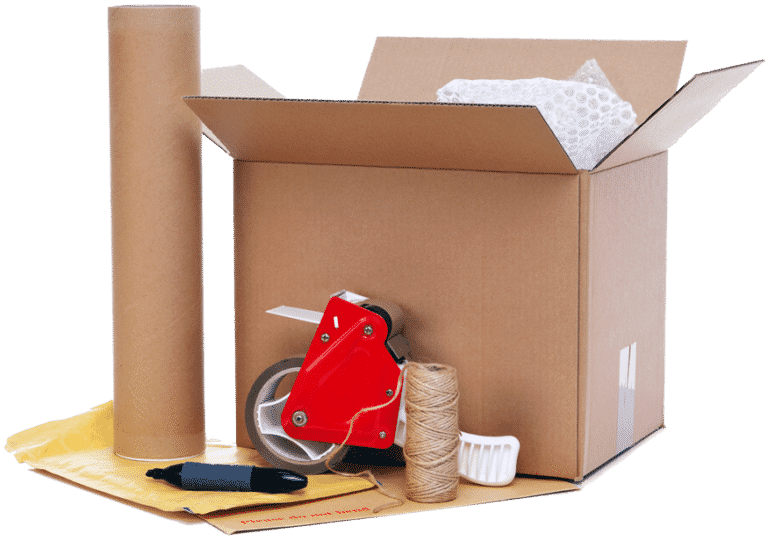
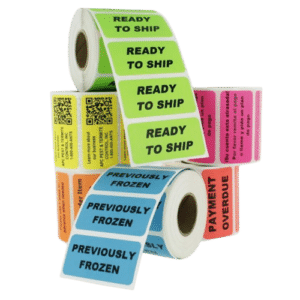
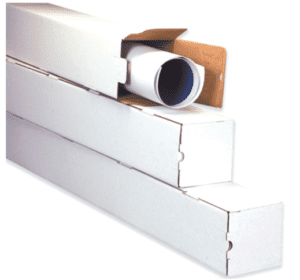
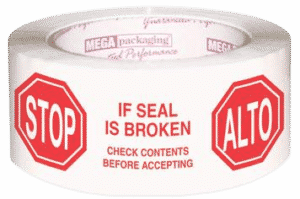
We supply businesses with a wide selection of essential packaging, shipping, and warehouse supplies. Get any standard packaging product by dimension or style from boxes, tubes, tapes, labels, and more. If you are unsure on what type of packaging you will need, then contact us for an expert consultation.


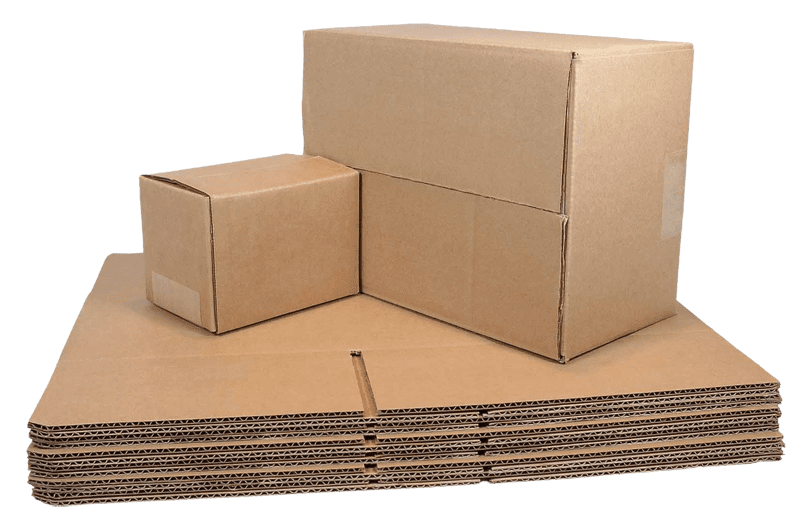
Stock packaging refers to pre-made, ready-to-ship packaging solutions like corrugated boxes, mailers, and protective materials that are designed to meet a wide range of standard needs across shipping, retail, and storage. Unlike custom packaging, stock options offer quick availability and reliable protection without the need for extensive design or production time, making them ideal for businesses needing efficient, high-quality solutions with fast lead times.
At Brown Packaging, we focus on providing durable, performance-driven stock packaging that supports our clients’ operational needs. Our stock products are sourced to ensure consistent quality and cost-effectiveness, offering a practical solution to keep operations running smoothly and on schedule. With an emphasis on reliability, we help our clients quickly access packaging solutions that meet their specific needs while maintaining quality across every order.
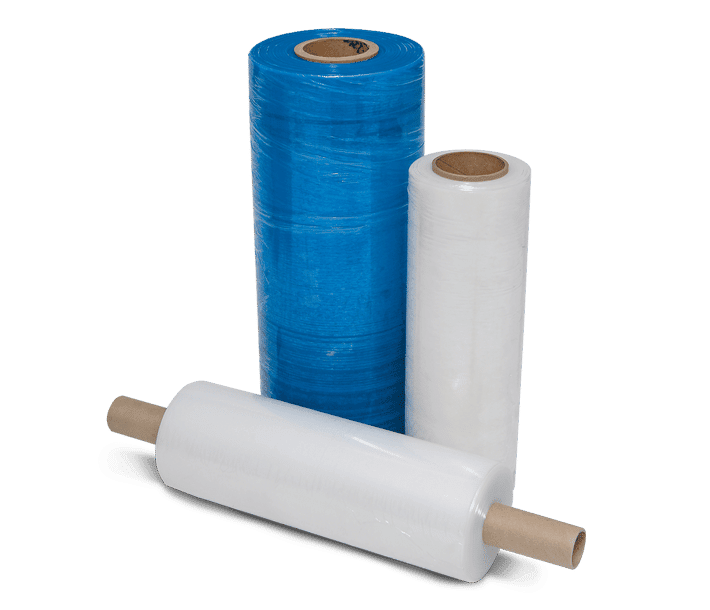
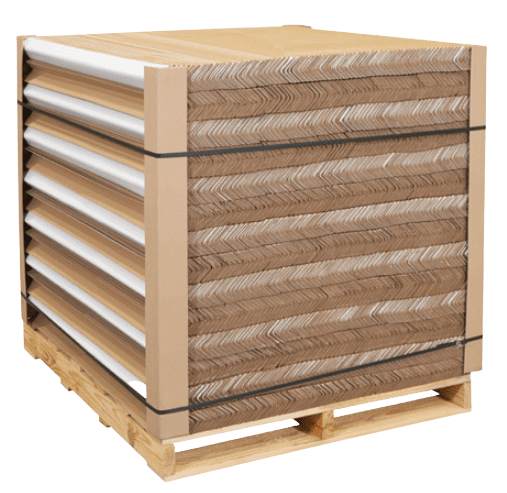
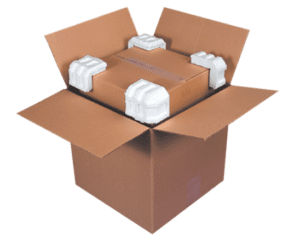
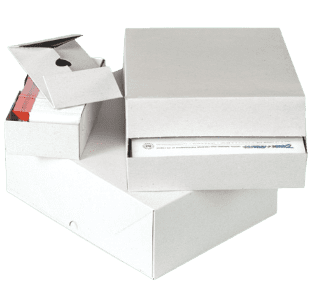
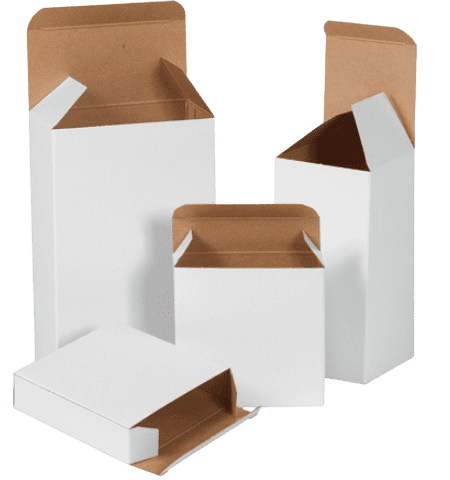
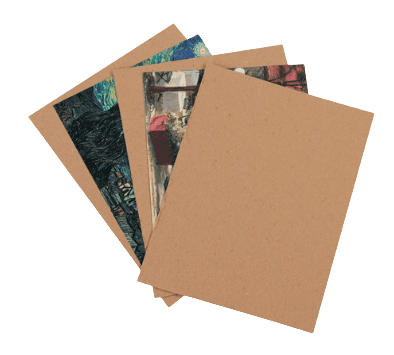
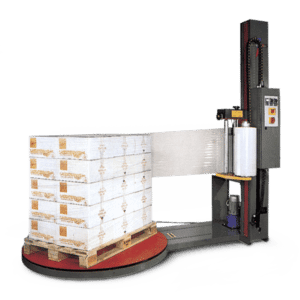
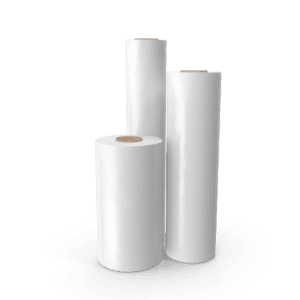
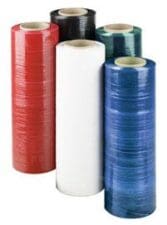
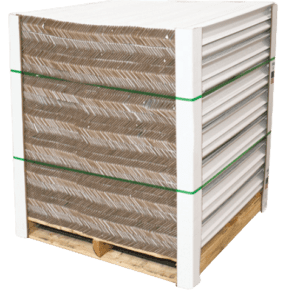
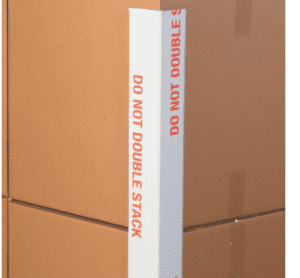
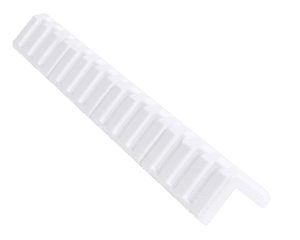
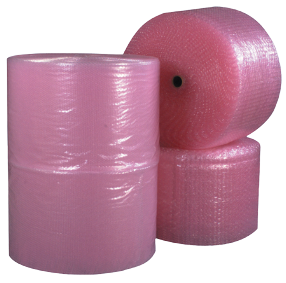
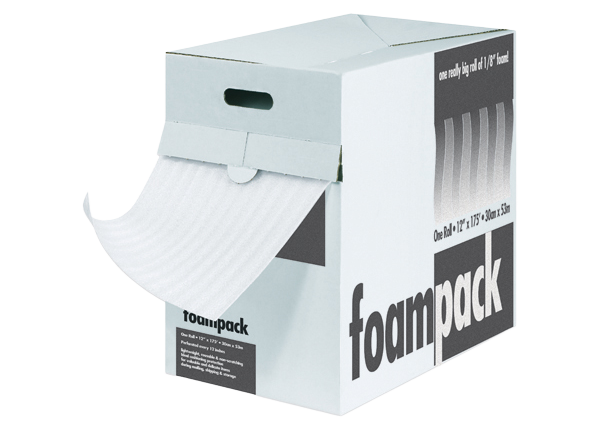
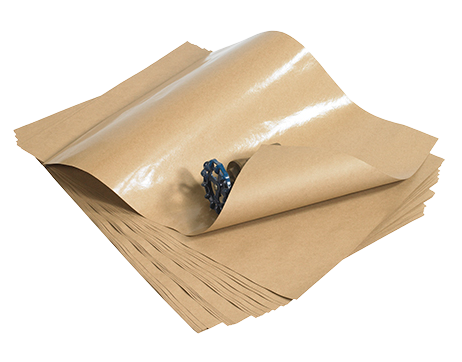
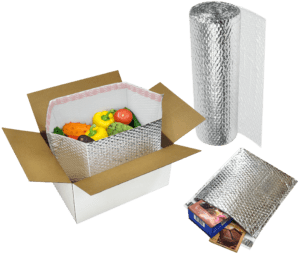
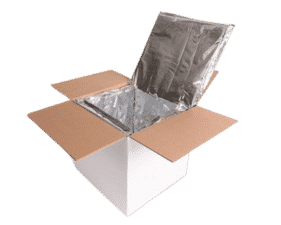
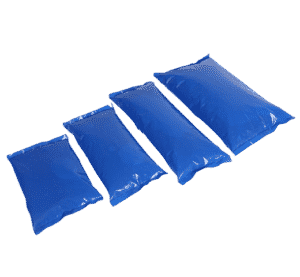
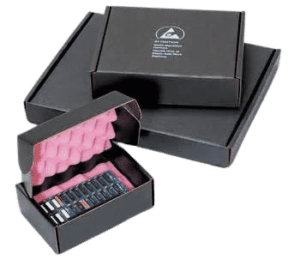
Our stock packaging products, from corrugated boxes to stretch film, offer a wide selection, including essentials like tape, edge protectors, labels, and more, with quick turnaround times to meet your packaging needs efficiently.


If you need any assistance with your packaging or have a question, then contact us directly at request@brownpackaging.com or (714)300-0650. Learn more about custom packaging by reading our blog posts on new and trending topics.

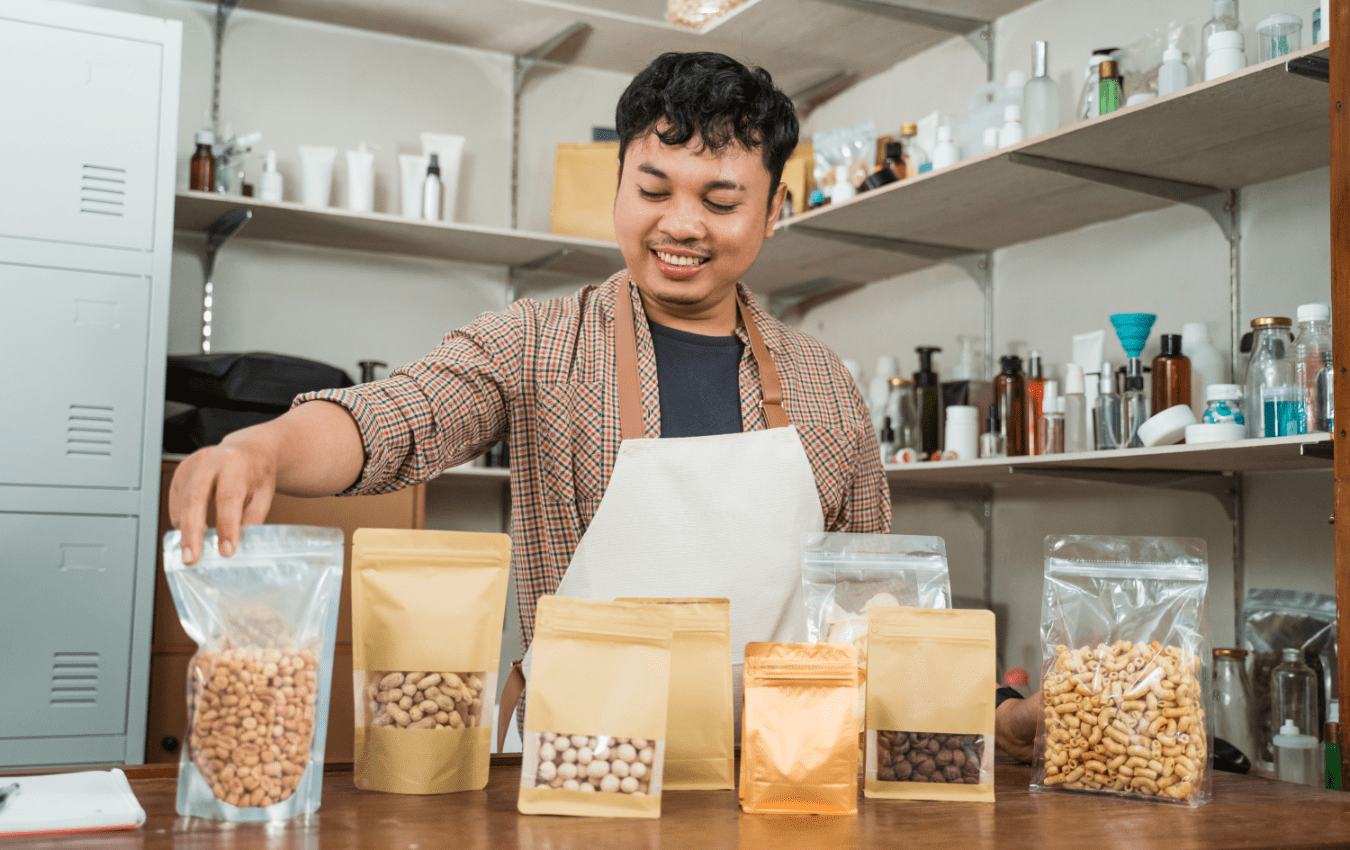
Food packaging is a critical component of the food industry, providing protection, preservation, and marketing benefits for food products. It is an essential element in the supply chain, helping to ensure that food products are safe and of high quality when they reach consumers. Food packaging plays a vital role in maintaining the freshness, flavor, and nutritional value of food products, while also providing convenience, brand recognition, and regulatory compliance. There are a wide range of food packaging materials and products available, including plastics, paperboard, corrugated materials, and more. Each type of packaging material offers unique benefits and challenges, and businesses must carefully consider their packaging needs when selecting the best packaging options for their products. In addition to providing functional benefits, food packaging must also comply with strict regulatory requirements set by the FDA and government agencies. These requirements ensure that food packaging is safe and effective, and help to protect the health of consumers. Overview: Food Packaging Explained This blog will provide an overview of food packaging, including the reasons why businesses need food packaging, the various types of packaging materials and products available, and the FDA and government requirements that must be met. By understanding the importance of food packaging and the role it plays in the food industry, businesses can make informed decisions about their packaging needs and ensure the safety, quality, and marketability of their food products. Why Food Packaging Important Common Food Packaging Materials Food Packaging Applications Federal Drug Administration and Government Requirements Why Food Packaging Important Food packaging plays a crucial role in the food industry, providing a variety of benefits to businesses and consumers. Here are some of the main reasons why businesses need food packaging: Protection Food packaging protects food products from physical damage, contamination, and spoilage during storage and transportation. This helps to ensure that food products reach consumers in good condition and are safe to eat. Preservation Food packaging helps to preserve the freshness, flavor, and quality of food products. Packaging can help to prevent the growth of harmful microorganisms and the oxidation of food products, extending the shelf life and preserving the nutritional value of food. Branding Food packaging is a valuable marketing tool for businesses, allowing them to promote their brand and differentiate their products from their competitors. Food packaging can include branding elements, such as logos, graphics, and product information, that help to build brand recognition and loyalty. Convenience Food packaging provides convenience for both businesses and consumers. Packaging can be designed to make it easy to store, transport, and dispense food products, while also providing a clean and convenient way to consume food on the go. Cost Savings Food packaging can help businesses to reduce costs by improving supply chain efficiency and reducing waste. For example, the use of barrier materials in food packaging can help to extend the shelf life of food products, reducing waste and the need for frequent restocking. Compliance Food packaging must comply with various regulations and standards, including those set by the FDA and other government agencies. Compliance with these regulations helps to ensure the safety of food products and protects the health of consumers. These are just a few of the many reasons why businesses need food packaging. By using appropriate food packaging, businesses can improve the safety, quality, and marketability of their products, while also meeting the needs of their customers. Common Food Packaging Materials Food packaging materials come in a variety of forms, each with its own unique properties and benefits. Let’s take a closer look at some of the most common packaging materials used in the food industry: Plastic (Polymers) Plastic packaging is a popular choice due to its light weight, flexibility, and durability. Plastic packaging comes in a variety of forms, including bags, containers, trays, and more. Plastic packaging can be made from a variety of materials, including polyethylene (PE), polypropylene (PP), and polyethylene terephthalate (PET). Each type of plastic has its own unique properties and benefits, making it suitable for different food packaging applications. For example, PE is commonly used for food bags due to its flexibility, while PET is used for beverage bottles due to its clarity and resistance to impact. Corrugated Corrugated packaging is made from corrugated cardboard and is commonly used for shipping and storing food products. It provides excellent protection against physical damage and is an eco-friendly alternative to other packaging materials. Corrugated packaging is also easily recyclable and biodegradable, making it a sustainable choice for food packaging. Paperboard Paperboard packaging is made from multiple layers of paper and is commonly used for packaging food products, such as cereal boxes and snack packs. Paperboard is lightweight, strong, and biodegradable, making it an environmentally friendly option. Some paperboard packaging also features a food-grade coating, making it suitable for direct food contact. Glass Glass packaging is commonly used for preserving food products, such as pickles, jams, and sauces. Glass is non-reactive, ensuring that the flavor and quality of food products remain intact. Glass is also recyclable and can be reused, making it a sustainable choice for food packaging. Metal Metal packaging is commonly used for preserving food products, such as canned goods. Metal packaging provides a barrier to light, air, and moisture, helping to preserve the freshness and quality of food products. Metal packaging can be made from a variety of materials, including tin, aluminum, and steel. In addition to these common packaging materials, there are also various other materials used in the food packaging industry, including biodegradable and compostable packaging, such as bioplastic, and innovative materials, such as smart packaging, which includes features like temperature indicators and modified atmosphere packaging. It’s important for businesses to carefully consider the materials used for food packaging to ensure that they meet both regulatory requirements and the needs of their customers. By choosing the right packaging materials and applications, businesses can provide their customers with high-quality, safe, and appealing food products. Food Packaging Applications Food packaging applications refer to the ways in which food

Displays play a key role in marketing and selling your product in stores. With the goal of grabbing the attention of a customer, it is important to choose the right style. There are many factors to keep in mind when deciding which display is best for your business needs. The two main types are POP and POS displays. Making the decision between both will be based on your product and your overall company goals. With a well-designed display you can showcase your products most impressive features and have a better chance of catching your customer’s attention. It is important to understand the differences between the two in order to choose the best display for your business needs. What is a POP Display? A POP display refers to point of purchase which is the physical location where a consumer decides they would like to buy a product. These displays need to appeal to the customer and convince them to make a purchase. It is important that POP displays are customized with eye catching designs, in order to convince the costumer to purchase the product. These displays are meant to be placed in highly trafficked areas to ensure the maximum number of views. There are three main types of POP displays. The first being temporary which is made with corrugated material. This is the cheaper to produce compared to the longer shelf life displays. Shelf life for this is up to 6 months. Next being semi-permanent, which is made with heavy duty corrugated, metal, wood, acrylic, and glass. The shelf life for this is 6 months to a year. Lastly is permanent which is made with plastic, metal, wood, glass and other durable materials. The shelf life is up to 3 years which makes it the longest lasting POP display. POP Display Styles: Floor Display: Typically located in aisles with shopping access from all sides. Pallet Display: Located on a pallet and can vary in three sizes (Half, Quarter, Full) Power Wing (Sidekick) Display: Versatile and can be placed on endcaps or the sales floor. Dump Bin: Placed on the sales floor and can be accessed from all sides. Pallet Skirt/Wrap: A corrugated covering of a stack of pallets, which is used to hold up and display products. Floor Pallet Power Wing (Sidekick) Dump Bin POP Display Strengths: Increase brand awareness Showcase products and new items Breakaway from competition on shelf Placed in high traffic areas What is a POS Display? A POS display refers to point of sale which is the specific area where the sale takes place. These are the displays that customers interact with near the checkout or register. The purpose of these are to engage the customer in impulse purchasing. This is usually for items you didn’t plan on purchasing, but after seeing the item at check out, you impulsively chose to buy it. Since these are placed at checkouts, it’s almost a guarantee that customers will see your product. Although these displays are small, it is still important to have an eye catching design in order to draw in the customer. Since these displays are smaller, they are best for small items and those that are individually packaged. Common examples of these are; drinks, candy, gum, and other small items located at the register. POS Display Styles: PDQ Trays: Designed to fit in small places and maximize the use of retail place. Counter Top: Displays that are usually on a counter and designed to hold small products and fit them in compact areas with limited space. Power Wing (Sidekick) Display: Versatile and can be placed on endcaps or the sales floor. PDQ Tray Counter Top Display POS Display Strengths: At checkout, all customers will see Targets impulsive buyers Usually smaller and cheaper products Showcase products and new items When to Choose a POP or POS Display: Point of Purchase More costly Bigger displays More products Versatility and mobility to place display throughout the store Variety of display options and best for design Point of Sale Less costly Smaller/individually packaged products Less variety of products Placed at check out Targets impulse purchases Summary: Choosing the Right Display Displays are a great way to stand out among your competitors. These two displays although similar, give two different approaches when it comes to showcasing your product. Choosing the right display for your business needs is important. They can come in many sizes, shapes, and designs with the common purpose of promoting and displaying your products. You must take many factors into consideration when making that decision. If you need help deciding which display would be best for your business needs, then contact Brown Packaging today so one of our packaging specialists can assist you. (714)300-0650 request@brownpackaging.com Most Recent Posts: Categories: Corrugated Ecommerce ESD Design Display Flexible Packaging Foam Folding Carton Packaging Plastic Packaging Pouch Printing Protection Retail Rigid Box Thermoform Sustainability Subscribe To Our Newsletter By submitting your information, you agree to our terms and conditions and privacy policy. Custom Displays Facebook Twitter LinkedIn Pinterest Relevant Posts

Corrugated packaging has been a popular choice for packaging and shipping goods for over a century, and for good reason. The unique structure of corrugated packaging, with its fluted layer between two liners, provides a lightweight yet strong material that can be customized to fit a wide variety of shapes and sizes. However, the environmental benefits of corrugated packaging are often overlooked. With increasing concern over climate change and the impact of waste on the environment, it’s important to consider the sustainability of the materials we use, including packaging. Fortunately, corrugated packaging offers a range of environmental advantages that make it one of the most sustainable packaging materials available today. It’s made from renewable resources, can be easily recycled, and has a relatively low carbon footprint compared to other materials. As consumers become more conscious of their environmental impact, companies are also making an effort to reduce their carbon footprint and contribute to sustainable practices. Choosing corrugated packaging is a simple yet effective way to make a positive impact on the environment. By using recyclable and biodegradable materials, companies can reduce waste, conserve resources, and minimize their carbon footprint. Overview: Corrugated Packaging, Benefits & Sustainability In this article, we will explore the sustainability benefits of corrugated packaging, including its recyclability, biodegradability, and low carbon footprint. We will also examine how these benefits contribute to a more sustainable future and what steps we can take to promote the use of corrugated packaging. Recyclability Biodegradability Low Carbon Footprint Recyclability Recyclability of corrugated packaging is one of the key reasons it is such a sustainable material. Corrugated packaging is made from paper, which is a renewable resource and can be recycled multiple times. Recycling corrugated packaging is easy and efficient, with the vast majority of materials collected and reused within just a few weeks. In this section, we will explore the different aspects of the recyclability of corrugated packaging, including its collection and sorting, recycling process, and benefits to the environment. Collection and Sorting The first step in the recycling process of corrugated packaging is the collection and sorting of materials. Most municipalities have curbside recycling programs that include corrugated packaging, making it easy for households to recycle. The packaging can also be recycled at local recycling centers or through drop-off programs. Once the materials are collected, they are transported to a recycling facility, where they are sorted and prepared for recycling. Recycling Process The recycling process of corrugated packaging is relatively simple and requires minimal energy compared to other materials. The first step is to remove any contaminants, such as tape or staples, which can be done through a pulping process that separates the fibers from the contaminants. The fibers are then cleaned, screened, and de-inked, and made into new paper products. The entire process can take just a few weeks from the time the packaging is collected to the production of new products. Benefits to the Environment Recycling corrugated packaging has many benefits for the environment. Firstly, it conserves resources, as the paper fibers can be recycled multiple times, reducing the need for new materials. Secondly, it reduces the amount of waste sent to landfills, which helps to preserve natural habitats and reduce greenhouse gas emissions. Finally, recycling corrugated packaging helps to promote a circular economy, where materials are reused and waste is minimized. Biodegradability Another sustainability advantage of corrugated packaging is its biodegradability. This means that the material can be broken down by natural processes and does not persist in the environment. In this section, we will explore the biodegradability of corrugated packaging, including how it decomposes, the impact on the environment, and the benefits of composting. Decomposition When corrugated packaging is disposed of in a landfill, it decomposes over time and produces methane gas, a potent greenhouse gas. However, the decomposition process of corrugated packaging is significantly faster than other materials such as plastic, which can take hundreds of years to break down. Corrugated packaging is made from paper, which is a natural material that can be broken down by microorganisms. Impact on the Environment When corrugated packaging is recycled, it is diverted from landfills, and methane emissions are reduced. Methane gas is a potent greenhouse gas that contributes to climate change, so by reducing the amount of corrugated packaging in landfills, we can help mitigate the effects of climate change. Additionally, the biodegradability of corrugated packaging means that it is less likely to persist in the environment and cause harm to wildlife. Composting Corrugated packaging is also an excellent material for composting. It can be shredded and added to a compost pile, where it breaks down quickly and helps to nourish the soil. Composting corrugated packaging also helps to reduce waste and conserve resources. The paper fibers in corrugated packaging provide a good source of carbon for composting, which is essential for creating a balanced compost pile. Benefits of Composting Composting corrugated packaging has many benefits, including reducing the amount of waste sent to landfills, improving soil health, and conserving resources. By adding corrugated packaging to a compost pile, it can help to break down other organic materials, such as food waste, and create a nutrient-rich compost that can be used to grow plants. Low Carbon Footprint The low carbon footprint of corrugated packaging is another important sustainability advantage. The manufacturing process requires less energy compared to other materials, and the packaging is lightweight, which reduces transportation emissions. In this section, we will explore the different aspects of the low carbon footprint of corrugated packaging, including the manufacturing process, transportation emissions, and the impact on the environment. Manufacturing Process The manufacturing process of corrugated packaging requires less energy compared to other materials. The packaging is made from renewable resources, which reduces the reliance on fossil fuels. The process of manufacturing corrugated packaging involves converting wood pulp into paper, which is then formed into the distinctive corrugated structure. The manufacturing process is energy efficient and can be powered by renewable energy sources. Transportation Emissions The lightweight nature of