












Stock Packaging
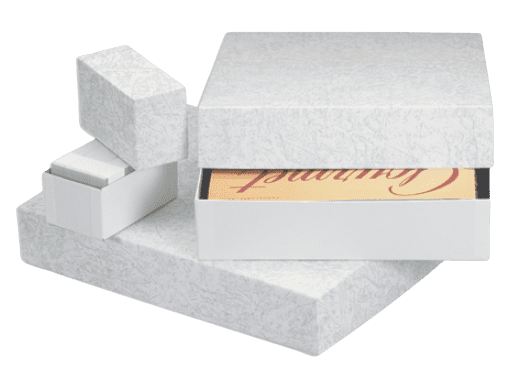
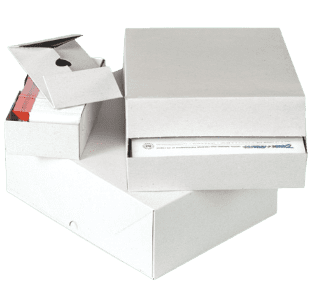
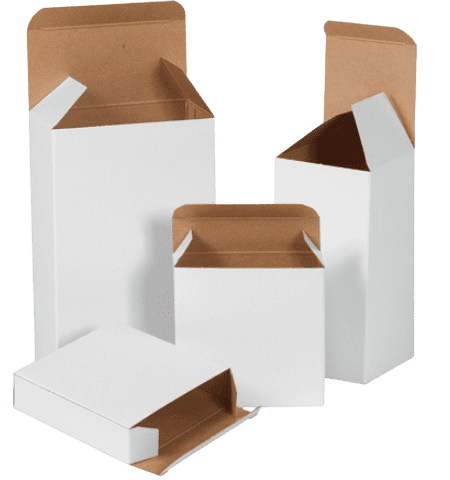
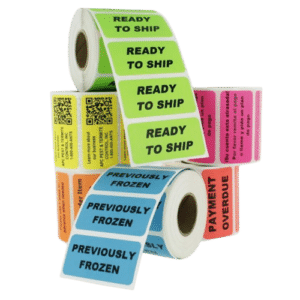
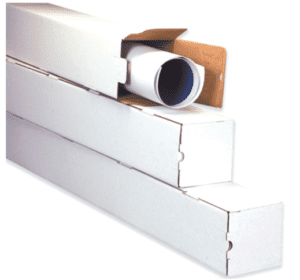
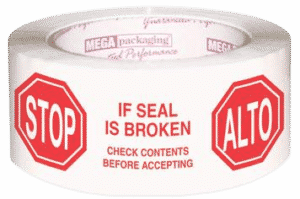
We supply businesses with a wide selection of essential packaging, shipping, and warehouse supplies. Get any standard packaging product by dimension or style from boxes, tubes, tapes, labels, and more. If you are unsure on what type of packaging you will need, then contact us for an expert consultation.


Stock packaging refers to pre-made, ready-to-ship packaging solutions like corrugated boxes, mailers, and protective materials that are designed to meet a wide range of standard needs across shipping, retail, and storage. Unlike custom packaging, stock options offer quick availability and reliable protection without the need for extensive design or production time, making them ideal for businesses needing efficient, high-quality solutions with fast lead times.
At Brown Packaging, we focus on providing durable, performance-driven stock packaging that supports our clients’ operational needs. Our stock products are sourced to ensure consistent quality and cost-effectiveness, offering a practical solution to keep operations running smoothly and on schedule. With an emphasis on reliability, we help our clients quickly access packaging solutions that meet their specific needs while maintaining quality across every order.
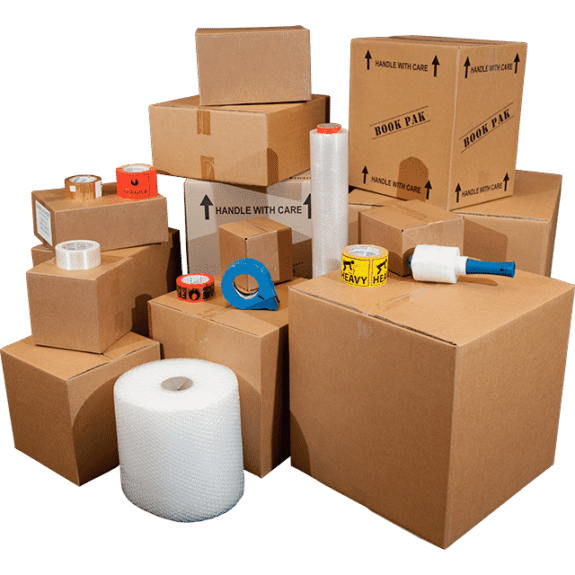
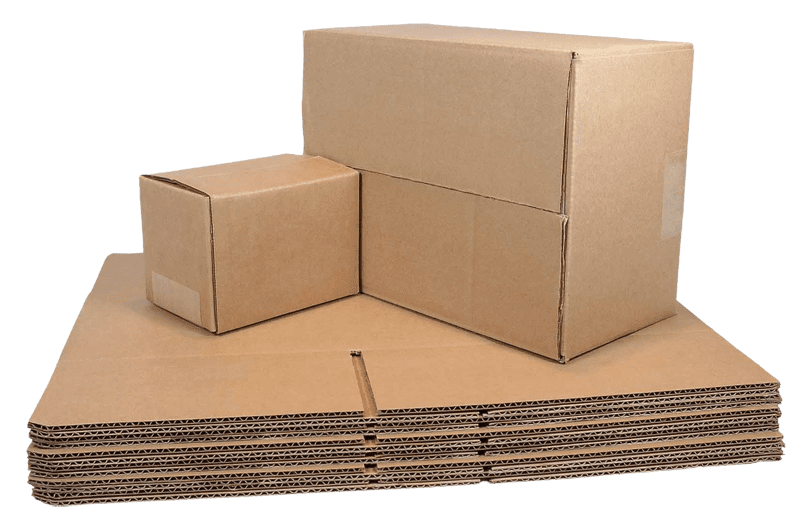
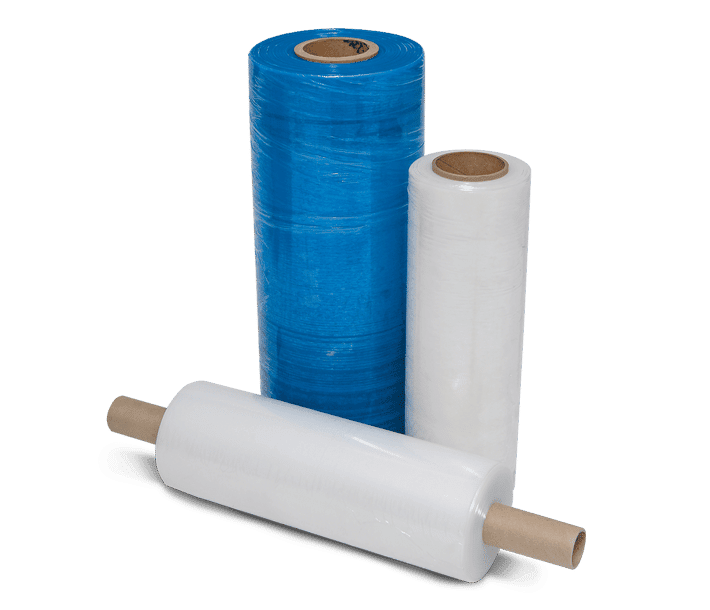
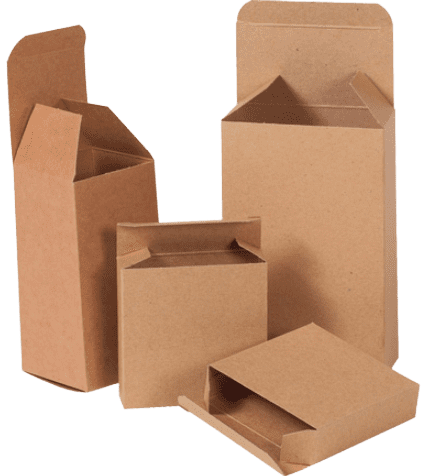
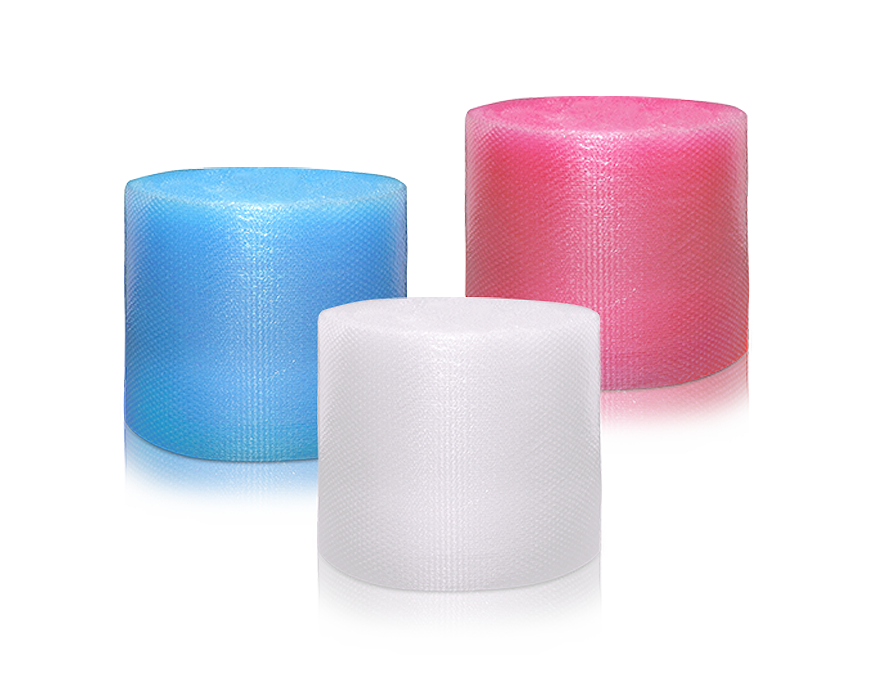
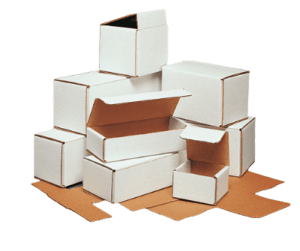
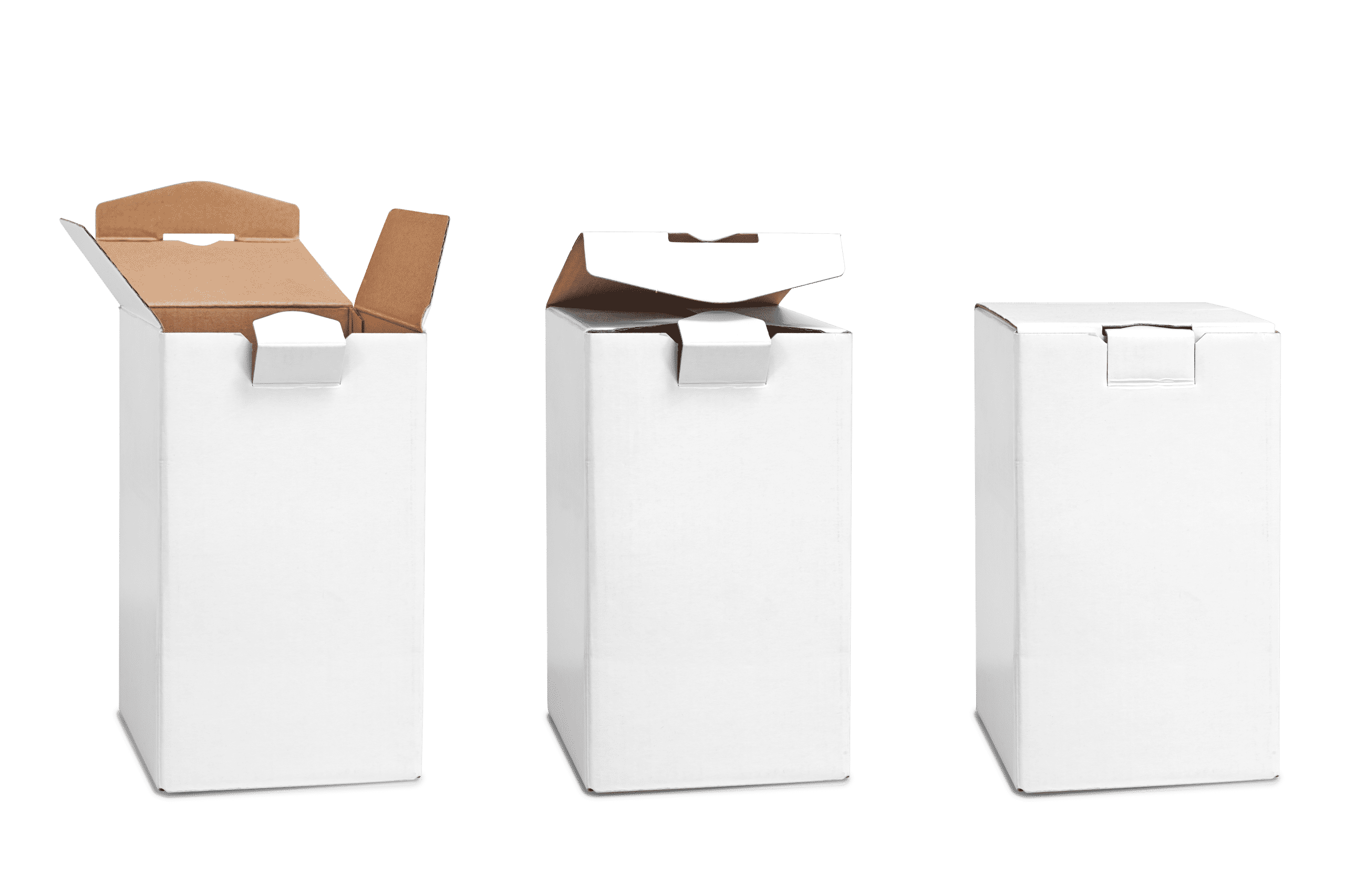
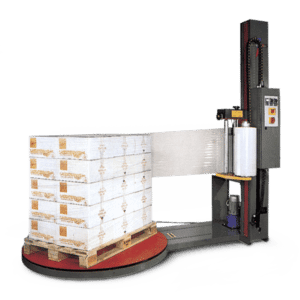
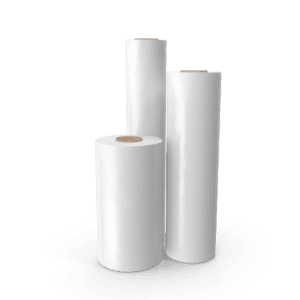
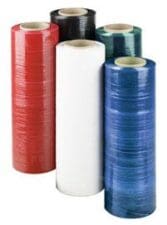
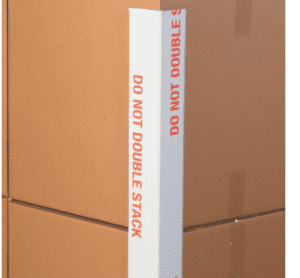
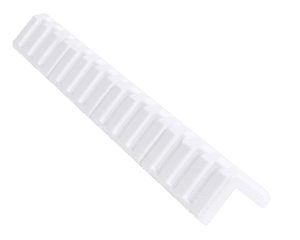
Our stock packaging products, from corrugated boxes to stretch film, offer a wide selection, including essentials like tape, edge protectors, labels, and more, with quick turnaround times to meet your packaging needs efficiently.


If you need any assistance with your packaging or have a question, then contact us directly at request@brownpackaging.com or (714)300-0650. Learn more about custom packaging by reading our blog posts on new and trending topics.

The importance of packaging in our daily lives cannot be overstated. Packaging protects, preserves, and transports the products we use and consume every day, ensuring their quality and safety. However, the traditional packaging industry has come under scrutiny in recent years due to its impact on the environment. Packaging waste contributes to overflowing landfills, litter in oceans and rivers, and greenhouse gas emissions, leading to a growing need for more sustainable packaging solutions. In response to this growing concern, the concept of sustainable packaging has emerged, providing a more environmentally friendly and responsible approach to packaging. Sustainable packaging is defined as packaging that meets the needs of the present without compromising the ability of future generations to meet their own needs. This means designing and producing packaging that is environmentally friendly, socially responsible, and economically viable. The goal of sustainable packaging is to reduce waste, conserve resources, and minimize the impact on the environment throughout the entire life cycle of the packaging, from production to disposal. In this blog, we will delve into the topic of sustainable packaging, discussing the importance of eco-friendly packaging solutions and the various materials and methods being used to reduce waste. By examining the latest developments and trends in sustainable packaging, we hope to raise awareness and encourage more environmentally conscious decisions in the packaging industry. What is Sustainable Packaging? Sustainable packaging is an approach to packaging that takes into consideration the impact of the packaging on the environment and aims to reduce waste and conserve resources throughout the entire life cycle of the packaging. This involves considering the entire life cycle of the packaging, from production to disposal, and finding ways to minimize the impact of packaging on the environment. The definition of sustainable packaging can vary, but it typically includes the following elements: Environmentally friendly: Environmentally friendly sustainable packaging should prioritize recyclability and biodegradability in addition to minimizing resource use, waste, emissions, and environmental impacts. This involves using materials that are easily recyclable and accepted by local facilities, and designing the packaging to biodegrade over time into natural materials, thus promoting a healthier environment and reducing waste. Socially responsible: Socially responsible packaging should be safe for workers and consumers, and not have any adverse effects on human health or the environment. Economically viable: Economically viable packaging should be cost-effective and not have a negative impact on the profitability of the business. Sustainable packaging aims to balance these three elements, ensuring that the packaging meets the needs of the present without compromising the ability of future generations to meet their own needs. In other words, sustainable packaging should provide the same level of protection and preservation as traditional packaging, but with a reduced impact on the environment. The trend towards sustainable packaging is driven by a growing awareness of the impact of packaging on the environment and a desire for more environmentally friendly solutions. Consumers are demanding more eco-friendly options, and companies are responding by developing and implementing more sustainable packaging solutions. This has led to the growth of new materials, processes, and technologies that are helping to reduce the impact of packaging on the environment. Types of Sustainable Packaging Materials There is a wide variety of materials that can be used to create sustainable packaging. Some of the most commonly used materials include: Recycled paper and corrugated: These are one of the most popular materials for sustainable packaging due to its ease of recycling and biodegradability. Recycled paper and corrugated can be used for a variety of packaging applications, including boxes, envelopes, and shipping containers. Plant-based materials: Plant-based materials, such as cornstarch, cellulose, and bamboo, are biodegradable and compostable, making them ideal for sustainable packaging. These materials can be used for a variety of applications, including food packaging, bags, and containers. Biodegradable plastics: Biodegradable plastics are made from renewable resources that are designed to break down quickly when exposed to the elements. These materials are often used for food packaging, shopping bags, and other disposable products. Glass: Glass is a highly recyclable material that can be used for food packaging, cosmetics, and other products. Glass containers can be used multiple times and have a long lifespan, making them a great option for sustainable packaging. Metal: Metal, such as aluminum and steel, is highly recyclable and has a long lifespan, making it a popular choice for sustainable packaging. Metal containers are often used for food and beverage packaging, as well as for household products. Reusable packaging: Reusable packaging, such as refillable bottles, containers, and bags, are designed to be used multiple times, reducing the need for disposable packaging. This type of packaging is becoming increasingly popular as consumers seek more sustainable options. These are just a few examples of the many materials that can be used for sustainable packaging. The best material for a particular application will depend on the specific needs of the product, as well as the cost and availability of the material. Companies are continually developing and improving these materials, so it is likely that new and innovative sustainable packaging materials will emerge in the future. Methods to Reduce Waste in Packaging In addition to using sustainable materials, there are a number of methods that can be used to reduce waste in packaging. Some of the most effective methods include: Right-sizing and Reduction of Packaging Materials: One of the simplest ways to reduce waste in packaging is to use the right amount of packaging for a particular product. This means using just enough packaging to protect the product and keep it safe, without using excessive amounts of material. This helps to reduce the amount of packaging waste that is generated and also saves money by reducing the cost of materials. Recycling: Recycling is a key component of sustainable packaging, as it helps to reduce waste by turning used packaging into new products. Many types of packaging, including paper, corrugated, glass, and metal, can be easily recycled and turned into new products, reducing the need for new materials and conserving resources.

ISTA (International Safe Transit Association) certification is an essential component of the packaging industry. It involves testing and certifying packaging materials and products to ensure that they meet specific standards for shipping and handling. The certification process helps to ensure that packaging materials are robust enough to withstand the rigors of transportation and protect the contents within. In this blog post, we will discuss the circumstances under which someone would need an ISTA certification for their packaging. Shipping Fragile and Delicate Items When shipping fragile and delicate items, such as glassware, electronics, or medical devices, it’s essential to have packaging that can protect these items from damage during transit. An ISTA certification ensures that the packaging meets specific standards for drop testing, vibration testing, and compression testing to protect the contents within. Shipping Hazardous Materials Shipping hazardous materials requires specialized packaging to ensure the safe transport of these goods. An ISTA certification ensures that the packaging meets specific standards for handling hazardous materials and can withstand the conditions required for transportation. Meeting Regulatory Requirements Many industries have regulatory requirements for packaging materials. For example, the pharmaceutical industry has strict requirements for packaging materials to ensure the safety and efficacy of drugs during transportation. An ISTA certification ensures that the packaging meets these regulatory requirements and provides a standardized testing process for compliance. Reducing Transportation Costs Poorly designed or inadequate packaging can result in increased transportation costs due to damaged goods, lost items, and additional handling. An ISTA certification ensures that packaging materials are robust enough to withstand the rigors of transportation, reducing the likelihood of damage and decreasing overall transportation costs. Increasing Customer Satisfaction Customers expect their products to arrive in pristine condition, free from damage or defects. An ISTA certification ensures that packaging materials are tested to rigorous standards, providing peace of mind for both the shipper and the customer. This can lead to increased customer satisfaction and repeat business. Retail Chains and Club Stores Require ISTA Retail chains and club stores have specific packaging requirements that shippers must meet to sell their products in-store or online. These requirements are designed to ensure that products arrive at the store or warehouse in good condition and ready for display. Most retail chains and club stores require that packaging materials meet specific ISTA standards before they can be sold in their stores. In many cases, these requirements exceed the minimum ISTA standards, meaning that shippers must invest in high-quality packaging materials that can withstand the rigors of transportation. Working with an ISTA-certified packaging company can help shippers meet the packaging requirements of retail chains and club stores. These companies have experience in designing and testing packaging materials that meet the strictest ISTA standards, ensuring that your products arrive at the store or warehouse in good condition. Moreover, using packaging materials that meet the packaging requirements of retail chains and club stores can also help to increase product visibility and sales. These stores are more likely to promote products that meet their packaging requirements, meaning that shippers who invest in high-quality packaging materials may see an increase in sales and brand recognition. It’s worth noting that the packaging requirements of retail chains and club stores can vary depending on the type of product and the retailer. As such, it’s important to work with an ISTA-certified packaging company that has experience working with different types of retailers and can help you meet their specific packaging requirements. Summary: Do you Need ISTA Certification for Your Packaging? Ultimately, an ISTA certification is necessary for anyone shipping fragile, delicate, or hazardous materials, meeting regulatory requirements, reducing transportation costs, and increasing customer satisfaction. It provides a standardized testing process for packaging materials and ensures that they meet specific standards for drop testing, vibration testing, and compression testing. Retail chains and club stores often require that your product be packaged in an ISTA Certified package. If you are interested in custom packaging that can meet your requirements for certification, then partner with Brown Packaging today to get started. (714)300-0650 request@brownpackaging.com Most Recent Posts: Categories: Corrugated Ecommerce ESD Design Display Flexible Packaging Foam Folding Carton Packaging Plastic Packaging Pouch Printing Protection Retail Rigid Box Thermoform Sustainability Subscribe To Our Newsletter By submitting your information, you agree to our terms and conditions and privacy policy. Custom Packaging Facebook Twitter LinkedIn Pinterest Relevant Posts

In today’s highly competitive marketplace, the packaging of a product plays a crucial role in determining a brand’s success. It is the first point of contact between a brand and its customers and can have a lasting impact on the customer’s perception of the brand. As consumers are bombarded with numerous products vying for their attention, it is increasingly important for brands to differentiate themselves and stand out from the crowd. One of the most effective ways to do this is through the packaging of the product. Packaging is not just a means of protection and preservation, but also a powerful tool for shaping a brand’s identity. Overview: Packaging and Brand Identity In this blog, we will delve into the relationship between packaging and brand identity and explore the various ways that brands are using packaging to communicate their values and messaging to their customers. From the use of eco-friendly materials to reflect a commitment to sustainability to the use of premium materials to communicate a brand’s premium quality, we will examine the various ways that brands are using packaging to shape their identity and stand out from the competition. We will also discuss the impact that packaging has on customer perception and the ways in which it can influence a customer’s decision to purchase a product. Whether you’re a brand looking to establish your identity or a customer looking to make informed purchasing decisions, this blog will provide valuable insights into the world of packaging and brand identity. The Connection Between Packaging and Brand Identity How Brands are Using Packaging to Communicate Their Values and Messaging Conclusion: Packaging and Brand Identity The Connection Between Packaging and Brand Identity The connection between packaging and brand identity is a crucial one as packaging plays a critical role in establishing and communicating a brand’s identity to its customers. Packaging is often the first point of contact between a brand and its customers, and it can make a lasting impression that can influence their perception of the brand. Here’s a closer look at the connection between packaging and brand identity: First Impressions Packaging is the first thing that customers see when they encounter a product, and it can create a lasting impression. A well-designed and visually appealing packaging can make a positive impression on customers and help establish the brand’s identity in their minds. Brand Message Packaging is an effective tool for communicating a brand’s values and messaging to its customers. Brands can use packaging to convey information about the product, such as its features, benefits, and usage instructions, as well as the brand’s values, such as its commitment to sustainability or its focus on quality. Brand Personality Packaging can also help convey a brand’s personality, such as its sense of humor, its approachability, or its sophistication. By using specific colors, shapes, and images, brands can create packaging that reflects their personality and helps to establish their identity in the minds of customers. Brand Awareness Packaging is also an effective tool for increasing brand awareness. A distinctive and memorable packaging design can help customers recognize the brand and remember it in the future. How Brands are Using Packaging to Communicate their Values and Messaging Brands are using packaging in a variety of ways to communicate their values and messaging to customers. From the use of eco-friendly materials to reflect a commitment to sustainability, to the use of premium materials to communicate a brand’s premium quality, packaging is a powerful tool for shaping a brand’s identity and communicating its values and messaging to customers. Here are some of the ways that brands are using packaging to communicate their values and messaging: Sustainability Many brands are using eco-friendly packaging materials, such as recyclable or biodegradable materials, to communicate their commitment to sustainability and the environment. This not only helps to reduce waste and protect the environment but also appeals to customers who are looking for environmentally conscious brands. Premium Quality Brands can use premium materials, such as high-quality paper, glass, or metal, in their packaging to communicate a premium quality image. This can help to differentiate the brand from its competition and communicate its focus on quality to customers. Personalization Packaging can also be personalized to communicate a brand’s focus on individual customers. For example, brands can use custom packaging with personalized messages or images to create a personal connection with customers and build brand loyalty. Simplicity and Minimalism Brands can also use simple and minimalist packaging designs to communicate a focus on functionality and efficiency. This type of packaging can appeal to customers who are looking for products that are easy to use and do not have any unnecessary features. Innovation Brands can use innovative packaging designs, such as interactive or augmented reality packaging, to communicate their focus on innovation and technology. This can help to differentiate the brand from its competition and appeal to customers who are looking for cutting-edge products. Conclusion: Packaging and Brand Identity In brief, packaging plays a critical role in establishing and communicating a brand’s identity to its customers. The connection between packaging and brand identity is a vital one, and brands are using packaging in a variety of ways to communicate their values and messaging to customers. From eco-friendly materials to premium materials, from personalization to simplicity, packaging is a powerful tool for shaping a brand’s identity and communicating its values and messaging to customers. A well-designed and effective packaging can help establish a brand’s identity, increase brand awareness, and make a positive impression on customers, all of which can contribute to the brand’s success in the marketplace. It is essential for brands to understand the connection between packaging and brand identity and to use packaging as a tool to communicate their values and messaging to customers. For customers, understanding the ways in which brands are using packaging to communicate their values and messaging can help them make informed purchasing decisions. By paying attention to packaging, customers can gain insight into a brand’s values and messaging, and