


window.uetq = window.uetq || []; window.uetq.push(‘event’, ‘submit_lead_form’,{ event_label:‘SUBMIT MESSAGE’ }); window.lintrk('track', { conversion_id: 10271009 }); window.lintrk('track', { conversion_id: 10271017 });

Stock Packaging

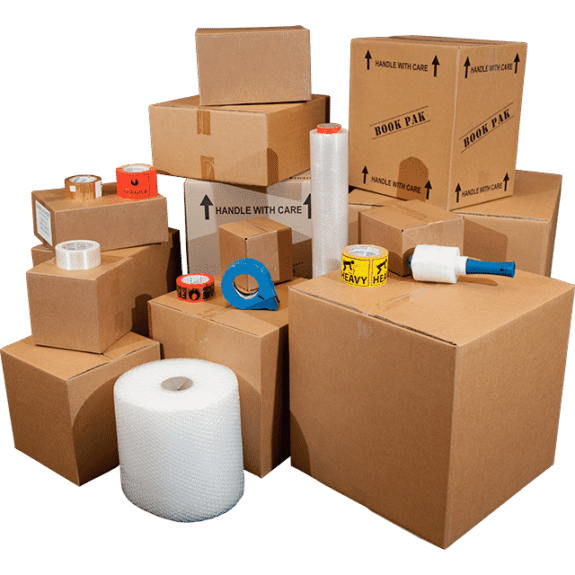
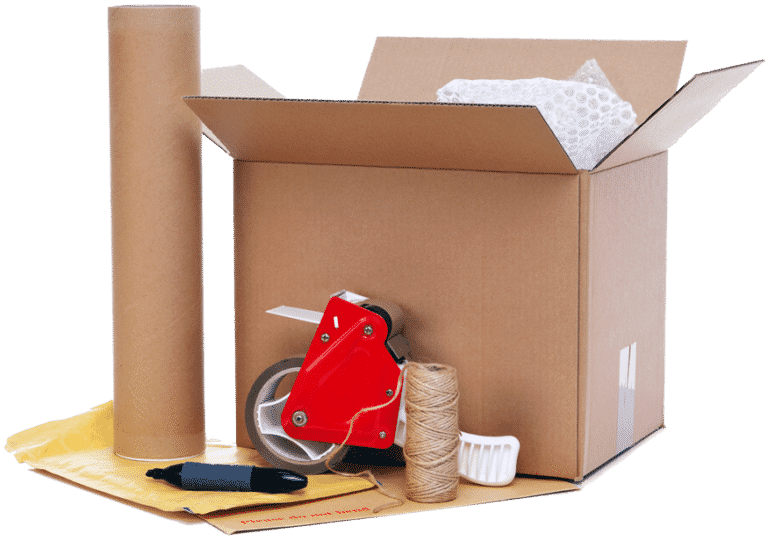
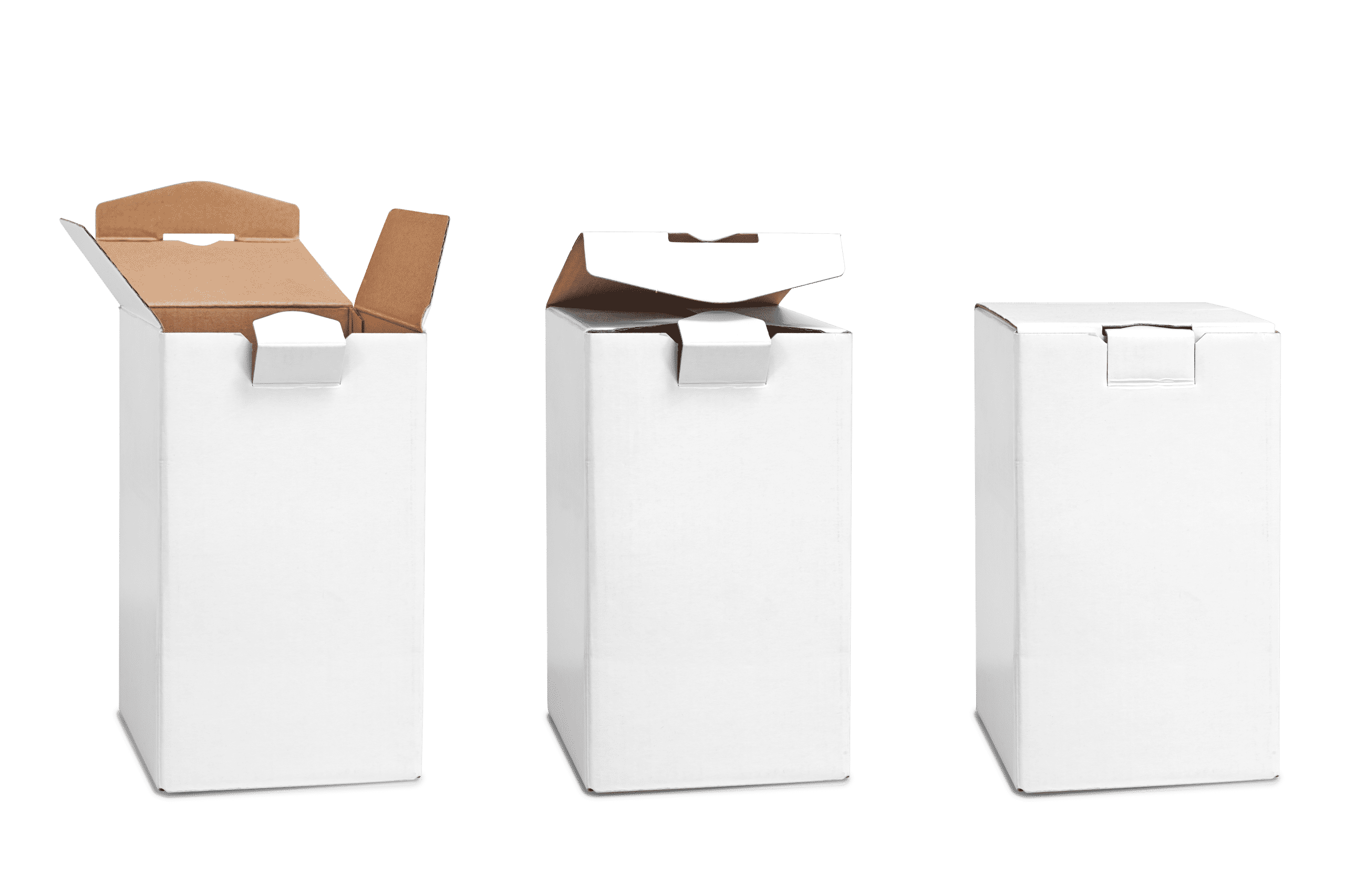
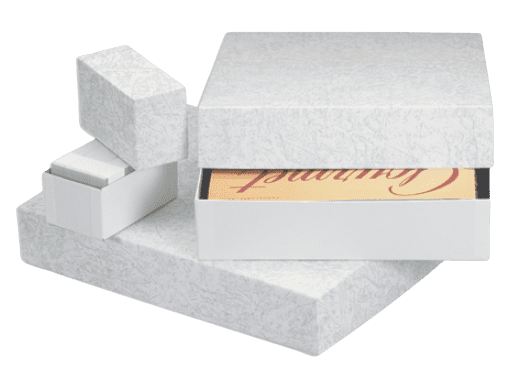
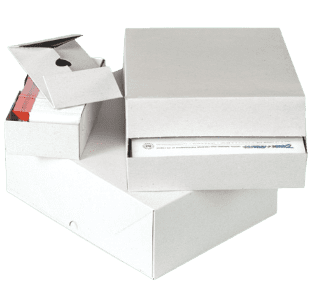
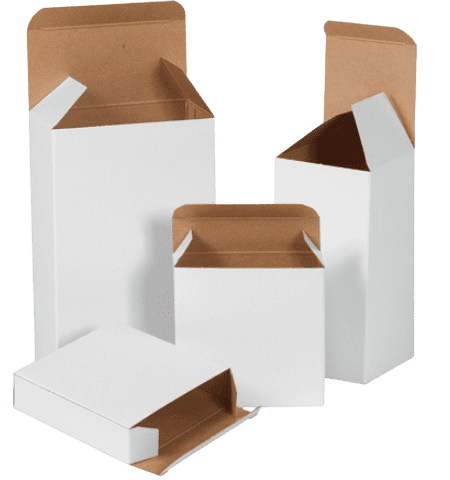
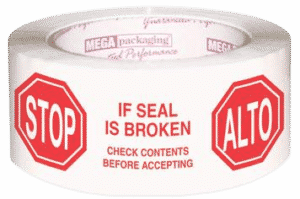
We supply businesses with a wide selection of essential packaging, shipping, and warehouse supplies. Get any standard packaging product by dimension or style from boxes, tubes, tapes, labels, and more. If you are unsure on what type of packaging you will need, then contact us for an expert consultation.


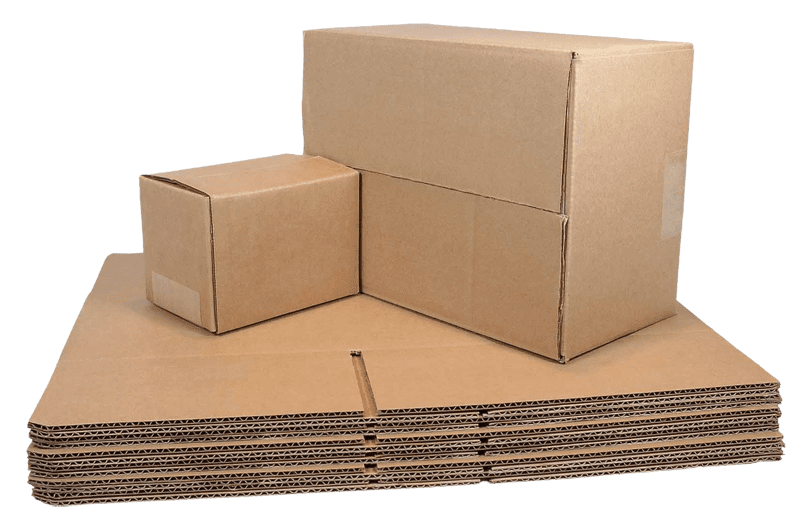
Stock packaging refers to pre-made, ready-to-ship packaging solutions like corrugated boxes, mailers, and protective materials that are designed to meet a wide range of standard needs across shipping, retail, and storage. Unlike custom packaging, stock options offer quick availability and reliable protection without the need for extensive design or production time, making them ideal for businesses needing efficient, high-quality solutions with fast lead times.

At Brown Packaging, we focus on providing durable, performance-driven stock packaging that supports our clients’ operational needs. Our stock products are sourced to ensure consistent quality and cost-effectiveness, offering a practical solution to keep operations running smoothly and on schedule. With an emphasis on reliability, we help our clients quickly access packaging solutions that meet their specific needs while maintaining quality across every order.

stock packaging products

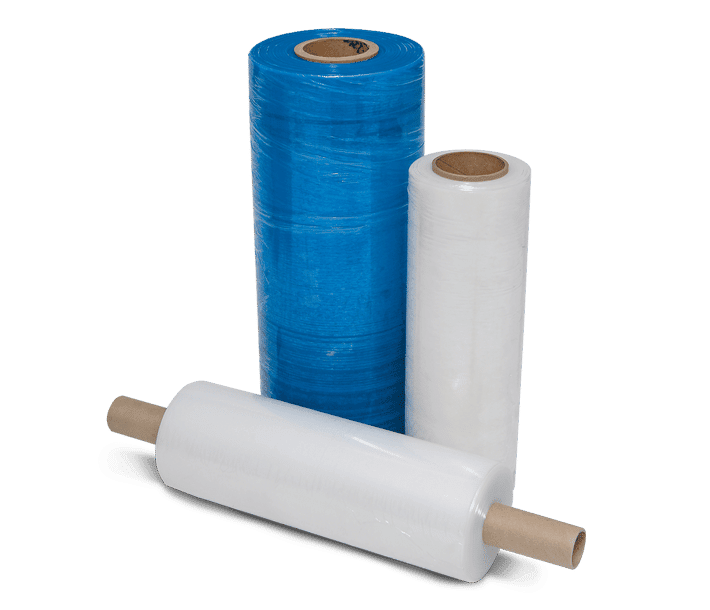
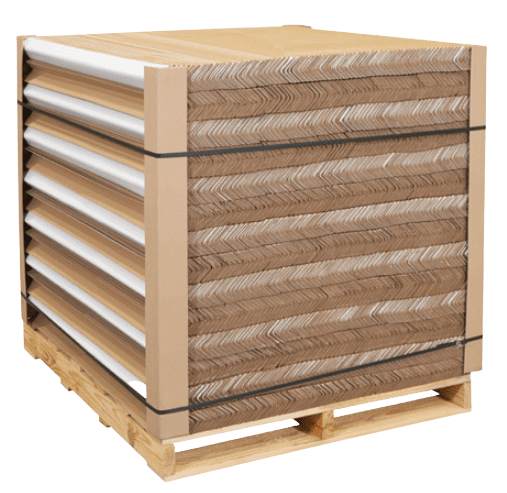
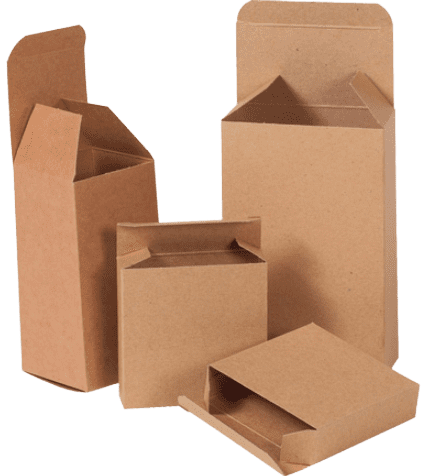
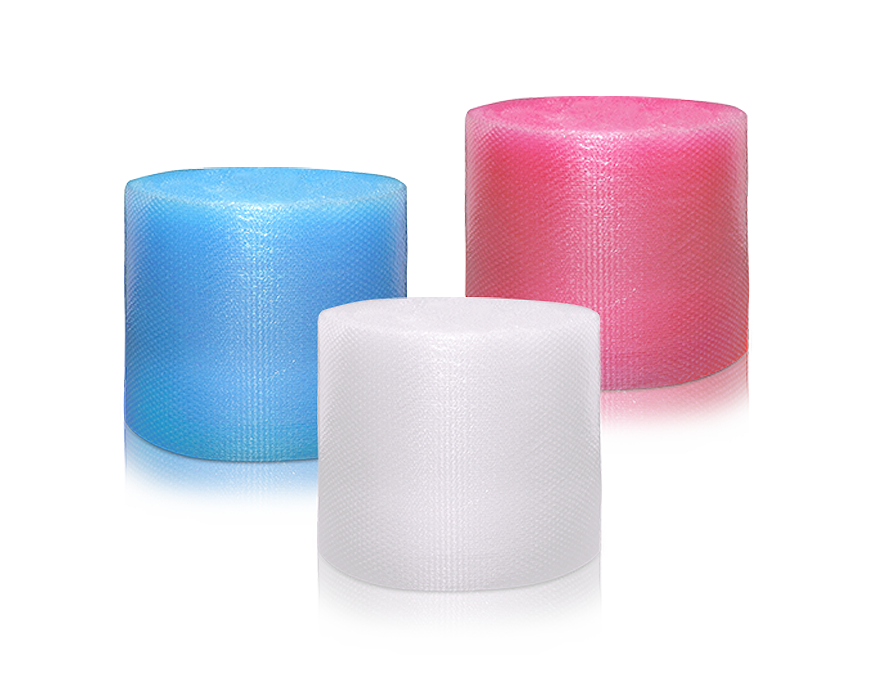
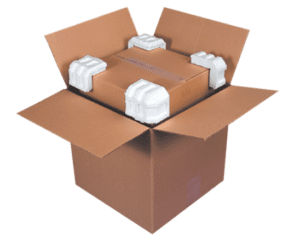
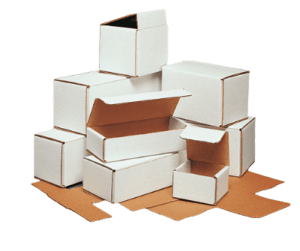
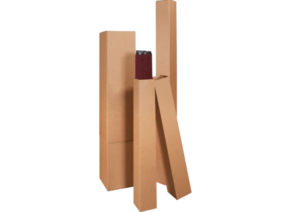
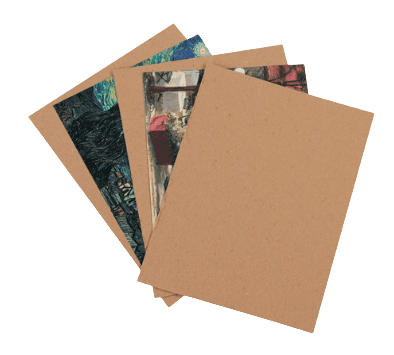
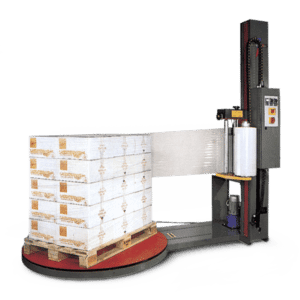
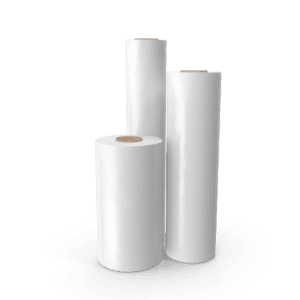
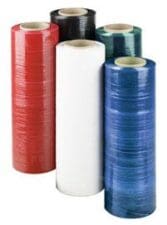
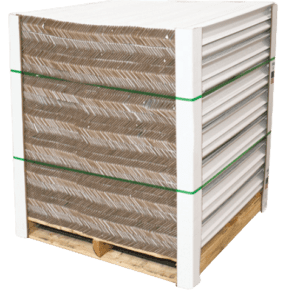
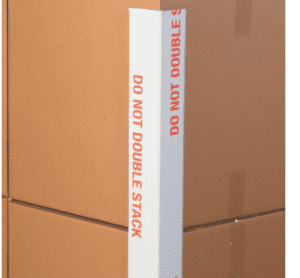
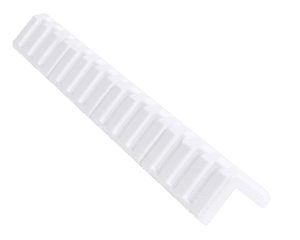
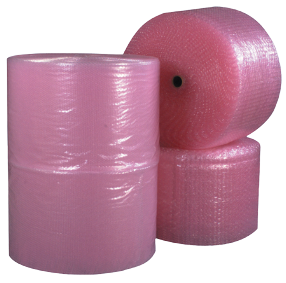
Our stock packaging products, from corrugated boxes to stretch film, offer a wide selection, including essentials like tape, edge protectors, labels, and more, with quick turnaround times to meet your packaging needs efficiently.

Edit Content
Edit Content
Folding Cartons
Pads
Apparel Boxes
Jewelry Boxes
Setup Cartons
Stationary Cartons
Edit Content
Cast Film
Blown Film
Conventional Film
Engineered Film
Pre-Stretched Film
Hand Film
Machine Film
Edit Content
Light Duty
Medium Duty
Heavy Duty
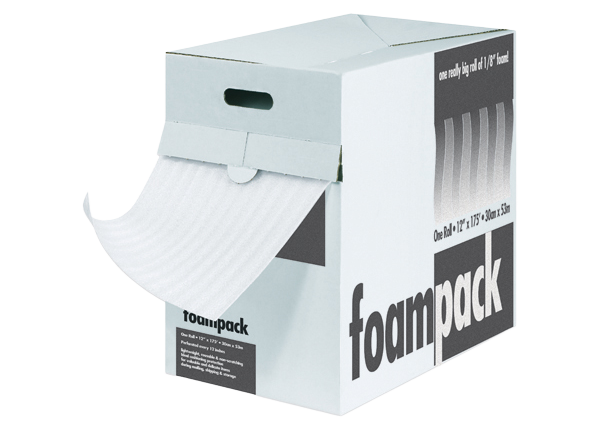
Foam
Strapping
Frame Protectors
Edit Content
Edit Content
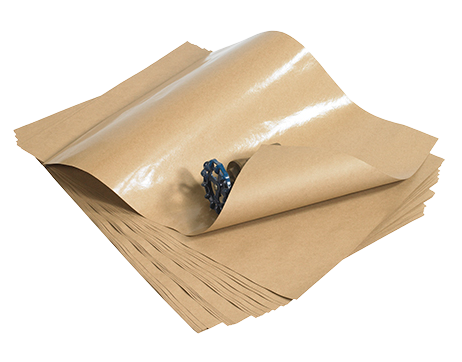
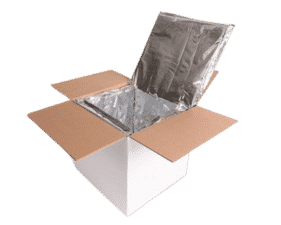
Box Liner
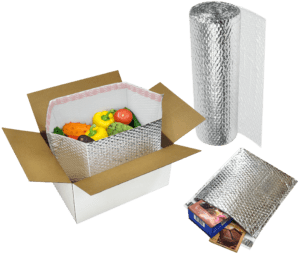
Metalized Pouch
Foam Cooler
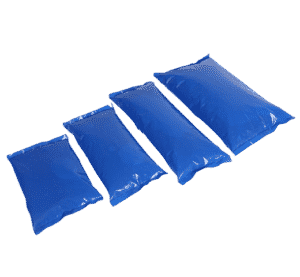
Ice Pack
Gel Pack
Edit Content
Edit Content
Edit Content
Folding Cartons
Pads
Apparel Boxes
Jewelry Boxes
Setup Cartons
Stationary Cartons
Edit Content
Cast Film
Blown Film
Conventional Film
Engineered Film
Pre-Stretched Film
Hand Film
Machine Film
Edit Content
Click on the Edit Content button to edit/add the content.
Edit Content
Edit Content
Box Liner
Metalized Pouch
Foam Cooler
Ice Pack
Gel Pack
Edit Content

If you need any assistance with your packaging or have a question, then contact us directly at request@brownpackaging.com  or  (714)300-0650. Learn more about custom packaging by reading our blog posts on new and trending topics.

The Ultimate Guide to Color Matching Your Brand Colors on Your Packaging Material
Design
brownpackaging
The Ultimate Guide to Color Matching Your Brand Colors on Your Packaging Material

Color plays a vital role in brand recognition, and it is especially important when it comes to packaging materials. The color of your packaging can influence consumer purchase decisions and help create brand identity and recall. Therefore, it is crucial to ensure that the colors on your packaging material match your brand colors. In this blog, we will explore different packaging materials and color methods such as CMYK, GCMI, and PMS to achieve accurate and consistent color reproduction on your packaging. Step 1: Understand Your Brand Colors The first step in color matching your brand colors on your packaging material is to understand your brand colors. If you have not established brand colors, it is crucial to do so before selecting packaging materials. Brand colors are the colors that represent your brand and are typically used in your logo, website, and marketing materials. Understanding your brand colors involves identifying the exact color values and the color space used to represent them. Color values are a set of numerical codes that represent the color of your brand. The most common color spaces are RGB (Red, Green, Blue) and CMYK (Cyan, Magenta, Yellow, Black). RGB is used for digital applications, while CMYK is used for print applications. Therefore, if you are planning to print your packaging material, it is essential to use the CMYK color space. Step 2: Choose Packaging Materials Once you have established your brand colors, it is time to choose the packaging materials. Different packaging materials can have different effects on color, and it is essential to choose the right one to achieve the desired result. Some of the most common packaging materials are: Paper Paper is a versatile and cost-effective packaging material that can be used for a variety of products. It can be coated or uncoated, and the type of paper can affect color reproduction. For example, coated paper reflects more light than uncoated paper, resulting in more vibrant colors. Coated papers, such as glossy or silk finishes, provide excellent color vibrancy and sharpness because they do not absorb as much ink as uncoated papers. The smooth surface of coated papers allows for more accurate ink placement, which results in more precise color reproduction. However, the downside to using coated paper is that it can be more expensive than uncoated paper. On the other hand, uncoated papers, such as kraft or natural papers, can give a more organic or rustic feel to your packaging. However, because uncoated paper absorbs more ink, the colors may appear duller and less vibrant than coated paper. Plastic Plastic is another common packaging material that can be used for a wide range of products. The color reproduction on plastic can vary depending on the type of plastic and the printing method used. For example, transparent plastic allows light to pass through, resulting in a different color effect than opaque plastic. Polyethylene (PE) and Polypropylene (PP) are common types of plastic used for packaging. PE is a more flexible and transparent plastic, whereas PP is a more rigid and opaque plastic. PP can be produced in different colors, and the colors will remain consistent throughout the printing process. PE, on the other hand, may have color variations due to its transparency. Glass Glass is an excellent packaging material for products that require protection from light and air. The color of the glass can affect color reproduction, so it is essential to choose the right type of glass. For example, amber glass filters out blue light, resulting in a warmer color tone. Glass is available in a range of colors, such as clear, green, amber, and blue. The color of the glass can affect the color reproduction of the product inside. For example, clear glass allows the product color to show through, while green glass can give the product a greenish tint. When printing on glass, it is essential to use a high-quality ink that can withstand the high temperatures used in the printing process. Step 3: Select a Color Method Once you have selected your packaging material, it is time to select a color method. There are several color methods you can use to achieve the desired color on your packaging material. Three common color methods are: Cyan, Magenta, Yellow and Black CMYK stands for Cyan, Magenta, Yellow and Black, which are the four colors used in printing. CMYK is a popular color method used in digital printing and is ideal for small print runs. Digital printing is a cost-effective method of printing that allows for quick color changes and high-quality printing. Global Color Matching System GCMI stands for Global Color Matching System, which is a standardized color system used in printing. GCMI is ideal for larger print runs and ensures consistent color reproduction across different materials and printing methods. GCMI uses a set of predefined colors that are recognized by printers worldwide. It is important to mention that GCMI is only used for corrugated printing. Pantone Matching System PMS stands for Pantone Matching System, which is a standardized color system used in printing. PMS is ideal for achieving precise color matching and is often used for branding and marketing materials. PMS uses a set of predefined colors that are mixed to achieve the desired color. When selecting a color method, it is important to consider the type of packaging material you are using. For example, digital printing may not be suitable for all packaging materials, and offset printing may be a better option for materials such as paper or corrugated. It is also important to consider the color space used in the printing process. If you are using a digital printing method, it is important to use the CMYK color space to achieve accurate color reproduction. Step 4: Test and Adjust Once you have selected your color method, it is time to test and adjust. It is essential to print a test run of your packaging material to ensure that the colors are accurate and consistent. This step is crucial because

Read More »
10 Questions You Should Ask Your Packaging Designer
Packaging
brownpackaging
10 Questions You Should Ask Your Packaging Designer

The packaging of your product is the first impression your customers will have of your brand. It needs to grab their attention, communicate your product’s unique features and benefits, and leave a lasting impression that will lead to repeat purchases. That’s why it’s crucial to work with a skilled packaging designer who can create packaging that both reflects your brand and appeals to your target audience. 10 Questions To Ask Your Packaging Designer In this article, we’ll discuss ten questions you should ask your packaging designer to ensure that you get the best results possible. Can you tell me about your experience in packaging design? Can you walk me through your design process? Can you show me examples of your past packaging design work? What is your approach to creating packaging that stands out on the shelf? How do you ensure that the packaging design reflects our brand? Can you explain your approach to typography and color? How do you take regulatory requirements into account when designing packaging? What is your process for creating mockups or prototypes? How do you handle revisions or changes to the design? What is your timeline for completing the packaging design? Can you tell me about your experience in packaging design? One of the first things you should ask your designer is about their experience and expertise in packaging design. Ask about the types of packaging they have worked on in the past, such as boxes, bottles, pouches, or tubes. You’ll want to know how long they’ve been in the industry and what types of brands they have worked with. You should also ask if they have any formal design education or certifications. Can you walk me through your design process? Understanding the design process will give you an idea of what to expect and how the project will unfold. Ask your designer about their approach to research, ideation, sketching, and prototyping. You’ll also want to know how many initial concepts they will provide you with and how many revisions they will allow before the final design is approved. Can you show me examples of your past packaging design work? Reviewing your designer’s portfolio will give you an idea of their design style and the quality of their work. Ask for examples of packaging designs they have created for products in your industry or that are similar to your product. Look for designs that are visually appealing, functional, and consistent with the brand’s identity. What is your approach to creating packaging that stands out on the shelf? Standing out on the shelf is critical in today’s competitive market. Ask your designer how they plan to make your product packaging visually appealing and distinct. Ask about their approach to typography, color, graphics, and imagery. A good designer should be able to explain how they plan to create a design that is eye-catching, communicates the product’s unique features and benefits, and aligns with the brand’s personality. How do you ensure that the packaging design reflects our brand? Your packaging should be consistent with your brand identity. Ask your designer about their process for researching your brand’s values, mission, and personality. They should also have a process in place for ensuring that your packaging aligns with your brand’s values, color palette, typography, and messaging. Can you explain your approach to typography and color? Typography and color are critical elements of packaging design. Ask your designer how they plan to use typography and color to create a design that is visually appealing and communicates the product’s unique features and benefits. They should be able to explain their approach to font selection, font pairing, font size, and color selection. You’ll also want to know if they plan to use any special printing techniques, such as metallic ink or embossing. How do you take regulatory requirements into account when designing packaging? Depending on your product, there may be regulatory requirements that must be met. For example, food packaging must meet specific requirements for nutrition labeling, allergen warnings, and ingredient lists. Your designer should be aware of these requirements and ensure that the packaging meets them. Ask them about their knowledge of these regulations and how they plan to incorporate them into the design. What is your process for creating mockups or prototypes? Seeing a mockup or prototype of your packaging will give you a better idea of how the finished product will look and feel. Ask your designer about their process for creating mockups or prototypes. Will they create a physical mockup or a digital one? How many iterations are included in the design process? What is the timeline for creating and reviewing these prototypes? These questions will help you understand how your designer plans to bring your packaging design to life and ensure that you’re happy with the final product. How do you handle revisions or changes to the design? It’s common for revisions or changes to be necessary during the design process. Ask your designer about their process for handling these changes in a timely and efficient manner. Will they provide a certain number of revisions before charging extra fees? How quickly will they respond to your requests for changes? What is the process for finalizing the design and approving it for production? Knowing this information upfront will help you manage your expectations and ensure that the project stays on track. What is your timeline for completing the packaging design? Finally, you’ll want to know when you can expect the final packaging design. Ask your designer for a timeline for completing the project, including milestones and deliverables. You’ll want to know how long each stage of the design process will take and what you can expect in terms of communication and updates. Make sure to discuss any deadlines or launch dates you have in mind so that your designer can plan accordingly. Summary: 10 Questions You Should Ask Your Packaging Designer Working with a packaging designer is a critical part of launching a successful product. By asking these

Read More »
Single-Color vs. Multi-Color Printing in Packaging: Pros and Cons
Printing
brownpackaging
Single-Color vs. Multi-Color Printing in Packaging: Pros and Cons

Packaging is an essential aspect of any product’s marketing strategy. It is often the first point of contact with the consumer and can greatly influence their decision to purchase. One crucial element of packaging is color. The use of color in packaging can affect a consumer’s perception of a product, and it is important to choose the right color scheme for your product packaging. In this blog, we will discuss the differences between single and multi-color print in packaging and the pros and cons of each. What is Single-Color Printing? Single-color printing is a printing method that uses only one color to create the design or image on packaging. It has several advantages and disadvantages. Advantages of Single-Color Printing Cost-effective: Single-color printing is more cost-effective than multi-color printing since it requires only one ink color and printing plate. This makes it a good option for brands that want to save money on their packaging design. Consistent: Since single-color printing uses only one ink color, it is easier to maintain consistency in color throughout the entire print run. This is important for brands that want their packaging to look the same across all their products. Vibrant: The ink used in single-color printing is typically opaquer, creating a bold and vibrant image. This makes it a great option for packaging that needs to stand out on the shelves. Disadvantages of Single-Color Printing Limited design options: Single-color printing is limited to using only one ink color, which can limit the design options available. This means that it may not be suitable for packaging designs that require a range of colors or complex images. Less detail: Single-color printing is not well suited for detailed designs or images. This is because it is difficult to create shading or gradation with just one color. Lack of contrast: With only one color, it can be challenging to create contrast between different elements of the design. This can make the packaging design look flat and uninteresting. Examples of Single-Color Printing Black and white printing: Black and white printing is a classic example of single-color printing. It is a great option for packaging designs that want to create a vintage or nostalgic feel. Metallic ink: Metallic ink is a single-color printing technique that uses metallic ink to create a shiny, reflective image. This is a great option for packaging designs that want to create a luxurious or premium feel. Fluorescent ink: Fluorescent ink is a single-color printing technique that uses bright, neon colors. This is a great option for packaging designs that want to create a bold and eye-catching design. What is Multi-Color Print? Multi-color printing, also known as process printing or CMYK printing, is a printing method that uses a combination of four colors – cyan, magenta, yellow, and black – to create the design or image on packaging. This technique has several advantages and disadvantages. Advantages of Multi-Color Printing Design flexibility: Multiple colors offers more design options and flexibility, allowing for a greater range of color options. This makes it a great option for brands that want to create a visually stunning packaging design. High detail: Multi-color printing is well suited for detailed designs or images since it can create a wide range of hues and shades. This makes it a great option for packaging designs that want to convey a lot of information or create an intricate design. Contrast: With multiple colors, it is easier to create contrast between different elements of the design. This can make the packaging design look more interesting and dynamic. Disadvantages of Multi-Color Printing Costly: Multi-color printing is more expensive than single-color printing since it requires four ink colors and printing plates, or it can be digital printed which is a more expensive method. This makes it a less cost-effective option for brands that have a tight budget. Inconsistent color: Maintaining consistency in color throughout the entire print run can be challenging with multi-color printing. This is because slight variations in ink density or printing conditions can affect the color of the final print, unless it is printed as PMS color, which will be costlier. Complex setup: The setup process for multi-color printing is more complex than single-color printing, requiring four separate printing plates. This can make the printing process more time-consuming and expensive. Examples of Multi-Color Printing Full-color printing: Full-color printing is a popular example of multi-color printing. It is a great option for packaging designs that want to create a vibrant and eye-catching design. Gradient printing: Gradient printing is a multi-color printing technique that uses a range of hues and shades to create a smooth transition between colors. This is a great option for packaging designs that want to create a subtle or sophisticated design. Spot color printing: Spot color printing is a multi-color printing technique that uses a few specific colors to create a design. This is a great option for packaging designs that want to create a specific color scheme or highlight certain elements of the design. Summary: Single-Color vs Multi-Color Print In conclusion, the choice between single-color and multi-color printing in packaging design depends on the design needs and budget of the project. Single-color printing is a cost-effective option that provides vibrant and consistent color, but it has limited design options. Multi-color printing offers more design flexibility and detail, but it can be more expensive and challenging to maintain consistency in color throughout the print run. Ultimately, it is up to the designer and the brand to determine which method is best suited for their packaging needs. If you are interested in custom printed packaging solutions, then contact Brown Packaging to get started. (714)300-0650 request@brownpackaging.com Most Recent Posts: Categories: Corrugated Ecommerce ESD Design Display Flexible Packaging Foam Folding Carton Packaging Plastic Packaging Pouch Printing Protection Retail Rigid Box Thermoform Sustainability Subscribe To Our Newsletter By submitting your information, you agree to our terms and conditions and privacy policy. Custom Packaging Facebook Twitter LinkedIn Pinterest Relevant Posts

Read More »