












window.uetq = window.uetq || []; window.uetq.push(‘event’, ‘submit_lead_form’,{ event_label:‘SUBMIT MESSAGE’ }); window.lintrk('track', { conversion_id: 10271009 }); window.lintrk('track', { conversion_id: 10271017 });

Stock Packaging

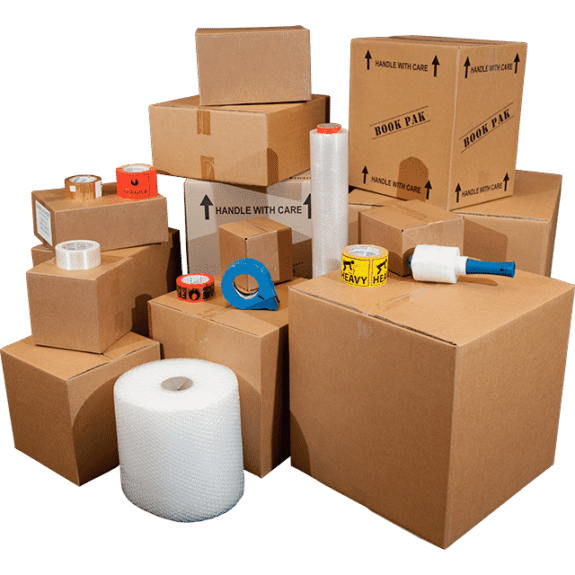
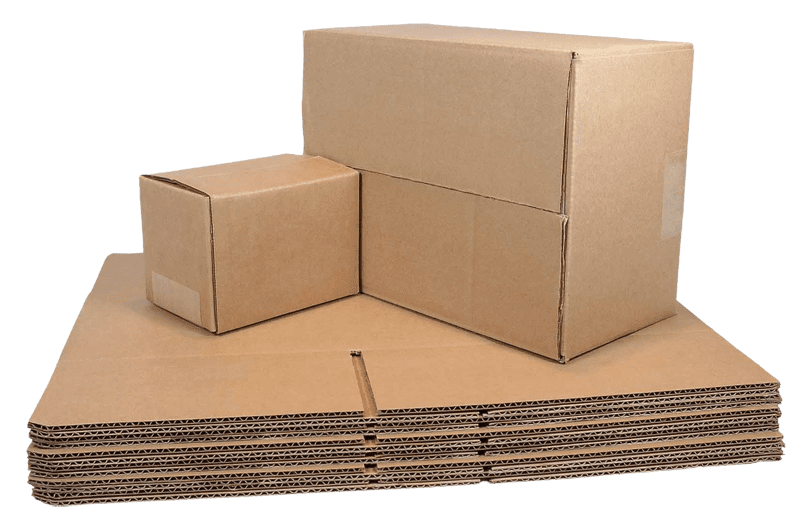
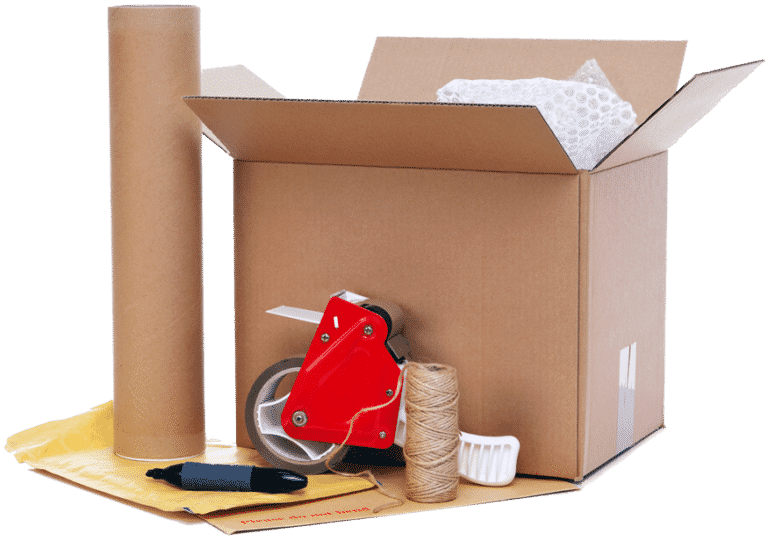
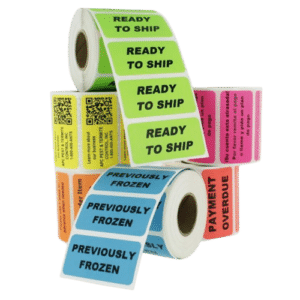
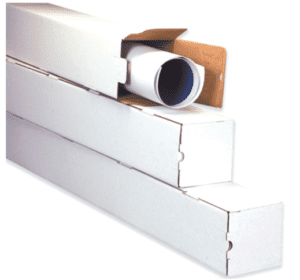
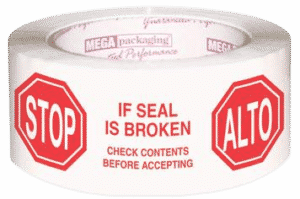
We supply businesses with a wide selection of essential packaging, shipping, and warehouse supplies. Get any standard packaging product by dimension or style from boxes, tubes, tapes, labels, and more. If you are unsure on what type of packaging you will need, then contact us for an expert consultation.


Stock packaging refers to pre-made, ready-to-ship packaging solutions like corrugated boxes, mailers, and protective materials that are designed to meet a wide range of standard needs across shipping, retail, and storage. Unlike custom packaging, stock options offer quick availability and reliable protection without the need for extensive design or production time, making them ideal for businesses needing efficient, high-quality solutions with fast lead times.

At Brown Packaging, we focus on providing durable, performance-driven stock packaging that supports our clients’ operational needs. Our stock products are sourced to ensure consistent quality and cost-effectiveness, offering a practical solution to keep operations running smoothly and on schedule. With an emphasis on reliability, we help our clients quickly access packaging solutions that meet their specific needs while maintaining quality across every order.

stock packaging products

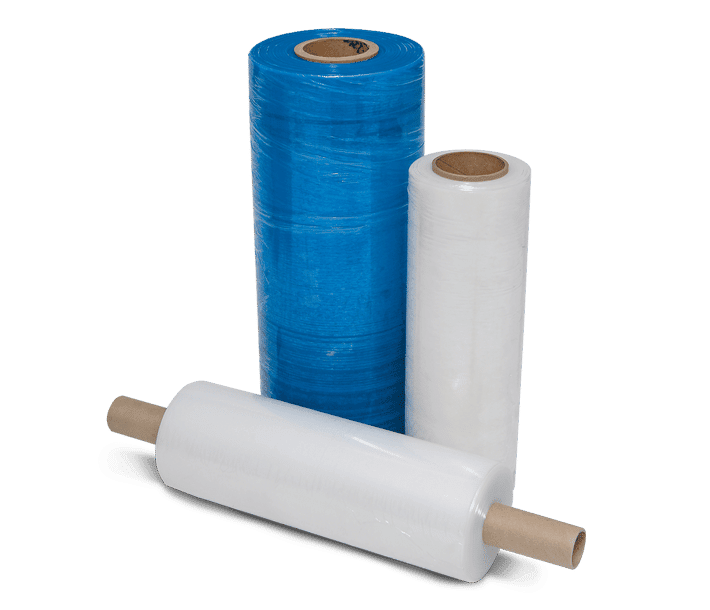
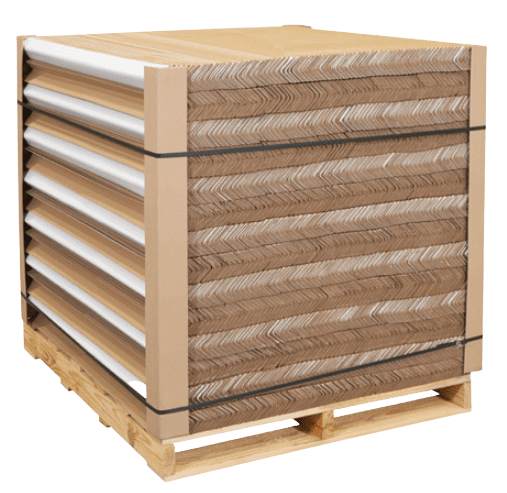
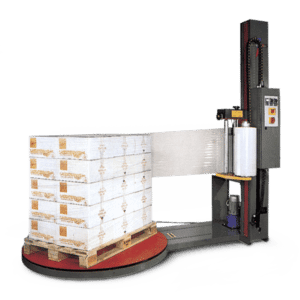
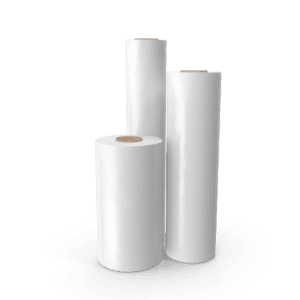
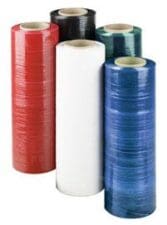
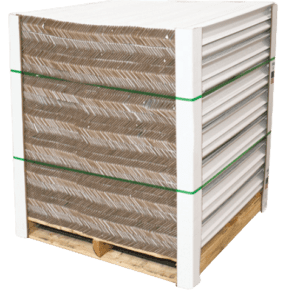
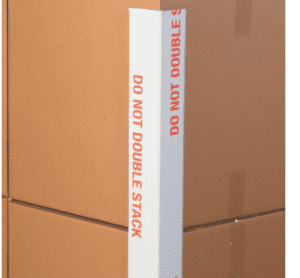
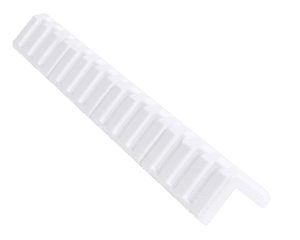
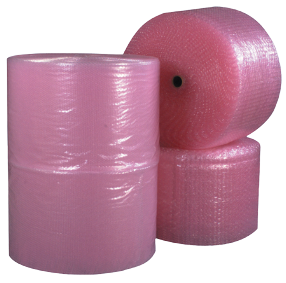
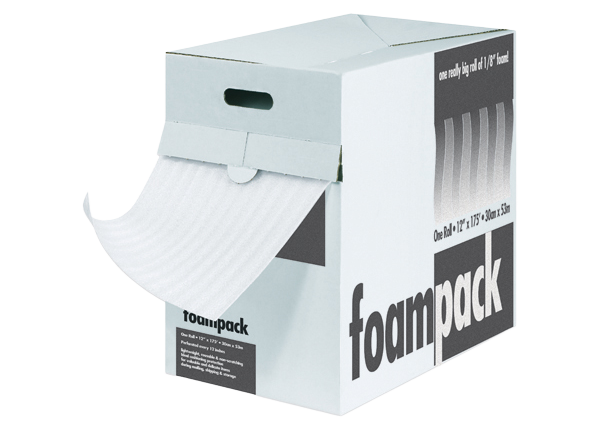
Our stock packaging products, from corrugated boxes to stretch film, offer a wide selection, including essentials like tape, edge protectors, labels, and more, with quick turnaround times to meet your packaging needs efficiently.

Edit Content
Edit Content
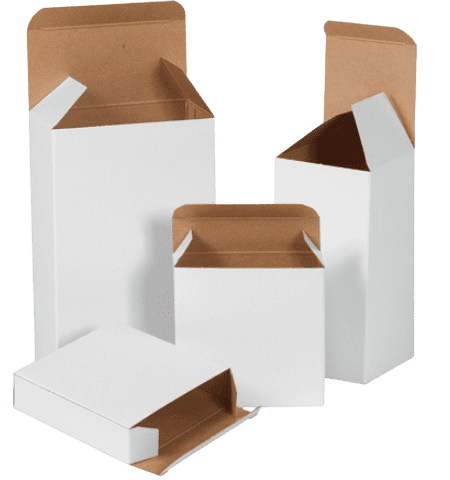
Folding Cartons
Pads
Apparel Boxes
Jewelry Boxes
Setup Cartons
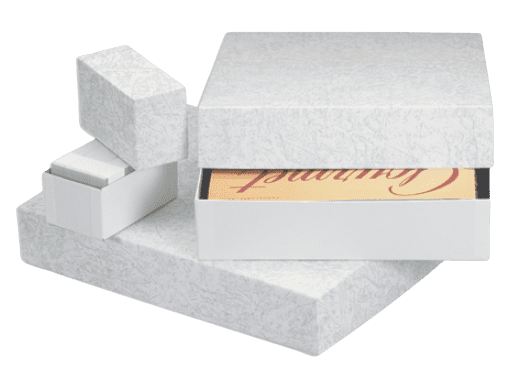
Stationary Cartons
Edit Content
Cast Film
Blown Film
Conventional Film
Engineered Film
Pre-Stretched Film
Hand Film
Machine Film
Edit Content
Light Duty
Medium Duty
Heavy Duty
Foam
Strapping
Frame Protectors
Edit Content
Edit Content
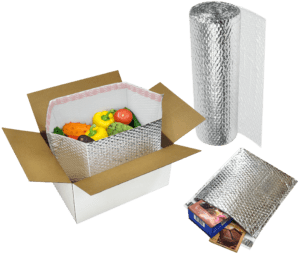
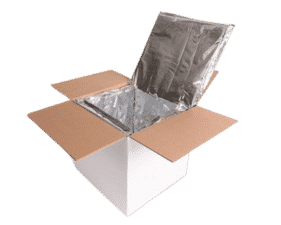
Box Liner
Metalized Pouch
Foam Cooler
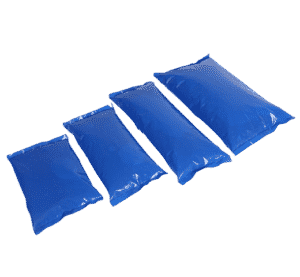
Ice Pack
Gel Pack
Edit Content
Edit Content
Edit Content
Folding Cartons
Pads
Apparel Boxes
Jewelry Boxes
Setup Cartons
Stationary Cartons
Edit Content
Cast Film
Blown Film
Conventional Film
Engineered Film
Pre-Stretched Film
Hand Film
Machine Film
Edit Content
Click on the Edit Content button to edit/add the content.
Edit Content
Edit Content
Box Liner
Metalized Pouch
Foam Cooler
Ice Pack
Gel Pack
Edit Content

If you need any assistance with your packaging or have a question, then contact us directly at request@brownpackaging.com  or  (714)300-0650. Learn more about custom packaging by reading our blog posts on new and trending topics.

POP floor display
Display
brownpackaging
Balancing Graphics and Structure in POP Displays

Point-of-purchase (POP) displays play a dual role in retail environments: they must capture attention with graphics while supporting products with reliable structure. If one side is overemphasized, the other suffers—eye-catching graphics on a weak structure can lead to product collapse, while overbuilt displays with poor graphics fail to drive sales. Successful POP design requires careful coordination between visual branding and engineering strength. The Role of Graphics in POP Displays Graphics carry the brand message and attract consumer attention in crowded retail aisles. Effective use of color, typography, and imagery transforms a standard corrugated display into a compelling marketing tool. Reinforces brand identity. Highlights product features or promotions. Differentiates products from competitors on the same shelf. However, graphics must be placed with consideration of die lines, folds, and assembly points. A design that looks strong in concept may lose effectiveness if critical elements are cut or hidden during production. Structural Integrity and Functionality The best POP display design balances aesthetics with durability. Structural engineering ensures the display holds weight, withstands handling, and complies with retailer requirements. Load-bearing capacity: Displays must hold multiple units without sagging. Assembly efficiency: Designs should be easy to set up in stores. Retail compliance: Dimensions must fit within chain-specific guidelines. Ignoring structure risks costly failures on the retail floor, from leaning displays to complete collapse. Achieving Balance Between Graphics and Structure Collaborative design: Graphic and structural designers should work together from concept through prototype. Testing in real-world conditions: Simulate load, handling, and lighting before production. Material selection: Choose board grades and coatings that allow high-quality print while maintaining rigidity. Print-to-structure alignment: Ensure graphics align with folds, cutouts, and SKU placement. Industry Examples Club stores: High-traffic environments demand bold graphics paired with strong pallet displays. Seasonal promotions: Graphics drive excitement, but structural resilience ensures displays last through extended campaigns. Cross-merchandising displays: Must hold different SKUs securely without compromising print impact. POP Display Solutions with Brown Packaging At Brown Packaging, we engineer POP displays that balance structural integrity with brand-forward graphics. From retail-ready pallet displays to seasonal floor stands, our team ensures your design attracts attention without sacrificing performance. Contact us to start planning your next POP display. References Soroka, W. (2009). Fundamentals of Packaging Technology (4th ed.). Institute of Packaging Professionals.Shop! Association. (2021). Best Practices for In-Store Marketing and POP Displays. Retrieved from https://www.shopassociation.orgASTM International. (2022). ASTM D642: Standard Test Method for Determining Compressive Resistance of Shipping Containers. (714)300-0650 request@brownpackaging.com Most Recent Posts: Categories: Corrugated Ecommerce ESD Design Display Flexible Packaging Foam Folding Carton Packaging Plastic Packaging Pouch Printing Protection Retail Rigid Box Thermoform Sustainability Subscribe To Our Newsletter By submitting your information, you agree to our terms and conditions and privacy policy. POP Display Facebook Twitter LinkedIn Pinterest Relevant Posts

Read More »
Packout and Fulfillment
Display
brownpackaging
Balancing Visual Impact and Logistics in POP Displays

Point-of-purchase (POP) displays must catch a shopper’s eye while also moving efficiently through the supply chain. Striking the right balance between visual impact and logistics ensures displays drive sales without creating costly inefficiencies. A design that leans too far toward graphics may ship poorly, while one built only for logistics risks blending into the background. The Role of Visual Impact Graphics and structure are central to a display’s retail performance. Visual impact drives traffic and communicates the brand message at a glance. Bold colors and large product imagery attract attention. Clean layouts improve readability in busy aisles. Seasonal themes and promotions build urgency. Without strong branding, even the most efficient display may fail to engage shoppers. Logistics Demands in POP Displays Retailers expect displays that not only sell but also ship and set up efficiently. Logistics considerations include: Cube efficiency: Displays should maximize pallet and trailer space. Durability: Strength to withstand transit and handling. Ease of assembly: Retail staff need quick setup without extra labor. Compliance: Dimensions must meet retailer guidelines for footprint and safety. Strategies to Balance Both Sides Collaborative design: Structural and graphics teams work together from the start. Prototype testing: Confirm visual alignment and shipping durability before production. Material selection: Choose corrugated grades that allow high-quality print and strength. Right-size graphics: Design branding that adapts to fold lines and pallet constraints. Examples of Balanced POP Designs Club store pallet displays: Large branding surfaces combined with pallet-ready engineering. Seasonal promotions: Bold graphics with lightweight, compact shipping formats. Cross-merchandising units: Multi-SKU designs that showcase brands while stacking efficiently. POP Display Solutions with Brown Packaging Brown Packaging creates POP displays that deliver both retail impact and supply chain efficiency. Our designs maximize brand presence while meeting freight, compliance, and setup demands. Contact us to explore display options that balance impact with logistics. References Shop! Association. (2021). Best Practices for In-Store Marketing and POP Displays. Retrieved from https://www.shopassociation.orgSoroka, W. (2009). Fundamentals of Packaging Technology (4th ed.). Institute of Packaging Professionals.ASTM International. (2022). ASTM D685: Standard Practice for Conditioning Paper and Paper Products for Testing. (714)300-0650 request@brownpackaging.com Most Recent Posts: Categories: Corrugated Ecommerce ESD Design Display Flexible Packaging Foam Folding Carton Packaging Plastic Packaging Pouch Printing Protection Retail Rigid Box Thermoform Sustainability Subscribe To Our Newsletter By submitting your information, you agree to our terms and conditions and privacy policy. POP Display Facebook Twitter LinkedIn Pinterest Relevant Posts

Read More »
Design
brownpackaging
Designing Folding Cartons for High Speed Automation

High-speed automated packaging lines can run hundreds of cartons per minute, but only if the carton’s design and material are optimized for smooth feeding, folding, and sealing. Small structural or material missteps can lead to jams, misfeeds, and costly downtime. This guide covers the critical design, tolerance, and substrate considerations for folding cartons intended for high-speed automation. Dimensional Accuracy Automated lines demand tight dimensional control in die cutting. Die Cut Precision: Carton blanks must be within ±0.015 inches for consistent feeding and folding (Soroka, 2014). Blank Squareness: Even minor skew can cause issues with glue flap alignment or panel folding. Caliper Consistency: Variations in board thickness can change fold behavior and sealing pressure. Scoring and Creasing Profiles High-speed folding relies on scores that create predictable, repeatable folds. Score Depth and Bead Width: Too shallow causes spring-back; too deep risks cracking. Bead/Channel Ratio: Must match board caliper and fiber composition for clean folding at speed. Grain Direction: Scores parallel to grain can crack if bead pressure isn’t optimized. Glue Flap Design Flap dimensions and positioning are critical for automated glue application. Flap Width: Minimum 10–12 mm recommended for cold glue; narrower flaps risk bond failure. Glue-Free Zones: Essential near scores to prevent squeeze-out during folding. Coating Considerations: Gloss varnish or film lamination in glue areas requires corona treatment or glue type adjustment for proper adhesion. Material Selection Not all boards perform equally on automated lines. SBS: Smooth feeding, excellent fold consistency, best for high-graphic retail cartons. CUK: Added stiffness and moisture resistance for cold chain or beverage applications. FBB/Recycled: Economical, but may need adjusted scoring to reduce cracking at speed. Folding Sequence Compatibility Structural design must align with the machine’s folding sequence. Tuck End Cartons: Ensure flap lengths are balanced to avoid collision in the folding belts. Auto-Bottom Designs: Verify glue flap and lock panels don’t bind during machine erection. Full Seal End: Flap lengths and bevel angles must accommodate sealing jaws without interference. Surface Coatings and Friction Carton surfaces influence how blanks travel through feeders and conveyors. High Gloss Coatings: Can cause feeding slippage; mitigated with anti-slip varnish zones. Poly Coatings: Increase stiffness but may alter fold memory—test for score cracking before production. Matte Varnish: Generally more forgiving in high-speed feeders. Machine Trials and Prototyping Before committing to a production run: Run on the Target Machine: Testing on actual equipment verifies compatibility. Check Across Speed Range: A carton may run well at 100 cpm but fail at 300 cpm. Inspect Post-Run Samples: Look for misaligned folds, glue squeeze-out, or score fractures. References Soroka, W. (2014). Fundamentals of packaging technology (5th ed.). Institute of Packaging Professionals. ISBN: 978-1-930268-37-2 Twede, D., & Goddard, R. (2021). Cartons, crates and corrugated board: Handbook of paper and wood packaging technology (2nd ed.). DEStech Publications. ISBN: 978-1-60595-120-5 (714)300-0650 request@brownpackaging.com Most Recent Posts: Categories: Corrugated Ecommerce ESD Design Display Flexible Packaging Foam Folding Carton Packaging Plastic Packaging Pouch Printing Protection Retail Rigid Box Thermoform Sustainability Subscribe To Our Newsletter By submitting your information, you agree to our terms and conditions and privacy policy. Custom Folding Cartons Facebook Twitter LinkedIn Pinterest Relevant Posts

Read More »