



window.uetq = window.uetq || []; window.uetq.push(‘event’, ‘submit_lead_form’,{ event_label:‘SUBMIT MESSAGE’ }); window.lintrk('track', { conversion_id: 10271009 }); window.lintrk('track', { conversion_id: 10271017 });

Stock Packaging

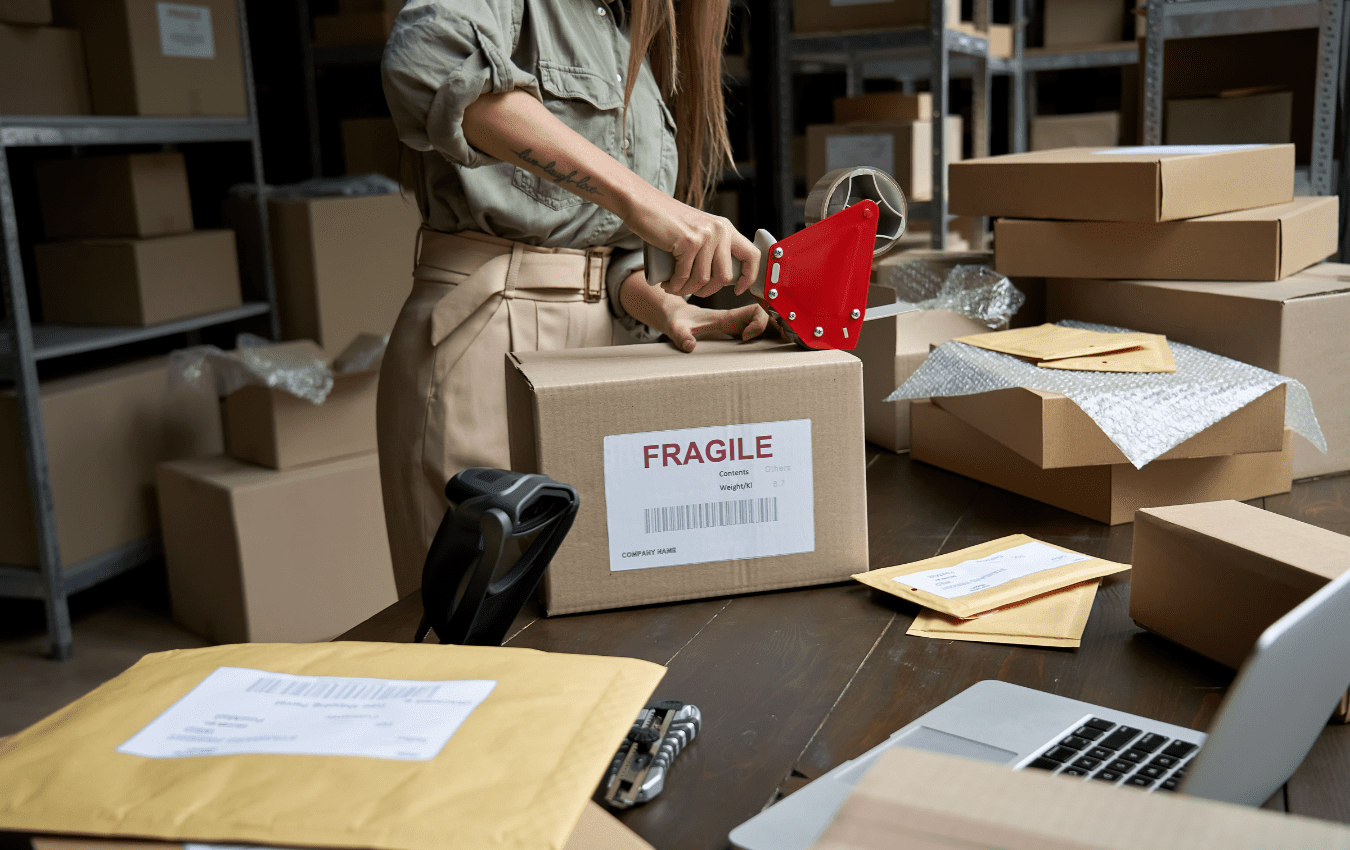
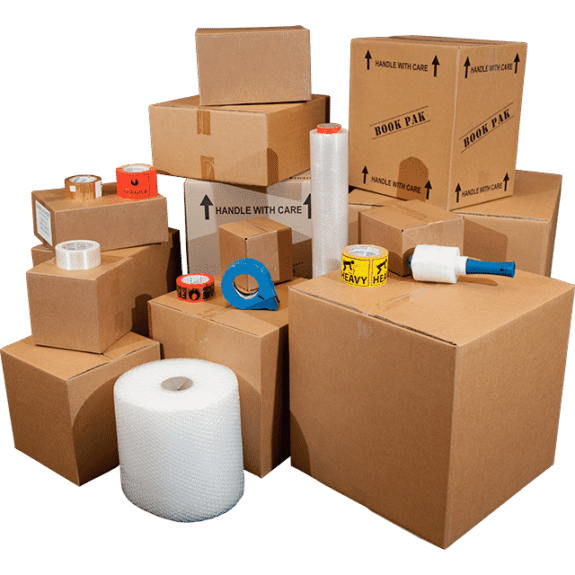
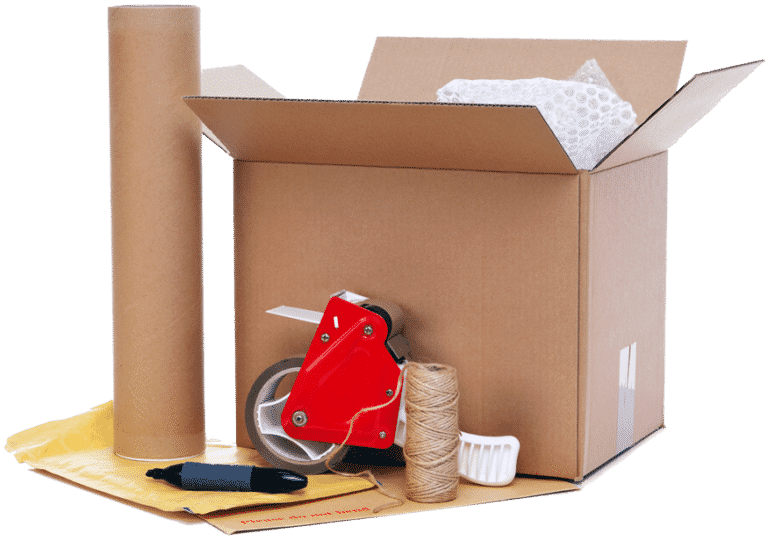
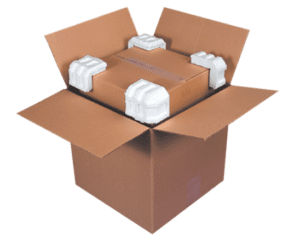
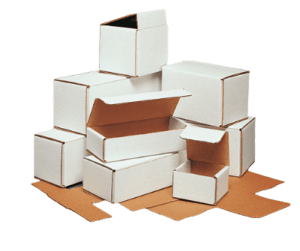
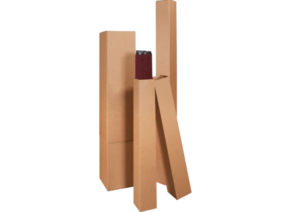
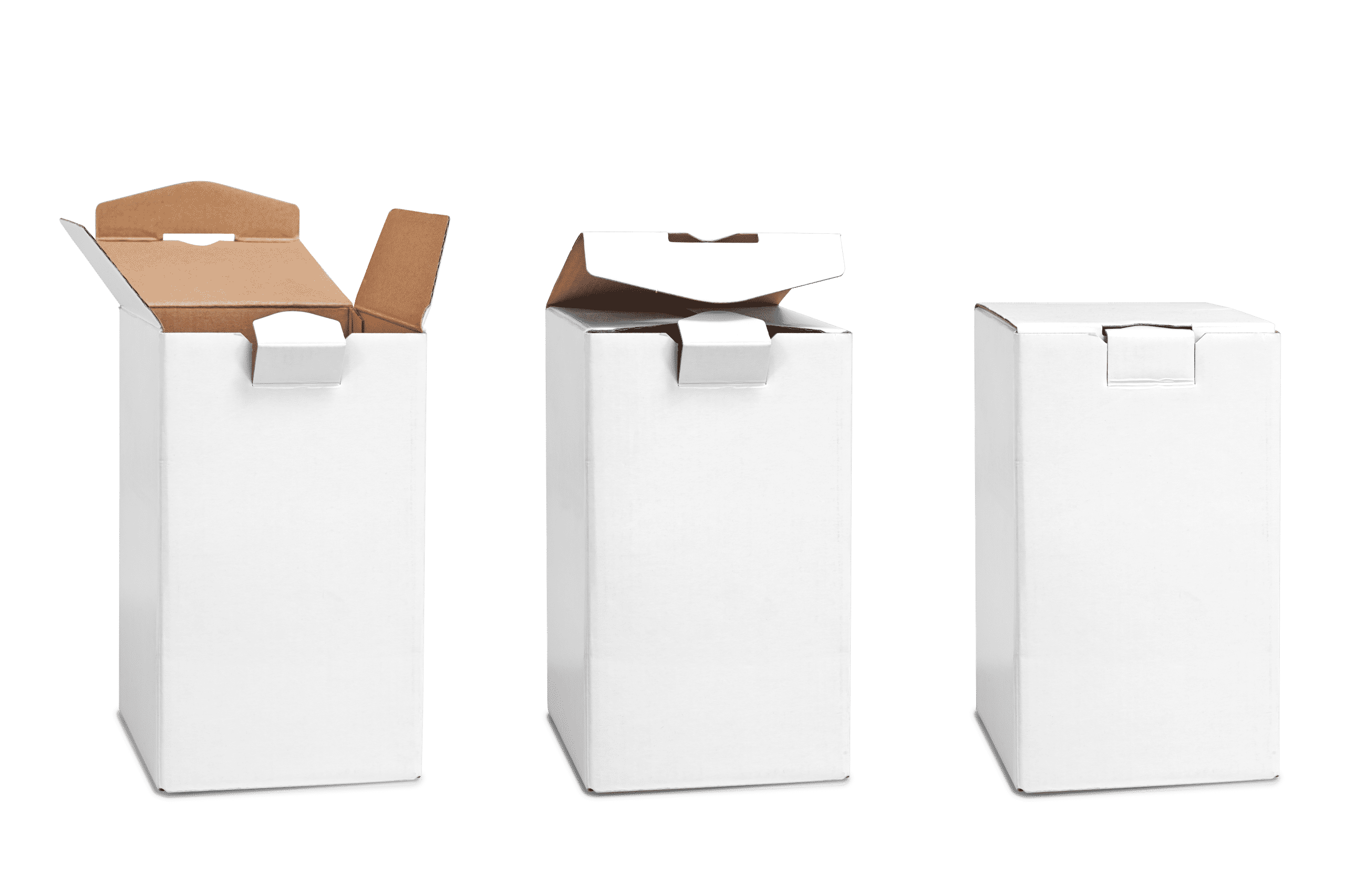
We supply businesses with a wide selection of essential packaging, shipping, and warehouse supplies. Get any standard packaging product by dimension or style from boxes, tubes, tapes, labels, and more. If you are unsure on what type of packaging you will need, then contact us for an expert consultation.


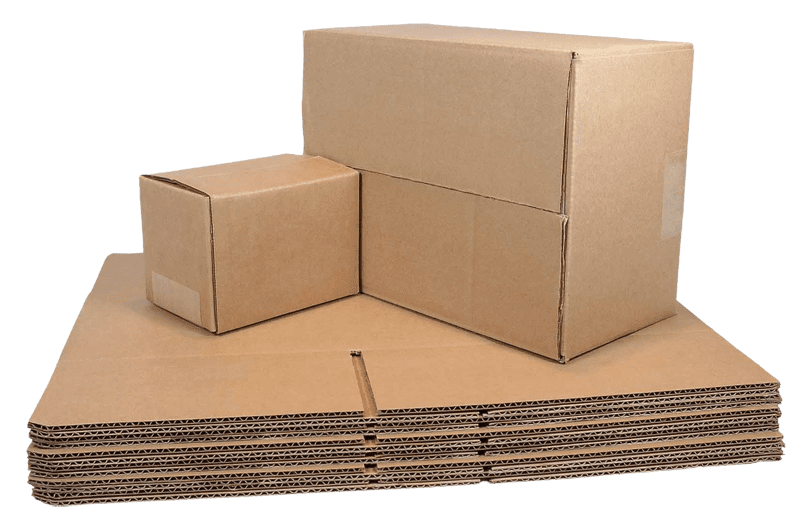
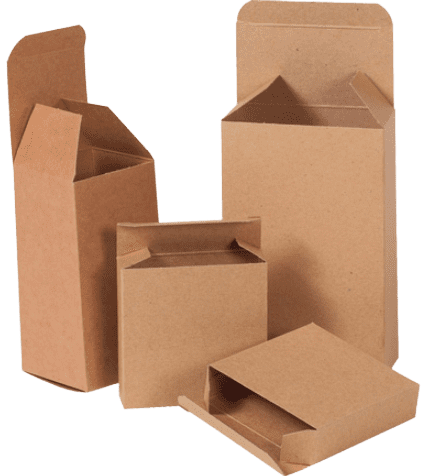
Stock packaging refers to pre-made, ready-to-ship packaging solutions like corrugated boxes, mailers, and protective materials that are designed to meet a wide range of standard needs across shipping, retail, and storage. Unlike custom packaging, stock options offer quick availability and reliable protection without the need for extensive design or production time, making them ideal for businesses needing efficient, high-quality solutions with fast lead times.

At Brown Packaging, we focus on providing durable, performance-driven stock packaging that supports our clients’ operational needs. Our stock products are sourced to ensure consistent quality and cost-effectiveness, offering a practical solution to keep operations running smoothly and on schedule. With an emphasis on reliability, we help our clients quickly access packaging solutions that meet their specific needs while maintaining quality across every order.

stock packaging products

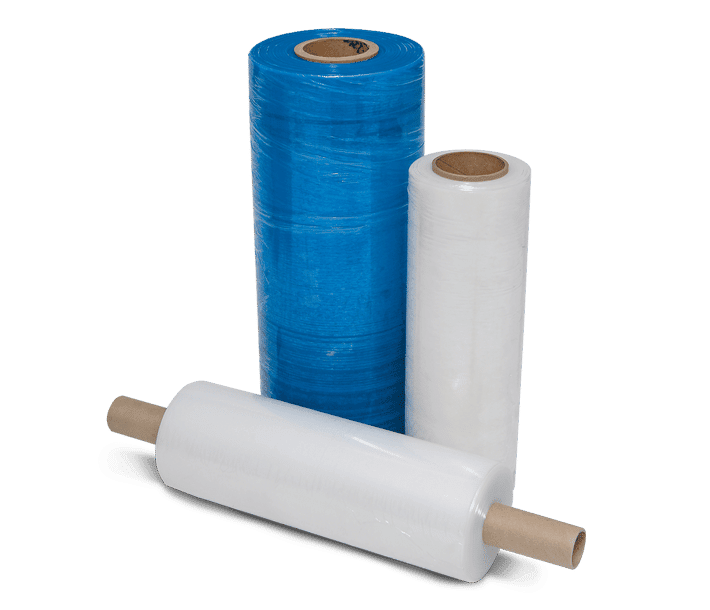
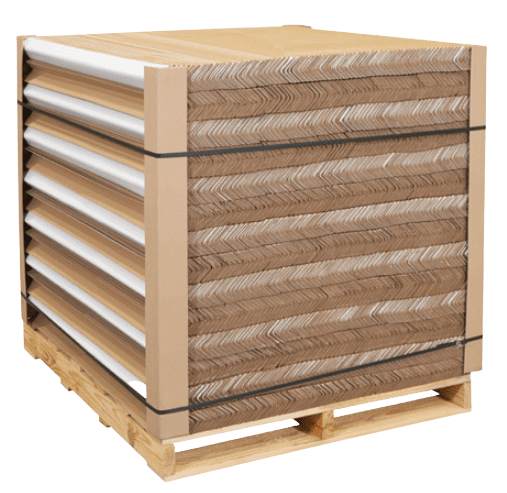
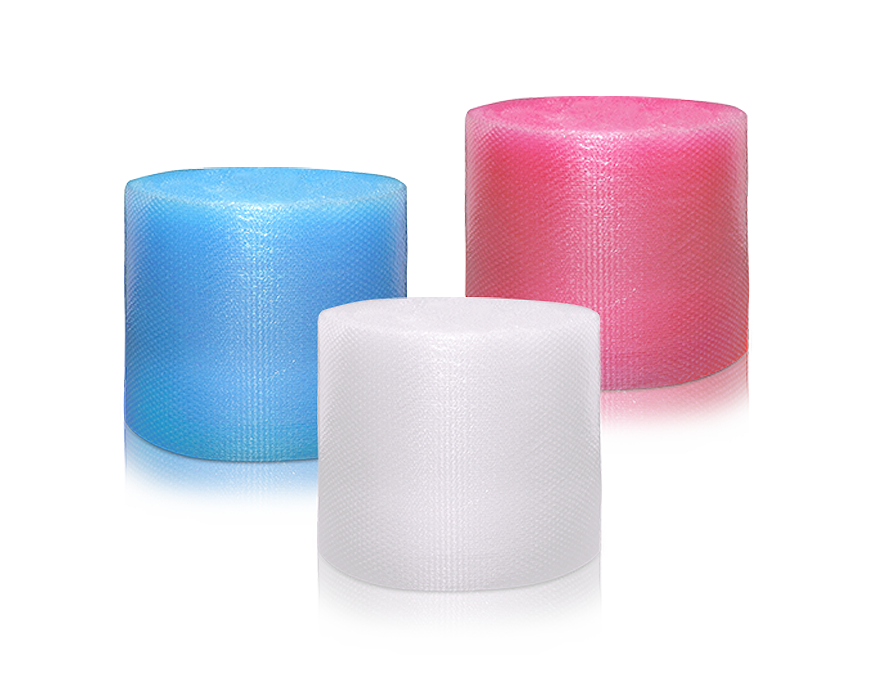
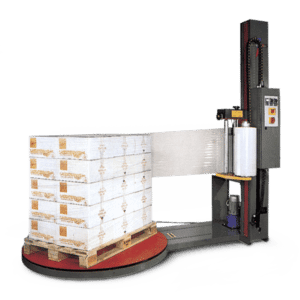
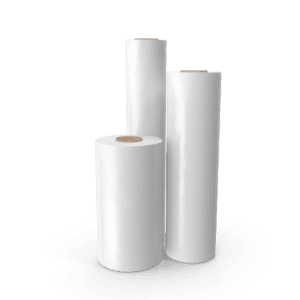
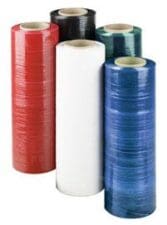
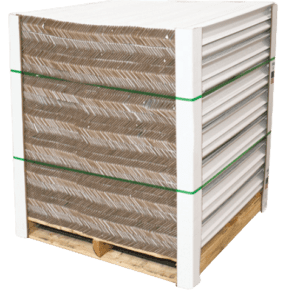
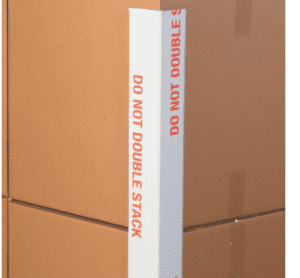
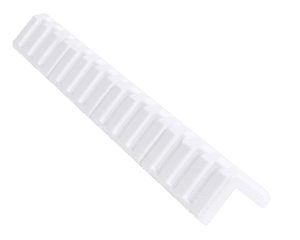
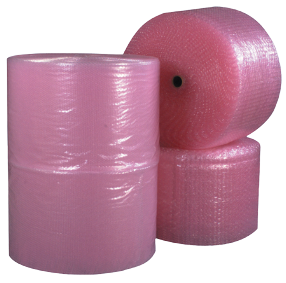
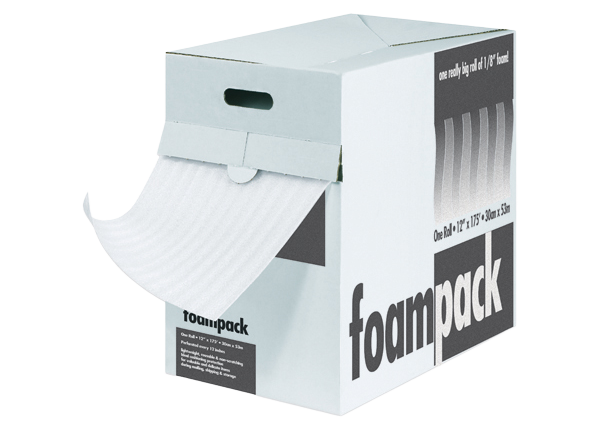
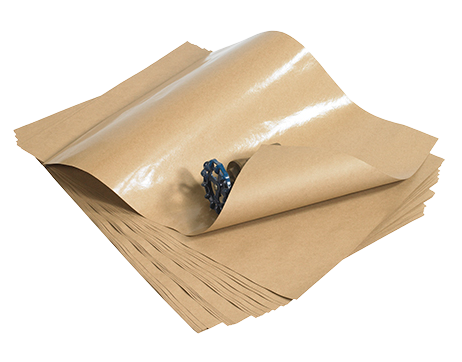
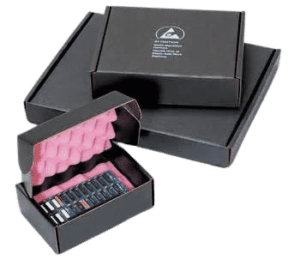
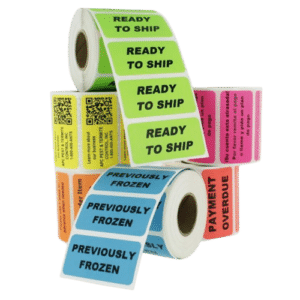
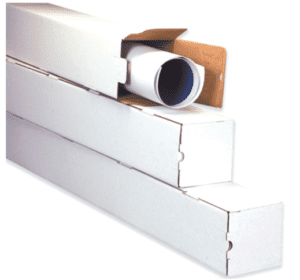
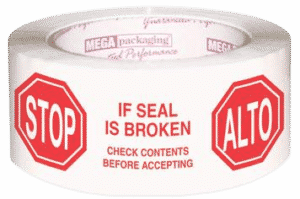
Our stock packaging products, from corrugated boxes to stretch film, offer a wide selection, including essentials like tape, edge protectors, labels, and more, with quick turnaround times to meet your packaging needs efficiently.

Edit Content
Edit Content
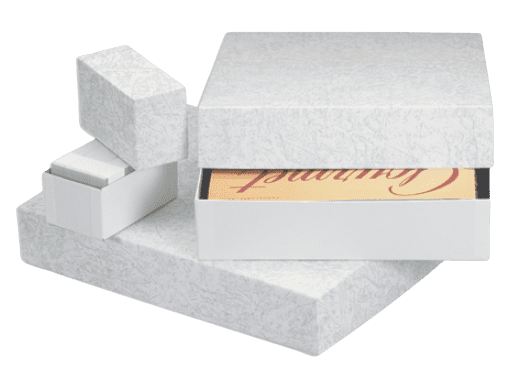
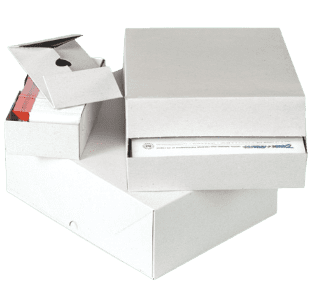
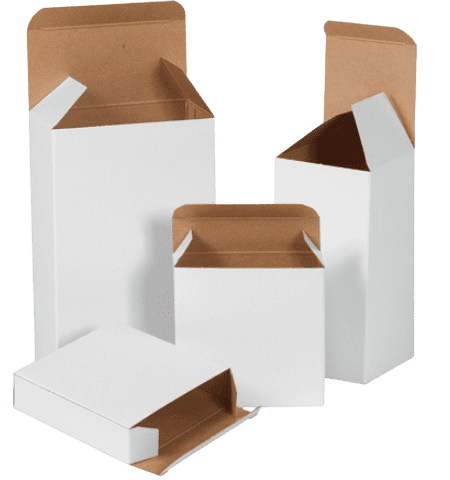
Folding Cartons
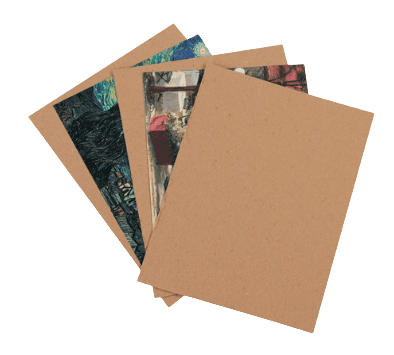
Pads
Apparel Boxes
Jewelry Boxes
Setup Cartons
Stationary Cartons
Edit Content
Cast Film
Blown Film
Conventional Film
Engineered Film
Pre-Stretched Film
Hand Film
Machine Film
Edit Content
Light Duty
Medium Duty
Heavy Duty
Foam
Strapping
Frame Protectors
Edit Content
Edit Content
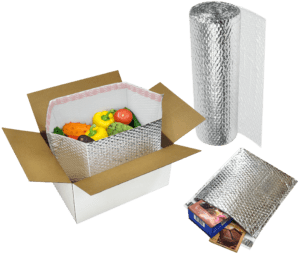
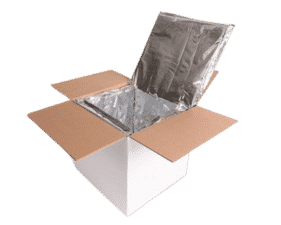
Box Liner
Metalized Pouch
Foam Cooler
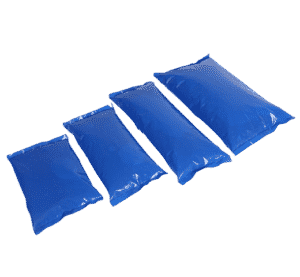
Ice Pack
Gel Pack
Edit Content
Edit Content
Edit Content
Folding Cartons
Pads
Apparel Boxes
Jewelry Boxes
Setup Cartons
Stationary Cartons
Edit Content
Cast Film
Blown Film
Conventional Film
Engineered Film
Pre-Stretched Film
Hand Film
Machine Film
Edit Content
Click on the Edit Content button to edit/add the content.
Edit Content
Edit Content
Box Liner
Metalized Pouch
Foam Cooler
Ice Pack
Gel Pack
Edit Content

If you need any assistance with your packaging or have a question, then contact us directly at request@brownpackaging.com  or  (714)300-0650. Learn more about custom packaging by reading our blog posts on new and trending topics.

Lithographic Printing in Packaging: is it Worth it?
Packaging
brownpackaging
Lithographic Printing in Packaging: is it Worth it?

Lithography in packaging is a process used to print high-quality graphics and text on various substrates, such as plastics and paper. This technique is used in various industries, including consumer goods, pharmaceuticals, and food packaging. Lithography is often used in packaging to enhance the visual appeal of the product, provide important information to consumers, and differentiate the product from competitors. But is it worth it? In this blog post, we will explore the benefits and drawbacks of lithography in packaging and help you decide whether it’s worth it for your business. What is Lithography in Packaging? Lithography is a printing process that involves transferring an image from a flat surface (called a lithographic plate) to a substrate using ink. The image is transferred to the plate through a process of exposing the plate to light, which hardens the image area and makes it receptive to ink. The plate is then mounted on a press, and the ink is applied to the plate, which is then transferred to the substrate. The result is a high-quality, detailed image with sharp edges and vibrant colors. In packaging, lithography is used to print high-quality graphics and text on a variety of substrates. This technique is often used for product labels, cartons, and other packaging materials. Lithography can be used to print text, logos, and other design elements in a range of colors and sizes, making it a versatile option for packaging design. Benefits of Lithography in Packaging High Quality and Consistency: Lithography is known for producing high-quality, detailed images with sharp edges and vibrant colors. The process is also highly consistent, ensuring that each print is identical to the previous one. Versatility: Lithography can be used on a wide range of substrates, including paper, metal, and plastics, making it a versatile option for packaging design. This makes it a suitable choice for a wide range of packaging applications. Customizability: Lithography allows for a high level of customization, including the ability to print in a wide range of colors, sizes, and fonts. This makes it an ideal choice for companies that want to create a unique and memorable packaging design. Drawbacks of Lithography in Packaging Cost: Lithography can be expensive, particularly for small runs or complex designs. This is because it requires the creation of a lithographic plate, which can be time-consuming and costly. Additionally, the ink used in lithography is more expensive than other types of printing ink. Limited Flexibility: Once a lithographic plate is created, it is difficult to make changes to the design without incurring additional costs. This can make it difficult to make changes to packaging designs after they have been printed. Environmental Concerns: The lithographic printing process requires the use of chemicals and solvents, which can have environmental impacts. Additionally, the printing plates used in lithography are often made from aluminum, which requires a significant amount of energy to produce. Is Lithography in Packaging Worth it? Ultimately, the decision to use lithography in packaging will depend on your specific business needs and goals. Lithography is a high-quality printing process that can help to create memorable packaging designs that stand out on store shelves. However, it can also be expensive, particularly for small runs or complex designs. Additionally, the environmental impacts of lithography should be taken into consideration when making the decision to use this printing process. If you are looking to create high-quality, memorable packaging designs for your products, lithography may be worth the investment. However, if cost or environmental concerns are a priority, other printing processes may be a better fit for your business needs. Ultimately, the decision to use lithography in packaging should be based on a careful consideration of your specific needs, goals, and budget. If you are interested in custom packaging with lithographic print, then partner with Brown Packaging today to get started. (714)300-0650 request@brownpackaging.com Most Recent Posts: Categories: Corrugated Ecommerce ESD Design Display Flexible Packaging Foam Folding Carton Packaging Plastic Packaging Pouch Printing Protection Retail Rigid Box Thermoform Sustainability Subscribe To Our Newsletter By submitting your information, you agree to our terms and conditions and privacy policy. Custom Packaging Facebook Twitter LinkedIn Pinterest Relevant Posts

Read More »
A Comprehensive Guide for Businesses to Choosing the Right Pressure-Sensitive Adhesive Tape
Packaging
brownpackaging
A Comprehensive Guide for Businesses to Choosing the Right Pressure-Sensitive Adhesive Tape

Pressure-sensitive adhesive tapes have been a popular choice for businesses due to their versatile and reliable adhesive solutions. They are used in various industries, including packaging, construction, automotive, and electronics. However, it is crucial to consider certain factors before buying the right pressure-sensitive adhesive tape for a specific application. In this blog, we will explore everything a business buyer needs to know before making a purchase. What is Pressure-Sensitive Adhesive Tape? Pressure-sensitive adhesive tape is a type of tape that is coated with an adhesive substance that sticks to surfaces when pressure is applied. It is a strong, durable, and weather-resistant adhesive that can resist UV radiation and chemicals. The adhesive tape is versatile and can be used on various surfaces, including plastics, metals, glass, and paper. It is available in different types, including double-sided, single-sided, and foam tapes, which can be used for various applications. Hot Melt Acrylic Rubber Factors to Consider When Buying Pressure-Sensitive Adhesive Tape Adhesive Strength One of the most important factors to consider when buying pressure-sensitive adhesive tape is its adhesive strength. Adhesive strength is determined by the type of adhesive used. Here are three common adhesive types: Hot Melt Adhesive: Hot melt adhesive is a type of thermoplastic adhesive that is solid at room temperature but melts when heated. It offers excellent initial tack and bond strength, making it suitable for a wide range of applications. Hot melt adhesive provides good adhesion to different surfaces, including plastics, wood, and metals. Acrylic Adhesive: Acrylic adhesive is a versatile adhesive that offers excellent bonding to various substrates, including plastics, metals, and glass. It provides good temperature resistance, UV resistance, and long-term durability. Acrylic adhesive is suitable for both indoor and outdoor applications. Rubber Adhesive: Rubber adhesive is known for its high initial tack and excellent adhesion to a variety of surfaces, including uneven or textured surfaces. It offers good flexibility and conformability. Rubber adhesive is commonly used for applications that require a strong and instant bond. Temperature Resistance Temperature resistance is another crucial factor to consider when buying pressure-sensitive adhesive tape. Different adhesive types have different temperature resistance capabilities. It is essential to select a tape that can withstand the temperature range of your application. Here are some general guidelines: Hot Melt Adhesive: Hot melt adhesive offers good temperature resistance, typically ranging from -40°F to 150°F (-40°C to 65°C). Acrylic Adhesive: Acrylic adhesive provides excellent temperature resistance, typically ranging from -40°F to 300°F (-40°C to 150°C), depending on the specific formulation. Rubber Adhesive: Rubber adhesive generally has a moderate temperature resistance, typically ranging from -20°F to 180°F (-30°C to 80°C). It is important to consult the manufacturer’s specifications for the specific temperature resistance of the adhesive tape you are considering. UV Resistance UV resistance is an important factor to consider when buying pressure-sensitive adhesive tape, especially for outdoor applications. Exposure to sunlight and UV radiation can cause some adhesives to deteriorate over time. Here’s how different adhesive types generally handle UV resistance: Hot Melt Adhesive: Hot melt adhesive typically offers fair to good UV resistance, but it may not be suitable for long-term outdoor exposure. Acrylic Adhesive: Acrylic adhesive provides excellent UV resistance, making it ideal for outdoor applications where prolonged exposure to sunlight is expected. Rubber Adhesive: Rubber adhesive may have fair to good UV resistance, depending on the specific formulation. It is recommended to check the manufacturer’s specifications for the UV resistance of the particular rubber adhesive tape you are considering. Thickness The thickness of the pressure-sensitive adhesive tape can affect its adhesive strength, conformability, and flexibility. Thicker tapes generally offer higher adhesive strength and durability, while thinner tapes provide better flexibility and conformability. Consider the requirements of your application and the surface you will be using the tape on to determine the appropriate thickness. It’s important to find a balance between thickness and the specific needs of your application. Color The color of the pressure-sensitive adhesive tape is an important consideration for some applications. Some tapes come in various colors, including clear, white, or tan. Choosing a tape with the appropriate color may be essential for branding, labeling, or aesthetic purposes. Consider the visual requirements of your application and choose a tape color that aligns with your needs. Application Pressure-sensitive adhesive tapes are available in different forms, including rolls, sheets, and pre-cut pieces. Consider the type of application you will be using the tape for and choose the appropriate form of tape. Some tapes are suitable for specific applications, such as high-temperature applications or bonding irregular surfaces, while others may be more suitable for general-purpose applications. Assess the requirements of your application and select the tape form that best meets your needs. Compatibility Pressure-sensitive adhesive tape is compatible with a wide range of surfaces, but not all surfaces are suitable for it. Consider the compatibility of the tape with the surface you will be using it on and choose a tape that is suitable for that specific surface. Some tapes may not adhere well to certain surfaces, such as oily or textured surfaces. It’s important to select a tape that is compatible with the surface to ensure a strong and long-lasting adhesive bond. Summary: Choosing the Right Pressure-Sensitive Adhesive Tape When selecting pressure-sensitive adhesive tape for your business, it is essential to consider factors such as adhesive strength, temperature resistance, UV resistance, thickness, color, application, and compatibility. By carefully evaluating these factors and understanding the specific requirements of your application, you can make an informed decision and choose the right type of tape that meets your needs and delivers the best performance. Whether you require hot melt adhesive, acrylic adhesive, or rubber adhesive, it is crucial to select a tape that aligns with your application’s demands. Consult with adhesive tape manufacturers or suppliers to ensure you choose the appropriate adhesive type and tape construction for your specific requirements. By considering these factors and making a well-informed decision, businesses can select the right pressure-sensitive adhesive tape that enhances efficiency, productivity, and profitability in

Read More »
10 Budget-Friendly Packaging Options for Small Businesses
Packaging
brownpackaging
9 Budget-Friendly Packaging Options for Small Businesses

Packaging plays a crucial role in the success of a product. It not only protects the product from damage but also serves as a medium to communicate with the customers. However, packaging can also be expensive, especially for small businesses with a limited budget. 9 Budget Friendly Options In this blog, we will explore budget-friendly packaging options that can help small businesses save money without compromising on quality. Utilize Reusable Packaging Keep It Simple Bulk Ordering Use Standard sizes Use Minimalist Labeling Opt for Lightweight Materials Use Multi-Functional Packaging Explore Alternative Suppliers Simplify Your Packaging Process Utilize Reusable Packaging Instead of focusing solely on recyclable materials, consider using packaging that can be reused multiple times. For example, using sturdy and reusable fabric bags or containers can provide value to customers and reduce the need for new packaging for each purchase. Reusable packaging not only saves money in the long run but also promotes sustainability. Keep It Simple While flashy packaging designs can be appealing, they can also be expensive to produce. Keeping packaging simple not only saves money but can also be an effective way to communicate with customers. Simple packaging designs are also easier to produce, reducing labor costs. For example, plain brown paper bags can be an inexpensive yet effective way to package products. Bulk Ordering Buying packaging materials in bulk can help businesses save money in the long run. Many suppliers offer discounts for bulk orders, which can help reduce the cost per unit. Bulk ordering also reduces the number of orders that need to be placed, saving time and resources. Use Standard Sizes Custom packaging can be expensive, especially for small businesses. Using standard sizes for packaging can help reduce costs. Standard sizes are readily available, and suppliers often offer discounts for bulk orders. Additionally, using standard sizes can also reduce shipping costs, as they are more efficient to transport. Use Minimalist Labeling Another way to keep packaging costs low is by using minimalist labeling. Instead of printing elaborate designs, consider using simple, clear labels that list the product name, ingredients, and other essential information. Minimalist labeling can be just as effective at catching customers’ attention and can help reduce printing costs. Opt for Lightweight Materials Lightweight materials, such as thin plastics and lightweight papers, can be a cost-effective way to package products. They are less expensive to produce and ship, and can also help reduce shipping costs. However, it is important to ensure that the materials provide adequate protection for the products. Use Multi-Functional Packaging Multi-functional packaging can be a cost-effective option for small businesses. Packaging that can be repurposed, such as jars and tins, can provide customers with added value and reduce waste. For example, a candle sold in a reusable jar can be used to store small items after the candle has burned out. Explore Alternative Suppliers Instead of buying packaging supplies in bulk, another cost-saving option is to explore alternative suppliers. Look for local or online suppliers that offer competitive prices and deals, even if you’re not purchasing in bulk. Sometimes, smaller suppliers can provide more affordable options tailored to the needs of small businesses. Simplify Your Packaging Process Simplifying the packaging process can help reduce costs associated with labor and equipment. Using automated packaging equipment, for example, can help reduce labor costs and increase efficiency. Simplifying the packaging process can also reduce the risk of errors, leading to fewer returns and replacements. Summary: Budget Friendly Packaging Options In conclusion, packaging is an essential aspect of any business that can significantly impact a product’s success. However, small businesses with limited budgets can find it challenging to invest in high-quality packaging. Fortunately, there are many cost-effective packaging options available that can help small businesses create effective packaging solutions. By considering options such as using reusable and lightweight materials, minimalist labeling, multi-functional packaging, and simplifying the packaging process, small businesses can reduce costs without compromising on quality. With these budget-friendly packaging options, small businesses can enhance their products’ presentation, protect them during transit, and create a positive customer experience, all while maintaining their bottom line. If you are interested in packaging solutions to fit your budget, then partner with Brown Packaging today to get started. (714)300-0650 request@brownpackaging.com Most Recent Posts: Categories: Corrugated Ecommerce ESD Design Display Flexible Packaging Foam Folding Carton Packaging Plastic Packaging Pouch Printing Protection Retail Rigid Box Thermoform Sustainability Subscribe To Our Newsletter By submitting your information, you agree to our terms and conditions and privacy policy. Custom Packaging Facebook Twitter LinkedIn Pinterest Relevant Posts

Read More »