




Stock Packaging
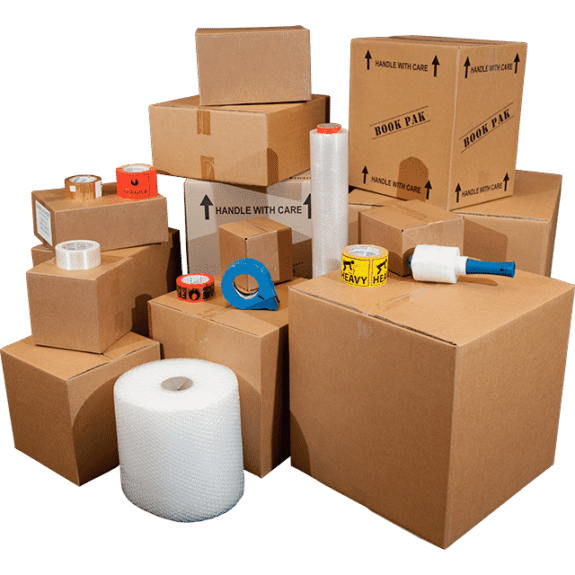
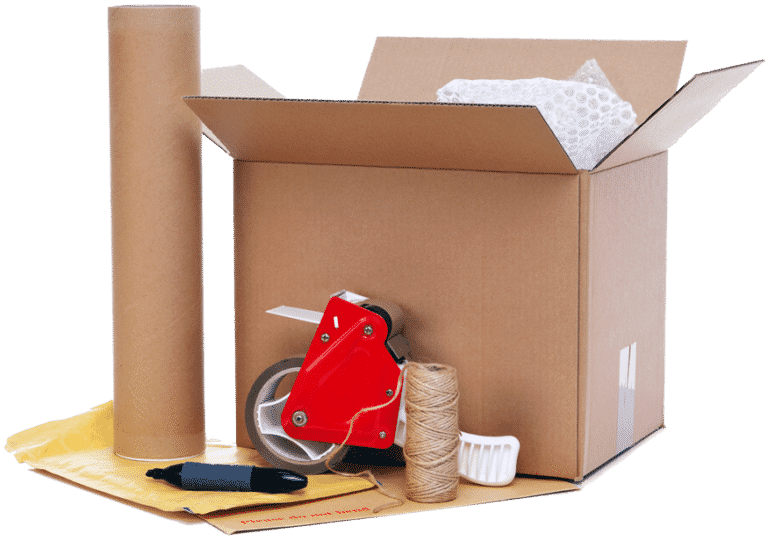
We supply businesses with a wide selection of essential packaging, shipping, and warehouse supplies. Get any standard packaging product by dimension or style from boxes, tubes, tapes, labels, and more. If you are unsure on what type of packaging you will need, then contact us for an expert consultation.


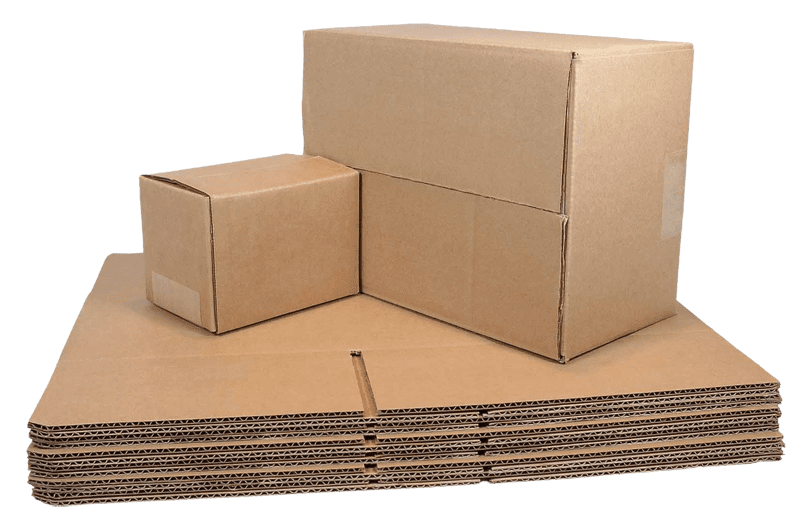
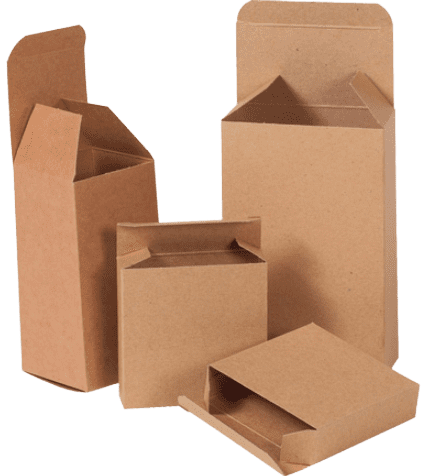
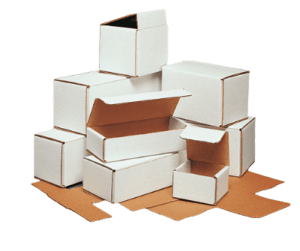
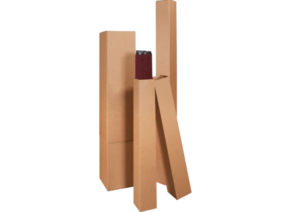
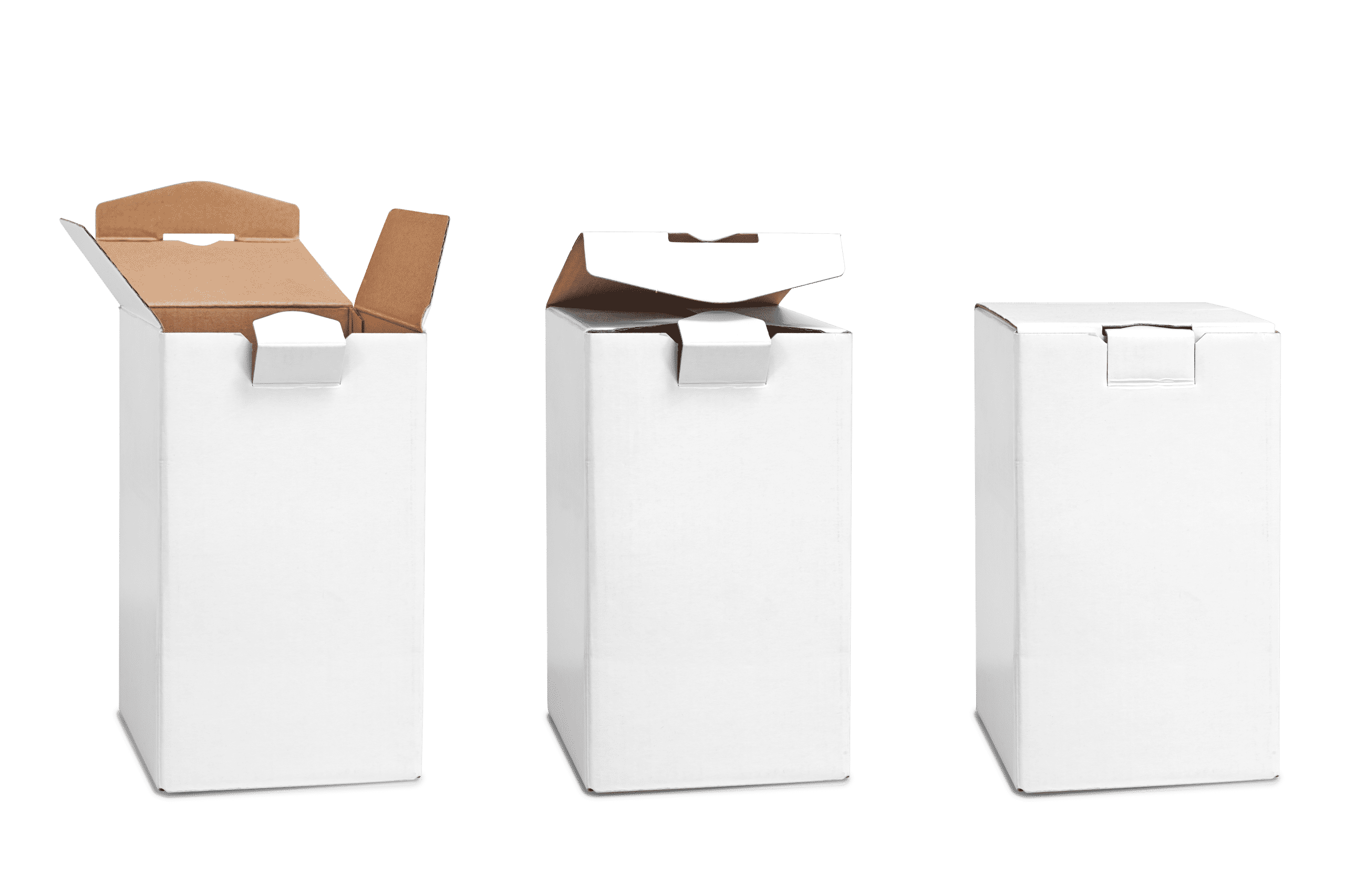
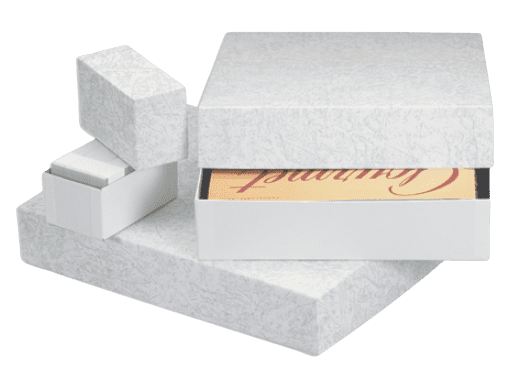
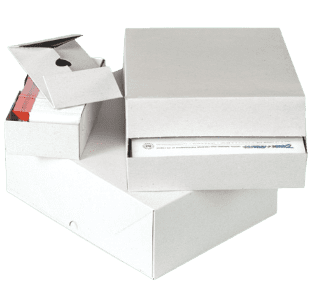
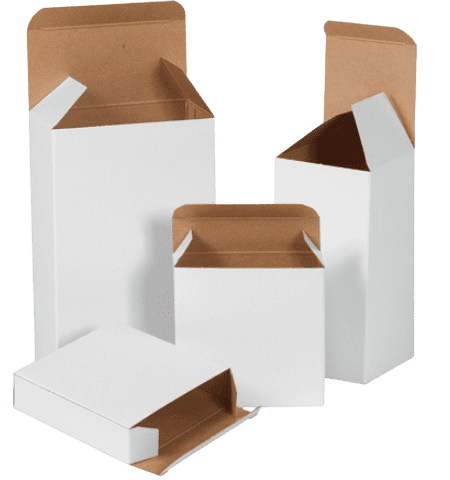
Stock packaging refers to pre-made, ready-to-ship packaging solutions like corrugated boxes, mailers, and protective materials that are designed to meet a wide range of standard needs across shipping, retail, and storage. Unlike custom packaging, stock options offer quick availability and reliable protection without the need for extensive design or production time, making them ideal for businesses needing efficient, high-quality solutions with fast lead times.
At Brown Packaging, we focus on providing durable, performance-driven stock packaging that supports our clients’ operational needs. Our stock products are sourced to ensure consistent quality and cost-effectiveness, offering a practical solution to keep operations running smoothly and on schedule. With an emphasis on reliability, we help our clients quickly access packaging solutions that meet their specific needs while maintaining quality across every order.
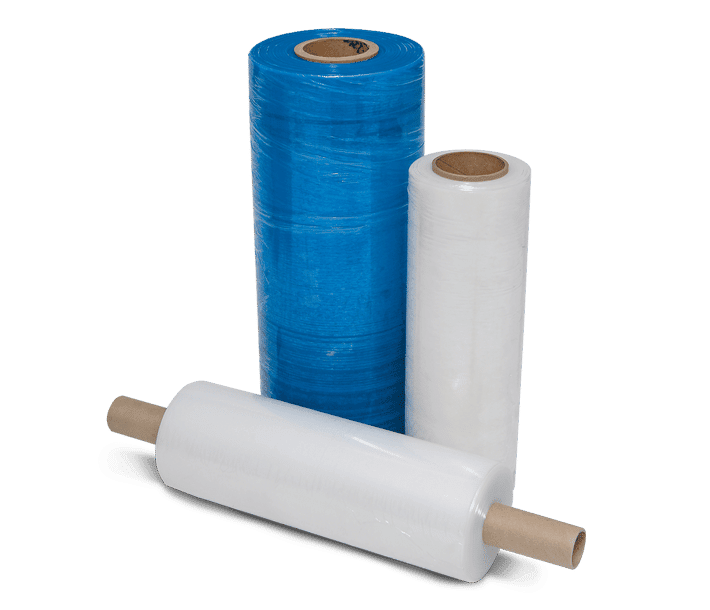
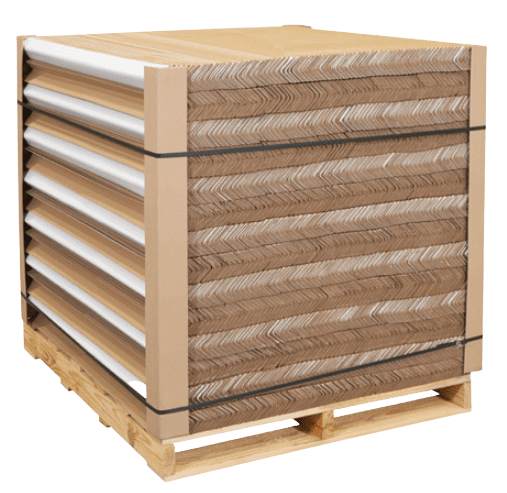
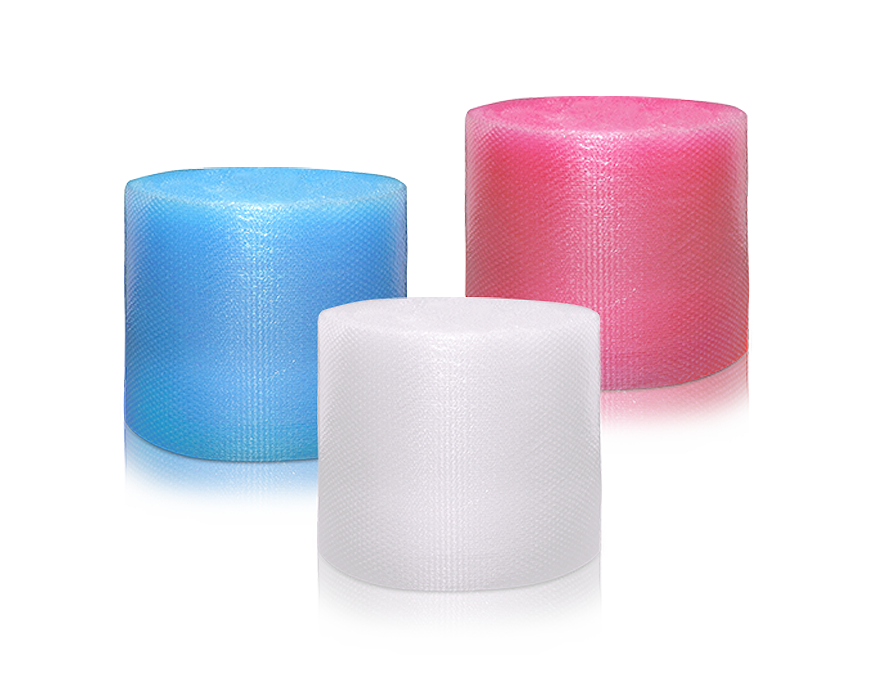
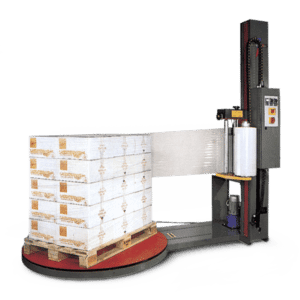
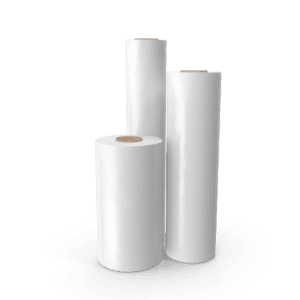
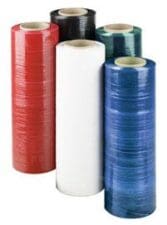
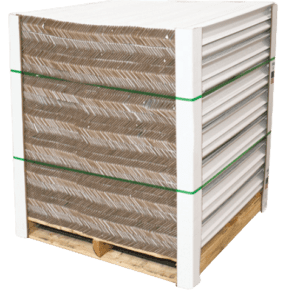
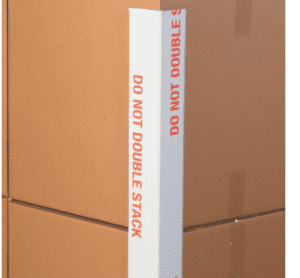
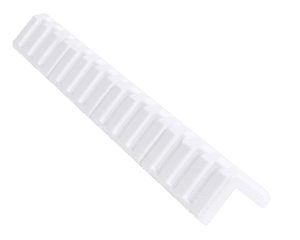
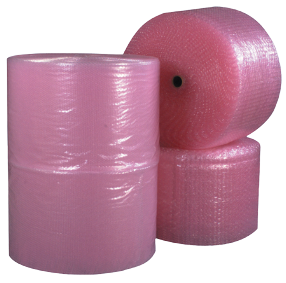
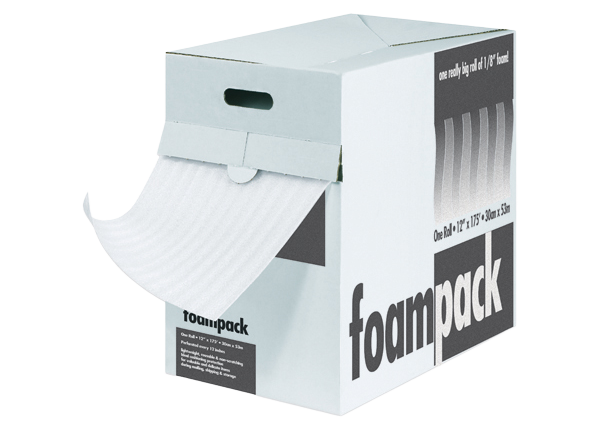
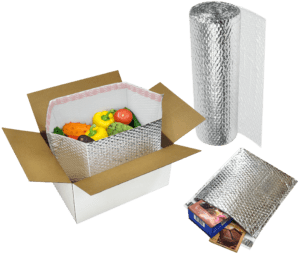
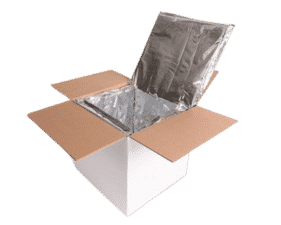
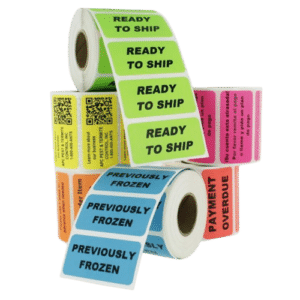
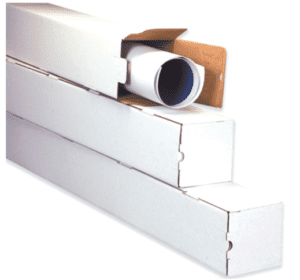
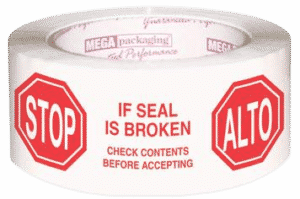
Our stock packaging products, from corrugated boxes to stretch film, offer a wide selection, including essentials like tape, edge protectors, labels, and more, with quick turnaround times to meet your packaging needs efficiently.


If you need any assistance with your packaging or have a question, then contact us directly at request@brownpackaging.com or (714)300-0650. Learn more about custom packaging by reading our blog posts on new and trending topics.

Packaging is an essential aspect of any product, and it is vital for the success of small businesses. Effective packaging not only protects the product but also serves as a marketing tool that can help small businesses stand out from the competition. 10 Packaging Tips For Small Businesses In this blog, we will explore some tips that every small business should consider when selecting packaging products. Choose the Right Type of Packaging Material Consider the Size and Weight of the Product Use Eco-Friendly Packaging Incorporate Branding Make it Easy to Open Provide Clear Instructions Consider Shipping and Storage Conditions Consider the Type of Product Consider the Shipping Method Test the Packaging Choose the Right Type of Packaging Material There are various packaging materials to choose from, and selecting the right one is crucial to protect the product during transit. Some common packaging materials include corrugated boxes, plastic bags, paper bags, bubble wrap, and padded mailers. Corrugated boxes are an affordable and eco-friendly option that provides excellent protection, whereas plastic bags are more durable and water-resistant. Padded mailers and bubble wrap are ideal for fragile items, as they provide cushioning and protection during transit. Consider the Size and Weight of the Product The size and weight of the product are crucial factors to consider when selecting the packaging. If the product is small and lightweight, a smaller package such as a paper bag or padded mailer will suffice. However, if the product is bulky and heavy, a larger package such as a corrugated box with more protection may be necessary. Using oversized packaging not only increases the cost of shipping but also has a negative impact on the environment. Use Eco-Friendly Packaging Sustainable packaging options are becoming increasingly popular as consumers become more environmentally conscious. Eco-friendly packaging includes materials that are biodegradable, compostable, or recyclable. Switching to eco-friendly packaging not only reduces the carbon footprint but also appeals to environmentally conscious customers. Some eco-friendly packaging products include biodegradable plastic bags, recycled corrugated boxes, and paper bags. Incorporate Branding Packaging is an excellent tool for branding, and incorporating your brand logo and colors on the packaging can help increase brand recognition. Consistent branding across all packaging and marketing materials can help build brand awareness and loyalty. Branding options include custom-printed bags, boxes, and labels. Make it Easy to Open Customers appreciate packaging that is easy to open and does not require any additional tools. Complicated packaging can frustrate customers and negatively impact their experience with the product. Additionally, easy-to-open packaging reduces the risk of damage to the product during opening. Ziplock bags and self-sealing bags are great options for easy-to-open packaging. Provide Clear Instructions Providing clear instructions on how to use the product and how to dispose of the packaging can help enhance the customer experience. Clear instructions reduce the risk of damage to the product during use and reduce the risk of customer dissatisfaction. Instructions can be printed on the packaging or provided in a separate document. Consider Shipping and Storage Conditions When selecting packaging products, it is essential to consider the shipping and storage conditions of the product. Products that require refrigeration, for example, may require special packaging that can keep the product at the correct temperature during transit. Additionally, packaging that is easy to store can save on storage costs and reduce the risk of damage to the product during storage. Some options for easy-to-store packaging include flat poly bags and foldable boxes. Consider the Type of Product The type of product being shipped is an essential factor to consider when selecting packaging products. Some products may require special packaging to protect them during transit. For example, perishable items such as food and flowers may require insulated packaging or special refrigerated packaging. Fragile items such as electronics or glassware may require additional padding and protection to prevent damage. Consider the Shipping Method The shipping method you choose can also impact the type of packaging product you select. Some shipping carriers may have specific requirements for packaging products, such as weight limits and size restrictions. It’s essential to research the shipping carrier’s guidelines and requirements before selecting packaging products to ensure they comply with their regulations. Test the Packaging Before shipping products, it’s crucial to test the packaging to ensure it can protect the product during transit. Testing the packaging can help identify any weaknesses in the packaging and allow for adjustments to be made to ensure the product arrives safely. Testing can include drop testing, compression testing, and vibration testing. Summary: 10 Packaging Tips for Small Businesses In summary, selecting the right packaging products is essential for the success of small businesses. By considering the type of packaging material, size and weight of the product, eco-friendly options, branding, ease of opening, clear instructions, shipping and storage conditions, type of product, shipping method, and testing the packaging, small businesses can ensure that their products arrive safely and attractively packaged, which can enhance the customer experience and increase brand loyalty. If you are interested in packaging solutions tailored to small businesses, then partner with Brown Packaging today to get started. (714)300-0650 request@brownpackaging.com Most Recent Posts: Categories: Corrugated Ecommerce ESD Design Display Flexible Packaging Foam Folding Carton Packaging Plastic Packaging Pouch Printing Protection Retail Rigid Box Thermoform Sustainability Subscribe To Our Newsletter By submitting your information, you agree to our terms and conditions and privacy policy. Custom Packaging Facebook Twitter LinkedIn Pinterest Relevant Posts

Packaging plays a crucial role in ensuring that products reach their intended destination safely and securely. Without proper packaging, products are likely to suffer damage during transit, resulting in losses for manufacturers and retailers alike. To avoid such losses, it is necessary to have packaging that meets certain quality standards. One such standard is ISTA certification. ISTA certification is recognized worldwide as the leading authority on packaging performance testing and certification. In this blog post, we will provide a detailed guide on how someone can get their packaging ISTA certified. What is ISTA certification? ISTA (International Safe Transit Association) is an organization that sets standards for packaging performance. ISTA certification ensures that a package is safe and secure for transportation. ISTA certification is essential for companies that want to ensure that their products are protected during transit. ISTA certification is recognized globally, and it is considered the leading authority on packaging performance testing and certification. The ISTA certification process: The ISTA certification process is a rigorous one that involves several steps. Here is a step-by-step guide on how to get ISTA certified: Step 1: Determine the ISTA certification level you need The first step in the ISTA certification process is to determine the level of certification you need. ISTA has several levels of certification, depending on the nature of the product and the type of transportation it will undergo. You can consult with ISTA or an ISTA certified lab to determine the appropriate certification level for your product. Below is a list of the different levels of ISTA certification: ISTA 1 Series – Non-Simulation Integrity Performance Test Level This level is for products that require basic protection and may not be susceptible to damage during transportation. The testing involves basic drop tests and compression tests. ISTA 2 Series – Partial Simulation Performance Test Level This level is for products that are moderately susceptible to damage during transportation. The testing involves more advanced simulations of the shipping environment, including drops and vibrations. ISTA 3 Series – General Simulation Performance Test Level This level is for products that are highly susceptible to damage during transportation. The testing involves rigorous simulations of the shipping environment, including drops, vibrations, and temperature and humidity conditions. ISTA 4 Series – Enhanced Simulation Performance Test Level This level is for products that are highly valuable, fragile, or have high safety requirements. The testing involves the most rigorous simulations of the shipping environment, including high-altitude simulations, compression testing, and more. ISTA 6 Series – Member Performance Test Mode This level is for products that are subject to specific requirements from individual ISTA members. The testing involves customized testing procedures based on member-specific requirements. ISTA 7 Series – Development Test Mode This level is for products that are in the development stage, and the testing is performed to help the manufacturer design the packaging for optimum performance during transportation. Step 2: Select an ISTA certified lab Once you have determined the appropriate certification level, the next step is to select an ISTA certified lab. ISTA has a network of certified labs worldwide that conduct testing and certification. You can find a list of certified labs on the ISTA website. You can also consult with ISTA to help you select an appropriate lab. Step 3: Prepare your Packaging for Testing The next step is to prepare your packaging for testing. You will need to provide samples of your packaging to the certified lab. The lab will use these samples to perform various tests to determine whether your packaging meets the required ISTA standards. You should ensure that the samples you provide are representative of the packaging you intend to use for your products. Step 4: Testing Once you have provided the samples, the lab will begin testing your packaging. The testing process may take several days or even weeks, depending on the level of certification you require. The lab will use various methods to test your packaging, including drop testing, vibration testing, compression testing, and atmospheric conditioning. Step 5: Certification Once the testing is complete, the lab will provide a certification report indicating whether your packaging meets the required ISTA standards. If your packaging meets the standards, you will receive an ISTA certification. If your packaging does not meet the standards, you will receive a report indicating the areas that need improvement. Summary: ISTA Certification Guide ISTA certification is essential for companies that want to ensure that their products are protected during transit. ISTA certification is recognized globally, and it is considered the leading authority on packaging performance testing and certification. The ISTA certification process is rigorous, and it involves several steps. These include determining the appropriate certification level, selecting an ISTA certified lab, preparing your packaging for testing, testing, and certification. By following these steps, you can ensure that your packaging meets the required ISTA standards and that your products are protected during transit. If you are interested in packaging and ISTA certification assistance, then partner with Brown Packaging today to get started. (714)300-0650 request@brownpackaging.com Most Recent Posts: Categories: Corrugated Ecommerce ESD Design Display Flexible Packaging Foam Folding Carton Packaging Plastic Packaging Pouch Printing Protection Retail Rigid Box Thermoform Sustainability Subscribe To Our Newsletter By submitting your information, you agree to our terms and conditions and privacy policy. Custom Packaging Facebook Twitter LinkedIn Pinterest Relevant Posts

In today’s market, packaging plays a crucial role in product sales and branding. It is one of the most critical aspects of a product’s marketing strategy, making it essential for businesses to get it right. There are two main types of packaging prototypes: physical and digital. Each has its benefits and drawbacks, and understanding these differences can help businesses choose the right prototype for their packaging needs. Physical Packaging Prototypes Physical prototypes are tangible models of a product’s packaging. These prototypes are made using physical materials like cardboard, plastic, and metal. The prototype is a full-scale representation of the final packaging design, giving businesses a realistic idea of how the packaging will look and feel. Benefits of Physical Packaging Prototypes Realistic Experience: Physical prototypes offer a tactile experience that digital prototypes cannot replicate. The user can touch, feel, and interact with the packaging, giving a more realistic experience. Accurate Color Representation: Color representation is an essential aspect of packaging design. Physical prototypes offer a more accurate color representation than digital prototypes, as colors can appear differently on screens than they do in real life. Detailed Design: Physical prototypes offer businesses the opportunity to see and test the detailed design of the packaging, including the structure, materials, and finish. Easy to Understand: Physical prototypes are easier for everyone to understand, even those who may not be familiar with design software. Drawbacks of Physical Packaging Prototypes Time-consuming: Physical prototypes can be time-consuming to create and may require multiple iterations before the final design is achieved. Costly: Creating physical prototypes can be expensive, especially if multiple iterations are required. Limited Revisions: Making changes to a physical prototype can be challenging and may require starting from scratch, which can be costly and time-consuming. Digital Packaging Prototypes Digital packaging prototypes are created using software and computer graphics. They are virtual representations of the final packaging design, giving businesses a 3D view of the packaging design. Benefits of Digital Packaging Prototypes Quick and Cost-effective: Digital prototypes are quick and cost-effective to create compared to physical prototypes. Easy Revisions: Making changes to a digital prototype is easy and cost-effective. It can be done quickly without the need for starting from scratch. Eco-friendly: Digital prototypes are environmentally friendly, as they do not require physical materials, reducing waste. Easy Collaboration: Digital prototypes can be shared electronically, making it easy to collaborate with remote team members. Drawbacks of Digital Packaging Prototypes Lack of Tactile Experience: Digital prototypes lack a tactile experience, making it difficult to understand how the packaging will feel in real life. Limited Color Representation: Colors can appear differently on screens than they do in real life, leading to inaccurate color representation. Limited Detail: Digital prototypes may not show the finer details of the packaging, including the texture and finish. Steep Learning Curve: Creating digital prototypes can have a steep learning curve, requiring specialized software and technical skills. Summary: Physical Vs Digital Packaging Prototypes Both physical and digital packaging prototypes have their benefits and drawbacks. Physical prototypes offer a realistic experience, accurate color representation, and detailed design, but they can be time-consuming and costly. Digital prototypes, on the other hand, are quick and cost-effective, easy to revise, eco-friendly, and offer easy collaboration, but they lack a tactile experience and may have limited detail and color representation. If you are interested in custom packaging solutions, then partner with Brown Packaging today. (714)300-0650 request@brownpackaging.com Most Recent Posts: Categories: Corrugated Ecommerce ESD Design Display Flexible Packaging Foam Folding Carton Packaging Plastic Packaging Pouch Printing Protection Retail Rigid Box Thermoform Sustainability Subscribe To Our Newsletter By submitting your information, you agree to our terms and conditions and privacy policy. Custom Packaging Facebook Twitter LinkedIn Pinterest Relevant Posts