



Stock Packaging
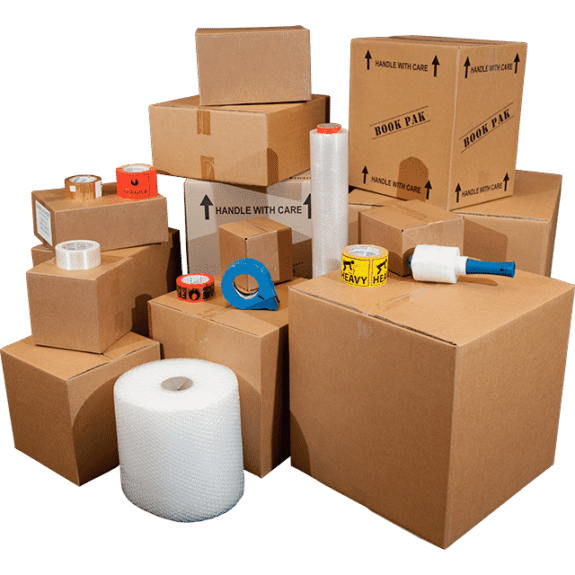
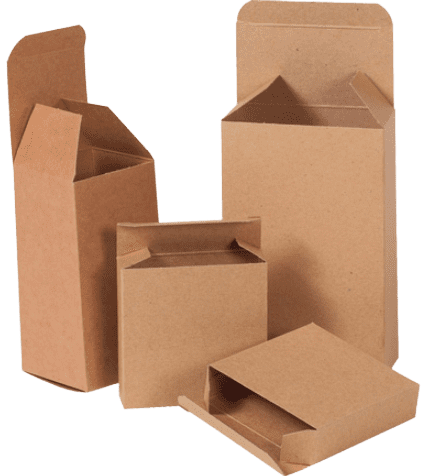
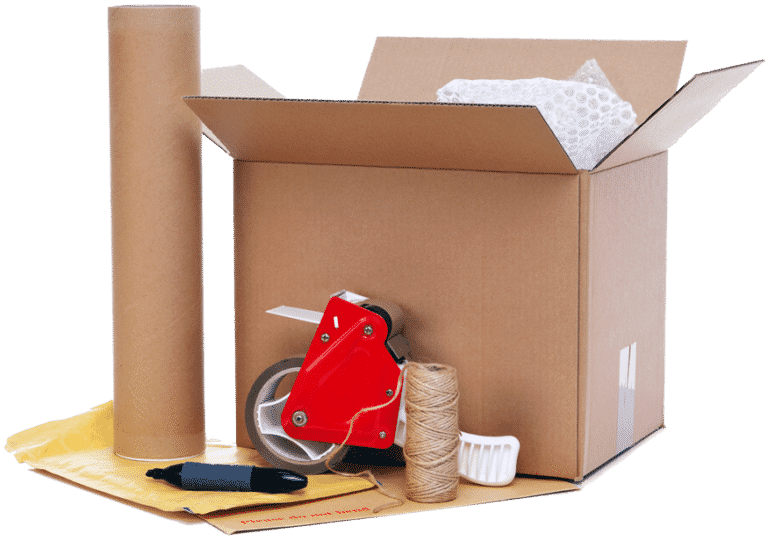
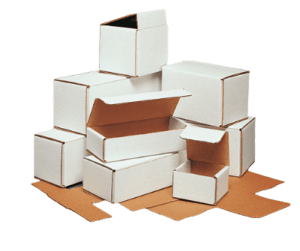
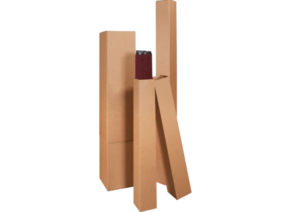
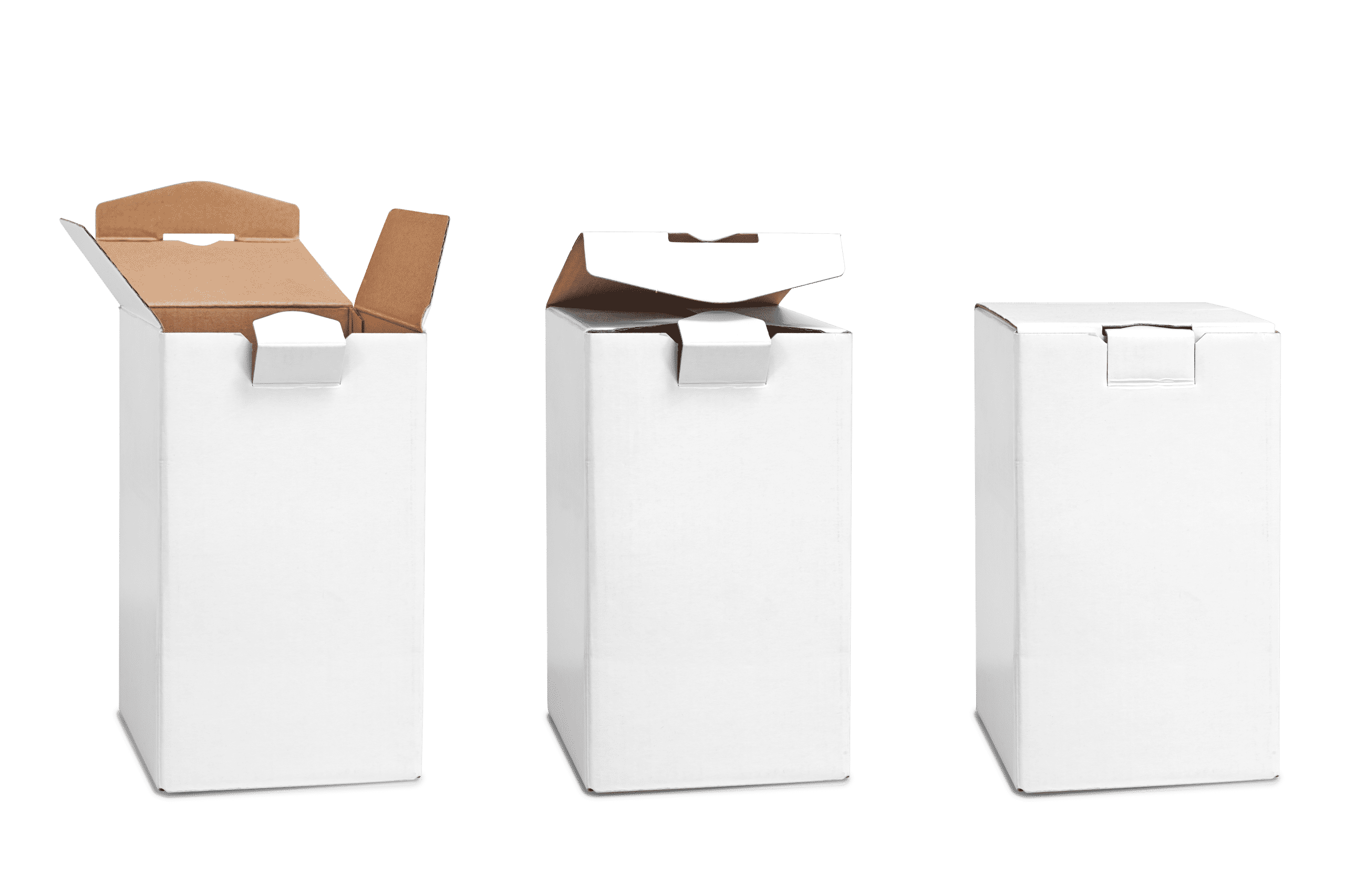
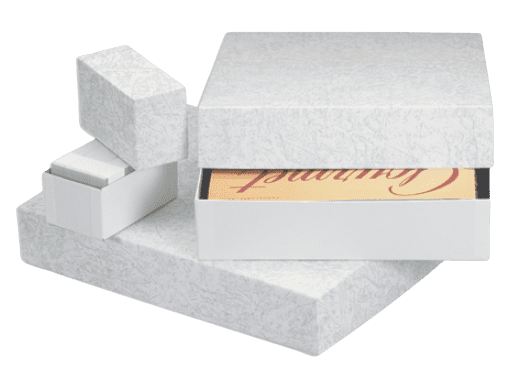
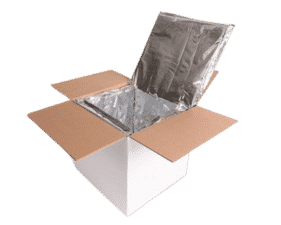
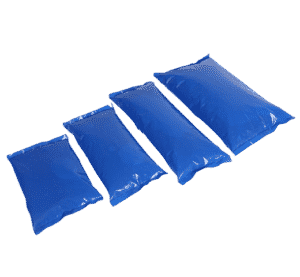
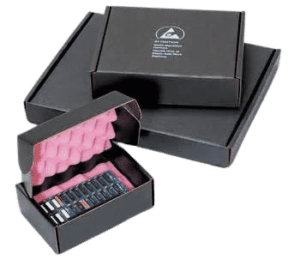
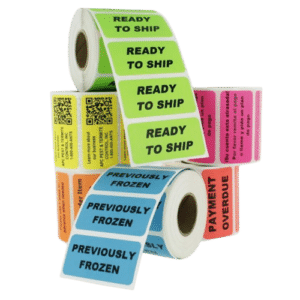
We supply businesses with a wide selection of essential packaging, shipping, and warehouse supplies. Get any standard packaging product by dimension or style from boxes, tubes, tapes, labels, and more. If you are unsure on what type of packaging you will need, then contact us for an expert consultation.


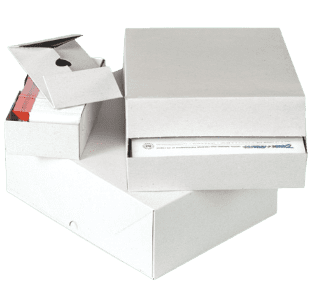
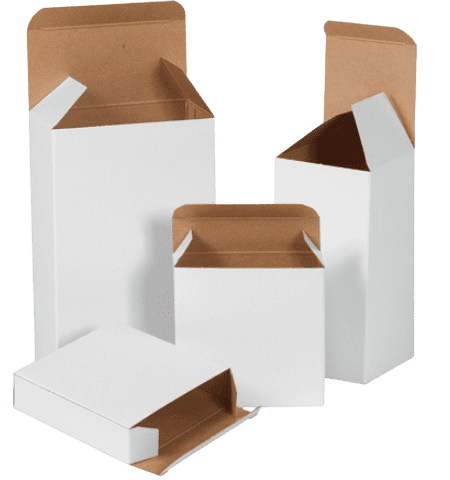
Stock packaging refers to pre-made, ready-to-ship packaging solutions like corrugated boxes, mailers, and protective materials that are designed to meet a wide range of standard needs across shipping, retail, and storage. Unlike custom packaging, stock options offer quick availability and reliable protection without the need for extensive design or production time, making them ideal for businesses needing efficient, high-quality solutions with fast lead times.
At Brown Packaging, we focus on providing durable, performance-driven stock packaging that supports our clients’ operational needs. Our stock products are sourced to ensure consistent quality and cost-effectiveness, offering a practical solution to keep operations running smoothly and on schedule. With an emphasis on reliability, we help our clients quickly access packaging solutions that meet their specific needs while maintaining quality across every order.
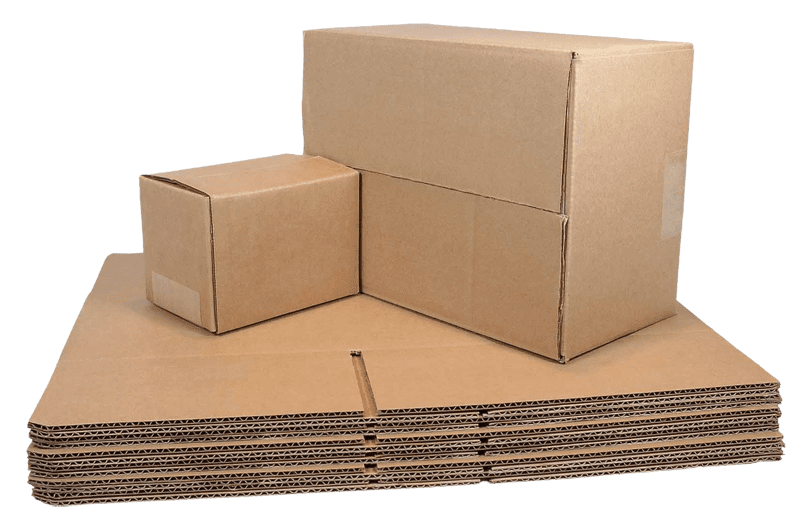
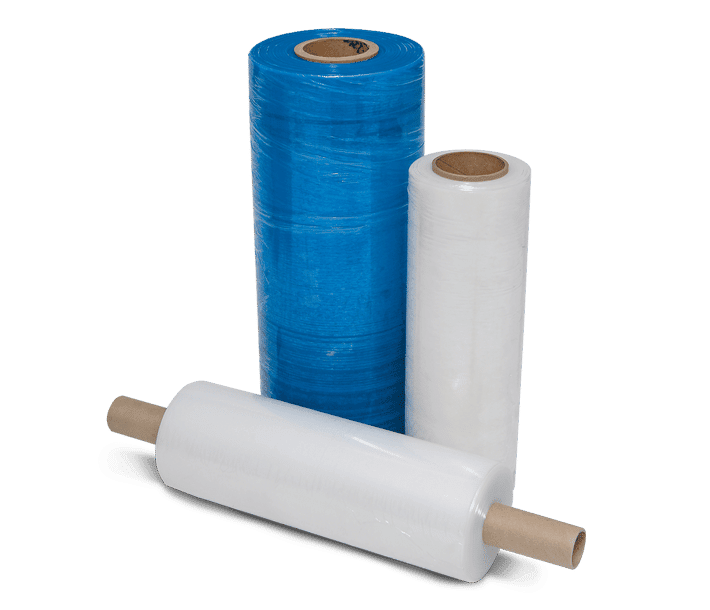
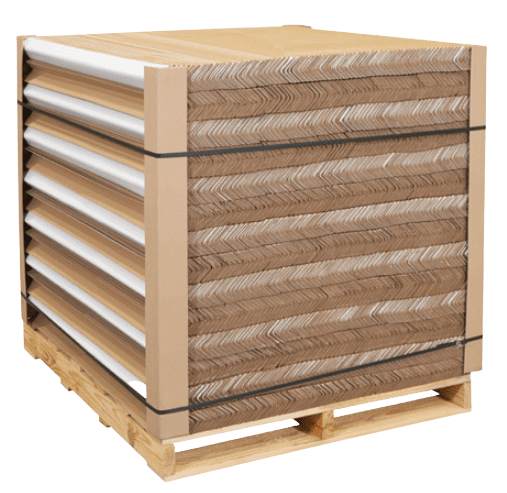
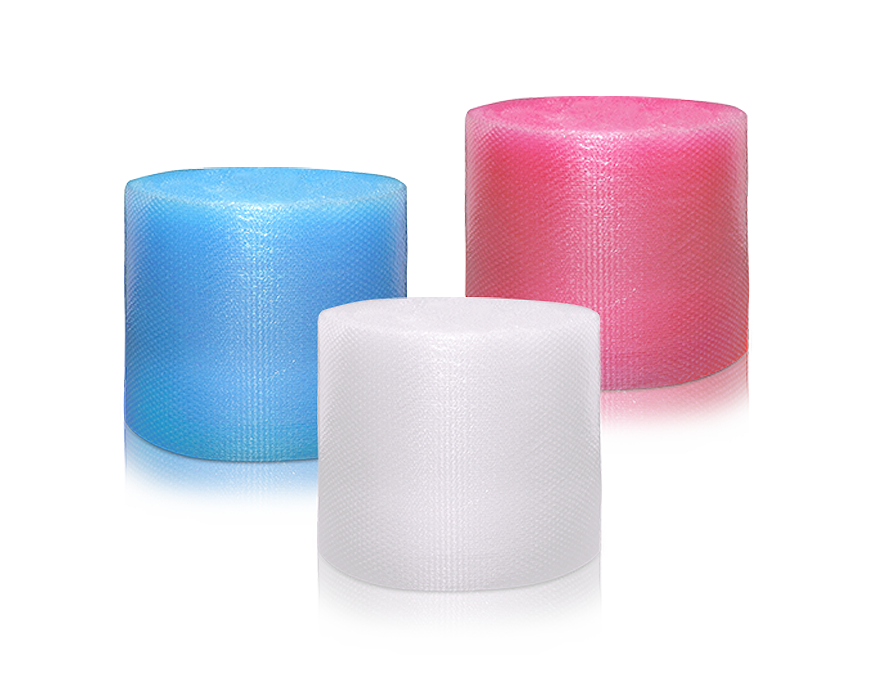
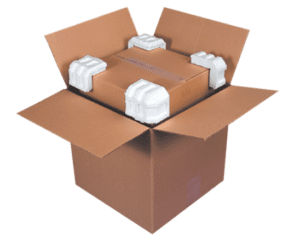
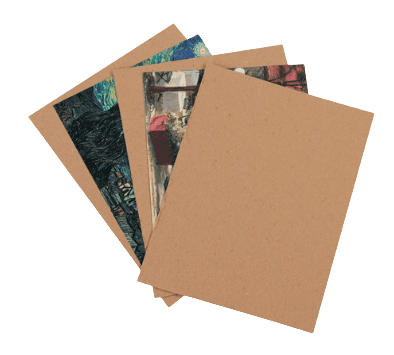
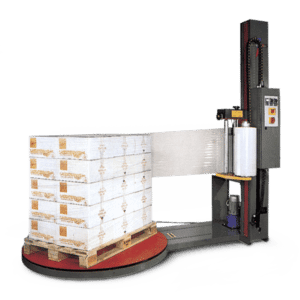
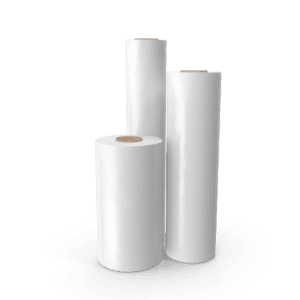
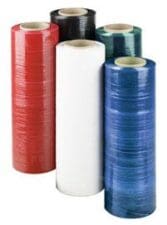
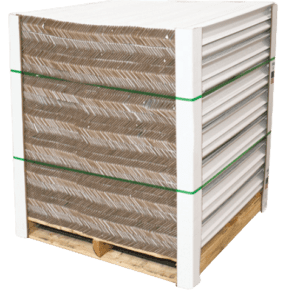
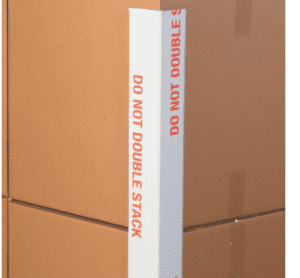
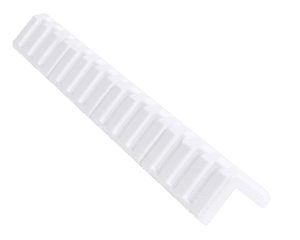
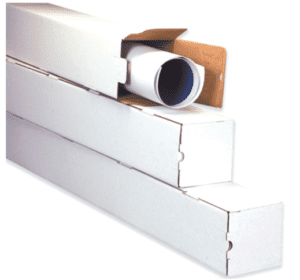
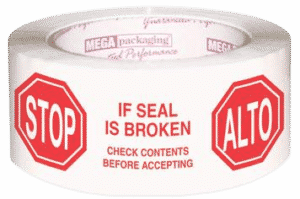
Our stock packaging products, from corrugated boxes to stretch film, offer a wide selection, including essentials like tape, edge protectors, labels, and more, with quick turnaround times to meet your packaging needs efficiently.


If you need any assistance with your packaging or have a question, then contact us directly at request@brownpackaging.com or (714)300-0650. Learn more about custom packaging by reading our blog posts on new and trending topics.

Custom packaging is the process of creating unique and personalized packaging materials tailored to the specific requirements of a product, brand, or business. In today’s crowded marketplace, custom packaging plays a crucial role in enhancing the overall customer experience, promoting brand recognition, and setting businesses apart from their competitors. In this blog, we will delve deeper into custom packaging, explore its benefits, types, considerations, and additional information that businesses need to know to make informed decisions about their packaging needs. Why Custom Packaging is Important? Custom packaging provides businesses with numerous benefits, such as improved brand identity, product protection, marketing, and sustainability. Custom packaging is essential for businesses because it: Enhances Brand Identity: Custom packaging allows businesses to create packaging designs that align with their brand identity, values, and messaging. By creating unique and consistent packaging, businesses can create a lasting impression on their customers and set themselves apart from their competitors. Ensures Product Protection: Custom packaging is designed to protect the product during transportation and storage. Custom packaging ensures that the product arrives at the customer’s doorstep in perfect condition, leading to customer satisfaction and loyalty. Improves Marketing Efforts: Custom packaging can be used as a marketing tool to promote the brand, communicate product information, and increase customer engagement. Custom packaging creates a memorable experience for customers, making it an effective way to communicate brand values and messaging. Supports Sustainability Efforts: Custom packaging allows businesses to choose eco-friendly materials, reduce waste, and promote their commitment to sustainability. In today’s world, customers are environmentally conscious, making sustainability an important factor for businesses to consider. Types of Custom Packaging Businesses have numerous options when it comes to custom packaging. Depending on the product and business requirements, there are different types of custom packaging solutions available. Some popular types of custom packaging are: Printed Boxes Printed boxes are a cost-effective and customizable packaging solution for various products, including food, cosmetics, and electronics. They can be customized with various printing options, including logos, images, and product information. Printed boxes come in different sizes, shapes, and materials (chipboard, paperboard and corrugated), making them versatile and suitable for different products. Custom Bags Custom bags are an excellent packaging option for retail businesses, restaurants, and food delivery services. They can be made from different materials, including paper, plastic, and fabric, and customized with branding and design elements. Custom bags are easy to carry, lightweight, and convenient for customers, making them a popular choice for businesses. Custom Labels Custom labels are an essential component of custom packaging and can be used to display product information, branding, and marketing messages. They can be made from various materials, including paper, vinyl, and polyester, and come in different sizes, shapes, and finishes. Custom labels can be applied to different packaging materials, including boxes, bags, and jars. Custom Inserts Custom inserts are designed to protect and secure the product inside the packaging. They can be made from different materials, including foam, corrugated, plastic and molded pulp, and customized to fit the product’s dimensions. Custom inserts ensure that the product is safe and secure during transportation, reducing the risk of damage. Custom Tubes Custom tubes are a popular packaging option for products such as cosmetics, pharmaceuticals, and food items. They can be made from various materials, including paper, plastic, and metal, and customized with different printing options. Custom tubes are durable, convenient, and easy to use, making them a preferred choice for many businesses. Considerations for Custom Packaging When designing custom packaging, businesses need to consider various factors, such as product requirements, budget, materials, design, and sustainability. By taking these factors into account, businesses can create custom packaging solutions that align with their values, meet their specific requirements, and promote their brand identity effectively. Some additional considerations for custom packaging are: Product Compatibility The packaging material should be compatible with the product it is intended to protect. Businesses need to consider factors such as product fragility, moisture resistance, and temperature control to ensure that the packaging material is suitable for the product. Packaging Size The packaging size should be appropriate for the product, ensuring that it is neither too loose nor too tight. A packaging size that is too small can damage the product, while a packaging size that is too large can lead to unnecessary material waste. Budget and Cost-Effectiveness Custom packaging can be expensive, and businesses need to determine their budget and cost-effectiveness of the packaging solution. It is essential to strike a balance between cost and quality to ensure that the custom packaging solution meets the business’s specific requirements and is cost-effective. Materials The materials used for custom packaging should be eco-friendly, sustainable, and aligned with the business’s values and messaging. Businesses should consider materials such as recycled paper, biodegradable plastics, and natural fibers to promote sustainability and environmental consciousness. Design and Branding The packaging design should be visually appealing, consistent with the brand identity, and convey the product information and marketing messages effectively. Custom packaging design should be eye-catching and memorable, ensuring that the packaging creates a lasting impression on customers. Custom Packaging Regulations Businesses should be aware of the regulatory requirements for custom packaging, such as food safety regulations, labeling requirements, and environmental regulations. Compliance with these regulations ensures that the custom packaging solution is safe, legally compliant, and sustainable. Impact on Customer Experience Custom packaging plays a significant role in enhancing the overall customer experience. Businesses should consider how their custom packaging solutions impact the customer experience, such as how easy it is to open, how the packaging feels in the hands, and how well it protects the product. Logistics and Transportation Businesses should consider the logistics and transportation requirements of their custom packaging solutions. Factors such as packaging weight, dimensions, and materials can impact shipping costs, transportation logistics, and storage. Summary: Custom Packaging In conclusion, custom packaging is a valuable investment that can enhance the overall customer experience, promote brand recognition, and support sustainability efforts. Businesses should carefully consider product requirements, budget, materials, design,

Flexible packaging is a dynamic and growing market that has revolutionized the packaging industry. From snack foods to pharmaceuticals, flexible packaging offers lightweight, cost-effective, and versatile solutions that cater to a wide range of products. With advancements in materials, printing, and technology, flexible packaging has become a popular choice for brands looking to differentiate themselves and meet changing consumer needs. In this blog, we will explore the top flexible packaging trends of 2023 that are driving sustainability and convenience. Quick Overview: 10 Flexible Packaging Trends of 2023 Sustainability Takes the Lead Digital Printing and Personalization Convenience is Key Smart Packaging The Rise of E-commerce Interactive Packaging Premiumization Transparency and Visibility Antimicrobial Packaging Resealable and Portion Control Packaging Sustainability Takes the Lead Consumers are increasingly concerned about the impact of packaging waste on the environment. As a result, sustainability has become a key driver in packaging innovation, and flexible packaging is no exception. Brands are embracing eco-friendly materials, such as plant-based and compostable plastics, to reduce their carbon footprint. Furthermore, lightweight and recyclable packaging is gaining popularity, as it reduces the use of materials and lowers transportation costs. Digital Printing and Personalization The rise of digital printing technology has enabled brands to personalize their packaging, creating a unique and memorable experience for customers. Flexible packaging allows for high-quality graphics and printing, enabling brands to showcase their products in a visually appealing way. This trend is expected to continue in 2023, with brands using digital printing to differentiate their products and attract consumers. Convenience is Key Consumers are increasingly busy and seeking products that fit their on-the-go lifestyles. Flexible packaging provides a convenient solution, allowing products to be easily transported and consumed. Packaging features such as resealable closures and easy-to-open seals are becoming standard, while innovative packaging designs that make products easier to use and consume are emerging. Smart Packaging The Internet of Things (IoT) has revolutionized many industries, and packaging is no exception. Smart packaging technology integrates sensors, NFC tags, and QR codes to provide information to consumers and enhance their experience. In 2023, we expect to see more brands adopting smart packaging technology to offer a range of benefits, such as improved product tracking, food safety, and consumer engagement. The Rise of E-commerce The pandemic has accelerated the shift towards e-commerce, with online shopping becoming the norm for many consumers. Flexible packaging is ideal for e-commerce, as it offers cost-effective and lightweight solutions that can be easily shipped. Brands are expected to continue investing in e-commerce packaging in 2023, with features such as tamper-evident seals and easy-open tear notches becoming essential. Interactive Packaging Interactive packaging takes personalization to the next level, offering a fun and engaging experience for customers. This type of packaging can include augmented reality, QR codes, or other interactive elements that allow customers to learn more about the product, access exclusive content, or play games. Premiumization As consumers become more discerning, premiumization has become a key trend in flexible packaging. High-quality materials, sophisticated design, and premium finishes are increasingly being used to create a premium look and feel for products, elevating the perceived value and enhancing the overall consumer experience. Transparency and Visibility Consumers are increasingly interested in the source, quality, and safety of the products they buy. Flexible packaging is ideal for showcasing product transparency and visibility, with clear windows or see-through packaging. This trend is expected to continue in 2023, with brands using transparent and visible packaging to build trust and convey product quality. Antimicrobial Packaging In the wake of the COVID-19 pandemic, antimicrobial packaging has emerged as a trend for 2023. Antimicrobial packaging contains agents that inhibit the growth of bacteria, viruses, and fungi, making it ideal for products that require high levels of hygiene and safety. Resealable and Portion Control Packaging Consumers are increasingly looking for portion control and convenience when it comes to packaging. Resealable packaging allows customers to consume products at their own pace, while portion control packaging ensures that products are used in the right quantities. These features are expected to continue to be popular in 2023, especially for products such as snacks and beverages. Conclusion: Flexible Packaging Trends For 2023 In conclusion, flexible packaging is a dynamic and evolving industry that is driven by innovation and sustainability. As we look ahead to 2023, we expect to see brands continue to prioritize eco-friendly materials and digital printing, while also focusing on convenience and smart packaging. With the rise of e-commerce and changing consumer needs, flexible packaging is set to play an increasingly important role in the packaging industry. If you are interested in flexible packaging for your products, then partner with Brown Packaging today to get started. (714)300-0650 request@brownpackaging.com Most Recent Posts: Categories: Corrugated Ecommerce ESD Design Display Flexible Packaging Foam Folding Carton Packaging Plastic Packaging Pouch Printing Protection Retail Rigid Box Thermoform Sustainability Subscribe To Our Newsletter By submitting your information, you agree to our terms and conditions and privacy policy. Custom Pouches Facebook Twitter LinkedIn Pinterest Relevant Posts

In today’s fast-paced world, the logistics industry plays a crucial role in ensuring that products are delivered to customers in a timely and cost-effective manner. One of the primary challenges faced by logistics companies is optimizing delivery trucks to carry as many products as possible while minimizing transportation costs. The use of pallets filled with packaging products is a popular method of optimizing delivery trucks, and with the help of CAPE (Computer-Aided Packaging Engineering) software, this process can be even more effective and efficient. What are Pallets? Pallets are flat structures made of wood, plastic, or metal that are used to transport goods. They provide a stable base for the goods being transported, reducing the risk of damage during transportation. Pallets come in different sizes, but the most common size is 48×40 inches. Packaging Products Packaging products are materials used to protect and secure goods during transportation, such as corrugated boxes, stretch film, corner protectors, and cushioning materials like bubble wrap. They come in different sizes and shapes to fit different types of goods. Optimizing Delivery Trucks with Pallets Filled with Packaging Products Using CAPE Software CAPE software is a valuable tool for optimizing the use of pallets filled with packaging products in delivery trucks. It enables logistics companies to streamline their packaging processes and maximize the efficiency of their truck loading operations. Here’s how to optimize your packaging in delivery trucks using CAPE software: Step 1: Choose the Right Pallets With CAPE software, you can input the dimensions and weight of your goods, and it will help you determine the appropriate pallet size and type. The software takes into account factors such as load-bearing capacity and compatibility with handling equipment. It ensures that you choose the right pallets to safely and efficiently transport your goods. Step 2: Choose the Right Packaging Products CAPE software allows you to simulate different packaging scenarios and assess the impact on space utilization and product protection. It helps you select the most suitable packaging products for your goods, considering factors such as fragility, weight, and size. By using the software, you can make informed decisions about the types and quantities of packaging products required to secure your goods effectively. Step 3: Pack the Goods Efficiently CAPE software provides virtual packing simulations, allowing you to visualize how your goods will fit onto the pallets. It helps you optimize the arrangement of products, ensuring efficient use of space and minimizing the risk of damage during transportation. The software considers the shape, dimensions, and weight distribution of the goods, helping you pack them in the most space-efficient and secure manner. Step 4: Load the Pallets onto the Delivery Truck CAPE software assists in determining the most efficient loading sequence for pallets onto the delivery truck. It takes into account factors such as weight distribution, stability, and accessibility. By following the loading instructions provided by the software, you can ensure that the pallets are loaded safely and securely, maximizing the use of available space within the truck. Step 5: Optimize Routing and Consolidation CAPE software can also assist in optimizing routing and consolidation strategies. By considering factors such as delivery destinations, weight distribution, and delivery schedules, the software helps logistics companies make informed decisions about the most efficient routes and consolidation options. This reduces the number of trips required and maximizes the utilization of delivery trucks, resulting in cost savings and reduced carbon footprint. By incorporating CAPE software into your packaging optimization process, you can enhance the efficiency, accuracy, and sustainability of your delivery truck operations. The software enables you to make data-driven decisions, leading to improved space utilization, reduced transportation costs, and minimized environmental impact. Leveraging Expertise for Successful CAPE Software Implementation Implementing CAPE software requires expertise and support, so consult with professionals experienced in CAPE software implementation. These experts can provide guidance on utilizing the software effectively and optimizing your packaging in delivery trucks. Additionally, consider partnering with packaging solution providers who have expertise in optimizing delivery truck logistics. They can offer insights on best practices, recommend suitable packaging materials, and assist in the implementation of CAPE software. Through their expertise, they can help you: Analyze and Evaluate: Experienced professionals can assess your current packaging and delivery processes, identifying areas for improvement. They can analyze factors such as product dimensions, weight, fragility, and transportation requirements to determine the optimal packaging solution. CAPE Software Integration: Professionals skilled in CAPE software can guide you through its integration into your packaging optimization workflow. They will assist in data input, simulations, and analysis to achieve the best results in terms of space utilization, load stability, and product protection. Packaging Material Selection: Partnering with packaging experts ensures that you choose the right materials for your specific goods. They can recommend packaging products such as corrugated boxes, stretch film, corner protectors, and cushioning materials that align with your requirements and maximize protection during transportation. Efficient Packing Strategies: Professionals can provide insights and strategies for efficient packing, considering factors like weight distribution, stacking arrangements, and load stability. This ensures that you maximize the available space on pallets and minimize the risk of damage during transit. Continuous Improvement: Collaboration with experts in packaging optimization and CAPE software allows for ongoing evaluation and improvement. They can help you analyze data, identify areas for further optimization, and refine your packaging processes over time. If you are interested in optimizing your packaging in delivery trucks with CAPE, then partner with Brown Packaging today to get started. (714)300-0650 request@brownpackaging.com Most Recent Posts: Categories: Corrugated Ecommerce ESD Design Display Flexible Packaging Foam Folding Carton Packaging Plastic Packaging Pouch Printing Protection Retail Rigid Box Thermoform Sustainability Subscribe To Our Newsletter By submitting your information, you agree to our terms and conditions and privacy policy. Custom Packaging Facebook Twitter LinkedIn Pinterest Relevant Posts