





window.uetq = window.uetq || []; window.uetq.push(‘event’, ‘submit_lead_form’,{ event_label:‘SUBMIT MESSAGE’ }); window.lintrk('track', { conversion_id: 10271009 }); window.lintrk('track', { conversion_id: 10271017 });

Stock Packaging

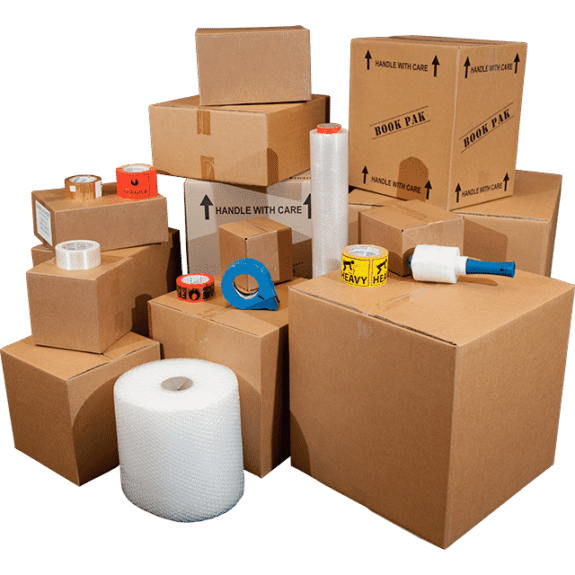
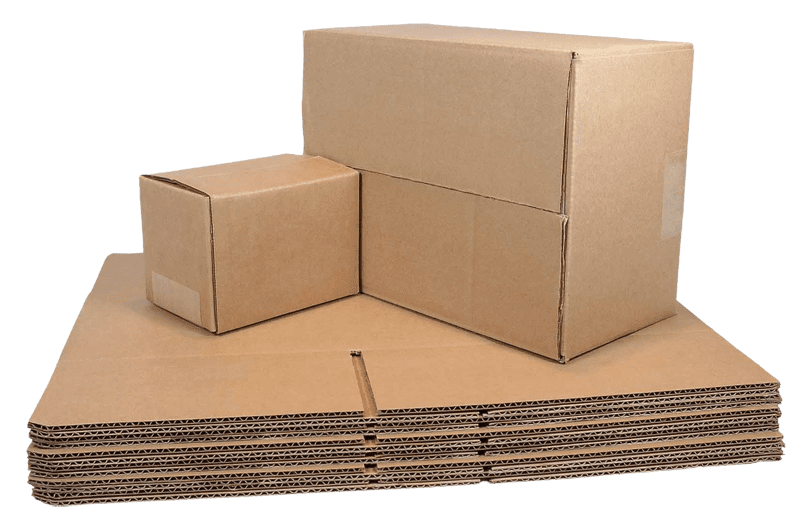
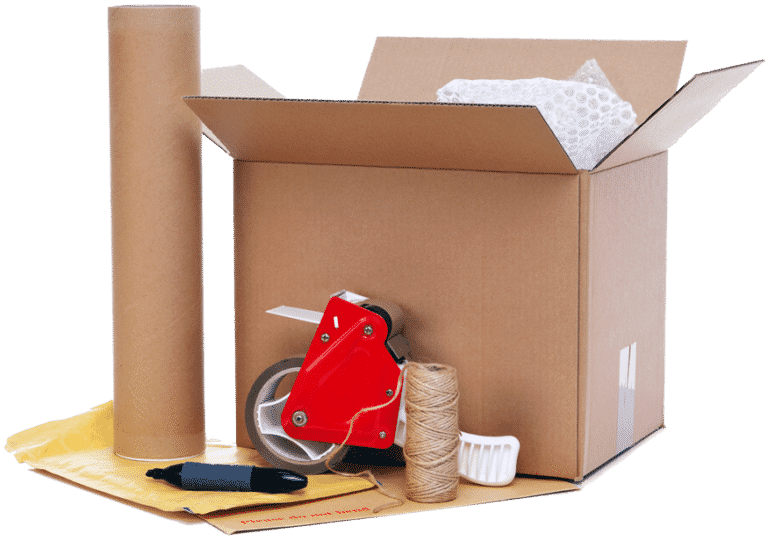
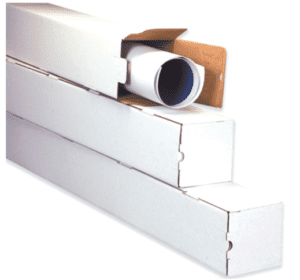
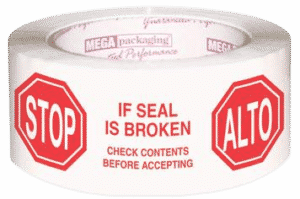
We supply businesses with a wide selection of essential packaging, shipping, and warehouse supplies. Get any standard packaging product by dimension or style from boxes, tubes, tapes, labels, and more. If you are unsure on what type of packaging you will need, then contact us for an expert consultation.


Stock packaging refers to pre-made, ready-to-ship packaging solutions like corrugated boxes, mailers, and protective materials that are designed to meet a wide range of standard needs across shipping, retail, and storage. Unlike custom packaging, stock options offer quick availability and reliable protection without the need for extensive design or production time, making them ideal for businesses needing efficient, high-quality solutions with fast lead times.

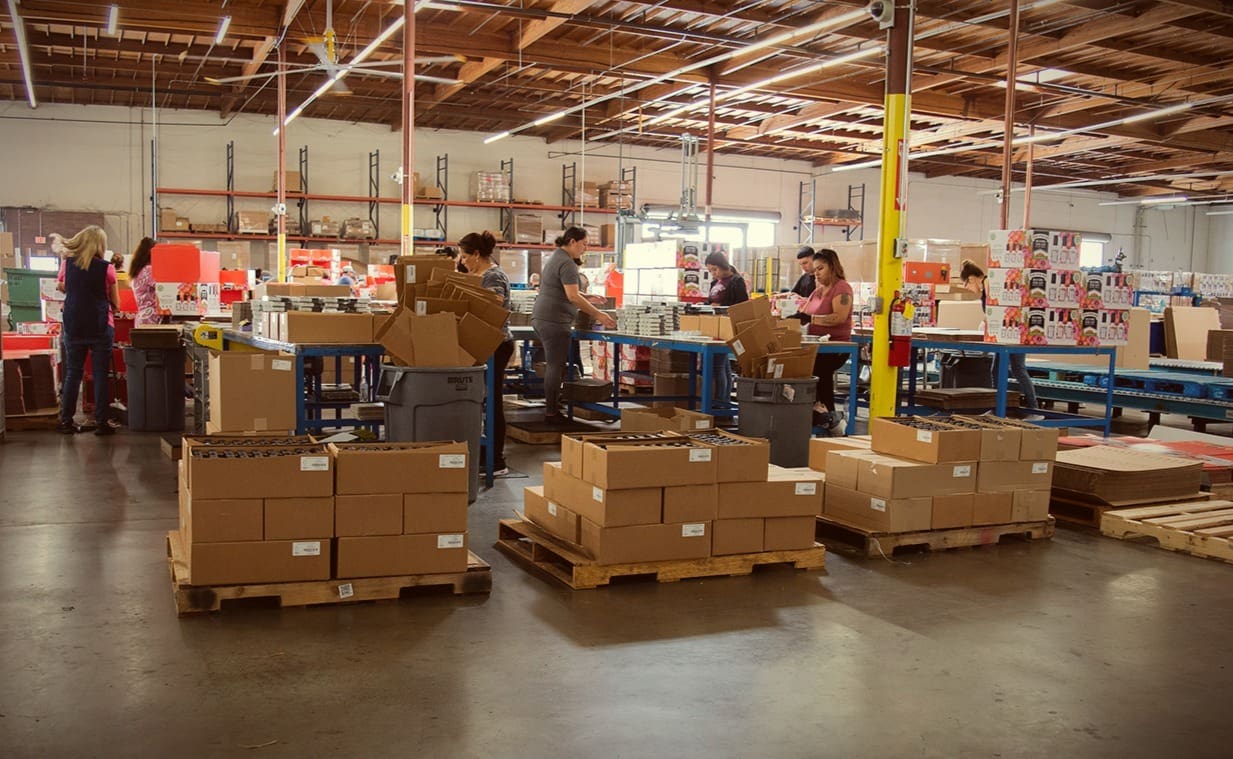
At Brown Packaging, we focus on providing durable, performance-driven stock packaging that supports our clients’ operational needs. Our stock products are sourced to ensure consistent quality and cost-effectiveness, offering a practical solution to keep operations running smoothly and on schedule. With an emphasis on reliability, we help our clients quickly access packaging solutions that meet their specific needs while maintaining quality across every order.

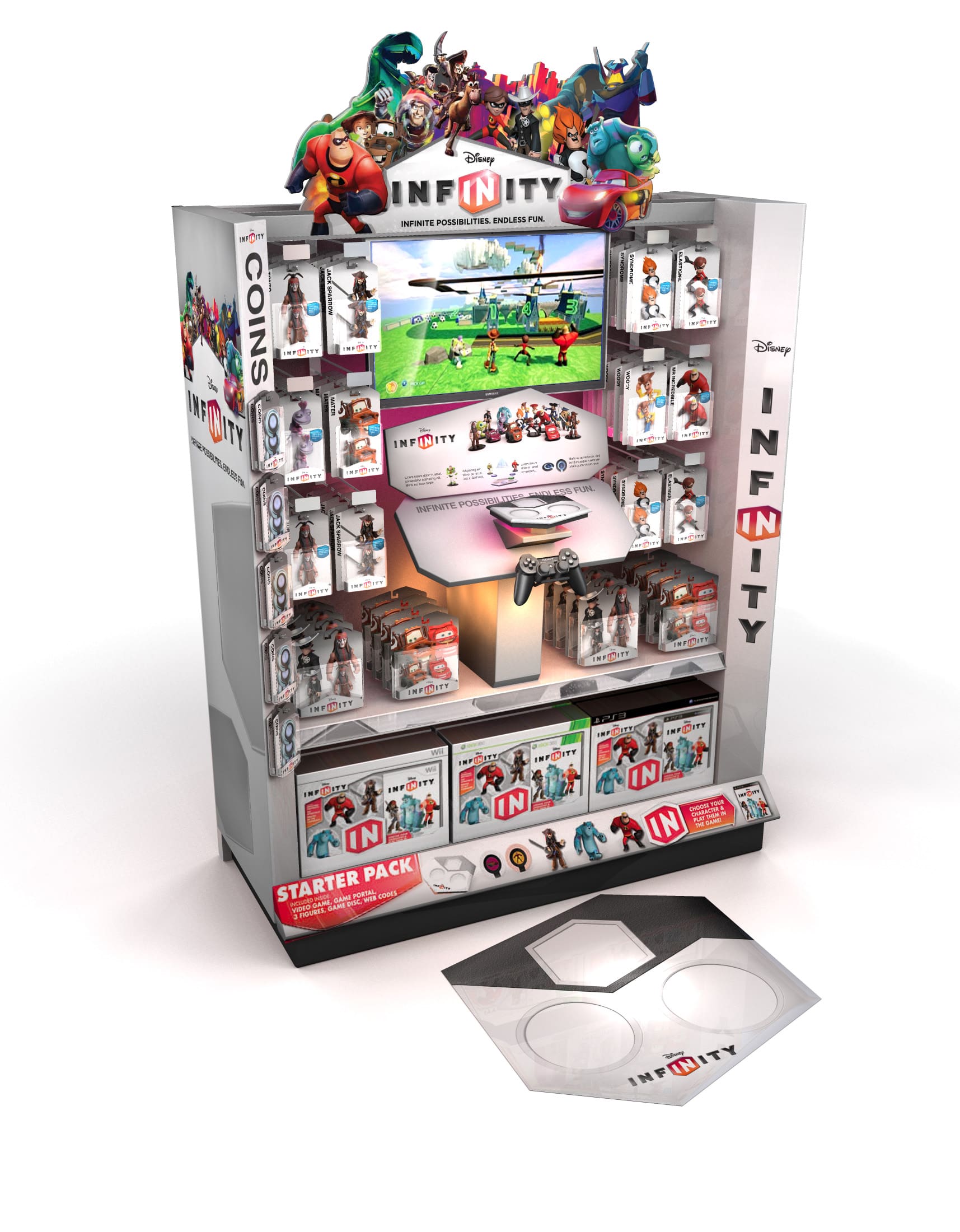
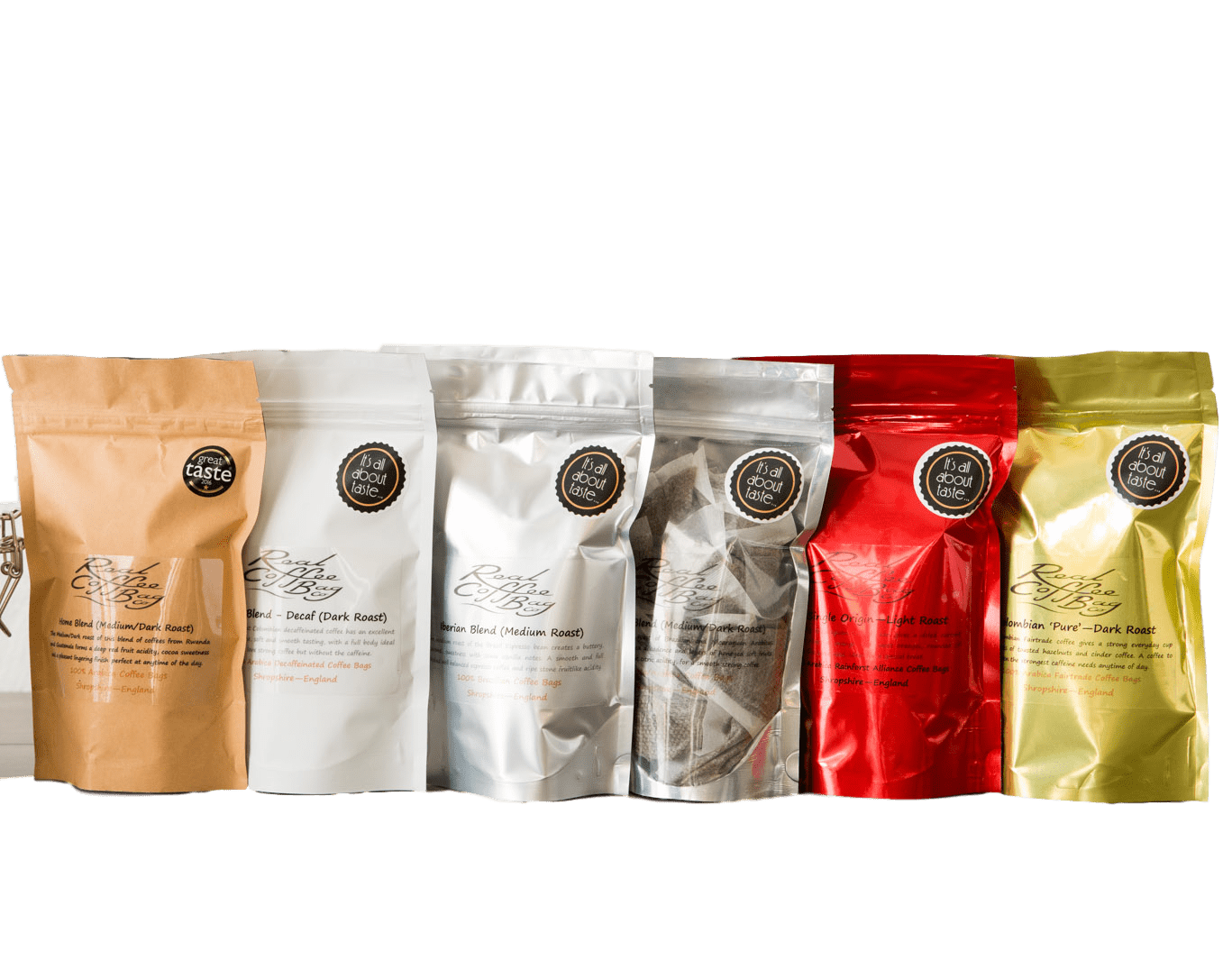
stock packaging products

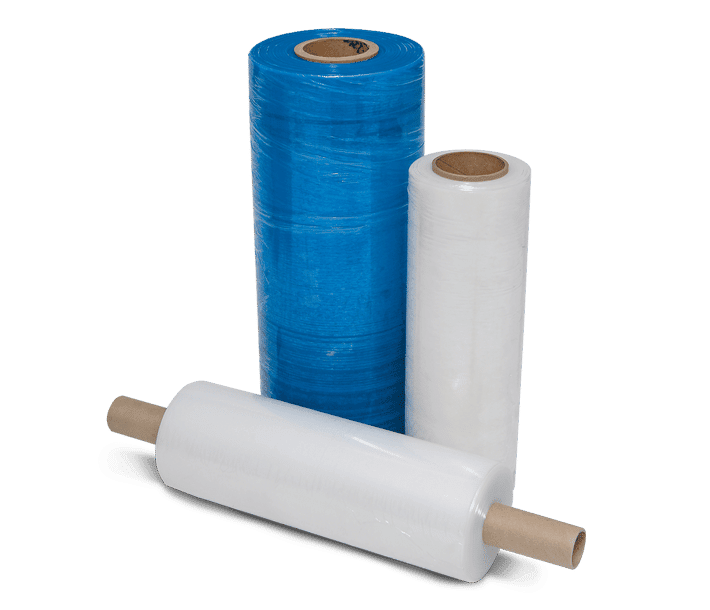
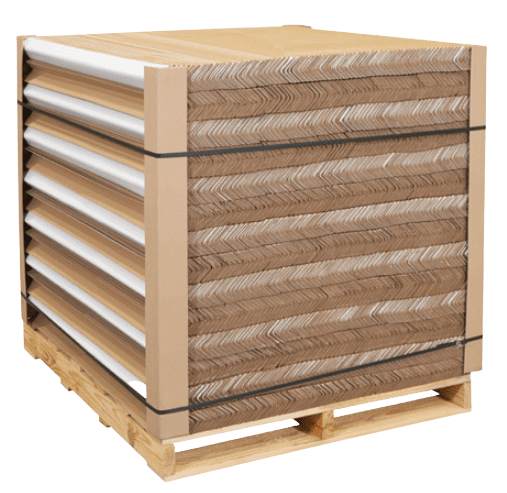
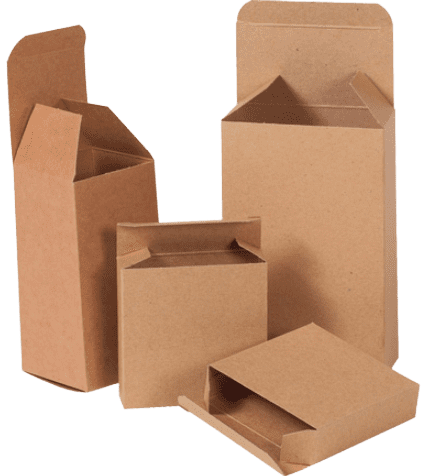
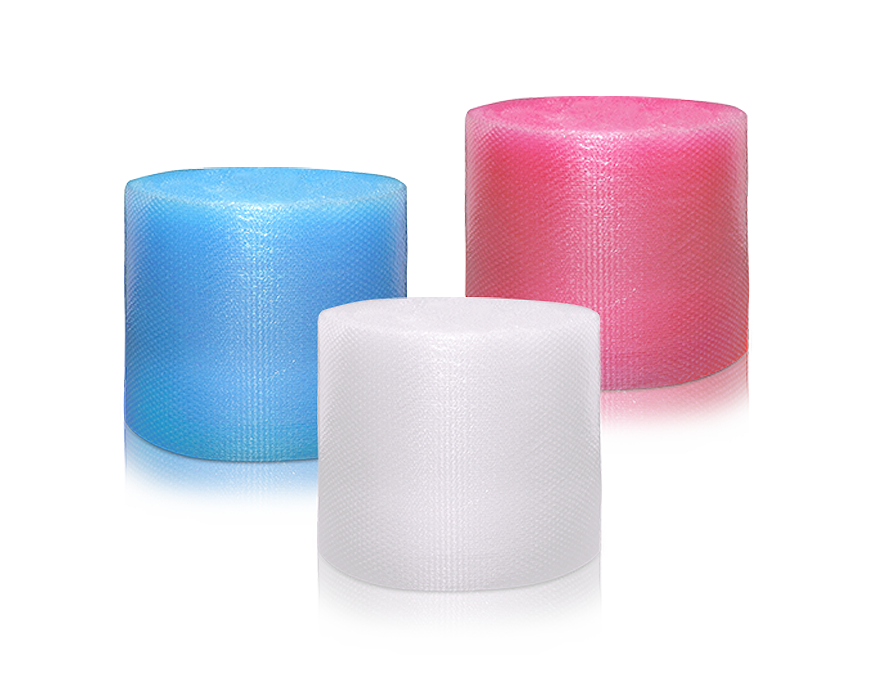
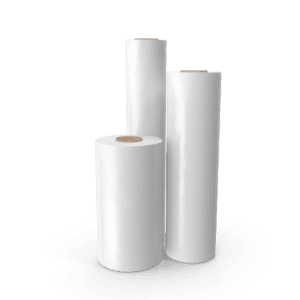
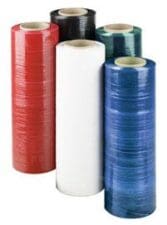
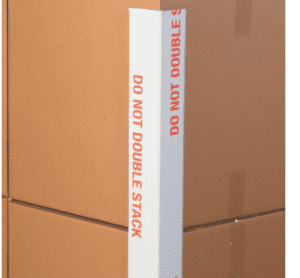
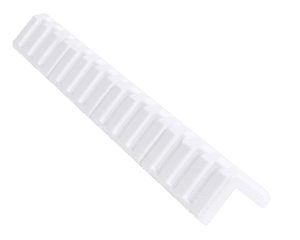
Our stock packaging products, from corrugated boxes to stretch film, offer a wide selection, including essentials like tape, edge protectors, labels, and more, with quick turnaround times to meet your packaging needs efficiently.

Edit Content
Edit Content
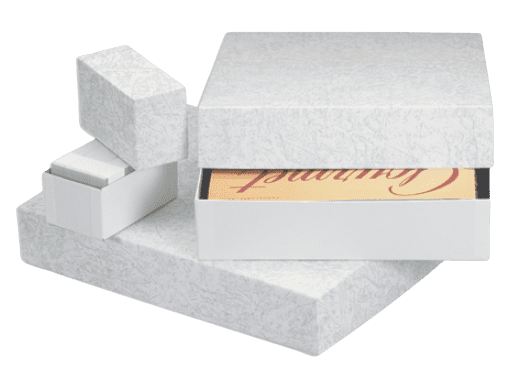
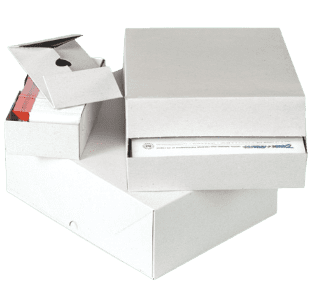
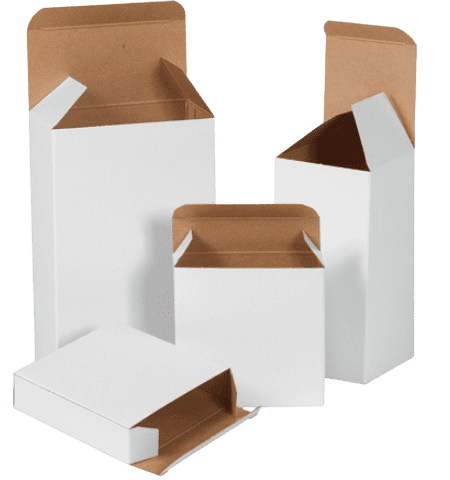
Folding Cartons
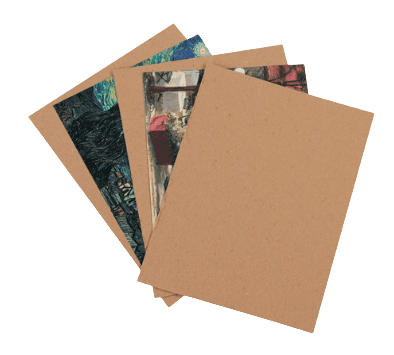
Pads
Apparel Boxes
Jewelry Boxes
Setup Cartons
Stationary Cartons
Edit Content
Cast Film
Blown Film
Conventional Film
Engineered Film
Pre-Stretched Film
Hand Film
Machine Film
Edit Content
Light Duty
Medium Duty
Heavy Duty
Foam
Strapping
Frame Protectors
Edit Content
Edit Content
Box Liner
Metalized Pouch
Foam Cooler
Ice Pack
Gel Pack
Edit Content
Edit Content
Edit Content
Folding Cartons
Pads
Apparel Boxes
Jewelry Boxes
Setup Cartons
Stationary Cartons
Edit Content
Cast Film
Blown Film
Conventional Film
Engineered Film
Pre-Stretched Film
Hand Film
Machine Film
Edit Content
Click on the Edit Content button to edit/add the content.
Edit Content
Edit Content
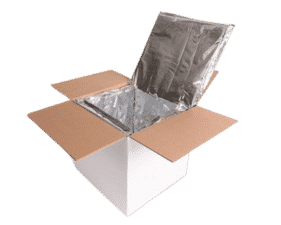
Box Liner
Metalized Pouch
Foam Cooler
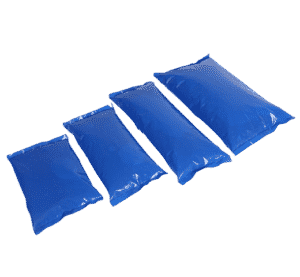
Ice Pack
Gel Pack
Edit Content

If you need any assistance with your packaging or have a question, then contact us directly at request@brownpackaging.com  or  (714)300-0650. Learn more about custom packaging by reading our blog posts on new and trending topics.

Flexographic Printing for Packaging: A Sustainable Solution
Printing
brownpackaging
Flexographic Printing for Packaging: A Sustainable Solution

Flexographic printing is a widely used printing method in the packaging industry that offers several advantages, including high efficiency, versatility, and cost-effectiveness. However, the sustainability of flexographic printing for packaging applications depends on several factors, including the materials used, the printing process, and the disposal of the printed material. In this blog, we will explore these factors in more detail and discuss how companies can adopt sustainable practices to ensure the sustainability of flexographic printing for packaging applications. Materials Used: Sourcing Sustainable Substrate Materials The sustainability of the printed material depends on the sustainability of the substrate material used. Paper and corrugated material is a renewable resource that is widely used in packaging applications. Sustainable paper production practices include using recycled paper, sourcing paper from responsibly managed forests, and using renewable energy sources to power the production process. Plastic is a non-renewable resource that is widely used in packaging applications. Sustainable plastic production practices include using recycled plastic, using bioplastics made from renewable resources, and designing packaging that can be easily recycled or reused. By sourcing sustainable substrate materials, companies can reduce the environmental impact of their packaging materials and ensure the sustainability of their printing practices. Printing Process: Using Environmentally Friendly Inks and Renewable Energy Sources The printing process used in flexographic printing can also impact the sustainability of the printed material. Using environmentally friendly inks, such as water-based or soy-based inks, can reduce the environmental impact of the printing process. These inks are biodegradable and do not contain harmful chemicals, making them a more sustainable choice than traditional petroleum-based inks. Using renewable energy sources, such as solar or wind power, can also reduce the carbon footprint of the printing process and make it more sustainable. Disposal of Printed Material: Designing Packaging for Recycling and Reuse The disposal of printed material is another important factor to consider when assessing the sustainability of flexographic printing for packaging applications. Printed material that is not recycled or reused can end up in landfills, where it can take hundreds of years to break down. Designing packaging that can be easily recycled or reused can help reduce the environmental impact of printed material. This can include using materials that are easily recyclable, such as paper or corrugated, or designing packaging that can be reused, such as refillable containers. Sustainability as a Holistic Approach To ensure the sustainability of flexographic printing for packaging applications, companies should take a holistic approach to their printing practices. This can include sourcing sustainable materials, using environmentally friendly inks, reducing energy consumption, and designing packaging that can be easily recycled or reused. By adopting sustainable practices throughout their printing processes, companies can reduce their environmental impact and help create a more sustainable future for the packaging industry. Conclusion: A Step Towards a Sustainable Future Flexographic printing can be a sustainable printing method for packaging applications, but it requires a commitment to sustainable practices from companies in the packaging industry. By taking a holistic approach to their printing practices and considering the sustainability of their materials, processes, and disposal methods, companies can reduce their environmental impact and help create a more sustainable future for the packaging industry. As consumers become increasingly aware of the environmental impact of packaging materials, companies that adopt sustainable printing practices are likely to have a competitive advantage in the marketplace. If you are interested in custom packaging with flexographic print, then partner with Brown Packaging today to get started. (714)300-0650 request@brownpackaging.com Most Recent Posts: Categories: Corrugated Ecommerce ESD Design Display Flexible Packaging Foam Folding Carton Packaging Plastic Packaging Pouch Printing Protection Retail Rigid Box Thermoform Sustainability Subscribe To Our Newsletter By submitting your information, you agree to our terms and conditions and privacy policy. Custom Packaging Facebook Twitter LinkedIn Pinterest Relevant Posts

Read More »
Best Practices in Protective Packaging for Fragile Items
Packaging
brownpackaging
Best Practices in Protective Packaging for Fragile Items

When it comes to shipping or storing fragile items, ensuring their safe arrival without any damage is of utmost importance. Fragile items such as glassware, electronics, ceramics, and artwork require special attention and protection during transportation. This blog aims to highlight the best practices in protective packaging for fragile items, offering valuable insights to individuals and businesses to ensure their delicate items reach their destination intact. Understanding the Fragility of the Item Before choosing the appropriate protective packaging, it is crucial to understand the fragility of the item. Assess its susceptibility to impact, vibration, compression, and temperature variations. This understanding will help determine the level of protection required and guide the selection of suitable packaging materials. Selecting the Right Packaging Materials Cushioning Materials Bubble wrap, foam sheets, packing peanuts, and air pillows are popular cushioning materials. They provide a protective layer around the item, absorbing shocks and preventing direct contact with the outer packaging. Inner Packaging For fragile items with intricate details or multiple components, it is advisable to use inner packaging to provide additional protection. Custom foam inserts, cardboard dividers, and molded pulp trays can be tailored to fit the specific shape and size of the item, securing it in place and minimizing movement during transit. Outer Packaging The outer packaging should be sturdy and durable to withstand external impacts. Corrugated cardboard boxes are commonly used due to their strength and shock-absorbing capabilities. Reinforced corners or double-walled boxes provide extra protection. Proper Packing Techniques Wrap The Item Start by wrapping the fragile item with a layer of bubble wrap or foam sheets, ensuring all sides are covered. Secure the wrapping with tape, but avoid applying tape directly to the item’s surface to prevent damage upon removal. Fill Void Spaces Fill the empty spaces within the box using packing peanuts, crumpled paper, or air pillows. This prevents the item from shifting or moving during transportation. Labeling and Instructions Clearly label the package as “Fragile” or “Handle with Care” to alert handlers and carriers of the delicate contents. Include any specific handling instructions, such as “This Side Up” or “Do Not Stack.” Consider Specialized Packaging Certain fragile items may require specialized packaging solutions tailored to their unique characteristics: Temperature-sensitive items: For items sensitive to temperature fluctuations, consider insulated packaging or temperature-controlled containers. Liquid or breakable items: Use leak-proof and sturdy containers, and seal them properly to prevent spills or breakage. Artwork or delicate objects: Consider custom-built wooden crates or reinforced cardboard boxes designed specifically for protecting artwork and delicate objects. These containers provide added protection against impact, humidity, and temperature changes. Partner with a Reliable Shipping Carrier Choosing a reputable shipping carrier with experience in handling fragile items is crucial. Research carriers that offer specialized fragile item handling services or use dedicated fragile item shipping services. Insurance options are also worth considering to provide financial protection in case of damage during transit. Final Thoughts: Protective Packaging and Fragile Items Protective packaging plays a vital role in safeguarding fragile items during shipping or storage. By understanding the fragility of the item, selecting appropriate packaging materials, utilizing proper packing techniques, and considering specialized packaging, individuals and businesses can ensure the safe arrival of delicate items. Partnering with a reliable shipping carrier further enhances the chances of a successful and damage-free transportation experience. Successful Examples of Creative Yet Functional Packaging Many brands have successfully achieved this balance. Here are a few noteworthy examples: Nike’s Air Max 95 Box: Nike designed a shoebox for the Air Max 95 that resembled the shoe’s design. Not only did it create a unique unboxing experience, but the box was sturdy and protective, maintaining the fundamental functionality of shoe packaging. Puma’s Clever Little Bag: Puma replaced traditional shoe boxes with a reusable bag in a carton frame, reducing corrugated usage by 65%. This design retained its protective function while adding the creative element of a reusable bag for the customers, effectively telling a story about Puma’s commitment to sustainability. Fit Buns High Protein Bread: This brand used packaging that features a muscular arm graphic which also serves as a handle. It’s a playful touch that reinforces the product’s high-protein, healthy angle, while providing functionality in the form of an easy-to-carry package. In conclusion, the perfect blend of creativity and functionality in custom packaging can create a memorable brand experience, drive customer engagement, and ultimately fuel business growth. Striking this balance requires thoughtful design, innovative use of materials, rigorous testing, and a deep understanding of the customer’s journey. With the right approach, your packaging can serve as a powerful marketing tool that encapsulates your brand’s identity while serving its protective and informative roles impeccably. In the realm of custom packaging, it’s all about creating harmony between the practical and the creative, turning each package into a canvas that tells your brand’s story and a protective shell that ensures your product reaches your customer in pristine condition. The interplay between these elements can result in a packaging design that is as enchanting as it is effective, delighting your customers and setting your brand apart in the marketplace. If you are interested in custom packaging with a balance of functionality and creativity, then partner with Brown Packaging today. (714)300-0650 request@brownpackaging.com Most Recent Posts: Categories: Corrugated Ecommerce ESD Design Display Flexible Packaging Foam Folding Carton Packaging Plastic Packaging Pouch Printing Protection Retail Rigid Box Thermoform Sustainability Subscribe To Our Newsletter By submitting your information, you agree to our terms and conditions and privacy policy. Custom Packaging Facebook Twitter LinkedIn Pinterest Relevant Posts

Read More »
Custom Rigid Box
Packaging
brownpackaging
Custom Packaging: Striking the Right Balance Between Creativity and Functionality

In the ever-competitive business world, effective product packaging has evolved beyond mere containers used to secure goods for transit. Today, it serves as a powerful marketing tool, offering brands a unique way to showcase their identity, stir consumer emotions, and, ultimately, influence buying decisions. Yet, as compelling as innovative and creative packaging may be, it must never sacrifice its fundamental purpose – functionality. So, how do companies strike the right balance between creativity and functionality in custom packaging? This article will explore strategies that successful brands have employed in their quest for that golden equilibrium. Functionality: The Foundation of Effective Packaging Before we delve into creativity, let’s understand the basic premise of functionality. Packaging, at its core, should protect the product, facilitate its transportation, and provide relevant information about the contents. Without these, even the most beautifully designed packaging fails to fulfill its purpose. Therefore, as much as creativity is important, it must not overshadow these fundamental aspects. Protect the Product: Packaging should safeguard the product from damage, whether during transit or while sitting on the store shelf. This includes protection from external elements such as light, heat, moisture, and physical shock. Facilitate Transportation and Storage: Good packaging should be easy to handle, stack, and store, both for the retailer and the end customer. For example, the packaging design of bottled drinks often includes contours that enhance grip, making them easier to hold and pour. Provide Relevant Information: Lastly, effective packaging communicates crucial product details. This can range from nutritional information on food items, usage instructions on an electronic device, or the brand’s story to build a deeper connection with the consumers. Unleashing Creativity: More Than Just a Pretty Face Once the functional aspects are in place, it’s time to let the creative juices flow. Creative packaging can amplify a brand’s message, entice potential customers, and create memorable unboxing experiences. Reflect Your Brand: Your packaging is often the first physical interaction a customer has with your brand, so it should reflect your identity. From the colors used, the typography, to the overall aesthetics, every element should be in harmony with your brand personality. Engage the Senses: Great packaging doesn’t just look good; it engages multiple senses. Think about the texture of the packaging materials, the sound it makes when opened, or even the smell that’s released. This multi-sensory experience can create a more memorable interaction with your brand. Tell a Story: Storytelling is a powerful marketing tool. Use your packaging to tell your brand story or the story behind the product. This could be as subtle as using certain colors or images or as explicit as including a short narrative on the packaging. The Art of Balancing Creativity and Functionality The magic happens when brands manage to blend creativity and functionality seamlessly. Here are some strategies to consider: Consider the User’s Journey: Understanding your customer’s interaction with your product – from purchase, unboxing, usage, to disposal or recycling – can help shape the design process. For instance, some companies use reusable packaging that serves secondary functions, marrying utility with environmentally-friendly design. Materials Matter: The choice of packaging material can play a huge role in this balance. Innovative materials can add a unique touch to your packaging while ensuring robust protection. For instance, plant-based packaging can be molded into unique shapes and textures while providing excellent cushioning. Prototyping and Testing: Always prototype and test your packaging design. This includes stress tests to ensure product safety and focus groups or surveys to gather consumer feedback on its aesthetic and functional appeal. Innovation Through Technology: Advancements in packaging technology can open up new possibilities. Augmented Reality (AR), for instance, can bring packaging to life, offering a highly engaging and interactive experience while maintaining the package’s protective role. Consumers can simply point their smartphones at the packaging to access a wealth of information or interactive content. Eco-conscious Design: Today, functionality also means sustainability. Consumers are increasingly concerned about environmental impacts, so consider using recyclable materials or minimalistic designs to reduce waste. This not only fulfills the function of protection but also serves the larger purpose of environmental consciousness – a trait that could enhance your brand image. Successful Examples of Creative Yet Functional Packaging Many brands have successfully achieved this balance. Here are a few noteworthy examples: Nike’s Air Max 95 Box: Nike designed a shoebox for the Air Max 95 that resembled the shoe’s design. Not only did it create a unique unboxing experience, but the box was sturdy and protective, maintaining the fundamental functionality of shoe packaging. Puma’s Clever Little Bag: Puma replaced traditional shoe boxes with a reusable bag in a carton frame, reducing corrugated usage by 65%. This design retained its protective function while adding the creative element of a reusable bag for the customers, effectively telling a story about Puma’s commitment to sustainability. Fit Buns High Protein Bread: This brand used packaging that features a muscular arm graphic which also serves as a handle. It’s a playful touch that reinforces the product’s high-protein, healthy angle, while providing functionality in the form of an easy-to-carry package. In conclusion, the perfect blend of creativity and functionality in custom packaging can create a memorable brand experience, drive customer engagement, and ultimately fuel business growth. Striking this balance requires thoughtful design, innovative use of materials, rigorous testing, and a deep understanding of the customer’s journey. With the right approach, your packaging can serve as a powerful marketing tool that encapsulates your brand’s identity while serving its protective and informative roles impeccably. In the realm of custom packaging, it’s all about creating harmony between the practical and the creative, turning each package into a canvas that tells your brand’s story and a protective shell that ensures your product reaches your customer in pristine condition. The interplay between these elements can result in a packaging design that is as enchanting as it is effective, delighting your customers and setting your brand apart in the marketplace. If you are interested in custom packaging with a

Read More »