






Stock Packaging
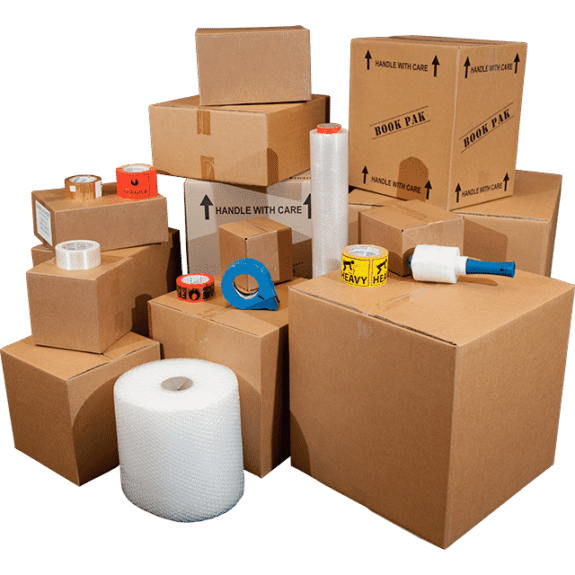
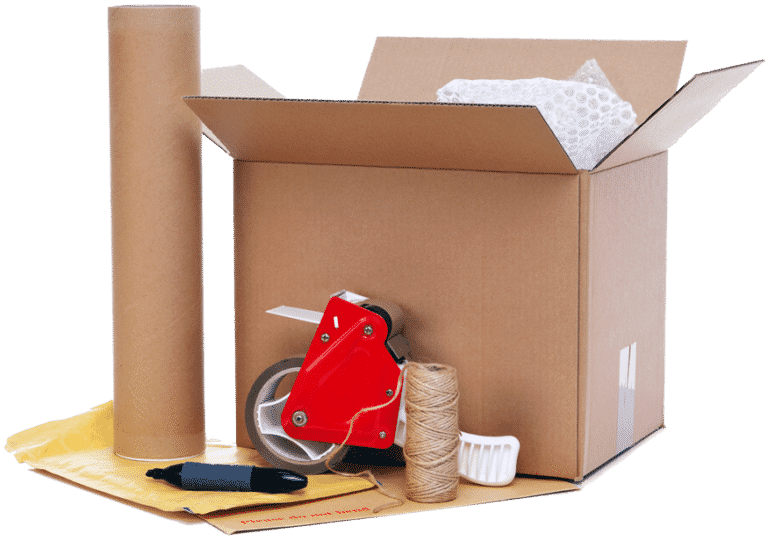
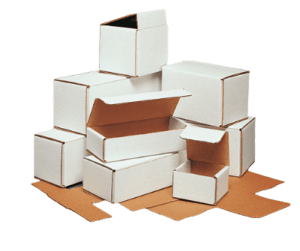
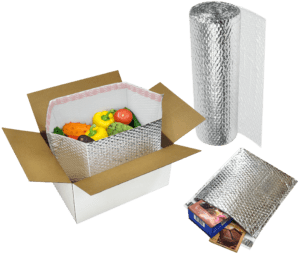
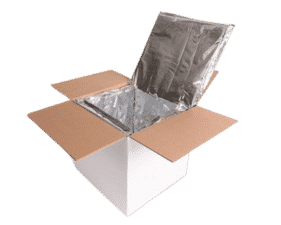
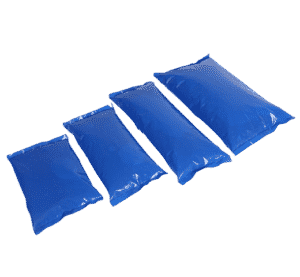
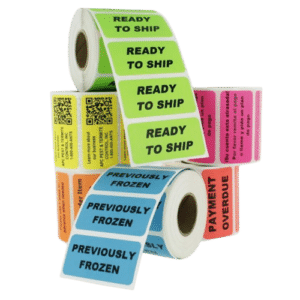
We supply businesses with a wide selection of essential packaging, shipping, and warehouse supplies. Get any standard packaging product by dimension or style from boxes, tubes, tapes, labels, and more. If you are unsure on what type of packaging you will need, then contact us for an expert consultation.


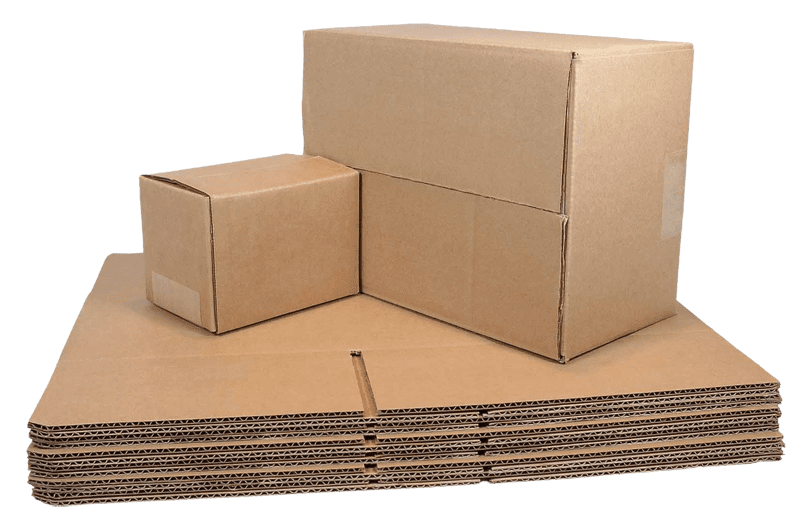
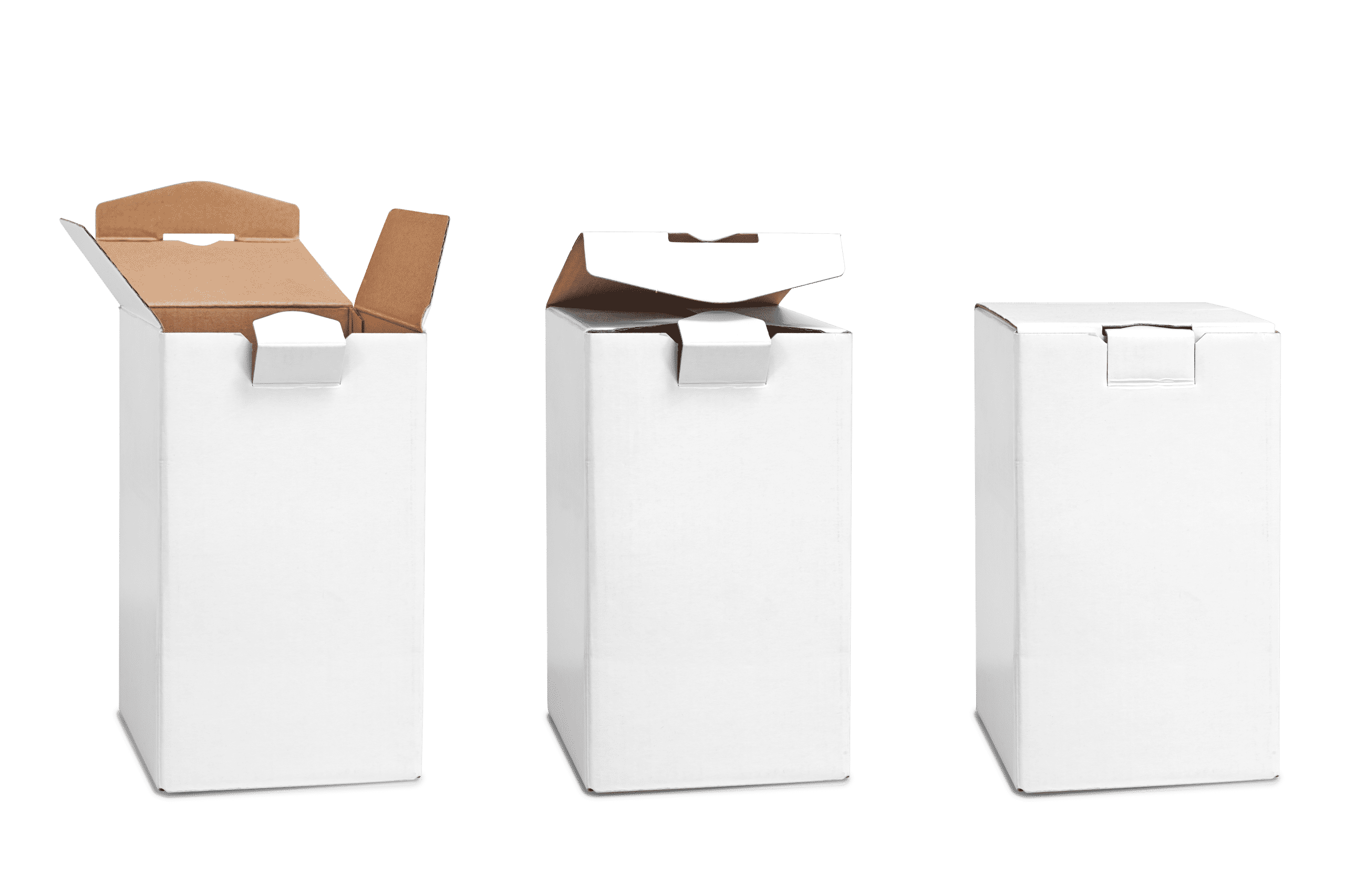
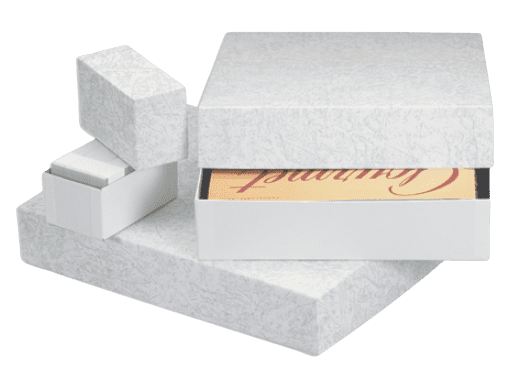
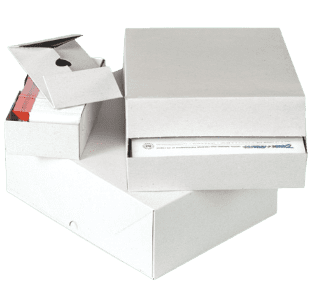
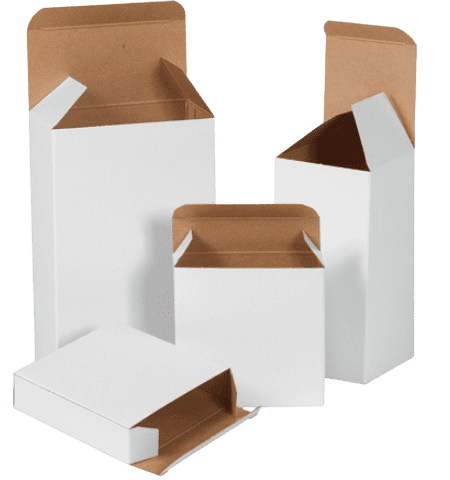
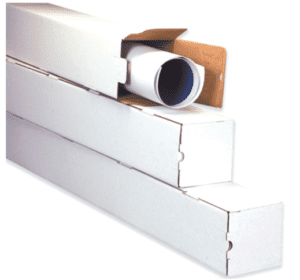
Stock packaging refers to pre-made, ready-to-ship packaging solutions like corrugated boxes, mailers, and protective materials that are designed to meet a wide range of standard needs across shipping, retail, and storage. Unlike custom packaging, stock options offer quick availability and reliable protection without the need for extensive design or production time, making them ideal for businesses needing efficient, high-quality solutions with fast lead times.
At Brown Packaging, we focus on providing durable, performance-driven stock packaging that supports our clients’ operational needs. Our stock products are sourced to ensure consistent quality and cost-effectiveness, offering a practical solution to keep operations running smoothly and on schedule. With an emphasis on reliability, we help our clients quickly access packaging solutions that meet their specific needs while maintaining quality across every order.
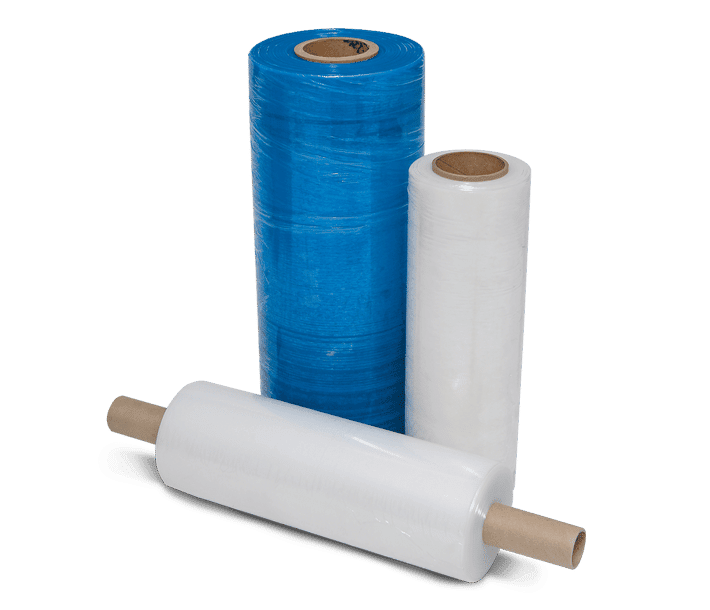
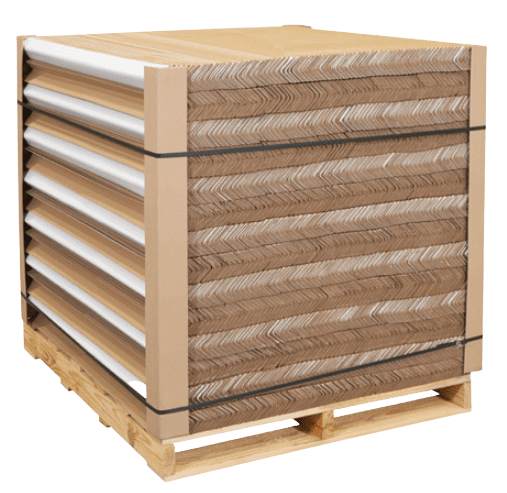
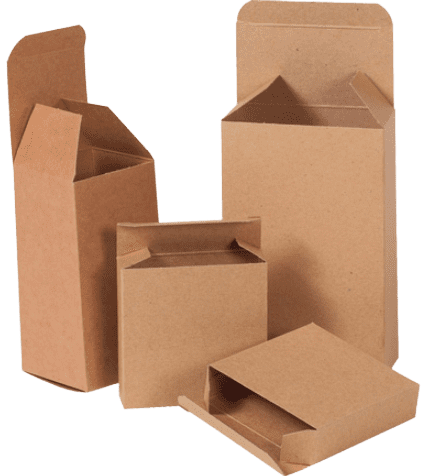
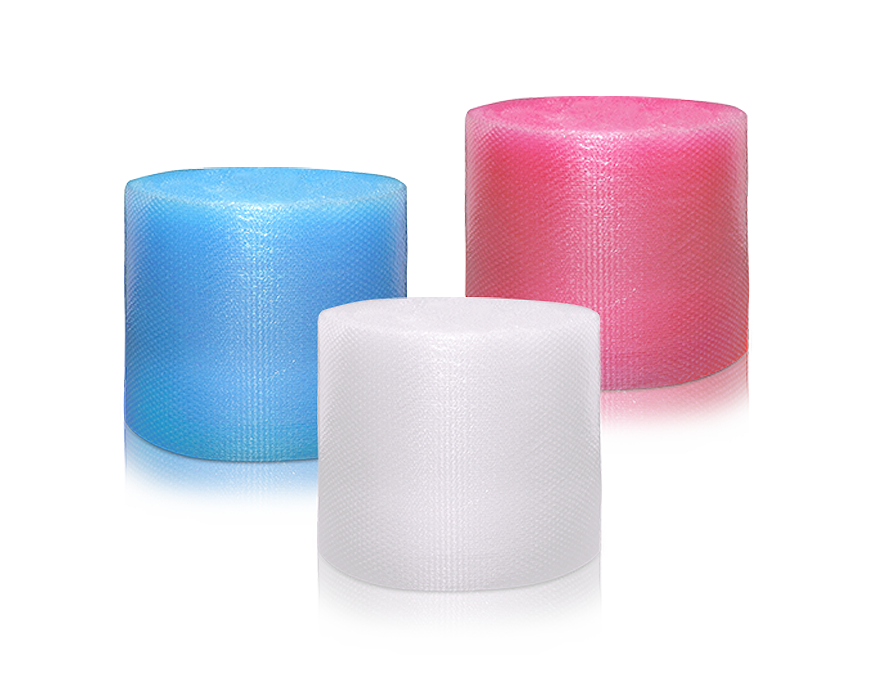
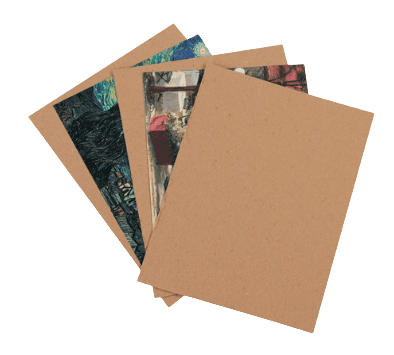
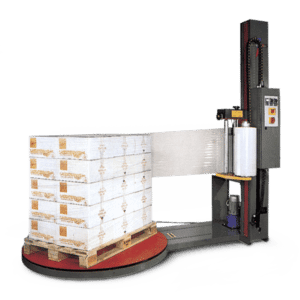
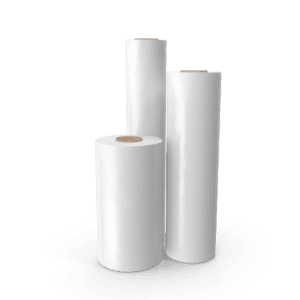
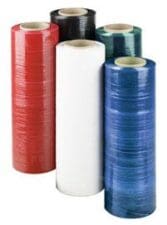
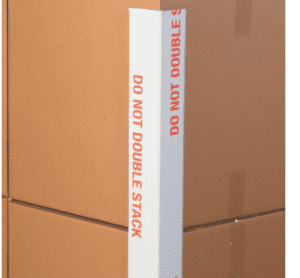
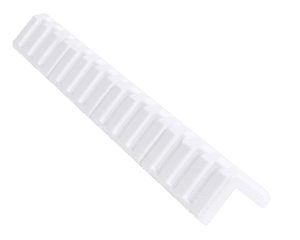
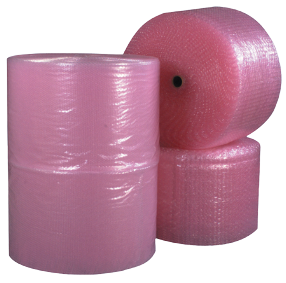
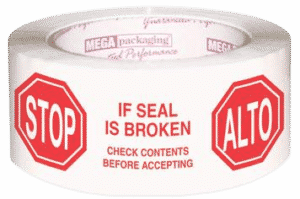
Our stock packaging products, from corrugated boxes to stretch film, offer a wide selection, including essentials like tape, edge protectors, labels, and more, with quick turnaround times to meet your packaging needs efficiently.


If you need any assistance with your packaging or have a question, then contact us directly at request@brownpackaging.com or (714)300-0650. Learn more about custom packaging by reading our blog posts on new and trending topics.

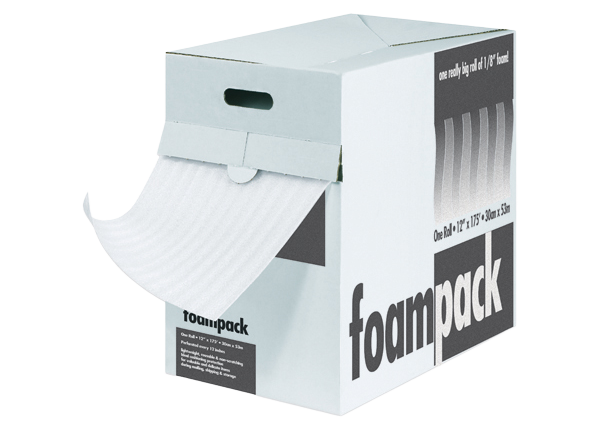
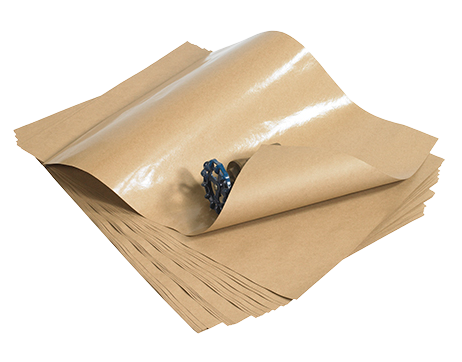
In the world of e-commerce and supply chain management, the need for reliable packaging materials cannot be overstated. From the careful encasing of fragile items to ensuring the safe transit of products, the choice of packaging material often makes a significant difference. In this blog, we delve into the world of protective packaging materials, comparing two popular options: foam and paper. Understanding Protective Packaging Before we compare foam and paper, it’s important to understand what protective packaging entails. Protective packaging, as the name suggests, is designed to shield products from damage during storage or transit. This damage could come in many forms such as shock, vibration, abrasion, or environmental factors such as moisture or temperature fluctuations. Foam Packaging: Advantages and Disadvantages Advantages of Foam Packaging Superior Cushioning Foam is known for its exceptional cushioning properties. It’s capable of absorbing and dispersing impact, which reduces the risk of damage to fragile or sensitive items. This makes it a favored choice for electronics, ceramics, glassware, and other delicate items. Versatility Foam can be customized into different shapes and sizes, making it a versatile choice for different products. This adaptability means it can be tailored to fit unusual shapes or to snugly encapsulate specific items. Lightweight Foam is extremely light, which can help reduce shipping costs. This lightweight property doesn’t compromise its protective capabilities, though, as foam still offers excellent shock absorption. Disadvantages of Foam Packaging Environmental Impact One of the major disadvantages of foam is its environmental impact. Foam is typically non-biodegradable and can take hundreds of years to decompose. Even when recycled, the process can be energy-intensive. Cost Compared to other packaging materials, foam can be relatively expensive. The cost of foam packaging includes not only the material itself but also the cost associated with its disposal or recycling. Paper Packaging: Advantages and Disadvantages Advantages of Paper Packaging Eco-Friendly Paper packaging stands out for its environmental friendliness. It is biodegradable and easily recyclable, causing much less environmental harm compared to foam. Additionally, many paper packaging options are made from recycled materials. Cost-Effective Paper is generally less expensive than foam. Its cost-effectiveness combined with its eco-friendliness makes it a popular choice for businesses conscious about their budget and environmental footprint. Versatility Just like foam, paper can be adapted into different forms to cater to different packaging needs. Corrugated paper, Kraft paper, tissue paper, and more offer varying levels of protection and can be customized to fit different products. Disadvantages of Paper Packaging Lower Cushioning While certain forms of paper packaging, like corrugated, offer reasonable cushioning, they often don’t match the shock-absorbing qualities of foam. This makes paper less suitable for extremely fragile items. Susceptibility to Environmental Factors Paper is more susceptible to environmental factors like moisture, which could potentially harm the product inside. So, Foam or Paper? The choice between foam and paper for protective packaging depends largely on the specific requirements of the product to be packaged, the company’s budget, and its sustainability goals. If the product is highly fragile or sensitive, foam might be the preferred option for its superior cushioning properties. However, for companies with strong eco-friendly policies or for less fragile products, paper packaging might be a better choice due to its biodegradability, recyclability, and cost-effectiveness. In conclusion, both foam and paper have their place in the world of protective packaging. Understanding the benefits and drawbacks of each can help businesses make informed decisions that align with their operational needs and environmental responsibilities. As sustainability continues to become a more prominent factor in consumer choice, it’s likely that we’ll continue to see innovations in both these spaces to further enhance their protective qualities and environmental credentials. (714)300-0650 request@brownpackaging.com Most Recent Posts: Categories: Corrugated Ecommerce ESD Design Display Flexible Packaging Foam Folding Carton Packaging Plastic Packaging Pouch Printing Protection Retail Rigid Box Thermoform Sustainability Subscribe To Our Newsletter By submitting your information, you agree to our terms and conditions and privacy policy. Custom Packaging Facebook Twitter LinkedIn Pinterest Relevant Posts

In today’s competitive business landscape, every company needs to utilize all potential avenues to get its brand and products noticed. One such avenue that often gets overlooked is the power of packaging. Packaging can do far more than just encase a product for shipment or storage. It can be an invaluable marketing tool to increase brand visibility, perception, and ultimately, customer loyalty. In this article, we’ll delve into how businesses can leverage custom packaging as a tool for brand promotion. Packaging as a Silent Salesman Often referred to as the “silent salesman,” packaging communicates about the brand even before the product does. Custom packaging can catch the eye of potential customers in a store, and with e-commerce on the rise, it can create an appealing unboxing experience for online shoppers. Color schemes, text fonts, and designs on the packaging can help tell a brand’s story, transmit its values, and even influence the customer’s perception of the product’s worth. For example, Apple, known for its sleek design and attention to detail, extends this philosophy to its packaging with minimalist designs and premium materials. Brand Differentiation In a crowded marketplace, standing out is key. When a product is placed alongside its competitors, having unique packaging can grab a customer’s attention, making them more likely to choose your product over others. Custom packaging allows a brand to showcase its unique personality and differentiating factors. Consider the Tiffany Blue Box from Tiffany & Co. The distinctive robin’s egg blue packaging is instantly recognizable and creates a sense of luxury and exclusivity, setting Tiffany’s products apart from other jewelry brands. Building Brand Recognition Brand recognition is crucial in fostering customer loyalty. The more frequently customers see a brand, the more likely they are to remember it. Thus, businesses should strive to create a distinctive and memorable packaging design that reflects their brand identity. One of the most successful examples of this is Coca-Cola. Its iconic contoured bottle and red and white color scheme are known worldwide, even without the logo visible. Enhancing Customer Experience Custom packaging provides a prime opportunity to enhance the customer’s unboxing experience. With the rise of e-commerce and social media, unboxing has become a social event. Customers often share their unboxing experiences on platforms like YouTube and Instagram, effectively giving brands free advertising. For instance, companies can include personalized thank you notes, discounts for future purchases, or small freebies. These small touches can greatly enhance the customer experience, promote customer loyalty, and encourage word-of-mouth advertising. Sustainability as a Brand Value Increasingly, consumers are becoming more eco-conscious and prefer to support brands that demonstrate sustainability. By using eco-friendly materials in your packaging, you can show your commitment to the environment, which could attract these consumers. Brands like Patagonia are leading the way in this area. The outdoor clothing company has long been committed to sustainability, and this commitment is reflected in its packaging, which is minimal, recyclable, and often made from recycled materials. Best Practices for Custom Packaging Align With Brand Identity: The packaging design should be consistent with your brand’s identity. The colors, fonts, and imagery should all reflect your brand’s style and values. Prioritize Quality: The quality of your packaging reflects on your brand. Using high-quality materials can create a sense of luxury and signal to customers that your products are high quality too. Incorporate Practicality: While aesthetics is important, practicality shouldn’t be neglected. The packaging should protect the product, be easy to open, and ideally, be reusable or recyclable. Experiment and Innovate: Don’t be afraid to think outside the box (pun intended). Unique and innovative packaging designs can create a buzz around your product and make your brand memorable. Consider Unboxing: Keep the unboxing experience in mind. The process of opening the package should be enjoyable, not frustrating, and should ideally offer a surprise or extra value to the customer. Be Mindful of Sustainability: In a world increasingly conscious of environmental issues, consider using recyclable or biodegradable materials in your packaging. It’s not only good for the environment but can also enhance your brand’s image among eco-conscious consumers. Final Thoughts In an era of intense competition, businesses need to leverage every opportunity to distinguish themselves and connect with their customers. Custom packaging is a potent tool that can serve to amplify your brand’s visibility, convey its uniqueness, enhance customer experience, and underline its commitment to sustainability. By considering packaging as more than just a protective casing and instead as a silent salesman, businesses can open a world of marketing opportunities. However, remember that while packaging can indeed enhance brand perception, it must ultimately align with the quality of the product it contains. As in every aspect of business, consistency is key. Only when the product experience matches the packaging promise, will the brand flourish. If you are interested positioning your custom packaging to promote your brand, then partner with Brown Packaging to get started. (714)300-0650 request@brownpackaging.com Most Recent Posts: Categories: Corrugated Ecommerce ESD Design Display Flexible Packaging Foam Folding Carton Packaging Plastic Packaging Pouch Printing Protection Retail Rigid Box Thermoform Sustainability Subscribe To Our Newsletter By submitting your information, you agree to our terms and conditions and privacy policy. Custom Packaging Facebook Twitter LinkedIn Pinterest Relevant Posts

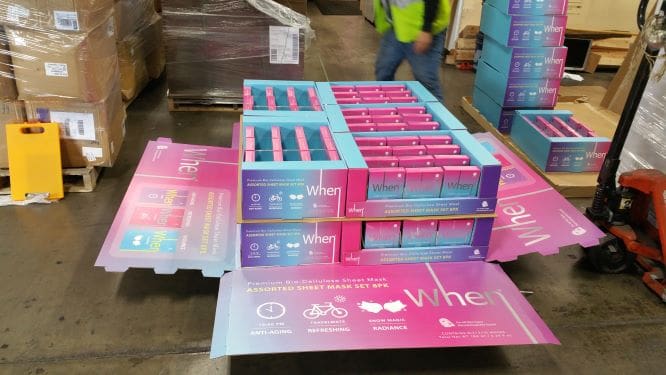
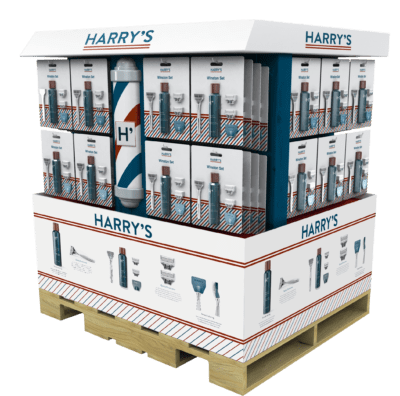
When it comes to presenting your products, every detail matters. One aspect that often goes unnoticed but holds considerable significance is the packaging of the product. A critical aspect of product packaging is the use of corrugated trays. Today, we will delve deep into understanding the vital role that corrugated trays play in product presentation. Introduction to Corrugated Trays Corrugated trays are made from corrugated fiberboard, a material that is lightweight yet sturdy. Known for their versatility, these trays have found application in various industries, from food and beverage to cosmetics and electronics. But why are they so popular? The reasons are numerous, and we will explore them in the sections below. Why Corrugated Trays? Enhanced Protection: The main role of any packaging is to protect the product, and corrugated trays excel at this. Their robust structure provides excellent protection, guarding the products against physical impacts and environmental factors. Eco-friendly: In an age where sustainability is increasingly important, corrugated trays are an eco-friendly option. They are made from recycled materials and can be recycled again after use, contributing to a circular economy. Customizable: Corrugated trays can be customized in terms of size, shape, and design to meet specific product needs. This makes them an excellent choice for businesses looking for a unique way to present their products. The Role of Corrugated Trays in Product Presentation Showcasing the Product A well-designed corrugated tray can beautifully showcase a product. Businesses often use these trays to display their products in an attractive and organized manner. Whether it’s neatly arranged cosmetics, delectable cupcakes, or the latest gadgets, corrugated trays help products shine. Enhancing Brand Recognition Corrugated trays can be customized with brand logos, color schemes, and unique designs, which can significantly boost brand recognition. When a customer sees a product displayed on a tray emblazoned with a brand’s colors and logo, they instantly recognize who the product is from, strengthening the brand’s identity. Facilitating Customer Decision-making A neatly organized tray can make it easier for customers to compare products and make purchasing decisions. For example, in the case of cosmetics, a tray with multiple compartments can display different shades of a product side by side, allowing customers to easily compare and choose the one they prefer. Incorporating Corrugated Trays in Various Industries Food and Beverage Industry In the food and beverage industry, corrugated trays are used to display fresh produce, baked goods, beverages, and other products. They protect the food items, keep them organized, and make them look more appealing. Retail Industry Retail stores use corrugated trays for displaying various products, from clothes to electronics. The trays help in maintaining an orderly presentation and make it easier for customers to browse and select products. E-commerce In the e-commerce industry, corrugated trays are used for packaging and delivering products. They provide excellent protection during transportation and can be customized for a unique unboxing experience, leaving a lasting impression on the customer. If you are interested in corrugated trays, then partner with Brown Packaging today to get started. Summary: Cutting Packaging Costs and Tradeoffs In conclusion, reducing your packaging costs can provide many benefits for your business, including cost savings, increased efficiency, and improved sustainability. However, businesses need to carefully consider the potential tradeoffs and balance cost savings with the need to maintain quality, sustainability, and brand image. By taking a strategic approach to packaging, businesses can reduce their costs without sacrificing quality or customer satisfaction. (714)300-0650 request@brownpackaging.com Most Recent Posts: Categories: Corrugated Ecommerce ESD Design Display Flexible Packaging Foam Folding Carton Packaging Plastic Packaging Pouch Printing Protection Retail Rigid Box Thermoform Sustainability Subscribe To Our Newsletter By submitting your information, you agree to our terms and conditions and privacy policy. Corrugated Trays (Carriers) Facebook Twitter LinkedIn Pinterest Relevant Posts