


Stock Packaging
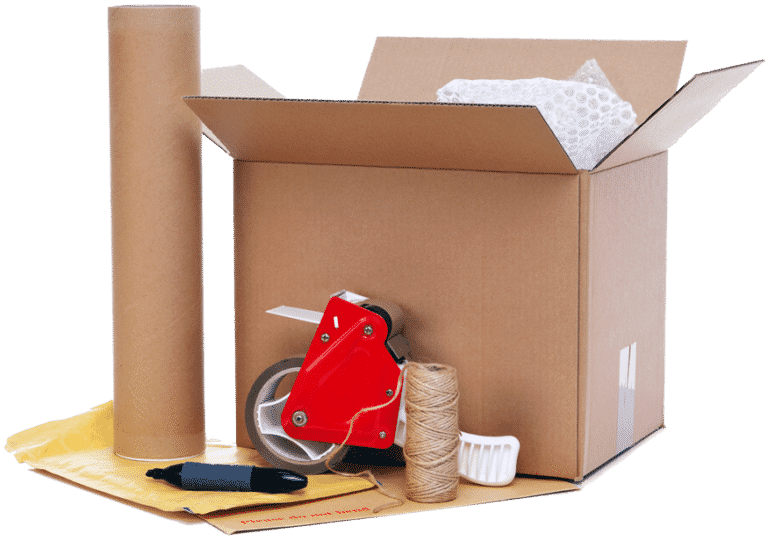
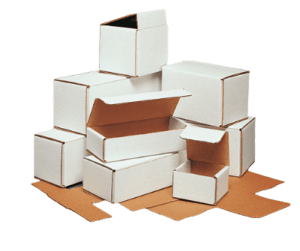
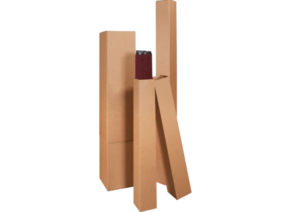
We supply businesses with a wide selection of essential packaging, shipping, and warehouse supplies. Get any standard packaging product by dimension or style from boxes, tubes, tapes, labels, and more. If you are unsure on what type of packaging you will need, then contact us for an expert consultation.


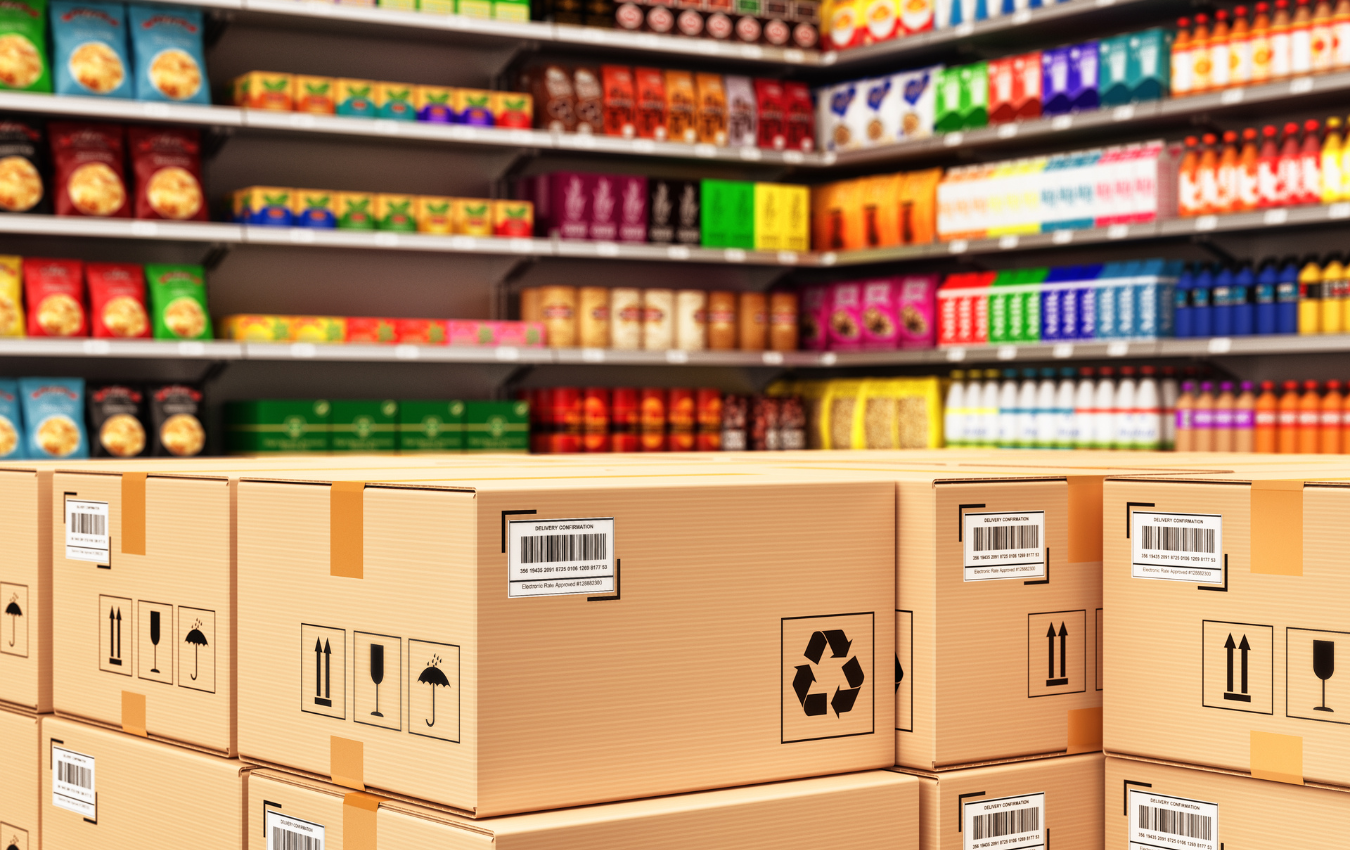
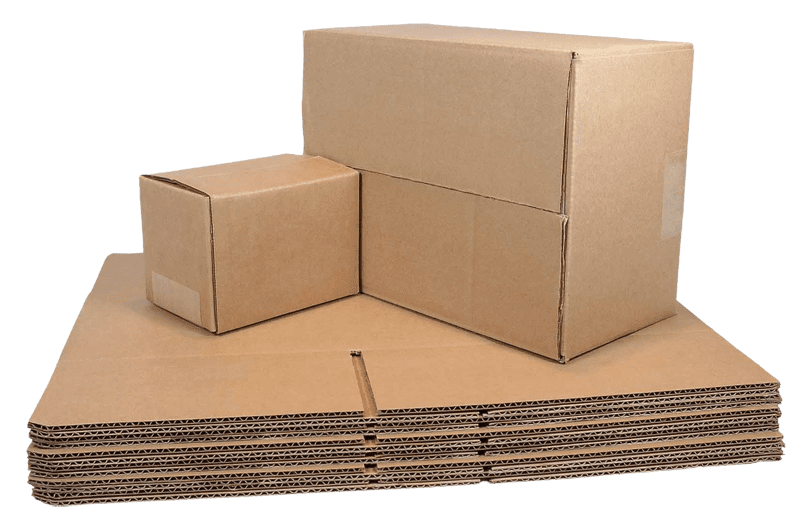
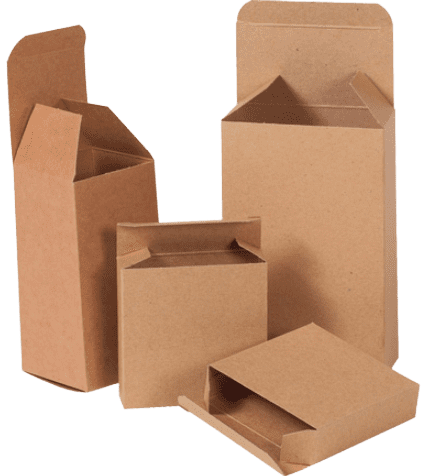
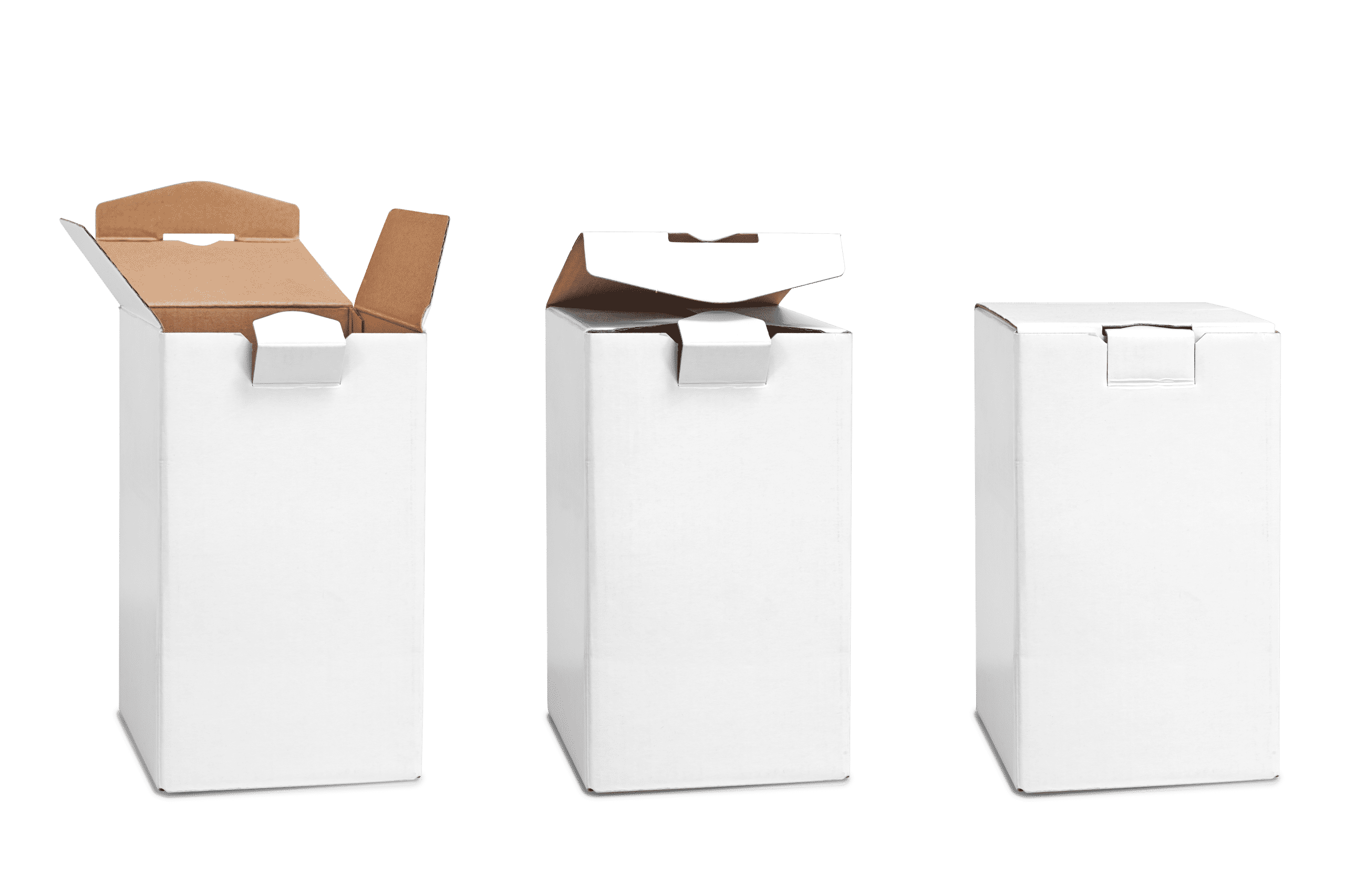
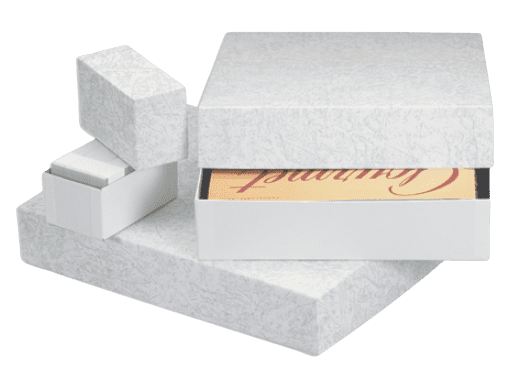
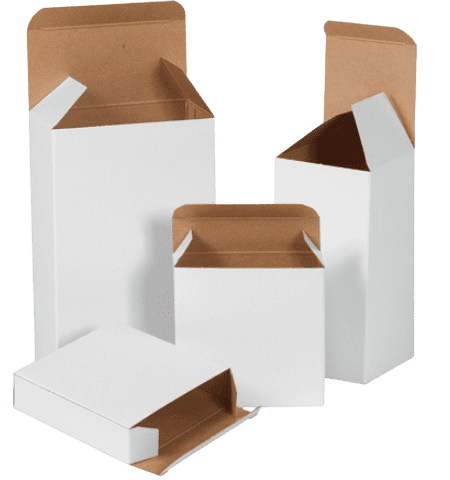
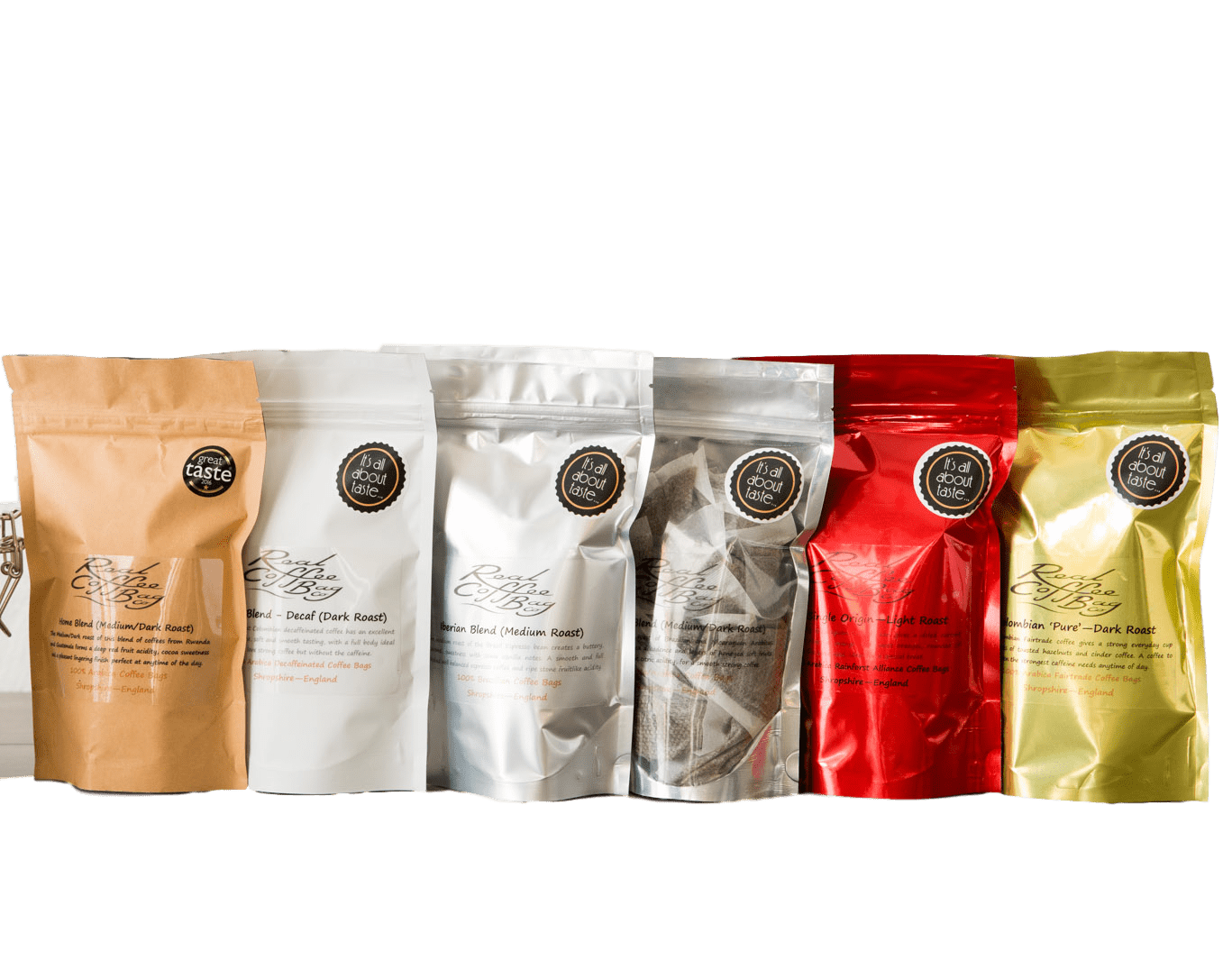
Stock packaging refers to pre-made, ready-to-ship packaging solutions like corrugated boxes, mailers, and protective materials that are designed to meet a wide range of standard needs across shipping, retail, and storage. Unlike custom packaging, stock options offer quick availability and reliable protection without the need for extensive design or production time, making them ideal for businesses needing efficient, high-quality solutions with fast lead times.
At Brown Packaging, we focus on providing durable, performance-driven stock packaging that supports our clients’ operational needs. Our stock products are sourced to ensure consistent quality and cost-effectiveness, offering a practical solution to keep operations running smoothly and on schedule. With an emphasis on reliability, we help our clients quickly access packaging solutions that meet their specific needs while maintaining quality across every order.
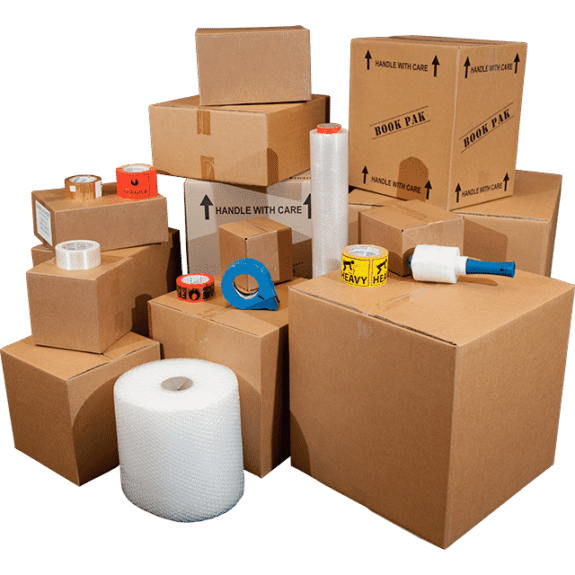
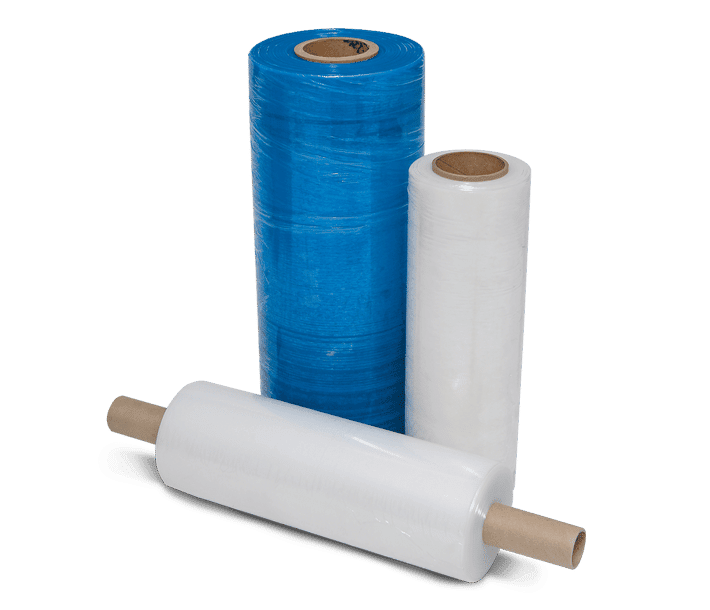
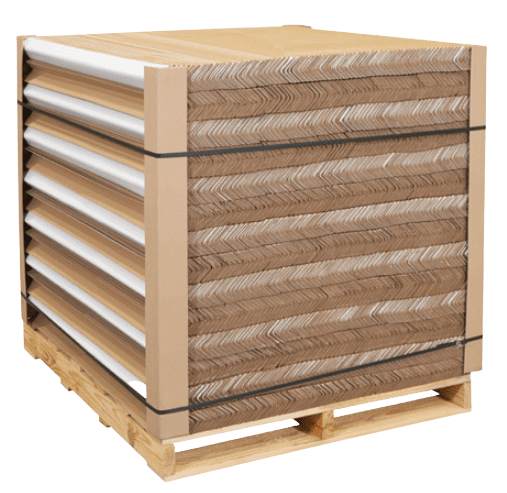
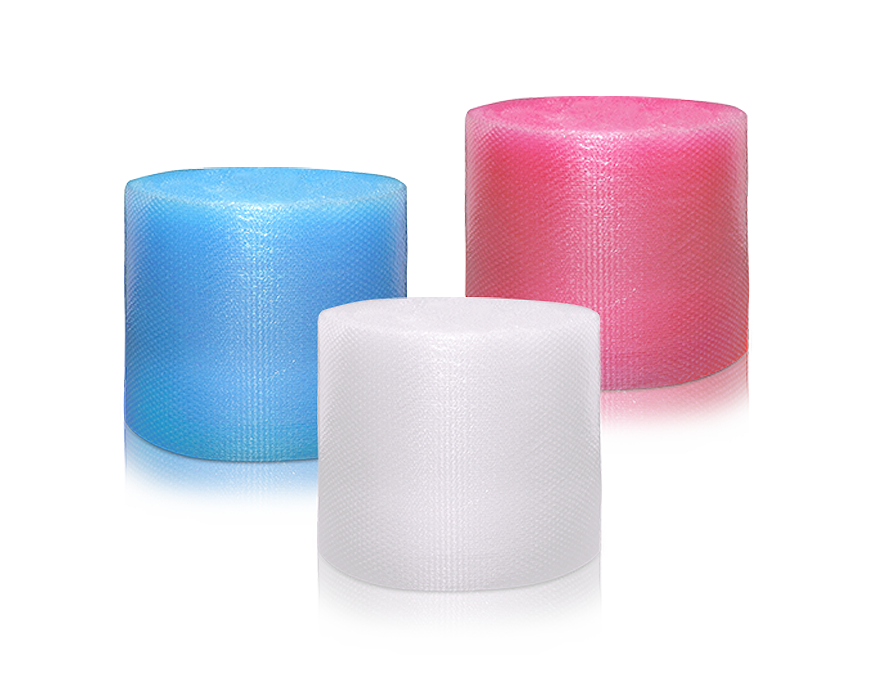
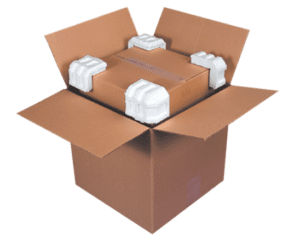
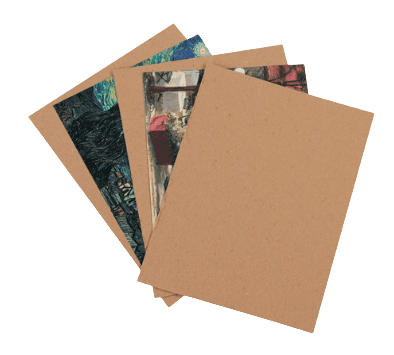
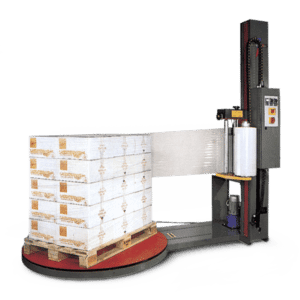
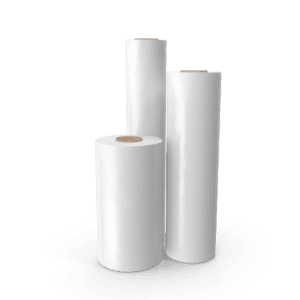
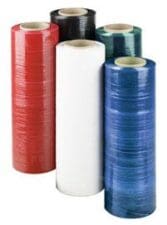
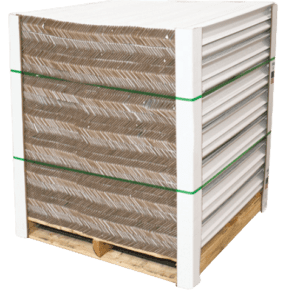
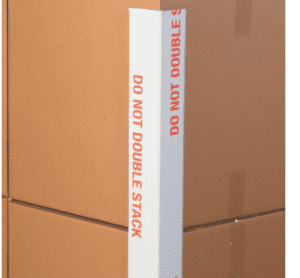
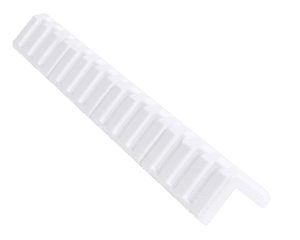
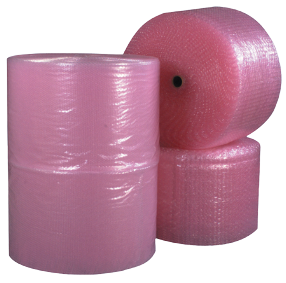
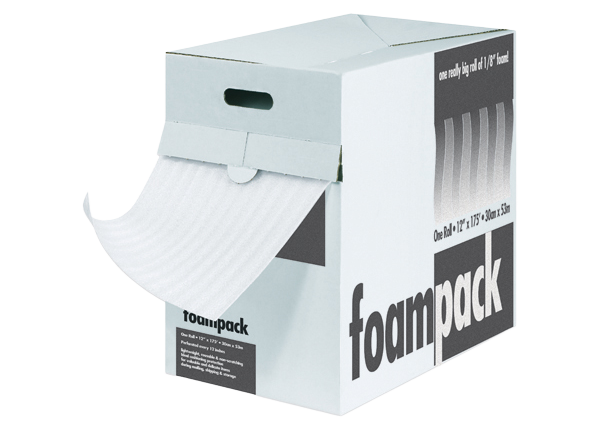
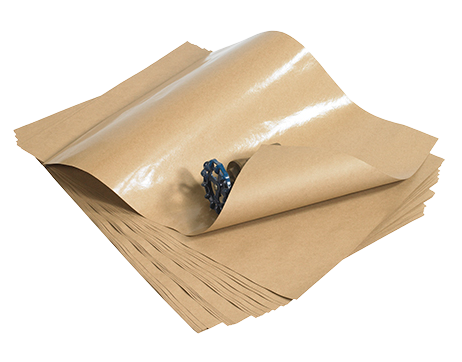
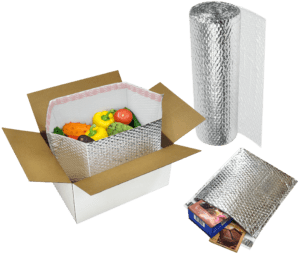
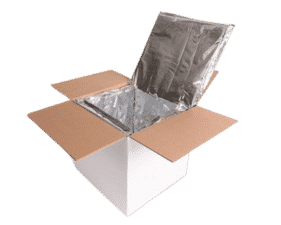
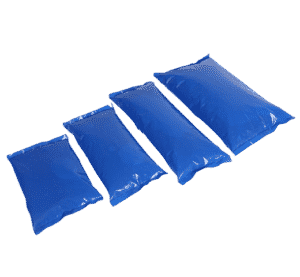
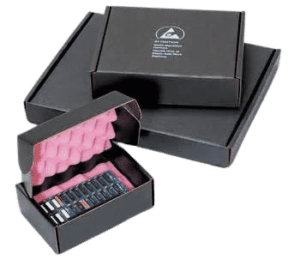
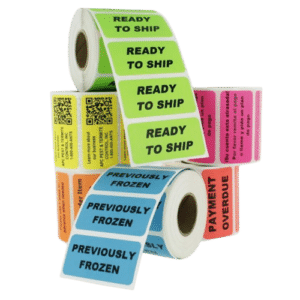
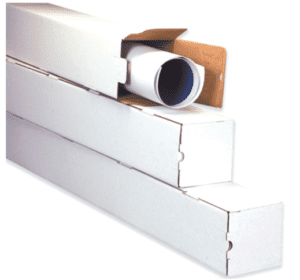
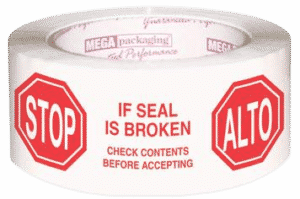
Our stock packaging products, from corrugated boxes to stretch film, offer a wide selection, including essentials like tape, edge protectors, labels, and more, with quick turnaround times to meet your packaging needs efficiently.


If you need any assistance with your packaging or have a question, then contact us directly at request@brownpackaging.com or (714)300-0650. Learn more about custom packaging by reading our blog posts on new and trending topics.

In today’s fast-paced world, protective packaging plays a crucial role in safeguarding products during transportation, handling, and storage. It acts as a shield against various external factors, including impacts, vibrations, moisture, temperature variations, and more. However, businesses often face the challenge of balancing the cost of packaging materials and the level of protection required. This blog explores the delicate balance between cost and protection and provides detailed insights into optimizing packaging choices. Understanding the Importance of Protective Packaging Protective packaging serves two primary purposes: preserving product integrity and minimizing damage risks. Whether it’s fragile electronics, delicate glassware, or perishable goods, proper packaging ensures that products reach customers in pristine condition. It helps prevent loss, enhances customer satisfaction, and maintains brand reputation. Factors Influencing Packaging Choices Nature of the Product Fragility: Fragile items, such as glass or electronic components, require extra layers of cushioning to protect against impacts and vibrations. Perishability: Perishable goods, like food or pharmaceuticals, may require temperature-controlled packaging to maintain product freshness and quality. Transportation Method Air Transportation: Air freight involves multiple handling points and potential turbulence. Packaging for air transportation should be designed to withstand these challenges, providing adequate protection against impacts and pressure changes. Sea Transportation: Shipping by sea introduces the risk of moisture and salt exposure. Packaging materials should be moisture-resistant and provide corrosion protection. Land Transportation: Road or rail transportation involves various vibrations and rough handling. Packaging should be robust enough to withstand these conditions. Storage Conditions Duration of Storage: If products are stored for an extended period, protection against environmental factors such as humidity, dust, and temperature fluctuations become crucial. Packaging materials should provide insulation and barrier properties as needed. Storage Environment: Warehouses or storage facilities may have specific conditions that impact packaging requirements. For example, if products are stored outdoors, packaging should offer protection against UV radiation and weather elements. Regulatory Compliance Industries such as pharmaceuticals, hazardous goods, or food products have specific packaging regulations to ensure safety and compliance. Packaging materials must meet these requirements, which may impact costs. Cost Considerations in Protective Packaging Material Selection Traditional Materials: Bubble wrap, foam inserts, corrugated cardboard, and air pillows are widely used and cost-effective options for protection. They provide cushioning, shock absorption, and product support. Sustainable Materials: Eco-friendly packaging materials, such as recycled paper, biodegradable plastics, and compostable materials, offer a more environmentally responsible option. While these materials may have a higher upfront cost, they can enhance brand image and customer perception. Quantity and Volume Discounts Businesses that require large volumes of packaging materials can explore bulk purchasing options. Suppliers often offer discounts for bulk orders, reducing the overall packaging costs. Customization Tailoring packaging solutions to the specific needs of the product can optimize costs. Custom-sized boxes, inserts, or dividers can reduce material waste and improve overall protection. Custom packaging also provides a more tailored and professional presentation. Optimizing Cost-Effective Protection Packaging Design Efficient designs maximize the use of materials, reduce waste, and minimize costs. Packaging engineers can create innovative designs that achieve optimal protection while using fewer materials. Utilizing standardized packaging sizes can improve efficiency in terms of storage space, transportation, and handling. Testing and Prototyping Conducting thorough testing and prototyping can help identify the minimum level of protection required. By simulating real-world conditions, businesses can determine the most cost-effective packaging solution that meets the necessary protective standards. Testing may involve drop tests, compression tests, or vibration tests. Supply Chain Collaboration Collaborating with suppliers and logistics partners can provide valuable insights into cost-effective protective packaging solutions. By working together, it’s possible to identify opportunities for efficiency improvements and cost reduction. Partnerships can also facilitate the sharing of best practices and industry knowledge. Sustainable Packaging Solutions In recent years, sustainability has become a significant concern for both businesses and consumers. Balancing cost and protection while also addressing environmental considerations is essential. Opting for eco-friendly materials, reducing packaging waste, and adopting recyclable or biodegradable options can align cost savings with environmental responsibility. These measures can enhance brand reputation, attract eco-conscious customers, and contribute to a greener future. If you are interested in protective packaging or packaging designed to protect your product, then partner with Brown Packaging today. Our experts will help you maintain cost, while optimizing your product’s protection. (714)300-0650 request@brownpackaging.com Most Recent Posts: Categories: Corrugated Ecommerce ESD Design Display Flexible Packaging Foam Folding Carton Packaging Plastic Packaging Pouch Printing Protection Retail Rigid Box Thermoform Sustainability Subscribe To Our Newsletter By submitting your information, you agree to our terms and conditions and privacy policy. Custom Packaging Facebook Twitter LinkedIn Pinterest Relevant Posts

When it comes to packaging, boxes made from a material called corrugated board are among the most commonly used types today. Corrugated board consists of a fluted sheet sandwiched between two flat sheets of paperboard. This type of board is available in different grades and thicknesses, and is classified into three types: single wall, double wall, and triple wall. Single Wall Board Single wall board is the most basic type of corrugated board, consisting of a single layer of fluted paperboard sandwiched between two flat sheets of paperboard. Single wall board is available in different grades and thicknesses, and is ideal for packaging applications that require a lightweight and cost-effective solution. It is often used for shipping and storing small items such as books, clothing, and electronics, as well as for product displays, storage bins, and mailers. Double Wall Board Double wall board is made by combining two layers of fluted paperboard with three flat sheets of paperboard. This type of board is thicker and more durable than single wall board, and is ideal for packaging applications that require extra protection and strength. It is often used for shipping and storing heavier items such as appliances, furniture, and automotive parts, as well as for industrial packaging, retail displays, and point-of-purchase displays. Triple Wall Board Triple wall board is the thickest and strongest type of corrugated board, made by combining three layers of fluted paperboard with four flat sheets of paperboard. This type of board is ideal for packaging applications that require maximum protection and strength. It is often used for shipping and storing extremely heavy items such as machinery, equipment, and bulk products, as well as for pallet boxes, crates, and reusable containers. Choosing the Right Type of Board When choosing the type of board for packaging, factors such as the weight and size of the product being shipped or stored, the shipping and handling conditions, and the intended use of the packaging should be considered. Single wall board is suitable for smaller and lighter items, while double wall or triple wall board is necessary for heavier and larger items that require extra protection and strength. For products that require maximum protection against shock, vibration, and impact, triple wall board is the best choice. Summary: Corrugated Boards Explained In conclusion, corrugated board is a versatile packaging material that offers various options for different packaging needs. By selecting the right type of board, businesses can ensure that their products are properly protected during transportation and storage. If you are interested in any stock or custom corrugated packaging, then partner with Brown Packaging today to get started. (714)300-0650 request@brownpackaging.com Most Recent Posts: Categories: Corrugated Ecommerce ESD Design Display Flexible Packaging Foam Folding Carton Packaging Plastic Packaging Pouch Printing Protection Retail Rigid Box Thermoform Sustainability Subscribe To Our Newsletter By submitting your information, you agree to our terms and conditions and privacy policy. Custom Corrugated Facebook Twitter LinkedIn Pinterest Relevant Posts

As the world becomes more environmentally conscious, companies are looking for ways to reduce their impact on the planet. One of the ways that they can do this is by using biodegradable packaging. Biodegradable packaging is made from materials that can be broken down by natural processes, such as microorganisms or sunlight. What is Biodegradable Packaging? Biodegradable packaging is packaging that can be broken down by natural processes. This means that the packaging is made from materials that can be decomposed by microorganisms, such as bacteria or fungi. Biodegradable packaging is often made from plant-based materials, such as cornstarch or cellulose, which are renewable resources. Types of Biodegradable Packaging There are several types of biodegradable packaging, each with its own set of advantages and disadvantages. Starch-Based This type of biodegradable packaging is made from plant-based starches, such as corn, wheat, or potatoes. These starches are processed to create a plastic-like material that can be used for a variety of applications, including packaging. Starch-based biodegradable packaging is biodegradable and compostable, which means that it can be broken down in a composting facility. Cellulose-Based This type of biodegradable packaging is made from cellulose, which is the main component of plant cell walls. Cellulose-based biodegradable packaging is biodegradable and compostable, and it is often used for products that require a longer shelf life than starch-based packaging, such as food or medical supplies. Bioplastics Bioplastics are plastics that are made from renewable resources, such as cornstarch or sugarcane. Bioplastics can be biodegradable or compostable, and they are often used for products that require a longer shelf life than starch-based or cellulose-based packaging. Mushroom-Based Mushroom-based packaging is made from mycelium, which is the root structure of mushrooms. Mycelium can be grown in molds to create packaging that is biodegradable and compostable. How does Biodegradable Packaging Work? Biodegradable packaging works by breaking down into natural elements that can be safely absorbed back into the environment. When biodegradable packaging is exposed to natural processes, such as moisture, heat, and microorganisms, it begins to break down. This process is called biodegradation, and it occurs when microorganisms break down the packaging into smaller and smaller pieces until they are no longer visible to the naked eye. Benefits of Biodegradable Packaging Environmentally Friendly Biodegradable packaging is environmentally friendly because it can be broken down by natural processes. This means that it does not contribute to pollution or waste in the same way that traditional packaging does. Renewable Resources Biodegradable packaging is often made from renewable resources, such as cornstarch or cellulose, which means that it is more sustainable than traditional packaging that is made from non-renewable resources, such as oil or gas. Reduced Carbon Footprint Biodegradable packaging has a lower carbon footprint than traditional packaging because it requires less energy to produce and transport. This is because biodegradable packaging is often made from local, renewable resources, which means that it does not need to be transported long distances. Versatile Biodegradable packaging can be used for a wide range of products, including food, cosmetics, and household items. This means that it is a versatile solution that can be used by many different types of businesses. Better for Wildlife Biodegradable packaging can also be better for wildlife. Traditional packaging, such as plastic bags or Styrofoam, can pose a significant threat to wildlife. Animals can mistake these items for food, which can lead to choking, suffocation, or starvation. Biodegradable packaging, on the other hand, breaks down into natural elements, which are less harmful to wildlife. Improved Brand Image Using biodegradable packaging can improve a company’s brand image. As consumers become more environmentally conscious, they are more likely to support companies that use sustainable practices. By using biodegradable packaging, companies can demonstrate their commitment to sustainability and attract environmentally conscious consumers. Drawbacks of Biodegradable Packaging Cost Biodegradable packaging can be more expensive than traditional packaging because it is often made from more expensive materials, such as plant-based materials. This can be a barrier for some businesses that are trying to reduce their environmental impact but are also working within a limited budget. Shelf Life Biodegradable packaging may not have the same shelf life as traditional packaging because it is more susceptible to degradation. This means that it may not be suitable for some products that need to be stored for longer periods of time. Recycling Challenges Biodegradable packaging cannot be recycled in the same way that traditional packaging can because it is designed to break down. This means that it may need to be disposed of in a special composting facility, which may not be available in all areas. Composting Requirements Biodegradable packaging may require specific composting requirements, such as temperature or humidity, to fully biodegrade. If these conditions are not met, the packaging may not break down as quickly or efficiently as intended. Confusion with Traditional Plastics Biodegradable packaging may look similar to traditional plastics, which can lead to confusion in the recycling process. If biodegradable packaging is not properly sorted and sent to a composting facility, it may end up in a landfill, where it will not biodegrade. Land Use Issues Some biodegradable packaging is made from crops, such as corn or sugarcane, which can compete with food crops for land use. This can lead to environmental issues, such as deforestation or loss of biodiversity. Summary: Biodegradable Packaging Biodegradable packaging is a sustainable alternative to traditional packaging that can help to reduce the environmental impact of businesses. As the world becomes more environmentally conscious, it is likely that biodegradable packaging will become more widely used as businesses look for ways to reduce their impact on the planet. By choosing biodegradable packaging, companies can demonstrate their commitment to sustainability and help to create a more environmentally friendly future. If you are interested in biodegradable packaging solutions, then partner with Brown Packaging today to get started. (714)300-0650 request@brownpackaging.com Most Recent Posts: Categories: Corrugated Ecommerce ESD Design Display Flexible Packaging Foam Folding Carton Packaging Plastic Packaging Pouch Printing Protection Retail Rigid Box Thermoform Sustainability