





window.uetq = window.uetq || []; window.uetq.push(‘event’, ‘submit_lead_form’,{ event_label:‘SUBMIT MESSAGE’ }); window.lintrk('track', { conversion_id: 10271009 }); window.lintrk('track', { conversion_id: 10271017 });

Stock Packaging

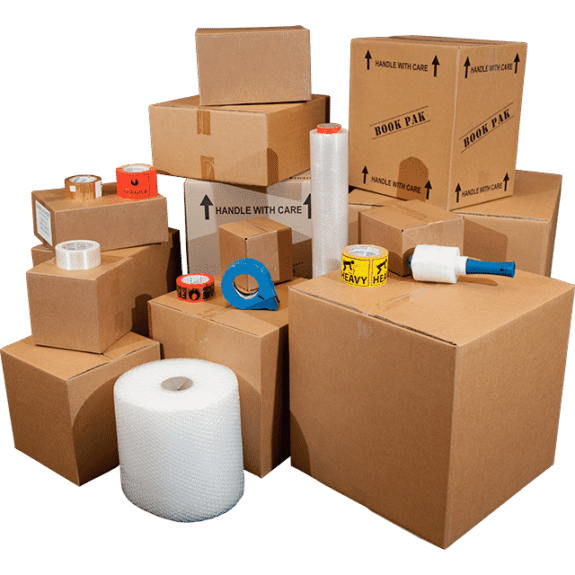
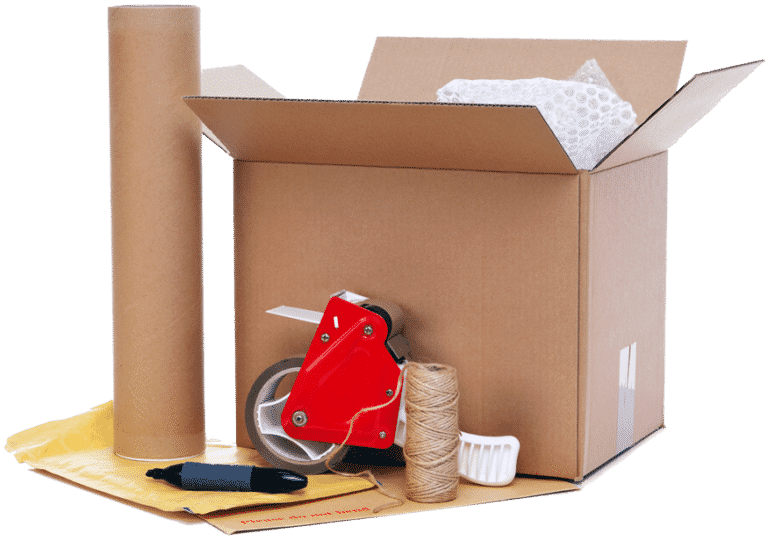
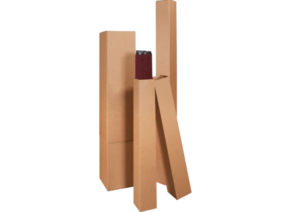
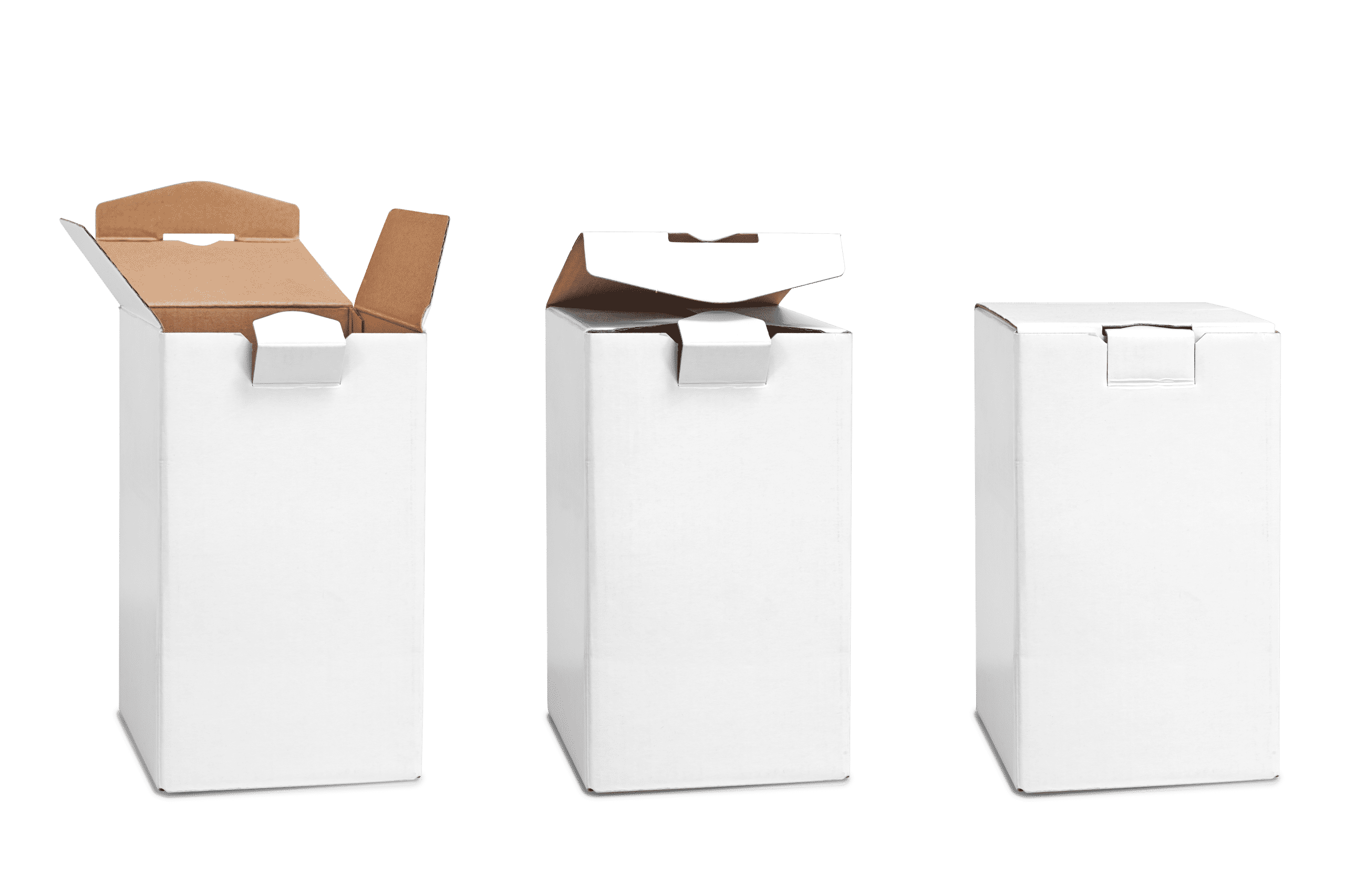
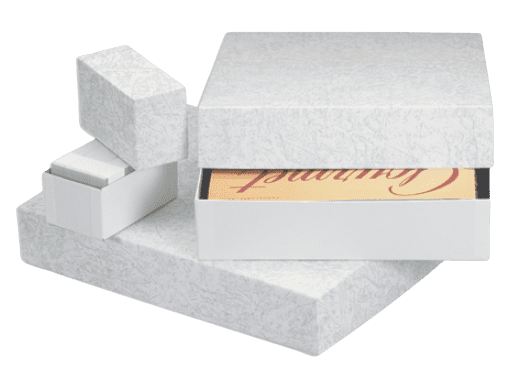
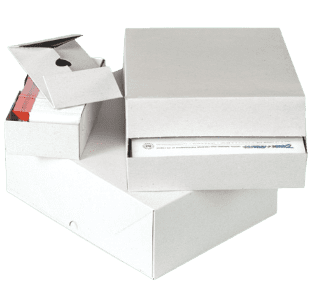
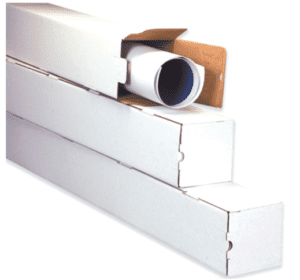
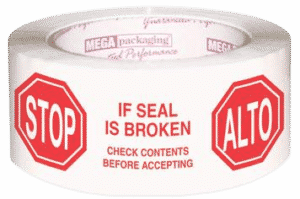
We supply businesses with a wide selection of essential packaging, shipping, and warehouse supplies. Get any standard packaging product by dimension or style from boxes, tubes, tapes, labels, and more. If you are unsure on what type of packaging you will need, then contact us for an expert consultation.


Stock packaging refers to pre-made, ready-to-ship packaging solutions like corrugated boxes, mailers, and protective materials that are designed to meet a wide range of standard needs across shipping, retail, and storage. Unlike custom packaging, stock options offer quick availability and reliable protection without the need for extensive design or production time, making them ideal for businesses needing efficient, high-quality solutions with fast lead times.

At Brown Packaging, we focus on providing durable, performance-driven stock packaging that supports our clients’ operational needs. Our stock products are sourced to ensure consistent quality and cost-effectiveness, offering a practical solution to keep operations running smoothly and on schedule. With an emphasis on reliability, we help our clients quickly access packaging solutions that meet their specific needs while maintaining quality across every order.

stock packaging products

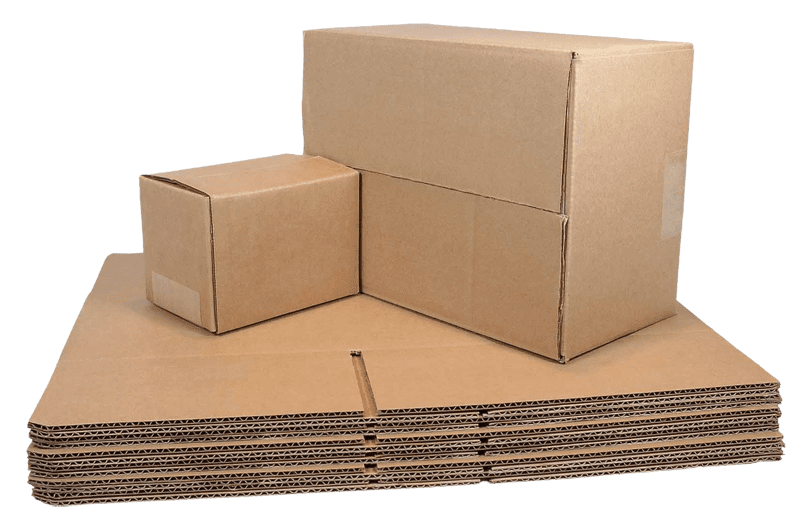
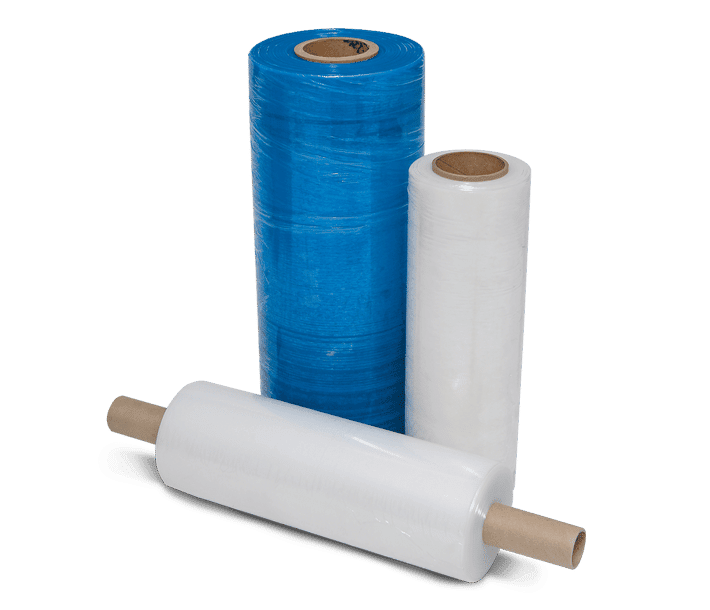
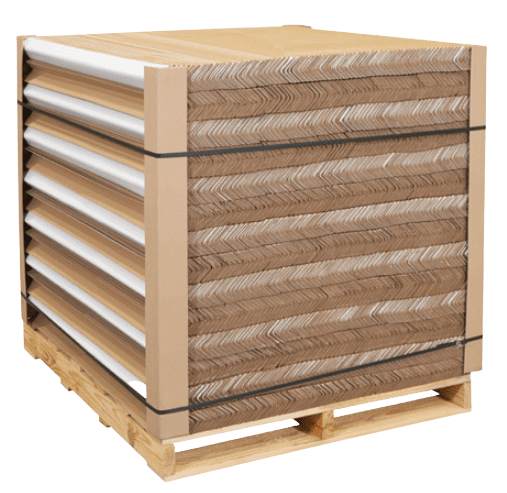
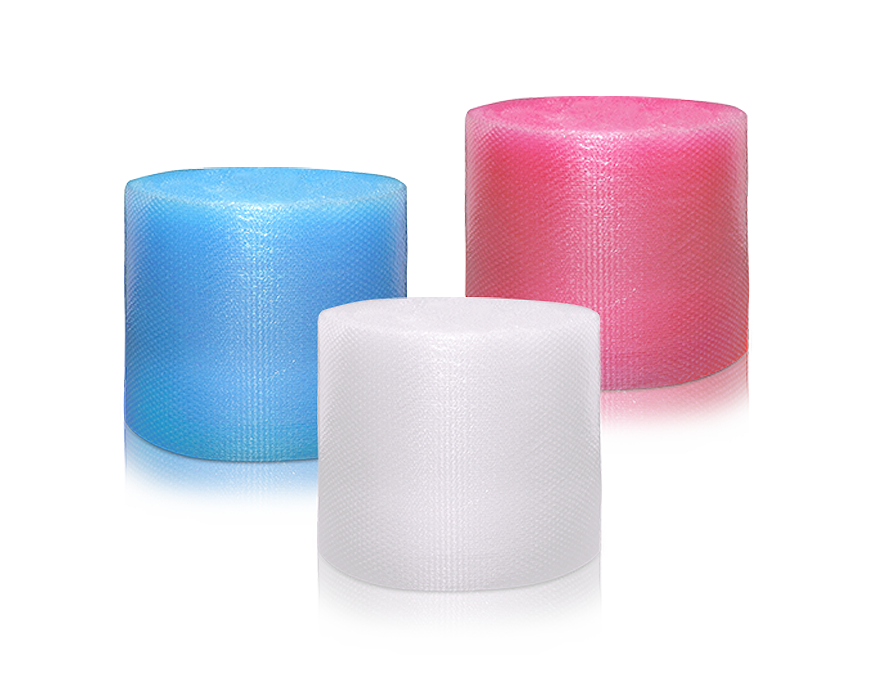
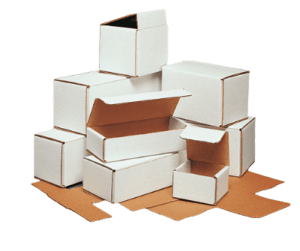
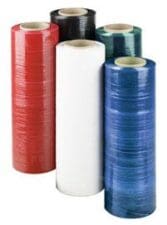
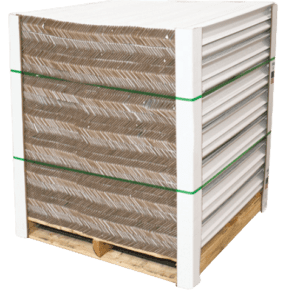
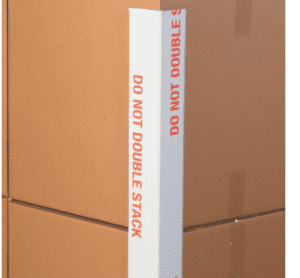
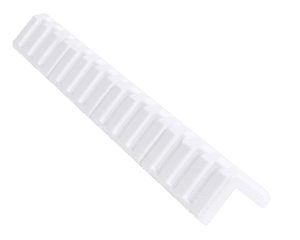
Our stock packaging products, from corrugated boxes to stretch film, offer a wide selection, including essentials like tape, edge protectors, labels, and more, with quick turnaround times to meet your packaging needs efficiently.

Edit Content
Edit Content
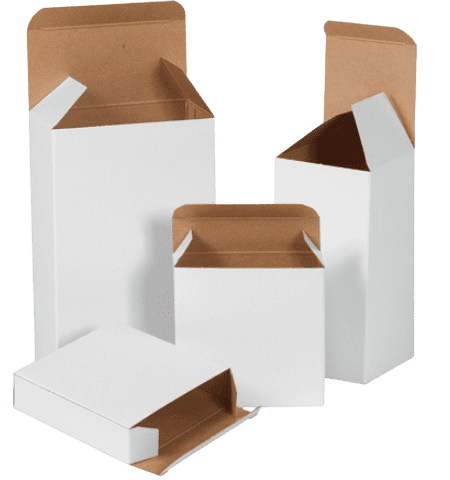
Folding Cartons
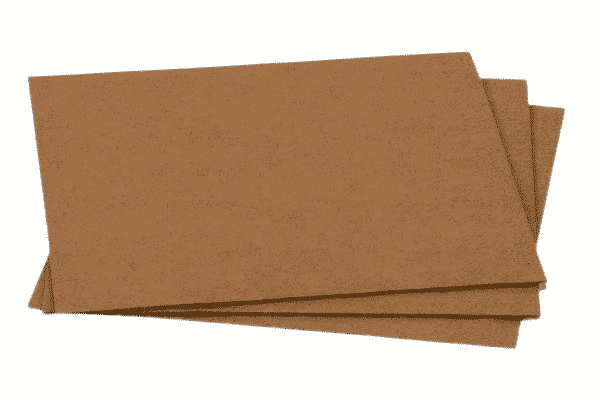
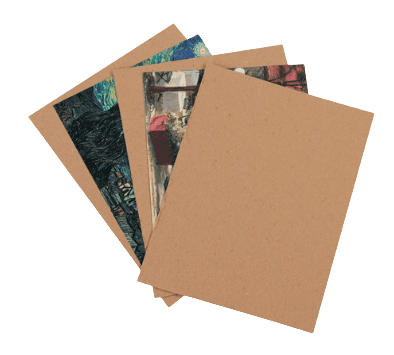
Pads
Apparel Boxes
Jewelry Boxes
Setup Cartons
Stationary Cartons
Edit Content
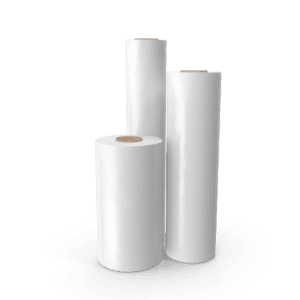
Cast Film
Blown Film
Conventional Film
Engineered Film
Pre-Stretched Film
Hand Film
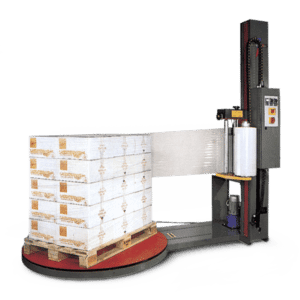
Machine Film
Edit Content
Light Duty
Medium Duty
Heavy Duty
Foam
Strapping
Frame Protectors
Edit Content
Edit Content
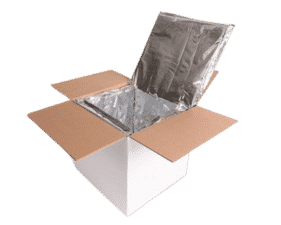
Box Liner
Metalized Pouch
Foam Cooler
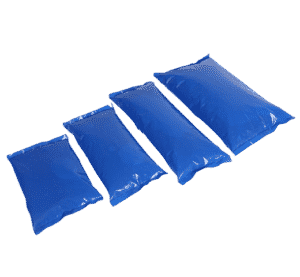
Ice Pack
Gel Pack
Edit Content
Edit Content
Edit Content
Folding Cartons
Pads
Apparel Boxes
Jewelry Boxes
Setup Cartons
Stationary Cartons
Edit Content
Cast Film
Blown Film
Conventional Film
Engineered Film
Pre-Stretched Film
Hand Film
Machine Film
Edit Content
Click on the Edit Content button to edit/add the content.
Edit Content
Edit Content
Box Liner
Metalized Pouch
Foam Cooler
Ice Pack
Gel Pack
Edit Content

If you need any assistance with your packaging or have a question, then contact us directly at request@brownpackaging.com  or  (714)300-0650. Learn more about custom packaging by reading our blog posts on new and trending topics.

7 Trends to Watch in Protective Packaging
Protection
brownpackaging
7 Trends to Watch in Protective Packaging

In an increasingly competitive and environmentally conscious world, protective packaging has become an essential component of product manufacturing and delivery. The demand for efficient and sustainable packaging solutions has driven innovation in this sector. From reducing waste to improving product protection, several emerging trends are shaping the future of protective packaging. In this blog post, we will explore some of these trends and their potential impact on the industry. Sustainable Materials One of the most significant trends in protective packaging is the shift towards sustainable materials. With growing concerns about plastic pollution and environmental impact, companies are actively seeking alternative packaging materials. Biodegradable and compostable materials such as plant-based plastics and recycled paper are gaining popularity. These materials offer the same level of protection while minimizing environmental harm and reducing waste. Minimalism and Right-Sizing As consumers become more conscious of excessive packaging, the trend of minimalism has gained traction. Right-sizing packaging involves using the smallest amount of material necessary to protect the product adequately. This approach not only reduces waste but also lowers shipping costs and improves overall efficiency. Custom-fit packaging solutions and innovative designs that eliminate unnecessary components are becoming more prevalent. Protective Cushioning Innovations Protective cushioning is a critical aspect of packaging that ensures products are delivered intact. Traditional cushioning materials like expanded polystyrene (EPS) foam are being replaced with more sustainable alternatives. Biodegradable air pillows, paper bubble wrap, and molded pulp inserts are gaining popularity as they offer excellent protection and are eco-friendly. Additionally, advances in technology are enabling the development of smart cushioning materials that adapt to different product shapes and provide optimal protection. Intelligent Packaging Intelligent packaging, also known as active packaging, is an emerging trend that integrates smart technology into protective packaging. It involves incorporating sensors, indicators, and RFID (Radio-Frequency Identification) tags to monitor various aspects of the product, such as temperature, humidity, and shock during transit. This real-time data helps identify any potential issues or damage, enabling proactive measures to be taken. Intelligent packaging not only enhances product safety but also improves supply chain visibility and customer experience. E-commerce-Focused Packaging With the exponential growth of e-commerce, packaging requirements have undergone significant changes. The rise in online shopping has increased the need for protective packaging that can withstand the rigors of long-distance shipping and handling. Additionally, packaging designs are now being optimized for efficiency, as bulky packages not only occupy more space but also contribute to higher shipping costs and environmental impact. E-commerce-focused packaging aims to strike a balance between protection, cost-effectiveness, and sustainability. Personalized and Interactive Packaging In the era of personalization, packaging is also evolving to provide a unique and interactive experience for consumers. Brands are using innovative printing techniques, augmented reality (AR), and QR codes to create engaging packaging designs. Interactive packaging not only enhances brand visibility but also allows customers to access additional product information, promotions, and loyalty rewards. It adds value to the overall consumer experience and helps foster brand loyalty. Recyclability and Circular Economy The concept of a circular economy, where resources are kept in use for as long as possible, is gaining momentum in the packaging industry. Manufacturers are focusing on developing packaging materials that are easily recyclable or made from recycled content. Designing packaging with disassembly in mind facilitates the recycling process. Furthermore, initiatives such as take-back programs and partnerships with recycling facilities help ensure the proper disposal and recycling of packaging materials. Conclusion: Protective Packaging Trends Protective packaging is continuously evolving to meet the demands of an ever-changing business landscape. Sustainable materials, minimalism, intelligent packaging, and personalized experiences are shaping the future of this industry. As consumer preferences and environmental concerns continue to drive innovation, companies must stay abreast of these trends to remain competitive and meet the evolving needs of their customers. By embracing these trends, the protective packaging industry has the potential to create a more sustainable and efficient future. If you are interested in protective packaging solutions, then partner with Brown Packaging today to get started. (714)300-0650 request@brownpackaging.com Most Recent Posts: Categories: Corrugated Ecommerce ESD Design Display Flexible Packaging Foam Folding Carton Packaging Plastic Packaging Pouch Printing Protection Retail Rigid Box Thermoform Sustainability Subscribe To Our Newsletter Custom Packaging By submitting your information, you agree to our terms and conditions and privacy policy. Facebook Twitter LinkedIn Pinterest Relevant Posts

Read More »
Edge Crush Testing: Corrugated Packaging Strength and Durability
Corrugated
brownpackaging
Edge Crush Testing: Corrugated Packaging Strength and Durability

Packaging plays a crucial role in protecting products during transportation and handling. However, not all packaging materials, such as corrugated are created equal, and choosing the wrong materials can lead to damaged or lost products. That’s why testing the strength and durability of packaging materials is crucial to the packaging industry. Edge crush testing are processes that measure the strength and durability of packaging materials, particularly corrugated boxes. Corrugated boxes are made of a fluted sheet sandwiched between two flat sheets of paper and are commonly used for shipping and storing products. The strength of the corrugated box depends on the number and size of the flutes, as well as the quality of the paper used. Corrugated Strength and Durability The strength and resistance of corrugated board is determined by the maximum force that the board can withstand before collapsing, known as the compression strength. These board consists of a fluted sheet sandwiched between two flat sheets of paper, providing cushioning and support. Various types of flutes, such as A, B, C, E, F, and N flutes, offer durability and cushioning options for manufacturers to choose from. Edge Crush Testing Edge crush testing evaluates the edge crush resistance of corrugated board. It measures the board’s ability to withstand pressure along its edges without collapsing. As the edges of corrugated boxes are often the weakest points, measuring edge crush resistance is crucial. The testing procedure involves compressing a sample of corrugated board between two plates until it fails. The results are expressed in pounds per inch (PPI) or kilonewtons per meter (kN/m). The Importance of Corrugated and Edge Crush Testing Corrugated and edge crush testing are essential for several reasons. They help manufacturers and distributors choose the right packaging materials based on the fragility, weight, and dimensions of their products. By conducting these tests, businesses can ensure that their packaging materials can withstand the rigors of transportation and handling, reducing the risk of damage or loss. Additionally, meeting industry standards and regulations is crucial, and these tests help ensure compliance. To determine the appropriate packaging material strength, factors such as product weight, dimensions, and fragility should be considered. For example, a small, lightweight product with low fragility may require an Edge Crush Test (ECT) rating of 23 or higher. On the other hand, a large, heavy product with high fragility may require an ECT rating of 44 or higher. The chart below illustrates some general recommendations for product weight, dimensions, fragility, and the required ECT rating: Corrugated Board Strength Equivalencies: Single Wall Corrugated Edit Minimum Edge Crush Test Maximum Suggested Loading Limit Per Carton 23 ECT 20 lbs. 26 ECT 35 lbs. 29 ECT 50 lbs. 32 ECT 65 lbs. 44 ECT 95 lbs. 55 ECT 120 lbs. Corrugated Board Strength Equivalencies: Double Wall Corrugated Edit Minimum Edge Crush Test Maximum Suggested Loading Limit Per Carton 42 ECT 80 lbs. 48 ECT 100 lbs. 51 ECT 120 lbs. 61 ECT 140 lbs. 71 ECT 160 lbs. 82 ECT 180 lbs. ** Please note that the additional factors such as dimensions and fragility are general descriptors and may vary depending on the specific product being packaged. It is essential to consider these factors in conjunction with the weight and consult with a packaging expert to determine the appropriate ECT rating for your specific product and shipping needs.** Benefits of Corrugated and Edge Crush Testing The benefits of corrugated and edge crush testing extend beyond ensuring product safety during transportation. By using the appropriate packaging materials based on the results of these tests, manufacturers and distributors can experience several advantages. Cost Savings: Selecting the right packaging materials reduces the risk of damage or loss during transit, saving businesses costs associated with product replacement, shipping, and customer service. Enhanced Product Quality: Using packaging materials that have been tested for strength and durability ensures that products arrive in good condition, enhancing the overall product quality and customer satisfaction. Environmental Impact Reduction: Choosing materials that are strong and durable helps minimize waste generation and reduce the environmental impact of packaging operations. Brand Image Enhancement: Packaging materials that effectively protect products and deliver them in pristine condition contribute to positive customer experiences, repeat business, and a strong brand image. Future of Corrugated and Edge Crush Testing As technology continues to advance, we can expect improvements in the methods and equipment used for corrugated and edge crush testing. These advancements may include enhanced accuracy, faster testing processes, and the ability to test a broader range of materials. The continuous improvement of testing methods will further enhance the reliability and efficiency of these tests, benefiting the packaging industry as a whole. If you are interested in corrugated packaging that meets your desired edge crush ratings, then partner with Brown Packaging today to get started. (714)300-0650 request@brownpackaging.com Most Recent Posts: Categories: Corrugated Ecommerce ESD Design Display Flexible Packaging Foam Folding Carton Packaging Plastic Packaging Pouch Printing Protection Retail Rigid Box Thermoform Sustainability Subscribe To Our Newsletter By submitting your information, you agree to our terms and conditions and privacy policy. Custom Corrugated Boxes Facebook Twitter LinkedIn Pinterest Relevant Posts

Read More »
Dump bin display
Display
brownpackaging
Optimizing Your Retail Displays: The Art of Material Selection

In the dynamic realm of retail, crafting the perfect display goes beyond just showcasing products – it’s about sparking customer interest, driving sales, and making a lasting impression. Key to this success is the strategic use of point-of-purchase (POP) displays, which have the power to influence buying decisions at the crucial moment. This guide delves into the essential factors to consider when choosing the right materials for your retail displays, ensuring that your creations stand out and make a genuine impact. Balancing Cost and Quality Your choice of materials significantly affects your display’s overall cost and quality. While cardboard offers an affordable option, plastic strikes a balance between cost and durability. Higher-end materials like wood and metal communicate luxury, potentially enhancing the perceived value of your products. Ensuring Longevity and Durability Consider the intended lifespan of your displays. Corrugated cardboard suits short-term promotions, while plastic, metal, and wood are better suited for long-lasting and semi-permanent installations. Plastic excels in semi-permanent setups, whereas wood and metal offer robustness for prolonged use. Flexibility for In-Store Mobility The ease of movement is vital for logistics and adaptability within the store. Well-designed displays simplify assembly, shipping, and rearrangement. Lightweight materials like cardboard are easy to transport and assemble, while plastic and metal provide flexibility in placement. Safeguarding Products with Smart Design Product protection is paramount, especially for fragile or valuable items. Metal, plastic, and wood offer enhanced impact resistance compared to cardboard. Secure display options like wire tethers can deter theft and prevent accidental damage. Aesthetic Appeal and Brand Alignment Materials contribute to the overall visual and tactile experience of your displays, playing a pivotal role in conveying your brand’s identity. Cardboard offers versatility in design, plastic exudes modernity, wood brings in natural charm, and metal adds a touch of sophistication. The inclusion of electronic components elevates interactivity and brand engagement. Sustainability and Environmental Responsibility In today’s eco-conscious landscape, consider the environmental impact of your display materials. Cardboard is a standout option due to its recyclability, while permanent materials generate less waste. Wood can often be repurposed, and metal is endlessly recyclable – align your choices with your brand’s commitment to sustainability. Materials that Complement Product Vibes Harmonize your display materials with your product type to create a coherent and captivating presentation. Cardboard’s adaptability suits a range of products, plastic shines for clothing and sleek items, wood adds warmth for food and wine displays, and metal lends an industrial edge for electronics and snacks. If you are interested in point of purchase displays, then partner with Brown Packaging today. (714)300-0650 request@brownpackaging.com Most Recent Posts: Categories: Corrugated Ecommerce ESD Design Display Flexible Packaging Foam Folding Carton Packaging Plastic Packaging Pouch Printing Protection Retail Rigid Box Thermoform Sustainability Subscribe To Our Newsletter By submitting your information, you agree to our terms and conditions and privacy policy. POP Displays Facebook Twitter LinkedIn Pinterest Relevant Posts

Read More »