



Stock Packaging
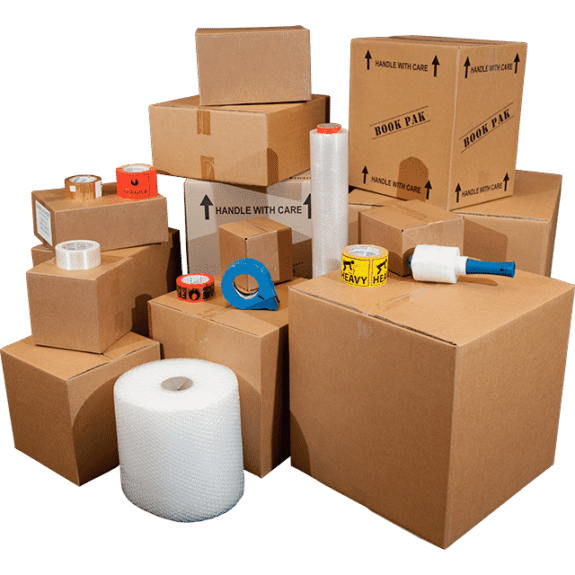
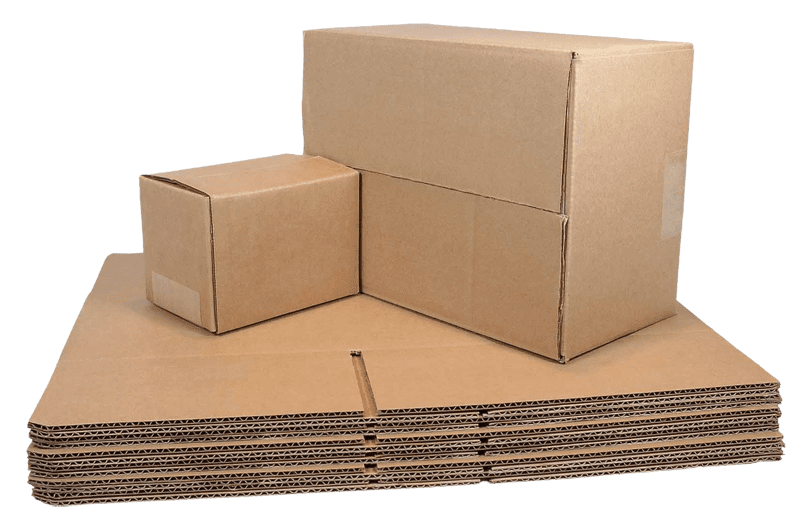
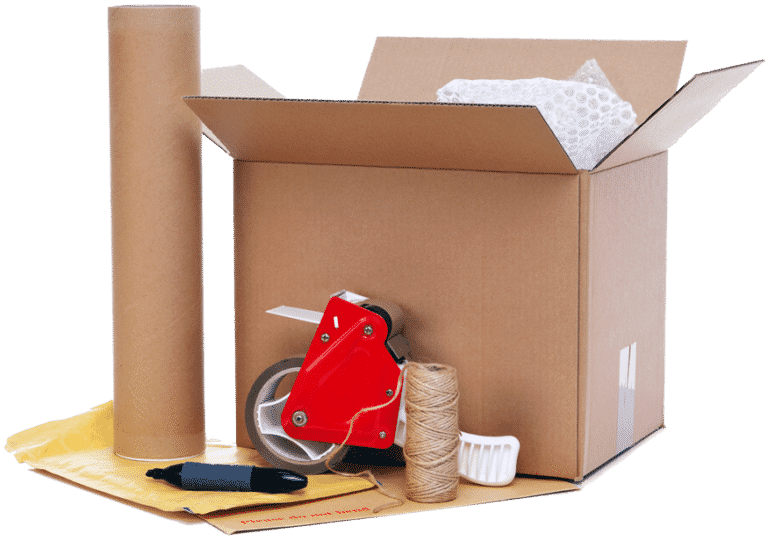
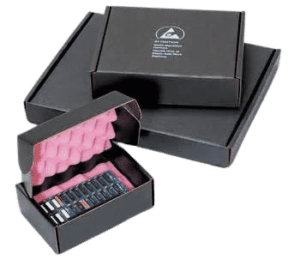
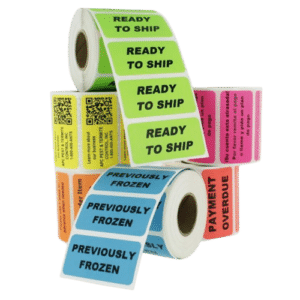
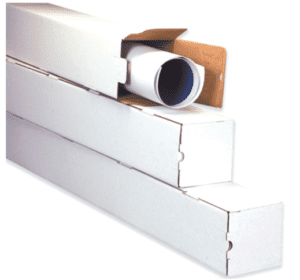
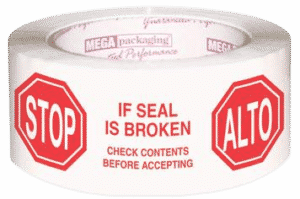
We supply businesses with a wide selection of essential packaging, shipping, and warehouse supplies. Get any standard packaging product by dimension or style from boxes, tubes, tapes, labels, and more. If you are unsure on what type of packaging you will need, then contact us for an expert consultation.


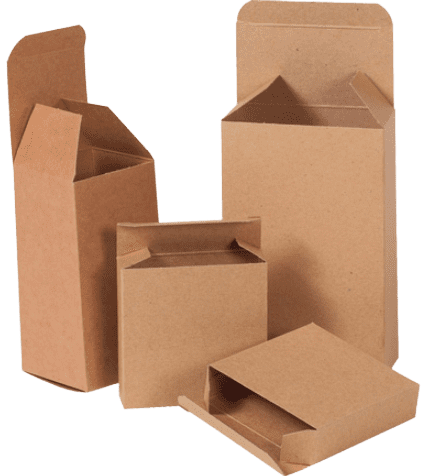
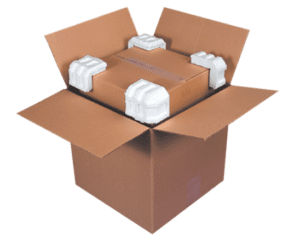
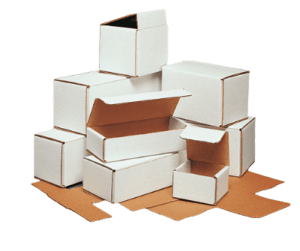
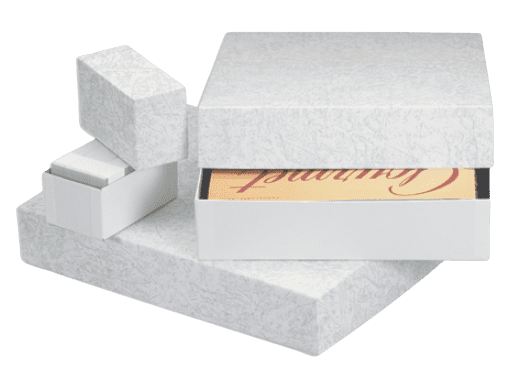
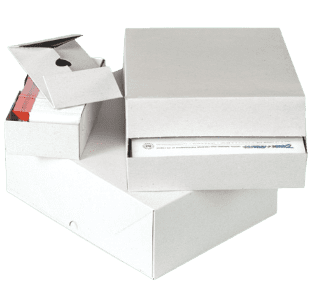
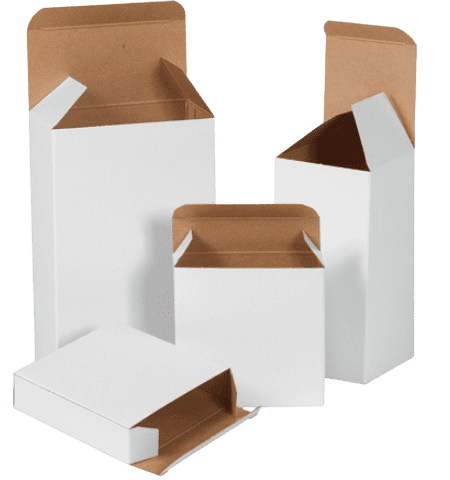
Stock packaging refers to pre-made, ready-to-ship packaging solutions like corrugated boxes, mailers, and protective materials that are designed to meet a wide range of standard needs across shipping, retail, and storage. Unlike custom packaging, stock options offer quick availability and reliable protection without the need for extensive design or production time, making them ideal for businesses needing efficient, high-quality solutions with fast lead times.
At Brown Packaging, we focus on providing durable, performance-driven stock packaging that supports our clients’ operational needs. Our stock products are sourced to ensure consistent quality and cost-effectiveness, offering a practical solution to keep operations running smoothly and on schedule. With an emphasis on reliability, we help our clients quickly access packaging solutions that meet their specific needs while maintaining quality across every order.
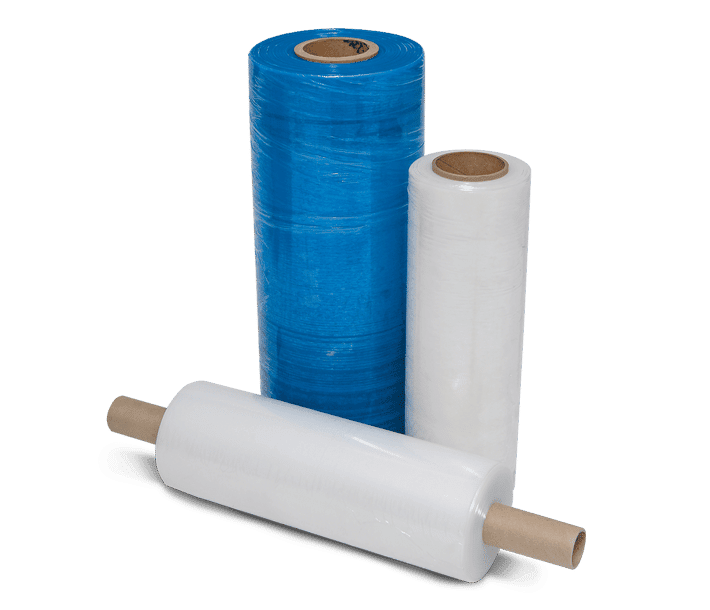
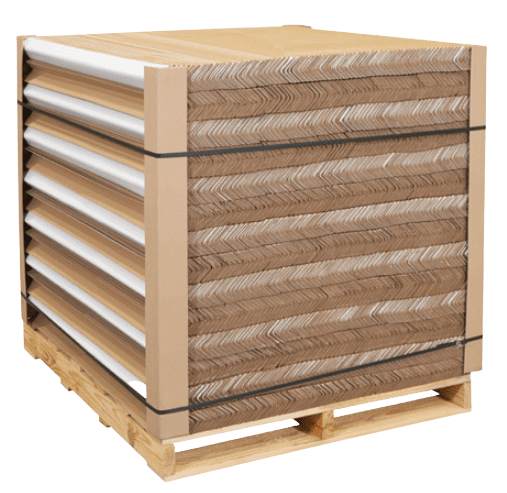
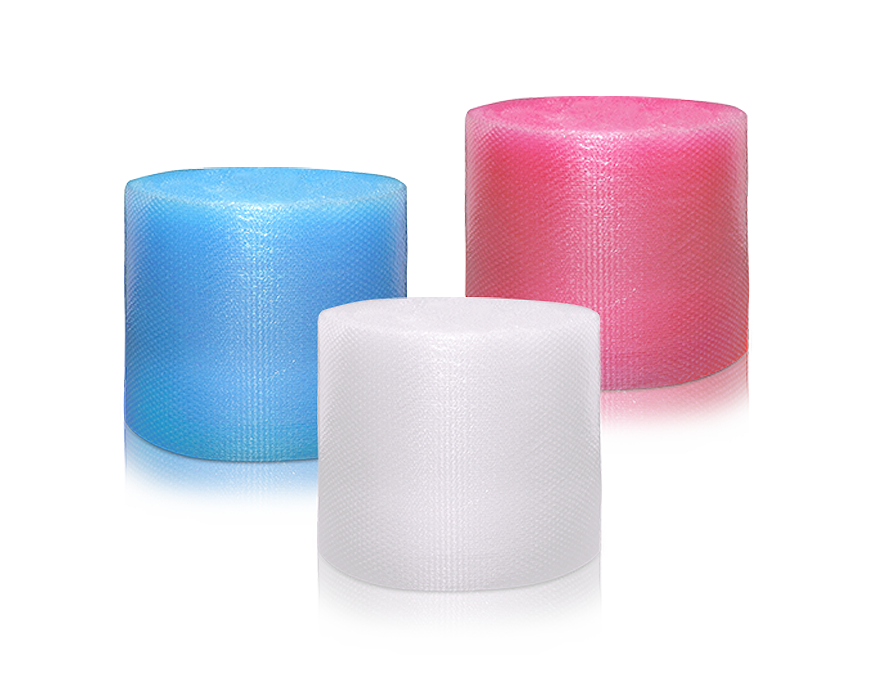
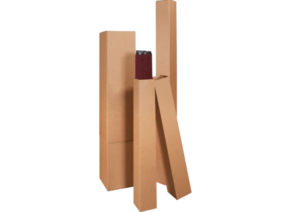
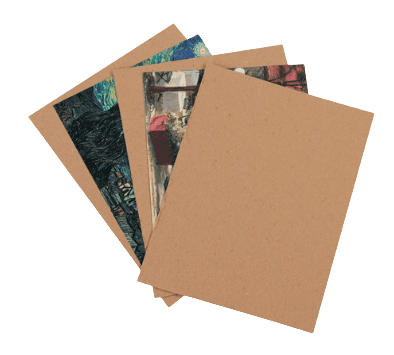
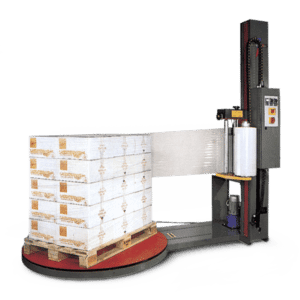
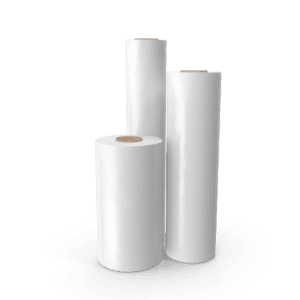
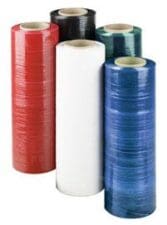
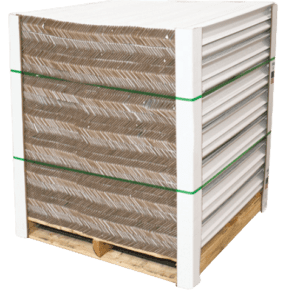
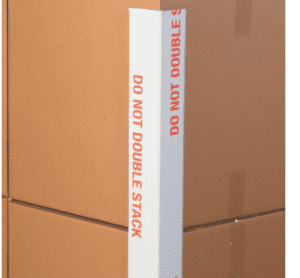
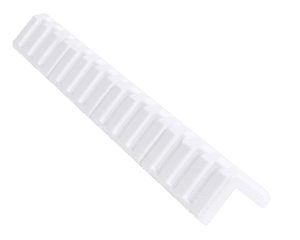
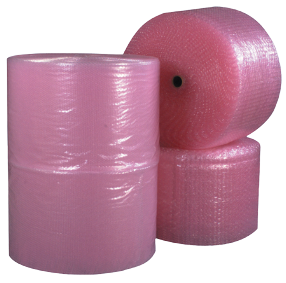
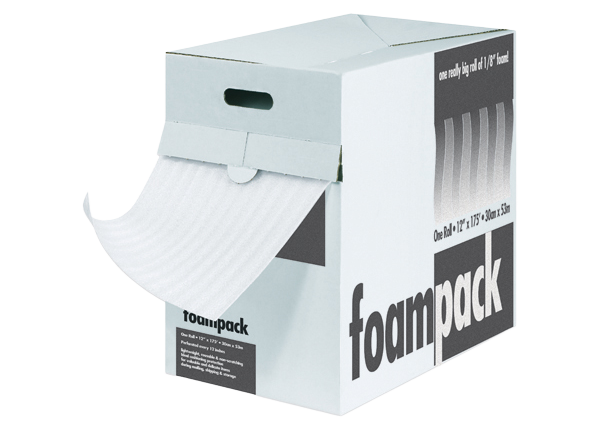
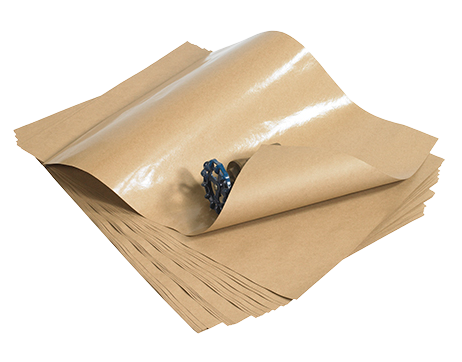
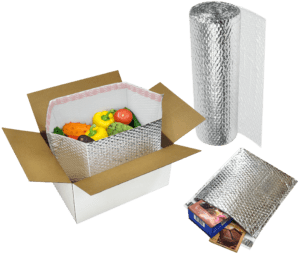
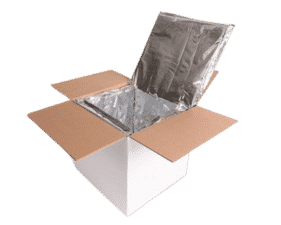
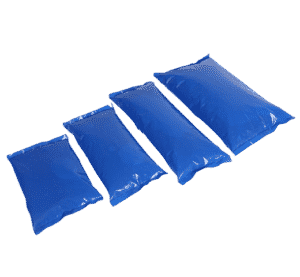
Our stock packaging products, from corrugated boxes to stretch film, offer a wide selection, including essentials like tape, edge protectors, labels, and more, with quick turnaround times to meet your packaging needs efficiently.


If you need any assistance with your packaging or have a question, then contact us directly at request@brownpackaging.com or (714)300-0650. Learn more about custom packaging by reading our blog posts on new and trending topics.

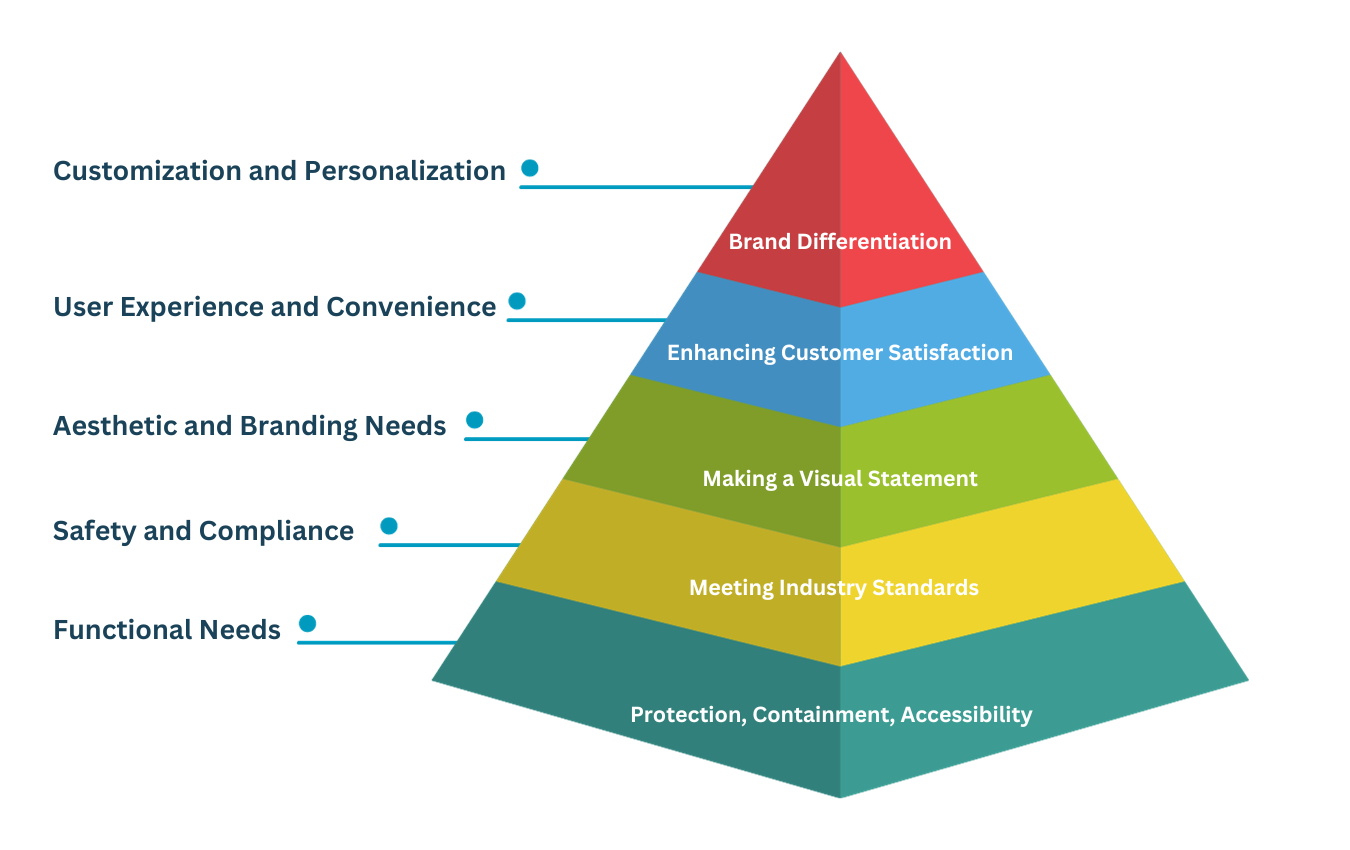
In the world of marketing, custom packaging has emerged as a powerful tool for brand differentiation and delivering unforgettable customer experiences. It’s more than just a container; it’s a canvas to convey your brand’s essence and captivate your audience. In this comprehensive guide, we’ll explore the key considerations for marketers when it comes to custom packaging, focusing on elements that will truly resonate with your target audience. Defining Your Brand Identity and Message Begin your custom packaging journey by immersing yourself in your brand’s identity. Understand its personality, values, and the narrative you wish to convey. Custom packaging serves as a visual extension of your brand, ensuring that your messaging and identity remain consistent and compelling. Budgeting Wisely Establish a realistic budget for your custom packaging project. Costs can vary depending on factors such as materials, design complexity, and quantity. A well-defined budget will streamline your options and guide cost-effective decision-making. Selecting the Perfect Packaging Type The packaging type you choose should harmonize with your product and brand image. Whether it’s boxes, bags, labels, sleeves, or a unique hybrid, your selection should be guided by factors such as product size, shape, and fragility. Choosing the Right Material Material selection is a critical decision. Options range from cardboard, corrugated board, and plastic to eco-friendly choices like recycled paper and biodegradable plastics. Your material should align with both your brand’s sustainability goals and your product’s protection needs. Crafting the Perfect Design Design is the heartbeat of custom packaging. Focus on these design elements to create packaging that captivates: Graphic Design: Craft visually stunning designs that echo your brand’s essence. Color Palette: Select colors that resonate with your brand and evoke the desired emotions. Typography: Choose legible fonts that align with your brand’s style. Imagery: Incorporate high-quality images or illustrations that enhance your packaging’s visual appeal. Choosing the Right Printing Technique Select the printing technique that brings your design vision to life. Options include digital printing, offset printing, and flexography, each offering various levels of quality and cost. Pick the technique that best suits your design vision and budget. Harnessing Personalization Tap into the power of personalization by adding unique elements to your packaging, such as variable data printing or exclusive QR codes. Personal touches enhance the customer experience and forge a deeper connection with your brand. Navigating Compliance and Regulations Ensure your custom packaging adheres to all relevant regulations, encompassing labeling requirements, safety standards, and environmental mandates. Compliance safeguards your brand’s reputation and ensures legal compliance. Embracing Sustainability Make sustainability an integral part of your packaging strategy. Explore eco-friendly materials, include recycling instructions, and find ways to minimize packaging waste. Clearly communicate your commitment to sustainability on the packaging itself to resonate with environmentally conscious consumers. Choosing the Right Packaging Supplier Select a reputable packaging supplier with a proven track record. Conduct thorough research, request samples, and check references. Pay attention to lead times, shipping costs, and the quality of customer service when making your choice. Prioritizing Quality Control Implement a robust quality control process to guarantee your custom packaging meets your exacting standards. This entails meticulous checks for design precision, material quality, and print consistency. Mastering Shipping and Distribution Plan the logistics of shipping and distribution with care. Determine the most efficient packaging configuration for storage and transportation. Address any special handling requirements for fragile or perishable products. If you are interested in custom packaging, then partner with Brown Packaging today to get started. (714)300-0650 request@brownpackaging.com Most Recent Posts: Categories: Corrugated Ecommerce ESD Design Display Flexible Packaging Foam Folding Carton Packaging Plastic Packaging Pouch Printing Protection Retail Rigid Box Thermoform Sustainability Subscribe To Our Newsletter By submitting your information, you agree to our terms and conditions and privacy policy. Custom Packaging Facebook Twitter LinkedIn Pinterest Relevant Posts

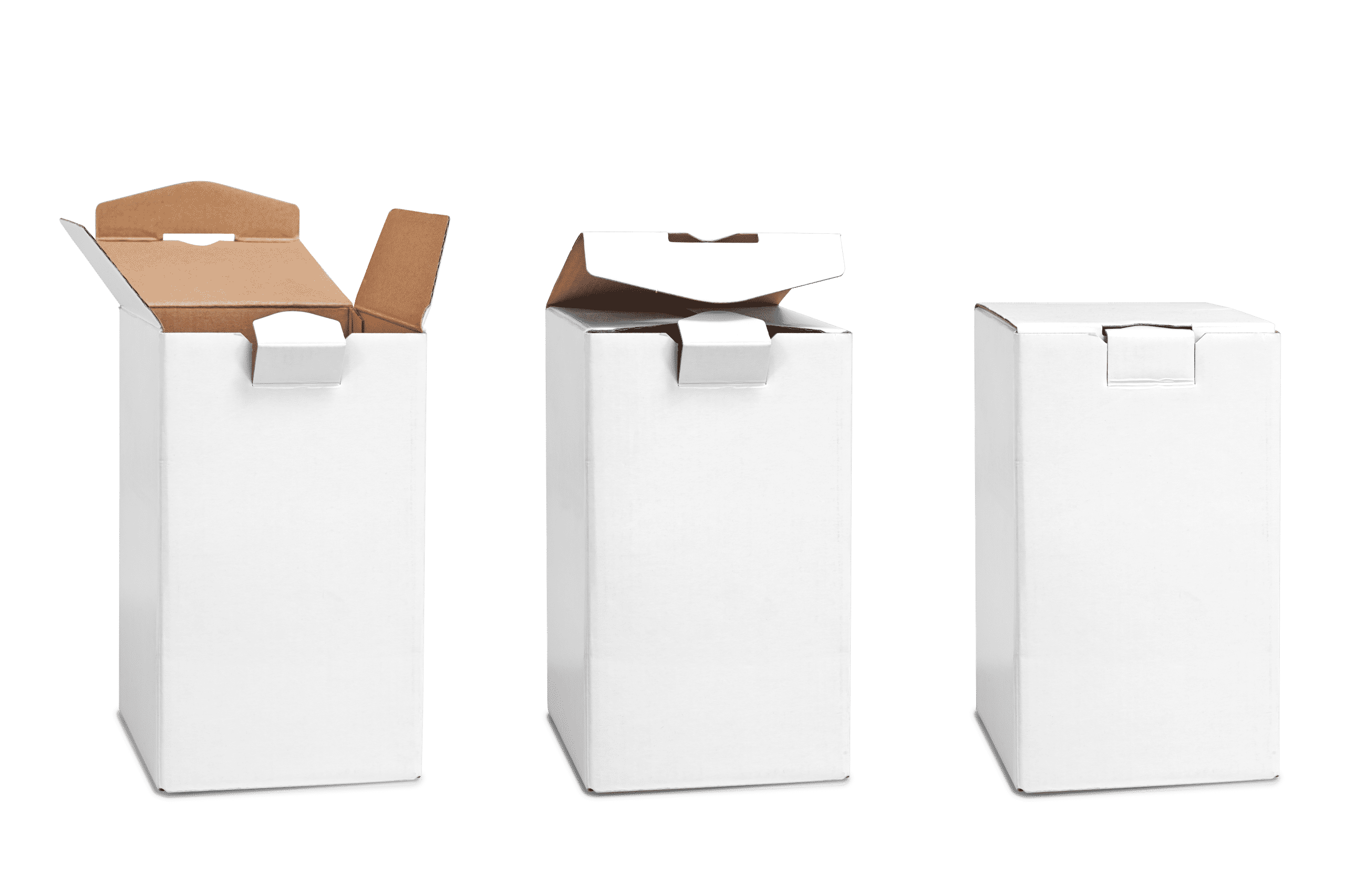
When it comes to packaging solutions, selecting the appropriate type of box can significantly impact convenience, functionality, and the overall user experience. Two common options are boxes with flaps and boxes with lids. In this blog, we will delve into the characteristics, advantages, and disadvantages of each type to help you make an informed decision for your specific needs. Boxes with Flaps Design and Structure: Boxes with flaps are typically one-piece structures made from a single sheet of cardboard or other materials. They are designed with integral flaps that fold over to enclose the contents securely. Common variations include tuck top boxes, which provide different levels of security. Advantages: Easy Assembly: Boxes with flaps are usually easier to assemble compared to boxes with lids, as they involve fewer steps. Cost-Effective: Manufacturing boxes with flaps is often more cost-effective, making them a budget-friendly option for businesses. Disadvantages: Limited Security: While they can securely hold items, they might not be as tamper-resistant as boxes with lids, especially for high-value or sensitive items. Limited Reusability: Boxes with flaps may not be as durable for multiple uses as boxes with lids. Common Uses: Boxes with flaps are commonly used for packaging items such as clothing, books, electronics, and food products. Boxes with Lids Design and Structure: Boxes with lids consist of two separate pieces – a base and a detachable lid. The lid can be customized to fit snugly over the base, providing a secure closure. These boxes often come in various shapes and sizes to accommodate different contents. Advantages: Enhanced Security: Boxes with lids, especially when its fully telescopic, offer a higher level of security and protection for the contents, making them suitable for fragile or valuable items. Reusability: They are often more durable and can be reused multiple times, making them eco-friendly and cost-effective in the long run. Disadvantages: Complex Assembly: Boxes with lids may require more time and effort to assemble due to their two-piece structure. Higher Production Costs: Manufacturing two separate pieces can be more expensive than single-piece boxes with flaps. Common Uses: Boxes with lids are ideal for packaging items like jewelry, cosmetics, gifts, and luxury products where presentation and protection are paramount. Choosing the Right Option The choice between boxes with flaps and boxes with lids ultimately depends on your specific requirements and priorities. Here are some factors to consider: Contents: Consider the nature and value of the items you are packaging. High-value or fragile items may require the extra security provided by boxes with lids. Budget: If you have budget constraints, boxes with flaps are often a more cost-effective solution, especially for large quantities. User Experience: Think about the ease of use for your customers. Boxes with flaps are generally easier to open and close, while boxes with lids may offer a more premium unboxing experience. Sustainability: If environmental concerns are a priority, boxes with lids are typically more durable and can be reused, reducing the overall environmental impact. If you are interested in custom or stock boxes, then partner with Brown Packaging today to get started. (714)300-0650 request@brownpackaging.com Most Recent Posts: Categories: Corrugated Ecommerce ESD Design Display Flexible Packaging Foam Folding Carton Packaging Plastic Packaging Pouch Printing Protection Retail Rigid Box Thermoform Sustainability Subscribe To Our Newsletter By submitting your information, you agree to our terms and conditions and privacy policy. Custom Corrugated Boxes Facebook Twitter LinkedIn Pinterest Relevant Posts

Corrugated bin boxes have become a staple in the retail industry, offering a myriad of benefits for both store owners and shoppers alike. At first glance, they might seem like ordinary brown boxes, but a deeper dive reveals the genius behind their design and utility. In this blog post, we’ll delve into the reasons why these boxes are so popular in retail. Strength and Durability Cost-Effective Sustainable and Eco-friendly Flexibility In Storage Enhance Product Visibility Branding and Customization Protection from Damage Easy to Assemble and Disassemble Strength and Durability Corrugated bin boxes are designed with a fluted, wavy layer sandwiched between two flat liners. This unique structure provides an added layer of strength, making them more resilient than their plain cardboard counterparts. As such, they can withstand the pressures of stacking and the general wear-and-tear of a busy retail environment. Cost-Effective Retail businesses, especially those with tight margins, are always on the lookout for ways to save money. Corrugated bin boxes provide a cost-effective storage solution. They are often cheaper than plastic or metal alternatives, yet offer comparable durability and strength. Sustainable and Eco-Friendly With the growing emphasis on sustainability in today’s world, businesses are keen to showcase their eco-friendly practices. Corrugated bin boxes are recyclable, and many are made from recycled materials. By using these boxes, retailers can reduce their carbon footprint and promote a more sustainable business model. Flexibility in Storage These boxes come in a wide range of sizes, making them suitable for storing various products, from small accessories to larger goods. They can be customized to fit the specific needs of a retailer, ensuring that space is used efficiently. Furthermore, their modular design makes it easy to adjust display setups as inventory or promotions change. Enhanced Product Visibility Many corrugated bin boxes have an open-front design. This allows customers to quickly glance and see the products contained within, promoting impulse purchases. For retailers, it’s an opportunity to display products in an organized and appealing manner, increasing the likelihood of sales. Branding and Customization Corrugated bin boxes can be customized to reflect a retailer’s brand image. With the option of adding logos, colors, and designs, retailers can make these boxes an extension of their brand identity. This not only promotes brand consistency but also makes the shopping experience more immersive for customers. Protection from Damage The fluted design of corrugated boxes offers a cushioning effect. This protects the products inside from potential damage due to impacts or vibrations. For fragile items or those that need a little extra care, these boxes can be a godsend. Easy to Assemble and Disassemble Most corrugated bin boxes come flat-packed, making them easy to transport and store when not in use. Assembling them is often a straightforward process, requiring no tools. This ease of use can save time and effort, especially for retailers with frequently changing displays. Conclusion The reasons detailed above highlight the multiple advantages that corrugated bin boxes bring to the retail sector. They are not just practical storage solutions, but also vehicles for branding, promoting sustainability, and enhancing the overall shopping experience. As the retail landscape continues to evolve, the humble corrugated bin box stands out as an indispensable tool in the toolkit of successful retailers. If you are interested in corrugated bin boxes, then partner with Brown Packaging today to get started. (714)300-0650 request@brownpackaging.com Most Recent Posts: Categories: Corrugated Ecommerce Design Foam Folding Carton Packaging Plastic Packaging Pouch Retail Rigid Box Thermoform Sustainability Subscribe To Our Newsletter By submitting your information, you agree to our terms and conditions and privacy policy. Corrugated Bin Boxes Facebook Twitter LinkedIn Pinterest Relevant Posts