




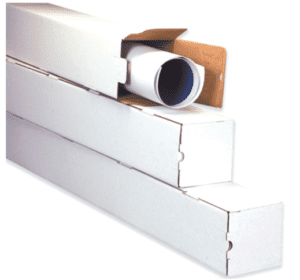
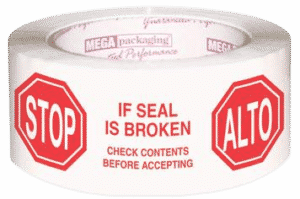

Stock Packaging
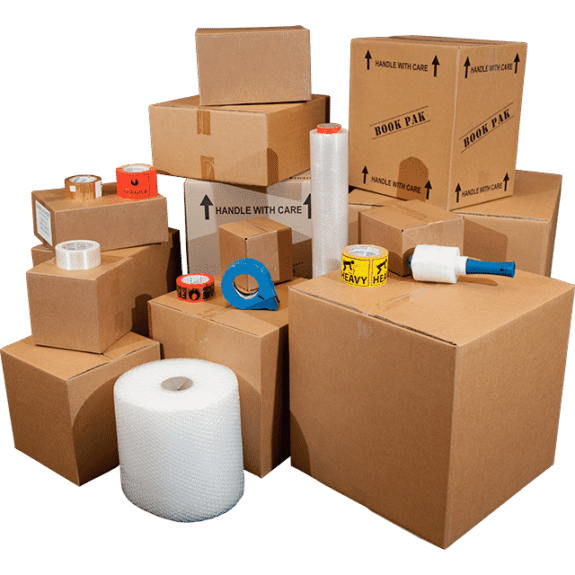
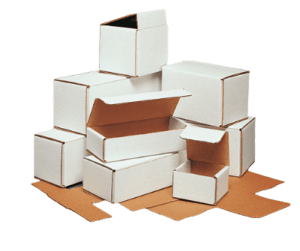
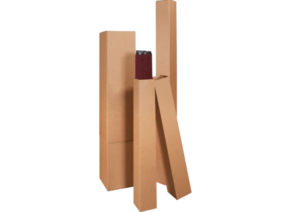
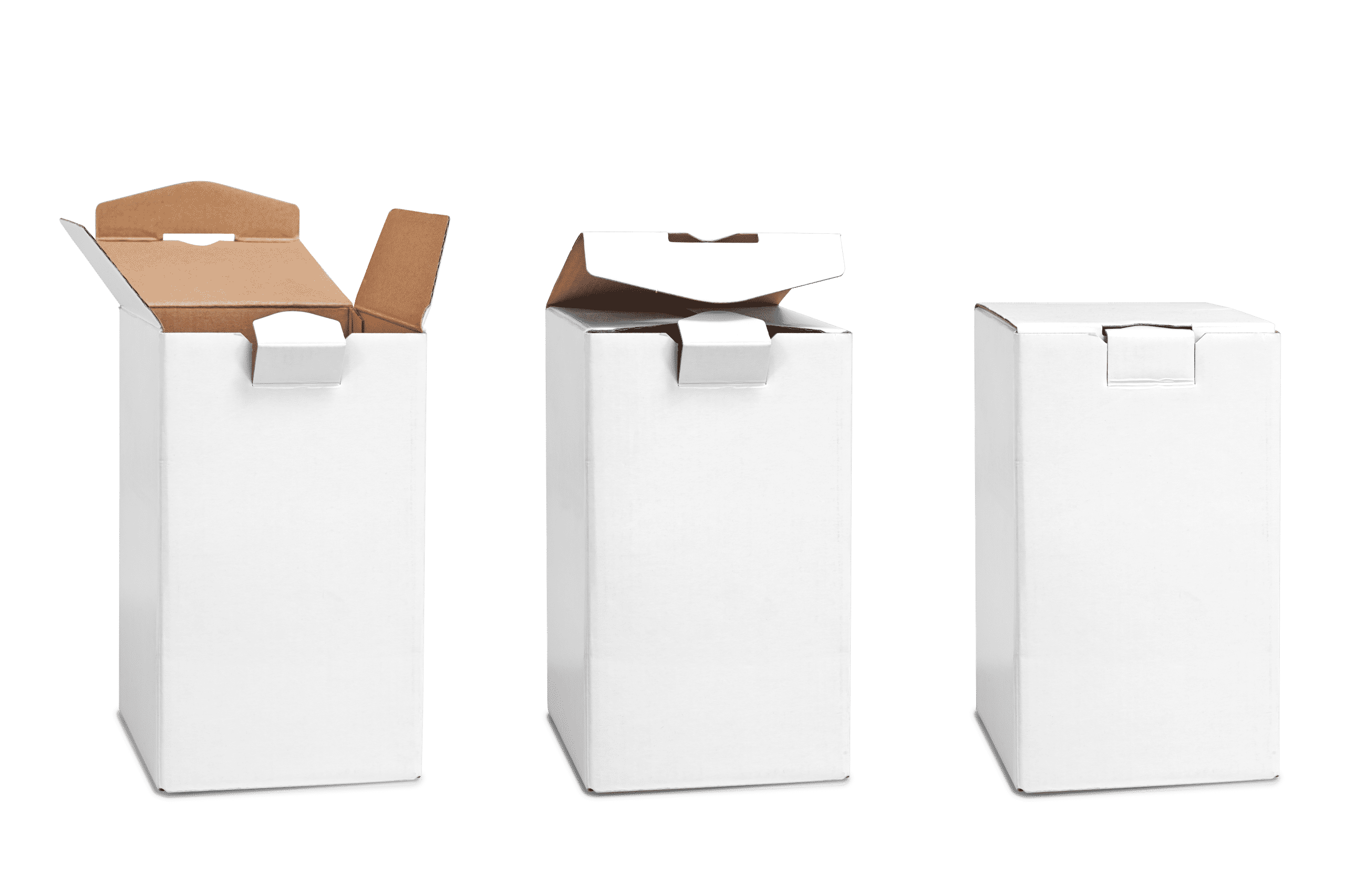
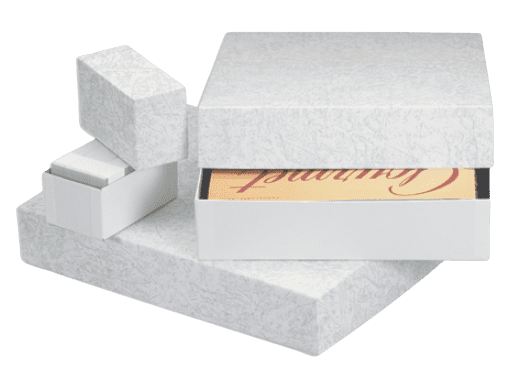
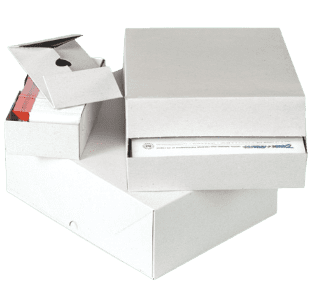
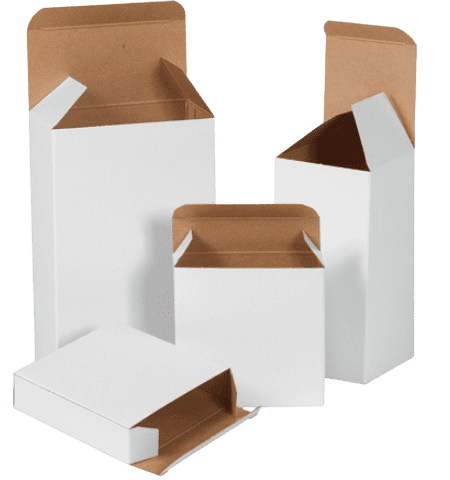
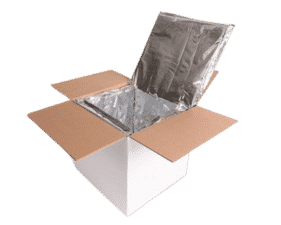
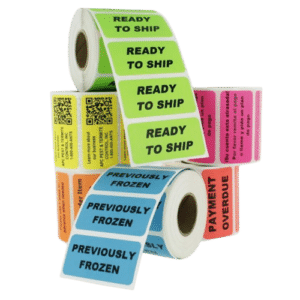
We supply businesses with a wide selection of essential packaging, shipping, and warehouse supplies. Get any standard packaging product by dimension or style from boxes, tubes, tapes, labels, and more. If you are unsure on what type of packaging you will need, then contact us for an expert consultation.


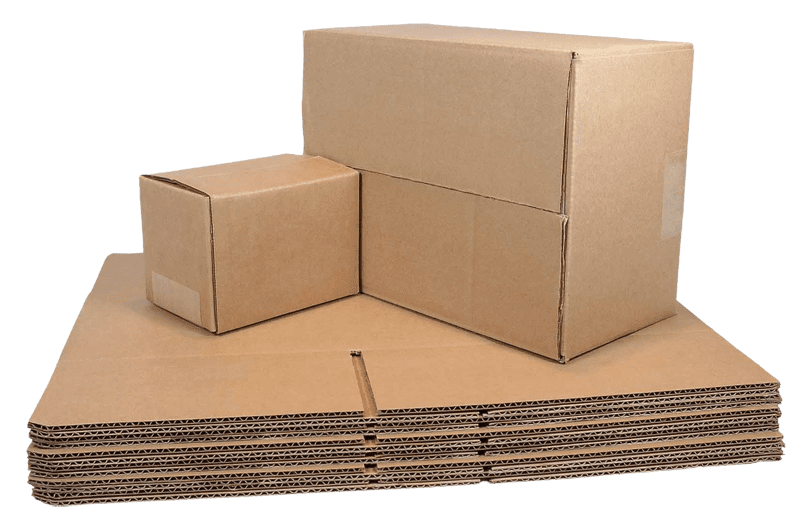
Stock packaging refers to pre-made, ready-to-ship packaging solutions like corrugated boxes, mailers, and protective materials that are designed to meet a wide range of standard needs across shipping, retail, and storage. Unlike custom packaging, stock options offer quick availability and reliable protection without the need for extensive design or production time, making them ideal for businesses needing efficient, high-quality solutions with fast lead times.
At Brown Packaging, we focus on providing durable, performance-driven stock packaging that supports our clients’ operational needs. Our stock products are sourced to ensure consistent quality and cost-effectiveness, offering a practical solution to keep operations running smoothly and on schedule. With an emphasis on reliability, we help our clients quickly access packaging solutions that meet their specific needs while maintaining quality across every order.
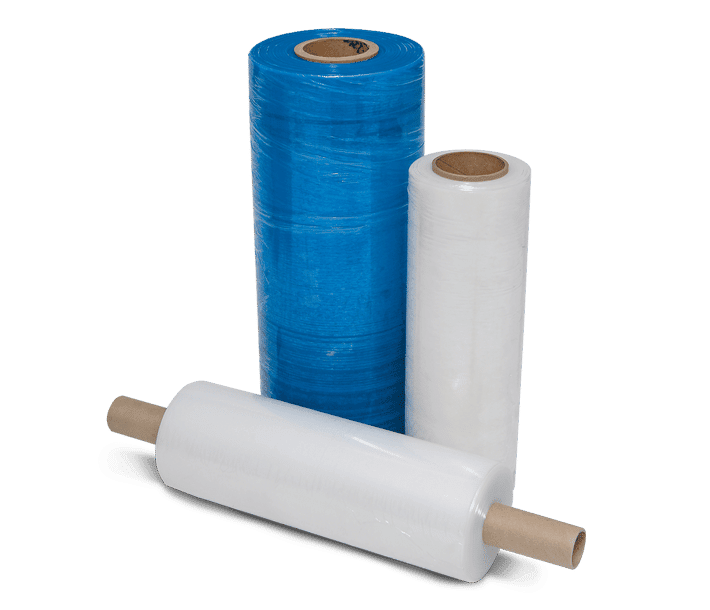
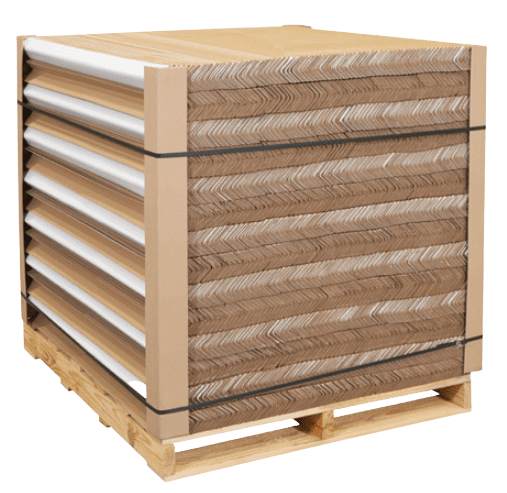
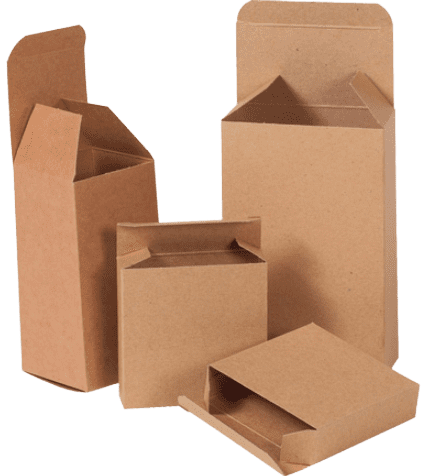
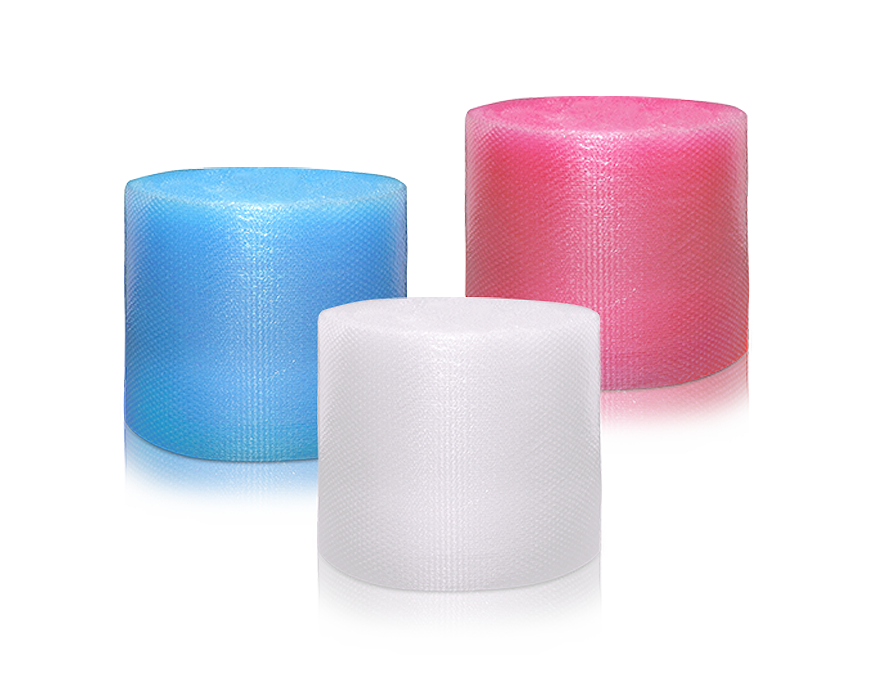
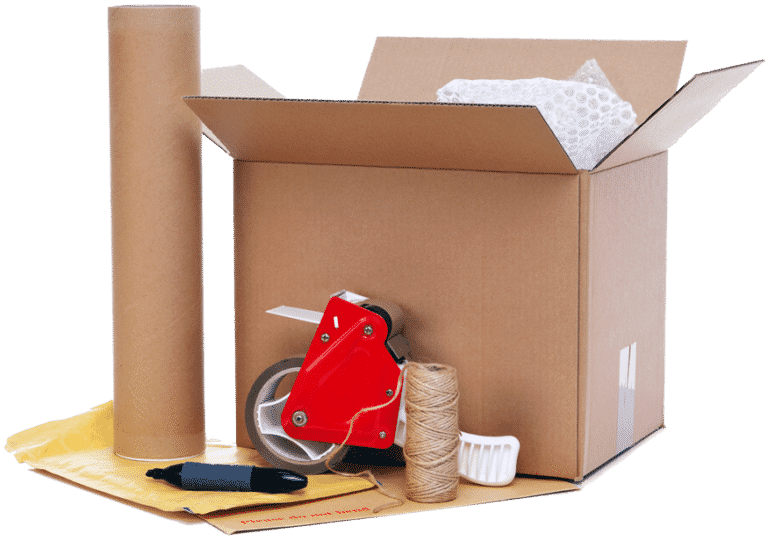
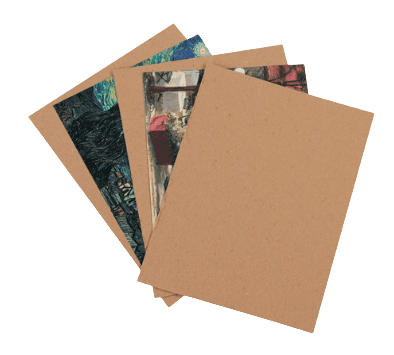
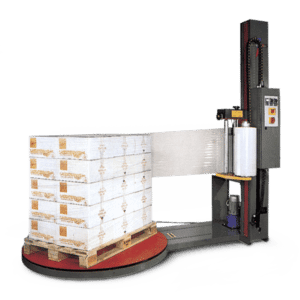
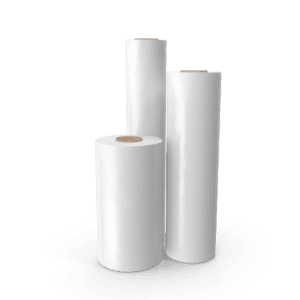
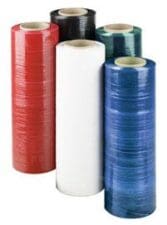
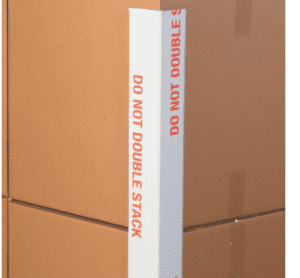
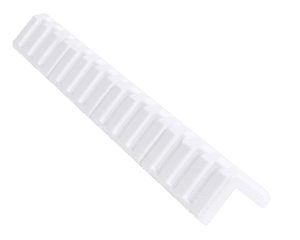
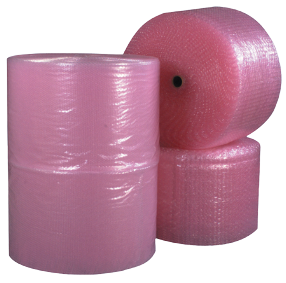
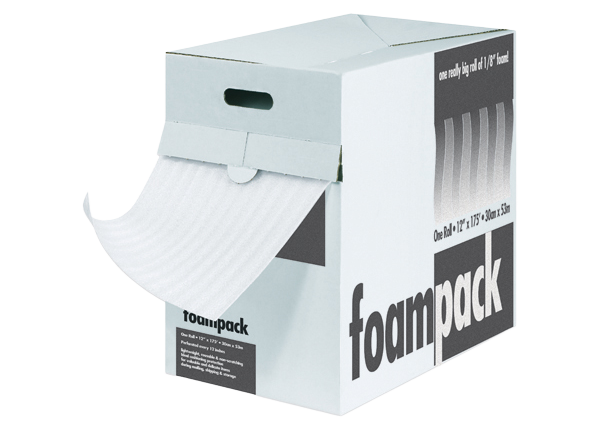
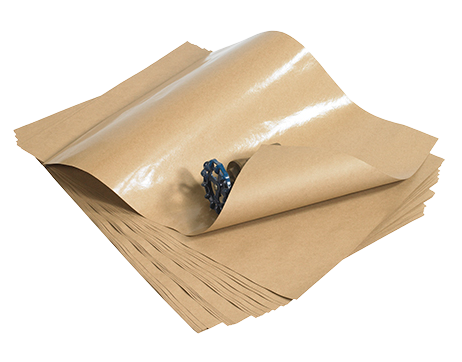
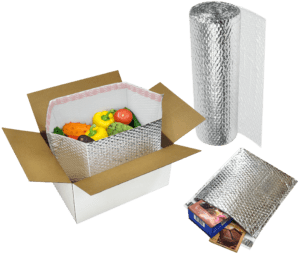
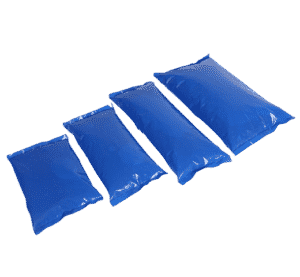
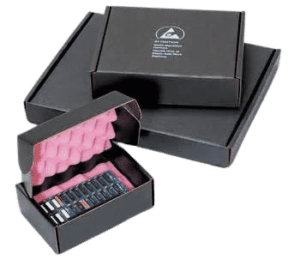
Our stock packaging products, from corrugated boxes to stretch film, offer a wide selection, including essentials like tape, edge protectors, labels, and more, with quick turnaround times to meet your packaging needs efficiently.


If you need any assistance with your packaging or have a question, then contact us directly at request@brownpackaging.com or (714)300-0650. Learn more about custom packaging by reading our blog posts on new and trending topics.

The flexible packaging industry is experiencing a significant evolution as it leans into more sustainable practices. Amid growing environmental concerns, there’s a strong movement within the sector towards developing innovative, eco-friendly packaging solutions. This blog will delve into the most recent sustainable trends impacting the flexible packaging sector, pointing to a future where sustainability and innovation walk hand in hand. Adoption of Biodegradable and Compostable Materials Advancements in Recyclable Packaging Increased Use of Post-Consumer Recycled (PCR) Content Reduction in Packaging Sizes and Weights Innovation in Barrier Materials Investing in Sustainability Education and Transparency Adoption of Biodegradable and Compostable Materials As the world gradually moves away from single-use plastics, one trend that has taken center stage is the use of biodegradable and compostable materials in packaging. These materials are designed to break down naturally in the environment, minimizing their long-term impact on the ecosystem. For instance, some companies are turning to materials like Polyhydroxyalkanoates (PHA), which are fully biodegradable polymers derived from renewable resources. The aim is to make packaging that doesn’t just look good and protect the product, but also contributes positively to the planet. Advancements in Recyclable Packaging Recyclable materials offer another route towards more sustainable packaging. As recycling technologies improve, we are seeing a rise in the use of mono-material packaging — packaging composed of a single type of material, such as all-paper or all-polyethylene structures. This is a game-changer in the recycling process as it eliminates the need for separation, significantly simplifying the recycling process and ensuring that more waste is effectively recycled. Increased Use of Post-Consumer Recycled (PCR) Content Another trend making waves in the flexible packaging sector is the increased use of Post-Consumer Recycled (PCR) content. This involves using materials that have been previously used by consumers and then recycled. Using PCR content helps to lower the demand for new material production, reducing the overall environmental footprint of the packaging. Many companies are setting ambitious goals to incorporate a certain percentage of PCR content into their packaging within the coming years. Reduction in Packaging Sizes and Weights The drive towards sustainability is also encouraging brands to rethink the size and weight of their packaging. By reducing these aspects, companies can decrease the amount of raw material required in the packaging production process, leading to substantial environmental benefits. Furthermore, lighter packaging results in lower transportation emissions, another significant advantage in terms of reducing the carbon footprint. Innovation in Barrier Materials Traditionally, many flexible packaging options have relied on multi-layer structures to provide adequate barrier properties, protecting the contents from moisture, oxygen, and other damaging elements. However, these multi-layer formats can be difficult to recycle. As a response, the industry is innovating to develop high-performing, recyclable barrier materials. These new structures aim to maintain the same high level of protection for the packaged goods while also being easier to recycle, striking a balance between product protection and environmental responsibility. Investing in Sustainability Education and Transparency Many companies in the flexible packaging industry are investing in educating consumers about their sustainable efforts. They are providing information on their packaging about the materials used and how to recycle the packaging correctly. The idea is to involve consumers in the sustainability journey, allowing them to make informed decisions about the products they purchase. Conclusion: Flexible Packaging and Sustainable Trends With these sustainable trends, the future of the flexible packaging industry looks promising. While there are still challenges to overcome, significant strides are being made towards a more sustainable packaging landscape. As technology continues to advance and more innovative solutions are developed, it’s clear that sustainability is more than just a buzzword — it’s a commitment to our planet and future generations. So, in 2024, we can expect these trends to continue driving the flexible packaging industry toward a more sustainable and environmentally responsible future. If you are interested in sustainable and/or flexible packaging, then partner with Brown Packaging today to get started. (714)300-0650 request@brownpackaging.com Most Recent Posts: Categories: Corrugated Ecommerce ESD Design Display Flexible Packaging Foam Folding Carton Packaging Plastic Packaging Pouch Printing Protection Retail Rigid Box Thermoform Sustainability Subscribe To Our Newsletter By submitting your information, you agree to our terms and conditions and privacy policy. Custom Packaging Facebook Twitter LinkedIn Pinterest Relevant Posts

In the competitive business landscape of today, custom packaging has emerged as a powerful tool to not only protect products but also make a lasting impression on customers. However, creating custom packaging that resonates with your target audience requires a deep understanding of their buying behavior. Customer buying behavior can be categorized into three main aspects: emotional, habitual, and rational. In this blog, we will explore how a company looking for custom packaging should consider these factors to design packaging that captivates and engages customers effectively. Emotional Buying Behavior Emotional buying behavior is deeply rooted in the customer’s feelings and desires. It revolves around the emotional connection a customer forms with a product or brand. When designing custom packaging with emotional buying behavior in mind, consider the following: Brand Storytelling: Your packaging should tell a compelling story about your brand. Use colors, images, and text that evoke emotions associated with your product. For example, if your product is eco-friendly, use earthy tones and images of nature to connect with environmentally conscious customers emotionally. Aesthetic Appeal: Visual aesthetics play a crucial role in emotional buying behavior. Ensure that your packaging design is visually appealing and aligns with your brand’s personality. If your brand is playful, use vibrant colors and whimsical designs. For a luxury brand, opt for minimalist, sophisticated packaging. Personalization: Personalization can create a sense of exclusivity and connection. Consider adding personal touches like the customer’s name or a personalized thank-you note. This makes customers feel valued and appreciated. Habitual Buying Behavior Habitual buying behavior is characterized by routine purchases where customers buy the same products repeatedly. Packaging design can influence habitual buying behavior in several ways: Consistency: Maintain a consistent packaging design to make it easily recognizable. This consistency reinforces the habit of purchasing your product. Ensure that the color scheme, logo placement, and overall design remain the same over time. Packaging Practicality: Packaging should be practical and easy to open, ensuring a seamless experience for customers. If your packaging is too complicated, customers may switch to a more convenient option. Iconic Elements: Incorporate iconic elements into your packaging design that become synonymous with your brand. Think of the iconic Coca-Cola bottle or the distinctive shape of a Toblerone chocolate bar. These elements trigger habitual buying behavior. Rational Buying Behavior Rational buying behavior is based on logic, practicality, and the customer’s evaluation of product features. To cater to customers with rational buying behavior, consider the following: Information Clarity: Ensure that your packaging provides clear and concise information about the product. Include key details like ingredients, usage instructions, and benefits. Use easy-to-read fonts and organize information logically. Eco-Friendliness: Today’s consumers are increasingly environmentally conscious. Consider using eco-friendly materials and clearly highlighting this on your packaging. Rational buyers often appreciate brands that align with their values. Packaging Size and Functionality: Rational buyers assess packaging size and functionality. If your product is sold in various quantities or sizes, ensure the packaging accommodates these options efficiently. Avoid excessive waste in packaging materials. If you are interested in custom packaging, then partner with Brown Packaging today to get started. (714)300-0650 request@brownpackaging.com Most Recent Posts: Categories: Corrugated Ecommerce ESD Design Display Flexible Packaging Foam Folding Carton Packaging Plastic Packaging Pouch Printing Protection Retail Rigid Box Thermoform Sustainability Subscribe To Our Newsletter By submitting your information, you agree to our terms and conditions and privacy policy. Custom Packaging Facebook Twitter LinkedIn Pinterest Relevant Posts

Wine, the elixir of celebration and sophistication, demands packaging that not only safeguards its integrity but also reflects its prestige. Whether you’re a winery owner, retailer, or wine enthusiast, understanding the intricate world of wine packaging is essential to preserving the quality of the wine and enhancing its allure. In this comprehensive guide, we explore the nuances of wine packaging, from its functional aspects to its role in brand identity and consumer experience. The Art and Science of Wine Packaging Wine packaging is an art that marries aesthetics with functionality. It involves creating packaging solutions that maintain the wine’s freshness, prevent oxidation, and protect it from temperature fluctuations. At the same time, packaging must capture the essence of the wine and convey the story of the vineyard and winemaking process. Unveiling the Types of Wine Packaging Wine packaging encompasses a variety of solutions tailored to different purposes: Glass Bottles: The classic choice for storing wine, glass bottles come in various shapes and sizes, each contributing to the overall wine experience. The choice of closures, such as corks or screw caps, can impact the aging process and flavor profile. Bag-in-Box: Offering convenience and longevity, bag-in-box packaging keeps oxygen exposure to a minimum, ensuring the wine stays fresh for an extended period after opening. This option is ideal for everyday wines. Cans: An emerging trend, canned wine packaging is convenient and eco-friendly. Cans are portable, lightweight, and perfect for outdoor events and picnics. Wine Pouches: Combining the benefits of bag-in-box and portability, wine pouches are gaining popularity. They offer a versatile option for single servings or on-the-go enjoyment. Luxury Packaging: Premium wines often come in elaborate packaging that exudes opulence. These packages may include custom boxes, embossing, foil stamping, and unique closures. Packaging’s Role in Brand Identity For wineries, packaging is an extension of brand identity. The label design, choice of materials, and packaging aesthetics contribute to the perception of the wine’s quality and the winery’s values. Cohesiveness between the wine’s story, label design, and packaging creates a memorable and impactful brand experience. Sustainability and Wine Packaging As environmental consciousness grows, wineries are increasingly adopting sustainable packaging solutions. This includes lightweight bottles, recycled materials, and eco-friendly closures. Sustainable packaging not only aligns with consumer values but also reduces the winery’s carbon footprint. Wine Packaging and Consumer Experience Wine packaging significantly influences the consumer experience, from the moment they see the bottle on the shelf to the act of opening and pouring the wine. Packaging that engages the senses through tactile finishes, visually appealing designs, and informative labels enhances the overall enjoyment of the wine. Choosing the Right Wine Packaging When selecting wine packaging, several factors come into play: Wine Type: The packaging should match the wine’s style and aging potential. For instance, delicate wines may benefit from cork closures, while screw caps are ideal for wines meant for immediate consumption. Audience: Consider the preferences of your target audience. Younger consumers might gravitate toward innovative packaging options, while traditionalists may prefer classic glass bottles. Occasion: The packaging should suit the occasion for which the wine is intended. Special occasions may call for premium packaging, while everyday wines can be more practical. Innovations in Wine Packaging The wine industry continually evolves, and packaging is no exception. Innovations include: Augmented Reality Labels: Labels that come to life through augmented reality apps, offering immersive experiences and additional information. Smart Packaging: Packaging with embedded sensors that monitor temperature, humidity, and other factors to ensure optimal storage conditions. Conclusion Wine packaging is a blend of artistry, science, and storytelling. It encompasses various options designed to preserve the wine’s quality, enhance brand identity, and elevate the consumer experience. From glass bottles to sustainable solutions, wine packaging plays a critical role in presenting the wine’s character and enhancing its journey from the vineyard to the consumer’s glass. As the wine industry continues to evolve, packaging will remain a crucial avenue for innovation, creativity, and connection with wine enthusiasts worldwide. If you are interested in wine packaging, then partner with Brown Packaging today to get started. (714)300-0650 request@brownpackaging.com Most Recent Posts: Categories: Corrugated Ecommerce ESD Design Display Flexible Packaging Foam Folding Carton Packaging Plastic Packaging Pouch Printing Protection Retail Rigid Box Thermoform Sustainability Subscribe To Our Newsletter By submitting your information, you agree to our terms and conditions and privacy policy. Wine Packaging Facebook Twitter LinkedIn Pinterest Relevant Posts