








window.uetq = window.uetq || []; window.uetq.push(‘event’, ‘submit_lead_form’,{ event_label:‘SUBMIT MESSAGE’ }); window.lintrk('track', { conversion_id: 10271009 }); window.lintrk('track', { conversion_id: 10271017 });

Stock Packaging

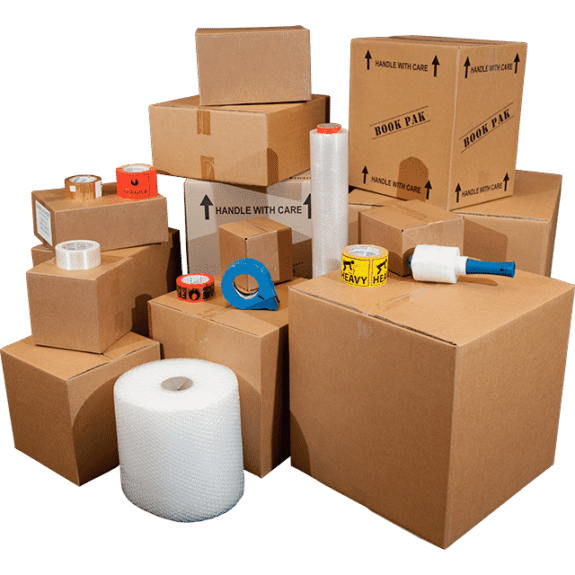
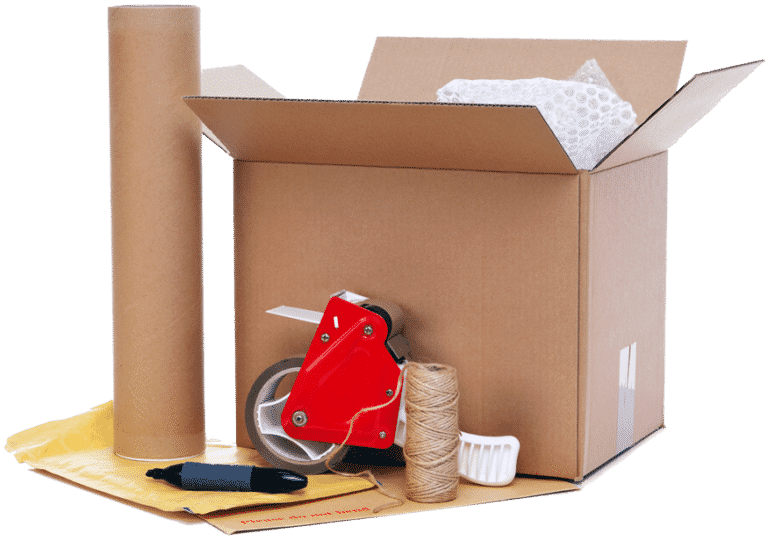
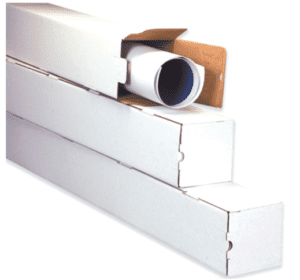
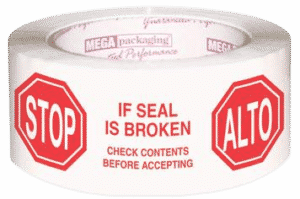
We supply businesses with a wide selection of essential packaging, shipping, and warehouse supplies. Get any standard packaging product by dimension or style from boxes, tubes, tapes, labels, and more. If you are unsure on what type of packaging you will need, then contact us for an expert consultation.


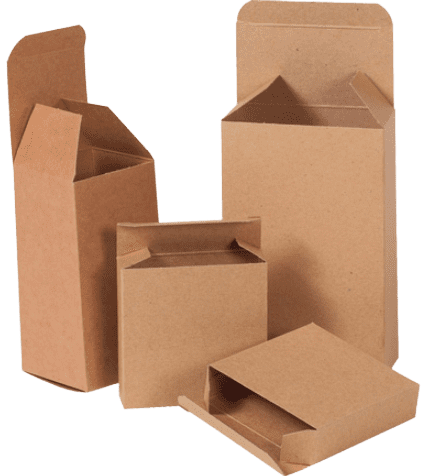
Stock packaging refers to pre-made, ready-to-ship packaging solutions like corrugated boxes, mailers, and protective materials that are designed to meet a wide range of standard needs across shipping, retail, and storage. Unlike custom packaging, stock options offer quick availability and reliable protection without the need for extensive design or production time, making them ideal for businesses needing efficient, high-quality solutions with fast lead times.

At Brown Packaging, we focus on providing durable, performance-driven stock packaging that supports our clients’ operational needs. Our stock products are sourced to ensure consistent quality and cost-effectiveness, offering a practical solution to keep operations running smoothly and on schedule. With an emphasis on reliability, we help our clients quickly access packaging solutions that meet their specific needs while maintaining quality across every order.

stock packaging products

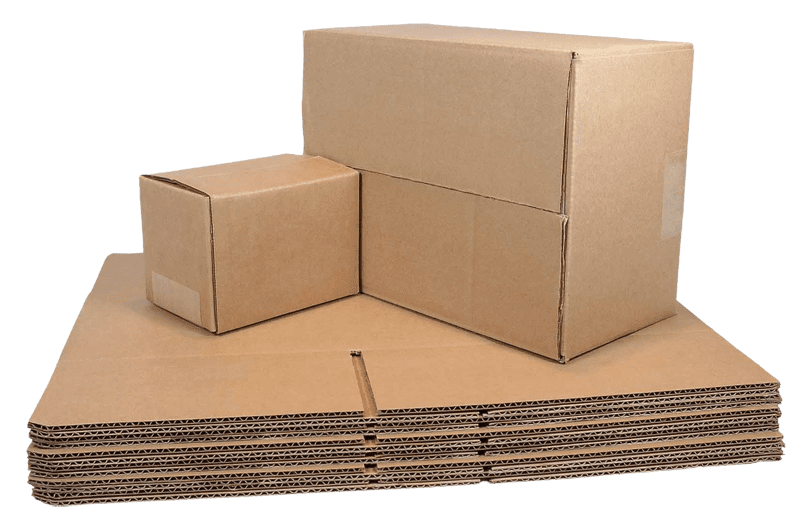
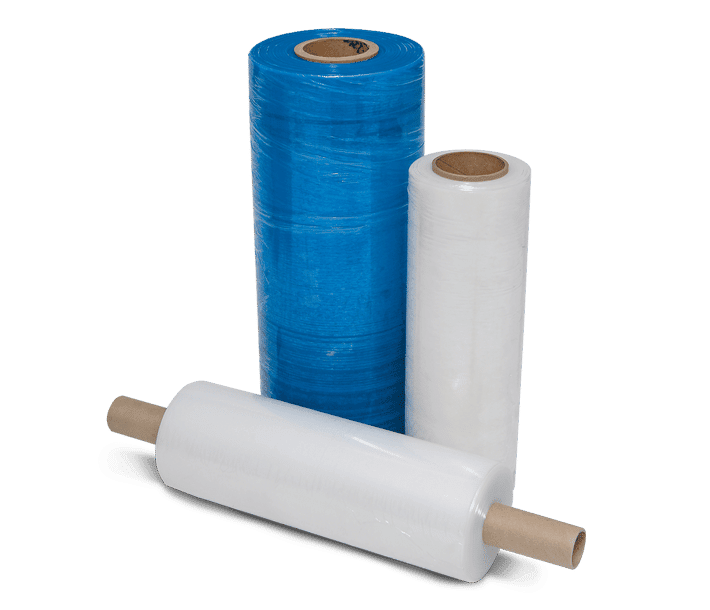
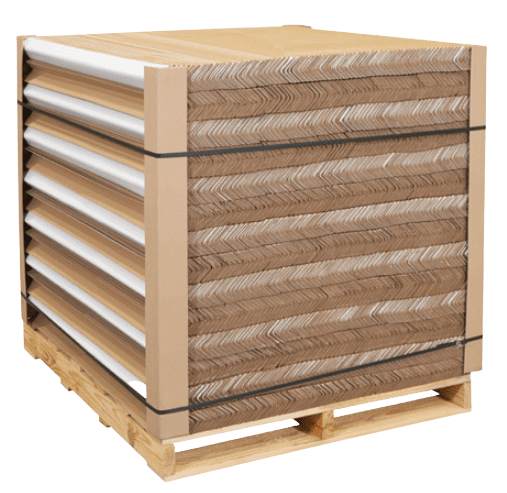
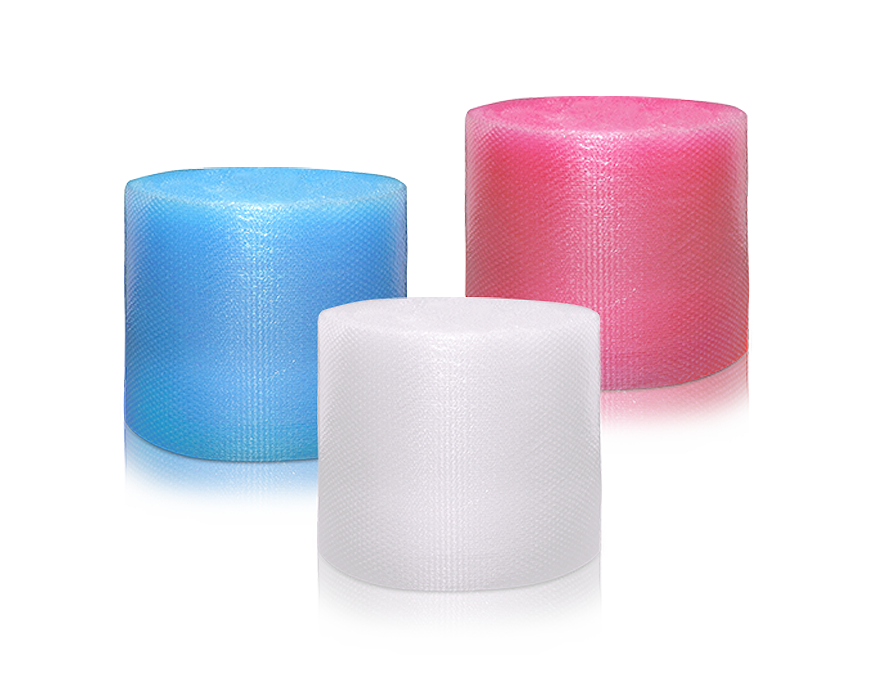
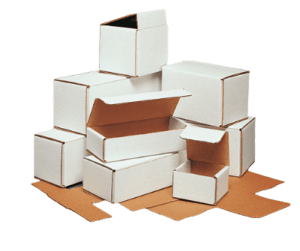
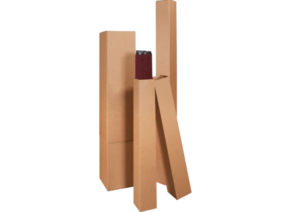
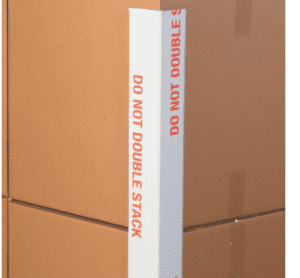
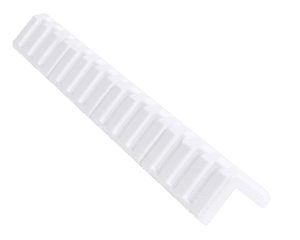
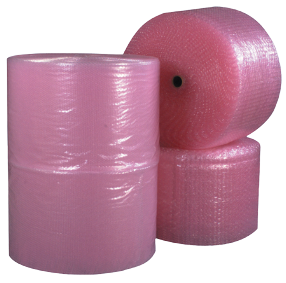
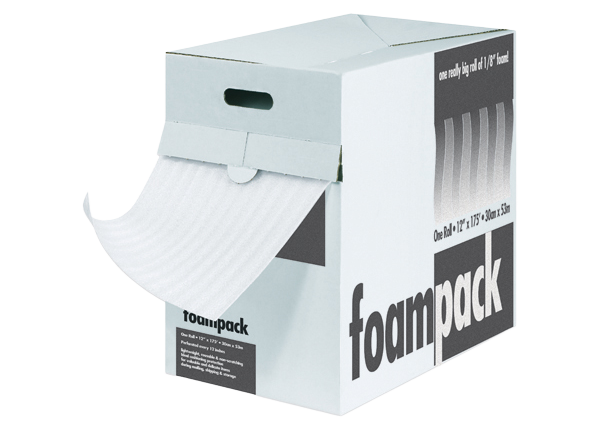
Our stock packaging products, from corrugated boxes to stretch film, offer a wide selection, including essentials like tape, edge protectors, labels, and more, with quick turnaround times to meet your packaging needs efficiently.

Edit Content
Edit Content
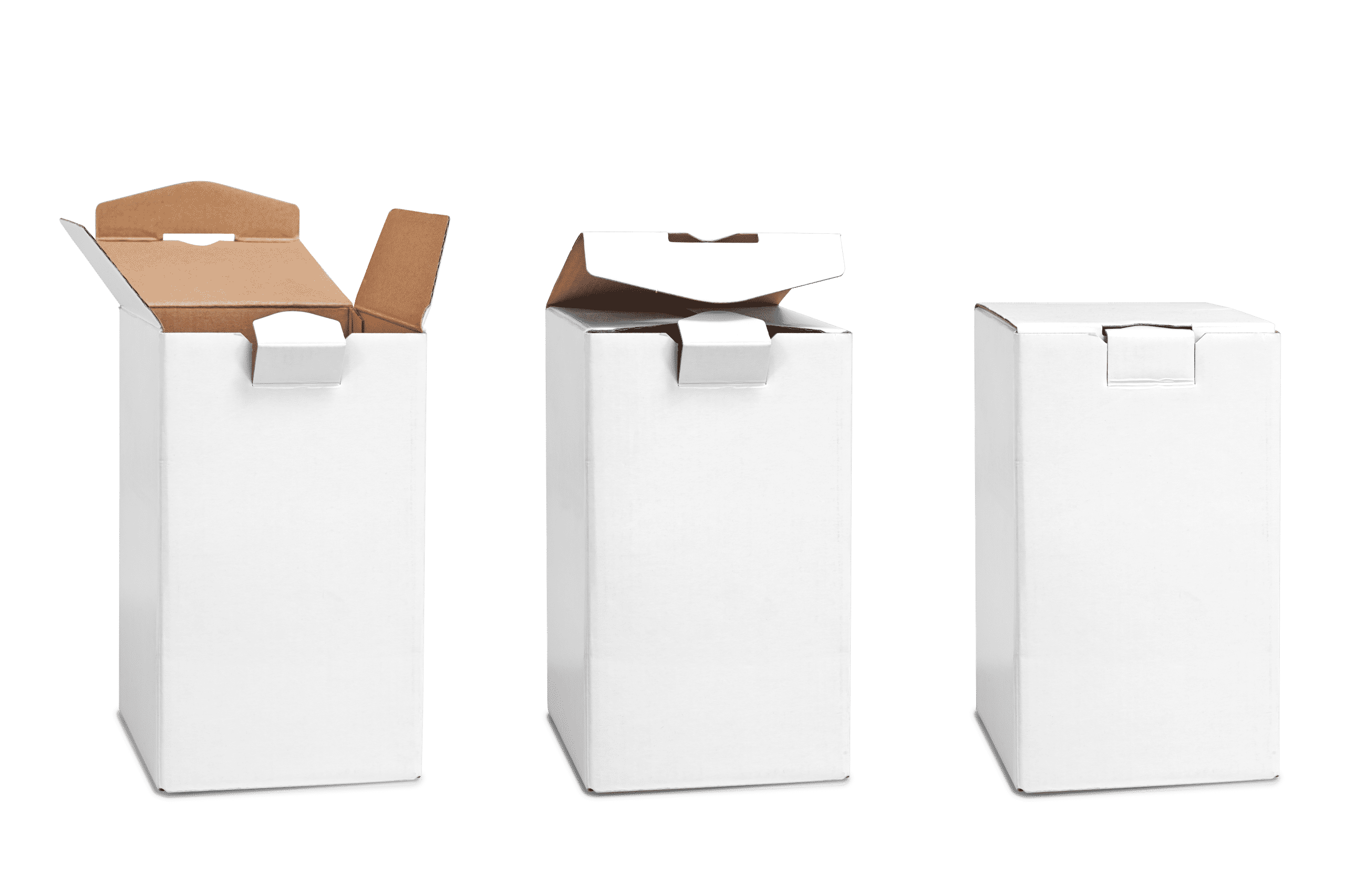
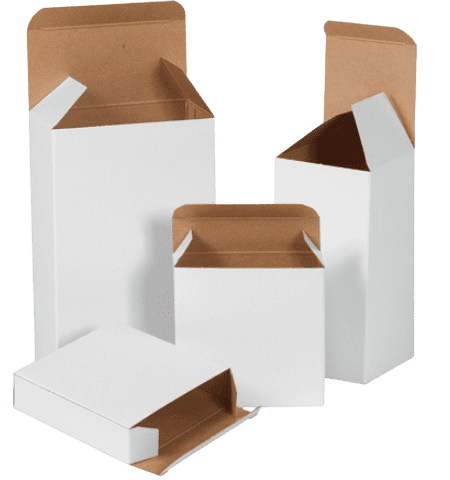
Folding Cartons
Pads
Apparel Boxes
Jewelry Boxes
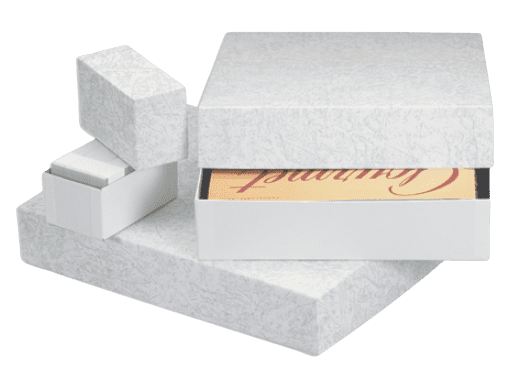
Setup Cartons
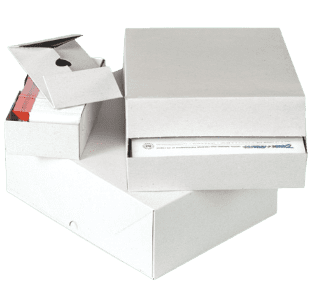
Stationary Cartons
Edit Content
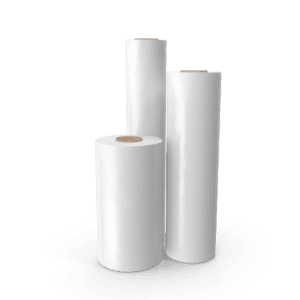
Cast Film
Blown Film
Conventional Film
Engineered Film
Pre-Stretched Film
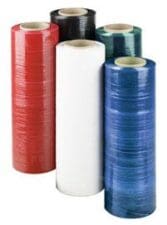
Hand Film
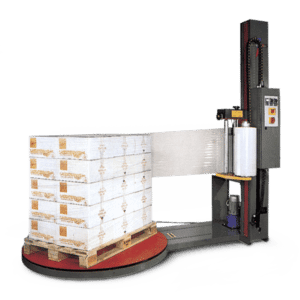
Machine Film
Edit Content
Light Duty
Medium Duty
Heavy Duty
Foam
Strapping
Frame Protectors
Edit Content
Edit Content
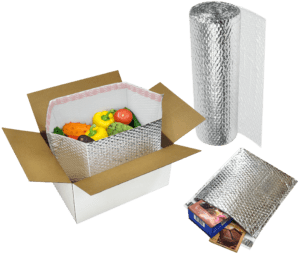
Box Liner
Metalized Pouch
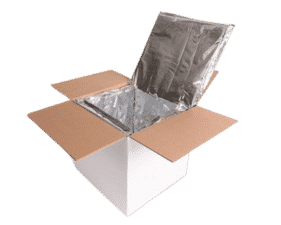
Foam Cooler
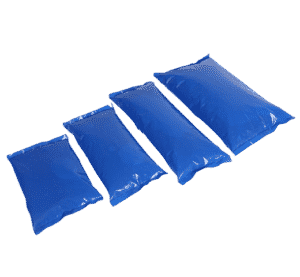
Ice Pack
Gel Pack
Edit Content
Edit Content
Edit Content
Folding Cartons
Pads
Apparel Boxes
Jewelry Boxes
Setup Cartons
Stationary Cartons
Edit Content
Cast Film
Blown Film
Conventional Film
Engineered Film
Pre-Stretched Film
Hand Film
Machine Film
Edit Content
Click on the Edit Content button to edit/add the content.
Edit Content
Edit Content
Box Liner
Metalized Pouch
Foam Cooler
Ice Pack
Gel Pack
Edit Content

If you need any assistance with your packaging or have a question, then contact us directly at request@brownpackaging.com  or  (714)300-0650. Learn more about custom packaging by reading our blog posts on new and trending topics.

custom pouch
Packaging
brownpackaging
Primary Packaging: The First Line of Defense for Products

In the world of product manufacturing and retail, packaging plays a crucial role in protecting products, attracting consumers, and conveying brand messages. Among the various types of packaging, primary packaging holds a special place as it is the first and most direct form of packaging around a product. This blog post aims to explore the concept of primary packaging, its importance, and its various forms. What is Primary Packaging? Primary packaging is the material that first envelops the product and holds it. This type of packaging is in direct contact with the product itself and is often the last to be opened by the consumer before using the product. It serves several critical functions, from protecting the product to providing consumer information and aiding in marketing efforts. The Role of Primary Packaging Protection: The most fundamental role of primary packaging is to protect the product from damage, contamination, and tampering. It ensures the product remains intact and safe for use from the production line until it reaches the consumer. Preservation: For many products, especially food items and pharmaceuticals, primary packaging plays a crucial role in preserving the quality and extending the shelf life of the product by providing barriers to moisture, light, and air. Information and Compliance: Primary packaging is a key medium for conveying necessary product information, instructions for use, ingredients or contents, and compliance with regulatory requirements. Branding and Marketing: Often the first thing a consumer interacts with, primary packaging is an important branding tool. Its design, colors, and materials can significantly influence purchasing decisions and brand perception. Types of Primary Packaging Primary packaging can vary greatly depending on the product. Common types include: Bottles and Jars: Used for liquids and creams in the beverage, beauty, and pharmaceutical industries. Boxes and Cartons: Often used for electronics, cosmetics, and house hold items. Flexible Packaging: Such as pouches or bags, commonly used for snacks, grains, and frozen foods. Blister Packs: ideal for medical devices and electronics. Tubes: For semi-solid products like toothpaste or certain food items. Materials Used in Primary Packaging The choice of material for primary packaging is determined by the product’s needs and includes: Plastics: Versatile and widely used, suitable for a range of products. Glass: Preferred for its non-reactive nature, especially for food and pharmaceuticals. Metal: Often used for its durability and protective qualities. Paper and Cardboard: Commonly used for their recyclability and lightweight properties. Design Considerations in Primary Packaging Designing primary packaging requires a balance between functionality and aesthetics. It should be user-friendly, secure, and aligned with the brand’s identity. Additionally, sustainable design practices are increasingly important to reduce environmental impact. Innovation and Trends in Primary Packaging The primary packaging sector is seeing innovations like smart packaging, which includes the use of QR codes and RFID technology, and sustainable alternatives like biodegradable materials and minimalist designs. If you are interested in primary packaging, then partner with Brown Packaging today to get started. (714)300-0650 request@brownpackaging.com Most Recent Posts: Categories: Corrugated Ecommerce ESD Design Display Flexible Packaging Foam Folding Carton Packaging Plastic Packaging Pouch Printing Protection Retail Rigid Box Thermoform Sustainability Subscribe To Our Newsletter By submitting your information, you agree to our terms and conditions and privacy policy. Custom Packaging Facebook Twitter LinkedIn Pinterest Relevant Posts

Read More »
8 Key Factors for Buyers to Revisit When Improving Packaging
Packaging
brownpackaging
8 Key Factors for Buyers to Revisit When Improving Packaging

In the competitive and dynamic field of packaging, buyers are continually seeking ways to enhance their packaging strategies. From increasing efficiency and sustainability to reducing costs, understanding the right factors to evaluate is crucial for making informed improvements. This blog post focuses on the essential factors buyers should consider in their packaging assessment and optimization efforts. Key Factors Overview: Cost Analysis Packaging Performance Sustainability Factors Packaging Efficiency Customer Satisfaction Supplier Performance Compliance and Regulatory Standards Innovation and Market Trends Now, let’s delve into each of these factors in detail.   Cost Analysis Evaluating the financial aspects of packaging is critical. This includes assessing material and production costs, shipping and handling expenses, and the total cost of ownership, which encompasses all related long-term costs. Packaging Performance The effectiveness of packaging in protecting the product is paramount. Important aspects include the damage rate during shipping, the shelf life of perishable goods, and the frequency of product returns due to packaging inadequacies. Sustainability Factors With increasing environmental awareness, it’s essential to measure the sustainability of your packaging. This involves looking at recyclability rates, the carbon footprint of packaging materials, and the use of renewable resources. Packaging Efficiency Efficiency in packaging relates to how well space is utilized and the optimization of the packaging process. Factors to consider include the fill rate, packaging time, and storage efficiency in warehousing. Customer Satisfaction The impact of packaging on the end-user experience is a crucial metric. This covers areas such as customer feedback, the unboxing experience, and the overall aesthetic and design appeal of the packaging. Supplier Performance Evaluating the performance of your packaging suppliers is vital for maintaining quality and efficiency. Key aspects include supplier lead times, consistency in quality, and their flexibility to meet changing demands. Compliance and Regulatory Standards Ensuring that your packaging meets all regulatory compliance and industry standards is crucial. This includes adhering to specific packaging laws and maintaining product safety standards. Innovation and Market Trends Staying abreast of the latest innovations and market trends in packaging can provide a competitive edge. This includes exploring emerging materials and technologies and understanding evolving consumer preferences. If you are interested in making improvements on your existing or future packaging, then partner with Brown Packaging today to get started. (714)300-0650 request@brownpackaging.com Most Recent Posts: Categories: Corrugated Ecommerce Design Foam Folding Carton Packaging Plastic Packaging Pouch Retail Rigid Box Thermoform Sustainability Subscribe To Our Newsletter By submitting your information, you agree to our terms and conditions and privacy policy. Custom Packaging Facebook Twitter LinkedIn Pinterest Relevant Posts

Read More »
Why Size and Strength Matter in Corrugated Boxes
Corrugated
brownpackaging
Why Size and Strength Matter in Corrugated Boxes

Corrugated boxes, commonly referred to as cardboard boxes, are a ubiquitous presence in our day-to-day lives. From moving houses to shipping products, these boxes are employed in a myriad of applications. As varied as their uses are, so are the demands placed upon them. Two critical factors dictate the effectiveness of a corrugated box: its size and its strength. Let’s delve deep into why these aspects are so important. Ensuring the Right Fit Protecting Contents An appropriately sized box ensures that the products inside do not jostle or shift significantly during transit. If a product is moving freely within a box, it’s more susceptible to damage from impacts or sudden movements. Efficient Space Utilization Especially when it comes to storage or shipping, using boxes of the correct size ensures maximum utilization of available space, whether in a warehouse or a shipping container. Overly large boxes waste space, while small ones may necessitate the use of multiple boxes where one might have sufficed. Cost Efficiency Using the right-sized box can save costs. Employing a box larger than necessary implies more material usage and potentially increased shipping costs based on dimensional weight pricing. Strength to Withstand Pressure Material Composition The strength of a corrugated box is primarily determined by the composition and configuration of its corrugated fibers. There are various flute sizes, with larger flutes providing more cushioning and smaller ones offering better printability and foldability. Stacking Strength When boxes are stacked, especially in storage or during shipping, the strength of the box determines how much weight it can bear without collapsing. A box with appropriate strength will ensure that the contents are not crushed, regardless of its position in a stack. Environmental Protection A sturdy corrugated box can provide some protection against environmental factors like humidity or minor water exposure. The corrugated design, combined with certain coatings or treatments, can help resist moisture infiltration. Balancing Strength with Weight While strength is essential, it’s also crucial to consider the weight of the box. Overly thick or heavy boxes can increase shipping costs and may be overkill for certain lightweight items. The strength-to-weight ratio is thus a crucial aspect when determining the best box for the job. Sustainability Considerations Today, environmental concerns play a significant role in packaging decisions. Corrugated boxes are favored because they are often made from recycled material and are recyclable themselves. By ensuring that a box is neither too big nor stronger than necessary, resources are conserved, and waste is minimized, contributing to a more sustainable packaging solution. Conclusion When selecting a corrugated box, one must consider both size and strength in conjunction to ensure the safety of its contents, cost-efficiency, and optimum space utilization. With the rising emphasis on sustainability, it’s also crucial to choose boxes that align with environmental goals. Whether you’re a business owner or simply moving to a new house, understanding the significance of these factors can make a world of difference in your packing and shipping endeavors. If you are interested in corrugated boxes, then partner with Brown Packaging today to get started. (714)300-0650 request@brownpackaging.com Most Recent Posts: Categories: Corrugated Ecommerce ESD Design Folding Carton Packaging Printing Protection Retail Rigid Box Sustainability Subscribe To Our Newsletter By submitting your information, you agree to our terms and conditions and privacy policy. Custom Corrugated Boxes Facebook Twitter LinkedIn Pinterest Relevant Posts

Read More »