





window.uetq = window.uetq || []; window.uetq.push(‘event’, ‘submit_lead_form’,{ event_label:‘SUBMIT MESSAGE’ }); window.lintrk('track', { conversion_id: 10271009 }); window.lintrk('track', { conversion_id: 10271017 });

Stock Packaging

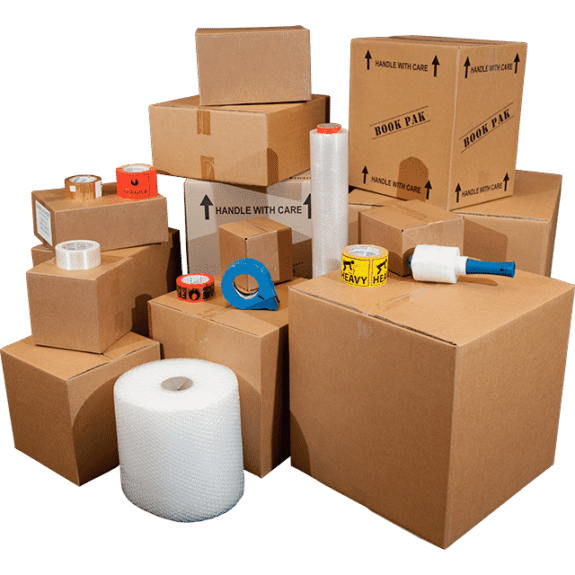
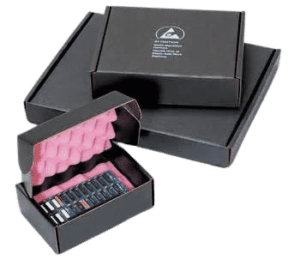
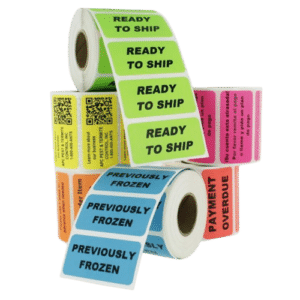
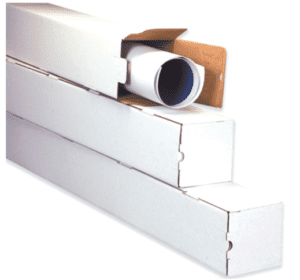
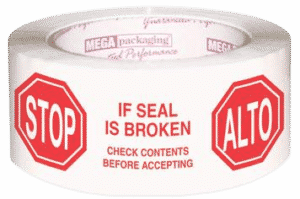
We supply businesses with a wide selection of essential packaging, shipping, and warehouse supplies. Get any standard packaging product by dimension or style from boxes, tubes, tapes, labels, and more. If you are unsure on what type of packaging you will need, then contact us for an expert consultation.


Stock packaging refers to pre-made, ready-to-ship packaging solutions like corrugated boxes, mailers, and protective materials that are designed to meet a wide range of standard needs across shipping, retail, and storage. Unlike custom packaging, stock options offer quick availability and reliable protection without the need for extensive design or production time, making them ideal for businesses needing efficient, high-quality solutions with fast lead times.

At Brown Packaging, we focus on providing durable, performance-driven stock packaging that supports our clients’ operational needs. Our stock products are sourced to ensure consistent quality and cost-effectiveness, offering a practical solution to keep operations running smoothly and on schedule. With an emphasis on reliability, we help our clients quickly access packaging solutions that meet their specific needs while maintaining quality across every order.

stock packaging products

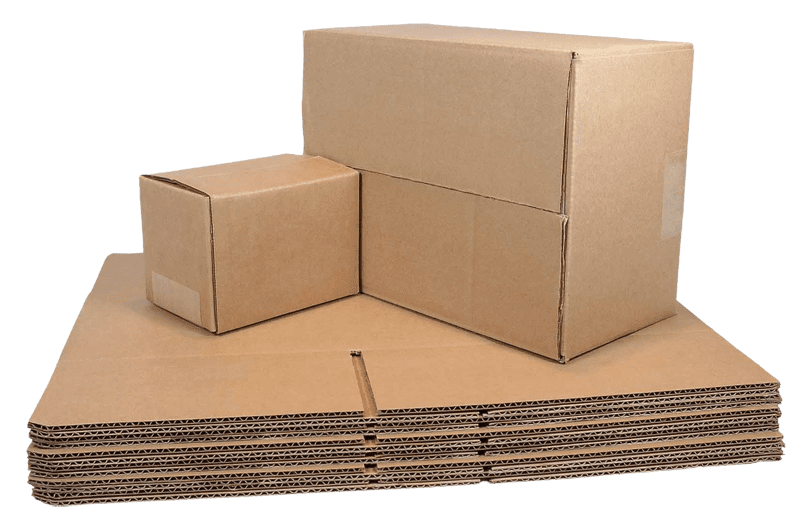
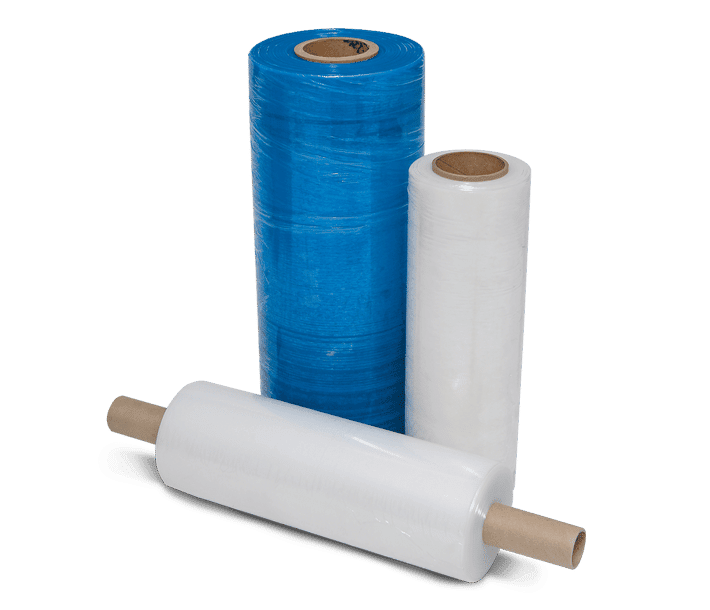
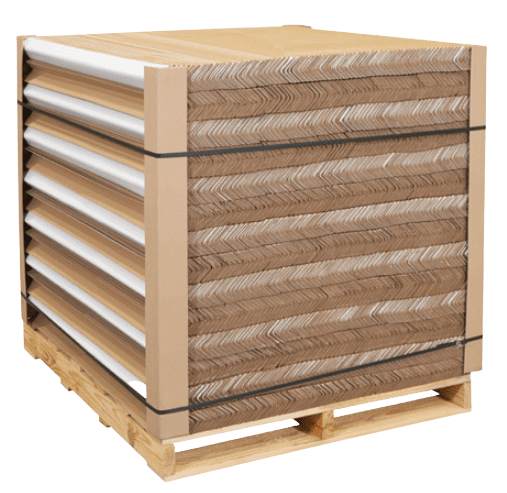
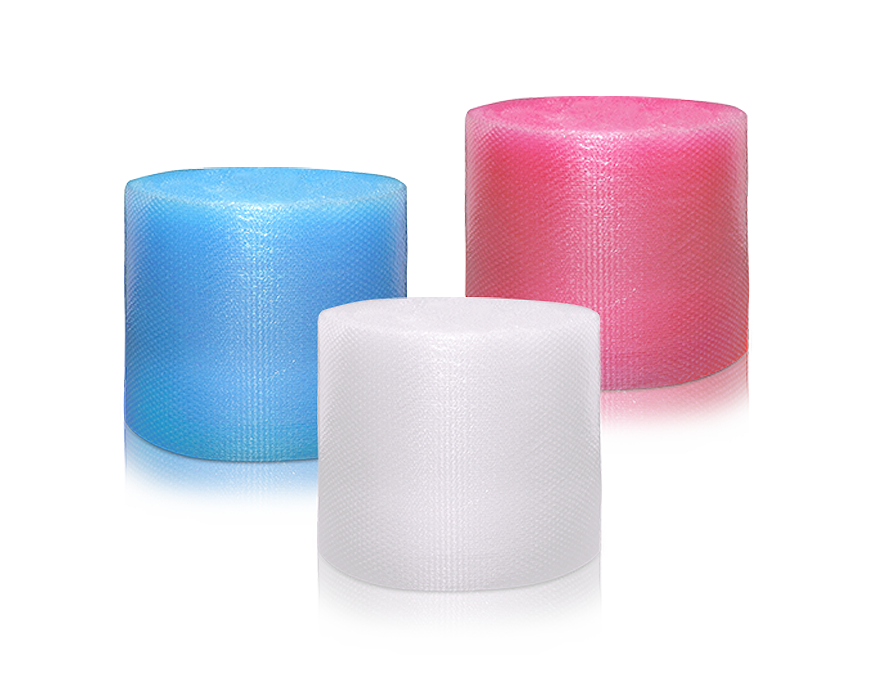
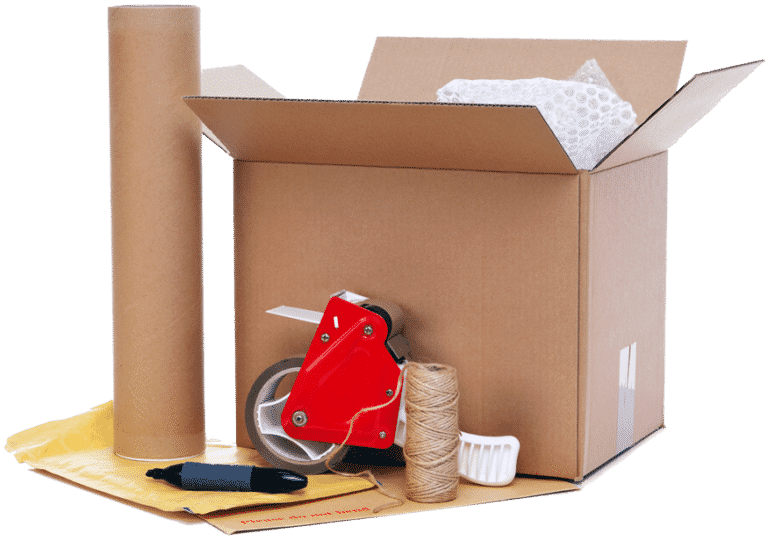
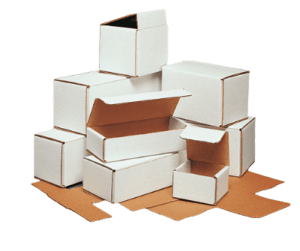
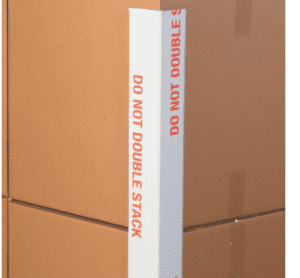
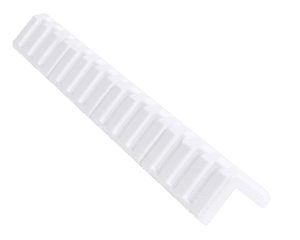
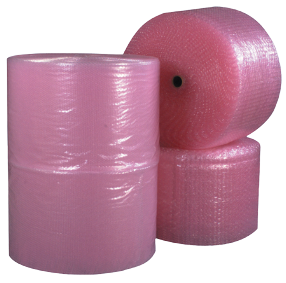
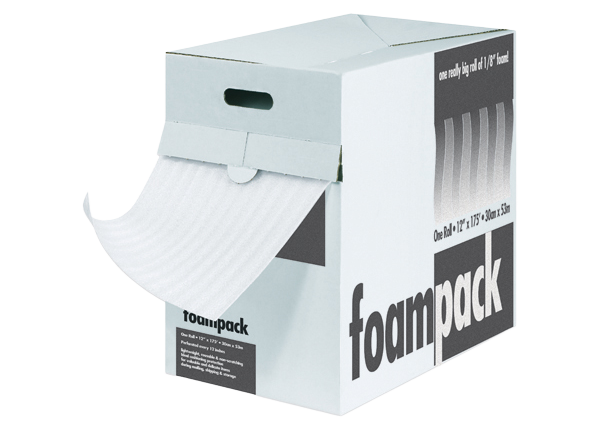
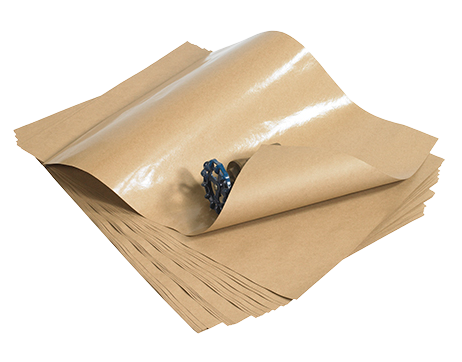
Our stock packaging products, from corrugated boxes to stretch film, offer a wide selection, including essentials like tape, edge protectors, labels, and more, with quick turnaround times to meet your packaging needs efficiently.

Edit Content
Edit Content
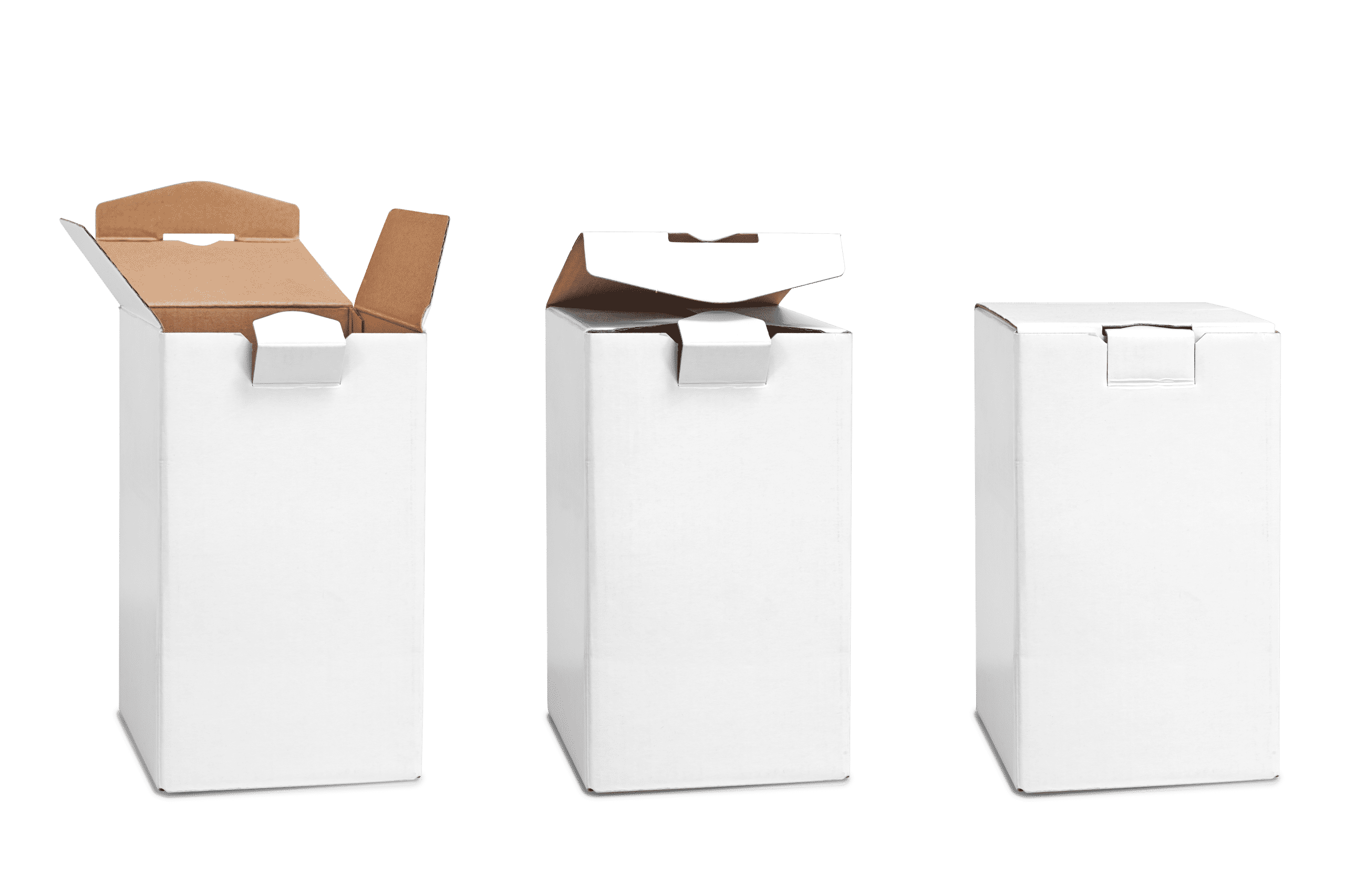
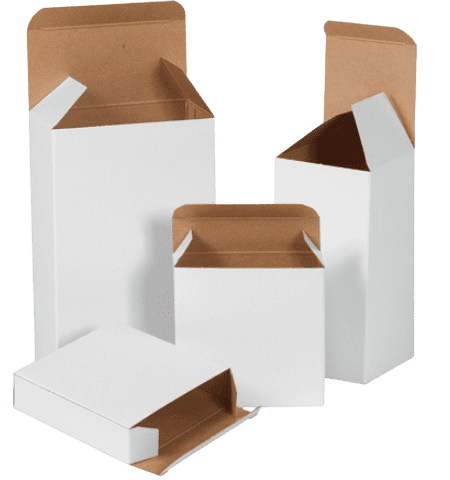
Folding Cartons
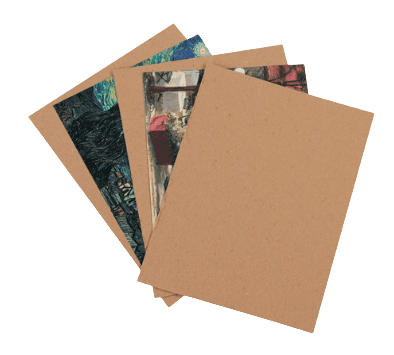
Pads
Apparel Boxes
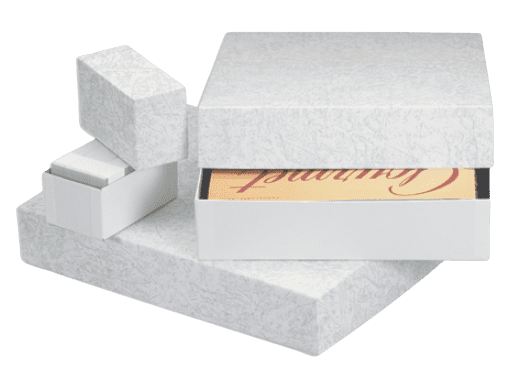
Jewelry Boxes
Setup Cartons
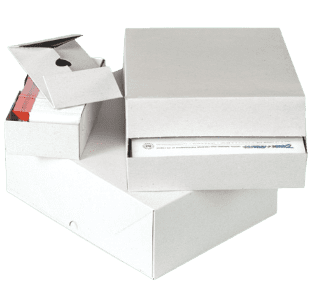
Stationary Cartons
Edit Content
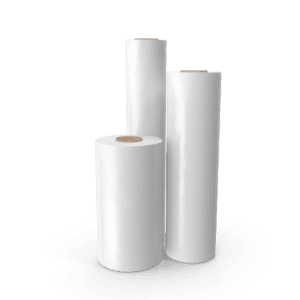
Cast Film
Blown Film
Conventional Film
Engineered Film
Pre-Stretched Film
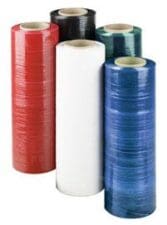
Hand Film
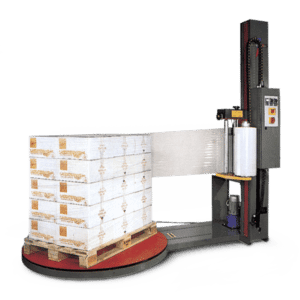
Machine Film
Edit Content
Light Duty
Medium Duty
Heavy Duty
Foam
Strapping
Frame Protectors
Edit Content
Edit Content
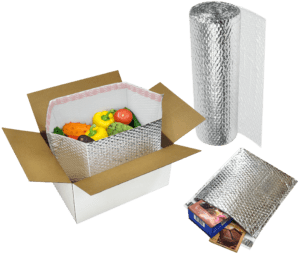
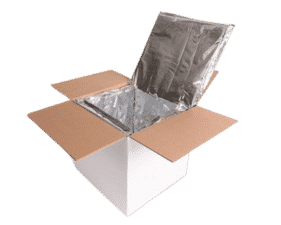
Box Liner
Metalized Pouch
Foam Cooler
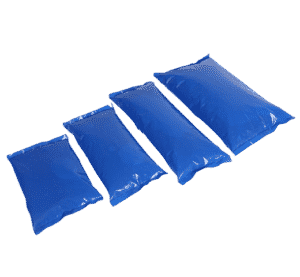
Ice Pack
Gel Pack
Edit Content
Edit Content
Edit Content
Folding Cartons
Pads
Apparel Boxes
Jewelry Boxes
Setup Cartons
Stationary Cartons
Edit Content
Cast Film
Blown Film
Conventional Film
Engineered Film
Pre-Stretched Film
Hand Film
Machine Film
Edit Content
Click on the Edit Content button to edit/add the content.
Edit Content
Edit Content
Box Liner
Metalized Pouch
Foam Cooler
Ice Pack
Gel Pack
Edit Content

If you need any assistance with your packaging or have a question, then contact us directly at request@brownpackaging.com  or  (714)300-0650. Learn more about custom packaging by reading our blog posts on new and trending topics.

Custom corrugated mailer box for wine subscription
Packaging
brownpackaging
The Essential Role of Secondary Packaging in Product Success

Secondary packaging plays a vital role in the supply chain, influencing marketing, protection, and logistics. It’s an integral component for businesses in various industries. In this blog, we explore the essence of secondary packaging, its significance, various types, applications, and its distinction from primary and tertiary packaging. Understanding Secondary Packaging Secondary packaging encases the primary packaging of a product. It doesn’t come into direct contact with the product but serves as an additional protective layer. This layer of packaging, often seen on store shelves, is crucial in both marketing and safeguarding products during their journey from manufacturer to consumer. The Significance of Secondary Packaging The role of secondary packaging extends beyond mere protection. It is an essential element for branding and marketing, drawing consumer attention with its design and graphics. It also simplifies handling, storage, and transportation of products, particularly in bulk. Additionally, secondary packaging can be a valuable source of product information, such as instructions or ingredients. In today’s environmentally conscious market, eco-friendly secondary packaging options are increasingly important for both brand image and environmental responsibility. Different Types of Secondary Packaging There’s a variety of secondary packaging materials and styles, each suited to different product types and industries. Common forms include boxes and cartons, which offer robust protection and ample branding space. Shrink wrap is great for bundling items like beverages together. Paperboard packaging, often seen in cosmetics and pharmaceuticals, strikes a balance between protection and aesthetic appeal. Plastic cases are another option, offering durability for items like electronics and tools. Applications Across Industries Secondary packaging finds its place in diverse sectors. In the food and beverage industry, it’s crucial for the safe transportation and storage of items. The pharmaceutical industry relies on it for additional protection and information dissemination for medications. In cosmetics and personal care, it enhances brand visibility and safeguards delicate products. For electronics, it provides necessary protection against various environmental factors. Comparing Packaging Levels Secondary packaging differs from primary and tertiary packaging in its focus and function. While primary packaging is in direct contact with the product, such as a beverage bottle, and is mainly concerned with preservation and initial presentation, secondary packaging focuses more on branding, bulk handling, and additional protection. Tertiary packaging, on the other hand, is used for larger-scale handling and transportation, involving items like pallets and crates. Conclusion Secondary packaging is a multifaceted element in product distribution, crucial for protection, presentation, and logistics. It’s not just about safeguarding the product; it’s about enhancing brand value, ensuring product safety, appealing to the target audience, and considering the environmental impact. Thoughtful secondary packaging choices can significantly influence a product’s success in the market. If you are interested in secondary packaging, then partner with Brown Packaging today to get started. (714)300-0650 request@brownpackaging.com Most Recent Posts: Categories: Corrugated Ecommerce ESD Design Display Flexible Packaging Foam Folding Carton Packaging Plastic Packaging Pouch Printing Protection Retail Rigid Box Thermoform Sustainability Subscribe To Our Newsletter By submitting your information, you agree to our terms and conditions and privacy policy. Custom Packaging Facebook Twitter LinkedIn Pinterest Relevant Posts

Read More »
Common Packaging Mistakes Leading to Product Rejection in Retail
Retail
brownpackaging
7 Packaging Mistakes Leading to Product Rejection in Retail

Launching a product in a retail chain or club store is a significant milestone for any brand. However, this process can come with challenges, particularly when it comes to meeting specific packaging guidelines. Non-compliance with these guidelines often leads to product rejection, a setback that can be costly both in terms of time and resources. This blog post lists some of the biggest mistake’s brands make in their packaging, which lead to rejection by retail chains and club stores. Ignoring Specific Packaging Requirements Each retail chain or club store has its own set of packaging requirements. Common oversights include: Size and Dimension Neglect: Packaging that is too large or too small for standard shelving can lead to rejection. Material Restrictions: Some retailers have restrictions on certain packaging materials, often for sustainability reasons. Inadequate Packaging Strength: Packaging that doesn’t provide sufficient protection to withstand the retail environment. Inadequate Branding and Design Packaging that fails to stand out or communicate the brand effectively can be detrimental. Poor Visibility: Designs that don’t catch the consumer’s eye or blend in too much with competitors. Confusing Messaging: Packaging that fails to clearly communicate what the product is and its benefits. Non-Compliance with Branding Guidelines: Retailers may have specific branding guidelines that need to be adhered to. Failure to Consider User Experience User experience is paramount, and overlooking it can lead to product rejection. Difficult to Open or Use: Packaging that is consumer-unfriendly can be a significant deterrent. Lack of Information: Essential information like usage instructions, ingredients, or warnings needs to be clear and easily accessible. Non-Adherence to Regulatory Compliance Not complying with legal and regulatory requirements is a serious error. Missing or Incorrect Labeling: This includes nutritional information, ingredient lists, and safety warnings. Barcode Issues: Barcodes that are incorrectly placed or hard to scan can lead to logistical issues. Underestimating the Importance of Sustainability Sustainability is increasingly becoming a priority for retailers and consumers alike. Non-Recyclable Materials: Using materials that are not eco-friendly can be a reason for rejection. Excessive Packaging: Over-packaging not only wastes resources but can also be looked down upon by eco-conscious retailers and consumers. Overlooking Transportation and Storage Requirements Failing to consider how a product is transported and stored can lead to packaging damages and subsequent rejection. Poorly Designed for Shipping: Packaging that doesn’t protect the product during transit. Storage Inefficiency: Packaging that isn’t designed for efficient storage can be problematic in the retail space. Ignoring Cost-Effectiveness Retailers are always looking for products that offer them a good margin. Overpriced Packaging: Excessively expensive packaging can drive up the product cost, making it less attractive to retailers. Inefficient Packaging Process: Packaging that is costly or time-consuming to assemble can also be a drawback. If you are looking interested in retail packaging, contact Brown Packaging today to get started. (714)300-0650 request@brownpackaging.com Most Recent Posts: Categories: Corrugated Ecommerce ESD Design Display Flexible Packaging Foam Folding Carton Packaging Plastic Packaging Pouch Printing Protection Retail Rigid Box Thermoform Sustainability Subscribe To Our Newsletter By submitting your information, you agree to our terms and conditions and privacy policy. Retail Packaging Facebook Twitter LinkedIn Pinterest Relevant Posts

Read More »
Packaging for Millennials: Strategies to Captivate a Key Demographic
Packaging
brownpackaging
How to Package for Millennials

Millennials, born roughly between 1981 and 1996, have become a dominant force in the consumer market. Their unique preferences and values significantly influence packaging trends. Brands looking to appeal to this demographic need to understand what resonates with them. This blog post explores effective packaging strategies that can attract and engage millennials. Understanding Millennial Values To design packaging that appeals to millennials, it’s crucial to grasp their values: Sustainability: Millennials are environmentally conscious and prefer brands that demonstrate a commitment to sustainability. Authenticity and Originality: They value originality and authenticity, both in product and packaging. Convenience and Functionality: This demographic appreciates practicality and ease of use in packaging. Digital Connectivity: Millennials are digital natives and respond well to packaging that integrates digital elements. Designing with Sustainability in Mind Sustainability is more than a buzzword for millennials; it’s a crucial purchasing factor. Eco-friendly Materials: Use recyclable, biodegradable, or compostable materials. Minimalism: Adopt a minimalist approach to packaging, reducing unnecessary waste. Transparency: Clearly communicate your brand’s sustainability efforts on the packaging. Creating Authentic and Original Designs Millennials are drawn to packaging that feels genuine and unique. Storytelling: Use packaging to tell a story about your brand or product. This could include information about the product’s origins or the brand’s journey. Unique Aesthetics: Stand out with creative, unconventional designs. Bold colors, interesting textures, and unique shapes can make your product pop on the shelf. Personalization: Offer personalized packaging options when possible, as millennials appreciate a tailored experience. Prioritizing Convenience and Functionality Functional packaging that makes life easier can be a big draw. Ease of Use: Ensure that packaging is easy to open, use, and store. Portability: Consider the on-the-go lifestyle of many millennials and design packaging that is portable and travel-friendly. Reusability: Design packaging that has a secondary use, adding value for the consumer. Integrating Digital Elements Leveraging technology can create a more engaging experience. QR Codes and AR: Incorporate QR codes that lead to digital content or use augmented reality (AR) to provide interactive experiences. Social Media-Friendly: Design packaging that is visually appealing for sharing on social media platforms. Consider how your packaging can encourage user-generated content. Being Transparent and Informational Millennials appreciate transparency and detailed information. Clear Labeling: Provide clear, honest information about the product. This includes ingredients, usage instructions, and any health benefits. Educational Content: Use packaging to educate consumers about the product or related topics. If you are interested in packaging for millennials, then partner with Brown Packaging today to get started. (714)300-0650 request@brownpackaging.com Most Recent Posts: Categories: Corrugated Ecommerce ESD Design Display Flexible Packaging Foam Folding Carton Packaging Plastic Packaging Pouch Printing Protection Retail Rigid Box Thermoform Sustainability Subscribe To Our Newsletter By submitting your information, you agree to our terms and conditions and privacy policy. Custom Packaging Facebook Twitter LinkedIn Pinterest Relevant Posts

Read More »