








window.uetq = window.uetq || []; window.uetq.push(‘event’, ‘submit_lead_form’,{ event_label:‘SUBMIT MESSAGE’ }); window.lintrk('track', { conversion_id: 10271009 }); window.lintrk('track', { conversion_id: 10271017 });

Stock Packaging

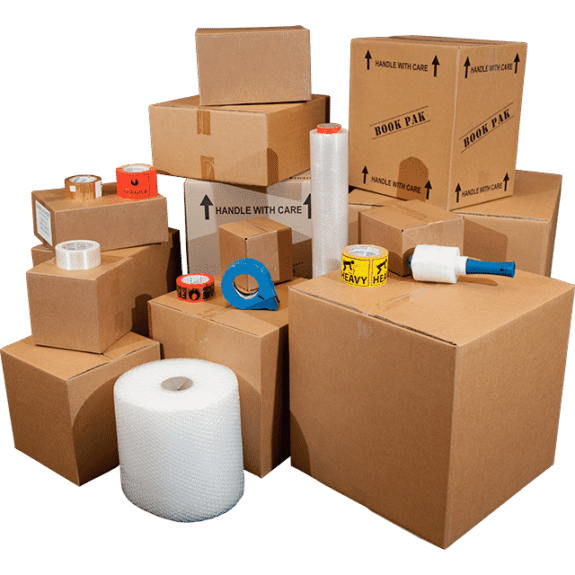
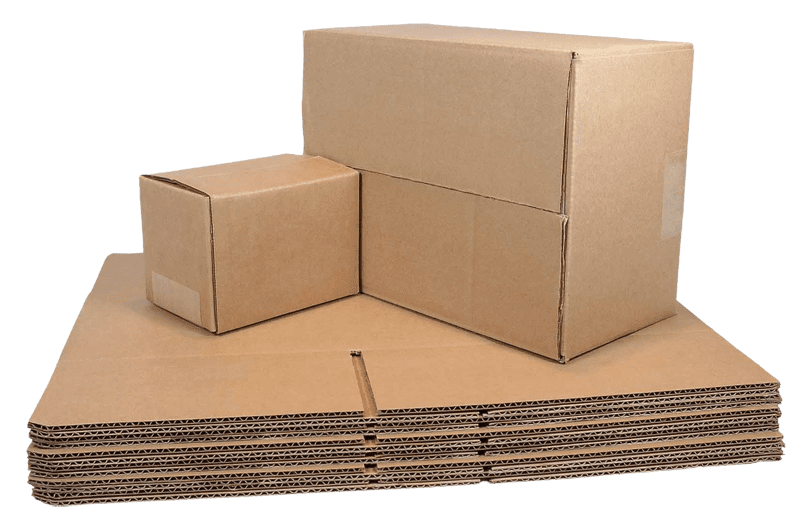
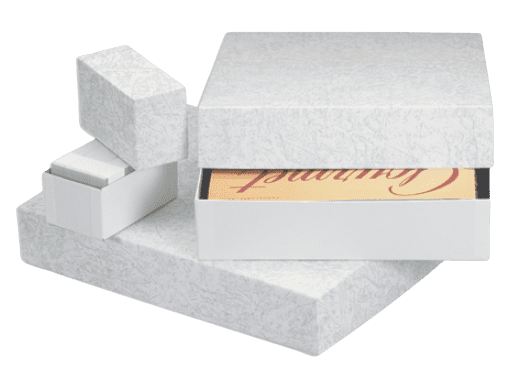
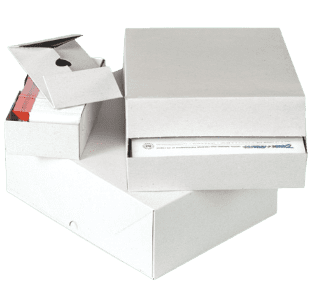
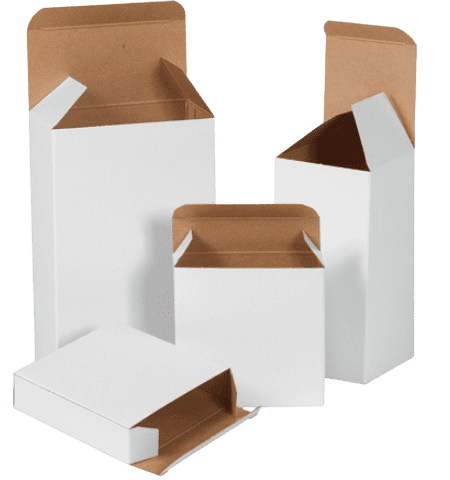
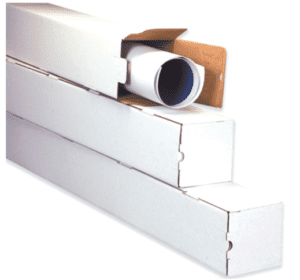
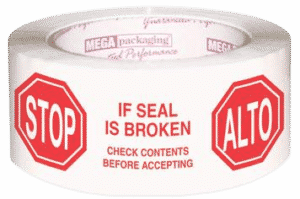
We supply businesses with a wide selection of essential packaging, shipping, and warehouse supplies. Get any standard packaging product by dimension or style from boxes, tubes, tapes, labels, and more. If you are unsure on what type of packaging you will need, then contact us for an expert consultation.


Stock packaging refers to pre-made, ready-to-ship packaging solutions like corrugated boxes, mailers, and protective materials that are designed to meet a wide range of standard needs across shipping, retail, and storage. Unlike custom packaging, stock options offer quick availability and reliable protection without the need for extensive design or production time, making them ideal for businesses needing efficient, high-quality solutions with fast lead times.

At Brown Packaging, we focus on providing durable, performance-driven stock packaging that supports our clients’ operational needs. Our stock products are sourced to ensure consistent quality and cost-effectiveness, offering a practical solution to keep operations running smoothly and on schedule. With an emphasis on reliability, we help our clients quickly access packaging solutions that meet their specific needs while maintaining quality across every order.

stock packaging products

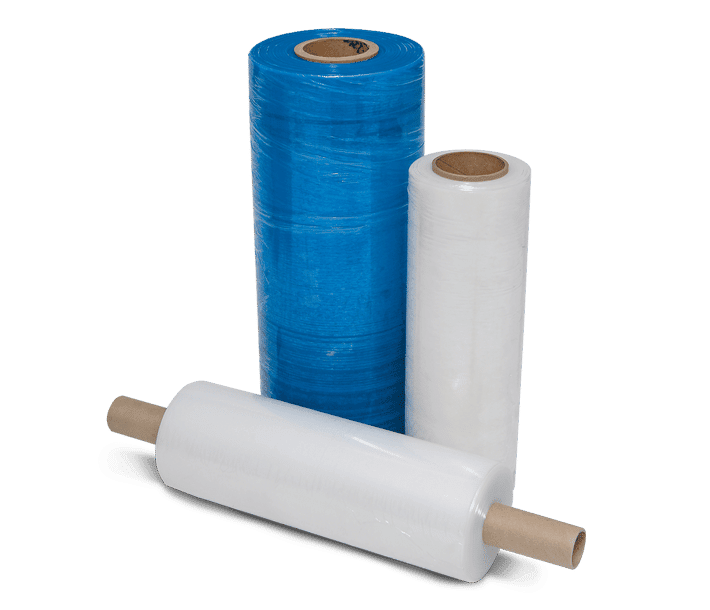
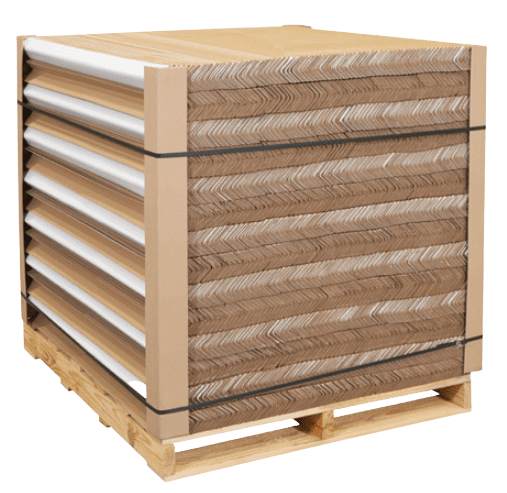
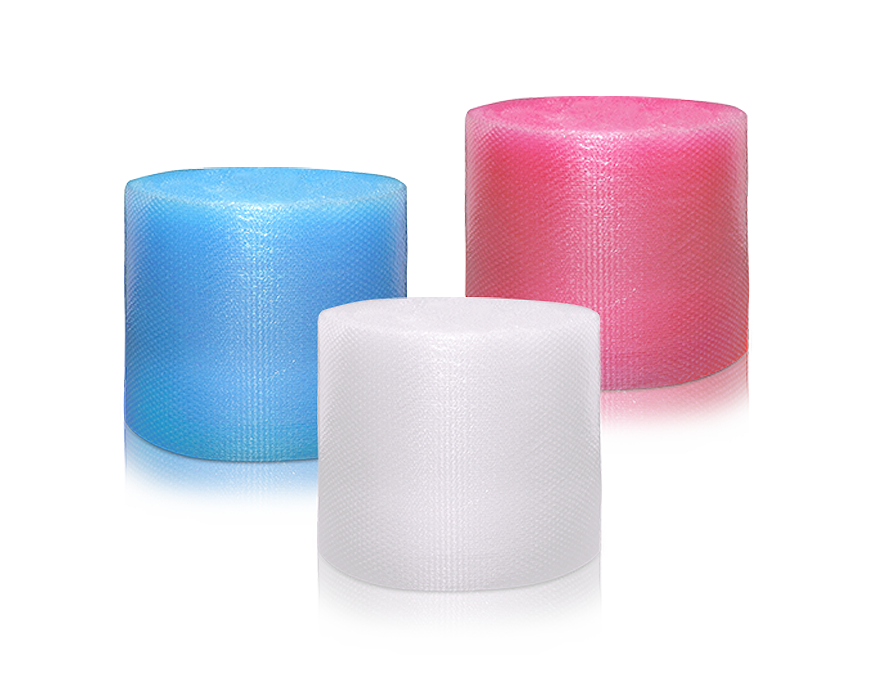
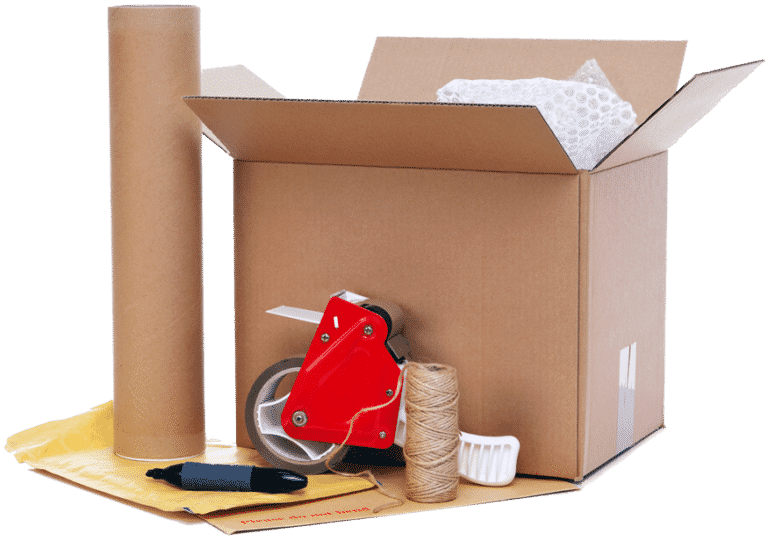
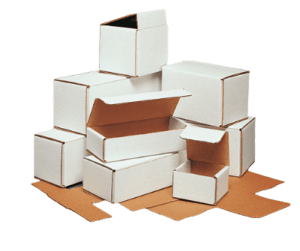
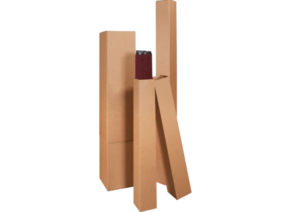
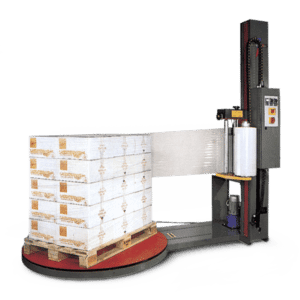
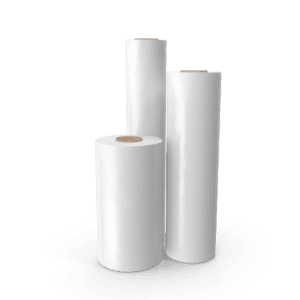
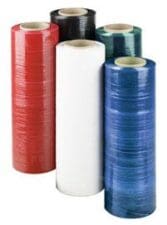
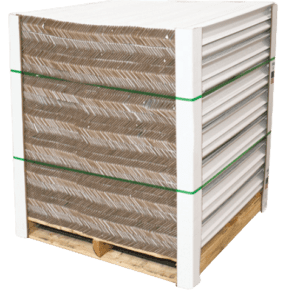
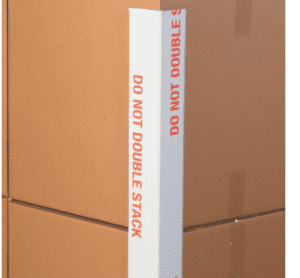
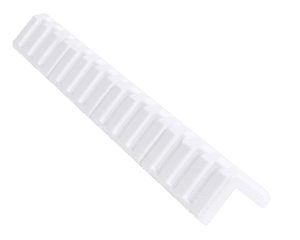
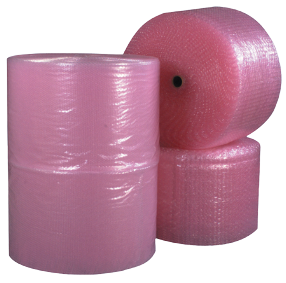
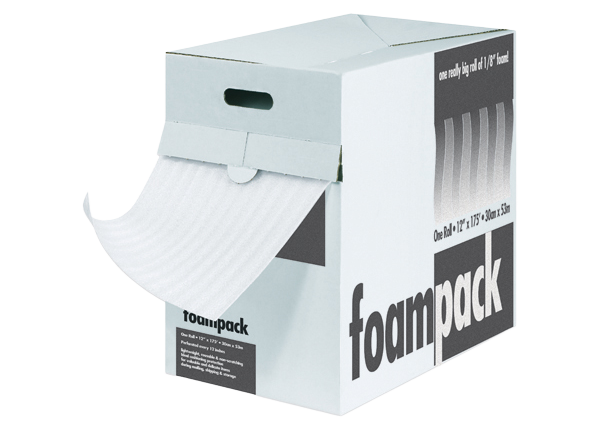
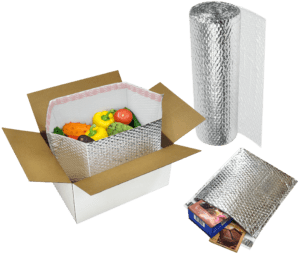
Our stock packaging products, from corrugated boxes to stretch film, offer a wide selection, including essentials like tape, edge protectors, labels, and more, with quick turnaround times to meet your packaging needs efficiently.

Edit Content
Edit Content
Folding Cartons
Pads
Apparel Boxes
Jewelry Boxes
Setup Cartons
Stationary Cartons
Edit Content
Cast Film
Blown Film
Conventional Film
Engineered Film
Pre-Stretched Film
Hand Film
Machine Film
Edit Content
Light Duty
Medium Duty
Heavy Duty
Foam
Strapping
Frame Protectors
Edit Content
Edit Content
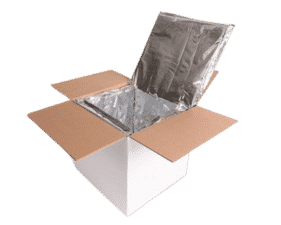
Box Liner
Metalized Pouch
Foam Cooler
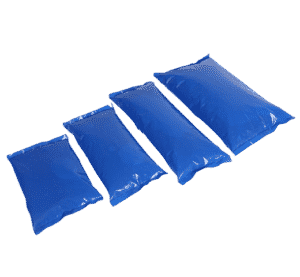
Ice Pack
Gel Pack
Edit Content
Edit Content
Edit Content
Folding Cartons
Pads
Apparel Boxes
Jewelry Boxes
Setup Cartons
Stationary Cartons
Edit Content
Cast Film
Blown Film
Conventional Film
Engineered Film
Pre-Stretched Film
Hand Film
Machine Film
Edit Content
Click on the Edit Content button to edit/add the content.
Edit Content
Edit Content
Box Liner
Metalized Pouch
Foam Cooler
Ice Pack
Gel Pack
Edit Content

If you need any assistance with your packaging or have a question, then contact us directly at request@brownpackaging.com  or  (714)300-0650. Learn more about custom packaging by reading our blog posts on new and trending topics.

The Role of Flexible Packaging in Supply Chain Efficiency
Flexible Packaging
brownpackaging
The Role of Flexible Packaging in Supply Chain Efficiency

The packaging sector has undergone a considerable transformation in the last few decades, with flexible packaging taking a significant lead. The shift is primarily due to its numerous benefits like lower costs, enhanced convenience, and sustainability, but one area where flexible packaging truly shines is in supply chain efficiency. Let’s delve deeper into understanding the role of flexible packaging in enhancing the efficiency of supply chains. What is Flexible Packaging? Flexible packaging refers to packages or materials that can easily change shape upon filling. These packaging forms often comprise plastics, paper, aluminum foils, or a combination of these materials. This can include anything from resealable food bags and pouches to flexible pharmaceutical packaging, illustrating the wide application spectrum of flexible packaging. Flexible Packaging and Supply Chain Efficiency: An Inextricable Link Storage and Transportation Efficiency One of the critical elements of supply chain management is ensuring the efficiency of storage and transportation. Flexible packaging dramatically improves these aspects. Its compact, lightweight nature reduces space requirements, enabling businesses to transport more products per shipment and utilize storage space more effectively. This improvement in freight efficiency not only reduces logistical costs but also curbs greenhouse gas emissions, promoting sustainability. Packaging and Unpacking Efficiency The ease of packing and unpacking offered by flexible packaging is another aspect contributing to supply chain efficiency. For instance, flexible packaging often incorporates features like zippers, spouts, and handles that simplify handling, opening, and resealing. This user-friendliness not only enhances consumer experiences but also aids in efficient product loading and unloading, saving time and labor costs in the supply chain. Waste Reduction and Environmental Impact Flexible packaging is generally lighter than its rigid counterparts, meaning it requires less material to produce. This attribute not only reduces waste generation at the production stage but also after consumer use, as there is less packaging material to discard. Moreover, many flexible packages are designed to be resealable, which can prolong product life and further reduce waste. This sustainability factor plays a critical role in promoting a green supply chain. Product Protection and Shelf Life Extension Flexible packaging materials are designed to provide optimal protection for products against environmental factors such as moisture, light, and air, ensuring product integrity and quality. This attribute reduces the risk of product spoilage or damage during transport or storage, leading to fewer losses in the supply chain. Many flexible packaging options also extend the shelf life of products, especially food items. This increased longevity reduces waste and the frequency of restocking, thus optimizing supply chain operations. Cost Savings By optimizing transportation and storage, reducing waste, and extending product shelf life, flexible packaging ultimately leads to substantial cost savings across the supply chain. These savings can then be passed on to the consumer, or reinvested into business growth and innovation. The Future of Flexible Packaging in Supply Chains With the continuous evolution of technology and consumer demands, the role of flexible packaging in supply chains is expected to grow even more significant. Innovations such as smart flexible packaging, which incorporates technologies like RFID tags and freshness sensors, will further enhance supply chain efficiency, transparency, and traceability. If you are interested in flexible packaging solutions, then partner with Brown Packaging today to get started. (714)300-0650 request@brownpackaging.com Most Recent Posts: Categories: Corrugated Ecommerce ESD Design Display Flexible Packaging Foam Folding Carton Packaging Plastic Packaging Pouch Printing Protection Retail Rigid Box Thermoform Sustainability Subscribe To Our Newsletter By submitting your information, you agree to our terms and conditions and privacy policy. Custom Packaging Facebook Twitter LinkedIn Pinterest Relevant Posts

Read More »
The Art and Science of Corrugated Box Design
Corrugated
brownpackaging
The Art and Science of Corrugated Box Design

Corrugated boxes are a ubiquitous part of our daily lives, used for packaging and shipping a wide variety of products. While they may seem simple on the surface, there is a remarkable blend of art and science involved in their design. A well-designed corrugated box ensures that products are protected during transit, minimizes material waste, and enhances the overall packaging experience. In this comprehensive guide, we will delve into the world of corrugated box design, exploring the artistry and scientific principles behind it. Understanding Corrugated Fiberboard Before diving into box design, it’s important to understand the material at its core: corrugated fiberboard. This versatile material consists of three layers: two flat linerboards on the outer surfaces and a wavy or fluted medium sandwiched between them. The fluted medium provides strength and rigidity, while the linerboards offer protection and a printable surface for branding and labeling. The Functionality of Corrugated Boxes The primary function of a corrugated box is to protect its contents during transit. However, the design must also consider factors such as cost-effectiveness, sustainability, and ease of handling. Let’s explore the various aspects that contribute to the functionality of corrugated boxes. Structural Integrity: The box must be structurally sound to withstand stacking, impact, and other stresses encountered during shipping. The arrangement and dimensions of flutes, the selection of linerboard thickness, and appropriate adhesive bonding all play a crucial role in ensuring the box’s strength. Stackability and Compression Strength: Corrugated boxes are often stacked on pallets during storage and transportation. A well-designed box should have sufficient compression strength to withstand the weight of other boxes stacked on top without collapsing or deforming. Cushioning and Protection: The box should provide adequate cushioning to protect the product from shocks, vibrations, and potential damage during transit. This can be achieved through the use of internal supports such as partitions, inserts, or foam padding. Ergonomics and Handling: The design should consider ease of handling for both workers and end-users. Factors like handholds, perforations for easy opening, and appropriate sizing contribute to a positive user experience. Sustainability: With growing environmental concerns, sustainable packaging is gaining prominence. Design considerations such as material selection, optimizing box dimensions to minimize waste, and incorporating recyclable or biodegradable materials contribute to a greener packaging solution. Box Design Considerations Designing a corrugated box involves a balance between functionality, aesthetics, and efficiency. Here are key considerations to keep in mind when embarking on the design process. Product Specifications: The dimensions, weight, fragility, and shape of the product being packaged influence the box design. It’s crucial to accurately measure and understand these specifications to ensure a well-fitted and protective box. Box Style Selection: Various box styles, such as regular slotted containers (RSCs), die-cut boxes, and telescopic boxes, cater to different product requirements. Choosing the appropriate box style influences factors such as ease of assembly, stackability, and presentation. Flute Selection: Corrugated fiberboard comes in different flute profiles, including A, B, C, E, and F. Each flute type offers specific strength and cushioning properties. Selecting the right flute profile based on the product’s fragility and weight is essential for optimal protection. Graphics and Branding: Corrugated boxes provide a valuable branding opportunity. Consider incorporating visually appealing graphics, logos, and other branding elements on the box surface to enhance the overall product presentation and create a memorable unboxing experience for the customers. Material Selection: The choice of linerboard material affects both the box’s strength and its visual appeal. Factors such as recycled content, virgin fibers, and the overall quality of the linerboard must be considered. Additionally, selecting the appropriate adhesive for bonding the layers is crucial for maintaining box integrity. Structural Design: The structural design of the box involves determining the dimensions, fluting orientation, and reinforcements required for optimal strength. Computer-aided design (CAD) software and structural analysis tools can aid in creating efficient and robust box designs. Testing and Prototyping: Before mass production, it’s essential to test and prototype the box design to ensure its functionality. Physical or virtual testing methods can evaluate the box’s performance under various conditions, such as drop tests, compression tests, and vibration tests. Supply Chain Considerations: The design should also take into account factors such as efficient storage, transportation, and stacking within the supply chain. Optimizing box dimensions to maximize space utilization and minimize transportation costs is an important consideration. Innovation in Corrugated Box Design The world of corrugated box design is constantly evolving, driven by advancements in technology and changing consumer demands. Innovations in this field aim to enhance functionality, sustainability, and user experience. Here are a few notable innovations in corrugated box design: E-commerce Packaging Solutions: With the exponential growth of online shopping, e-commerce packaging has become a focus of innovation. Designs that offer easy opening, customized printing for branding, and secure protection for products are key considerations in this area. Smart Packaging: Integration of technology into corrugated boxes opens up possibilities for smart packaging solutions. RFID tags, QR codes, or other tracking mechanisms can provide real-time information about the package’s location, handling, and condition. Bio-based Materials: Researchers are exploring bio-based alternatives to traditional corrugated materials, such as bio-based adhesives and coatings, as well as biodegradable or compostable fiberboards. These materials offer increased sustainability and reduced environmental impact. Intelligent Packaging Design: Designers are incorporating features such as perforations, tear strips, and resealable elements into box designs, enhancing user convenience and reusability. If you are interested in custom corrugated boxes, then partner with Brown Packaging today to get started. (714)300-0650 request@brownpackaging.com Most Recent Posts: Categories: Corrugated Ecommerce ESD Design Display Flexible Packaging Foam Folding Carton Packaging Plastic Packaging Pouch Printing Protection Retail Rigid Box Thermoform Sustainability Subscribe To Our Newsletter By submitting your information, you agree to our terms and conditions and privacy policy. Custom Corrugated Boxes Facebook Twitter LinkedIn Pinterest Relevant Posts

Read More »
The Role of Protective Packaging in Reducing Product Damage
Packaging
brownpackaging
The Role of Protective Packaging in Reducing Product Damage

Packaging is an integral part of the overall customer experience, providing protection, information, and branding to the products we buy. However, when it comes to shipping goods, the protective aspect of packaging becomes increasingly crucial. This blog will delve into the role of protective packaging in reducing product damage during transport and storage. Understanding Protective Packaging Before we can fully understand the role protective packaging plays in reducing product damage, it’s crucial to know what it is. Protective packaging, as the name implies, is designed to safeguard products from damage during shipment and storage. This can include materials such as bubble wrap, foam inserts, air pillows, corner protectors, and many other types of specialized packaging. The primary goal of protective packaging is to ensure that a product arrives at its destination in the same condition as when it left the warehouse or factory. It achieves this by absorbing shocks, preventing scratches or scuffs, and protecting against environmental factors such as moisture or temperature changes. The Impact of Product Damage Product damage can have far-reaching effects beyond the immediate financial loss of the product itself. These can include: Negative customer experience: A damaged product is likely to lead to an unhappy customer, which can result in negative reviews and lower repeat business. Increased costs: Besides the obvious cost of the damaged product, there can be additional costs associated with returns, replacements, and potentially even compensation for the customer. Brand reputation: Regular occurrences of damaged products can harm a company’s reputation, leading to a loss of trust and potential customers. Environmental impact: Damaged products often end up in landfills, contributing to environmental pollution. Given these impacts, it’s clear why protective packaging is so important. The Role of Protective Packaging in Damage Reduction Protective packaging plays a key role in damage reduction in several ways: Cushioning and Shock Absorption This is perhaps the most obvious role. Materials such as bubble wrap, foam inserts, or inflatable air pillows provide a buffer around the product, absorbing any shocks or impacts that may occur during transit. This can prevent breakages, dents, and other physical damage. Filling Void Spaces Protective packaging such as packing peanuts or paper can fill the empty space in a box, preventing the product from moving around during transit. This can protect against scratches, scuffs, or other damage caused by the product colliding with the sides of the box. Protection from Environmental Factors Some types of protective packaging, such as barrier bags, can protect against environmental factors such as moisture, dust, or temperature changes. This can be crucial for products that are sensitive to these factors, such as electronics or certain types of food. The Future of Protective Packaging As technology evolves, so too does protective packaging. Innovations such as intelligent packaging systems are able to detect and alert when a package has been dropped or mishandled. Biodegradable and recyclable protective packaging options are also becoming more popular, helping to reduce the environmental impact of packaging.  If you are interested in protecting your products effectively, then partner with Brown Packaging today to get started. (714)300-0650 request@brownpackaging.com Most Recent Posts: Categories: Corrugated Ecommerce ESD Design Display Flexible Packaging Foam Folding Carton Packaging Plastic Packaging Pouch Printing Protection Retail Rigid Box Thermoform Sustainability Subscribe To Our Newsletter By submitting your information, you agree to our terms and conditions and privacy policy. Custom Packaging Facebook Twitter LinkedIn Pinterest Relevant Posts

Read More »