


window.uetq = window.uetq || []; window.uetq.push(‘event’, ‘submit_lead_form’,{ event_label:‘SUBMIT MESSAGE’ }); window.lintrk('track', { conversion_id: 10271009 }); window.lintrk('track', { conversion_id: 10271017 });

Stock Packaging

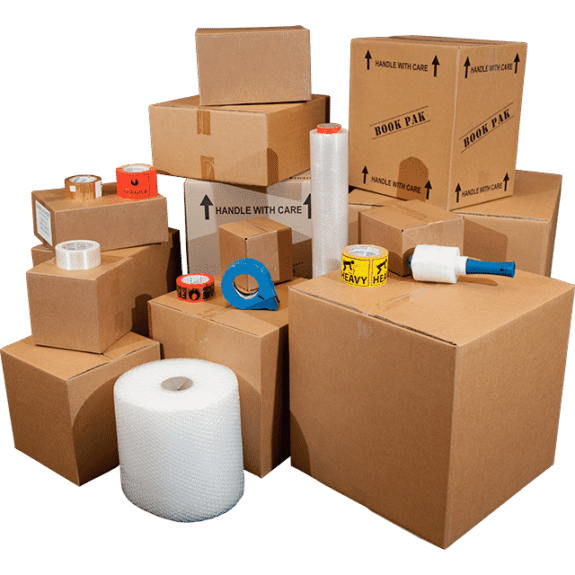
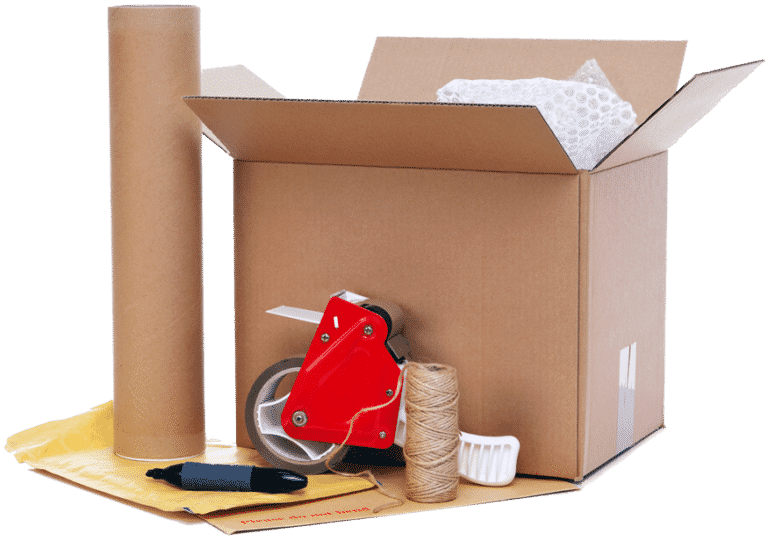
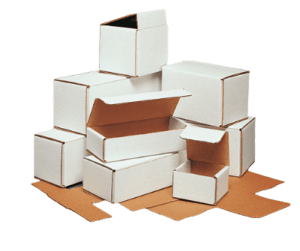
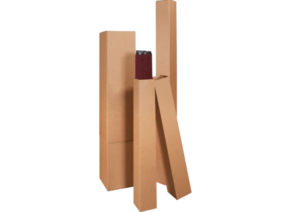
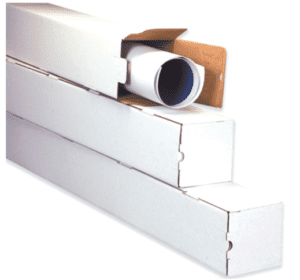
We supply businesses with a wide selection of essential packaging, shipping, and warehouse supplies. Get any standard packaging product by dimension or style from boxes, tubes, tapes, labels, and more. If you are unsure on what type of packaging you will need, then contact us for an expert consultation.


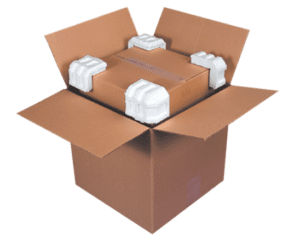
Stock packaging refers to pre-made, ready-to-ship packaging solutions like corrugated boxes, mailers, and protective materials that are designed to meet a wide range of standard needs across shipping, retail, and storage. Unlike custom packaging, stock options offer quick availability and reliable protection without the need for extensive design or production time, making them ideal for businesses needing efficient, high-quality solutions with fast lead times.

At Brown Packaging, we focus on providing durable, performance-driven stock packaging that supports our clients’ operational needs. Our stock products are sourced to ensure consistent quality and cost-effectiveness, offering a practical solution to keep operations running smoothly and on schedule. With an emphasis on reliability, we help our clients quickly access packaging solutions that meet their specific needs while maintaining quality across every order.

stock packaging products

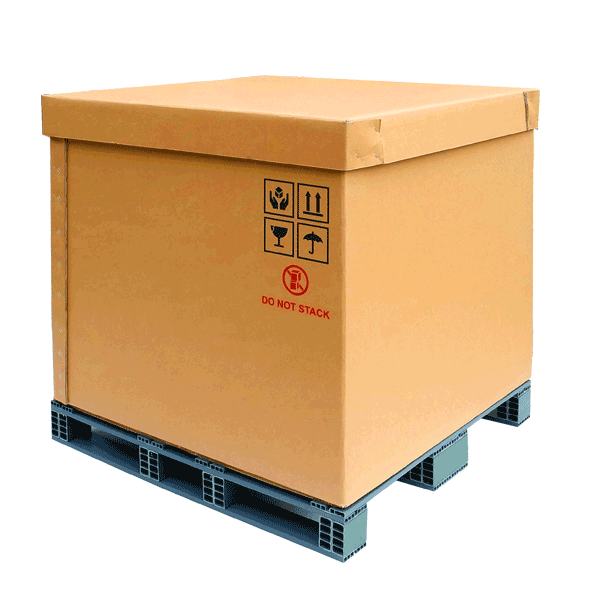
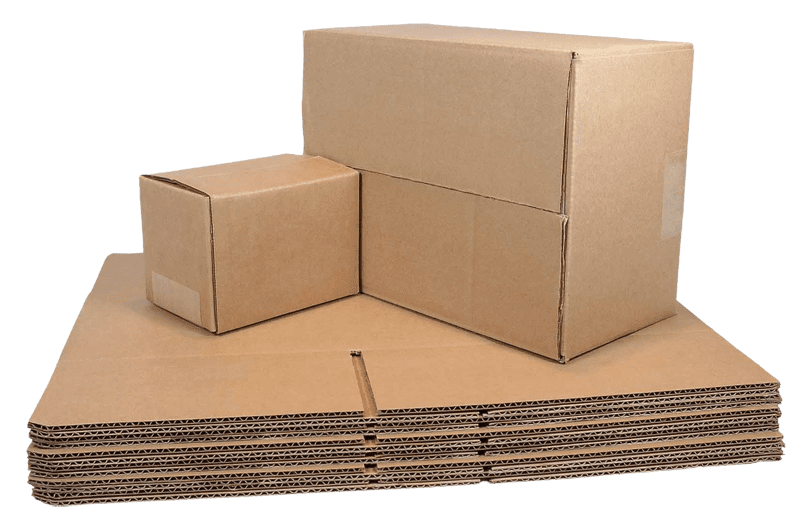
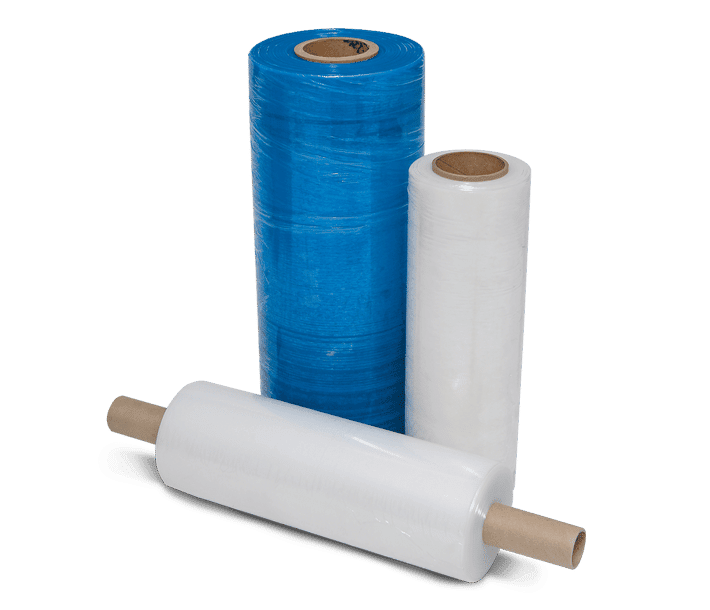
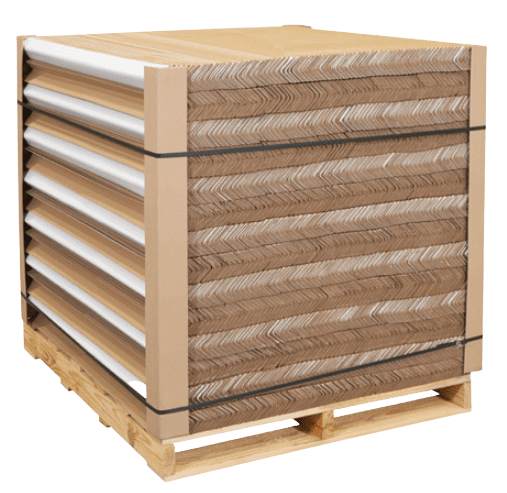
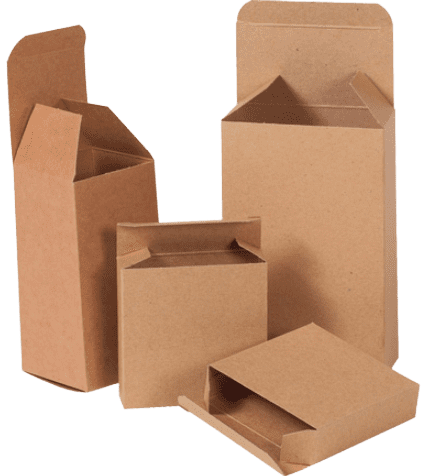
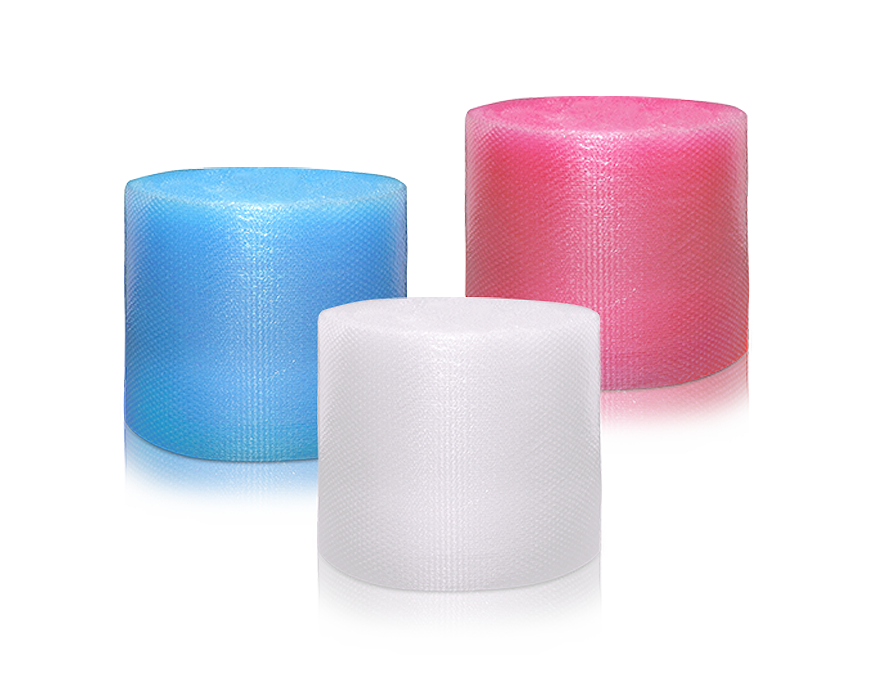
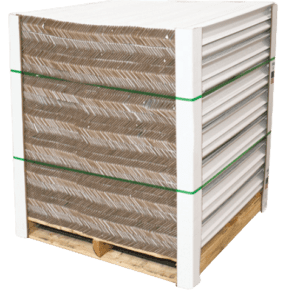
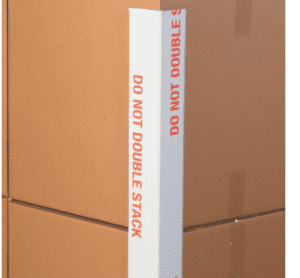
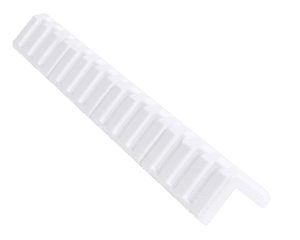
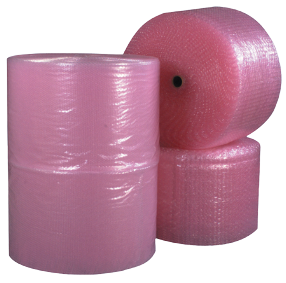
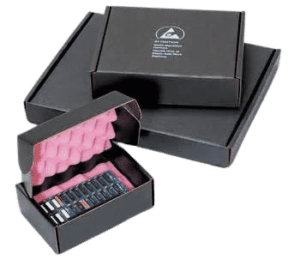
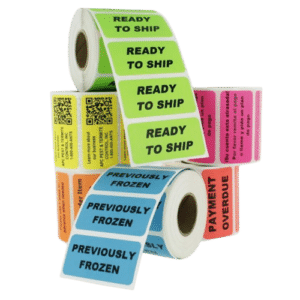
Our stock packaging products, from corrugated boxes to stretch film, offer a wide selection, including essentials like tape, edge protectors, labels, and more, with quick turnaround times to meet your packaging needs efficiently.

Edit Content
Edit Content
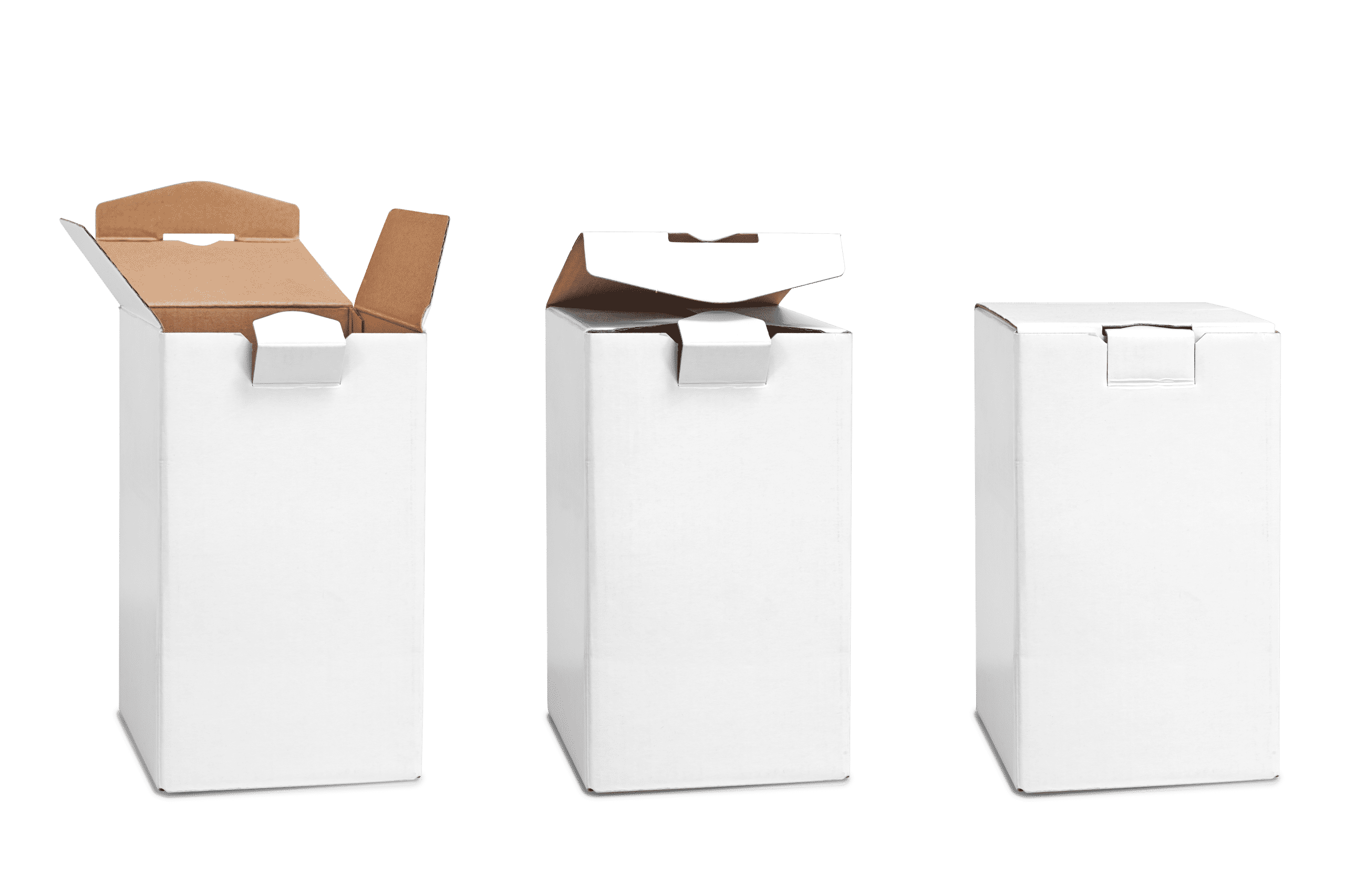
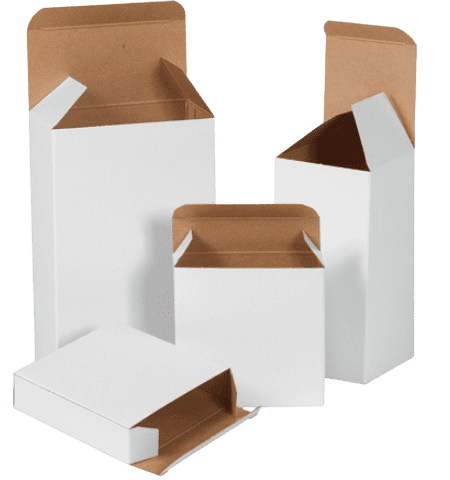
Folding Cartons
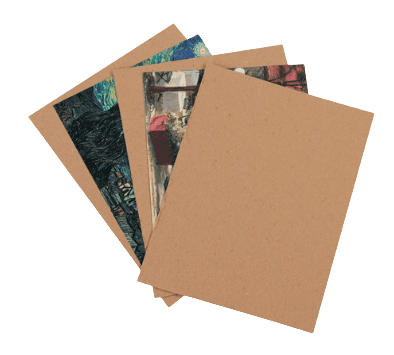
Pads
Apparel Boxes
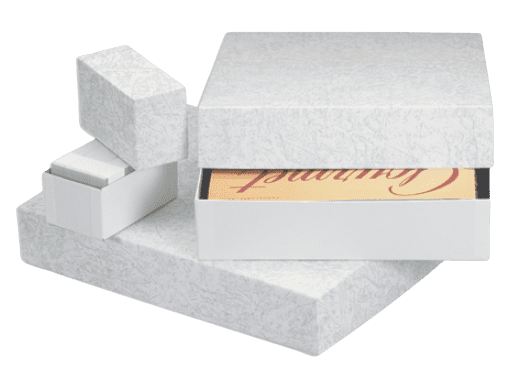
Jewelry Boxes
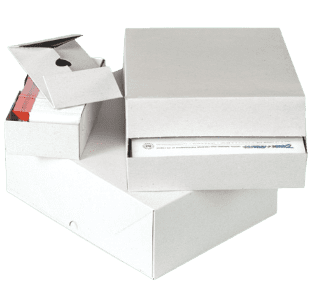
Setup Cartons
Stationary Cartons
Edit Content
Cast Film
Blown Film
Conventional Film
Engineered Film
Pre-Stretched Film
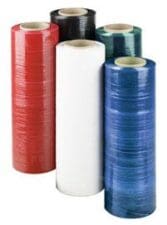
Hand Film
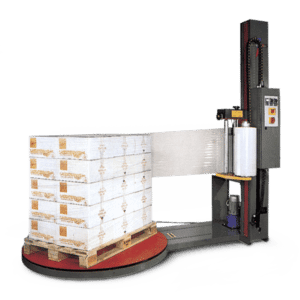
Machine Film
Edit Content
Light Duty
Medium Duty
Heavy Duty
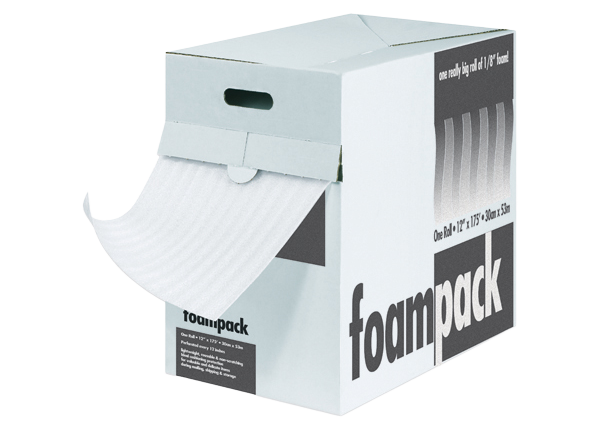
Foam
Strapping
Frame Protectors
Edit Content
Edit Content
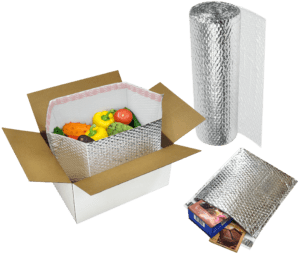
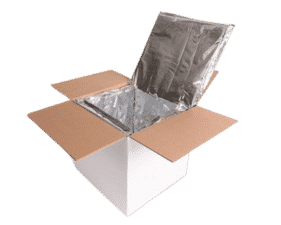
Box Liner
Metalized Pouch
Foam Cooler
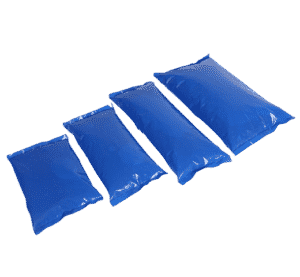
Ice Pack
Gel Pack
Edit Content
Edit Content
Edit Content
Folding Cartons
Pads
Apparel Boxes
Jewelry Boxes
Setup Cartons
Stationary Cartons
Edit Content
Cast Film
Blown Film
Conventional Film
Engineered Film
Pre-Stretched Film
Hand Film
Machine Film
Edit Content
Click on the Edit Content button to edit/add the content.
Edit Content
Edit Content
Box Liner
Metalized Pouch
Foam Cooler
Ice Pack
Gel Pack
Edit Content

If you need any assistance with your packaging or have a question, then contact us directly at request@brownpackaging.com  or  (714)300-0650. Learn more about custom packaging by reading our blog posts on new and trending topics.

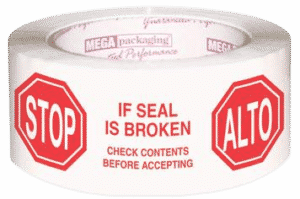
How to properly label your corrugated box
Corrugated
brownpackaging
How to Properly Label Corrugated Boxes

Labeling corrugated boxes correctly is not just a matter of organization; it’s a vital component of the shipping and handling process, ensuring that your products reach their destination safely and efficiently. Proper labeling is also crucial for compliance with shipping regulations, inventory management, and providing important product information. This blog post will guide you through the best practices for labeling corrugated boxes effectively. Understanding the Importance of Correct Labeling Proper labeling of corrugated boxes serves multiple purposes, from aiding in efficient handling and shipping to ensuring regulatory compliance and enhancing customer experience. It minimizes the risk of loss or damage during transit and streamlines inventory management. Key Elements of Corrugated Box Labels Shipping Information: Include the recipient’s name, address, and contact information. For international shipments, include relevant customs information and international codes. Return Address: Always include your business’s return address in case the package needs to be returned or is undeliverable. Tracking Numbers: If applicable, ensure tracking numbers are visible and scannable. Handling Instructions: Clearly mark any specific handling instructions such as “Fragile,” “This Side Up,” or “Handle with Care.” Weight Indication: Indicating the package’s weight can help handlers use the appropriate methods for lifting and stacking. Best Practices for Labeling Corrugated Boxes Placement and Visibility: Place labels on the largest side of the box, ensuring they are easily visible and readable. Avoid placing labels over seams, corners, or closures where they might get damaged or become illegible. Type of Labels: Use high-quality, durable labels that can withstand various environmental conditions like moisture, temperature changes, and handling. Consider using adhesive labels that strongly adhere to corrugated surfaces. Print Quality: Ensure all printed information is clear and legible. Use high-contrast text and background for better readability. If using barcodes, they should be high quality to ensure easy scanning. Information Accuracy: Double-check that all information on the labels is accurate and up-to-date. For repeated shipments to the same address, ensure old labels are removed or covered to avoid confusion. Compliance with Regulations: Familiarize yourself with and comply with shipping and labeling regulations, especially for international shipments. Include any necessary regulatory information, symbols, or warnings. Technology Integration: Consider integrating technology such as QR codes to provide additional information, such as assembly instructions or product details. Label Protection: Use clear packing tape or label protectors to cover the entire label, protecting it from moisture and handling. Environmental Considerations: For businesses focusing on sustainability, use eco-friendly labels made from recycled or biodegradable materials. If you are interested in labels and/or corrugated boxes, then partner with Brown Packaging today to get started. (714)300-0650 request@brownpackaging.com Most Recent Posts: Categories: Corrugated Ecommerce ESD Design Foam Folding Carton Packaging Printing Protection Retail Rigid Box Thermoform Sustainability Subscribe To Our Newsletter By submitting your information, you agree to our terms and conditions and privacy policy. Custom Labels Facebook Twitter LinkedIn Pinterest Relevant Posts

Read More »
Recycling and Upcycling Corrugated Boxes
Corrugated
brownpackaging
Recycling and Upcycling Corrugated Boxes

When you unwrap that eagerly awaited online order, or when the supermarket shipments arrive, corrugated boxes are almost always involved. With the increase in e-commerce and global shipments, the use of these boxes has surged. The question then arises: what do we do with all these boxes? The answer lies in the twin practices of recycling and upcycling. Let’s delve deep into the world of corrugated boxes, examining their environmental impact and how we can give them a second (or third) life. The Environmental Impact of Corrugated Boxes The Production Cost: The production of corrugated boxes requires vast amounts of energy and water. Trees are felled, processed, and transformed into paper pulp, which then becomes the corrugated cardboard we’re familiar with. While it’s true that many companies have started sourcing wood from sustainable forests, the process still consumes valuable resources. Landfills: When discarded improperly, these boxes contribute to the already mounting waste in landfills. Although corrugated cardboard decomposes faster than plastics, it still takes between 3 to 8 months for it to fully break down. This decomposition can produce methane, a greenhouse gas 25 times more potent than carbon dioxide. Carbon Footprint: From the transport of raw materials to the box’s final delivery, the entire lifecycle of a corrugated box adds to the carbon footprint. This doesn’t even account for the transportation of discarded boxes to landfills. Recycling Corrugated Boxes Recycling is the process of converting waste materials back into new products to prevent waste of potentially useful materials. The Recycling Process: Once the boxes reach the recycling facility, they’re sorted, cleaned, and broken down into paper pulp again. This pulp is then used to create new cardboard or paper products. The Benefits: Resource Conservation: Recycling corrugated boxes means fewer trees are cut down to produce new boxes. Energy Saving: Producing items from recycled materials consumes less energy compared to starting from scratch. Reduced Pollution: Fewer raw materials being processed means reduced air and water pollution. Upcycling Corrugated Boxes Upcycling, in contrast to recycling, involves creatively repurposing or redesigning waste materials into products of better quality or for better environmental value. Creative Uses for Old Boxes: Storage Bins: Decorate and reinforce old boxes to create stylish storage solutions for your home. Wall Art: Cut out patterns or shapes from boxes, paint them, and fix them onto walls for an eco-friendly décor solution. Garden Solutions: Use flattened cardboard as a weed barrier in gardens. It’s biodegradable and effective. Kids’ Playhouse: Combine several boxes to create playhouses, castles, or forts for kids. They can even join in, painting and decorating. Pet Toys: Shape the cardboard into toys or scratch pads for pets. Cats, for instance, love corrugated cardboard scratchers. Gift Tags: Cut out small pieces, paint or decorate them, and use them as tags for gifts. Organizers: Craft compartmentalized trays or organizers for drawers or desks. In conclusion, while corrugated boxes do pose an environmental challenge, through conscious efforts in recycling and upcycling, we can mitigate their impact. The journey of a box doesn’t have to end once its primary purpose is fulfilled. With a touch of creativity and environmental awareness, we can ensure that the story of every box is both inspiring and green. If you are interested in corrugated boxes, then partner with Brown Packaging today to get started. (714)300-0650 request@brownpackaging.com Most Recent Posts: Categories: Corrugated Ecommerce ESD Design Flexible Packaging Foam Folding Carton Packaging Printing Protection Retail Rigid Box Thermoform Sustainability Subscribe To Our Newsletter By submitting your information, you agree to our terms and conditions and privacy policy. Custom Corrugated Boxes Facebook Twitter LinkedIn Pinterest Relevant Posts

Read More »
custom printed chipboard shelf box
Design
brownpackaging
Effective Print Strategies for Packaging: A Buyer’s Guide

In today’s market, the printing strategy employed on packaging can play a significant role in a product’s success. This guide is tailored to help buyers navigate the array of print options available, ensuring they select the most effective strategy to enhance brand appeal and customer engagement, while balancing cost and quality. High-Quality Graphics and Imagery The use of high-resolution graphics and vibrant imagery makes packaging more attractive and attention-grabbing. Ensuring that these elements are of the highest quality will reflect well on the product and brand. Brand Consistency Maintaining consistency with brand colors, logos, and typefaces across all packaging is essential. This consistency helps in reinforcing brand recognition and loyalty among customers. Cost-Effective Printing Techniques Digital Printing: Ideal for short to medium runs, offering cost savings for smaller orders and flexibility for design changes. Flexographic Printing: Cost-effective for larger runs, it provides durability and consistency, especially for standard designs. Sustainable Printing Practices Eco-friendly practices are not just good for the environment but also resonate with modern consumers. Utilize sustainable inks and materials wherever possible. Providers who offer soy or vegetable-based inks and recycled materials can help in positioning your brand as environmentally responsible. Interactive Elements Incorporating QR codes or augmented reality features can make packaging more engaging. These elements can lead consumers to additional digital content, enhancing brand interaction and providing more product information. Tactile Printing Techniques Techniques like embossing or debossing add a tactile element to packaging, enhancing the unboxing experience. Foil stamping can also be used to add a premium feel to the product. Typography and Readability Creative and legible typography is key to conveying the product’s message. Different font styles and sizes can be used to create emphasis and a hierarchy of information, making it easier for consumers to access key details. Return on Investment (ROI) Consider the long-term ROI when selecting a print strategy. High-quality printing might cost more upfront but can lead to greater brand recognition and customer loyalty. Evaluate how different printing options can impact the overall budget and balance them against the potential long-term benefits. Customization Options Digital printing and other modern techniques offer extensive customization options, allowing for unique packaging designs that can set a product apart in the marketplace. Evaluating Print Providers Choosing the right print provider is crucial. Look for partners who offer not only quality assurance and a wide range of capabilities but also have a robust portfolio and positive client testimonials. It’s important that they understand your industry’s specific needs and offer exceptional customer service. If you are interested in printed packaging, then partner with Brown Packaging today to get started. (714)300-0650 request@brownpackaging.com Most Recent Posts: Categories: Corrugated Ecommerce ESD Design Display Flexible Packaging Foam Folding Carton Packaging Plastic Packaging Pouch Printing Protection Retail Rigid Box Thermoform Sustainability Subscribe To Our Newsletter By submitting your information, you agree to our terms and conditions and privacy policy. Custom Packaging Facebook Twitter LinkedIn Pinterest Relevant Posts

Read More »