

Packaging Cost Audits That Reduce Total Spend
Packaging decisions are often made based on unit cost alone, but that approach overlooks the bigger picture. Total packaging cost is driven by freight, damage, labor, and efficiency—not just box price. Our packaging cost audits identify where money is being lost across your system and provide clear, actionable improvements.



What a Packaging Cost Audit Actually Is
A packaging cost audit is not a quote comparison or price check. It is a system-level evaluation of how your packaging performs across your entire supply chain—not just what you pay per box.
Most companies optimize for unit cost, but packaging impacts multiple cost layers that are often ignored.
We evaluate your total packaging system performance, including:
Packaging directly affects how you are charged to ship.
- Oversized boxes increase DIM weight charges in parcel environments
- Poor sizing reduces units per pallet and trailer utilization
- Inefficient packaging leads to more shipments than necessary
👉 Small dimensional changes can create significant freight cost increases
Low-cost packaging often shifts cost into product loss.
- Insufficient protection leads to returns, replacements, and claims
- Damage impacts customer experience and brand perception
- Over-engineered packaging increases cost without improving outcomes
👉 The goal is right-sized protection, not maximum material
Packaging design directly affects operational speed and cost.
- Complex designs increase assembly time and labor cost
- Inefficient layouts slow down pack-out and handling
- Poor ergonomics create inconsistent execution across teams
👉 Faster, simpler packaging = lower labor cost per unit
Packaging impacts warehouse efficiency before it even ships.
- Inefficient case sizes reduce pallet density
- Poor stackability increases storage footprint
- Misaligned packaging creates handling and replenishment issues
👉 Better cube utilization reduces both storage and freight costs
A Regular Slotted Container (RSC) is the most common and cost-effective box for general shipping. Its flaps meet in the center for balanced strength and easy sealing. Ideal for everyday use when you need reliable corrugated protection at a low cost.
A Half Slotted Container (HSC) features an open top for quick loading and unloading. It’s often paired with a tray or cover to protect heavier or bulkier products. Perfect for applications requiring easy access and durable support.
The Roll End Tuck Top (RETT) combines a clean presentation with strong sidewalls and a tuck-in lid. It’s a favorite for e-commerce, retail, and subscription boxes where the unboxing experience matters. Ideal for brands wanting both protection and premium presentation.
A Full Overlap (FOL) box has flaps that fully overlap for added edge and stacking protection. It’s designed for heavy, fragile, or high-value items that require extra strength during transit. Best suited for long-distance or multi-carrier shipping.
Tray and carrier boxes offer open-top convenience for transport, display, or storage. Commonly used in food, beverage, and industrial settings where visibility and accessibility are key. A great choice for efficient product handling and secure stacking.
Additional corrugated box styles include specialty designs like telescoping boxes, die-cuts, and five-panel folders. These options provide tailored protection and sizing for unique or non-standard products. For specialized designs or engineering support, contact Brown Packaging to find the right solution.
What This Means
Most packaging decisions are made in isolation—but the cost is realized across the entire operation.
The goal is simple: reduce total cost per shipment—not just unit cost.
What We Analyze
We evaluate the key cost drivers that directly impact total packaging cost—not just material spend. Each area is reviewed to identify inefficiencies, over-engineering, and cost leakage across your operation.

We assess whether your packaging is correctly engineered for the application.
- Board grade and flute profile relative to actual load requirements
- Structural design performance under real shipping conditions
- Identification of over-engineered (unnecessary cost) or under-engineered (damage risk) packaging
👉 The objective is right-sizing performance to eliminate excess cost without increasing risk
We analyze how packaging size impacts cube utilization and shipping efficiency.
- Box-to-product fit and excess void space
- Units per pallet and pallet pattern optimization
- Impact on trailer utilization and shipment frequency
👉 Small dimensional changes can drive meaningful reductions in freight cost
We quantify how packaging decisions affect actual transportation spend.
- Exposure to DIM weight pricing in parcel shipping
- Efficiency across LTL and full truckload configurations
- Identification of packaging-driven freight inefficiencies
👉 Packaging is often one of the largest hidden drivers of freight cost
We evaluate packaging performance based on real-world outcomes—not assumptions.
- Damage trends, claims, and return data
- Identification of failure points in packaging design
- Balance between material reduction and protection requirements
👉 The goal is consistent protection without unnecessary material cost
We assess how packaging impacts pack-out speed and operational cost.
- Assembly time and complexity
- Handling requirements and process inefficiencies
- Variability in execution across teams or locations
👉 Simpler packaging systems reduce labor cost and improve consistency
We evaluate whether your packaging strategy aligns with actual product and order behavior.
- Use of standardized vs. optimized box assortments
- Mismatch between SKU dimensions and packaging sizes
- Impact on inventory, storage, and fulfillment efficiency
👉 Misaligned packaging creates system-wide inefficiencies that compound over time
Where Companies Lose Money
Most packaging systems are not intentionally designed—they evolve over time. What starts as a simple solution becomes a collection of inefficiencies, workarounds, and outdated decisions that quietly increase cost.
We consistently identify the same sources of cost leakage:
Packaging is often specified based on assumptions, not actual requirements.
- Using higher board grades than necessary
- Designing for worst-case scenarios that rarely occur
- Adding material without improving real performance
👉 This results in higher material cost with no measurable benefit
Box dimensions are one of the largest drivers of shipping cost.
- Oversized boxes increase DIM weight charges
- Low pallet density leads to more shipments
- Inefficient case sizes reduce trailer utilization
👉 You’re often paying to ship empty space
Cost-cutting in the wrong areas shifts cost into product loss and returns.
- Insufficient protection leads to damage claims and replacements
- Inconsistent packaging performance creates unpredictable outcomes
- Hidden costs show up in customer experience and brand impact
👉 Cheap packaging becomes expensive very quickly
Packaging decisions directly affect operational cost and speed.
- Complex assembly increases pack-out time
- Poor design slows down handling and throughput
- Inconsistent processes lead to execution errors
👉 Labor cost increases without being tied back to packaging decisions
Packaging is rarely optimized to match actual product mix and order behavior.
- Too many box sizes create inventory and handling complexity
- Too few create poor fit and wasted space
- Packaging doesn’t reflect how products are actually shipped
👉 Small inefficiencies compound across every order
Packaging that works in theory often fails at the store level.
- Displays require too much effort to replenish
- Poor layouts reduce product visibility over time
- Inconsistent execution leads to lost sales opportunity
👉 If packaging is not easy to maintain, it will not be maintained
Most companies are not overpaying because of pricing—they’re overpaying because of system inefficiency. These issues don’t show up in a quote. They show up in freight bills, labor cost, product loss, and missed sales.
What Changes After an Audit
A packaging cost audit is not about making broad changes—it’s about identifying specific adjustments that reduce total cost without disrupting operations. We focus on improvements that are practical, measurable, and aligned with how your business actually runs.
Cost reduction comes from system optimization—not just material reduction.
- Eliminate unnecessary board cost
- Reduce DIM weight exposure and excess cube
- Improve pallet and shipment efficiency
👉 Savings are realized across both packaging and transportation
Better packaging design increases how much product you move per shipment.
- Higher units per pallet
- Better truckload utilization
- Fewer shipments required over time
👉 More product shipped with less freight spend
Packaging is aligned to actual shipping conditions—not assumptions.
- Strength where needed, material removed where not
- More consistent real-world performance
- Fewer returns, claims, and replacements
👉 Protection becomes predictable and cost-efficient
Operational efficiency improves through better packaging design.
- Faster assembly and packing time
- Reduced handling complexity
- More consistent execution across teams
👉 Lower labor cost per unit shipped
Displays and retail packaging are designed for real store conditions.
- Easier replenishment and restocking
- Improved product visibility over time
- Reduced dependence on perfect in-store execution
👉 Packaging performs the way it was intended—at store level
The result is not just a better package—it’s a more efficient system. Lower cost. Fewer issues. Better performance across your entire operation.
Our Approach
We keep the process focused, practical, and easy to act on. A packaging cost audit should not create more complexity—it should provide clear direction on where to improve and how to do it.
We start by understanding how your packaging is currently performing.
- Packaging specs, box sizes, and configurations
- Shipping data across parcel, LTL, or FTL
- Damage trends and operational considerations
👉 This establishes a baseline of real performance—not assumptions
We analyze where cost is being created across your system.
- Excess material and over-engineering
- Freight inefficiencies driven by size and cube
- Labor and process bottlenecks
- Misalignment between packaging and actual usage
👉 The focus is on identifying where money is being lost—and why
We deliver recommendations that are specific and implementable.
- Packaging adjustments with defined impact
- Opportunities to reduce cost without increasing risk
- Practical changes based on your operation—not theory
👉 No generic reports—just clear direction you can act on
If you move forward, we help ensure changes are executed correctly.
- Packaging updates and sourcing support
- Testing and validation where required
- Ongoing optimization as your operation evolves
👉 We stay involved to make sure results are realized—not just recommended
You’re not getting a generic audit—you’re getting a clear path to reducing cost with minimal disruption.
Who This Is For
Our packaging cost audits are designed for companies where packaging impacts freight, operations, and overall cost—not just material spend. This is most valuable when packaging decisions affect how products move, not just how they’re boxed.
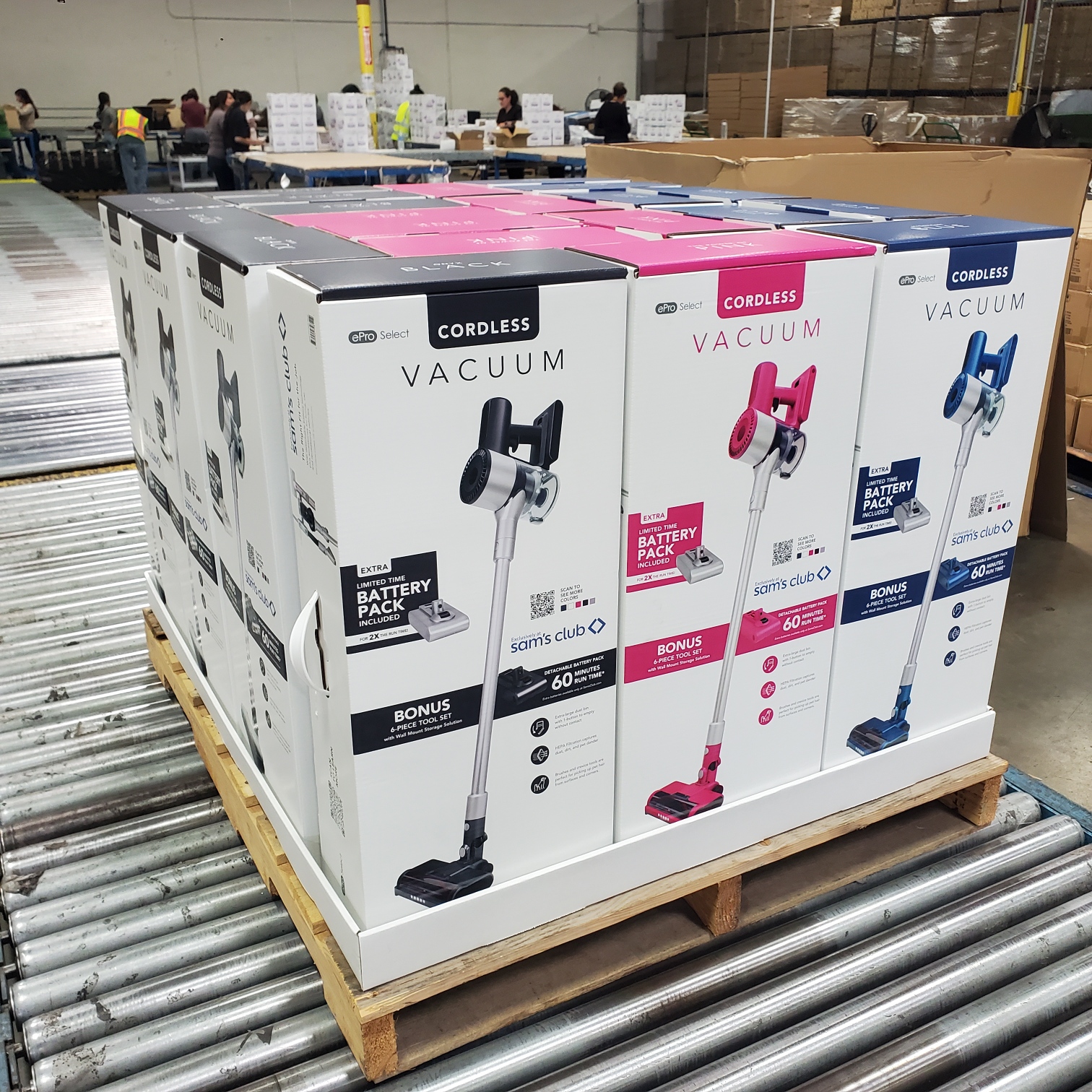
High exposure to DIM weight and shipping frequency makes packaging a major cost driver.
- Shipping via UPS, FedEx, or similar carriers
- High order volume with varying product sizes
- Ongoing pressure to reduce cost per order
👉 Small packaging changes can deliver immediate freight savings
Large or heavy products amplify the impact of packaging inefficiencies.
- Palletized shipments and truckload optimization
- High material usage and board cost
- Sensitivity to damage and handling performance
👉 Packaging directly affects freight, protection, and total cost
Success depends on how packaging performs at store level—not just in design.
- Floor displays, pallet displays, or shelf-ready packaging
- Dependence on store-level replenishment and execution
- Need for consistent product visibility over time
👉 If packaging is not easy to maintain, it will not perform in-store
If costs are increasing, packaging is often a primary driver—not just a contributor.
- Increasing shipping expenses without clear cause
- Ongoing damage claims or returns
- Operational inefficiencies tied to packaging
👉 These are typically signs of system-level packaging issues
For teams looking to improve performance without increasing spend.
- Warehouse and fulfillment optimization
- Process standardization and simplification
- Reducing cost without disrupting operations
👉 Packaging is one of the most controllable cost levers
If packaging plays a role in your cost structure, there is usually opportunity to improve it. The audit is designed to identify where—and show you how to fix it.