









Brown Packaging
With over 30 years of experience, Brown Packaging has been a trusted partner for businesses of all sizes, providing custom and stock packaging solutions tailored to their needs. Our in-house services ensure personalized support, guiding you from concept to completion for a seamless experience. Whether you need innovative designs or sustainable options, we work with you every step of the way to deliver exceptional packaging results.


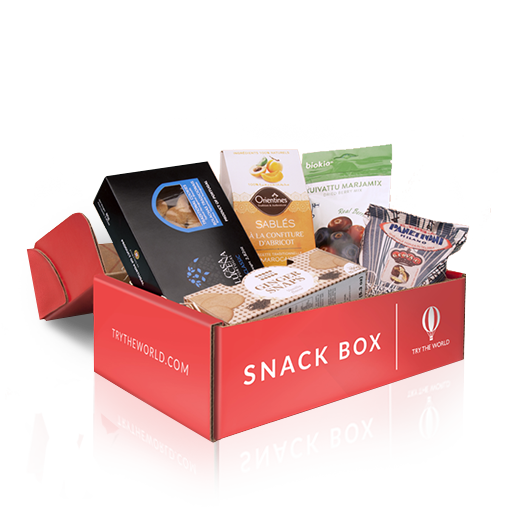
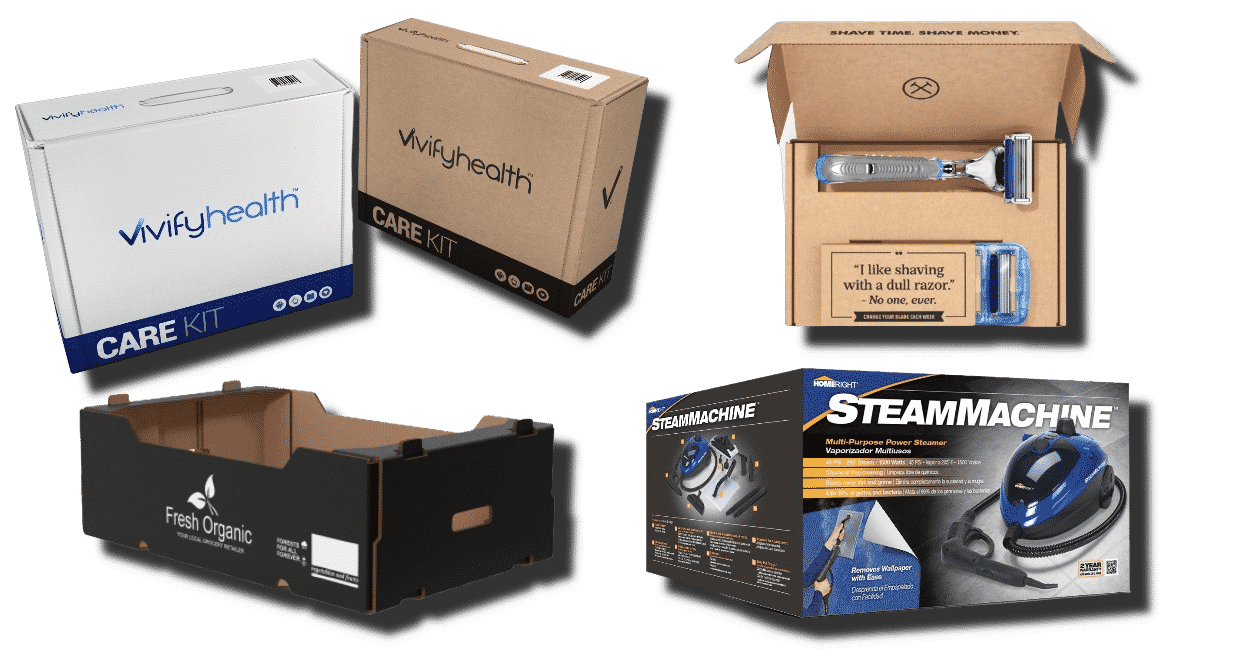
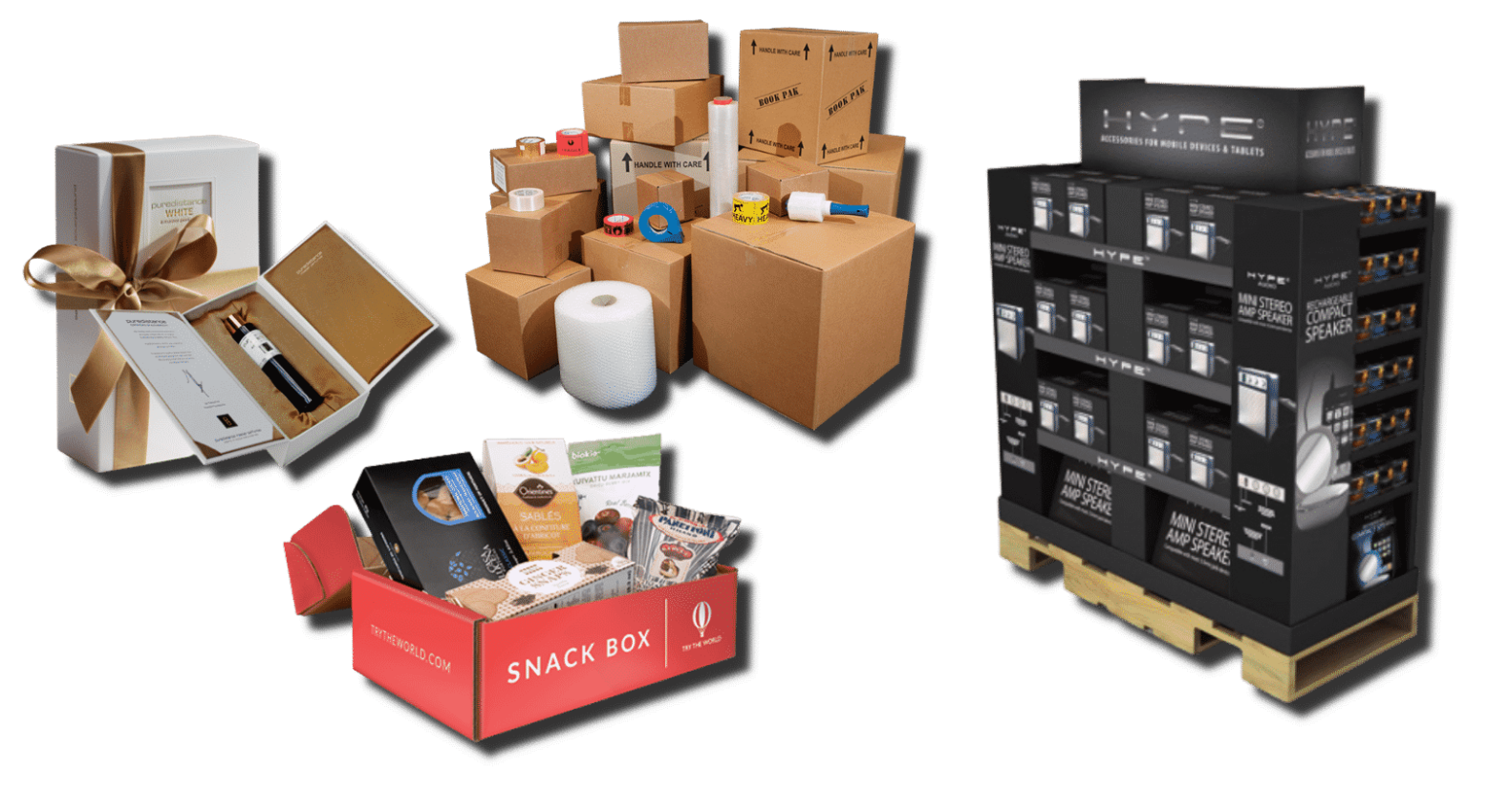
We offer a variety of custom packaging products and solutions to meet all your packaging needs in one place. You’ll work directly with a dedicated project specialist to customize your package according to your specifications, including branding, features, and design.
Our stock packaging products, from corrugated boxes to stretch film, offer a wide selection, including essentials like tape, edge protectors, labels, and more, with quick turnaround times to meet your packaging needs efficiently.
Optimize your packaging’s durability, security, branding, cost, unboxing experience and more.
We build durable and efficient packaging for simple to the most complex products.
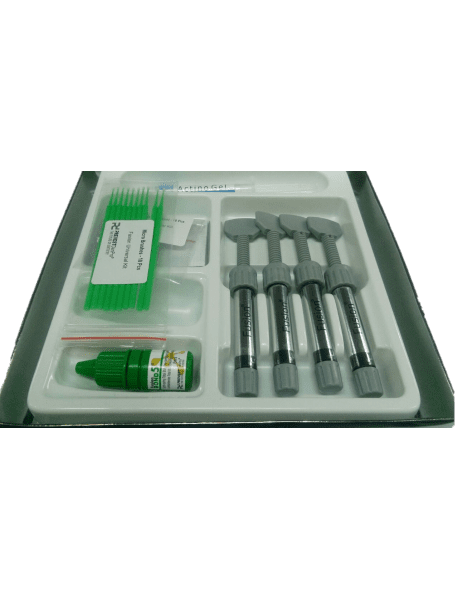
Sterilization, clean room and medical compliant packaging products and solutions.
We serve a wide variety of businesses including: pet, toy, cosmetic, electronic and more.
At Brown Packaging, we help our clients create unique packages that reflect their brand and produce results. As a result, we look to add as much value to your packaging experience and product as possible with our services.
-
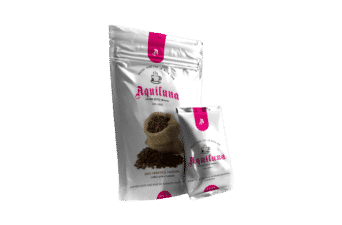
Structural Design
-
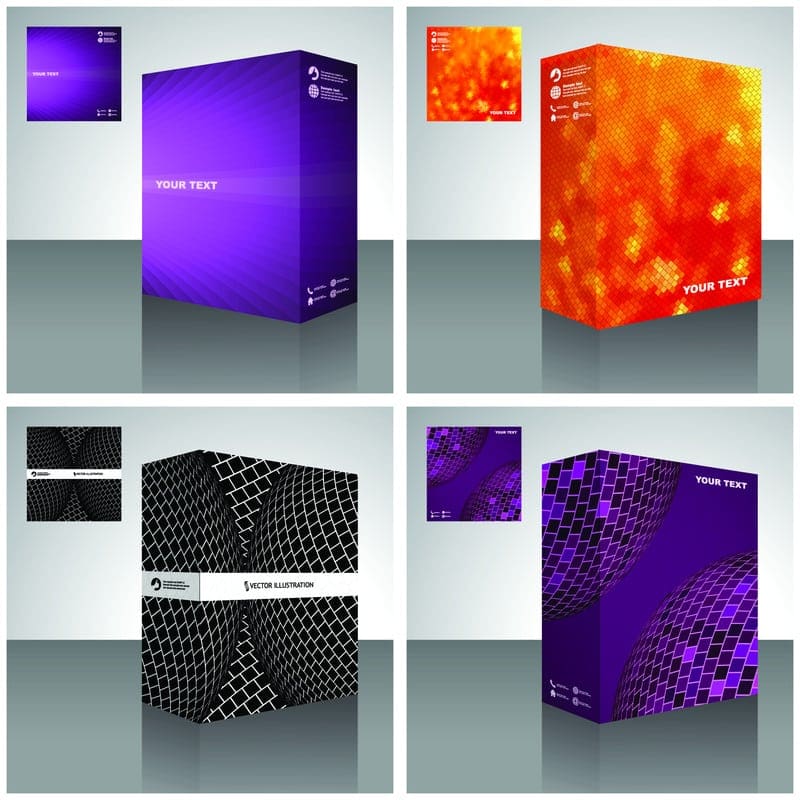
Graphic Design
-
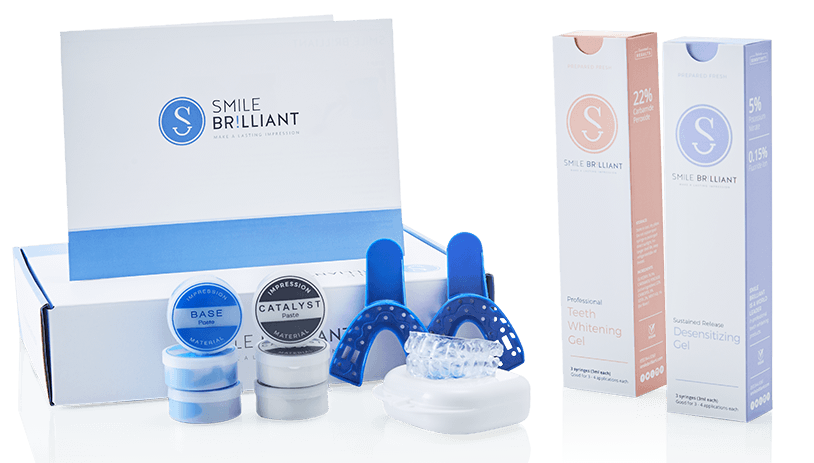
Sampling & Prototyping
-
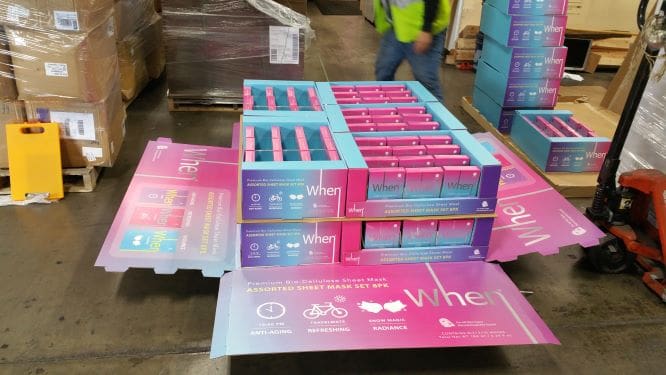
Contract Packaging & Fulfillment
-
Product & Material Testing
Optimize Your Packaging with Structural Design Services
Our structural design services optimize your packaging by enhancing durability and reducing material use, which leads to cost savings and increased sustainability. By focusing on efficient design, we help improve product protection, reduce shipping costs, and minimize environmental impact. These tailored solutions also boost your brand’s shelf presence, making your packaging both functional and attractive.
Elevate Your Packaging with Graphic Design Services
Our graphic design services enhance your packaging by creating visually appealing designs that strengthen branding and attract customer attention. By focusing on cohesive brand identity and impactful visuals, we ensure your products stand out on the shelf and resonate with your target audience. Thoughtfully designed packaging not only improves shelf appeal but also reinforces brand recognition and loyalty. Let us help you make a lasting impression with packaging that truly represents your brand.
Perfect Your Packaging with Sampling and Prototyping Services
Our sampling and prototyping services provide both digital and physical packaging samples, allowing you to see and feel your design before full production. We offer high-quality digital prints for precise visualization and physical samples to ensure the packaging meets your expectations in terms of design, fit, and function. This process helps you make informed decisions and refine your packaging to perfection before committing to large-scale production. Whether you need to test a concept or showcase a final design, our sampling and prototyping services ensure your packaging is ready for market.
Streamline Your Packaging with Fulfillment and Contract Services
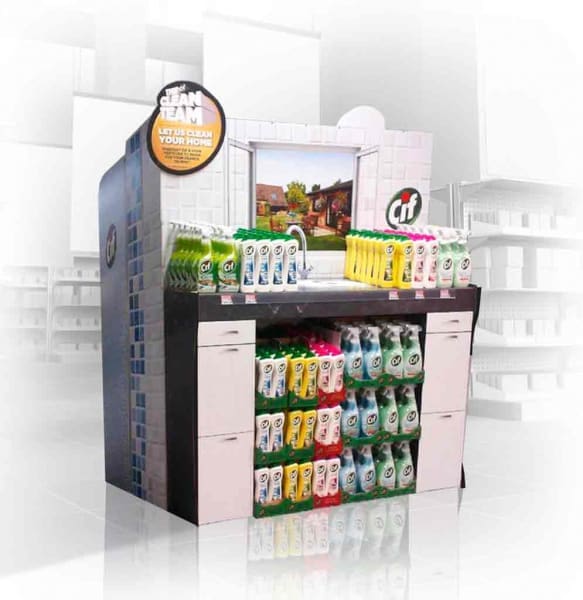
Our fulfillment and contract packaging services offer comprehensive solutions, including assembly, kitting, pack-out displays, and co-packing. We handle every step of the process, ensuring your products are expertly assembled, packaged, and ready for distribution. Whether you need custom kitting, retail-ready displays, or efficient co-packing, our services are designed to streamline your operations and get your products to market quickly and efficiently. Trust us to manage the details, so you can focus on growing your business.
Ensure Quality with Product and Material Testing Services
Our product and material testing services ensure your packaging meets the highest standards of quality and durability. We rigorously test packaging materials to confirm they can withstand the demands of shipping, handling, and storage, protecting your products from damage. In addition, we assist in obtaining key certifications, such as ISTA and others, to ensure compliance with industry standards. By evaluating both the product and its packaging, we help you identify potential issues before they reach the market, ensuring reliability and customer satisfaction.
-
Structural Design
-
Graphic Design
-
Sampling & Prototyping
-
Contract Packaging & Fulfillment
-
Product & Material Testing
Optimize Your Packaging with Structural Design Services
Our structural design services optimize your packaging by enhancing durability and reducing material use, which leads to cost savings and increased sustainability. By focusing on efficient design, we help improve product protection, reduce shipping costs, and minimize environmental impact. These tailored solutions also boost your brand’s shelf presence, making your packaging both functional and attractive.
Elevate Your Packaging with Graphic Design Services
Our graphic design services enhance your packaging by creating visually appealing designs that strengthen branding and attract customer attention. By focusing on cohesive brand identity and impactful visuals, we ensure your products stand out on the shelf and resonate with your target audience. Thoughtfully designed packaging not only improves shelf appeal but also reinforces brand recognition and loyalty. Let us help you make a lasting impression with packaging that truly represents your brand.
Perfect Your Packaging with Sampling and Prototyping Services
Our sampling and prototyping services provide both digital and physical packaging samples, allowing you to see and feel your design before full production. We offer high-quality digital prints for precise visualization and physical samples to ensure the packaging meets your expectations in terms of design, fit, and function. This process helps you make informed decisions and refine your packaging to perfection before committing to large-scale production. Whether you need to test a concept or showcase a final design, our sampling and prototyping services ensure your packaging is ready for market.
Streamline Your Packaging with Fulfillment and Contract Services
Our fulfillment and contract packaging services offer comprehensive solutions, including assembly, kitting, pack-out displays, and co-packing. We handle every step of the process, ensuring your products are expertly assembled, packaged, and ready for distribution. Whether you need custom kitting, retail-ready displays, or efficient co-packing, our services are designed to streamline your operations and get your products to market quickly and efficiently. Trust us to manage the details, so you can focus on growing your business.
Ensure Quality with Product and Material Testing Services
Our product and material testing services ensure your packaging meets the highest standards of quality and durability. We rigorously test packaging materials to confirm they can withstand the demands of shipping, handling, and storage, protecting your products from damage. In addition, we assist in obtaining key certifications, such as ISTA and others, to ensure compliance with industry standards. By evaluating both the product and its packaging, we help you identify potential issues before they reach the market, ensuring reliability and customer satisfaction.
Our sustainable packaging products are designed to minimize environmental impact while maintaining top-notch quality and durability. Choose from a variety of eco-friendly materials, inks, prints and other customizable options to meet your sustainability goals.
At Brown Packaging, we specialize in providing innovative, fully customizable packaging solutions to meet all your business needs. With over 30 years of experience, we offer the capabilities of a large supplier while delivering personalized service and cost-efficient options. From concept to completion, we are committed to sustainability and offer a wide range of eco-friendly packaging solutions.
Full-Service Packaging
Get all your packaging needs from one supplier, guiding you from concept to completion.
Flexible Solutions
We offer packaging options to suit the needs of any brand and budget.
Expert Assistance
Work one on one with a dedicated project manager from concept to completion.
Compliant Solutions
Our packaging solutions meet both retailer requirements and government regulations.
Aaron Meneses went above and beyond servicing our company for our specific needs, and delivered on all his promises for the job. The outcome of the product went above our expectations and delivered ON TIME!
Brown Packaging fulfilled many of our orders with competitive pricing and always provided a quick turn around time. Keith Thomas personally assisted me on several projects and helped walk me though all of the important ordering details. I will be contacting Keith again as new projects come my way!
Full-Service Packaging
Get all your packaging needs from one supplier, guiding you from concept to completion.
Flexible Solutions
We offer packaging options to suit the needs of any brand and budget.
Expert Assistance
Work one on one with a dedicated project manager from concept to completion.
Compliant Solutions
Our packaging solutions meet both retailer requirements and government regulations.
Brown Packaging fulfilled many of our orders with competitive pricing and always provided a quick turn around time. Keith Thomas personally assisted me on several projects and helped walk me though all of the important ordering details. I will be contacting Keith again as new projects come my way!
If you need any assistance with your packaging or have a question, then contact us directly at request@brownpackaging.com or (714)300-0650. Learn more about packaging by reading our blog posts on new and trending topics.

In the world of packaging, there’s a constant tug-of-war between two critical factors: extending the shelf life of products and controlling costs. This delicate balancing act requires businesses to make strategic decisions that align with their objectives and market dynamics. In this exploration, we’ll delve into the intricate tradeoff between shelf life and costs, examining the interconnectedness of these factors and how businesses can navigate this complex landscape. Packaging Priorities When considering packaging options, companies must weigh the significance of extending shelf life against the imperative of controlling costs. These two aspects are closely intertwined, and understanding their interplay is essential: Extending Shelf Life Extending the shelf life of products carries multifaceted advantages: Enhanced Product Quality: A prolonged shelf life ensures that products maintain their quality, flavor, and efficacy, translating into higher customer satisfaction. Waste Reduction: By reducing spoilage and the deterioration of goods, companies can curtail waste, aligning with both environmental and economic sustainability. Broader Market Reach: Products with extended shelf lives can access wider markets, including regions with extended distribution chains or markets where products may sit on shelves for prolonged periods. Fortified Brand Reputation: Offering products with extended shelf life can bolster a brand’s reputation for delivering reliability and quality. Cost Control Effective cost control is crucial for profitability and competitiveness: Competitive Pricing: Cost-efficient operations enable businesses to offer competitive prices, attracting price-conscious consumers. Profit Margin Enhancement: Improved cost control directly impacts profit margins, contributing to the financial health of the business. Investment in Innovation: Redirecting cost savings towards research and development allows companies to innovate and stay ahead in the market. Market Expansion: Lower production costs may facilitate market expansion and investments in marketing and promotional activities. The Interplay Between Shelf Life and Costs The connection between extending shelf life and controlling costs becomes evident when considering the following scenarios: Enhanced Packaging Materials: Investing in high-quality packaging materials can extend shelf life by protecting products from external factors. While this may increase upfront costs, it can reduce long-term expenses related to product spoilage. Optimized Packaging Designs: Streamlining packaging designs, materials, and sizes can cut production and transportation costs while still preserving product quality. This optimization can strike a balance between shelf life extension and cost control. Temperature-Controlled Packaging: Employing temperature-controlled packaging is costlier but essential for certain temperature-sensitive products. It extends shelf life by preventing spoilage, ultimately reducing overall costs associated with product wastage. Regular Quality Control: Implementing stringent quality control measures may increase initial costs. Still, it ensures that products meet quality standards, reducing expenses tied to product recalls or customer complaints. Navigating the Packaging Tradeoff Striking the right equilibrium between extending shelf life and controlling costs is a nuanced endeavor, necessitating a holistic approach: Market Insight: Thorough market research helps businesses understand consumer preferences, demand patterns, and price sensitivity, guiding decision-making. Product Assessment: Recognize that different products have varying requirements. Prioritize shelf life extension for perishable goods, while focusing on cost control for less time-sensitive products. Continuous Optimization: Regularly assess processes, materials, and packaging to identify opportunities for cost savings without compromising product quality or shelf life. Adaptability: Be prepared to adapt strategies as market conditions, consumer preferences, and technological advancements evolve. If you are interested in maximizing your packaging extended shelf-life while limiting costs, then partner with Brown Packaging today to get started. (714)300-0650 request@brownpackaging.com Most Recent Posts: Categories: Corrugated Ecommerce ESD Design Display Flexible Packaging Foam Folding Carton Packaging Plastic Packaging Pouch Printing Protection Retail Rigid Box Thermoform Sustainability Subscribe To Our Newsletter By submitting your information, you agree to our terms and conditions and privacy policy. Custom Packaging Facebook Twitter LinkedIn Pinterest Relevant Posts

When it comes to packaging, especially for delicate and fragile items, foam materials play a crucial role in ensuring the safety and protection of the contents. One often-overlooked but vital aspect of foam materials is their compression properties. In this comprehensive guide, we will explore why the compression properties of foam matter in packaging, how they impact product protection, and what to consider when choosing the right foam for your packaging needs. Understanding Foam Compression Properties Before delving into the importance of foam compression properties, it’s essential to understand what these properties entail. Foam compression properties refer to how a foam material responds when subjected to external pressure or force. These properties are typically categorized into two key characteristics: Compression Deflection (Firmness): This measures the force required to compress a foam material by a certain percentage of its original thickness. It indicates how firm or soft the foam feels and how much it resists deformation under load. Compression Set: Compression set refers to the ability of a foam material to recover its original shape after being compressed. It quantifies the foam’s ability to bounce back to its initial form once the compressive force is removed. Now, let’s delve into why these compression properties are of paramount importance in foam packaging: Protection Against Impact and Shock One of the primary functions of foam in packaging is to cushion and protect items from impact and shock during transportation and handling. The compression deflection of foam determines how effectively it absorbs and disperses the energy generated during these impacts. A foam with the right compression deflection will minimize the risk of damage to the packaged goods, ensuring they arrive in pristine condition. Maintaining Product Integrity For delicate and sensitive products, maintaining their structural integrity is crucial. When a foam has a suitable compression set, it ensures that even after compression during packaging or transit, the foam will regain its original shape. This property is particularly essential for products with intricate shapes or those that must be held securely within the packaging. Load Distribution In some cases, packaged items may be subjected to prolonged periods of compression, either from stacking in storage or during transit. The compression properties of foam become instrumental in evenly distributing the load. Foam materials with well-chosen compression deflection and compression set characteristics will prevent uneven pressure points that could lead to deformation or damage to the packaged items. Customizability and Versatility Different products have varying packaging requirements, and foam materials can be tailored to meet these needs. By selecting foam with the right compression properties, packaging designers can ensure that the foam conforms to the specific shape and fragility of the item, providing tailored protection. Choosing the Right Foam Material Selecting the right foam material with suitable compression properties involves assessing your packaging needs and the fragility of your products. Factors to consider include: Product Weight: Heavier items may require foam with a higher compression deflection to withstand the load without bottoming out. Product Fragility: Delicate or sensitive products benefit from foam with both a suitable compression deflection and compression set to absorb and recover from shocks effectively. Packaging Design: The shape and design of your packaging play a role in determining the foam’s compression requirements. Custom-cut foam inserts can optimize protection. Environmental Conditions: Consider the environmental conditions the packaged items will face. Some foams are better suited for extreme temperatures or exposure to moisture. Cost Considerations: Balance your packaging needs with your budget. Different foam materials may vary in cost, so choose one that meets your requirements without overstretching your budget. If you are interested in foam packaging solutions, then partner with Brown Packaging today to get started. (714)300-0650 request@brownpackaging.com Most Recent Posts: Categories: Corrugated Ecommerce ESD Design Display Flexible Packaging Foam Folding Carton Packaging Plastic Packaging Pouch Printing Protection Retail Rigid Box Thermoform Sustainability Subscribe To Our Newsletter By submitting your information, you agree to our terms and conditions and privacy policy. Custom Foam Facebook Twitter LinkedIn Pinterest Relevant Posts

For those well-versed in the basics of packaging, a deeper dive into the technicalities of custom folding cartons can reveal a world of intricate details and complex considerations. This blog post is tailored for an audience with a foundational understanding of folding cartons, aiming to provide advanced insights and a more nuanced perspective on the intricacies of these packaging solutions. Material Specifications and Selection Paperboard Grades and Characteristics: Understand the different types of paperboard used in folding cartons, such as SBS (Solid Bleached Sulfate), CUK (Coated Unbleached Kraft), clay coated news back (CCNB and more. Each type has specific properties like weight, thickness, stiffness, and ink absorbency that impact the carton’s structural and visual qualities. Weight and Caliper Considerations: The weight (GSM) and caliper (thickness) of the paperboard are critical in determining the carton’s strength and how it performs in various stages of its lifecycle, from manufacturing to end-user handling. Structural Design and Engineering Complex Die-Cuts and Creases: Explore advanced die-cut patterns and crease lines that contribute to innovative shapes and functionality. Understanding the limitations and capabilities of die-cutting machinery is crucial in pushing the boundaries of folding carton design. Load Bearing and Stackability: For products that require stacking during transport or display, the structural integrity of the carton becomes paramount. Advanced design software can simulate load-bearing scenarios and optimize the carton structure accordingly. Printing Techniques and Finishing Processes Advanced Printing Technologies: Delve into high-definition printing techniques such as offset lithography, flexography, and digital printing, each offering unique benefits in terms of print quality, run size, and cost-effectiveness. Finishing Touches: Explore sophisticated finishing options like UV coating, aqueous coating, spot varnishing, foil stamping, and embossing. Each finishing technique can enhance the tactile and visual appeal of the carton but requires careful consideration regarding cost and production time. Innovative Closure Mechanisms Functional Closures: Investigate innovative closure designs beyond the standard tuck-flap. Magnetic closures, snap-lock bottoms, auto-bottom or friction-fit closures can add functionality and enhance user experience but may introduce additional manufacturing complexities. Tamper-Evident Features: In sectors like pharmaceuticals and food, tamper-evident features are crucial. Examine how folding cartons can incorporate these elements without compromising design integrity. Sustainability and Environmental Considerations Eco-Friendly Materials: Deepen your understanding of sustainable paperboard options, including those made from post-consumer recycled content, and how they impact the recycling stream and overall environmental footprint. Lifecycle Assessment: Consider the full lifecycle of the carton, from raw material extraction to disposal or recycling. Advanced assessment tools can help quantify the environmental impact and guide material and process choices. Compliance and Regulatory Standards Industry-Specific Requirements: For industries like pharmaceuticals, food, and cosmetics, compliance with regulatory standards (FDA, EU regulations) is critical. Understanding these regulations can guide the selection of suitable inks, coatings, and adhesives. Technological Integration Smart Packaging Technologies: Explore the integration of technologies like QR codes, NFC tags, and augmented reality. These can turn a folding carton into an interactive platform but require alignment with the overall packaging design and brand strategy. If your interested in custom folding cartons, then partner with Brown Packaging today to get started. (714)300-0650 request@brownpackaging.com Most Recent Posts: Categories: Corrugated Ecommerce ESD Design Display Flexible Packaging Foam Folding Carton Packaging Plastic Packaging Pouch Printing Protection Retail Rigid Box Thermoform Sustainability Subscribe To Our Newsletter By submitting your information, you agree to our terms and conditions and privacy policy. Custom Packaging Facebook Twitter LinkedIn Pinterest Relevant Posts

As 2025 approaches, the U.S. packaging industry faces a new reality with tariffs that aim to prioritize domestic sourcing and manufacturing. These changes could disrupt supply chains, increase costs, and reshape procurement strategies for packaging buyers. Preparing for these tariffs now can help businesses minimize challenges and capitalize on potential opportunities. Here’s a comprehensive guide to getting your packaging operations ready for the evolving landscape. Understanding the Impact of Tariffs on Packaging Tariffs are taxes on imported goods designed to encourage domestic production. While these measures can boost local manufacturing, they also bring challenges: Higher Costs for Imported Materials: Common materials like corrugated board, flexible plastics, and metals may become more expensive due to tariffs. Supply Chain Adjustments: Companies that rely on international suppliers must rethink their sourcing strategies to mitigate delays and costs. Uncertain Market Dynamics: Tariff-induced price changes may lead to shifts in supplier relationships and product availability. To stay competitive, packaging buyers need to adapt their processes, relationships, and strategies proactively. Strategies to Prepare for Tariffs Evaluate Your Current Supply Chain The first step in preparing for tariffs is understanding your current supply chain. Assess where your materials and products come from and identify potential tariff-affected areas. Key Questions to Ask: Are your suppliers located internationally or domestically? Which materials or products are likely to face tariff increases? What alternatives are available in the domestic market? This evaluation will help pinpoint vulnerabilities and guide your next steps. Strengthen Relationships with Domestic Suppliers Tariffs are expected to increase demand for U.S.-based packaging suppliers. Building strong relationships now can secure your position as a priority customer and ensure access to materials. Action Steps: Reach out to domestic manufacturers to discuss capacity and lead times. Negotiate long-term contracts to lock in pricing and availability. Explore local sourcing options for commonly used materials. Diversify Your Supplier Base Relying on a single supplier or region for your packaging needs can leave you vulnerable to tariff-related disruptions. Diversification ensures flexibility and reduces risk. How to Diversify: Identify backup suppliers both domestically and internationally. Split orders among multiple vendors to avoid over-reliance on one source. Work with distributors who can provide access to a variety of suppliers. Optimize Packaging Design Innovative packaging design can help reduce material costs and simplify production, making it easier to adapt to tariff-related changes. Design Adjustments to Consider: Lightweight: Use thinner or lighter materials to reduce overall costs. Simplified Components: Opt for mono-material designs that are easier to source domestically. Right-Sizing: Tailor packaging dimensions to minimize material waste. Focus on Cost Management Tariffs may increase expenses, but careful cost management can help offset their impact. Cost-Saving Measures: Consolidate orders to take advantage of bulk discounts. Streamline inventory management to avoid overstocking or last-minute purchases. Negotiate payment terms with suppliers to improve cash flow. Leverage Technology for Planning Advanced technology can provide valuable insights and improve decision-making during times of change. Useful Tools: Supply Chain Analytics: Identify risks and optimize sourcing strategies. Inventory Management Systems: Monitor stock levels and forecast future needs accurately. Tariff Calculators: Estimate the financial impact of tariffs on your materials and products. Stay Informed About Policy Changes Tariff policies can evolve, and staying updated is crucial to making informed decisions. Monitor industry news and maintain open communication with suppliers and trade associations. How to Stay Updated: Subscribe to packaging industry publications. Attend trade shows and seminars focusing on tariff and supply chain management. Build relationships with customs brokers and trade consultants for expert advice. Opportunities Amid the Challenges While tariffs may present hurdles, they also create opportunities for growth and innovation within the packaging industry: Domestic Sourcing Incentives: Strengthening local supply chains can reduce reliance on global markets and enhance long-term stability. Sustainability Improvements: Transitioning to local, eco-friendly materials can align with both regulatory requirements and consumer demand. Market Differentiation: Companies that adapt quickly can position themselves as reliable partners in the new tariff landscape. Action Plan for Packaging Buyers To prepare for tariffs effectively, packaging buyers should focus on the following: Conduct a Supply Chain Audit: Identify potential vulnerabilities and alternatives. Collaborate with Suppliers: Build strong relationships with domestic partners. Plan for Flexibility: Diversify suppliers and inventory to remain adaptable. Invest in Innovation: Optimize packaging design and explore cost-saving measures. Stay Proactive: Monitor policy updates and engage with industry experts. Conclusion Preparing for tariffs in 2025 requires strategic planning and proactive decision-making. By understanding their impact and taking steps to adapt, packaging buyers can mitigate risks and position their businesses for success. Whether it’s optimizing your supply chain, exploring new materials, or leveraging technology, the key is to act now and embrace the changes ahead. If you are interested in preparing or adjusting to tariffs for your packaging, then partner with Brown Packaging today to get started. (714)300-0650 request@brownpackaging.com Most Recent Posts: Categories: Corrugated Ecommerce ESD Design Display Flexible Packaging Foam Folding Carton Packaging Plastic Packaging Pouch Printing Protection Retail Rigid Box Thermoform Sustainability Subscribe To Our Newsletter By submitting your information, you agree to our terms and conditions and privacy policy. Custom Packaging Facebook Twitter LinkedIn Pinterest Relevant Posts

As tariffs take effect in 2025 to promote domestic sourcing, the packaging industry in the United States is set to experience notable cost changes. While the intent is to strengthen domestic production, these tariffs will impact the cost of materials, manufacturing, and logistics for packaging buyers. This blog explores how tariffs could influence packaging costs and offers neutral, practical insights for buyers to prepare. The Connection Between Tariffs and Packaging Costs Tariffs on imported goods are designed to encourage businesses to source materials and products domestically. While this shift can support U.S.-based manufacturing, it also leads to increased costs for certain types of packaging. Key Cost Drivers: Tariff-Driven Material Costs: Materials like corrugated fiberboard, plastics, and metals often rely on global supply chains. With added tariffs, the cost of importing these materials increases significantly. Labor and Production Costs: Domestic manufacturing typically involves higher labor and operational costs compared to international suppliers, contributing to overall price hikes. Supply Chain Adjustments: Transitioning from international to domestic sources may create temporary inefficiencies as suppliers and manufacturers adjust to new demand patterns. Impacts on Packaging Buyers Increased Procurement Costs Buyers will see higher costs for imported packaging materials and products. These increased expenses could stretch budgets, particularly for industries with high packaging needs, such as e-commerce, food and beverage, and retail. Examples of Affected Packaging: Corrugated boxes made from imported linerboard or medium. Flexible plastic packaging reliant on imported polymers. Aluminum packaging for food and beverage containers. Budget Reallocations Higher packaging costs may force buyers to reconsider how they allocate their budgets. For some, this could mean reducing spending in other areas, while others may need to evaluate their product pricing to offset rising expenses. Complex Pricing Dynamics Suppliers may pass the increased costs of tariffs onto buyers, creating ripple effects across the supply chain. Buyers should be prepared to navigate fluctuating prices and plan for potential cost variability. Opportunities for Cost Management Though tariffs pose challenges, packaging buyers can adopt strategies to minimize their impact: Collaborate with Domestic Suppliers Establishing strong relationships with U.S.-based manufacturers can help mitigate tariff-related costs. Domestic suppliers may offer competitive pricing and eliminate the need for international shipping and customs fees. Explore Alternative Materials Buyers can investigate cost-effective material options, such as: Recycled Content: Utilizing recycled kraft paper or corrugated material. Mono-Material Solutions: Simplifying material types in packaging to reduce complexity and cost. Optimize Packaging Design Design changes can reduce material usage and lower costs. For example: Lightweighting to use less material without compromising functionality. Streamlining packaging dimensions to minimize waste and transportation expenses. Leverage Technology and Data Investing in tools for demand forecasting and inventory management can help buyers optimize purchasing decisions, avoiding overstock or emergency orders that may carry premium costs. Consider Volume Discounts For companies with high packaging needs, negotiating bulk purchase agreements can help offset higher per-unit costs. Long-Term Outlook on Packaging Costs While tariffs may initially drive up packaging costs, they also encourage domestic manufacturing and innovation. Over time, this could stabilize supply chains and foster advancements in cost-efficient packaging solutions. Potential Positive Outcomes: Strengthened Domestic Infrastructure: Investment in U.S.-based production facilities may reduce reliance on international suppliers, leading to more stable pricing over the long term. Focus on Sustainable Practices: Domestic manufacturers often emphasize sustainability, potentially aligning with buyers’ eco-friendly goals. How Packaging Buyers Can Prepare Packaging buyers can take several steps to adapt to cost changes driven by tariffs: Conduct thorough cost analyses to understand the impact on your operations. Diversify your supplier base to include both domestic and international options. Plan procurement schedules strategically to avoid delays or additional costs. By staying informed and proactive, buyers can navigate the evolving market while minimizing disruptions. In Summary Tariffs in 2025 are set to influence packaging costs through increased material expenses, labor costs, and supply chain adjustments. While these changes present challenges, buyers can manage the impact by adopting strategic sourcing practices, optimizing packaging designs, and collaborating with domestic suppliers. By preparing for these shifts, businesses can remain competitive in a dynamic market. If you are interested in controlling your packaging cost or making proper preparations to your packaging for tariffs in 2025, then partner with Brown Packaging today for assistance. (714)300-0650 request@brownpackaging.com Most Recent Posts: Categories: Corrugated Ecommerce ESD Design Display Flexible Packaging Foam Folding Carton Packaging Plastic Packaging Pouch Printing Protection Retail Rigid Box Thermoform Sustainability Subscribe To Our Newsletter By submitting your information, you agree to our terms and conditions and privacy policy. Custom Packaging Facebook Twitter LinkedIn Pinterest Relevant Posts