









Brown Packaging
With over 30 years of experience, Brown Packaging has been a trusted partner for businesses of all sizes, providing custom and stock packaging solutions tailored to their needs. Our in-house services ensure personalized support, guiding you from concept to completion for a seamless experience. Whether you need innovative designs or sustainable options, we work with you every step of the way to deliver exceptional packaging results.


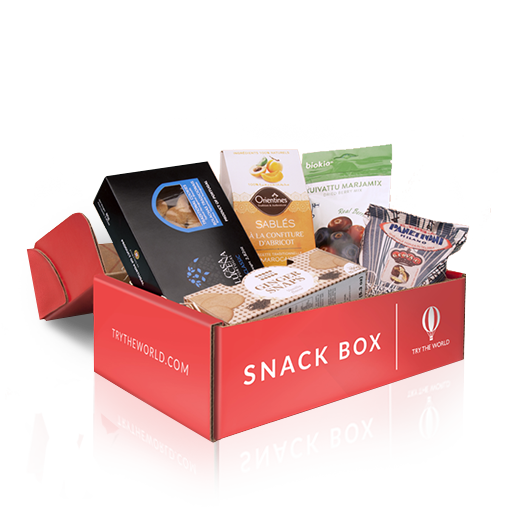
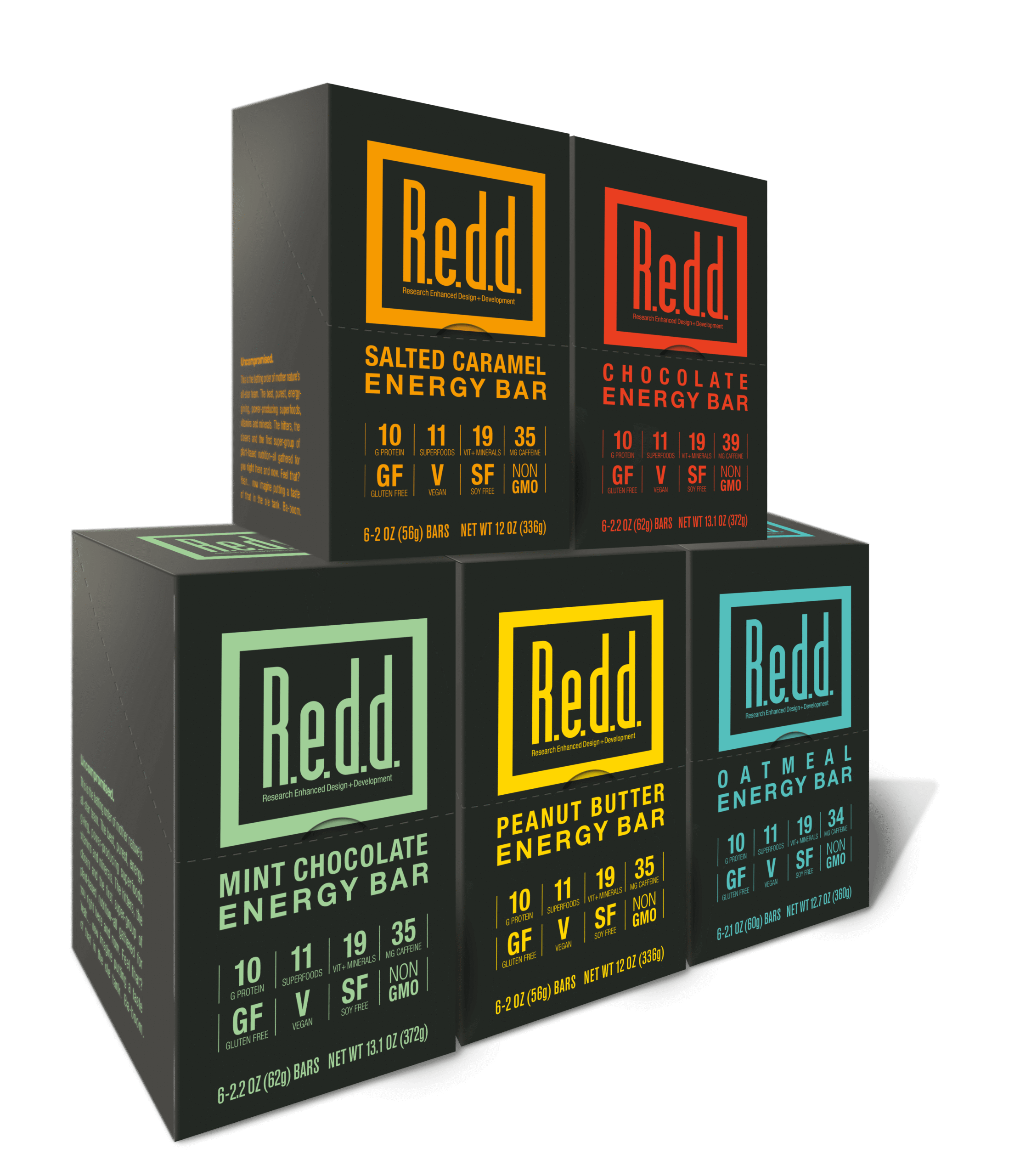
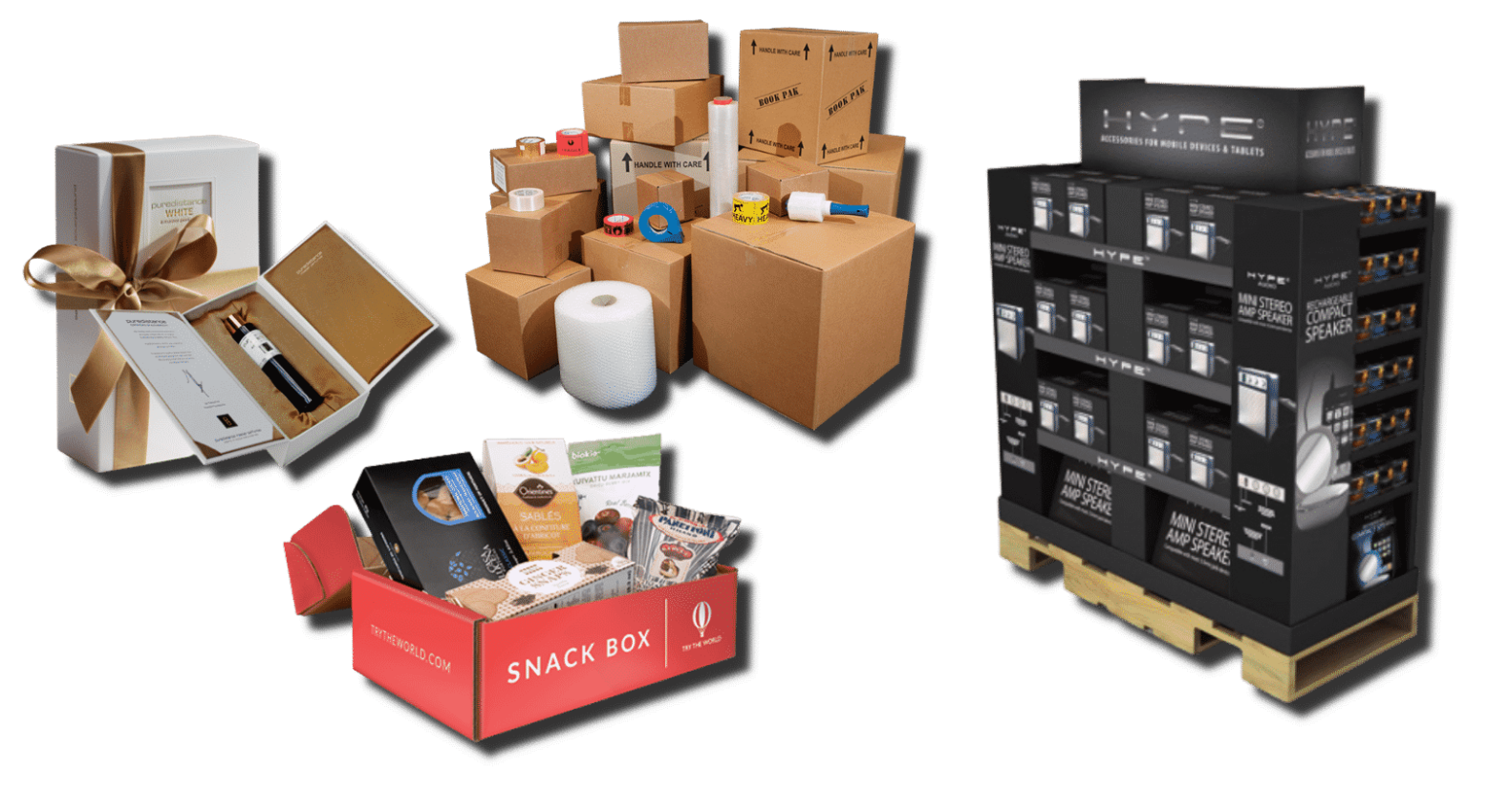
We offer a variety of custom packaging products and solutions to meet all your packaging needs in one place. You’ll work directly with a dedicated project specialist to customize your package according to your specifications, including branding, features, and design.
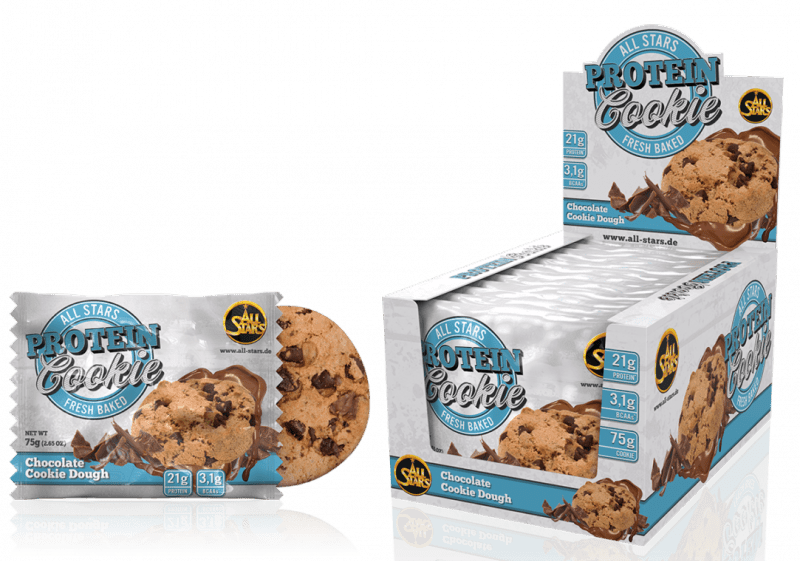
Our stock packaging products, from corrugated boxes to stretch film, offer a wide selection, including essentials like tape, edge protectors, labels, and more, with quick turnaround times to meet your packaging needs efficiently.
Optimize your packaging’s durability, security, branding, cost, unboxing experience and more.
We build durable and efficient packaging for simple to the most complex products.
Sterilization, clean room and medical compliant packaging products and solutions.
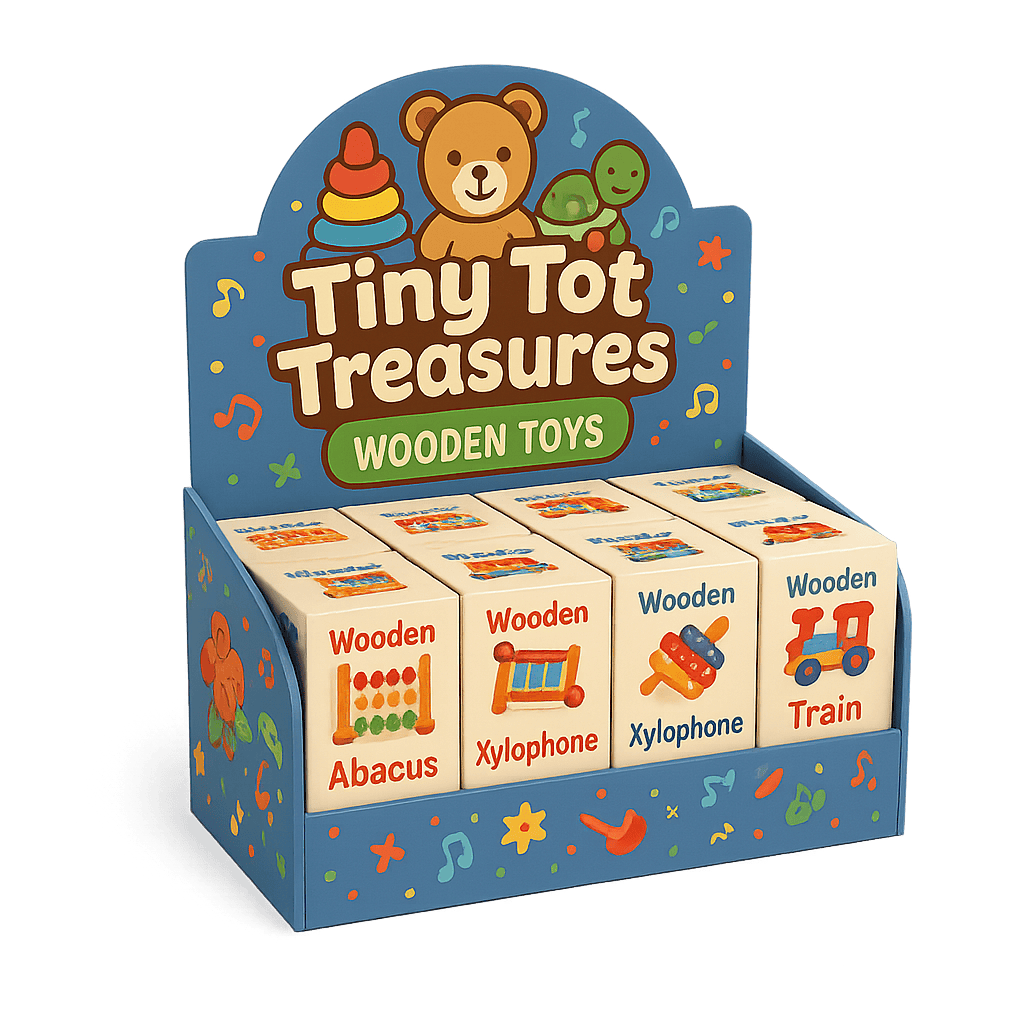
We serve a wide variety of businesses including: pet, toy, cosmetic, electronic and more.
At Brown Packaging, we help our clients create unique packages that reflect their brand and produce results. As a result, we look to add as much value to your packaging experience and product as possible with our services.
-
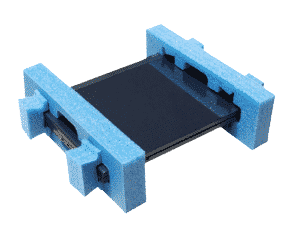
Structural Design
-
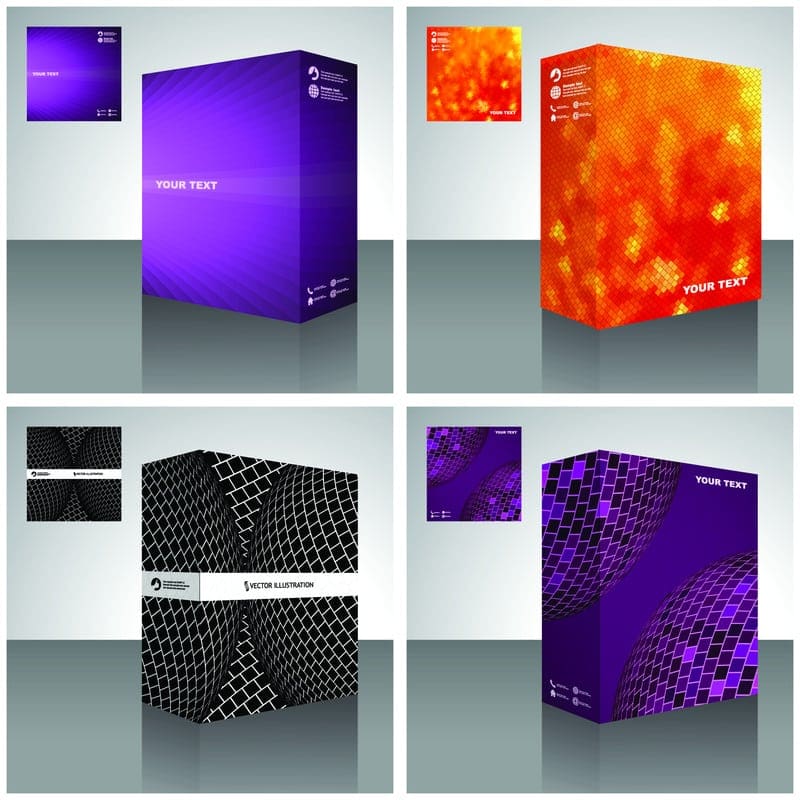
Graphic Design
-
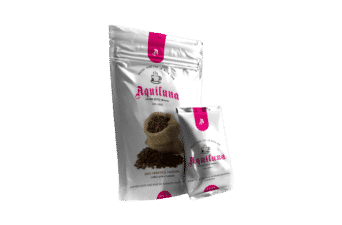
Sampling & Prototyping
-
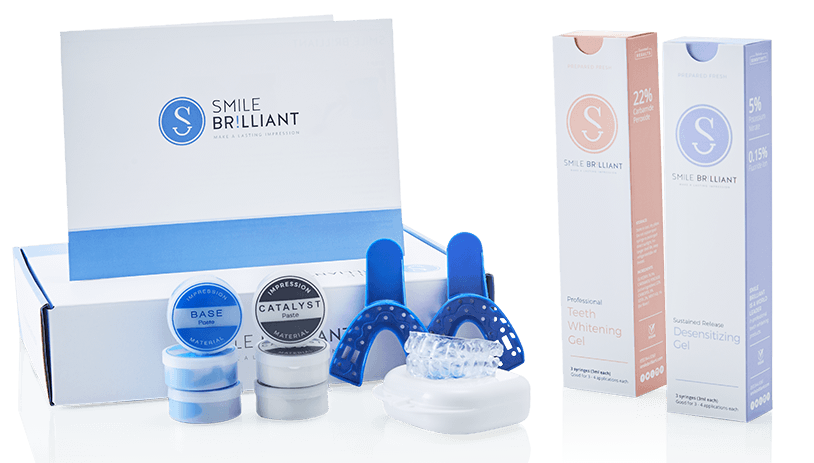
Contract Packaging & Fulfillment
-
Product & Material Testing
Optimize Your Packaging with Structural Design Services
Our structural design services optimize your packaging by enhancing durability and reducing material use, which leads to cost savings and increased sustainability. By focusing on efficient design, we help improve product protection, reduce shipping costs, and minimize environmental impact. These tailored solutions also boost your brand’s shelf presence, making your packaging both functional and attractive.
Elevate Your Packaging with Graphic Design Services
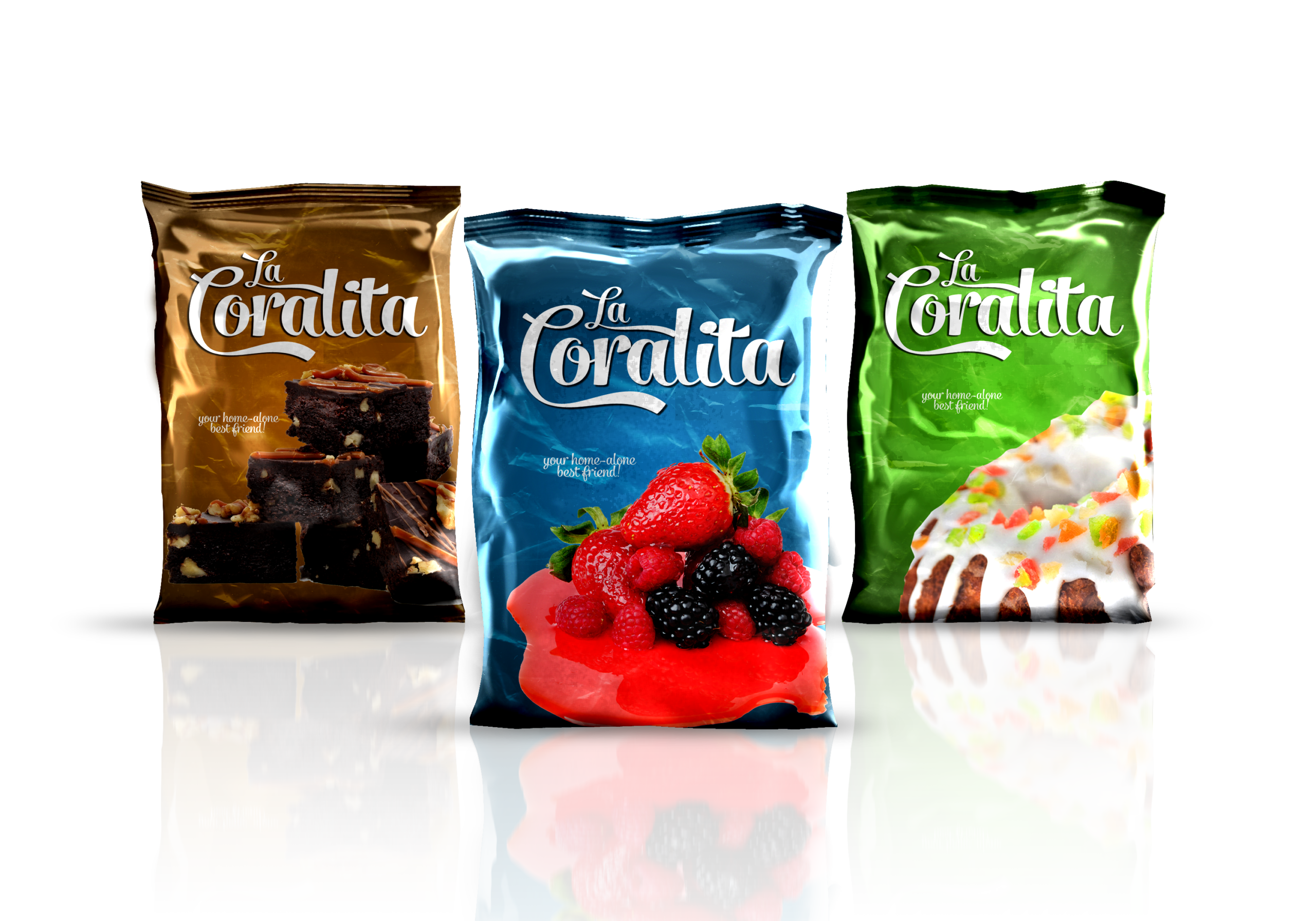
Our graphic design services enhance your packaging by creating visually appealing designs that strengthen branding and attract customer attention. By focusing on cohesive brand identity and impactful visuals, we ensure your products stand out on the shelf and resonate with your target audience. Thoughtfully designed packaging not only improves shelf appeal but also reinforces brand recognition and loyalty. Let us help you make a lasting impression with packaging that truly represents your brand.
Perfect Your Packaging with Sampling and Prototyping Services
Our sampling and prototyping services provide both digital and physical packaging samples, allowing you to see and feel your design before full production. We offer high-quality digital prints for precise visualization and physical samples to ensure the packaging meets your expectations in terms of design, fit, and function. This process helps you make informed decisions and refine your packaging to perfection before committing to large-scale production. Whether you need to test a concept or showcase a final design, our sampling and prototyping services ensure your packaging is ready for market.
Streamline Your Packaging with Fulfillment and Contract Services
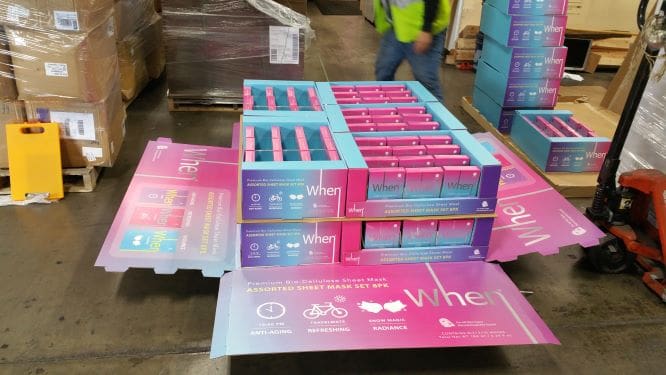
Our fulfillment and contract packaging services offer comprehensive solutions, including assembly, kitting, pack-out displays, and co-packing. We handle every step of the process, ensuring your products are expertly assembled, packaged, and ready for distribution. Whether you need custom kitting, retail-ready displays, or efficient co-packing, our services are designed to streamline your operations and get your products to market quickly and efficiently. Trust us to manage the details, so you can focus on growing your business.
Ensure Quality with Product and Material Testing Services
Our product and material testing services ensure your packaging meets the highest standards of quality and durability. We rigorously test packaging materials to confirm they can withstand the demands of shipping, handling, and storage, protecting your products from damage. In addition, we assist in obtaining key certifications, such as ISTA and others, to ensure compliance with industry standards. By evaluating both the product and its packaging, we help you identify potential issues before they reach the market, ensuring reliability and customer satisfaction.
-
Structural Design
-
Graphic Design
-
Sampling & Prototyping
-
Contract Packaging & Fulfillment
-
Product & Material Testing
Optimize Your Packaging with Structural Design Services
Our structural design services optimize your packaging by enhancing durability and reducing material use, which leads to cost savings and increased sustainability. By focusing on efficient design, we help improve product protection, reduce shipping costs, and minimize environmental impact. These tailored solutions also boost your brand’s shelf presence, making your packaging both functional and attractive.
Elevate Your Packaging with Graphic Design Services
Our graphic design services enhance your packaging by creating visually appealing designs that strengthen branding and attract customer attention. By focusing on cohesive brand identity and impactful visuals, we ensure your products stand out on the shelf and resonate with your target audience. Thoughtfully designed packaging not only improves shelf appeal but also reinforces brand recognition and loyalty. Let us help you make a lasting impression with packaging that truly represents your brand.
Perfect Your Packaging with Sampling and Prototyping Services
Our sampling and prototyping services provide both digital and physical packaging samples, allowing you to see and feel your design before full production. We offer high-quality digital prints for precise visualization and physical samples to ensure the packaging meets your expectations in terms of design, fit, and function. This process helps you make informed decisions and refine your packaging to perfection before committing to large-scale production. Whether you need to test a concept or showcase a final design, our sampling and prototyping services ensure your packaging is ready for market.
Streamline Your Packaging with Fulfillment and Contract Services
Our fulfillment and contract packaging services offer comprehensive solutions, including assembly, kitting, pack-out displays, and co-packing. We handle every step of the process, ensuring your products are expertly assembled, packaged, and ready for distribution. Whether you need custom kitting, retail-ready displays, or efficient co-packing, our services are designed to streamline your operations and get your products to market quickly and efficiently. Trust us to manage the details, so you can focus on growing your business.
Ensure Quality with Product and Material Testing Services
Our product and material testing services ensure your packaging meets the highest standards of quality and durability. We rigorously test packaging materials to confirm they can withstand the demands of shipping, handling, and storage, protecting your products from damage. In addition, we assist in obtaining key certifications, such as ISTA and others, to ensure compliance with industry standards. By evaluating both the product and its packaging, we help you identify potential issues before they reach the market, ensuring reliability and customer satisfaction.
Our sustainable packaging products are designed to minimize environmental impact while maintaining top-notch quality and durability. Choose from a variety of eco-friendly materials, inks, prints and other customizable options to meet your sustainability goals.
At Brown Packaging, we specialize in providing innovative, fully customizable packaging solutions to meet all your business needs. With over 30 years of experience, we offer the capabilities of a large supplier while delivering personalized service and cost-efficient options. From concept to completion, we are committed to sustainability and offer a wide range of eco-friendly packaging solutions.
Full-Service Packaging
Get all your packaging needs from one supplier, guiding you from concept to completion.
Flexible Solutions
We offer packaging options to suit the needs of any brand and budget.
Expert Assistance
Work one on one with a dedicated project manager from concept to completion.
Compliant Solutions
Our packaging solutions meet both retailer requirements and government regulations.
Aaron Meneses went above and beyond servicing our company for our specific needs, and delivered on all his promises for the job. The outcome of the product went above our expectations and delivered ON TIME!
Brown Packaging fulfilled many of our orders with competitive pricing and always provided a quick turn around time. Keith Thomas personally assisted me on several projects and helped walk me though all of the important ordering details. I will be contacting Keith again as new projects come my way!
Full-Service Packaging
Get all your packaging needs from one supplier, guiding you from concept to completion.
Flexible Solutions
We offer packaging options to suit the needs of any brand and budget.
Expert Assistance
Work one on one with a dedicated project manager from concept to completion.
Compliant Solutions
Our packaging solutions meet both retailer requirements and government regulations.
Brown Packaging fulfilled many of our orders with competitive pricing and always provided a quick turn around time. Keith Thomas personally assisted me on several projects and helped walk me though all of the important ordering details. I will be contacting Keith again as new projects come my way!
If you need any assistance with your packaging or have a question, then contact us directly at request@brownpackaging.com or (714)300-0650. Learn more about packaging by reading our blog posts on new and trending topics.

Saving on the purchase of corrugated boxes involves strategic planning and smart sourcing to ensure you get the best value without compromising on quality. By exploring bulk purchasing, negotiating with suppliers, opting for standard sizes, and considering lightly used or recycled boxes, businesses can significantly reduce their packaging costs. Bulk Purchasing One of the most straightforward ways to save on corrugated boxes is by buying in bulk. Manufacturers often offer substantial discounts for large orders due to the lower logistics and handling costs involved. Bulk purchasing not only reduces the per-unit cost but also minimizes the frequency of reordering, saving additional time and shipping expenses. It’s essential, however, to have adequate storage space and to ensure that the bulk quantity aligns with your usage to avoid unnecessary stockpiling. Supplier Negotiation and Comparison Establishing a good relationship with suppliers can open the door to discounts, especially if your business is a repeat customer. Don’t hesitate to negotiate prices or ask for special deals. Additionally, regularly comparing prices from different suppliers can uncover more competitive rates or better terms. Keep in mind that the cheapest option is not always the best choice if it compromises box quality, which can lead to product damage and higher costs in the long run. Recycled and Lightly Used Boxes For businesses committed to sustainability and looking to save on costs, recycled or lightly used corrugated boxes are an excellent option. Many suppliers offer high-quality recycled boxes at a fraction of the cost of new ones. These boxes can be just as durable and reliable as new ones, especially if they have only been used once or twice. Moreover, opting for recycled boxes reduces your environmental footprint and supports circular economy practices. Efficient Design and Material Use Work with your box supplier to design packaging that uses material efficiently. Reducing material waste not only lowers costs but also benefits the environment. Consider lighter-weight corrugated options that still provide adequate protection for your products. Innovations in corrugated box design can result in the use of less material without sacrificing box integrity or performance. Inventory Management Effective inventory management can also lead to savings. By carefully monitoring your box usage and inventory levels, you can avoid rush orders, which often come with premium shipping costs. Predictable ordering patterns can also strengthen your negotiating position with suppliers, potentially leading to better prices or terms. Conclusion Saving on corrugated boxes requires a multi-faceted approach that includes smart purchasing strategies, supplier negotiations, and a commitment to efficient design and sustainability. By adopting these practices, businesses can significantly reduce their packaging expenses while still ensuring their products are well-protected. Remember, the goal is to find a balance between cost savings and maintaining the quality and integrity of your packaging to support your brand’s reputation and customer satisfaction. If you are interested in corrugated boxes, then partner with Brown Packaging today to get started. (714)300-0650 request@brownpackaging.com Most Recent Posts: Categories: Corrugated Ecommerce ESD Design Display Flexible Packaging Foam Folding Carton Packaging Plastic Packaging Pouch Printing Protection Retail Rigid Box Thermoform Sustainability Subscribe To Our Newsletter By submitting your information, you agree to our terms and conditions and privacy policy. Custom Corrugated Boxes Facebook Twitter LinkedIn Pinterest Relevant Posts

In October 2024, California made a groundbreaking move by banning “sell by” dates on food products. This legislation aims to reduce consumer confusion, minimize food waste, and introduce standardized freshness terms across the state. Effective July 1, 2026, this new law has far-reaching implications for packaging design, production, and compliance. For packaging buyers, it is crucial to understand these changes and their impact on packaging strategies to make informed decisions. The Problem with “Sell By” Dates Historically, “sell by” dates have been used as a tool for inventory management, intended for retailers rather than consumers. However, many consumers misinterpret these dates as indicators of food safety, leading to the premature disposal of perfectly edible food. According to studies, this confusion contributes to approximately 70,000 tons of food waste annually in California alone. What Does the New Law Require? The law eliminates “sell by” dates and replaces them with clear, standardized terms that better communicate product freshness to consumers. These terms are expected to include: “Best If Used By”: Indicates the period for optimal quality or flavor. “Use By”: Reflects the last date recommended for the product’s peak quality, often tied to food safety for perishable items. By standardizing labels, California aims to enhance consumer understanding, reduce food waste, and align with global best practices in food labeling. How This Affects Packaging Buyers Packaging buyers must prepare for the operational and design changes required to comply with this legislation. Here’s how the new rules impact the packaging industry and what buyers need to consider: Redesigning Labels The shift to standardized terms requires updates to all food product packaging sold in California. Key Considerations: Ensure compliance with the mandated labeling terms. Collaborate with graphic designers to revise labels while maintaining brand identity. Confirm that new labels are clear and legible for consumers. Adjusting Printing Processes Buyers may need to adjust printing specifications or partner with new suppliers to accommodate the updated labeling requirements. Actionable Steps: Evaluate whether current printing equipment and processes can support the new labeling formats. Plan ahead to avoid delays or increased costs during the transition. Managing Compliance Across States If your business operates in multiple states, consider how to address varying labeling laws. Options for Buyers: Implement California-compliant labels nationwide to streamline production. Use region-specific packaging if distinct compliance is necessary. Sustainability Opportunities The new law aligns with sustainability goals by reducing food waste, providing an opportunity for packaging buyers to align their strategies. How Buyers Can Respond: Highlight eco-friendly materials in packaging to reinforce your brand’s commitment to sustainability. Include consumer education elements, such as QR codes, that provide additional information on food storage and expiration. Cost Implications While the changes may involve upfront costs, compliance can prevent fines and align your products with consumer preferences. Potential Costs: Redesigning and reprinting packaging. Updating inventory and supply chain processes. Training staff on new compliance requirements. Benefits of the New Law for Packaging Buyers While adapting to this legislation requires investment, it also presents several opportunities: Building Consumer Trust Clear and standardized labels improve transparency, helping consumers make informed decisions and fostering trust in your brand. Reducing Waste in Supply Chains With less food discarded due to misunderstood labels, businesses can optimize inventory and reduce losses, saving costs in the long term. Staying Ahead of National Trends California often leads the way in regulatory changes that later influence national policies. Preparing for these changes now could position your business ahead of future federal regulations. Enhancing Brand Reputation By adopting clear, consumer-focused labeling, you align with growing consumer demand for accountability and clarity in packaging. Steps to Prepare for the Labeling Transition To ensure a smooth transition, packaging buyers should take the following steps: Conduct an Audit of Current Labels: Review all products sold in California to identify labels that require updates. Collaborate with Suppliers: Work closely with suppliers to revise labels and ensure timely production. Plan and Budget for the Transition: Allocate resources for redesign, printing, and potential supply chain adjustments. Educate Internal Teams: Train staff on the new labeling requirements and their implications for production and sales. Communicate with Retailers and Distributors: Ensure that partners in the supply chain understand and comply with the new standards. Conclusion California’s new food date labeling law is a significant step toward reducing food waste and improving consumer understanding. For packaging buyers, this change presents both challenges and opportunities. By preparing early and aligning your packaging strategies with the new standards, you can ensure compliance, enhance consumer trust, and support sustainability goals. With thoughtful planning, the transition can become a competitive advantage in the ever-evolving packaging industry. If you are interested in making your food packaging compliant, then partner with Brown Packaging today to get started. (714)300-0650 request@brownpackaging.com Most Recent Posts: Categories: Corrugated Ecommerce ESD Design Display Flexible Packaging Foam Folding Carton Packaging Plastic Packaging Pouch Printing Protection Retail Rigid Box Thermoform Sustainability Subscribe To Our Newsletter By submitting your information, you agree to our terms and conditions and privacy policy. Food Packaging Facebook Twitter LinkedIn Pinterest Relevant Posts

The weight a corrugated box can hold depends on factors such as box construction, material grade, flute size, and box dimensions. Corrugated boxes are designed to protect and hold items during storage and shipping efficiently. A standard single-wall corrugated box can hold between 20 to 120 pounds, while double-wall constructions can support significantly higher weights ranging from 80 to 180 pounds. Understanding Corrugated Box Strength Corrugated box strength is determined by multiple factors, including construction, material grade, and flute size. Understanding these variables ensures the right box is chosen for the job. Box Construction Corrugated boxes are available in three main constructions: Single-Wall Boxes: Suitable for lighter items with weight capacities ranging from 20 to 120 lbs, depending on the material strength. Double-Wall Boxes: Designed for heavier or fragile items, supporting weights from 80 to 180 lbs. Triple-Wall Boxes: Used for exceptionally heavy items, such as industrial equipment, capable of holding hundreds of pounds. Material Strength: Bursting Test and Edge Crush Test (ECT) Two key measurements determine corrugated box strength: Bursting Strength Test: Measures the force required to rupture the surface of corrugated board. Edge Crush Test (ECT): Measures stacking strength and indicates how much weight a box can withstand before collapsing. The following tables summarize the equivalencies for single-wall and double-wall corrugated boxes: Single-Wall Corrugated Boxes Bursting Test Minimum Edge Crush Test (ECT) Maximum Suggested Loading Limit Per Carton 125# 23 ECT 20 lbs. 150# 26 ECT 35 lbs. 175# 29 ECT 50 lbs. 200# 32 ECT 65 lbs. 275# 44 ECT 95 lbs. 350# 55 ECT 120 lbs. Double-Wall Corrugated Boxes Bursting Test Minimum Edge Crush Test (ECT) Maximum Suggested Loading Limit Per Carton 200# 42 ECT 80 lbs. 275# 48 ECT 100 lbs. 350# 51 ECT 120 lbs. 400# 61 ECT 140 lbs. 500# 71 ECT 160 lbs. 600# 82 ECT 180 lbs. These standardized tests ensure the durability and reliability of corrugated boxes, helping buyers choose boxes that meet their weight requirements. The Role of Flute Size Corrugated boxes use fluted sheets to provide strength and cushioning. Larger flutes (like A or B flutes) offer better compression resistance and are ideal for heavier items, while smaller flutes (like E or F flutes) provide a smoother surface for printing and are better for lightweight items. The Importance of Box Dimensions Box size directly affects weight capacity and strength. Larger boxes have a wider surface area, which can distribute weight evenly but may require stronger materials to prevent collapse. Choosing the appropriate box size can optimize load support and minimize material waste. How to Choose the Right Box To ensure optimal performance, consider the following when selecting a corrugated box: Determine the Weight of the ContentsUse the tables above to match the weight of your products with the appropriate box strength. Evaluate the Box Construction Single-wall for lightweight items. Double-wall for medium to heavy items. Triple-wall for extremely heavy or industrial goods. Consult with SuppliersCollaborate with packaging experts to select boxes with the proper ECT or bursting strength for your application. Optimize for SustainabilityChoose boxes made from recycled or sustainable materials without compromising strength. Conclusion The weight a corrugated box can hold depends on its construction, material grade, and strength ratings (ECT and bursting test). Single-wall boxes can hold up to 120 lbs, while double-wall boxes can support weights up to 180 lbs, as shown in the tables above. By understanding these key metrics and factors, packaging buyers can confidently choose the right boxes for their needs, ensuring products are protected during shipping and storage. Partner with Brown Packaging today to find corrugated boxes designed to meet your weight, size, and durability requirements. Whether you’re shipping lightweight goods or industrial equipment, we’ve got the solution for you! (714)300-0650 request@brownpackaging.com Most Recent Posts: Categories: Corrugated Ecommerce ESD Design Display Flexible Packaging Foam Folding Carton Packaging Plastic Packaging Pouch Printing Protection Retail Rigid Box Thermoform Sustainability Subscribe To Our Newsletter By submitting your information, you agree to our terms and conditions and privacy policy. Custom Corrugated Boxes Facebook Twitter LinkedIn Pinterest Relevant Posts

Packaging is a critical part of how your product is presented, protected, and perceived—but are you spending the right amount on it? Many companies unintentionally over-budget for packaging, especially when trying to create visual impact or keep up with competitors. While quality packaging is essential, there’s a difference between investing smartly and overspending without return. In this blog, we’ll walk through how to evaluate your current packaging spend, what packaging should cost based on your product category, and how to make your packaging budget work harder without sacrificing performance. Packaging Cost Should Match Product Positioning Whether you’re selling online, in stores, or through distributors, your packaging should reflect your brand’s value and customer expectations. A luxury product may justify a premium box with high-end finishes—but a value-priced or high-volume item should aim for efficiency and simplicity. If your packaging is costing more than it’s contributing to brand perception, sales performance, or product protection, it may be time to rebalance. A Smart Packaging Budget by Product Tier There’s no one-size-fits-all pricing, but here’s a general guide to help align your packaging budget with your product type, keep in mind that product dimensions and quantity requirements may have an important effect on pricing: Everyday or Value-Priced Products These are products focused on accessibility, mass appeal, and cost efficiency—such as snacks, household goods, basic apparel, or affordable personal care. Recommended spend:3% to 6% of the product’s retail price Example: $10 product → packaging should cost around $0.30 to $0.60 Packaging priorities: Durability for shipping Simple branding Minimalist printing or stock packaging with labels Mid-Tier or Lifestyle Products These are products positioned for retail shelf appeal or direct-to-consumer sales with moderate branding expectations—like wellness items, electronics accessories, and skincare. Recommended spend:6% to 10% of the product’s retail price Example: $25 product → packaging should cost around $1.50 to $2.50 Packaging priorities: Custom structure or folding carton Clean, printed branding Cost-efficient enhancements (e.g., spot UV, soft-touch) Premium or Luxury Products High-end or giftable products where presentation plays a major role in perceived value—such as cosmetics, spirits, tech kits, or curated subscription boxes. Recommended spend:10% to 15% (or more) of the product’s retail price Example: $80 product → packaging can justify $8 to $12, especially if rigid box or detailed kit Packaging priorities: Magnetic closures, foil stamping, embossing Custom inserts and multi-component structures Premium unboxing experience When Overspending Sneaks In You might be overspending if: Packaging costs more than 10–15% of the product’s price and isn’t tied to perceived value You’re using premium finishes that the customer doesn’t see or value You’re designing for complexity, not efficiency You haven’t reviewed specs or sourcing in over a year These are easy traps to fall into—especially when your product team is focused on presentation, or when design decisions from years ago carry forward into current budgets. It’s Not About Spending Less—It’s About Spending Right Your goal isn’t to cut corners—it’s to make sure your packaging spend matches your sales goals, brand perception, and market environment. In many cases, a simple structural or material tweak can reduce costs without affecting how the package performs or looks. Small changes might include: Switching from rigid box to folding carton Simplifying closures or removing magnetic flaps Moving from offset to digital print for short runs Using standard dielines instead of custom shapes Final Thoughts You might not be overspending on packaging in a way that’s obvious—but if your costs don’t align with your product strategy, you could be missing opportunities to improve margins, speed, and efficiency. It’s worth taking a fresh look. Not sure if your packaging budget is where it should be?We can help you evaluate your current setup and explore smarter options tailored to your product and market. (714)300-0650 request@brownpackaging.com Most Recent Posts: Categories: Corrugated Ecommerce ESD Design Display Flexible Packaging Foam Folding Carton Packaging Plastic Packaging Pouch Printing Protection Retail Rigid Box Thermoform Sustainability Subscribe To Our Newsletter By submitting your information, you agree to our terms and conditions and privacy policy. Custom Packaging Facebook Twitter LinkedIn Pinterest Relevant Posts

Cost pressure is real—but downgrading your packaging isn’t the answer. Smart brands know that the real savings come from strategy, not shortcuts. The key is to identify areas where you’re overspending or overdesigning, and then apply targeted fixes that maintain product protection, streamline operations, and preserve your brand’s appearance. Here are six proven ways to lower packaging costs without compromising what matters. Rethink Your Materials, Not Your Message You don’t need premium substrates or specialty coatings for every box. Often, a switch in material spec delivers the same structural integrity at a better price. How to do it: Downgrade from double-wall to single-wall corrugated (if damage rates are low) Replace foam inserts with chipboard or corrugated partitions Use kraft instead of white board for internal packaging where branding isn’t visible Swap soft-touch coatings or laminates for matte aqueous or simpler finishes This preserves your customer experience while reducing waste and cost at the source. Right-Size Every SKU Oversized packaging isn’t just wasteful—it costs more in materials, freight, and void fill. Right-sizing your packaging is one of the fastest ways to cut cost across the board. How to do it: Audit your most frequently shipped SKUs and measure internal void space Consolidate sizes where possible to simplify inventory Switch to smaller mailers or die-cut cartons for low-weight products Use inserts or dividers to stabilize smaller products within tighter boxes This reduces dimensional weight and improves pallet or parcel density. Simplify Your Print Approach You can still brand your packaging without maxing out your budget. Print costs add up when you increase colors, coverage, or setup complexity. How to do it: Use 1-color or 2-color flexographic printing for basic branding Minimize print to one or two sides of the box Print inside the box instead of full exterior coverage for an affordable “wow” moment Skip unnecessary coatings, varnishes, or plate changes Simple, clean branding often looks more professional and is far more cost-effective. Reduce Labor Through Smarter Structures Packaging costs aren’t just in the materials—they’re in the assembly. If your packaging slows down fulfillment, you’re paying for it in time and wages. How to do it: Switch to auto bottom boxes, also called auto-lock, or pre-glued cartons Avoid tray-lid combinations that require excessive folding or taping Use adhesive peel-and-seal mailers to eliminate the need for tape Consider shelf-ready packaging that doubles as display This speeds up your operations and makes training packers easier—especially at scale. Increase Order Efficiency Ordering smarter often reduces cost more than ordering cheaper. How to do it: Increase volume to hit price breaks (especially on custom runs) Bundle packaging components (e.g., boxes + inserts + tape) Set up a stock-and-release program with your supplier Avoid rush jobs by forecasting further ahead A stable order flow lets suppliers optimize production—saving you money on every run. Redesign for Function First Many packaging programs are inherited, not designed. Revisiting your structure with fresh eyes can eliminate unnecessary features and uncover major savings. How to do it: Ask your packaging partner for a design review Remove features that add cost but don’t serve the product Test shipping protection levels—don’t overbuild Design for stackability, shelf fit, or automation to reduce damage and downtime Final Thoughts Lowering packaging costs doesn’t mean watering down your brand or risking product safety. It means being more intentional—about materials, size, structure, and operations. By refining your packaging setup, you can cut cost and improve performance at the same time. Need help lowering your packaging spend?We’ll help you identify where you’re overspending—and design a more efficient, better-performing solution that doesn’t cut corners. (714)300-0650 request@brownpackaging.com Most Recent Posts: Categories: Corrugated Ecommerce ESD Design Display Flexible Packaging Foam Folding Carton Packaging Plastic Packaging Pouch Printing Protection Retail Rigid Box Thermoform Sustainability Subscribe To Our Newsletter By submitting your information, you agree to our terms and conditions and privacy policy. Custom Packaging Facebook Twitter LinkedIn Pinterest Relevant Posts