









Brown Packaging
With over 30 years of experience, Brown Packaging has been a trusted partner for businesses of all sizes, providing custom and stock packaging solutions tailored to their needs. Our in-house services ensure personalized support, guiding you from concept to completion for a seamless experience. Whether you need innovative designs or sustainable options, we work with you every step of the way to deliver exceptional packaging results.


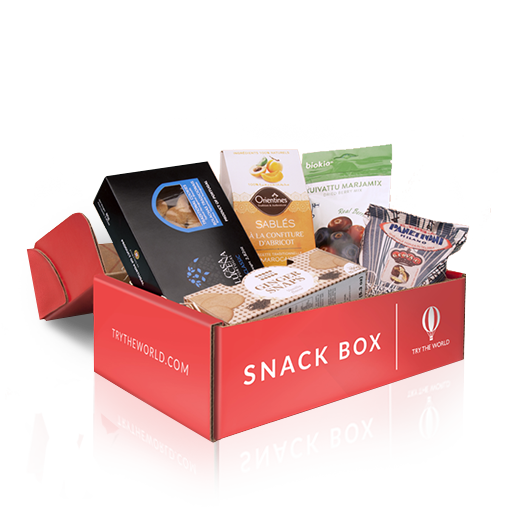
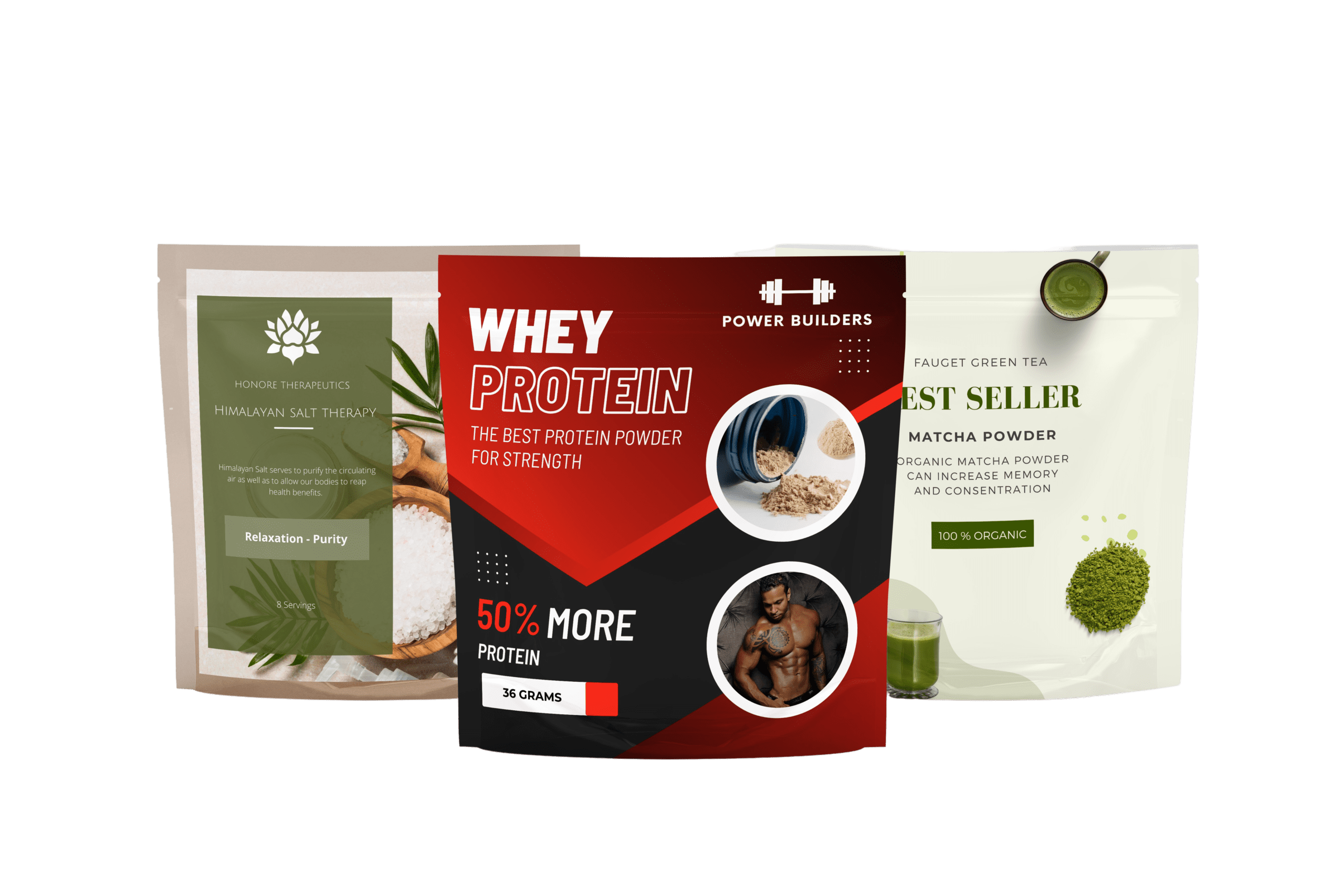
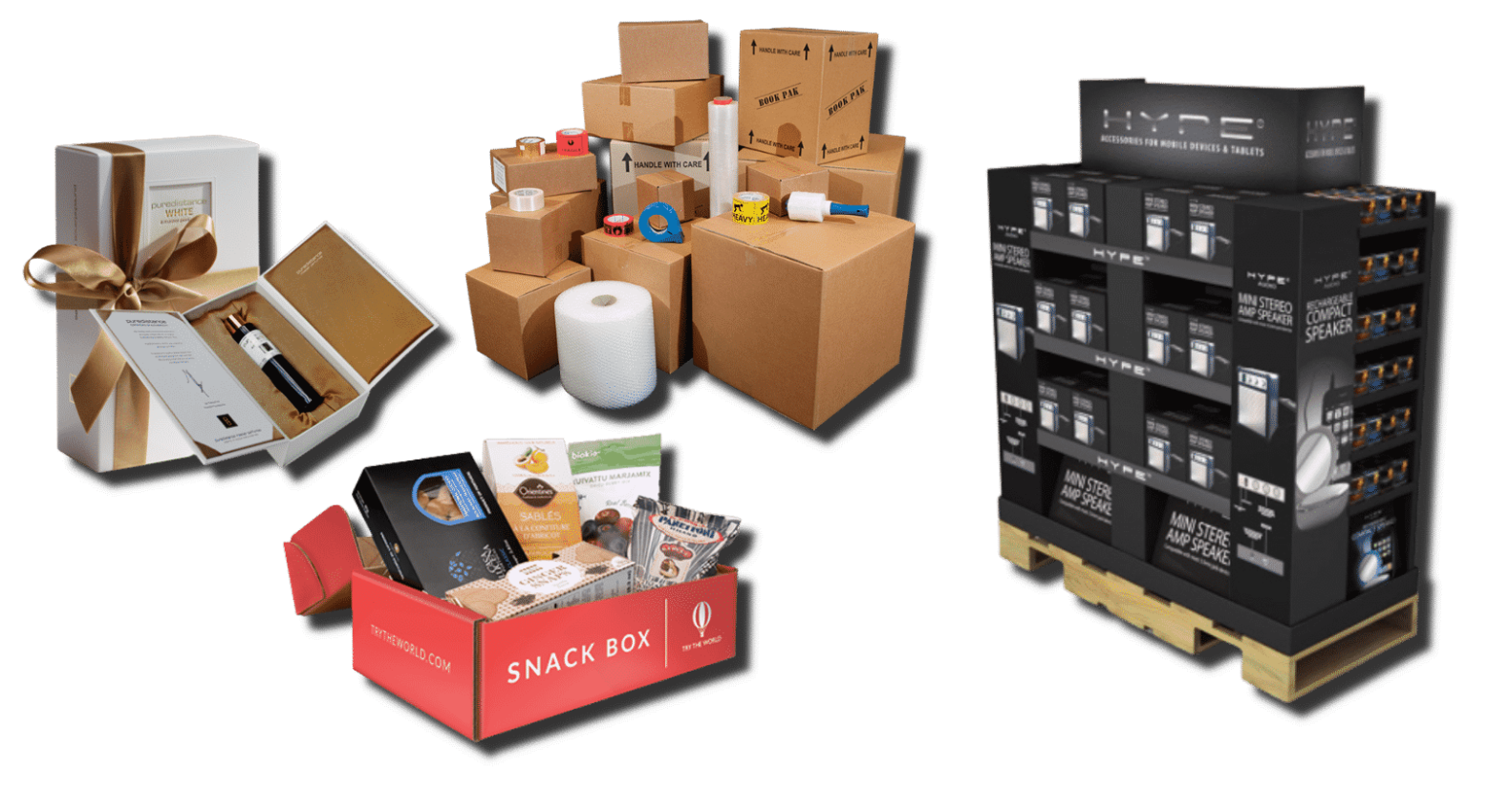
We offer a variety of custom packaging products and solutions to meet all your packaging needs in one place. You’ll work directly with a dedicated project specialist to customize your package according to your specifications, including branding, features, and design.
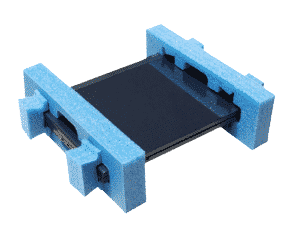
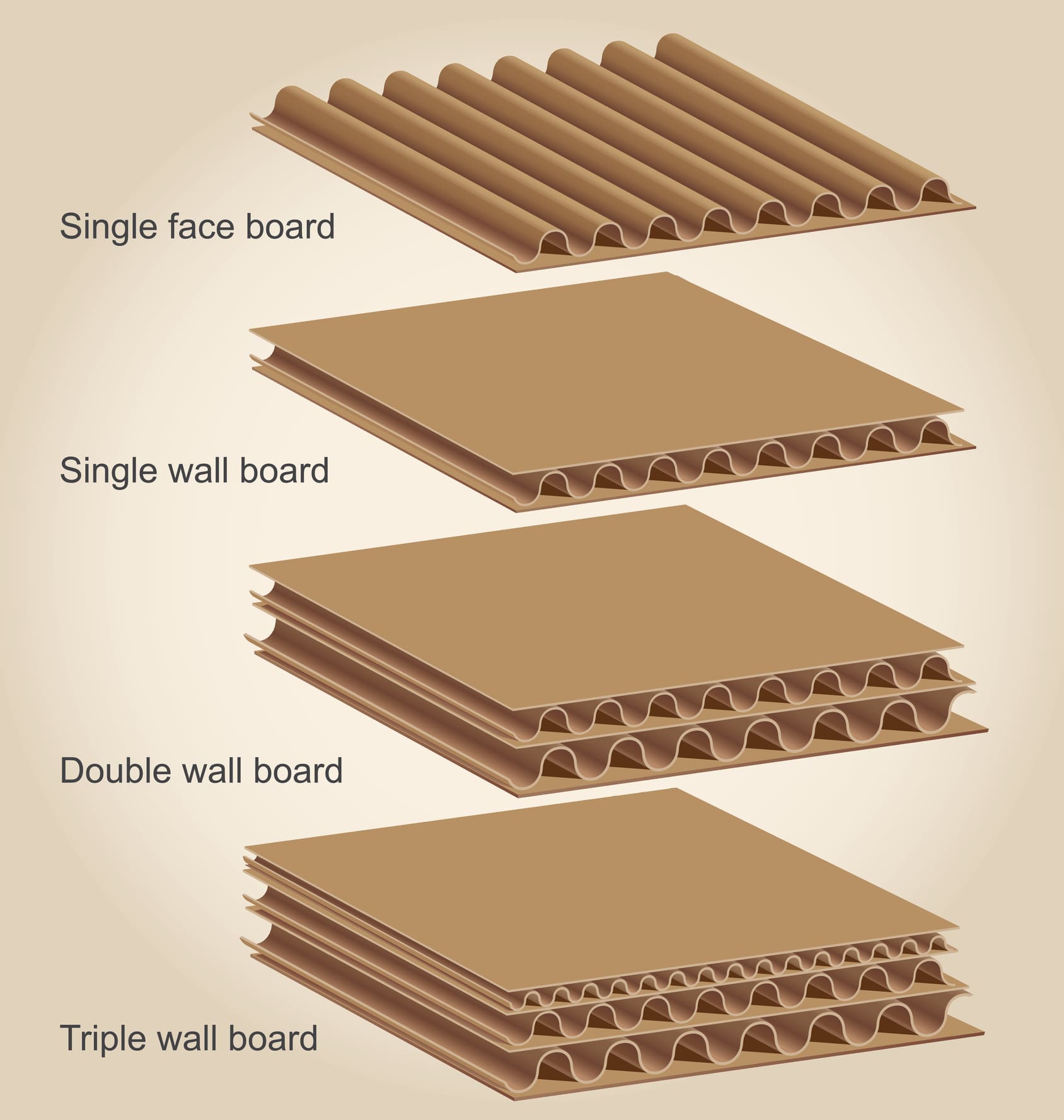
Our stock packaging products, from corrugated boxes to stretch film, offer a wide selection, including essentials like tape, edge protectors, labels, and more, with quick turnaround times to meet your packaging needs efficiently.
Optimize your packaging’s durability, security, branding, cost, unboxing experience and more.
We build durable and efficient packaging for simple to the most complex products.
Sterilization, clean room and medical compliant packaging products and solutions.
We serve a wide variety of businesses including: pet, toy, cosmetic, electronic and more.
At Brown Packaging, we help our clients create unique packages that reflect their brand and produce results. As a result, we look to add as much value to your packaging experience and product as possible with our services.
-
Structural Design
-
Graphic Design
-
Sampling & Prototyping
-
Contract Packaging & Fulfillment
-
Product & Material Testing
Optimize Your Packaging with Structural Design Services
Our structural design services optimize your packaging by enhancing durability and reducing material use, which leads to cost savings and increased sustainability. By focusing on efficient design, we help improve product protection, reduce shipping costs, and minimize environmental impact. These tailored solutions also boost your brand’s shelf presence, making your packaging both functional and attractive.
Elevate Your Packaging with Graphic Design Services
Our graphic design services enhance your packaging by creating visually appealing designs that strengthen branding and attract customer attention. By focusing on cohesive brand identity and impactful visuals, we ensure your products stand out on the shelf and resonate with your target audience. Thoughtfully designed packaging not only improves shelf appeal but also reinforces brand recognition and loyalty. Let us help you make a lasting impression with packaging that truly represents your brand.
Perfect Your Packaging with Sampling and Prototyping Services
Our sampling and prototyping services provide both digital and physical packaging samples, allowing you to see and feel your design before full production. We offer high-quality digital prints for precise visualization and physical samples to ensure the packaging meets your expectations in terms of design, fit, and function. This process helps you make informed decisions and refine your packaging to perfection before committing to large-scale production. Whether you need to test a concept or showcase a final design, our sampling and prototyping services ensure your packaging is ready for market.
Streamline Your Packaging with Fulfillment and Contract Services
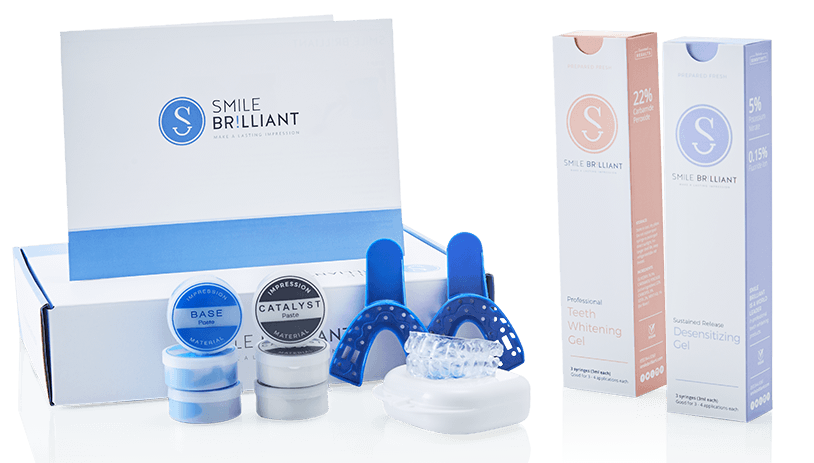
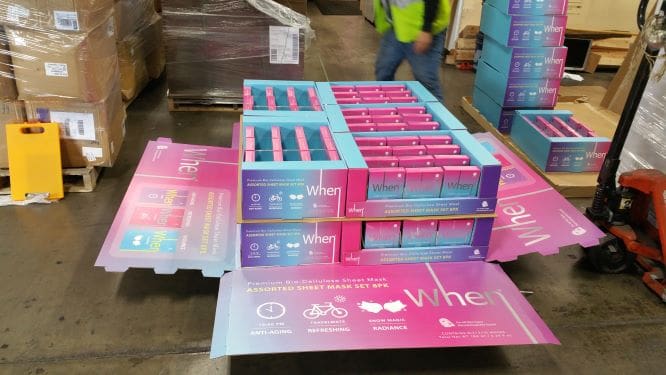
Our fulfillment and contract packaging services offer comprehensive solutions, including assembly, kitting, pack-out displays, and co-packing. We handle every step of the process, ensuring your products are expertly assembled, packaged, and ready for distribution. Whether you need custom kitting, retail-ready displays, or efficient co-packing, our services are designed to streamline your operations and get your products to market quickly and efficiently. Trust us to manage the details, so you can focus on growing your business.
Ensure Quality with Product and Material Testing Services
Our product and material testing services ensure your packaging meets the highest standards of quality and durability. We rigorously test packaging materials to confirm they can withstand the demands of shipping, handling, and storage, protecting your products from damage. In addition, we assist in obtaining key certifications, such as ISTA and others, to ensure compliance with industry standards. By evaluating both the product and its packaging, we help you identify potential issues before they reach the market, ensuring reliability and customer satisfaction.
-
Structural Design
-
Graphic Design
-
Sampling & Prototyping
-
Contract Packaging & Fulfillment
-
Product & Material Testing
Optimize Your Packaging with Structural Design Services
Our structural design services optimize your packaging by enhancing durability and reducing material use, which leads to cost savings and increased sustainability. By focusing on efficient design, we help improve product protection, reduce shipping costs, and minimize environmental impact. These tailored solutions also boost your brand’s shelf presence, making your packaging both functional and attractive.
Elevate Your Packaging with Graphic Design Services
Our graphic design services enhance your packaging by creating visually appealing designs that strengthen branding and attract customer attention. By focusing on cohesive brand identity and impactful visuals, we ensure your products stand out on the shelf and resonate with your target audience. Thoughtfully designed packaging not only improves shelf appeal but also reinforces brand recognition and loyalty. Let us help you make a lasting impression with packaging that truly represents your brand.
Perfect Your Packaging with Sampling and Prototyping Services
Our sampling and prototyping services provide both digital and physical packaging samples, allowing you to see and feel your design before full production. We offer high-quality digital prints for precise visualization and physical samples to ensure the packaging meets your expectations in terms of design, fit, and function. This process helps you make informed decisions and refine your packaging to perfection before committing to large-scale production. Whether you need to test a concept or showcase a final design, our sampling and prototyping services ensure your packaging is ready for market.
Streamline Your Packaging with Fulfillment and Contract Services
Our fulfillment and contract packaging services offer comprehensive solutions, including assembly, kitting, pack-out displays, and co-packing. We handle every step of the process, ensuring your products are expertly assembled, packaged, and ready for distribution. Whether you need custom kitting, retail-ready displays, or efficient co-packing, our services are designed to streamline your operations and get your products to market quickly and efficiently. Trust us to manage the details, so you can focus on growing your business.
Ensure Quality with Product and Material Testing Services
Our product and material testing services ensure your packaging meets the highest standards of quality and durability. We rigorously test packaging materials to confirm they can withstand the demands of shipping, handling, and storage, protecting your products from damage. In addition, we assist in obtaining key certifications, such as ISTA and others, to ensure compliance with industry standards. By evaluating both the product and its packaging, we help you identify potential issues before they reach the market, ensuring reliability and customer satisfaction.
Our sustainable packaging products are designed to minimize environmental impact while maintaining top-notch quality and durability. Choose from a variety of eco-friendly materials, inks, prints and other customizable options to meet your sustainability goals.
At Brown Packaging, we specialize in providing innovative, fully customizable packaging solutions to meet all your business needs. With over 30 years of experience, we offer the capabilities of a large supplier while delivering personalized service and cost-efficient options. From concept to completion, we are committed to sustainability and offer a wide range of eco-friendly packaging solutions.
Full-Service Packaging
Get all your packaging needs from one supplier, guiding you from concept to completion.
Flexible Solutions
We offer packaging options to suit the needs of any brand and budget.
Expert Assistance
Work one on one with a dedicated project manager from concept to completion.
Compliant Solutions
Our packaging solutions meet both retailer requirements and government regulations.
Aaron Meneses went above and beyond servicing our company for our specific needs, and delivered on all his promises for the job. The outcome of the product went above our expectations and delivered ON TIME!
Brown Packaging fulfilled many of our orders with competitive pricing and always provided a quick turn around time. Keith Thomas personally assisted me on several projects and helped walk me though all of the important ordering details. I will be contacting Keith again as new projects come my way!
Full-Service Packaging
Get all your packaging needs from one supplier, guiding you from concept to completion.
Flexible Solutions
We offer packaging options to suit the needs of any brand and budget.
Expert Assistance
Work one on one with a dedicated project manager from concept to completion.
Compliant Solutions
Our packaging solutions meet both retailer requirements and government regulations.
Brown Packaging fulfilled many of our orders with competitive pricing and always provided a quick turn around time. Keith Thomas personally assisted me on several projects and helped walk me though all of the important ordering details. I will be contacting Keith again as new projects come my way!
If you need any assistance with your packaging or have a question, then contact us directly at request@brownpackaging.com or (714)300-0650. Learn more about packaging by reading our blog posts on new and trending topics.

Digital printing has revolutionized the packaging industry in recent years. It has brought a lot of flexibility, creativity, and efficiency to the packaging process. It has enabled brands to customize their packaging designs and produce them in small quantities at a lower cost than traditional printing methods. As digital printing technology continues to improve, it is poised to have an even greater impact on the packaging industry in the future. Quick Overview: Future of Digital Print In this blog, we will explore the future of digital print in packaging. Customization and Personalization Faster Time-to-Market Sustainable Packaging Greater Efficiency and Cost-Effectiveness Advanced Printing Techniques On-Demand Printing Interactive Packaging Improved Quality Smart Packaging Greater Flexibility Customization and Personalization Digital printing has made it possible for brands to create customized packaging designs that can be tailored to specific customer needs. In the future, this trend is expected to continue with more advanced software and technology. Brands will be able to offer more personalized packaging to their customers, such as custom graphics, text, and even individualized packaging for each product. This will help companies to differentiate their products and create a more engaging customer experience. Faster Time-to-Market Digital printing has already reduced the time-to-market for packaging products, but this trend is expected to accelerate in the future. With digital printing, brands can produce packaging designs quickly and efficiently without having to go through the lengthy setup and lead times associated with traditional printing methods. As digital printing technology continues to improve, it will become even faster and more cost-effective, making it an attractive option for brands looking to bring products to market quickly. Sustainable Packaging Sustainability is a growing concern for consumers and brands alike. Digital printing can help to reduce waste and make packaging more environmentally friendly. In the future, we can expect to see more sustainable packaging options made possible by digital printing technology. For example, brands could use digital printing to produce packaging with biodegradable materials or to print on recycled paper. This will help to reduce the environmental impact of packaging and meet the demands of environmentally conscious consumers. Greater Efficiency and Cost-Effectiveness Digital printing has already improved efficiency and cost-effectiveness in the packaging industry, but the future looks even brighter. As technology continues to improve, we can expect to see even greater efficiency gains and cost savings. For example, new software and automation tools will help to streamline the printing process, reducing waste and increasing productivity. This will make digital printing an even more attractive option for brands looking to reduce costs and improve efficiency. Advanced Printing Techniques As digital printing technology continues to advance, we can expect to see new and innovative printing techniques emerge. For example, augmented reality (AR) could be used to enhance packaging designs and create a more interactive customer experience. This advanced printing technique will help brands to differentiate their products and create a more engaging customer experience. On-Demand Printing Digital printing enables brands to print packaging on-demand, which means they can produce smaller quantities of packaging as and when they need it. This eliminates the need for large print runs and reduces the amount of inventory a company needs to hold. In the future, on-demand printing is expected to become even more prevalent, allowing brands to respond quickly to changing market demands and reduce their overall costs. Interactive Packaging As technology advances, packaging is becoming more interactive. Brands are using digital printing to create packaging that incorporates augmented reality (AR), QR codes, and other interactive elements. This creates a more engaging customer experience and allows brands to provide additional product information or promotional offers. In the future, we can expect to see even more interactive packaging, with brands using digital printing to create packaging that integrates with mobile apps or other digital platforms. Improved Quality Digital printing technology has already improved the quality of packaging designs, but this trend is expected to continue in the future. As the technology improves, digital printing will be able to produce even more vibrant colors, sharper images, and finer details. This will enable brands to create more visually stunning packaging designs that stand out on store shelves and capture the attention of consumers. Smart Packaging Smart packaging is a new trend in the packaging industry that uses technology to add additional functionality to packaging. For example, smart packaging can be used to monitor the temperature of food products, track the location of shipped products, or provide real-time product information to consumers. Digital printing technology is a key component of smart packaging, allowing brands to incorporate sensors, antennas, and other electronic components into packaging designs. In the future, we can expect to see more smart packaging solutions made possible by digital printing technology. Greater Flexibility Digital printing enables brands to produce packaging designs with greater flexibility than traditional printing methods. Brands can easily make changes to packaging designs, produce smaller quantities of packaging, and create custom packaging for specific products or events. In the future, we can expect to see even greater flexibility in digital printing, with brands using the technology to create packaging that is tailored to specific customer segments or geographic regions. This will enable brands to better meet the needs of their customers and stand out in an increasingly competitive marketplace. Summary: The Future of Digital Packaging Conclusion The future of digital print in packaging looks bright. As technology continues to improve, we can expect to see more customization, faster time-to-market, greater sustainability, improved efficiency, cost-effectiveness, and advanced printing technique. Brands that embrace digital printing will be able to differentiate themselves from the competition and create a more engaging customer experience. Digital printing is the future of packaging, and it is an exciting time to be a part of this industry. If you are interested in digital printed packaging, then partner with Brown Packaging today to get started. (714)300-0650 request@brownpackaging.com Most Recent Posts: Categories: Corrugated Ecommerce ESD Design Display Flexible Packaging Foam Folding Carton Packaging Plastic Packaging Pouch Printing Protection Retail Rigid Box Thermoform

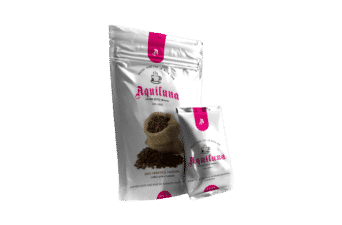
Packaging is an essential aspect of product design, as it helps to protect the contents and enhance their shelf life. One of the most versatile types of packaging is pouches, which can be used for a wide range of products, from food items to personal care products. Pouches are lightweight, portable, and come in various shapes and sizes. They are also customizable, allowing businesses to showcase their brand with unique graphics and designs. The material used to make pouches can significantly impact their functionality and performance. In this blog, we will explore the different types of materials used to make pouches and their benefits and drawbacks. Plastic Pouches Plastic is one of the most common materials used to make pouches. It is versatile, durable, and lightweight, making it an ideal material for packaging. There are several types of plastic films used in the production of pouches, such as polyethylene, polypropylene, and polyester. Polyethylene (PE) is a widely used plastic film that is suitable for packaging food items, such as snacks, baked goods, and frozen foods. It is affordable, has excellent moisture and oxygen barrier properties, and is easy to print on. Polyethylene films come in different thicknesses, with high-density polyethylene (HDPE) being more robust than low-density polyethylene (LDPE). Polypropylene (PP) is another type of plastic film commonly used to make pouches. It is more durable than PE and has a higher melting point, making it suitable for hot-fill applications. PP films offer good moisture and oxygen barrier properties and are resistant to punctures and tears. Polyester (PET) is a strong, high-clarity plastic film that is suitable for packaging products that require high barrier properties, such as coffee, snacks, and dried fruits. It is also suitable for packaging products that require microwaveable or oven-able pouches. Plastic pouches are customizable, allowing businesses to showcase their brand with high-quality graphics and designs. However, plastic pouches are not biodegradable and can contribute to environmental pollution. They also have limited heat resistance and are not suitable for high-temperature applications. Paper Pouches Paper is a natural and biodegradable material that is becoming increasingly popular for pouch packaging. Paper pouches are lightweight, portable, and eco-friendly, making them an ideal option for dry food items such as nuts, seeds, and snacks. Paper pouches are typically made from kraft paper, which is a sturdy and tear-resistant material. They are also customizable and can be printed with unique designs and graphics. However, paper pouches are not suitable for products that require high barrier properties, such as liquids and perishable food items. Aluminum Foil Pouches Aluminum foil is a high barrier material that is commonly used for packaging perishable food items, such as meat, dairy products, and beverages. Foil pouches offer excellent moisture and oxygen barrier properties, preventing spoilage and extending the shelf life of the product. Aluminum foil pouches are puncture-resistant and tamper-evident, making them an ideal option for high-value products. They are also heat-sealable, ensuring the contents remain fresh and protected from external factors. However, aluminum foil pouches are not suitable for microwave or oven-able applications. They are also not biodegradable and can contribute to environmental pollution. Biodegradable Pouches As consumers become more environmentally conscious, biodegradable pouches are becoming increasingly popular. These pouches are made from materials such as corn starch, sugarcane, and other natural fibers. Biodegradable pouches break down quickly in the environment, leaving no harmful residues. They are also suitable for food items and offer similar barrier properties as traditional plastic pouches. However, biodegradable pouches are more expensive than traditional plastic pouches and have limited availability. They may also have lower barrier properties than other materials, making them less suitable for certain products. Composite Pouches Composite pouches are made by combining different materials to create a customized packaging solution. For example, a composite pouch might combine plastic and aluminum foil to create a high barrier pouch suitable for packaging liquids and powders. Composite pouches offer a range of benefits, such as increased durability, enhanced barrier properties, and improved product shelf life. Composite pouches are customizable and can be printed with high-quality graphics and designs. They are also tamper-evident, ensuring the contents remain fresh and protected from external factors. However, composite pouches are more expensive than traditional plastic pouches and may not be suitable for all products. The use of multiple materials in composite pouches may also make them more difficult to recycle. Summary: Which Pouch Material Should You Choose? In conclusion, the choice of material used to make pouches depends on the product being packaged, the required barrier properties, and environmental considerations. From plastic and paper to aluminum foil and biodegradable materials, there are several options available for creating the perfect pouch for your product. By understanding the benefits and drawbacks of each material, businesses can make informed decisions about the best type of pouch packaging for their products. If you are looking for custom pouches, then contact Brown Packaging today to get started. (714)300-0650 request@brownpackaging.com Most Recent Posts: Categories: Corrugated Ecommerce ESD Design Display Flexible Packaging Foam Folding Carton Packaging Plastic Packaging Pouch Printing Protection Retail Rigid Box Thermoform Sustainability Subscribe To Our Newsletter By submitting your information, you agree to our terms and conditions and privacy policy. Pouches Facebook Twitter LinkedIn Pinterest Relevant Posts

In today’s competitive marketplace, packaging has become one of the most crucial elements of any product. It not only protects the product but also plays a significant role in the marketing and branding of the product. However, creating a packaging design that effectively represents your brand while keeping costs under control can be challenging. Therefore, creating a budget for your packaging design is a critical aspect that should be considered by any business owner. Quick Overview: 10 Ways Your Budget Is Impacting Your Packaging Design In this blog post, we will explore how a budget can affect your packaging design. Material Selection Printing and Finishing Customization Quantity Logistics Size and Shape Design Complexity Branding Elements Sustainable Materials Regulatory Compliance Material Selection The materials used for packaging can vary significantly in cost. If you have a low budget, you may opt for less expensive materials such as paper or cardboard, while a higher budget may allow for more luxurious materials such as metal or glass. Additionally, different materials can have different benefits and drawbacks, such as eco-friendliness or durability, so it’s important to consider your budget when selecting materials. Printing and Finishing Packaging design can be enhanced with different printing and finishing techniques such as embossing, foil stamping, and spot UV printing. These techniques can add a significant visual impact to your packaging but can also be costly. Therefore, it’s crucial to consider the budget when deciding which printing and finishing techniques to use. Customization Customized packaging can help your brand stand out in a crowded market. However, customization can also increase costs significantly. The level of customization required will depend on your brand and the product being sold. For example, a luxury brand may require more custom packaging than a standard product. It’s essential to understand the level of customization required and its impact on the budget. Quantity The quantity of packaging produced can also impact the budget. Larger quantities can often lead to economies of scale, resulting in lower per-unit costs. Therefore, it’s crucial to determine the optimal quantity for your packaging design while considering your budget. Logistics The logistics of packaging can also affect the budget. The cost of shipping, warehousing, and storage should all be taken into account when creating a packaging budget. Additionally, any potential delays or issues in the supply chain can also impact the budget and should be considered when creating the budget. Size and Shape The size and shape of your packaging can have an impact on the budget. More intricate or unusual shapes may require custom tooling, which can be costly. Similarly, larger sizes may require more materials, increasing the overall cost. Therefore, it’s important to consider the size and shape of your packaging when creating a budget. Design Complexity The complexity of your packaging design can also impact the budget. More complex designs may require more time and resources to create, increasing the overall cost. Additionally, complex designs may require more materials or customization, which can further increase costs. Therefore, it’s important to consider the level of design complexity when creating a budget. Branding Elements Packaging is an important branding tool, and incorporating branding elements into your packaging can help build brand recognition and loyalty. However, incorporating branding elements into your packaging design can also increase costs. For example, using custom colors or adding a special color logo can increase printing costs. Therefore, it’s important to consider the branding elements you want to include in your packaging design when creating a budget. Sustainable Materials Sustainable packaging has become increasingly popular in recent years, as consumers become more environmentally conscious. However, sustainable materials can be more expensive than traditional materials, impacting the budget. Therefore, it’s important to consider the use of sustainable materials when creating a packaging budget. Regulatory Compliance Different products may have different regulatory requirements that impact the packaging design. For example, some products may require specific warning labels or safety features. Ensuring compliance with these regulations can impact the budget, as additional design elements or materials may be required. Therefore, it’s important to consider regulatory compliance when creating a budget for your packaging design. Summary: Budgeting and Packaging Design In conclusion, creating a packaging design that effectively represents your brand while staying within budget constraints is crucial. A budget can impact various elements of packaging design, such as material selection, printing techniques, customization, quantity, logistics, size and shape, design complexity, branding elements, sustainable materials, regulatory compliance, shipping and handling, target audience, industry standards, seasonal changes, and multilingual design. As a result, businesses must carefully consider each of these factors when creating a packaging budget to ensure that they can create a packaging design that meets their needs and budget constraints. By doing so, businesses can not only create an effective packaging design but also save costs and improve their bottom line. If you are interested in getting the best packaging solutions for your budget, then contact Brown Packaging today to get started. (714)300-0650 request@brownpackaging.com Most Recent Posts: Categories: Corrugated Ecommerce ESD Design Display Flexible Packaging Foam Folding Carton Packaging Plastic Packaging Pouch Printing Protection Retail Rigid Box Thermoform Sustainability Subscribe To Our Newsletter By submitting your information, you agree to our terms and conditions and privacy policy. Custom Packaging Facebook Twitter LinkedIn Pinterest Relevant Posts

Ultraviolet (UV) rays can have detrimental effects on product packaging, leading to faded colors, weakened materials, and compromised product integrity. In industries where products are frequently exposed to sunlight, such as in retail storefronts or during transportation, safeguarding packaging from UV damage is crucial. This blog post delves into various strategies and solutions for protecting packaging from the harmful effects of UV rays. Understanding UV Damage in Packaging UV rays can cause various types of damage to packaging materials. Common issues include discoloration of inks and dyes, degradation of plastic materials, and weakening of structural integrity. Over time, this can result in unappealing product presentation and potential product spoilage, which can adversely affect consumer perception and brand reputation. Materials Resistant to UV Damage Choosing the right materials is the first line of defense against UV damage. UV-Resistant Plastics: Some plastics are formulated to resist UV damage. Materials like PET and certain grades of polyethylene can offer better protection against sunlight. UV Inhibitors: For plastic packaging, consider using materials treated with UV inhibitors. These additives absorb or block UV radiation, helping to prevent degradation. Metal and Glass Packaging: In some cases, opting for metal or glass packaging can be beneficial as they are less susceptible to UV damage compared to certain plastics. Protective Coatings and Laminates Applying protective coatings or laminates can significantly enhance a package’s resistance to UV rays. UV-Curable Coatings: These coatings provide a protective layer that shields the packaging from UV rays. They are often used for printed and colored packaging to prevent fading. Laminates: Laminates can act as a barrier against UV light. They can be applied to both paper and plastic packaging to extend longevity and preserve print quality. Ink and Printing Considerations The choice of inks and printing techniques can influence a package’s susceptibility to UV damage. UV-Stable Inks: Utilize inks that are formulated to be resistant to UV radiation. These inks are less likely to fade when exposed to sunlight. Overprint Varnishes: Applying an overprint varnish can protect the printed areas from UV exposure and physical wear. Designing for UV Protection Design elements can also play a role in minimizing UV damage. Color Choices: Some colors are more prone to fading under UV exposure. Opt for UV-stable pigments and consider using lighter colors that show less visible fading. Minimalistic Design: Reduce the use of extensive colored areas in packaging design to limit the impact of potential fading. Storage and Display Strategies How you store and display your products can impact their exposure to UV rays. Shade and Shelter: Store products away from direct sunlight. Utilize shaded areas in warehouses and avoid window displays where products are exposed to prolonged sunlight. UV-Protective Window Films: For retail spaces with windows, consider installing UV-protective films to reduce sun exposure. Regular Testing and Monitoring Conduct periodic testing to assess the UV resistance of your packaging. This can involve exposing samples to simulated sunlight and evaluating the effects. If you are interested in UV packaging, then partner with Brown Packaging today to get started. Sustainability Matters Today’s consumers are increasingly eco-conscious, and sustainable packaging design can be a significant selling point. Consider the following: Eco-friendly materials: Explore sustainable packaging materials such as recycled paper, biodegradable plastics, or reusable containers. Reduce waste: Minimize excess packaging and opt for minimalist designs that reduce material consumption. Communicate your efforts: Highlight your commitment to sustainability on the packaging to resonate with environmentally conscious consumers. (714)300-0650 request@brownpackaging.com Most Recent Posts: Categories: Corrugated Ecommerce Design Flexible Packaging Folding Carton Packaging Plastic Packaging Pouch Printing Protection Retail Rigid Box Subscribe To Our Newsletter By submitting your information, you agree to our terms and conditions and privacy policy. Custom Packaging Facebook Twitter LinkedIn Pinterest Relevant Posts

Secondary packaging plays a vital role in the supply chain, influencing marketing, protection, and logistics. It’s an integral component for businesses in various industries. In this blog, we explore the essence of secondary packaging, its significance, various types, applications, and its distinction from primary and tertiary packaging. Understanding Secondary Packaging Secondary packaging encases the primary packaging of a product. It doesn’t come into direct contact with the product but serves as an additional protective layer. This layer of packaging, often seen on store shelves, is crucial in both marketing and safeguarding products during their journey from manufacturer to consumer. The Significance of Secondary Packaging The role of secondary packaging extends beyond mere protection. It is an essential element for branding and marketing, drawing consumer attention with its design and graphics. It also simplifies handling, storage, and transportation of products, particularly in bulk. Additionally, secondary packaging can be a valuable source of product information, such as instructions or ingredients. In today’s environmentally conscious market, eco-friendly secondary packaging options are increasingly important for both brand image and environmental responsibility. Different Types of Secondary Packaging There’s a variety of secondary packaging materials and styles, each suited to different product types and industries. Common forms include boxes and cartons, which offer robust protection and ample branding space. Shrink wrap is great for bundling items like beverages together. Paperboard packaging, often seen in cosmetics and pharmaceuticals, strikes a balance between protection and aesthetic appeal. Plastic cases are another option, offering durability for items like electronics and tools. Applications Across Industries Secondary packaging finds its place in diverse sectors. In the food and beverage industry, it’s crucial for the safe transportation and storage of items. The pharmaceutical industry relies on it for additional protection and information dissemination for medications. In cosmetics and personal care, it enhances brand visibility and safeguards delicate products. For electronics, it provides necessary protection against various environmental factors. Comparing Packaging Levels Secondary packaging differs from primary and tertiary packaging in its focus and function. While primary packaging is in direct contact with the product, such as a beverage bottle, and is mainly concerned with preservation and initial presentation, secondary packaging focuses more on branding, bulk handling, and additional protection. Tertiary packaging, on the other hand, is used for larger-scale handling and transportation, involving items like pallets and crates. Conclusion Secondary packaging is a multifaceted element in product distribution, crucial for protection, presentation, and logistics. It’s not just about safeguarding the product; it’s about enhancing brand value, ensuring product safety, appealing to the target audience, and considering the environmental impact. Thoughtful secondary packaging choices can significantly influence a product’s success in the market. If you are interested in secondary packaging, then partner with Brown Packaging today to get started. (714)300-0650 request@brownpackaging.com Most Recent Posts: Categories: Corrugated Ecommerce ESD Design Display Flexible Packaging Foam Folding Carton Packaging Plastic Packaging Pouch Printing Protection Retail Rigid Box Thermoform Sustainability Subscribe To Our Newsletter By submitting your information, you agree to our terms and conditions and privacy policy. Custom Packaging Facebook Twitter LinkedIn Pinterest Relevant Posts