









Brown Packaging
With over 30 years of experience, Brown Packaging has been a trusted partner for businesses of all sizes, providing custom and stock packaging solutions tailored to their needs. Our in-house services ensure personalized support, guiding you from concept to completion for a seamless experience. Whether you need innovative designs or sustainable options, we work with you every step of the way to deliver exceptional packaging results.


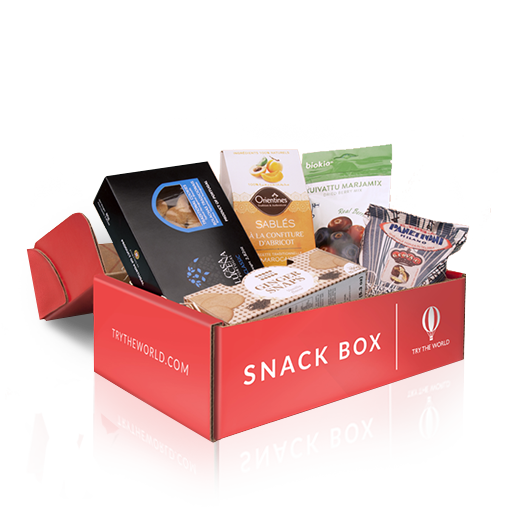
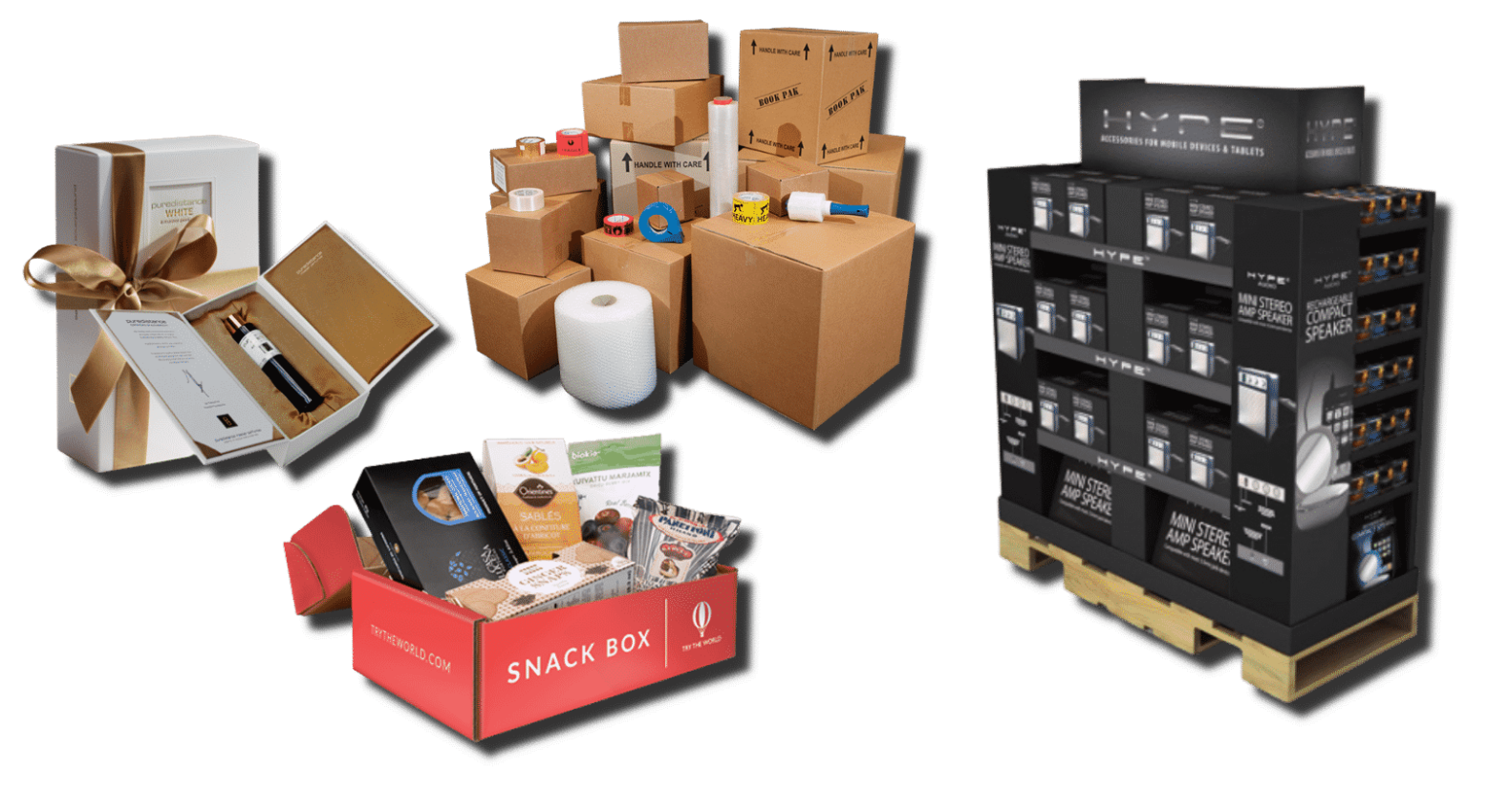
We offer a variety of custom packaging products and solutions to meet all your packaging needs in one place. You’ll work directly with a dedicated project specialist to customize your package according to your specifications, including branding, features, and design.
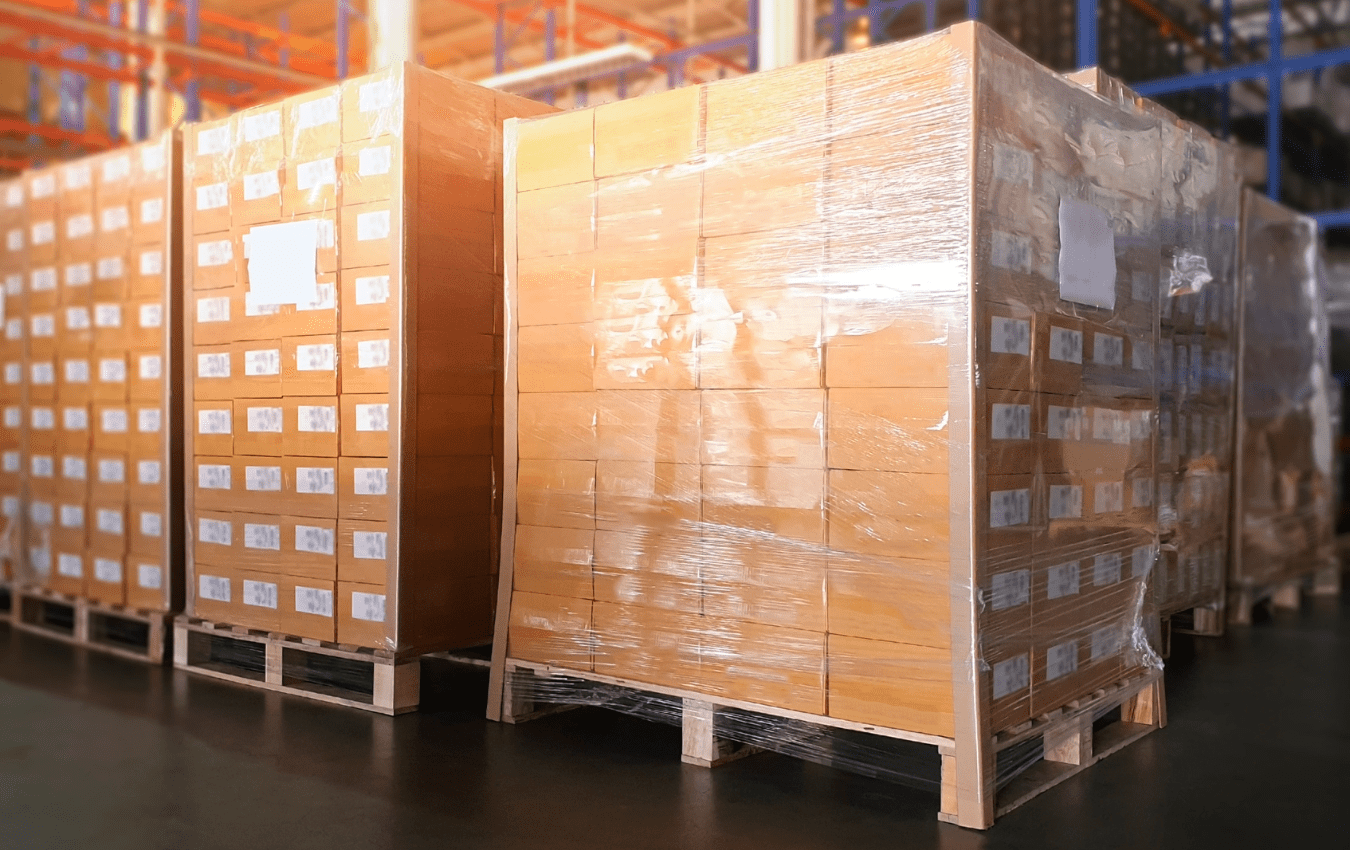
Our stock packaging products, from corrugated boxes to stretch film, offer a wide selection, including essentials like tape, edge protectors, labels, and more, with quick turnaround times to meet your packaging needs efficiently.
Optimize your packaging’s durability, security, branding, cost, unboxing experience and more.
We build durable and efficient packaging for simple to the most complex products.
Sterilization, clean room and medical compliant packaging products and solutions.
We serve a wide variety of businesses including: pet, toy, cosmetic, electronic and more.
At Brown Packaging, we help our clients create unique packages that reflect their brand and produce results. As a result, we look to add as much value to your packaging experience and product as possible with our services.
-
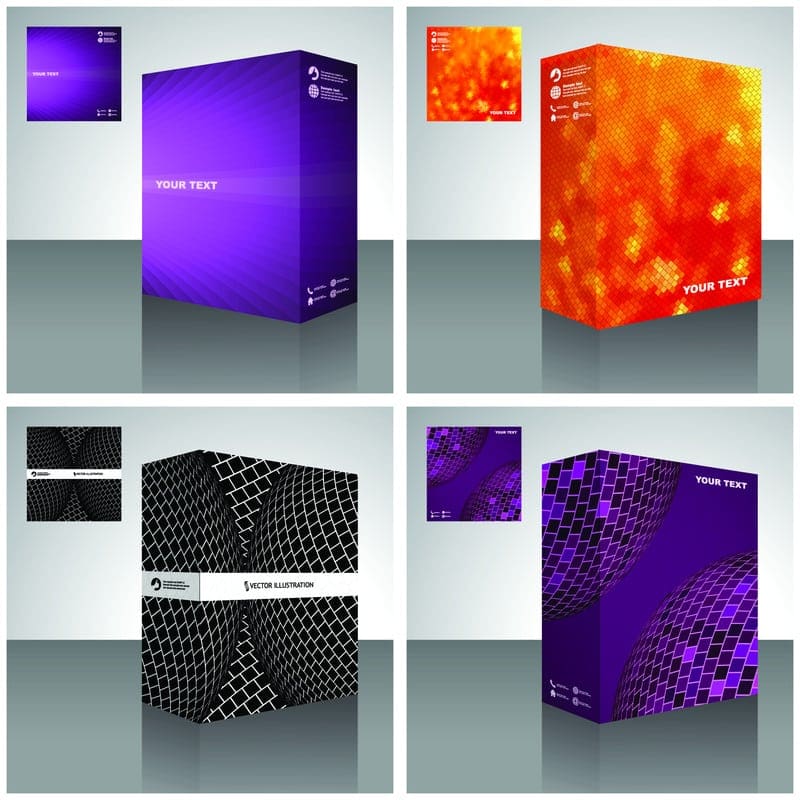
Structural Design
-
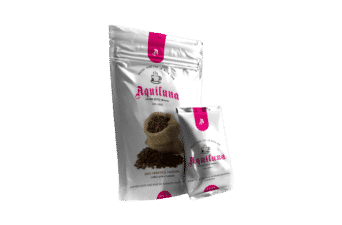
Graphic Design
-
Sampling & Prototyping
-
Contract Packaging & Fulfillment
-
Product & Material Testing
Optimize Your Packaging with Structural Design Services
Our structural design services optimize your packaging by enhancing durability and reducing material use, which leads to cost savings and increased sustainability. By focusing on efficient design, we help improve product protection, reduce shipping costs, and minimize environmental impact. These tailored solutions also boost your brand’s shelf presence, making your packaging both functional and attractive.
Elevate Your Packaging with Graphic Design Services
Our graphic design services enhance your packaging by creating visually appealing designs that strengthen branding and attract customer attention. By focusing on cohesive brand identity and impactful visuals, we ensure your products stand out on the shelf and resonate with your target audience. Thoughtfully designed packaging not only improves shelf appeal but also reinforces brand recognition and loyalty. Let us help you make a lasting impression with packaging that truly represents your brand.
Perfect Your Packaging with Sampling and Prototyping Services
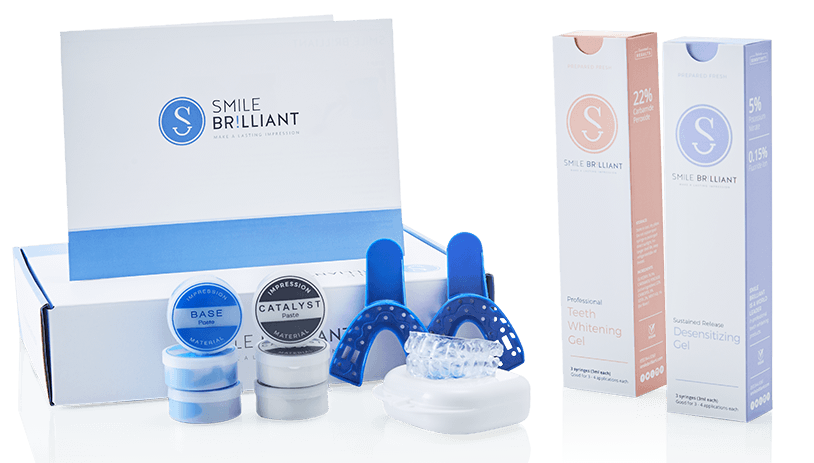
Our sampling and prototyping services provide both digital and physical packaging samples, allowing you to see and feel your design before full production. We offer high-quality digital prints for precise visualization and physical samples to ensure the packaging meets your expectations in terms of design, fit, and function. This process helps you make informed decisions and refine your packaging to perfection before committing to large-scale production. Whether you need to test a concept or showcase a final design, our sampling and prototyping services ensure your packaging is ready for market.
Streamline Your Packaging with Fulfillment and Contract Services
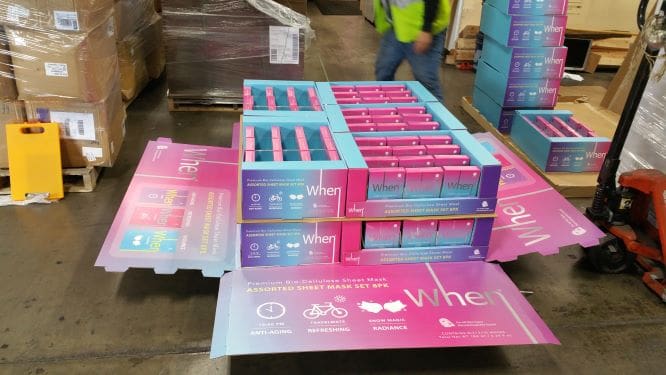
Our fulfillment and contract packaging services offer comprehensive solutions, including assembly, kitting, pack-out displays, and co-packing. We handle every step of the process, ensuring your products are expertly assembled, packaged, and ready for distribution. Whether you need custom kitting, retail-ready displays, or efficient co-packing, our services are designed to streamline your operations and get your products to market quickly and efficiently. Trust us to manage the details, so you can focus on growing your business.
Ensure Quality with Product and Material Testing Services
Our product and material testing services ensure your packaging meets the highest standards of quality and durability. We rigorously test packaging materials to confirm they can withstand the demands of shipping, handling, and storage, protecting your products from damage. In addition, we assist in obtaining key certifications, such as ISTA and others, to ensure compliance with industry standards. By evaluating both the product and its packaging, we help you identify potential issues before they reach the market, ensuring reliability and customer satisfaction.
-
Structural Design
-
Graphic Design
-
Sampling & Prototyping
-
Contract Packaging & Fulfillment
-
Product & Material Testing
Optimize Your Packaging with Structural Design Services
Our structural design services optimize your packaging by enhancing durability and reducing material use, which leads to cost savings and increased sustainability. By focusing on efficient design, we help improve product protection, reduce shipping costs, and minimize environmental impact. These tailored solutions also boost your brand’s shelf presence, making your packaging both functional and attractive.
Elevate Your Packaging with Graphic Design Services
Our graphic design services enhance your packaging by creating visually appealing designs that strengthen branding and attract customer attention. By focusing on cohesive brand identity and impactful visuals, we ensure your products stand out on the shelf and resonate with your target audience. Thoughtfully designed packaging not only improves shelf appeal but also reinforces brand recognition and loyalty. Let us help you make a lasting impression with packaging that truly represents your brand.
Perfect Your Packaging with Sampling and Prototyping Services
Our sampling and prototyping services provide both digital and physical packaging samples, allowing you to see and feel your design before full production. We offer high-quality digital prints for precise visualization and physical samples to ensure the packaging meets your expectations in terms of design, fit, and function. This process helps you make informed decisions and refine your packaging to perfection before committing to large-scale production. Whether you need to test a concept or showcase a final design, our sampling and prototyping services ensure your packaging is ready for market.
Streamline Your Packaging with Fulfillment and Contract Services
Our fulfillment and contract packaging services offer comprehensive solutions, including assembly, kitting, pack-out displays, and co-packing. We handle every step of the process, ensuring your products are expertly assembled, packaged, and ready for distribution. Whether you need custom kitting, retail-ready displays, or efficient co-packing, our services are designed to streamline your operations and get your products to market quickly and efficiently. Trust us to manage the details, so you can focus on growing your business.
Ensure Quality with Product and Material Testing Services
Our product and material testing services ensure your packaging meets the highest standards of quality and durability. We rigorously test packaging materials to confirm they can withstand the demands of shipping, handling, and storage, protecting your products from damage. In addition, we assist in obtaining key certifications, such as ISTA and others, to ensure compliance with industry standards. By evaluating both the product and its packaging, we help you identify potential issues before they reach the market, ensuring reliability and customer satisfaction.
Our sustainable packaging products are designed to minimize environmental impact while maintaining top-notch quality and durability. Choose from a variety of eco-friendly materials, inks, prints and other customizable options to meet your sustainability goals.
At Brown Packaging, we specialize in providing innovative, fully customizable packaging solutions to meet all your business needs. With over 30 years of experience, we offer the capabilities of a large supplier while delivering personalized service and cost-efficient options. From concept to completion, we are committed to sustainability and offer a wide range of eco-friendly packaging solutions.
Full-Service Packaging
Get all your packaging needs from one supplier, guiding you from concept to completion.
Flexible Solutions
We offer packaging options to suit the needs of any brand and budget.
Expert Assistance
Work one on one with a dedicated project manager from concept to completion.
Compliant Solutions
Our packaging solutions meet both retailer requirements and government regulations.
Aaron Meneses went above and beyond servicing our company for our specific needs, and delivered on all his promises for the job. The outcome of the product went above our expectations and delivered ON TIME!
Brown Packaging fulfilled many of our orders with competitive pricing and always provided a quick turn around time. Keith Thomas personally assisted me on several projects and helped walk me though all of the important ordering details. I will be contacting Keith again as new projects come my way!
Full-Service Packaging
Get all your packaging needs from one supplier, guiding you from concept to completion.
Flexible Solutions
We offer packaging options to suit the needs of any brand and budget.
Expert Assistance
Work one on one with a dedicated project manager from concept to completion.
Compliant Solutions
Our packaging solutions meet both retailer requirements and government regulations.
Brown Packaging fulfilled many of our orders with competitive pricing and always provided a quick turn around time. Keith Thomas personally assisted me on several projects and helped walk me though all of the important ordering details. I will be contacting Keith again as new projects come my way!
If you need any assistance with your packaging or have a question, then contact us directly at request@brownpackaging.com or (714)300-0650. Learn more about packaging by reading our blog posts on new and trending topics.

Summer is a season of warm weather and outdoor activities that brings joy to many people. However, for businesses that rely on packaging to transport and store their products, summer can be a challenging season. The high temperatures can have a significant impact on packaging, leading to damage and even product loss. Quick Overview: Summer Heat Vs Packaging In this article, we will discuss the following topics: Understanding the Impact of Heat on Packaging Common Types of Packaging Materials and Their Vulnerability to Heat The Impact of Heat on Different Types of Products Tips for Mitigating the Risks of Heat on Packaging Impact of Heat on Packaging Costs Environmental Impact of Heat-Damaged Packaging Regulations and Standards for Heat-Resistant Packaging Emerging Technologies for Heat-Resistant Packaging Importance of Effective Communication with Customers By the end of this article, you will have a better understanding of the steps you can take to safeguard your products during the summer months and maintain your reputation for quality and reliability. Understanding the Impact of Heat on Packaging Packaging is designed to protect products from various environmental factors, such as moisture, light, and temperature. However, extreme heat can compromise the integrity of the packaging and make it less effective in safeguarding the product. When exposed to high temperatures, packaging materials can shrink, warp, or melt, leading to leaks, cracks, or breaks. This can result in product spoilage, contamination, or even loss. Common Types of Packaging Materials and Their Vulnerability to Heat Different packaging materials have varying degrees of susceptibility to heat damage. Plastic packaging, for example, is widely used because it is durable, lightweight, and cost-effective. However, plastic is vulnerable to heat, and exposure to high temperatures can cause it to warp or melt, compromising the product’s safety. Glass packaging is popular for products such as beverages, sauces, and jams. While glass is less susceptible to heat damage than plastic, it can still crack or break when exposed to extreme temperatures, leading to product loss. Metal packaging, such as cans and tins, is sturdy and can withstand high temperatures. The Impact of Heat on Different Types of Products Different types of products have varying degrees of vulnerability to heat damage. For example, food and beverage products are highly susceptible to spoilage and contamination when exposed to high temperatures. Heat-sensitive products, such as pharmaceuticals and cosmetics, can lose their efficacy or even become hazardous when exposed to extreme heat. Tips for Mitigating the Risks of Heat on Packaging Businesses can take several steps to mitigate the risks of heat damage on packaging. Choosing packaging materials that are resistant to heat, such as metal or insulated packaging, can be effective. Storing products in temperature-controlled environments, such as refrigerators or air-conditioned rooms, can help prevent heat damage. Using protective packaging, such as bubble wrap or foam inserts, can provide an extra layer of insulation and protection for products during transportation and storage. Regular monitoring and tracking of products can help identify any signs of heat damage early and take appropriate action to prevent product loss or spoilage. Impact of Heat on Packaging Costs Heat damage to packaging can lead to product loss, which can result in increased costs for businesses. For example, businesses may need to replace damaged packaging, reship products, or issue refunds to customers. In addition, heat damage can also result in delays in product delivery, which can further impact business costs. Understanding the financial impact of heat damage on packaging can help businesses prioritize investments in heat-resistant packaging materials and temperature-controlled storage. Environmental Impact of Heat-Damaged Packaging Heat-damaged packaging can also have environmental implications. For example, products that spoil or become contaminated due to heat damage may need to be disposed of, leading to waste. In addition, heat-damaged packaging may not be recyclable, further contributing to environmental issues. Businesses can reduce their environmental impact by choosing packaging materials that are recyclable, biodegradable, or compostable and implementing sustainable packaging practices. Regulations and Standards for Heat-Resistant Packaging Regulations and standards for heat-resistant packaging vary depending on the type of product and industry. For example, the US Food and Drug Administration (FDA) has specific regulations for packaging materials used for food and drug products. Understanding regulatory requirements and industry standards for heat-resistant packaging can help businesses ensure their products meet safety and quality standards. Emerging Technologies for Heat-Resistant Packaging Advances in technology have led to the development of new packaging materials that are more resistant to heat damage. For example, researchers are exploring the use of nanotechnology to create heat-resistant packaging materials that can protect products from high temperatures. Other innovations include the use of biodegradable or compostable materials that are both environmentally friendly and heat-resistant. Keeping abreast of emerging technologies in heat-resistant packaging can help businesses stay competitive and improve product quality. Importance of Effective Communication with Customers Effective communication with customers is crucial in ensuring they understand the risks associated with summer heat and packaging. Businesses can use various channels, such as social media, email, or packaging inserts, to inform customers about the importance of proper storage and handling of products during summer months. By educating customers, businesses can minimize the risk of product loss or damage due to heat, leading to increased customer satisfaction and loyalty. Summary: Summer Heat Vs Packaging In conclusion, summer heat can have a significant impact on packaging, leading to product loss, contamination, or spoilage. Businesses must understand the risks associated with heat damage and take appropriate steps to mitigate them. By choosing heat-resistant packaging materials, storing products in temperature-controlled environments, using protective packaging, and monitoring products regularly, businesses can safeguard their products and improve their bottom line. Additionally, businesses should prioritize sustainability, stay up-to-date with emerging technologies, and communicate effectively with customers to minimize the environmental and financial impact of heat-damaged packaging. By taking these measures, businesses can ensure that their products reach customers in the best possible condition and maintain their reputation for quality and reliability. If you are interested with packaging solutions with reliable durability to summer heat, then

The cold chain is a temperature-controlled supply chain that plays a critical role in ensuring that certain products, such as pharmaceuticals, vaccines, and food, maintain their quality and efficacy. In this supply chain, the temperature is controlled, monitored, and maintained from the point of manufacture to the point of consumption. Cold chain packaging is an integral part of this process, as it provides a protective environment for temperature-sensitive products during transport and storage. In this blog, we will discuss the importance of cold chain packaging in maintaining product quality, including the various types of cold chain packaging, their benefits, and the challenges associated with cold chain packaging. What is Cold Chain Packaging? Cold chain packaging is the packaging used to protect temperature-sensitive products during transportation and storage. It is designed to maintain a specific temperature range to prevent product degradation and spoilage. Cold chain packaging is used in various industries, including pharmaceuticals, biotech, food, and beverage. Types of Cold Chain Packaging There are several types of cold chain packaging available, including: Insulated Shippers – Insulated shippers are designed to maintain a specific temperature range for a specific duration. These shippers can be made from various materials, including expanded polystyrene (EPS) containers, insulated mailers, foil bubble liners, polyurethane cooler boxes and paper-based liners. They are commonly used for transporting vaccines, blood samples, and temperature-sensitive medications. Refrigerants – Refrigerants are used in cold chain packaging to maintain a specific temperature range. These can be in the form of gel packs, dry ice, or liquid nitrogen. They are placed in insulated shippers to maintain the desired temperature range. Phase Change Materials (PCMs) – PCMs are substances that can store and release thermal energy during a phase change. These materials are commonly used in cold chain packaging to maintain a specific temperature range for extended periods. Benefits of Cold Chain Packaging Maintains Product Quality – Product quality is maintained by keeping products within a specific temperature range during transportation and storage. This ensures that products remain effective and safe for consumption. Reduces Waste – Waste is reduced by preventing spoilage and degradation of products during transportation and storage. This helps reduce the need for product recalls, which can be costly for manufacturers. Increases Shelf Life – Shelf life is increased for temperature-sensitive products by maintaining a specific temperature range. This helps ensure that products can be stored for longer periods without degrading or spoiling. Challenges Associated with Cold Chain Packaging Temperature Control – Temperature control is one of the most significant challenges associated with cold chain packaging. Maintaining a specific temperature range throughout the transportation and storage process can be challenging, especially in extreme weather conditions. Cost – It can be expensive, which can be a significant barrier for small manufacturers. The cost of materials, such as insulated shippers and refrigerants, can add up quickly. Regulatory Compliance – Cold chain packaging must comply with various regulations, including those set by the FDA and other regulatory bodies. Ensuring compliance with these regulations can be challenging and costly for manufacturers. Summary: Cold Chain Packaging Explained Cold chain packaging plays a critical role in maintaining product quality and safety during transportation and storage. It helps reduce waste, increase shelf life, and ensure that products remain effective and safe for consumption. However, there are challenges associated with cold chain packaging, including temperature control, cost, and regulatory compliance. Despite these challenges, the benefits of cold chain packaging outweigh the costs and challenges, making it an essential part of the cold chain supply chain. If you are interested in cold chain packaging solutions, then contact Brown Packaging today to get started. (714)300-0650 request@brownpackaging.com Most Recent Posts: Categories: Corrugated Ecommerce ESD Design Display Flexible Packaging Foam Folding Carton Packaging Plastic Packaging Pouch Printing Protection Retail Rigid Box Thermoform Sustainability Subscribe To Our Newsletter By submitting your information, you agree to our terms and conditions and privacy policy. Cold Chain Packaging Facebook Twitter LinkedIn Pinterest Relevant Posts

In recent years, the world has seen a rapid growth in the e-commerce industry. With the convenience of online shopping and the ability to purchase goods and services from the comfort of our homes, e-commerce has become a popular choice for consumers all over the world. This surge in e-commerce has also brought about a significant change in the packaging industry. E-commerce has created new challenges and opportunities for the packaging industry, leading to new innovations and changes in the way products are packaged and delivered. The packaging of products plays a crucial role in the e-commerce industry. It must not only protect the product during transit but also provide a positive unboxing experience for the customer. The packaging of a product is often the first interaction a customer has with a brand, and it can make a lasting impression. With the rise of e-commerce, packaging has become more important than ever, as it must meet the demands of online shopping while still promoting the brand and creating a positive customer experience. Overview: The Impact of Ecommerce on Packaging In this blog, we will explore the challenges and opportunities that the e-commerce industry has brought to the world of packaging. We will examine how e-commerce packaging is changing the way products are packaged and delivered and what this means for the future of the packaging industry. By understanding the challenges and opportunities in e-commerce packaging, we can gain a better appreciation of the impact that e-commerce is having on the packaging industry and how it is shaping the future of online shopping. Challenges in E-commerce Packaging Protecting Products in Transit Minimizing Shipping Costs Reducing Waste Opportunities in E-commerce Packaging Personalizing Packaging Enhancing the Customer Experience Streamlining Delivery Processes Conclusion: The Future of E-commerce Packaging Challenges in E-commerce Packaging The growth of e-commerce has brought about a number of challenges for the packaging industry. Packaging for e-commerce must be able to protect products during transit, minimize shipping costs, and reduce waste, all while meeting the demands of customers and stakeholders. These challenges can be difficult to navigate, but they also provide an opportunity for companies to differentiate themselves and gain a competitive advantage. In this section, we will explore some of the challenges associated with e-commerce packaging and how companies are addressing these challenges to meet the demands of online shopping. Protecting Products in Transit One of the biggest challenges in e-commerce packaging is ensuring that products arrive at their destination in good condition. With packages being handled by multiple people and machines during transit, it can be difficult to protect fragile items from damage. This is particularly important for e-commerce companies, as damaged products can result in returns and negative reviews, which can harm the company’s reputation and bottom line. To address this challenge, e-commerce companies are investing in new materials and packaging methods that can better protect products during transit. Some companies are using stronger and more durable packaging materials, such as double-walled boxes and foam inserts, to absorb shock and protect fragile items. Others are using custom-fit packaging that is designed to fit the product perfectly, reducing the amount of movement and potential damage during transit. In addition to using stronger materials, e-commerce companies are also implementing new technologies to help protect products during transit. For example, some companies are using sensors and tracking devices to monitor the condition of packages during transit, allowing them to quickly address any issues that may arise. Others are using predictive analytics to predict which packages are at a higher risk of damage, allowing them to take extra precautions to protect these packages. Minimizing Shipping Costs In the e-commerce industry, shipping costs can make up a significant portion of a company’s expenses. With the rise of e-commerce, shipping volumes have increased dramatically, and companies are looking for ways to minimize their shipping costs. Fortunately, e-commerce packaging provides an opportunity for companies to reduce these costs. One of the ways that e-commerce companies can minimize shipping costs is by using lighter and more compact packaging materials. By using lighter materials, companies can reduce the weight of packages, which in turn reduces shipping costs. For example, companies can switch from using heavy corrugated boxes to using lighter poly mailers. This not only reduces the weight of packages but also takes up less space in shipping containers, allowing companies to ship more packages in a single shipment, further reducing costs. Another way that companies can minimize shipping costs is by using more efficient packaging methods. For example, some companies are using void fill materials, such as air cushions or biodegradable peanuts, to fill empty space in packages. By using these materials efficiently, companies can reduce the size of packages and minimize the amount of space that is taken up in shipping containers, reducing shipping costs. Finally, companies can minimize shipping costs by using sustainable packaging materials. By using eco-friendly packaging materials, such as recycled or biodegradable materials, companies can reduce their impact on the environment, as well as take advantage of discounts offered by some shipping carriers for using sustainable packaging. Reducing Waste The growth of e-commerce has also led to an increase in packaging waste, as more and more packages are being shipped to customers all over the world. With growing concerns about the environmental impact of packaging waste, e-commerce companies are looking for ways to reduce the waste associated with their packaging. Fortunately, e-commerce packaging provides an opportunity for companies to reduce waste and promote sustainability. One of the ways that e-commerce companies can reduce waste is by using more environmentally friendly packaging materials. For example, companies can switch from using single-use plastic packaging to using biodegradable or compostable packaging materials, such as paper, starch-based materials, or cellulose. By using these materials, companies can reduce the amount of waste that is generated and promote sustainability. Another way that companies can reduce waste is by using reusable or recyclable packaging materials. For example, companies can use reusable packaging materials, such as cloth or

For businesses managing physical products, deciding between buying packaging materials in bulk and prioritizing storage space can be challenging. Both approaches have their merits and drawbacks, and the right choice often depends on various factors, including business size, product turnover, and financial constraints. This blog post will explore the pros and cons of buying packaging in bulk versus prioritizing storage space and offer solutions to help businesses make informed decisions. The Case for Bulk Packaging Buying packaging materials in bulk often comes with cost savings. Purchasing larger quantities typically reduces the per-unit cost, which can significantly lower overall expenses. Advantages: Cost-Effective: Bulk purchases often come with discounts, leading to lower operational costs. Consistent Supply: Having a large inventory of packaging materials ensures you’re not at risk of running out, which is crucial for high-turnover products. Saves Time: Less frequent ordering can save time in procurement and administration. Challenges: Storage Requirements: Bulk purchases require sufficient storage space, which can be a challenge for businesses with limited space. Upfront Investment: A larger initial financial outlay is needed for bulk purchases. Risk of Overstocking: There’s a risk of over-purchasing, leading to wastage, especially if packaging needs change over time. Prioritizing Storage Space For businesses with limited space or those looking to minimize inventory holding costs, prioritizing storage space over bulk buying can be more practical. Advantages: Flexibility: Buying in smaller quantities allows for more flexibility to change packaging types if needed. Reduced Storage Costs: Less space required for storage can mean lower rent and utility expenses. Less Capital Tied Up: Smaller, more frequent purchases don’t tie up as much capital in inventory. Challenges: Higher Per-Unit Costs: Smaller purchases usually mean higher costs per unit. Time-Consuming: More frequent ordering can mean more time spent on procurement. Risk of Running Out: You might face a risk of running out of packaging if there’s a sudden spike in demand. Solutions and Strategies Just-in-Time (JIT) Inventory Management: Adopt a JIT approach to minimize inventory costs while ensuring a steady supply of packaging materials. This requires a reliable supplier with short lead times. Negotiate with Suppliers: Even if buying in smaller quantities, negotiate with suppliers for better rates or favorable terms. Flexible Storage Solutions: Consider flexible storage options like renting additional warehouse space during peak seasons or exploring drop-shipping directly from the supplier to reduce inventory holding. Analyzing Sales Data: Use sales and inventory data to forecast demand more accurately, helping to balance the amount of packaging to purchase and store. Collaborative Purchasing: If you’re a small or medium-sized business, consider collaborating with other businesses to buy packaging in bulk and share storage space. If you are interested in packaging solutions tailored to your needs, then partner with Brown Packaging today to get started. (714)300-0650 request@brownpackaging.com Most Recent Posts: Categories: Corrugated Ecommerce ESD Design Display Flexible Packaging Foam Folding Carton Packaging Plastic Packaging Pouch Printing Protection Retail Rigid Box Thermoform Sustainability Subscribe To Our Newsletter By submitting your information, you agree to our terms and conditions and privacy policy. Custom Packaging Facebook Twitter LinkedIn Pinterest Relevant Posts

In the highly competitive beauty industry, packaging is much more than just a container for products. It plays a pivotal role in brand identity, customer appeal, and product protection. For buyers in the beauty sector, navigating the myriad of packaging options can be daunting. This guide aims to provide a comprehensive overview of beauty packaging, focusing on key considerations, trends, and tips for making informed purchasing decisions. Understanding the Importance of Beauty Packaging Beauty packaging is often the first point of contact between the product and the consumer. It not only needs to protect the contents but also convey brand values, attract consumers, and comply with regulatory standards. Effective packaging can significantly influence consumer perception and, ultimately, the success of the product. Key Considerations for Beauty Packaging Buyers Material Selection: Consider durability, compatibility with the product (especially for skincare and cosmetics), and environmental impact. Common materials include glass, plastics (like PET, PP, and acrylic), and metals for certain luxury items. Design and Aesthetics: The design should align with the brand’s image and appeal to the target audience. This includes shape, color, and overall style. Consider the current trends in beauty packaging, like minimalism, vintage designs, or bold patterns. Functionality and Usability: Packaging should be user-friendly. For instance, skincare products might need airless pumps, while cosmetics could require easy-to-use applicators. Consider the size and portability, especially for products meant for travel or on-the-go use. Sustainability: Eco-friendly packaging is increasingly important. Look for recyclable materials, biodegradable options, or packaging made from recycled content. Sustainable packaging can be a strong selling point and align with the values of environmentally conscious consumers. Regulatory Compliance: Ensure packaging complies with industry regulations, including labeling requirements, safety standards, and material restrictions. Customization and Branding: Customized packaging can help a product stand out. This can involve unique shapes, custom colors, or branded elements like logos and taglines. Consider the printing and labeling quality, ensuring clarity and durability of the branding elements. Current Trends in Beauty Packaging Minimalistic Designs: Simplistic, clean designs with a focus on minimalism are trending. Vintage and Retro Styles: These designs can evoke a sense of nostalgia and stand out on shelves. Bold and Bright Colors: They make a statement and can be effective in attracting younger consumers. Smart Packaging: Incorporating technology like QR codes for enhancing customer engagement and providing additional product information. Choosing the Right Packaging Supplier Look for suppliers with experience in the beauty industry and a portfolio that aligns with your brand’s aesthetic. Assess their commitment to quality and their ability to meet deadlines and supply demands. Consider suppliers who are proactive in sustainable practices and innovation. Tips for Effective Beauty Packaging Procurement Order samples before committing to large quantities. Stay informed about the latest trends and innovations in beauty packaging. Foster a collaborative relationship with your supplier for customized packaging solutions. If you are interested in cosmetic and beauty packaging solutions, then partner with Brown Packaging today to get started. (714)300-0650 request@brownpackaging.com Most Recent Posts: Categories: Corrugated Ecommerce ESD Design Display Flexible Packaging Foam Folding Carton Packaging Plastic Packaging Pouch Printing Protection Retail Rigid Box Thermoform Sustainability Subscribe To Our Newsletter By submitting your information, you agree to our terms and conditions and privacy policy. Cosmetic Packaging Facebook Twitter LinkedIn Pinterest Relevant Posts