








window.uetq = window.uetq || []; window.uetq.push(‘event’, ‘submit_lead_form’,{ event_label:‘SUBMIT MESSAGE’ }); window.lintrk('track', { conversion_id: 10271009 }); window.lintrk('track', { conversion_id: 10271017 });

Flexible Packaging

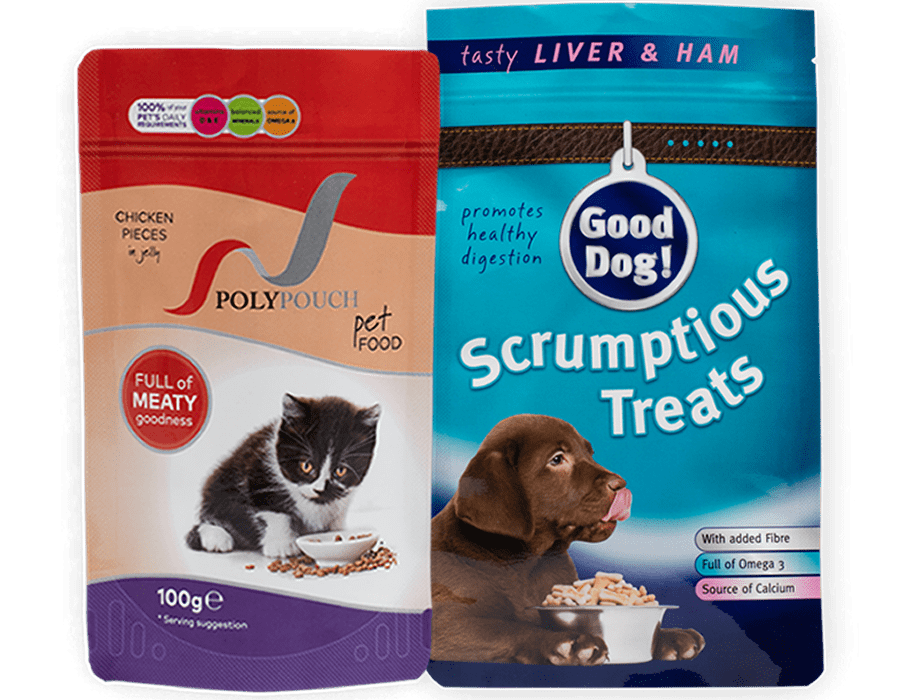
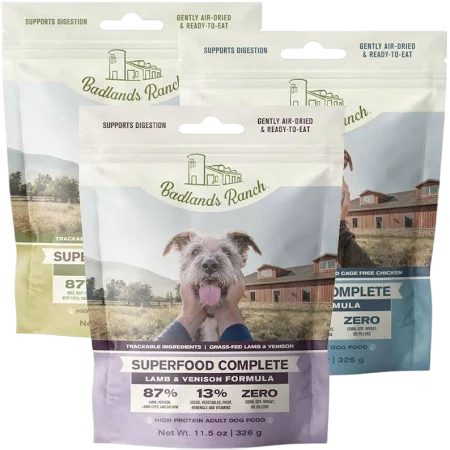
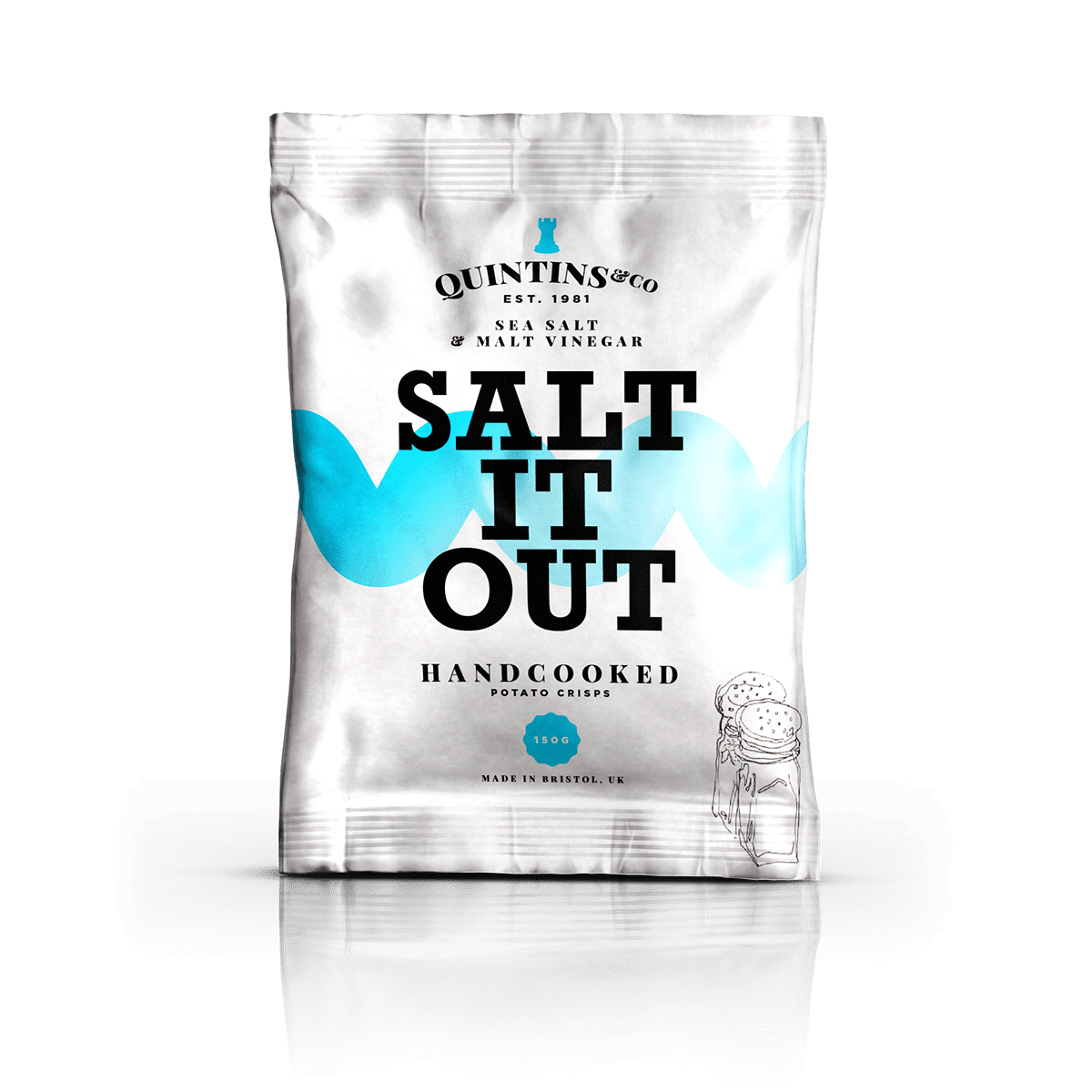
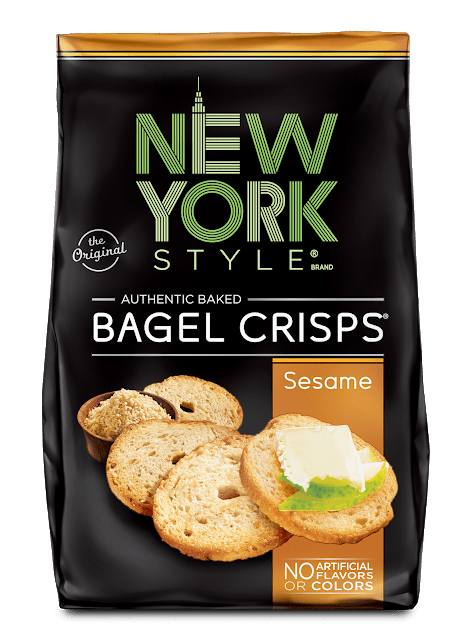
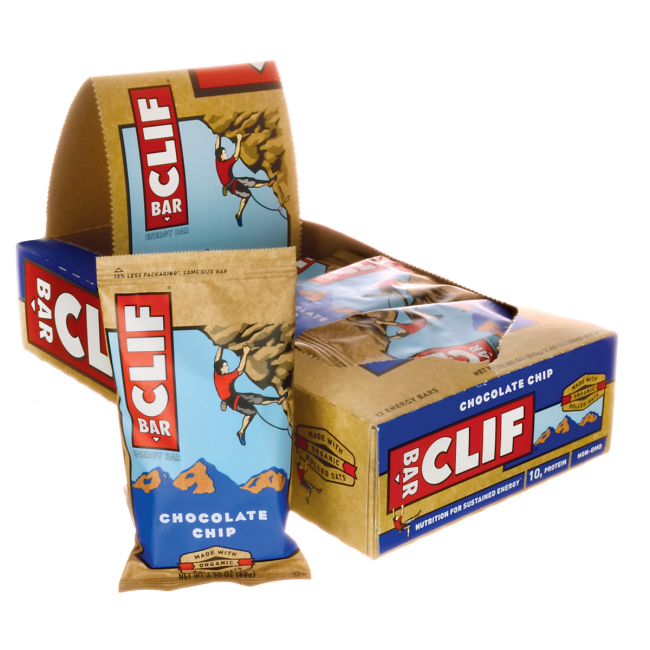
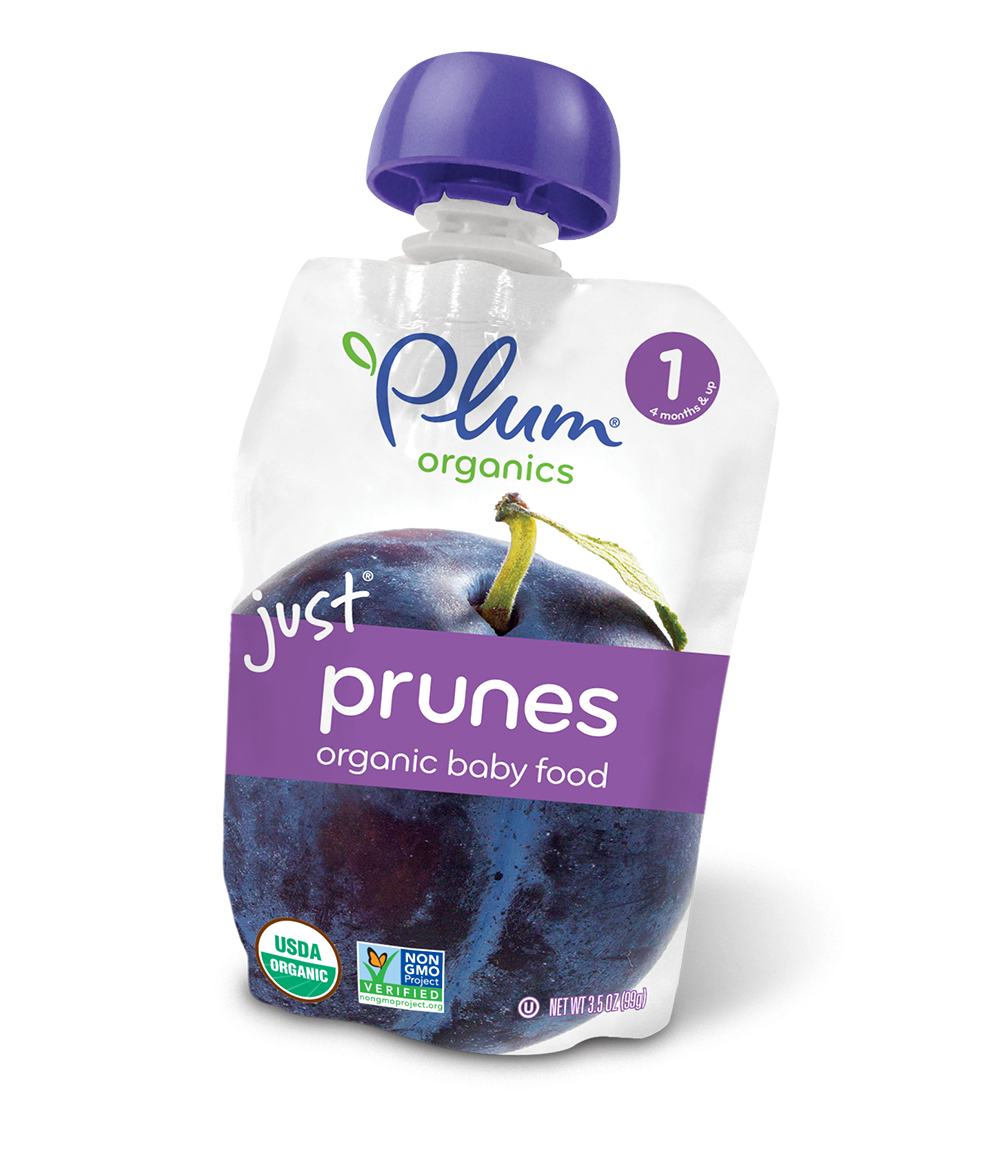
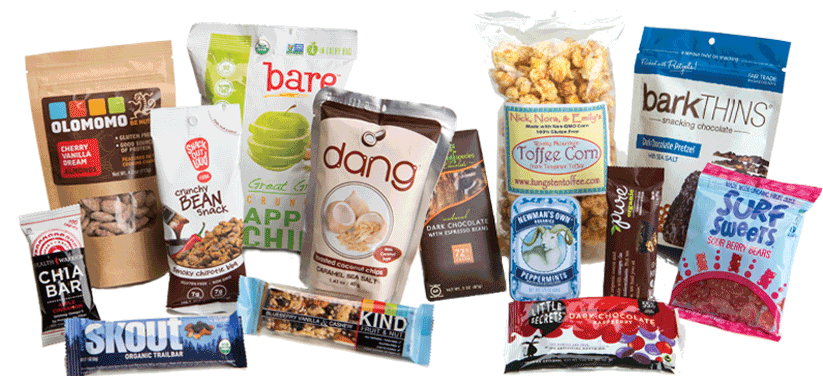
Our flexible packaging solutions include custom and stock options, featuring pouches, bags, mailers, roll stock, and more to suit any product need. Designed for versatility and durability, our packaging enhances product protection while providing premium branding opportunities. We also prioritize sustainability with eco-friendly materials and recyclable options to support your green initiatives.

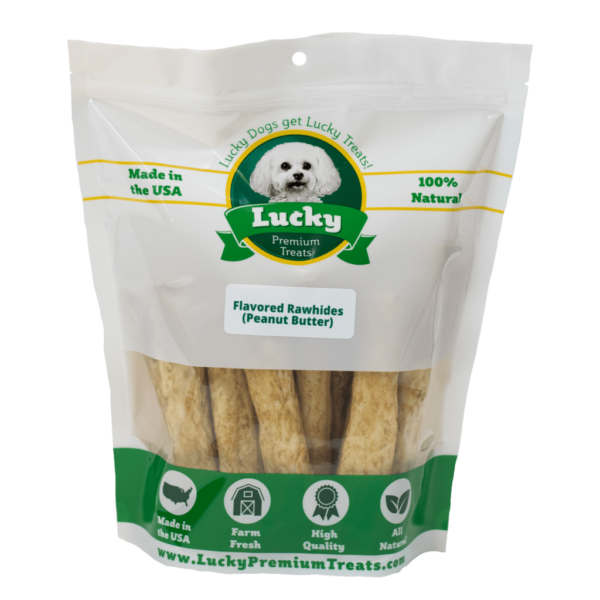
Flexible packaging is a lightweight, versatile solution made from materials like plastic films, paper, aluminum foil, and laminates. Examples include stand-up pouches for snacks, resealable pet food bags, e-commerce mailers, and roll stock for automated lines. Its adaptability makes it ideal for industries like food, cosmetics, pharmaceuticals, and household goods.

Benefits include strong barrier properties to protect products from moisture, light, and air, extending shelf life. Flexible packaging also supports sustainability with recyclable and lightweight options, reducing waste and carbon footprints. Customizable for branding and functionality, it enhances both product protection and customer experience.

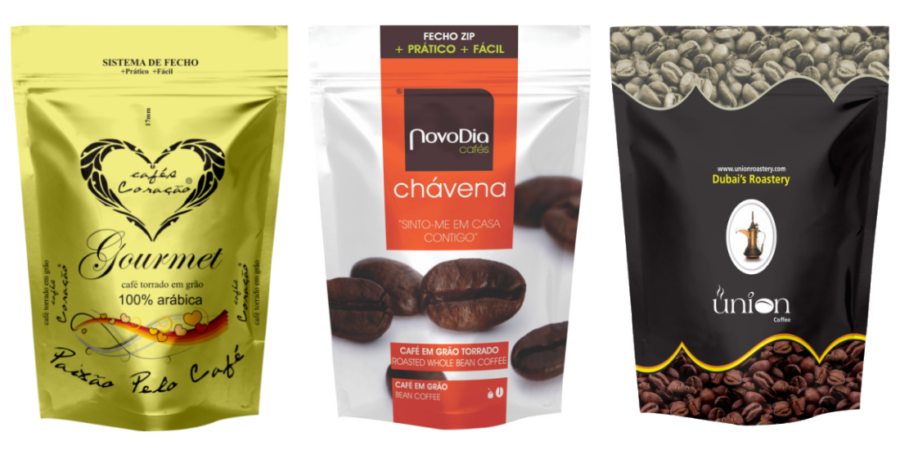
custom pouches

Custom Flexible Packaging Products

We offer a variety of custom packaging products and solutions to meet all your packaging needs in one place. You’ll work directly with a dedicated project specialist to customize your package according to your specifications, including branding, features, and design.

Edit Content
Edit Content
Edit Content

What Is Flow Wrap Packaging?

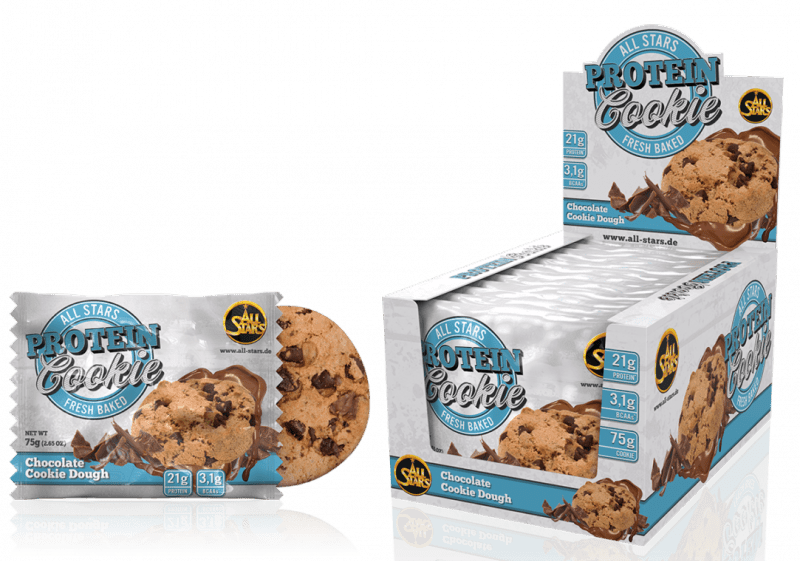
Flow wrap packaging, also known as horizontal form-fill-seal (HFFS), is a versatile and efficient method of packaging that involves wrapping a product in a continuous, flexible film and sealing it on both ends. This process creates a sealed, airtight package that is ideal for items like candy bars, snacks, baked goods, and other individual or grouped products. Flow wrap packaging offers excellent product protection, preservation, and presentation, making it a popular choice for a wide range of consumer goods.

Applications of Flow Packaging

Benefits of Flow Packaging

Edit Content
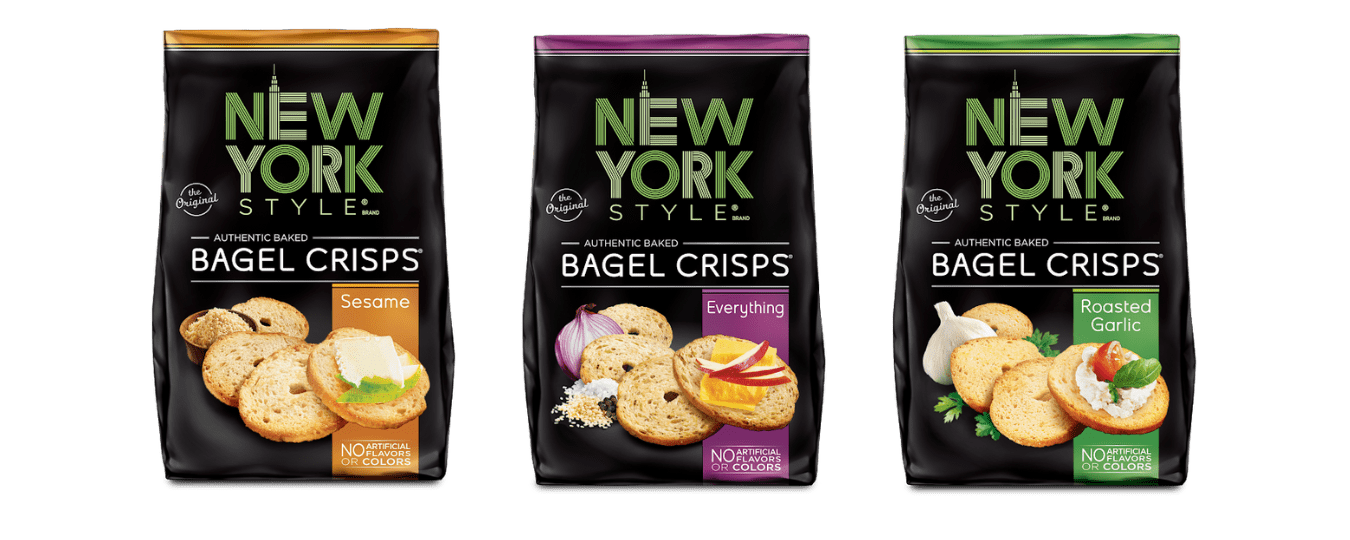
Vertical Form Fill & Seal (VFFS) Pouch

What Is Vertical Form Fill and Seal?

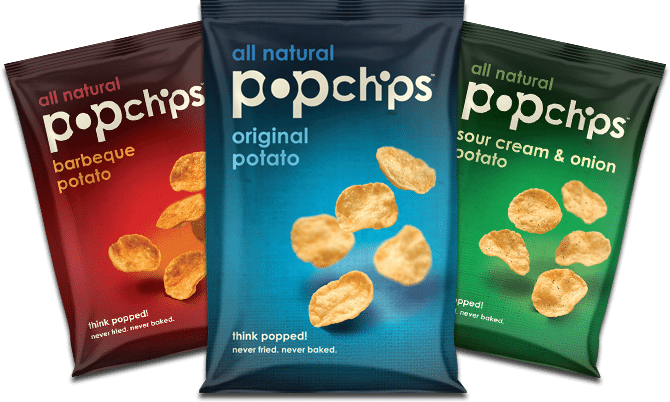
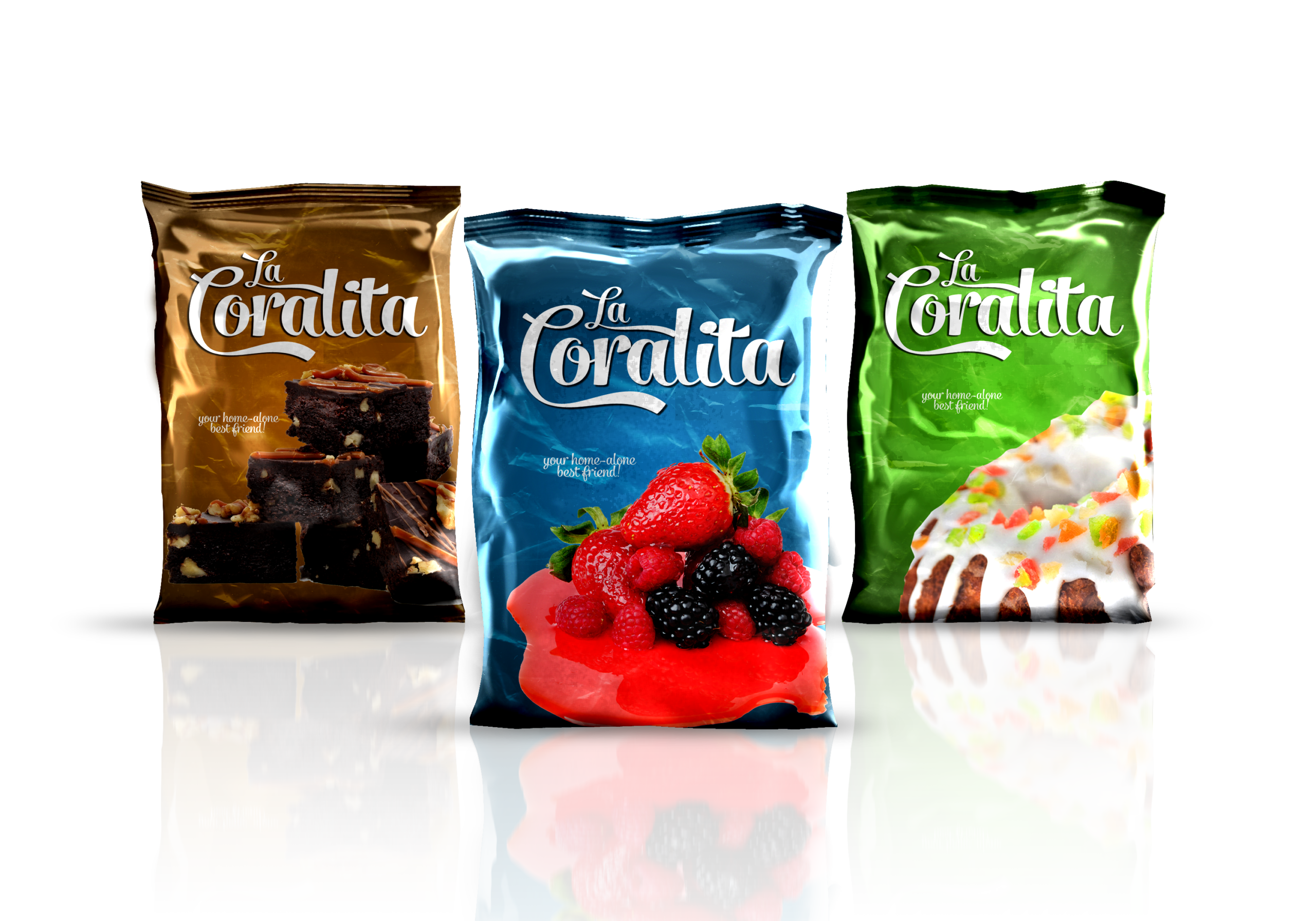
Vertical form fill and seal (VFFS) is an automated packaging process where the packaging material is fed from a roll, formed into a cylindrical shape, and sealed vertically, while the product is simultaneously filled into the bag before the top end is sealed, creating a complete package. This efficient method is widely used for packaging a variety of products, including snacks, powders, liquids, and granulated items, due to its speed, versatility, and cost-effectiveness. VFFS machines are capable of producing a wide range of bag sizes and styles, making them a popular choice in the food industry and beyond for high-volume packaging needs.

Applications of Vertical Form Fill and Seal

Benefits of Vertical Form Fill and Seal

Edit Content
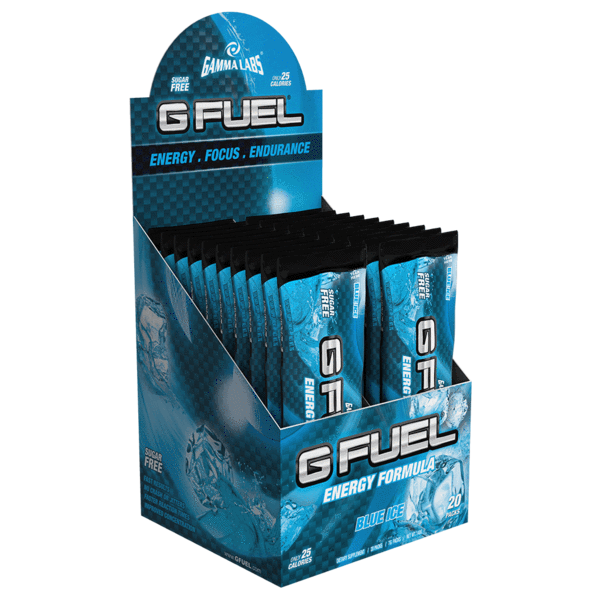
Printed Stick Packs

What Is Stick Pack Packaging?

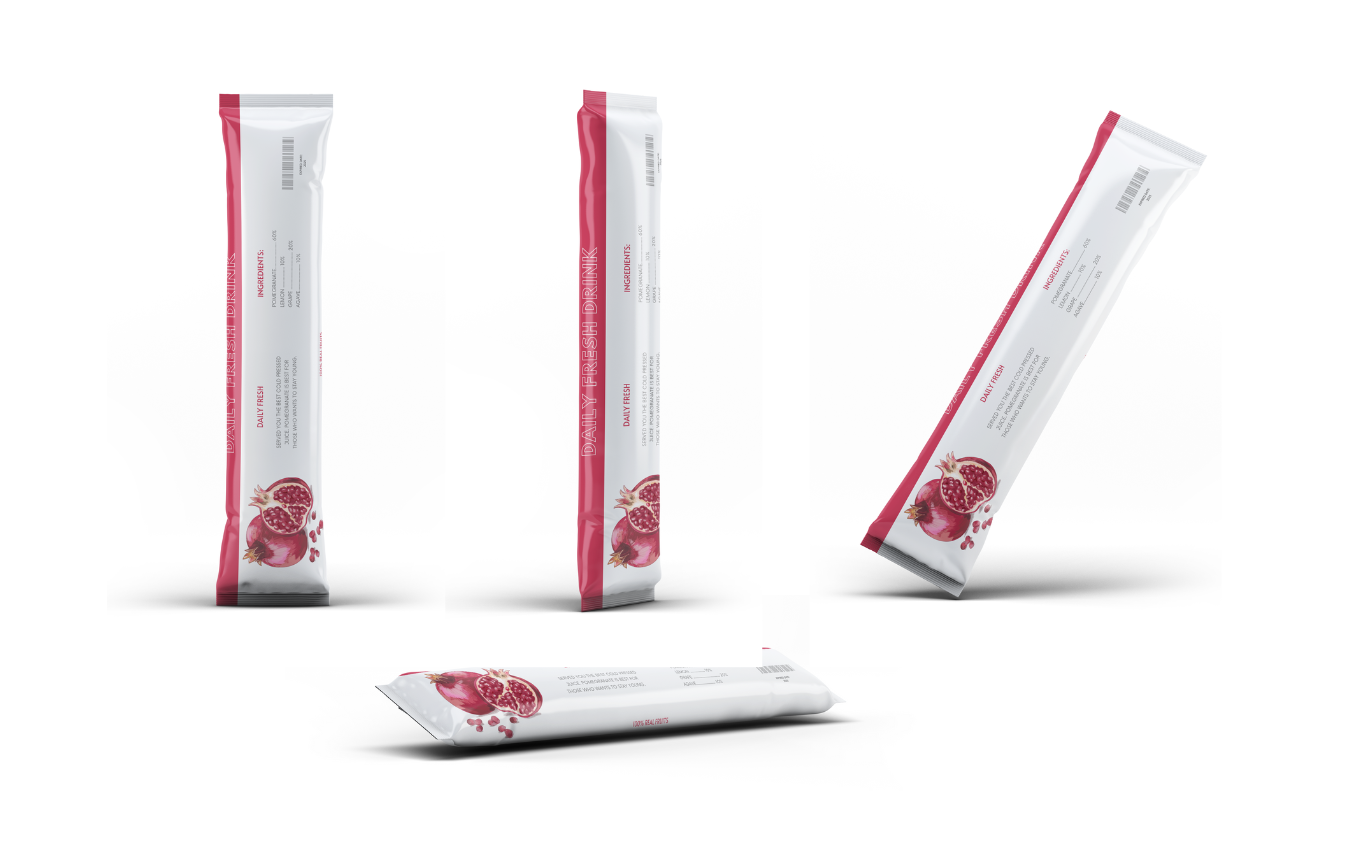
Stick pack packaging is a popular and versatile packaging format characterized by its slim, elongated shape, resembling a small stick or pouch. It is commonly used for single-serving or portion-controlled packaging of various products, including powders, granules, liquids, and gels. Stick packs offer convenience, ease of use, and product protection, making them an ideal choice for on-the-go consumption and a wide range of industries, including food and beverage, pharmaceuticals, and cosmetics. This packaging format’s sleek design, customization options, and efficient production processes have made it a favored solution for both consumers and manufacturers seeking practical, cost-effective, and environmentally friendly packaging.

Applications of Flow Packaging

Benefits of Flow Packaging

Edit Content
Edit Content
Edit Content
Flat
Die Cut With Handles
Gusseted
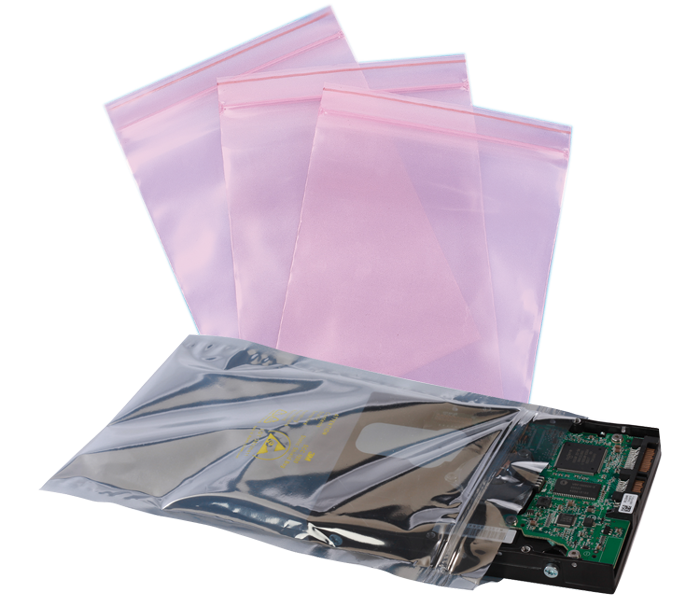
Anti-Static
Static Shielding
Merchandise
Perforated
Self Adhesive
Edit Content
Tote
Flat Bottom
Bag With Handle
Bag With Die Cut Handle
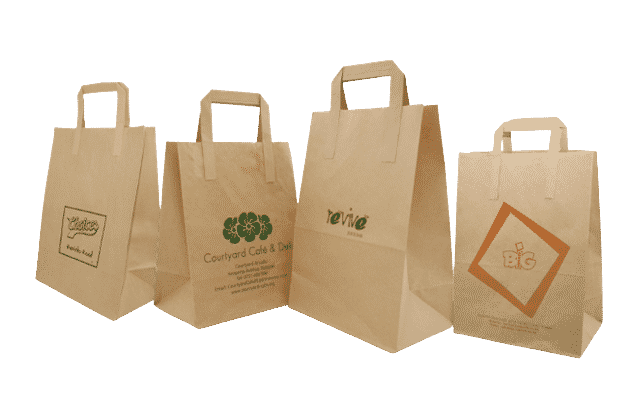
Kraft
Twisted Handle
Recycled Paper Bag
Edit Content
Edit Content
Edit Content

What Is Flow Wrap Packaging?

Flow wrap packaging, also known as horizontal form-fill-seal (HFFS), is a versatile and efficient method of packaging that involves wrapping a product in a continuous, flexible film and sealing it on both ends. This process creates a sealed, airtight package that is ideal for items like candy bars, snacks, baked goods, and other individual or grouped products. Flow wrap packaging offers excellent product protection, preservation, and presentation, making it a popular choice for a wide range of consumer goods.

Applications of Flow Packaging

Benefits of Flow Packaging

Edit Content
Vertical Form Fill & Seal (VFFS) Pouch

What Is Vertical Form Fill and Seal?

Vertical form fill and seal (VFFS) is an automated packaging process where the packaging material is fed from a roll, formed into a cylindrical shape, and sealed vertically, while the product is simultaneously filled into the bag before the top end is sealed, creating a complete package. This efficient method is widely used for packaging a variety of products, including snacks, powders, liquids, and granulated items, due to its speed, versatility, and cost-effectiveness. VFFS machines are capable of producing a wide range of bag sizes and styles, making them a popular choice in the food industry and beyond for high-volume packaging needs.

Applications of Vertical Form Fill and Seal

Benefits of Vertical Form Fill and Seal

Edit Content
Printed Stick Packs

What Is Stick Pack Packaging?

Stick pack packaging is a popular and versatile packaging format characterized by its slim, elongated shape, resembling a small stick or pouch. It is commonly used for single-serving or portion-controlled packaging of various products, including powders, granules, liquids, and gels. Stick packs offer convenience, ease of use, and product protection, making them an ideal choice for on-the-go consumption and a wide range of industries, including food and beverage, pharmaceuticals, and cosmetics. This packaging format’s sleek design, customization options, and efficient production processes have made it a favored solution for both consumers and manufacturers seeking practical, cost-effective, and environmentally friendly packaging.

Applications of Flow Packaging

Benefits of Flow Packaging

Edit Content
Edit Content
Edit Content
custom poly bag with hang whole
Flat
Die Cut With Handles
Gusseted
Anti-Static
Static Shielding
Merchandise
Perforated
Self Adhesive
Edit Content
Tote
Flat Bottom
Bag With Handle
Bag With Die Cut Handle
Kraft
Twisted Handle
Recycled Paper Bag

Stock Flexible Packaging Products

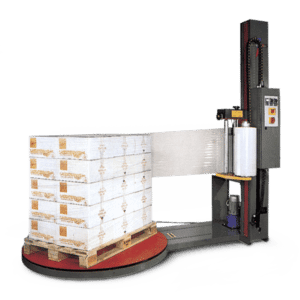
Our stock flexible packaging products include a variety of ready-to-ship solutions like pouches, mailers, shrink wrap, and kraft packaging. These versatile and cost-effective options are ideal for businesses seeking durable, high-quality packaging with quick turnaround times.

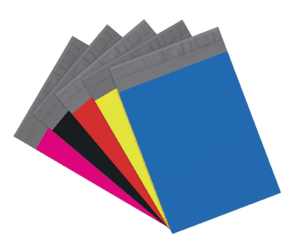
Mailers
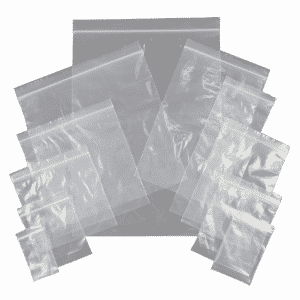
Poly Bags

Flexible Packaging Solutions & Applications

Our flexible packaging solutions cater to a wide range of applications, including food, beverages, pet products, and industrial goods, offering options like pouches, roll stock, and mailers. Designed for durability and customization, our packaging ensures product freshness, protection, and enhanced shelf appeal, meeting the diverse needs of brands across industries.

If you need any assistance with your packaging or have a question, then contact us directly at request@brownpackaging.com  or  (714)300-0650. Learn more about custom packaging by reading our blog posts on new and trending topics.

custom printed lay flat pouch multiple skus
Flexible Packaging
brownpackaging
Flexible Packaging: Shelf Life and Gas-Filled Considerations

When designing flexible packaging for perishables, customers often have initial ideas for graphics but lack clarity on functional aspects critical to product performance. Shelf life and gas-filled packaging are two essential considerations that significantly impact packaging design and material selection. Here’s what you need to know. Shelf Life Expectancy for Perishables The expected shelf life of a product determines the protective requirements of its packaging. For perishables, maintaining freshness, flavor, and safety over time is paramount. Key Packaging Features for Shelf Life: Barrier Protection Packaging should guard against oxygen, moisture, and light exposure, which can cause spoilage or degrade product quality. High-barrier films or laminated layers are commonly used to extend shelf life by minimizing exposure to external elements. Seal Integrity A strong, airtight seal prevents contamination and ensures freshness. Heat sealing is a common method for flexible packaging to create durable closures. Material Durability Packaging must withstand the storage environment, whether refrigerated, frozen, or at room temperature. For example: Refrigerated goods need materials resistant to condensation. Frozen products require films that remain flexible and crack-free at low temperatures. Labeling and Compliance Shelf life is often tied to regulatory requirements for perishables. Clear labeling and compliance with industry standards are essential. Gas-Filled Packaging for Freshness For products requiring extended shelf life or enhanced visual appeal, gas-filled packaging, also known as Modified Atmosphere Packaging (MAP), is a valuable solution. Benefits of Gas-Filled Packaging: Extended Freshness Replacing oxygen with nitrogen or carbon dioxide slows oxidation and microbial growth, keeping products fresh longer. Physical Protection The inflated appearance of gas-filled packages acts as a cushion, protecting fragile items like chips or baked goods from crushing. Enhanced Product Presentation The puffed look creates a clean, appealing appearance, boosting consumer confidence in the product’s quality. Packaging Requirements for Gas Filling: Specialized Films: Materials must retain the gas mixture without leaks or permeability. Precision Sealing: Ensures the modified atmosphere remains intact until the product is opened. Equipment Compatibility: MAP requires specialized machinery to inject and seal the gas mixture. Practical Applications Examples by Product Type: Snacks (Chips, Crackers): High-barrier films and nitrogen filling protect against staleness and physical damage. Fresh Produce: MAP with a blend of nitrogen and carbon dioxide slows ripening and spoilage. Meat and Dairy Products: Oxygen-free packaging prevents microbial growth and oxidation, extending shelf life. Why It Matters Incorporating the right flexible packaging solution for perishables ensures product integrity, reduces waste from spoilage, and meets consumer expectations for quality. Whether it’s a high-barrier film for extended shelf life or MAP for enhanced freshness and protection, choosing the right approach is critical to product success. Need expert advice on flexible packaging? Let us guide you through the design and selection process to ensure your product performs flawlessly in its packaging. (714)300-0650 request@brownpackaging.com Most Recent Posts: Categories: Corrugated Ecommerce ESD Design Display Flexible Packaging Foam Folding Carton Packaging Plastic Packaging Pouch Printing Protection Retail Rigid Box Thermoform Sustainability Subscribe To Our Newsletter By submitting your information, you agree to our terms and conditions and privacy policy. Flexible Packaging Facebook Twitter LinkedIn Pinterest Relevant Posts

Read More »
custom countertop displays and roll stock
Flexible Packaging
brownpackaging
Flexible Packaging: Display vs. Bulk Carton Packaging

When designing flexible packaging, one key consideration is how the product will be displayed: Will it be showcased individually on retail shelves or packed in bulk carton packaging for distribution? This decision impacts the design, materials, and functionality of the packaging, as well as its cost-effectiveness and visual appeal. Here’s what you need to know about aligning your packaging with your display or bulk requirements. Retail Display Packaging If your product will be displayed individually on retail shelves, the packaging must do more than just protect the product—it needs to sell it. Visual appeal, easy access, and branding play crucial roles in grabbing consumer attention. Key Features for Retail Display Packaging: Eye-Catching Design Use vibrant colors, bold graphics, and clear branding to stand out on crowded shelves. Include essential product information and marketing messages prominently on the front. Structural Integrity The packaging must hold its shape and stand upright, whether hung on a pegboard, stacked, or placed in a display box. Convenience for Consumers Easy-to-open features like tear notches or resealable closures enhance the user experience. Sustainability Retailers and consumers value eco-friendly packaging. Options like recyclable or biodegradable materials align with these preferences. Practical Examples: Snack Pouches: Designed with vibrant graphics and resealable zippers for easy access and freshness. Single-Serve Items: Packaging with perforations for hanging or stacking, ideal for point-of-sale displays. Bulk Carton Packaging For products distributed in bulk, the focus shifts from individual consumer appeal to efficient storage and transportation. Bulk carton packaging prioritizes cost-effectiveness, protection, and ease of handling. Key Features for Bulk Carton Packaging: Protective Design Durable materials like multi-layer flexible films or reinforced cartons ensure the product withstands stacking and shipping stresses. Incorporate cushioning elements if the products are fragile. Efficient Packing Optimize the size and shape of individual packages to maximize space utilization within the carton. Consider flat or nested packaging styles to reduce overall bulk. Clear Labeling Include external labels with product details, barcodes, and handling instructions to simplify logistics. Sustainability Bulk cartons often use corrugated materials or eco-friendly liners to minimize environmental impact. Practical Examples: Foodservice Packaging: Large pouches of sauces or ingredients packed in cartons for restaurants or caterers. Retail Restocking: Individually wrapped items packed in bulk for efficient replenishment of store shelves. Comparing Display vs. Bulk Carton Packaging Aspect Retail Display Bulk Carton Packaging Primary Goal Attract and engage consumers at point-of-sale. Protect and transport large quantities efficiently. Material Focus High-quality visuals and convenience features. Durability and space optimization. Sustainability Often requires consumer-friendly recyclable options. Focus on reducing overall material waste. Customization Tailored to enhance shelf presence. Standardized for easy stacking and shipping. Questions to Ask When Deciding Where Will the Product Be Sold? Retail shelves or wholesale distribution centers? What Is the End User’s Interaction? Will the packaging be visible to consumers, or will it only be seen by retailers or logistics teams? What Are the Transportation Requirements? Does the packaging need to be compact and durable for long-distance shipping? What Are the Storage Conditions? Will the product sit in warehouses or need to fit specific shelving configurations? Why This Decision Matters Choosing between retail display and bulk carton packaging affects every aspect of your product’s journey—from the first impression on customers to the efficiency of shipping and storage. Balancing these factors ensures your packaging meets both marketing and logistical needs. Need help designing packaging for your product’s unique requirements? Contact us to develop custom solutions tailored to your distribution strategy! (714)300-0650 request@brownpackaging.com Most Recent Posts: Categories: Corrugated Ecommerce ESD Design Display Flexible Packaging Foam Folding Carton Packaging Plastic Packaging Pouch Printing Protection Retail Rigid Box Thermoform Sustainability Subscribe To Our Newsletter By submitting your information, you agree to our terms and conditions and privacy policy. Flexible Packaging Facebook Twitter LinkedIn Pinterest Relevant Posts

Read More »
custom countertop displays and roll stock
Flexible Packaging
brownpackaging
Roll Stock Flow Wrap Packaging Explained

Roll stock flow wrap packaging is a versatile and efficient method used in the food and packaging industry to package a wide variety of products. It’s commonly used for packaging items like candy bars, cookies, granola bars, crackers, and even non-food items like soap bars and disposable razors. In this blog, we will delve into what roll stock flow wrap packaging is, how it works, its advantages, and some key considerations for businesses looking to implement this packaging solution. What is Roll Stock Flow Wrap Packaging? Roll stock flow wrap packaging, also known as horizontal form-fill-seal (HFFS) packaging, is a process that involves wrapping a continuous roll of flexible packaging material around a product or a group of products and then sealing it to create a sealed pouch or package. This packaging method is highly efficient and can accommodate a wide range of product sizes and shapes. The process of roll stock flow wrap packaging typically involves the following steps: Material Unwinding: A roll of flexible packaging material (often made of materials like plastic films or laminates) is mounted on a machine. This roll contains pre-printed or clear film, depending on branding and product visibility requirements. Product Feeding: The products to be packaged are fed into the machine’s conveyor system. These products can be singular items, such as candy bars, or multiple items bundled together, such as a pack of cookies. Film Forming: The packaging machine forms the flexible film into a tubular shape around the product or product group. The film is wrapped tightly around the product(s), ensuring a snug fit. Sealing and Cutting: The film is sealed along its length and width, creating individual pouches for each product or product group. Simultaneously, a cutting mechanism severs the pouches from the continuous roll. Product Discharge: The finished packages are discharged from the machine’s conveyor belt, ready for further handling, labeling, and distribution. Advantages of Roll Stock Flow Wrap Packaging: Roll stock flow wrap packaging offers several advantages that make it a popular choice for many businesses: Efficiency: This packaging method is highly automated, allowing for rapid production rates and reduced labor costs. Versatility: Roll stock flow wrap machines can handle a wide range of product sizes, shapes, and types. Whether you’re packaging individual items or multi-packs, this method can adapt. Product Protection: The tightly wrapped film provides a barrier against moisture, dust, and contaminants, ensuring the product’s freshness and integrity. Customization: Packaging materials can be customized with branding, labels, and graphics to enhance product visibility and appeal. Cost-Effective: Roll stock packaging materials are generally cost-effective, and the efficiency of the process helps reduce overall packaging costs. Reduced Material Waste: The form-fill-seal process minimizes excess packaging material, reducing waste and environmental impact. Considerations for Implementing Roll Stock Flow Wrap Packaging: Before implementing roll stock flow wrap packaging in your business, consider the following key factors: Product Type: Ensure that your products are suitable for this packaging method. Products with irregular shapes, sharp edges, or those that are extremely delicate may require special considerations. Machine Size and Speed: Choose a machine that matches your production requirements in terms of speed and capacity. Material Selection: Select appropriate packaging materials that align with your product’s shelf life, protection needs, and branding goals. Maintenance and Training: Regular maintenance and operator training are essential for optimal machine performance and product quality. Regulatory Compliance: Ensure that your packaging meets all relevant regulatory requirements for food safety, labeling, and environmental considerations. Cost Analysis: Evaluate the overall cost-effectiveness of roll stock flow wrap packaging for your specific products, considering the initial investment in machinery and ongoing operational costs. Roll stock flow wrap packaging is a versatile and efficient packaging solution that can enhance your product’s presentation, shelf life, and cost-effectiveness. By understanding the process and considering the relevant factors, businesses can make informed decisions about adopting this packaging method to meet their specific needs. If you are interested in roll stock flow wrap packaging, then partner with Brown Packaging today to get started. (714)300-0650 request@brownpackaging.com Most Recent Posts: Categories: Corrugated Ecommerce ESD Design Display Flexible Packaging Foam Folding Carton Packaging Plastic Packaging Pouch Printing Protection Retail Rigid Box Thermoform Sustainability Subscribe To Our Newsletter By submitting your information, you agree to our terms and conditions and privacy policy. Roll Stock Facebook Twitter LinkedIn Pinterest Relevant Posts

Read More »