

Digital Print Pouches
Our digital printed pouches are available in stand up, retort, spout, gusseted, lay flat, block bottom, and sachet (sample) pouch styles to support a wide range of packaging needs. These pouch formats are ideal for food, snacks, beverages, supplements, pet products, personal care, and promotional applications. Digital printing enables multi-SKU flexibility, fast artwork updates, and high-quality graphics without traditional tooling.
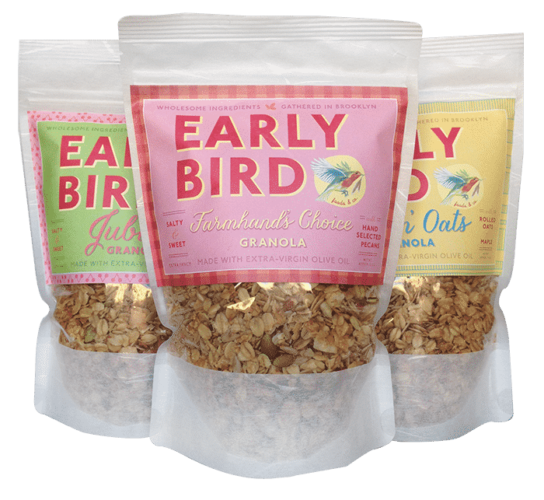
Are Digital Printed Pouches Right for My Product?
Buyers often want to know if digital printed pouches can provide the same protection and performance as traditional packaging. Modern digital pouches use proven materials, barrier films, and laminations to protect against moisture, oxygen, and light across food, beverage, supplement, and pet applications.
Another common concern is whether digital printing limits pouch styles or use cases. Digital print is compatible with stand up, retort, spout, gusseted, lay flat, block bottom, and sachet pouches, supporting retail, eCommerce, sampling, and promotional programs. Performance depends on the pouch structure, not the print method.
Brands also ask if digital print impacts visual quality or consistency. Digital printing delivers high-resolution graphics, consistent color, and easy multi-SKU versioning without plates or tooling. This makes digital printed pouches a reliable choice for flexible, high-quality packaging.
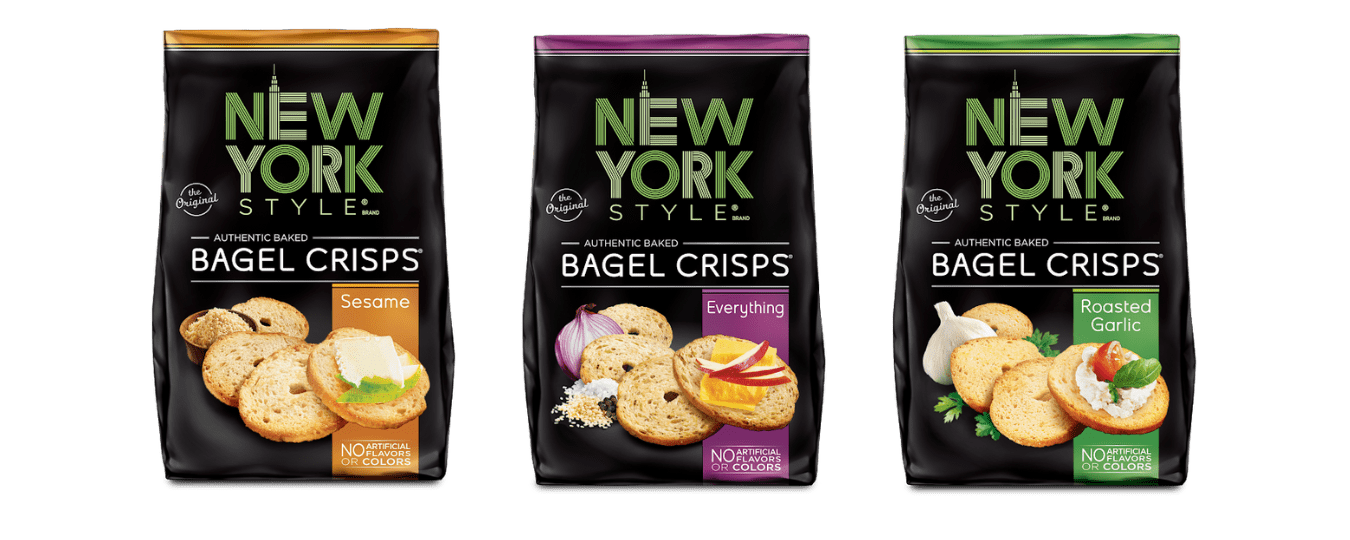
Digital Printed Pouches Options
Our digital printed pouches are available in a wide range of styles, supporting diverse applications across food, beverage, supplement, pet, personal care, and promotional packaging. Each pouch is built using carefully selected materials, film structures, and lamination options to deliver the right balance of barrier performance, durability, and shelf appeal.
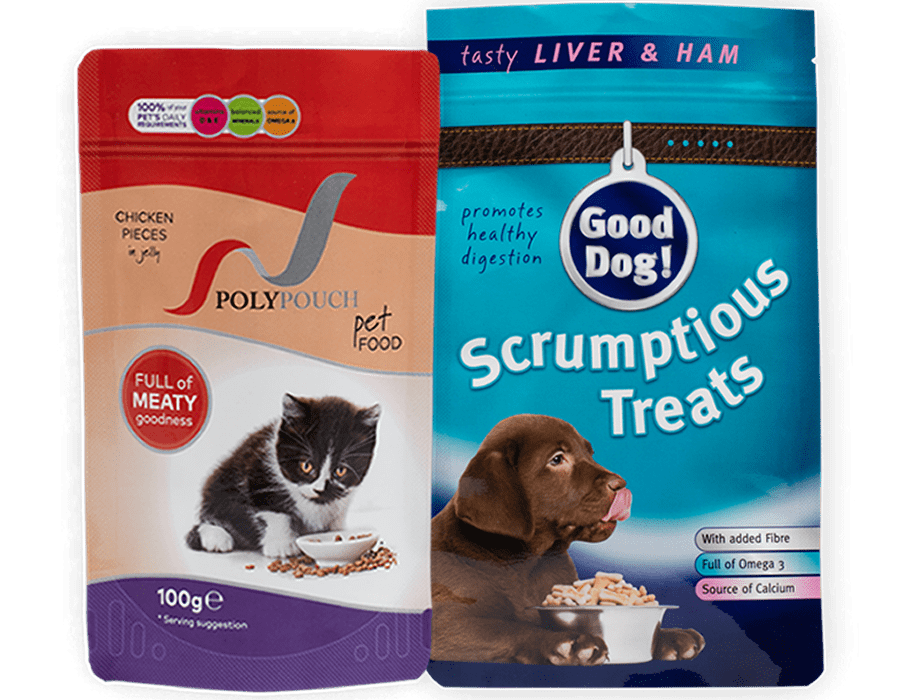
Stand up pouches are ideal for retail shelf display, offering strong visibility and efficient use of space. Commonly used for food, beverages, supplements, and consumer goods, they combine durability, resealability, and high-impact branding.
Retort pouches are designed for heat-processed and shelf-stable products, maintaining product safety while reducing packaging weight. They’re widely used for ready-to-eat meals, sauces, pet food, and medical or specialty food applications requiring high barrier protection.
Spout pouches provide controlled dispensing and are ideal for liquids, semi-liquids, and pourable products. Common applications include beverages, nutritional products, cleaning solutions, and personal care items, where convenience and resealability matter.
Gusseted pouches expand to hold higher volumes while maintaining a compact footprint. They’re commonly used for coffee, dry foods, powders, and bulk consumer products requiring strong structure and efficient storage.
Lay flat pouches offer a lightweight, space-efficient solution for single-use or low-volume products. They’re ideal for snacks, samples, cosmetics, and promotional packaging where cost efficiency and flexibility are priorities.
Block bottom pouches provide a box-like appearance with enhanced stability and premium shelf presence. Frequently used for coffee, specialty foods, and premium retail products, they support high-end branding and structured presentation.
Sachets are compact pouches designed for sampling, trial sizes, and single-serve applications. They’re commonly used in food, beauty, health, and promotional campaigns to support product testing and brand discovery.
Digital printed pouches are used for dry foods, shelf-stable meals, ingredients, and specialty food products. High-barrier materials help protect freshness, flavor, and shelf life. Digital print supports multi-SKU programs, fast updates, and compliant labeling.
Ideal for chips, trail mixes, bars, and single-serve snacks, pouches provide strong shelf presence and portability. Stand up and lay flat formats balance cost efficiency with retail visibility. Digital printing allows rapid flavor or seasonal design changes.
Used for functional drinks, smoothies, sauces, and liquid concentrates, digital printed pouches offer convenience and controlled dispensing. Spout and retort pouches support shelf-stable and ready-to-consume applications. Artwork can be updated quickly across flavors or formulations.
Common for protein powders, vitamins, gummies, and nutritional blends, pouches deliver portability and protection. Digital print supports regulatory updates, ingredient changes, and versioned SKUs without retooling. Clean graphics help reinforce brand trust.
Digital printed pouches are widely used for pet treats, supplements, and wet food products. Barrier films help preserve aroma, texture, and freshness. Stand up and gusseted formats enhance retail shelf appeal.
Used for skincare, haircare, cosmetics, and sample packaging, pouches offer a flexible alternative to rigid containers. Digital print supports limited editions, trial sizes, and travel-friendly formats. Sachets and spout pouches are common for single-use applications.
Sachets and lay flat pouches are ideal for sampling, direct mail, subscription boxes, and bundled kits. Digital print supports short runs, personalization, and campaign-specific artwork. Lightweight construction helps reduce shipping costs while maintaining brand consistency.
Digital printed pouches are widely used for whole bean coffee, ground coffee, and loose-leaf tea. Gusseted and block bottom pouches support freshness, structure, and strong retail shelf presence. Digital print allows easy updates for roasts, origins, and seasonal blends.
Ideal for drink mixes, seasonings, baking mixes, and powdered ingredients, pouches provide efficient storage and protection. High-barrier materials help prevent moisture ingress and maintain product integrity. Multi-SKU programs benefit from fast artwork changes.
Pouches are used for refill packaging, cleaning concentrates, and liquid detergents to reduce material usage. Digital printing enables fast branding changes and private-label programs. Spout pouches improve ease of use and controlled dispensing.
Have a unique product or specialized requirement? Contact Brown Packaging to explore custom digital printed pouch solutions tailored to your application, materials, and distribution needs.
Digital printed pouches commonly use PET/PE, PET/PE/EVOH, OPP/PE, and PET/AL/PE film structures depending on the required performance. PET provides stiffness and print clarity, while PE delivers seal strength and flexibility. EVOH and aluminum foil layers are added when higher barrier protection is needed for demanding applications.
High-barrier pouches often incorporate EVOH films or foil laminations to protect against oxygen, moisture, and light. These barrier materials are critical for extending shelf life in food, beverage, supplement, and pet food applications. Barrier level is selected based on product sensitivity and distribution conditions.
Pouches can be finished with gloss lamination, matte lamination, or soft-touch lamination to enhance durability and shelf appeal. These lamination types protect the printed surface from scuffing, abrasion, and moisture. Finish selection is often driven by branding goals and the intended retail or eCommerce application.
Material performance depends heavily on PE sealant layers, reinforced PET films, and proper lamination bonding. These components improve puncture resistance, seal integrity, and overall handling performance. This is especially important for heavier fills, bulk products, and high-handling distribution environments.
Retort pouches use specialized PET/AL/CPP or PET/PE retort-grade laminations designed to withstand high heat and pressure. These materials maintain barrier performance and seal strength during thermal processing. Retort films are commonly used for shelf-stable foods, sauces, ready-to-eat meals, and pet food.
Spout and liquid pouches rely on PE-heavy laminations, EVOH barrier layers, and chemically resistant films to prevent interaction or leakage. These material combinations are suited for beverages, cleaning products, personal care, and industrial liquids. Proper film selection ensures long-term performance and product safety.
Beyond standard pouch films and laminations, additional materials, barrier structures, and lamination types may be available depending on product requirements, filling methods, and performance needs. Packaging programs often require custom film combinations, specialty barriers, or application-specific materials that aren’t one-size-fits-all.
If your product has unique protection, shelf-life, sustainability, or regulatory requirements, contact Brown Packaging to discuss custom material and lamination options tailored to your application.
Digital Printed Pouch Guide
Digital printed pouches offer short runs, variable designs, and fast turnaround, delivering flexible branding solutions without plate costs. Key benefits and capabilities include high-quality graphics, multiple materials and finishes, with considerations for volume, barrier needs, and product compatibility.
Digital printing eliminates plates and long setup times, making it ideal for short runs and fast launches. Brands can test SKUs, seasonal designs, or regional variations without committing to large volumes. This reduces upfront risk while accelerating speed-to-market. It’s especially valuable for emerging brands and product line extensions.
Modern digital pouch printing delivers sharp text, smooth gradients, and accurate color reproduction. Unlike traditional methods, consistency is maintained across runs without color drift. This ensures branding stays clean and professional from first pouch to last. It’s well-suited for premium and retail-facing products.
Digital print allows multiple SKUs, flavors, or compliance versions within a single production run. Artwork changes don’t require new plates or setup costs. This is ideal for regulated industries, multilingual packaging, or fast-changing product lines. Brands gain flexibility without sacrificing efficiency.
For low-to-medium quantities, digital pouches reduce total landed cost compared to flexographic or gravure. There are no plate fees, fewer overruns, and less waste. This makes digital printing economically practical where traditional printing is not. Buyers gain better cost control and forecasting accuracy.
Printing only what you need supports inventory optimization and waste reduction. Digital pouches help avoid obsolete packaging caused by formula changes, rebrands, or regulation updates. This is especially important for food, supplements, and fast-moving consumer goods. It aligns with both cost efficiency and sustainability goals.
Digital printed pouches are used across food, beverage, supplements, pet products, personal care, and eCommerce. They work well for retail shelves, direct-to-consumer shipping, and promotional packaging. Brands can maintain consistency across channels without changing packaging formats. This versatility makes digital pouches a scalable option as demand grows.
Not all products need the same barrier protection. Oxygen, moisture, light, and grease sensitivity should be evaluated before selecting films or laminations. Digital printing works across many structures, but product shelf life drives material choice. Matching barrier performance to product needs is critical.
While digital pouches are cost-effective for short and mid runs, higher volumes may favor traditional printing. Buyers should compare per-unit cost at scale, not just initial pricing. Understanding volume breakpoints helps avoid overpaying as demand grows. This is especially important for long-term SKUs.
Digital print offers excellent quality, but finish options may differ from flexographic or gravure. Certain tactile effects or specialty coatings can be more limited or cost-sensitive. Buyers should align brand expectations with available finishes. Requesting samples helps validate appearance before committing.
Exact PMS color matching can vary depending on substrates and ink systems. Digital printing prioritizes consistency, but ultra-tight brand standards may require proofing adjustments. Buyers with strict guidelines should plan for color approvals upfront. This reduces revisions and delays.
Products in food, supplement, and regulated markets often require frequent label or compliance changes. Digital printing supports rapid updates, but content accuracy remains the buyer’s responsibility. Regulatory review should occur before artwork is finalized. This prevents reprints and supply disruptions.
Digital printing typically reduces production time, but material availability can still impact schedules. Specialty films or laminations may require additional lead time. Buyers should factor this into launch timelines and reorders. Planning ahead avoids last-minute bottlenecks.
Digital pouches are ideal for early-stage or evolving products, but future volume growth should be considered. Some brands transition to hybrid or traditional printing as demand stabilizes. Planning for scalability ensures packaging remains cost-effective over time. This avoids reactive changes later.
Digital printing supports a wide range of stand-up pouches, flat pouches, gusseted pouches, and spouted formats. Sizes and configurations can be tailored to product weight, fill method, and shelf presentation. This allows brands to maintain consistency across SKUs while adapting structure as needed. Format selection is driven by product and distribution requirements.
Digital pouches can be produced using mono-material, multi-layer, and high-barrier laminations. Common structures include PET, PE, EVOH, aluminum foil, and specialty barrier films. Laminations are selected based on moisture, oxygen, and light sensitivity. This ensures protection without over-engineering the package.
Digital technology delivers photo-quality graphics, fine text, gradients, and variable data without plates. Print consistency is maintained across short and repeat runs. This enables clean branding even on complex designs. Variable elements such as batch information or SKU differentiation are easily supported.
Capabilities include resealable zippers, tear notches, hang holes, spouts, and custom seal configurations. These features enhance usability, shelf display, and consumer convenience. Functional options are integrated without disrupting print quality. Feature selection depends on product use and retail handling.
Digital pouches can incorporate matte, gloss, or soft-touch finishes depending on material compatibility. Coatings enhance shelf appeal and brand differentiation. Finish selection also affects durability and scuff resistance. Buyers should align finishes with brand positioning and handling conditions.
Digital printed pouches are suitable for dry goods, powders, liquids, semi-liquids, and non-food products. Compatibility depends on material structure, sealing method, and barrier needs. Proper testing ensures product integrity during storage and distribution. This makes digital pouches adaptable across industries.
Digital printed pouches are ideal for new SKUs, pilot programs, and limited releases. Brands can launch quickly without committing to large inventory positions. This allows real market feedback before scaling production. It’s a low-risk way to validate demand.
For brands managing multiple flavors, sizes, or formulations, digital printing supports rapid SKU expansion. Artwork changes are fast and cost-efficient without new tooling. This keeps packaging aligned with product innovation cycles. It also simplifies inventory planning across variants.
When nutrition panels, compliance language, or legal text changes, digital pouches allow fast revisions. Brands can update packaging without scrapping outdated inventory. This is especially valuable in regulated markets like food, supplements, and pet products. It reduces downtime and compliance risk.
Digital printing supports seasonal graphics, promotions, and region-specific designs. Brands can run short campaigns without disrupting core packaging. This is useful for holidays, retail programs, or geographic targeting. Packaging stays relevant without long-term commitments.
Digital printed pouches work well for DTC and eCommerce fulfillment, where flexibility and branding matter. Lightweight structures help reduce shipping costs while maintaining shelf appeal. Brands can align packaging with online campaigns or subscriptions. This supports fast iteration in digital sales channels.
For emerging or scaling brands, digital pouches act as a bridge solution. They support growth without locking buyers into high-volume commitments too early. As demand stabilizes, packaging strategies can evolve without disruption. This keeps costs aligned with real sales velocity.
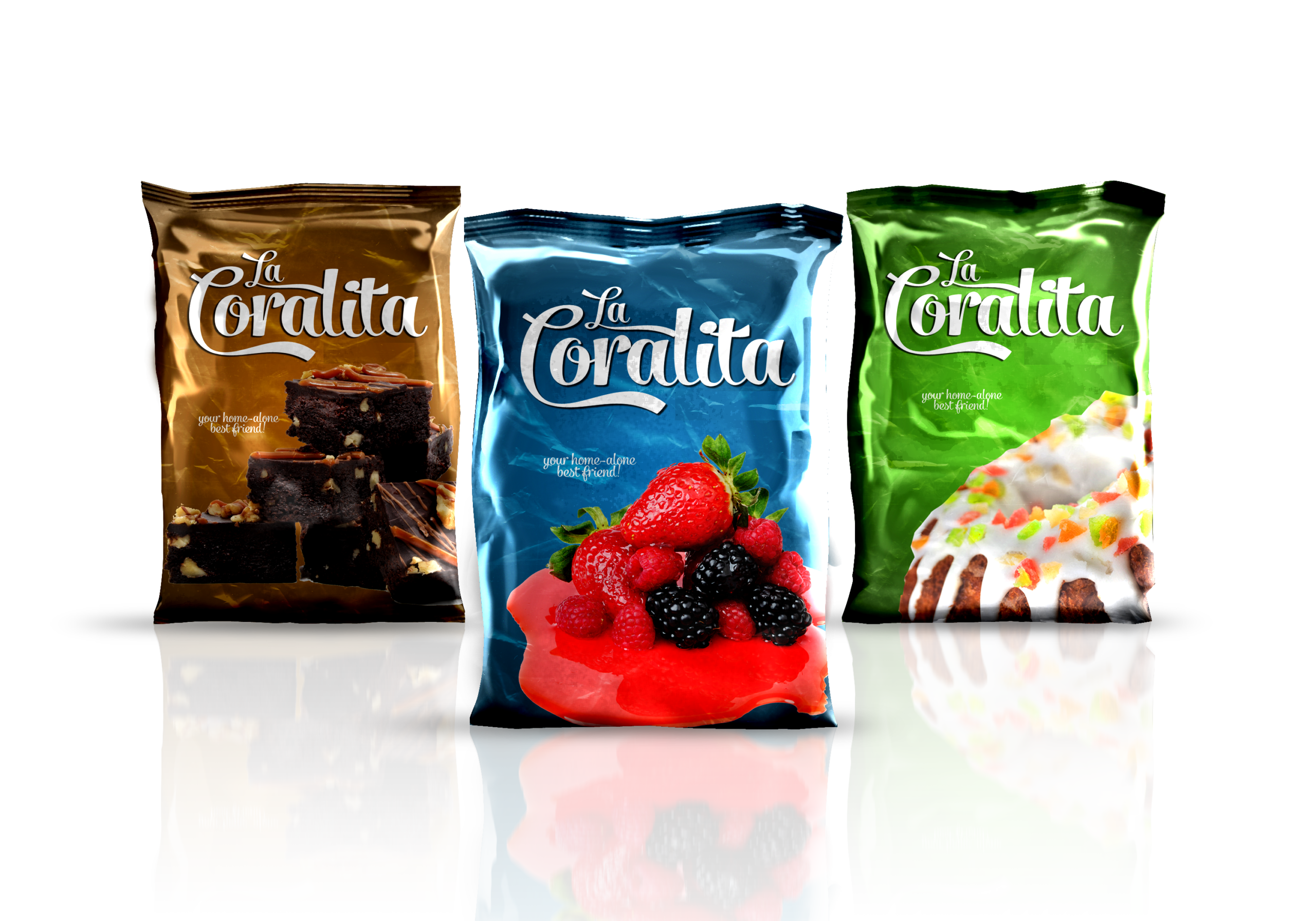
Our Pouch Case Studies
Our digital pouch case studies highlight real-world packaging solutions, showcasing custom designs, short runs, and fast turnaround for growing brands. Each example outlines key benefits, capabilities, and considerations to help buyers make informed decisions.
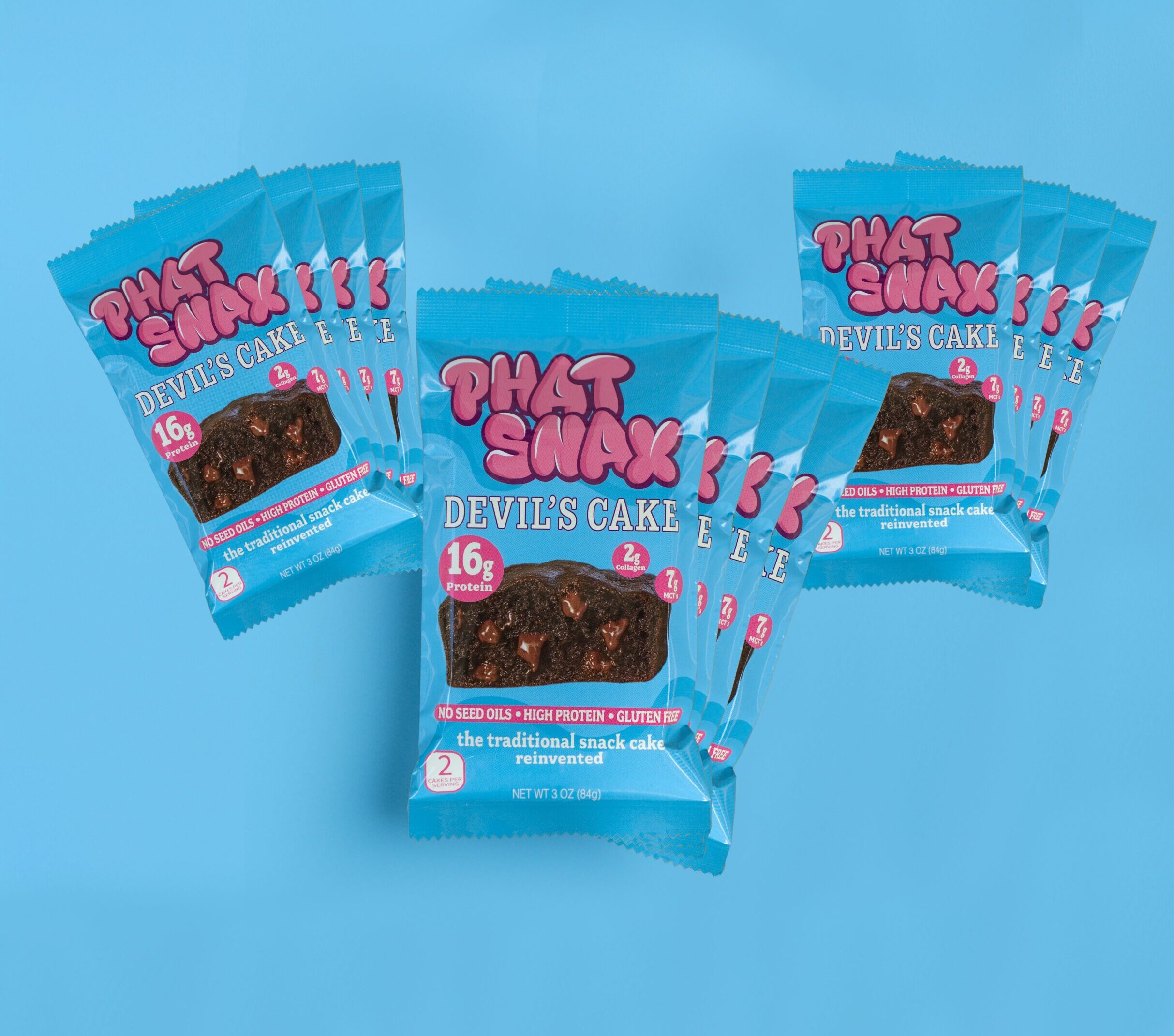
- Client Overview:
- Phat Snax
- Industry: Snack
- Company Size: Small
Project Summary
Custom fin-sealed lay-flat pouches developed for a growing snack brand to replicate the look and feel of flow-wrapped film—without requiring costly wrapping equipment. The solution balanced national-brand presentation, material performance, and scalable production for both retail and DTC channels.
Key Highlights
Fin-sealed lay-flat pouch design engineered to mimic roll-stock flow wrap
Serrated edge and tight product fit for a polished, national-brand appearance
Barrier film optimization to protect freshness and shelf stability
Pre-formed pouch solution eliminating the need for flow-wrapper machinery
Rapid concept-to-production timeline completed in under six weeks
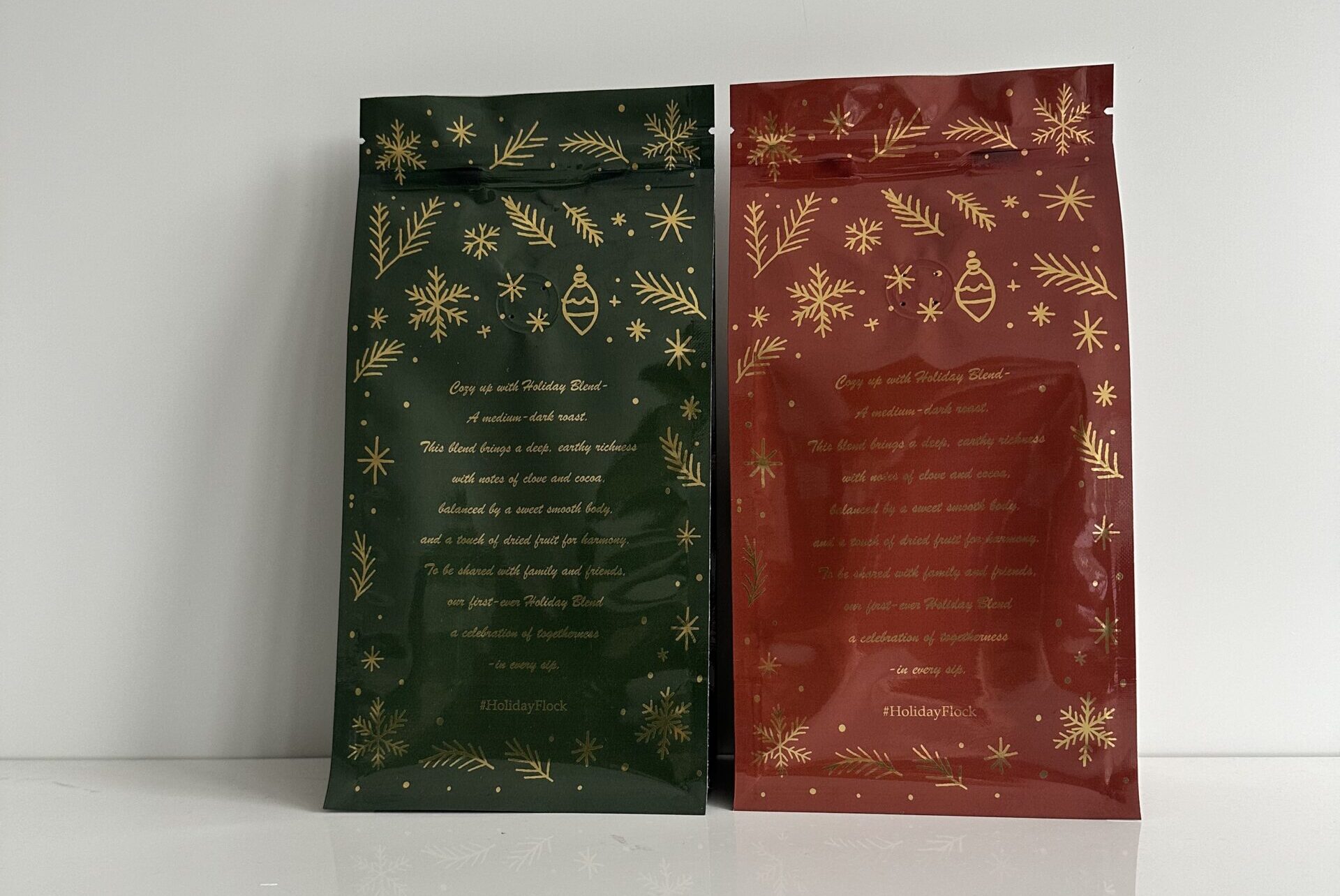
- Client Overview:
- Parakeet Cafe
- Industry: Coffee
- Company Size: Small
Project Summary
Custom holiday stand-up pouches developed for a growing snack brand, combining premium print finishes with retail-ready structure. The project focused on visual differentiation, consistent branding across color variations, and short-run flexibility to support seasonal demand.
Key Highlights
Metallic foil print accents for elevated shelf and gift appeal
Multi-colorway execution with consistent brand presentation
Stand-up pouch format optimized for retail display and handling
Short-run production capability ideal for seasonal or limited releases
End-to-end packaging support from design through final production