








window.uetq = window.uetq || []; window.uetq.push(‘event’, ‘submit_lead_form’,{ event_label:‘SUBMIT MESSAGE’ }); window.lintrk('track', { conversion_id: 10271009 }); window.lintrk('track', { conversion_id: 10271017 });

Custom Packaging

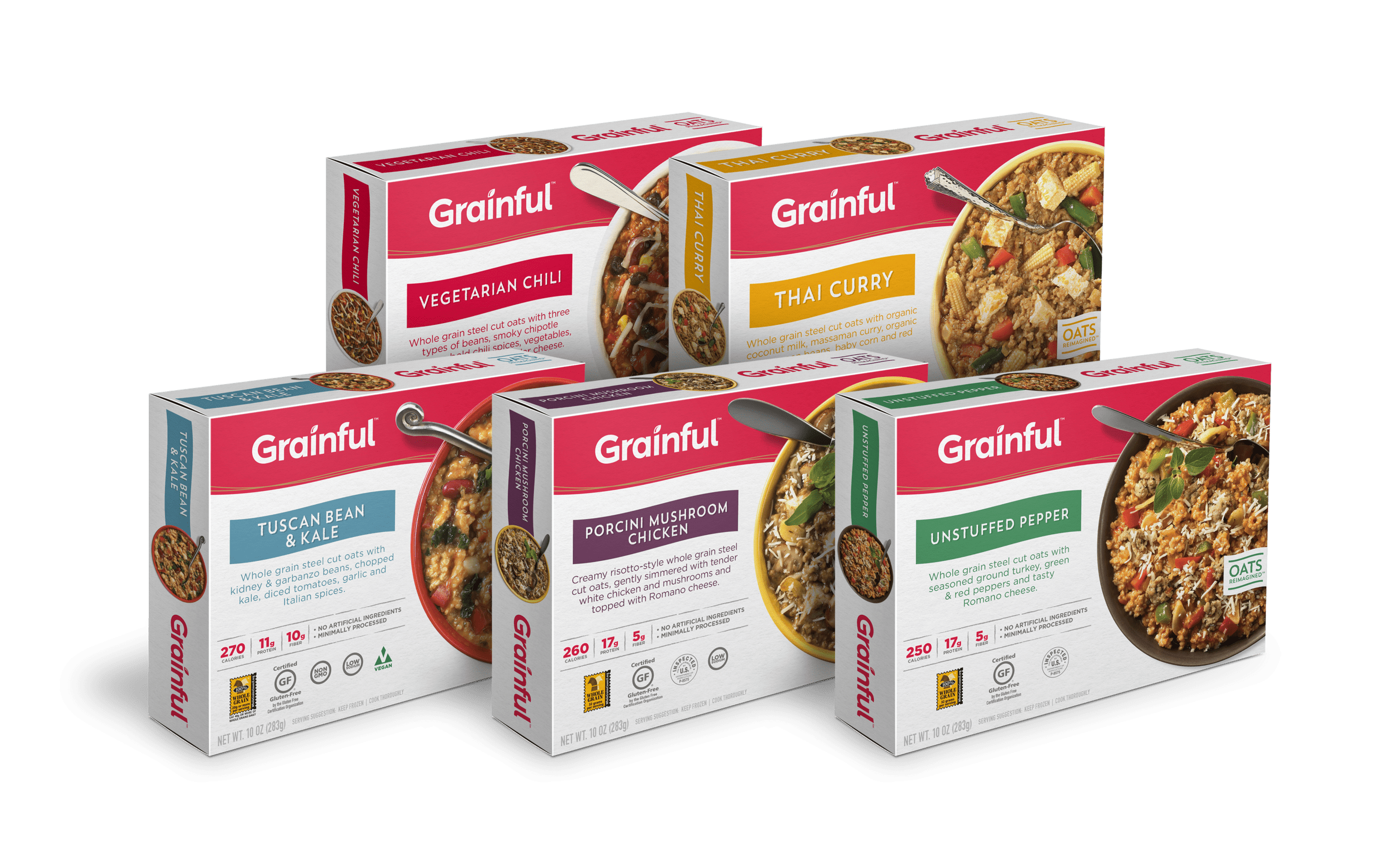
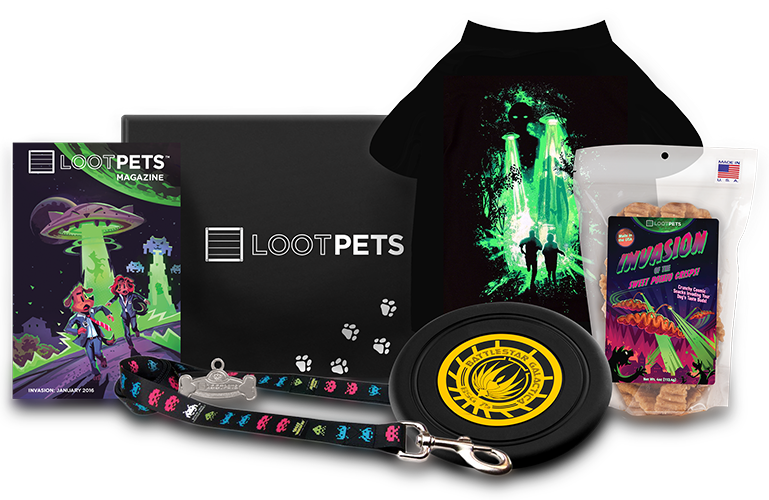
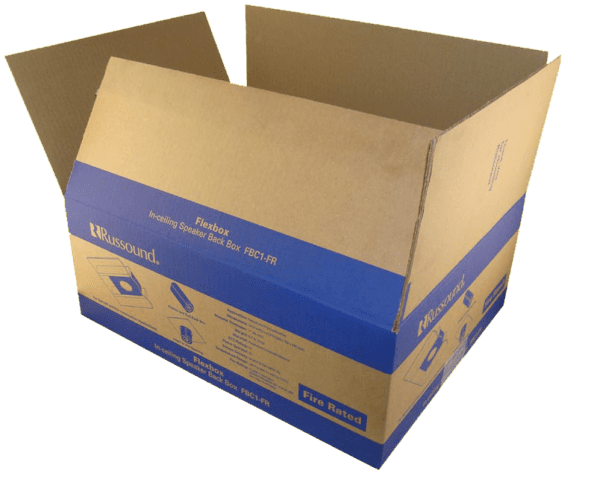
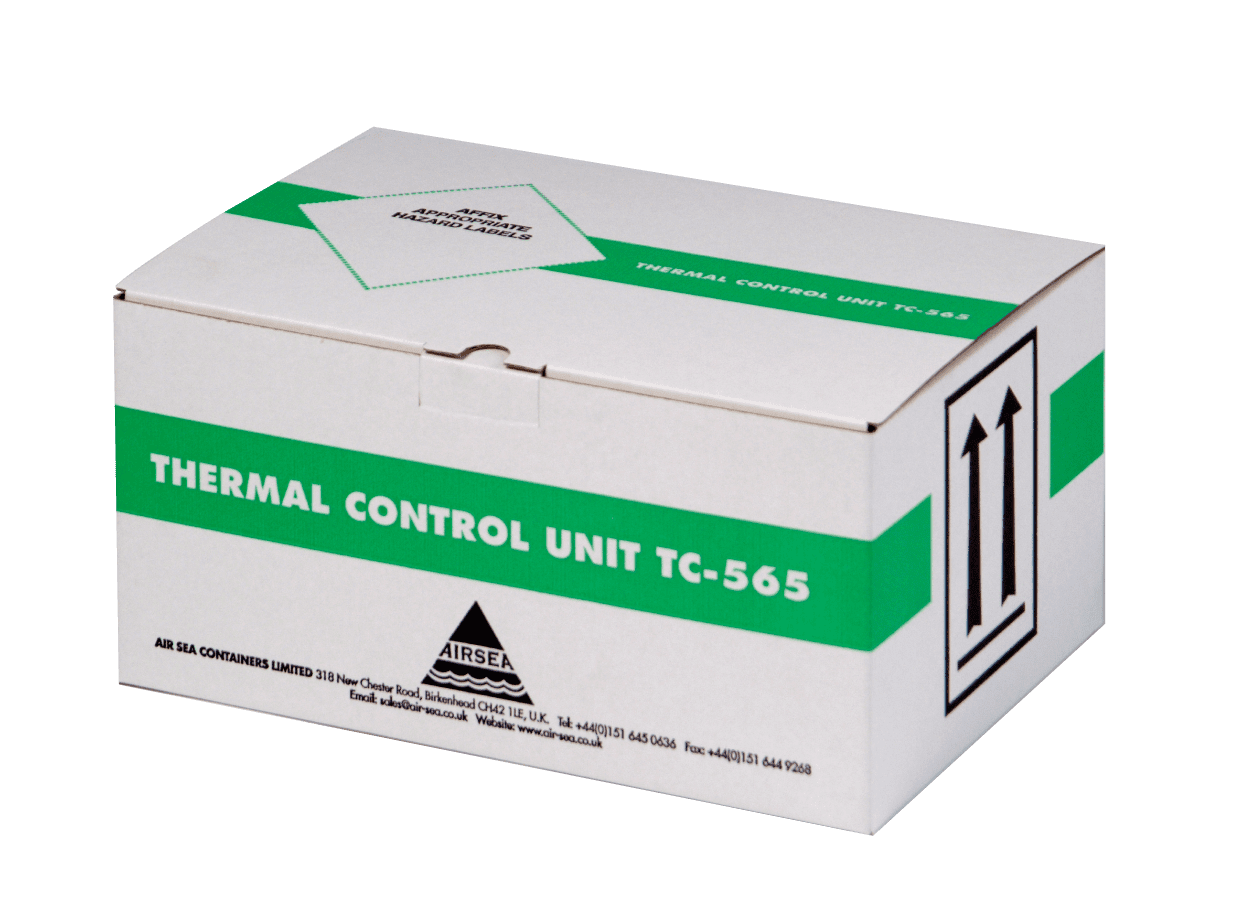
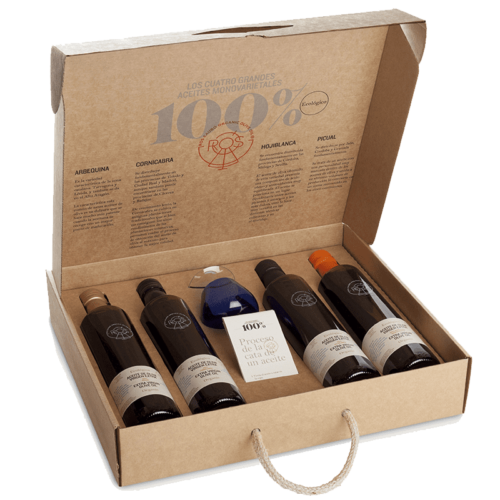
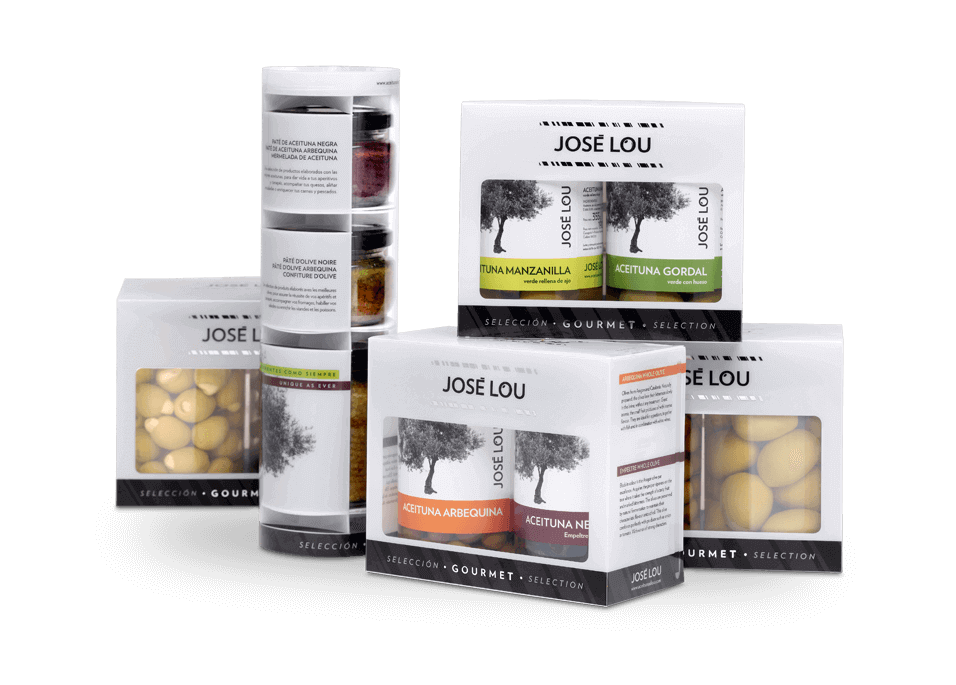
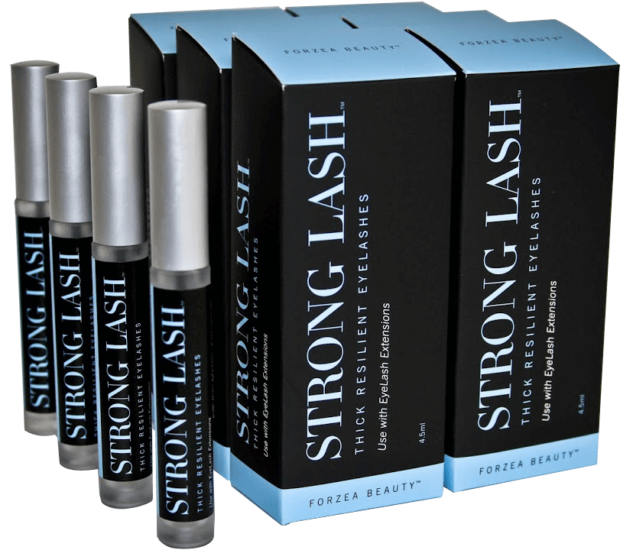
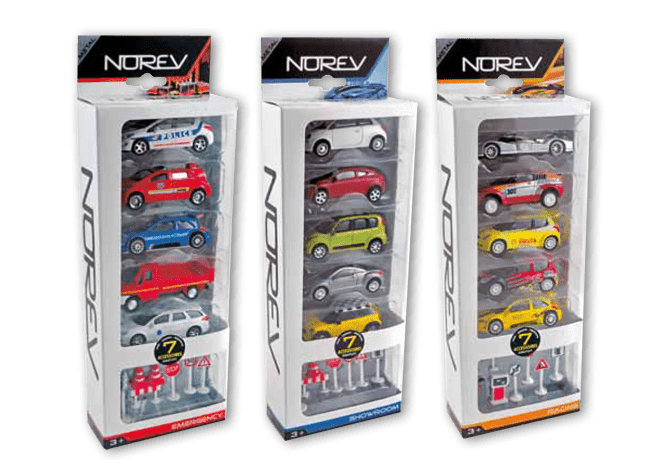
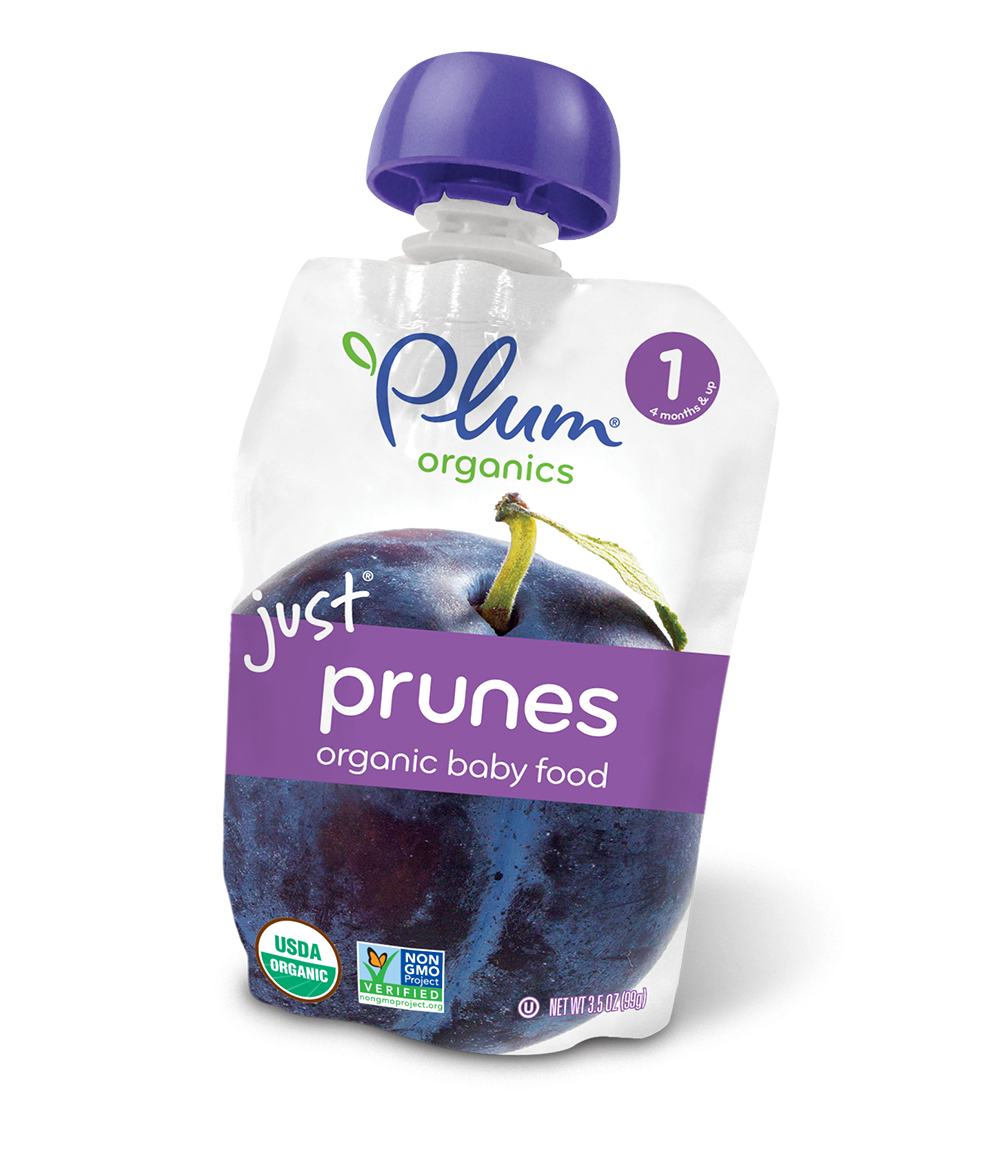
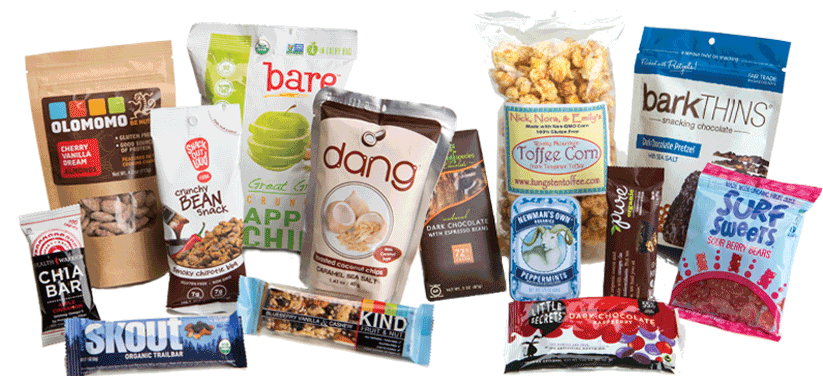
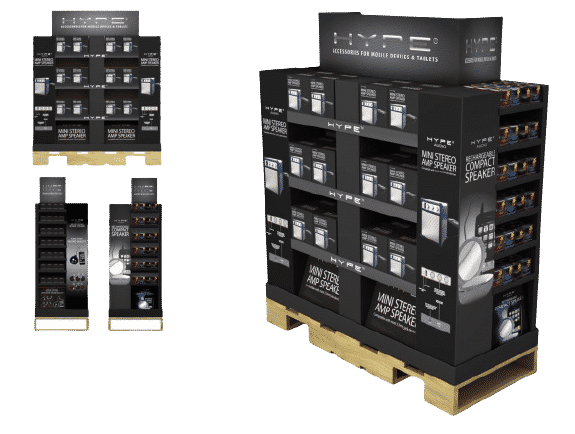
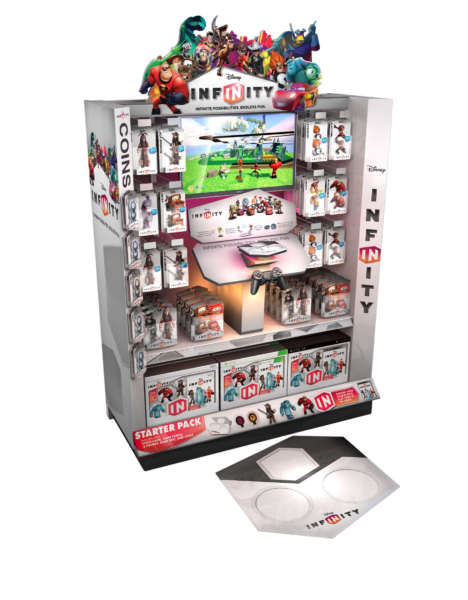
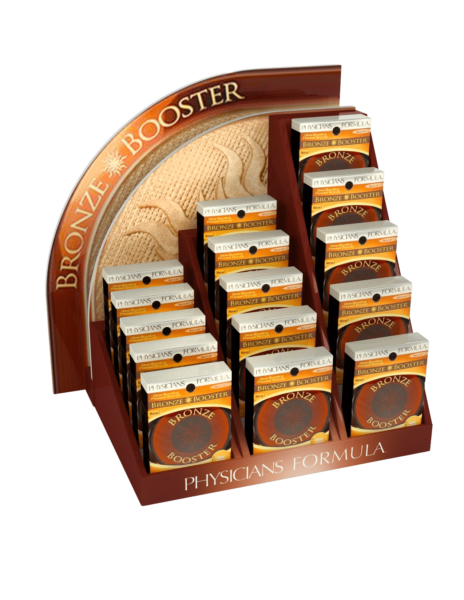
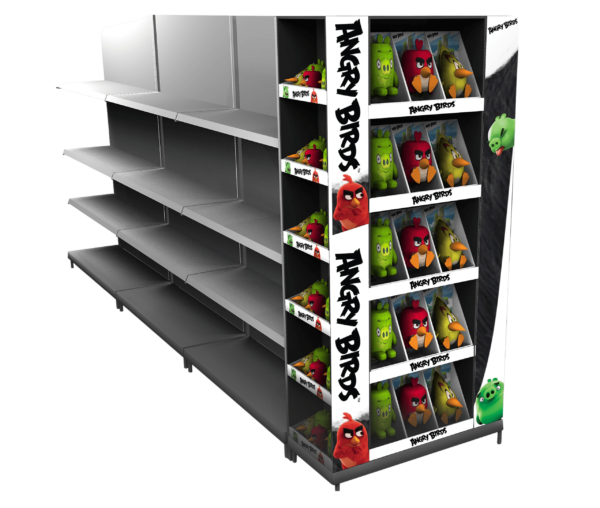
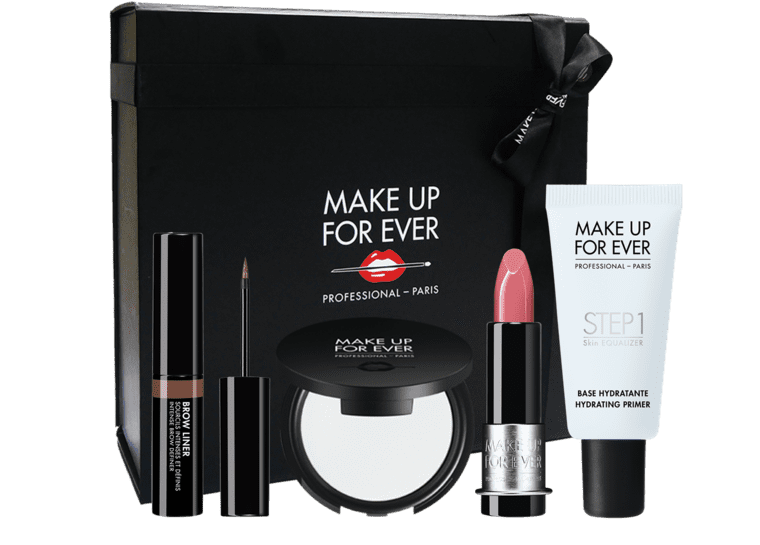
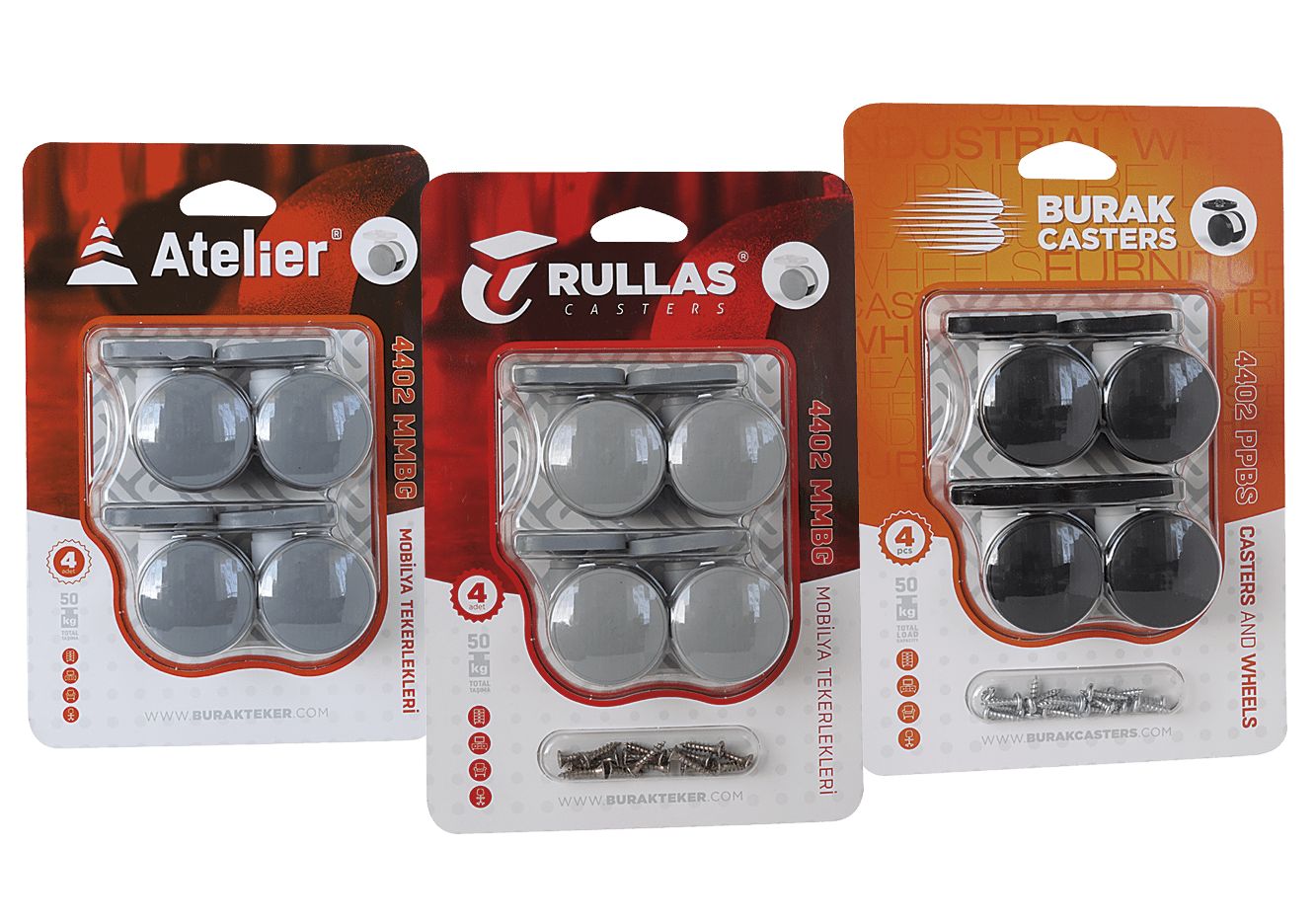
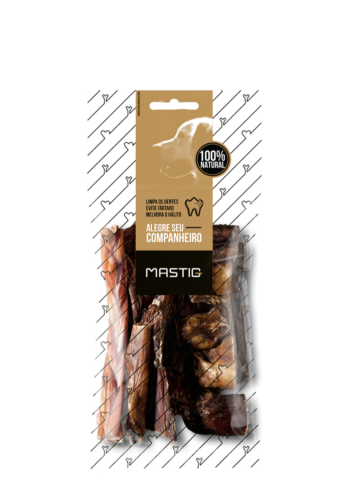
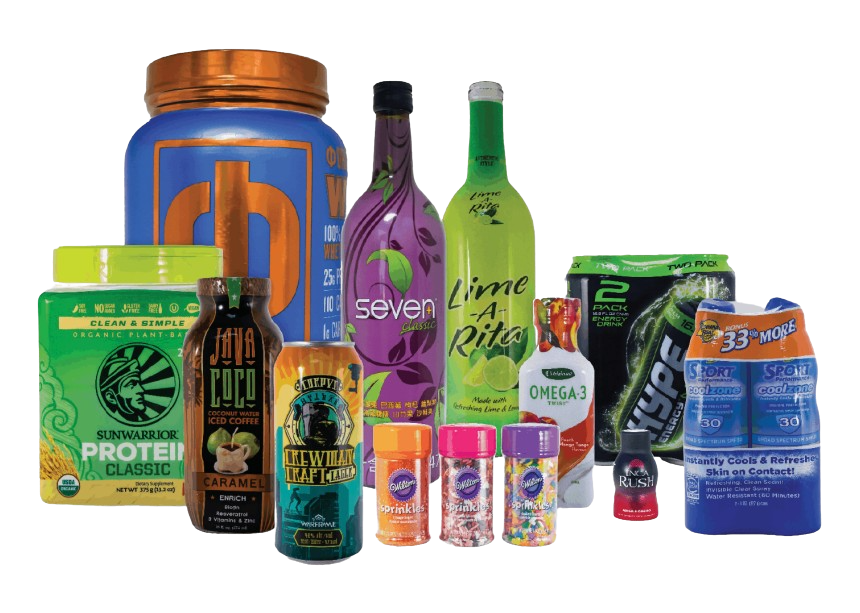
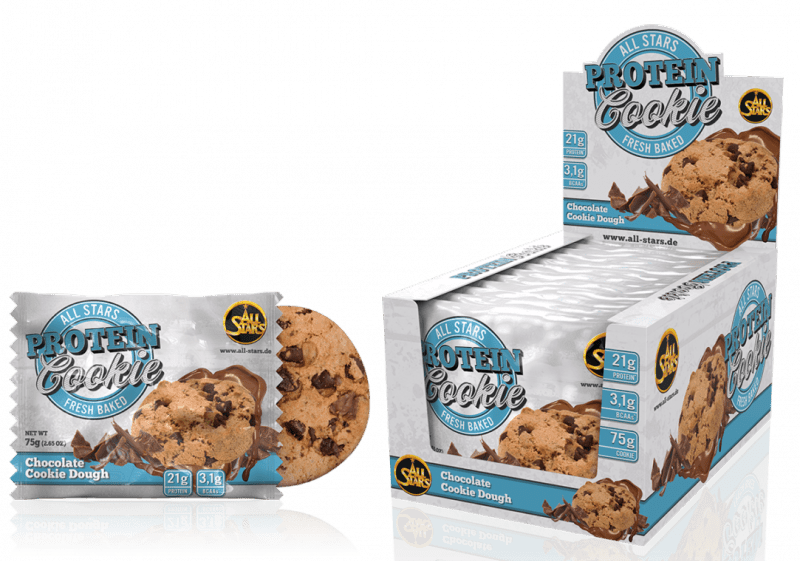
We offer a wide selection of fully customizable packaging products to address any packaging purpose. Customize your packaging product with your logo, brand colors, product information, design, features, and more. If you are unsure on what type of packaging you will need, then contact us for an expert consultation.

Custom packaging is tailored specifically to fit a brand’s unique product requirements, unlike stock packaging, which is pre-made and generic. Custom options allow for precise sizing, materials, and design choices, offering enhanced protection, presentation, and improved efficiency. This personalization makes custom packaging ideal for businesses looking to stand out and create a cohesive brand identity.

At Brown Packaging, our custom packaging solutions are structurally designed to optimize protection, material usage, and sustainability, tailored to meet specific product needs across various applications. We incorporate graphics to reinforce brand identity, ensuring that each package not only protects but also represents your brand effectively. With a focus on durability and functionality, our packaging ensures secure handling for shipping, retail, or storage while supporting sustainability goals.

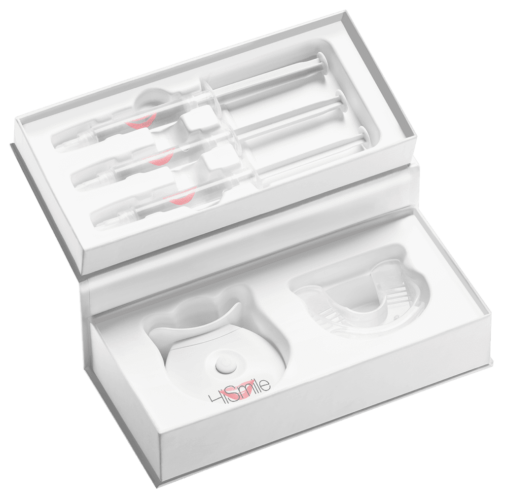
Dental Packaging Match Rigid Box (Slide)

Custom Packaging Products

We offer a variety of custom packaging products and solutions to meet all your packaging needs in one place. You’ll work directly with a dedicated project specialist to customize your package according to your specifications, including branding, features, and design.

Edit Content
Edit Content
Edit Content
Edit Content
Edit Content
Edit Content
Edit Content
Edit Content
Edit Content
Edit Content
Edit Content
Edit Content
Edit Content
Edit Content
Edit Content
Edit Content

If you need any assistance with your packaging or have a question, then contact us directly at request@brownpackaging.com  or  (714)300-0650. Learn more about custom packaging by reading our blog posts on new and trending topics.

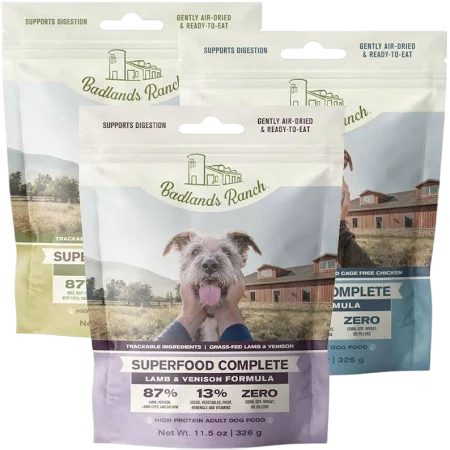
Sustainable Pet Food Packaging Options
Packaging
brownpackaging
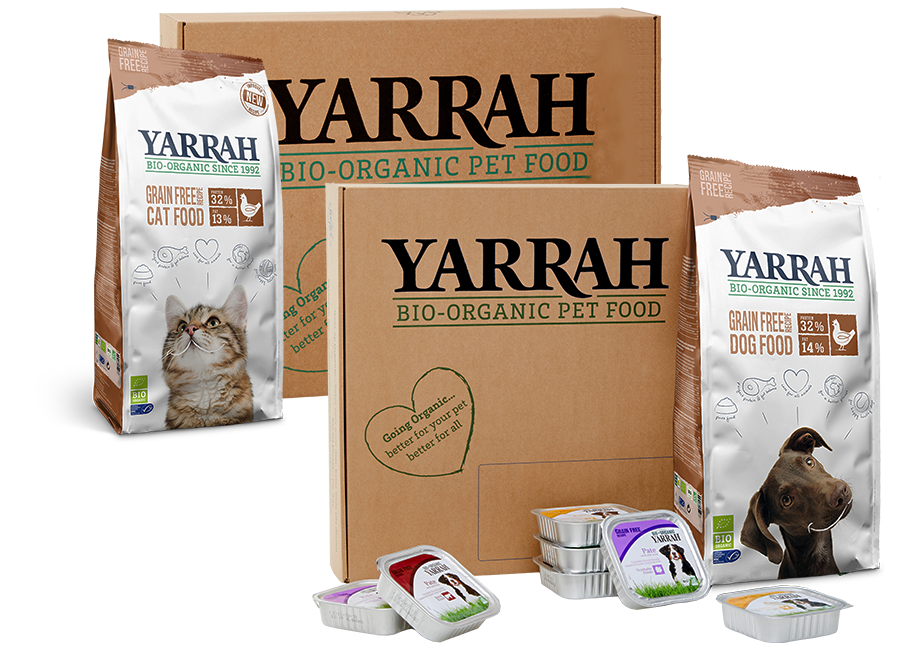
Sustainable Pet Food Packaging Options

Sustainability in pet food packaging is not just about recyclability—it’s about reducing environmental impact across the entire lifecycle. For products with high barrier needs like dry kibble, wet food, and treats, material selection and package design must balance performance with end-of-life recovery options. Recyclable Mono-Material Films Description: Stand-up pouches made entirely from polyethylene (PE) or polypropylene (PP), eliminating the mixed-material layers that complicate recycling. Benefits: Compatible with store drop-off or curbside recycling (where accepted). Limitations: Barrier performance may be lower than multi-material laminates; suitable for short-to-medium shelf life SKUs. Example Specs: PE/PE or BOPP PE structures with EVOH for oxygen barrier. Post-Consumer Recycled (PCR) Content Description: Incorporating recycled resin into packaging layers. Benefits: Reduces virgin resin use and carbon footprint. Limitations: PCR clarity and odor control can be challenging for food-contact layers; often used in non-contact outer layers. Compliance: Must meet FDA or EFSA standards for food contact when used in inner layers. Compostable Packaging Description: Materials that break down under industrial or home composting conditions, such as PLA films or paper-based laminates. Benefits: Diverts waste from landfill. Limitations: Limited barrier performance; industrial composting infrastructure is not widely available in all regions. Use Case: Small pet treat pouches or sample packs with short shelf life. Paper-Based Pet Food Bags Description: Multiwall paper sacks with an inner moisture barrier (e.g., PLA, PE, or EVOH-coated papers). Benefits: Renewable resource, strong branding potential. Limitations: Inner barrier layer may reduce recyclability; requires proper sealing to maintain freshness. Application: Bulk dry food and farm animal feed. Lightweighting Strategies Description: Reducing film thickness or container wall gauge without compromising barrier performance. Benefits: Less material use per unit, lower transport emissions. Techniques: Resin down-gauging, structural ribbing in rigid containers, optimized pouch dimensions. Design for Recovery Mono-Material Construction: Eliminates separation challenges at recycling facilities. Removable Labels/Windows: Improves yield in recycling streams. Standardized Resins: PET, HDPE, and LDPE have the most established recovery pathways. References ASTM International. (2018). ASTM D6400-19: Standard specification for labeling of plastics designed to be aerobically composted in municipal or industrial facilities. ASTM International. https://doi.org/10.1520/D6400-19Food and Drug Administration. (2023). Recycled plastics in food packaging. U.S. Food and Drug Administration. https://www.fda.gov/food/packaging-food-contact-substances-fcs/recycled-plastics-food-packagingEuropean Food Safety Authority. (2023). Safety assessment of recycled plastics for food contact use. European Food Safety Authority. https://www.efsa.europa.eu/en/topics/topic/plastics (714)300-0650 request@brownpackaging.com Most Recent Posts: Categories: Corrugated Ecommerce ESD Design Display Flexible Packaging Foam Folding Carton Packaging Plastic Packaging Pouch Printing Protection Retail Rigid Box Thermoform Sustainability Subscribe To Our Newsletter By submitting your information, you agree to our terms and conditions and privacy policy. Pet Packaging Facebook Twitter LinkedIn Pinterest Relevant Posts

Read More »
Retail
brownpackaging
Packaging That Improves Retail Compliance

Retailers place strict requirements on packaging to ensure products move efficiently through distribution centers, arrive safely, and look consistent on shelves. Non-compliance can lead to costly chargebacks, rejected shipments, and damaged retailer relationships. Buyers must design packaging that meets performance, labeling, and sustainability standards to avoid disruptions. Why Retail Compliance Matters Financial impact: Chargebacks and penalties cut into margins. Operational delays: Non-compliant packaging can hold up entire shipments. Retailer trust: Consistent compliance builds long-term partnerships. Shelf presence: Packaging that aligns with planograms avoids disruptions at store level. Key Compliance Requirements Structural standards: Packaging must meet durability and palletization guidelines. Labeling accuracy: GS1-compliant barcodes and proper product details. Sustainability mandates: FSC certification or recyclability requirements from major retailers. Testing protocols: ISTA or ASTM performance tests to validate protection. Common Causes of Non-Compliance Incorrect pallet sizes or overhang. Weak corrugated grades that collapse under stacking. Missing or unreadable barcodes. Excess packaging waste conflicting with retailer eco goals. How to Improve Retail Compliance Standardize box sizes to match retailer pallet and shelf guidelines. Validate packaging with ISTA or ASTM testing before rollout. Collaborate with suppliers who understand retailer-specific requirements. Audit packaging regularly to stay aligned with updated standards. Packaging Solutions with Brown Packaging Brown Packaging partners with companies to design packaging that meets retailer requirements. From GS1 labeling to FSC-certified materials and ISTA-tested corrugated, we help buyers reduce chargebacks and protect retail relationships. Contact us to improve your retail compliance program. References GS1. (2024). Global Standards for Packaging and Labeling. Retrieved from https://www.gs1.orgInternational Safe Transit Association (ISTA). (2023). ISTA Testing Procedures for Transport Packaging. Retrieved from https://ista.orgForest Stewardship Council (FSC). (2023). FSC Packaging Certification Guidelines. Retrieved from https://fsc.org (714)300-0650 request@brownpackaging.com Most Recent Posts: Categories: Corrugated Ecommerce ESD Design Display Flexible Packaging Foam Folding Carton Packaging Plastic Packaging Pouch Printing Protection Retail Rigid Box Thermoform Sustainability Subscribe To Our Newsletter By submitting your information, you agree to our terms and conditions and privacy policy. Retail Packaging Facebook Twitter LinkedIn Pinterest Relevant Posts

Read More »
Stretch Film
Corrugated
brownpackaging
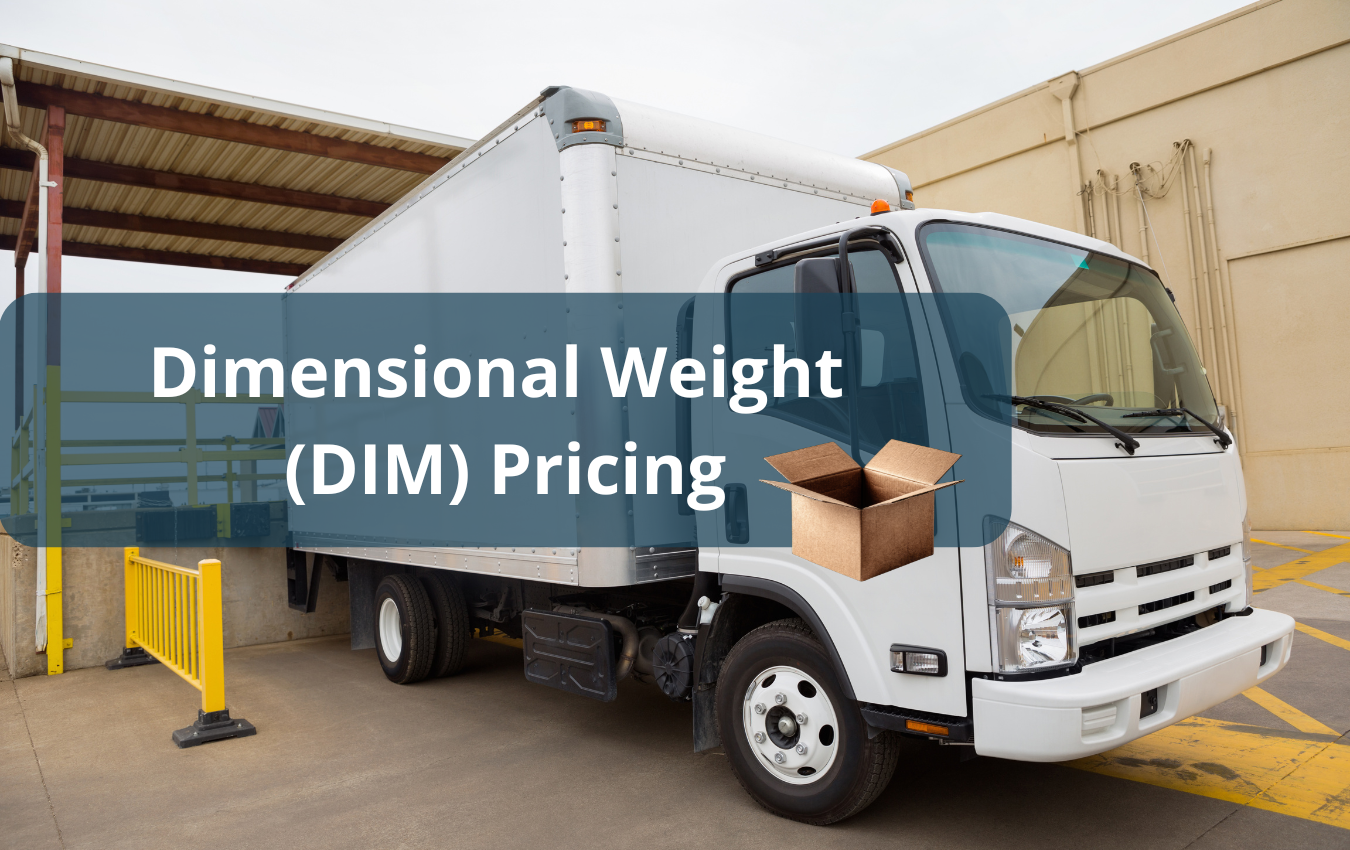
RSC Boxes in Freight Optimization

RSC boxes dominate shipping because they combine strength with efficiency. But beyond protection, their dimensions and stacking performance directly influence freight cost, pallet utilization, and warehouse efficiency. Choosing the right RSC design can reduce supply chain costs by double digits. Pallet Utilization Box Size and FitAn RSC that doesn’t optimize pallet footprint wastes space. Even a 1–2 inch mismatch can reduce units per pallet by 5–10%. Standard Pallet SizesIn North America, most pallets are 48” x 40”. Designing RSC dimensions to fit evenly across this footprint maximizes stacking stability. Load StabilityUniform RSC dimensions improve compression strength across the load, reducing toppling and damage in transit. Dimensional Weight (DIM) Charges Carrier Pricing ModelsCarriers like UPS and FedEx charge based on dimensional weight, not just actual weight. Oversized RSC boxes can inflate costs significantly. Right-SizingSelecting an RSC that closely matches product volume reduces cube size, cutting freight charges. Impact on E-CommerceFor direct-to-consumer shipments, oversize RSC boxes can double shipping cost while raising material expense. Stacking and Compression Box Compression Test (BCT)Determines how much weight an RSC can withstand in a stacked load. Real-World FactorMoisture and long-term storage reduce compression strength. Oversizing boxes to “play it safe” only increases freight cost. Instead, balance board grade with actual load needs. Warehouse Efficiency Knock-Down StorageRSC boxes ship and store flat, reducing warehouse footprint compared to assembled specialty mailers. AutomationConsistent RSC dimensions reduce jams in case erectors and palletizers, improving throughput. Buyer Takeaway Use RSC dimensions that align with pallet footprints to maximize utilization. Avoid oversized boxes — dimensional weight charges add hidden costs. Match board grade and box size to actual load requirements instead of over-specifying. Optimized RSC design isn’t just packaging — it’s a supply chain cost-control tool. References Fibre Box Association. (2023). Palletization and Shipping Standards. https://www.fibrebox.org International Safe Transit Association (ISTA). (2023). Distribution Testing Protocols. https://ista.org Soroka, W. (2016). Fundamentals of Packaging Technology (5th ed.). Institute of Packaging Professionals. (714)300-0650 request@brownpackaging.com Most Recent Posts: Categories: Corrugated Ecommerce ESD Design Display Flexible Packaging Foam Folding Carton Packaging Plastic Packaging Pouch Printing Protection Retail Rigid Box Thermoform Sustainability Subscribe To Our Newsletter By submitting your information, you agree to our terms and conditions and privacy policy. Custom Regular Slotted Container (RSC) Facebook Twitter LinkedIn Pinterest Relevant Posts

Read More »