

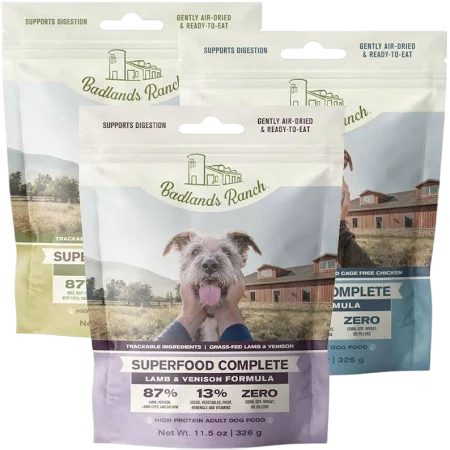
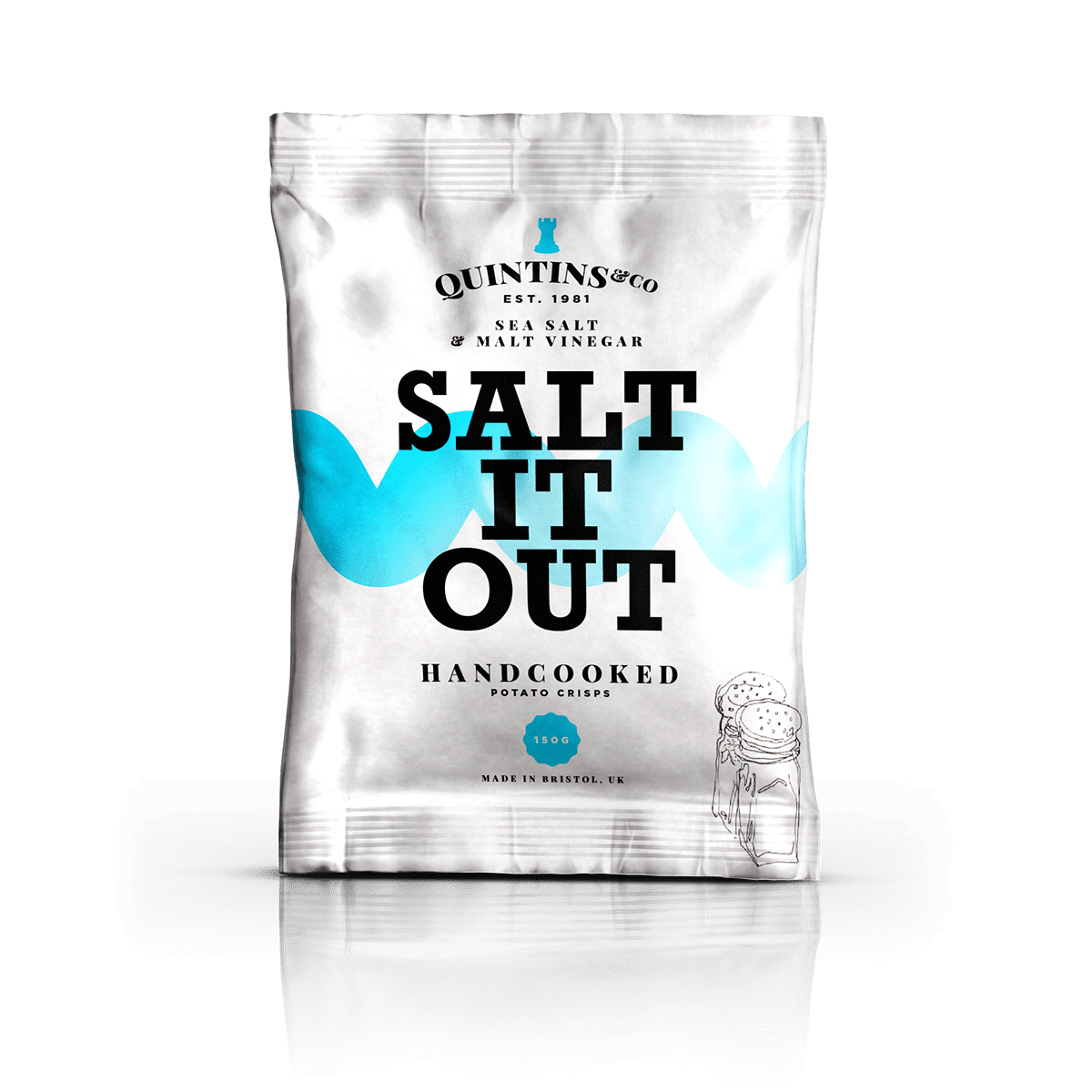
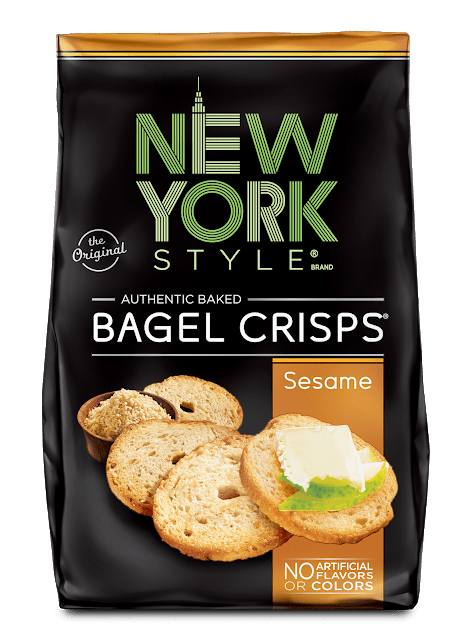
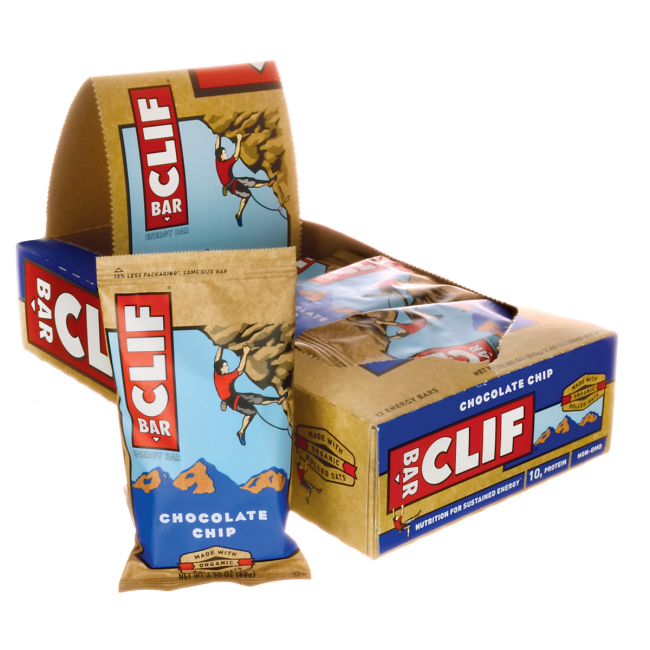

Custom Packaging
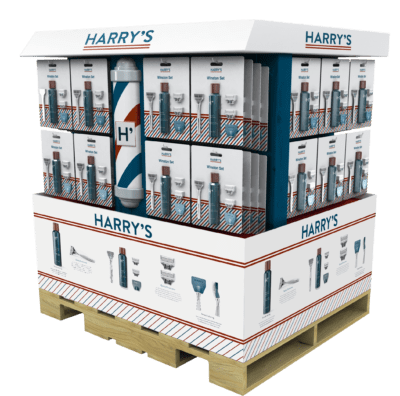
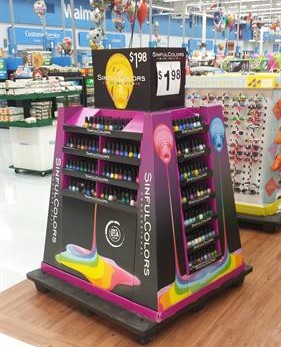
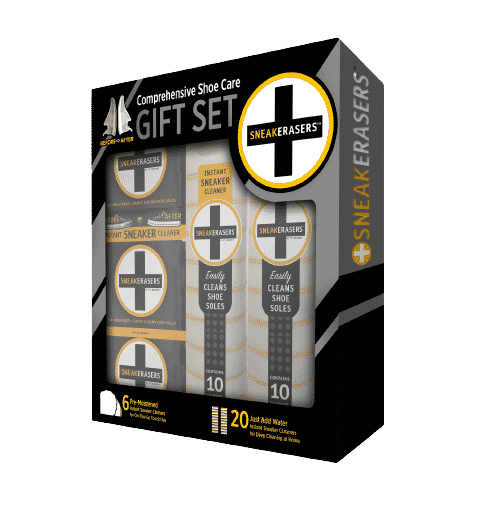
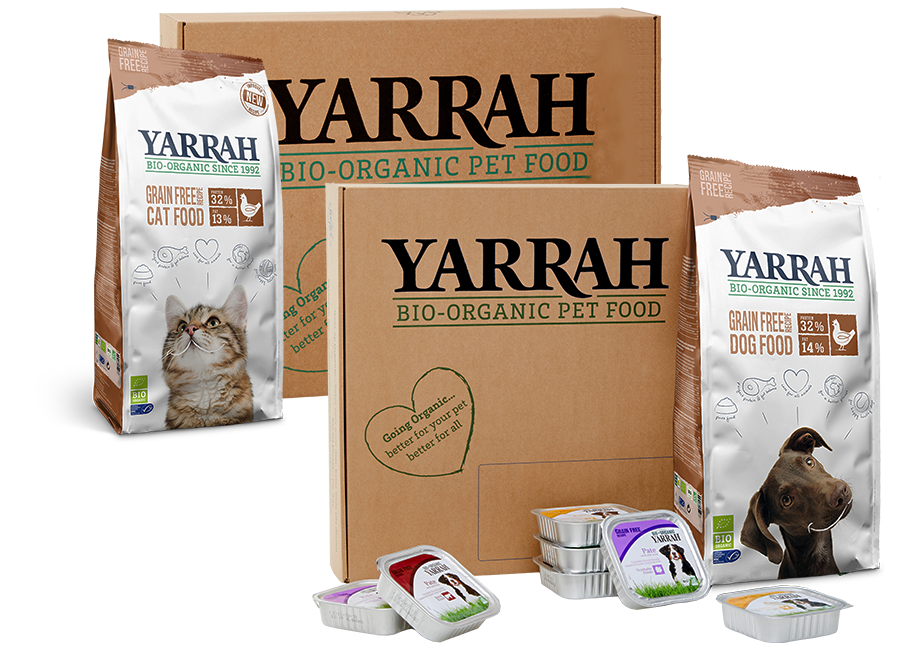
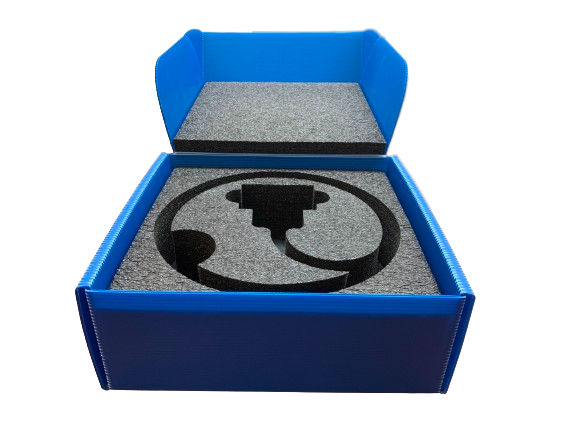
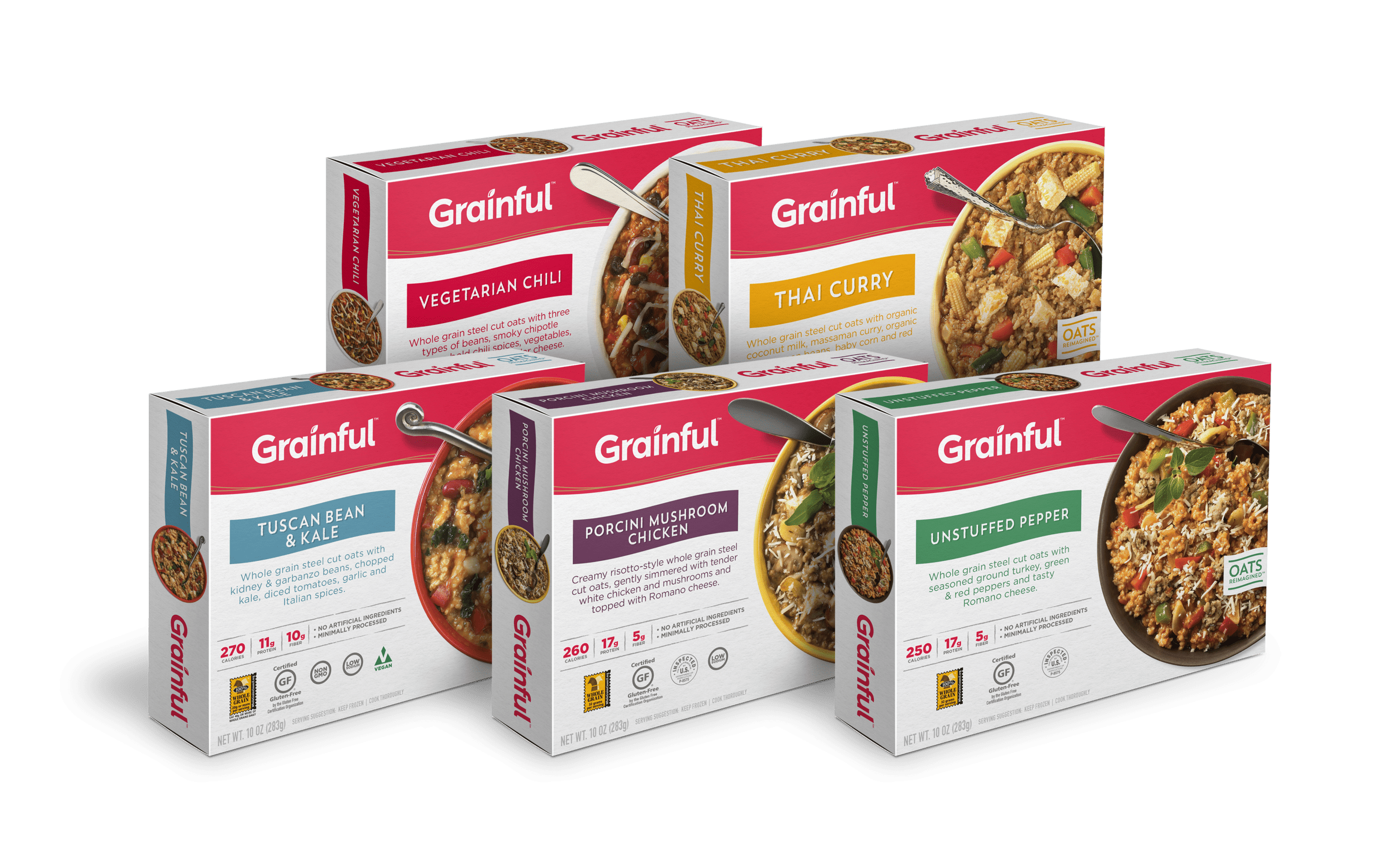
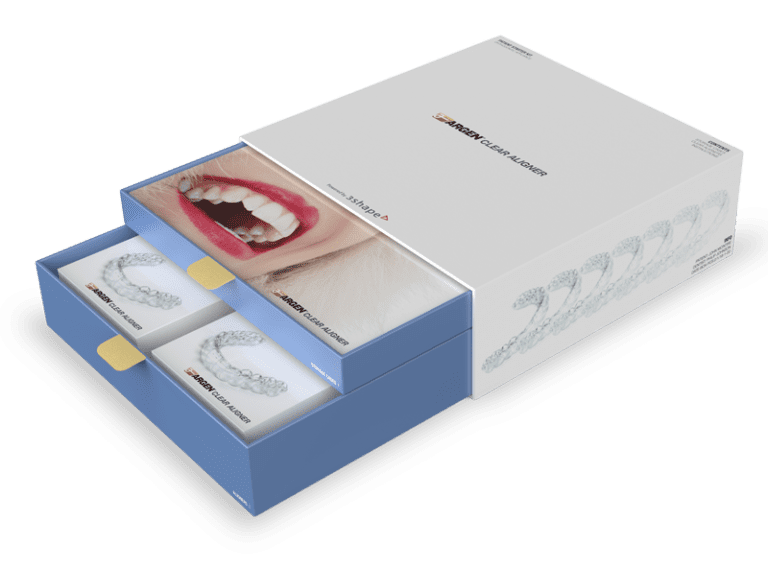
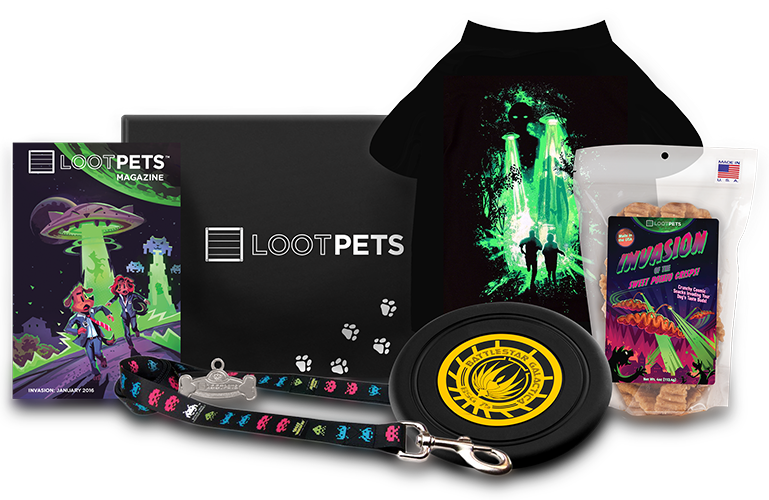
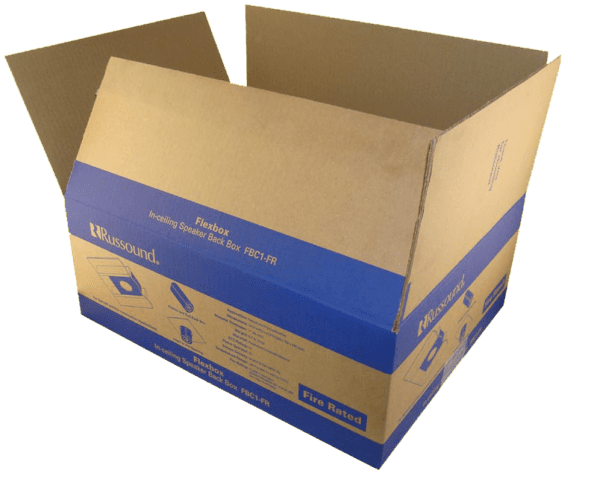
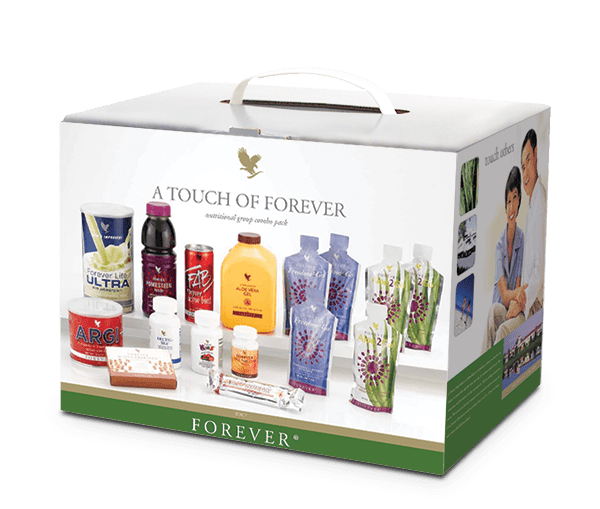
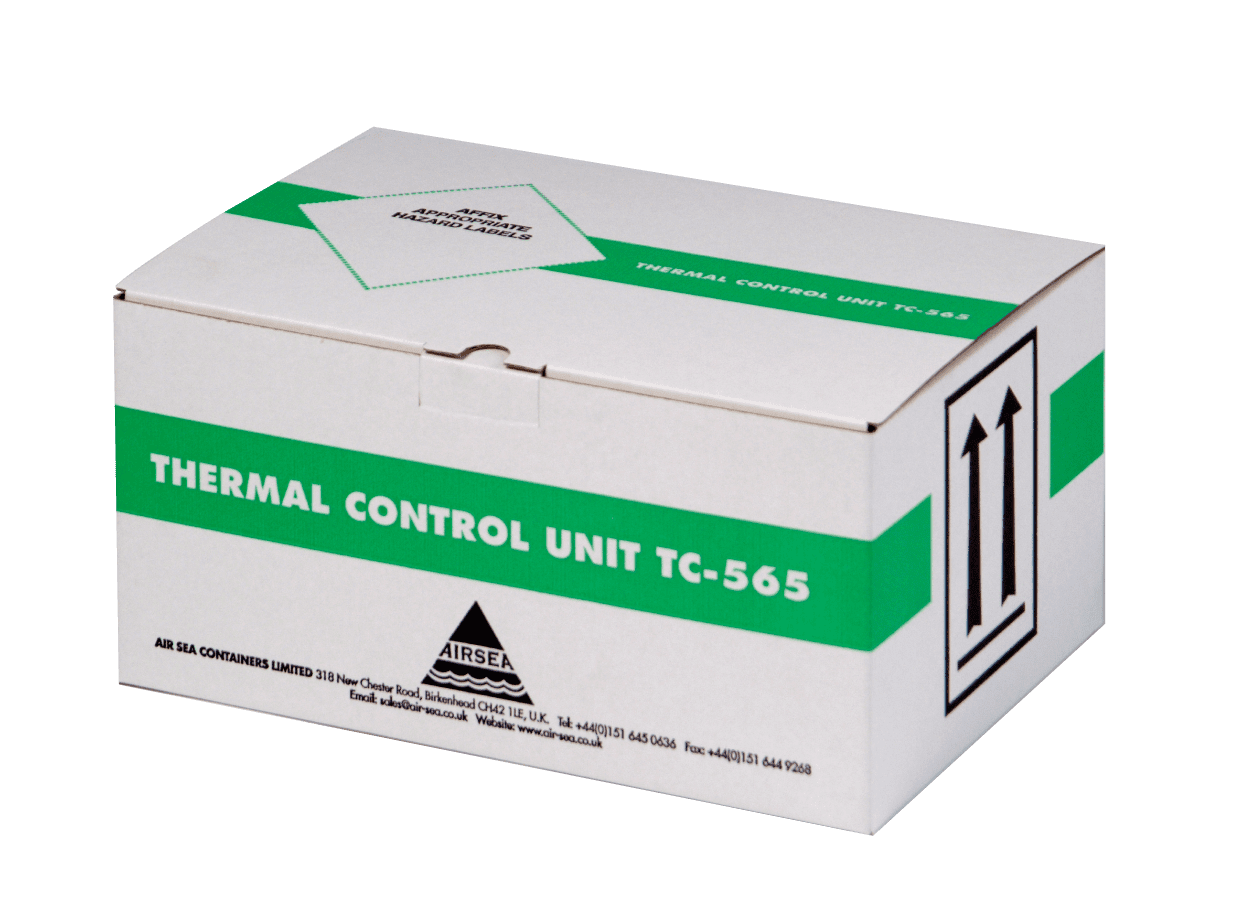
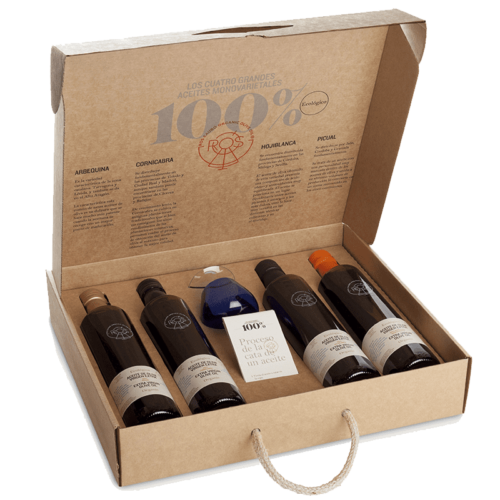
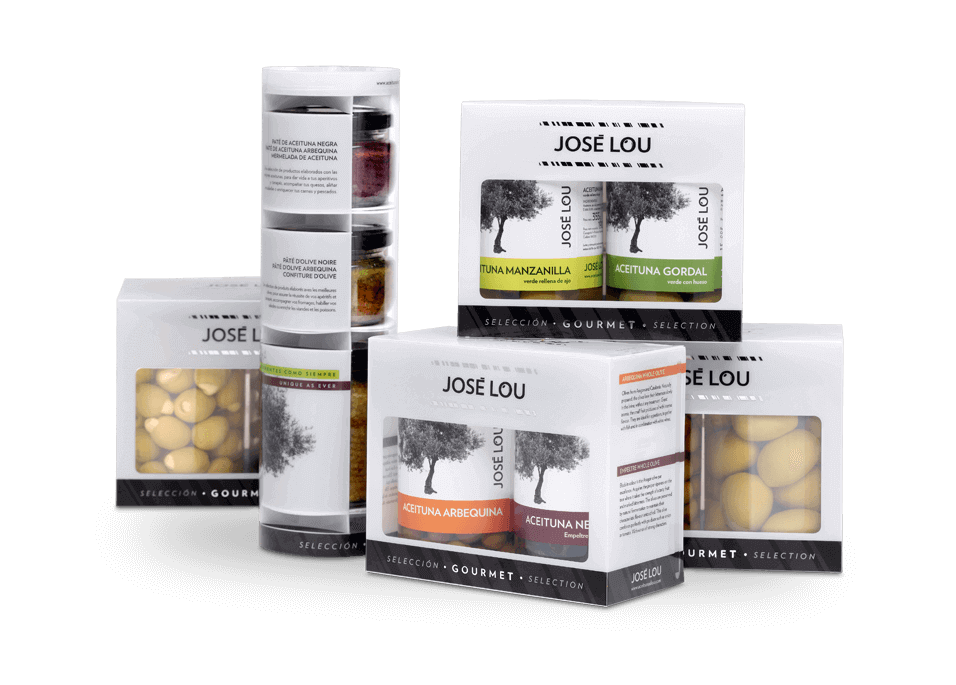
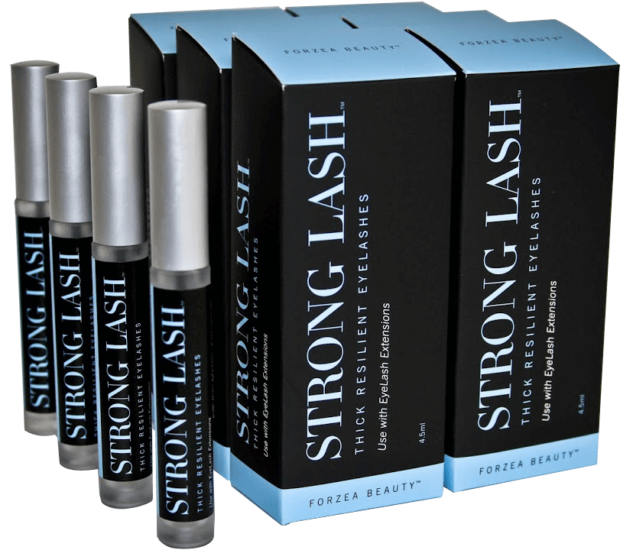
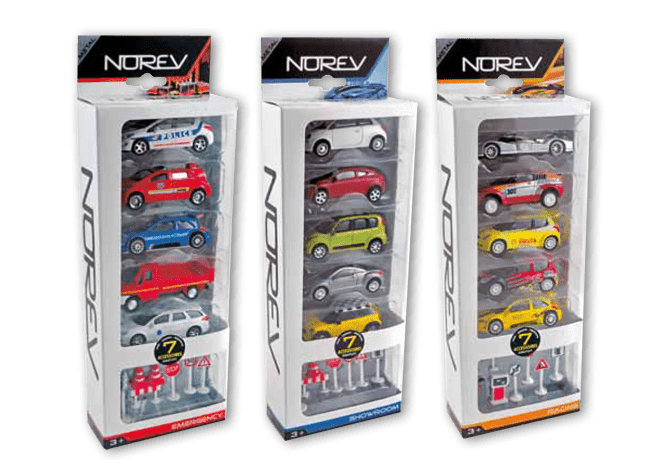
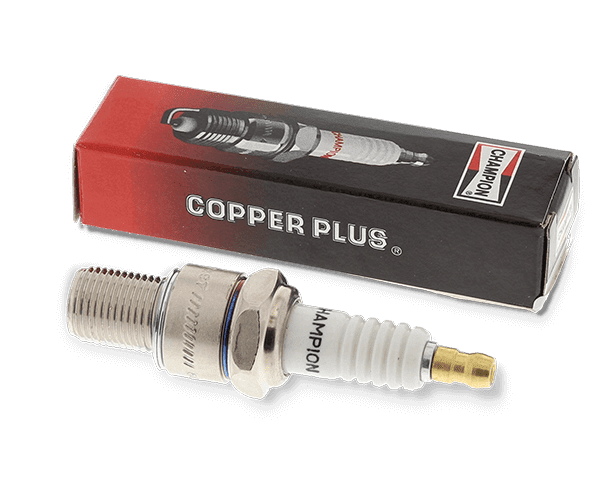
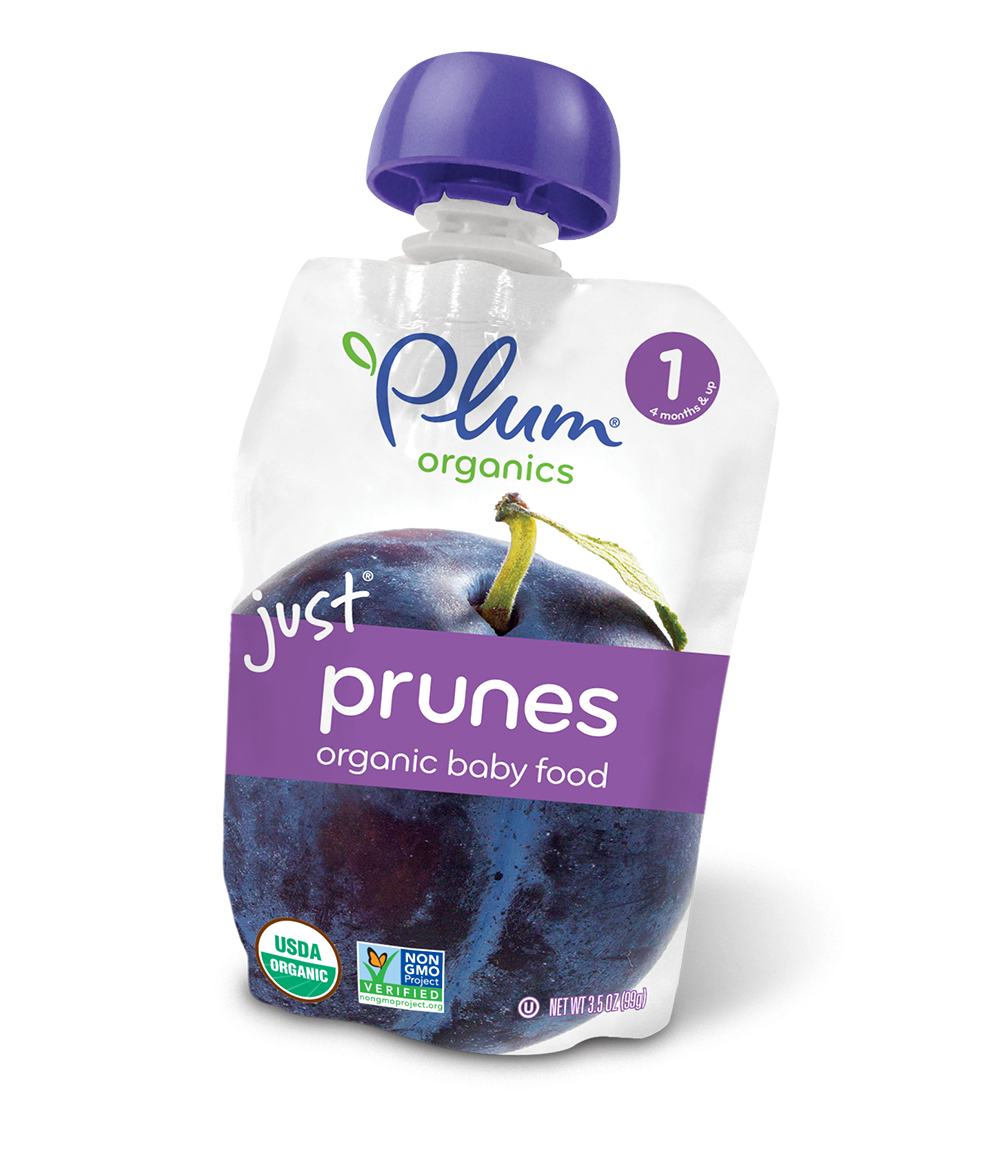
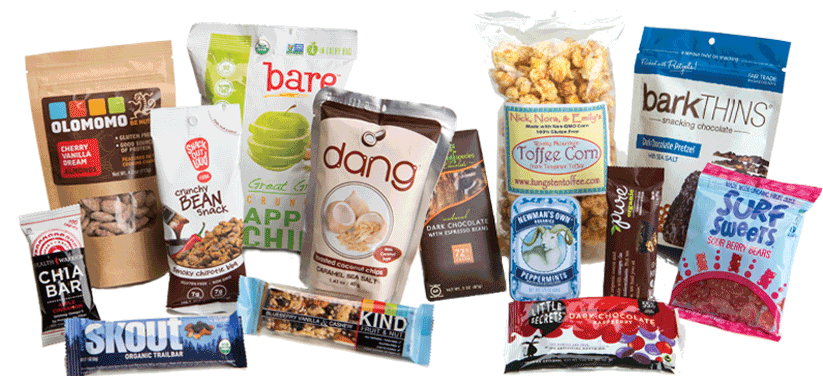
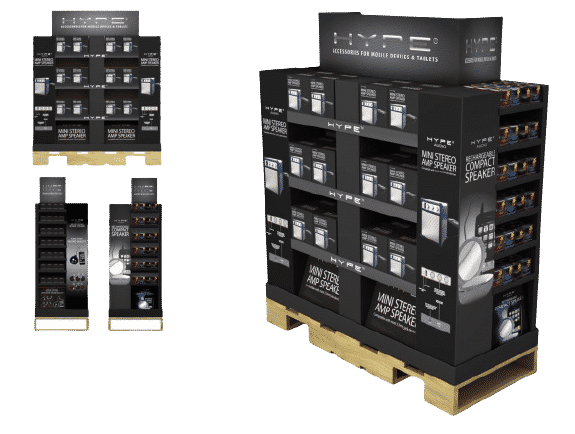
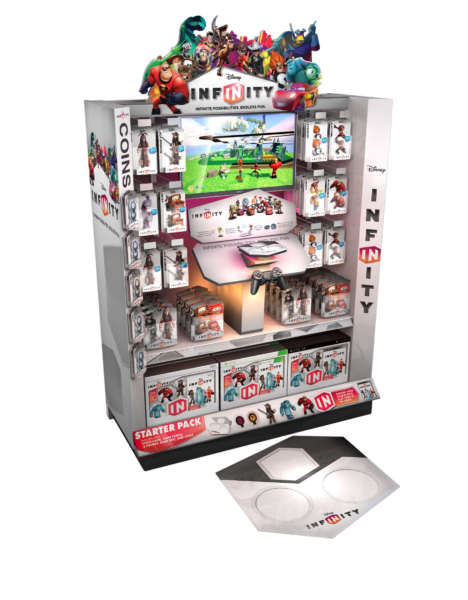
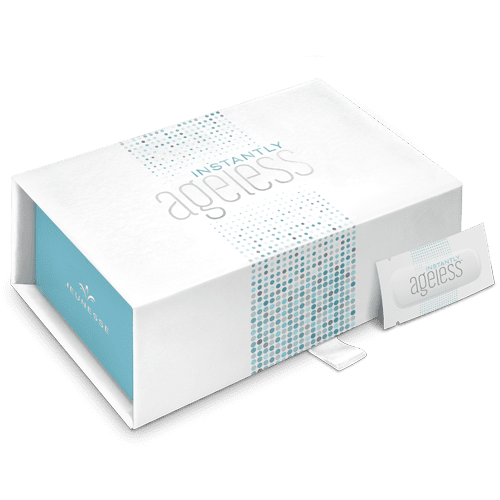
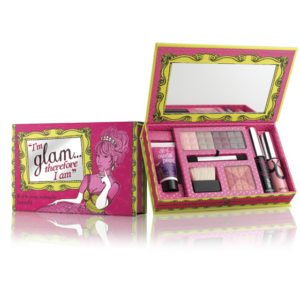
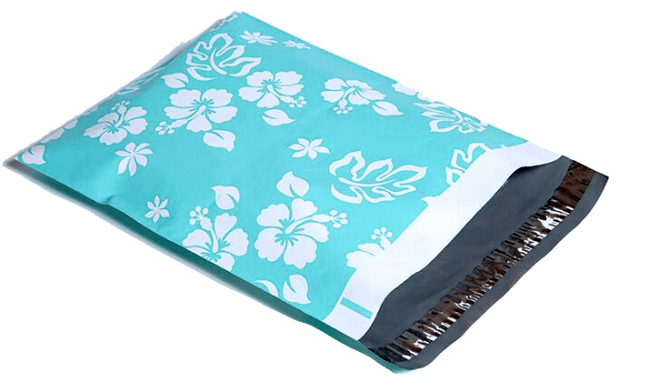
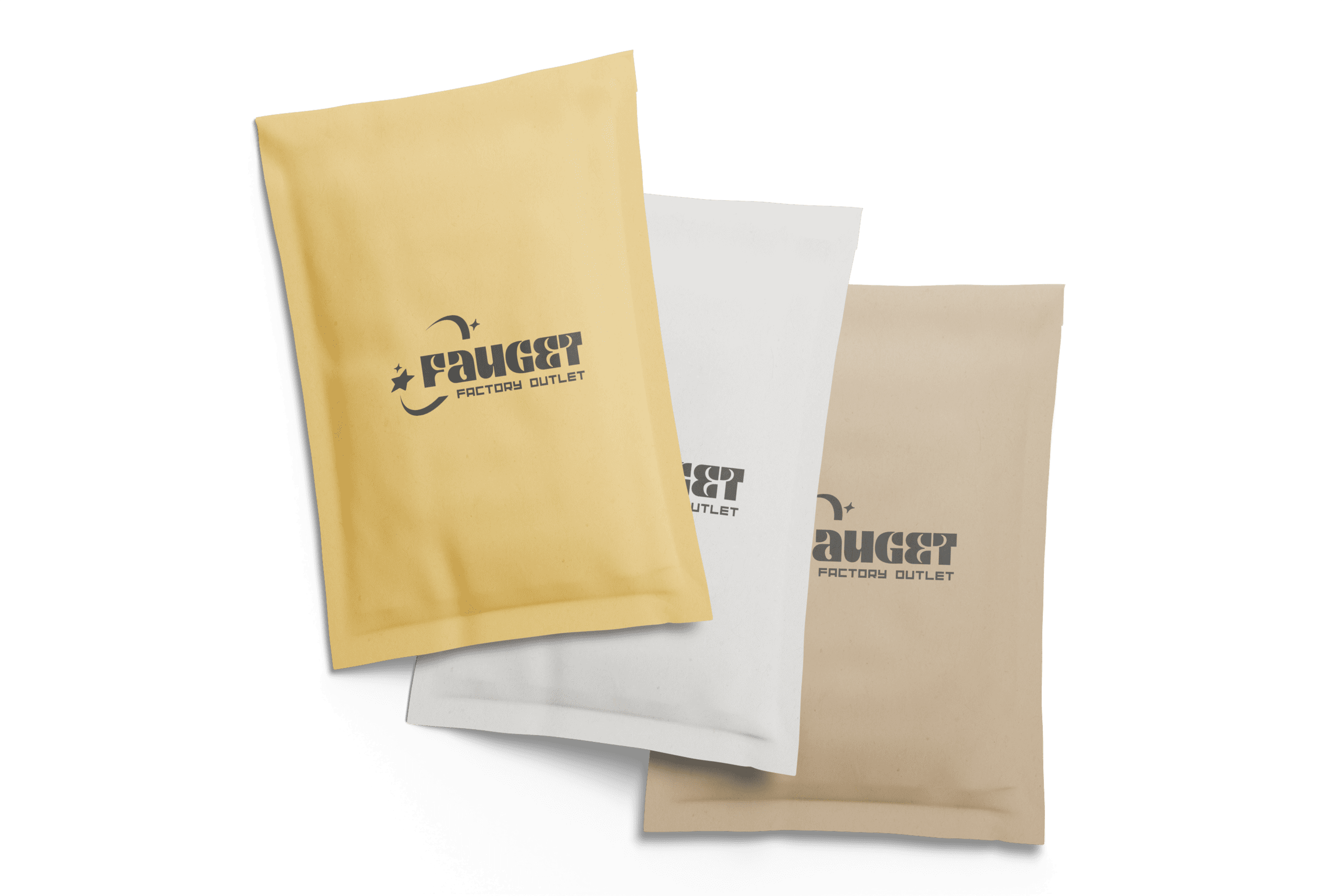
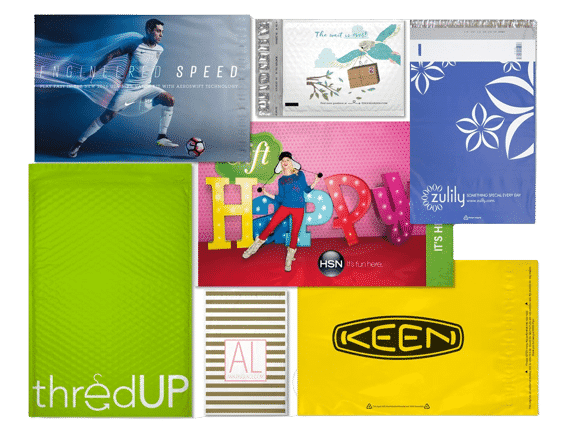
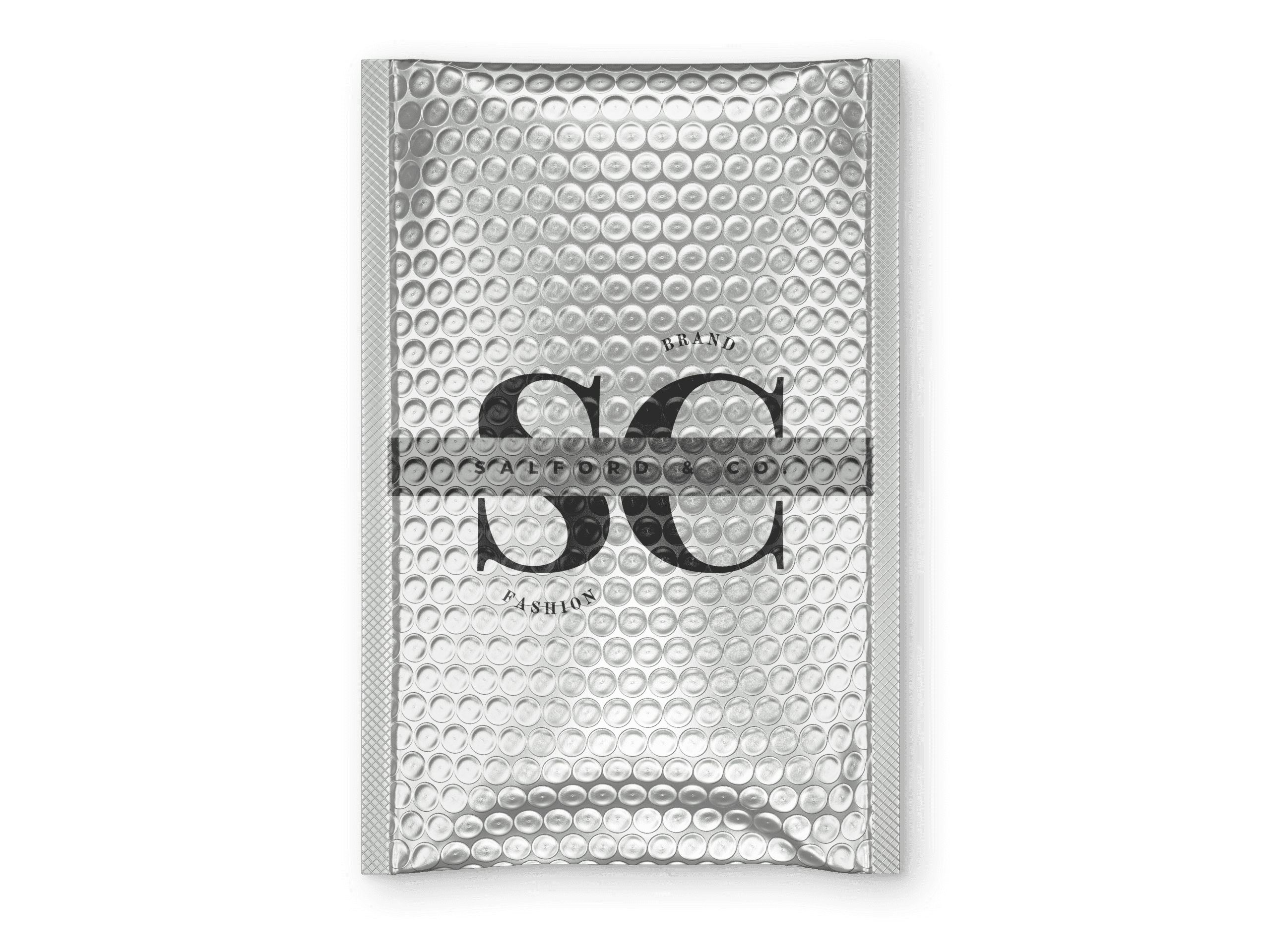
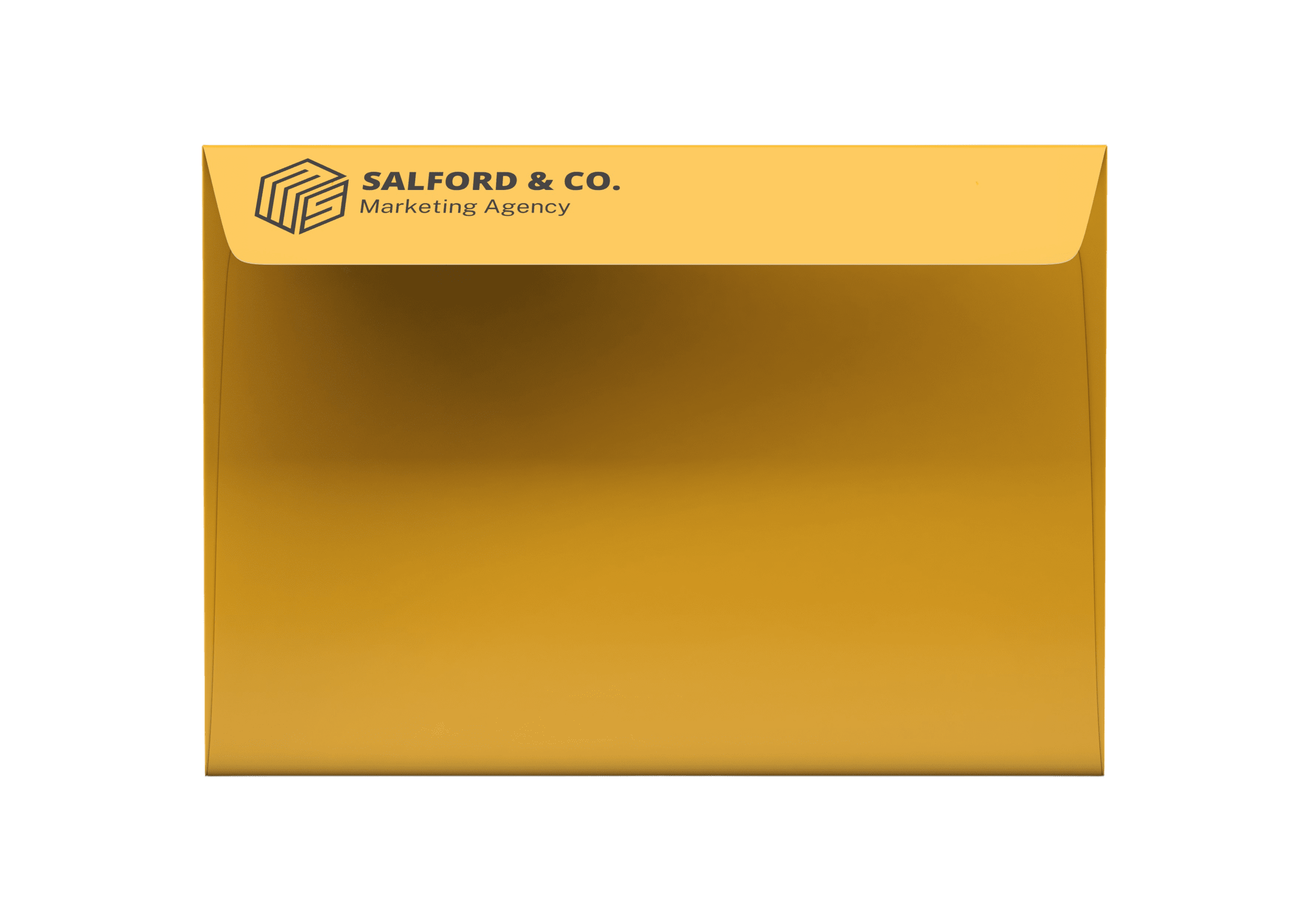
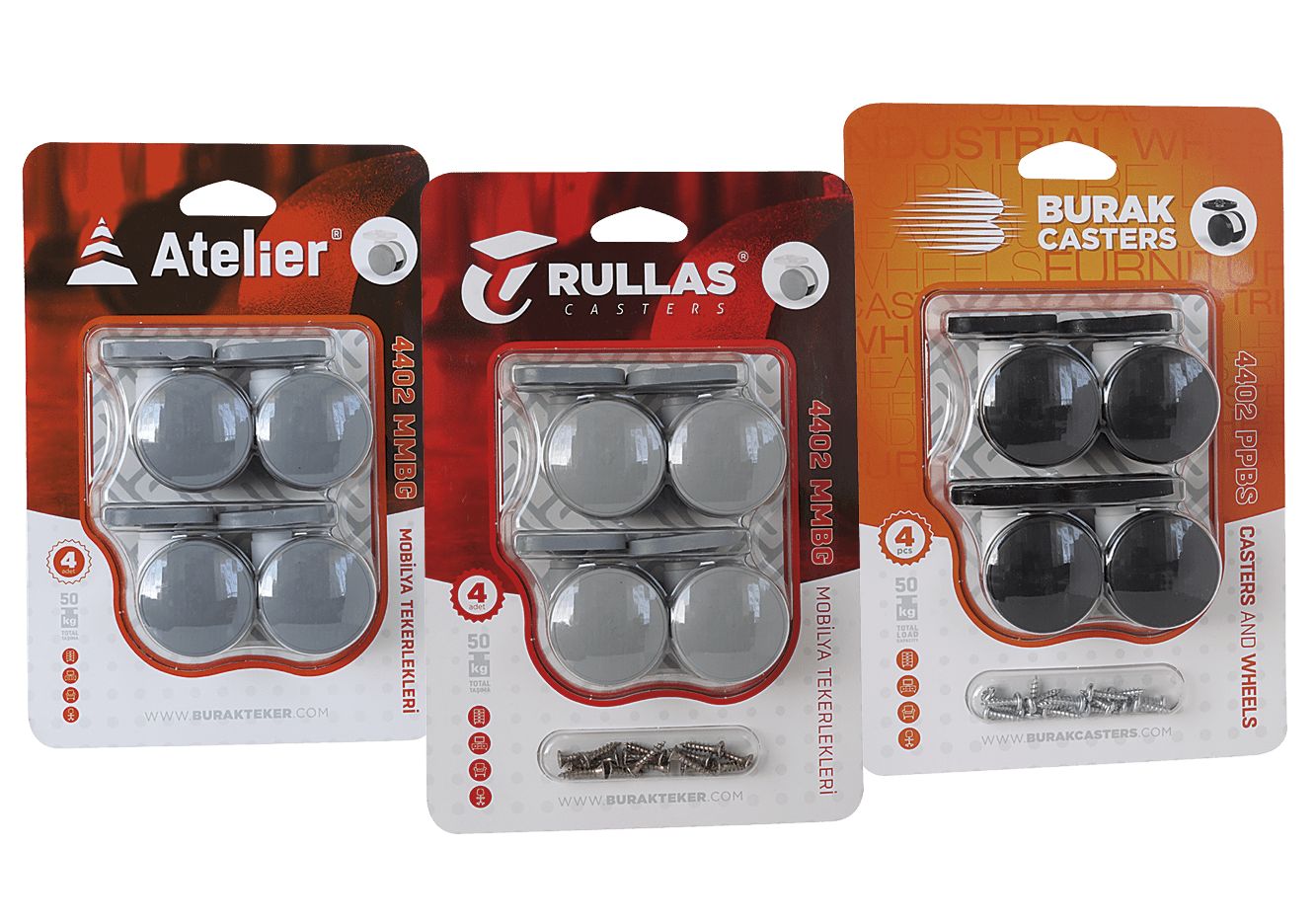
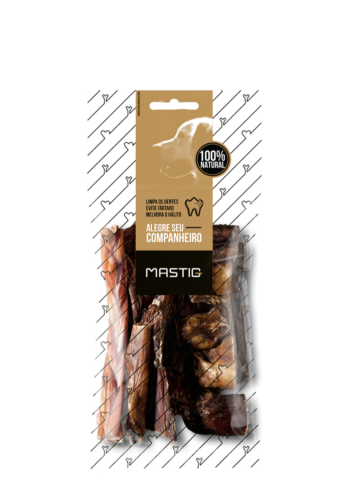
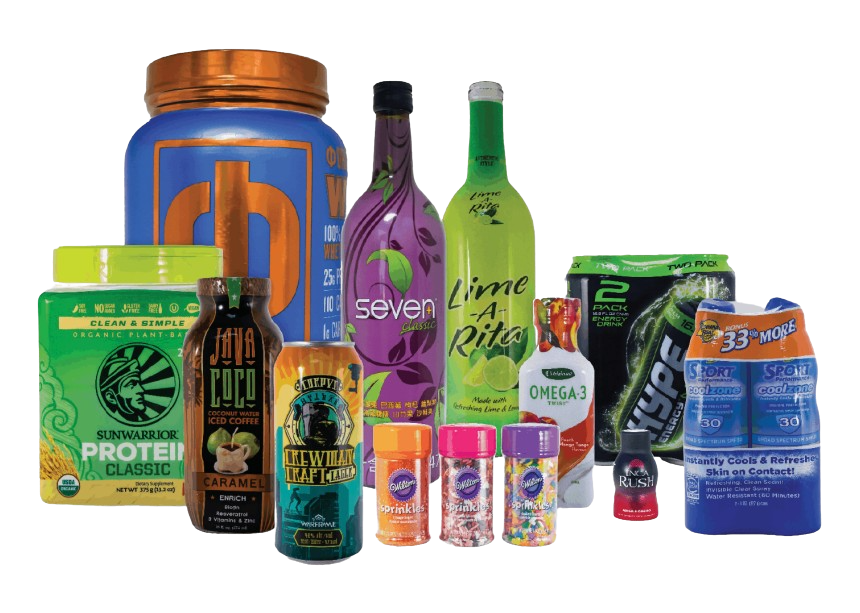
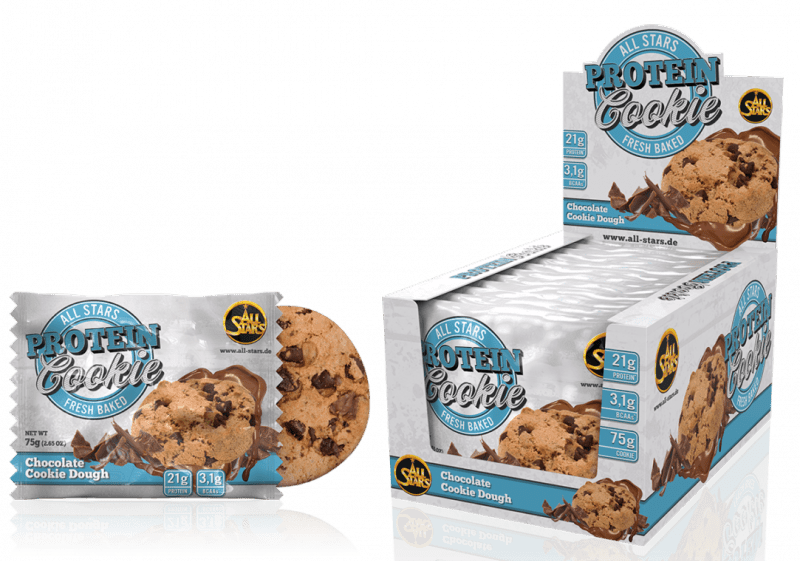
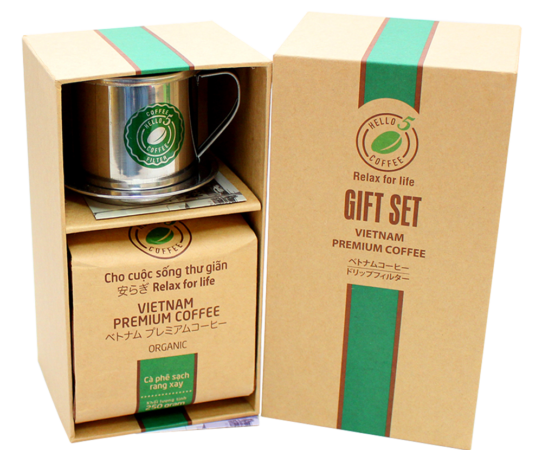
We offer a wide selection of fully customizable packaging products to address any packaging purpose. Customize your packaging product with your logo, brand colors, product information, design, features, and more. If you are unsure on what type of packaging you will need, then contact us for an expert consultation.


Custom packaging is tailored specifically to fit a brand’s unique product requirements, unlike stock packaging, which is pre-made and generic. Custom options allow for precise sizing, materials, and design choices, offering enhanced protection, presentation, and improved efficiency. This personalization makes custom packaging ideal for businesses looking to stand out and create a cohesive brand identity.
At Brown Packaging, our custom packaging solutions are structurally designed to optimize protection, material usage, and sustainability, tailored to meet specific product needs across various applications. We incorporate graphics to reinforce brand identity, ensuring that each package not only protects but also represents your brand effectively. With a focus on durability and functionality, our packaging ensures secure handling for shipping, retail, or storage while supporting sustainability goals.
Custom Packaging Products
We offer a variety of custom packaging products and solutions to meet all your packaging needs in one place. You’ll work directly with a dedicated project specialist to customize your package according to your specifications, including branding, features, and design.


If you need any assistance with your packaging or have a question, then contact us directly at request@brownpackaging.com or (714)300-0650. Learn more about custom packaging by reading our blog posts on new and trending topics.

Packaging prices don’t always stay still. Whether due to raw material costs, tariffs, labor increases, or supply chain shifts, price hikes can hit unexpectedly—and impact your entire product margin. If you’re a buyer or procurement lead, knowing how to respond is critical. Should you pass the cost to your customers? Change your packaging? Negotiate with suppliers? Here’s how to make the smartest move for your business. Understand Why the Price Increased Before reacting, ask your supplier for transparency. Common reasons include: Material costs (paperboard, plastic, corrugate) Freight and fuel surcharges Labor increases Tariffs or import duties Order volume changes Knowing the root cause helps you decide whether it’s a temporary spike or a long-term shift—and whether it’s worth absorbing or working around. Review Your Packaging Spend in Detail Instead of focusing only on the total cost increase, break it down by: Cost per unit Cost per SKU Cost relative to your product margin This gives you a better sense of how much it actually affects your bottom line—and which products are most impacted. Talk to Your Supplier About Options Don’t assume the quoted increase is final. You may be able to: Adjust your order quantity for better volume pricing Modify materials to reduce cost without changing function Consolidate SKUs to simplify production Bundle packaging items for savings on combined runs A good supplier will work with you to find cost-saving adjustments that don’t sacrifice quality. Reevaluate Your Product Pricing If the increase is significant and widespread, it may be time to adjust your product pricing—but do it strategically. Small increases (under 5%) can often be absorbed with better packaging design or minor cost shifts elsewhere. Larger increases may require pricing strategy updates, especially if your competitors are facing the same issues. Pairing a price increase with added value (e.g., sustainability, upgraded packaging, bonus content) helps ease customer pushback. If your product is priced too tightly, this could be a good time to revisit margins and ensure you’re leaving room for volatility. Consider a Packaging Redesign Sometimes the best solution is a smarter box. Packaging engineers can help you: Reduce excess material or void fill Switch to more efficient structures Use lighter board grades without losing protection Combine inner and outer packaging functions These changes can offset increased costs and even improve the customer experience in the process. Final Thoughts Packaging price increases are part of doing business—but how you respond determines whether you lose margin or find opportunity. By understanding the cause, reviewing your options, and thinking long-term, you can protect your brand, your product, and your profit. Need help adjusting your packaging strategy without sacrificing performance?We’ll help you find smarter solutions that keep costs down and customer experience strong. (714)300-0650 request@brownpackaging.com Most Recent Posts: Categories: Corrugated Ecommerce ESD Design Display Flexible Packaging Foam Folding Carton Packaging Plastic Packaging Pouch Printing Protection Retail Rigid Box Thermoform Sustainability Subscribe To Our Newsletter By submitting your information, you agree to our terms and conditions and privacy policy. Custom Packaging Facebook Twitter LinkedIn Pinterest Relevant Posts

When most buyers think of packaging design, they picture logos, colors, and graphics—but what’s often overlooked is structural design: the way your box is shaped, assembled, and built to protect your product. While it might seem like a creative or aesthetic step, structural packaging design is one of the smartest ways to reduce overall costs—without cutting corners. Here’s how working with a packaging expert on structure can help you improve efficiency, lower waste, and uncover savings you didn’t even know you were missing. Right-Sizing Reduces Material Waste One of the most common sources of excess cost is using packaging that’s too big for the product. Oversized boxes mean: Wasted material Higher shipping dimensional weight (DIM weight) More void fill or inner packaging required A structural designer will analyze your product’s exact dimensions and create a custom-fit structure that reduces material use and minimizes empty space. ✅ Lower cost per unit✅ Fewer packing materials needed✅ Eco-friendlier and More efficient Smarter Structures Can Ship and Stack Better Good packaging design doesn’t just fit the product—it also fits the pallet, the shipping box, and the retail shelf. A structural designer will optimize for: Pallet and shipping carton dimensions Nesting and stacking efficiency Improved cube utilization in transit This can result in fewer pallets shipped, better trailer utilization, and ultimately lower freight costs—especially on large or frequent shipments. ✅ Reduces freight and warehousing expenses✅ Maximizes every inch of space✅ Less breakage or shifting during transit Eliminating Unnecessary Inserts or Features You might be using inserts, partitions, or complex folds to keep your product safe when a simpler structural design could do the same job—better. Structural packaging design looks at how to: Build protection into the box Combine functions (e.g., branding + product separation) Remove excess without compromising product safety Sometimes switching from foam inserts to chipboard, or replacing a magnetic rigid box with a strong tuck-end carton, delivers the same customer experience with half the cost. ✅ Less packaging complexity✅ Fewer assembly steps✅ Reduced material and production costs Reducing Labor with Easier Assembly Every second spent assembling or filling your box adds to your cost. Structural designers can engineer packaging that: Pops into shape with minimal folding Arrives pre-glued or pre-assembled Speeds up fulfillment and packing lines The savings on labor—especially at scale—can be significant, particularly for brands doing their own fulfillment or paying by the hour for co-packing services. ✅ Faster assembly times✅ Lower labor costs✅ Fewer bottlenecks in production Improving Packaging Durability (Which Prevents Losses) A well-designed structure doesn’t just look good—it protects better. If you’ve had issues with: Boxes collapsing in transit Product shifting inside Customer complaints due to damage Then investing in a structurally sound design pays off fast. Preventing even a small percentage of returns or damaged shipments can result in thousands of dollars saved over time. ✅ Reduces product damage and returns✅ Protects your reputation✅ Cuts down on replacement and reshipping costs Structural Design Helps Avoid Retail Rejections If your packaging doesn’t meet retail requirements—whether it’s shelf dimensions, stacking strength, or display visibility—it can lead to chargebacks, delays, or rejections. Structural packaging design ensures compliance with: Club store or retail chain display specs Structural strength tests (crush, drop, vibration) Shelf or tray requirements for in-store merchandising ✅ Avoids costly reprints or redesigns✅ Streamlines vendor approval processes✅ Ensures retail-readiness the first time around Final Thoughts Structural packaging design isn’t just about aesthetics—it’s one of the most practical, cost-saving investments you can make in your packaging strategy. From reducing material and shipping costs to improving assembly and protection, the right design pays for itself. Not sure if your current packaging is working efficiently?Let us review your structure, explore design improvements, and help you uncover real savings—without sacrificing quality or presentation. (714)300-0650 request@brownpackaging.com Most Recent Posts: Categories: Corrugated Ecommerce ESD Design Display Flexible Packaging Foam Folding Carton Packaging Plastic Packaging Pouch Printing Protection Retail Rigid Box Thermoform Sustainability Subscribe To Our Newsletter By submitting your information, you agree to our terms and conditions and privacy policy. Custom Packaging Facebook Twitter LinkedIn Pinterest Relevant Posts

Rigid boxes are the premium standard in packaging—perfect for luxury products, high-end electronics, skincare, and gift sets. But creating a beautiful rigid box is only part of the process. To succeed in retail, your packaging must also meet strict retailer requirements, ensure supply chain efficiency, and deliver an exceptional unboxing experience for the customer. That’s where the right packaging supplier makes a real difference. From early design support to final delivery, a knowledgeable supplier helps streamline every stage of your rigid box project—so you can get to market faster, stay compliant, and reduce costly packaging missteps. Aligning Structural Design with Retail Requirements Every major retailer—Target, Sephora, Walmart, Ulta, Costco—has its own set of packaging specs. A qualified packaging supplier understands these standards and helps ensure your rigid box design meets them from day one. They’ll help you: Choose the right box dimensions and formats for shelf compatibility Design boxes that are stackable, protective, and easy to merchandise Comply with weight, display, and material restrictions Avoid common issues that cause costly rejections ✅ Saves time on approvals✅ Prevents repackaging or reworking✅ Positions you for smoother retailer onboarding Coordinating Print, Finishes & Branding for Consistency Retail-ready rigid boxes need to stand out visually while maintaining strict brand consistency across SKUs and product lines. A packaging supplier can oversee the full process—ensuring your logo placement, colors, and finishes are correct on every box, no matter the quantity. They’ll also advise you on: Matching existing packaging elements Choosing finishes that enhance shelf appeal (foil, embossing, soft-touch) Selecting print methods (offset, digital) that meet timeline and volume needs Incorporating interior printing or custom inserts for elevated presentation ✅ Elevates product value and brand perception✅ Supports promotional versions or line extensions✅ Helps meet retailer expectations for premium packaging Managing Production and Lead Times Efficiently One of the biggest challenges with rigid boxes is the longer production time compared to other packaging formats. Working with a supplier means you’ll have production timelines mapped out, risks flagged early, and inventory timed to meet retail delivery windows. Suppliers help with: Coordinating multiple components (base, lid, insert, printing) Managing long-lead finishes like embossing or foil Setting expectations for inventory drop dates Avoiding bottlenecks caused by fragmented communication ✅ Helps you hit critical launch dates✅ Reduces delays from scattered sourcing✅ Provides transparency and timeline accountability Offering Samples, Prototypes, and Pre-Press Checks Before full production, your supplier can create physical samples or digital proofs to ensure everything—from structure to graphics to fit—is perfect. This step is especially important when dealing with multiple SKUs or new retail accounts. What they provide: Full production mockups or white samples for review Guidance on packaging dielines and layout Print file proofing for color, resolution, and layout accuracy Pre-production testing for inserts, closures, and durability ✅ Reduces costly production mistakes✅ Ensures fit and finish meets expectations✅ Speeds up retailer approval and compliance Supporting Fulfillment, Assembly & Shipping Optimization Many retailers require fully assembled, filled, or shelf-ready packaging. Your supplier can often assist with kitting, packout, or coordination with your co-packer or fulfillment partner to make sure your rigid boxes are ready to go right out of the box. They can help: Pre-build boxes with inserts, tissue, and product placement Label, barcode, or shrink-wrap to meet retailer specs Pack efficiently for pallet optimization and damage prevention Prepare packaging to meet e-commerce AND retail requirements ✅ Reduces labor and fulfillment complexity✅ Delivers a true turnkey solution✅ Increases speed to shelf or customer Staying Compliant with Regulations and Sustainability Trends Retailers expect packaging to meet increasing standards for sustainability, labeling, and material sourcing. A knowledgeable supplier helps you stay ahead of compliance and align with retail trends. Support may include: Guidance on recyclable or eco-friendly materials Compliance with food-safe or cosmetic-safe materials Material reduction strategies for reduced carbon footprint Providing certifications or documentation for retail requirements ✅ Positions your brand as forward-thinking✅ Prevents compliance delays or rejections✅ Helps meet retailer sustainability scorecards Final Thoughts Rigid boxes can elevate your product—but only when they’re backed by the right strategy, materials, and execution. A reliable packaging supplier helps you do more than just create a beautiful box—they streamline the entire process for retail readiness, brand consistency, and supply chain success. Need help getting your rigid boxes ready for retail?We’ll guide you through every step—from design and printing to compliance and delivery—to help you launch with confidence. (714)300-0650 request@brownpackaging.com Most Recent Posts: Categories: Corrugated Ecommerce ESD Design Display Flexible Packaging Foam Folding Carton Packaging Plastic Packaging Pouch Printing Protection Retail Rigid Box Thermoform Sustainability Subscribe To Our Newsletter By submitting your information, you agree to our terms and conditions and privacy policy. Rigid Boxes Facebook Twitter LinkedIn Pinterest Relevant Posts