











window.uetq = window.uetq || []; window.uetq.push(‘event’, ‘submit_lead_form’,{ event_label:‘SUBMIT MESSAGE’ }); window.lintrk('track', { conversion_id: 10271009 }); window.lintrk('track', { conversion_id: 10271017 });

Custom Packaging

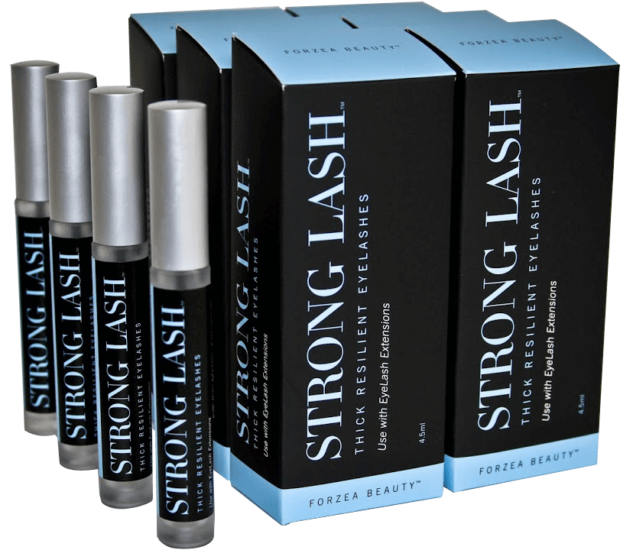
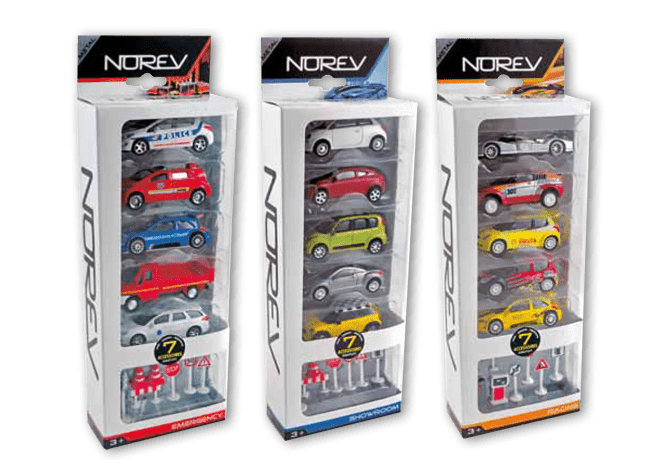
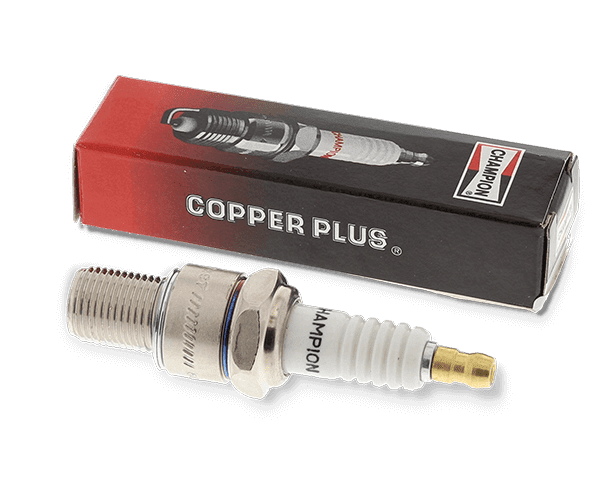
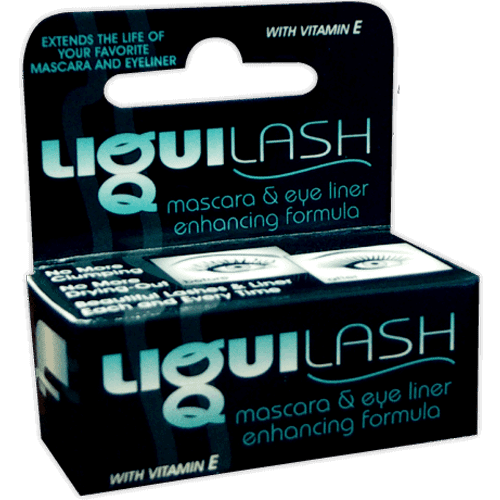
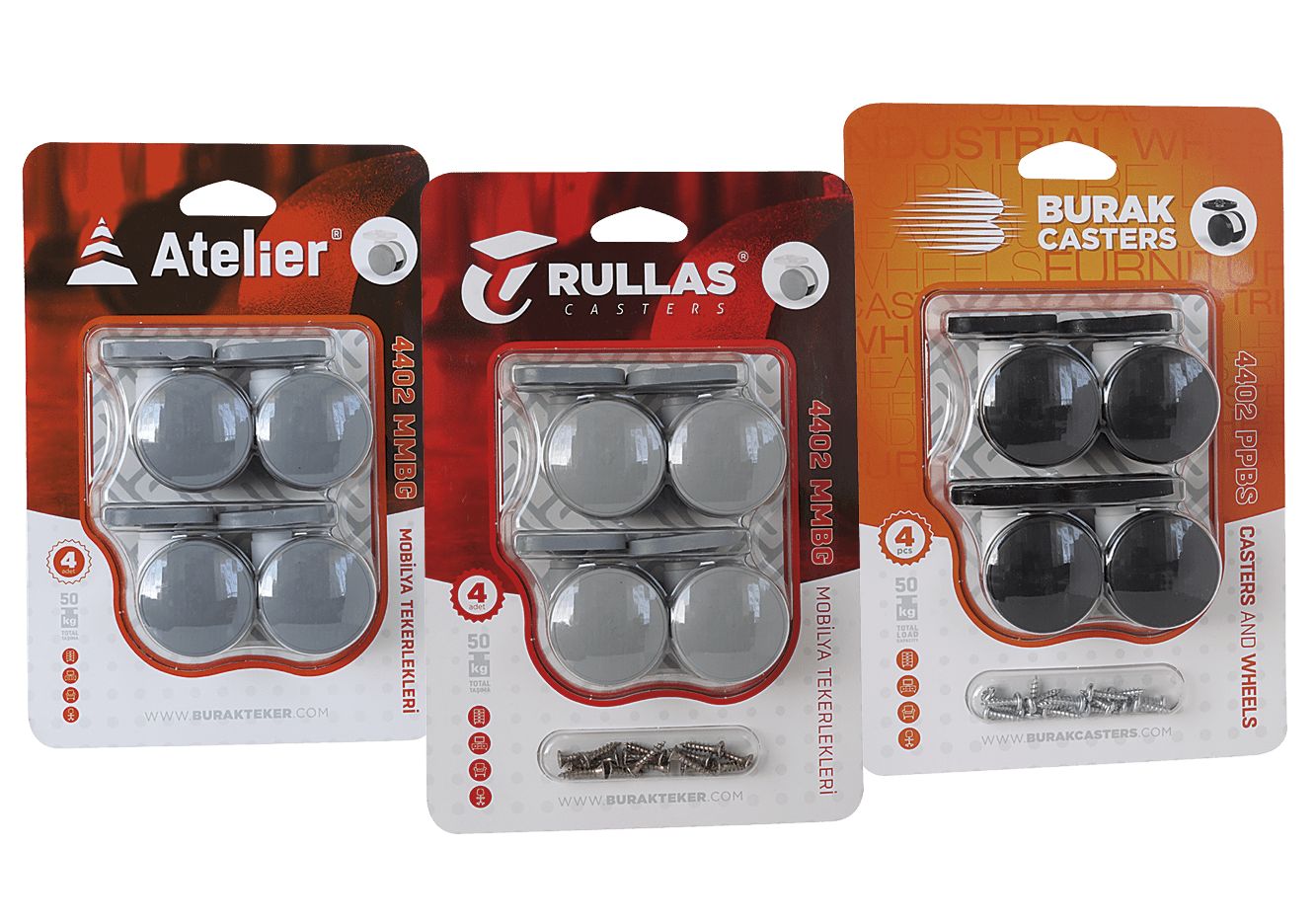
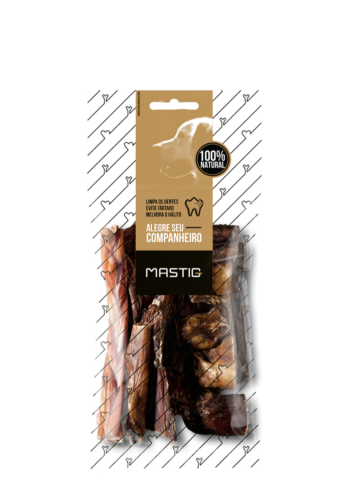
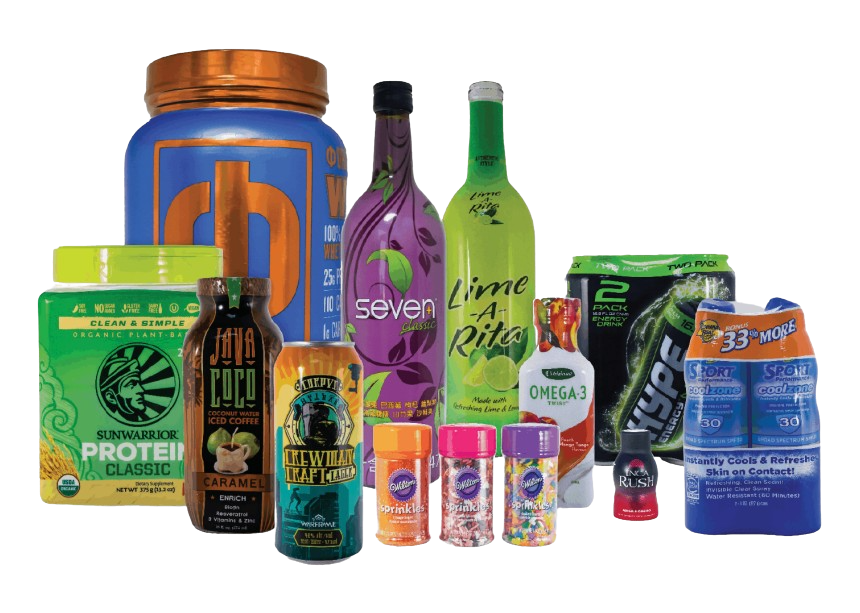
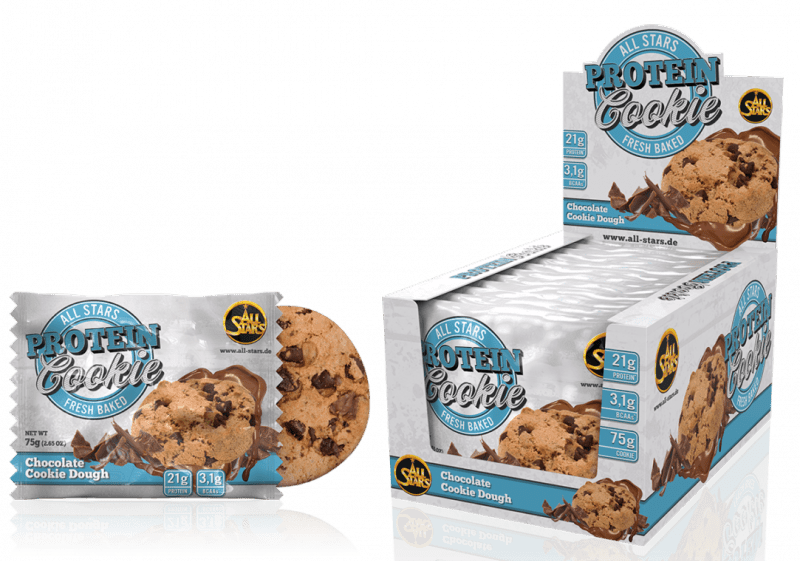
We offer a wide selection of fully customizable packaging products to address any packaging purpose. Customize your packaging product with your logo, brand colors, product information, design, features, and more. If you are unsure on what type of packaging you will need, then contact us for an expert consultation.

Custom packaging is tailored specifically to fit a brand’s unique product requirements, unlike stock packaging, which is pre-made and generic. Custom options allow for precise sizing, materials, and design choices, offering enhanced protection, presentation, and improved efficiency. This personalization makes custom packaging ideal for businesses looking to stand out and create a cohesive brand identity.

At Brown Packaging, our custom packaging solutions are structurally designed to optimize protection, material usage, and sustainability, tailored to meet specific product needs across various applications. We incorporate graphics to reinforce brand identity, ensuring that each package not only protects but also represents your brand effectively. With a focus on durability and functionality, our packaging ensures secure handling for shipping, retail, or storage while supporting sustainability goals.

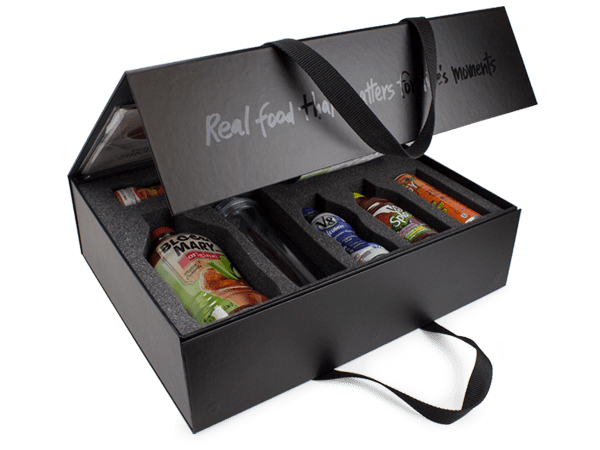
Dental Packaging Match Rigid Box (Slide)

Custom Packaging Products

We offer a variety of custom packaging products and solutions to meet all your packaging needs in one place. You’ll work directly with a dedicated project specialist to customize your package according to your specifications, including branding, features, and design.

Edit Content
Edit Content
Edit Content
Edit Content
Edit Content
Edit Content
Edit Content
Edit Content
Edit Content
Edit Content
Edit Content
Edit Content
Edit Content
Edit Content
Edit Content
Edit Content

If you need any assistance with your packaging or have a question, then contact us directly at request@brownpackaging.com  or  (714)300-0650. Learn more about custom packaging by reading our blog posts on new and trending topics.

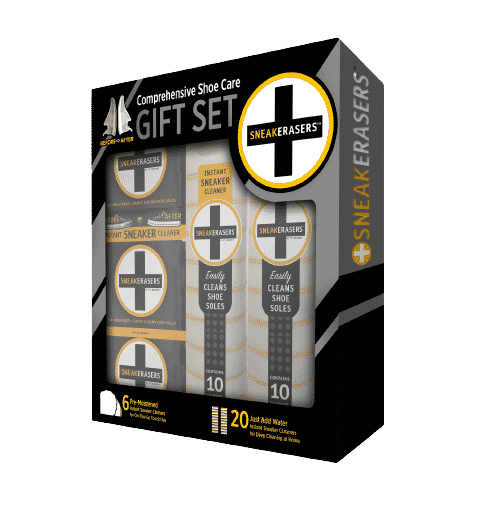
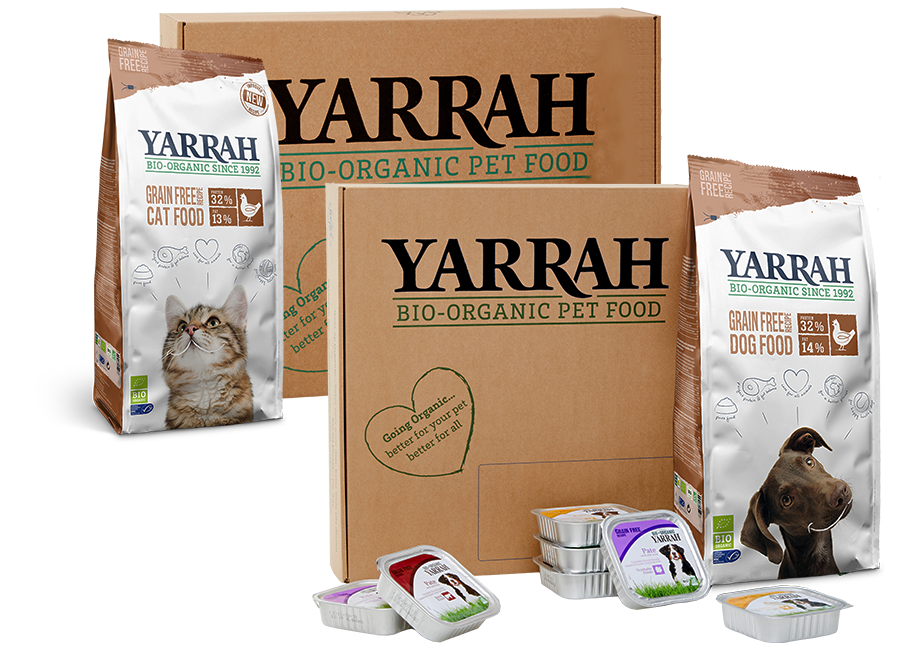
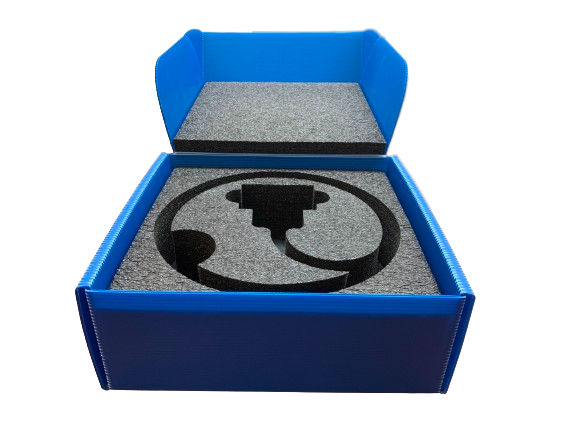
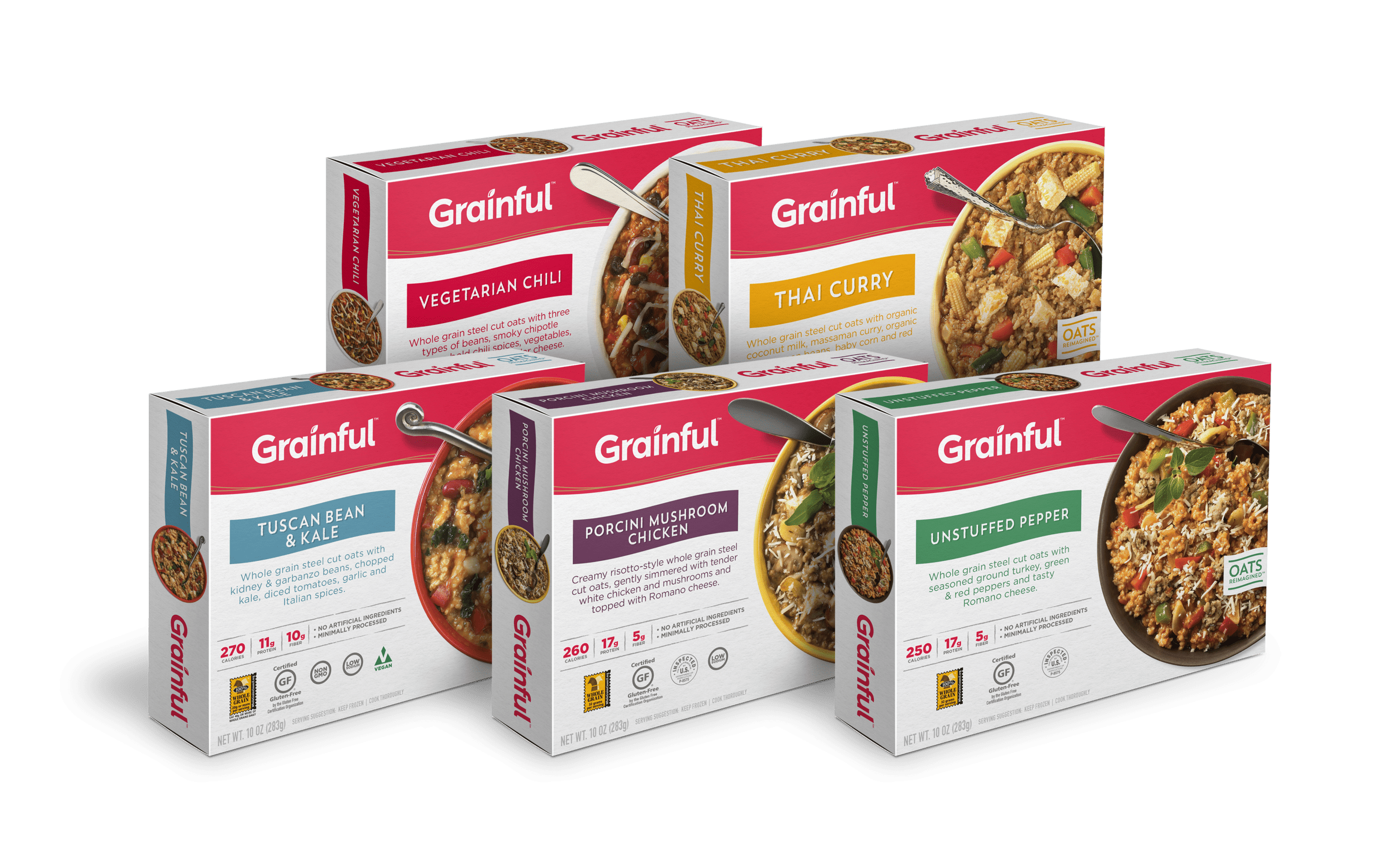
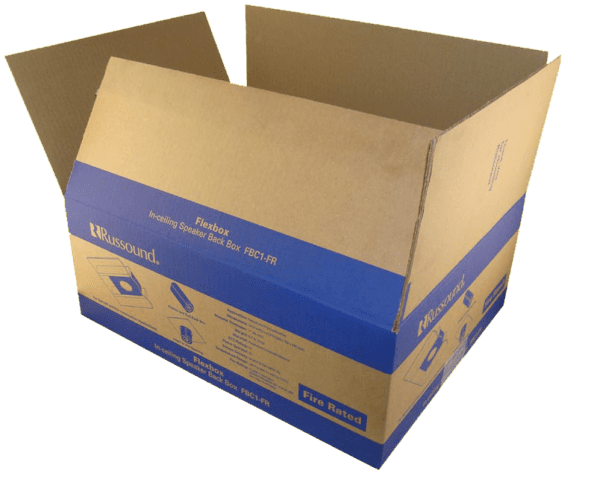
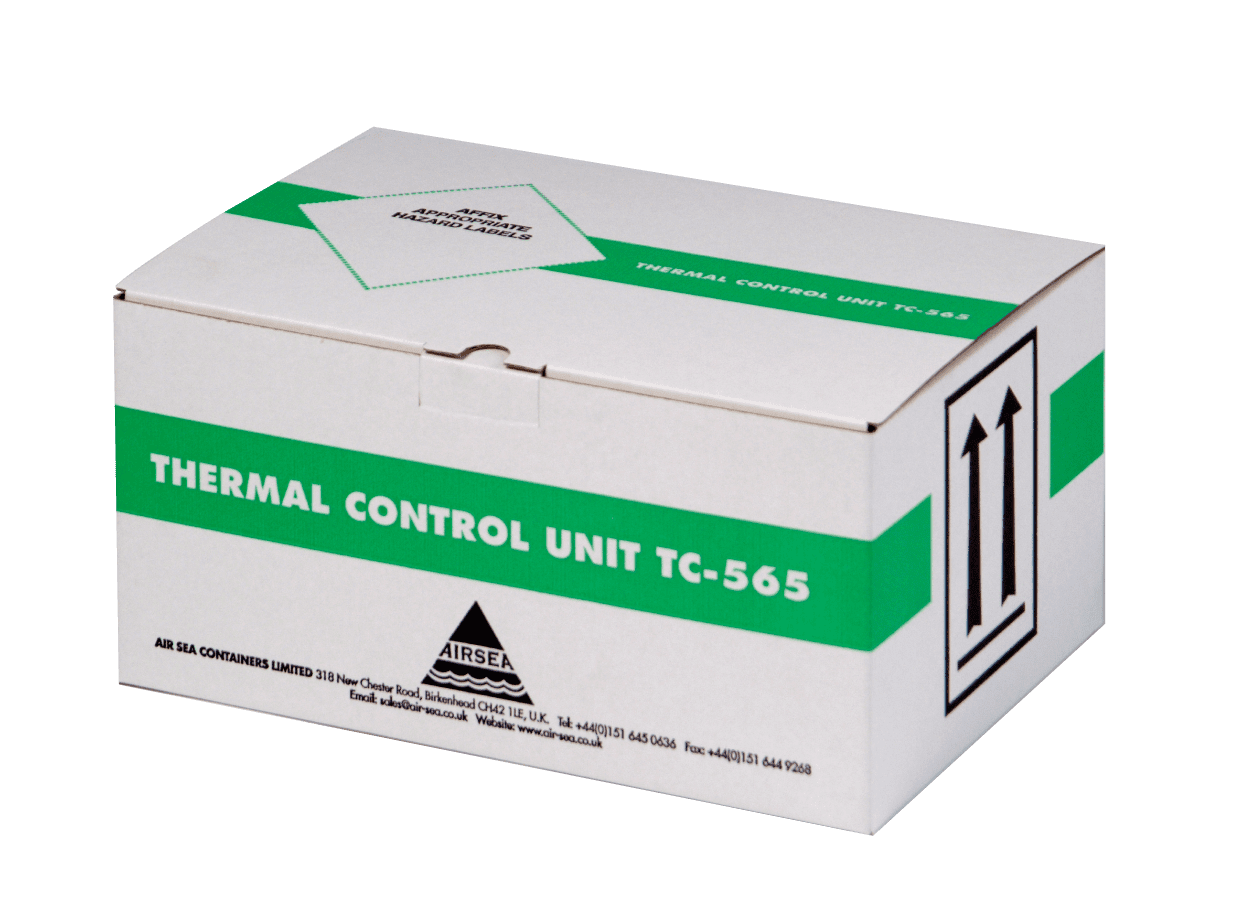
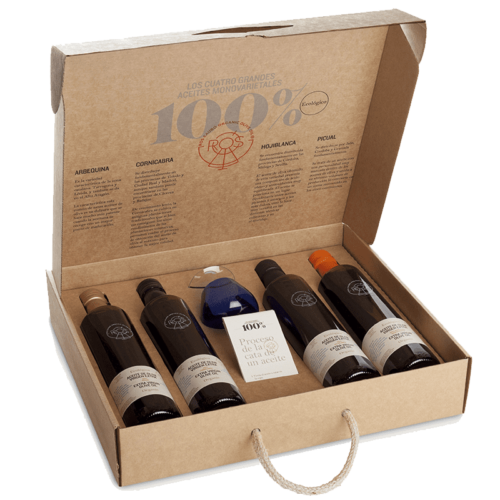
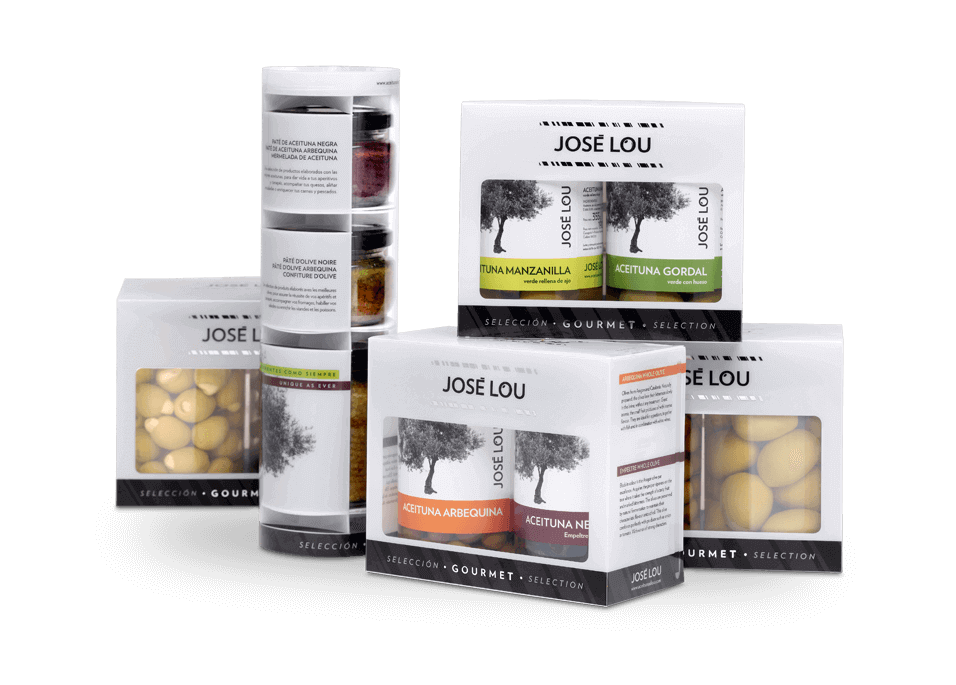
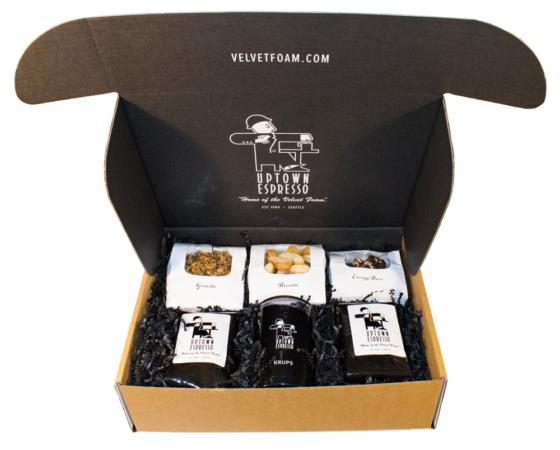
custom corrugated mailer boxes, roll end tuck top (RETT) with cherry locks and dust flaps, folding cartons, golf and sporting goods packaging
Ecommerce
brownpackaging
Designing Folding Cartons for E-Commerce Shipping Durability

E-commerce exposes folding cartons to more handling points, longer transit times, and harsher mechanical stresses than traditional retail distribution. Designing for these conditions requires careful material selection, structural reinforcement, and testing to ensure the product arrives intact and presentable. Understanding E-Commerce Transit Hazards Small-parcel shipping subjects cartons to conditions outside typical retail supply chains: Multiple Sorting Touchpoints: Each transfer increases the risk of edge crush and panel denting. High Vibration: Long delivery routes and conveyor systems cause sustained shaking. Compression Loads: Cartons may be stacked under heavier mixed-weight items in transport. Environmental Variability: Temperature and humidity swings in delivery trucks and sorting centers. (ASTM D4169 simulates these hazards for performance testing.) Material Selection CUK (Coated Unbleached Kraft): Higher tear and puncture resistance, ideal for heavier or rigid products. High-Caliper SBS: Provides a smooth print surface while increasing crush resistance. Poly-Coated or Moisture-Barrier Boards: Essential for humid climates or cold-chain shipments. Tip: Avoid over-specifying — choose the lightest grade that meets drop, compression, and vibration requirements. Structural Reinforcements Full Seal End (FSE): Seals both ends for maximum tamper resistance and panel rigidity. Auto Bottom: Improves stacking strength while enabling faster manual packing. Reinforced Glue Flaps: Wider flaps or added tear-resistant tape in high-stress zones. Double-Panel Sides: Layering board at impact-prone edges to reduce corner crushing. Coatings and Finishes Scuff-Resistant Varnish: Maintains appearance after multiple handling points. Water-Resistant Coatings: Prevent fiber swelling from rain or condensation. Matte Finishes: Reduce visible wear compared to high gloss in transit. Testing and Validation Drop Tests: Simulate handling from waist height at multiple orientations. Vibration Testing: Identify structural weaknesses under sustained shaking (ASTM D4728). Compression Tests: Ensure cartons can withstand stacking in mixed-weight loads (TAPPI T804). Environmental Conditioning: Test under humidity and temperature extremes before market launch. Cost–Performance Balance Over-engineering increases per-unit cost and shipping weight. The most durable e-commerce cartons balance material and style to meet ISTA or ASTM testing requirements without exceeding budget targets. References ASTM International. (2016). ASTM D4169-16: Standard practice for performance testing of shipping containers and systems. ASTM International. https://doi.org/10.1520/D4169-16ASTM International. (2016). ASTM D4728-06(2016): Random vibration testing of shipping containers. ASTM International. https://doi.org/10.1520/D4728-06R16TAPPI. (2017). T 804: Compression test of fiberboard shipping containers. TAPPI Press.Soroka, W. (2014). Fundamentals of packaging technology (5th ed.). Institute of Packaging Professionals. ISBN: 978-1-930268-37-2Twede, D., & Goddard, R. (2021). Cartons, crates and corrugated board: Handbook of paper and wood packaging technology (2nd ed.). DEStech Publications. ISBN: 978-1-60595-120-5 (714)300-0650 request@brownpackaging.com Most Recent Posts: Categories: Corrugated Ecommerce ESD Design Display Flexible Packaging Foam Folding Carton Packaging Plastic Packaging Pouch Printing Protection Retail Rigid Box Thermoform Sustainability Subscribe To Our Newsletter By submitting your information, you agree to our terms and conditions and privacy policy. Folding Cartons Facebook Twitter LinkedIn Pinterest Relevant Posts

Read More »
How To Maximize The Durability of Corrugated Boxes
Corrugated
brownpackaging
Edge Crush Test (ECT) Optimization for E-Commerce Shipments

The Edge Crush Test (ECT) is a critical performance metric for corrugated boxes, directly correlating to stacking strength and load-bearing capacity. In the high-stress world of e-commerce shipping, where packages face frequent handling, multi-stop routes, and varying climates, optimizing ECT values without over-engineering is essential for cost efficiency and product protection. Why ECT Matters in E-Commerce Stacking Strength: Determines how well boxes can withstand vertical loads in warehouse racking or trailer stacking. Material Efficiency: Allows engineers to achieve performance targets with lighter weight liners or mediums, reducing costs. Regulatory Alignment: Certain carriers and industry sectors specify minimum ECT ratings for compliance. Balancing ECT and Basis Weight ECT vs. Mullen Burst: ECT measures column strength; Mullen measures resistance to puncture/tearing. E-commerce often favors ECT for stacked pallet loads. Lightweighting Strategies: Use high-performance recycled fiber blends to maintain stiffness. Incorporate higher-grade outer liners for localized reinforcement. Design Variables That Influence ECT Flute Profile: B- and C-flutes offer different stiffness profiles. B-flute generally yields higher ECT for the same board weight. Adhesive Quality: Uniform glue lines prevent micro-buckling under compression. Moisture Resistance: High humidity can reduce ECT by up to 50%; moisture-resistant coatings help maintain performance. Testing and Standards ASTM D642: Measures box compression strength. TAPPI T839: Determines edgewise compressive strength of corrugated fiberboard using the clamp method. ISTA Series: Full-scale distribution simulation, including drop, vibration, and compression under varying conditions. Optimization in Practice Case Example: Switching from 44 ECT double-wall to 32 ECT single-wall with enhanced flute medium reduced material cost by 14% without increasing damage claims in a 90-day trial. Prototyping: Lab ECT data should be validated through route-specific field testing before large-scale rollout. ReferencesASTM International. (2015). ASTM D642-15: Standard test method for determining compressive resistance of shipping containers. ASTM International. https://www.astm.org/d0642-15.htmlTechnical Association of the Pulp and Paper Industry. (2018). TAPPI T839 om-18: Edgewise compressive strength of corrugated fiberboard using the clamp method. TAPPI. https://www.tappi.org/content/store/shared/T839.htmlInternational Safe Transit Association. (2018). ISTA 6-Series transit tests. ISTA. https://ista.org/ (714)300-0650 request@brownpackaging.com Most Recent Posts: Categories: Corrugated Ecommerce ESD Design Display Flexible Packaging Foam Folding Carton Packaging Plastic Packaging Pouch Printing Protection Retail Rigid Box Thermoform Sustainability Subscribe To Our Newsletter By submitting your information, you agree to our terms and conditions and privacy policy. Custom Corrugated Boxes Facebook Twitter LinkedIn Pinterest Relevant Posts

Read More »
Corrugated
brownpackaging
RSC Packaging Cost Efficiency

RSC boxes are widely used because they balance strength with cost efficiency. But not all RSC boxes are created equal. Buyers have to weigh board grade, flute profile, and design factors to avoid overpaying for unnecessary strength or, worse, underpaying and risking product damage. Understanding these trade-offs ensures that packaging budgets are optimized without compromising protection. Board Grade and Cost Trade-Offs Higher Grades (e.g., 44 ECT) Provide greater stacking strength. Necessary for heavy products, palletized loads, or export packaging. Higher cost due to stronger liners and mediums. Lower Grades (e.g., 26–32 ECT) Ideal for lightweight products. Cost-effective for single-use shipments or direct-to-consumer e-commerce. Reduce material cost but lower compression resistance. Takeaway: Over-specifying board grade adds unnecessary cost. Match strength to actual product weight and stacking requirements. Flute Profiles and Efficiency B-Flute: Good balance of cushioning and stacking strength, widely used in RSC. C-Flute: Higher cushioning, thicker profile, similar cost per unit. E-Flute: Thin profile, less stacking strength but reduces material use and shipping cost for small/light products. Higher cost per unit. Takeaway: Flute choice affects not only performance but also dimensional weight — a critical factor in freight costs. Assembly and Material Costs Tape and Labor: RSC requires tape or glue for sealing, which adds to per-unit cost at scale. Automation: Automated case erectors reduce labor, but box tolerances must be consistent to avoid jams. Material Utilization: RSC has one of the most efficient board utilization rates, reducing waste compared to specialty die-cut mailers. Freight and Storage Efficiency Cube Utilization: Right-sizing RSC dimensions reduces dimensional weight charges. Palletization: Box dimensions affect how many units fit per pallet — poor fit can increase freight by 10–15%. Knock-Down Storage: RSC ships flat, minimizing inbound logistics costs and warehouse space. Buyer Takeaway Use lower board grades for lightweight e-commerce and non-palletized shipments to save cost. Reserve higher grades for industrial, heavy-duty, or export applications. Right-size your RSCs to minimize dimensional weight surcharges. Consider automation compatibility to reduce long-term labor expense. When optimized, RSC packaging isn’t just cost-efficient — it’s a lever for total supply chain savings. References Fibre Box Association. (2023). Corrugated Cost Optimization. https://www.fibrebox.org Association of Independent Corrugated Converters (AICC). (2024). Cost and Efficiency in Corrugated Packaging. https://www.aiccbox.org Robertson, G. (2016). Food Packaging: Principles and Practice (3rd ed.). CRC Press. (714)300-0650 request@brownpackaging.com Most Recent Posts: Categories: Corrugated Ecommerce ESD Design Display Flexible Packaging Foam Folding Carton Packaging Plastic Packaging Pouch Printing Protection Retail Rigid Box Thermoform Sustainability Subscribe To Our Newsletter By submitting your information, you agree to our terms and conditions and privacy policy. Regular Slotted Container Facebook Twitter LinkedIn Pinterest Relevant Posts

Read More »