










window.uetq = window.uetq || []; window.uetq.push(‘event’, ‘submit_lead_form’,{ event_label:‘SUBMIT MESSAGE’ }); window.lintrk('track', { conversion_id: 10271009 }); window.lintrk('track', { conversion_id: 10271017 });

Custom Packaging

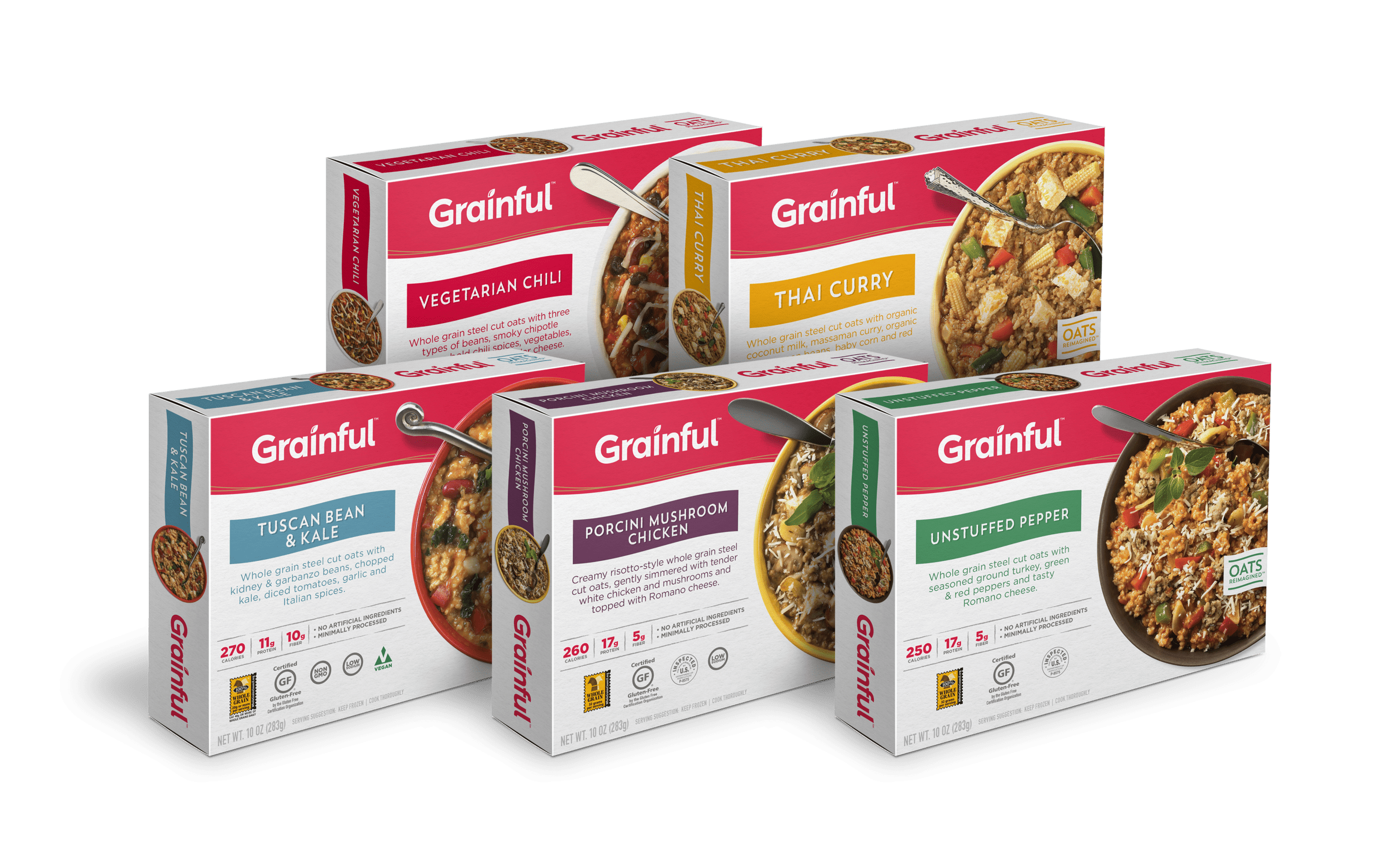
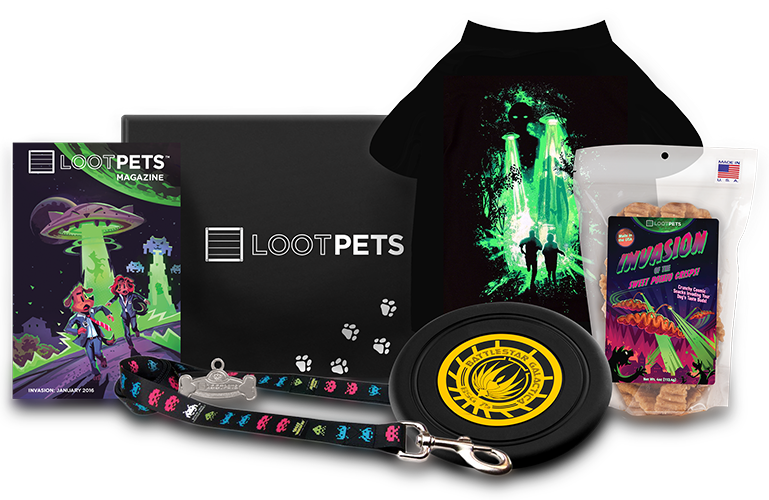
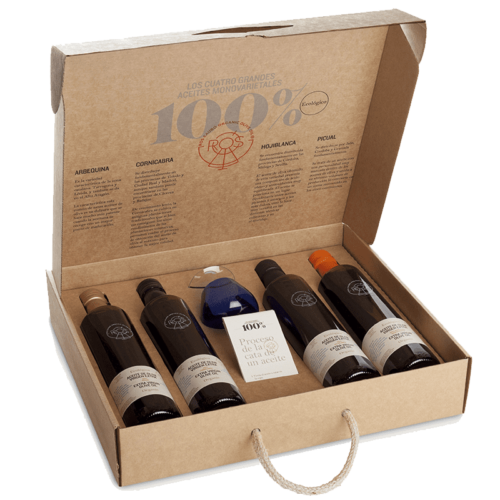
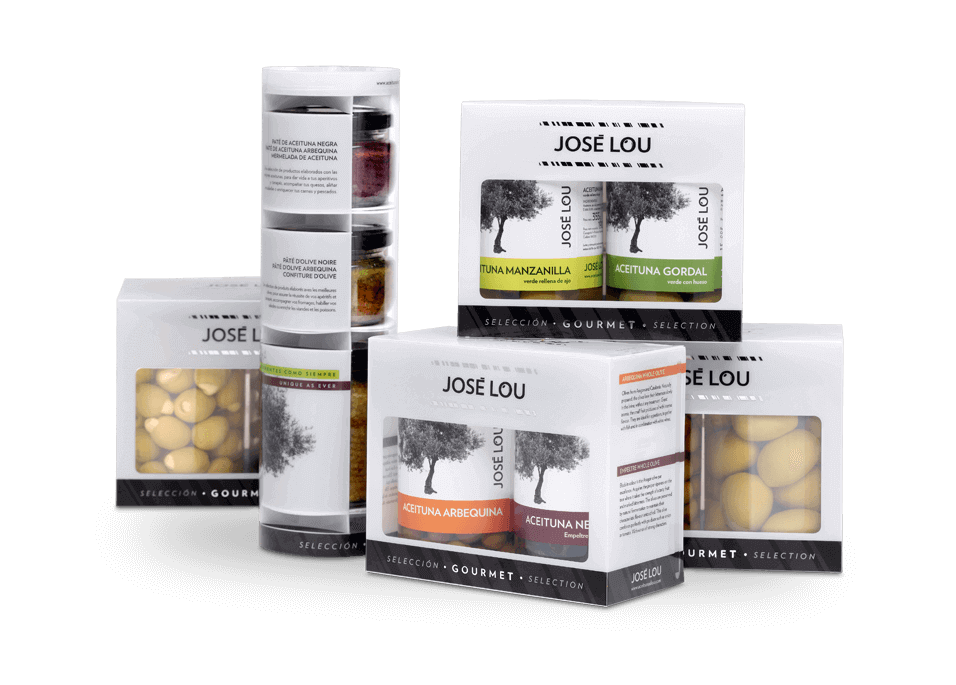
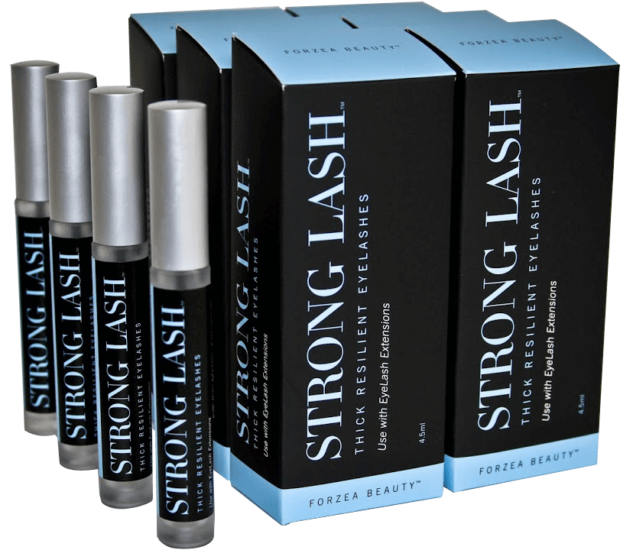
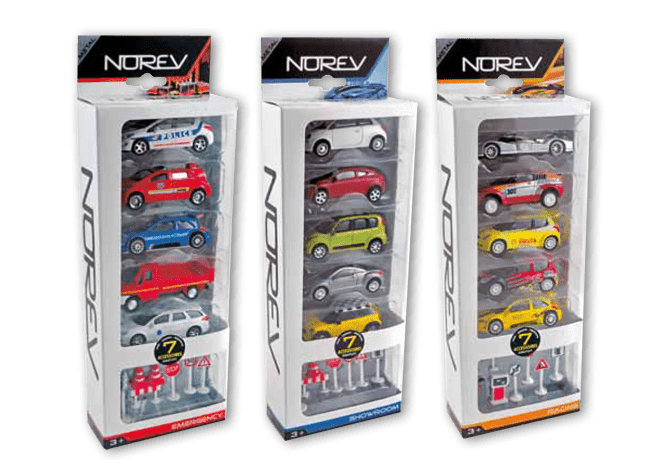
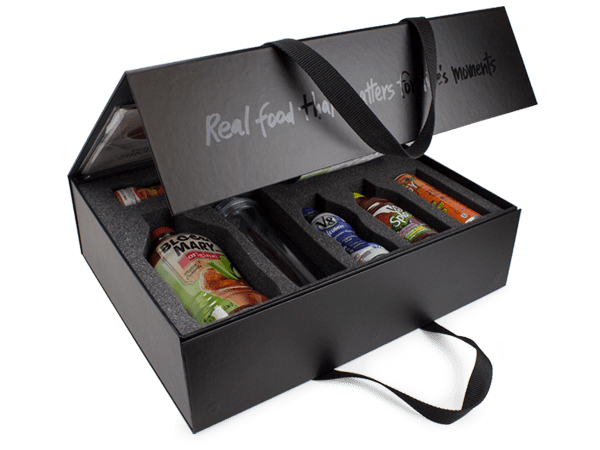
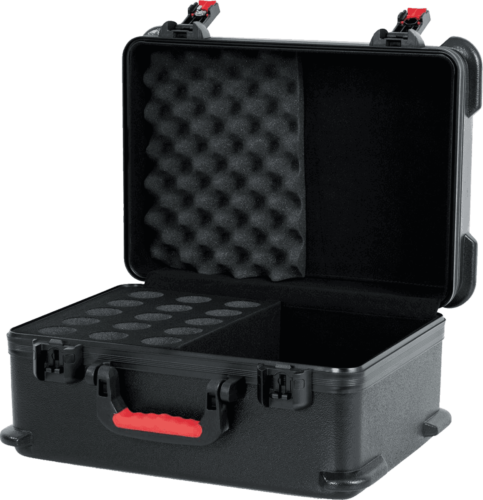
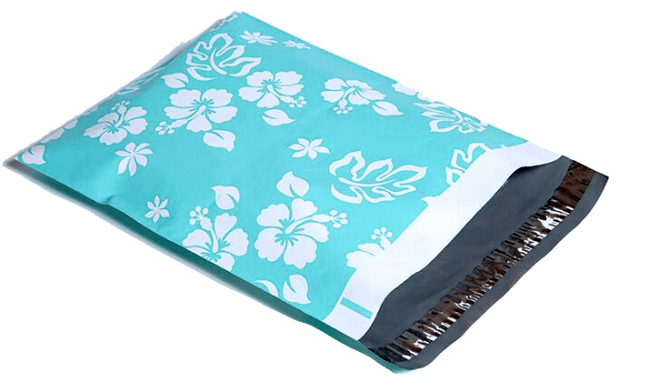
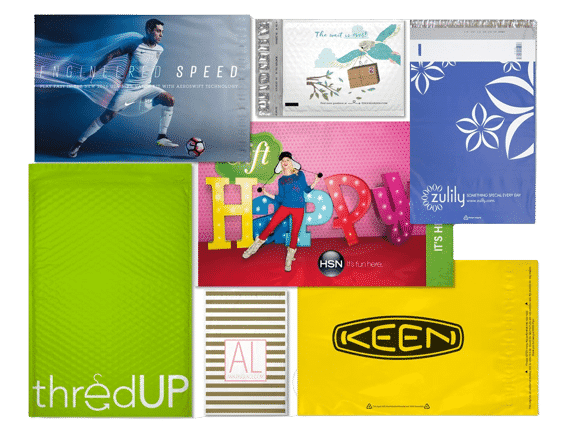
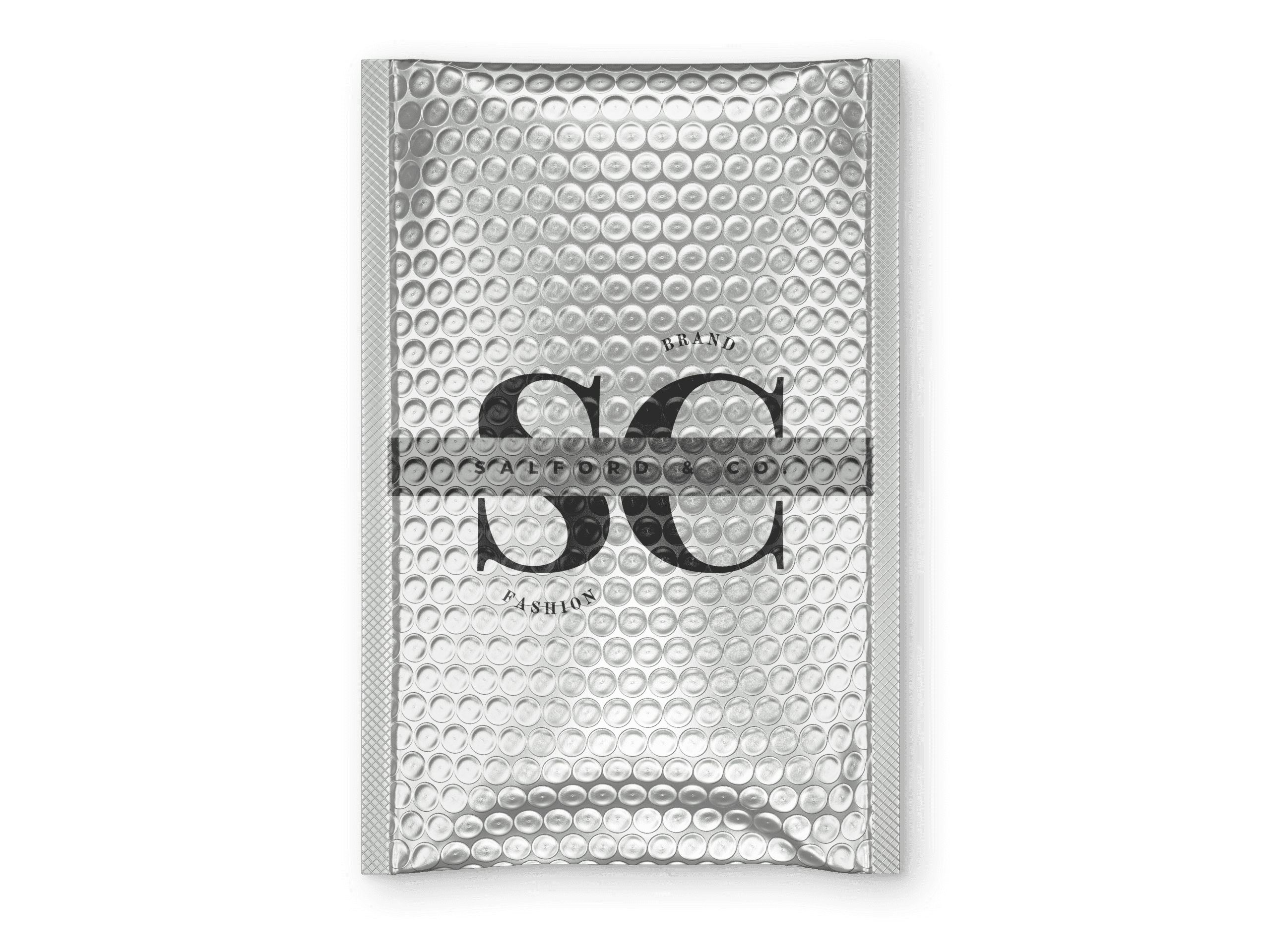
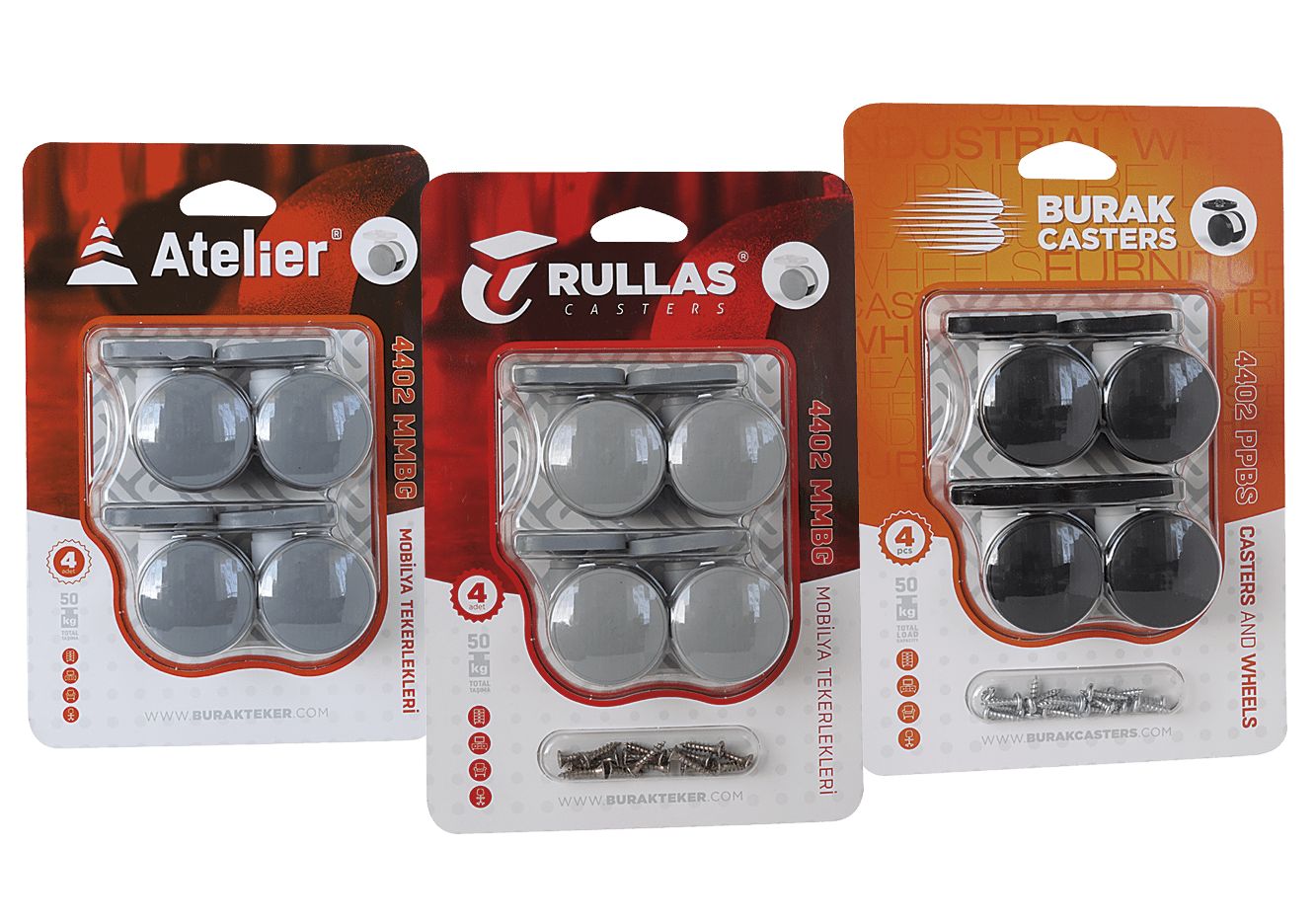
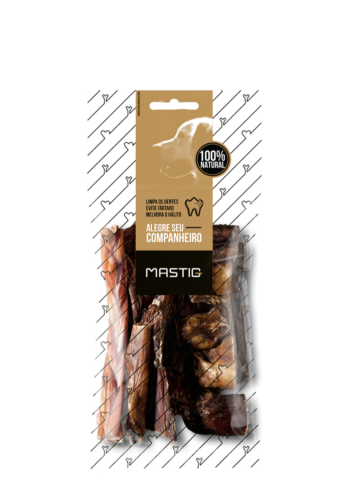
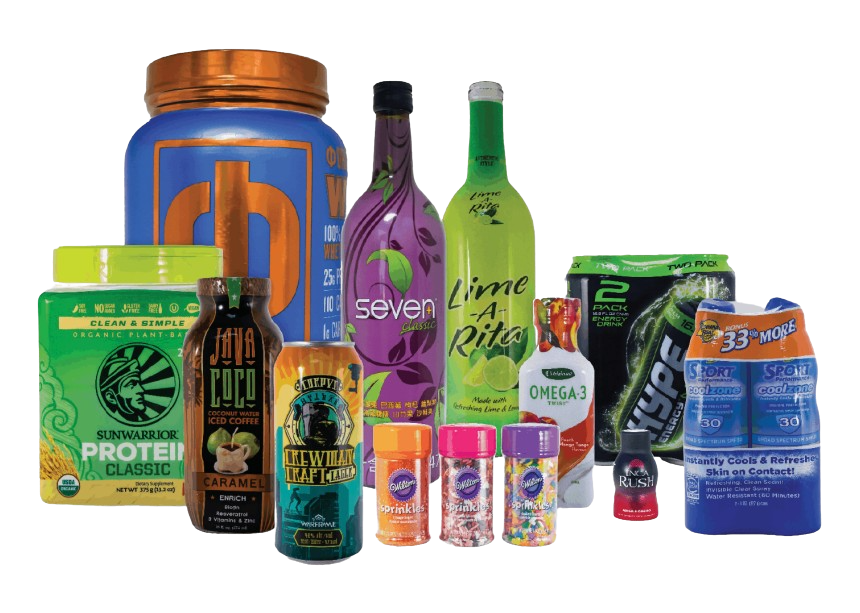
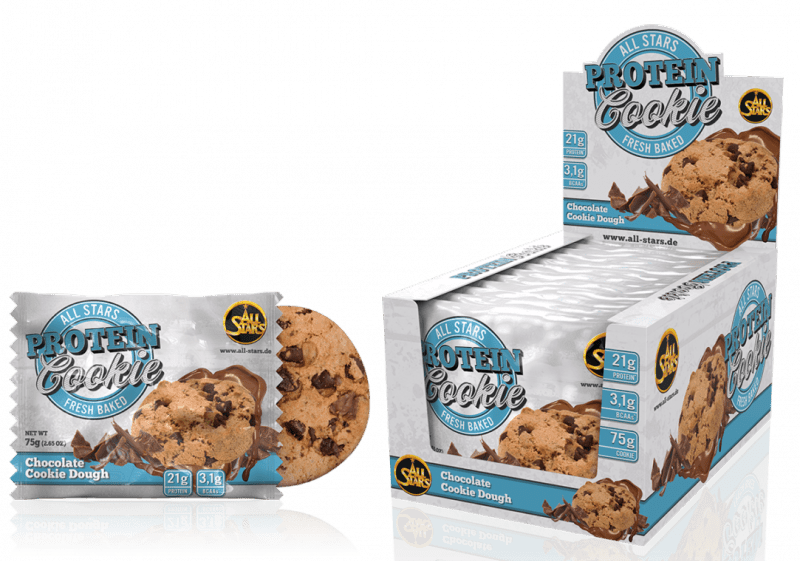
We offer a wide selection of fully customizable packaging products to address any packaging purpose. Customize your packaging product with your logo, brand colors, product information, design, features, and more. If you are unsure on what type of packaging you will need, then contact us for an expert consultation.

Custom packaging is tailored specifically to fit a brand’s unique product requirements, unlike stock packaging, which is pre-made and generic. Custom options allow for precise sizing, materials, and design choices, offering enhanced protection, presentation, and improved efficiency. This personalization makes custom packaging ideal for businesses looking to stand out and create a cohesive brand identity.

At Brown Packaging, our custom packaging solutions are structurally designed to optimize protection, material usage, and sustainability, tailored to meet specific product needs across various applications. We incorporate graphics to reinforce brand identity, ensuring that each package not only protects but also represents your brand effectively. With a focus on durability and functionality, our packaging ensures secure handling for shipping, retail, or storage while supporting sustainability goals.

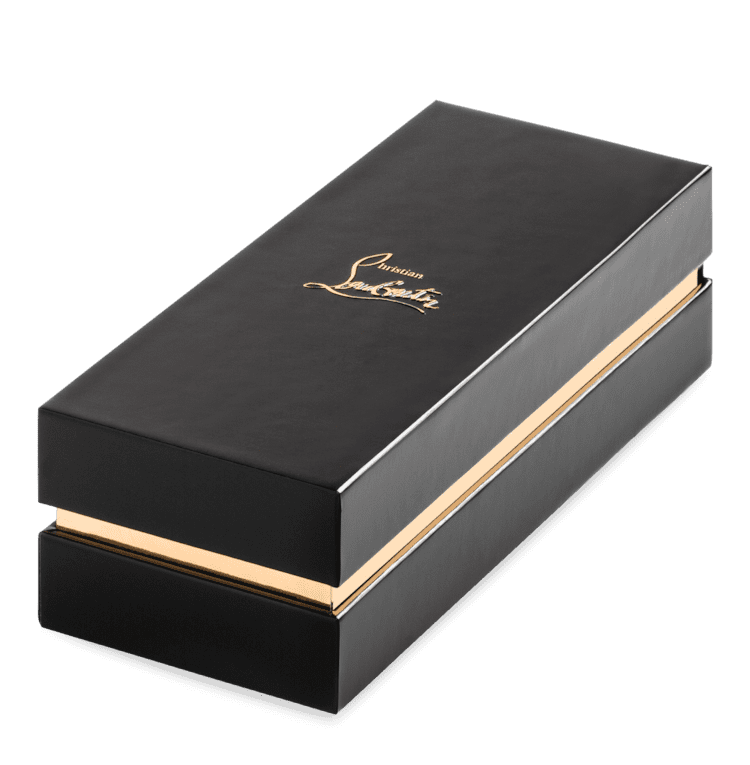
Dental Packaging Match Rigid Box (Slide)

Custom Packaging Products

We offer a variety of custom packaging products and solutions to meet all your packaging needs in one place. You’ll work directly with a dedicated project specialist to customize your package according to your specifications, including branding, features, and design.

Edit Content
Edit Content
Edit Content
Edit Content
Edit Content
Edit Content
Edit Content
Edit Content
Edit Content
Edit Content
Edit Content
Edit Content
Edit Content
Edit Content
Edit Content
Edit Content

If you need any assistance with your packaging or have a question, then contact us directly at request@brownpackaging.com  or  (714)300-0650. Learn more about custom packaging by reading our blog posts on new and trending topics.

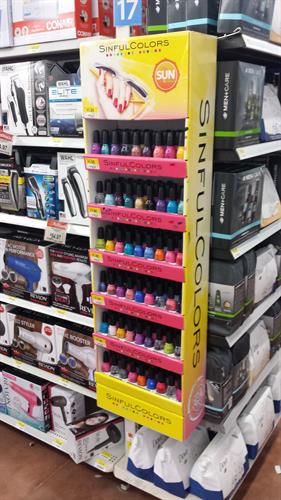
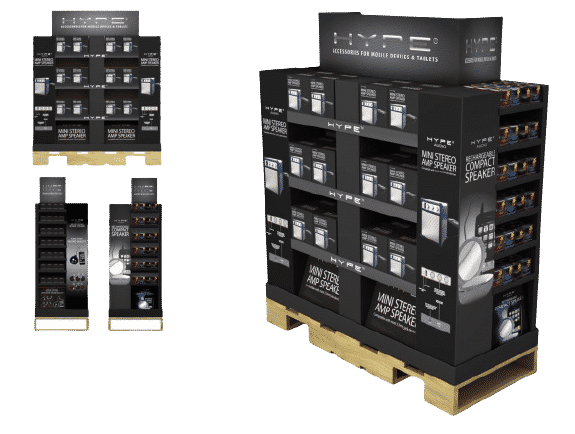
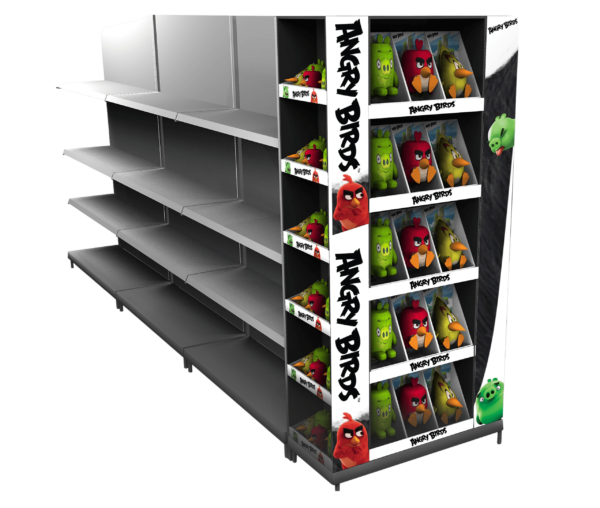
Half Pallet POP Display
Corrugated
brownpackaging
Load Bearing Design Principles for Corrugated POP Displays

POP displays must balance eye-catching branding with structural integrity. Inadequate load-bearing design can result in product sagging, leaning, or complete collapse, which not only risks product loss but also damages retailer confidence. By applying engineering principles, testing protocols, and correct material selection, brands can maximize display stability without unnecessary cost. Understanding Load-Bearing Capacity Static Load vs. Dynamic Load: Static load refers to the total weight a display can hold without movement. Dynamic load accounts for forces during handling, stocking, and customer interaction. Failure Modes: Panel buckling, shelf deflection, joint separation, and base collapse are the most common failure points. Material Selection Corrugated Board Strength: Flute profile (B, C, E, or BC) impacts stiffness and stacking strength. Higher ECT boards increase vertical load capacity but also affect cost and weight. Coatings and Laminates: Water-resistant coatings prevent fiber weakening in humid environments. Laminates can increase rigidity but may impact recyclability. Structural Reinforcements Double-Wall Shelving: For heavier products such as beverages or canned goods. Internal Braces: Die-cut supports hidden behind the graphic panels for increased stability. Base Skids: Distributes load more evenly to prevent floor contact wear and pallet jack damage. Design and Geometry Weight Distribution: Heavier SKUs should be placed at lower tiers to reduce tipping risk. Joint Engineering: Lock tabs, glue flaps, and interlocking slots improve structural stability. Shear Resistance: Cross-bracing and panel alignment reduce the risk of diagonal collapse. Testing Protocols ASTM D642: Measures compression strength to determine safe stacking loads. ISTA 3A & 6-Series: Simulates real-world handling, vibration, and impact. Shelf Deflection Tests: Measures how much a shelf bends under load over time. Best Practices Always design for at least 25% higher load capacity than the expected maximum product weight. Validate prototypes under realistic load and environmental conditions before production. Balance cost-to-performance ratio — over-engineering increases cost without visible retail benefit. References ASTM International. (2015). ASTM D642-15: Standard test method for determining compressive resistance of shipping containers. ASTM International. https://www.astm.org/d0642-15.htmlInternational Safe Transit Association. (2018). ISTA 3A general simulation performance test for packaged-products for parcel delivery system shipment. ISTA. https://ista.org/International Safe Transit Association. (2018). ISTA 6-Series transit tests. ISTA. https://ista.org/ (714)300-0650 request@brownpackaging.com Most Recent Posts: Categories: Corrugated Ecommerce ESD Design Display Flexible Packaging Foam Folding Carton Packaging Plastic Packaging Pouch Printing Protection Retail Rigid Box Thermoform Sustainability Subscribe To Our Newsletter By submitting your information, you agree to our terms and conditions and privacy policy. POP Display Facebook Twitter LinkedIn Pinterest Relevant Posts

Read More »
Custom Folding Cartons
Folding Carton
brownpackaging
Folding Carton Styles and When to Use Them

Folding carton style selection directly impacts packaging line efficiency, end-user experience, and the overall cost-to-deliver. Each design offers unique advantages in terms of assembly speed, structural performance, and retail presentation. This guide breaks down common formats—Straight Tuck End (STE), Reverse Tuck End (RTE), Auto-Bottom, Full Seal End (FSE), plus specialty options—and when each is best suited to your product. Straight Tuck End (STE) Both tucks close on the same panel, producing a smooth front face ideal for uninterrupted graphics. Strengths: Clean front panel for high-impact branding. Efficient layout in certain die-cutting patterns. Smooth folding action for automated lines. Drawbacks: Not optimal for heavy contents. Lower tamper resistance compared to sealed formats. Common Uses: Lightweight retail products where appearance is critical. Reverse Tuck End (RTE) Top and bottom tucks close in opposite directions, improving material yield in specific blank layouts. Strengths: Ergonomic for hand-packing operations. Potential material savings over STE. Quick to assemble without gluing. Drawbacks: Break in front panel graphics due to tuck slit. Common Uses: Pharmaceuticals, small personal care, and dry goods. Auto-Bottom (Crash Lock Bottom) Base panels are pre-glued to lock automatically upon erection, cutting down manual assembly time. Strengths: High load capacity without switching to corrugated. Consistent bottom strength in every unit. Time savings in labor-intensive packing lines. Drawbacks: Higher manufacturing cost from extra gluing. Slightly bulkier in storage than flat-tuck styles. Common Uses: Heavier retail goods, food jars, premium candles. Full Seal End (FSE) Both ends are fully sealed with adhesive after filling, creating a strong, tamper-evident structure. Strengths: Maximum security during transport. High resistance to crushing and stacking pressure. Compatible with high-speed sealing equipment. Drawbacks: No reseal capability for consumers. Less flexible for manual, small-batch operations. Common Uses: Frozen foods, medical kits, beverage multipacks. Specialty and Hybrid Designs Sleeve Cartons – Brand-focused wraps around trays or multipacks. Gable Top – Common in refrigerated liquids; requires specialized forming equipment. 5-Panel Hanger – Integrated hang-tab for pegged retail displays. Custom Geometries – Hexagonal or other non-standard shapes for unique shelf presence. Decision Points When determining the best carton style, evaluate: Filling Method – Automated vs. manual. Product Handling – Fragility, stacking pressure, and in-transit vibration. Consumer Access – Single-use vs. resealable. Branding Priorities – Continuous front panel vs. cost efficiency. Speed-to-Market Goals – How quickly tooling and production can be brought online. References Soroka, W. (2014). Fundamentals of packaging technology (5th ed.). Institute of Packaging Professionals. ISBN: 978-1-930268-37-2 Twede, D., & Goddard, R. (2021). Cartons, crates and corrugated board: Handbook of paper and wood packaging technology (2nd ed.). DEStech Publications. ISBN: 978-1-60595-120-5 (714)300-0650 request@brownpackaging.com Most Recent Posts: Categories: Corrugated Ecommerce ESD Design Display Flexible Packaging Foam Folding Carton Packaging Plastic Packaging Pouch Printing Protection Retail Rigid Box Thermoform Sustainability Subscribe To Our Newsletter By submitting your information, you agree to our terms and conditions and privacy policy. Custom Folding Cartons Facebook Twitter LinkedIn Pinterest Relevant Posts

Read More »
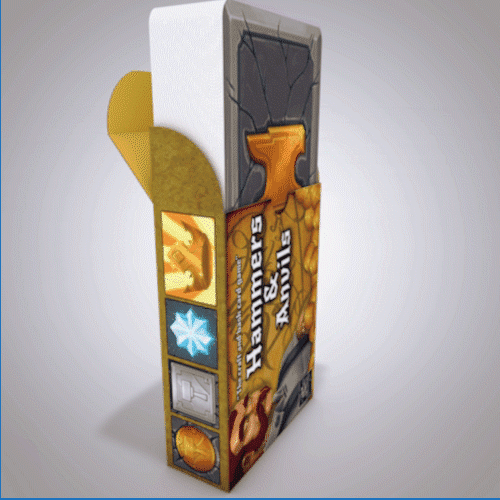
custom folding carton box with hang hole
Folding Carton
brownpackaging
How Carton Style and Material Selection Work Together

Choosing a folding carton isn’t just about the graphics or the style—it’s about how the structural design and substrate work in tandem. The right combination can optimize line efficiency, protect products during transit, and reinforce brand perception, while the wrong pairing can lead to excess costs, damaged goods, or production slowdowns. This guide explains how style and material decisions influence one another and how to align them for maximum performance. Load-Bearing and Product Weight Heavier products place greater stress on both the style and the board grade. High-Strength Pairing: Auto-bottom or Full Seal End designs with coated unbleached kraft (CUK) for beverage carriers, glass jars, or frozen food. Lightweight Retail: Straight Tuck End (STE) with SBS for cosmetics or nutraceuticals, where presentation outweighs structural load. Key Interaction: Style choice can compensate for lighter materials—an auto-bottom with medium caliper SBS can still handle moderate weight without upgrading to heavier board. Straight Tuck End (STE) Reverse Tuck End (RTE) Environmental Resistance Packaging exposed to moisture, grease, or temperature swings needs both the right style and the right coating. Cold Chain Products: FSE with poly-coated CUK to prevent panel warping in refrigerated or frozen conditions. Dry Shelf Products: STE or RTE with uncoated SBS for vibrant graphics without added cost. Key Interaction: The wrong pairing—like SBS without coating in high-humidity environments—can fail even if the style is structurally sound. Assembly Speed and Automation Line efficiency depends on how easily the style works with the chosen substrate. High-Speed Automation: FSE or STE in SBS or FBB for consistent feeding and folding with minimal score cracking. Manual Operations: RTE or auto-bottom in softer recycled FBB for easy hand folding. Key Interaction: Certain recycled boards may require adjusted creasing profiles to fold cleanly at high speeds—designers must factor this into style selection. Branding and Shelf Presence Material surface quality and structural layout work together to shape consumer perception. Premium Branding: STE in SBS for uninterrupted front panels and high-gloss finishes. Natural/Artisan Look: Sleeve or RTE in natural kraft CUK for an eco-conscious aesthetic. Key Interaction: Choosing a style with large uninterrupted panels means surface smoothness matters more, favoring higher-grade boards. Cost Optimization The most cost-effective designs balance board grade, caliper, and style complexity. Cost-Down Opportunities: Switch from STE to RTE when material yield is higher in layout, or move from SBS to recycled FBB when strength is over-specified. When to Spend More: Upgrade to auto-bottom when labor costs outweigh the savings of a simpler tuck style. Key Interaction: Sometimes a stronger style allows for a lighter material, and sometimes a higher-grade board allows for a simpler style—knowing which trade-off delivers more savings is critical. Decision Framework Define Product Constraints – Weight, fragility, shelf life, and environmental conditions. Set Line Requirements – Manual vs. automated, speed targets, changeover flexibility. Match Style to Strength – Select a structural format that supports handling and branding needs. Match Material to Style – Ensure board grade, caliper, and coatings enhance the style’s performance. Validate with Prototypes – Test under real-world shipping and retail conditions before committing to production. References Soroka, W. (2014). Fundamentals of packaging technology (5th ed.). Institute of Packaging Professionals. ISBN: 978-1-930268-37-2 Twede, D., & Goddard, R. (2021). Cartons, crates and corrugated board: Handbook of paper and wood packaging technology (2nd ed.). DEStech Publications. ISBN: 978-1-60595-120-5 (714)300-0650 request@brownpackaging.com Most Recent Posts: Categories: Corrugated Ecommerce ESD Design Display Flexible Packaging Foam Folding Carton Packaging Plastic Packaging Pouch Printing Protection Retail Rigid Box Thermoform Sustainability Subscribe To Our Newsletter By submitting your information, you agree to our terms and conditions and privacy policy. Custom Folding Cartons Facebook Twitter LinkedIn Pinterest Relevant Posts

Read More »