
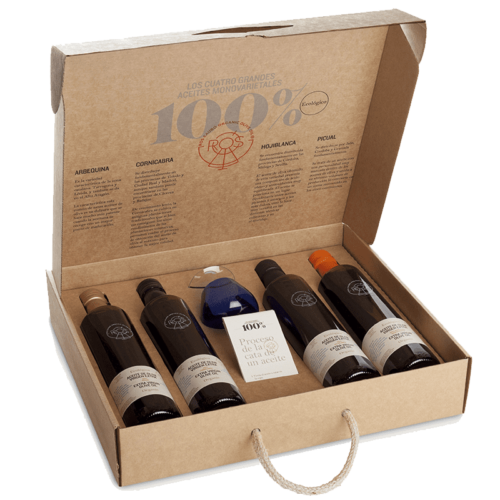
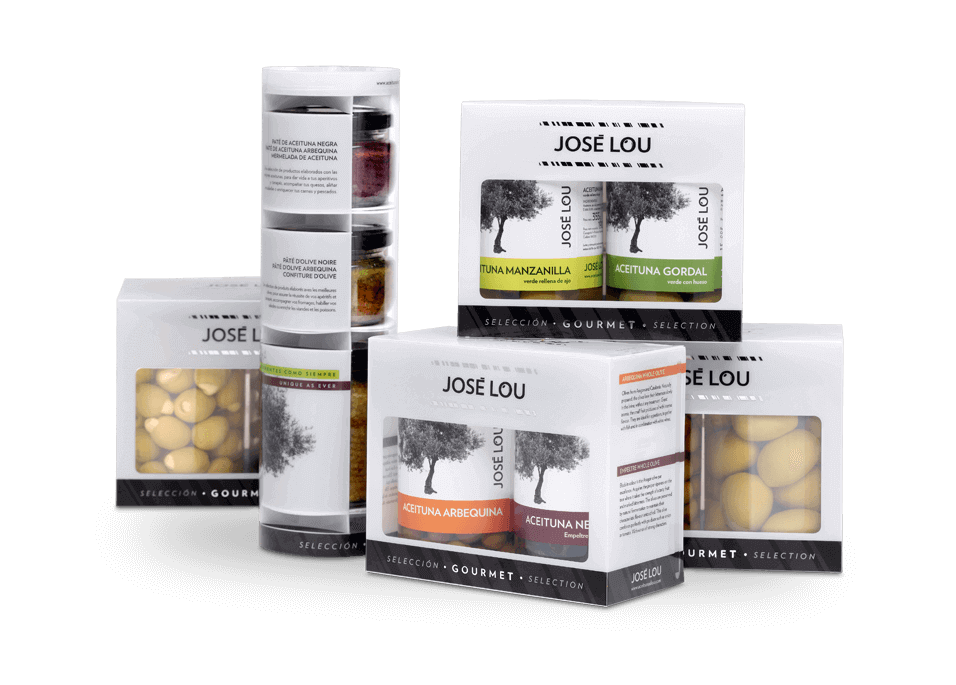
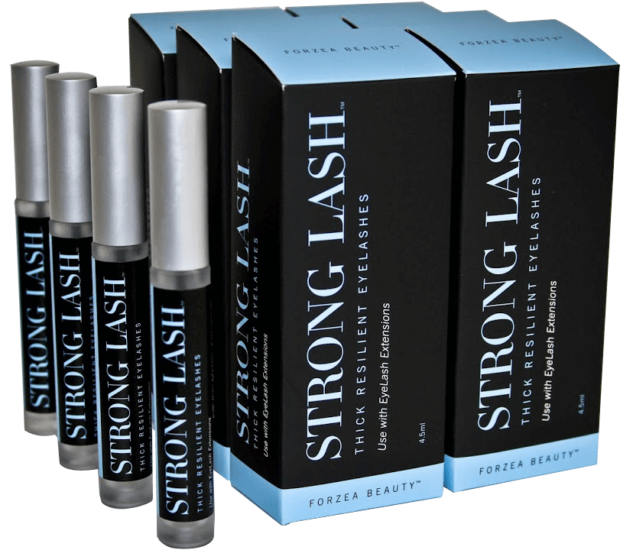
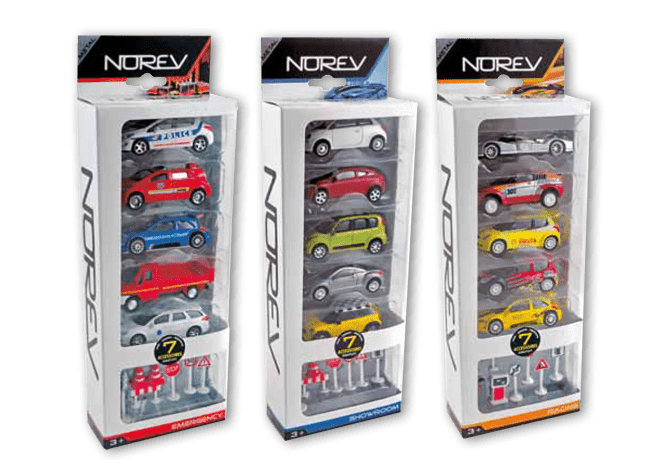






Custom Packaging
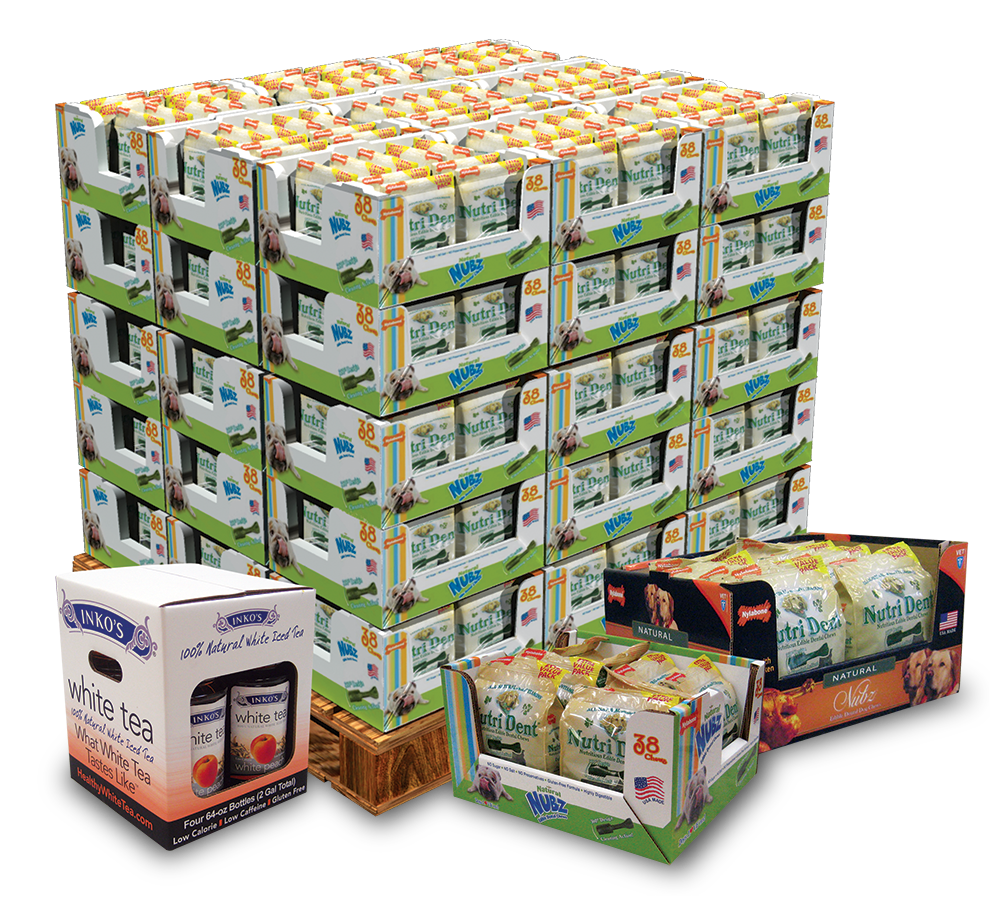
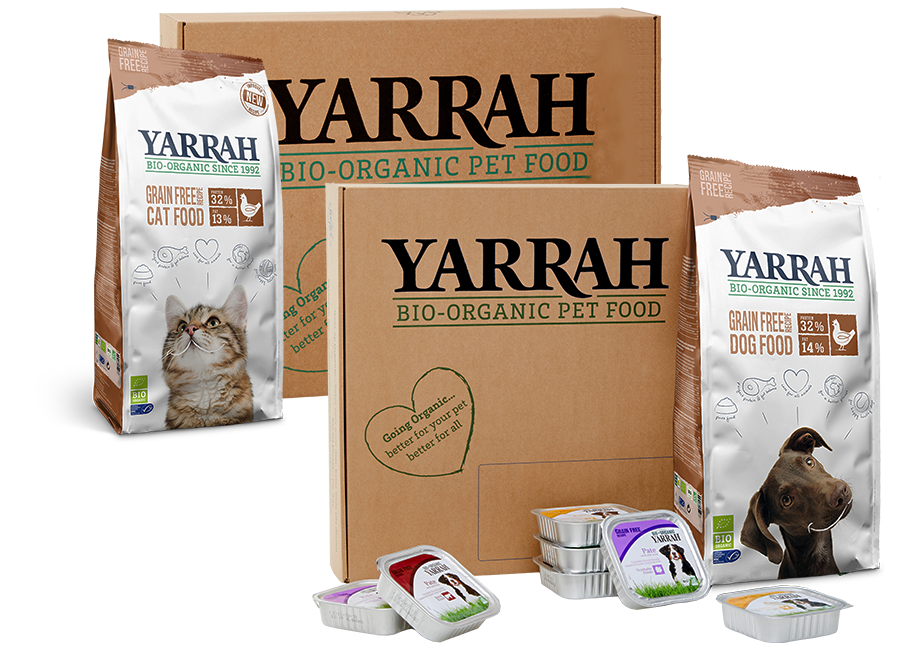
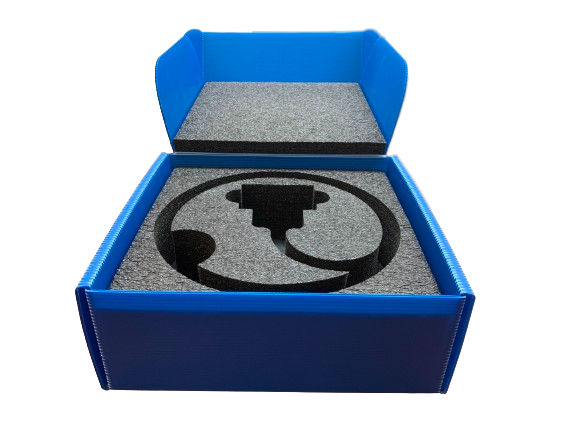
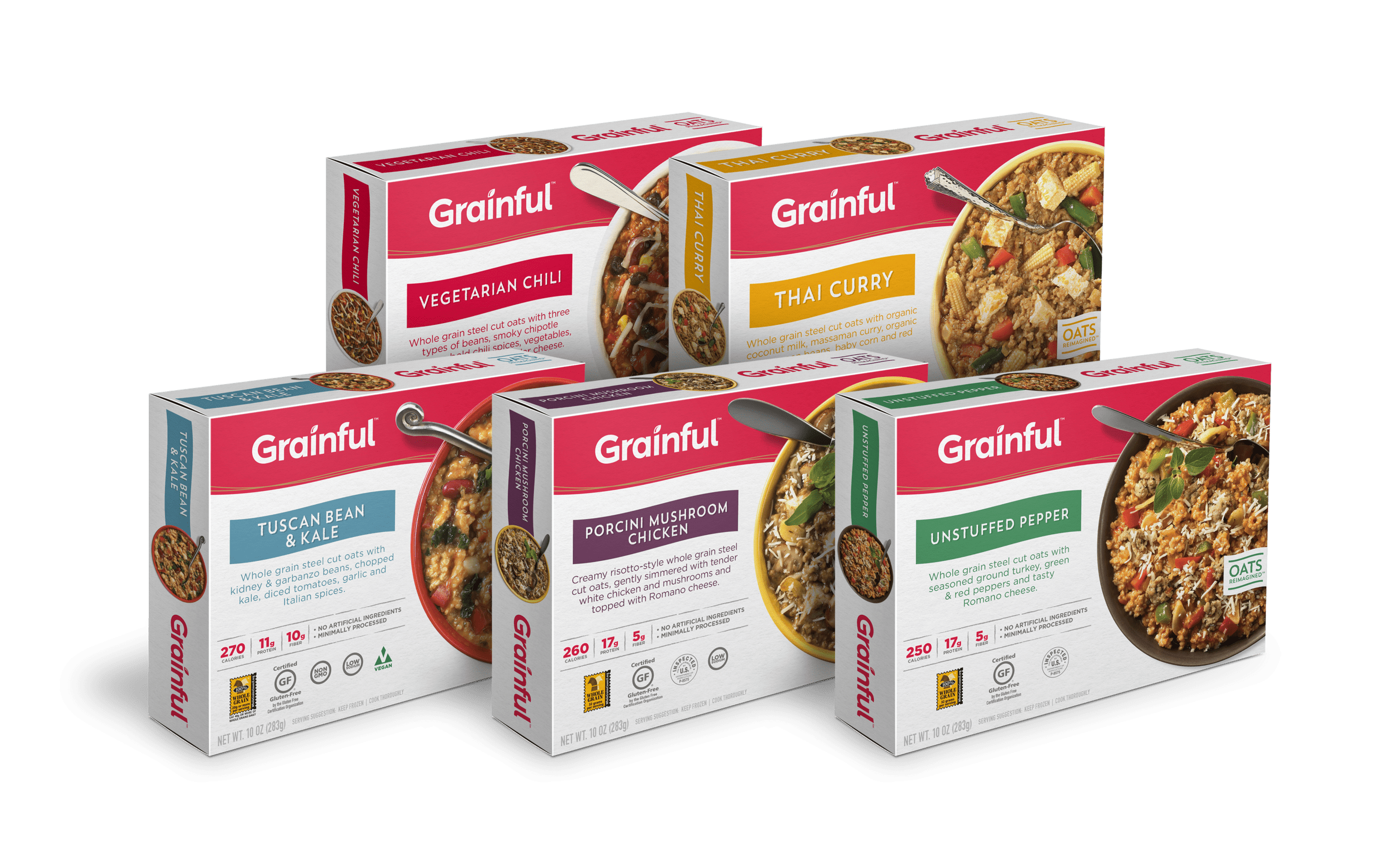
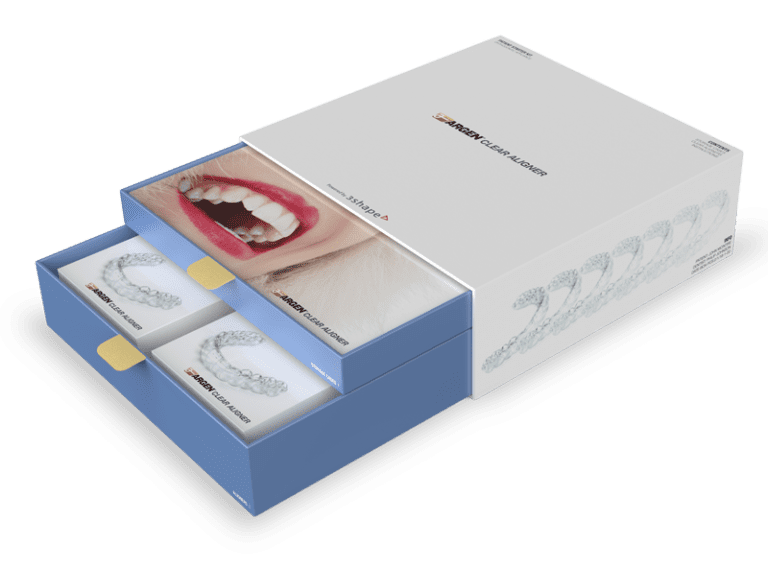
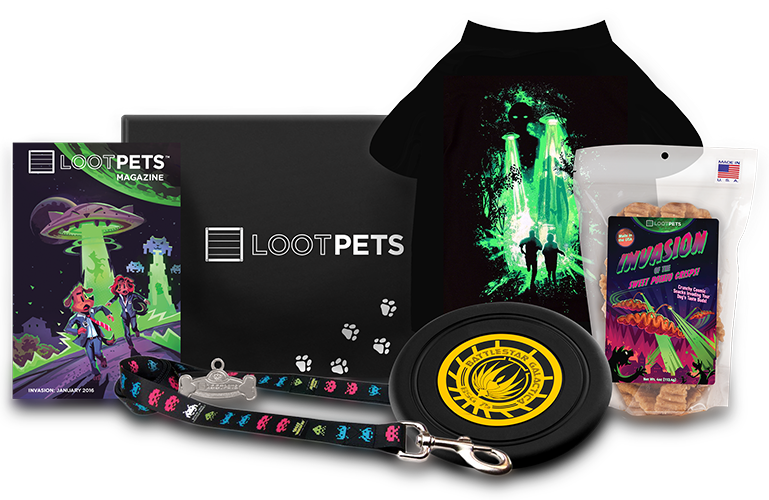
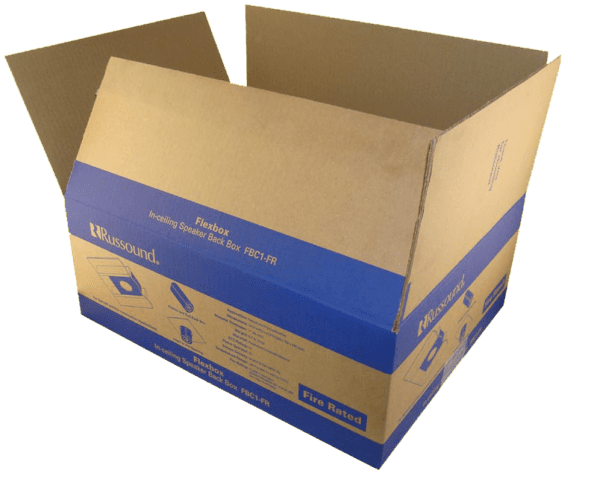
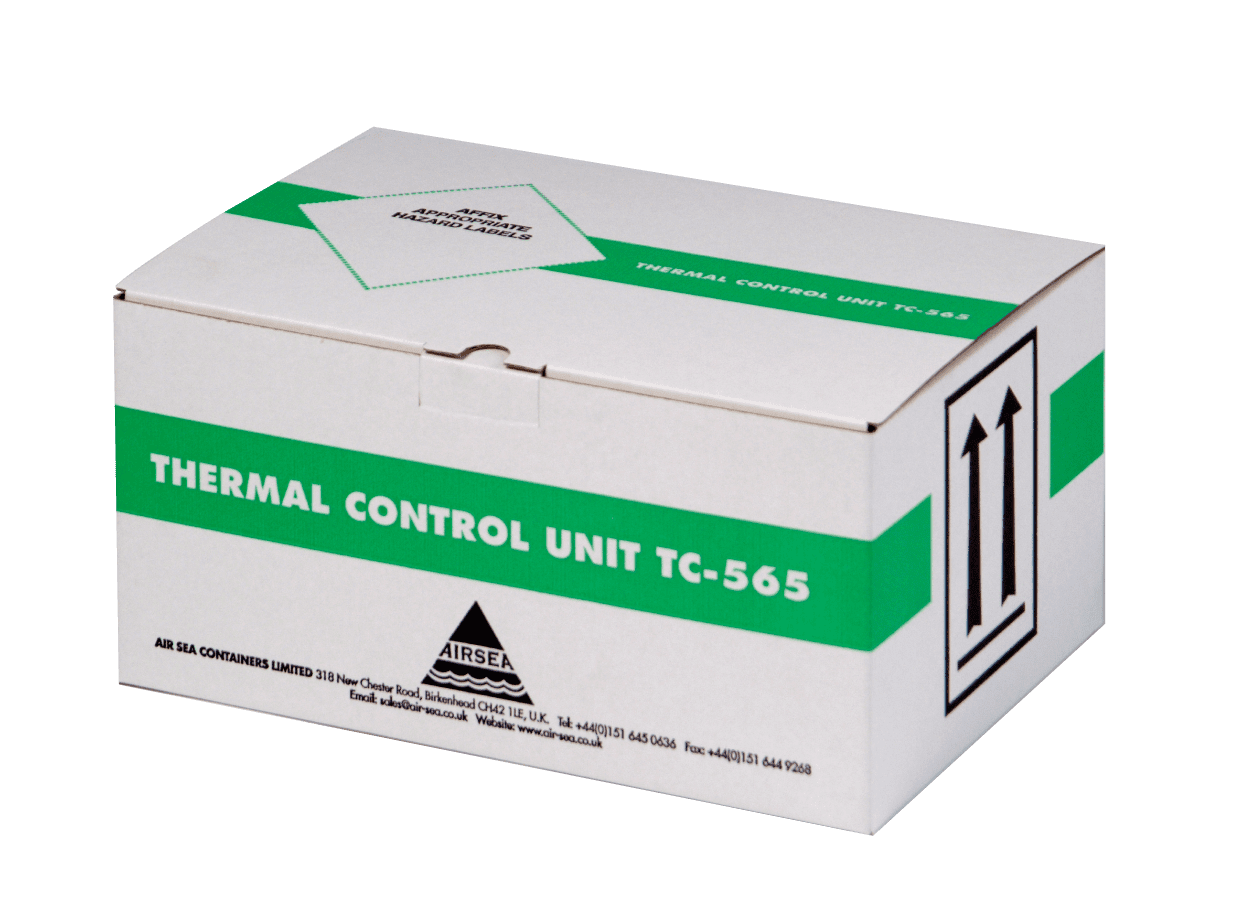
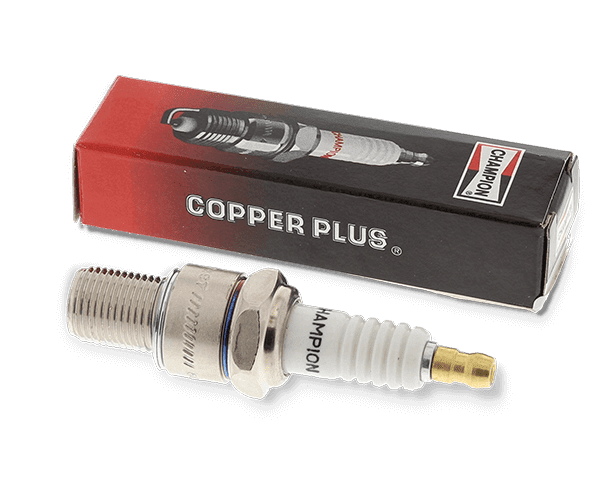
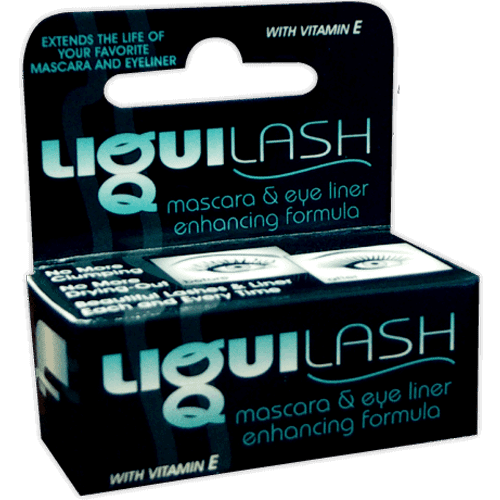
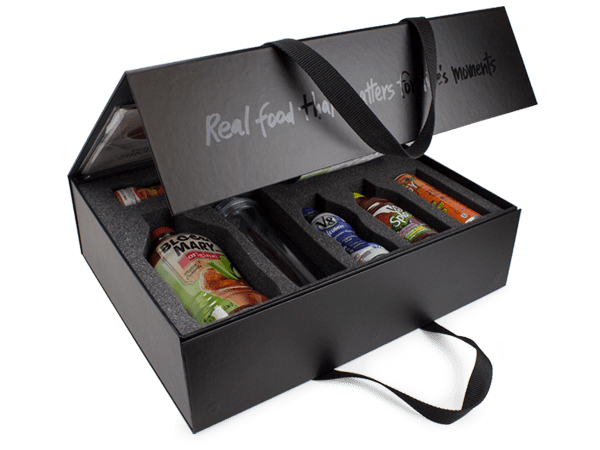
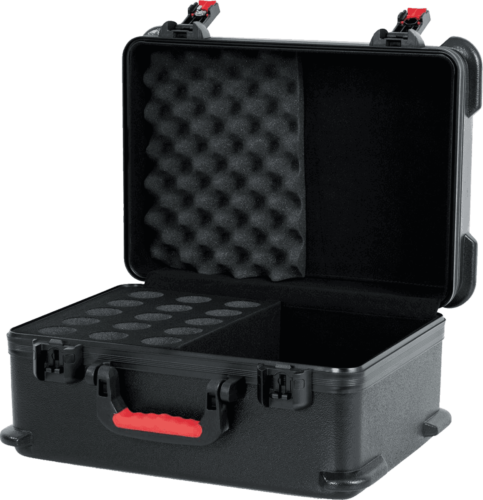
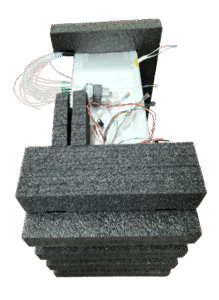
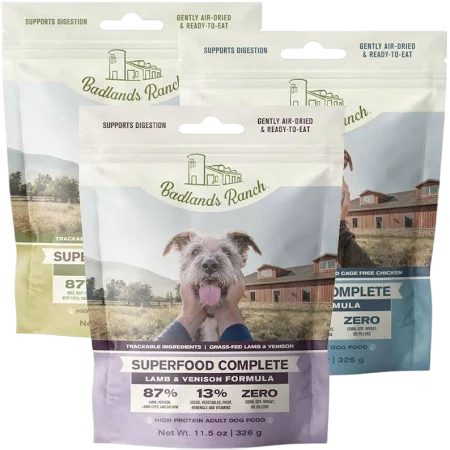
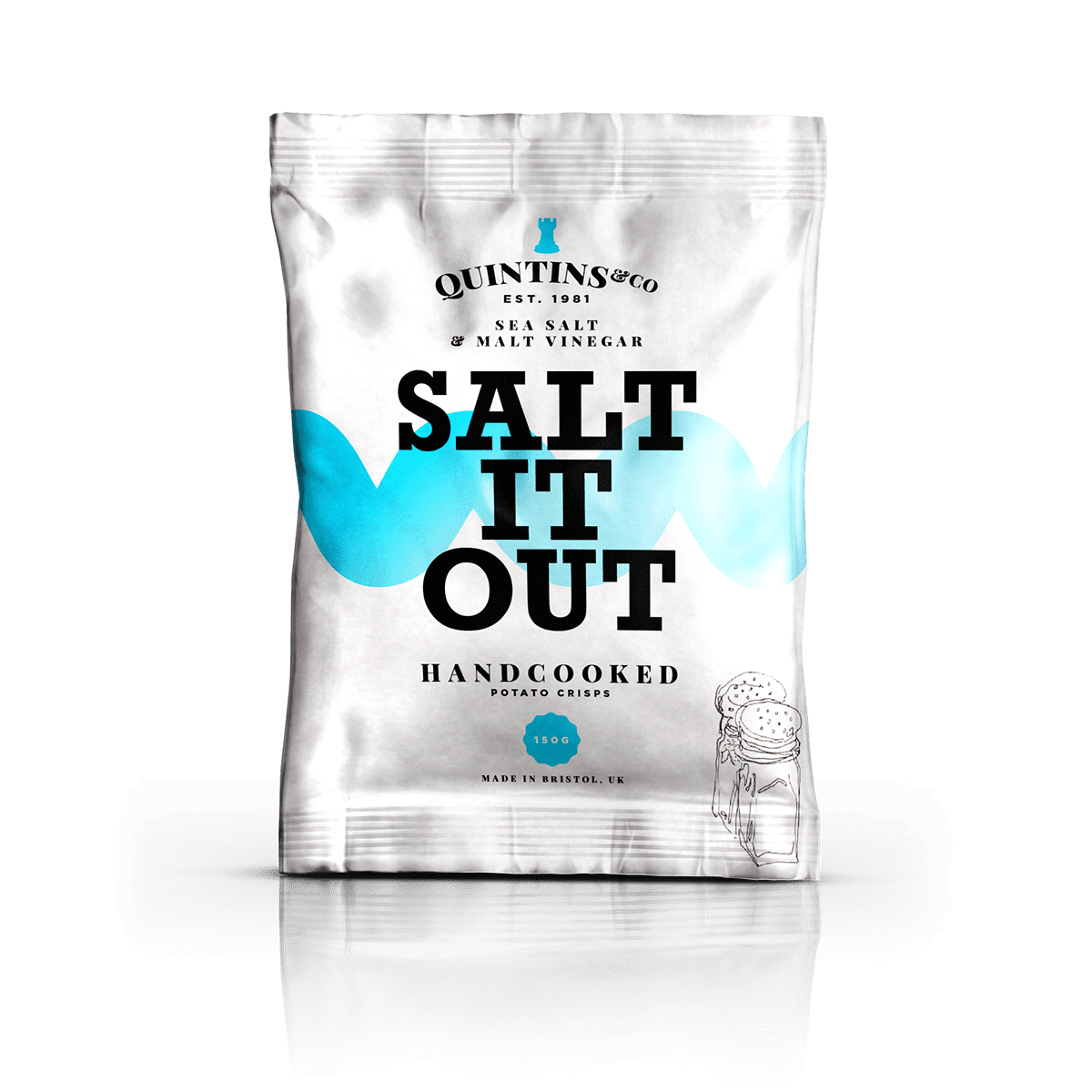
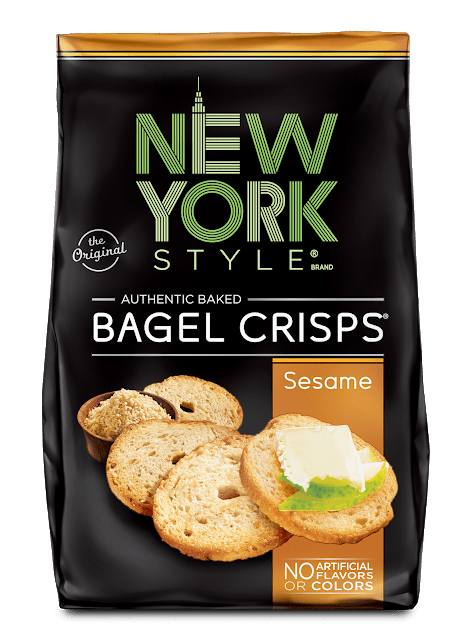
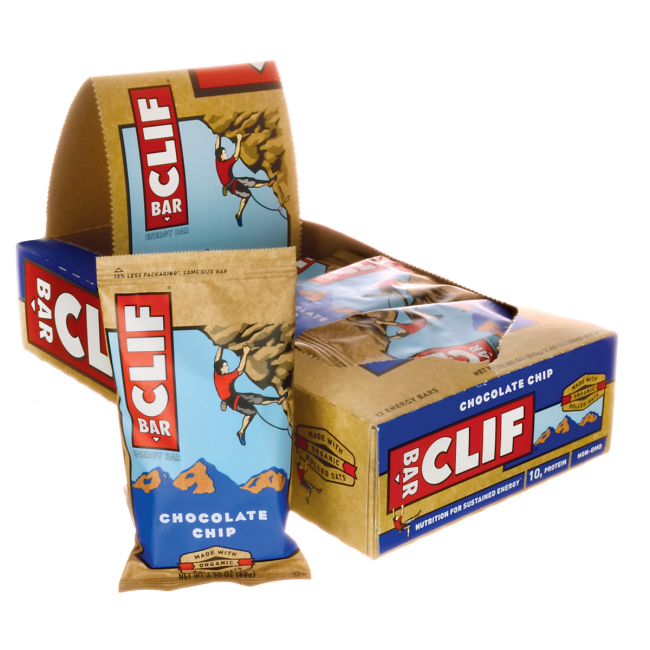
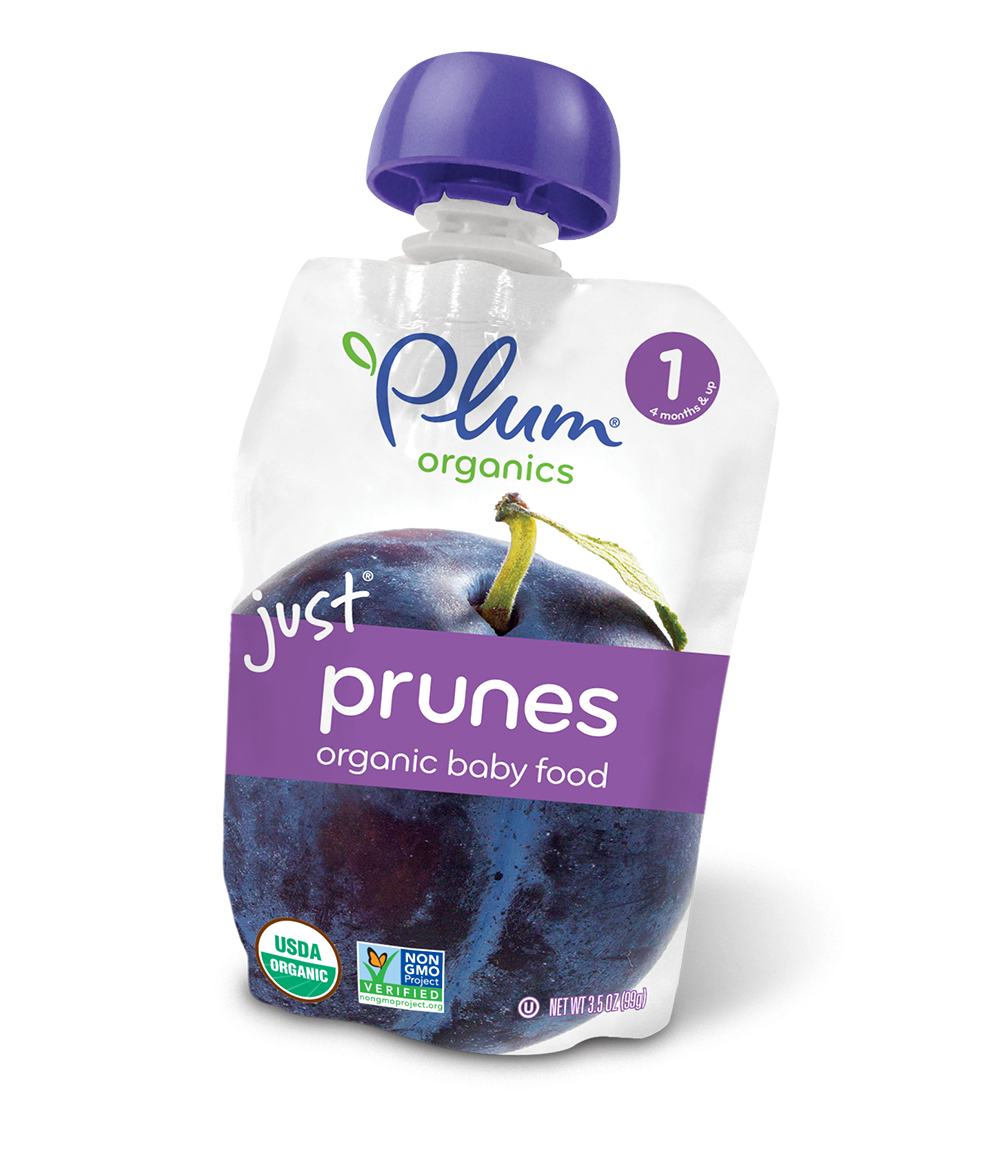
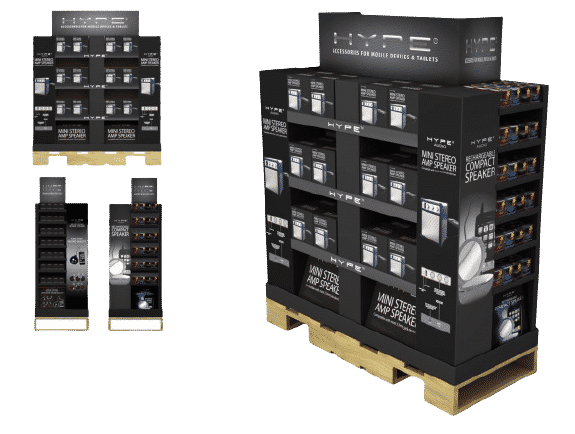
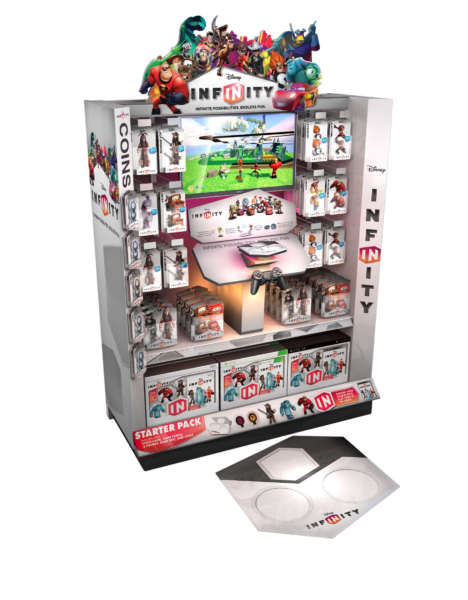
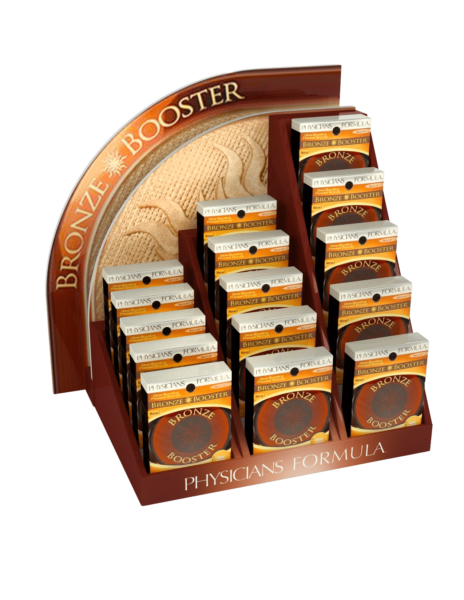
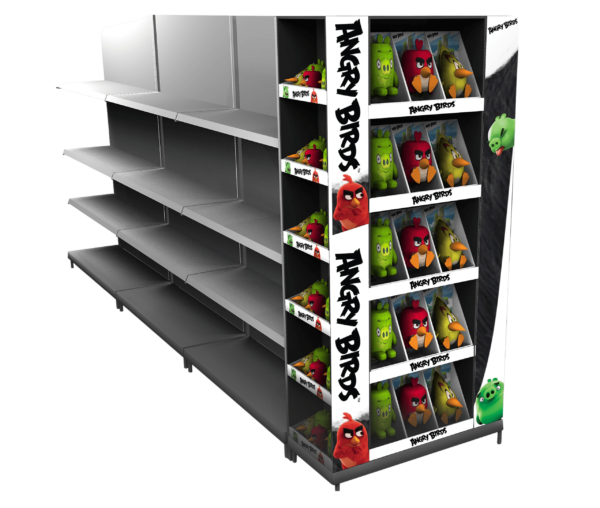
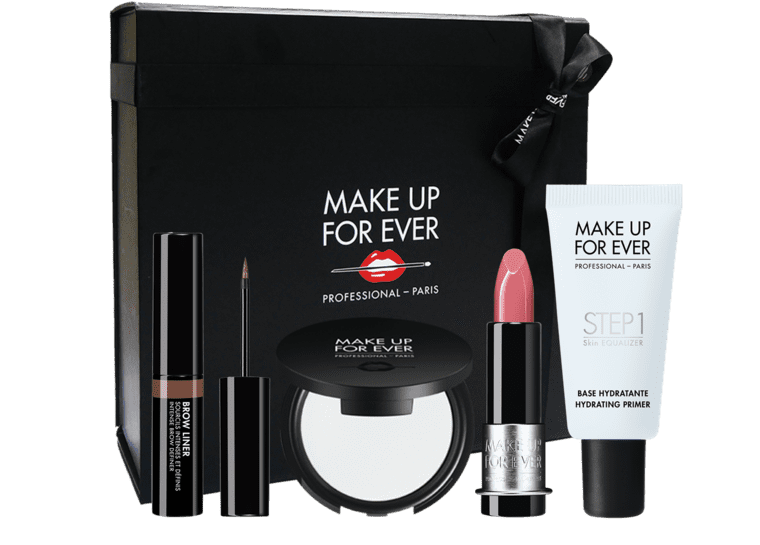
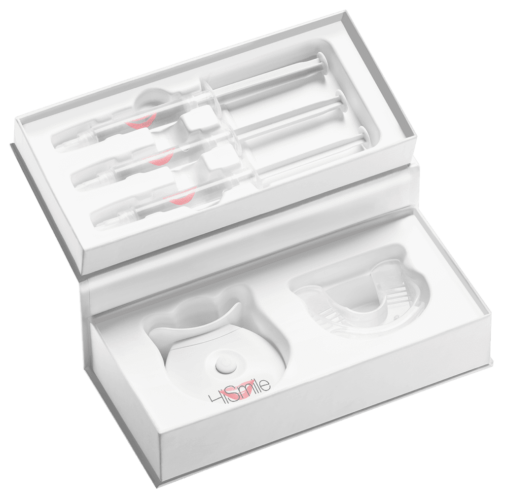
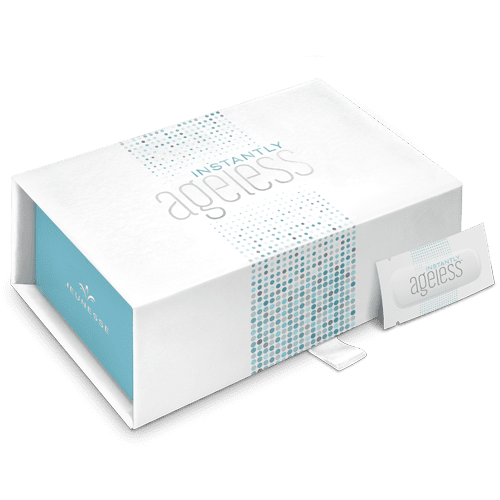
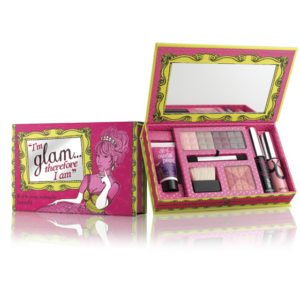
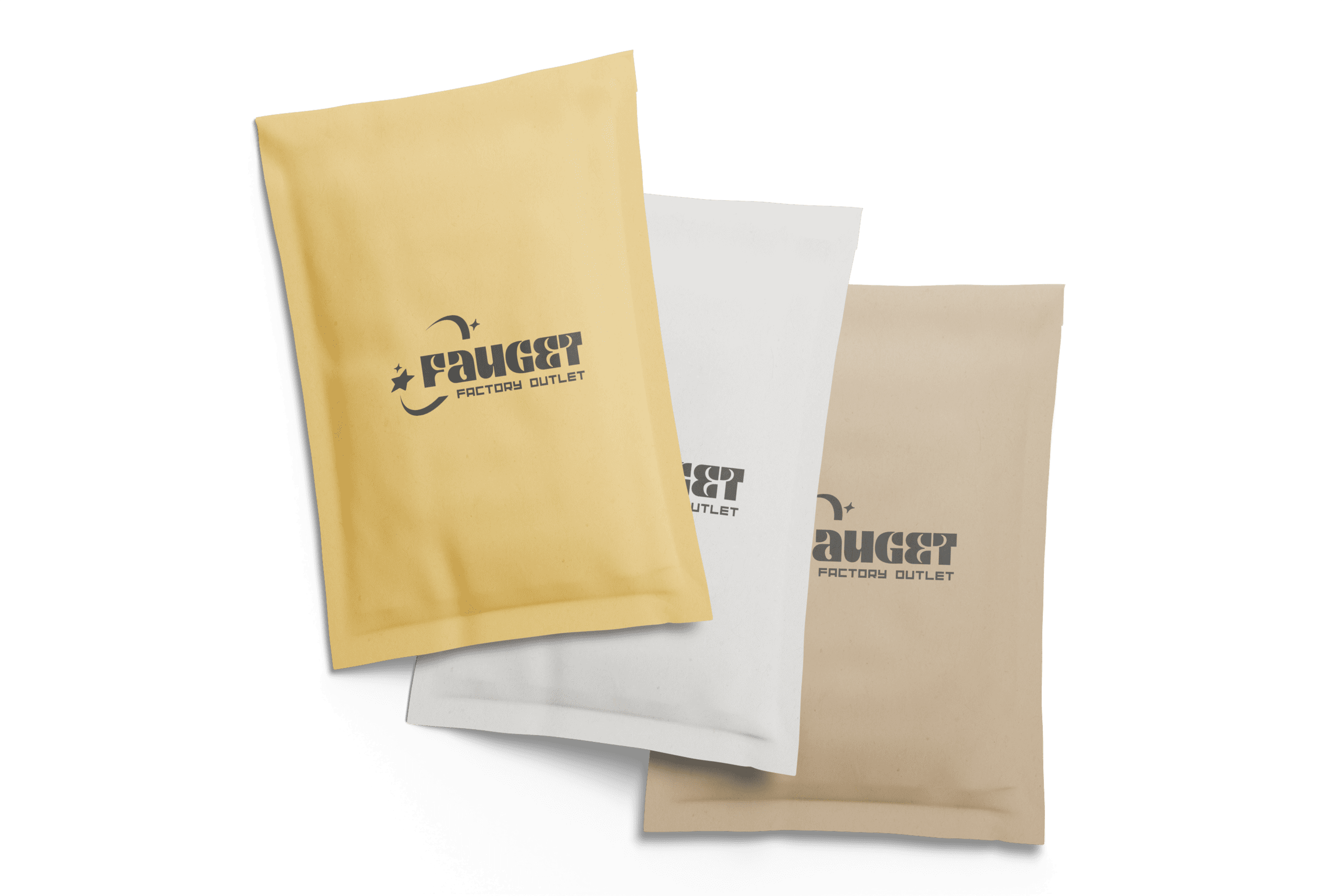
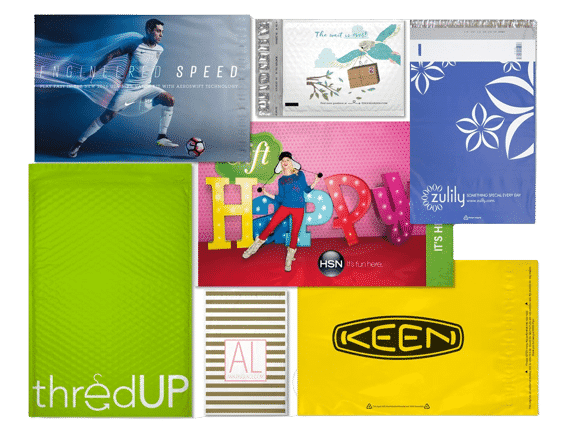
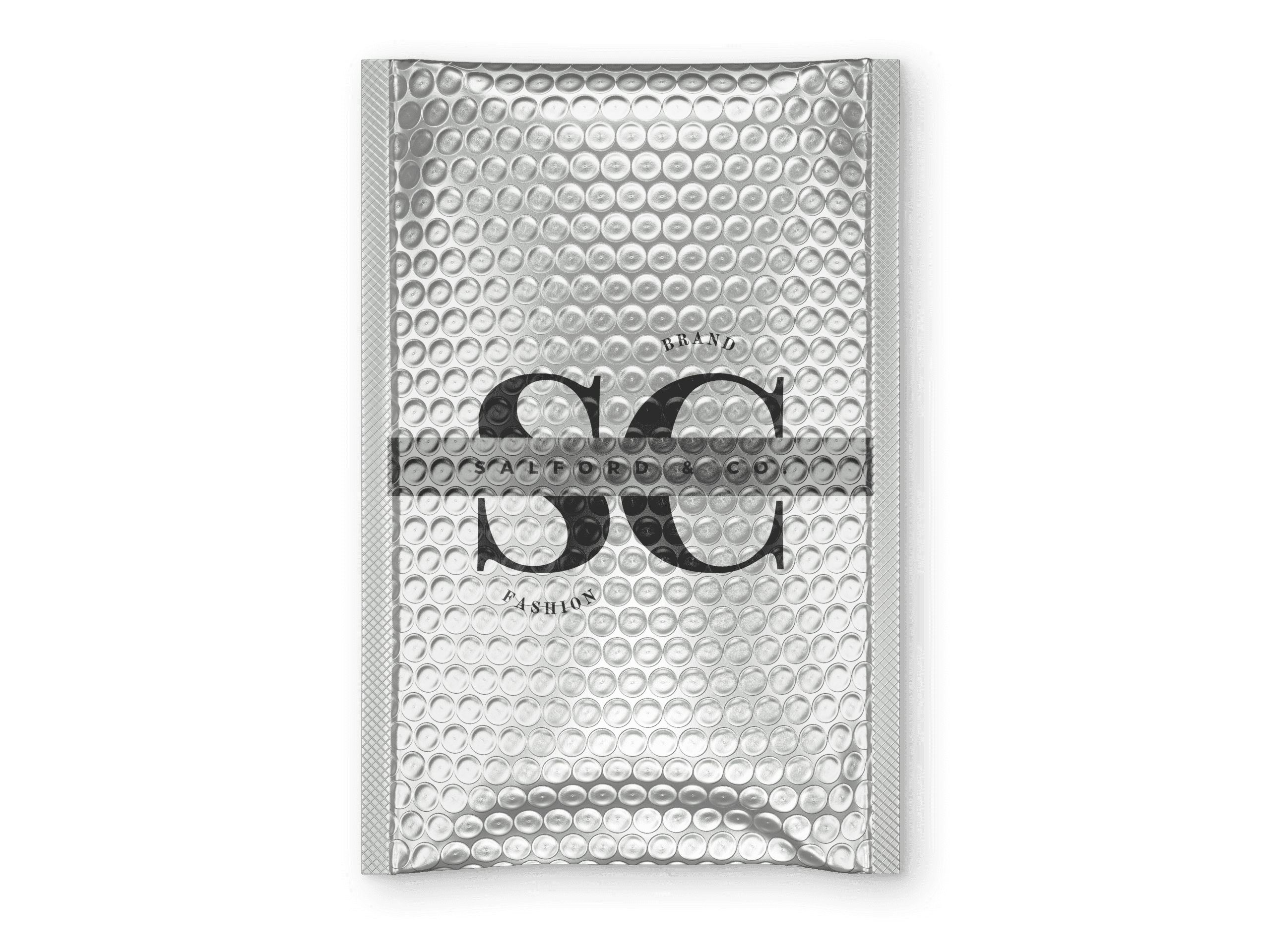
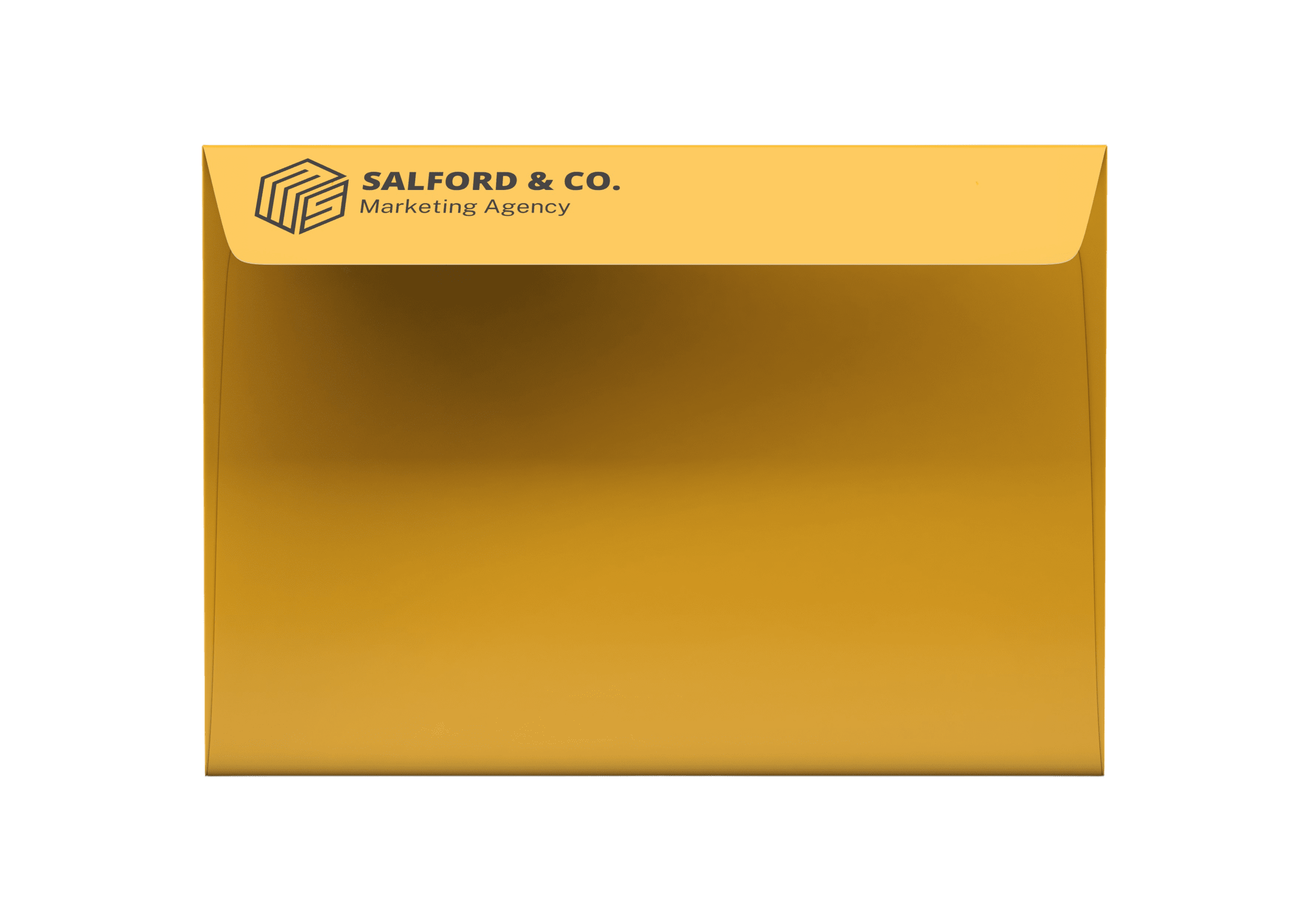
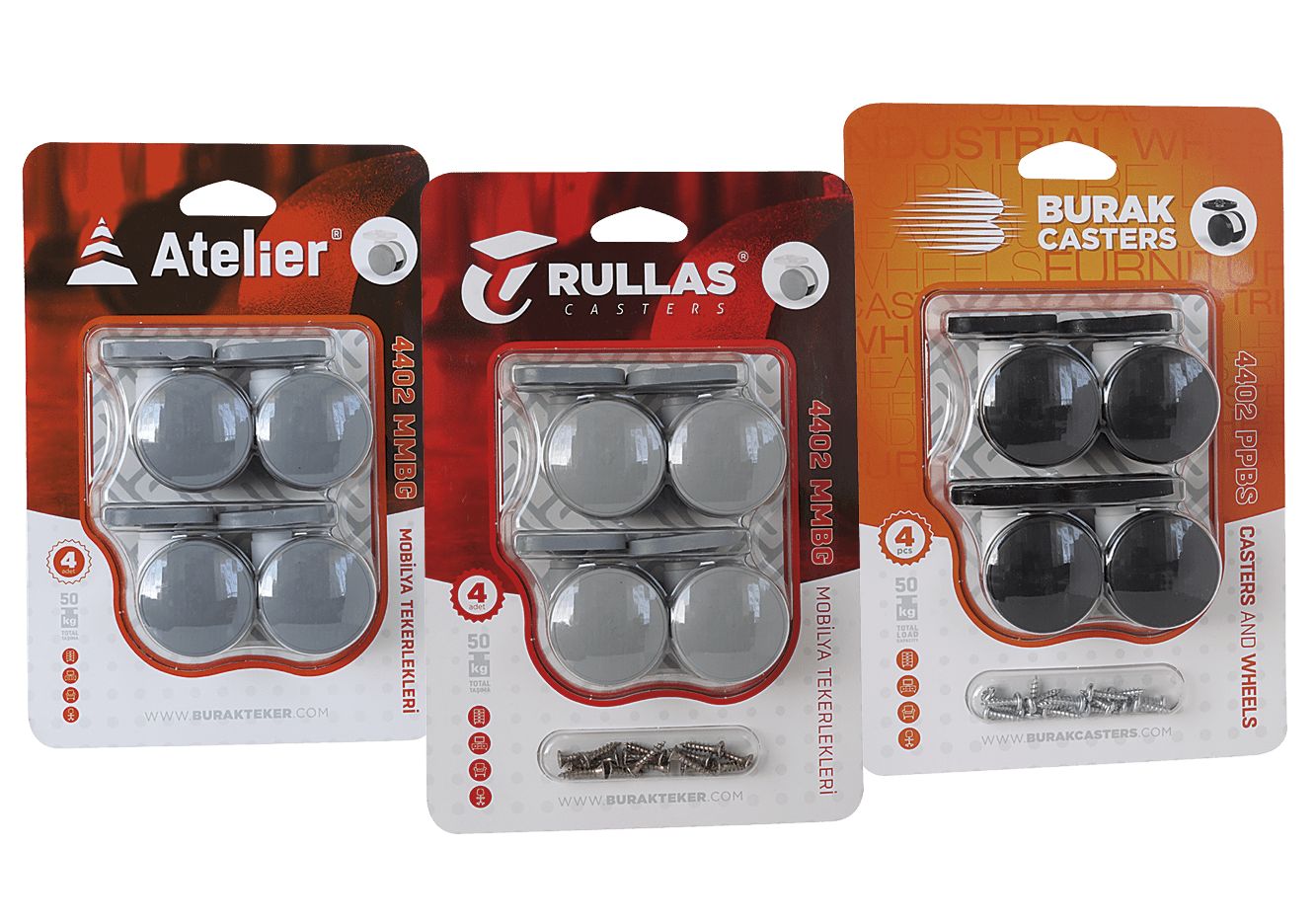
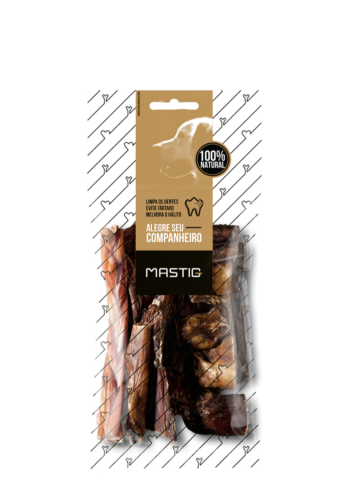
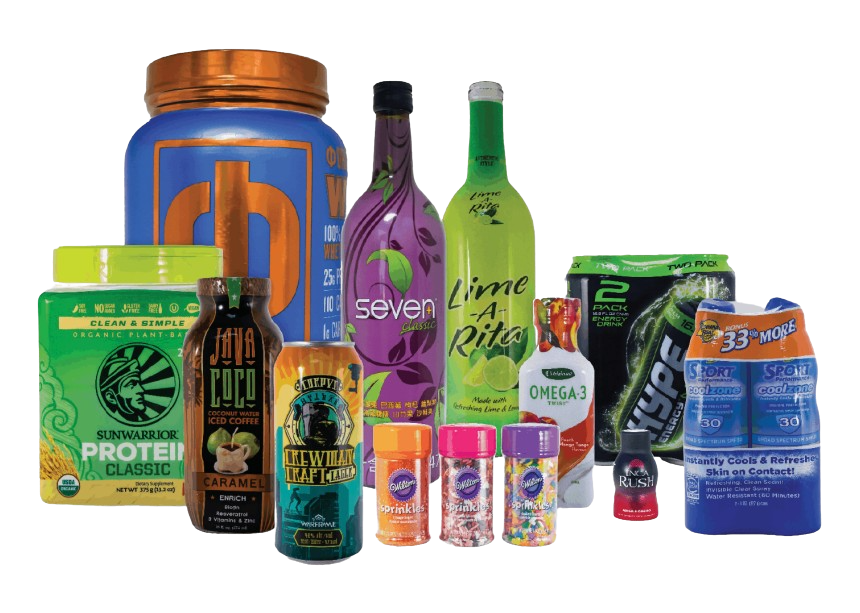
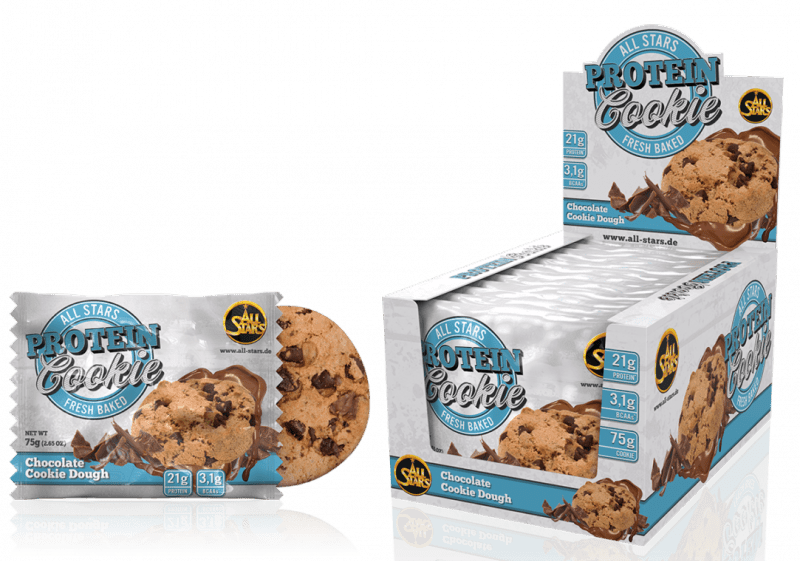
We offer a wide selection of fully customizable packaging products to address any packaging purpose. Customize your packaging product with your logo, brand colors, product information, design, features, and more. If you are unsure on what type of packaging you will need, then contact us for an expert consultation.


Custom packaging is tailored specifically to fit a brand’s unique product requirements, unlike stock packaging, which is pre-made and generic. Custom options allow for precise sizing, materials, and design choices, offering enhanced protection, presentation, and improved efficiency. This personalization makes custom packaging ideal for businesses looking to stand out and create a cohesive brand identity.
At Brown Packaging, our custom packaging solutions are structurally designed to optimize protection, material usage, and sustainability, tailored to meet specific product needs across various applications. We incorporate graphics to reinforce brand identity, ensuring that each package not only protects but also represents your brand effectively. With a focus on durability and functionality, our packaging ensures secure handling for shipping, retail, or storage while supporting sustainability goals.
Custom Packaging Products
We offer a variety of custom packaging products and solutions to meet all your packaging needs in one place. You’ll work directly with a dedicated project specialist to customize your package according to your specifications, including branding, features, and design.


If you need any assistance with your packaging or have a question, then contact us directly at request@brownpackaging.com or (714)300-0650. Learn more about custom packaging by reading our blog posts on new and trending topics.

Point-of-purchase (POP) displays are designed to capture shopper attention and influence buying decisions. Beyond structure and branding, the quality of print determines how well a display communicates from multiple viewing angles in a retail environment. Selecting the right printing method ensures your display performs both visually and functionally. Printing Methods for Corrugated POP Displays Not all printing methods are suited for corrugated displays. Each has its own strengths and trade-offs in cost, speed, quality, and run size. The three most common methods are: Flexographic Printing Digital Printing Lithographic (Offset) Printing Flexographic Printing Flexographic printing uses plates to apply ink as material passes through rollers. Advantages Cost-Efficient at Scale: Once plates are created, cost per unit is low for large or repeat orders. Pantone Accurate: Ensures precise color matching across production runs. Versatile: Works on uneven surfaces and a wide range of substrates. High Speed: Suited for mass production. Limitations High Startup Costs: Plates and tooling are expensive, making short runs less economical. Poor for Sampling: Costly and impractical to produce prototypes. Best Fit: Large-volume retail displays where consistency and color accuracy are priorities. Digital Printing Digital printing applies artwork directly from a file to the substrate, eliminating plates. Advantages Low Startup Cost: Cost-effective for short runs and prototypes. Fast Turnaround: Ideal for tight deadlines or seasonal campaigns. Flexible: Easily handles multiple SKUs or frequent artwork changes. High Quality: Produces sharp graphics suitable for branded displays. Limitations Less Economical at Scale: Higher cost per unit for large volumes. Color Variability: Approx. 95% accurate; not a perfect Pantone match. Slower Mass Output: Not as efficient as flexographic presses for high quantities. Best Fit: Small-batch retail displays, prototypes, or variable-data campaigns. Lithographic (Offset) Printing Lithographic printing transfers ink from a plate to a rubber blanket, then onto the substrate, with options for coatings or varnishes. Advantages Highest Quality: Sharp, detailed graphics with accurate color reproduction. Premium Finishes: Coatings and varnishes enhance durability and appearance. Scalable: Handles small to large format prints. Limitations High Setup Cost: Plates and setup make short runs expensive. Not Sample-Friendly: Prototypes are cost-prohibitive. Longer Lead Time: Setup and adjustments require planning. Best Fit: High-volume displays where premium image quality is essential for brand impact.` Designing Graphics for POP Displays Effective POP displays combine structure with clear, impactful graphics. Common elements include: Logos and Brand Colors Product Imagery Text (ingredients, instructions, contact info) Symbols and Icons Promotions or Pricing Call-to-Action Messaging Mascots or Characters Any artwork provided must be adjusted to fit dielines correctly. Designers ensure bleed, folds, and structural features align with graphics to avoid misprints. Choosing the Right Printing Method When selecting a printing process, consider: Quality: Lithographic offers the highest resolution; flexographic is durable but less detailed. Budget and Quantity: Flexographic suits large runs, digital works best for small runs, lithographic for high-volume premium graphics. Lead Time: Digital is fastest due to no plate requirements. Brand Goals: For premium retail impact, lithographic justifies higher cost; for efficiency, flexographic is the workhorse. Buyer Takeaway Use flexographic printing for large-scale runs that need durability and consistent Pantone colors. Choose digital printing for prototypes, short runs, or campaigns with multiple SKUs. Invest in lithographic printing for premium displays that require sharp, high-quality graphics. Selecting the right method ensures POP displays not only stand out visually but also align with budget and timeline requirements. References Association of Independent Corrugated Converters (AICC). (2024). Printing Methods in Corrugated Packaging. Retrieved from https://www.aiccbox.org Flexible Packaging Association. (2023). Digital vs. Flexographic Printing. Retrieved from https://www.flexpack.org Robertson, G. L. (2016). Food Packaging: Principles and Practice (3rd ed.). CRC Press. (714)300-0650 request@brownpackaging.com Most Recent Posts: Categories: Corrugated Folding Carton Display Packaging Rigid Box Subscribe To Our Newsletter By submitting your information, you agree to our terms and conditions and privacy policy. POP Displays Facebook Twitter LinkedIn Pinterest Relevant Posts

Poly bags are a staple in the packaging industry, offering a lightweight, cost-effective, and versatile solution for packaging various products, from food and consumer goods to medical supplies and industrial materials. The two most common materials used in poly bag manufacturing are polyethylene (PE) and polypropylene (PP), each with distinct properties that influence their performance, strength, and clarity. Understanding the differences between these materials is crucial for selecting the right bag for your application. Polyethylene (PE) Bags Polyethylene bags are made from the polymerization of ethylene gas, forming flexible plastic materials available in different densities—high-density (HDPE), low-density (LDPE), linear low-density (LLDPE), and medium-density (MDPE)—each with varying levels of strength, clarity, and durability. High-Density Polyethylene (HDPE): Known for its superior strength and puncture resistance, HDPE is ideal for heavy-duty applications, such as bulk food storage, industrial packaging, and carrying sharp or irregular-shaped items like fertilizers, sand, or mulch. These bags are rigid, moisture-resistant, and commonly used in shopping bags and take-out packaging. Low-Density Polyethylene (LDPE): More flexible and clearer than HDPE, LDPE bags are widely used for lightweight products like bread, candies, snacks, and small consumer goods. While they offer high clarity and softness, they lack the durability required for heavy or sharp-edged products. Linear Low-Density Polyethylene (LLDPE): Offering a balance between strength and flexibility, LLDPE is commonly used in food-grade packaging, grocery bags, and lawn care products due to its chemical resistance and contamination-free properties. Medium-Density Polyethylene (MDPE): Positioned between HDPE and LDPE in terms of flexibility and strength, MDPE bags provide a well-rounded option for cosmetics, food packaging, electronics, and retail applications. Polypropylene (PP) Bags Polypropylene bags are made from the polymerization of propylene, resulting in a rigid, high-clarity material that excels in moisture resistance, chemical protection, and heat resistance. These bags are widely used in applications where product visibility and contamination prevention are critical. Applications: PP bags are commonly used in medical, food, beauty, and electronics packaging, as they provide superior clarity for product display and ensure protection against moisture, debris, and bacteria. Their resistance to high temperatures also makes them ideal for outdoor packaging and sterilized environments. Advantages Over Polyethylene: PP bags do not absorb moisture, are more resistant to tearing, and have a crisper structure, making them suitable for premium product presentation. Which Poly Bag Should You Choose? The decision between polyethylene and polypropylene largely depends on your packaging requirements: For strength and durability → Choose HDPE or LLDPE for heavy, industrial, or bulk items. For flexibility and affordability → Choose LDPE or MDPE for lightweight products. For high clarity and contamination resistance → Choose Polypropylene (PP) for food, medical, or electronics packaging. Brown Packaging offers a wide selection of custom and stock poly bags to suit your needs. Contact us today to discuss the best solution for your packaging application! (714)300-0650 request@brownpackaging.com Most Recent Posts: Categories: Corrugated Folding Carton Display Packaging Rigid Box Subscribe To Our Newsletter By submitting your information, you agree to our terms and conditions and privacy policy. Poly Bags Facebook Twitter LinkedIn Pinterest Relevant Posts

What Is Anti-Static Packaging? Anti-static packaging is designed to control static discharge and protect sensitive electronics from electrostatic effects that can cause product failure or even ignition in flammable environments. Many businesses experience product loss, operational disruptions, and costly replacements due to improper packaging that fails to prevent electrostatic discharge (ESD). This type of packaging is made with specialized anti-static materials and additives that dissipate static buildup, ensuring electronics remain safe during storage, handling, and transit. Available in various forms—including poly bags, bubble wrap, foam inserts, and stretch film—anti-static packaging is a critical investment for businesses dealing with sensitive electronic components. Understanding Electrostatic Discharge (ESD) Electrostatic discharge (ESD) is the sudden transfer of static electricity between two objects, which can damage electronic circuits and ignite flammable materials. Studies estimate that between 8% to 33% of damaged electronics suffer from ESD-related failures, costing the electronics industry billions annually. Common sources of ESD include: Human Contact: A person’s body naturally generates and transfers electrostatic charges when touching sensitive components. Equipment & Machinery: Automated systems, conveyor belts, and trolleys generate static electricity during operation. Charged Insulators: Materials like plastic and polyethylene retain charges that can damage electronics through inductive discharge, even without direct contact. To mitigate these risks, anti-static packaging is essential in environments where static-sensitive components are handled. Products That Require Electrostatic Protection The ESD Association recommends electrostatic discharge protection for products rated at 100 volts or higher, as these are more susceptible to static-related failures. Common products that require ESD-safe packaging include: ✔ Semiconductors & Microcircuits✔ Computer Hardware & Components (CPUs, RAM, GPUs)✔ Medical Devices & Equipment✔ Flat-Screen Televisions & Monitors✔ Aerospace & Automotive Electronics Types of Anti-Static Packaging Anti-static packaging products are available in stock and custom configurations to meet varying protection levels. Most anti-static materials are pink for easy identification, while conductive versions (which provide additional protection) are black. ✔ Anti-Static Poly Bags – Used for lightweight electronic parts and circuit boards.✔ Anti-Static Bubble Bags & Rolls – Provides cushioning and static control for delicate electronics.✔ Anti-Static Ziplocks & Tubing – Ideal for small components and moisture-sensitive devices.✔ Anti-Static Foam – Custom-cut for impact protection and static prevention.✔ Pallet Covers & Stretch Wrap – Shields bulk shipments from static exposure.✔ Anti-Static Peanuts – Filler material that prevents static buildup inside packaging. For high-value electronics, custom ESD-safe packaging solutions—such as die-cut foam inserts, shielding bags, and conductive corrugated boxes—can provide enhanced protection. Benefits of Anti-Static Packaging Investing in anti-static packaging safeguards your products and business operations. Key benefits include: ✔ Prevents Inventory Loss: Reduces damage and failures caused by electrostatic effects.✔ Enhances Customer Satisfaction: Ensures product reliability, reducing complaints and returns.✔ Saves Money on Repairs & Replacements: Minimizes costly product failures before reaching customers.✔ Improves Product Shelf-Life & Durability: Prevents premature breakdown caused by static discharge.✔ Meets Industry & Retail Compliance Standards: Ensures compatibility with regulatory and retailer ESD requirements.✔ Reduces Safety Risks: Prevents fires, property damage, and injury in environments handling static-sensitive materials. Where to Purchase Anti-Static & ESD Packaging Not all packaging suppliers offer anti-static or conductive packaging. Many traditional packaging providers focus on standard solutions like corrugated boxes, foam, and poly bags without ESD protection. At Brown Packaging, we supply businesses with anti-static, static-dissipative, and conductive packaging solutions, including custom and stock options. Whether you need static-safe bags, foam inserts, or complete ESD packaging systems, we can provide the right materials to protect your sensitive products. 📞 Contact Brown Packaging today to discuss your anti-static packaging needs and explore our full range of ESD protection solutions. (714)300-0650 request@brownpackaging.com Most Recent Posts: Categories: Corrugated Folding Carton Display Packaging Rigid Box Subscribe To Our Newsletter By submitting your information, you agree to our terms and conditions and privacy policy. ESD Packaging Facebook Twitter LinkedIn Pinterest Relevant Posts