




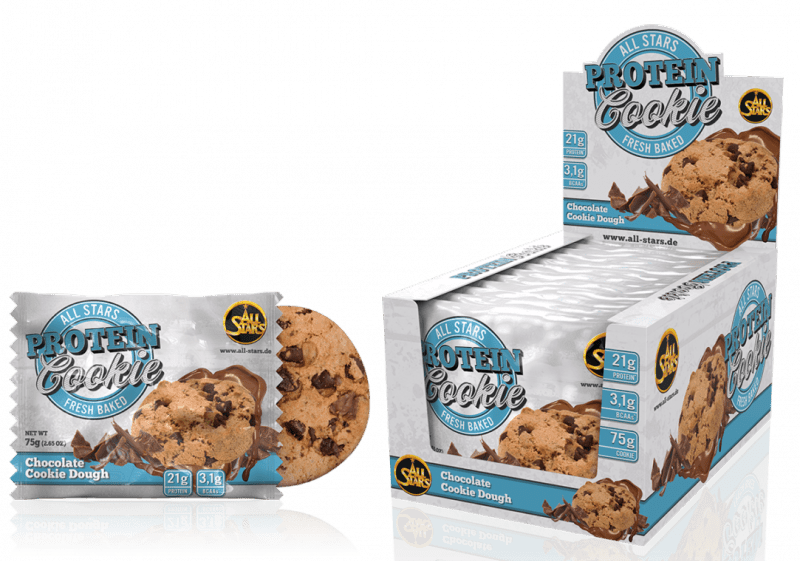

Custom Packaging
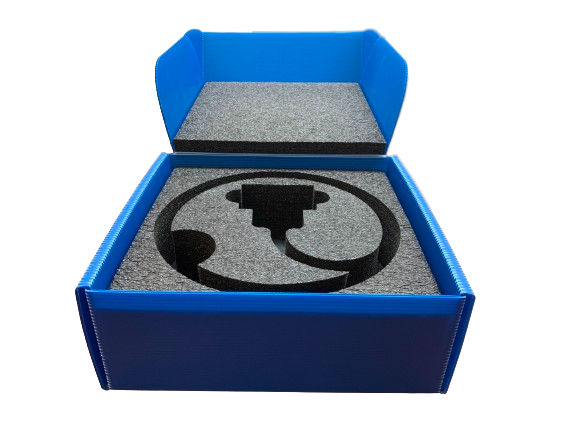
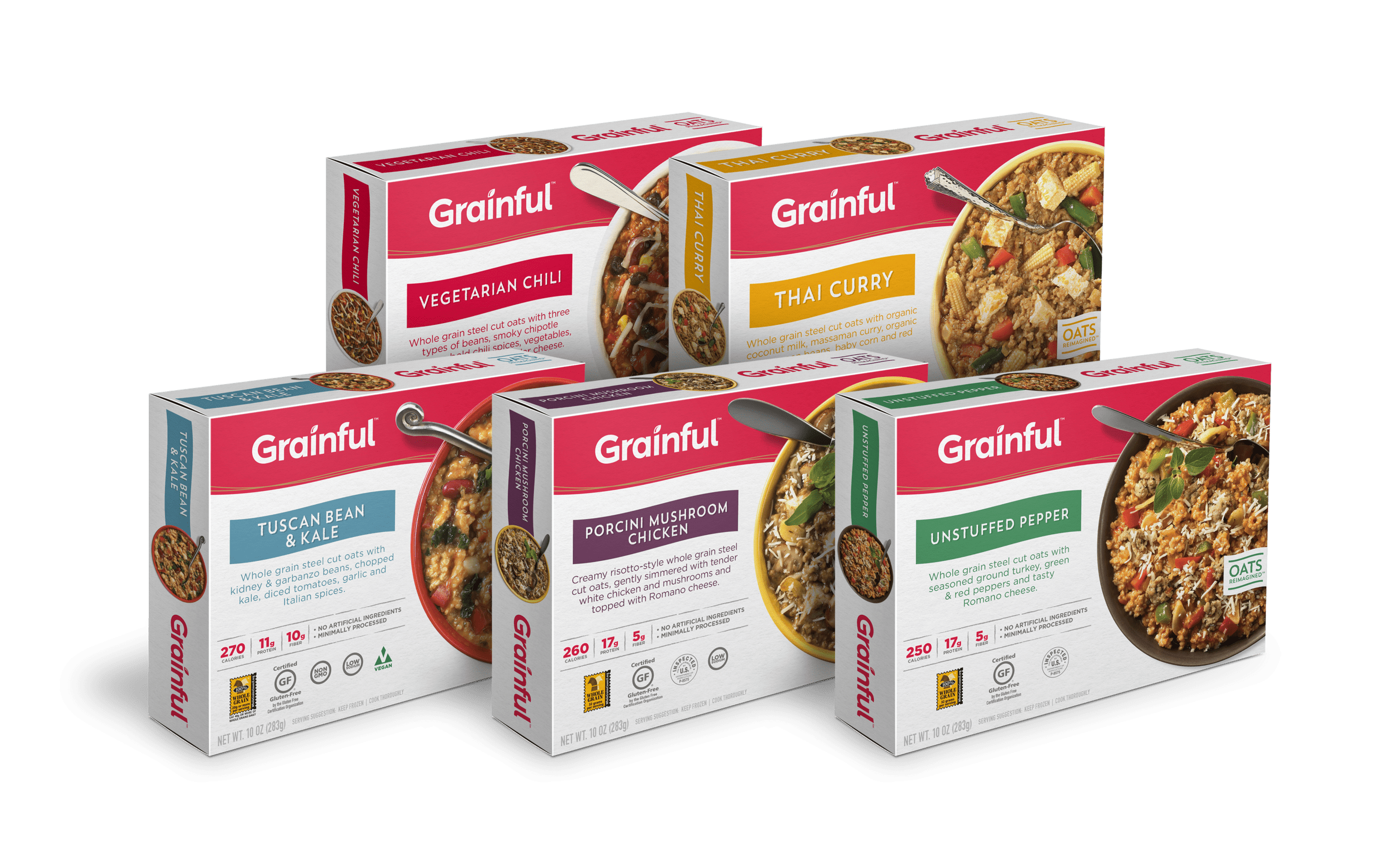
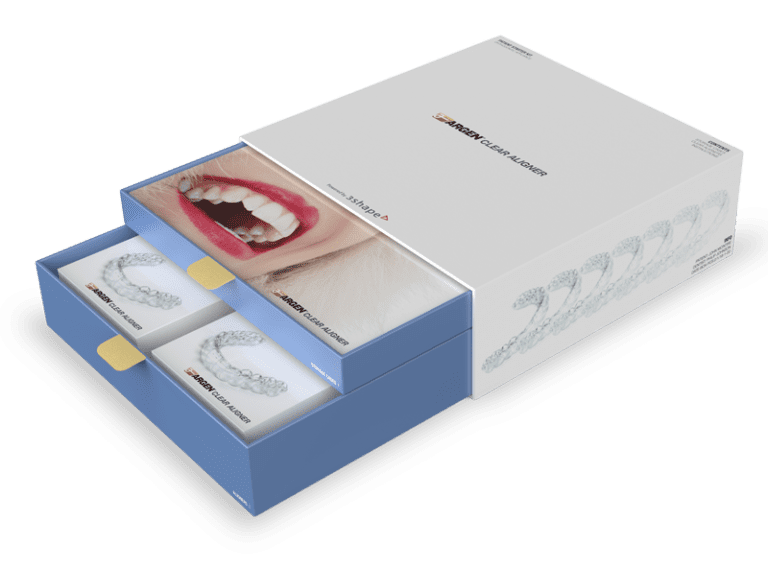
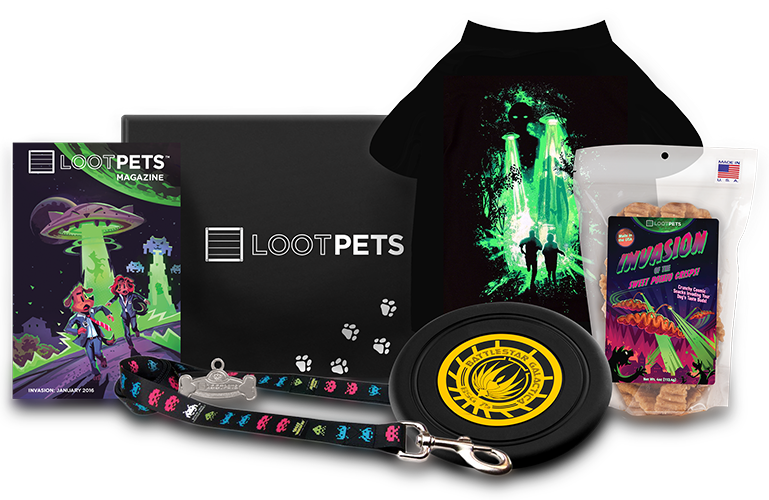
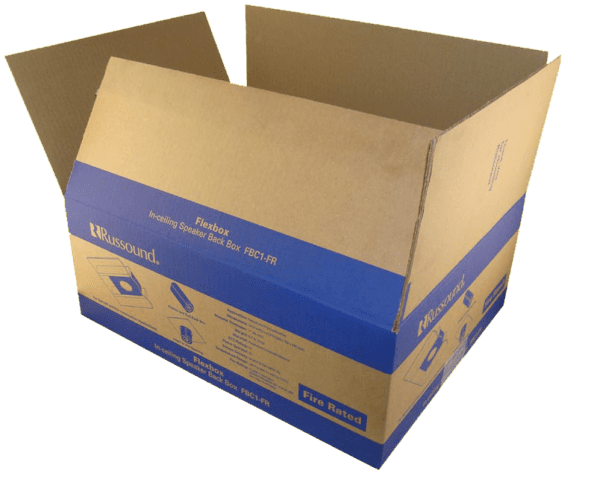
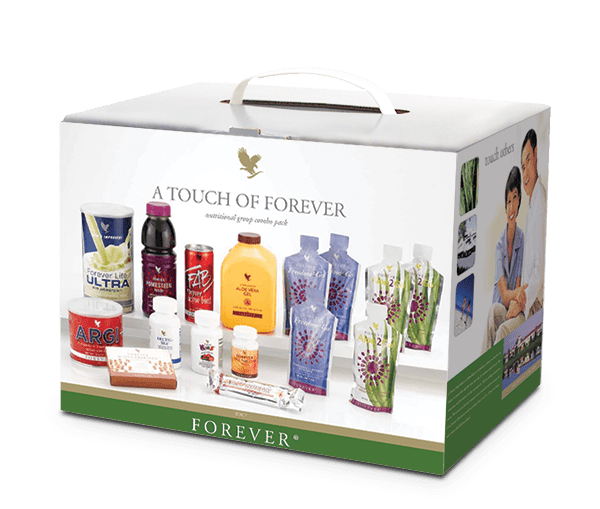
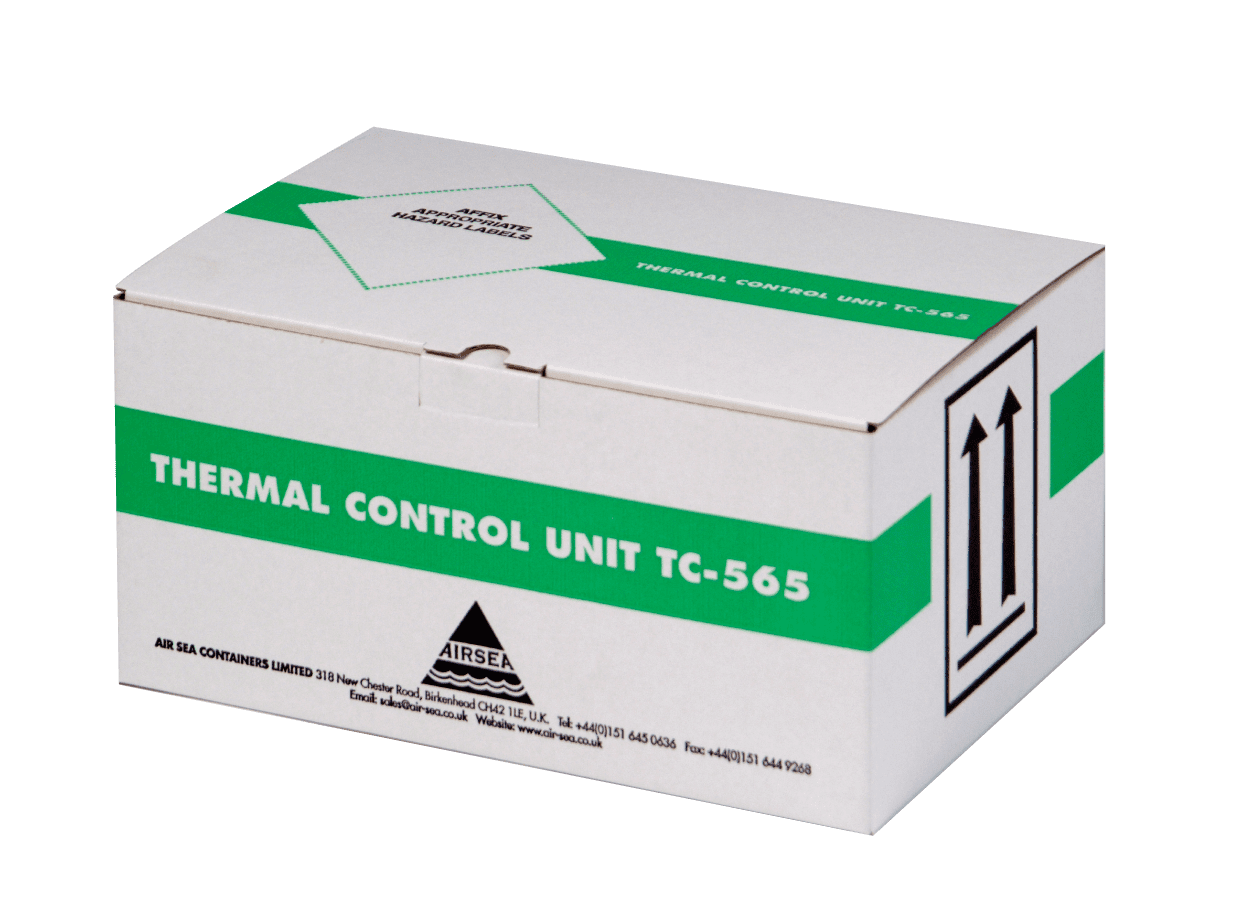
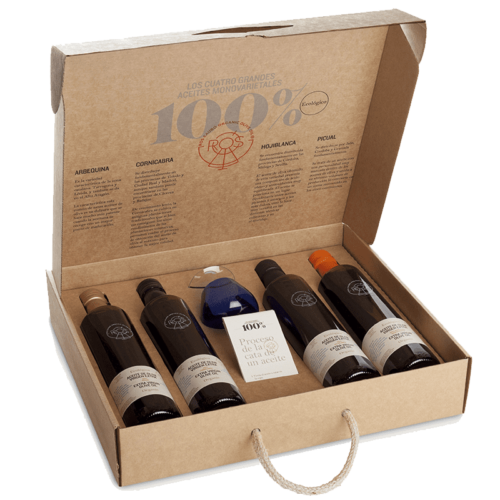
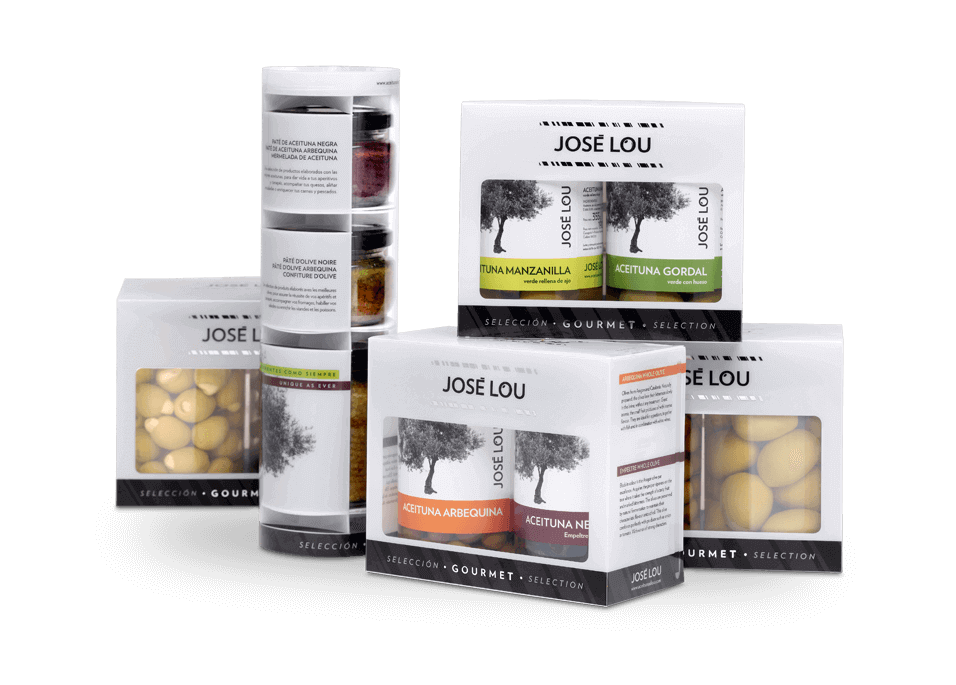
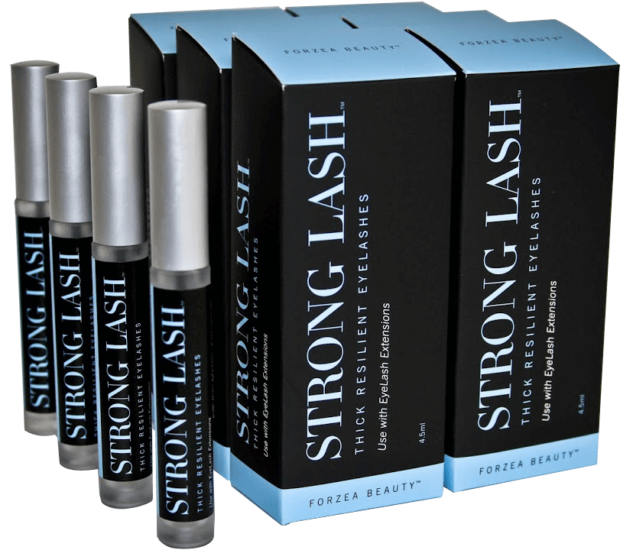
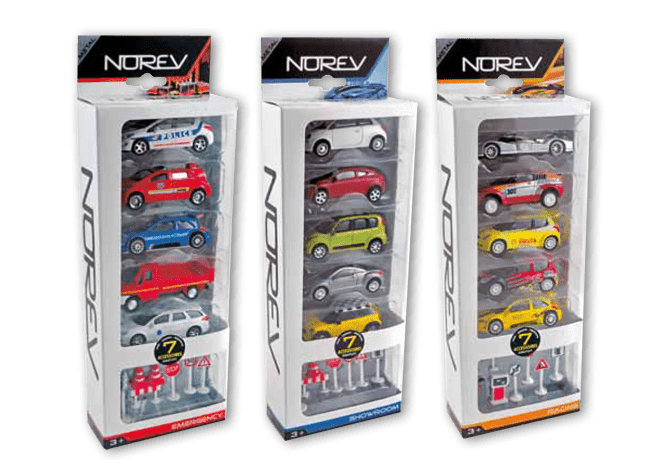
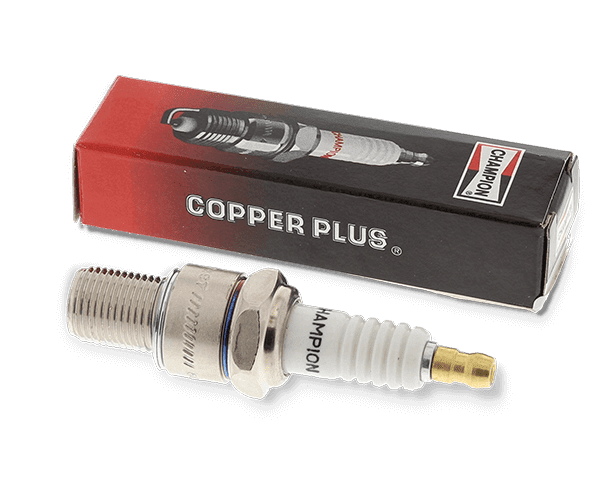
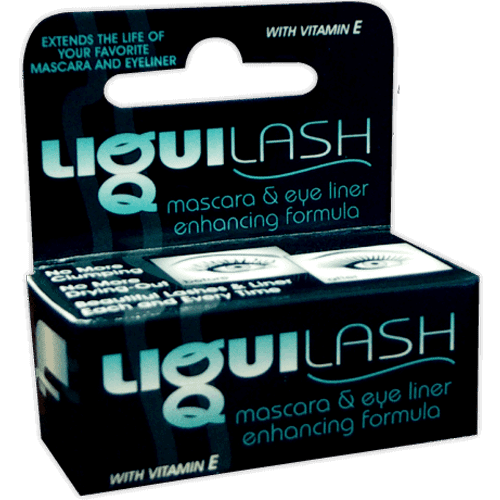
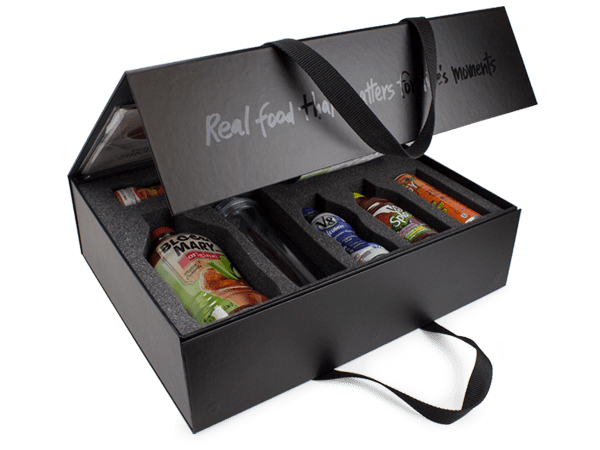
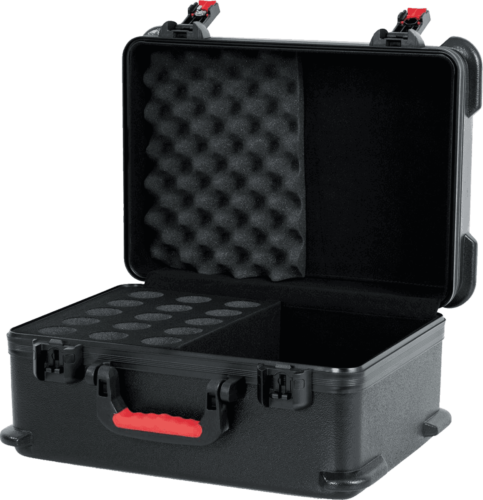
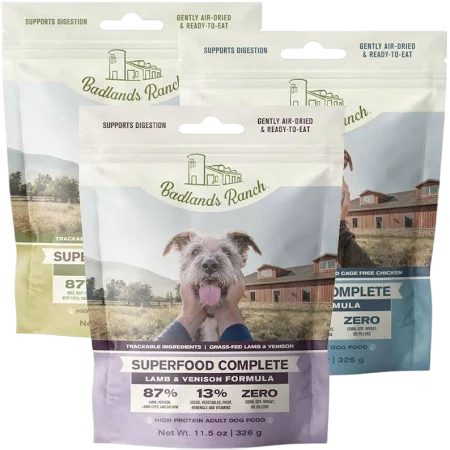
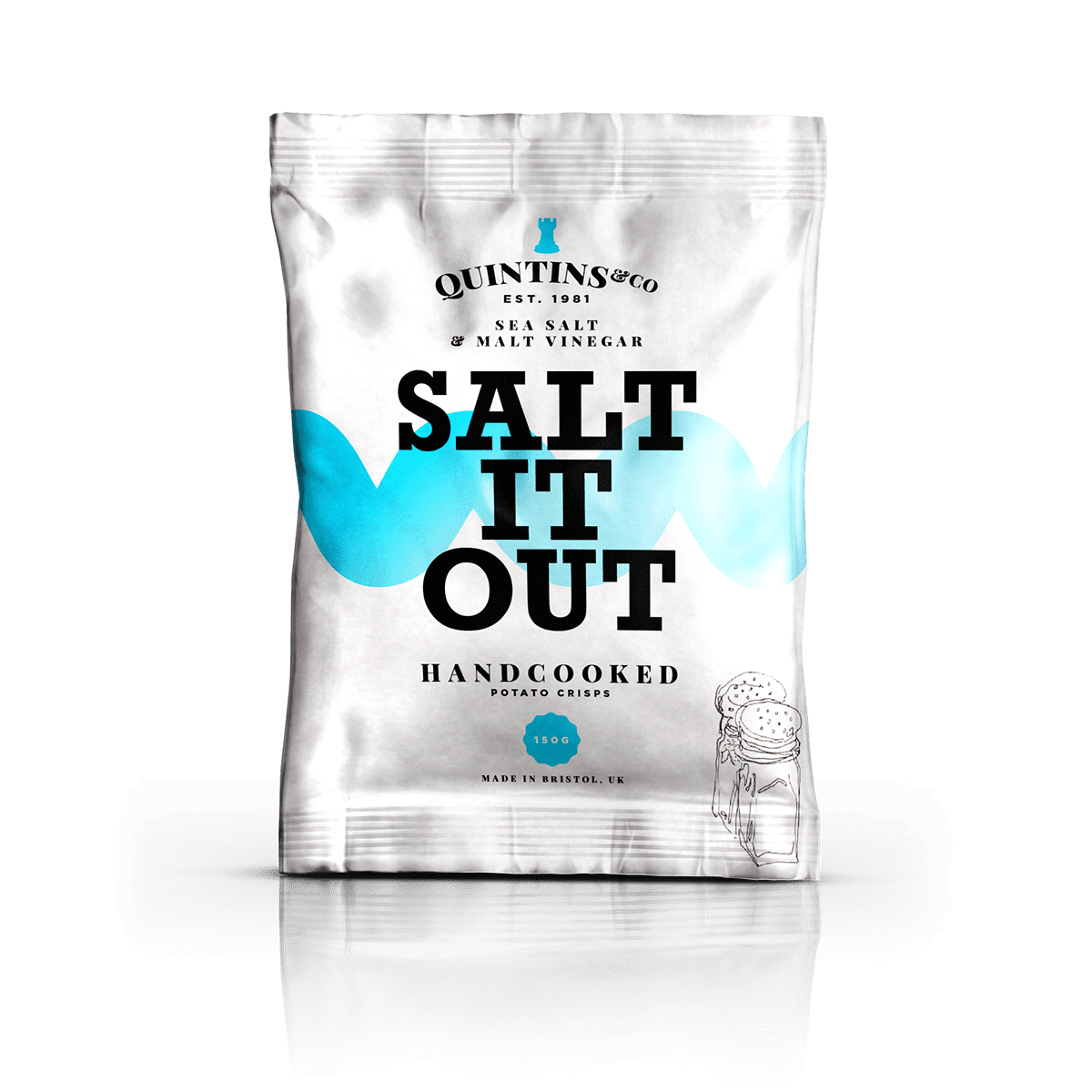
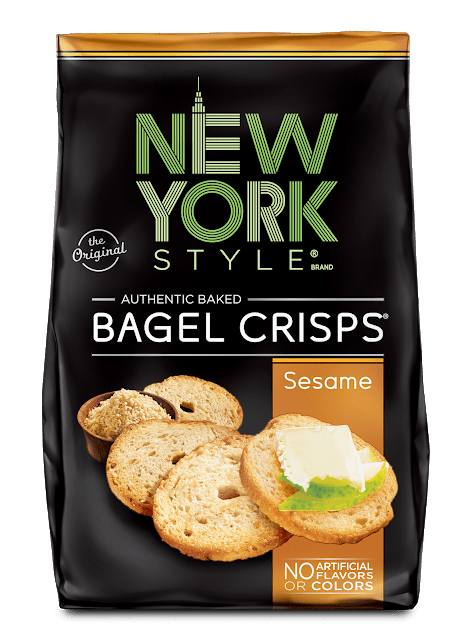
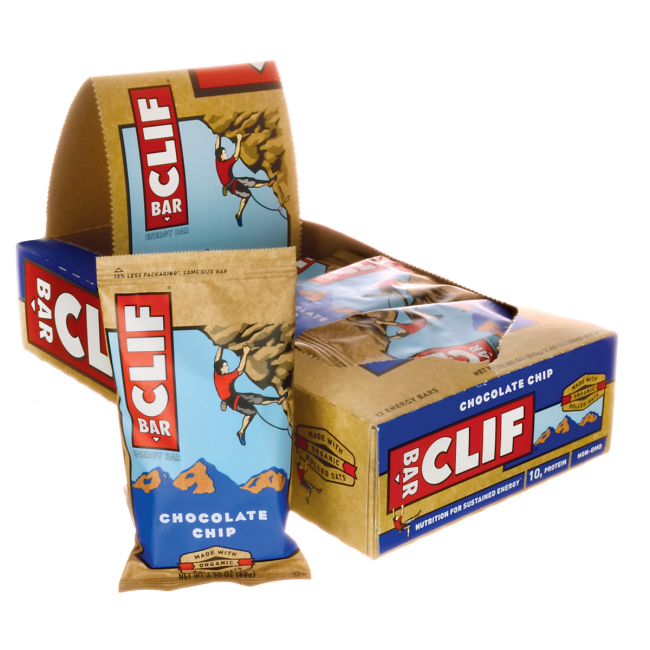
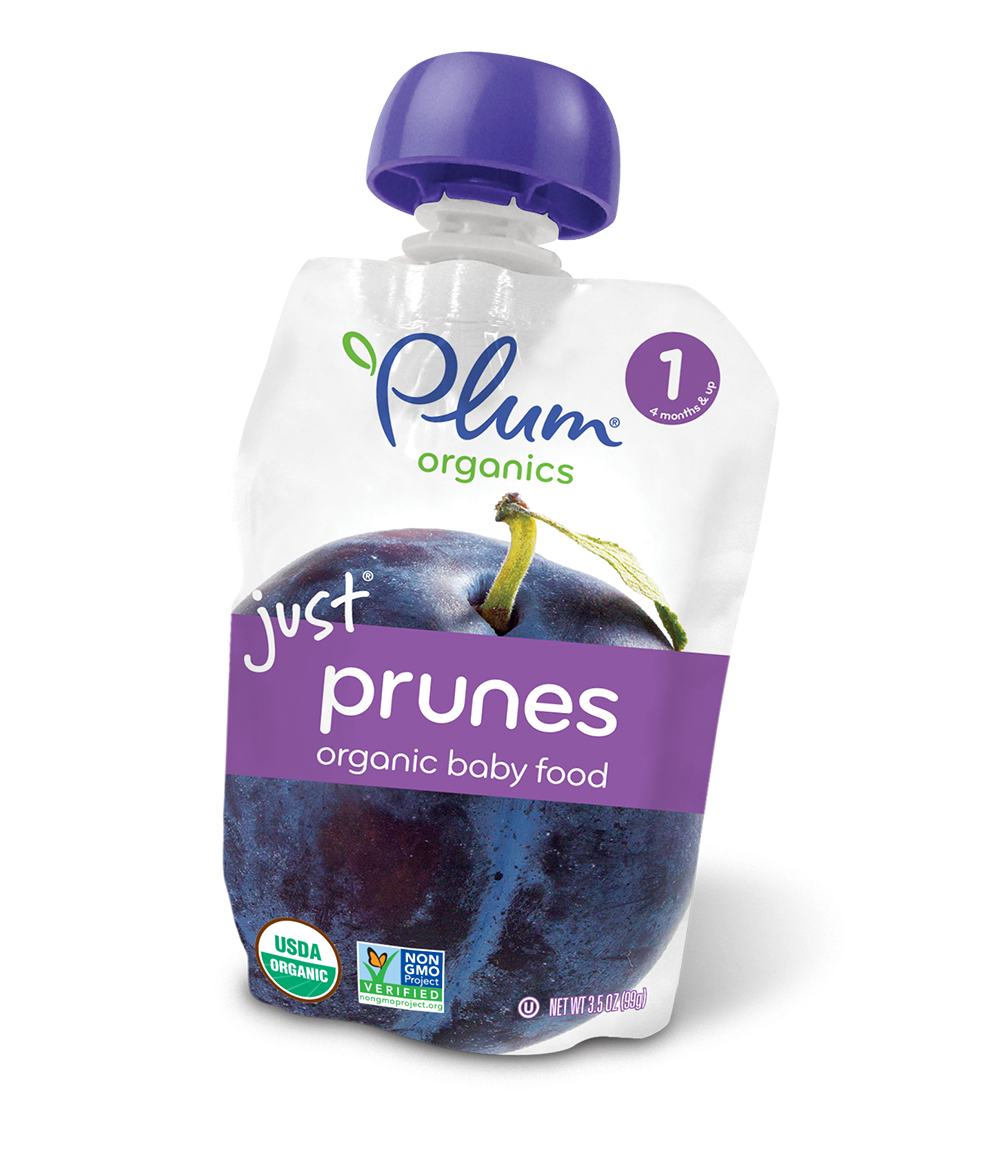
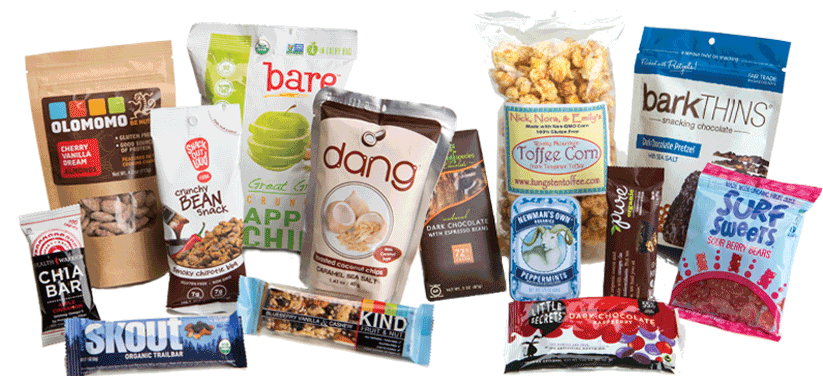
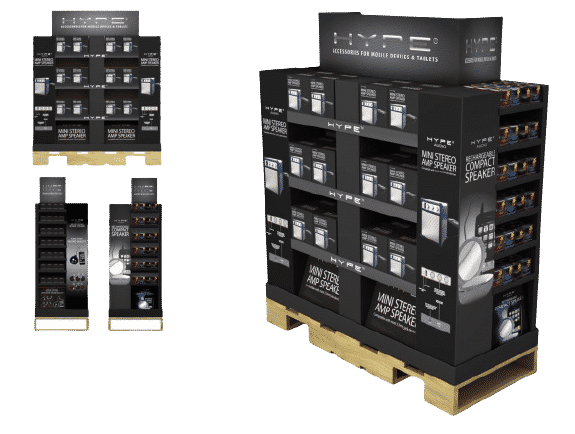
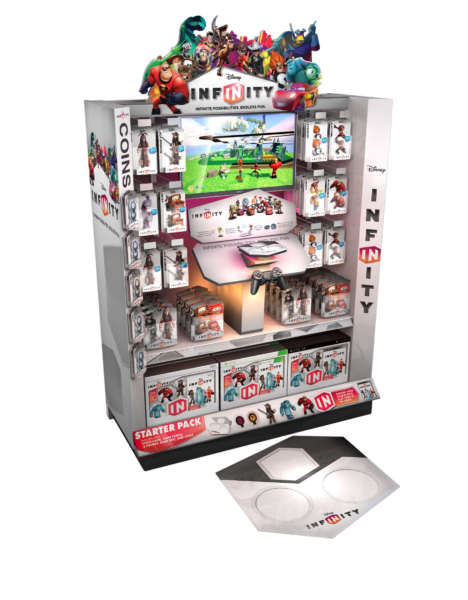
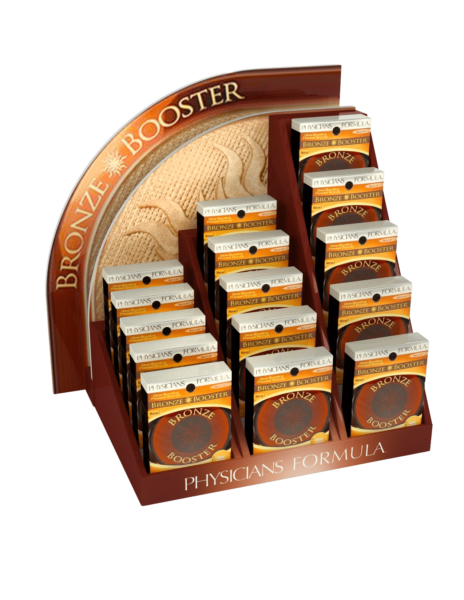
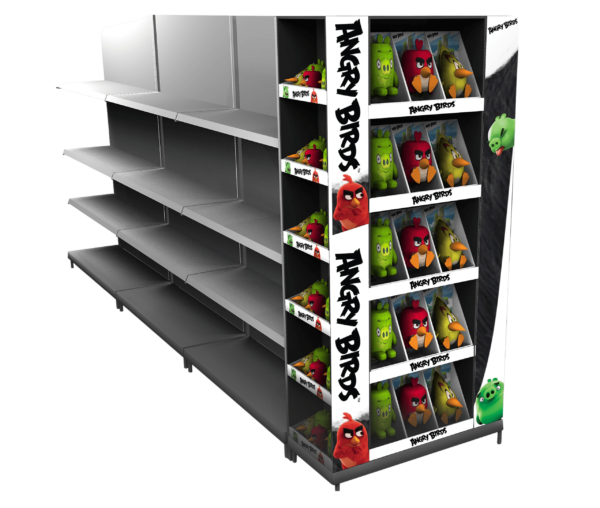
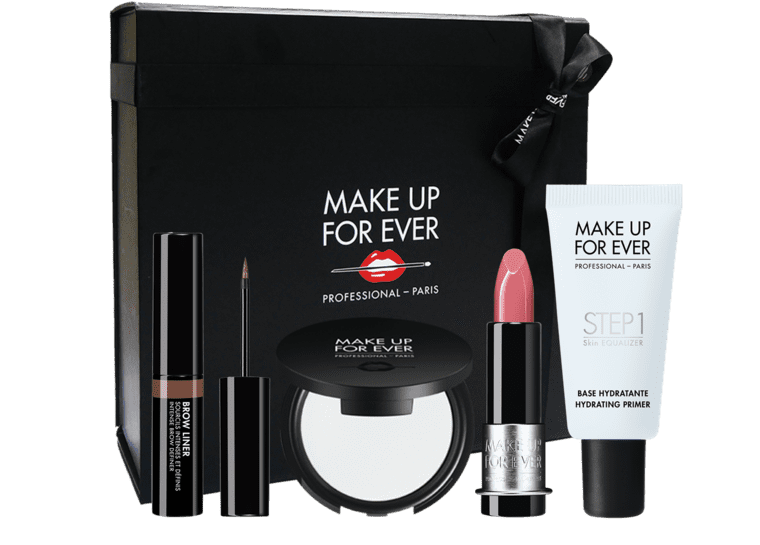
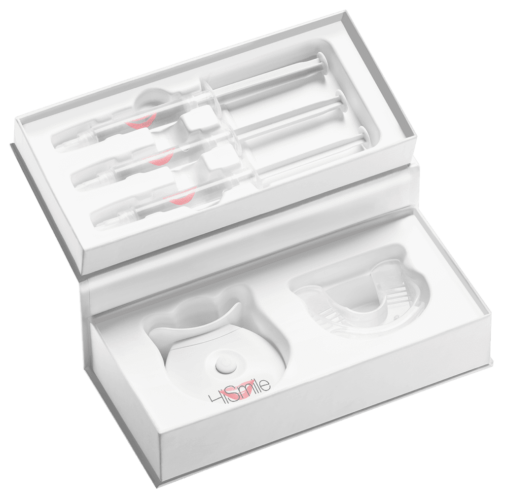
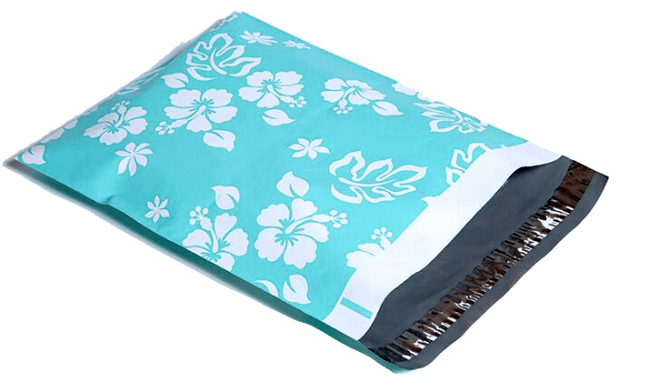
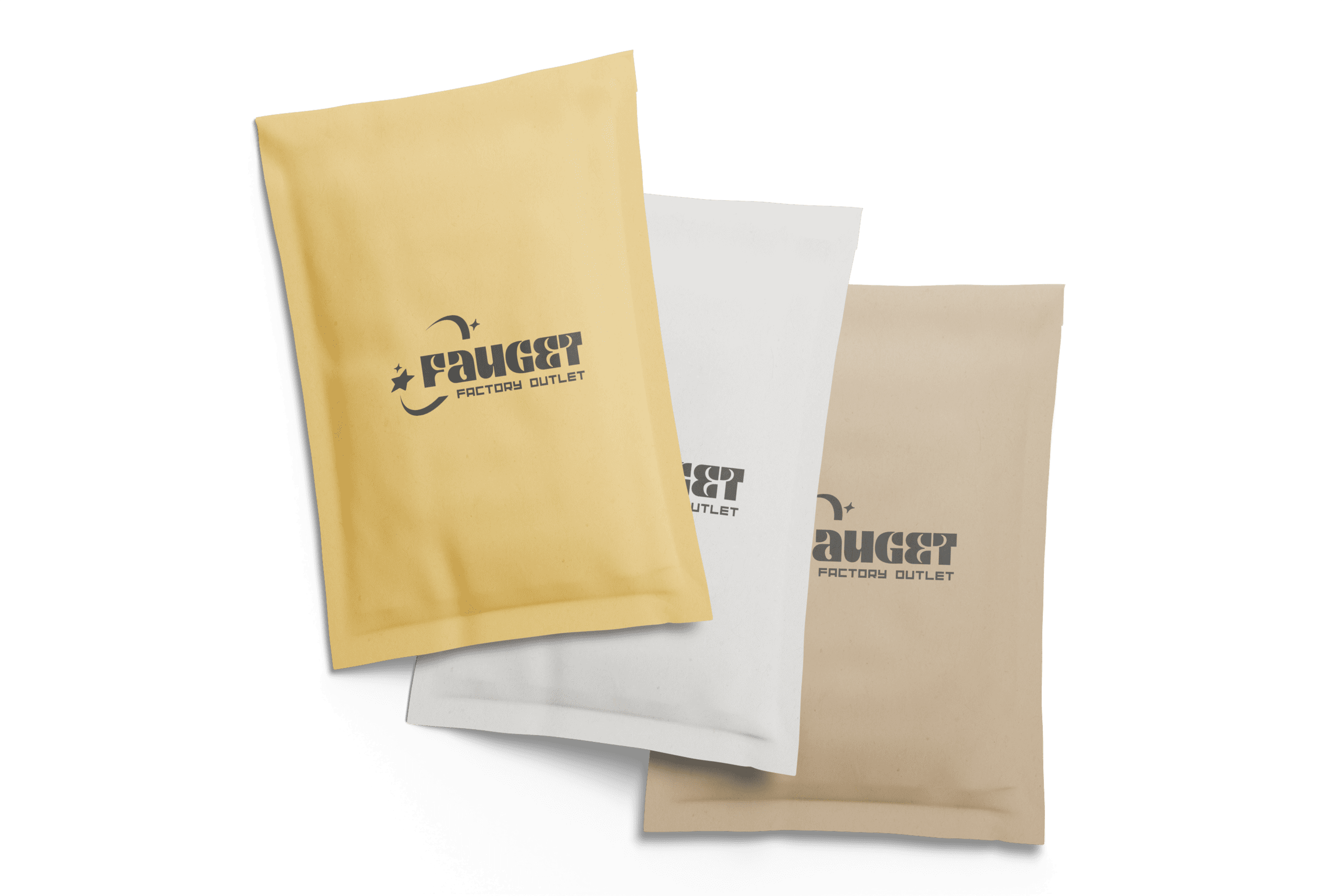
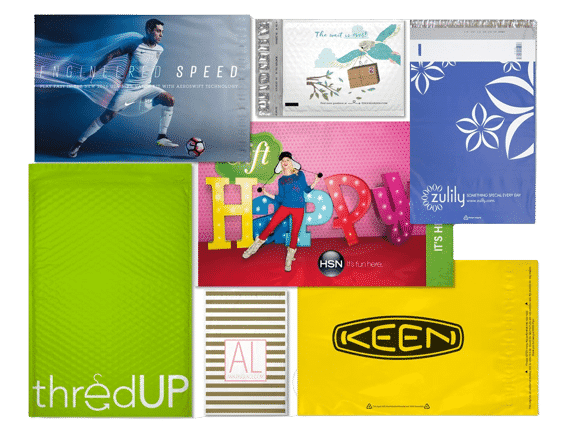
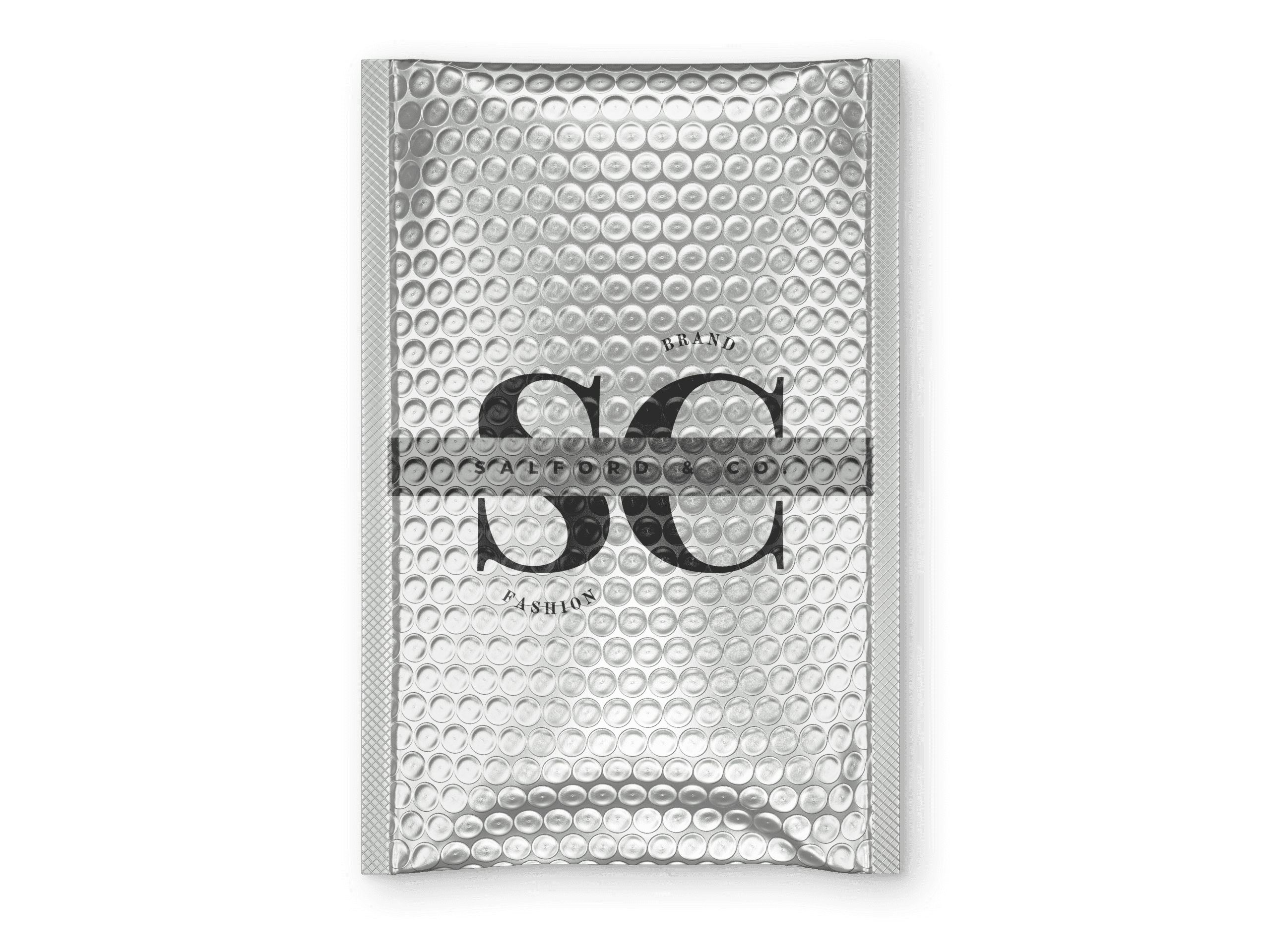
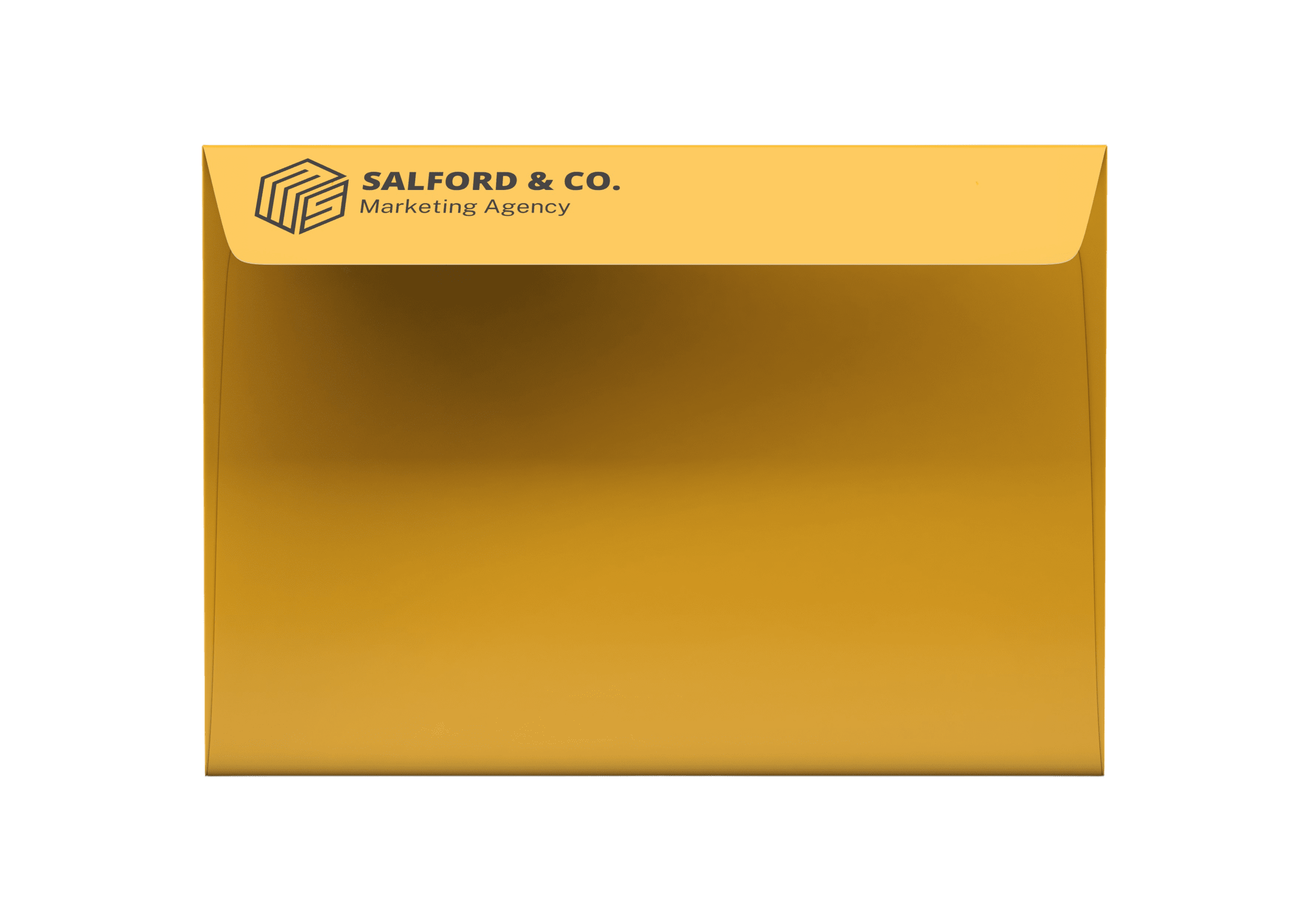
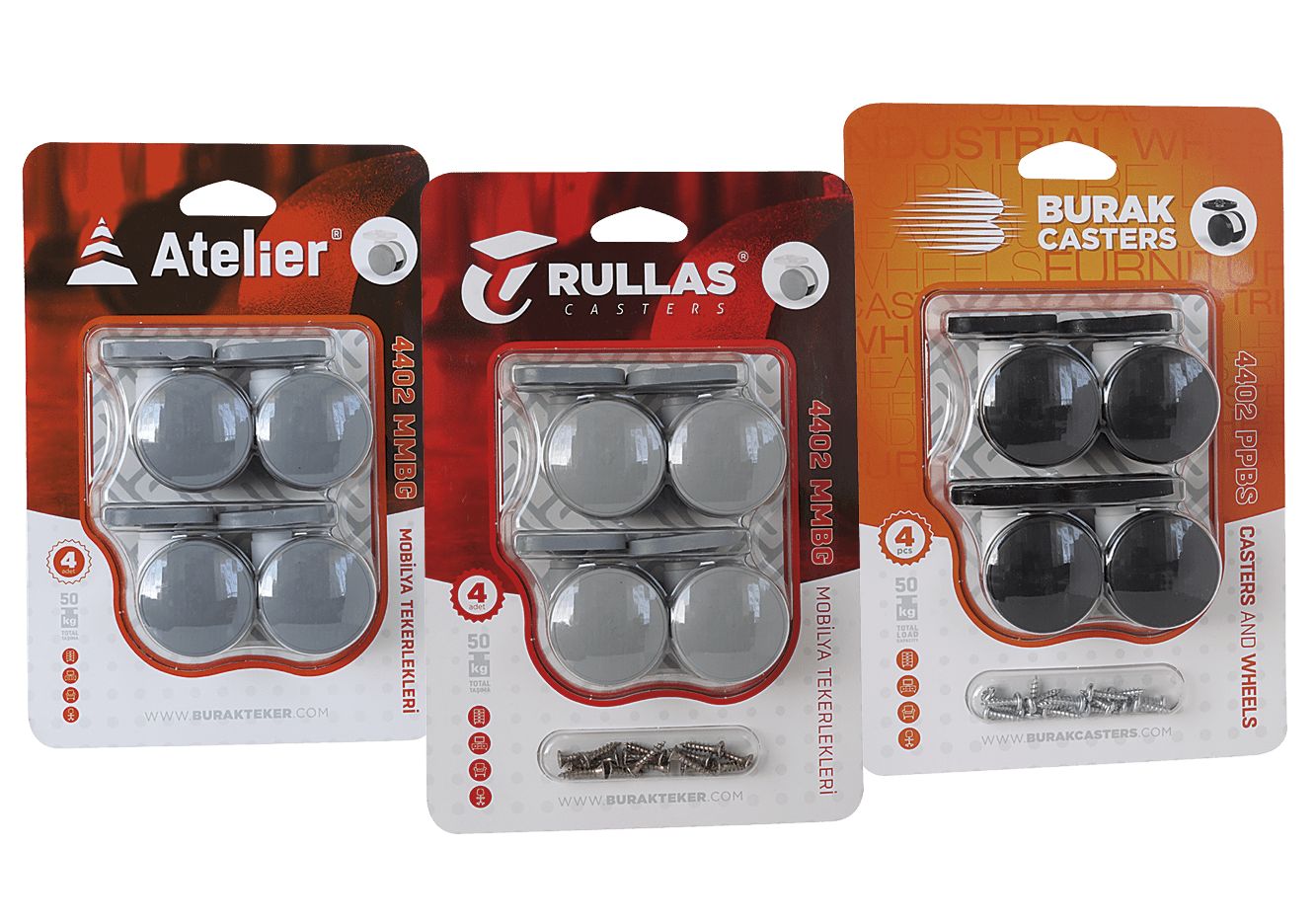
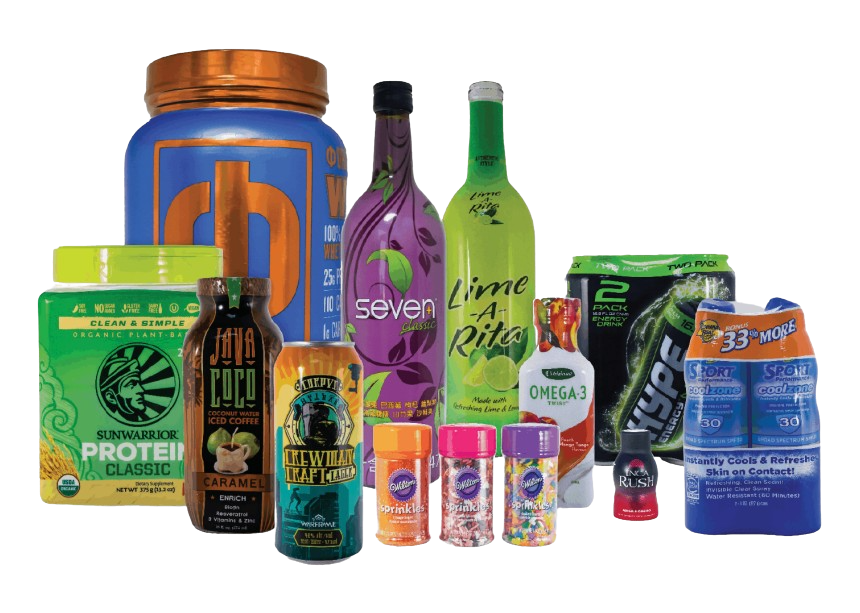
We offer a wide selection of fully customizable packaging products to address any packaging purpose. Customize your packaging product with your logo, brand colors, product information, design, features, and more. If you are unsure on what type of packaging you will need, then contact us for an expert consultation.


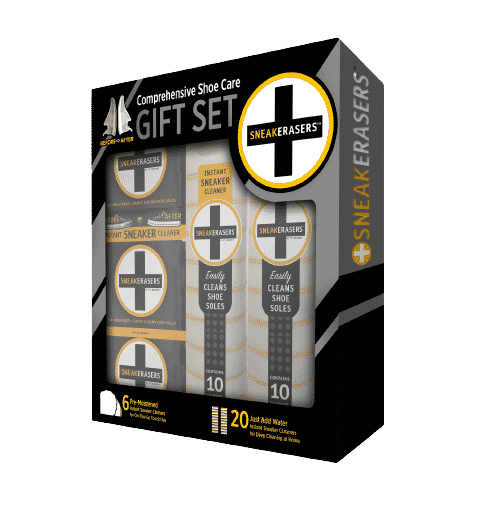
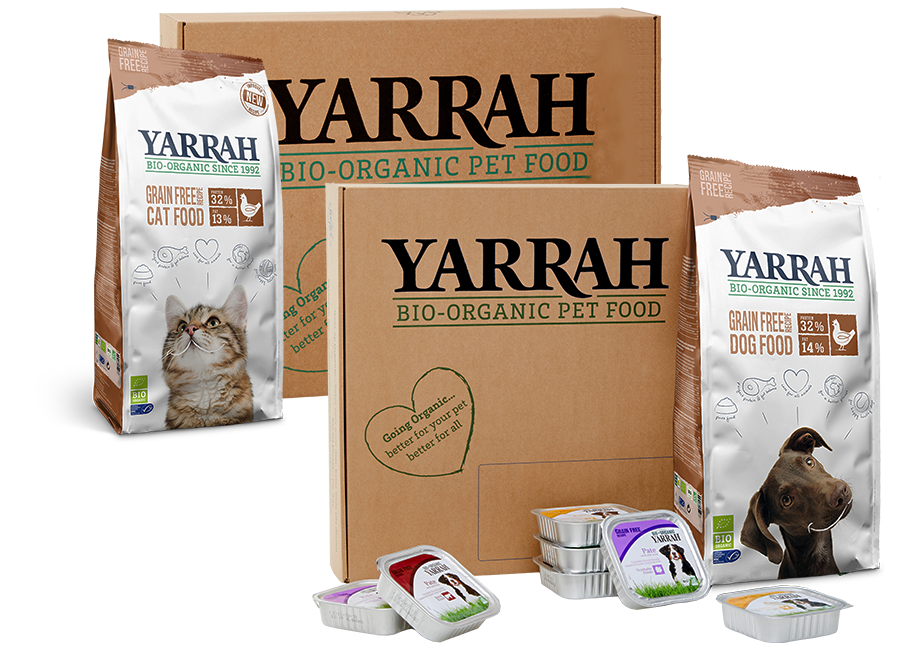
Custom packaging is tailored specifically to fit a brand’s unique product requirements, unlike stock packaging, which is pre-made and generic. Custom options allow for precise sizing, materials, and design choices, offering enhanced protection, presentation, and improved efficiency. This personalization makes custom packaging ideal for businesses looking to stand out and create a cohesive brand identity.
At Brown Packaging, our custom packaging solutions are structurally designed to optimize protection, material usage, and sustainability, tailored to meet specific product needs across various applications. We incorporate graphics to reinforce brand identity, ensuring that each package not only protects but also represents your brand effectively. With a focus on durability and functionality, our packaging ensures secure handling for shipping, retail, or storage while supporting sustainability goals.
Custom Packaging Products
We offer a variety of custom packaging products and solutions to meet all your packaging needs in one place. You’ll work directly with a dedicated project specialist to customize your package according to your specifications, including branding, features, and design.


If you need any assistance with your packaging or have a question, then contact us directly at request@brownpackaging.com or (714)300-0650. Learn more about custom packaging by reading our blog posts on new and trending topics.

SO 9001:2015 is a globally recognized certification for quality management systems (QMS). To earn certification, companies must demonstrate the ability to consistently provide products and services that meet customer and regulatory requirements. For packaging buyers, working with an ISO-certified supplier ensures higher quality, reliability, and reduced risk across the supply chain. What ISO Certification Means in Packaging An ISO 9001:2015 certified packaging company follows structured processes that guarantee consistent product performance and service quality. This standard is especially important in industries such as medical, electronics, and food, where compliance and reliability are critical. At Brown Packaging, our ISO certification reinforces our commitment to: Delivering consistent, high-quality packaging solutions. Ensuring a positive and repeatable customer experience. Driving continuous improvement in service, products, and operations. Why ISO Certification Matters for Customers Limiting Risk and Maximizing Opportunities ISO 9001:2015 requires a proactive approach to risk management. We identify risks in operations, projects, and vendor relationships, then implement structured controls. This reduces unexpected issues and allows for better planning, decision-making, and collaboration. Preventing Repeated Mistakes ISO standards require record-keeping and root-cause analysis of issues. Instead of recurring problems, corrective actions are communicated across the company to ensure solutions are lasting. This saves customers time, money, and frustration. Operational Effectiveness Certified companies must monitor, measure, and analyze their QMS for effectiveness. At Brown Packaging, this translates to: Improved transparency in projects Stronger communication between stakeholders Continuous performance improvements that directly benefit customers Work With Brown Packaging Choosing an ISO 9001:2015 certified packaging partner gives you confidence that your packaging will be produced under a proven quality framework. At Brown Packaging, we combine industry expertise with certified systems to deliver solutions you can rely on. Contact Brown Packaging today to learn how our certification benefits your packaging program. References International Organization for Standardization (ISO). (2015). ISO 9001:2015 Quality Management Systems. Retrieved from https://www.iso.org/standard/62085.html American Society for Quality (ASQ). (2023). ISO 9001 Quality Management Systems. Retrieved from https://asq.org/quality-resources/iso-9001 BSI Group. (2023). Benefits of ISO 9001 Certification. Retrieved from https://www.bsigroup.com (714)300-0650 request@brownpackaging.com Most Recent Posts: Categories: Corrugated Folding Carton Display Packaging Rigid Box Subscribe To Our Newsletter By submitting your information, you agree to our terms and conditions and privacy policy. Custom Packaging Facebook Twitter LinkedIn Pinterest Relevant Posts

The terms cardboard and corrugated are often used interchangeably, but in packaging, they mean very different things. Cardboard is a catch-all term used by consumers, while corrugated and chipboard each have specific material definitions and applications. Knowing the difference helps buyers choose the right packaging solution and avoid costly mistakes. Corrugated: Material and Products Corrugated material is built from at least three layers: an inside liner, an outside liner, and a fluted medium in between. Additional layers can be added to improve compression and stacking strength. This structure makes corrugated ideal for protective and high-strength packaging. Products Made with Corrugated Boxes (RSC, FOL, die-cut mailers, etc.) POP displays Dividers and partitions Edge protectors Sheets and inserts Corrugated is available in natural kraft brown or bleached white. The brown color often leads consumers to mistakenly call it “cardboard.” Chipboard: Material and Products Chipboard (sometimes called paperboard) is manufactured by pressing small wood particles with resin under heat and pressure to form a smooth, rigid sheet. While it is lightweight and inexpensive, it does not provide the same compression or stacking strength as corrugated. Products Made with Chipboard Folding cartons for small, lightweight goods Dividers and partitions Inserts and sleeves Chipboard is commonly used in retail-ready cartons for cereal, cosmetics, and lightweight consumer goods. Like corrugated, it typically appears in white or brown, reinforcing the consumer misuse of the word “cardboard.” Why the Difference Matters Using the wrong material for packaging can affect cost, product safety, and supply chain efficiency. For example: Corrugated is essential when structural strength and stacking are required (shipping boxes, displays, bulk distribution). Chipboard works when lightweight retail packaging is sufficient (folding cartons, retail sleeves). Referring to corrugated as “cardboard” may cause confusion when sourcing from suppliers who distinguish between the two. Selecting the right supplier also matters — not all packaging providers manufacture or stock both corrugated and chipboard. Working with one that does ensures consistent quality, efficiency, and fewer inventory issues. Corrugated Box Folding Carton (Chipboard) Work With Brown Packaging At Brown Packaging, we help businesses choose between corrugated, chipboard, and other packaging materials based on product needs, cost goals, and supply chain requirements. Whether you need protective shipping boxes or retail-ready cartons, our team can guide you through every step. Contact Brown Packaging today to get started. References Fibre Box Association. (2023). Corrugated Material Basics. Retrieved from https://www.fibrebox.org Paperboard Packaging Council. (2023). Chipboard and Folding Carton Applications. Retrieved from https://paperbox.org Soroka, W. (2016). Fundamentals of Packaging Technology (5th ed.). Institute of Packaging Professionals. (714)300-0650 request@brownpackaging.com Most Recent Posts: Categories: Corrugated Folding Carton Display Packaging Rigid Box Subscribe To Our Newsletter By submitting your information, you agree to our terms and conditions and privacy policy. Custom Corrugated Boxes Facebook Twitter LinkedIn Pinterest Relevant Posts

Gusseted bags are designed with extra folds of material at the sides or bottom to increase capacity and structural support. This feature makes them ideal for products requiring more volume, weight capacity, or shelf stability. Available in both poly (plastic) and flexible pouch formats, gusseted bags are widely used across food, retail, and industrial markets. Side Gusset Bags Design Additional material on the sides allows expansion for greater volume. Slimmer profile takes up less shelf space compared to bottom gusset designs. Advantages Efficient storage and shipping due to compact shape. Strong capacity for heavier or bulkier products. Limitations Harder to stack neatly for retail displays. Less stable when standing upright compared to bottom gusset bags. Common Applications Coffee and tea Pet food Dry ingredients (flour, rice, grains) Frozen foods Snacks and confectionery Personal care items or textiles Bottom Gusset Bags Design Extra material at the bottom expands outward, allowing the package to stand upright. Offers greater display appeal with more visible front-facing branding. Advantages Excellent stability on shelves and counters. Versatile for liquid, powder, or irregularly shaped products. Limitations Occupies more shelf space compared to side gusset designs. May require stronger sealing for heavier or sharp-edged products. Common Applications Candy and baked goods Coffee and powdered beverages Sanitary and personal care products Pharmaceuticals Liquid products (soups, sauces, supplements) Choosing Between Side and Bottom Gussets The right gusset design depends on product needs, distribution, and retail goals: Side Gusset: Best for products needing compact storage and high-volume capacity with less emphasis on shelf display. Bottom Gusset: Best for stand-up presentation, premium branding, and consumer visibility. Consider whether you need packaging that will be stackable vs. stand-up, space-saving vs. display-ready, and how your graphics or branding will appear on the chosen format. Buyer Takeaway Choose side gusset bags when storage efficiency and capacity are key priorities. Choose bottom gusset bags when branding, display visibility, and consumer presentation matter most. Both styles can be fully customized with graphics, colors, and finishes to support your product and marketing strategy. References Flexible Packaging Association. (2023). Guide to Pouch Formats and Applications. Retrieved from https://www.flexpack.org Robertson, G. L. (2016). Food Packaging: Principles and Practice (3rd ed.). CRC Press. Plastics Industry Association. (2022). Trends in Flexible Packaging. Retrieved from https://www.plasticsindustry.org (714)300-0650 request@brownpackaging.com Most Recent Posts: Categories: Corrugated Folding Carton Display Packaging Rigid Box Subscribe To Our Newsletter By submitting your information, you agree to our terms and conditions and privacy policy. Custom Gusset Pouch Facebook Twitter LinkedIn Pinterest Relevant Posts