
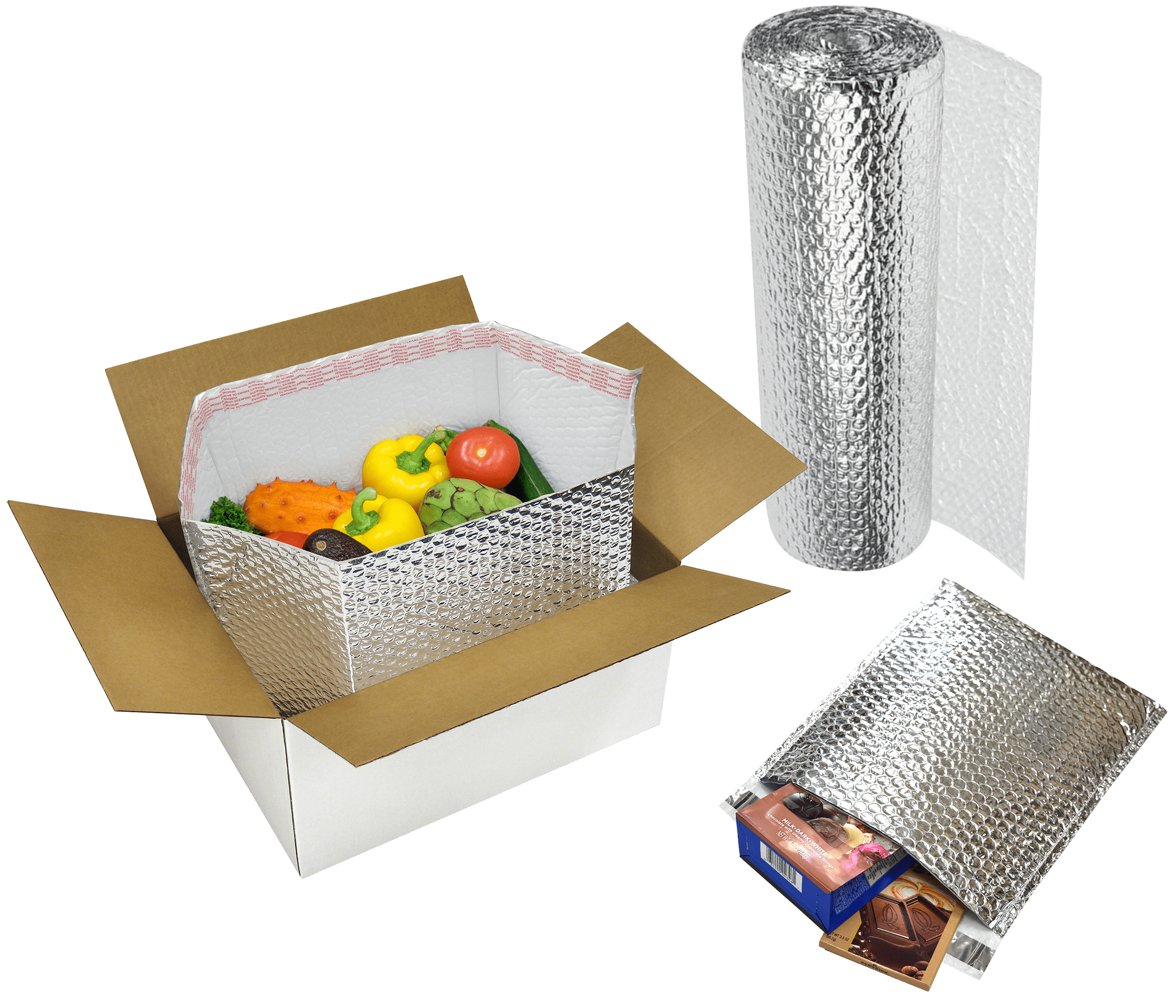
Custom Packaging
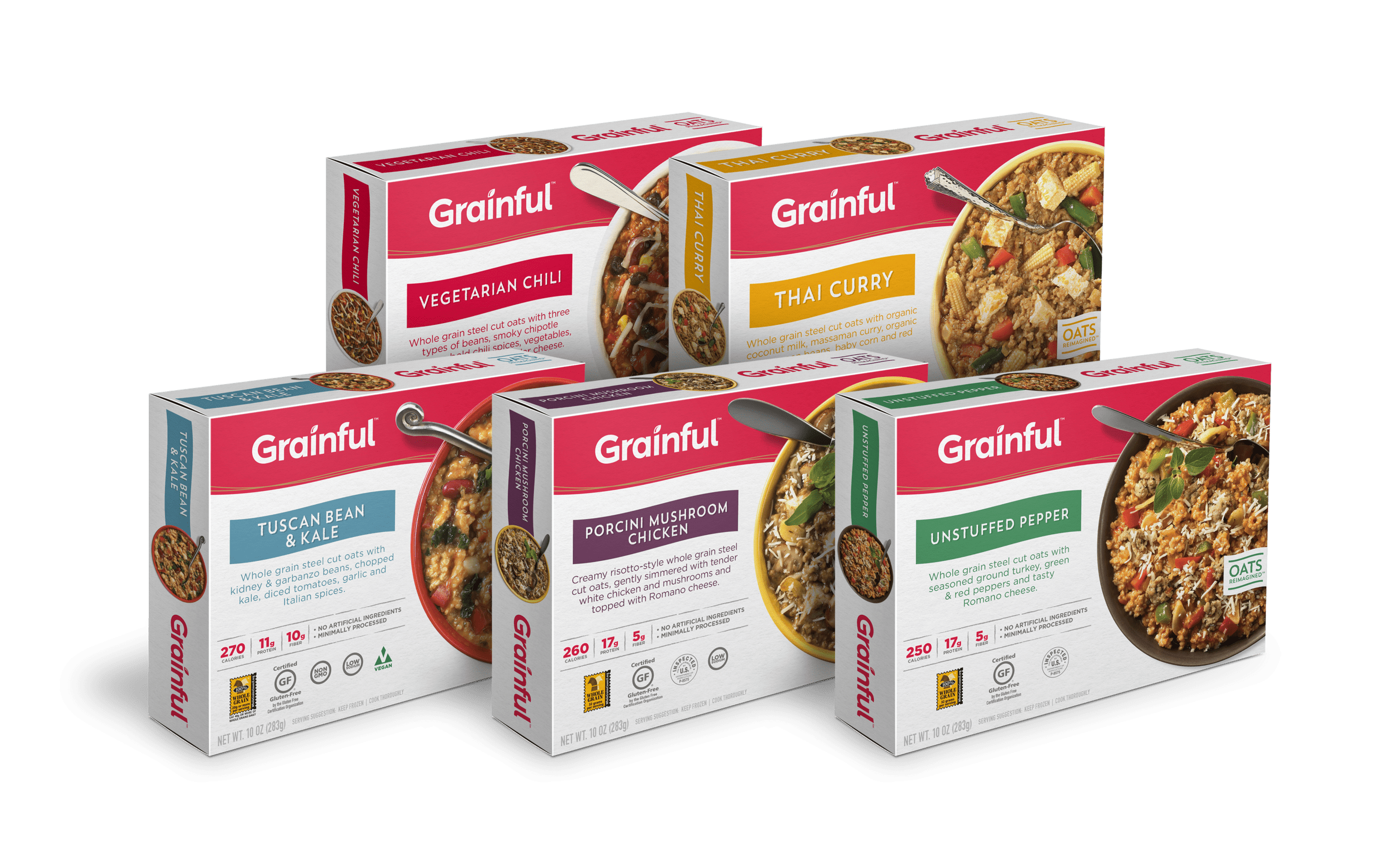
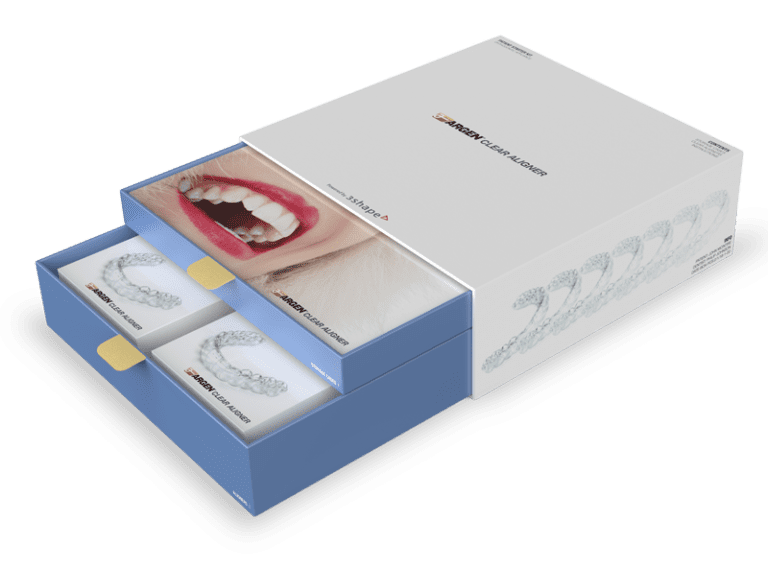
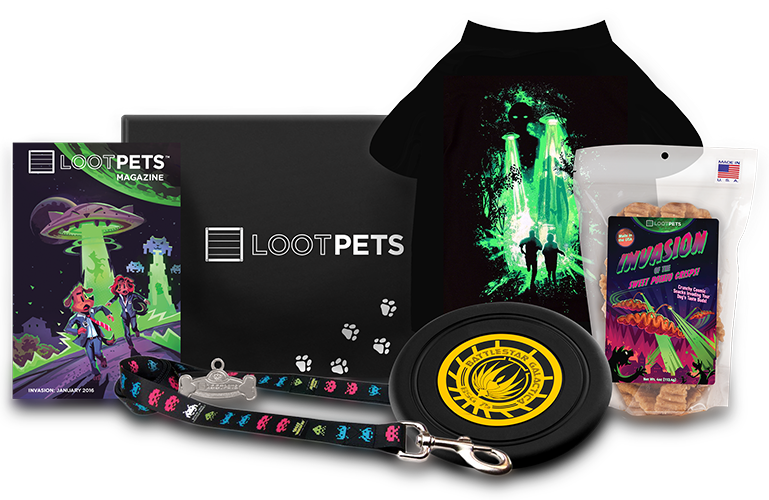
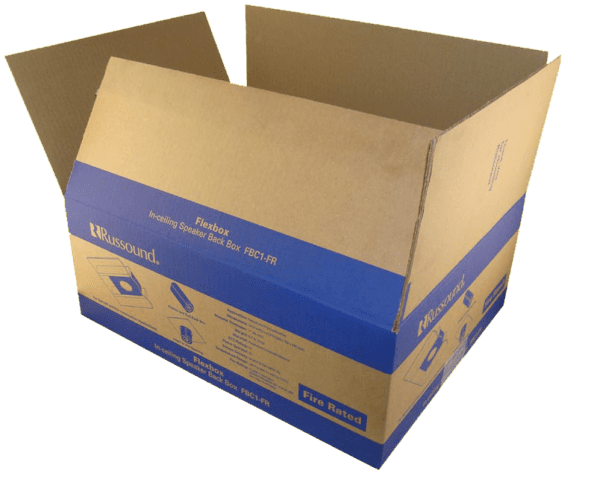
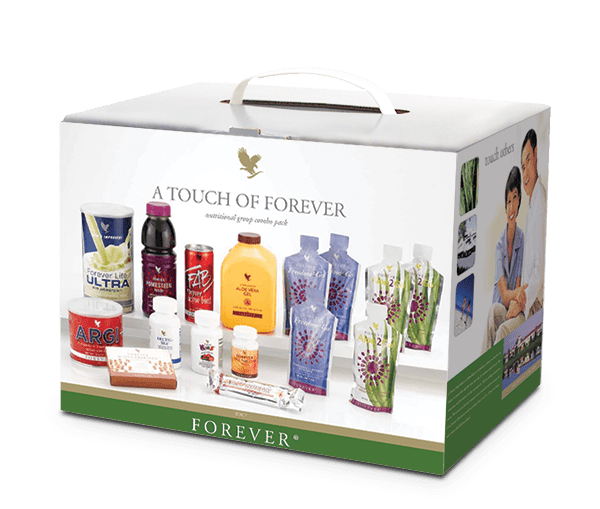
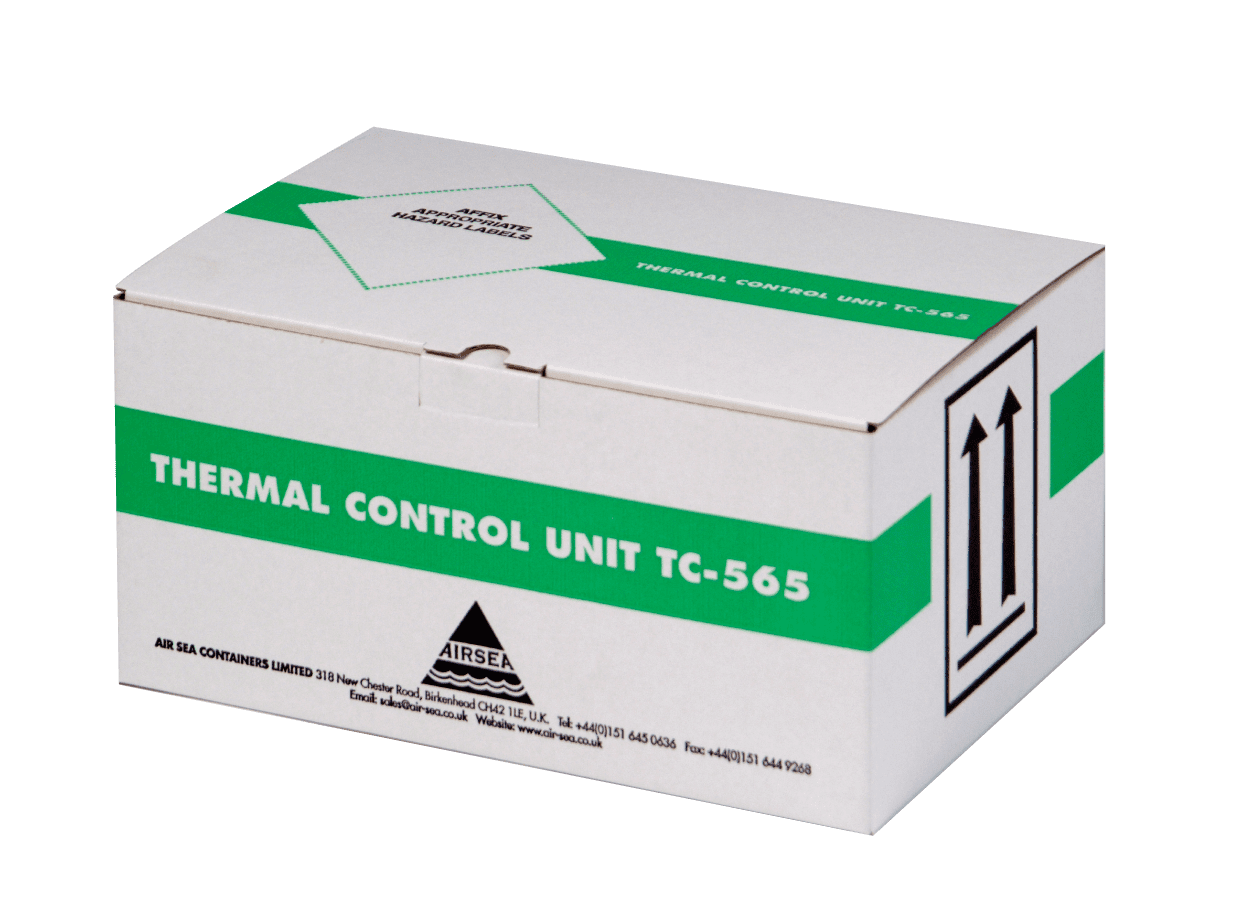
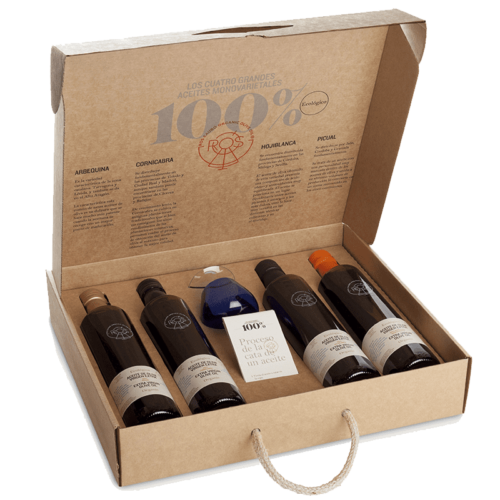
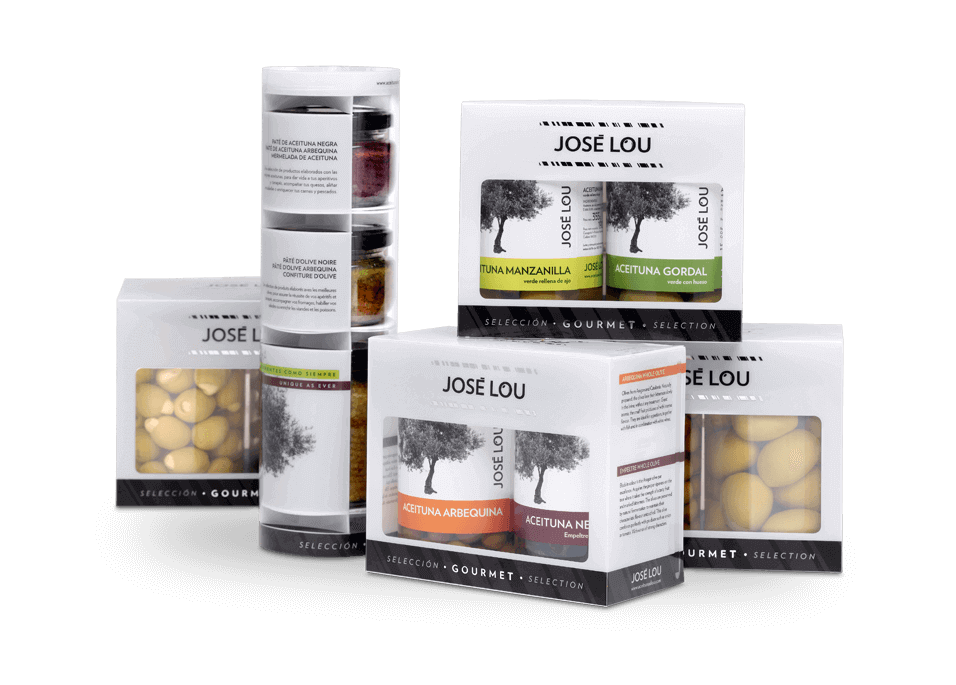
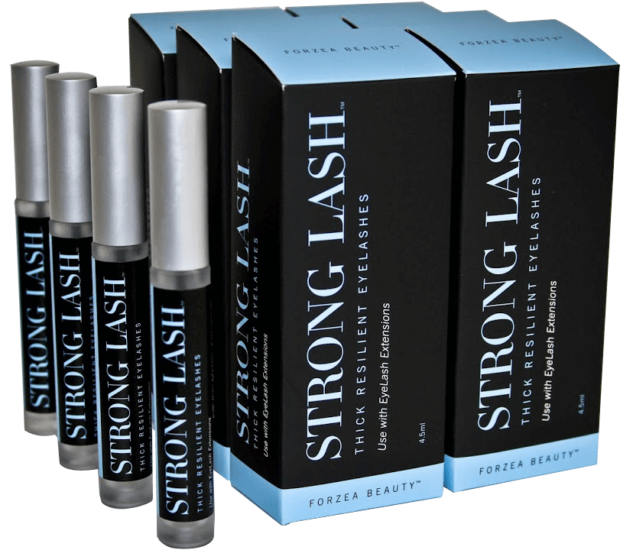
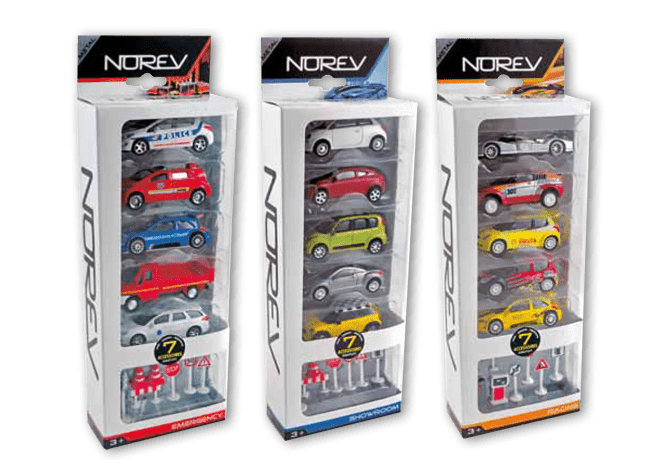
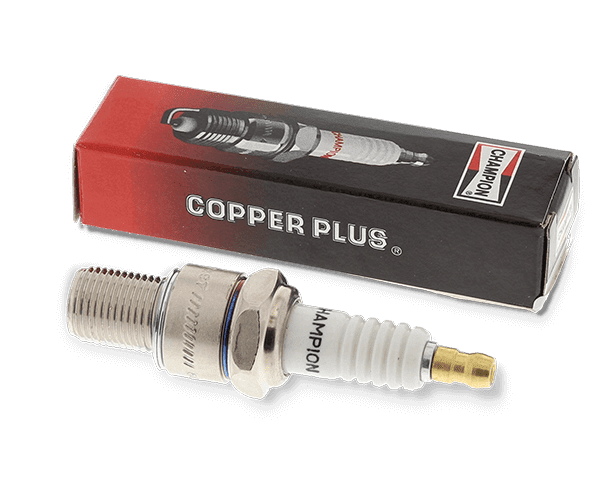
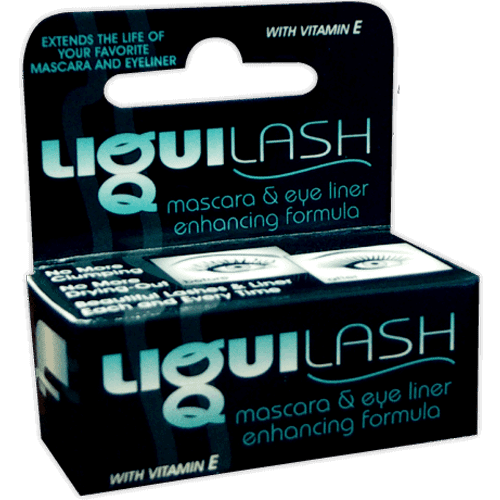
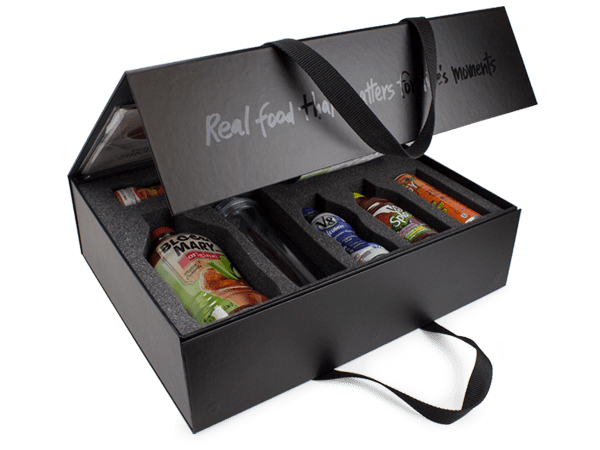
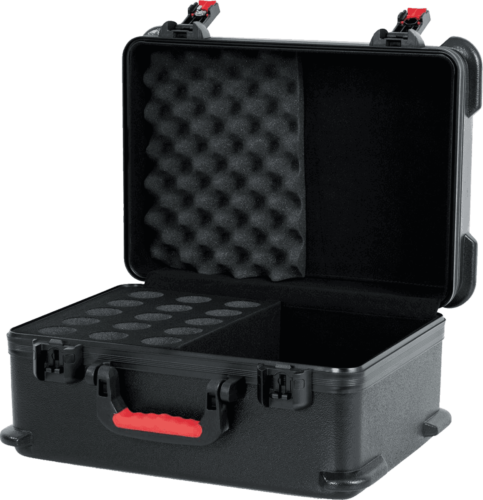
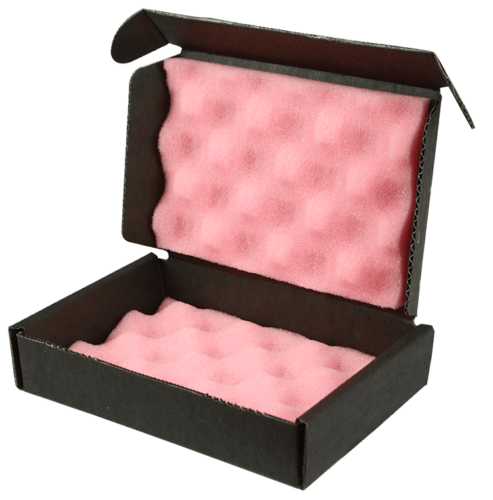
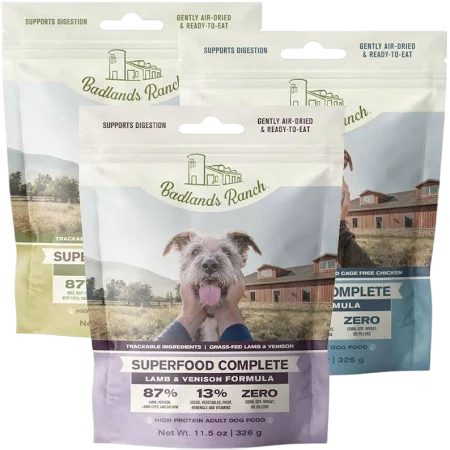
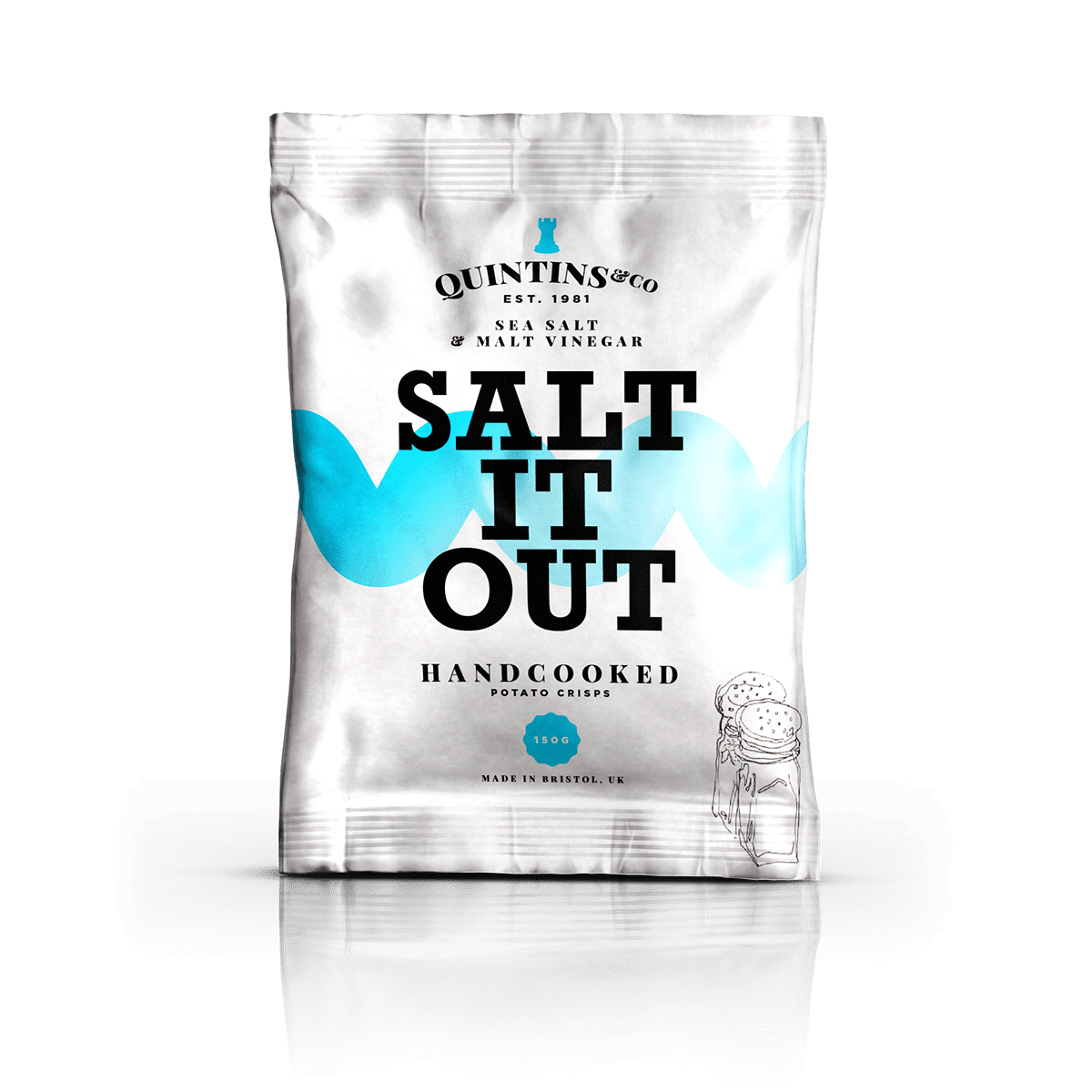
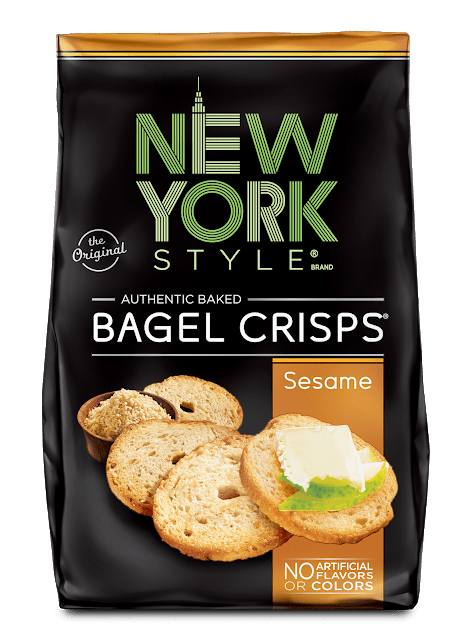
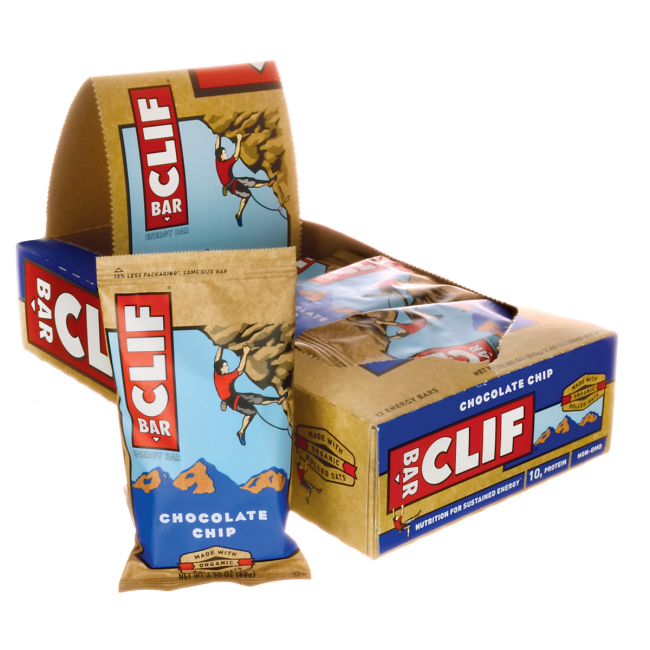
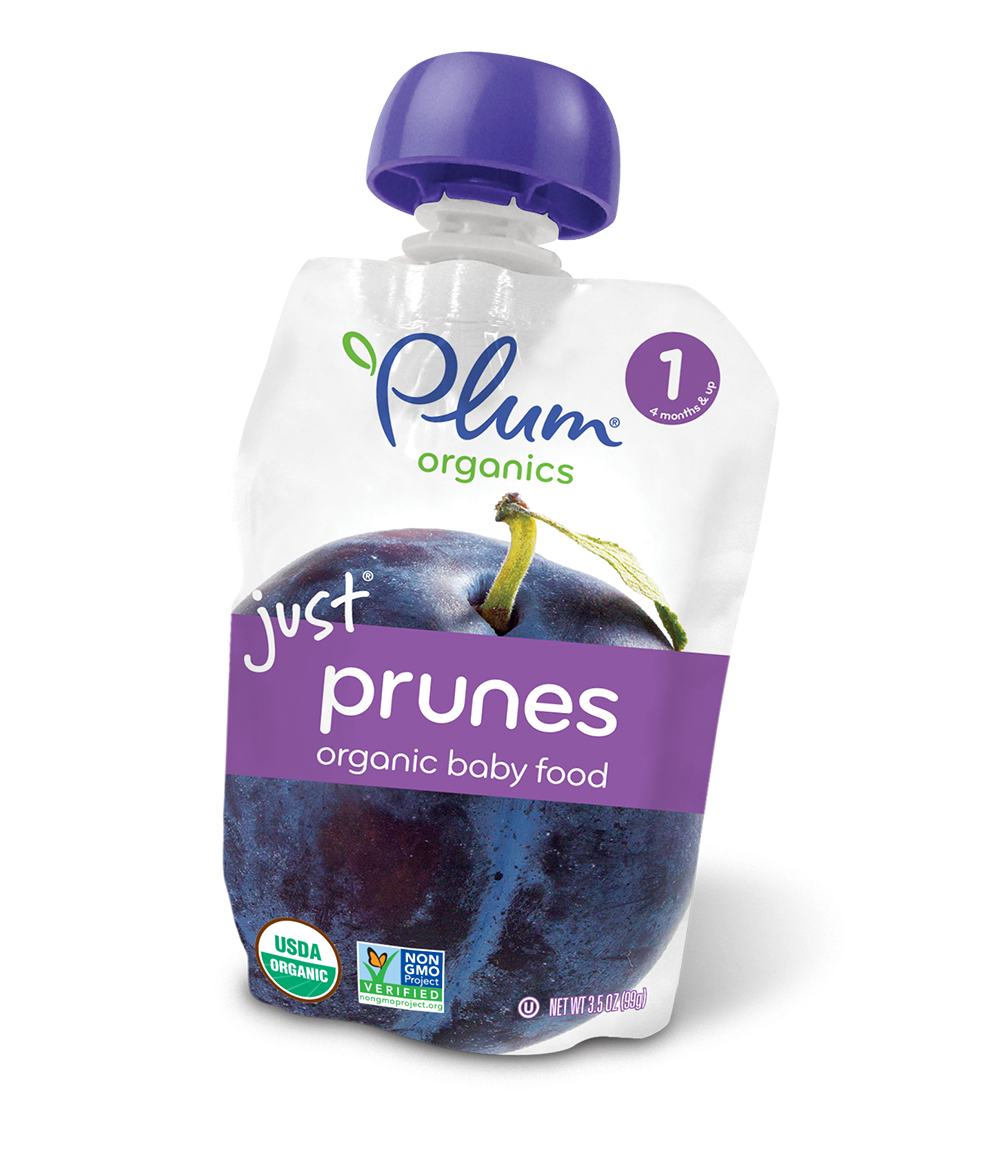
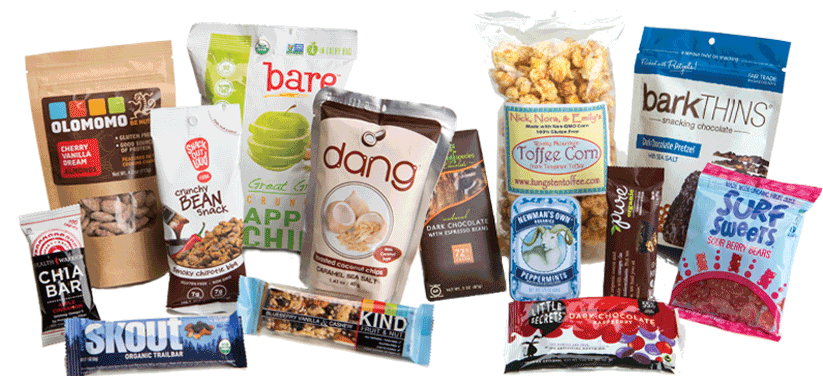
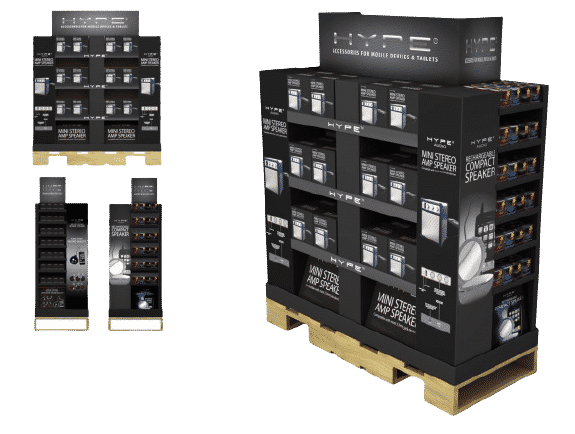
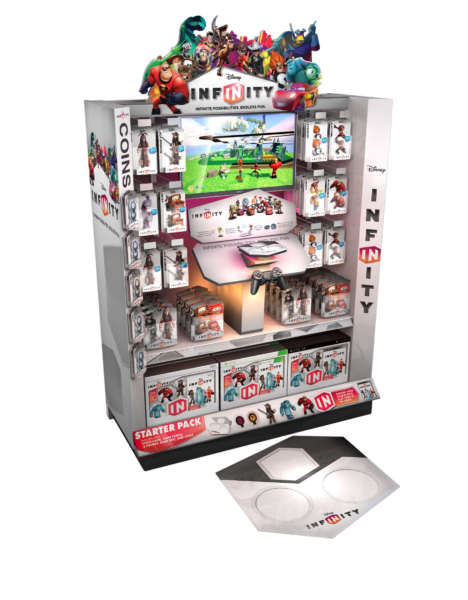
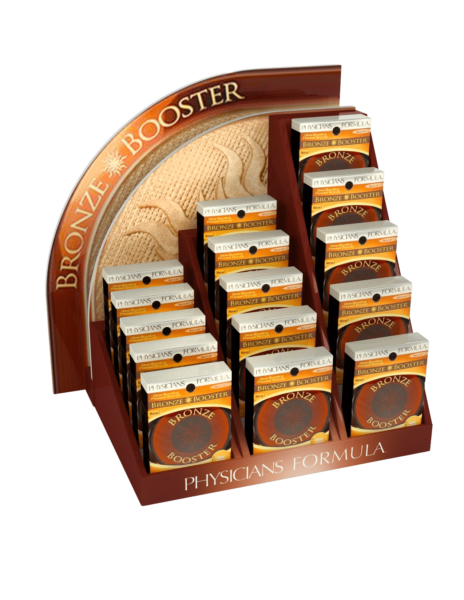
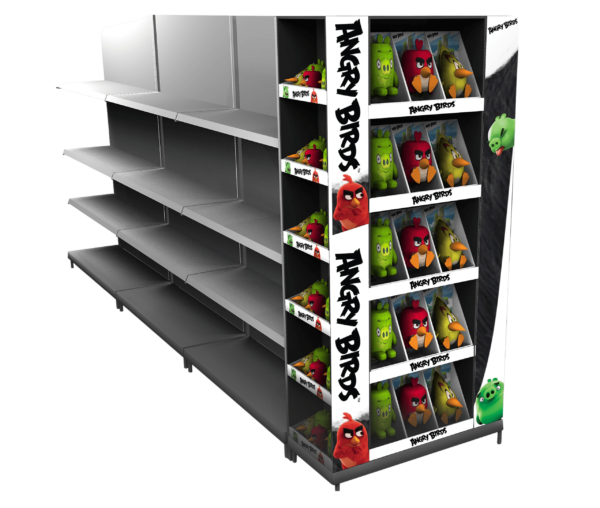
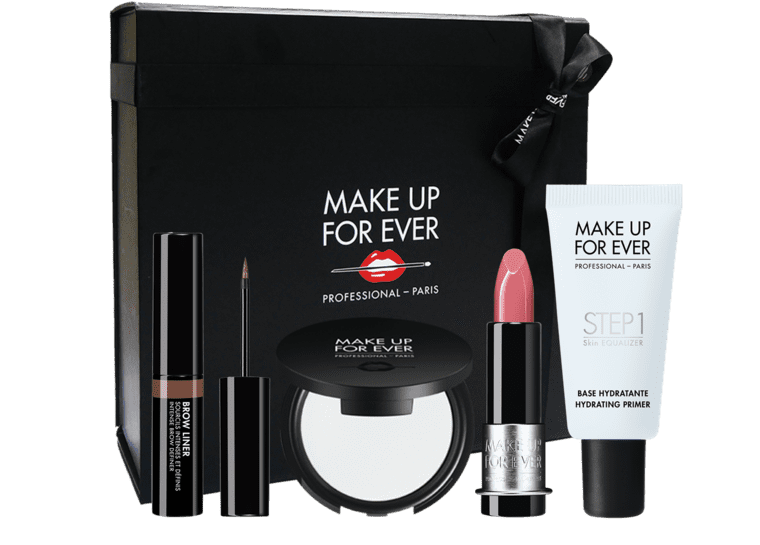
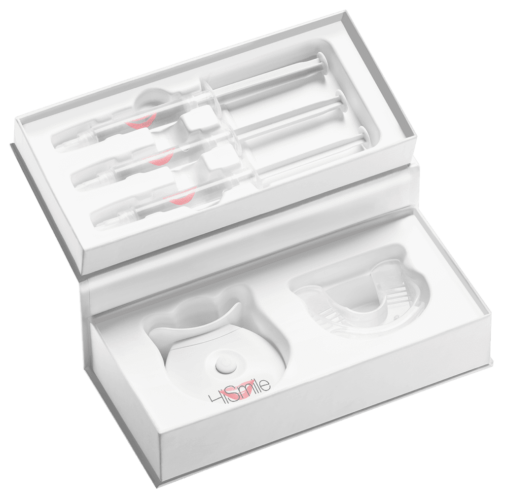
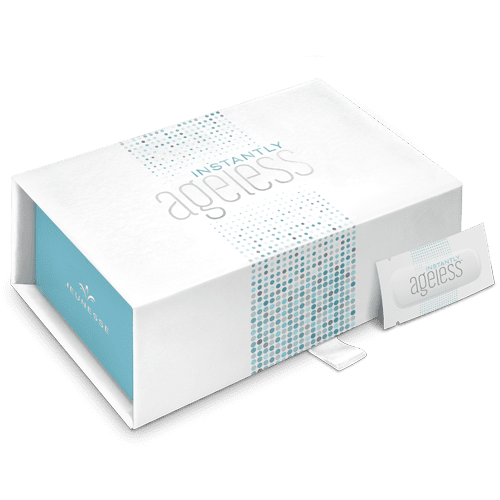
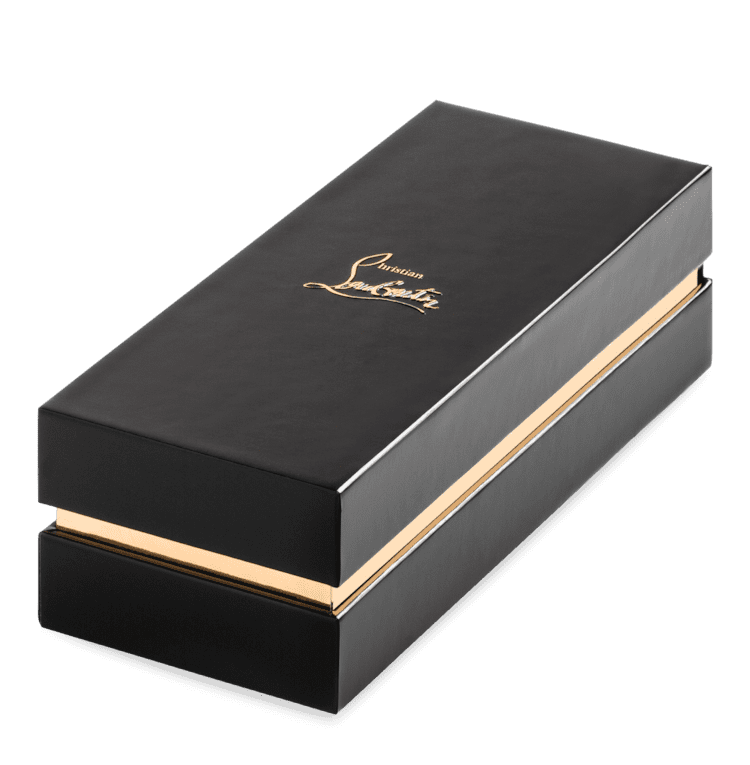
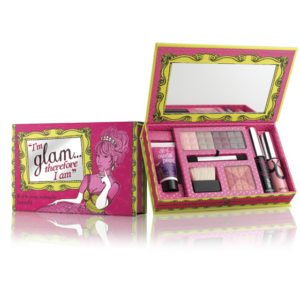
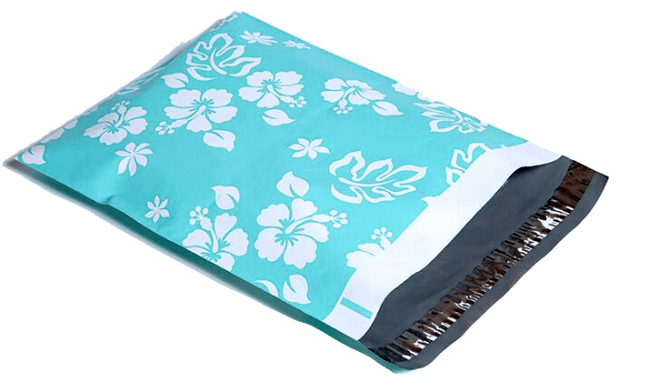
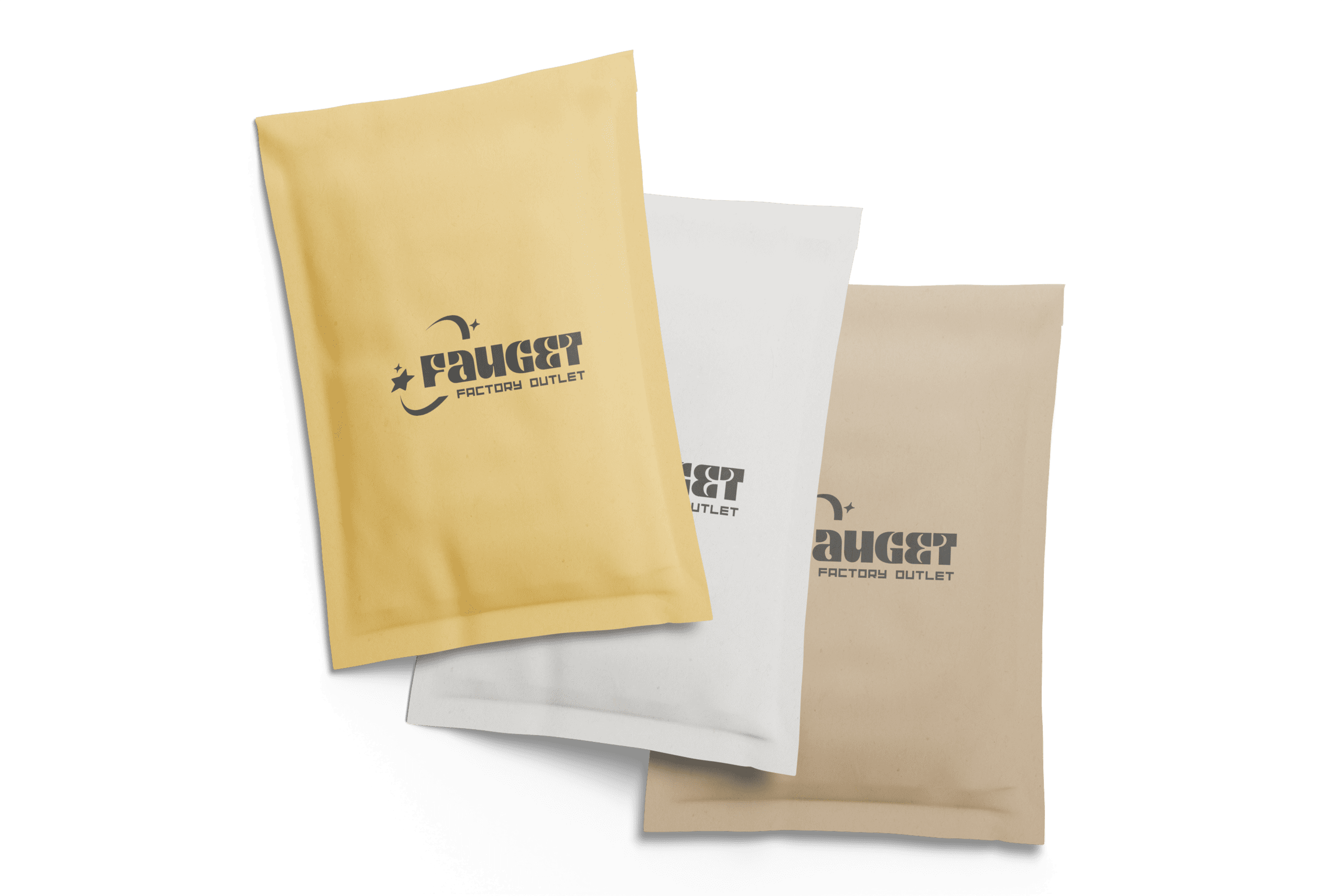
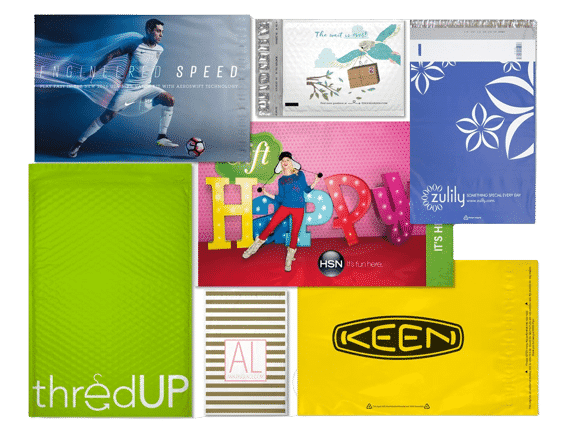
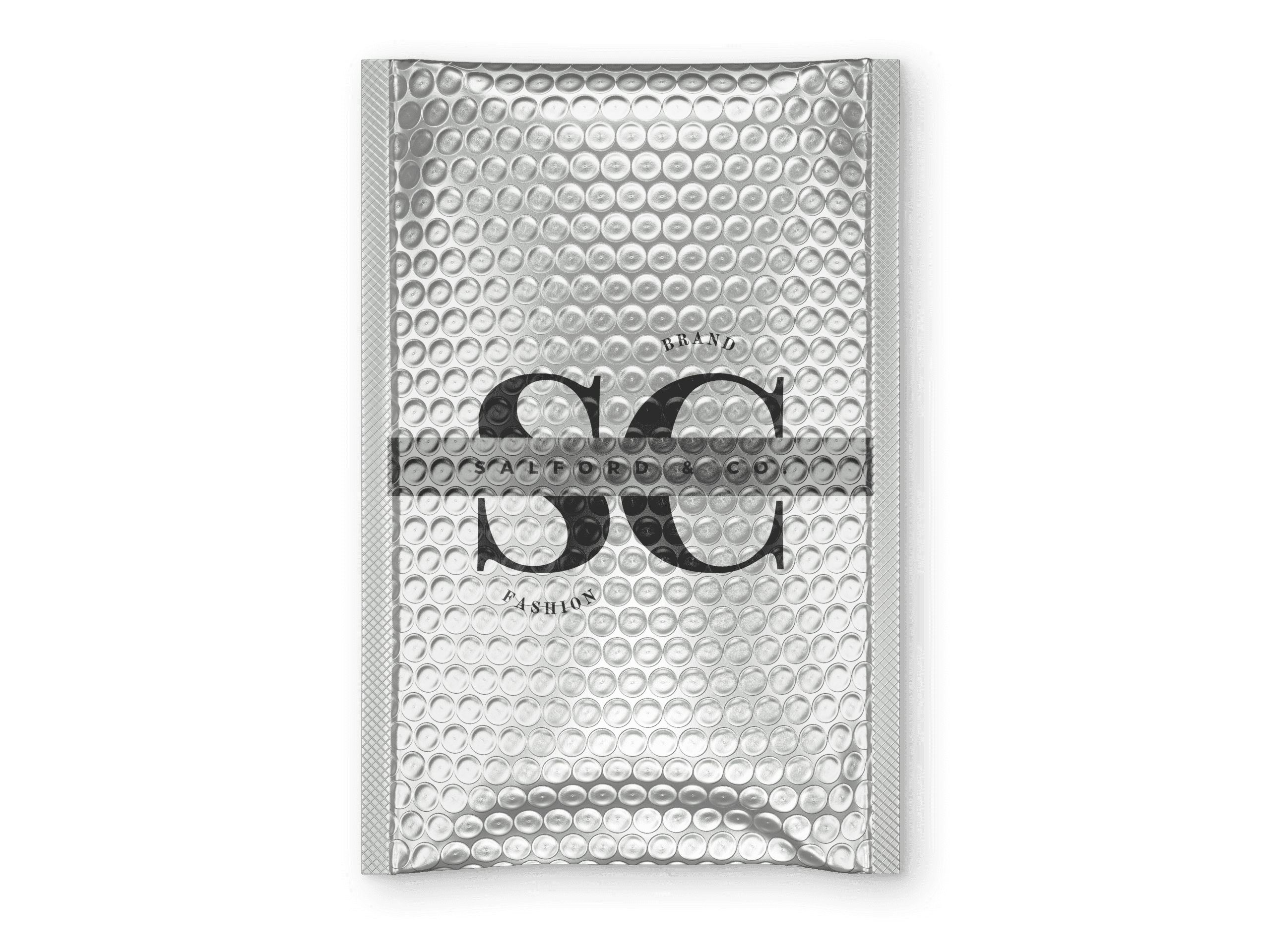
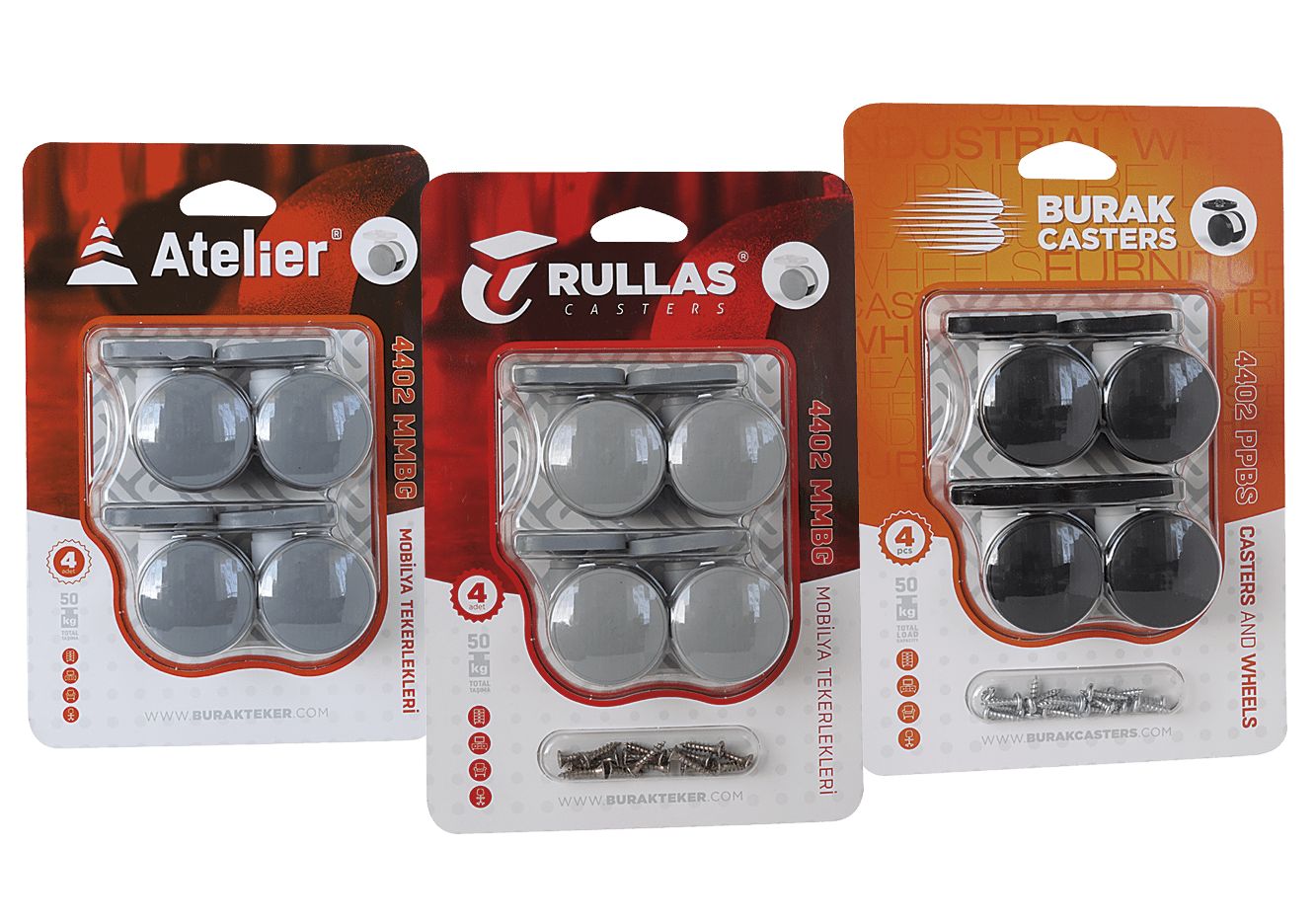
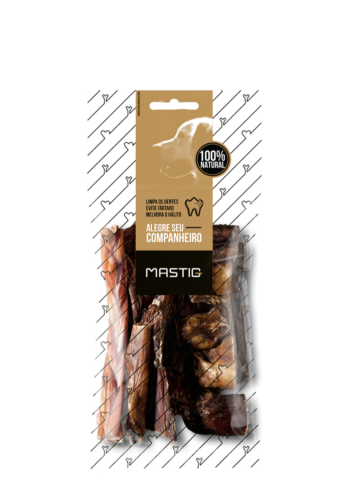
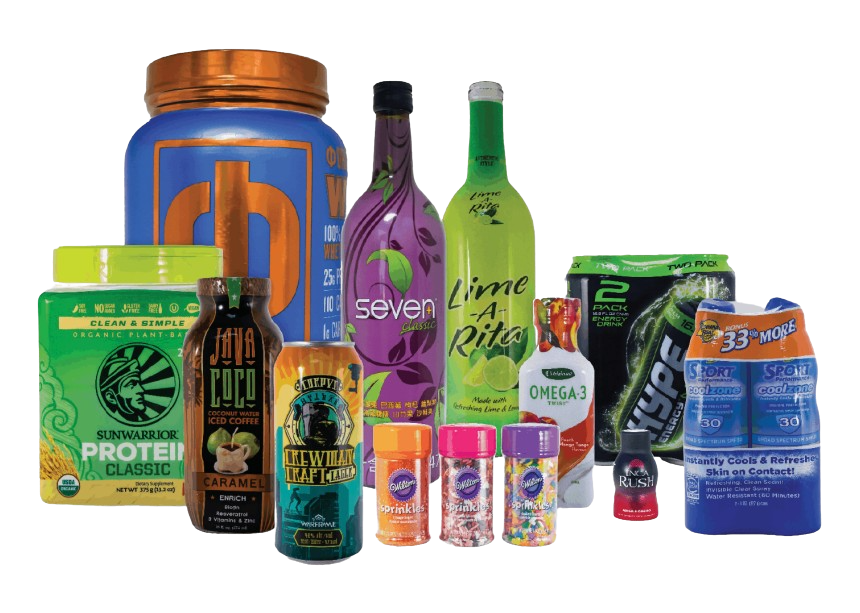
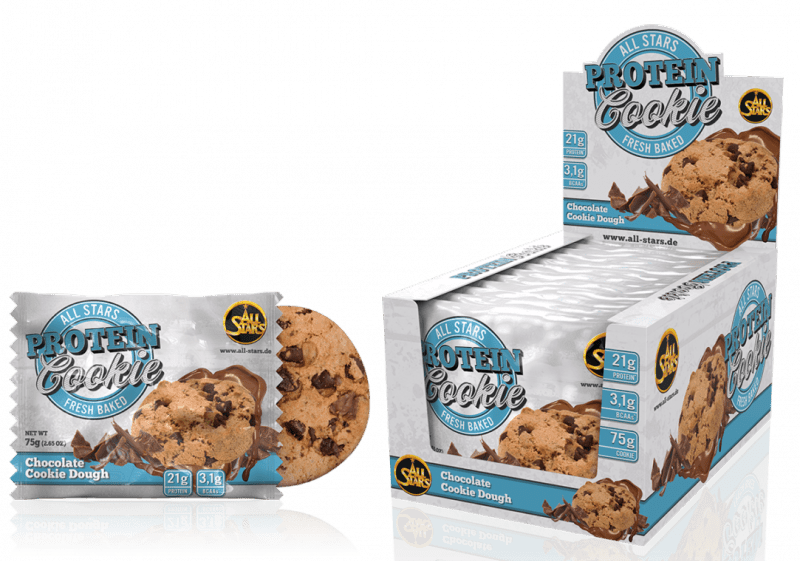
We offer a wide selection of fully customizable packaging products to address any packaging purpose. Customize your packaging product with your logo, brand colors, product information, design, features, and more. If you are unsure on what type of packaging you will need, then contact us for an expert consultation.


Custom packaging is tailored specifically to fit a brand’s unique product requirements, unlike stock packaging, which is pre-made and generic. Custom options allow for precise sizing, materials, and design choices, offering enhanced protection, presentation, and improved efficiency. This personalization makes custom packaging ideal for businesses looking to stand out and create a cohesive brand identity.
At Brown Packaging, our custom packaging solutions are structurally designed to optimize protection, material usage, and sustainability, tailored to meet specific product needs across various applications. We incorporate graphics to reinforce brand identity, ensuring that each package not only protects but also represents your brand effectively. With a focus on durability and functionality, our packaging ensures secure handling for shipping, retail, or storage while supporting sustainability goals.
Custom Packaging Products
We offer a variety of custom packaging products and solutions to meet all your packaging needs in one place. You’ll work directly with a dedicated project specialist to customize your package according to your specifications, including branding, features, and design.


If you need any assistance with your packaging or have a question, then contact us directly at request@brownpackaging.com or (714)300-0650. Learn more about custom packaging by reading our blog posts on new and trending topics.

Choosing the right printing method for your packaging is very important. It is necessary to consider artwork, design, quantity, time frame and many more when weighing your decision. Having quality packaging design plays a role in your business success, which makes it important to pick which method of printing would be best for you. Digital Print Digital printing is one of the most versatile printing methods. It can be used to print on labels, pouches, folding cartons, corrugated boxes and much more. Since this printing is done digitally it has the fastest lead times compared to other printing methods. Digital printing uses CMYK (cyan, magenta, yellow, black) color when printing images. It is not 100% accurate when it comes to color matching, which means your image may have slight differences run to run. If you need a lot of colors for your print, this process will create the image as close as possible using only 4 colors. With the improvements on digital printing technology, newer machines can add in-between colors and can set much closer to actual colors using 6 to 8 ink cartridges. Digital printing is best for smaller quantities because once you have larger quantities some of the other methods start becoming cheaper. The aspect that makes this method appear cheaper is not needing tooling, which creates lower startup cost. Benefits of Digital Printing No tooling investment Fast lead times Can print on many different packaging types Disadvantages of Digital Printing Cost more for large volume prints Not fully accurate with color Flexographic Printing Flexographic is the process of flexible photopolymer printing plates wrapped around cylinders. These have raised images and rotate at high speeds to transfer the ink. This method uses water-based inks and oil based inks. Something to keep in mind about flexo is that each color requires a different printing plate so if your images have a lot of color this method could get expensive. This method is popular due to the faster lead times and the ability to print on many different surfaces. It also can be a cost-effective method because all steps are done with one single pass through the machine, lowering the price per unit. With a short set up time, this process can have your images printed at high speeds. Printing plates can be costly and changes to your image can be time consuming so it is important to have your images accurately done before creating the printing plates. Mostly this Rotogravure Printing Rotogravure is the most frequently used printing method for high volume printing. It is best used for stand-up pouches and on folding cartons. This method offers consistent high-quality printing. Although this method is highly expensive, when it comes to gravure cylinders used to print, they are extremely durable and will last several runs. Since the cylinders takes a while to create, the lead times are going to be long for this printing process. The artwork is etched onto the surface of the cylinders using acid and then they must be cooled for a while before production can begin. For this method both CMYK and PMS colors can be used in the print. This allows rotogravure to have excellent print quality. If your business is looking for large quantities and high-quality printing then this method would be the right fit. Benefits of Rotogravure Printing Premium print quality images Cylinders last a long time Can produce high volume printing with no decrease in image quality Disadvantages of Rotogravure Printing Expensive tooling Long lead times Silkscreen Printing Silkscreen is the process of pressing ink through treated silk or other synthetic material onto your packaging. Set up cost are relatively affordable and it is a great alternative for smaller quantity jobs. Since the ink is thicker than other methods, it will be harder to get high quality pictures. It is best for full color artwork with no gradients and usually does not have a super clean finish. If your company is needing high volumes and photo quality artwork done, this would not be the best fit. This method is commonly used on printing on bottles because of its scratch resistant inks, making it have a longer life span than paper labels. Benefits of Silkscreen Printing Does not require a flat surface to print Best used for small volumes Low start up tooling cost Disadvantages of Silkscreen Printing Slower than other printing methods Chance of human errors during production Will not have a clean finish Not able to reproduce photo quality images Which Printing Method is Best for Your Business Needs Deciding which printing method is best for your packaging needs is important. Each method has its advantages and disadvantages. It is best to weigh out all options and determine based off artwork, design, quantity, time frame and cost, which one would be best for your business needs. If you need help making that decision, contact Brown Packaging today and one of our packaging specialists will assist you. (714)300-0650 request@brownpackaging.com Most Recent Posts: Categories: Corrugated Ecommerce ESD Design Display Flexible Packaging Foam Folding Carton Packaging Plastic Packaging Pouch Printing Protection Retail Rigid Box Thermoform Sustainability Subscribe To Our Newsletter By submitting your information, you agree to our terms and conditions and privacy policy. Custom Packaging Facebook Twitter LinkedIn Pinterest Relevant Posts

Custom box inserts are used to ensure your products are secure inside your box throughout the supply chain. They are used to keep your product safe as well as organized, especially if you have many products in one box. Having packaging inserts will give an impressive presentation. When a customer opens a box and sees the products organized in an insert, they will overall have a better impression of your brand. Regular packaging inserts are used more for retail applications as they showcase the product, while partition inserts are usually used for shipping products. Regular inserts hold a product in place, usually just at the bottom of the product while still showcasing the product itself. As for partitions, they cover almost the whole product to ensure it stays protected. Although it is not as eye catching as regular inserts, it is necessary depending on the product you are packaging. Partition inserts are best for bottles and glass due to its protective qualities. Different Types of Packaging Inserts: Packaging inserts vary by material, which provides them with certain properties, which can make them ideal for certain packaging applications. By understanding the difference between these types of packaging inserts, you can make more informed decisions on how to package, display and protect your product: Chipboard Corrugated Molded Pulp Foam Thermoform Chipboard Corrugated Foam Thermoform What are Chipboard Inserts? Chipboard or commonly known as paperboard is made from an interlaced network of cellulose fibers and is best used for holding small and lightweight products. It is the thinner of custom box inserts, and is the cheapest option. It will not offer the best protection compared to other inserts, but depending on what your product is, it could be the perfect fit. These inserts are best for items such as cosmetics, office supplies, food, and other light weight products. Color and Design: Standard white Natural Kraft Customizable with color and design Packaging insert or partition What are Corrugated Inserts? Corrugated comes in a wide range of strengths, size, and support. It is made with two outside paper layers and an inner flute layer, creating a sandwiched design. Based on the needed support more layers can be added to corrugated material to help improve its strength. These inserts are cost effective and eco-friendly. This material is best to hold medium weight products that need protection or have a lot of items in one box. Color and Design: Standard white Natural Kraft Customizable with color and design Packaging insert or partition What are Molded Pulp Inserts? Molded pulp is made up of a variety of materials like recycled paper and natural fiber that are formed in molds. Molded pulp can be manufactured in a few different ways, which are dry press, wet press, and processed. It is not usually printed on due to the surface texture, but it can have coatings added on top to create a more luxury appearance. This insert can have a high startup cost due to the price of the tooling and molding. It is molded to the product making it durable for packaging items like beverage and cosmetics. Materials used: Molded Pulp: Made from recycled paper and natural fibers Bagasse: Made from remains after crushing sugarcane and sorghum stalks What are Foam Inserts? Foam inserts are made from polymer matrix that combines heat, pressure, and gas bubbles to create solid foam. It is meant for holding the heaviest items and protecting the most fragile. These inserts are super lightweight and the most resistant to wear and tear. This insert can be created in many shapes, sizes, and designs. It offers maximum cushioning, lightweight ability, durable material, and it is perfectly fitted to products. Polyethylene Materials Used: Polyurethane (Ethers/Esters): Is superior in durability and is used in construction, medical, electronic devices, and industrial applications. Polyethylene: Comes in a variety of colors and density and used to protect electronic devices such as computers, auto parts and hard drives. Expanded Polystyrene: Offers high compression and thermal properties and is used for inner package support, box liners and pads What are Thermoform Inserts? Thermoform inserts are sturdy, rigid, and can hold a variety of items. They are a low weight option made from plastic materials. In order to make a thermoform insert, a mold must be created to fit your product and packaging. Then using heat and pressure the plastic is shaped to fit the mold. Although one of the sturdier inserts, it is also more costly. Like the molded pulp, thermoform has an expensive startup cost for tooling and molding. These inserts are best for electronic, industrial and medical applications. Materials Used: PET: Strong and light weight clear thermoplastic HDPE: Durable and strong with matte finish PVC: Flexible and heat resistant PP: High strength plastic with food safe capabilities and can be made with recycled material PS/HIPS: Best for heavy products PETG: Durable and high resistance to chemicals, heat, and water PC: Heat resistant, good electrical insulation properties Summary: Selecting the Right Packaging Inserts Inserts are important when it comes to packaging your products. They will keep your products safe and organized from production to the end point. It will give strong protection to ensure there is no breakage or issues. It also gives the ability to ship multiple products together ensuring each product stays in its respective location for unboxing. Overall investing in inserts will enhance the customers experience when receiving your product. There are many types of packaging inserts, finding the one that fits your business needs is important. If you need assistance in choosing which insert would be best for your business needs, please contact Brown Packaging today and one of our packaging specialists will assist you. (714)300-0650 request@brownpackaging.com Most Recent Posts: Categories: Corrugated Ecommerce ESD Design Display Flexible Packaging Foam Folding Carton Packaging Plastic Packaging Pouch Printing Protection Retail Rigid Box Thermoform Sustainability Subscribe To Our Newsletter By submitting your information, you agree to our terms and conditions and privacy policy. Custom Inserts Facebook Twitter LinkedIn Pinterest Relevant Posts

What is Chipboard? Chipboard is made from small wood particles mixed with resin, binders and other additives, which is then pressed together under high temperature with high amounts of pressure. It is thicker than normal paper, but doesn’t have flutes like corrugated boxes. Chipboard normally comes in a single layer material, but it can come in a variety of thicknesses dependent on your packaging needs. This type of packaging is not meant for shipping purposes, it is best used for small consumer goods. For the purposes of this blog SBS, CCNB, CNK, SUS, and other similar products are included in this chipboard category. Advantages: Cost Efficient: Lower production and shipping cost. Better for Storage: Takes up less space when being stored compared to other packaging products. Printing: Ideal for design and customization and can be directly printed on. Flexible: Easier to cut, fold and shape due to thinner material. Protection: The density of the material gives strength and protection against possible damage. Environmental Factors: It is made from recycled material. The energy used to create this product is far less than other packaging options. Disadvantage: Chipboard cannot hold heavy or fragile Items and does not offer as much protection compared to other materials like corrugated. What are Common Chipboard Applications? Chipboard is best suited for retail and lightweight displays because this material can be cut and folded into different sizes and thicknesses. Since it is easily customized and printed directly on, it allows for pictures and high-quality designs to be printed directly on the chipboard surface, as opposed to needing secondary labels. It is best used for lightweight and less valuable products due to it not being as strong as corrugated material. Most packaging seen in retail is chipboard material. Examples of this include packaging food, beauty products, pharmaceuticals and other retail items. What are the Chipboard Packaging Products? Folding cartons: Thin flexible paperboard or chipboard cartons used in packaging lightweight products. There are several different folding carton styles some being; Straight Tuck End, Reverse Tuck End, Auto Bottom, Full Seal, Shelf Displays and many other styles. Setup Boxes: Premium two-piece boxes used to protect luxury items. Inserts: Protect items and prevent them shifting from fulfillment to completion. Pads: Used to provide products with extra protection and separate layers. Straight Tuck End (STE) Folding Carton with hanging tab Setup Box (Rigid Box) Inserts Pads Is Chipboard Right for your Packaging needs? Deciding which packaging material will work best for your business needs is an important decision. You must take many factors into consideration when weighing your options. If you are looking for a light weight, cost efficient, highly customizable, and ecofriendly packaging option, then chipboard might be the best option for your packaging needs. If you are needing help deciding if chipboard is the right packaging material for you, contact Brown Packaging today and one of our packaging specialists will assist you. (714)300-0650 request@brownpackaging.com Most Recent Posts: Categories: Corrugated Ecommerce ESD Design Display Flexible Packaging Foam Folding Carton Packaging Plastic Packaging Pouch Printing Protection Retail Rigid Box Thermoform Sustainability Subscribe To Our Newsletter By submitting your information, you agree to our terms and conditions and privacy policy. Custom Folding Cartons Facebook Twitter LinkedIn Pinterest Relevant Posts