










Custom Packaging
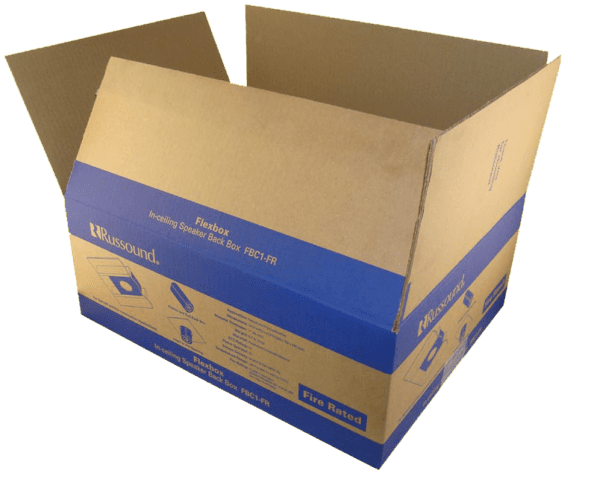
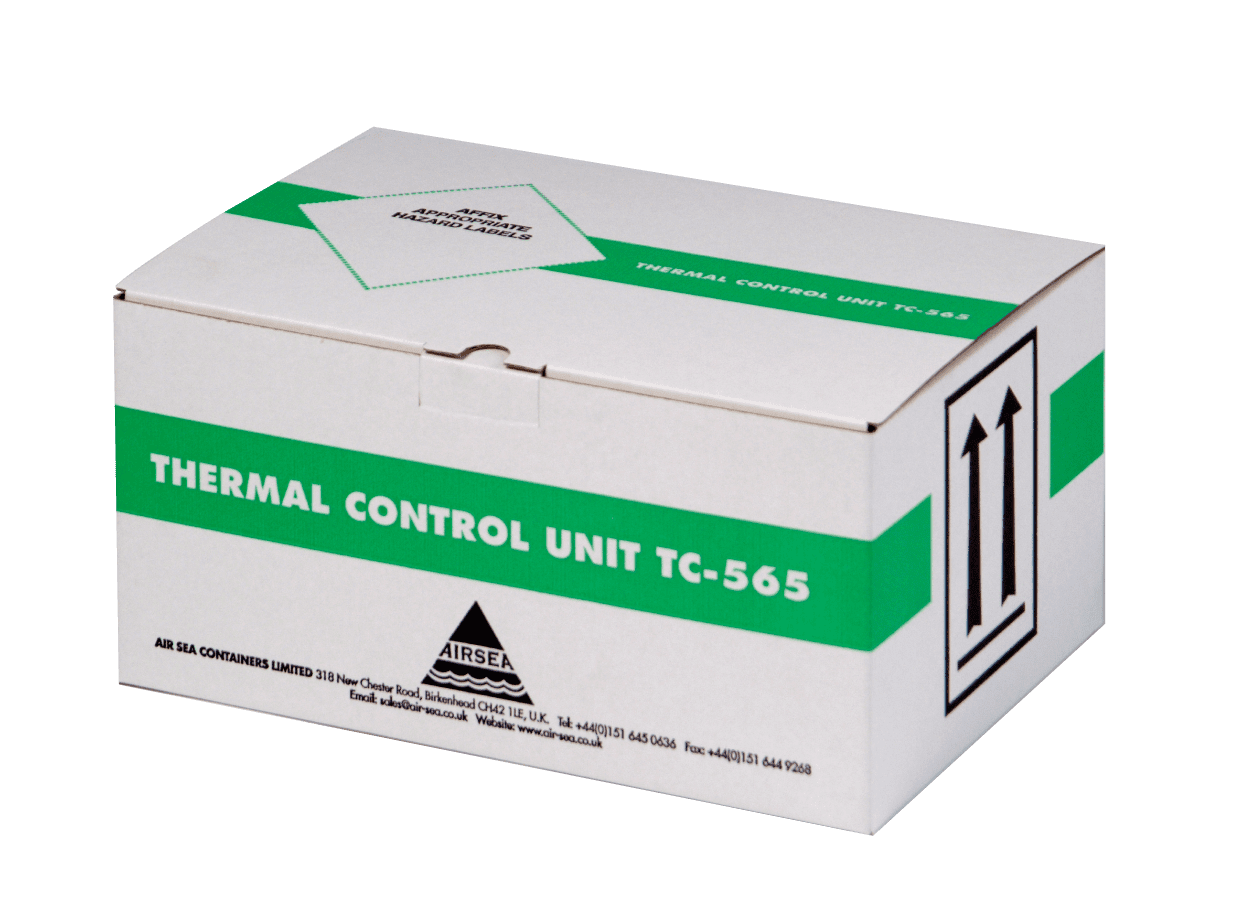
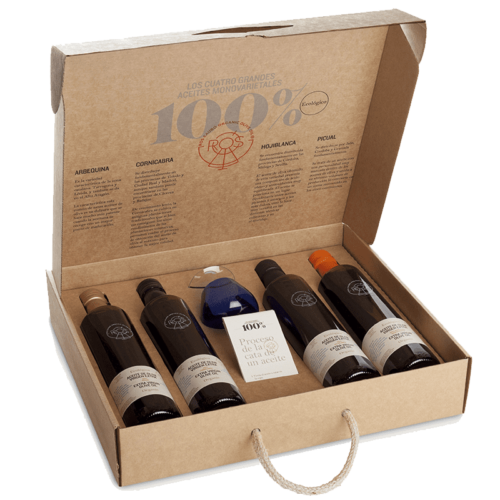
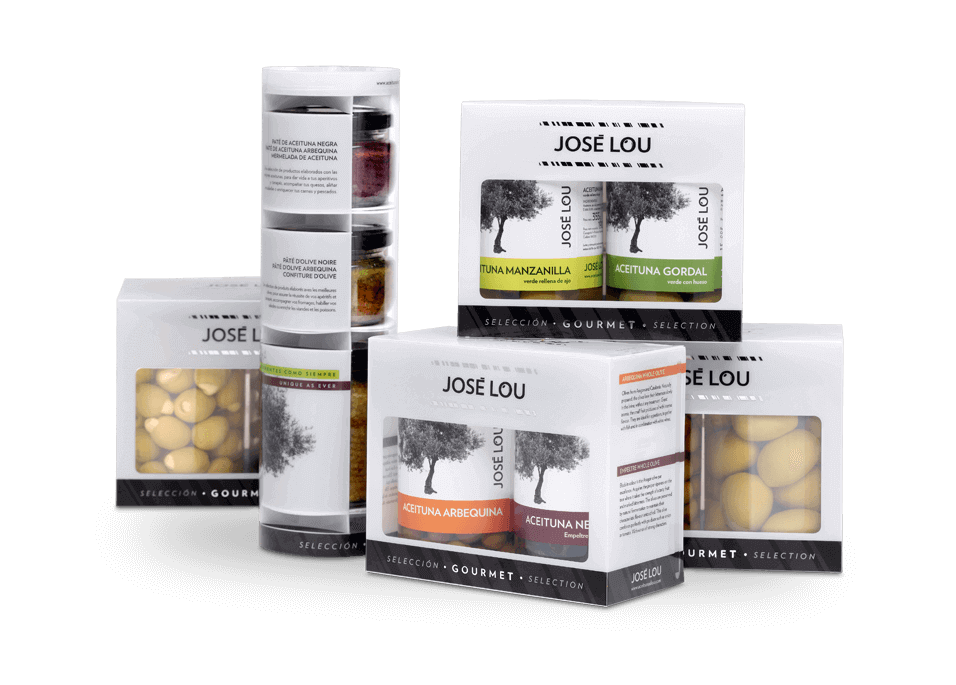
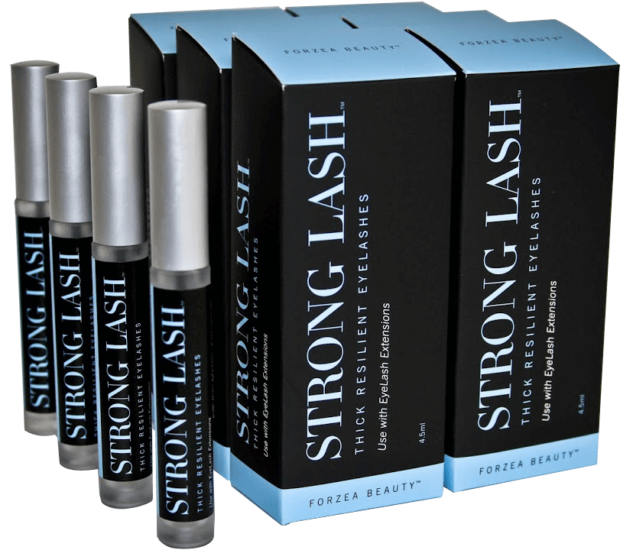
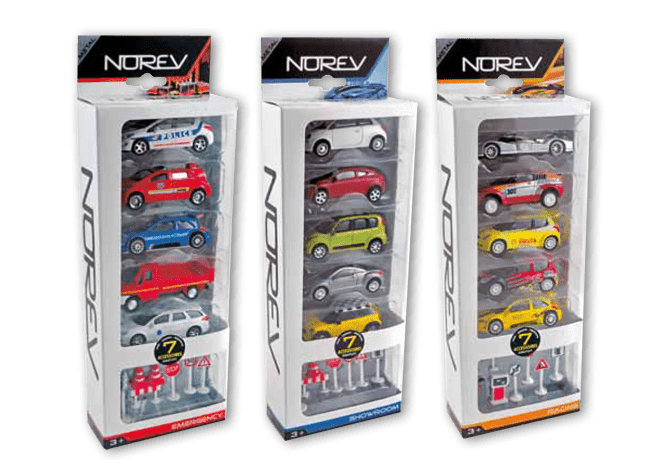
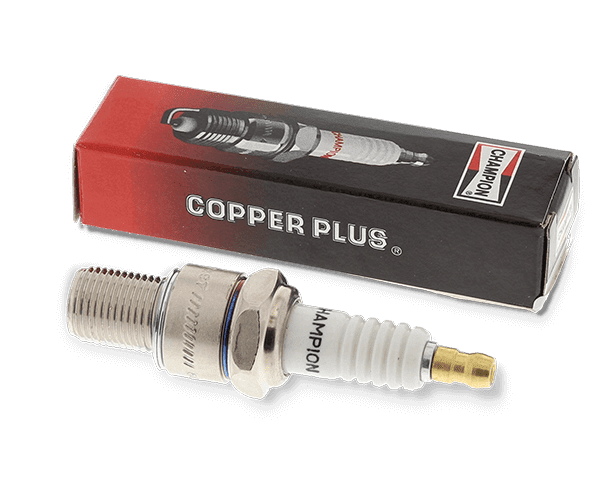
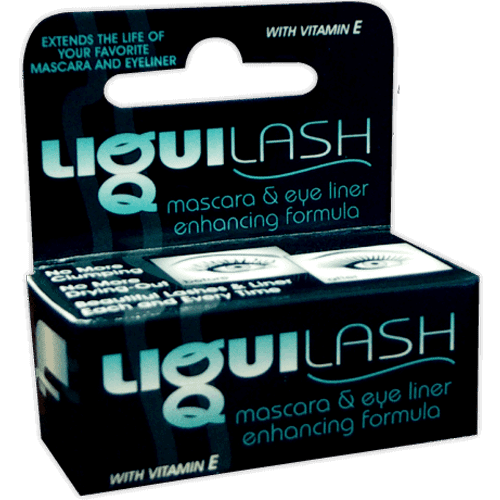
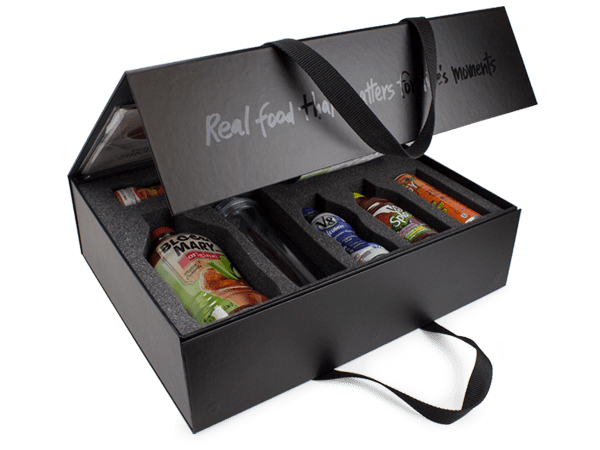
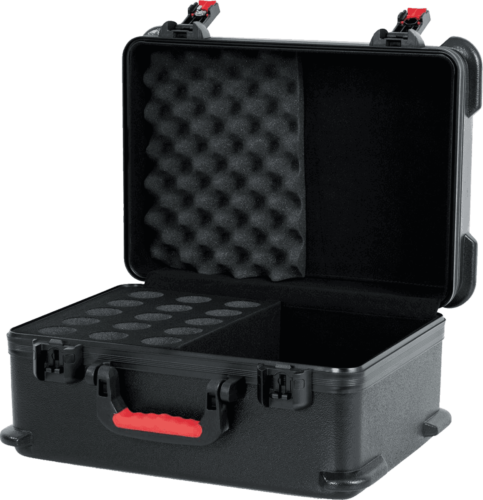
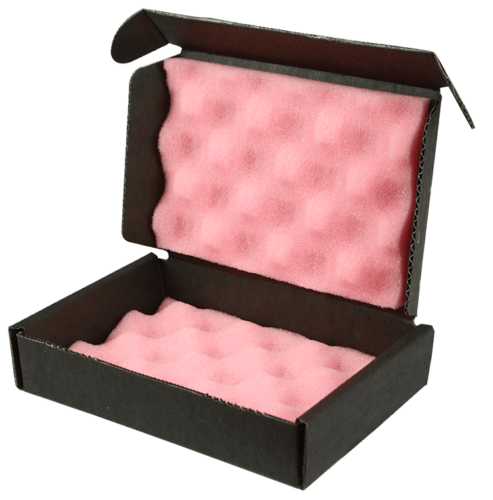
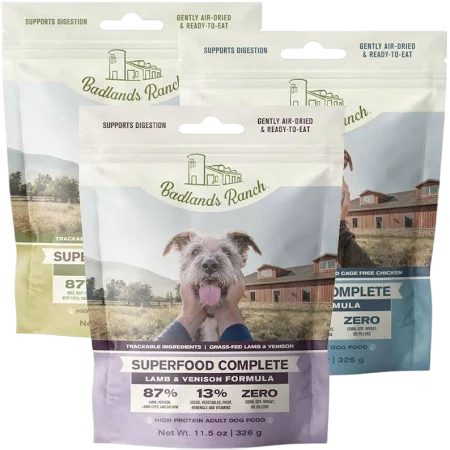
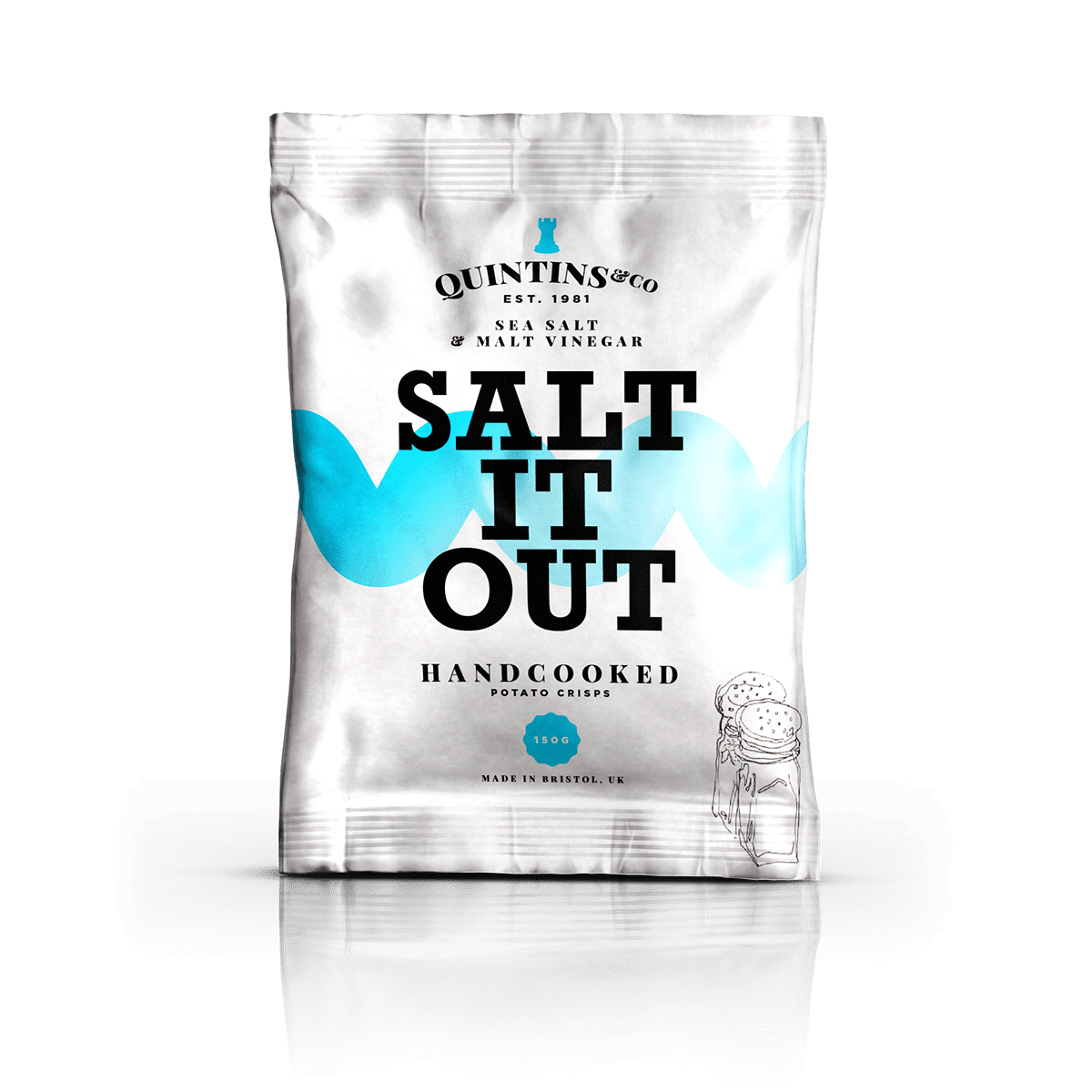
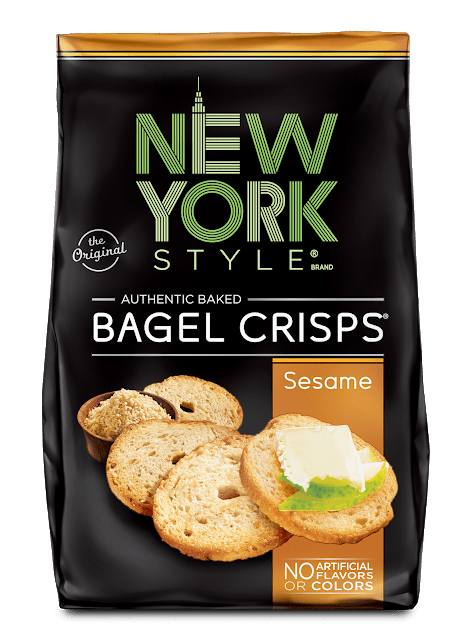
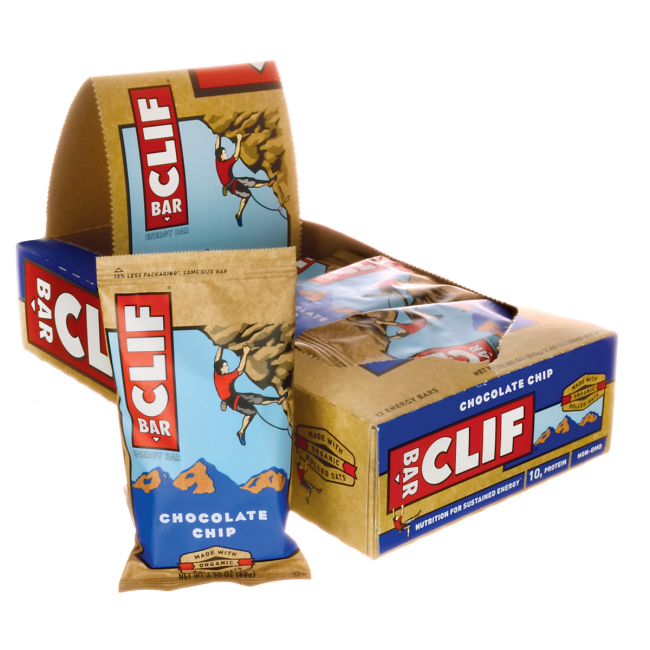
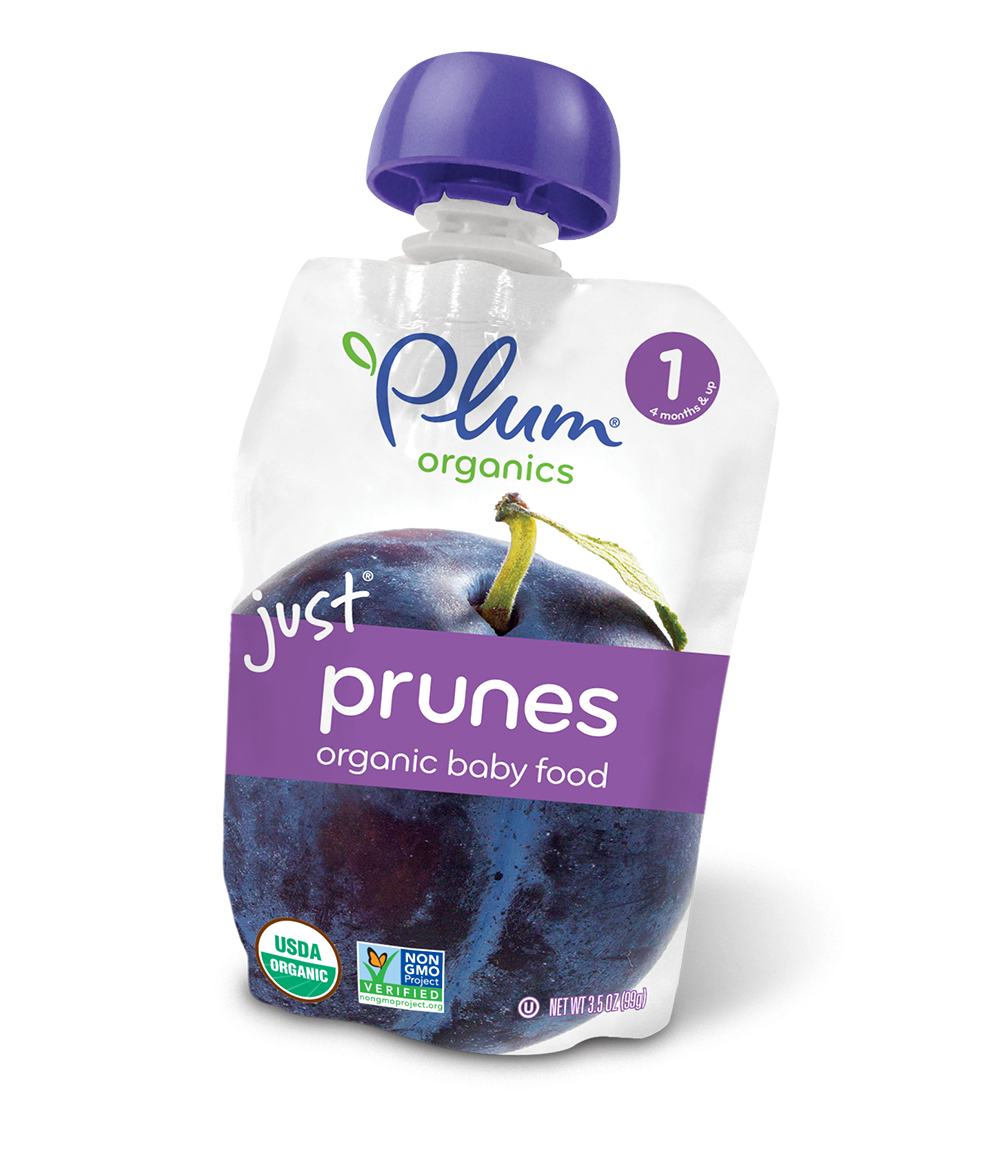
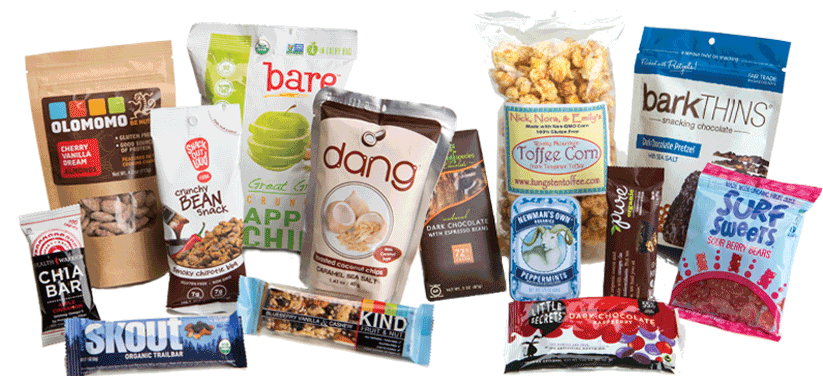
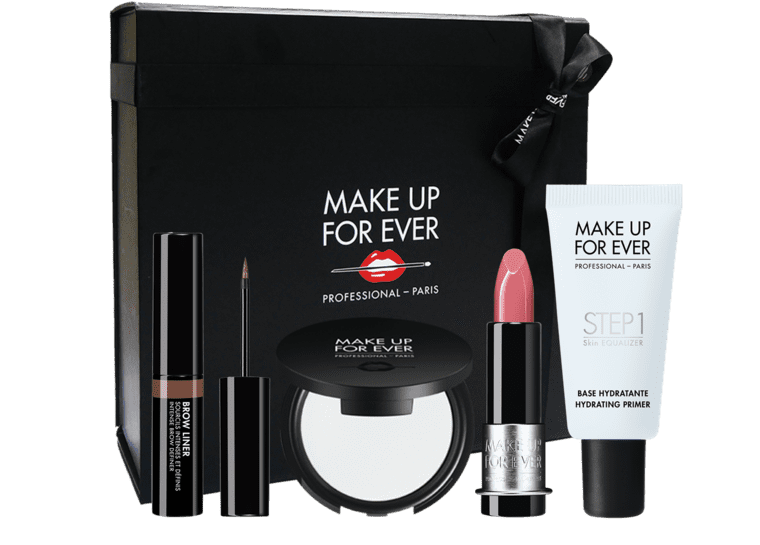
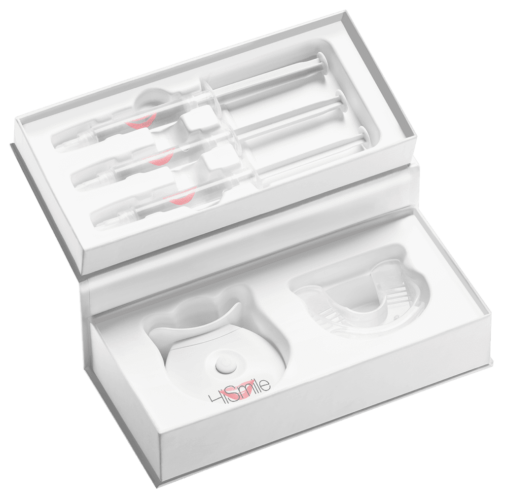
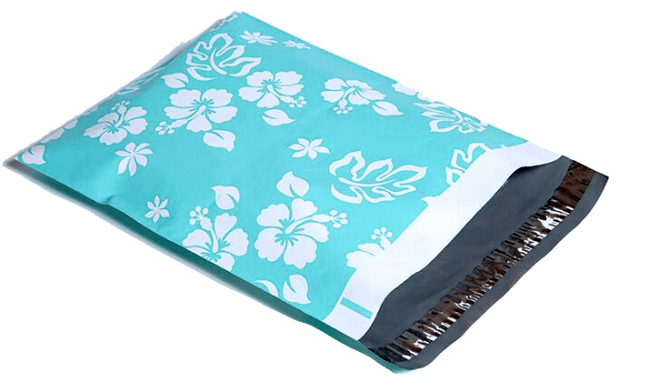
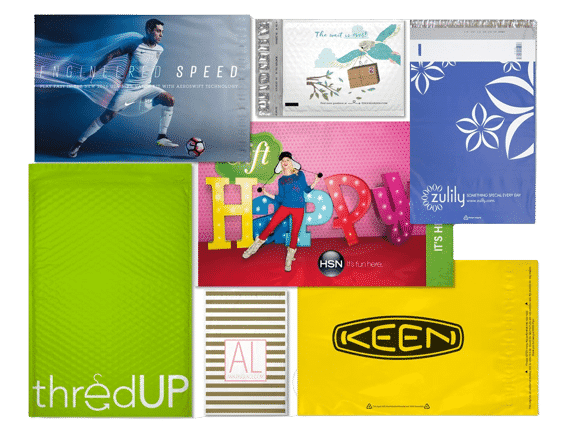
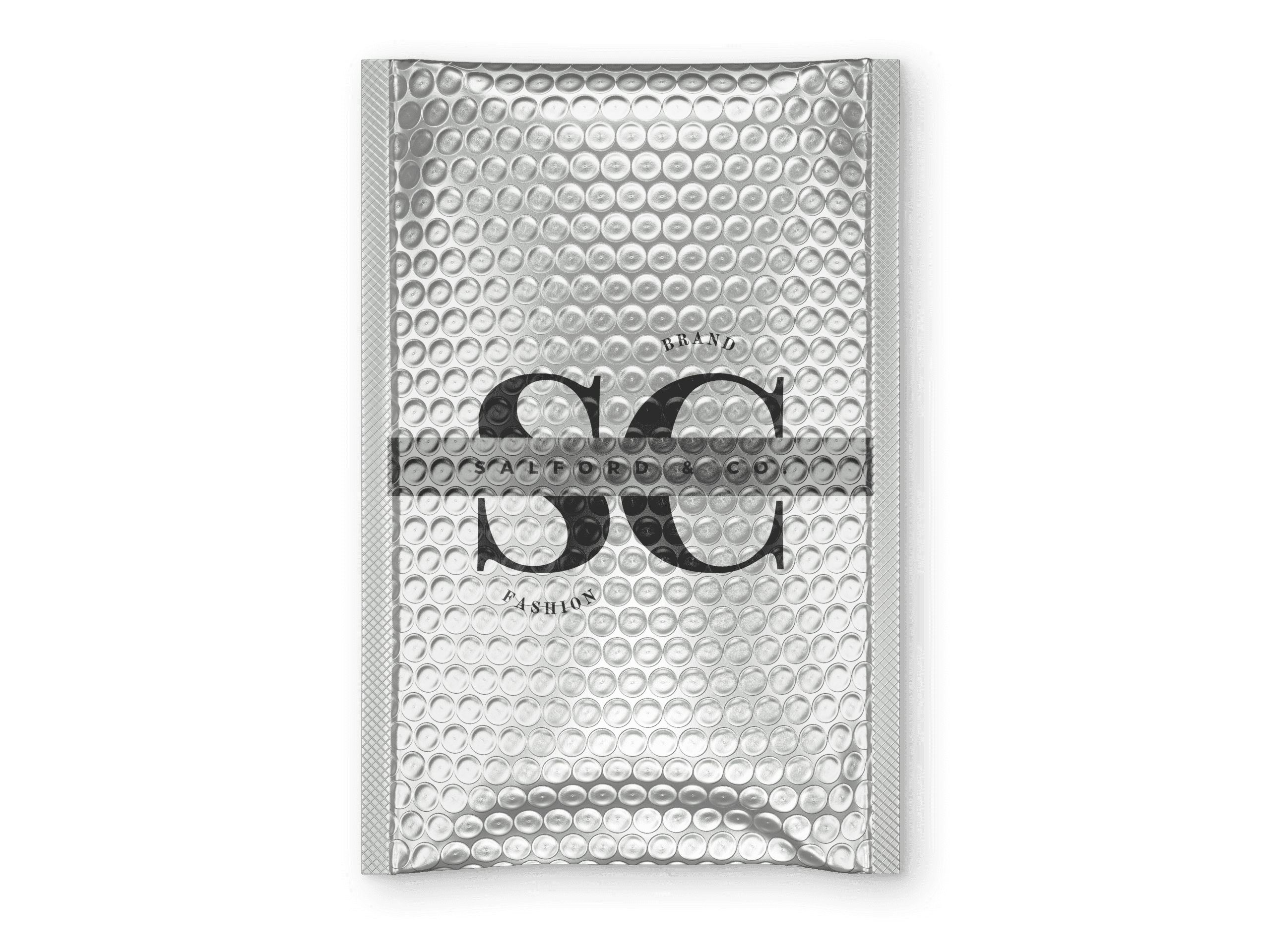
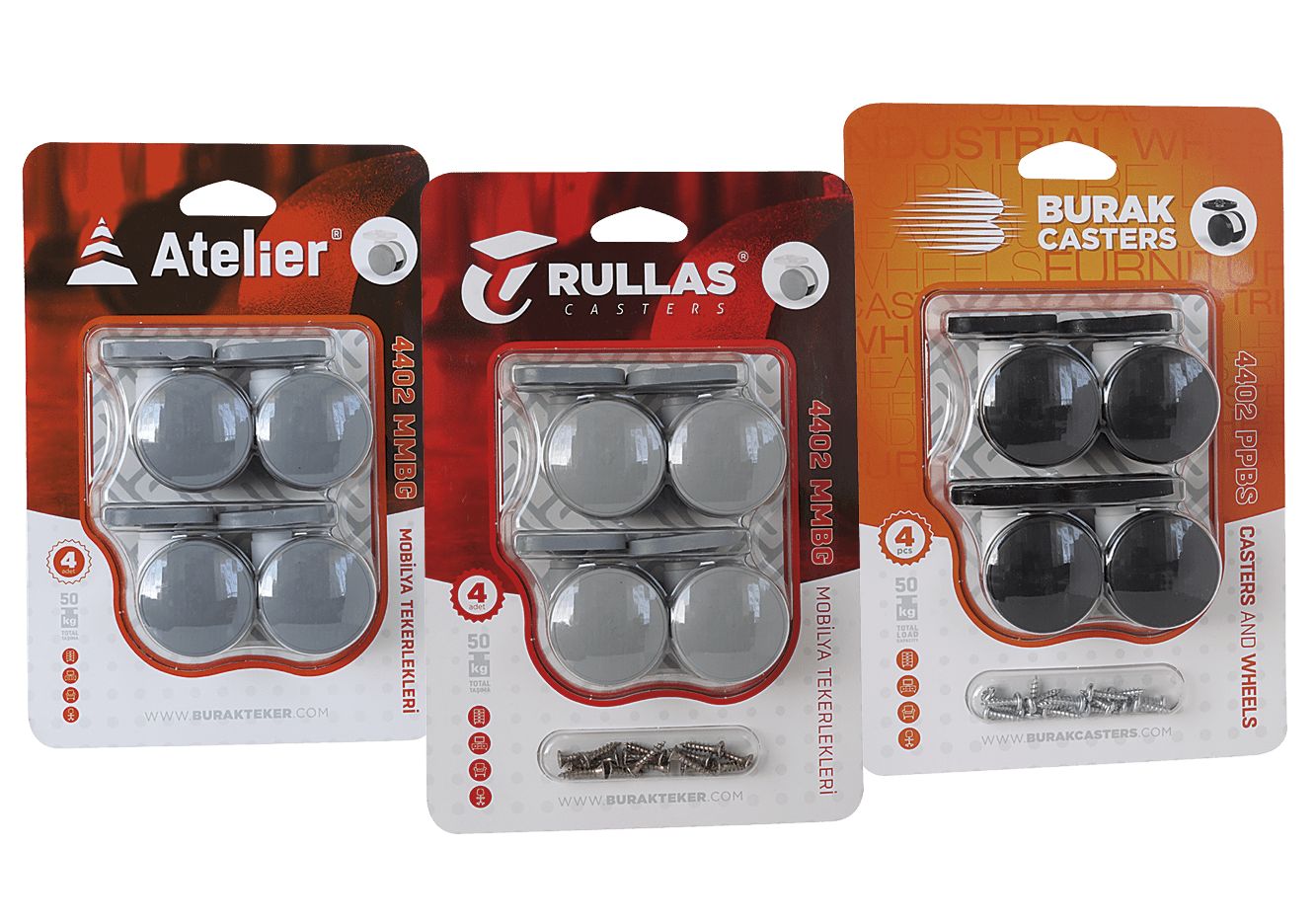
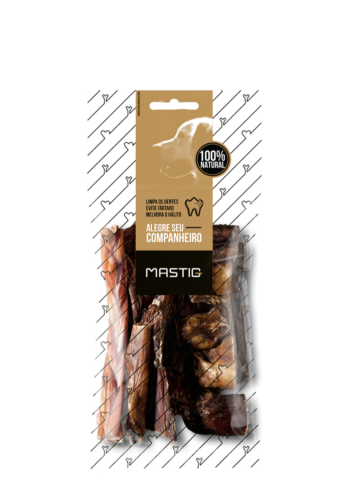
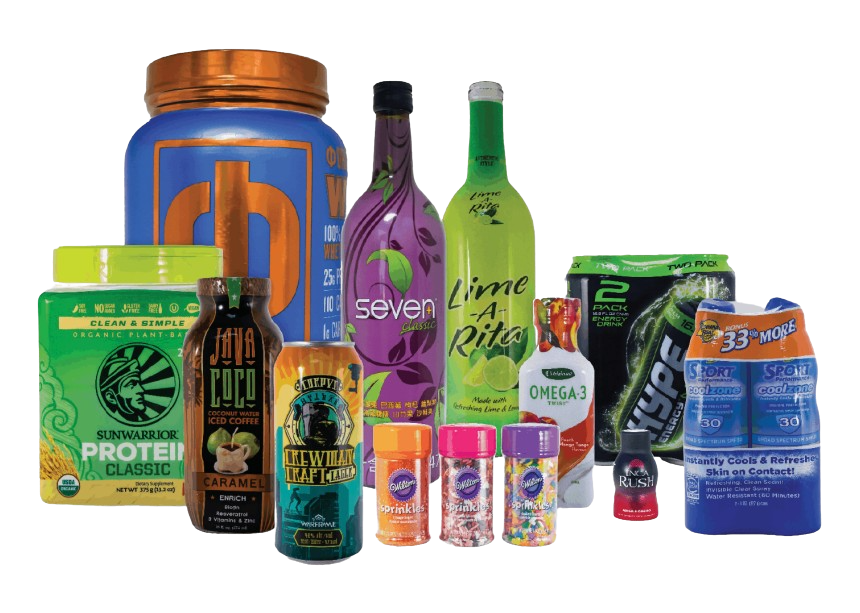
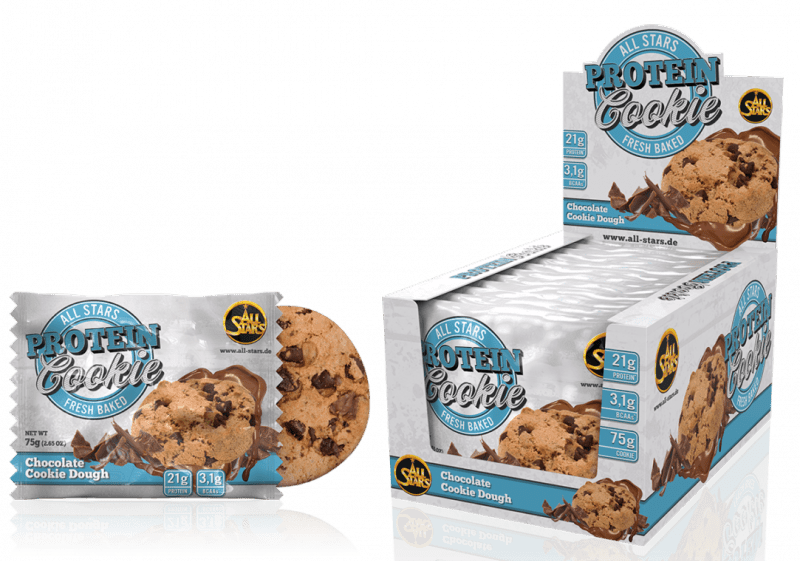
We offer a wide selection of fully customizable packaging products to address any packaging purpose. Customize your packaging product with your logo, brand colors, product information, design, features, and more. If you are unsure on what type of packaging you will need, then contact us for an expert consultation.


Custom packaging is tailored specifically to fit a brand’s unique product requirements, unlike stock packaging, which is pre-made and generic. Custom options allow for precise sizing, materials, and design choices, offering enhanced protection, presentation, and improved efficiency. This personalization makes custom packaging ideal for businesses looking to stand out and create a cohesive brand identity.
At Brown Packaging, our custom packaging solutions are structurally designed to optimize protection, material usage, and sustainability, tailored to meet specific product needs across various applications. We incorporate graphics to reinforce brand identity, ensuring that each package not only protects but also represents your brand effectively. With a focus on durability and functionality, our packaging ensures secure handling for shipping, retail, or storage while supporting sustainability goals.
Custom Packaging Products
We offer a variety of custom packaging products and solutions to meet all your packaging needs in one place. You’ll work directly with a dedicated project specialist to customize your package according to your specifications, including branding, features, and design.


If you need any assistance with your packaging or have a question, then contact us directly at request@brownpackaging.com or (714)300-0650. Learn more about custom packaging by reading our blog posts on new and trending topics.

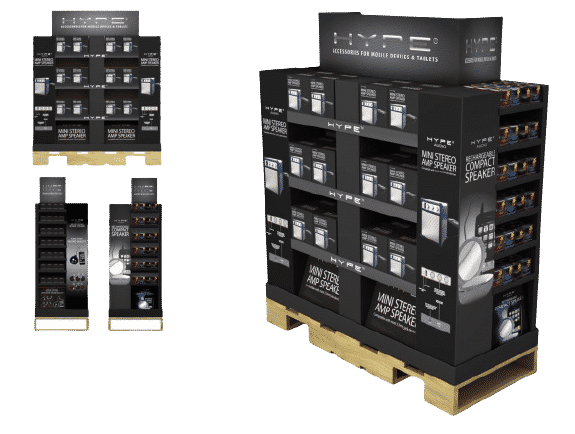
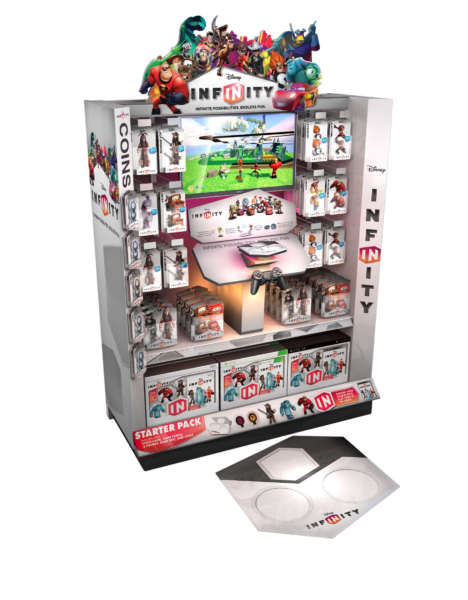
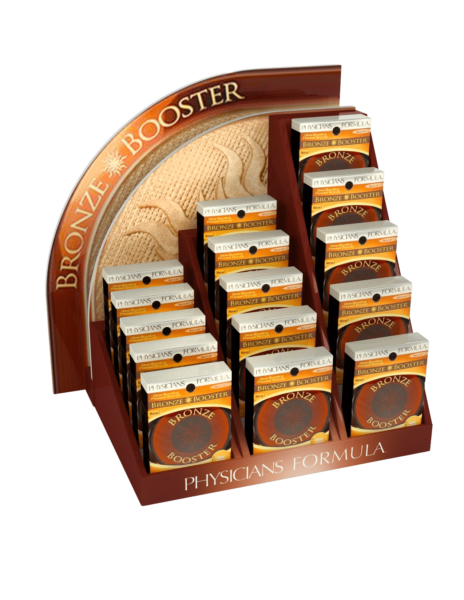
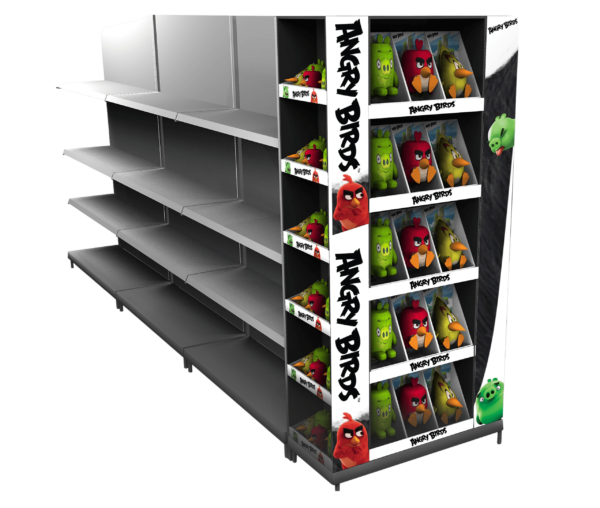
Point-of-purchase (POP) displays must catch a shopper’s eye while also moving efficiently through the supply chain. Striking the right balance between visual impact and logistics ensures displays drive sales without creating costly inefficiencies. A design that leans too far toward graphics may ship poorly, while one built only for logistics risks blending into the background. The Role of Visual Impact Graphics and structure are central to a display’s retail performance. Visual impact drives traffic and communicates the brand message at a glance. Bold colors and large product imagery attract attention. Clean layouts improve readability in busy aisles. Seasonal themes and promotions build urgency. Without strong branding, even the most efficient display may fail to engage shoppers. Logistics Demands in POP Displays Retailers expect displays that not only sell but also ship and set up efficiently. Logistics considerations include: Cube efficiency: Displays should maximize pallet and trailer space. Durability: Strength to withstand transit and handling. Ease of assembly: Retail staff need quick setup without extra labor. Compliance: Dimensions must meet retailer guidelines for footprint and safety. Strategies to Balance Both Sides Collaborative design: Structural and graphics teams work together from the start. Prototype testing: Confirm visual alignment and shipping durability before production. Material selection: Choose corrugated grades that allow high-quality print and strength. Right-size graphics: Design branding that adapts to fold lines and pallet constraints. Examples of Balanced POP Designs Club store pallet displays: Large branding surfaces combined with pallet-ready engineering. Seasonal promotions: Bold graphics with lightweight, compact shipping formats. Cross-merchandising units: Multi-SKU designs that showcase brands while stacking efficiently. POP Display Solutions with Brown Packaging Brown Packaging creates POP displays that deliver both retail impact and supply chain efficiency. Our designs maximize brand presence while meeting freight, compliance, and setup demands. Contact us to explore display options that balance impact with logistics. References Shop! Association. (2021). Best Practices for In-Store Marketing and POP Displays. Retrieved from https://www.shopassociation.orgSoroka, W. (2009). Fundamentals of Packaging Technology (4th ed.). Institute of Packaging Professionals.ASTM International. (2022). ASTM D685: Standard Practice for Conditioning Paper and Paper Products for Testing. (714)300-0650 request@brownpackaging.com Most Recent Posts: Categories: Corrugated Ecommerce ESD Design Display Flexible Packaging Foam Folding Carton Packaging Plastic Packaging Pouch Printing Protection Retail Rigid Box Thermoform Sustainability Subscribe To Our Newsletter By submitting your information, you agree to our terms and conditions and privacy policy. POP Display Facebook Twitter LinkedIn Pinterest Relevant Posts

High-speed automated packaging lines can run hundreds of cartons per minute, but only if the carton’s design and material are optimized for smooth feeding, folding, and sealing. Small structural or material missteps can lead to jams, misfeeds, and costly downtime. This guide covers the critical design, tolerance, and substrate considerations for folding cartons intended for high-speed automation. Dimensional Accuracy Automated lines demand tight dimensional control in die cutting. Die Cut Precision: Carton blanks must be within ±0.015 inches for consistent feeding and folding (Soroka, 2014). Blank Squareness: Even minor skew can cause issues with glue flap alignment or panel folding. Caliper Consistency: Variations in board thickness can change fold behavior and sealing pressure. Scoring and Creasing Profiles High-speed folding relies on scores that create predictable, repeatable folds. Score Depth and Bead Width: Too shallow causes spring-back; too deep risks cracking. Bead/Channel Ratio: Must match board caliper and fiber composition for clean folding at speed. Grain Direction: Scores parallel to grain can crack if bead pressure isn’t optimized. Glue Flap Design Flap dimensions and positioning are critical for automated glue application. Flap Width: Minimum 10–12 mm recommended for cold glue; narrower flaps risk bond failure. Glue-Free Zones: Essential near scores to prevent squeeze-out during folding. Coating Considerations: Gloss varnish or film lamination in glue areas requires corona treatment or glue type adjustment for proper adhesion. Material Selection Not all boards perform equally on automated lines. SBS: Smooth feeding, excellent fold consistency, best for high-graphic retail cartons. CUK: Added stiffness and moisture resistance for cold chain or beverage applications. FBB/Recycled: Economical, but may need adjusted scoring to reduce cracking at speed. Folding Sequence Compatibility Structural design must align with the machine’s folding sequence. Tuck End Cartons: Ensure flap lengths are balanced to avoid collision in the folding belts. Auto-Bottom Designs: Verify glue flap and lock panels don’t bind during machine erection. Full Seal End: Flap lengths and bevel angles must accommodate sealing jaws without interference. Surface Coatings and Friction Carton surfaces influence how blanks travel through feeders and conveyors. High Gloss Coatings: Can cause feeding slippage; mitigated with anti-slip varnish zones. Poly Coatings: Increase stiffness but may alter fold memory—test for score cracking before production. Matte Varnish: Generally more forgiving in high-speed feeders. Machine Trials and Prototyping Before committing to a production run: Run on the Target Machine: Testing on actual equipment verifies compatibility. Check Across Speed Range: A carton may run well at 100 cpm but fail at 300 cpm. Inspect Post-Run Samples: Look for misaligned folds, glue squeeze-out, or score fractures. References Soroka, W. (2014). Fundamentals of packaging technology (5th ed.). Institute of Packaging Professionals. ISBN: 978-1-930268-37-2 Twede, D., & Goddard, R. (2021). Cartons, crates and corrugated board: Handbook of paper and wood packaging technology (2nd ed.). DEStech Publications. ISBN: 978-1-60595-120-5 (714)300-0650 request@brownpackaging.com Most Recent Posts: Categories: Corrugated Ecommerce ESD Design Display Flexible Packaging Foam Folding Carton Packaging Plastic Packaging Pouch Printing Protection Retail Rigid Box Thermoform Sustainability Subscribe To Our Newsletter By submitting your information, you agree to our terms and conditions and privacy policy. Custom Folding Cartons Facebook Twitter LinkedIn Pinterest Relevant Posts

Foam-in-corrugated hybrid inserts combine the cushioning properties of foam with the structural rigidity of corrugated board, creating a packaging solution that is both protective and adaptable. This design approach is particularly useful in industries where precision fit and shock absorption are critical, such as electronics, medical devices, and high-value industrial components. Why Combine Foam and Corrugated? Corrugated offers structural stability, vertical stacking strength, and a printable surface for branding or instructions. Foam provides vibration dampening, energy absorption during impact, and surface protection against scratches or abrasions. When integrated, these materials address a broader range of performance requirements than either could alone. Material Selection The choice of foam type—such as polyethylene (PE), polyurethane (PU), or expanded polystyrene (EPS)—should be driven by product fragility, weight, and storage conditions. PE foam, for example, excels in repeated compression recovery, making it suitable for reusable inserts. Corrugated board grades (e.g., single-wall B-flute vs. double-wall BC-flute) must be matched to anticipated stacking loads and compression requirements. Bonding Methods and Compatibility Adhesive selection is critical. Water-based adhesives can warp corrugated under high humidity, while hot-melt options may degrade certain foam chemistries. Mechanical retention methods, such as die-cut lock tabs or slotted cavities, can reduce adhesive usage and improve recyclability. Engineering Fit and Tolerance Control Foam compression should be engineered to 10–30% deflection under typical product weight to balance retention and ease of removal. Corrugated cutouts must account for foam expansion and any dimensional variation due to manufacturing tolerances. Overly tight fits can cause stress concentrations, while loose fits reduce protection efficiency. Shock and Vibration Performance ASTM D1596 testing can determine the foam’s cushioning curve, ensuring the hybrid insert meets drop-test performance requirements. Corrugated structure should be verified under ASTM D642 compression testing to confirm stacking safety in transit and storage. Sustainability Considerations Designing with minimal adhesive, using water-based inks for print, and specifying recyclable PE foams can increase end-of-life recyclability. An emerging approach is designing separable components so the foam and corrugated can be easily disassembled for proper recycling streams. References American Society for Testing and Materials. (2019). ASTM D1596-14: Standard Test Method for Dynamic Shock Cushioning Characteristics of Packaging Material. https://doi.org/10.1520/D1596-14American Society for Testing and Materials. (2015). ASTM D642-15: Standard Test Method for Determining Compressive Resistance of Shipping Containers. https://doi.org/10.1520/D0642-15Soroka, W. (2016). Fundamentals of Packaging Technology (5th ed.). Institute of Packaging Professionals.Kistler, S. F., & Schweizer, P. M. (Eds.). (2013). Liquid Film Coating: Scientific Principles and Their Technological Implications. Springer. https://doi.org/10.1007/978-94-011-4942-0 (714)300-0650 request@brownpackaging.com Most Recent Posts: Categories: Corrugated Ecommerce ESD Design Display Flexible Packaging Foam Folding Carton Packaging Plastic Packaging Pouch Printing Protection Retail Rigid Box Thermoform Sustainability Subscribe To Our Newsletter By submitting your information, you agree to our terms and conditions and privacy policy. Custom Packaging Facebook Twitter LinkedIn Pinterest Relevant Posts