




Custom Packaging
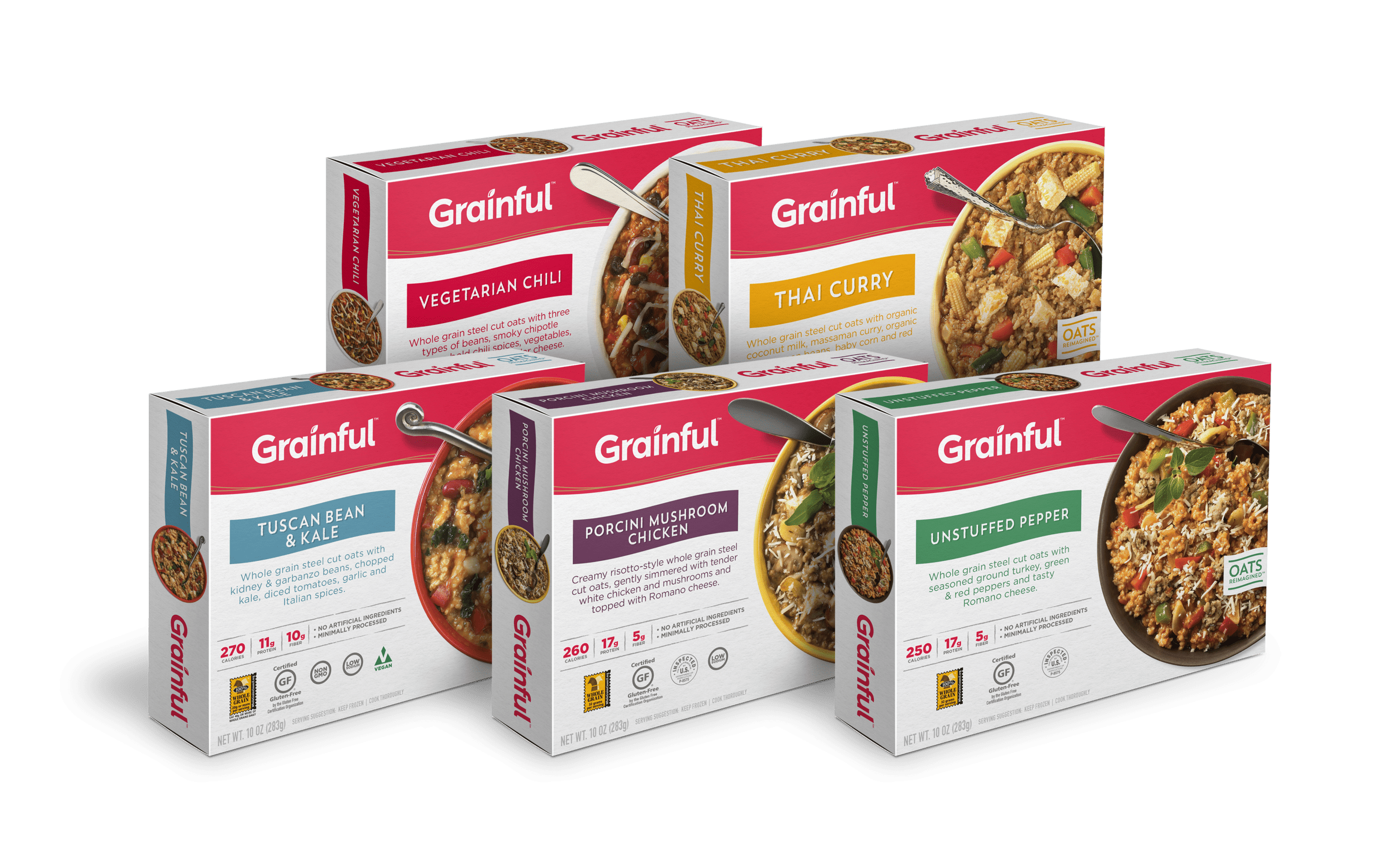
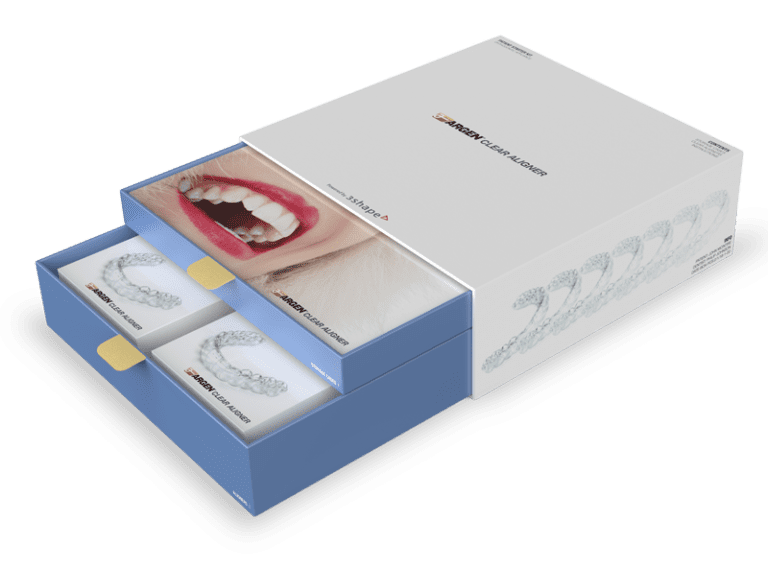
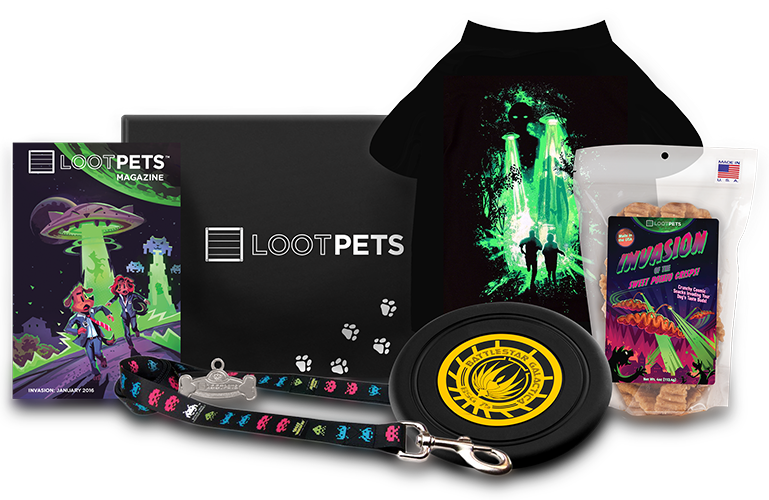
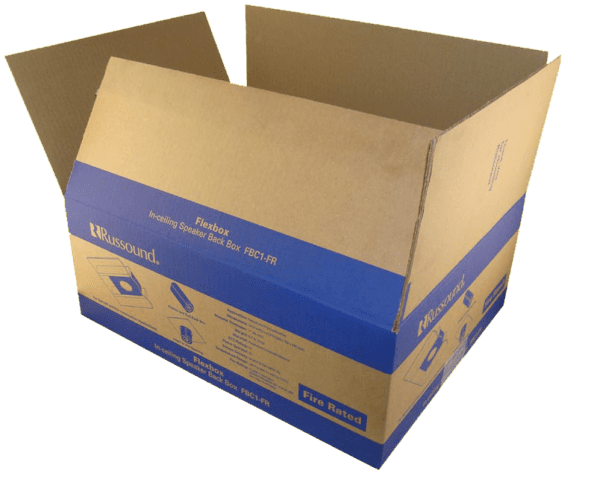
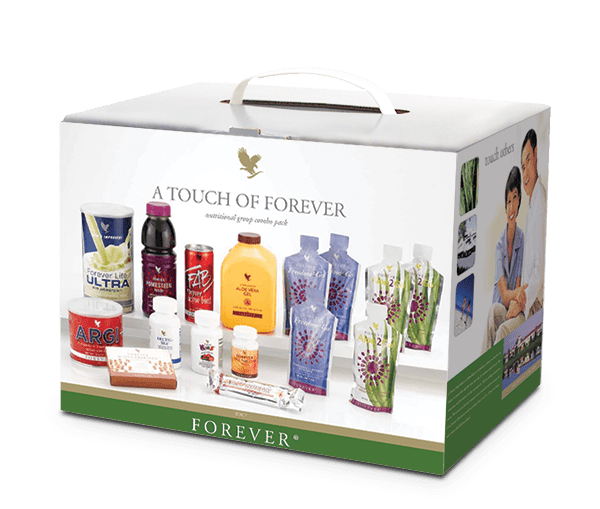
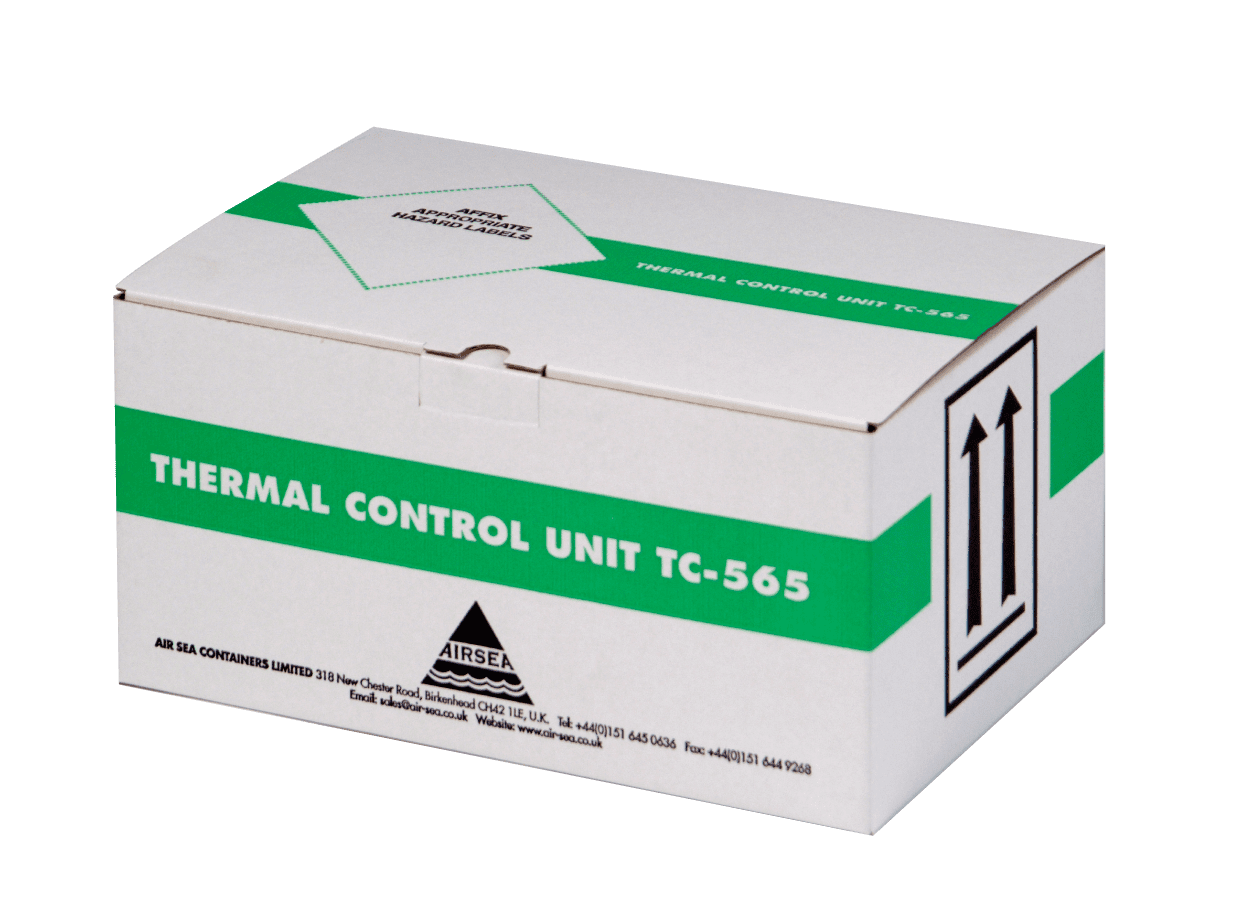
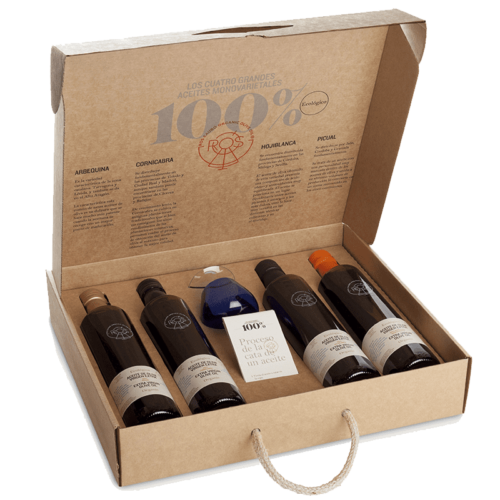
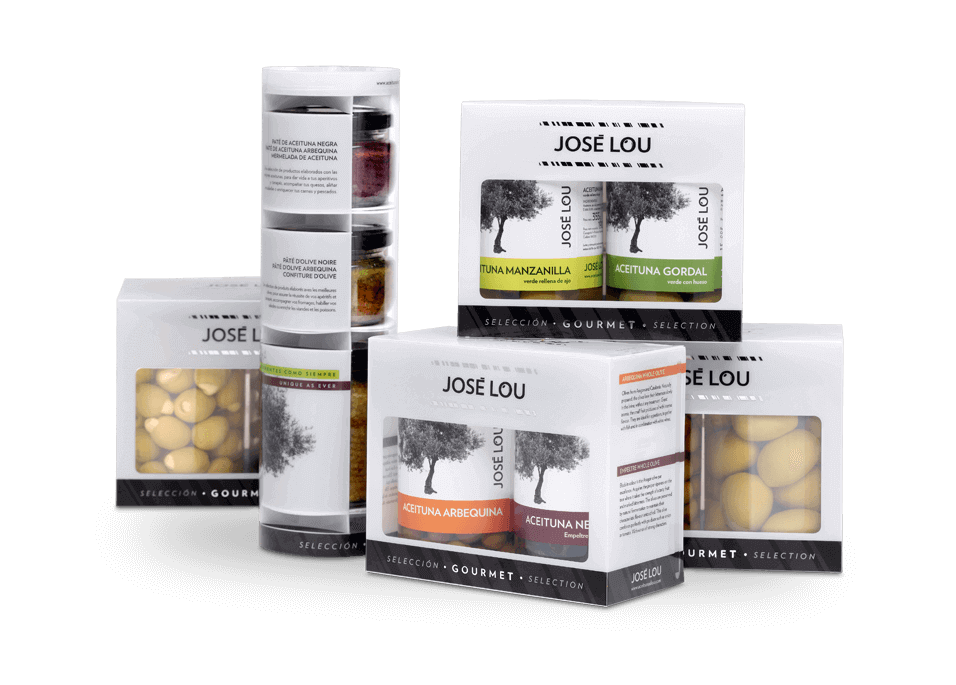
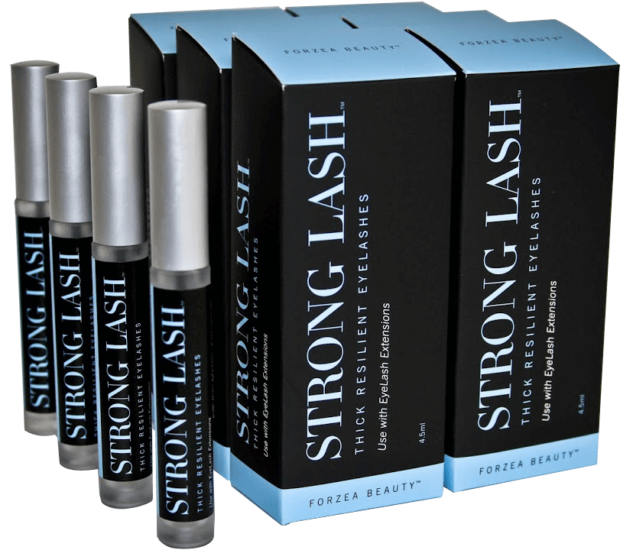
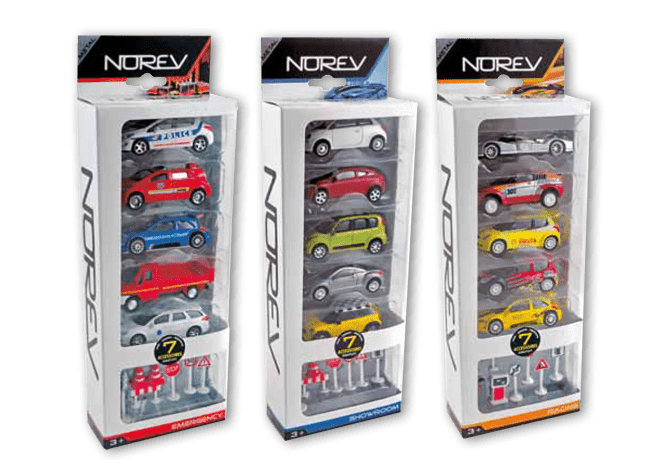
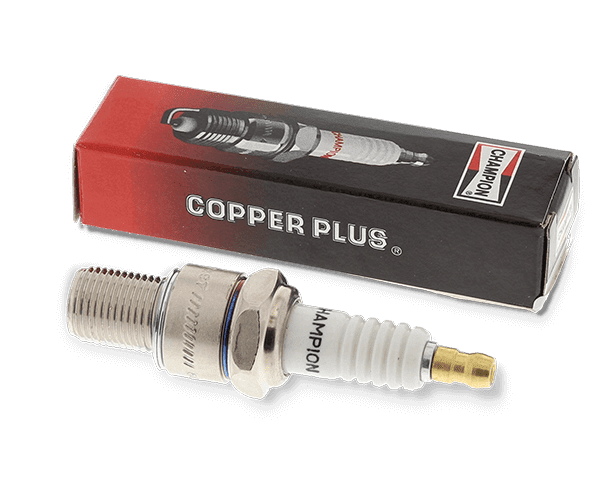
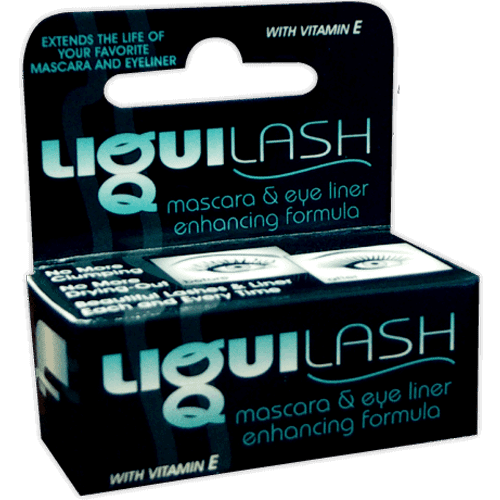
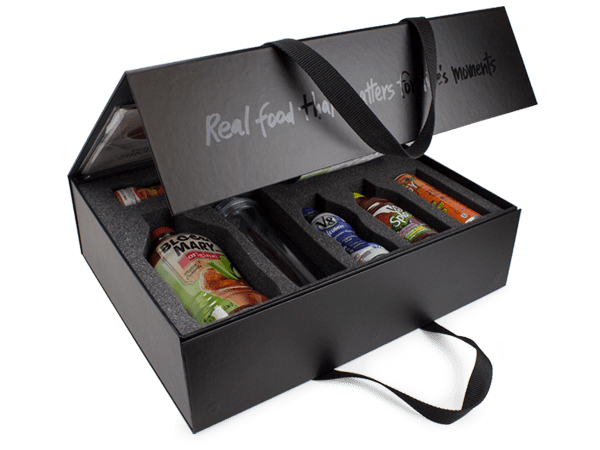
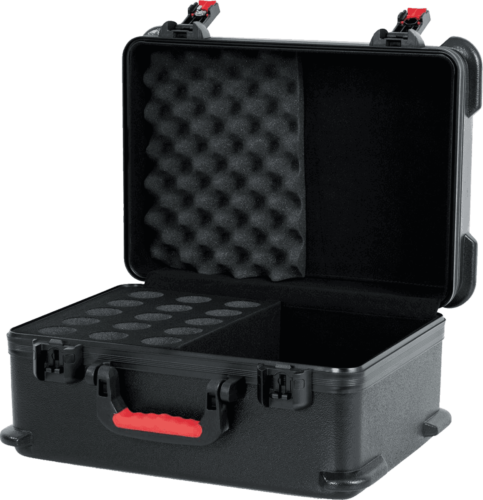
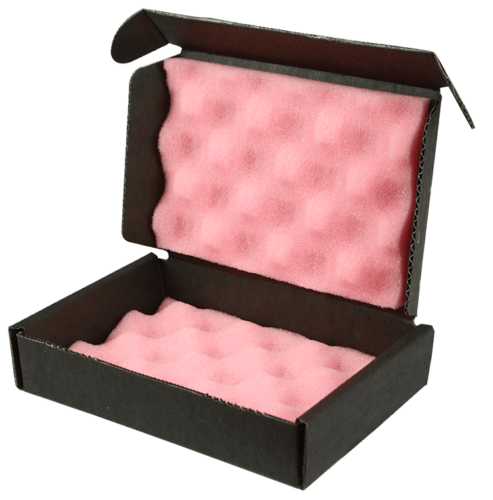
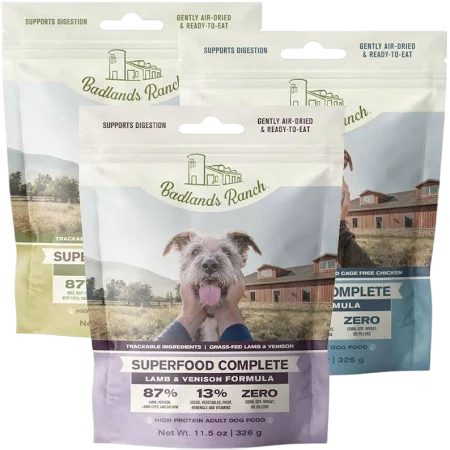
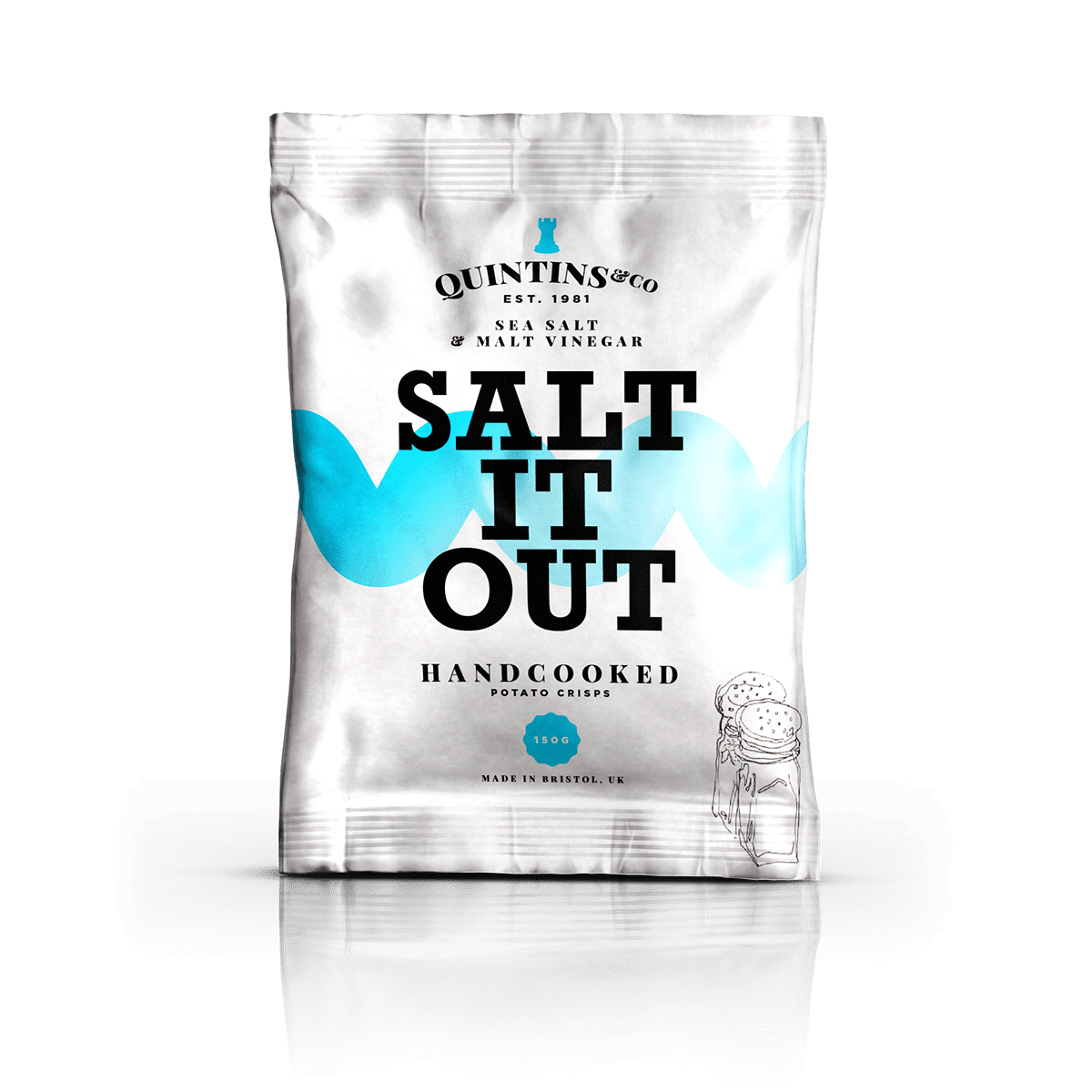
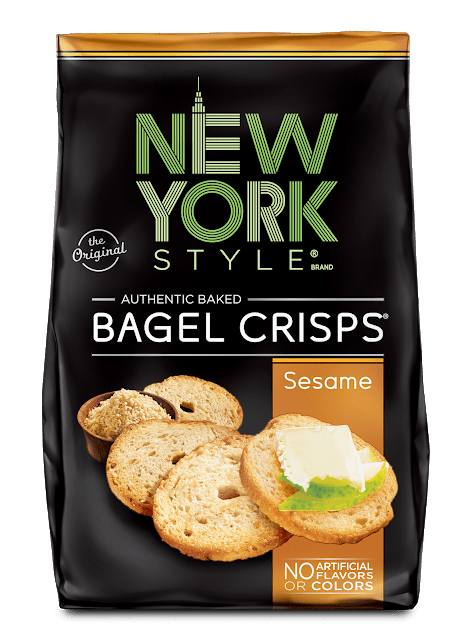
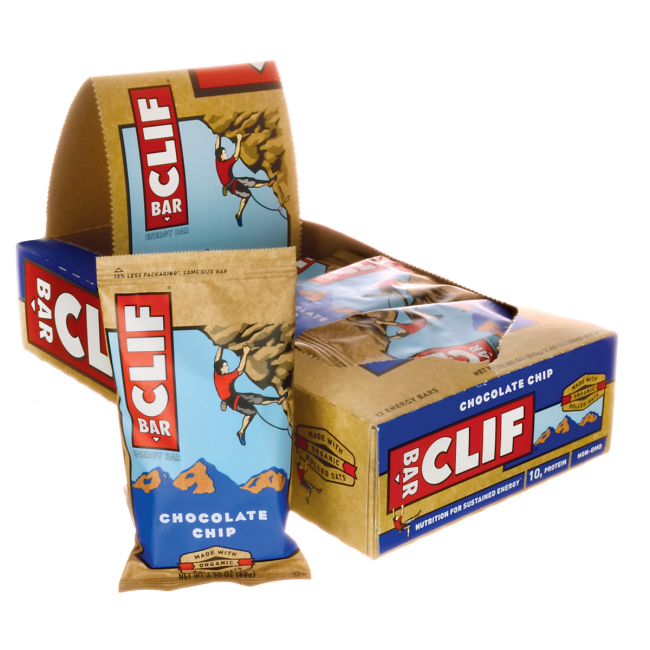
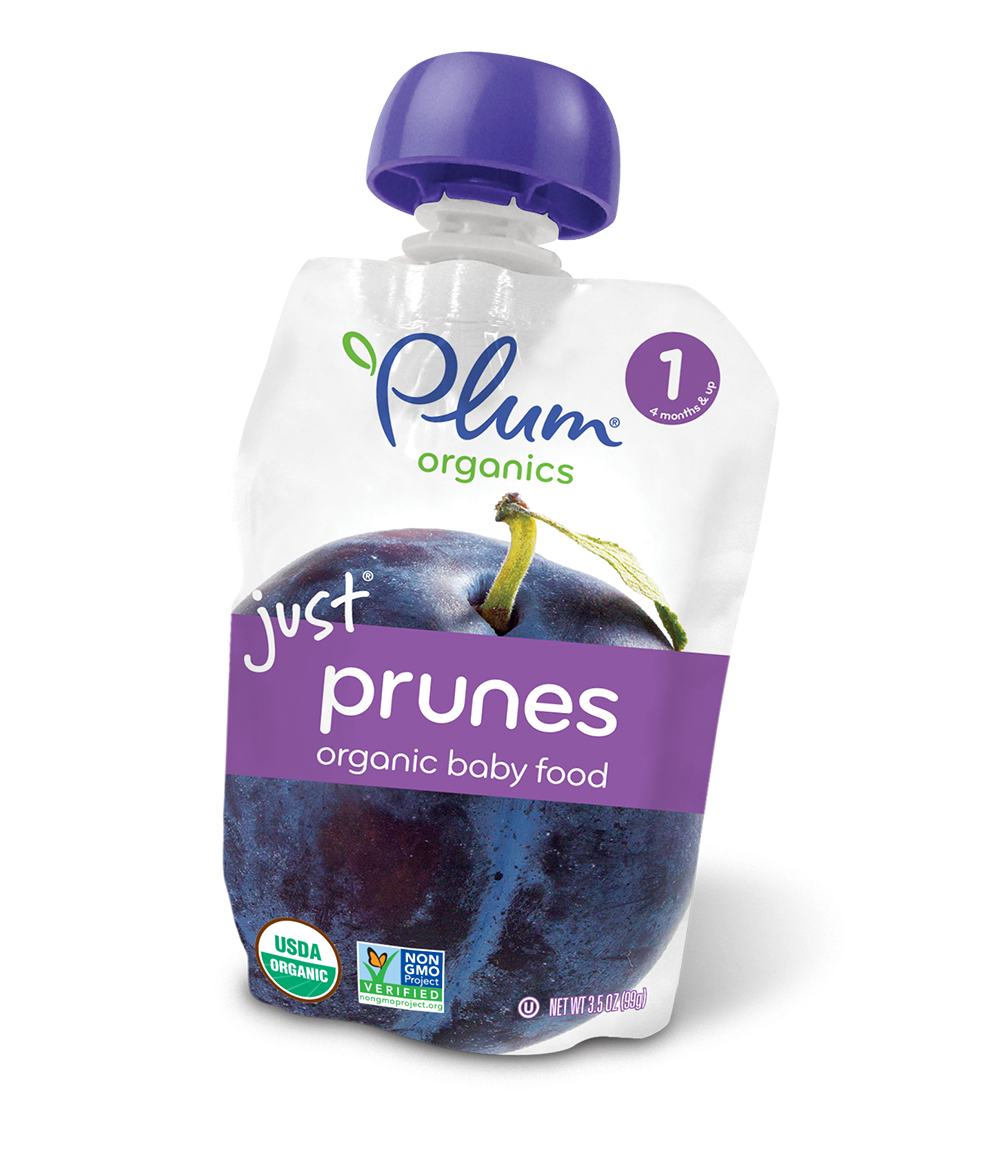
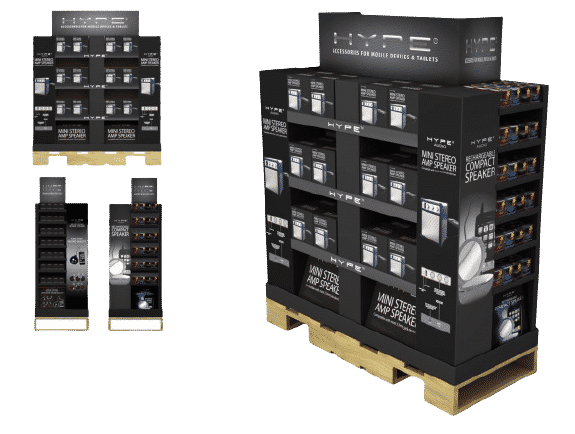
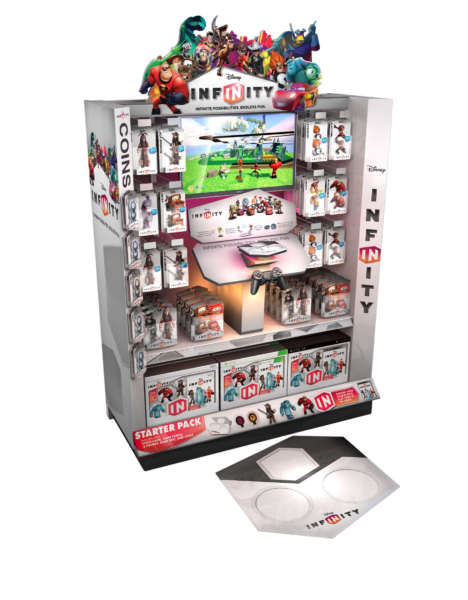
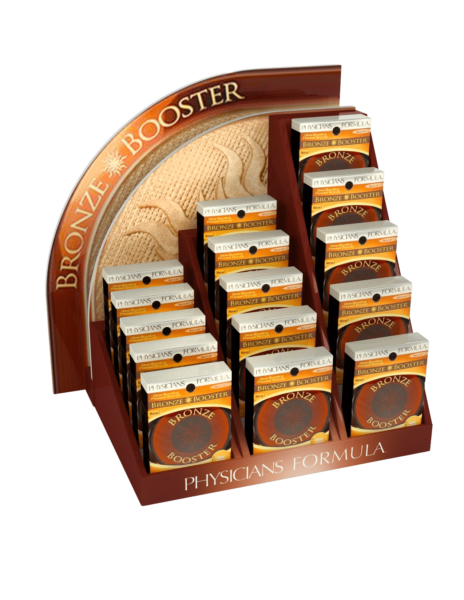
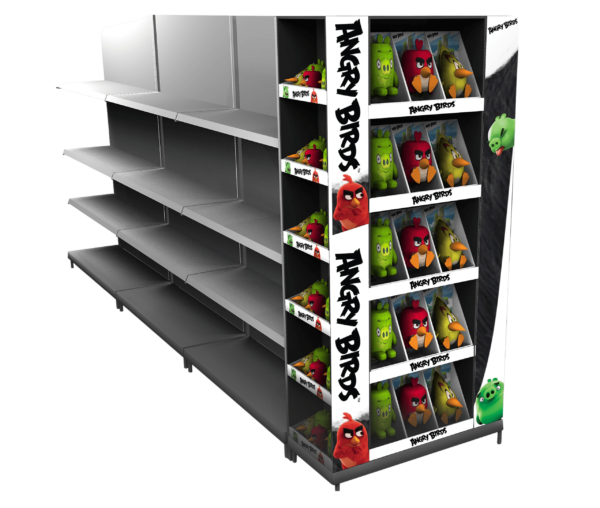
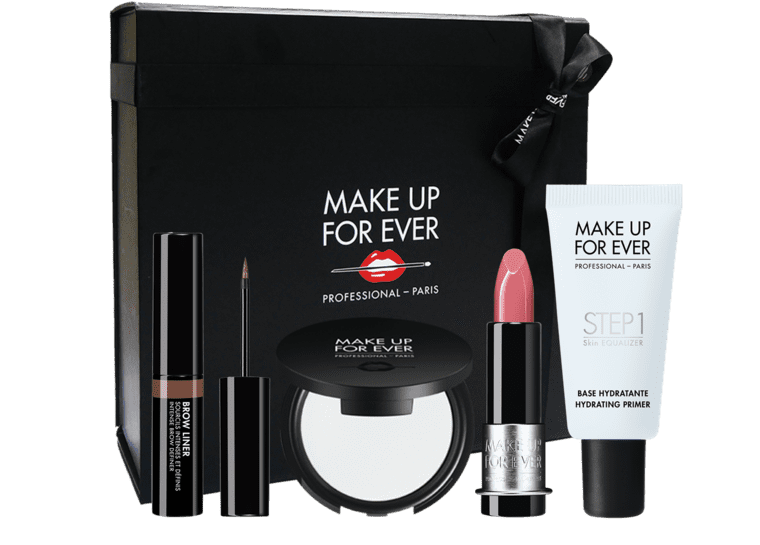
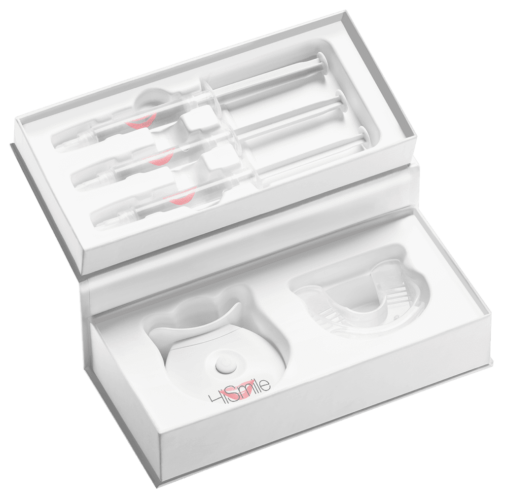
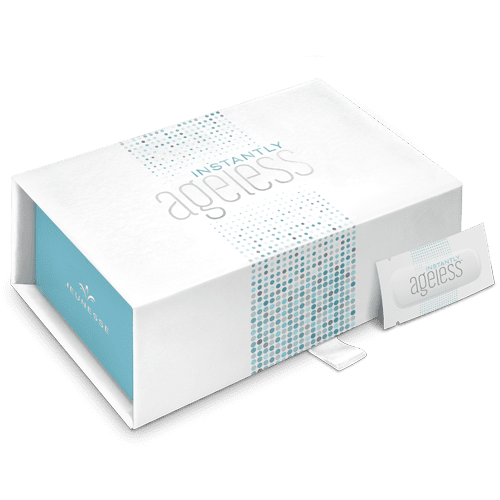
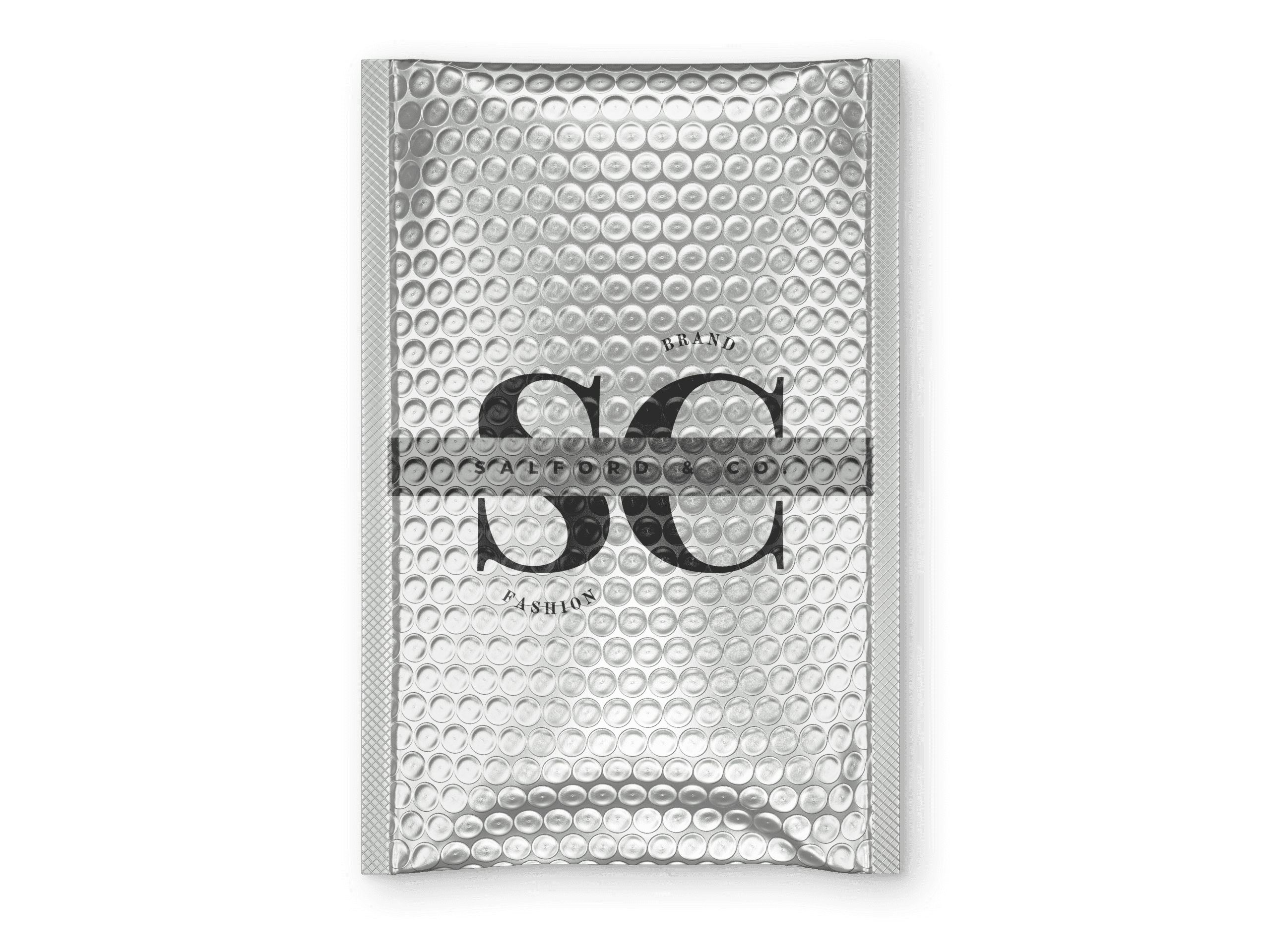
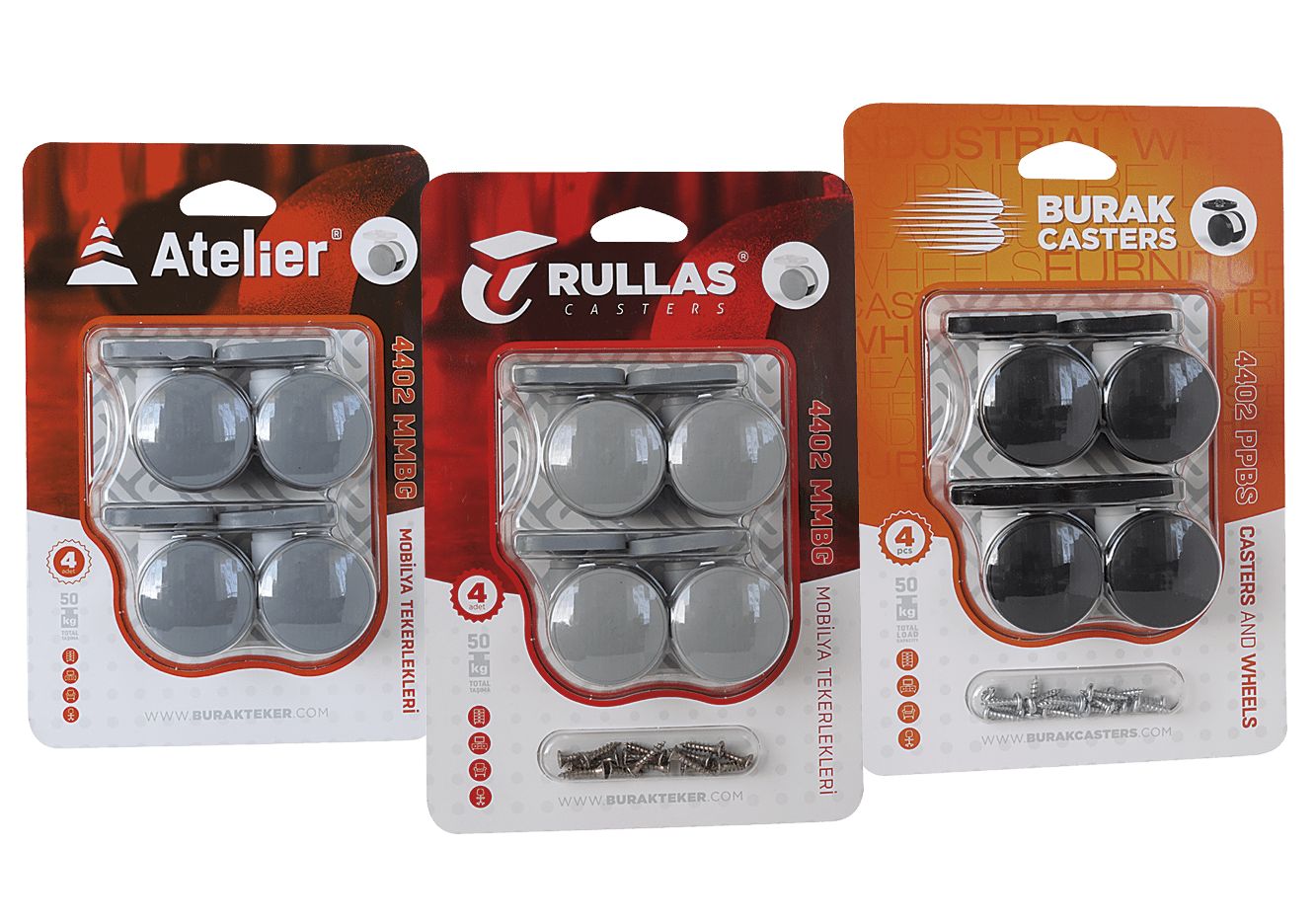
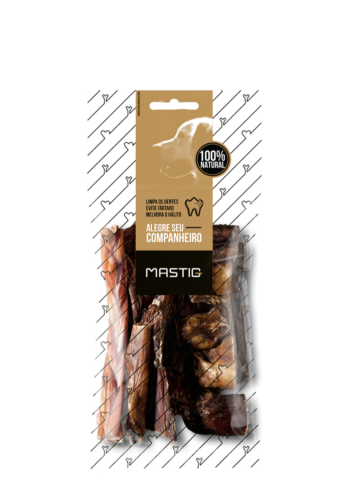
We offer a wide selection of fully customizable packaging products to address any packaging purpose. Customize your packaging product with your logo, brand colors, product information, design, features, and more. If you are unsure on what type of packaging you will need, then contact us for an expert consultation.


Custom packaging is tailored specifically to fit a brand’s unique product requirements, unlike stock packaging, which is pre-made and generic. Custom options allow for precise sizing, materials, and design choices, offering enhanced protection, presentation, and improved efficiency. This personalization makes custom packaging ideal for businesses looking to stand out and create a cohesive brand identity.
At Brown Packaging, our custom packaging solutions are structurally designed to optimize protection, material usage, and sustainability, tailored to meet specific product needs across various applications. We incorporate graphics to reinforce brand identity, ensuring that each package not only protects but also represents your brand effectively. With a focus on durability and functionality, our packaging ensures secure handling for shipping, retail, or storage while supporting sustainability goals.
Custom Packaging Products
We offer a variety of custom packaging products and solutions to meet all your packaging needs in one place. You’ll work directly with a dedicated project specialist to customize your package according to your specifications, including branding, features, and design.


If you need any assistance with your packaging or have a question, then contact us directly at request@brownpackaging.com or (714)300-0650. Learn more about custom packaging by reading our blog posts on new and trending topics.

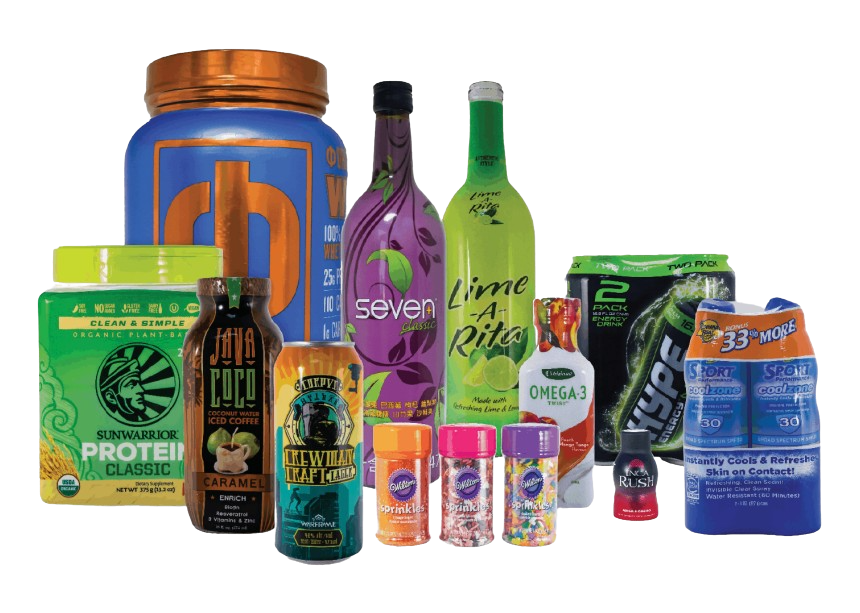
In the highly competitive world of product packaging, brands are constantly seeking innovative ways to capture the attention of consumers. One such innovation that has gained popularity in recent years is the use of shrink sleeves. Shrink sleeves are an excellent branding tool that allows brands to showcase their products in a unique and eye-catching way. Shrink sleeves are made of a heat-shrinkable polymer that conforms to the shape of the container when exposed to heat. This provides 360-degree coverage, making it an ideal choice for brands that want to differentiate their products from competitors. Shrink sleeves offer a vast canvas for brands to display their logos, product information, and other branding elements. The versatility of shrink sleeves has made them an increasingly popular choice in a range of industries and are ideal for many products that require full-body coverage. To help you make the best decision on whether shrink sleeves are the right packaging application for you, we are covering all the topics you need to know such as packaging applications, benefits and when you should use shrink sleeves. Shrink Sleeve Packaging Applications Shrink sleeves are versatile and widely used in various packaging applications. The following are some of the popular packaging applications of shrink sleeves: Beverages: Shrink sleeves are used extensively in the beverage industry, including bottled water, soft drinks, and energy drinks. These containers are usually cylindrical or square, making it difficult to apply traditional labels. Shrink sleeves provide complete coverage to the container, making it an ideal choice for branding and product differentiation. Food: The food industry has also embraced the use of shrink sleeves, especially for frozen foods, snack foods, and sauces. These products require packaging that can withstand the elements and keep the product fresh. Shrink sleeves are moisture-resistant, making them an ideal choice for food packaging. Health and Beauty: The health and beauty industry has also adopted the use of shrink sleeves for packaging products such as shampoo, conditioners, body washes, and lotions. These products require packaging that can withstand the rigors of shipping, handling, and storage. Shrink sleeves are an excellent choice for these products, as they are durable and moisture-resistant. Household Products: Shrink sleeves are also used in the packaging of household products such as cleaning solutions, detergents, and insecticides. These products require packaging that can withstand the harsh chemicals and be able to provide product information and safety instructions. Shrink sleeves provide an excellent branding opportunity for these products while also providing safety and usage information. Promotional Products: Shrink sleeves are an excellent choice for promotional products such as bottles, mugs, and cups. These products require branding that stands out, and shrink sleeves provide complete coverage for maximum impact. Shrink sleeves can be used to convey brand messages, product information, and other branding elements. Benefits of Shrink Sleeves Shrink sleeves offer numerous benefits to brands that choose to use them in their product packaging. The following are some of the benefits of using shrink sleeves: 360-Degree Coverage: Complete coverage to the container, providing a vast canvas for brands to display their logos, product information, and other branding elements. This allows brands to differentiate their products and stand out in a crowded marketplace. Durability: Durable material that resists scratches, fading, and abrasions. This makes them an ideal choice for products that require a long shelf life and those that are frequently handled or exposed to the elements. Branding: Brands have an excellent opportunity to showcase their products in a unique way. By providing complete coverage to the container, brands can convey their brand message, product information, and other branding elements effectively. Flexibility: Shrink sleeves can be used on containers of different shapes and sizes, making them an excellent choice for brands that have a diverse product portfolio. They can conform to the shape of the container when exposed to heat, making them suitable for a wide range of products. Tamper-Proofing: Tamper-evident seal can be added to provide an additional layer of security to the product. This helps to ensure that the product is not tampered with or opened before purchase. Shelf Appeal: Enhance the appearance of the product with graphic and print options, making it more appealing to customers. They offer a unique and eye-catching way to showcase products on the shelves, increasing the likelihood of purchase. Summary: Shrink Sleeves In conclusion, shrink sleeves offer brands numerous benefits, making them a popular choice in the world of product packaging. From providing complete coverage to the container, durability, branding opportunities, flexibility, tamper-proofing, and shelf appeal, shrink sleeves offer an excellent opportunity for brands to differentiate their products and stand out in a crowded marketplace. If you are interested in custom shrink sleeves, then partner with Brown Packaging today to get started. (714)300-0650 request@brownpackaging.com Most Recent Posts: Categories: Corrugated Ecommerce ESD Design Display Flexible Packaging Foam Folding Carton Packaging Plastic Packaging Pouch Printing Protection Retail Rigid Box Thermoform Sustainability Subscribe To Our Newsletter By submitting your information, you agree to our terms and conditions and privacy policy. Shrink Sleeves Facebook Twitter LinkedIn Pinterest Relevant Posts

Custom packaging has become a popular trend in recent years, as businesses seek to differentiate themselves and make a lasting impression on their customers. The packaging of a product plays a significant role in the customer’s experience and can have a major impact on their perception of the brand. By creating a unique and personalized packaging design, businesses can enhance brand recognition and customer engagement. In this blog, we will explore the trend of custom packaging and how it can help businesses achieve their goals. From increased brand recognition to a more personalized customer experience, the benefits of custom packaging are numerous. We will also discuss the considerations that businesses need to keep in mind to ensure success with custom packaging, including factors such as the type of product being packaged, the target audience, and the brand identity. So, whether you are a business looking to enhance your brand image or a customer searching for a more personalized shopping experience, this blog will provide valuable insights into the world of custom packaging. Read on to learn more about how custom packaging can benefit your business and enhance your brand recognition and customer engagement. Increased Brand Recognition Increased brand recognition is one of the primary benefits of custom packaging. A unique and recognizable packaging design can help to make a lasting impression on customers and increase brand awareness. When customers are exposed to a consistent and visually appealing packaging design, they are more likely to remember the brand and associate it with positive experiences. This helps to build brand loyalty and foster customer engagement, as customers are more likely to return to a brand, they are familiar with and trust. Incorporating elements such as custom branding, logos, and colors into the packaging design can also help to increase brand recognition. For example, a company could use its signature colors or logo on the packaging, making it easily recognizable and memorable to customers. This not only helps to build brand recognition but also serves as a marketing tool, as customers are more likely to notice and remember a distinctive packaging design. In addition to visual elements, businesses can also use custom packaging to communicate the unique features and benefits of their products. By incorporating informative branding or product information into the packaging, businesses can differentiate themselves from their competitors and increase brand recognition. Overall, custom packaging offers numerous benefits for businesses looking to increase brand recognition and foster customer engagement. By creating a unique and memorable packaging design, businesses can differentiate themselves from their competitors, build brand loyalty, and ultimately drive sales. Personalized Customer Experience Personalized customer experience is another key advantage of custom packaging. By incorporating elements such as personalized messaging, custom branding, and special packaging features, businesses can create a more meaningful and memorable customer experience. This not only helps to increase customer engagement but also fosters brand loyalty, as customers feel that their needs and preferences are being taken into consideration. For example, a business could use custom packaging to create a special unboxing experience for its customers. This could include personalized messaging, such as a thank you note or a special message, that makes the customer feel valued and appreciated. The use of high-quality packaging materials, such as eco-friendly packaging or special packaging features, can also help to create a more personalized customer experience. Personalized packaging can also be used to target specific customer segments. For example, a business could create special packaging designs for different age groups or customer interests. This not only helps to create a more personalized customer experience but also allows businesses to better understand and connect with their target audience. In conclusion, personalized customer experience is a key advantage of custom packaging. By incorporating elements such as personalized messaging, custom branding, and special packaging features, businesses can create a more meaningful and memorable customer experience that increases customer engagement and fosters brand loyalty. Marketing Tool Custom packaging can serve as a powerful marketing tool for businesses, helping to increase brand recognition and drive sales. By creating a unique and visually appealing packaging design, businesses can differentiate themselves from their competitors and make a lasting impression on their customers. One of the main benefits of custom packaging as a marketing tool is its ability to grab the attention of customers. A distinctive packaging design can help a product stand out on shelves, attracting the attention of customers and increasing the chances of a sale. This can be particularly important in crowded retail environments, where customers are faced with numerous choices and limited attention spans. In addition to attracting attention, custom packaging can also serve as a platform for marketing messages and product information. By incorporating branding, logos, and product information into the packaging design, businesses can educate customers about their products and promote their brand. This not only helps to increase brand recognition but also drives sales by providing customers with the information they need to make an informed purchasing decision. Custom packaging can also help businesses to create a consistent brand image across their product line. By using consistent branding, logos, and packaging designs, businesses can create a cohesive and recognizable brand image that helps to build brand loyalty and foster customer engagement. Overall, custom packaging offers numerous benefits as a marketing tool, helping businesses to increase brand recognition, drive sales, and create a consistent brand image. Whether you are a small business looking to make a big impact or a large corporation seeking to stand out in a crowded retail environment, custom packaging can be a powerful marketing tool to help you achieve your goals. Cost Cost is an important consideration for businesses when it comes to custom packaging. While custom packaging offers numerous benefits in terms of increased brand recognition and customer engagement, it can also be more expensive than standard packaging options. The cost of custom packaging can vary greatly depending on several factors, including the size and complexity of the packaging design, the type of materials used, and

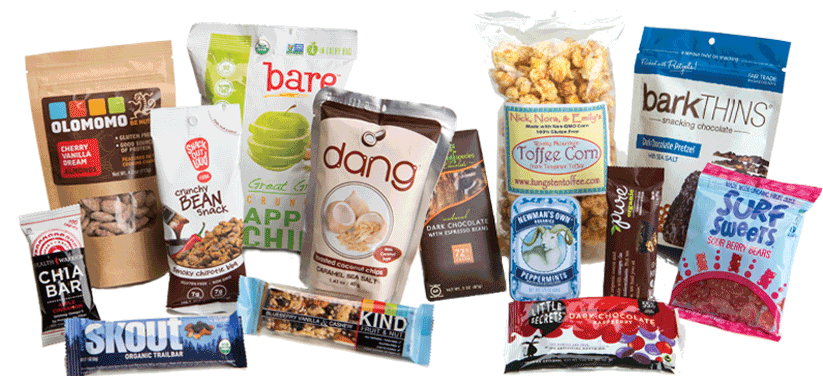
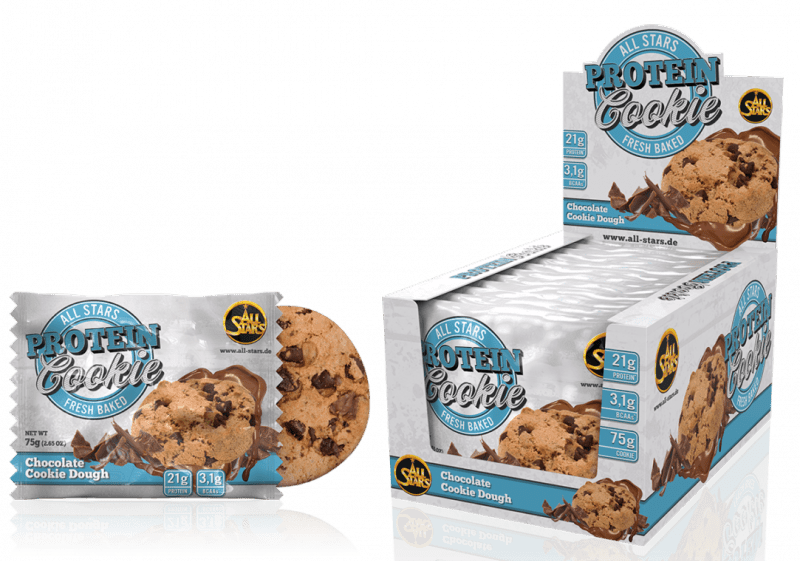
Food packaging is a critical component of the food industry, providing protection, preservation, and marketing benefits for food products. It is an essential element in the supply chain, helping to ensure that food products are safe and of high quality when they reach consumers. Food packaging plays a vital role in maintaining the freshness, flavor, and nutritional value of food products, while also providing convenience, brand recognition, and regulatory compliance. There are a wide range of food packaging materials and products available, including plastics, paperboard, corrugated materials, and more. Each type of packaging material offers unique benefits and challenges, and businesses must carefully consider their packaging needs when selecting the best packaging options for their products. In addition to providing functional benefits, food packaging must also comply with strict regulatory requirements set by the FDA and government agencies. These requirements ensure that food packaging is safe and effective, and help to protect the health of consumers. Overview: Food Packaging Explained This blog will provide an overview of food packaging, including the reasons why businesses need food packaging, the various types of packaging materials and products available, and the FDA and government requirements that must be met. By understanding the importance of food packaging and the role it plays in the food industry, businesses can make informed decisions about their packaging needs and ensure the safety, quality, and marketability of their food products. Why Food Packaging Important Common Food Packaging Materials Food Packaging Applications Federal Drug Administration and Government Requirements Why Food Packaging Important Food packaging plays a crucial role in the food industry, providing a variety of benefits to businesses and consumers. Here are some of the main reasons why businesses need food packaging: Protection Food packaging protects food products from physical damage, contamination, and spoilage during storage and transportation. This helps to ensure that food products reach consumers in good condition and are safe to eat. Preservation Food packaging helps to preserve the freshness, flavor, and quality of food products. Packaging can help to prevent the growth of harmful microorganisms and the oxidation of food products, extending the shelf life and preserving the nutritional value of food. Branding Food packaging is a valuable marketing tool for businesses, allowing them to promote their brand and differentiate their products from their competitors. Food packaging can include branding elements, such as logos, graphics, and product information, that help to build brand recognition and loyalty. Convenience Food packaging provides convenience for both businesses and consumers. Packaging can be designed to make it easy to store, transport, and dispense food products, while also providing a clean and convenient way to consume food on the go. Cost Savings Food packaging can help businesses to reduce costs by improving supply chain efficiency and reducing waste. For example, the use of barrier materials in food packaging can help to extend the shelf life of food products, reducing waste and the need for frequent restocking. Compliance Food packaging must comply with various regulations and standards, including those set by the FDA and other government agencies. Compliance with these regulations helps to ensure the safety of food products and protects the health of consumers. These are just a few of the many reasons why businesses need food packaging. By using appropriate food packaging, businesses can improve the safety, quality, and marketability of their products, while also meeting the needs of their customers. Common Food Packaging Materials Food packaging materials come in a variety of forms, each with its own unique properties and benefits. Let’s take a closer look at some of the most common packaging materials used in the food industry: Plastic (Polymers) Plastic packaging is a popular choice due to its light weight, flexibility, and durability. Plastic packaging comes in a variety of forms, including bags, containers, trays, and more. Plastic packaging can be made from a variety of materials, including polyethylene (PE), polypropylene (PP), and polyethylene terephthalate (PET). Each type of plastic has its own unique properties and benefits, making it suitable for different food packaging applications. For example, PE is commonly used for food bags due to its flexibility, while PET is used for beverage bottles due to its clarity and resistance to impact. Corrugated Corrugated packaging is made from corrugated cardboard and is commonly used for shipping and storing food products. It provides excellent protection against physical damage and is an eco-friendly alternative to other packaging materials. Corrugated packaging is also easily recyclable and biodegradable, making it a sustainable choice for food packaging. Paperboard Paperboard packaging is made from multiple layers of paper and is commonly used for packaging food products, such as cereal boxes and snack packs. Paperboard is lightweight, strong, and biodegradable, making it an environmentally friendly option. Some paperboard packaging also features a food-grade coating, making it suitable for direct food contact. Glass Glass packaging is commonly used for preserving food products, such as pickles, jams, and sauces. Glass is non-reactive, ensuring that the flavor and quality of food products remain intact. Glass is also recyclable and can be reused, making it a sustainable choice for food packaging. Metal Metal packaging is commonly used for preserving food products, such as canned goods. Metal packaging provides a barrier to light, air, and moisture, helping to preserve the freshness and quality of food products. Metal packaging can be made from a variety of materials, including tin, aluminum, and steel. In addition to these common packaging materials, there are also various other materials used in the food packaging industry, including biodegradable and compostable packaging, such as bioplastic, and innovative materials, such as smart packaging, which includes features like temperature indicators and modified atmosphere packaging. It’s important for businesses to carefully consider the materials used for food packaging to ensure that they meet both regulatory requirements and the needs of their customers. By choosing the right packaging materials and applications, businesses can provide their customers with high-quality, safe, and appealing food products. Food Packaging Applications Food packaging applications refer to the ways in which food