





window.uetq = window.uetq || []; window.uetq.push(‘event’, ‘submit_lead_form’,{ event_label:‘SUBMIT MESSAGE’ }); window.lintrk('track', { conversion_id: 10271009 }); window.lintrk('track', { conversion_id: 10271017 });

Custom Packaging

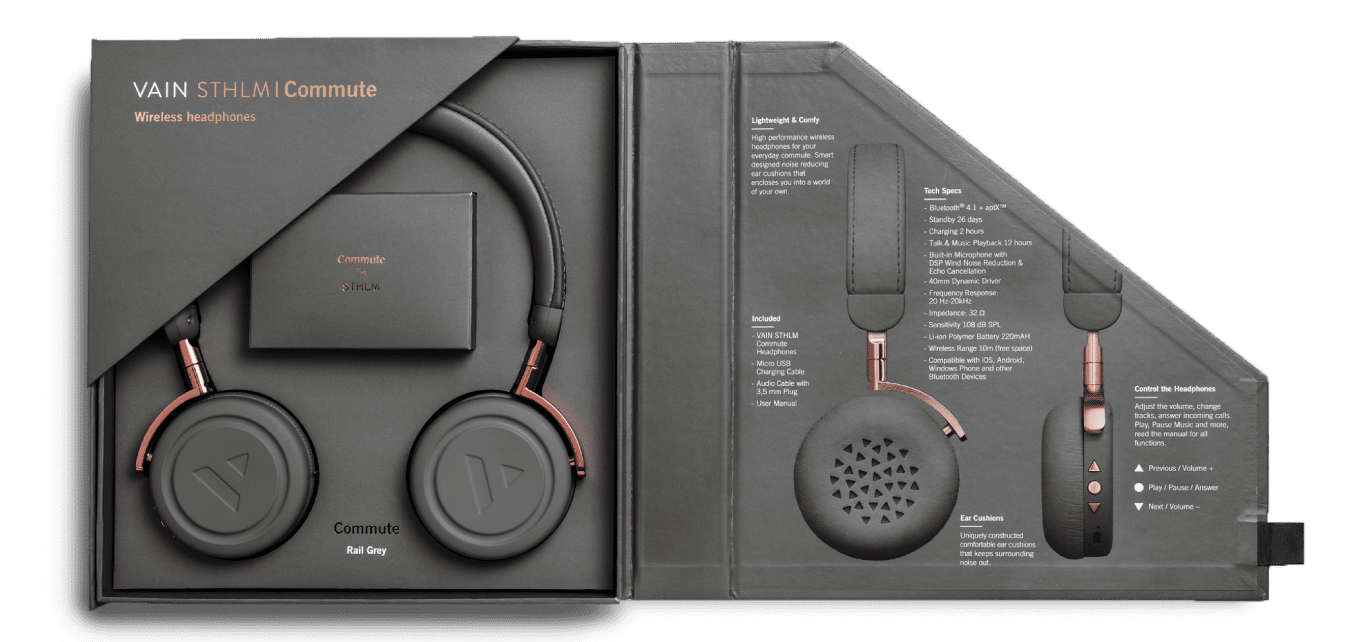
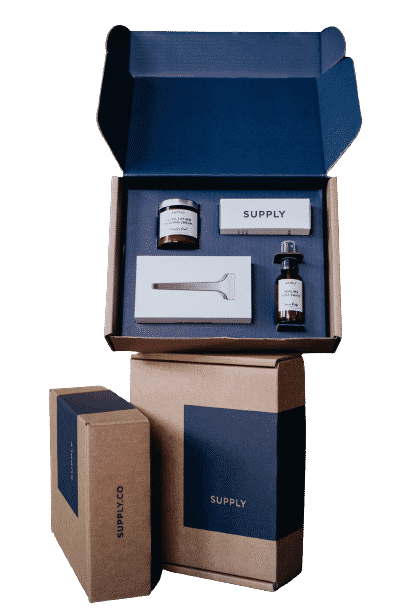
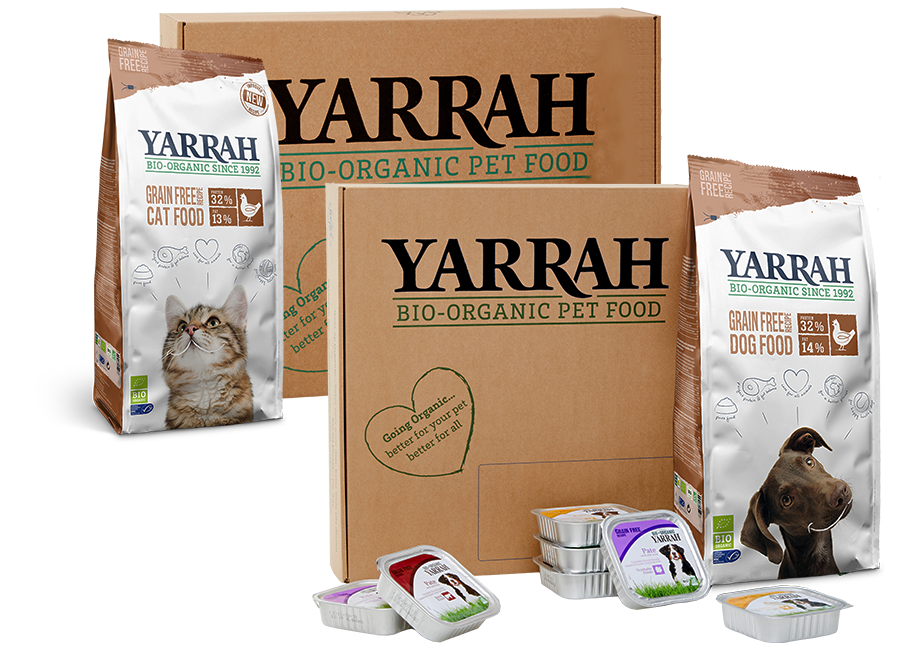
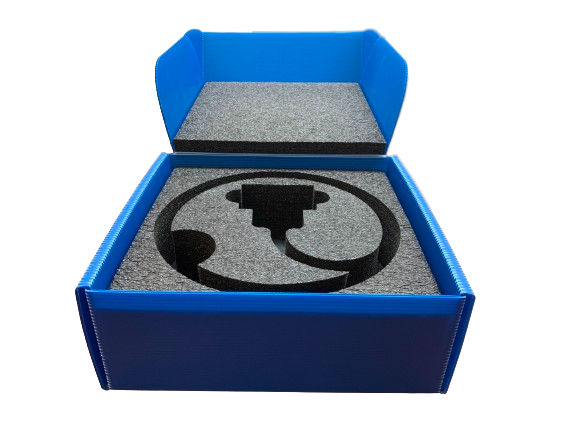
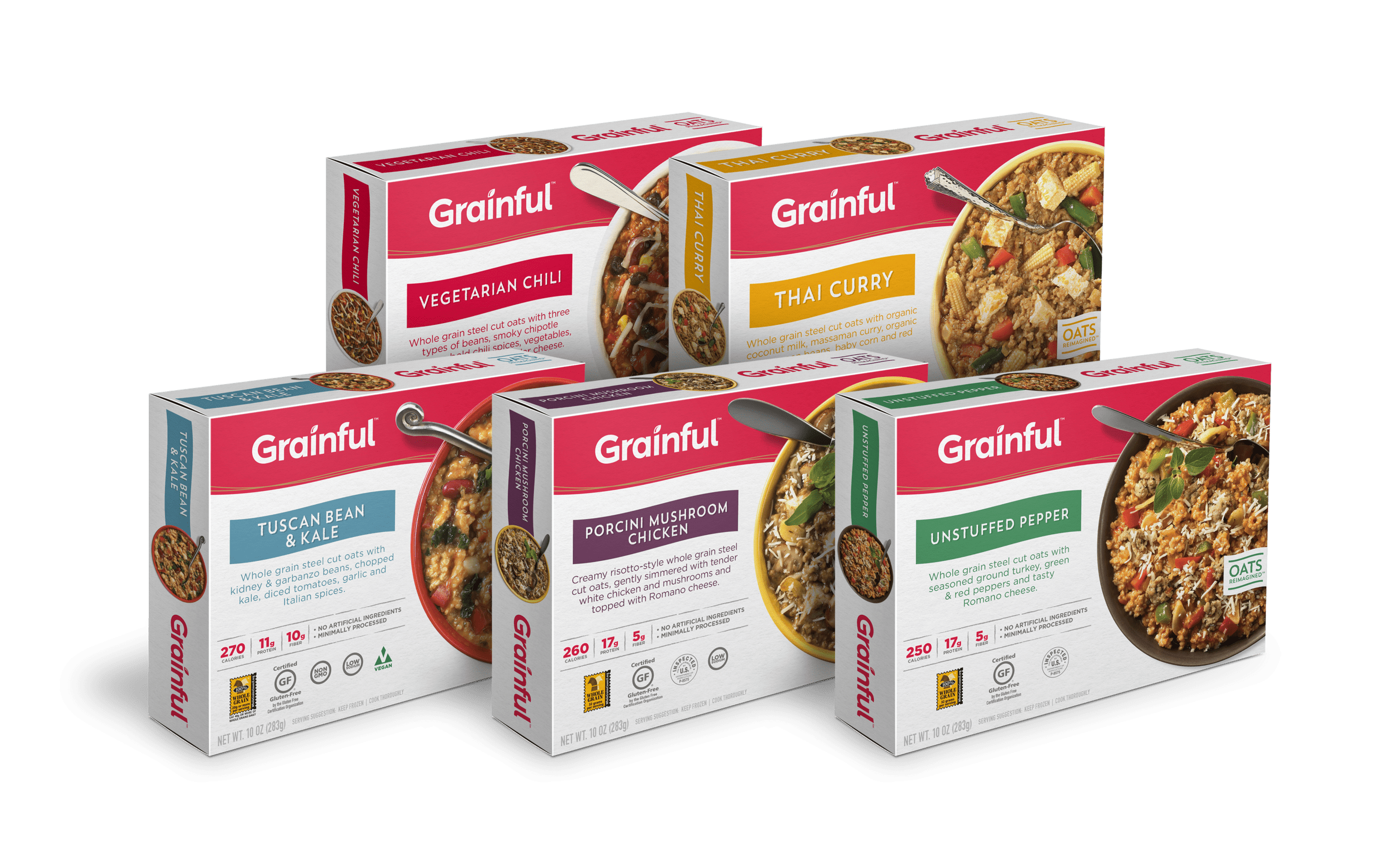
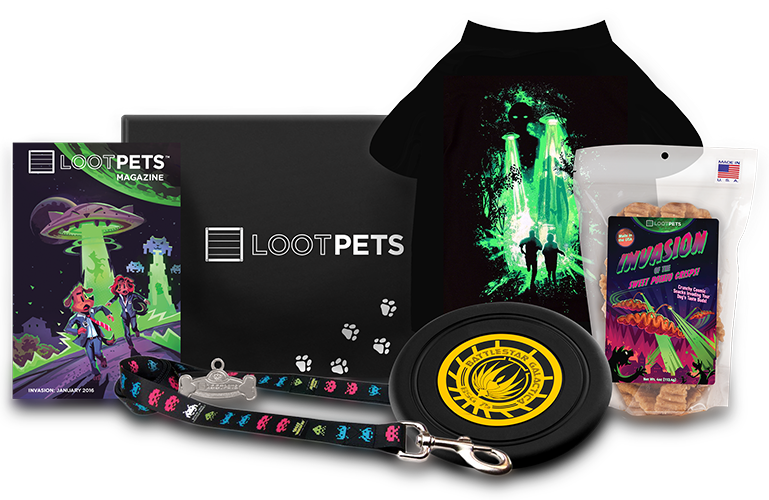
We offer a wide selection of fully customizable packaging products to address any packaging purpose. Customize your packaging product with your logo, brand colors, product information, design, features, and more. If you are unsure on what type of packaging you will need, then contact us for an expert consultation.

Custom packaging is tailored specifically to fit a brand’s unique product requirements, unlike stock packaging, which is pre-made and generic. Custom options allow for precise sizing, materials, and design choices, offering enhanced protection, presentation, and improved efficiency. This personalization makes custom packaging ideal for businesses looking to stand out and create a cohesive brand identity.

At Brown Packaging, our custom packaging solutions are structurally designed to optimize protection, material usage, and sustainability, tailored to meet specific product needs across various applications. We incorporate graphics to reinforce brand identity, ensuring that each package not only protects but also represents your brand effectively. With a focus on durability and functionality, our packaging ensures secure handling for shipping, retail, or storage while supporting sustainability goals.

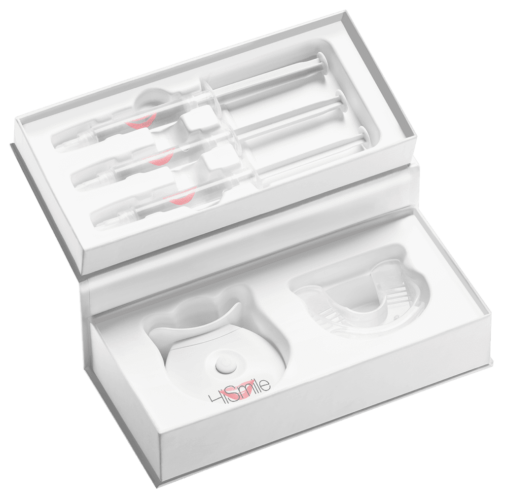
Dental Packaging Match Rigid Box (Slide)

Custom Packaging Products

We offer a variety of custom packaging products and solutions to meet all your packaging needs in one place. You’ll work directly with a dedicated project specialist to customize your package according to your specifications, including branding, features, and design.

Edit Content
Edit Content
Edit Content
Edit Content
Edit Content
Edit Content
Edit Content
Edit Content
Edit Content
Edit Content
Edit Content
Edit Content
Edit Content
Edit Content
Edit Content
Edit Content

If you need any assistance with your packaging or have a question, then contact us directly at request@brownpackaging.com  or  (714)300-0650. Learn more about custom packaging by reading our blog posts on new and trending topics.

Exploring the World of Pouch Packaging Materials
Pouch
brownpackaging
Exploring the World of Pouch Packaging Materials

Packaging is an essential aspect of product design, as it helps to protect the contents and enhance their shelf life. One of the most versatile types of packaging is pouches, which can be used for a wide range of products, from food items to personal care products. Pouches are lightweight, portable, and come in various shapes and sizes. They are also customizable, allowing businesses to showcase their brand with unique graphics and designs. The material used to make pouches can significantly impact their functionality and performance. In this blog, we will explore the different types of materials used to make pouches and their benefits and drawbacks. Plastic Pouches Plastic is one of the most common materials used to make pouches. It is versatile, durable, and lightweight, making it an ideal material for packaging. There are several types of plastic films used in the production of pouches, such as polyethylene, polypropylene, and polyester. Polyethylene (PE) is a widely used plastic film that is suitable for packaging food items, such as snacks, baked goods, and frozen foods. It is affordable, has excellent moisture and oxygen barrier properties, and is easy to print on. Polyethylene films come in different thicknesses, with high-density polyethylene (HDPE) being more robust than low-density polyethylene (LDPE). Polypropylene (PP) is another type of plastic film commonly used to make pouches. It is more durable than PE and has a higher melting point, making it suitable for hot-fill applications. PP films offer good moisture and oxygen barrier properties and are resistant to punctures and tears. Polyester (PET) is a strong, high-clarity plastic film that is suitable for packaging products that require high barrier properties, such as coffee, snacks, and dried fruits. It is also suitable for packaging products that require microwaveable or oven-able pouches. Plastic pouches are customizable, allowing businesses to showcase their brand with high-quality graphics and designs. However, plastic pouches are not biodegradable and can contribute to environmental pollution. They also have limited heat resistance and are not suitable for high-temperature applications. Paper Pouches Paper is a natural and biodegradable material that is becoming increasingly popular for pouch packaging. Paper pouches are lightweight, portable, and eco-friendly, making them an ideal option for dry food items such as nuts, seeds, and snacks. Paper pouches are typically made from kraft paper, which is a sturdy and tear-resistant material. They are also customizable and can be printed with unique designs and graphics. However, paper pouches are not suitable for products that require high barrier properties, such as liquids and perishable food items. Aluminum Foil Pouches Aluminum foil is a high barrier material that is commonly used for packaging perishable food items, such as meat, dairy products, and beverages. Foil pouches offer excellent moisture and oxygen barrier properties, preventing spoilage and extending the shelf life of the product. Aluminum foil pouches are puncture-resistant and tamper-evident, making them an ideal option for high-value products. They are also heat-sealable, ensuring the contents remain fresh and protected from external factors. However, aluminum foil pouches are not suitable for microwave or oven-able applications. They are also not biodegradable and can contribute to environmental pollution. Biodegradable Pouches As consumers become more environmentally conscious, biodegradable pouches are becoming increasingly popular. These pouches are made from materials such as corn starch, sugarcane, and other natural fibers. Biodegradable pouches break down quickly in the environment, leaving no harmful residues. They are also suitable for food items and offer similar barrier properties as traditional plastic pouches. However, biodegradable pouches are more expensive than traditional plastic pouches and have limited availability. They may also have lower barrier properties than other materials, making them less suitable for certain products. Composite Pouches Composite pouches are made by combining different materials to create a customized packaging solution. For example, a composite pouch might combine plastic and aluminum foil to create a high barrier pouch suitable for packaging liquids and powders. Composite pouches offer a range of benefits, such as increased durability, enhanced barrier properties, and improved product shelf life. Composite pouches are customizable and can be printed with high-quality graphics and designs. They are also tamper-evident, ensuring the contents remain fresh and protected from external factors. However, composite pouches are more expensive than traditional plastic pouches and may not be suitable for all products. The use of multiple materials in composite pouches may also make them more difficult to recycle. Summary: Which Pouch Material Should You Choose? In conclusion, the choice of material used to make pouches depends on the product being packaged, the required barrier properties, and environmental considerations. From plastic and paper to aluminum foil and biodegradable materials, there are several options available for creating the perfect pouch for your product. By understanding the benefits and drawbacks of each material, businesses can make informed decisions about the best type of pouch packaging for their products. If you are looking for custom pouches, then contact Brown Packaging today to get started. (714)300-0650 request@brownpackaging.com Most Recent Posts: Categories: Corrugated Ecommerce ESD Design Display Flexible Packaging Foam Folding Carton Packaging Plastic Packaging Pouch Printing Protection Retail Rigid Box Thermoform Sustainability Subscribe To Our Newsletter By submitting your information, you agree to our terms and conditions and privacy policy. Pouches Facebook Twitter LinkedIn Pinterest Relevant Posts

Read More »
Packaging on a Budget: How Your Budget Can Affect Your Packaging Design
Packaging
brownpackaging
Packaging on a Budget: How Your Budget Can Affect Your Packaging Design

In today’s competitive marketplace, packaging has become one of the most crucial elements of any product. It not only protects the product but also plays a significant role in the marketing and branding of the product. However, creating a packaging design that effectively represents your brand while keeping costs under control can be challenging. Therefore, creating a budget for your packaging design is a critical aspect that should be considered by any business owner. Quick Overview: 10 Ways Your Budget Is Impacting Your Packaging Design In this blog post, we will explore how a budget can affect your packaging design. Material Selection Printing and Finishing Customization Quantity Logistics Size and Shape Design Complexity Branding Elements Sustainable Materials Regulatory Compliance Material Selection The materials used for packaging can vary significantly in cost. If you have a low budget, you may opt for less expensive materials such as paper or cardboard, while a higher budget may allow for more luxurious materials such as metal or glass. Additionally, different materials can have different benefits and drawbacks, such as eco-friendliness or durability, so it’s important to consider your budget when selecting materials. Printing and Finishing Packaging design can be enhanced with different printing and finishing techniques such as embossing, foil stamping, and spot UV printing. These techniques can add a significant visual impact to your packaging but can also be costly. Therefore, it’s crucial to consider the budget when deciding which printing and finishing techniques to use. Customization Customized packaging can help your brand stand out in a crowded market. However, customization can also increase costs significantly. The level of customization required will depend on your brand and the product being sold. For example, a luxury brand may require more custom packaging than a standard product. It’s essential to understand the level of customization required and its impact on the budget. Quantity The quantity of packaging produced can also impact the budget. Larger quantities can often lead to economies of scale, resulting in lower per-unit costs. Therefore, it’s crucial to determine the optimal quantity for your packaging design while considering your budget. Logistics The logistics of packaging can also affect the budget. The cost of shipping, warehousing, and storage should all be taken into account when creating a packaging budget. Additionally, any potential delays or issues in the supply chain can also impact the budget and should be considered when creating the budget. Size and Shape The size and shape of your packaging can have an impact on the budget. More intricate or unusual shapes may require custom tooling, which can be costly. Similarly, larger sizes may require more materials, increasing the overall cost. Therefore, it’s important to consider the size and shape of your packaging when creating a budget. Design Complexity The complexity of your packaging design can also impact the budget. More complex designs may require more time and resources to create, increasing the overall cost. Additionally, complex designs may require more materials or customization, which can further increase costs. Therefore, it’s important to consider the level of design complexity when creating a budget. Branding Elements Packaging is an important branding tool, and incorporating branding elements into your packaging can help build brand recognition and loyalty. However, incorporating branding elements into your packaging design can also increase costs. For example, using custom colors or adding a special color logo can increase printing costs. Therefore, it’s important to consider the branding elements you want to include in your packaging design when creating a budget. Sustainable Materials Sustainable packaging has become increasingly popular in recent years, as consumers become more environmentally conscious. However, sustainable materials can be more expensive than traditional materials, impacting the budget. Therefore, it’s important to consider the use of sustainable materials when creating a packaging budget. Regulatory Compliance Different products may have different regulatory requirements that impact the packaging design. For example, some products may require specific warning labels or safety features. Ensuring compliance with these regulations can impact the budget, as additional design elements or materials may be required. Therefore, it’s important to consider regulatory compliance when creating a budget for your packaging design. Summary: Budgeting and Packaging Design In conclusion, creating a packaging design that effectively represents your brand while staying within budget constraints is crucial. A budget can impact various elements of packaging design, such as material selection, printing techniques, customization, quantity, logistics, size and shape, design complexity, branding elements, sustainable materials, regulatory compliance, shipping and handling, target audience, industry standards, seasonal changes, and multilingual design. As a result, businesses must carefully consider each of these factors when creating a packaging budget to ensure that they can create a packaging design that meets their needs and budget constraints. By doing so, businesses can not only create an effective packaging design but also save costs and improve their bottom line. If you are interested in getting the best packaging solutions for your budget, then contact Brown Packaging today to get started. (714)300-0650 request@brownpackaging.com Most Recent Posts: Categories: Corrugated Ecommerce ESD Design Display Flexible Packaging Foam Folding Carton Packaging Plastic Packaging Pouch Printing Protection Retail Rigid Box Thermoform Sustainability Subscribe To Our Newsletter By submitting your information, you agree to our terms and conditions and privacy policy. Custom Packaging Facebook Twitter LinkedIn Pinterest Relevant Posts

Read More »
The Ultimate Guide to Shipping Tubes
Packaging
brownpackaging
The Ultimate Guide to Shipping Tubes

Shipping tubes, also known as mailing tubes, are cylindrical containers that are designed to protect and transport rolled documents, posters, artwork, and other items that cannot be folded. These tubes are typically made of materials such as paperboard, plastic, or metal and come in various sizes and shapes to meet different shipping needs. The primary function of shipping tubes is to provide a secure and protective package for rolled items during shipping and mailing. Rolled items such as artwork, blueprints, engineering plans and posters are often too large or too fragile to be folded or placed in traditional flat packaging, making shipping tubes the ideal choice for their safe transport. Shipping Tube Material Options There are several material options available for shipping tubes, including paperboard, plastic, and metal. Each material offers different levels of durability, protection and environmental impact. Paperboard tubes: are often referred to as cardboard tubes, are the most common material for shipping tubes. They are made from recycled paper and are lightweight, affordable, and environmentally friendly. These tubes come in different thicknesses, depending on the level of durability required. Thinner tubes are less expensive and are ideal for shipping lightweight items such as posters, charts, and maps. Thicker tubes are more durable and can be used for shipping heavier items such as textiles and artwork. Plastic tubes: are made from polyethylene or polypropylene and are more durable and water-resistant than paperboard tubes. They come in different colors, thicknesses, and shapes and can be transparent or opaque. Plastic tubes are ideal for shipping items that require more protection, such as textiles, artwork, and fragile items. They are also more expensive than paperboard tubes and have a greater environmental impact. Metal tubes: are the most durable and secure shipping option. They are made from steel or aluminum and are resistant to water, fire, and other hazards. Metal tubes are ideal for shipping heavy and valuable items such as blueprints, architectural drawings, and engineering plans. They are also more expensive than paperboard or plastic tubes and have a greater environmental impact. When choosing a material for shipping tubes, it is important to consider the level of protection required, the weight and fragility of the items being shipped, and the environmental impact of the material. Paperboard tubes are an eco-friendly and affordable option for shipping lightweight items, while plastic and metal tubes offer greater durability and protection for heavier or more fragile items. Mailing Tube Styles Mailing tubes are an essential packaging solution for safely transporting rolled or delicate items. They come in a variety of styles to suit different needs, from open-end tubes for flat items to telescopic tubes for adjustable lengths. Understanding these different styles can help you choose the best mailing tube for your shipping needs, ensuring your items arrive safely and securely at their destination. Open End Tube: This style of mailing tube has a flush cut at one end and a removable plastic end cap at the other end, making it easy to insert and remove contents. Open-end tubes are popular for shipping artwork, posters, and other flat items. Crimped End Tube: Crimped end tubes have one end crimped and the other end open. The crimped end provides a secure closure for the tube and protects the contents from moisture and dirt. These tubes are commonly used for mailing documents, blueprints, and other rolled items. Telescopic Tube: Telescopic tubes have a nested design, with one tube fitting inside another. This allows for adjustable lengths, making them versatile for a variety of items. They typically have plastic end caps to secure the contents. Triangle Tube: Made from sturdy paperboard, triangle tubes have a triangular cross-section, making them ideal for shipping items that require extra protection, such as posters or blueprints. They are often closed with plastic end caps and can be stacked for easy storage. Mailing Tube Customization Options Shipping tubes can be customized to meet specific shipping needs. The following are some common customization options: Size: Shipping tubes come in different sizes to accommodate various items. Custom sizes can also be ordered to fit unique items. Thickness: Shipping tubes come in different thicknesses to provide different levels of protection. Thicker tubes are more durable and offer more protection than thinner ones. Closure: Shipping tubes can be sealed with a variety of closures, including plastic and metal endcaps, and snap-on lids. End caps are the most common closure and are made from the same material as the tube, plastic or metal. Labeling: Shipping tubes can be labeled with a company logo, product information, and shipping instructions. Labels can be printed directly on the tube or on a separate label that is affixed to the tube. Color: Shipping tubes can be manufactured in a variety of colors, making it easy to differentiate between different items or shipments. Print design: Shipping tubes can be printed with custom designs, patterns, or images to add branding or personalization to the packaging. It can be flexographic random print with single or multiple colors, or laminated with litho-label. Customization options can vary depending on the material of the tube. For example, paperboard tubes can be printed with custom designs using a flexo or offset printing process. Plastic tubes can be produced in different colors, thicknesses, and shapes, and can be labeled with a printed sticker or a direct print. Metal tubes can be customized with a printed label or etching on the surface of the tube. Advantages and Disadvantages of Shipping Tubes Shipping tubes offer several advantages and disadvantages for shipping and mailing items: Advantages Protection: Mailing tubes provide a protective barrier for rolled items during shipping and mailing. They help to prevent damage from moisture, dirt, and other hazards. Versatility: Shipping tubes are versatile and can be used to ship a wide range of items, including posters, artwork, and blueprints. Customization: Customized to meet specific shipping needs, including size, thickness, closure, labeling, color, and print design. Affordability: Affordable shipping option, especially for lightweight items that can be shipped via standard mail.

Read More »