





Custom Packaging
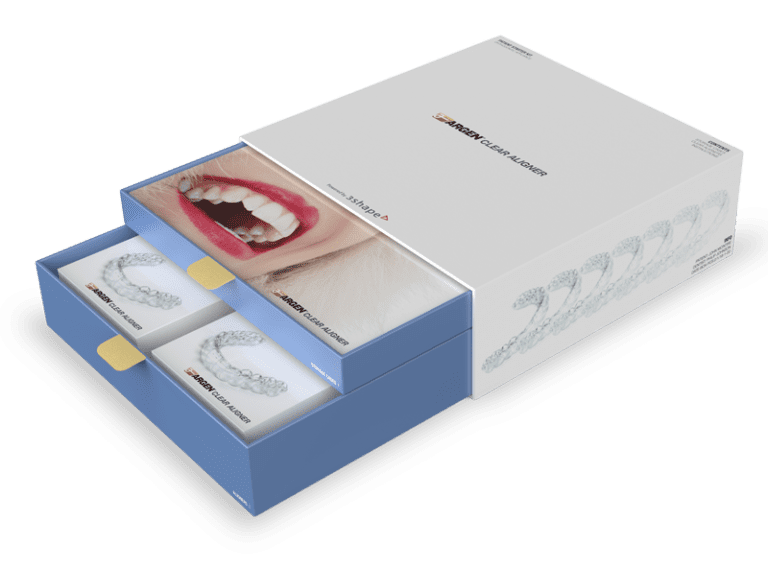
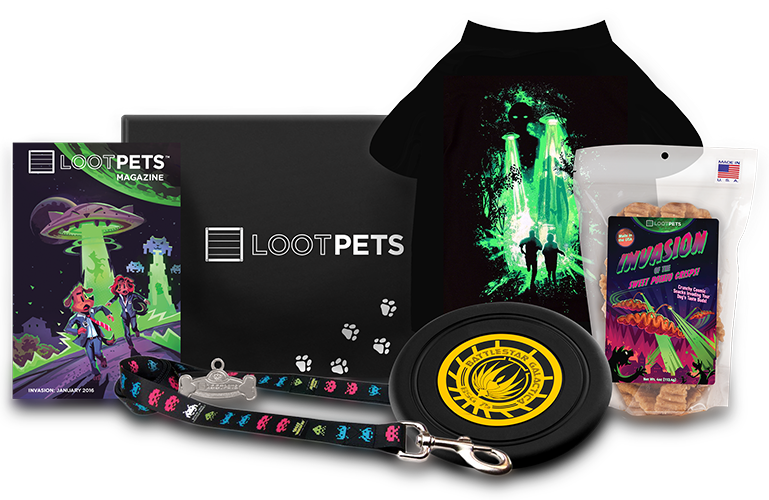
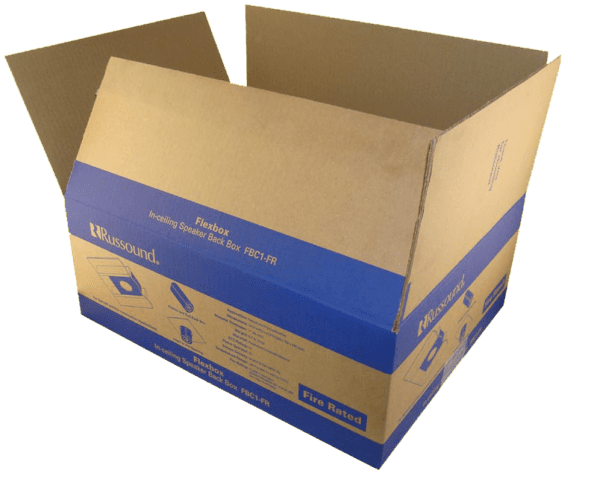
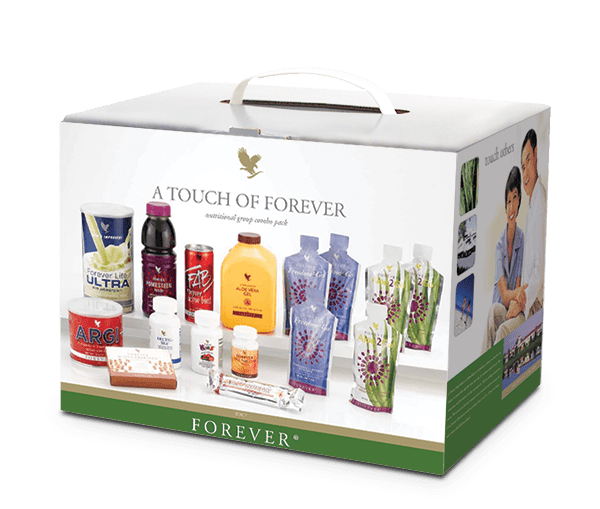
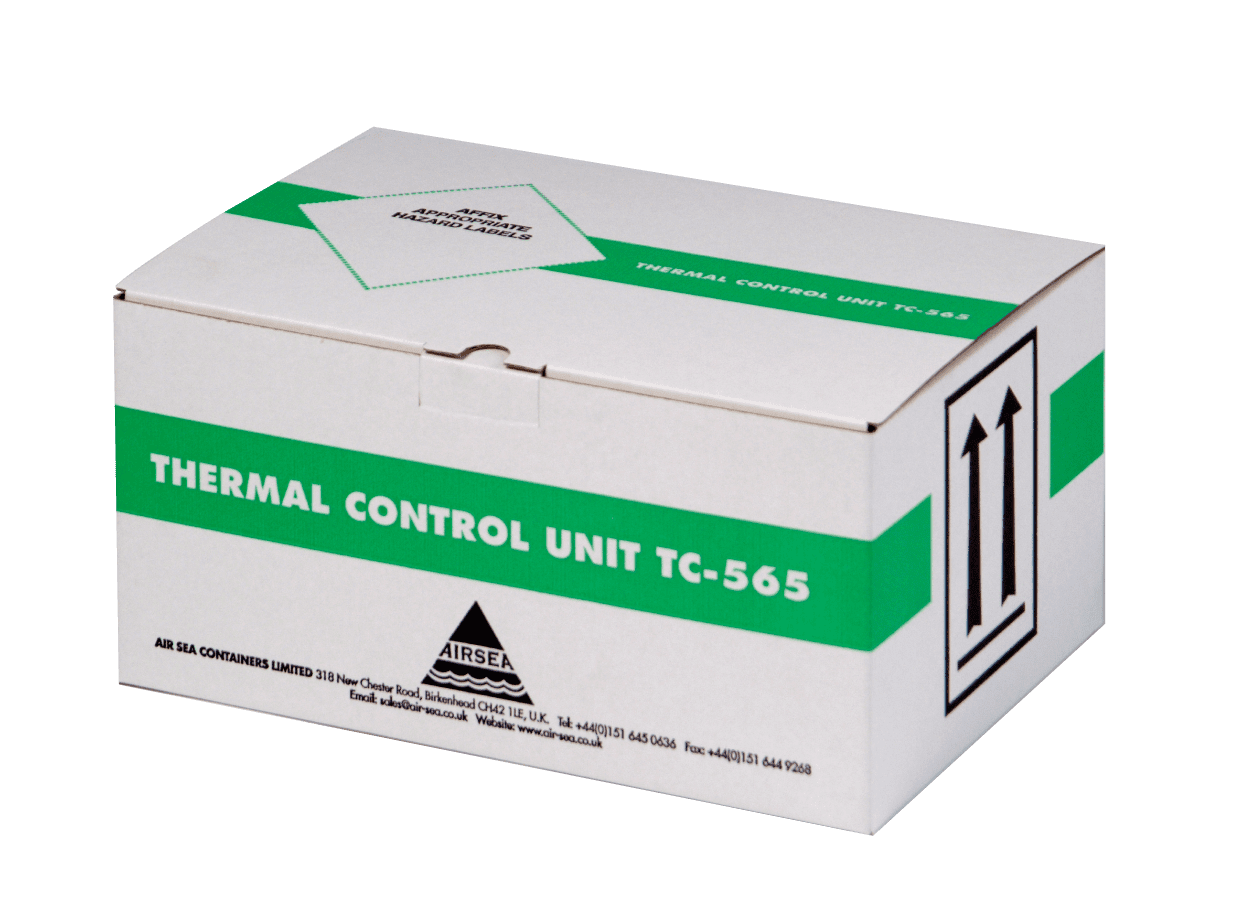
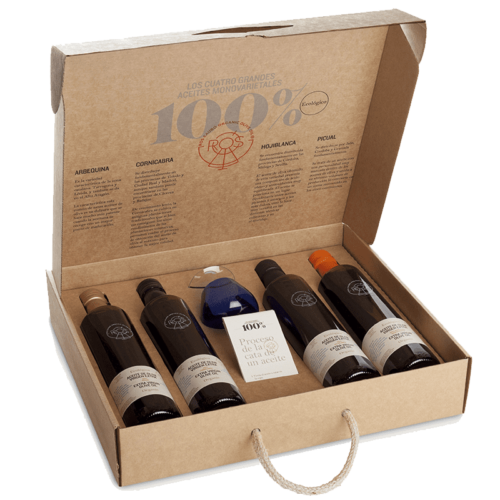
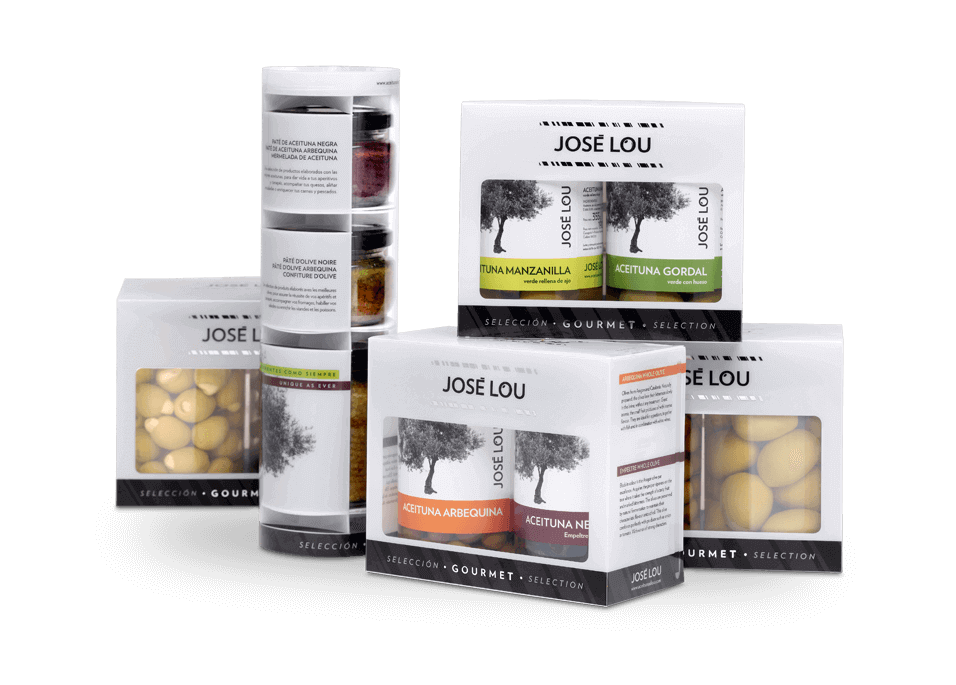
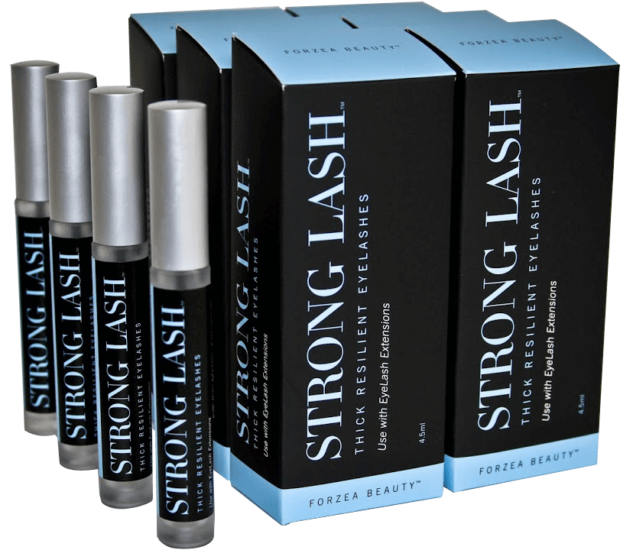
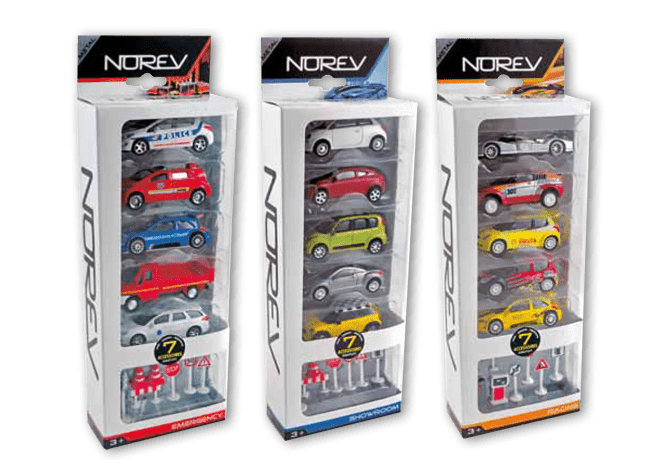
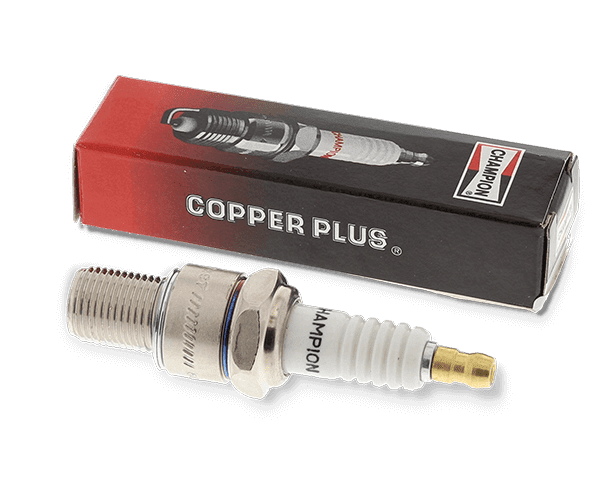
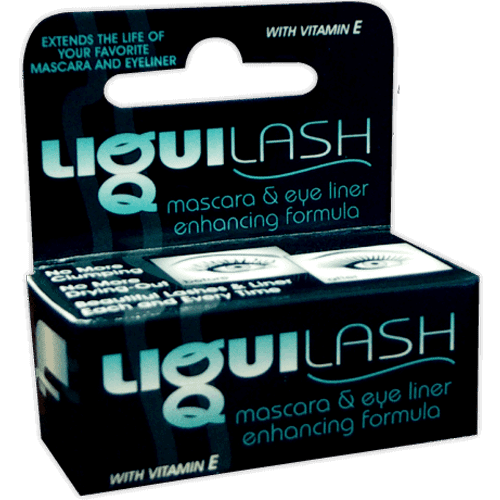
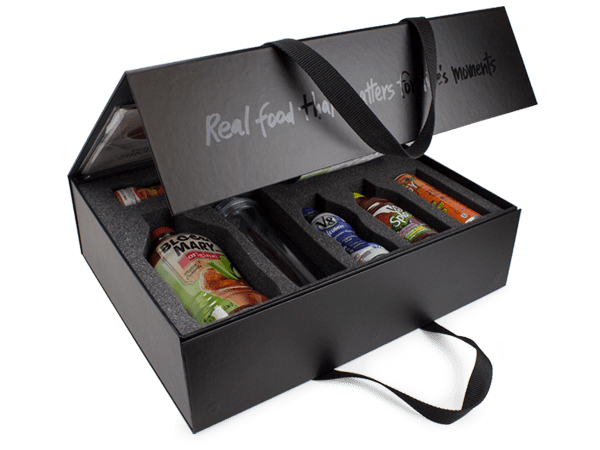
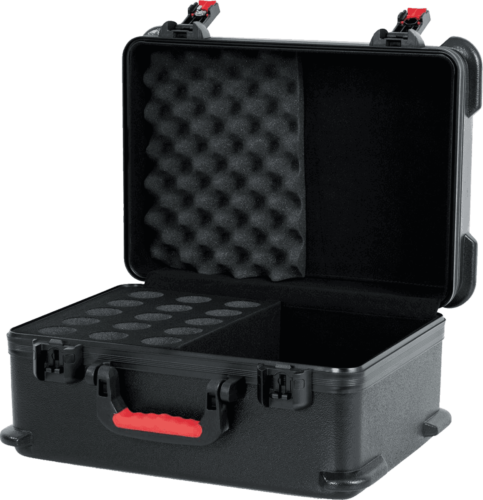
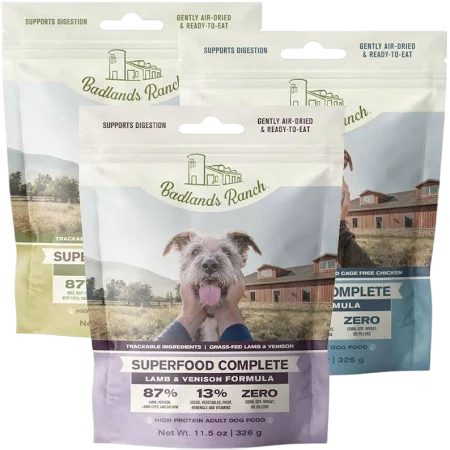
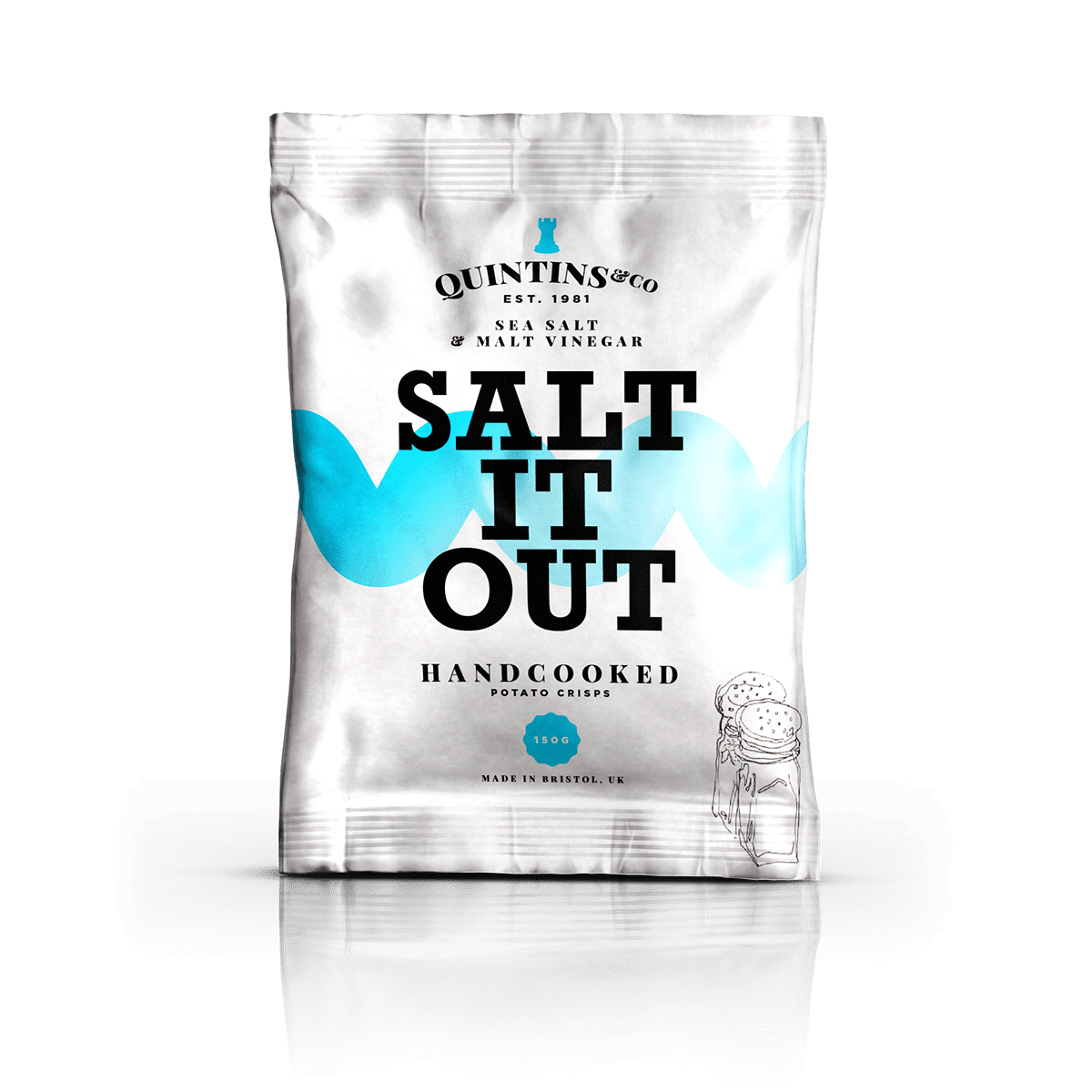
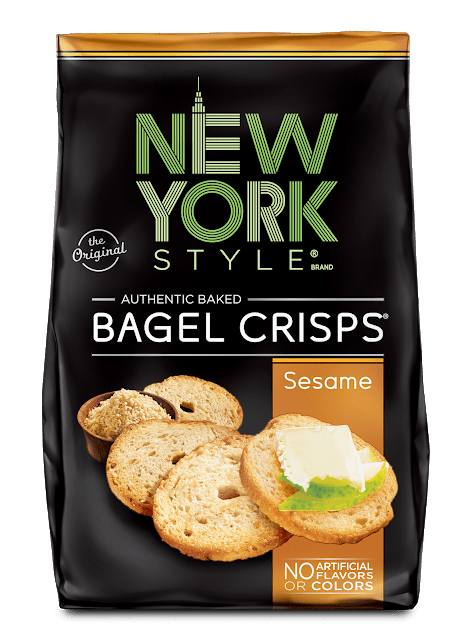
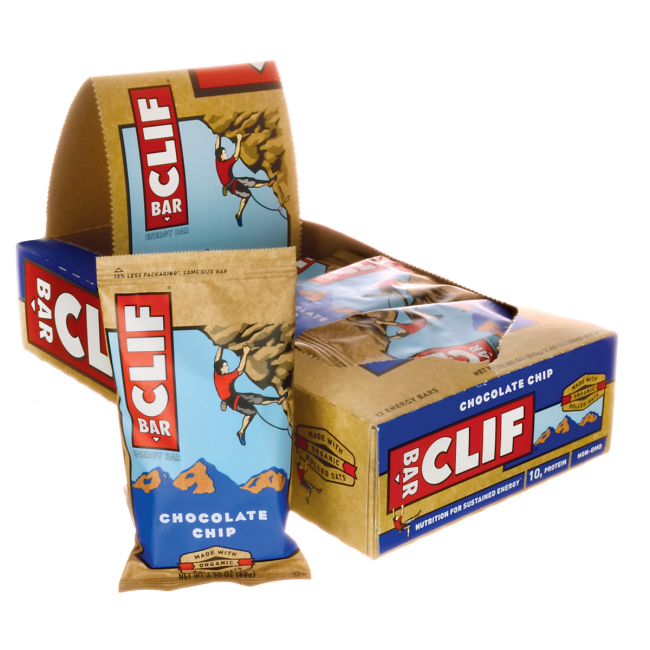
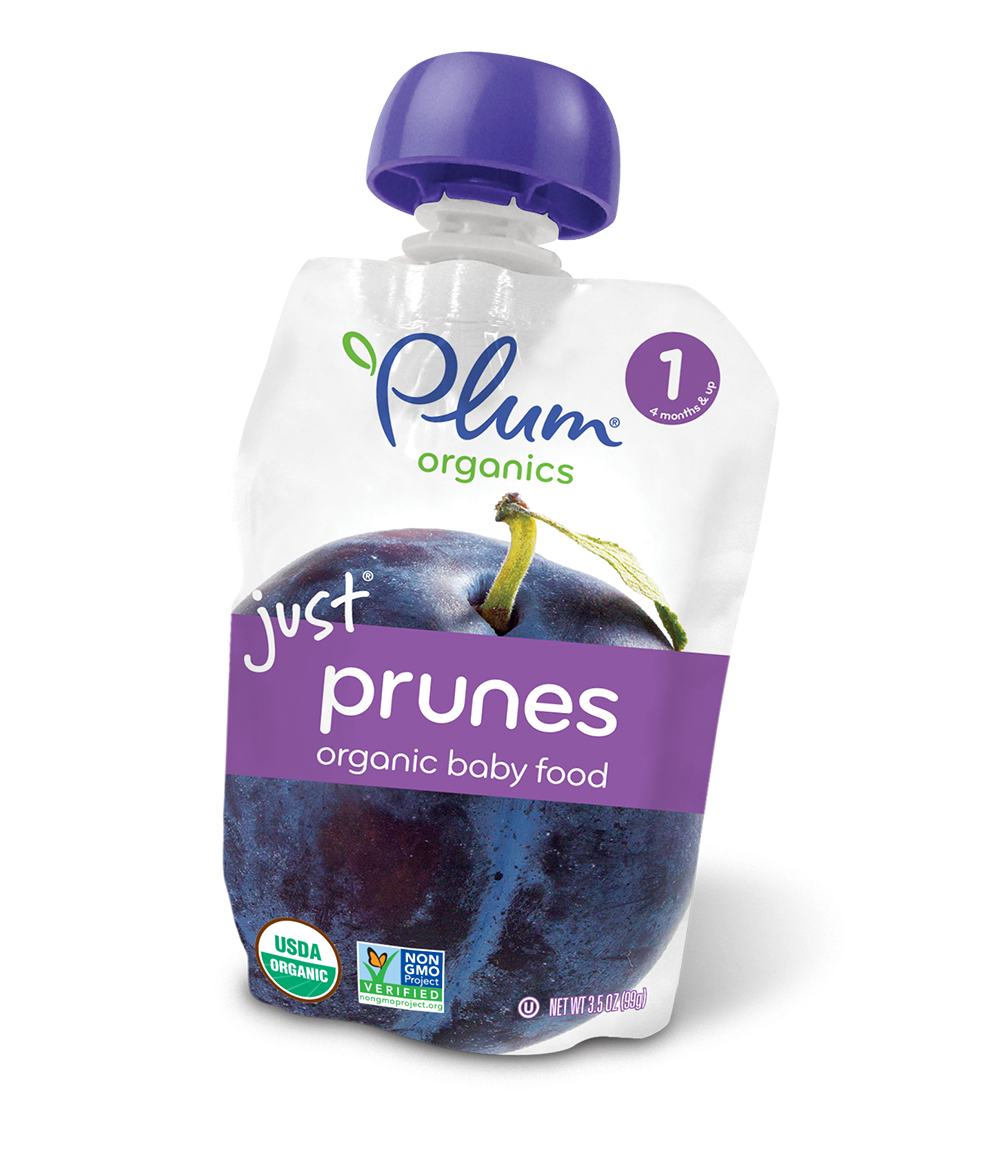
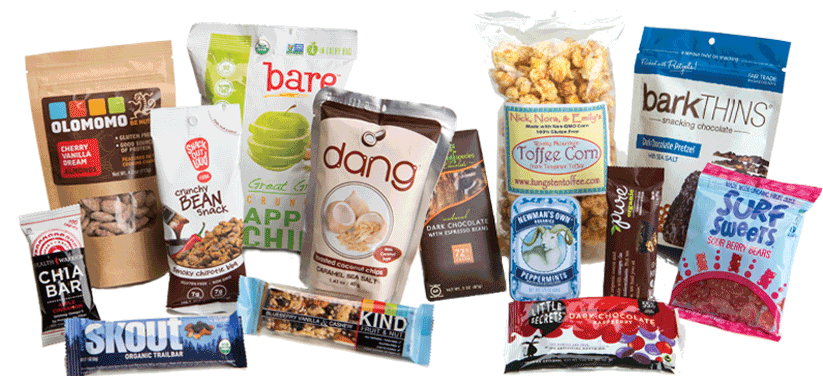
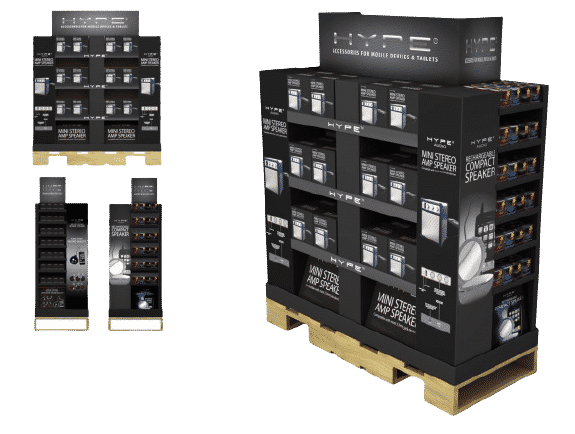
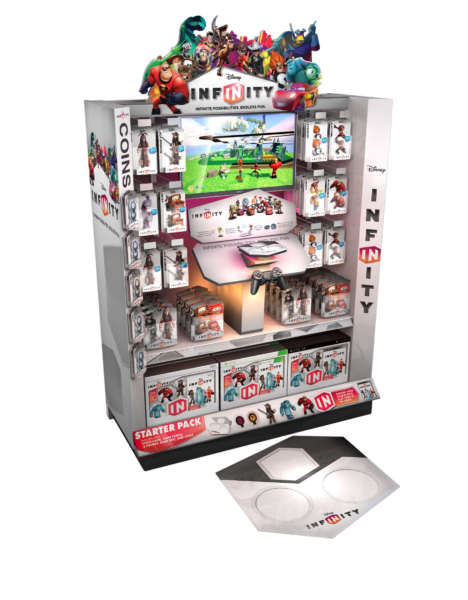
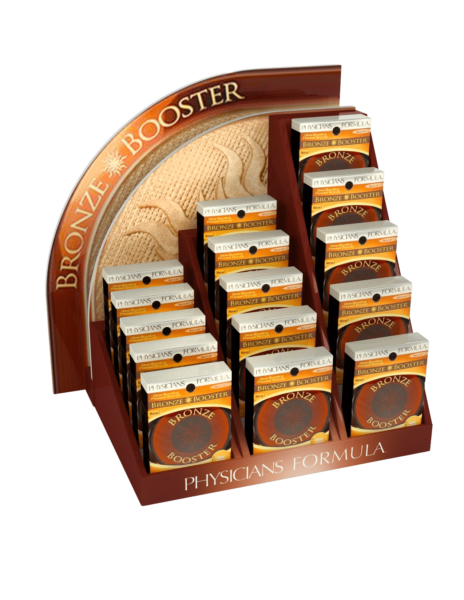
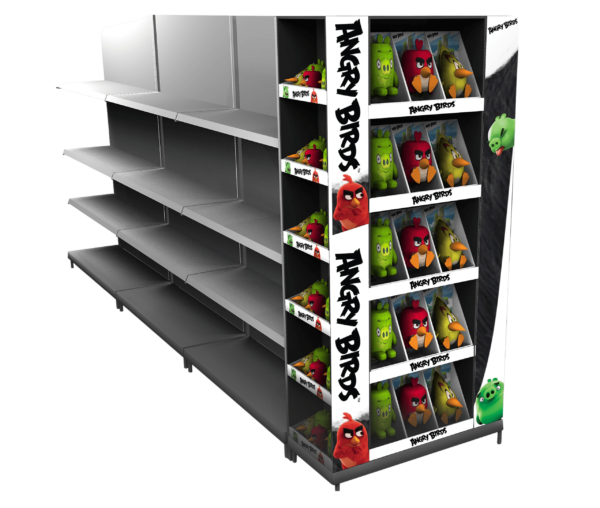
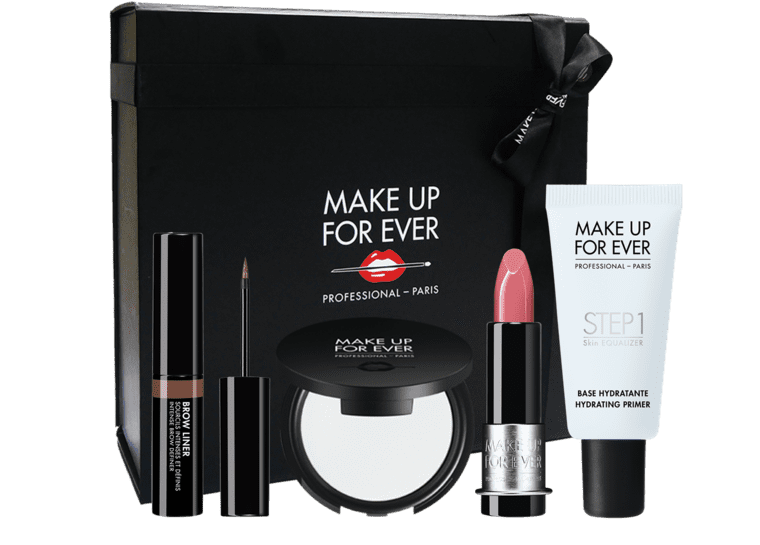
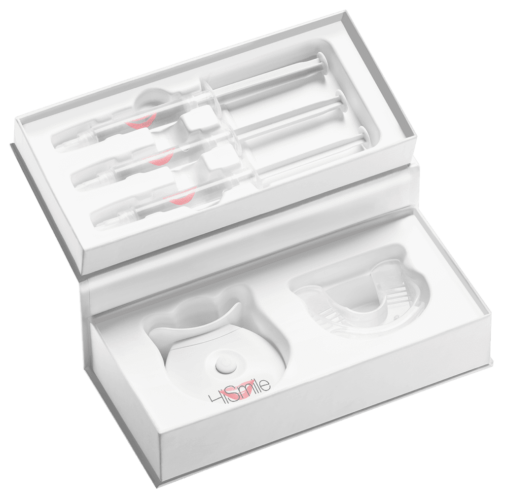
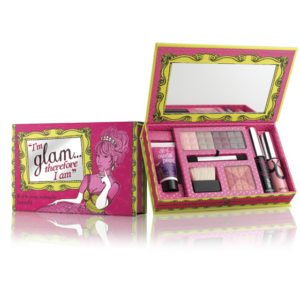
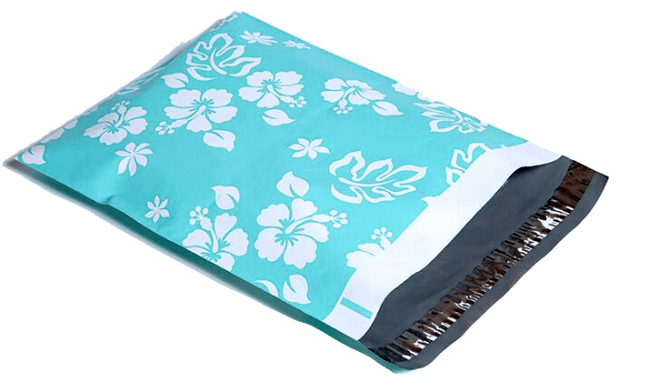
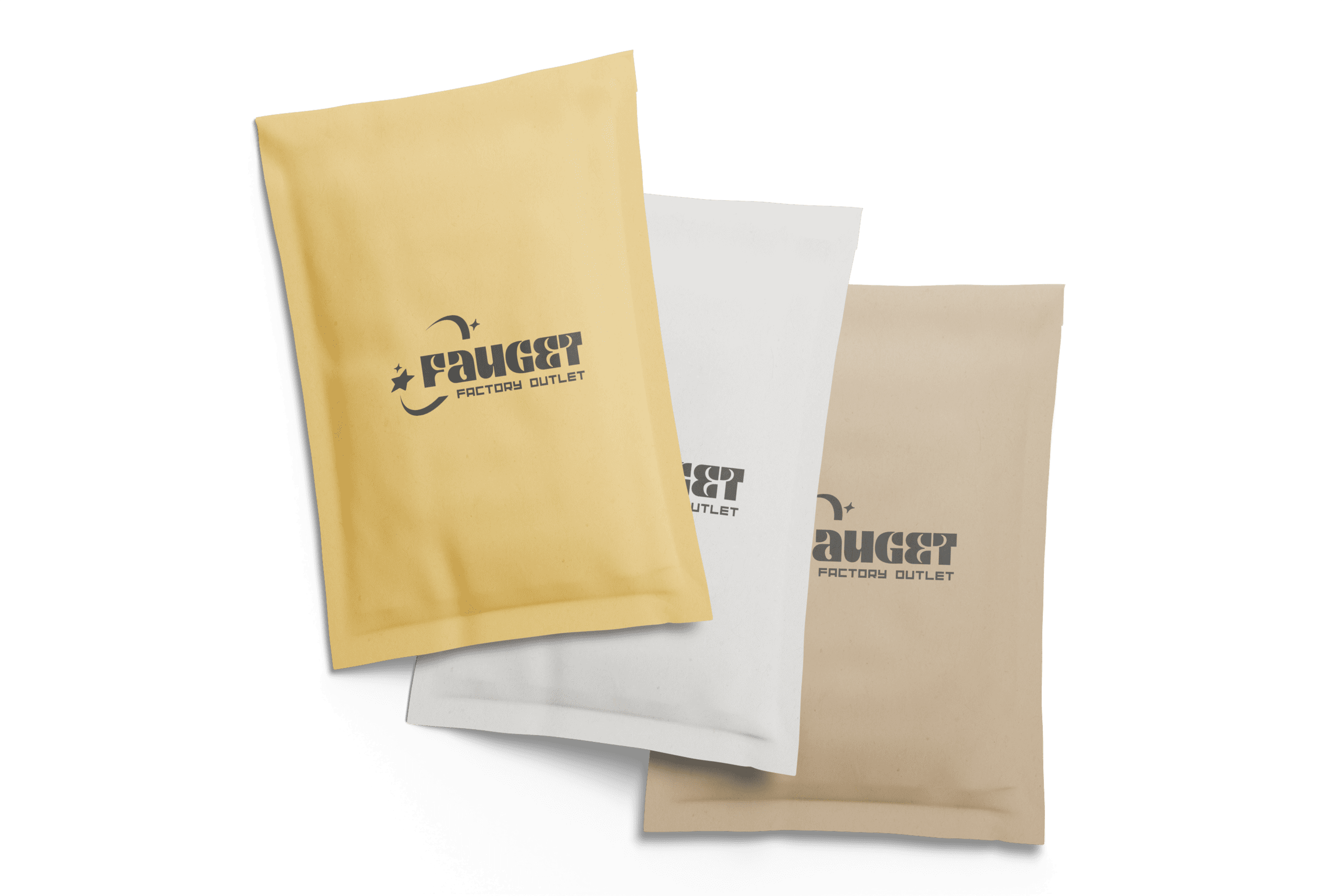
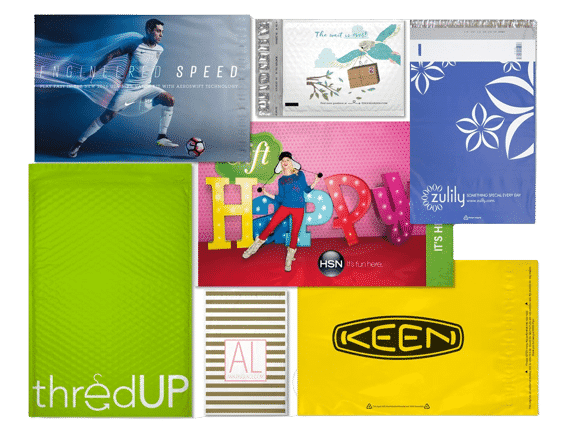
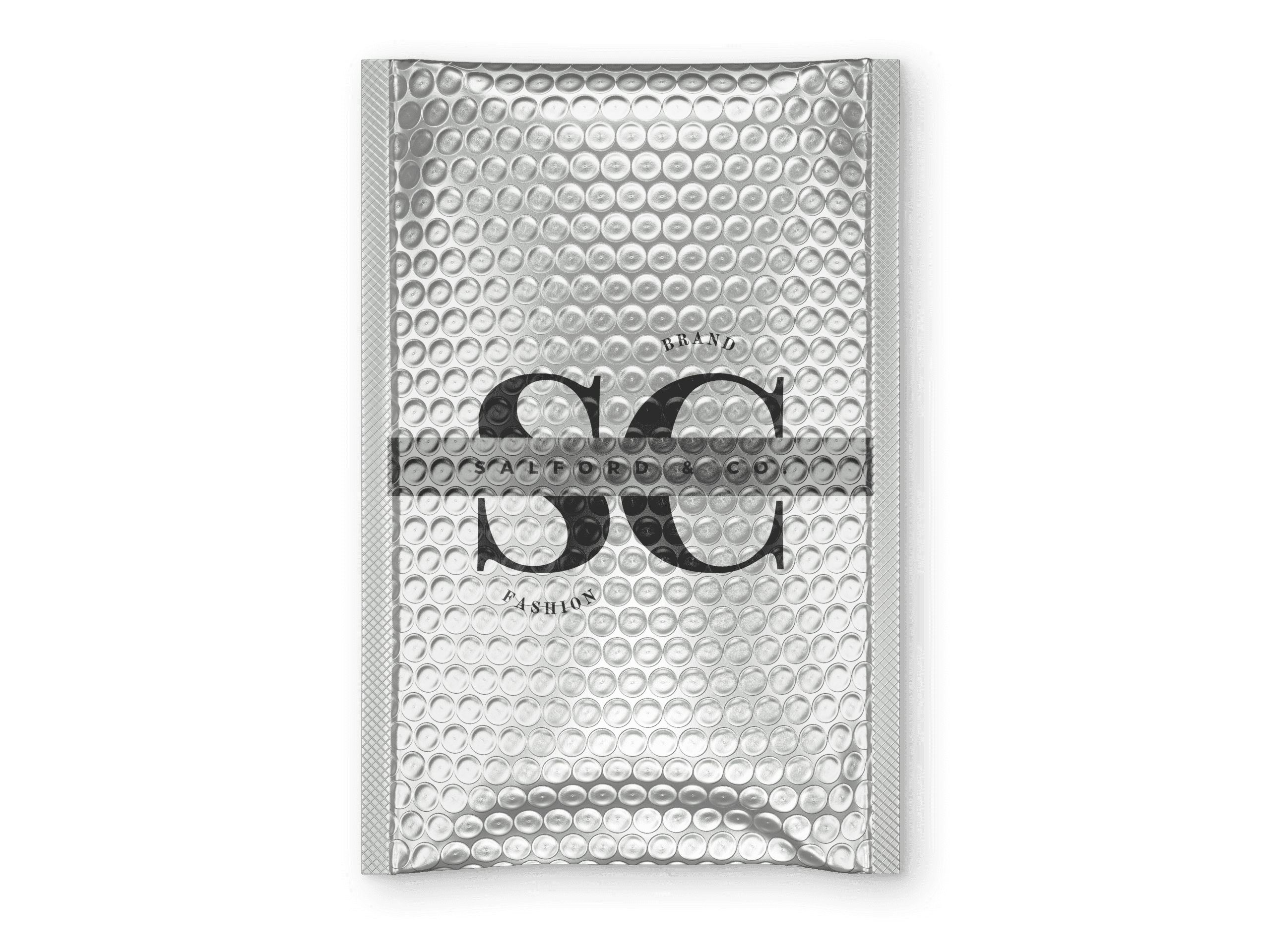
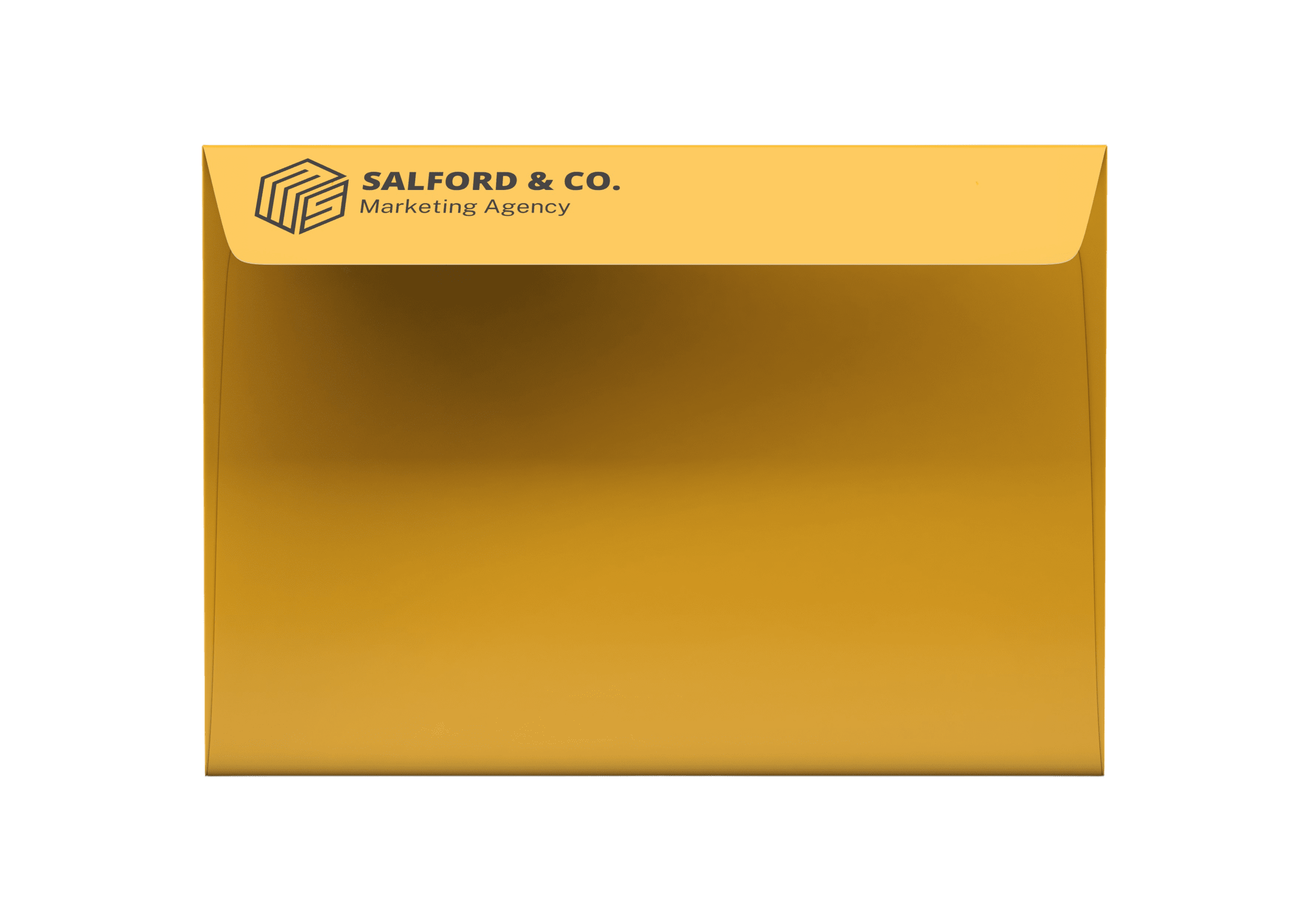
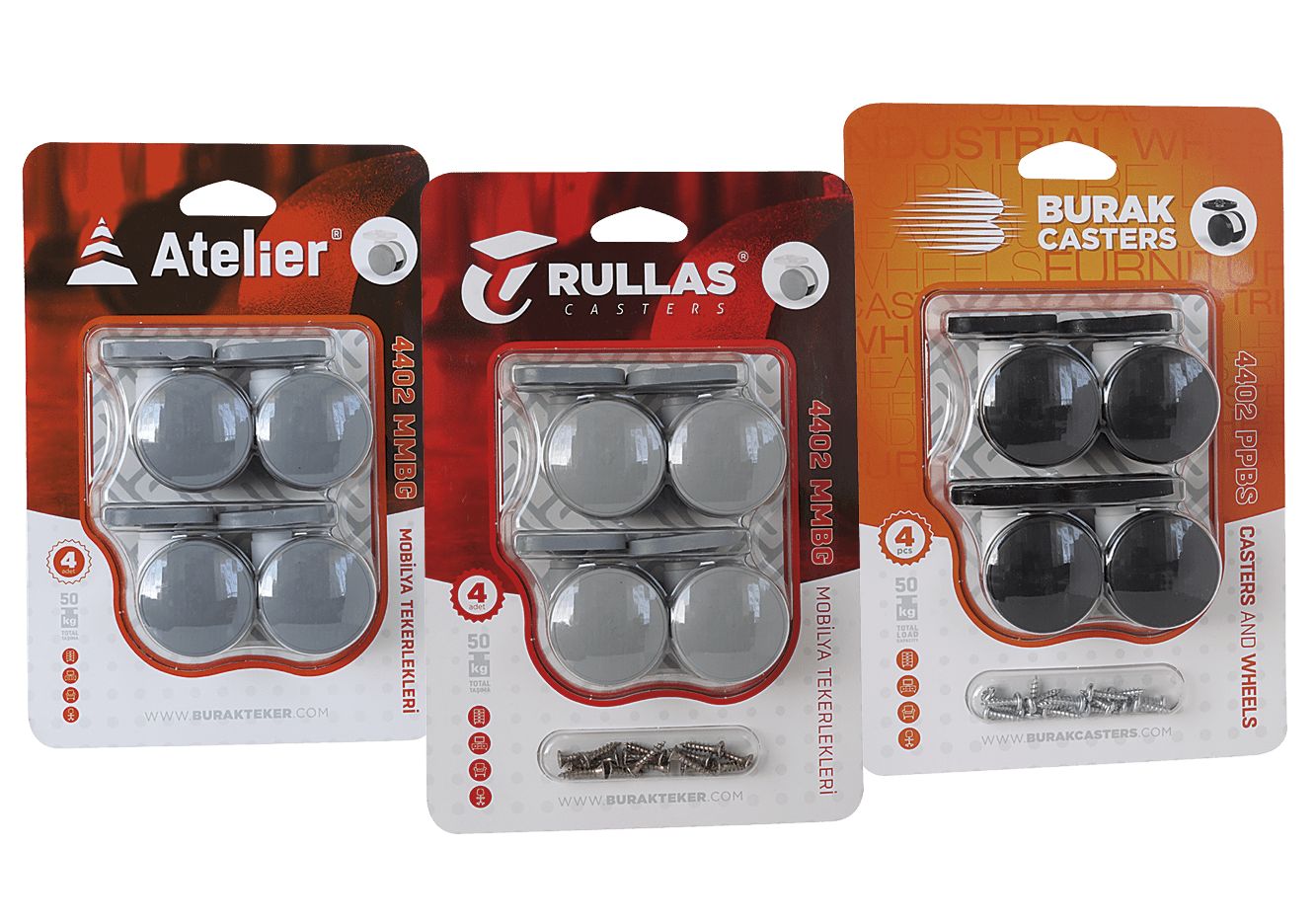
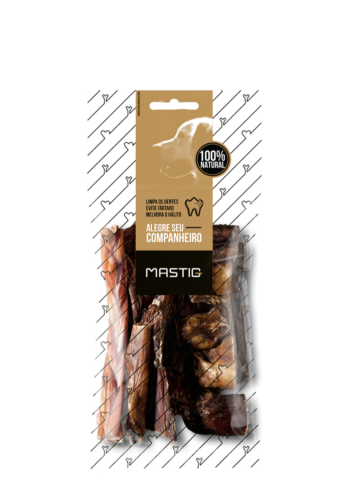
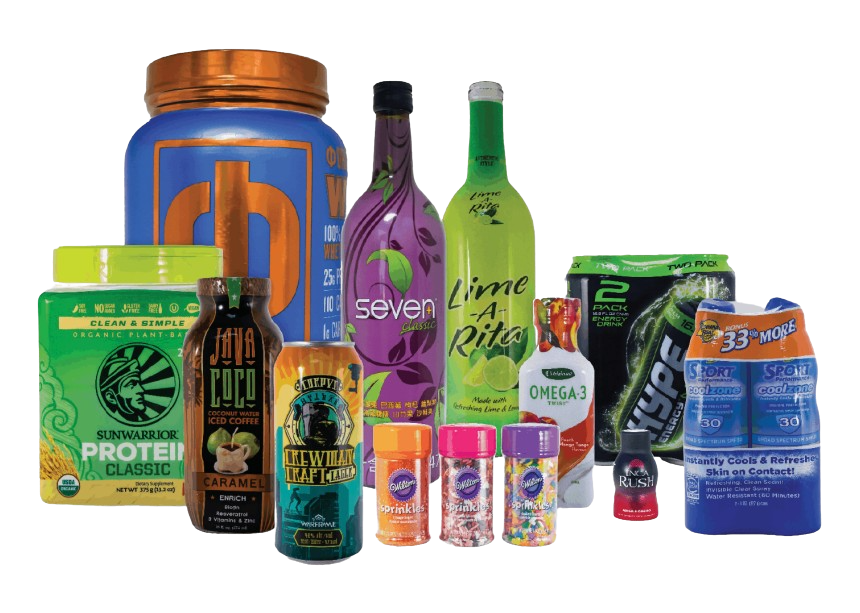
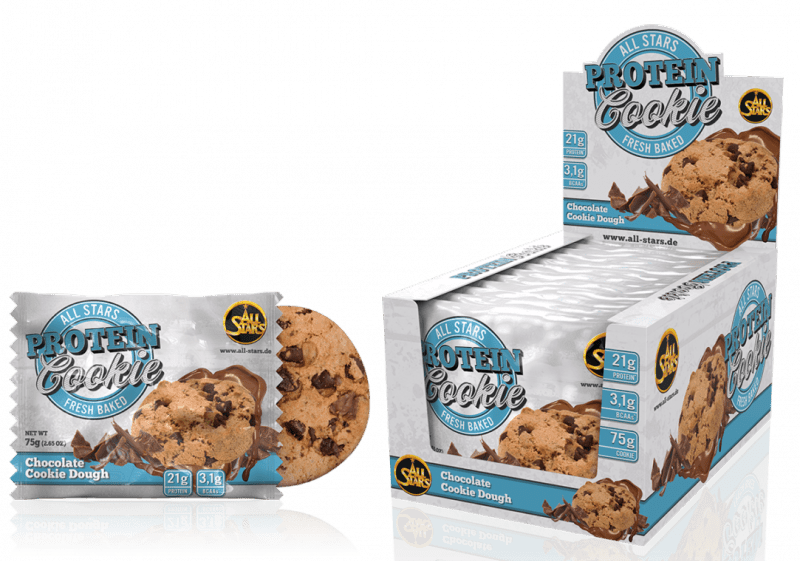
We offer a wide selection of fully customizable packaging products to address any packaging purpose. Customize your packaging product with your logo, brand colors, product information, design, features, and more. If you are unsure on what type of packaging you will need, then contact us for an expert consultation.


Custom packaging is tailored specifically to fit a brand’s unique product requirements, unlike stock packaging, which is pre-made and generic. Custom options allow for precise sizing, materials, and design choices, offering enhanced protection, presentation, and improved efficiency. This personalization makes custom packaging ideal for businesses looking to stand out and create a cohesive brand identity.
At Brown Packaging, our custom packaging solutions are structurally designed to optimize protection, material usage, and sustainability, tailored to meet specific product needs across various applications. We incorporate graphics to reinforce brand identity, ensuring that each package not only protects but also represents your brand effectively. With a focus on durability and functionality, our packaging ensures secure handling for shipping, retail, or storage while supporting sustainability goals.
Custom Packaging Products
We offer a variety of custom packaging products and solutions to meet all your packaging needs in one place. You’ll work directly with a dedicated project specialist to customize your package according to your specifications, including branding, features, and design.


If you need any assistance with your packaging or have a question, then contact us directly at request@brownpackaging.com or (714)300-0650. Learn more about custom packaging by reading our blog posts on new and trending topics.

ISTA (International Safe Transit Association) certification is an essential component of the packaging industry. It involves testing and certifying packaging materials and products to ensure that they meet specific standards for shipping and handling. The certification process helps to ensure that packaging materials are robust enough to withstand the rigors of transportation and protect the contents within. In this blog post, we will discuss the circumstances under which someone would need an ISTA certification for their packaging. Shipping Fragile and Delicate Items When shipping fragile and delicate items, such as glassware, electronics, or medical devices, it’s essential to have packaging that can protect these items from damage during transit. An ISTA certification ensures that the packaging meets specific standards for drop testing, vibration testing, and compression testing to protect the contents within. Shipping Hazardous Materials Shipping hazardous materials requires specialized packaging to ensure the safe transport of these goods. An ISTA certification ensures that the packaging meets specific standards for handling hazardous materials and can withstand the conditions required for transportation. Meeting Regulatory Requirements Many industries have regulatory requirements for packaging materials. For example, the pharmaceutical industry has strict requirements for packaging materials to ensure the safety and efficacy of drugs during transportation. An ISTA certification ensures that the packaging meets these regulatory requirements and provides a standardized testing process for compliance. Reducing Transportation Costs Poorly designed or inadequate packaging can result in increased transportation costs due to damaged goods, lost items, and additional handling. An ISTA certification ensures that packaging materials are robust enough to withstand the rigors of transportation, reducing the likelihood of damage and decreasing overall transportation costs. Increasing Customer Satisfaction Customers expect their products to arrive in pristine condition, free from damage or defects. An ISTA certification ensures that packaging materials are tested to rigorous standards, providing peace of mind for both the shipper and the customer. This can lead to increased customer satisfaction and repeat business. Retail Chains and Club Stores Require ISTA Retail chains and club stores have specific packaging requirements that shippers must meet to sell their products in-store or online. These requirements are designed to ensure that products arrive at the store or warehouse in good condition and ready for display. Most retail chains and club stores require that packaging materials meet specific ISTA standards before they can be sold in their stores. In many cases, these requirements exceed the minimum ISTA standards, meaning that shippers must invest in high-quality packaging materials that can withstand the rigors of transportation. Working with an ISTA-certified packaging company can help shippers meet the packaging requirements of retail chains and club stores. These companies have experience in designing and testing packaging materials that meet the strictest ISTA standards, ensuring that your products arrive at the store or warehouse in good condition. Moreover, using packaging materials that meet the packaging requirements of retail chains and club stores can also help to increase product visibility and sales. These stores are more likely to promote products that meet their packaging requirements, meaning that shippers who invest in high-quality packaging materials may see an increase in sales and brand recognition. It’s worth noting that the packaging requirements of retail chains and club stores can vary depending on the type of product and the retailer. As such, it’s important to work with an ISTA-certified packaging company that has experience working with different types of retailers and can help you meet their specific packaging requirements. Summary: Do you Need ISTA Certification for Your Packaging? Ultimately, an ISTA certification is necessary for anyone shipping fragile, delicate, or hazardous materials, meeting regulatory requirements, reducing transportation costs, and increasing customer satisfaction. It provides a standardized testing process for packaging materials and ensures that they meet specific standards for drop testing, vibration testing, and compression testing. Retail chains and club stores often require that your product be packaged in an ISTA Certified package. If you are interested in custom packaging that can meet your requirements for certification, then partner with Brown Packaging today to get started. (714)300-0650 request@brownpackaging.com Most Recent Posts: Categories: Corrugated Ecommerce ESD Design Display Flexible Packaging Foam Folding Carton Packaging Plastic Packaging Pouch Printing Protection Retail Rigid Box Thermoform Sustainability Subscribe To Our Newsletter By submitting your information, you agree to our terms and conditions and privacy policy. Custom Packaging Facebook Twitter LinkedIn Pinterest Relevant Posts

In today’s highly competitive marketplace, the packaging of a product plays a crucial role in determining a brand’s success. It is the first point of contact between a brand and its customers and can have a lasting impact on the customer’s perception of the brand. As consumers are bombarded with numerous products vying for their attention, it is increasingly important for brands to differentiate themselves and stand out from the crowd. One of the most effective ways to do this is through the packaging of the product. Packaging is not just a means of protection and preservation, but also a powerful tool for shaping a brand’s identity. Overview: Packaging and Brand Identity In this blog, we will delve into the relationship between packaging and brand identity and explore the various ways that brands are using packaging to communicate their values and messaging to their customers. From the use of eco-friendly materials to reflect a commitment to sustainability to the use of premium materials to communicate a brand’s premium quality, we will examine the various ways that brands are using packaging to shape their identity and stand out from the competition. We will also discuss the impact that packaging has on customer perception and the ways in which it can influence a customer’s decision to purchase a product. Whether you’re a brand looking to establish your identity or a customer looking to make informed purchasing decisions, this blog will provide valuable insights into the world of packaging and brand identity. The Connection Between Packaging and Brand Identity How Brands are Using Packaging to Communicate Their Values and Messaging Conclusion: Packaging and Brand Identity The Connection Between Packaging and Brand Identity The connection between packaging and brand identity is a crucial one as packaging plays a critical role in establishing and communicating a brand’s identity to its customers. Packaging is often the first point of contact between a brand and its customers, and it can make a lasting impression that can influence their perception of the brand. Here’s a closer look at the connection between packaging and brand identity: First Impressions Packaging is the first thing that customers see when they encounter a product, and it can create a lasting impression. A well-designed and visually appealing packaging can make a positive impression on customers and help establish the brand’s identity in their minds. Brand Message Packaging is an effective tool for communicating a brand’s values and messaging to its customers. Brands can use packaging to convey information about the product, such as its features, benefits, and usage instructions, as well as the brand’s values, such as its commitment to sustainability or its focus on quality. Brand Personality Packaging can also help convey a brand’s personality, such as its sense of humor, its approachability, or its sophistication. By using specific colors, shapes, and images, brands can create packaging that reflects their personality and helps to establish their identity in the minds of customers. Brand Awareness Packaging is also an effective tool for increasing brand awareness. A distinctive and memorable packaging design can help customers recognize the brand and remember it in the future. How Brands are Using Packaging to Communicate their Values and Messaging Brands are using packaging in a variety of ways to communicate their values and messaging to customers. From the use of eco-friendly materials to reflect a commitment to sustainability, to the use of premium materials to communicate a brand’s premium quality, packaging is a powerful tool for shaping a brand’s identity and communicating its values and messaging to customers. Here are some of the ways that brands are using packaging to communicate their values and messaging: Sustainability Many brands are using eco-friendly packaging materials, such as recyclable or biodegradable materials, to communicate their commitment to sustainability and the environment. This not only helps to reduce waste and protect the environment but also appeals to customers who are looking for environmentally conscious brands. Premium Quality Brands can use premium materials, such as high-quality paper, glass, or metal, in their packaging to communicate a premium quality image. This can help to differentiate the brand from its competition and communicate its focus on quality to customers. Personalization Packaging can also be personalized to communicate a brand’s focus on individual customers. For example, brands can use custom packaging with personalized messages or images to create a personal connection with customers and build brand loyalty. Simplicity and Minimalism Brands can also use simple and minimalist packaging designs to communicate a focus on functionality and efficiency. This type of packaging can appeal to customers who are looking for products that are easy to use and do not have any unnecessary features. Innovation Brands can use innovative packaging designs, such as interactive or augmented reality packaging, to communicate their focus on innovation and technology. This can help to differentiate the brand from its competition and appeal to customers who are looking for cutting-edge products. Conclusion: Packaging and Brand Identity In brief, packaging plays a critical role in establishing and communicating a brand’s identity to its customers. The connection between packaging and brand identity is a vital one, and brands are using packaging in a variety of ways to communicate their values and messaging to customers. From eco-friendly materials to premium materials, from personalization to simplicity, packaging is a powerful tool for shaping a brand’s identity and communicating its values and messaging to customers. A well-designed and effective packaging can help establish a brand’s identity, increase brand awareness, and make a positive impression on customers, all of which can contribute to the brand’s success in the marketplace. It is essential for brands to understand the connection between packaging and brand identity and to use packaging as a tool to communicate their values and messaging to customers. For customers, understanding the ways in which brands are using packaging to communicate their values and messaging can help them make informed purchasing decisions. By paying attention to packaging, customers can gain insight into a brand’s values and messaging, and

Digital printing has revolutionized the packaging industry in recent years. It has brought a lot of flexibility, creativity, and efficiency to the packaging process. It has enabled brands to customize their packaging designs and produce them in small quantities at a lower cost than traditional printing methods. As digital printing technology continues to improve, it is poised to have an even greater impact on the packaging industry in the future. Quick Overview: Future of Digital Print In this blog, we will explore the future of digital print in packaging. Customization and Personalization Faster Time-to-Market Sustainable Packaging Greater Efficiency and Cost-Effectiveness Advanced Printing Techniques On-Demand Printing Interactive Packaging Improved Quality Smart Packaging Greater Flexibility Customization and Personalization Digital printing has made it possible for brands to create customized packaging designs that can be tailored to specific customer needs. In the future, this trend is expected to continue with more advanced software and technology. Brands will be able to offer more personalized packaging to their customers, such as custom graphics, text, and even individualized packaging for each product. This will help companies to differentiate their products and create a more engaging customer experience. Faster Time-to-Market Digital printing has already reduced the time-to-market for packaging products, but this trend is expected to accelerate in the future. With digital printing, brands can produce packaging designs quickly and efficiently without having to go through the lengthy setup and lead times associated with traditional printing methods. As digital printing technology continues to improve, it will become even faster and more cost-effective, making it an attractive option for brands looking to bring products to market quickly. Sustainable Packaging Sustainability is a growing concern for consumers and brands alike. Digital printing can help to reduce waste and make packaging more environmentally friendly. In the future, we can expect to see more sustainable packaging options made possible by digital printing technology. For example, brands could use digital printing to produce packaging with biodegradable materials or to print on recycled paper. This will help to reduce the environmental impact of packaging and meet the demands of environmentally conscious consumers. Greater Efficiency and Cost-Effectiveness Digital printing has already improved efficiency and cost-effectiveness in the packaging industry, but the future looks even brighter. As technology continues to improve, we can expect to see even greater efficiency gains and cost savings. For example, new software and automation tools will help to streamline the printing process, reducing waste and increasing productivity. This will make digital printing an even more attractive option for brands looking to reduce costs and improve efficiency. Advanced Printing Techniques As digital printing technology continues to advance, we can expect to see new and innovative printing techniques emerge. For example, augmented reality (AR) could be used to enhance packaging designs and create a more interactive customer experience. This advanced printing technique will help brands to differentiate their products and create a more engaging customer experience. On-Demand Printing Digital printing enables brands to print packaging on-demand, which means they can produce smaller quantities of packaging as and when they need it. This eliminates the need for large print runs and reduces the amount of inventory a company needs to hold. In the future, on-demand printing is expected to become even more prevalent, allowing brands to respond quickly to changing market demands and reduce their overall costs. Interactive Packaging As technology advances, packaging is becoming more interactive. Brands are using digital printing to create packaging that incorporates augmented reality (AR), QR codes, and other interactive elements. This creates a more engaging customer experience and allows brands to provide additional product information or promotional offers. In the future, we can expect to see even more interactive packaging, with brands using digital printing to create packaging that integrates with mobile apps or other digital platforms. Improved Quality Digital printing technology has already improved the quality of packaging designs, but this trend is expected to continue in the future. As the technology improves, digital printing will be able to produce even more vibrant colors, sharper images, and finer details. This will enable brands to create more visually stunning packaging designs that stand out on store shelves and capture the attention of consumers. Smart Packaging Smart packaging is a new trend in the packaging industry that uses technology to add additional functionality to packaging. For example, smart packaging can be used to monitor the temperature of food products, track the location of shipped products, or provide real-time product information to consumers. Digital printing technology is a key component of smart packaging, allowing brands to incorporate sensors, antennas, and other electronic components into packaging designs. In the future, we can expect to see more smart packaging solutions made possible by digital printing technology. Greater Flexibility Digital printing enables brands to produce packaging designs with greater flexibility than traditional printing methods. Brands can easily make changes to packaging designs, produce smaller quantities of packaging, and create custom packaging for specific products or events. In the future, we can expect to see even greater flexibility in digital printing, with brands using the technology to create packaging that is tailored to specific customer segments or geographic regions. This will enable brands to better meet the needs of their customers and stand out in an increasingly competitive marketplace. Summary: The Future of Digital Packaging Conclusion The future of digital print in packaging looks bright. As technology continues to improve, we can expect to see more customization, faster time-to-market, greater sustainability, improved efficiency, cost-effectiveness, and advanced printing technique. Brands that embrace digital printing will be able to differentiate themselves from the competition and create a more engaging customer experience. Digital printing is the future of packaging, and it is an exciting time to be a part of this industry. If you are interested in digital printed packaging, then partner with Brown Packaging today to get started. (714)300-0650 request@brownpackaging.com Most Recent Posts: Categories: Corrugated Ecommerce ESD Design Display Flexible Packaging Foam Folding Carton Packaging Plastic Packaging Pouch Printing Protection Retail Rigid Box Thermoform