

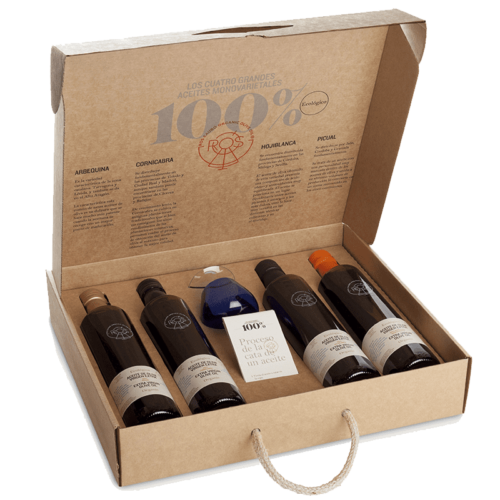
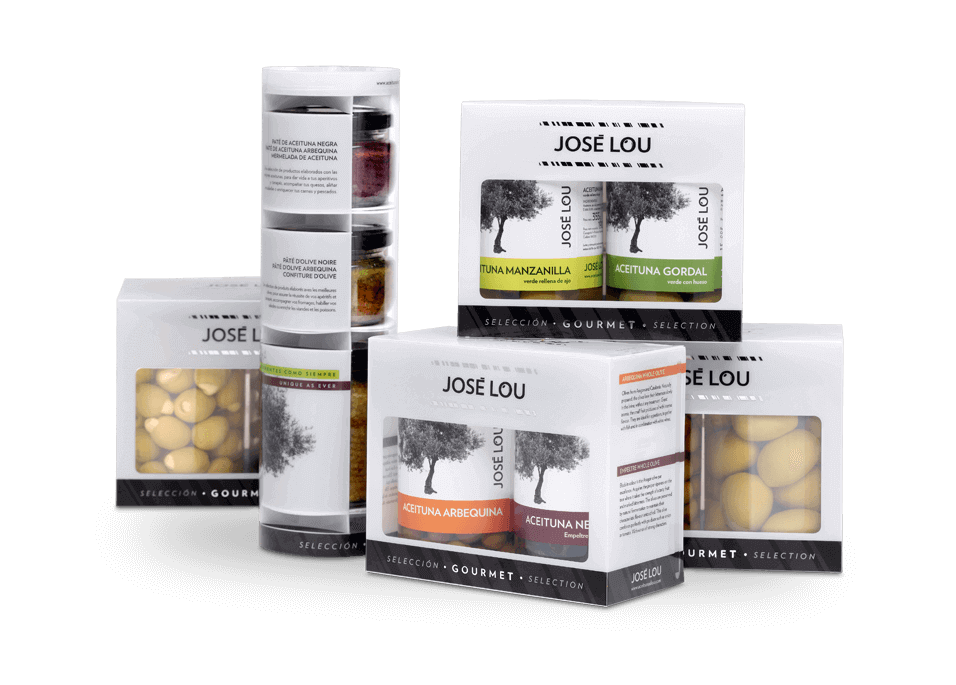
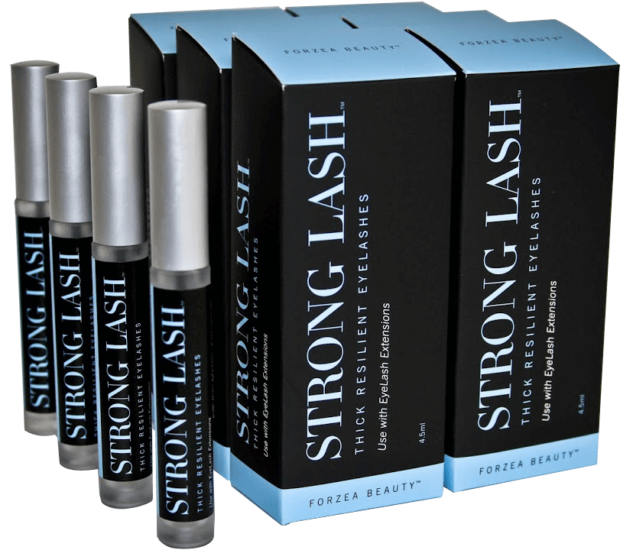
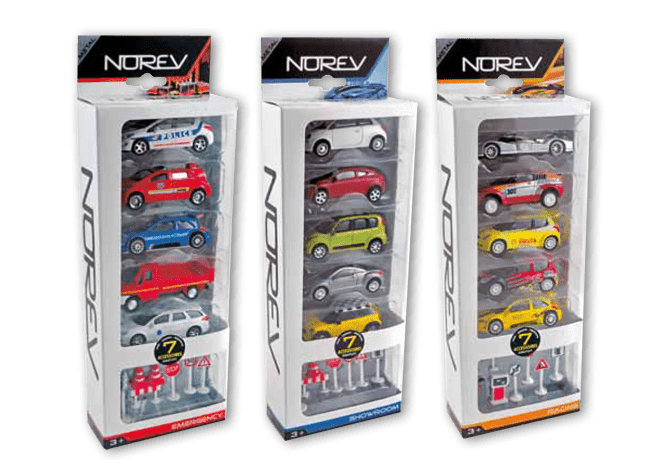












Custom Packaging
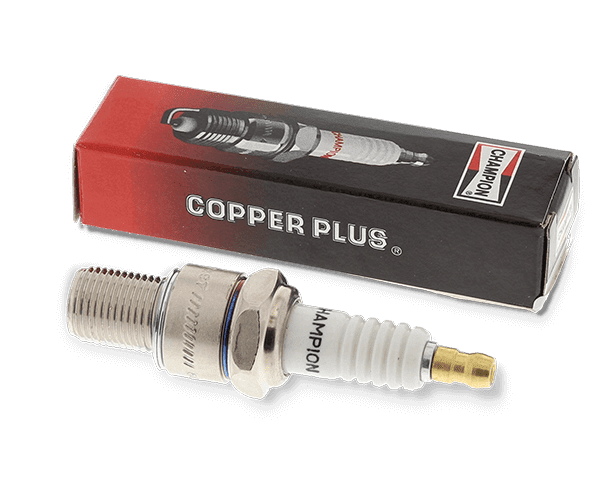
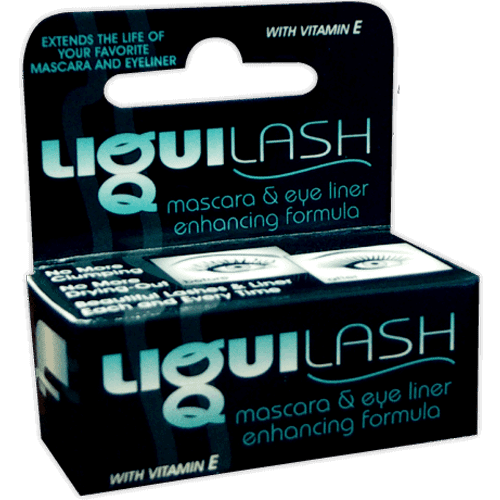
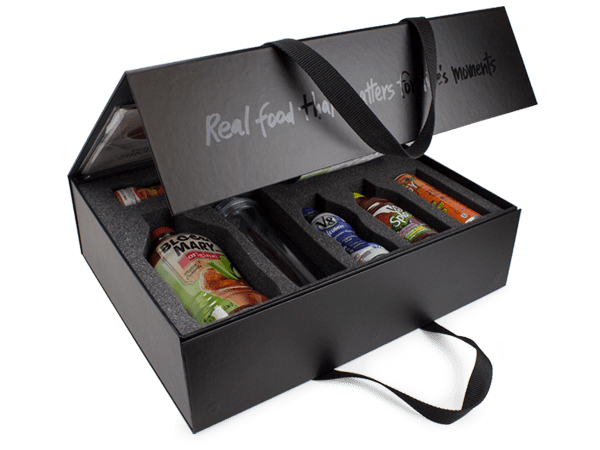
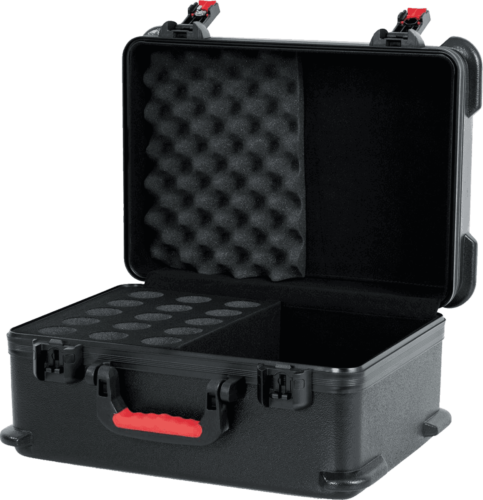
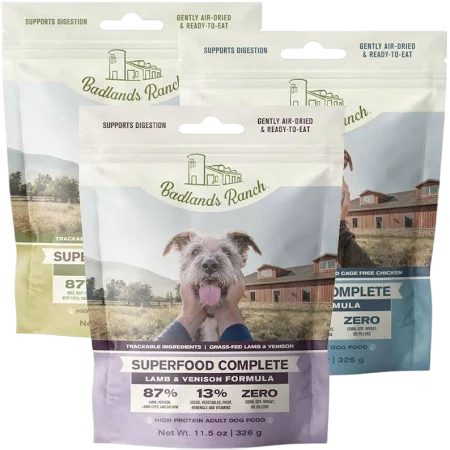
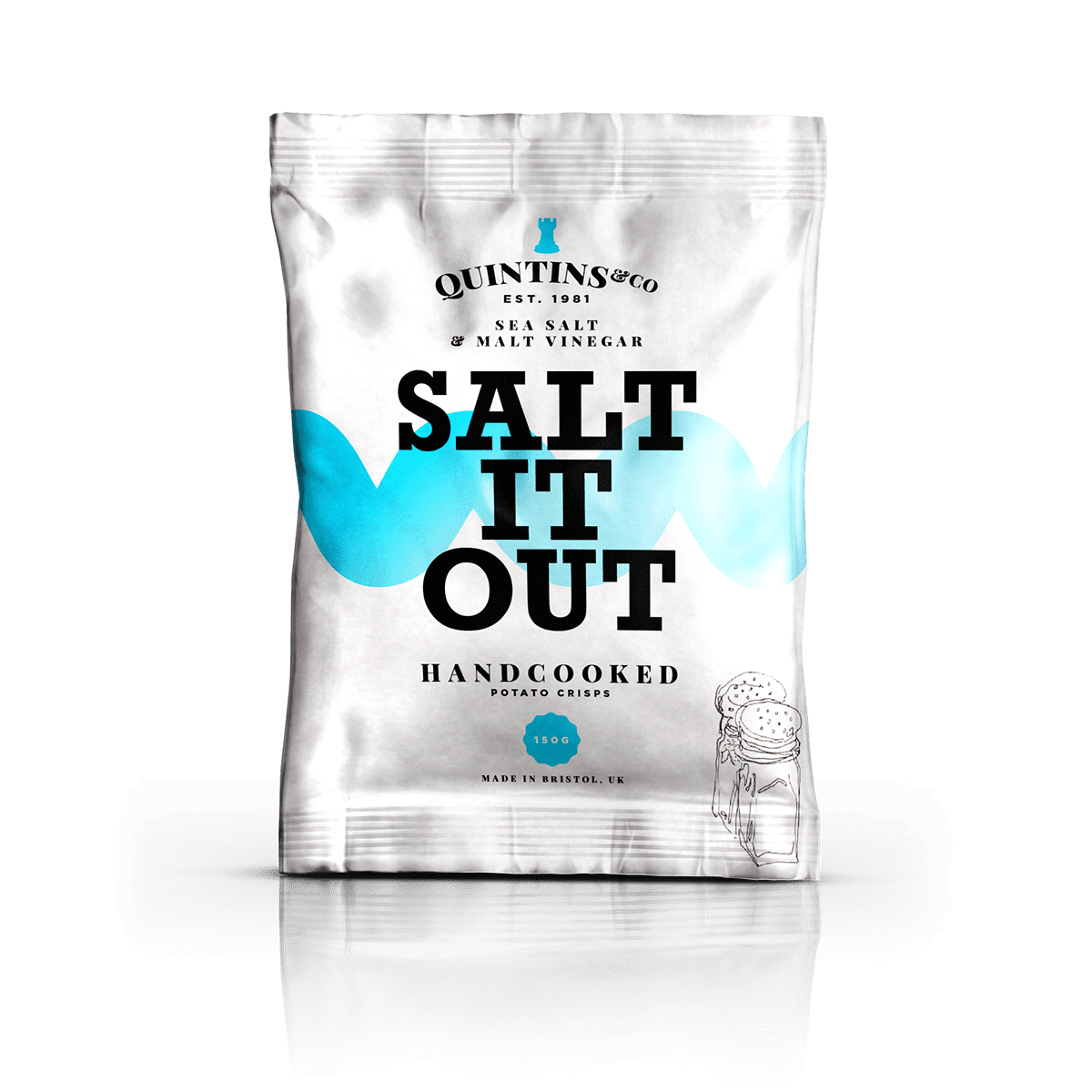
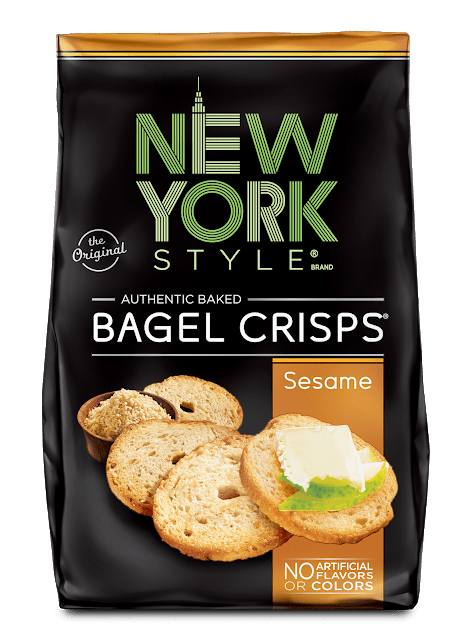
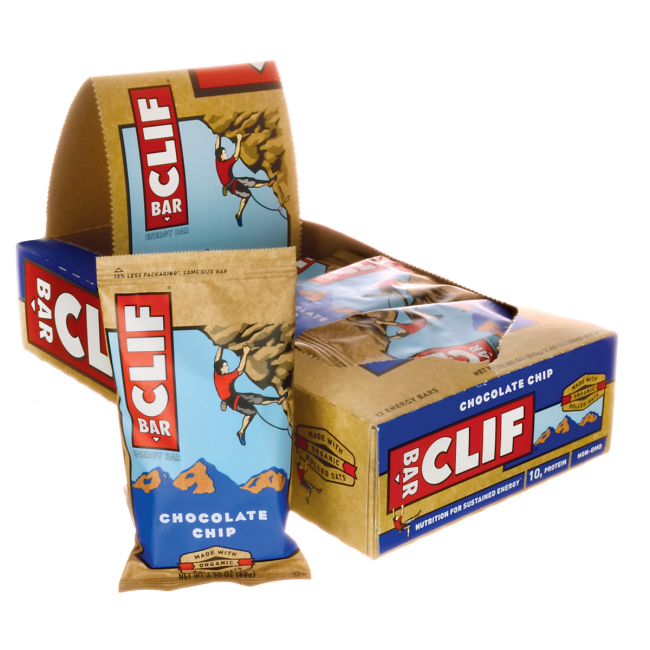
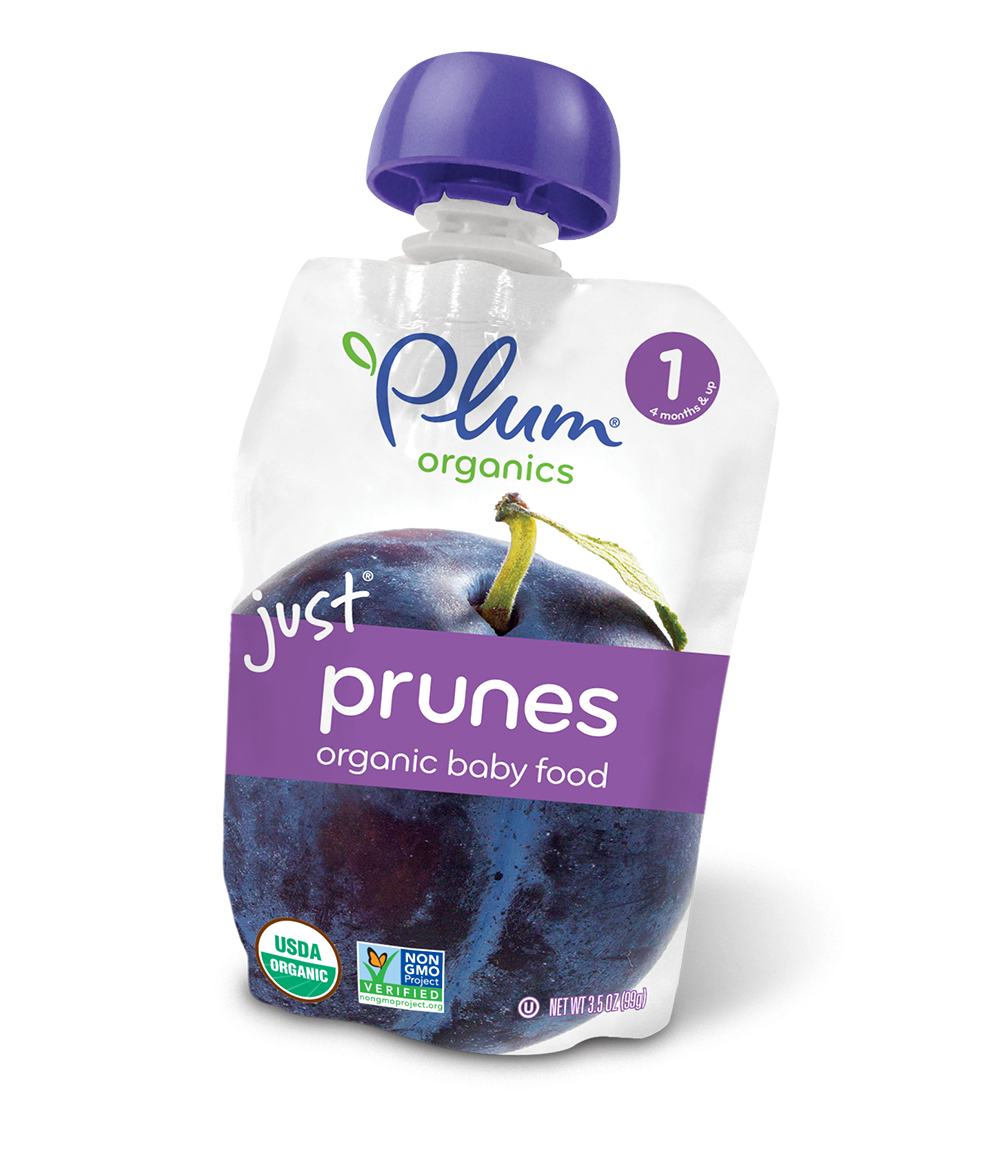
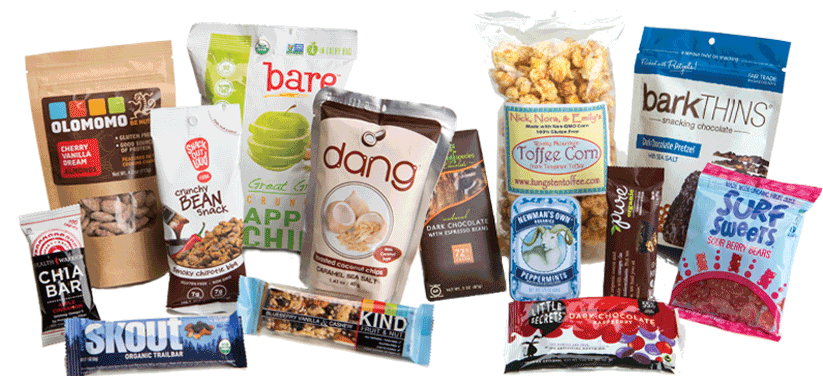
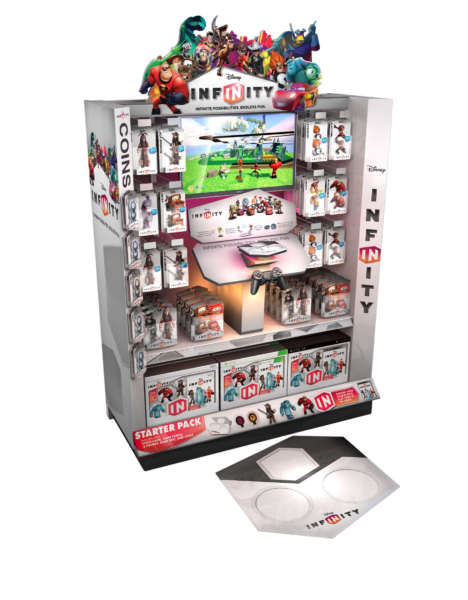
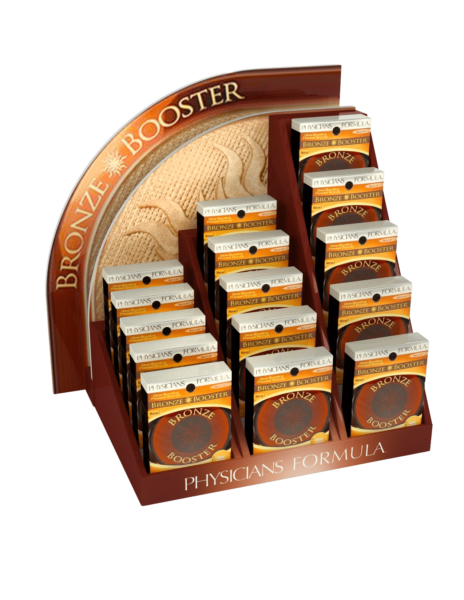
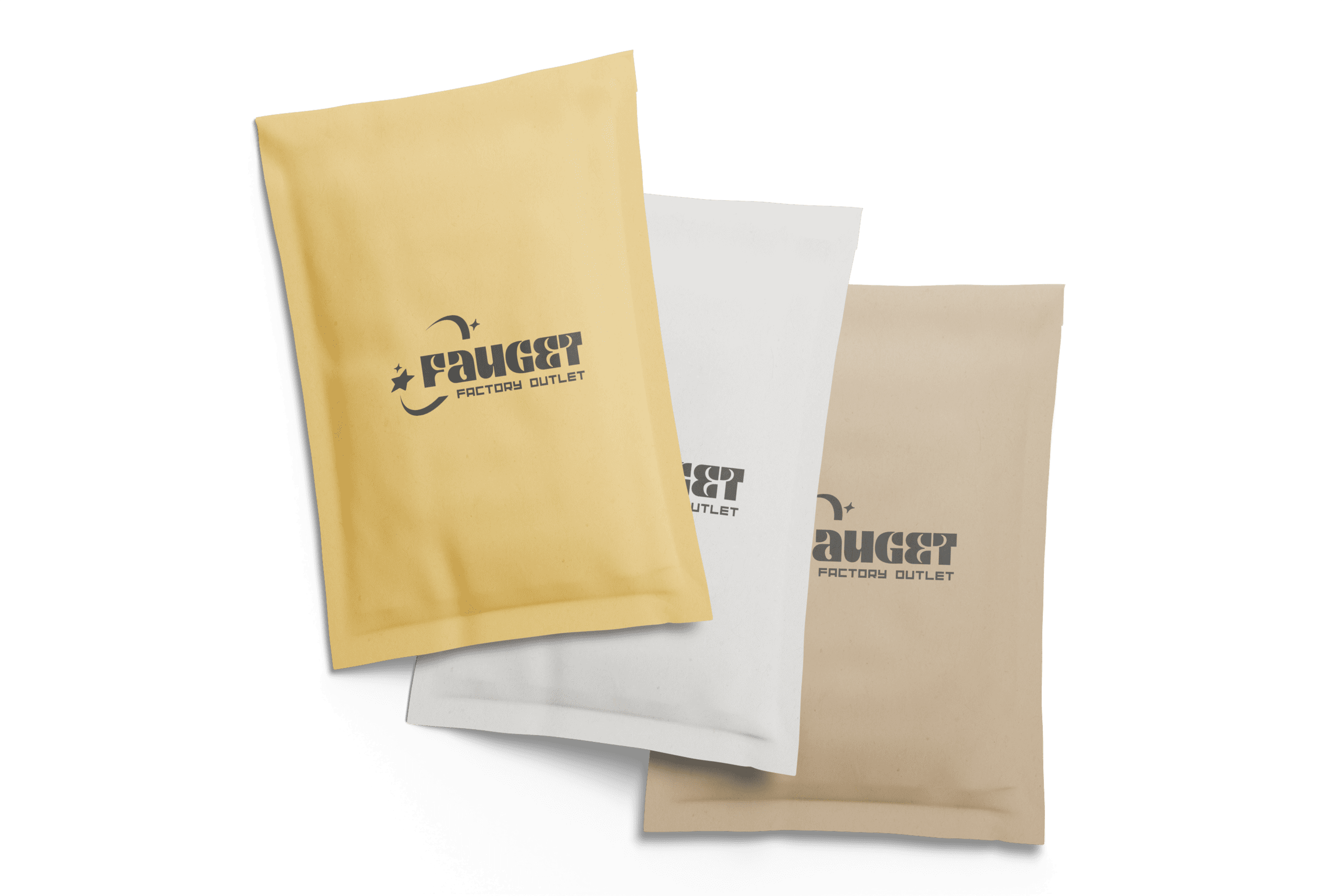
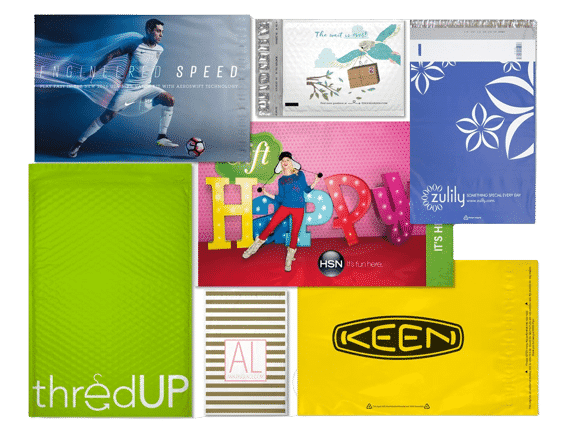
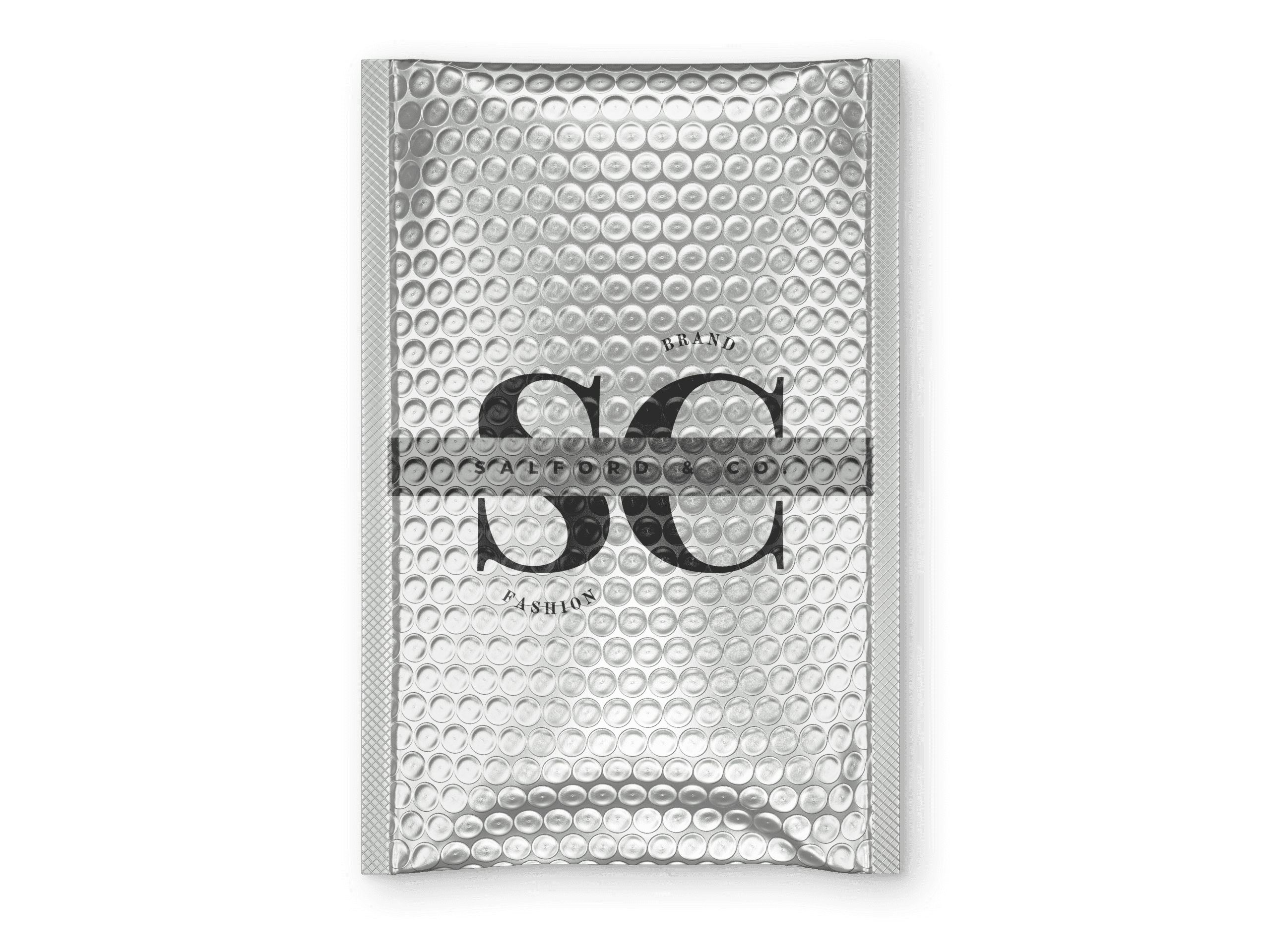
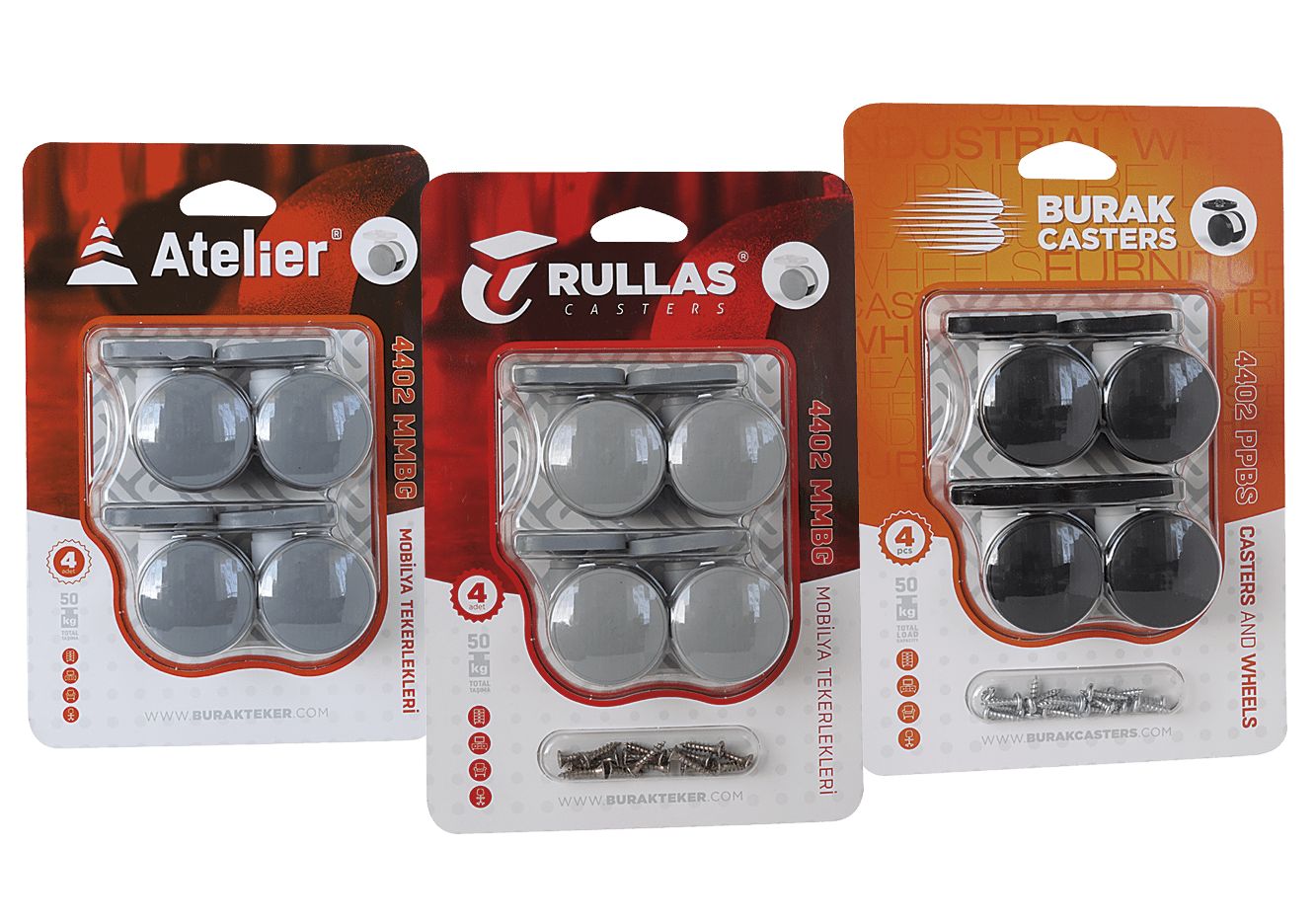
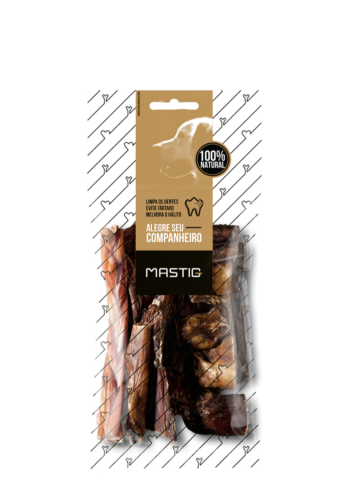
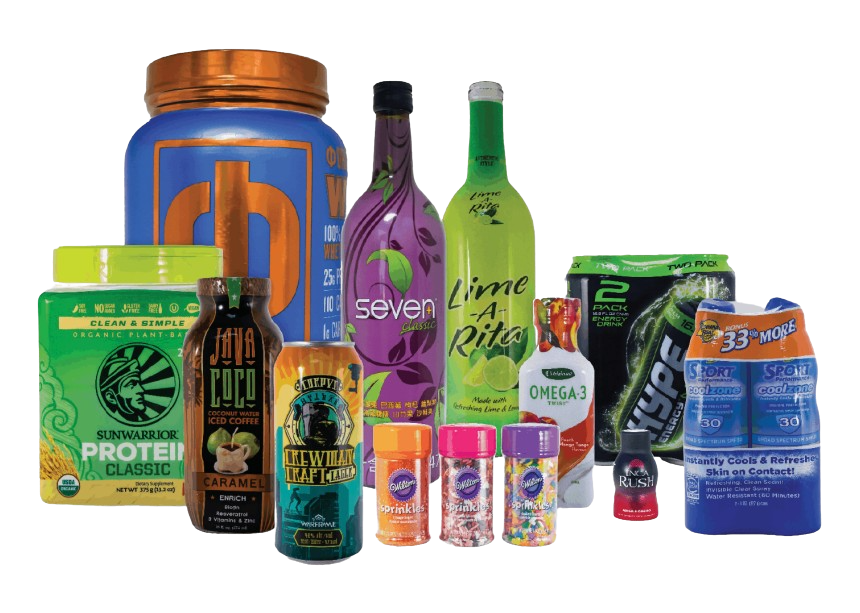
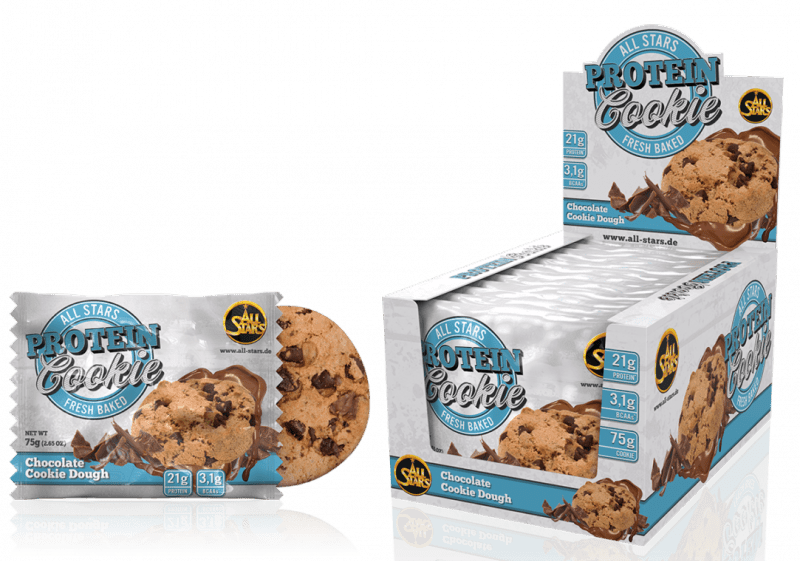
We offer a wide selection of fully customizable packaging products to address any packaging purpose. Customize your packaging product with your logo, brand colors, product information, design, features, and more. If you are unsure on what type of packaging you will need, then contact us for an expert consultation.


Custom packaging is tailored specifically to fit a brand’s unique product requirements, unlike stock packaging, which is pre-made and generic. Custom options allow for precise sizing, materials, and design choices, offering enhanced protection, presentation, and improved efficiency. This personalization makes custom packaging ideal for businesses looking to stand out and create a cohesive brand identity.
At Brown Packaging, our custom packaging solutions are structurally designed to optimize protection, material usage, and sustainability, tailored to meet specific product needs across various applications. We incorporate graphics to reinforce brand identity, ensuring that each package not only protects but also represents your brand effectively. With a focus on durability and functionality, our packaging ensures secure handling for shipping, retail, or storage while supporting sustainability goals.
Custom Packaging Products
We offer a variety of custom packaging products and solutions to meet all your packaging needs in one place. You’ll work directly with a dedicated project specialist to customize your package according to your specifications, including branding, features, and design.


If you need any assistance with your packaging or have a question, then contact us directly at request@brownpackaging.com or (714)300-0650. Learn more about custom packaging by reading our blog posts on new and trending topics.

The cold chain is a temperature-controlled supply chain that plays a critical role in ensuring that certain products, such as pharmaceuticals, vaccines, and food, maintain their quality and efficacy. In this supply chain, the temperature is controlled, monitored, and maintained from the point of manufacture to the point of consumption. Cold chain packaging is an integral part of this process, as it provides a protective environment for temperature-sensitive products during transport and storage. In this blog, we will discuss the importance of cold chain packaging in maintaining product quality, including the various types of cold chain packaging, their benefits, and the challenges associated with cold chain packaging. What is Cold Chain Packaging? Cold chain packaging is the packaging used to protect temperature-sensitive products during transportation and storage. It is designed to maintain a specific temperature range to prevent product degradation and spoilage. Cold chain packaging is used in various industries, including pharmaceuticals, biotech, food, and beverage. Types of Cold Chain Packaging There are several types of cold chain packaging available, including: Insulated Shippers – Insulated shippers are designed to maintain a specific temperature range for a specific duration. These shippers can be made from various materials, including expanded polystyrene (EPS) containers, insulated mailers, foil bubble liners, polyurethane cooler boxes and paper-based liners. They are commonly used for transporting vaccines, blood samples, and temperature-sensitive medications. Refrigerants – Refrigerants are used in cold chain packaging to maintain a specific temperature range. These can be in the form of gel packs, dry ice, or liquid nitrogen. They are placed in insulated shippers to maintain the desired temperature range. Phase Change Materials (PCMs) – PCMs are substances that can store and release thermal energy during a phase change. These materials are commonly used in cold chain packaging to maintain a specific temperature range for extended periods. Benefits of Cold Chain Packaging Maintains Product Quality – Product quality is maintained by keeping products within a specific temperature range during transportation and storage. This ensures that products remain effective and safe for consumption. Reduces Waste – Waste is reduced by preventing spoilage and degradation of products during transportation and storage. This helps reduce the need for product recalls, which can be costly for manufacturers. Increases Shelf Life – Shelf life is increased for temperature-sensitive products by maintaining a specific temperature range. This helps ensure that products can be stored for longer periods without degrading or spoiling. Challenges Associated with Cold Chain Packaging Temperature Control – Temperature control is one of the most significant challenges associated with cold chain packaging. Maintaining a specific temperature range throughout the transportation and storage process can be challenging, especially in extreme weather conditions. Cost – It can be expensive, which can be a significant barrier for small manufacturers. The cost of materials, such as insulated shippers and refrigerants, can add up quickly. Regulatory Compliance – Cold chain packaging must comply with various regulations, including those set by the FDA and other regulatory bodies. Ensuring compliance with these regulations can be challenging and costly for manufacturers. Summary: Cold Chain Packaging Explained Cold chain packaging plays a critical role in maintaining product quality and safety during transportation and storage. It helps reduce waste, increase shelf life, and ensure that products remain effective and safe for consumption. However, there are challenges associated with cold chain packaging, including temperature control, cost, and regulatory compliance. Despite these challenges, the benefits of cold chain packaging outweigh the costs and challenges, making it an essential part of the cold chain supply chain. If you are interested in cold chain packaging solutions, then contact Brown Packaging today to get started. (714)300-0650 request@brownpackaging.com Most Recent Posts: Categories: Corrugated Ecommerce ESD Design Display Flexible Packaging Foam Folding Carton Packaging Plastic Packaging Pouch Printing Protection Retail Rigid Box Thermoform Sustainability Subscribe To Our Newsletter By submitting your information, you agree to our terms and conditions and privacy policy. Cold Chain Packaging Facebook Twitter LinkedIn Pinterest Relevant Posts

In recent years, the world has seen a rapid growth in the e-commerce industry. With the convenience of online shopping and the ability to purchase goods and services from the comfort of our homes, e-commerce has become a popular choice for consumers all over the world. This surge in e-commerce has also brought about a significant change in the packaging industry. E-commerce has created new challenges and opportunities for the packaging industry, leading to new innovations and changes in the way products are packaged and delivered. The packaging of products plays a crucial role in the e-commerce industry. It must not only protect the product during transit but also provide a positive unboxing experience for the customer. The packaging of a product is often the first interaction a customer has with a brand, and it can make a lasting impression. With the rise of e-commerce, packaging has become more important than ever, as it must meet the demands of online shopping while still promoting the brand and creating a positive customer experience. Overview: The Impact of Ecommerce on Packaging In this blog, we will explore the challenges and opportunities that the e-commerce industry has brought to the world of packaging. We will examine how e-commerce packaging is changing the way products are packaged and delivered and what this means for the future of the packaging industry. By understanding the challenges and opportunities in e-commerce packaging, we can gain a better appreciation of the impact that e-commerce is having on the packaging industry and how it is shaping the future of online shopping. Challenges in E-commerce Packaging Protecting Products in Transit Minimizing Shipping Costs Reducing Waste Opportunities in E-commerce Packaging Personalizing Packaging Enhancing the Customer Experience Streamlining Delivery Processes Conclusion: The Future of E-commerce Packaging Challenges in E-commerce Packaging The growth of e-commerce has brought about a number of challenges for the packaging industry. Packaging for e-commerce must be able to protect products during transit, minimize shipping costs, and reduce waste, all while meeting the demands of customers and stakeholders. These challenges can be difficult to navigate, but they also provide an opportunity for companies to differentiate themselves and gain a competitive advantage. In this section, we will explore some of the challenges associated with e-commerce packaging and how companies are addressing these challenges to meet the demands of online shopping. Protecting Products in Transit One of the biggest challenges in e-commerce packaging is ensuring that products arrive at their destination in good condition. With packages being handled by multiple people and machines during transit, it can be difficult to protect fragile items from damage. This is particularly important for e-commerce companies, as damaged products can result in returns and negative reviews, which can harm the company’s reputation and bottom line. To address this challenge, e-commerce companies are investing in new materials and packaging methods that can better protect products during transit. Some companies are using stronger and more durable packaging materials, such as double-walled boxes and foam inserts, to absorb shock and protect fragile items. Others are using custom-fit packaging that is designed to fit the product perfectly, reducing the amount of movement and potential damage during transit. In addition to using stronger materials, e-commerce companies are also implementing new technologies to help protect products during transit. For example, some companies are using sensors and tracking devices to monitor the condition of packages during transit, allowing them to quickly address any issues that may arise. Others are using predictive analytics to predict which packages are at a higher risk of damage, allowing them to take extra precautions to protect these packages. Minimizing Shipping Costs In the e-commerce industry, shipping costs can make up a significant portion of a company’s expenses. With the rise of e-commerce, shipping volumes have increased dramatically, and companies are looking for ways to minimize their shipping costs. Fortunately, e-commerce packaging provides an opportunity for companies to reduce these costs. One of the ways that e-commerce companies can minimize shipping costs is by using lighter and more compact packaging materials. By using lighter materials, companies can reduce the weight of packages, which in turn reduces shipping costs. For example, companies can switch from using heavy corrugated boxes to using lighter poly mailers. This not only reduces the weight of packages but also takes up less space in shipping containers, allowing companies to ship more packages in a single shipment, further reducing costs. Another way that companies can minimize shipping costs is by using more efficient packaging methods. For example, some companies are using void fill materials, such as air cushions or biodegradable peanuts, to fill empty space in packages. By using these materials efficiently, companies can reduce the size of packages and minimize the amount of space that is taken up in shipping containers, reducing shipping costs. Finally, companies can minimize shipping costs by using sustainable packaging materials. By using eco-friendly packaging materials, such as recycled or biodegradable materials, companies can reduce their impact on the environment, as well as take advantage of discounts offered by some shipping carriers for using sustainable packaging. Reducing Waste The growth of e-commerce has also led to an increase in packaging waste, as more and more packages are being shipped to customers all over the world. With growing concerns about the environmental impact of packaging waste, e-commerce companies are looking for ways to reduce the waste associated with their packaging. Fortunately, e-commerce packaging provides an opportunity for companies to reduce waste and promote sustainability. One of the ways that e-commerce companies can reduce waste is by using more environmentally friendly packaging materials. For example, companies can switch from using single-use plastic packaging to using biodegradable or compostable packaging materials, such as paper, starch-based materials, or cellulose. By using these materials, companies can reduce the amount of waste that is generated and promote sustainability. Another way that companies can reduce waste is by using reusable or recyclable packaging materials. For example, companies can use reusable packaging materials, such as cloth or

The importance of packaging in our daily lives cannot be overstated. Packaging protects, preserves, and transports the products we use and consume every day, ensuring their quality and safety. However, the traditional packaging industry has come under scrutiny in recent years due to its impact on the environment. Packaging waste contributes to overflowing landfills, litter in oceans and rivers, and greenhouse gas emissions, leading to a growing need for more sustainable packaging solutions. In response to this growing concern, the concept of sustainable packaging has emerged, providing a more environmentally friendly and responsible approach to packaging. Sustainable packaging is defined as packaging that meets the needs of the present without compromising the ability of future generations to meet their own needs. This means designing and producing packaging that is environmentally friendly, socially responsible, and economically viable. The goal of sustainable packaging is to reduce waste, conserve resources, and minimize the impact on the environment throughout the entire life cycle of the packaging, from production to disposal. In this blog, we will delve into the topic of sustainable packaging, discussing the importance of eco-friendly packaging solutions and the various materials and methods being used to reduce waste. By examining the latest developments and trends in sustainable packaging, we hope to raise awareness and encourage more environmentally conscious decisions in the packaging industry. What is Sustainable Packaging? Sustainable packaging is an approach to packaging that takes into consideration the impact of the packaging on the environment and aims to reduce waste and conserve resources throughout the entire life cycle of the packaging. This involves considering the entire life cycle of the packaging, from production to disposal, and finding ways to minimize the impact of packaging on the environment. The definition of sustainable packaging can vary, but it typically includes the following elements: Environmentally friendly: Environmentally friendly sustainable packaging should prioritize recyclability and biodegradability in addition to minimizing resource use, waste, emissions, and environmental impacts. This involves using materials that are easily recyclable and accepted by local facilities, and designing the packaging to biodegrade over time into natural materials, thus promoting a healthier environment and reducing waste. Socially responsible: Socially responsible packaging should be safe for workers and consumers, and not have any adverse effects on human health or the environment. Economically viable: Economically viable packaging should be cost-effective and not have a negative impact on the profitability of the business. Sustainable packaging aims to balance these three elements, ensuring that the packaging meets the needs of the present without compromising the ability of future generations to meet their own needs. In other words, sustainable packaging should provide the same level of protection and preservation as traditional packaging, but with a reduced impact on the environment. The trend towards sustainable packaging is driven by a growing awareness of the impact of packaging on the environment and a desire for more environmentally friendly solutions. Consumers are demanding more eco-friendly options, and companies are responding by developing and implementing more sustainable packaging solutions. This has led to the growth of new materials, processes, and technologies that are helping to reduce the impact of packaging on the environment. Types of Sustainable Packaging Materials There is a wide variety of materials that can be used to create sustainable packaging. Some of the most commonly used materials include: Recycled paper and corrugated: These are one of the most popular materials for sustainable packaging due to its ease of recycling and biodegradability. Recycled paper and corrugated can be used for a variety of packaging applications, including boxes, envelopes, and shipping containers. Plant-based materials: Plant-based materials, such as cornstarch, cellulose, and bamboo, are biodegradable and compostable, making them ideal for sustainable packaging. These materials can be used for a variety of applications, including food packaging, bags, and containers. Biodegradable plastics: Biodegradable plastics are made from renewable resources that are designed to break down quickly when exposed to the elements. These materials are often used for food packaging, shopping bags, and other disposable products. Glass: Glass is a highly recyclable material that can be used for food packaging, cosmetics, and other products. Glass containers can be used multiple times and have a long lifespan, making them a great option for sustainable packaging. Metal: Metal, such as aluminum and steel, is highly recyclable and has a long lifespan, making it a popular choice for sustainable packaging. Metal containers are often used for food and beverage packaging, as well as for household products. Reusable packaging: Reusable packaging, such as refillable bottles, containers, and bags, are designed to be used multiple times, reducing the need for disposable packaging. This type of packaging is becoming increasingly popular as consumers seek more sustainable options. These are just a few examples of the many materials that can be used for sustainable packaging. The best material for a particular application will depend on the specific needs of the product, as well as the cost and availability of the material. Companies are continually developing and improving these materials, so it is likely that new and innovative sustainable packaging materials will emerge in the future. Methods to Reduce Waste in Packaging In addition to using sustainable materials, there are a number of methods that can be used to reduce waste in packaging. Some of the most effective methods include: Right-sizing and Reduction of Packaging Materials: One of the simplest ways to reduce waste in packaging is to use the right amount of packaging for a particular product. This means using just enough packaging to protect the product and keep it safe, without using excessive amounts of material. This helps to reduce the amount of packaging waste that is generated and also saves money by reducing the cost of materials. Recycling: Recycling is a key component of sustainable packaging, as it helps to reduce waste by turning used packaging into new products. Many types of packaging, including paper, corrugated, glass, and metal, can be easily recycled and turned into new products, reducing the need for new materials and conserving resources.