


window.uetq = window.uetq || []; window.uetq.push(‘event’, ‘submit_lead_form’,{ event_label:‘SUBMIT MESSAGE’ }); window.lintrk('track', { conversion_id: 10271009 }); window.lintrk('track', { conversion_id: 10271017 });

Custom Packaging

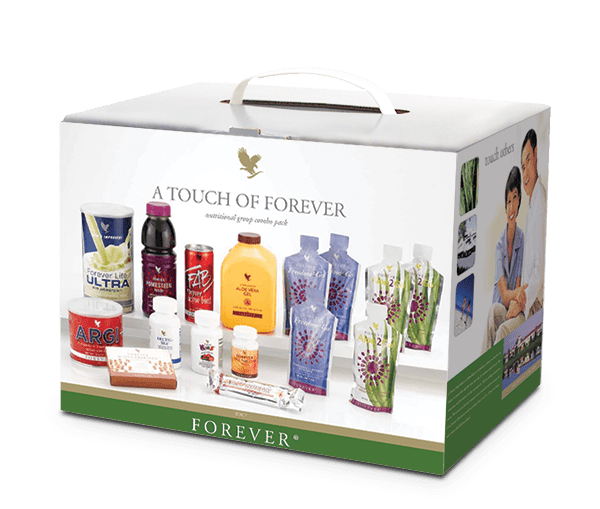
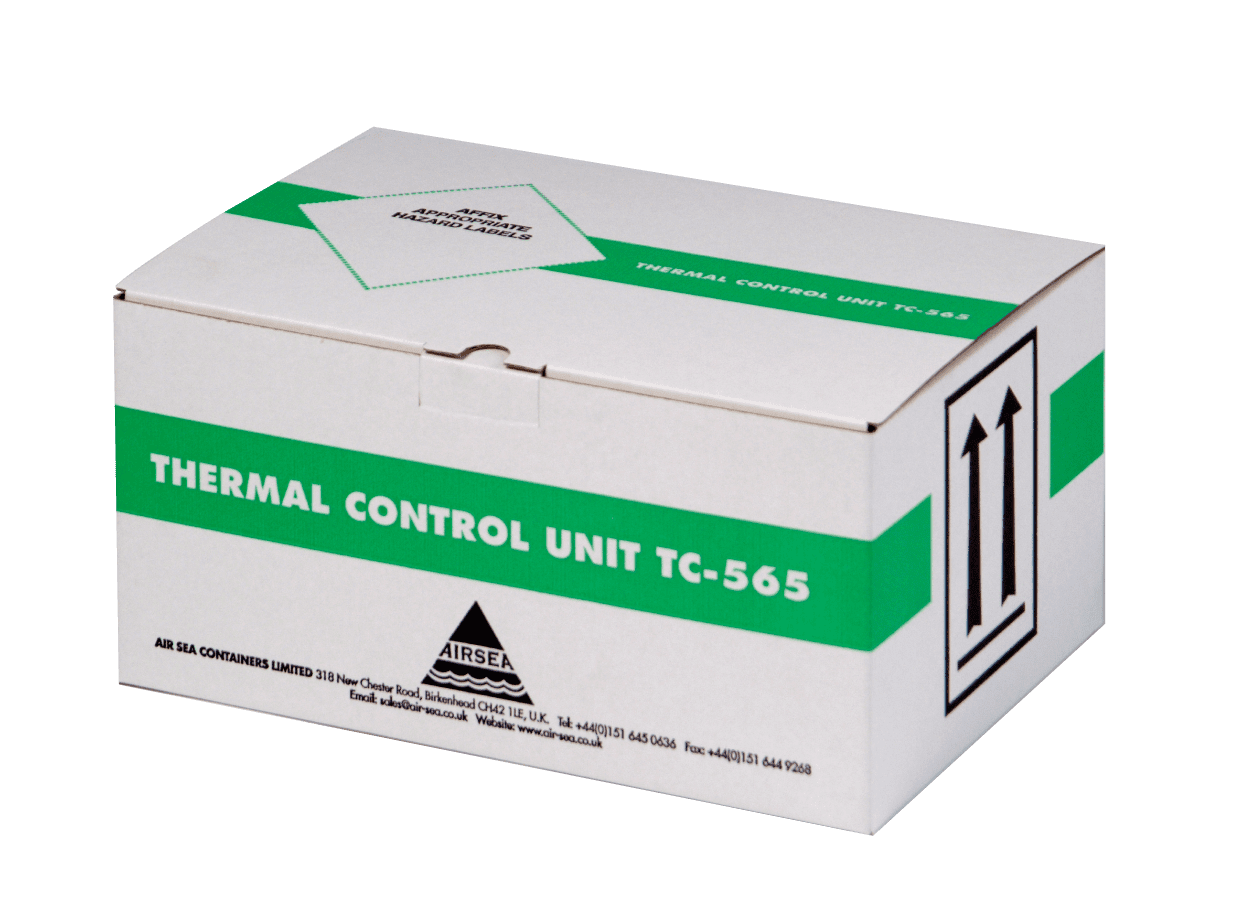
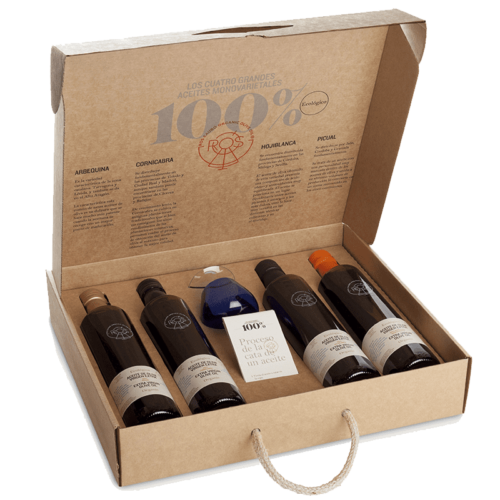
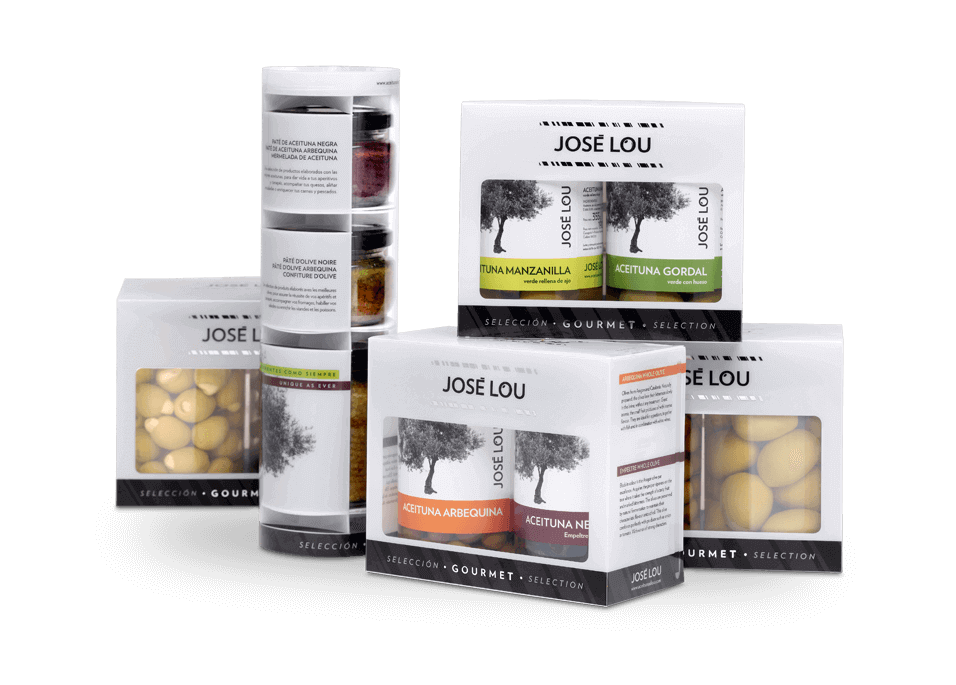
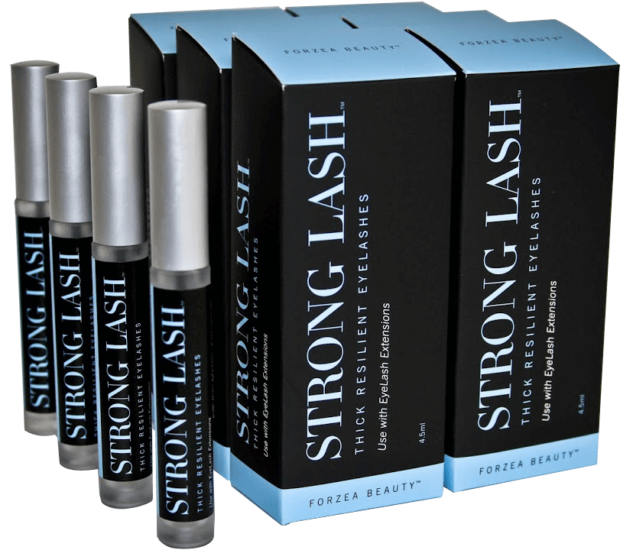
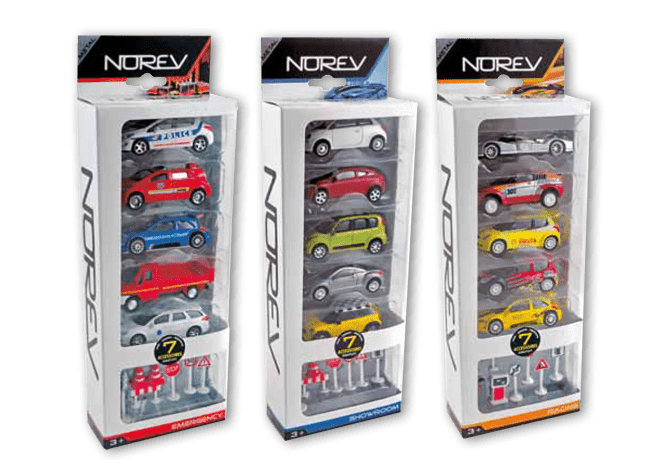
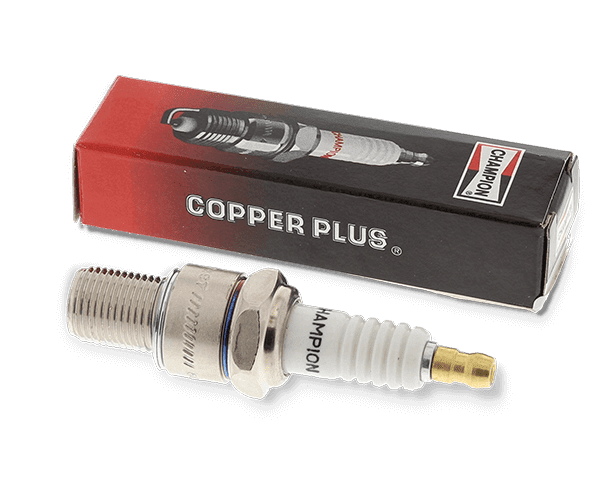
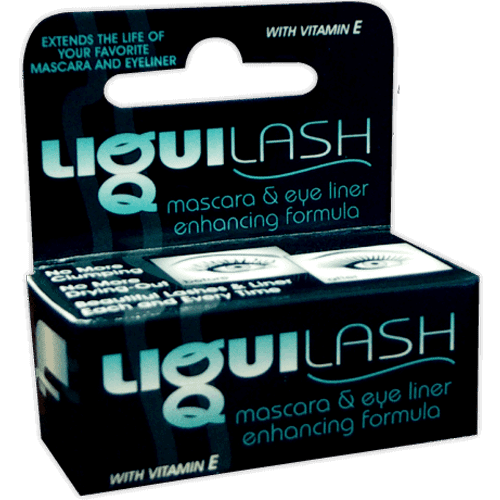
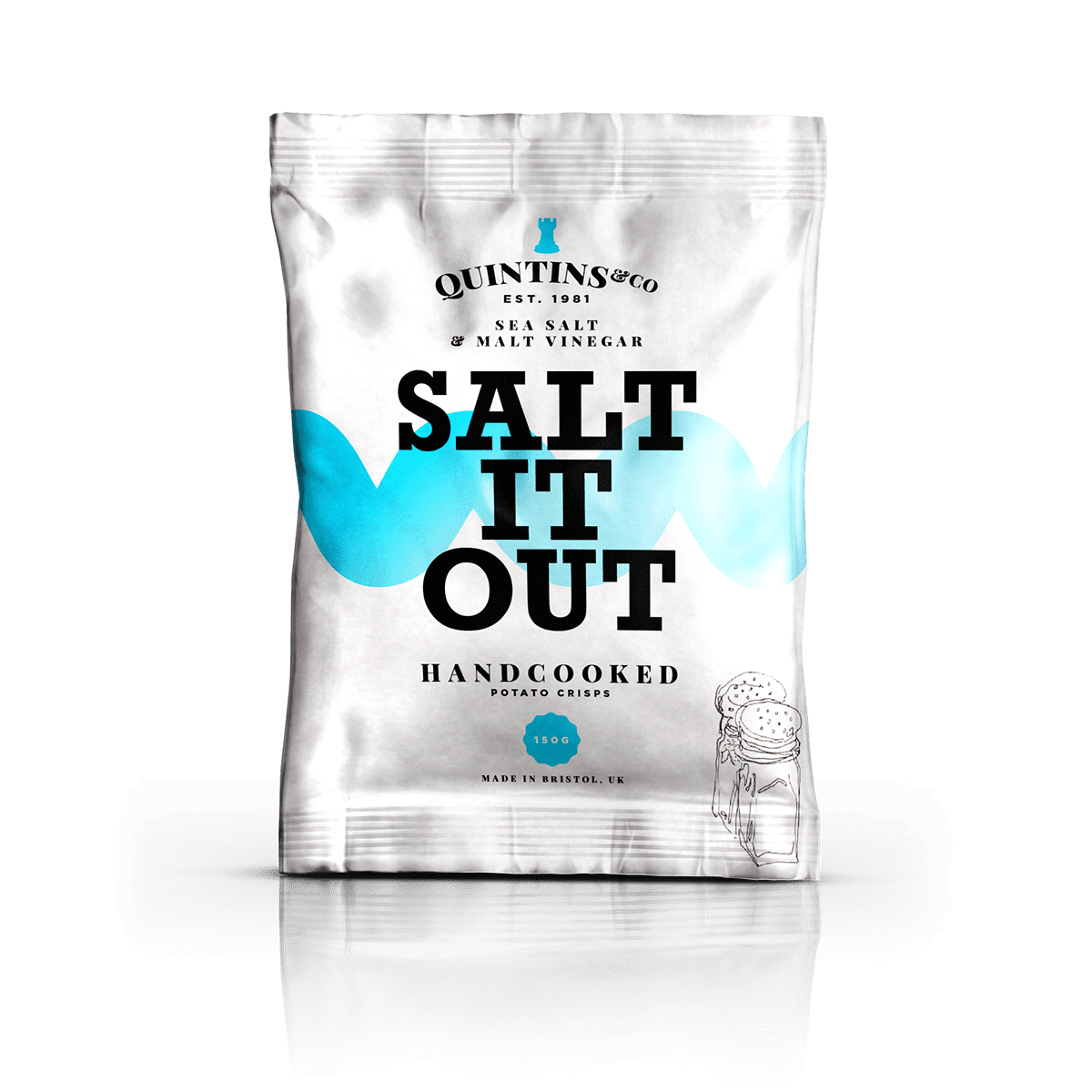
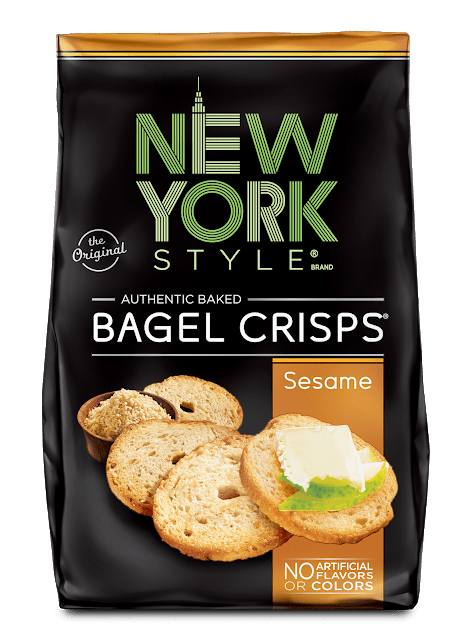
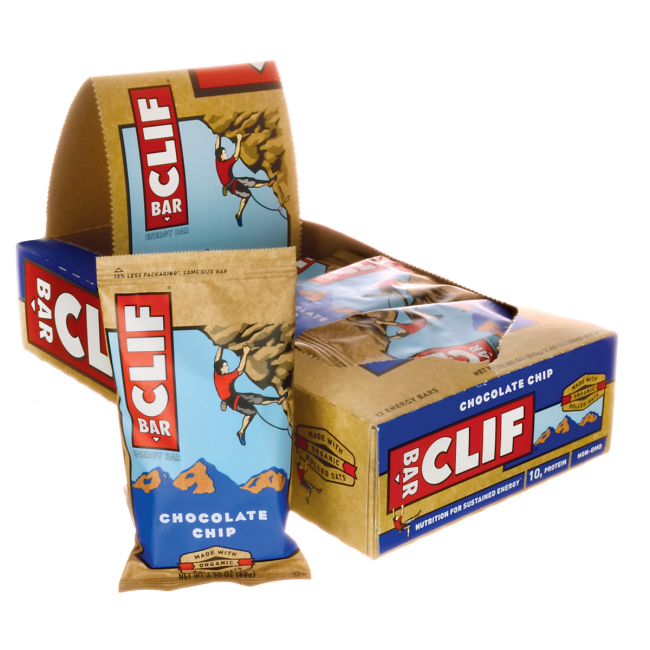
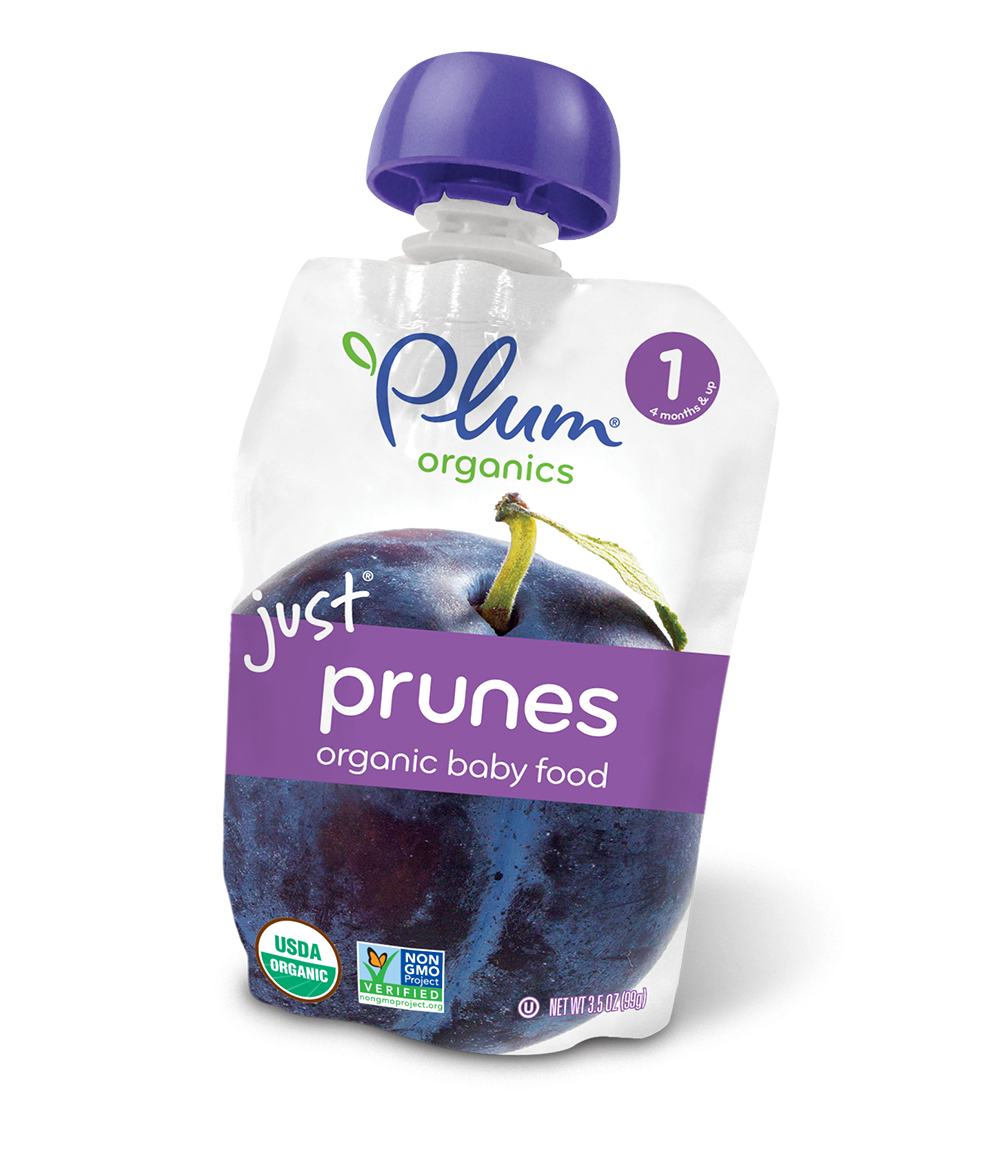
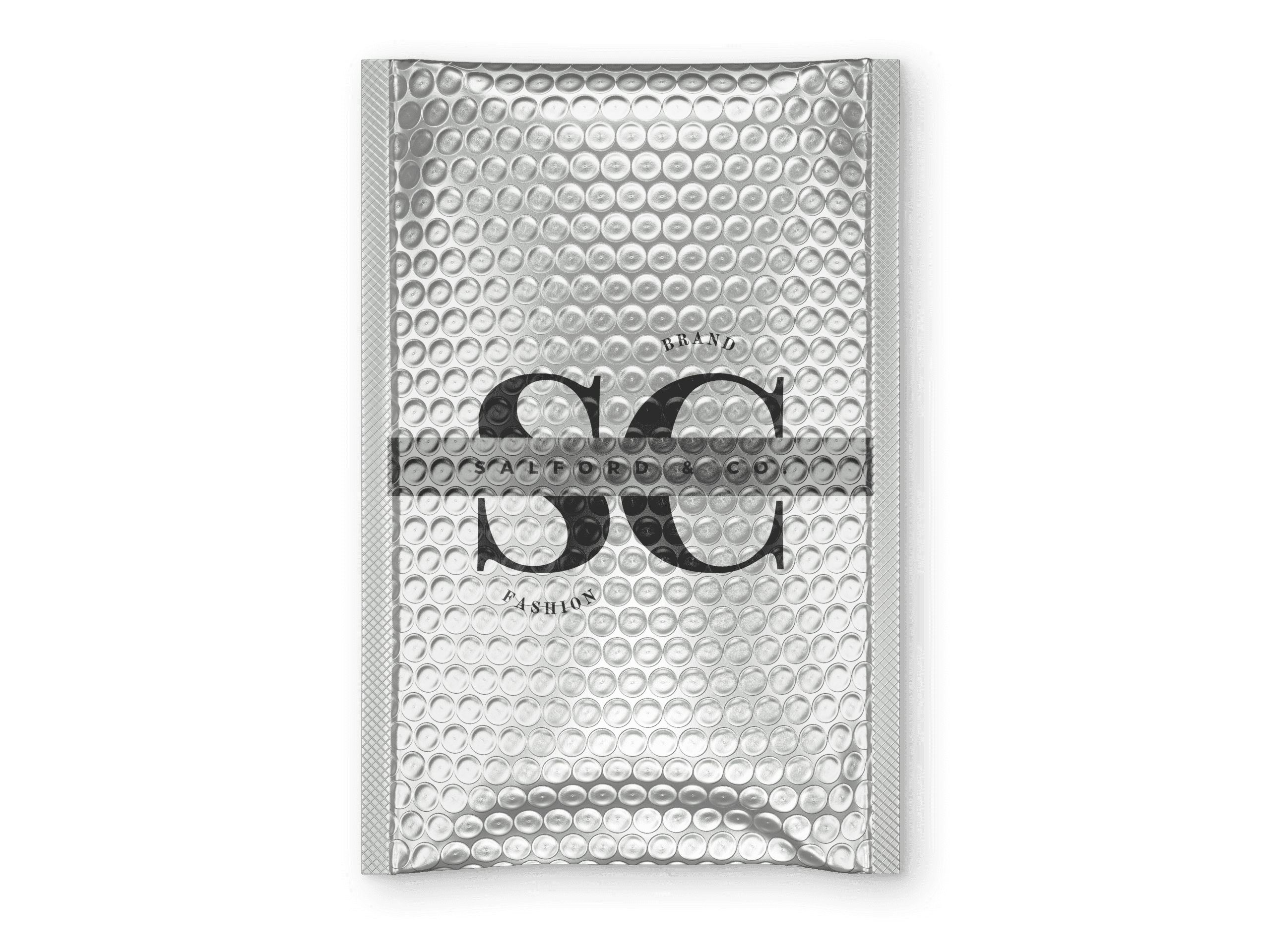
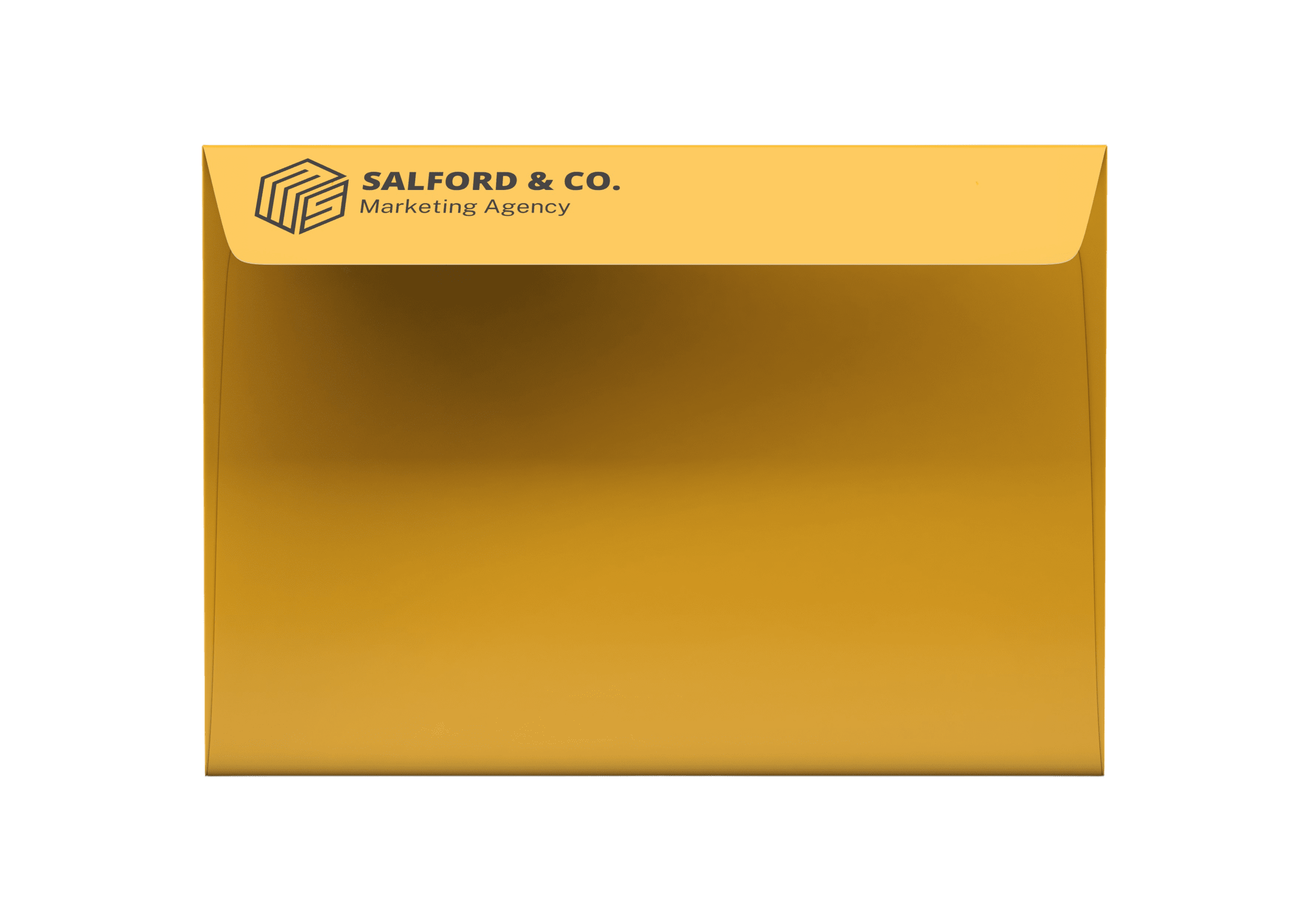
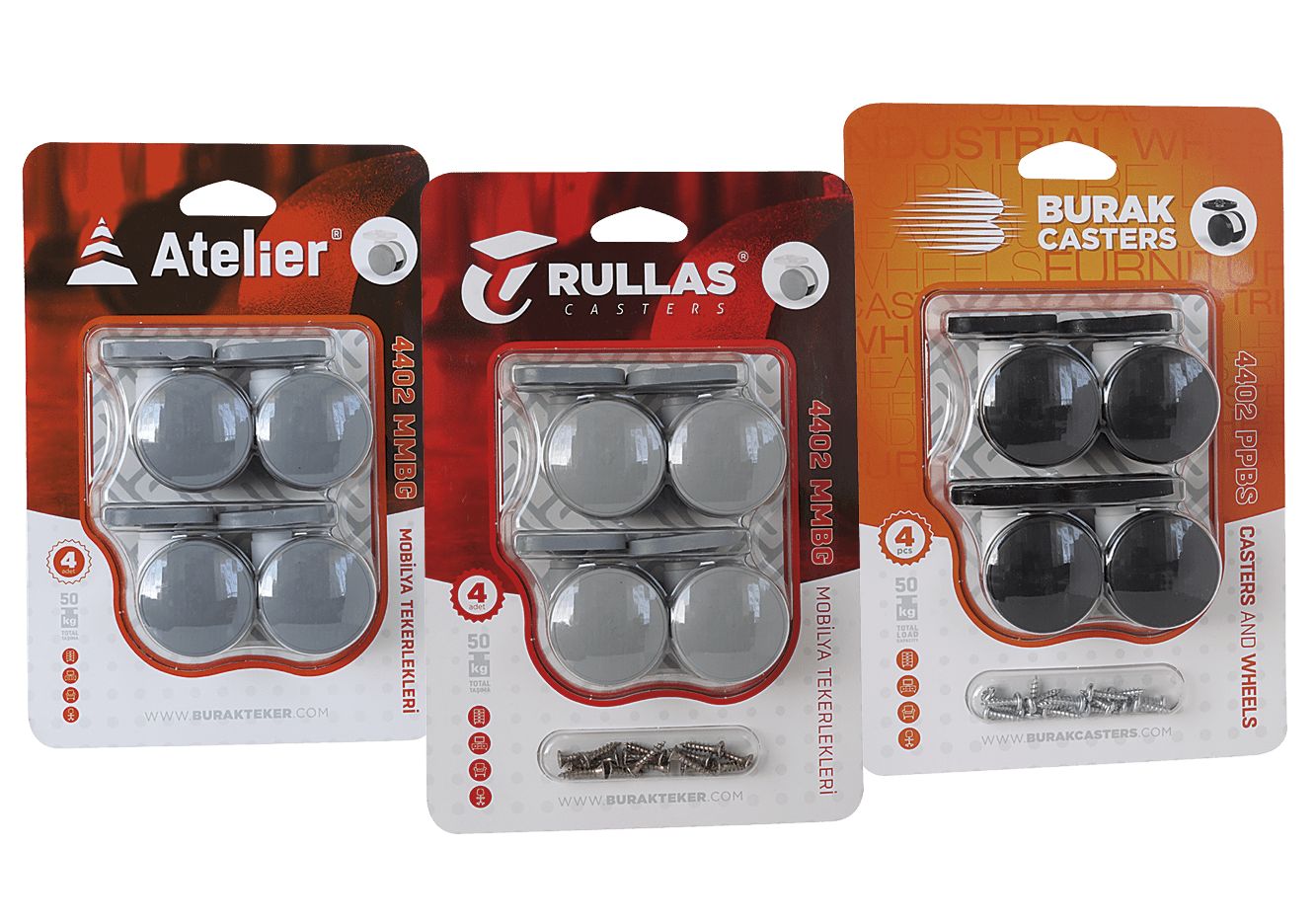
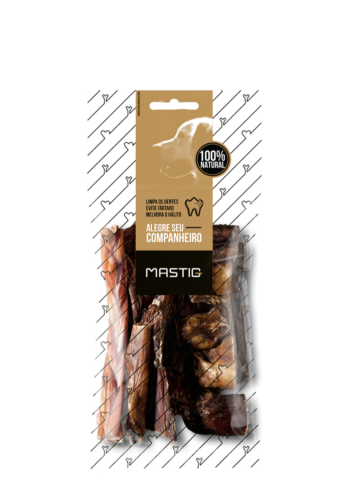
We offer a wide selection of fully customizable packaging products to address any packaging purpose. Customize your packaging product with your logo, brand colors, product information, design, features, and more. If you are unsure on what type of packaging you will need, then contact us for an expert consultation.

Custom packaging is tailored specifically to fit a brand’s unique product requirements, unlike stock packaging, which is pre-made and generic. Custom options allow for precise sizing, materials, and design choices, offering enhanced protection, presentation, and improved efficiency. This personalization makes custom packaging ideal for businesses looking to stand out and create a cohesive brand identity.

At Brown Packaging, our custom packaging solutions are structurally designed to optimize protection, material usage, and sustainability, tailored to meet specific product needs across various applications. We incorporate graphics to reinforce brand identity, ensuring that each package not only protects but also represents your brand effectively. With a focus on durability and functionality, our packaging ensures secure handling for shipping, retail, or storage while supporting sustainability goals.

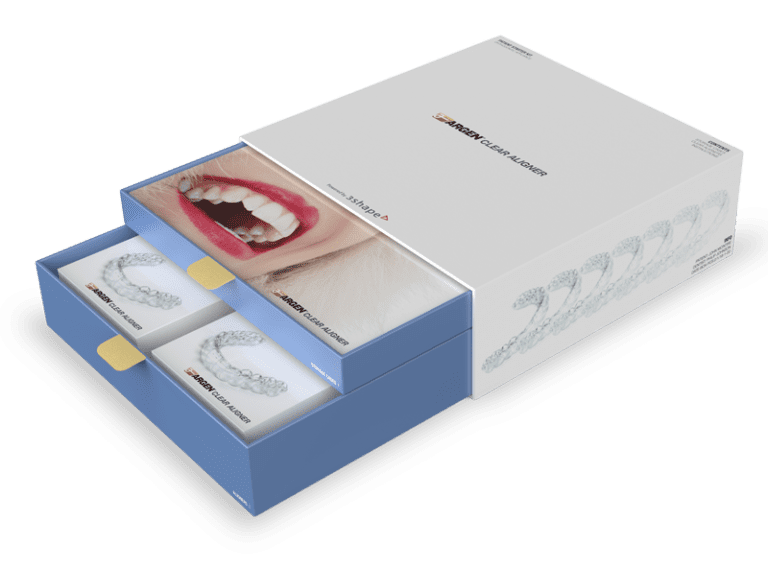
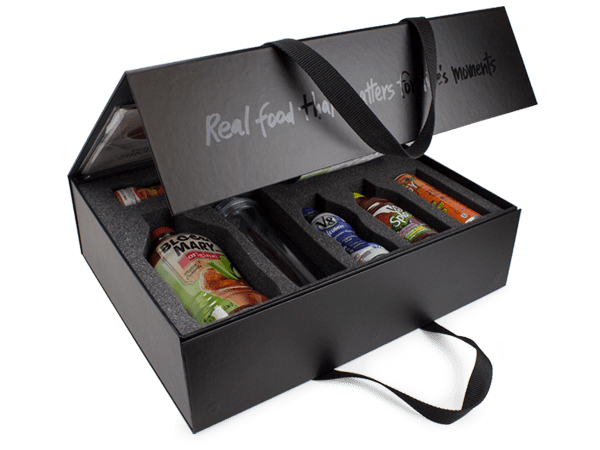
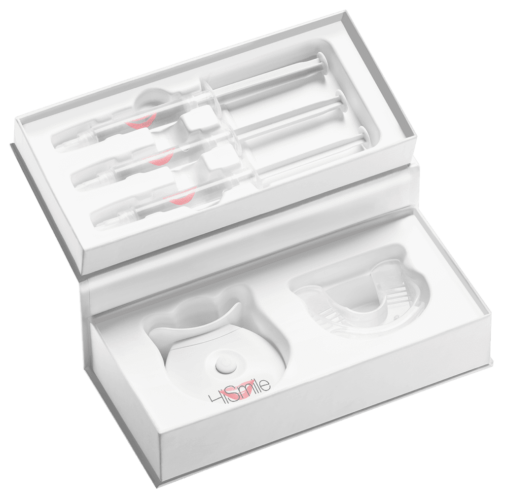
Dental Packaging Match Rigid Box (Slide)

Custom Packaging Products

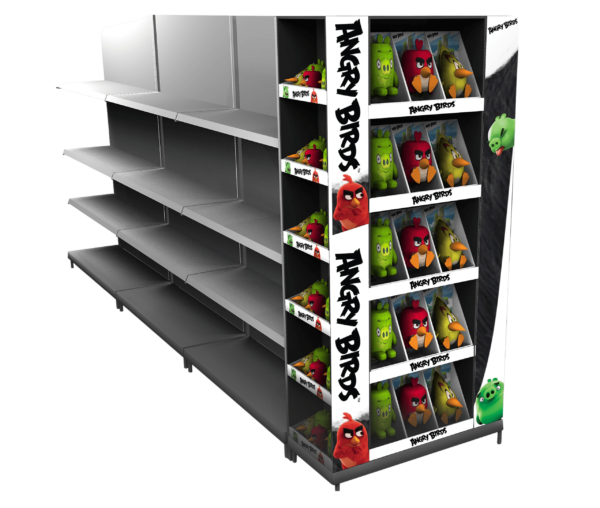
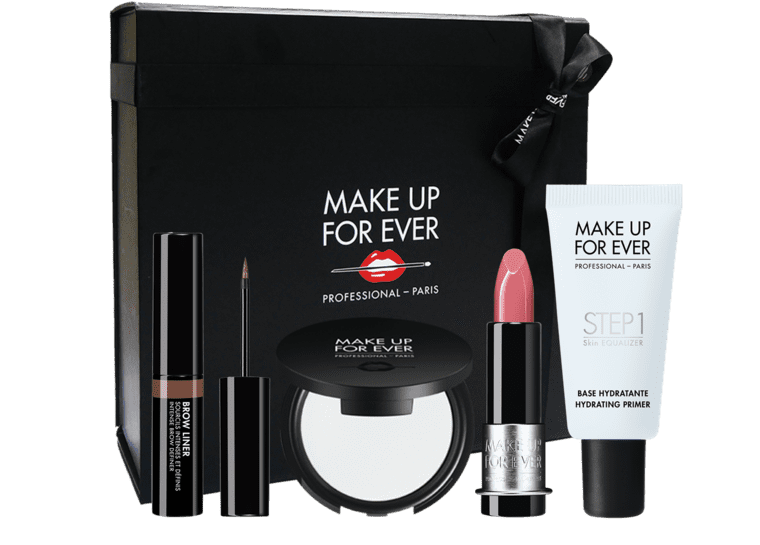
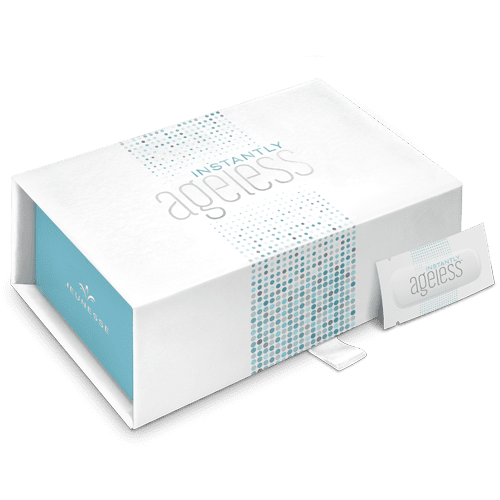
We offer a variety of custom packaging products and solutions to meet all your packaging needs in one place. You’ll work directly with a dedicated project specialist to customize your package according to your specifications, including branding, features, and design.

Edit Content
Edit Content
Edit Content
Edit Content
Edit Content
Edit Content
Edit Content
Edit Content
Edit Content
Edit Content
Edit Content
Edit Content
Edit Content
Edit Content
Edit Content
Edit Content

If you need any assistance with your packaging or have a question, then contact us directly at request@brownpackaging.com  or  (714)300-0650. Learn more about custom packaging by reading our blog posts on new and trending topics.

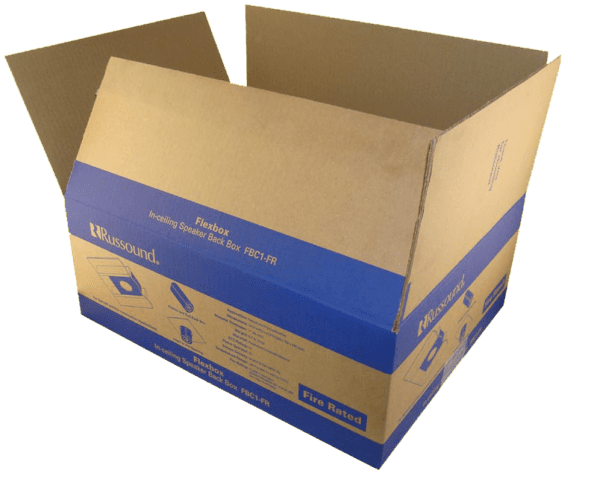
Two side printed corrugated shipping box
Uncategorized
brownpackaging
Should Your Packaging Have Interior Print? Factors to Consider and Print Options Explained

Packaging plays a crucial role in attracting customers and promoting brand recognition. Companies often spend a lot of time and money designing the perfect package for their products, and one element that can add a unique touch is interior printing. Interior printing involves printing graphics or text on the inside of a package, such as a box or a bag. This can add an extra level of detail and visual interest to the packaging, but it’s important to consider whether or not it’s the right choice for your product. Why You Should Consider Interior Print In this blog, we’ll explore the factors to consider when deciding whether or not your packaging should have interior print. The Nature of Your Product The first factor to consider is the nature of your product. Is it a luxury item that requires high-end packaging? Is it a product that requires a lot of information on the packaging, such as instructions or ingredients? If your product is high-end or requires a lot of information, interior printing can be a great way to add an extra layer of detail without sacrificing space on the exterior of the packaging. The Target Audience Consider the target audience for your product. Will they appreciate the extra effort put into the packaging, or will they not notice or care? If your target audience is a group that values luxury or high-end products, they may be more likely to appreciate interior printing. On the other hand, if your product is targeted towards a budget-conscious consumer, they may not value the added expense of interior printing. The Budget Interior printing can be more expensive than regular packaging, so it’s important to consider your budget. Can you afford the extra cost of interior printing, or would that money be better spent on other aspects of the product or marketing? Consider the return on investment of interior printing and whether or not it will have a significant impact on sales. The Design of the Packaging The design of the packaging should also be taken into account when deciding whether or not to include interior printing. If the exterior design is busy or already includes a lot of graphics and text, interior printing may not be necessary and could make the packaging feel cluttered. On the other hand, if the exterior design is simple, interior printing can add an extra level of interest and detail. The Packaging Material Finally, consider the material of the packaging. Some materials, such as paper or cardboard, are easier to print on the interior than others. If the packaging material is not conducive to interior printing, it may not be worth the extra expense or effort. Popular Print Options Available for Interior Packaging Print There are several print options available for applying graphics and text to the inside of packaging. These include digital printing, lithographic printing, flexographic printing, and screen printing. Each option has its own unique features, advantages, and limitations. Below are brief explanations of each option: Digital Printing Digital printing is a relatively new printing process that uses digital files to produce high-quality prints. It is a popular option for printing on the inside of packaging because it can produce crisp, vibrant images and text with minimal setup time. Digital printing is also highly customizable, allowing for unique designs that can be changed quickly and easily. One drawback of digital printing is that it is not ideal for high-volume printing due to cost. Lithographic Printing Lithographic printing, also known as offset printing, is a popular option for high-volume printing jobs. It involves transferring ink from a plate onto a rubber blanket and then onto the packaging material. Lithographic printing produces high-quality prints with sharp details and vibrant colors. However, it requires a significant setup time and is not as customizable as digital printing. Flexographic Printing Flexographic printing is a popular option for printing on flexible packaging materials such as plastic bags and films. It uses flexible rubber plates to transfer ink onto the packaging material. Flexographic printing can produce high-quality prints at high speeds, making it ideal for high-volume printing jobs. However, it is not as precise as other printing methods and may produce slightly blurred or distorted images. Screen Printing Screen printing involves creating a stencil or mesh screen of the desired design and then transferring ink through the screen onto the packaging material. Screen printing can produce high-quality prints with vibrant colors and can be used on a variety of materials, including paper, plastic, and fabric. However, it is not as efficient as other printing methods and requires a significant amount of setup time. Summary: Interior Packaging Print In conclusion, the decision to use interior printing on packaging requires careful consideration of several factors, including the product, target audience, budget, packaging design, and material. Interior printing can enhance the customer experience and create a memorable impression, but it should be used strategically and in line with the brand identity. By selecting the appropriate print option, businesses can create stunning and unique packaging designs that not only protect their products but also increase brand recognition and customer loyalty. If you are interested in custom printed packaging, then partner with Brown Packaging today to get started. (714)300-0650 request@brownpackaging.com Most Recent Posts: Categories: Corrugated Ecommerce ESD Design Display Flexible Packaging Foam Folding Carton Packaging Plastic Packaging Pouch Printing Protection Retail Rigid Box Thermoform Sustainability Subscribe To Our Newsletter By submitting your information, you agree to our terms and conditions and privacy policy. Custom Packaging Facebook Twitter LinkedIn Pinterest Relevant Posts

Read More »
Maximizing Customer Satisfaction: The Power of Crafting Engaging Unboxing Experiences
Packaging
brownpackaging
Maximizing Customer Satisfaction: The Power of Crafting Engaging Unboxing Experiences

In today’s world of e-commerce, businesses are constantly searching for ways to differentiate themselves from their competitors. One often overlooked aspect of the customer experience is the unboxing experience. The act of unboxing is the first physical interaction a customer has with a product, and it can greatly influence their perception of the brand and their overall satisfaction with their purchase. In this article, we will explore the importance of the unboxing experience and share some tips on how to create an engaging unboxing experience that leaves a lasting impression on the customer. The Importance of the Unboxing Experience The unboxing experience is the first touchpoint a customer has with a product, and it sets the tone for the entire customer experience. A well-crafted unboxing experience can create excitement, anticipation, and delight in the customer, which can translate to positive brand perception and increased customer loyalty. Research has shown that the unboxing experience can have a significant impact on customer satisfaction and their likelihood to repurchase from a brand. In a study conducted by Dotcom Distribution, 40% of customers said they would be more likely to purchase from a retailer again if they had a positive unboxing experience, and 68% said that the unboxing experience influenced their perception of the brand. Creating an Engaging Unboxing Experience Now that we’ve established the importance of the unboxing experience, let’s discuss how to create an engaging unboxing experience that leaves a lasting impression on the customer. Packaging Design The first step in creating an engaging unboxing experience is to design packaging that is visually appealing and consistent with your brand identity. Consider using unique shapes, colors, and materials to make your packaging stand out from your competitors. The packaging should also be functional, protecting the product during shipping and handling. Personalization Personalization is key to creating an emotional connection with the customer. Consider adding a handwritten note or personalized message to the packaging to make the customer feel special and valued. You could also include samples or freebies based on the customer’s purchase history or preferences. Unboxing Instructions Including clear and concise unboxing instructions can help customers feel confident in their purchase and prevent any confusion or frustration during the unboxing process. Consider including step-by-step instructions or a video tutorial to guide the customer through the unboxing experience. Surprise and Delight Including a surprise or unique element in the unboxing experience can create excitement and anticipation in the customer. Consider including a small gift or discount code in the packaging, or designing the packaging to reveal the product in a creative way. Shareability Encourage customers to share their unboxing experience on social media by including branded hashtags or social media handles in the packaging. This not only increases brand visibility, but also creates a sense of community and engagement with the brand. Sustainable Packaging Sustainability is becoming increasingly important to customers, and using eco-friendly packaging materials can create a positive impression of the brand. Consider using biodegradable or recyclable materials, or even incorporating sustainable elements into the packaging design, such as plant able seed paper. Brand Storytelling The unboxing experience is a great opportunity to share the brand’s story and values with the customer. Consider including a booklet or card that tells the brand’s story, or incorporating messaging into the packaging design that communicates the brand’s values and mission. Multi-Sensory Experience Creating a multi-sensory experience can engage the customer on a deeper level and create a memorable experience. Consider incorporating scents, textures, or sound elements into the packaging design to create a sensory experience that complements the product. Product Protection While the unboxing experience should be visually appealing and engaging, it’s important to also ensure that the product is well-protected during shipping and handling. Consider using packaging materials such as bubble wrap or foam inserts to protect the product and prevent damage during transit. Feedback and Reviews The unboxing experience can also be used to gather feedback and encourage reviews from customers. Consider including a feedback card or directing customers to a review platform to share their thoughts on the product and the unboxing experience. Summary: Unboxing Experience In conclusion, creating an engaging unboxing experience is a crucial aspect of the customer experience that can greatly influence customer satisfaction and loyalty towards a brand. By investing in packaging design, personalization, clear instructions, surprise and delight elements, shareability, sustainability, brand storytelling, multi-sensory experiences, product protection, and feedback and reviews, businesses can create a memorable and positive unboxing experience that leaves a lasting impression on the customer. If you are interested in custom packaging for your business and want to maximize the unboxing experience, then partner with Brown Packaging today to get started. (714)300-0650 request@brownpackaging.com Most Recent Posts: Categories: Corrugated Ecommerce ESD Design Display Flexible Packaging Foam Folding Carton Packaging Plastic Packaging Pouch Printing Protection Retail Rigid Box Thermoform Sustainability Subscribe To Our Newsletter By submitting your information, you agree to our terms and conditions and privacy policy. Custom Packaging Facebook Twitter LinkedIn Pinterest Relevant Posts

Read More »
Summer Heat and Its Effect on Packaging: Understanding the Risks and Mitigating Them
Packaging
brownpackaging
Summer Heat and Its Effect on Packaging: Understanding the Risks and Mitigating Them

Summer is a season of warm weather and outdoor activities that brings joy to many people. However, for businesses that rely on packaging to transport and store their products, summer can be a challenging season. The high temperatures can have a significant impact on packaging, leading to damage and even product loss. Quick Overview: Summer Heat Vs Packaging In this article, we will discuss the following topics: Understanding the Impact of Heat on Packaging Common Types of Packaging Materials and Their Vulnerability to Heat The Impact of Heat on Different Types of Products Tips for Mitigating the Risks of Heat on Packaging Impact of Heat on Packaging Costs Environmental Impact of Heat-Damaged Packaging Regulations and Standards for Heat-Resistant Packaging Emerging Technologies for Heat-Resistant Packaging Importance of Effective Communication with Customers By the end of this article, you will have a better understanding of the steps you can take to safeguard your products during the summer months and maintain your reputation for quality and reliability. Understanding the Impact of Heat on Packaging Packaging is designed to protect products from various environmental factors, such as moisture, light, and temperature. However, extreme heat can compromise the integrity of the packaging and make it less effective in safeguarding the product. When exposed to high temperatures, packaging materials can shrink, warp, or melt, leading to leaks, cracks, or breaks. This can result in product spoilage, contamination, or even loss. Common Types of Packaging Materials and Their Vulnerability to Heat Different packaging materials have varying degrees of susceptibility to heat damage. Plastic packaging, for example, is widely used because it is durable, lightweight, and cost-effective. However, plastic is vulnerable to heat, and exposure to high temperatures can cause it to warp or melt, compromising the product’s safety. Glass packaging is popular for products such as beverages, sauces, and jams. While glass is less susceptible to heat damage than plastic, it can still crack or break when exposed to extreme temperatures, leading to product loss. Metal packaging, such as cans and tins, is sturdy and can withstand high temperatures. The Impact of Heat on Different Types of Products Different types of products have varying degrees of vulnerability to heat damage. For example, food and beverage products are highly susceptible to spoilage and contamination when exposed to high temperatures. Heat-sensitive products, such as pharmaceuticals and cosmetics, can lose their efficacy or even become hazardous when exposed to extreme heat. Tips for Mitigating the Risks of Heat on Packaging Businesses can take several steps to mitigate the risks of heat damage on packaging. Choosing packaging materials that are resistant to heat, such as metal or insulated packaging, can be effective. Storing products in temperature-controlled environments, such as refrigerators or air-conditioned rooms, can help prevent heat damage. Using protective packaging, such as bubble wrap or foam inserts, can provide an extra layer of insulation and protection for products during transportation and storage. Regular monitoring and tracking of products can help identify any signs of heat damage early and take appropriate action to prevent product loss or spoilage. Impact of Heat on Packaging Costs Heat damage to packaging can lead to product loss, which can result in increased costs for businesses. For example, businesses may need to replace damaged packaging, reship products, or issue refunds to customers. In addition, heat damage can also result in delays in product delivery, which can further impact business costs. Understanding the financial impact of heat damage on packaging can help businesses prioritize investments in heat-resistant packaging materials and temperature-controlled storage. Environmental Impact of Heat-Damaged Packaging Heat-damaged packaging can also have environmental implications. For example, products that spoil or become contaminated due to heat damage may need to be disposed of, leading to waste. In addition, heat-damaged packaging may not be recyclable, further contributing to environmental issues. Businesses can reduce their environmental impact by choosing packaging materials that are recyclable, biodegradable, or compostable and implementing sustainable packaging practices. Regulations and Standards for Heat-Resistant Packaging Regulations and standards for heat-resistant packaging vary depending on the type of product and industry. For example, the US Food and Drug Administration (FDA) has specific regulations for packaging materials used for food and drug products. Understanding regulatory requirements and industry standards for heat-resistant packaging can help businesses ensure their products meet safety and quality standards. Emerging Technologies for Heat-Resistant Packaging Advances in technology have led to the development of new packaging materials that are more resistant to heat damage. For example, researchers are exploring the use of nanotechnology to create heat-resistant packaging materials that can protect products from high temperatures. Other innovations include the use of biodegradable or compostable materials that are both environmentally friendly and heat-resistant. Keeping abreast of emerging technologies in heat-resistant packaging can help businesses stay competitive and improve product quality. Importance of Effective Communication with Customers Effective communication with customers is crucial in ensuring they understand the risks associated with summer heat and packaging. Businesses can use various channels, such as social media, email, or packaging inserts, to inform customers about the importance of proper storage and handling of products during summer months. By educating customers, businesses can minimize the risk of product loss or damage due to heat, leading to increased customer satisfaction and loyalty. Summary: Summer Heat Vs Packaging In conclusion, summer heat can have a significant impact on packaging, leading to product loss, contamination, or spoilage. Businesses must understand the risks associated with heat damage and take appropriate steps to mitigate them. By choosing heat-resistant packaging materials, storing products in temperature-controlled environments, using protective packaging, and monitoring products regularly, businesses can safeguard their products and improve their bottom line. Additionally, businesses should prioritize sustainability, stay up-to-date with emerging technologies, and communicate effectively with customers to minimize the environmental and financial impact of heat-damaged packaging. By taking these measures, businesses can ensure that their products reach customers in the best possible condition and maintain their reputation for quality and reliability. If you are interested with packaging solutions with reliable durability to summer heat, then

Read More »