



Custom Packaging
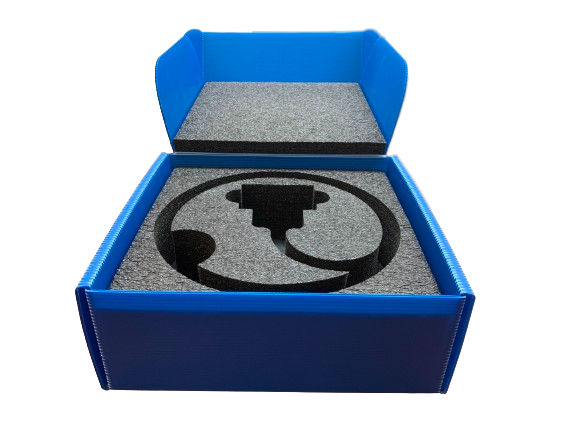
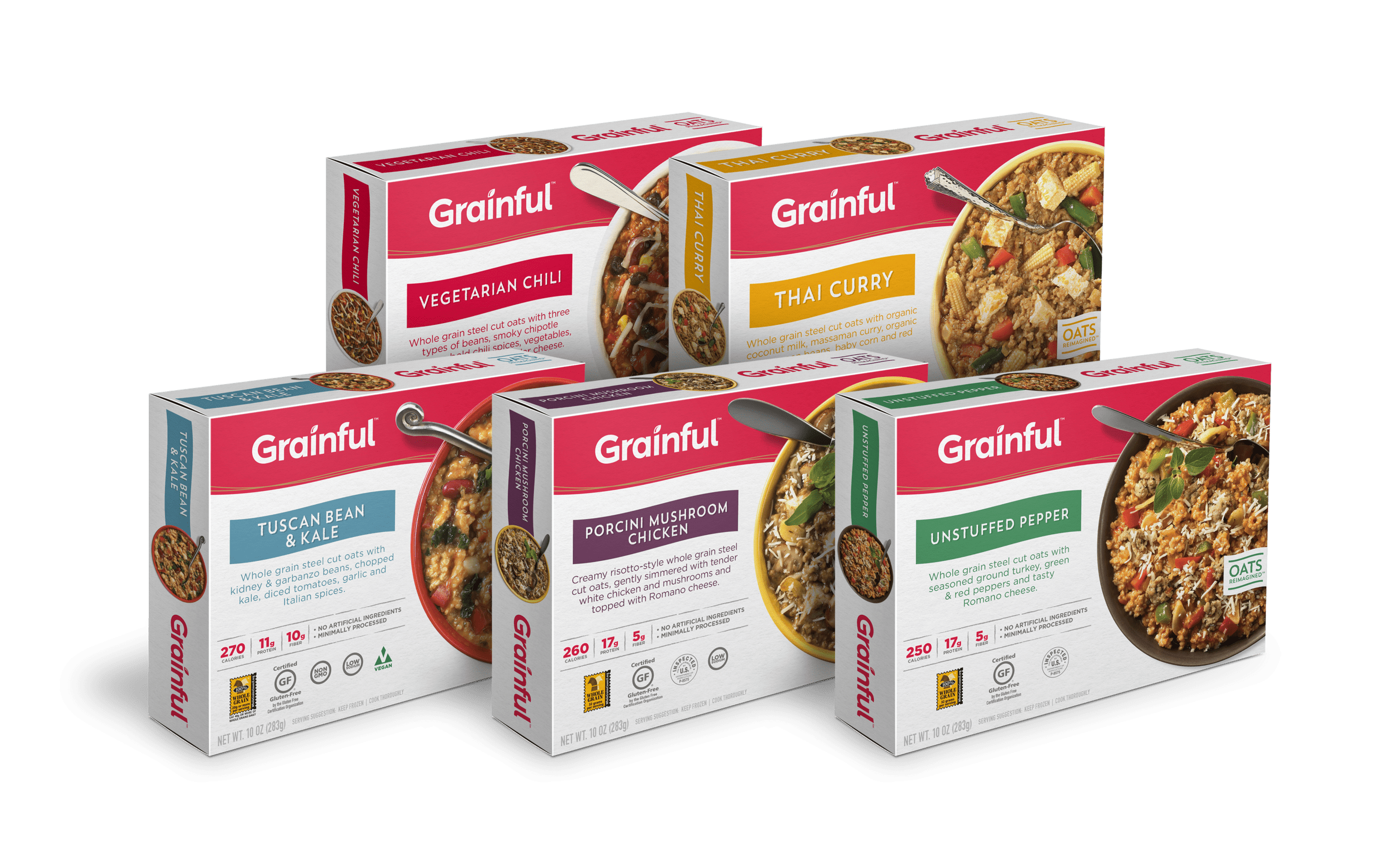
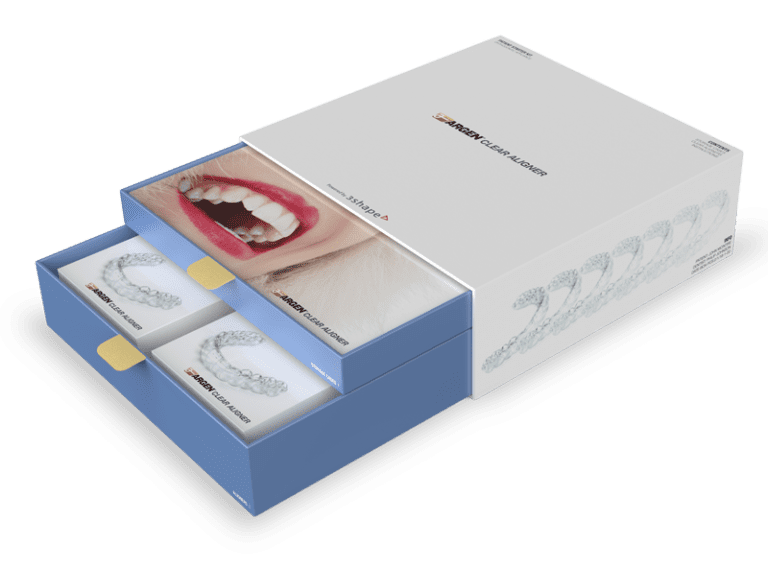
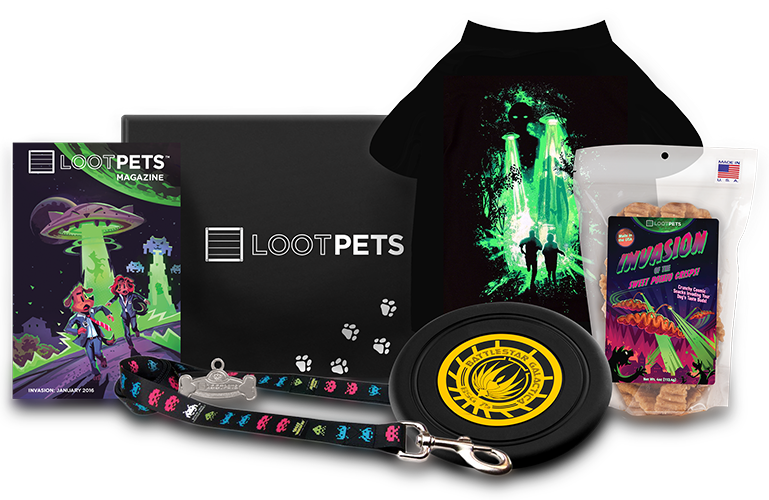
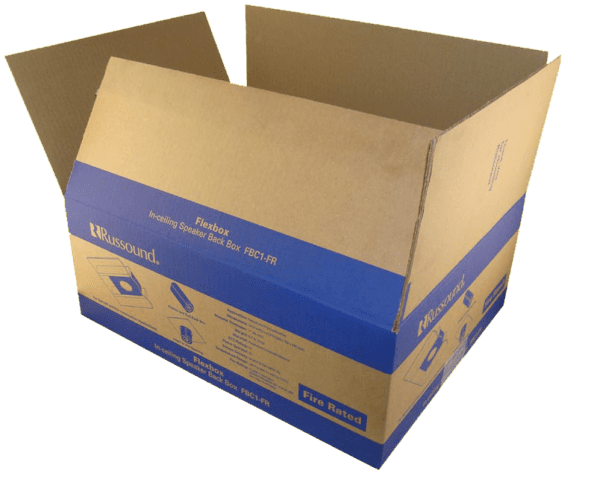
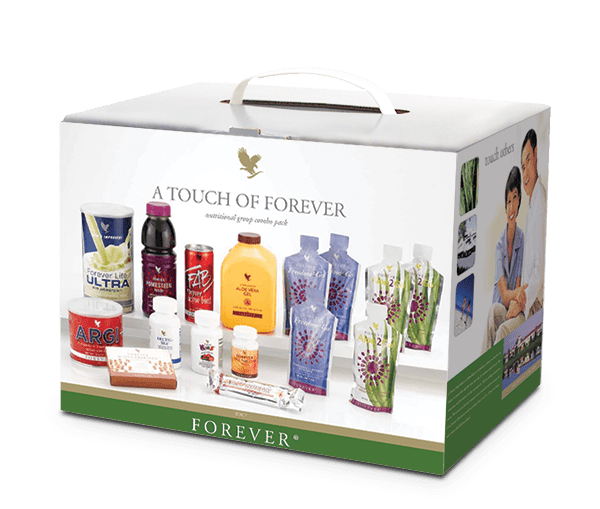
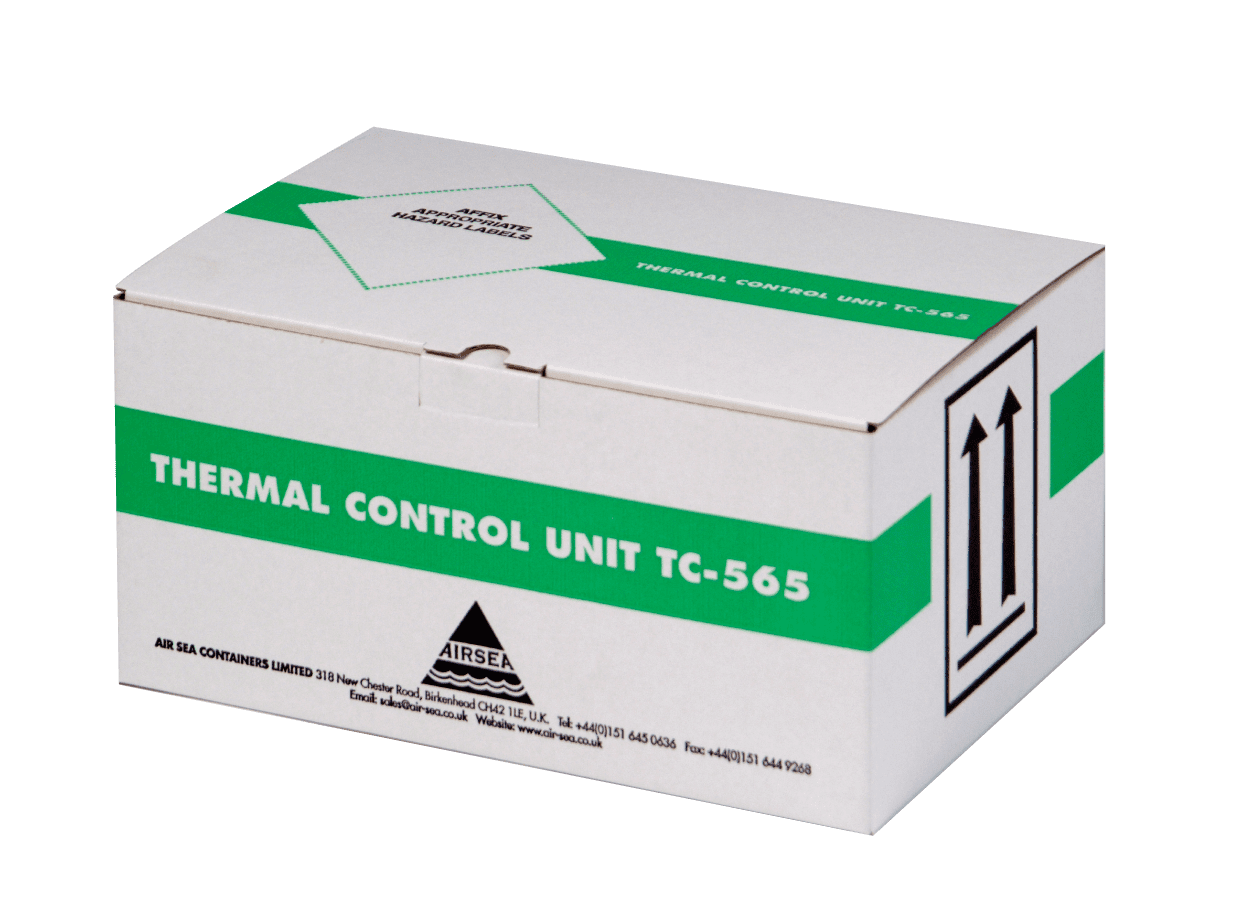
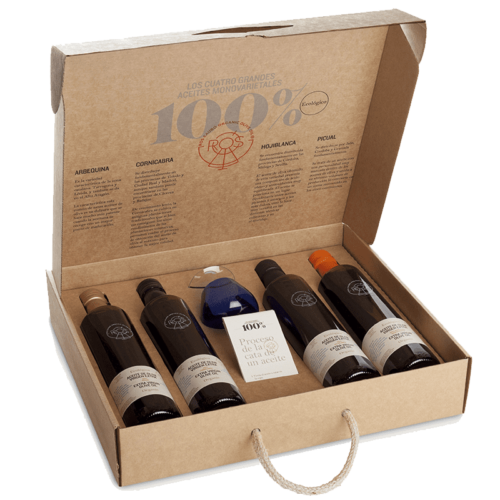
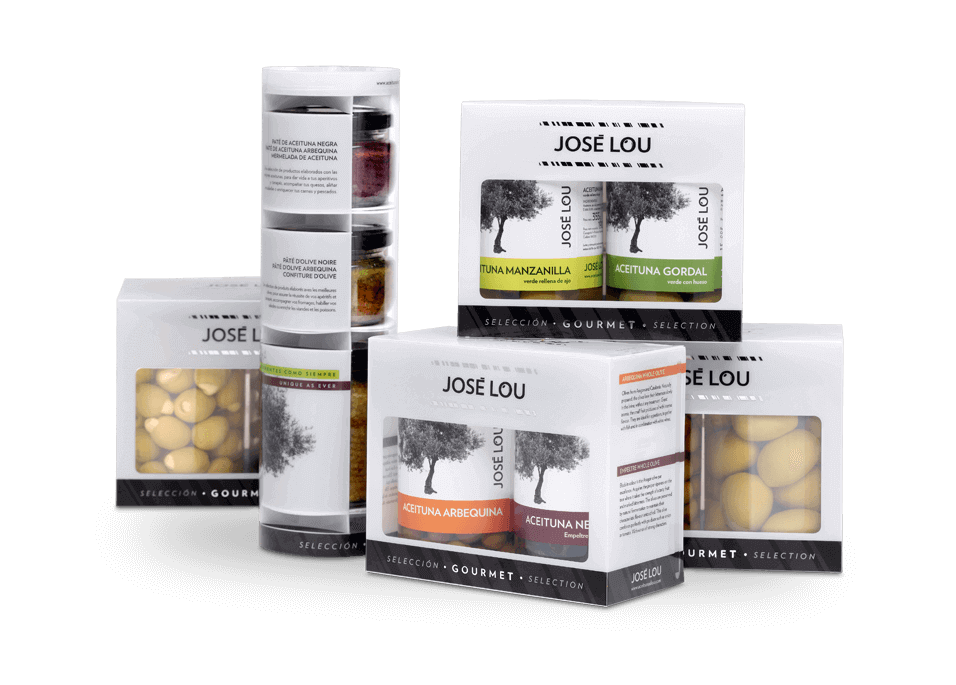
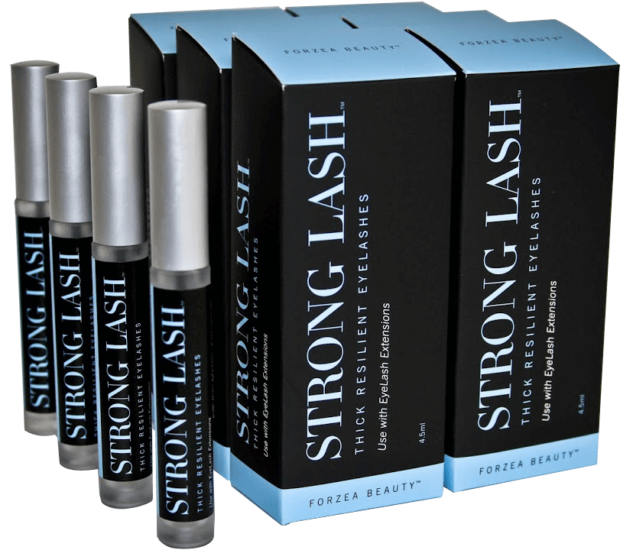
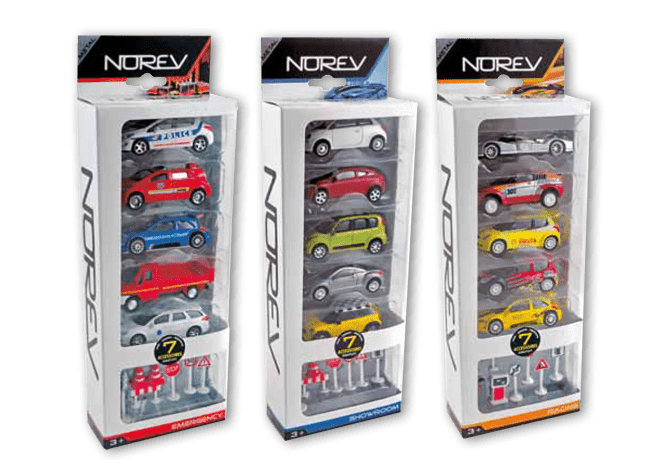
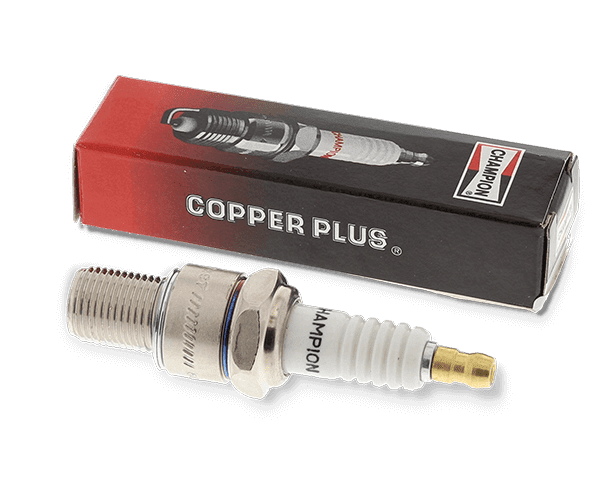
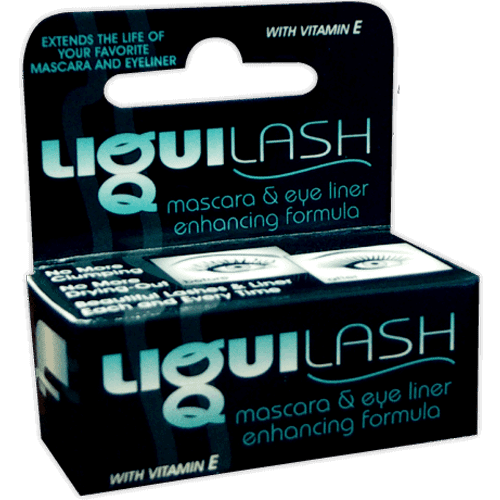
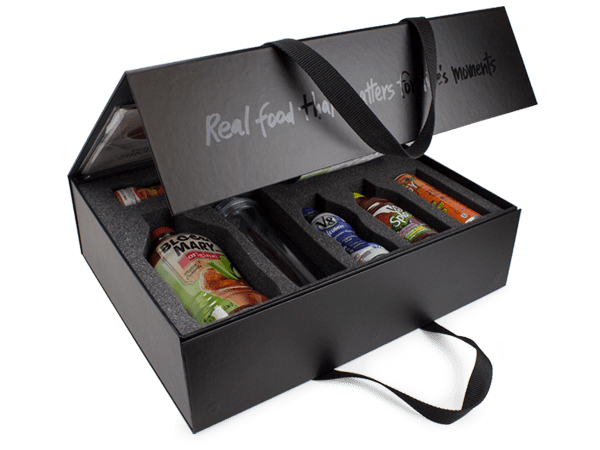
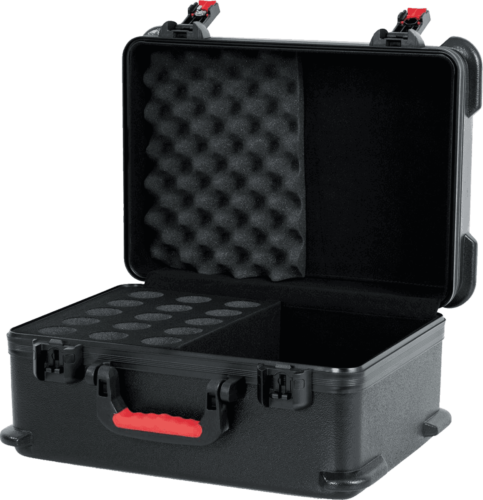
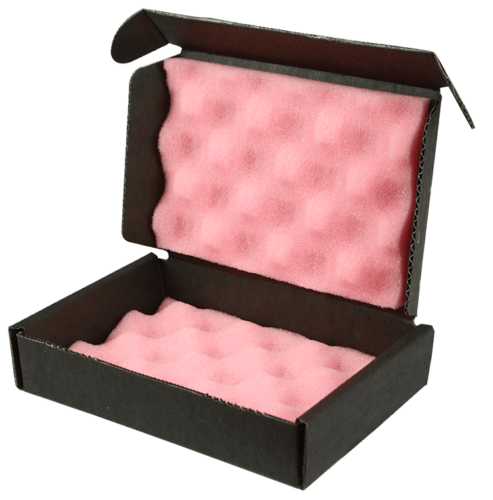
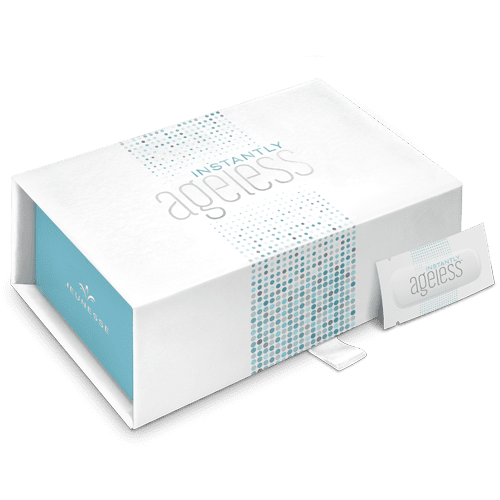
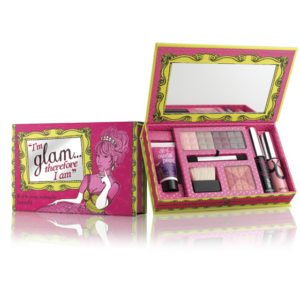
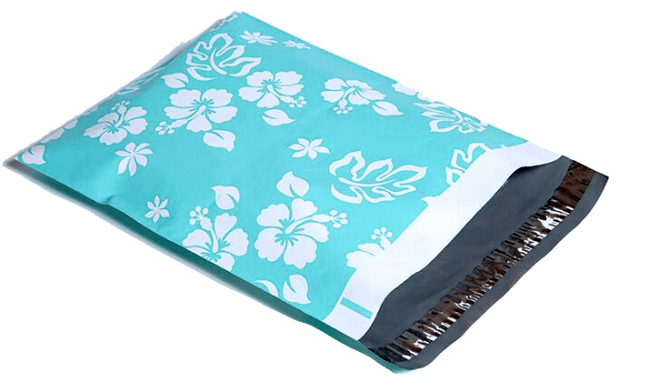
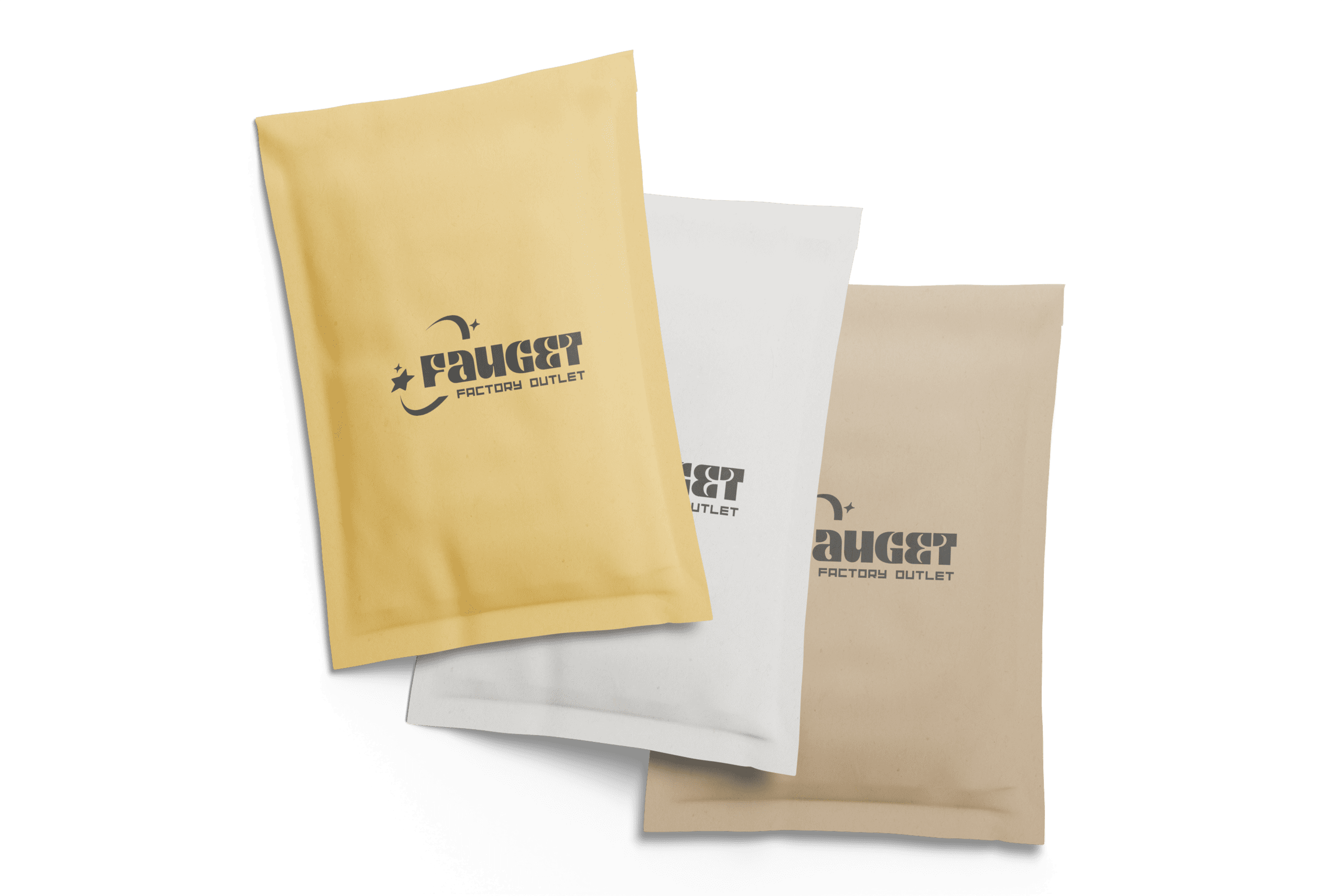
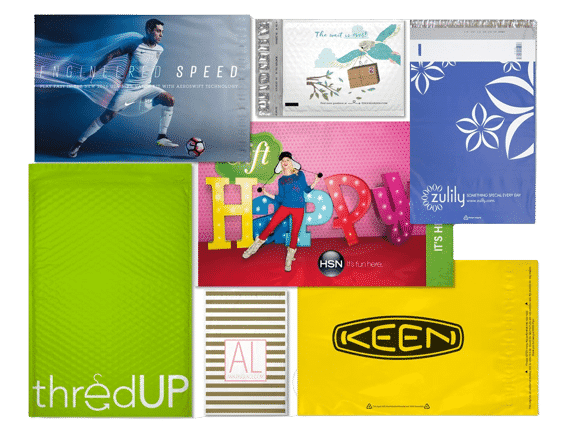
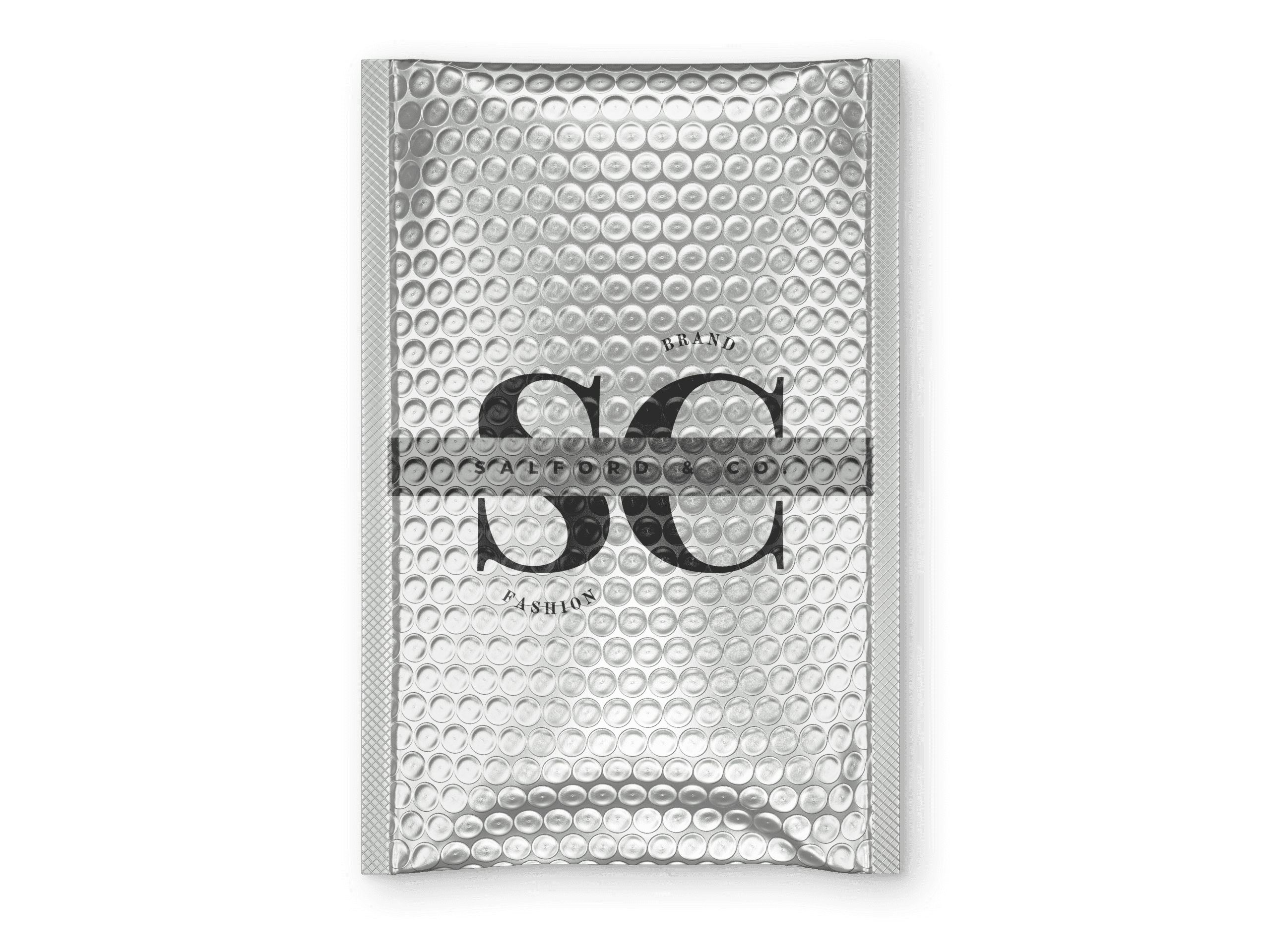
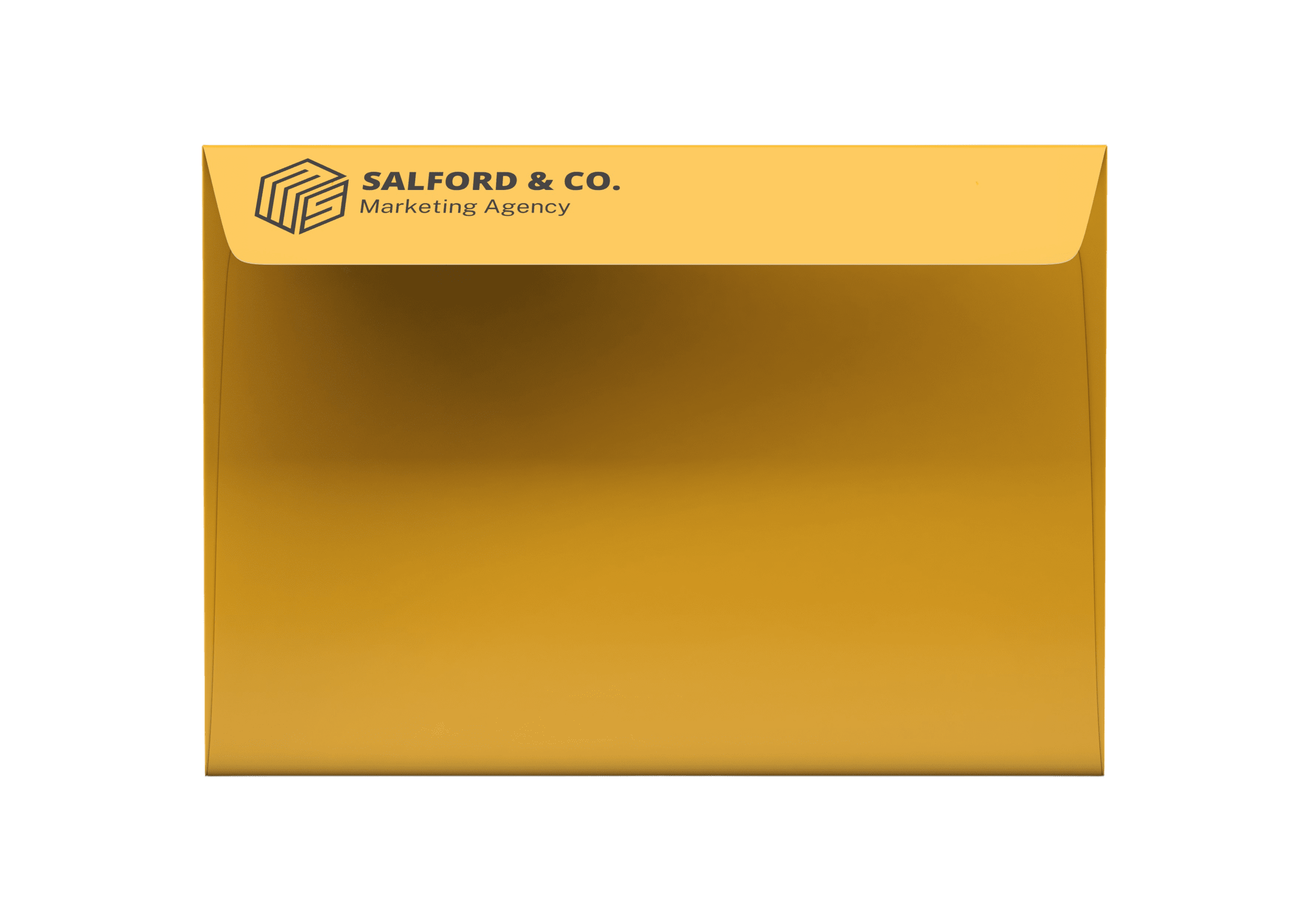
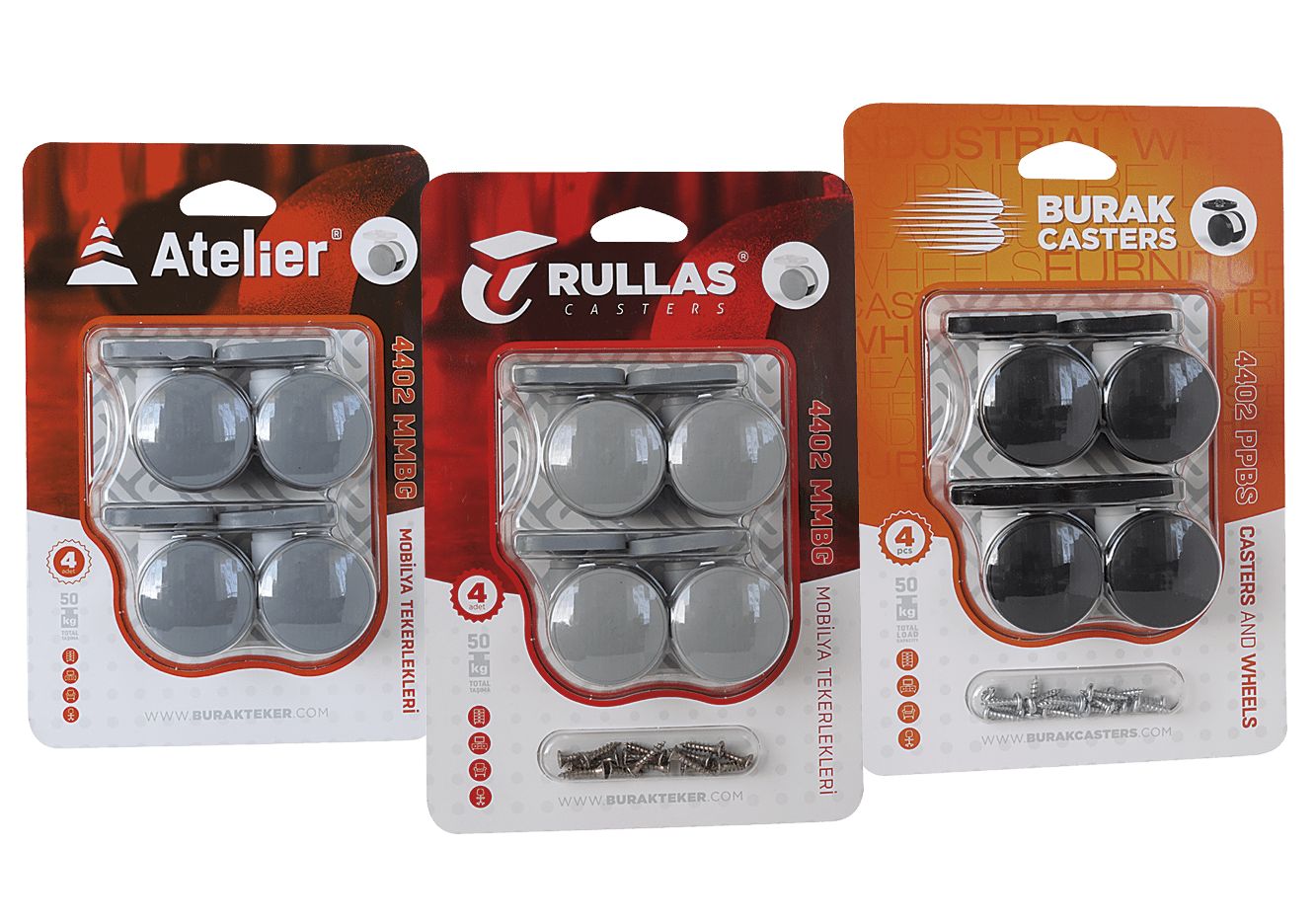
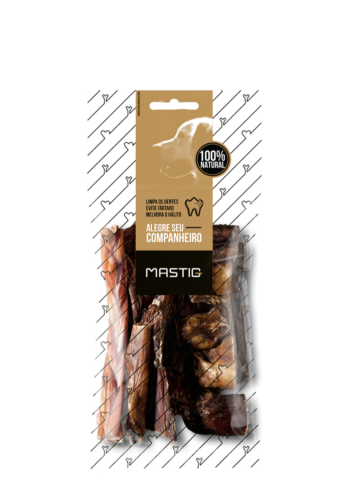
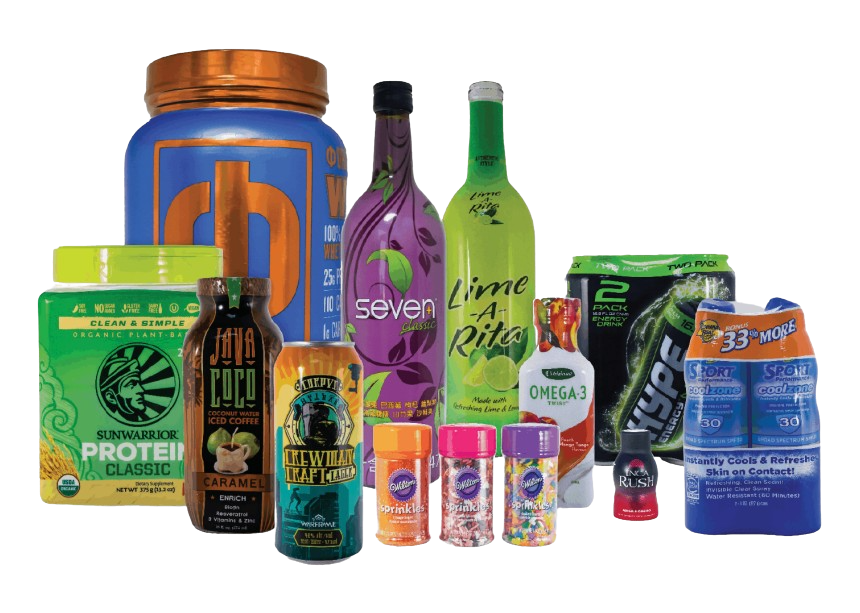
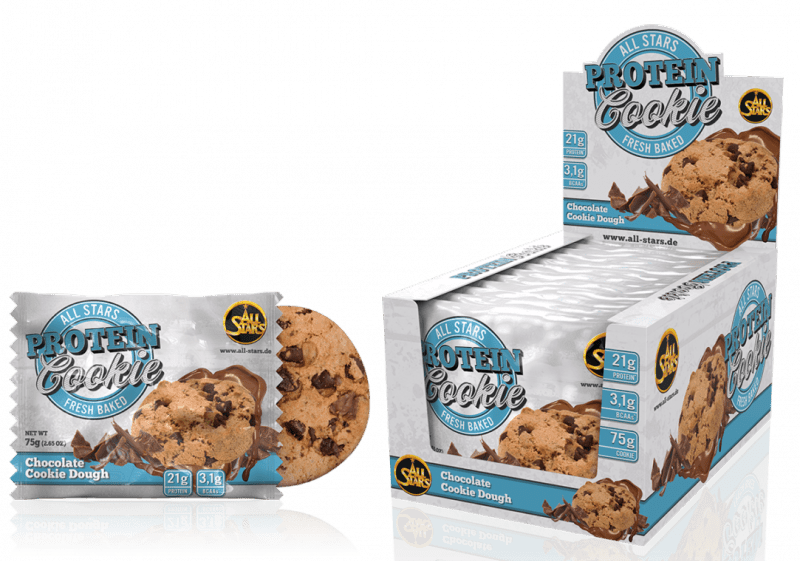
We offer a wide selection of fully customizable packaging products to address any packaging purpose. Customize your packaging product with your logo, brand colors, product information, design, features, and more. If you are unsure on what type of packaging you will need, then contact us for an expert consultation.


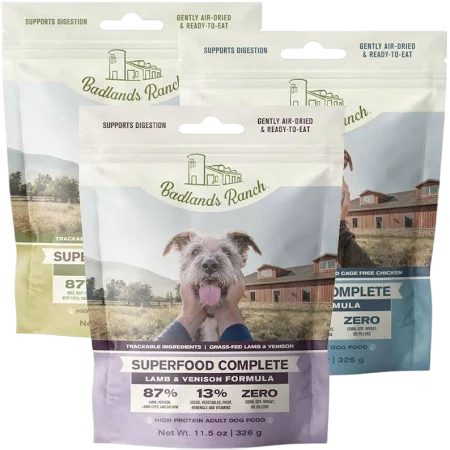
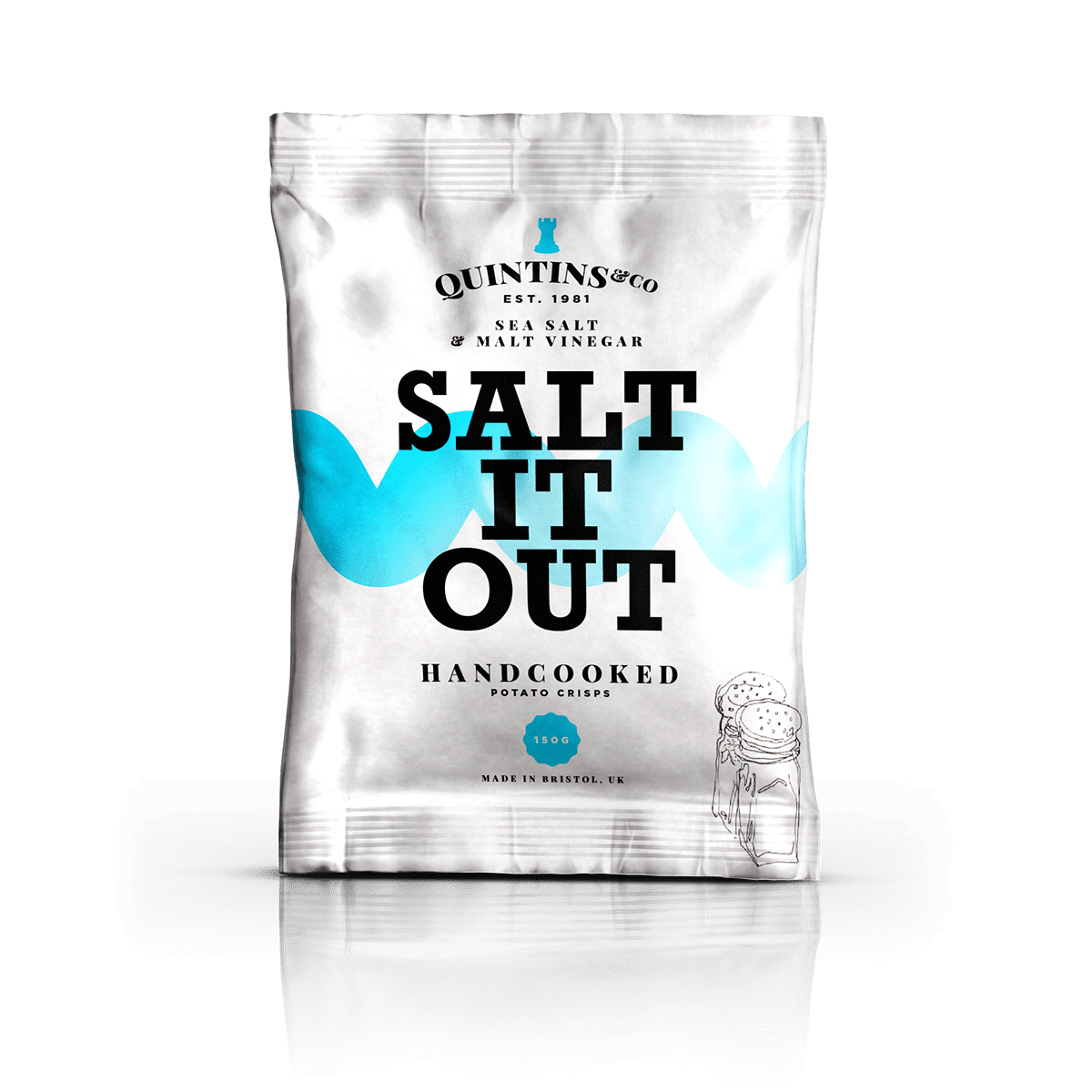
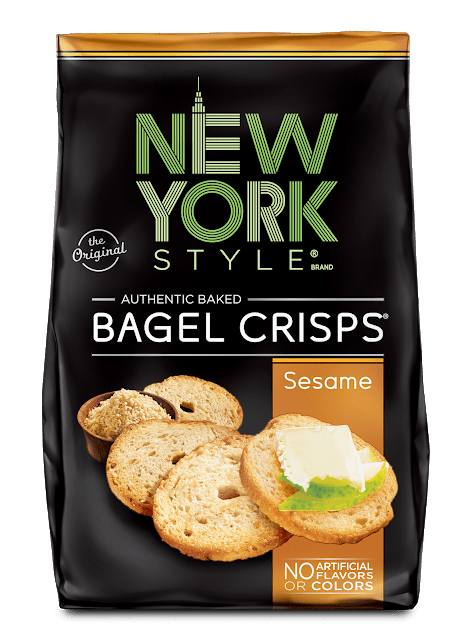
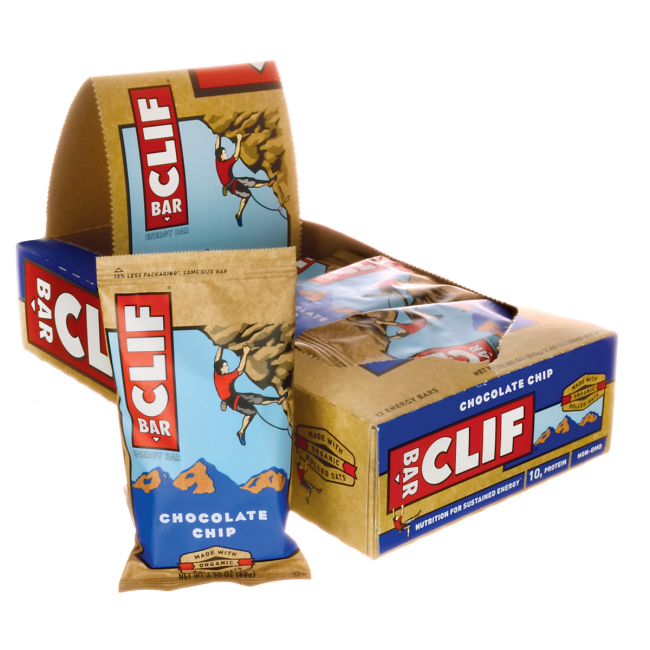
Custom packaging is tailored specifically to fit a brand’s unique product requirements, unlike stock packaging, which is pre-made and generic. Custom options allow for precise sizing, materials, and design choices, offering enhanced protection, presentation, and improved efficiency. This personalization makes custom packaging ideal for businesses looking to stand out and create a cohesive brand identity.
At Brown Packaging, our custom packaging solutions are structurally designed to optimize protection, material usage, and sustainability, tailored to meet specific product needs across various applications. We incorporate graphics to reinforce brand identity, ensuring that each package not only protects but also represents your brand effectively. With a focus on durability and functionality, our packaging ensures secure handling for shipping, retail, or storage while supporting sustainability goals.
Custom Packaging Products
We offer a variety of custom packaging products and solutions to meet all your packaging needs in one place. You’ll work directly with a dedicated project specialist to customize your package according to your specifications, including branding, features, and design.


If you need any assistance with your packaging or have a question, then contact us directly at request@brownpackaging.com or (714)300-0650. Learn more about custom packaging by reading our blog posts on new and trending topics.

Pressure-sensitive adhesive tapes have been a popular choice for businesses due to their versatile and reliable adhesive solutions. They are used in various industries, including packaging, construction, automotive, and electronics. However, it is crucial to consider certain factors before buying the right pressure-sensitive adhesive tape for a specific application. In this blog, we will explore everything a business buyer needs to know before making a purchase. What is Pressure-Sensitive Adhesive Tape? Pressure-sensitive adhesive tape is a type of tape that is coated with an adhesive substance that sticks to surfaces when pressure is applied. It is a strong, durable, and weather-resistant adhesive that can resist UV radiation and chemicals. The adhesive tape is versatile and can be used on various surfaces, including plastics, metals, glass, and paper. It is available in different types, including double-sided, single-sided, and foam tapes, which can be used for various applications. Hot Melt Acrylic Rubber Factors to Consider When Buying Pressure-Sensitive Adhesive Tape Adhesive Strength One of the most important factors to consider when buying pressure-sensitive adhesive tape is its adhesive strength. Adhesive strength is determined by the type of adhesive used. Here are three common adhesive types: Hot Melt Adhesive: Hot melt adhesive is a type of thermoplastic adhesive that is solid at room temperature but melts when heated. It offers excellent initial tack and bond strength, making it suitable for a wide range of applications. Hot melt adhesive provides good adhesion to different surfaces, including plastics, wood, and metals. Acrylic Adhesive: Acrylic adhesive is a versatile adhesive that offers excellent bonding to various substrates, including plastics, metals, and glass. It provides good temperature resistance, UV resistance, and long-term durability. Acrylic adhesive is suitable for both indoor and outdoor applications. Rubber Adhesive: Rubber adhesive is known for its high initial tack and excellent adhesion to a variety of surfaces, including uneven or textured surfaces. It offers good flexibility and conformability. Rubber adhesive is commonly used for applications that require a strong and instant bond. Temperature Resistance Temperature resistance is another crucial factor to consider when buying pressure-sensitive adhesive tape. Different adhesive types have different temperature resistance capabilities. It is essential to select a tape that can withstand the temperature range of your application. Here are some general guidelines: Hot Melt Adhesive: Hot melt adhesive offers good temperature resistance, typically ranging from -40°F to 150°F (-40°C to 65°C). Acrylic Adhesive: Acrylic adhesive provides excellent temperature resistance, typically ranging from -40°F to 300°F (-40°C to 150°C), depending on the specific formulation. Rubber Adhesive: Rubber adhesive generally has a moderate temperature resistance, typically ranging from -20°F to 180°F (-30°C to 80°C). It is important to consult the manufacturer’s specifications for the specific temperature resistance of the adhesive tape you are considering. UV Resistance UV resistance is an important factor to consider when buying pressure-sensitive adhesive tape, especially for outdoor applications. Exposure to sunlight and UV radiation can cause some adhesives to deteriorate over time. Here’s how different adhesive types generally handle UV resistance: Hot Melt Adhesive: Hot melt adhesive typically offers fair to good UV resistance, but it may not be suitable for long-term outdoor exposure. Acrylic Adhesive: Acrylic adhesive provides excellent UV resistance, making it ideal for outdoor applications where prolonged exposure to sunlight is expected. Rubber Adhesive: Rubber adhesive may have fair to good UV resistance, depending on the specific formulation. It is recommended to check the manufacturer’s specifications for the UV resistance of the particular rubber adhesive tape you are considering. Thickness The thickness of the pressure-sensitive adhesive tape can affect its adhesive strength, conformability, and flexibility. Thicker tapes generally offer higher adhesive strength and durability, while thinner tapes provide better flexibility and conformability. Consider the requirements of your application and the surface you will be using the tape on to determine the appropriate thickness. It’s important to find a balance between thickness and the specific needs of your application. Color The color of the pressure-sensitive adhesive tape is an important consideration for some applications. Some tapes come in various colors, including clear, white, or tan. Choosing a tape with the appropriate color may be essential for branding, labeling, or aesthetic purposes. Consider the visual requirements of your application and choose a tape color that aligns with your needs. Application Pressure-sensitive adhesive tapes are available in different forms, including rolls, sheets, and pre-cut pieces. Consider the type of application you will be using the tape for and choose the appropriate form of tape. Some tapes are suitable for specific applications, such as high-temperature applications or bonding irregular surfaces, while others may be more suitable for general-purpose applications. Assess the requirements of your application and select the tape form that best meets your needs. Compatibility Pressure-sensitive adhesive tape is compatible with a wide range of surfaces, but not all surfaces are suitable for it. Consider the compatibility of the tape with the surface you will be using it on and choose a tape that is suitable for that specific surface. Some tapes may not adhere well to certain surfaces, such as oily or textured surfaces. It’s important to select a tape that is compatible with the surface to ensure a strong and long-lasting adhesive bond. Summary: Choosing the Right Pressure-Sensitive Adhesive Tape When selecting pressure-sensitive adhesive tape for your business, it is essential to consider factors such as adhesive strength, temperature resistance, UV resistance, thickness, color, application, and compatibility. By carefully evaluating these factors and understanding the specific requirements of your application, you can make an informed decision and choose the right type of tape that meets your needs and delivers the best performance. Whether you require hot melt adhesive, acrylic adhesive, or rubber adhesive, it is crucial to select a tape that aligns with your application’s demands. Consult with adhesive tape manufacturers or suppliers to ensure you choose the appropriate adhesive type and tape construction for your specific requirements. By considering these factors and making a well-informed decision, businesses can select the right pressure-sensitive adhesive tape that enhances efficiency, productivity, and profitability in

Packaging plays a crucial role in the success of a product. It not only protects the product from damage but also serves as a medium to communicate with the customers. However, packaging can also be expensive, especially for small businesses with a limited budget. 9 Budget Friendly Options In this blog, we will explore budget-friendly packaging options that can help small businesses save money without compromising on quality. Utilize Reusable Packaging Keep It Simple Bulk Ordering Use Standard sizes Use Minimalist Labeling Opt for Lightweight Materials Use Multi-Functional Packaging Explore Alternative Suppliers Simplify Your Packaging Process Utilize Reusable Packaging Instead of focusing solely on recyclable materials, consider using packaging that can be reused multiple times. For example, using sturdy and reusable fabric bags or containers can provide value to customers and reduce the need for new packaging for each purchase. Reusable packaging not only saves money in the long run but also promotes sustainability. Keep It Simple While flashy packaging designs can be appealing, they can also be expensive to produce. Keeping packaging simple not only saves money but can also be an effective way to communicate with customers. Simple packaging designs are also easier to produce, reducing labor costs. For example, plain brown paper bags can be an inexpensive yet effective way to package products. Bulk Ordering Buying packaging materials in bulk can help businesses save money in the long run. Many suppliers offer discounts for bulk orders, which can help reduce the cost per unit. Bulk ordering also reduces the number of orders that need to be placed, saving time and resources. Use Standard Sizes Custom packaging can be expensive, especially for small businesses. Using standard sizes for packaging can help reduce costs. Standard sizes are readily available, and suppliers often offer discounts for bulk orders. Additionally, using standard sizes can also reduce shipping costs, as they are more efficient to transport. Use Minimalist Labeling Another way to keep packaging costs low is by using minimalist labeling. Instead of printing elaborate designs, consider using simple, clear labels that list the product name, ingredients, and other essential information. Minimalist labeling can be just as effective at catching customers’ attention and can help reduce printing costs. Opt for Lightweight Materials Lightweight materials, such as thin plastics and lightweight papers, can be a cost-effective way to package products. They are less expensive to produce and ship, and can also help reduce shipping costs. However, it is important to ensure that the materials provide adequate protection for the products. Use Multi-Functional Packaging Multi-functional packaging can be a cost-effective option for small businesses. Packaging that can be repurposed, such as jars and tins, can provide customers with added value and reduce waste. For example, a candle sold in a reusable jar can be used to store small items after the candle has burned out. Explore Alternative Suppliers Instead of buying packaging supplies in bulk, another cost-saving option is to explore alternative suppliers. Look for local or online suppliers that offer competitive prices and deals, even if you’re not purchasing in bulk. Sometimes, smaller suppliers can provide more affordable options tailored to the needs of small businesses. Simplify Your Packaging Process Simplifying the packaging process can help reduce costs associated with labor and equipment. Using automated packaging equipment, for example, can help reduce labor costs and increase efficiency. Simplifying the packaging process can also reduce the risk of errors, leading to fewer returns and replacements. Summary: Budget Friendly Packaging Options In conclusion, packaging is an essential aspect of any business that can significantly impact a product’s success. However, small businesses with limited budgets can find it challenging to invest in high-quality packaging. Fortunately, there are many cost-effective packaging options available that can help small businesses create effective packaging solutions. By considering options such as using reusable and lightweight materials, minimalist labeling, multi-functional packaging, and simplifying the packaging process, small businesses can reduce costs without compromising on quality. With these budget-friendly packaging options, small businesses can enhance their products’ presentation, protect them during transit, and create a positive customer experience, all while maintaining their bottom line. If you are interested in packaging solutions to fit your budget, then partner with Brown Packaging today to get started. (714)300-0650 request@brownpackaging.com Most Recent Posts: Categories: Corrugated Ecommerce ESD Design Display Flexible Packaging Foam Folding Carton Packaging Plastic Packaging Pouch Printing Protection Retail Rigid Box Thermoform Sustainability Subscribe To Our Newsletter By submitting your information, you agree to our terms and conditions and privacy policy. Custom Packaging Facebook Twitter LinkedIn Pinterest Relevant Posts

Color plays a vital role in brand recognition, and it is especially important when it comes to packaging materials. The color of your packaging can influence consumer purchase decisions and help create brand identity and recall. Therefore, it is crucial to ensure that the colors on your packaging material match your brand colors. In this blog, we will explore different packaging materials and color methods such as CMYK, GCMI, and PMS to achieve accurate and consistent color reproduction on your packaging. Step 1: Understand Your Brand Colors The first step in color matching your brand colors on your packaging material is to understand your brand colors. If you have not established brand colors, it is crucial to do so before selecting packaging materials. Brand colors are the colors that represent your brand and are typically used in your logo, website, and marketing materials. Understanding your brand colors involves identifying the exact color values and the color space used to represent them. Color values are a set of numerical codes that represent the color of your brand. The most common color spaces are RGB (Red, Green, Blue) and CMYK (Cyan, Magenta, Yellow, Black). RGB is used for digital applications, while CMYK is used for print applications. Therefore, if you are planning to print your packaging material, it is essential to use the CMYK color space. Step 2: Choose Packaging Materials Once you have established your brand colors, it is time to choose the packaging materials. Different packaging materials can have different effects on color, and it is essential to choose the right one to achieve the desired result. Some of the most common packaging materials are: Paper Paper is a versatile and cost-effective packaging material that can be used for a variety of products. It can be coated or uncoated, and the type of paper can affect color reproduction. For example, coated paper reflects more light than uncoated paper, resulting in more vibrant colors. Coated papers, such as glossy or silk finishes, provide excellent color vibrancy and sharpness because they do not absorb as much ink as uncoated papers. The smooth surface of coated papers allows for more accurate ink placement, which results in more precise color reproduction. However, the downside to using coated paper is that it can be more expensive than uncoated paper. On the other hand, uncoated papers, such as kraft or natural papers, can give a more organic or rustic feel to your packaging. However, because uncoated paper absorbs more ink, the colors may appear duller and less vibrant than coated paper. Plastic Plastic is another common packaging material that can be used for a wide range of products. The color reproduction on plastic can vary depending on the type of plastic and the printing method used. For example, transparent plastic allows light to pass through, resulting in a different color effect than opaque plastic. Polyethylene (PE) and Polypropylene (PP) are common types of plastic used for packaging. PE is a more flexible and transparent plastic, whereas PP is a more rigid and opaque plastic. PP can be produced in different colors, and the colors will remain consistent throughout the printing process. PE, on the other hand, may have color variations due to its transparency. Glass Glass is an excellent packaging material for products that require protection from light and air. The color of the glass can affect color reproduction, so it is essential to choose the right type of glass. For example, amber glass filters out blue light, resulting in a warmer color tone. Glass is available in a range of colors, such as clear, green, amber, and blue. The color of the glass can affect the color reproduction of the product inside. For example, clear glass allows the product color to show through, while green glass can give the product a greenish tint. When printing on glass, it is essential to use a high-quality ink that can withstand the high temperatures used in the printing process. Step 3: Select a Color Method Once you have selected your packaging material, it is time to select a color method. There are several color methods you can use to achieve the desired color on your packaging material. Three common color methods are: Cyan, Magenta, Yellow and Black CMYK stands for Cyan, Magenta, Yellow and Black, which are the four colors used in printing. CMYK is a popular color method used in digital printing and is ideal for small print runs. Digital printing is a cost-effective method of printing that allows for quick color changes and high-quality printing. Global Color Matching System GCMI stands for Global Color Matching System, which is a standardized color system used in printing. GCMI is ideal for larger print runs and ensures consistent color reproduction across different materials and printing methods. GCMI uses a set of predefined colors that are recognized by printers worldwide. It is important to mention that GCMI is only used for corrugated printing. Pantone Matching System PMS stands for Pantone Matching System, which is a standardized color system used in printing. PMS is ideal for achieving precise color matching and is often used for branding and marketing materials. PMS uses a set of predefined colors that are mixed to achieve the desired color. When selecting a color method, it is important to consider the type of packaging material you are using. For example, digital printing may not be suitable for all packaging materials, and offset printing may be a better option for materials such as paper or corrugated. It is also important to consider the color space used in the printing process. If you are using a digital printing method, it is important to use the CMYK color space to achieve accurate color reproduction. Step 4: Test and Adjust Once you have selected your color method, it is time to test and adjust. It is essential to print a test run of your packaging material to ensure that the colors are accurate and consistent. This step is crucial because