
window.uetq = window.uetq || []; window.uetq.push(‘event’, ‘submit_lead_form’,{ event_label:‘SUBMIT MESSAGE’ }); window.lintrk('track', { conversion_id: 10271009 }); window.lintrk('track', { conversion_id: 10271017 });

Custom Packaging

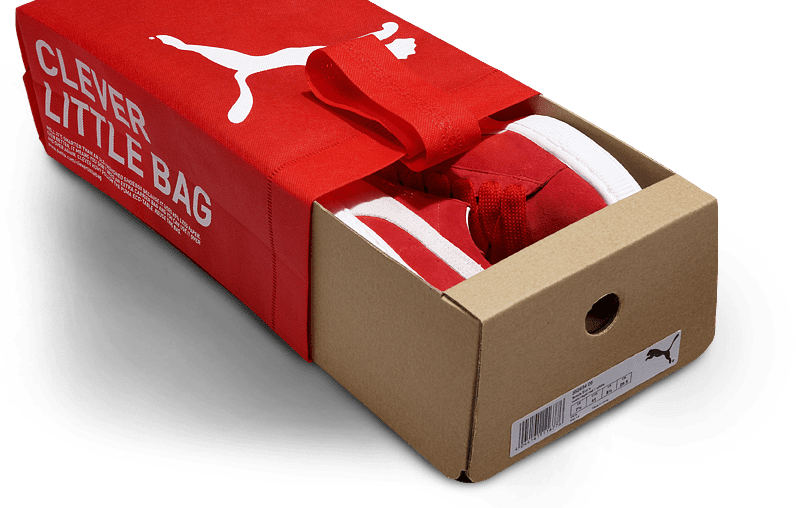
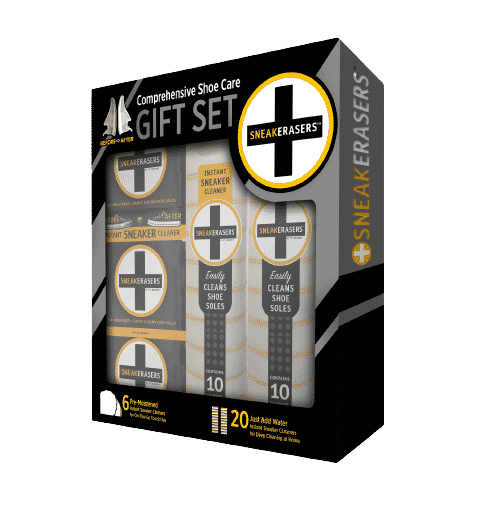
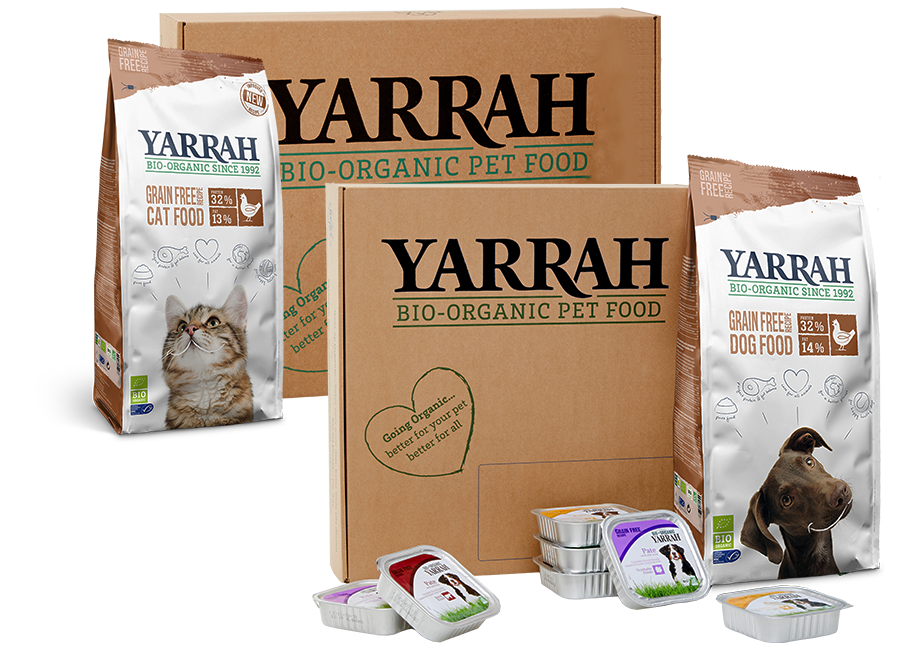
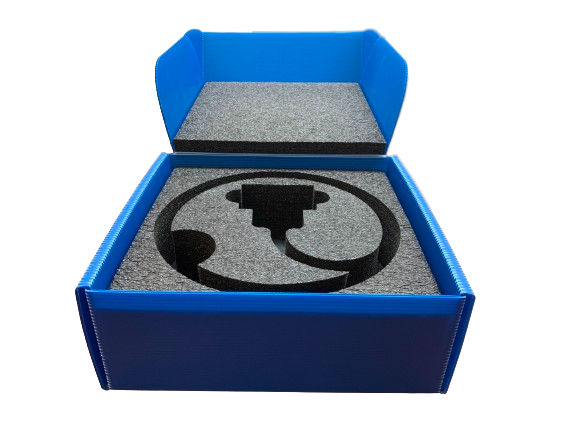
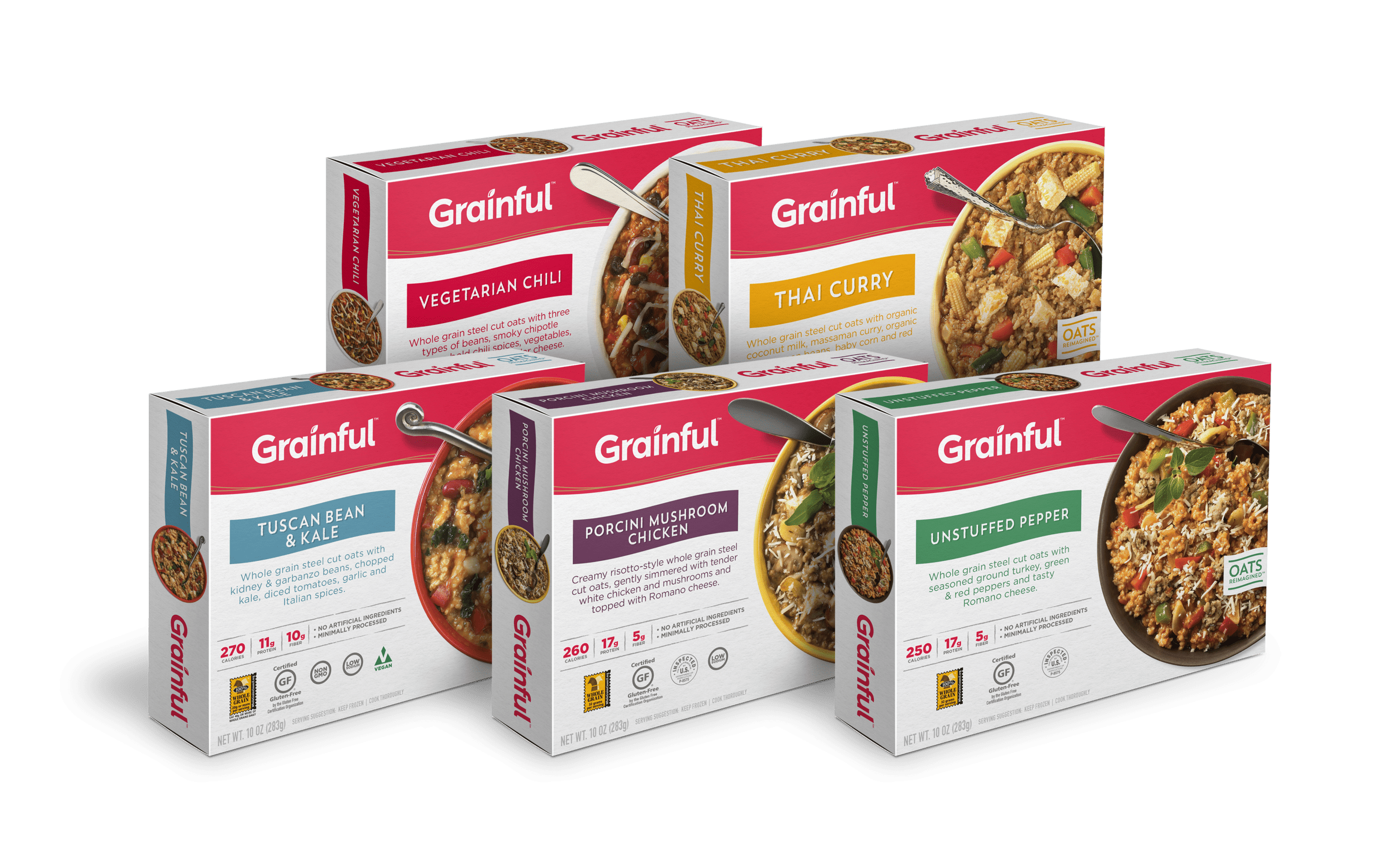
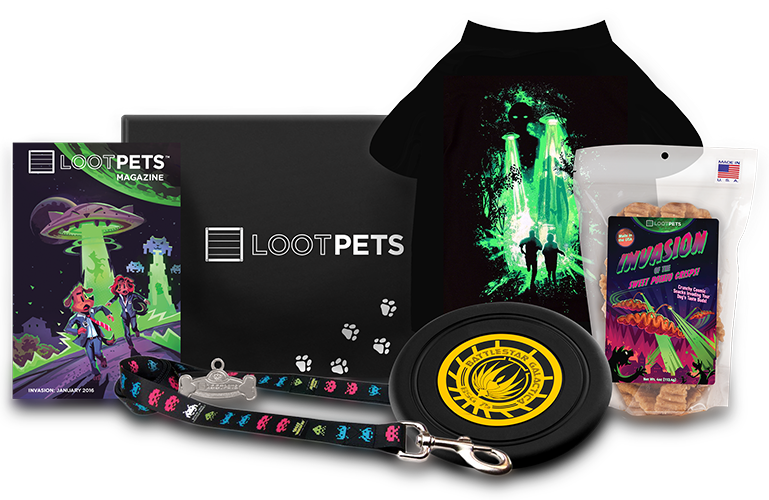
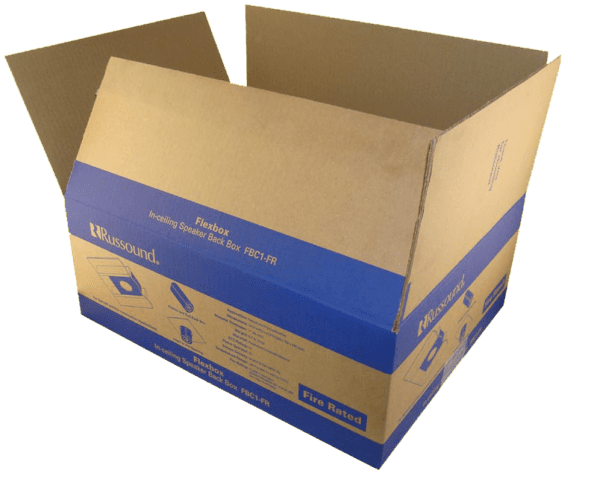
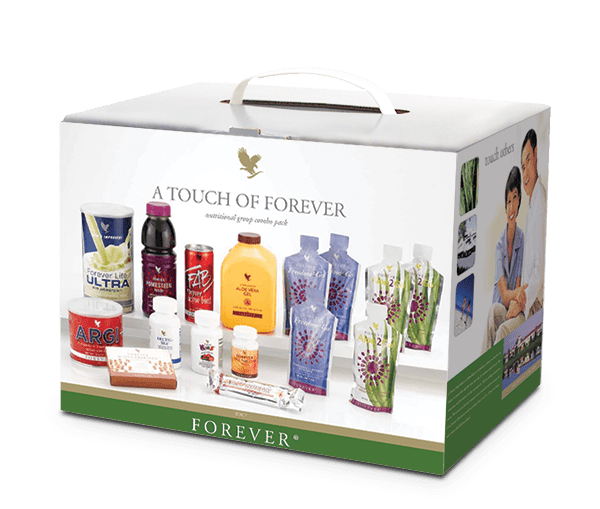
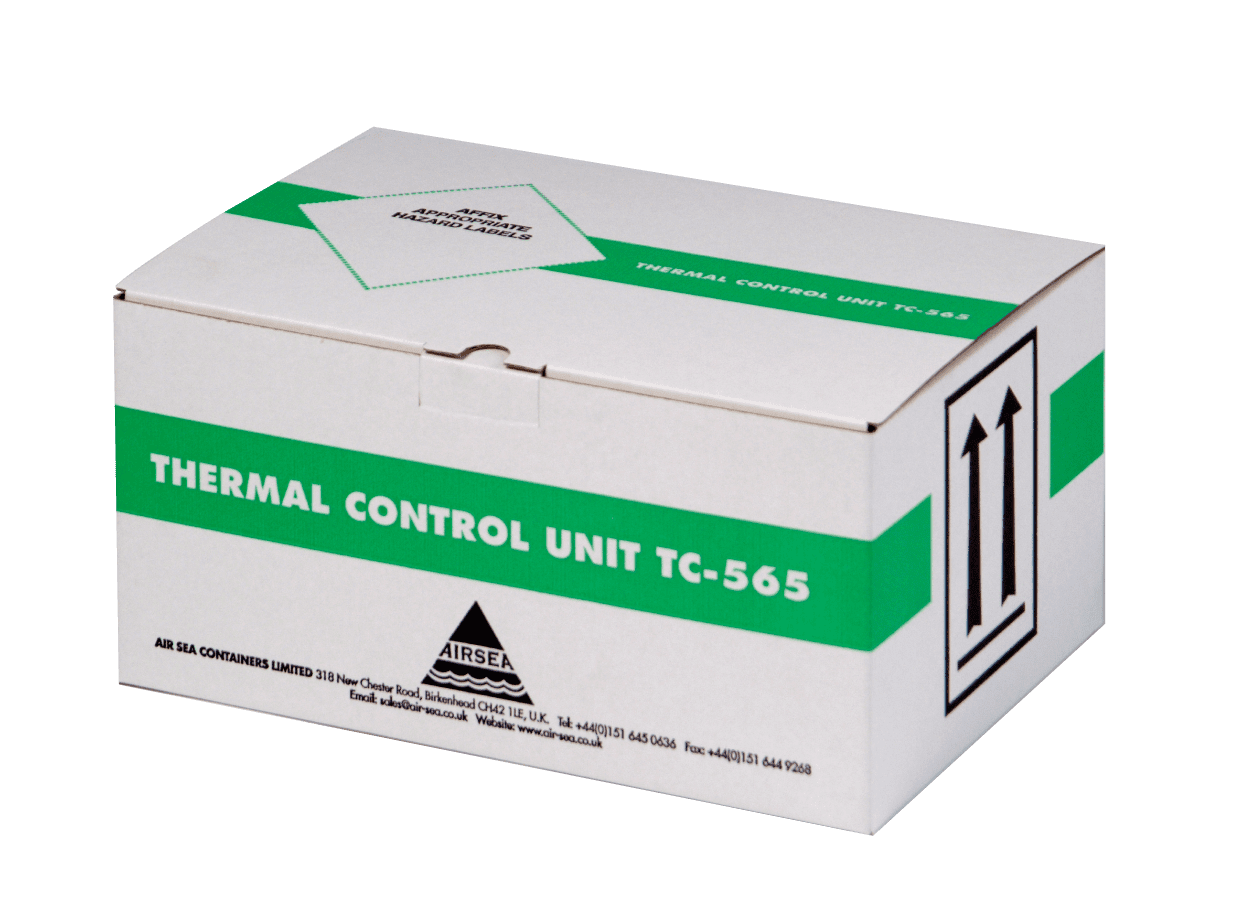
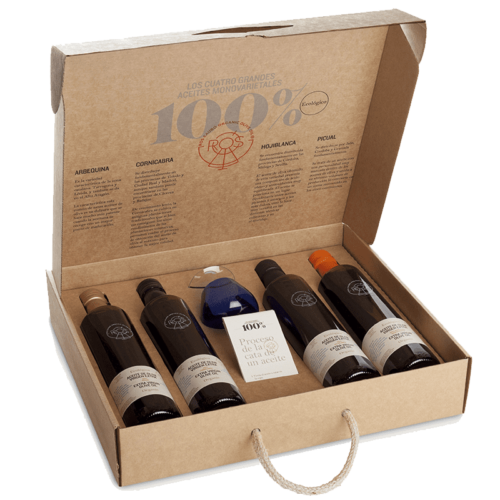
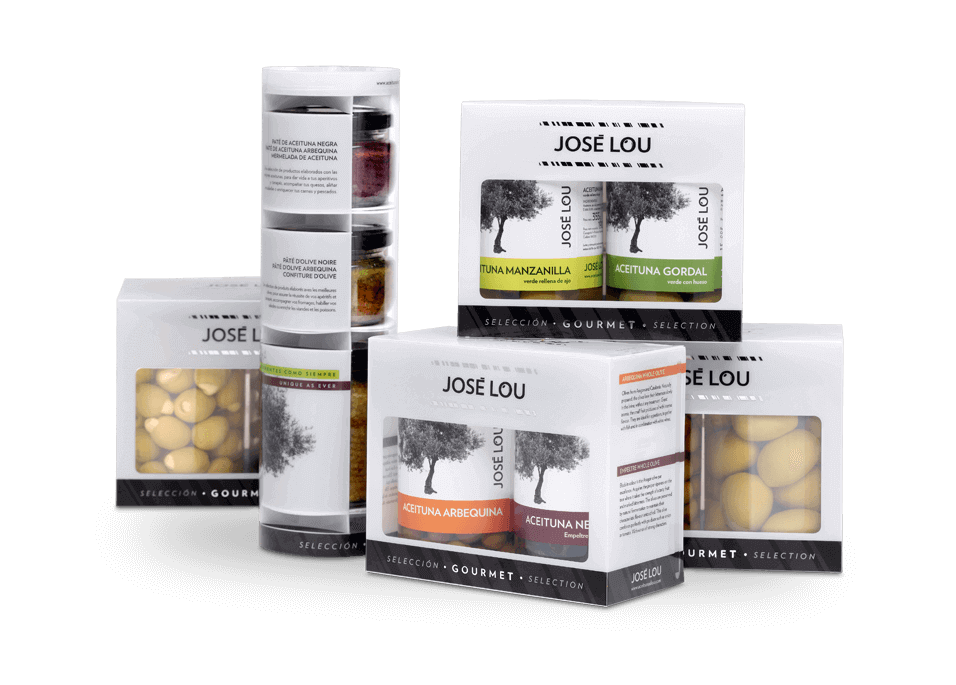
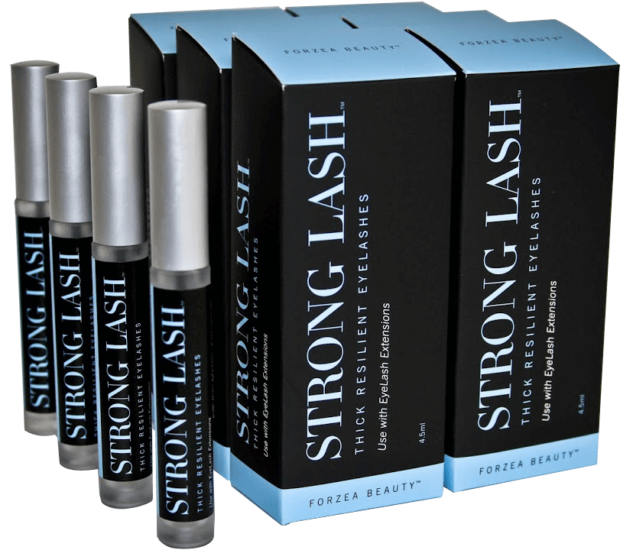
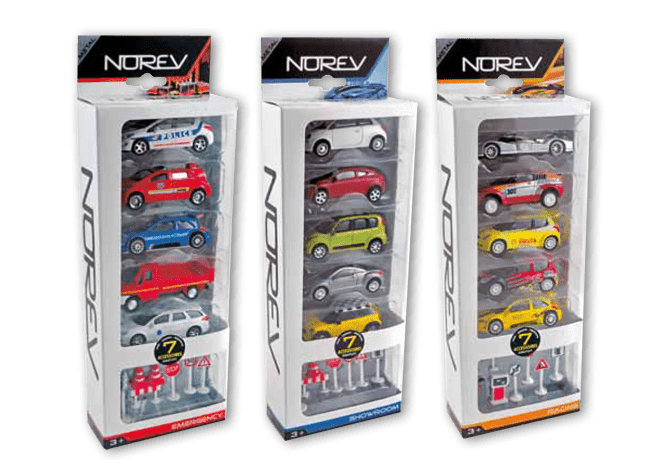
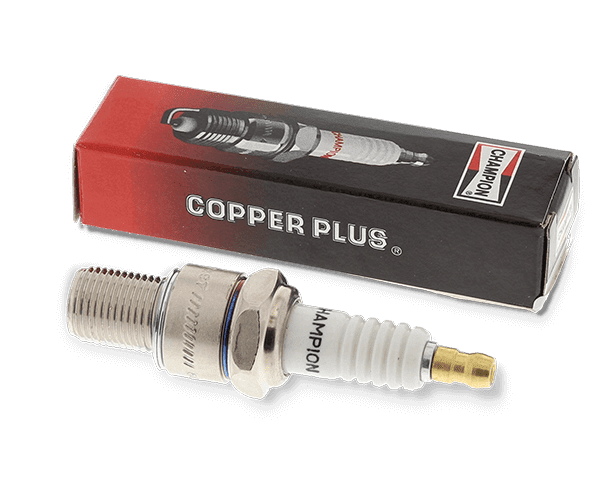
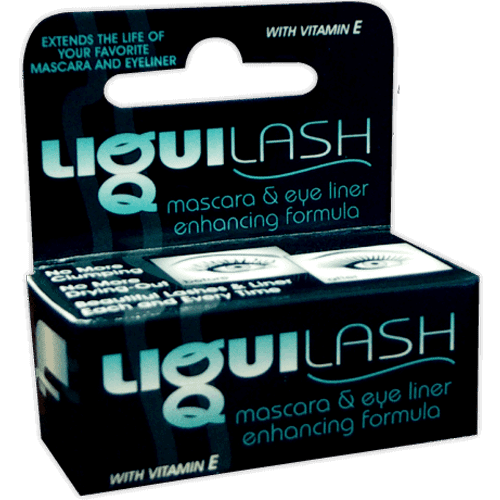
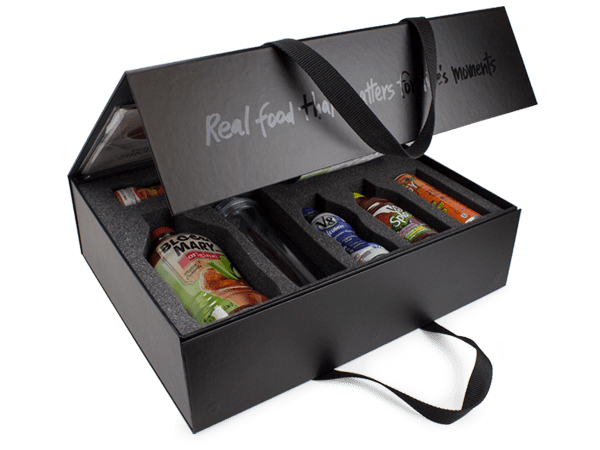
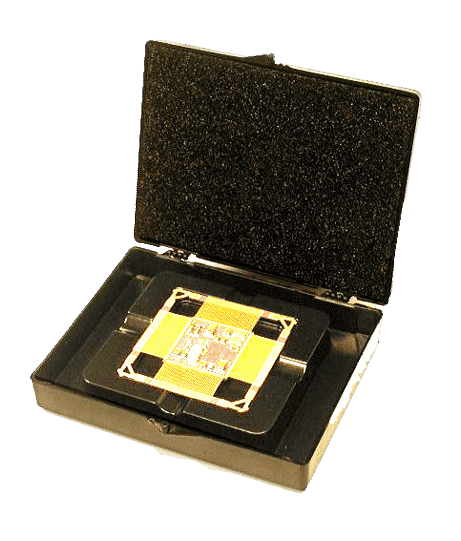
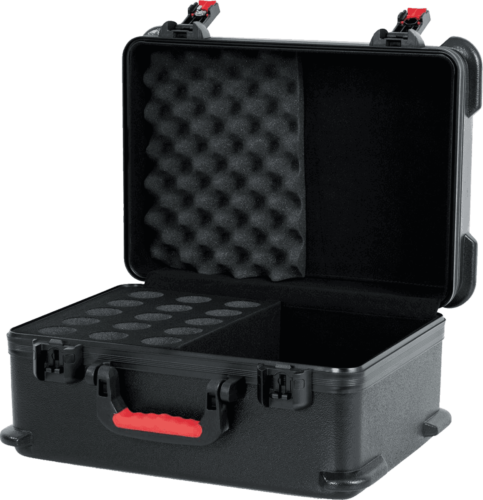
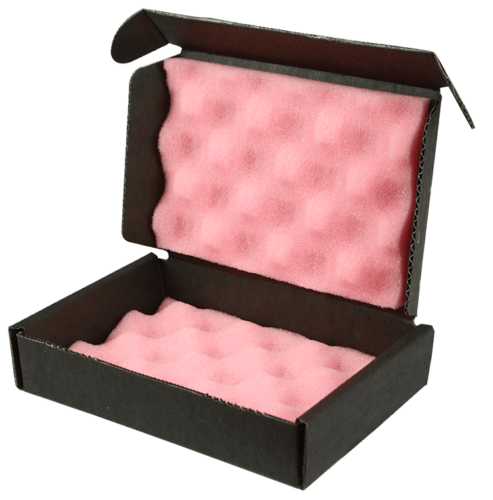
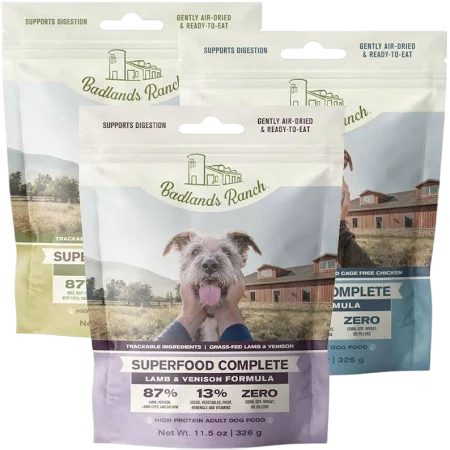
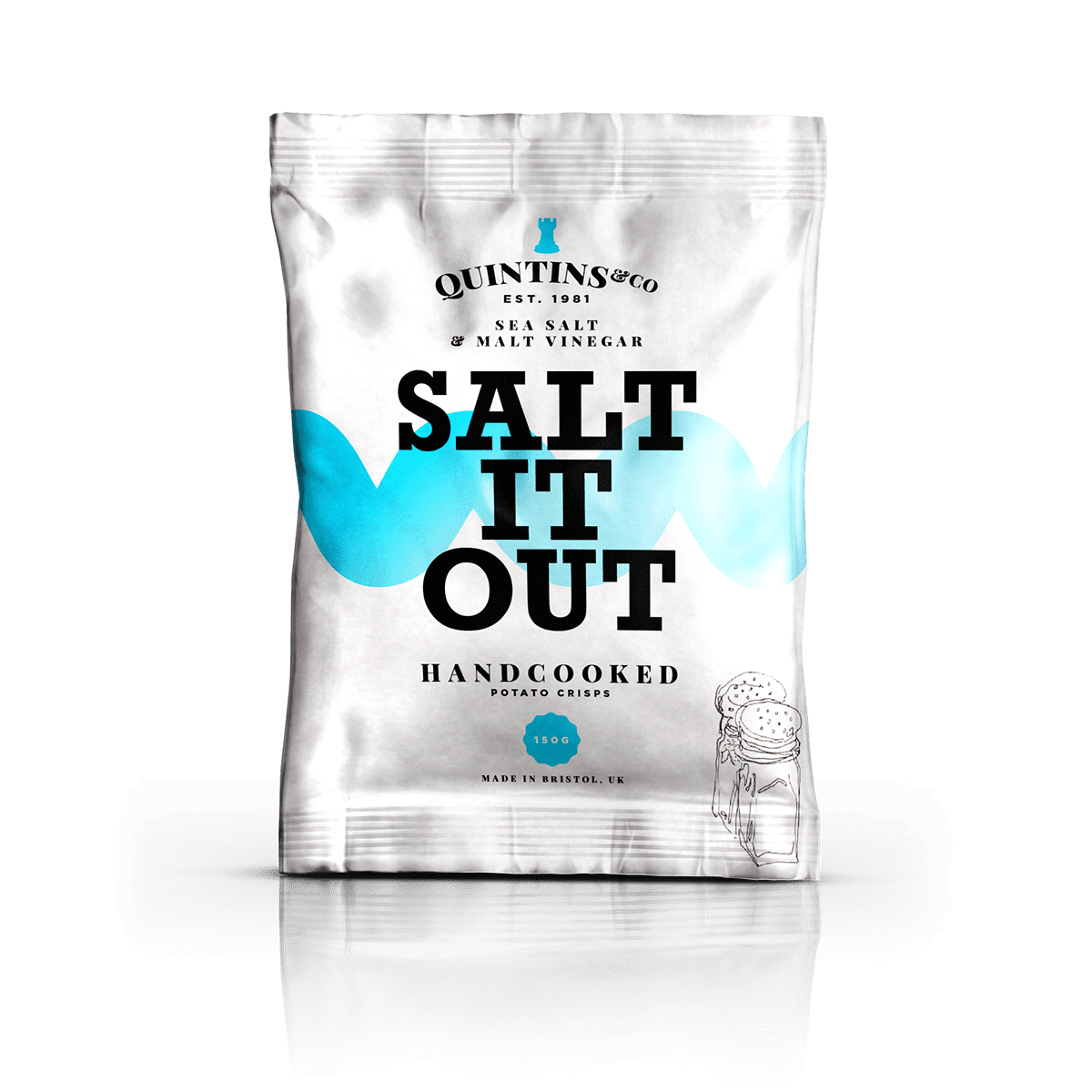
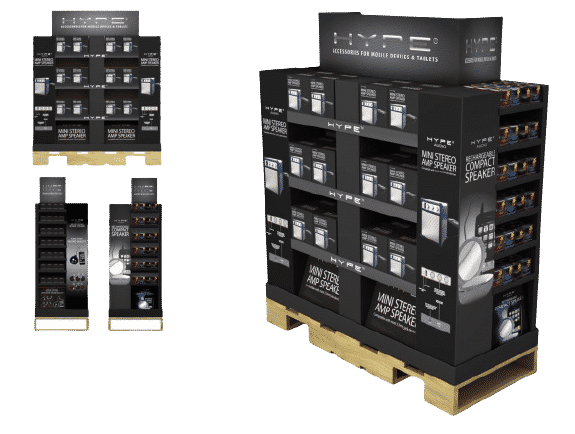
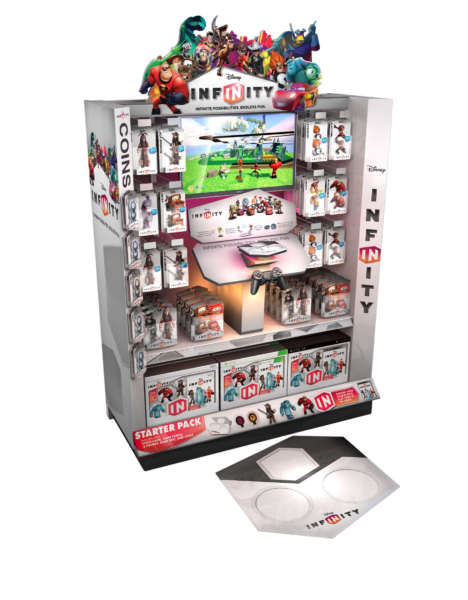
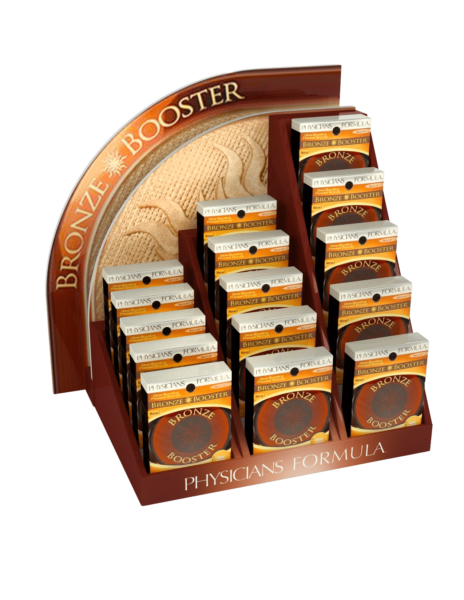
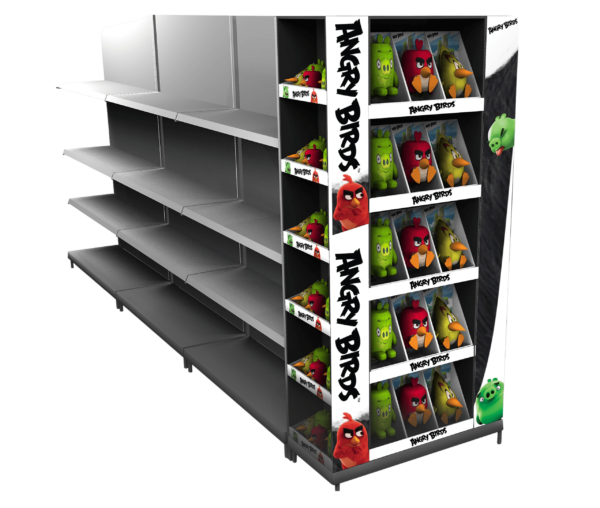
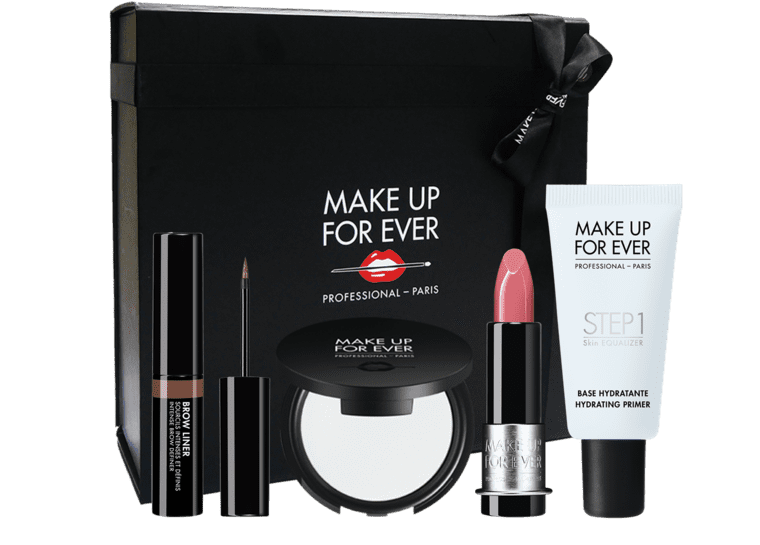
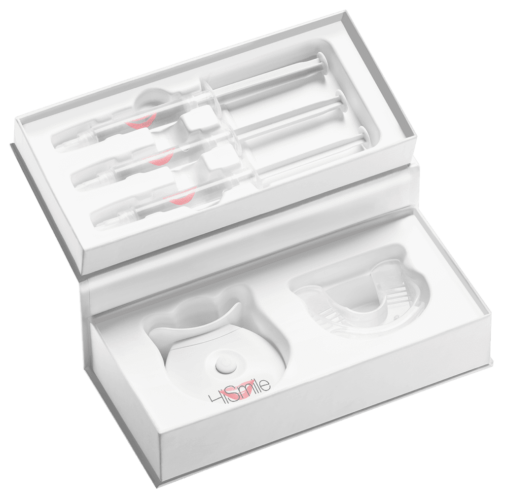
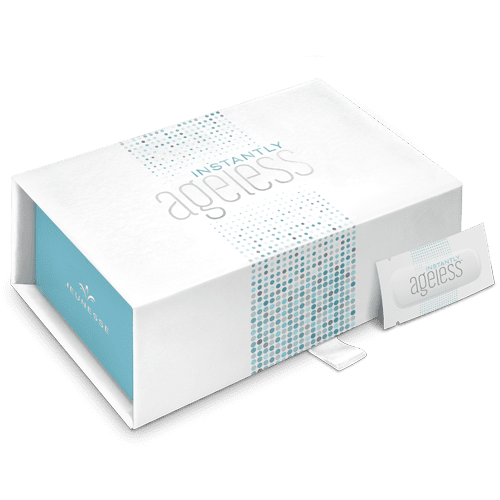
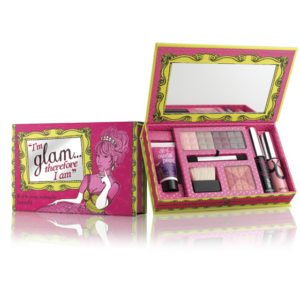
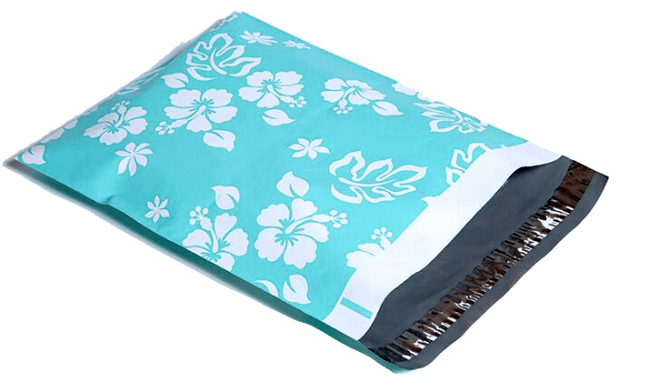
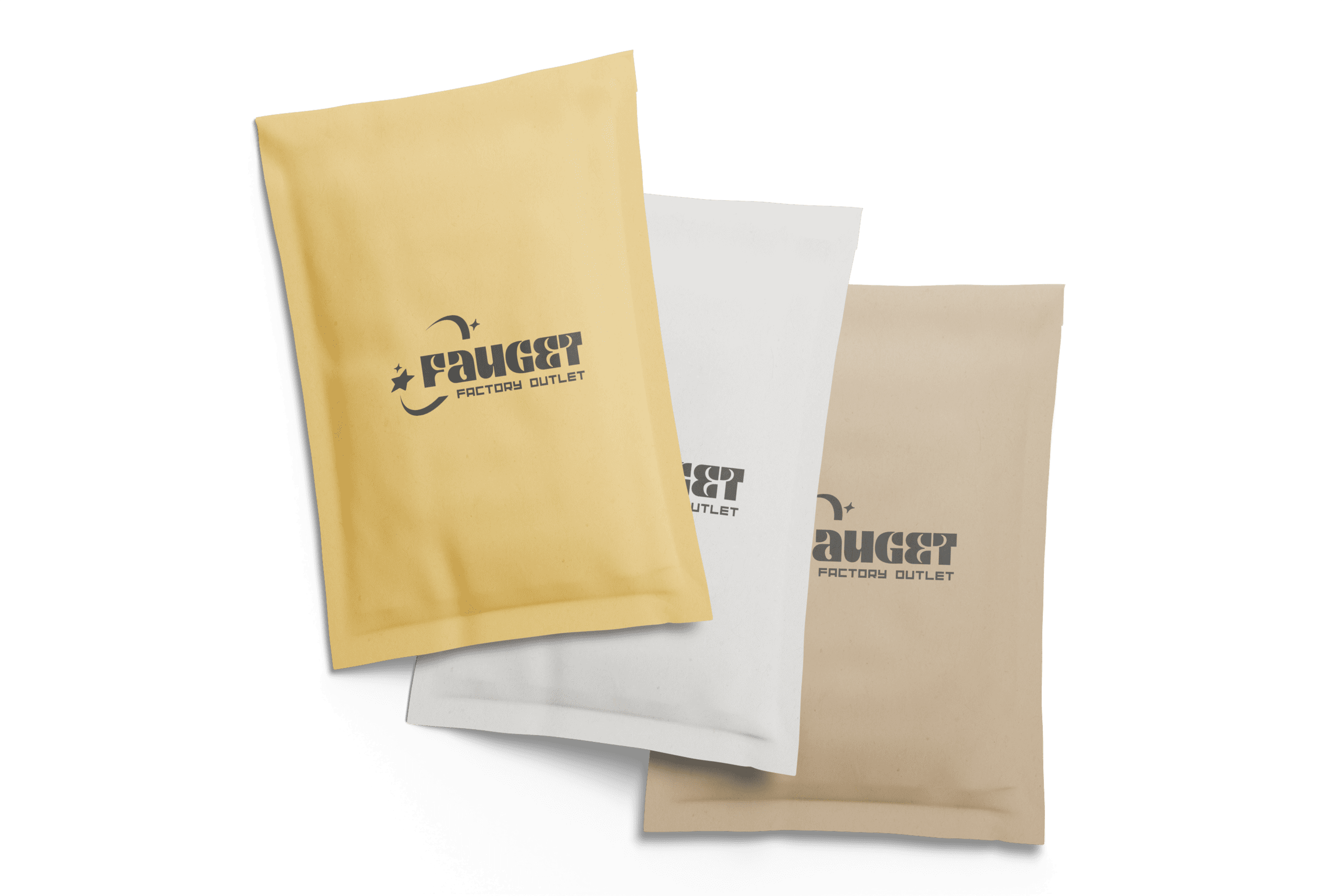
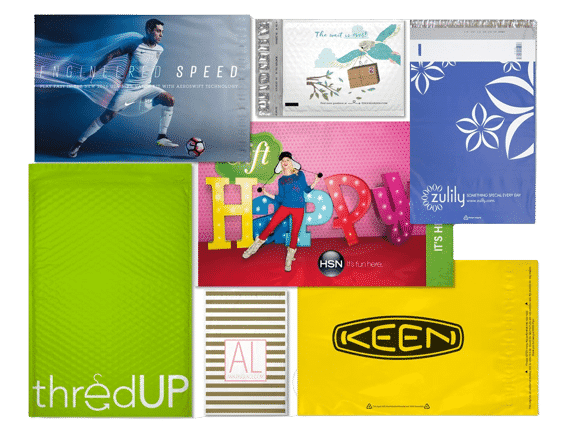
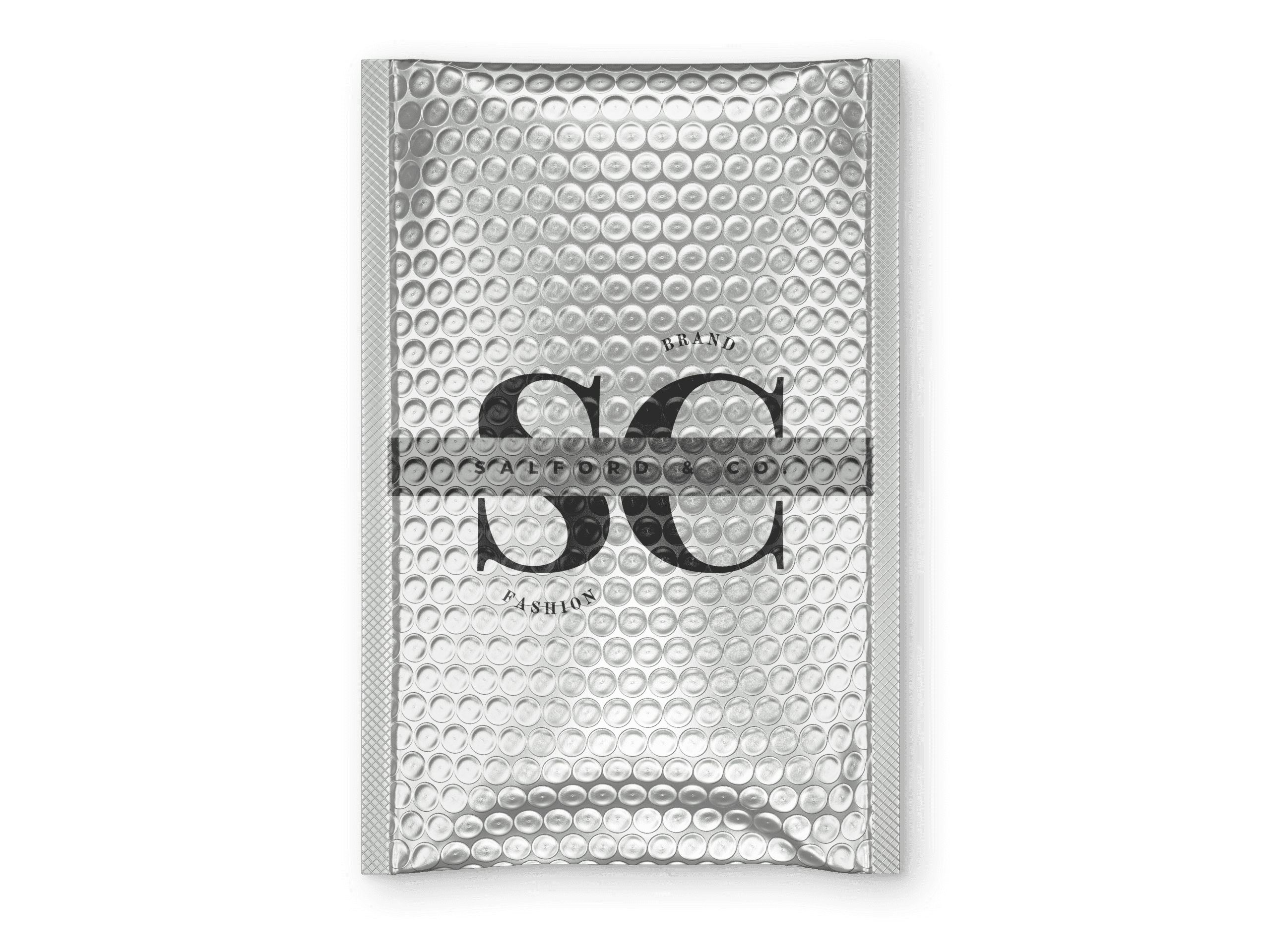
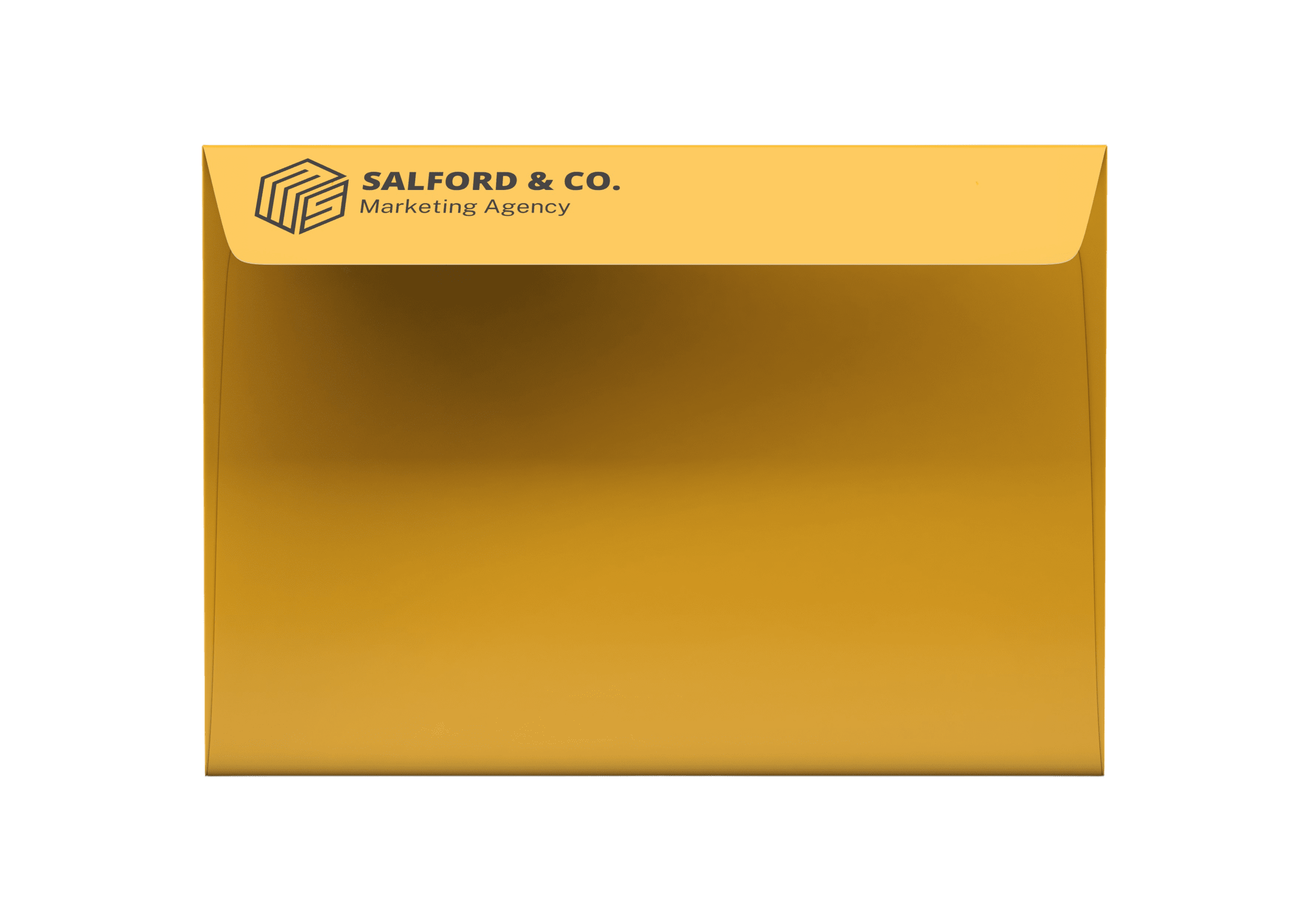
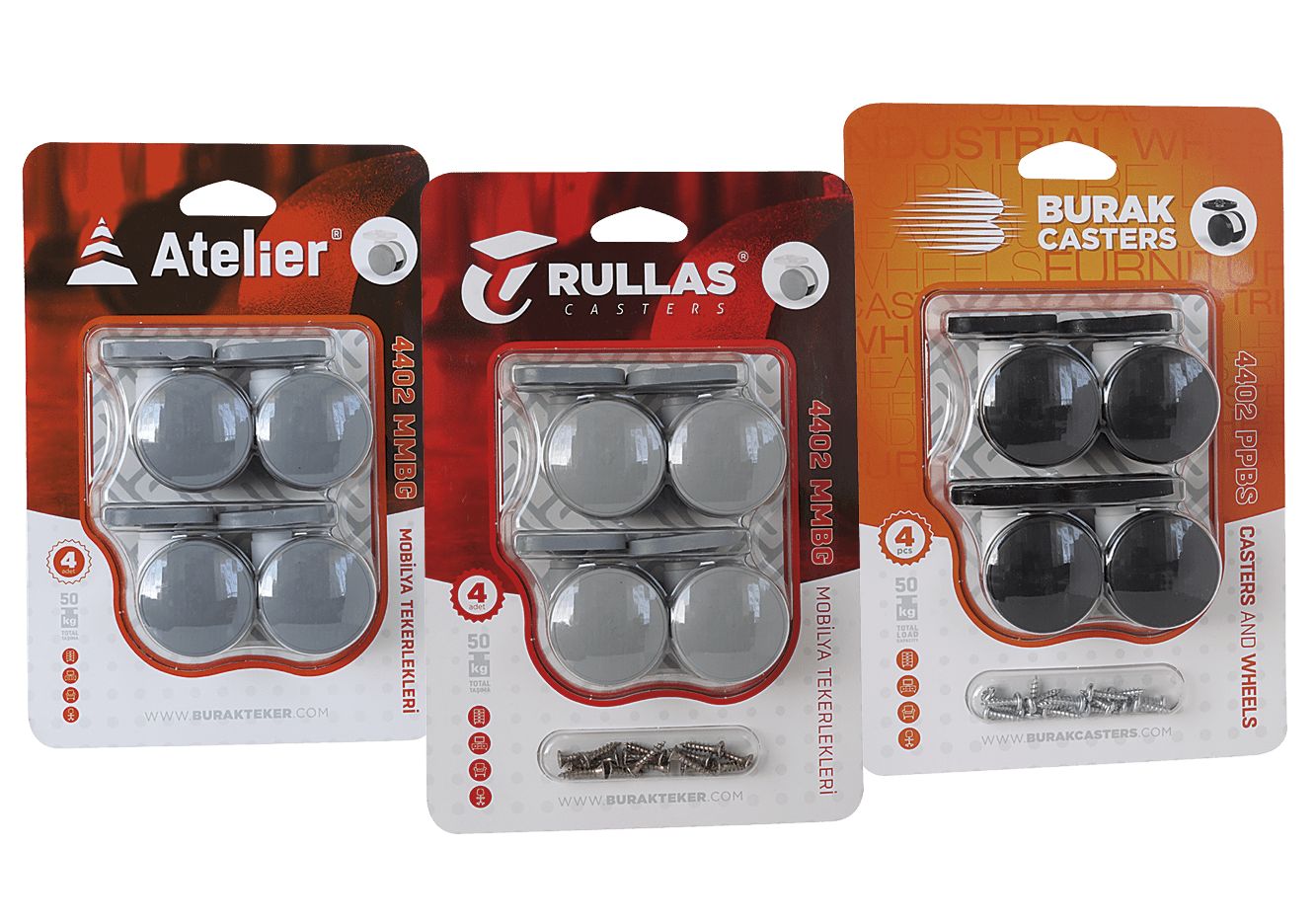
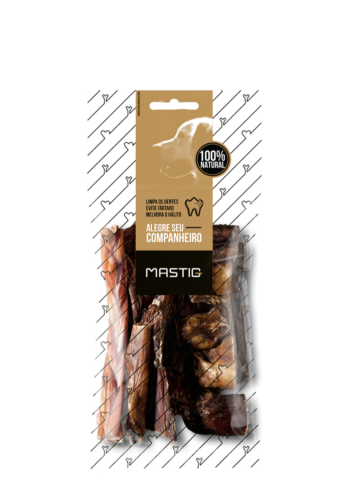
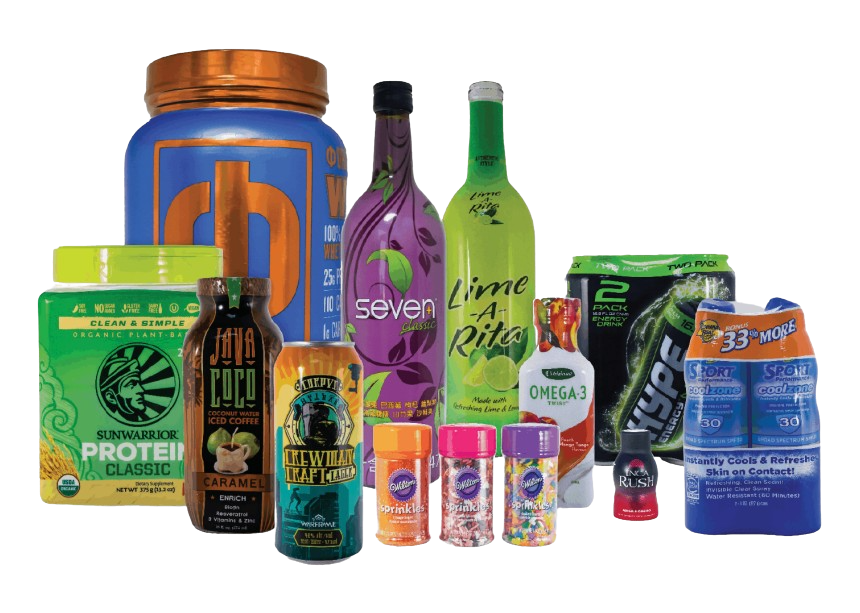
We offer a wide selection of fully customizable packaging products to address any packaging purpose. Customize your packaging product with your logo, brand colors, product information, design, features, and more. If you are unsure on what type of packaging you will need, then contact us for an expert consultation.

Custom packaging is tailored specifically to fit a brand’s unique product requirements, unlike stock packaging, which is pre-made and generic. Custom options allow for precise sizing, materials, and design choices, offering enhanced protection, presentation, and improved efficiency. This personalization makes custom packaging ideal for businesses looking to stand out and create a cohesive brand identity.

At Brown Packaging, our custom packaging solutions are structurally designed to optimize protection, material usage, and sustainability, tailored to meet specific product needs across various applications. We incorporate graphics to reinforce brand identity, ensuring that each package not only protects but also represents your brand effectively. With a focus on durability and functionality, our packaging ensures secure handling for shipping, retail, or storage while supporting sustainability goals.

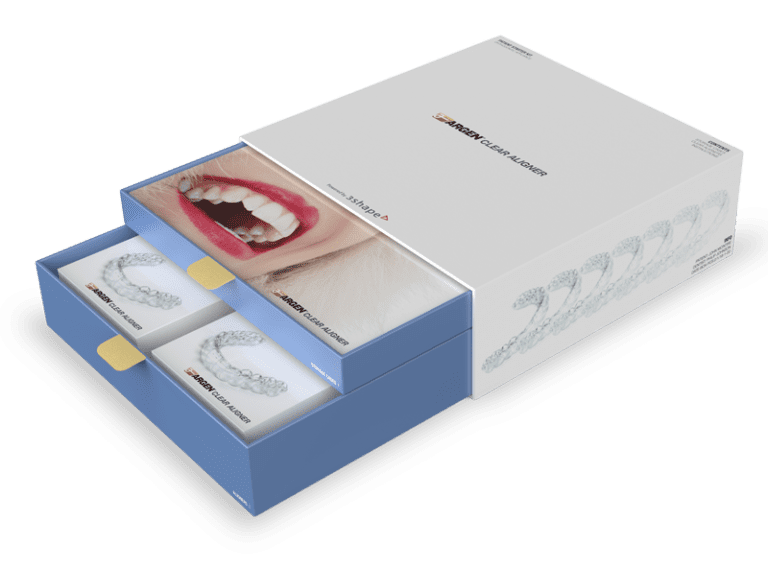
Dental Packaging Match Rigid Box (Slide)

Custom Packaging Products

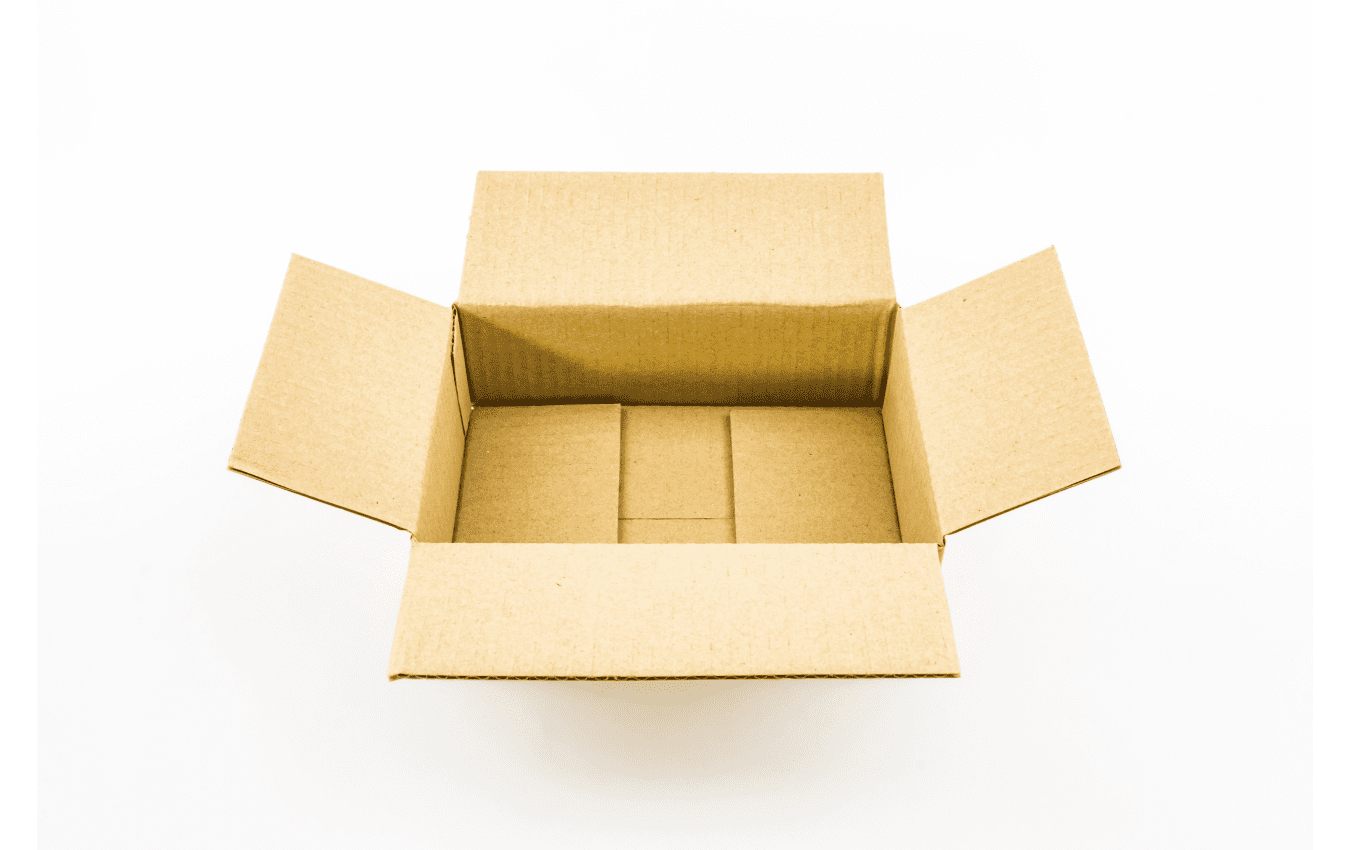
We offer a variety of custom packaging products and solutions to meet all your packaging needs in one place. You’ll work directly with a dedicated project specialist to customize your package according to your specifications, including branding, features, and design.

Edit Content
Edit Content
Edit Content
Edit Content
Edit Content
Edit Content
Edit Content
Edit Content
Edit Content
Edit Content
Edit Content
Edit Content
Edit Content
Edit Content
Edit Content
Edit Content

If you need any assistance with your packaging or have a question, then contact us directly at request@brownpackaging.com  or  (714)300-0650. Learn more about custom packaging by reading our blog posts on new and trending topics.

A Step-by-Step ISTA Certification Guide
Packaging
brownpackaging
A Step-by-Step ISTA Certification Guide

Packaging plays a crucial role in ensuring that products reach their intended destination safely and securely. Without proper packaging, products are likely to suffer damage during transit, resulting in losses for manufacturers and retailers alike. To avoid such losses, it is necessary to have packaging that meets certain quality standards. One such standard is ISTA certification. ISTA certification is recognized worldwide as the leading authority on packaging performance testing and certification. In this blog post, we will provide a detailed guide on how someone can get their packaging ISTA certified. What is ISTA certification? ISTA (International Safe Transit Association) is an organization that sets standards for packaging performance. ISTA certification ensures that a package is safe and secure for transportation. ISTA certification is essential for companies that want to ensure that their products are protected during transit. ISTA certification is recognized globally, and it is considered the leading authority on packaging performance testing and certification. The ISTA certification process: The ISTA certification process is a rigorous one that involves several steps. Here is a step-by-step guide on how to get ISTA certified: Step 1: Determine the ISTA certification level you need The first step in the ISTA certification process is to determine the level of certification you need. ISTA has several levels of certification, depending on the nature of the product and the type of transportation it will undergo. You can consult with ISTA or an ISTA certified lab to determine the appropriate certification level for your product. Below is a list of the different levels of ISTA certification: ISTA 1 Series – Non-Simulation Integrity Performance Test Level This level is for products that require basic protection and may not be susceptible to damage during transportation. The testing involves basic drop tests and compression tests. ISTA 2 Series – Partial Simulation Performance Test Level This level is for products that are moderately susceptible to damage during transportation. The testing involves more advanced simulations of the shipping environment, including drops and vibrations. ISTA 3 Series – General Simulation Performance Test Level This level is for products that are highly susceptible to damage during transportation. The testing involves rigorous simulations of the shipping environment, including drops, vibrations, and temperature and humidity conditions. ISTA 4 Series – Enhanced Simulation Performance Test Level This level is for products that are highly valuable, fragile, or have high safety requirements. The testing involves the most rigorous simulations of the shipping environment, including high-altitude simulations, compression testing, and more. ISTA 6 Series – Member Performance Test Mode This level is for products that are subject to specific requirements from individual ISTA members. The testing involves customized testing procedures based on member-specific requirements. ISTA 7 Series – Development Test Mode This level is for products that are in the development stage, and the testing is performed to help the manufacturer design the packaging for optimum performance during transportation. Step 2: Select an ISTA certified lab Once you have determined the appropriate certification level, the next step is to select an ISTA certified lab. ISTA has a network of certified labs worldwide that conduct testing and certification. You can find a list of certified labs on the ISTA website. You can also consult with ISTA to help you select an appropriate lab. Step 3: Prepare your Packaging for Testing The next step is to prepare your packaging for testing. You will need to provide samples of your packaging to the certified lab. The lab will use these samples to perform various tests to determine whether your packaging meets the required ISTA standards. You should ensure that the samples you provide are representative of the packaging you intend to use for your products. Step 4: Testing Once you have provided the samples, the lab will begin testing your packaging. The testing process may take several days or even weeks, depending on the level of certification you require. The lab will use various methods to test your packaging, including drop testing, vibration testing, compression testing, and atmospheric conditioning. Step 5: Certification Once the testing is complete, the lab will provide a certification report indicating whether your packaging meets the required ISTA standards. If your packaging meets the standards, you will receive an ISTA certification. If your packaging does not meet the standards, you will receive a report indicating the areas that need improvement. Summary: ISTA Certification Guide ISTA certification is essential for companies that want to ensure that their products are protected during transit. ISTA certification is recognized globally, and it is considered the leading authority on packaging performance testing and certification. The ISTA certification process is rigorous, and it involves several steps. These include determining the appropriate certification level, selecting an ISTA certified lab, preparing your packaging for testing, testing, and certification. By following these steps, you can ensure that your packaging meets the required ISTA standards and that your products are protected during transit. If you are interested in packaging and ISTA certification assistance, then partner with Brown Packaging today to get started. (714)300-0650 request@brownpackaging.com Most Recent Posts: Categories: Corrugated Ecommerce ESD Design Display Flexible Packaging Foam Folding Carton Packaging Plastic Packaging Pouch Printing Protection Retail Rigid Box Thermoform Sustainability Subscribe To Our Newsletter By submitting your information, you agree to our terms and conditions and privacy policy. Custom Packaging Facebook Twitter LinkedIn Pinterest Relevant Posts

Read More »
Custom Printed Pouches
Packaging
brownpackaging
Physical vs Digital Packaging Prototypes: Choosing the Right Prototype for Your Business Needs

In today’s market, packaging plays a crucial role in product sales and branding. It is one of the most critical aspects of a product’s marketing strategy, making it essential for businesses to get it right. There are two main types of packaging prototypes: physical and digital. Each has its benefits and drawbacks, and understanding these differences can help businesses choose the right prototype for their packaging needs. Physical Packaging Prototypes Physical prototypes are tangible models of a product’s packaging. These prototypes are made using physical materials like cardboard, plastic, and metal. The prototype is a full-scale representation of the final packaging design, giving businesses a realistic idea of how the packaging will look and feel. Benefits of Physical Packaging Prototypes Realistic Experience: Physical prototypes offer a tactile experience that digital prototypes cannot replicate. The user can touch, feel, and interact with the packaging, giving a more realistic experience. Accurate Color Representation: Color representation is an essential aspect of packaging design. Physical prototypes offer a more accurate color representation than digital prototypes, as colors can appear differently on screens than they do in real life. Detailed Design: Physical prototypes offer businesses the opportunity to see and test the detailed design of the packaging, including the structure, materials, and finish. Easy to Understand: Physical prototypes are easier for everyone to understand, even those who may not be familiar with design software. Drawbacks of Physical Packaging Prototypes Time-consuming: Physical prototypes can be time-consuming to create and may require multiple iterations before the final design is achieved. Costly: Creating physical prototypes can be expensive, especially if multiple iterations are required. Limited Revisions: Making changes to a physical prototype can be challenging and may require starting from scratch, which can be costly and time-consuming. Digital Packaging Prototypes Digital packaging prototypes are created using software and computer graphics. They are virtual representations of the final packaging design, giving businesses a 3D view of the packaging design. Benefits of Digital Packaging Prototypes Quick and Cost-effective: Digital prototypes are quick and cost-effective to create compared to physical prototypes. Easy Revisions: Making changes to a digital prototype is easy and cost-effective. It can be done quickly without the need for starting from scratch. Eco-friendly: Digital prototypes are environmentally friendly, as they do not require physical materials, reducing waste. Easy Collaboration: Digital prototypes can be shared electronically, making it easy to collaborate with remote team members. Drawbacks of Digital Packaging Prototypes Lack of Tactile Experience: Digital prototypes lack a tactile experience, making it difficult to understand how the packaging will feel in real life. Limited Color Representation: Colors can appear differently on screens than they do in real life, leading to inaccurate color representation. Limited Detail: Digital prototypes may not show the finer details of the packaging, including the texture and finish. Steep Learning Curve: Creating digital prototypes can have a steep learning curve, requiring specialized software and technical skills. Summary: Physical Vs Digital Packaging Prototypes Both physical and digital packaging prototypes have their benefits and drawbacks. Physical prototypes offer a realistic experience, accurate color representation, and detailed design, but they can be time-consuming and costly. Digital prototypes, on the other hand, are quick and cost-effective, easy to revise, eco-friendly, and offer easy collaboration, but they lack a tactile experience and may have limited detail and color representation. If you are interested in custom packaging solutions, then partner with Brown Packaging today. (714)300-0650 request@brownpackaging.com Most Recent Posts: Categories: Corrugated Ecommerce ESD Design Display Flexible Packaging Foam Folding Carton Packaging Plastic Packaging Pouch Printing Protection Retail Rigid Box Thermoform Sustainability Subscribe To Our Newsletter By submitting your information, you agree to our terms and conditions and privacy policy. Custom Packaging Facebook Twitter LinkedIn Pinterest Relevant Posts

Read More »
Lithographic Printing in Packaging: is it Worth it?
Packaging
brownpackaging
Lithographic Printing in Packaging: is it Worth it?

Lithography in packaging is a process used to print high-quality graphics and text on various substrates, such as plastics and paper. This technique is used in various industries, including consumer goods, pharmaceuticals, and food packaging. Lithography is often used in packaging to enhance the visual appeal of the product, provide important information to consumers, and differentiate the product from competitors. But is it worth it? In this blog post, we will explore the benefits and drawbacks of lithography in packaging and help you decide whether it’s worth it for your business. What is Lithography in Packaging? Lithography is a printing process that involves transferring an image from a flat surface (called a lithographic plate) to a substrate using ink. The image is transferred to the plate through a process of exposing the plate to light, which hardens the image area and makes it receptive to ink. The plate is then mounted on a press, and the ink is applied to the plate, which is then transferred to the substrate. The result is a high-quality, detailed image with sharp edges and vibrant colors. In packaging, lithography is used to print high-quality graphics and text on a variety of substrates. This technique is often used for product labels, cartons, and other packaging materials. Lithography can be used to print text, logos, and other design elements in a range of colors and sizes, making it a versatile option for packaging design. Benefits of Lithography in Packaging High Quality and Consistency: Lithography is known for producing high-quality, detailed images with sharp edges and vibrant colors. The process is also highly consistent, ensuring that each print is identical to the previous one. Versatility: Lithography can be used on a wide range of substrates, including paper, metal, and plastics, making it a versatile option for packaging design. This makes it a suitable choice for a wide range of packaging applications. Customizability: Lithography allows for a high level of customization, including the ability to print in a wide range of colors, sizes, and fonts. This makes it an ideal choice for companies that want to create a unique and memorable packaging design. Drawbacks of Lithography in Packaging Cost: Lithography can be expensive, particularly for small runs or complex designs. This is because it requires the creation of a lithographic plate, which can be time-consuming and costly. Additionally, the ink used in lithography is more expensive than other types of printing ink. Limited Flexibility: Once a lithographic plate is created, it is difficult to make changes to the design without incurring additional costs. This can make it difficult to make changes to packaging designs after they have been printed. Environmental Concerns: The lithographic printing process requires the use of chemicals and solvents, which can have environmental impacts. Additionally, the printing plates used in lithography are often made from aluminum, which requires a significant amount of energy to produce. Is Lithography in Packaging Worth it? Ultimately, the decision to use lithography in packaging will depend on your specific business needs and goals. Lithography is a high-quality printing process that can help to create memorable packaging designs that stand out on store shelves. However, it can also be expensive, particularly for small runs or complex designs. Additionally, the environmental impacts of lithography should be taken into consideration when making the decision to use this printing process. If you are looking to create high-quality, memorable packaging designs for your products, lithography may be worth the investment. However, if cost or environmental concerns are a priority, other printing processes may be a better fit for your business needs. Ultimately, the decision to use lithography in packaging should be based on a careful consideration of your specific needs, goals, and budget. If you are interested in custom packaging with lithographic print, then partner with Brown Packaging today to get started. (714)300-0650 request@brownpackaging.com Most Recent Posts: Categories: Corrugated Ecommerce ESD Design Display Flexible Packaging Foam Folding Carton Packaging Plastic Packaging Pouch Printing Protection Retail Rigid Box Thermoform Sustainability Subscribe To Our Newsletter By submitting your information, you agree to our terms and conditions and privacy policy. Custom Packaging Facebook Twitter LinkedIn Pinterest Relevant Posts

Read More »