

window.uetq = window.uetq || []; window.uetq.push(‘event’, ‘submit_lead_form’,{ event_label:‘SUBMIT MESSAGE’ }); window.lintrk('track', { conversion_id: 10271009 }); window.lintrk('track', { conversion_id: 10271017 });

Custom Packaging

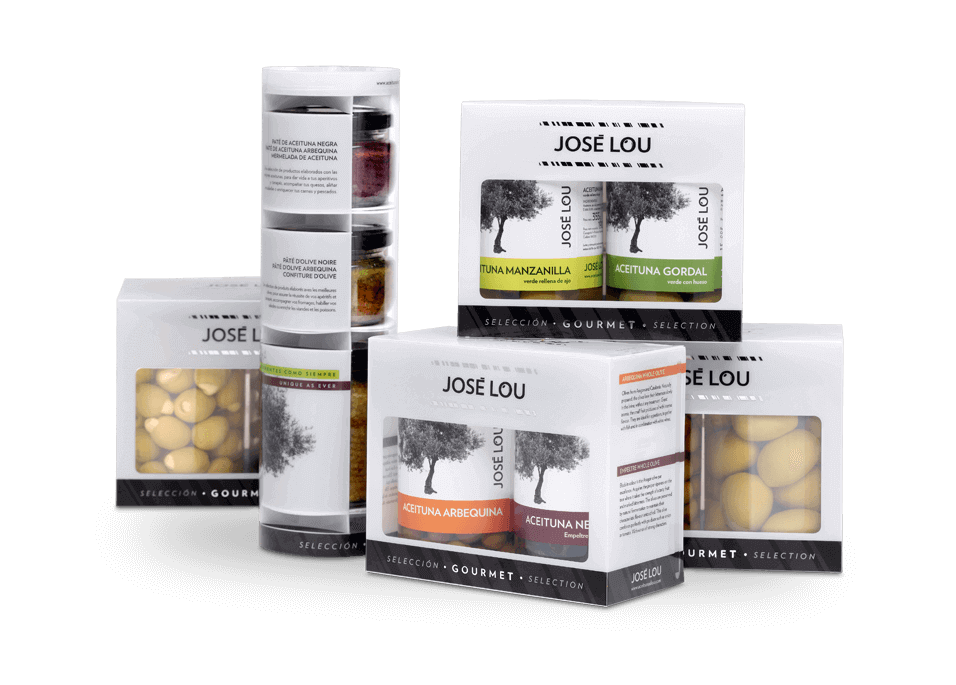
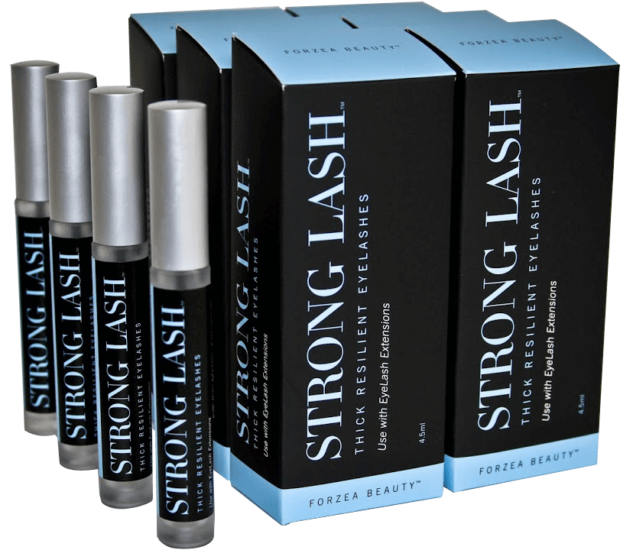
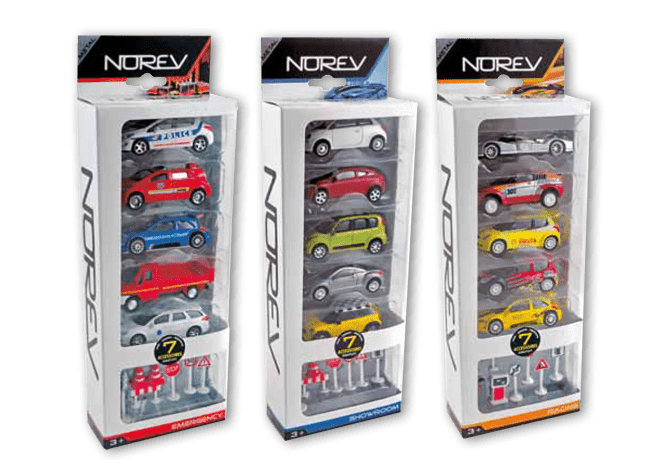
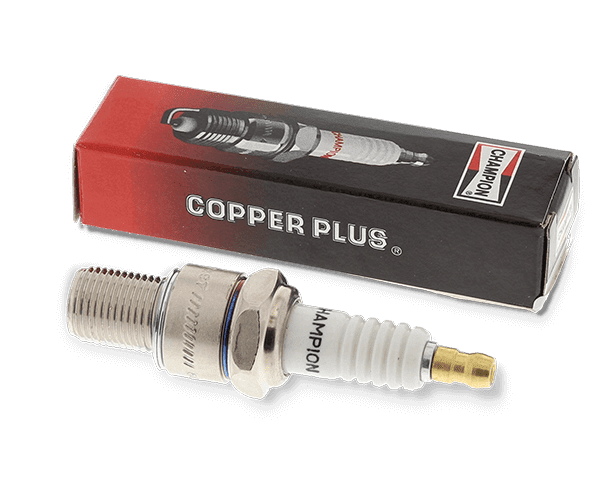
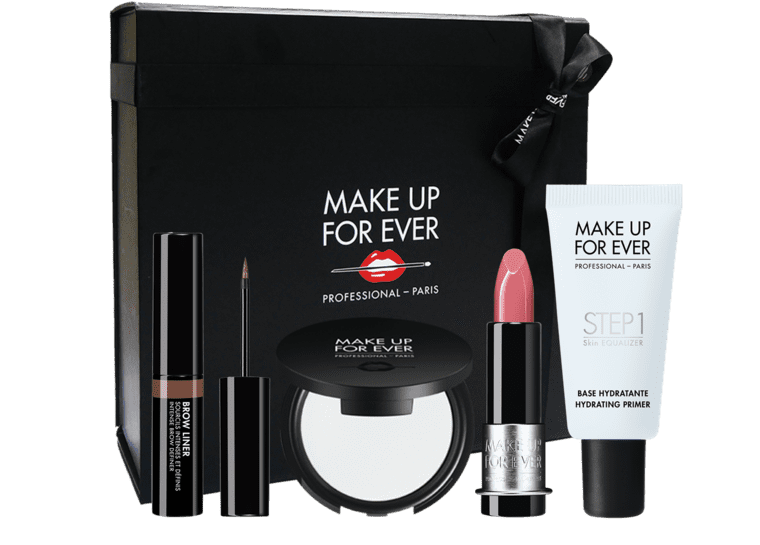
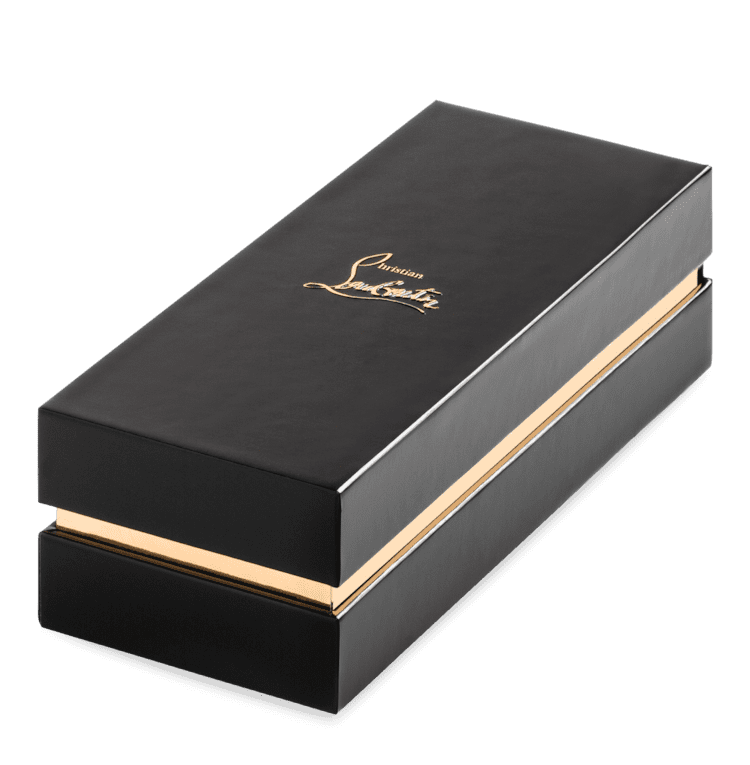
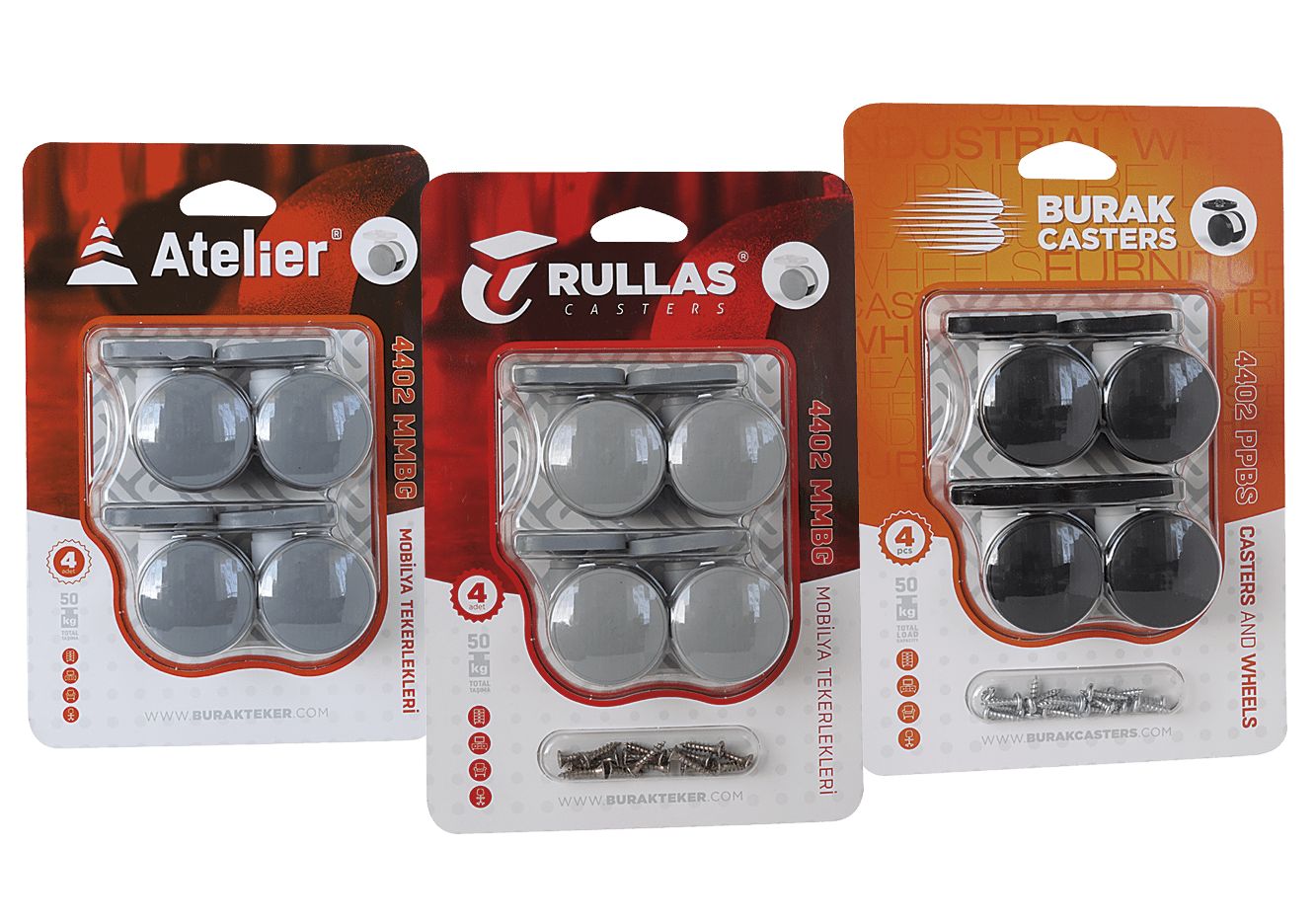
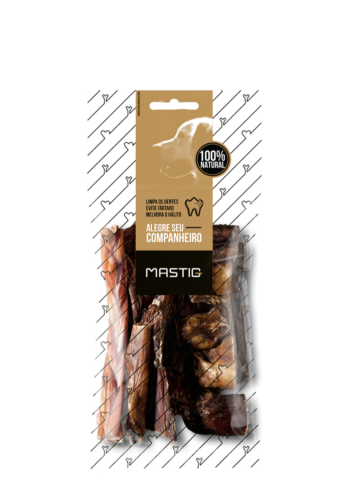
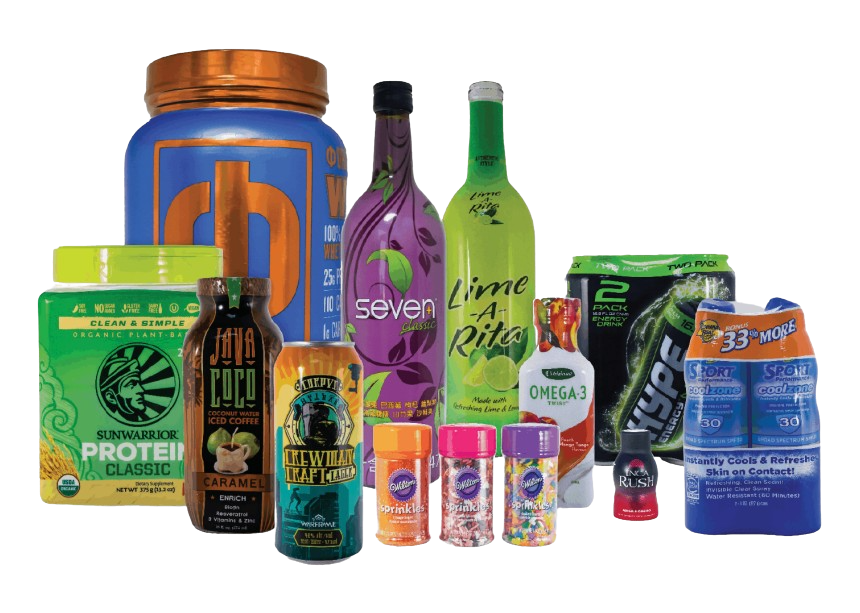
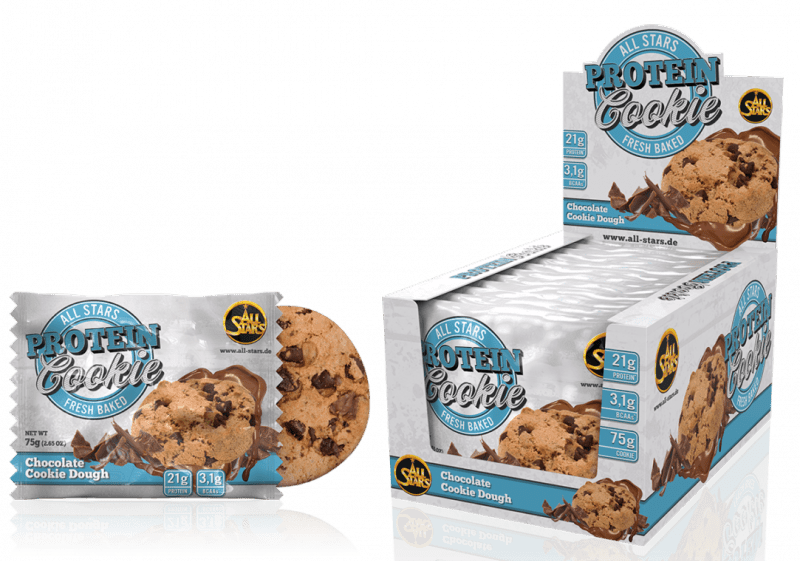
We offer a wide selection of fully customizable packaging products to address any packaging purpose. Customize your packaging product with your logo, brand colors, product information, design, features, and more. If you are unsure on what type of packaging you will need, then contact us for an expert consultation.

Custom packaging is tailored specifically to fit a brand’s unique product requirements, unlike stock packaging, which is pre-made and generic. Custom options allow for precise sizing, materials, and design choices, offering enhanced protection, presentation, and improved efficiency. This personalization makes custom packaging ideal for businesses looking to stand out and create a cohesive brand identity.

At Brown Packaging, our custom packaging solutions are structurally designed to optimize protection, material usage, and sustainability, tailored to meet specific product needs across various applications. We incorporate graphics to reinforce brand identity, ensuring that each package not only protects but also represents your brand effectively. With a focus on durability and functionality, our packaging ensures secure handling for shipping, retail, or storage while supporting sustainability goals.

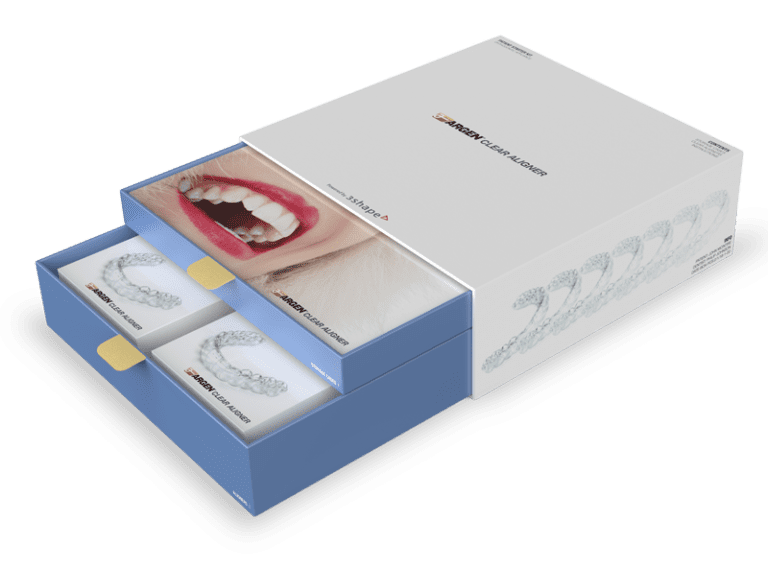
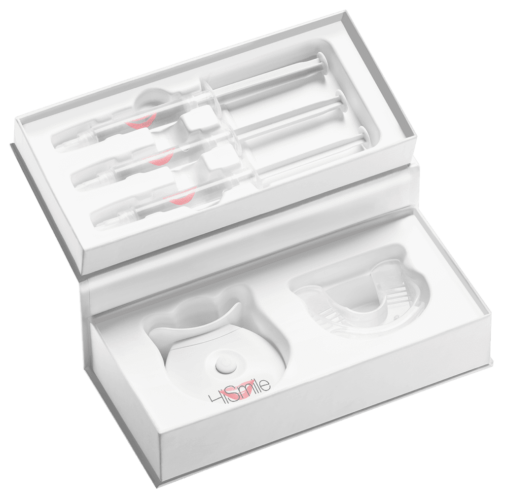
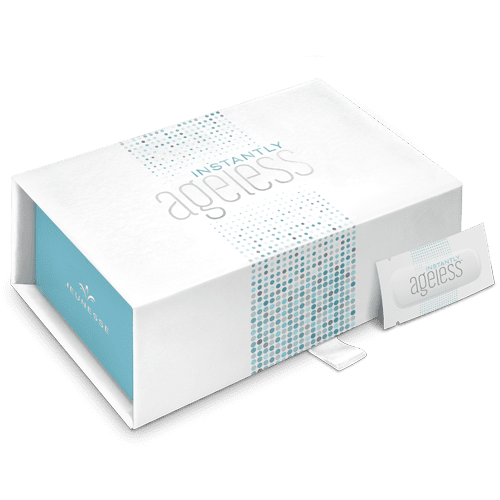
Dental Packaging Match Rigid Box (Slide)

Custom Packaging Products

We offer a variety of custom packaging products and solutions to meet all your packaging needs in one place. You’ll work directly with a dedicated project specialist to customize your package according to your specifications, including branding, features, and design.

Edit Content
Edit Content
Edit Content
Edit Content
Edit Content
Edit Content
Edit Content
Edit Content
Edit Content
Edit Content
Edit Content
Edit Content
Edit Content
Edit Content
Edit Content
Edit Content

If you need any assistance with your packaging or have a question, then contact us directly at request@brownpackaging.com  or  (714)300-0650. Learn more about custom packaging by reading our blog posts on new and trending topics.

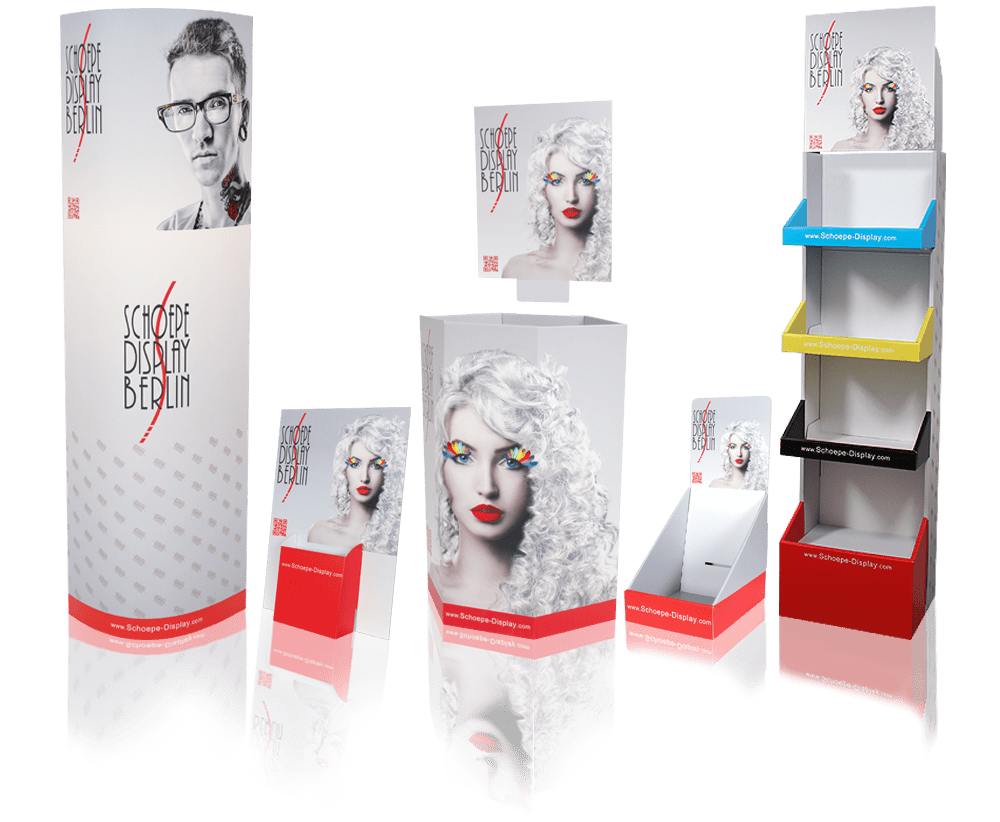
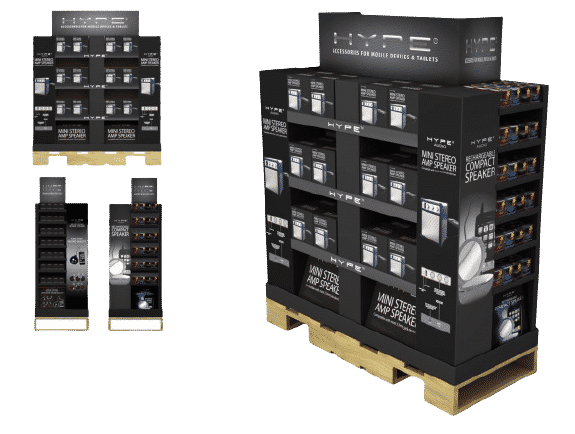
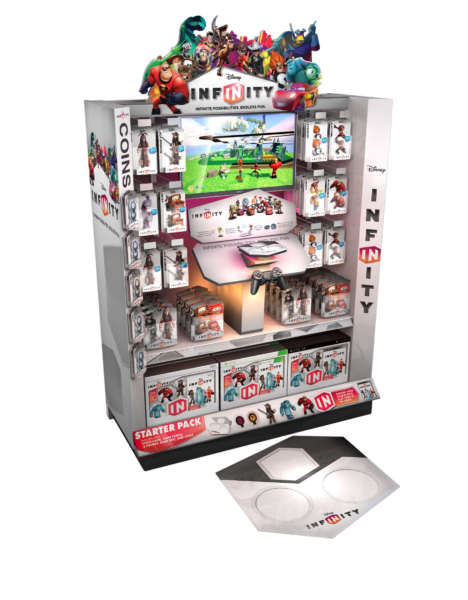
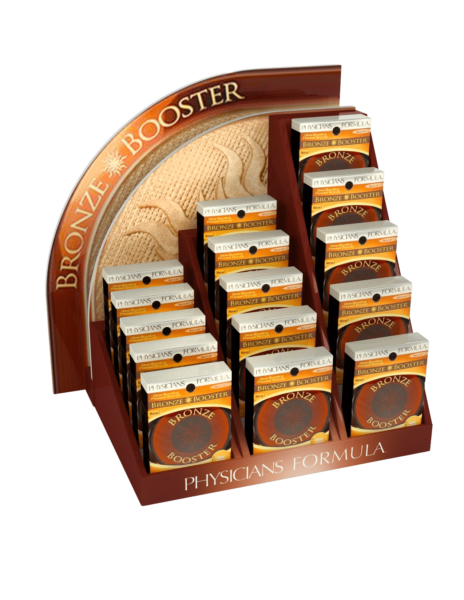
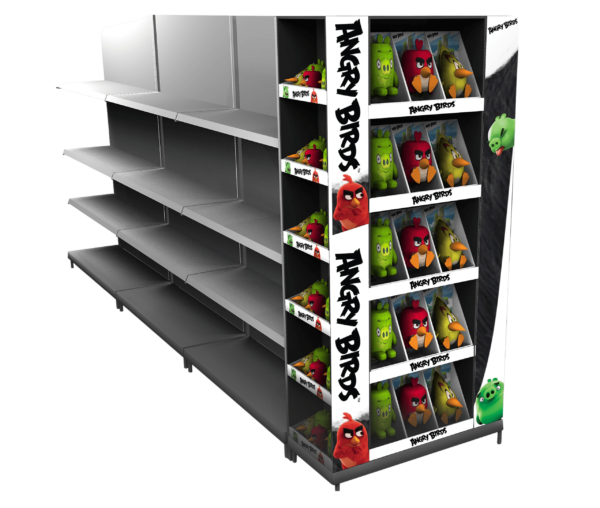
Custom Full Pallet Display with blister packs, corrugated carriers, sample packs, and poly bags
Display
brownpackaging
Pack-Out for Point of Purchase Displays: A Comprehensive Guide

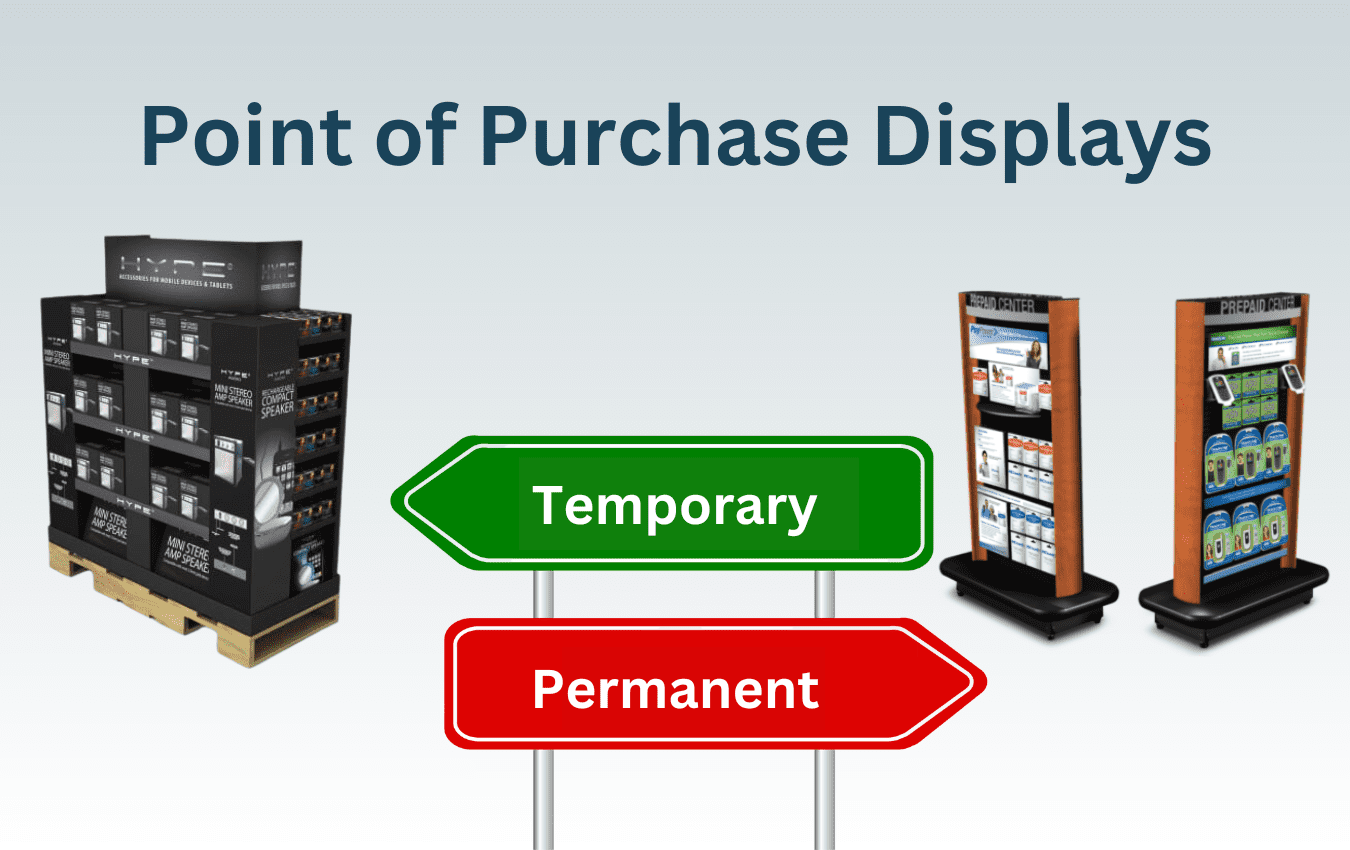
Point of purchase displays, also known as POP displays, are an essential marketing tool for businesses to showcase their products and attract customers. However, creating a successful POP display is not just about designing an eye-catching display; it also involves careful planning and execution of the pack-out process. Pack-out refers to the process of assembling, arranging, and packing products within a POP display unit. In this blog, we will discuss the essential aspects of pack-out for POP displays and provide some tips on how to optimize the process for maximum efficiency and effectiveness. Understanding the POP Display Layout Before you start the pack-out process, it is crucial to understand the layout of your POP display unit. This includes knowing the dimensions, the number of shelves, the weight limit for each shelf, and any special features such as hooks or holders. Knowing the design layout will help you plan how to arrange your products within the unit, taking into account factors such as product size, weight, and packaging. You should also consider how to maximize the visual impact of your products, such as using color coordination or arranging products by height or theme. Once you have a good understanding of your POP display concept, you need to design your display and organize your products for pack-out. This involves deciding which products to include, how many of each product, and how to arrange them within the unit. When selecting the design end product, consider the following factors: Popularity: Which products are most likely to attract customers and generate sales? Seasonality: Are there any products that are more suitable for a particular season or holiday? Packaging: Can the products be easily displayed and arranged within the POP display unit? When deciding how to arrange your products, consider the following tips: Place high-selling products at eye-level or within easy reach. Group products by category or theme to make it easier for customers to find what they are looking for. Use color coordination to create an attractive and cohesive display. Place products with the same packaging or branding together to create a stronger visual impact. Executing the Pack-out Process Now that you have organized your products for pack-out, it’s time to execute the process. Here are some essential steps to follow: Step 1: Prepare the POP Display Unit Before you start packing products into the unit, you need to ensure it is clean, stable, and ready for use. This includes removing any debris, dusting the shelves, and ensuring that any special features such as hooks or holders are secure. Step 2: Pack Products onto the Shelves Begin packing products onto the shelves, starting with the bottom shelf and working your way up. Ensure that each product is securely in place, and that there is enough space between products to prevent overcrowding. Step 3: Check for Balance and Stability As you pack each shelf, check that the unit remains balanced and stable. Ensure that heavy products are evenly distributed across the shelves and that there is no risk of the unit tipping over. Step 4: Make Final Adjustments Once all products are packed, step back and take a look at the overall display. Make any final adjustments to product positioning or arrangement to ensure that the display is visually appealing and optimized for sales. Step 5: Prepare for Shipment After completing the pack-out process for your POP display, it’s essential to prepare the display unit for shipment to its destination. This involves ensuring that the unit is securely packaged and protected to prevent damage during transit. Here are some considerations for preparing the shipment of your POP display: Packaging Selection: Choose appropriate packaging materials to protect the display unit during shipment. Depending on the size and nature of the display, options such as Regular Slotted Containers (RSC), Half-Slotted Containers (HSC), or Top Cap and Sleeve packaging can be used. These packaging solutions provide structural integrity and protection during transportation. Securing the Display: Take measures to secure the products within the display unit to prevent shifting or damage during transit. This can include using additional cushioning materials, such as foam inserts or bubble wrap, to keep the products in place and protect them from impacts. Labeling and Identification: Clearly label the shipment with necessary information, such as the destination address, handling instructions, and any other relevant details. Use appropriate labeling systems, such as barcodes or QR codes, to facilitate tracking and ensure accurate delivery. Quality Control: Conduct a final quality control check before shipment. Verify that the display unit is in optimal condition, all products are properly arranged and secured, and the packaging is intact. This step ensures that the display reaches its destination in the best possible state. Shipping Method and Carrier Selection: Choose a reputable shipping carrier or logistics provider that specializes in handling fragile or large displays. Consider factors such as delivery time, cost, and tracking capabilities when selecting the most suitable shipping method. Optimizing Pack-out Efficiency and Effectiveness To optimize pack-out for POP displays, consider the following tips: Use high-quality, durable packaging that is easy to arrange within the display unit. Use a pack-out checklist to ensure that all necessary products and materials are available before beginning the process. Train employees on the pack-out process to ensure that it is executed consistently and efficiently. Monitor sales and customer feedback to make adjustments to the pack-out process and product selection. Summary: POP Displays and Pack-out Pack-out for point of purchase displays is a critical aspect of creating a successful marketing strategy for businesses. By understanding the layout of the POP display unit, organizing products for pack-out, and executing the pack-out process with care, businesses can create an attractive and effective display that will attract customers and generate sales. To optimize pack-out efficiency and effectiveness, businesses should use high-quality packaging, develop a pack-out checklist, train employees on the process, and monitor sales and customer feedback to make adjustments as needed. (714)300-0650 request@brownpackaging.com Most Recent Posts: Categories: Corrugated Ecommerce ESD Design Display Flexible Packaging Foam

Read More »
Roll Stock vs. Pouches: Comparing Flexible Packaging Options
Flexible Packaging
brownpackaging
Roll Stock vs. Pouches: Comparing Flexible Packaging Options

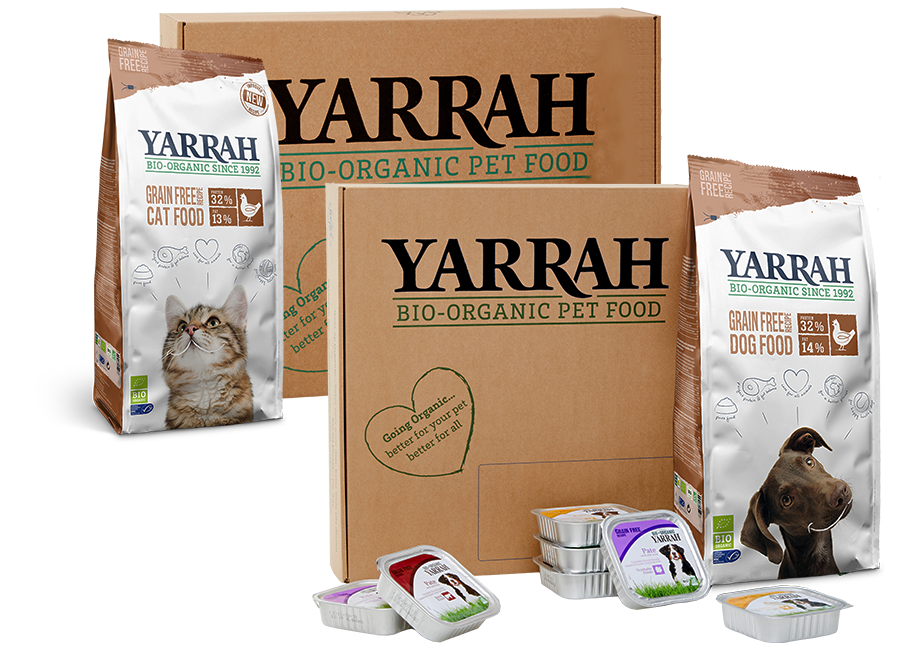
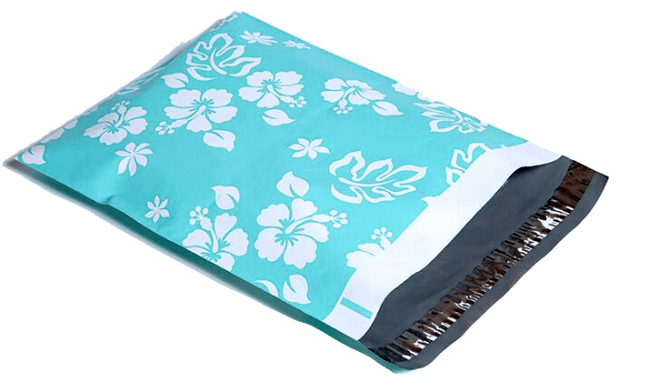
Packaging plays a crucial role in marketing a product. The packaging material and design not only protect the product but also influence the customer’s purchasing decision. Roll stock and pouches are two popular types of flexible packaging used widely across various industries. In this blog post, we will dive deeper into roll stock and pouches and compare and contrast them to help you decide which one is the best option for your packaging needs. What is Roll Stock? Roll stock, also known as roll-fed packaging, is a type of flexible packaging material that comes in a roll form. It is commonly made of plastic materials such as polypropylene, polyethylene, and polyester. Roll stock is a popular choice for packaging products such as snacks, pet food, candy or similar products. Roll stock can be customized to meet the specific needs of a product. It can be printed with high-quality graphics, which is great for branding and marketing purposes. Roll stock can also be made in different sizes, thicknesses, and colors to suit different packaging requirements. Roll stock is produced in large rolls and then cut and formed into the final shape by the packaging manufacturer or co-packer. The manufacturing process is cost-effective, making it a good choice for companies looking to save money on packaging costs. Roll stock takes up less storage space than pre-made pouches because it is produced in large rolls. This makes it easier to store and transport. What are Pouches? Pouches, also known as pre-made bags, are another popular type of flexible packaging. Unlike roll stock, pouches are pre-made and come in various sizes, shapes, and styles. They are commonly made of materials such as plastic films, laminates, and aluminum foil. Pouches can be customized with high-quality graphics and designs, making them a popular choice for branding and marketing purposes. They are used to package a wide range of products such as supplements, powders, foods, beverages and personal care items. Pouches are made by sealing the edges of pre-made bags to create a sealed container. This process creates a tight seal that prevents air and moisture from entering the package, providing better product protection than roll stock. However, because pouches are pre-made and come in standard sizes and shapes, they can be more expensive than roll stock. Differences between Roll Stock and Pouches Here are the key differences between roll stock and pouches: Manufacturing Process Roll stock is produced in large rolls and then cut and formed into the final shape by the packaging manufacturer or co-packer. Pouches, on the other hand, are pre-made and formed into the final shape during the manufacturing process. Roll stock require either vertical or horizontal 4-fill seal machine also known as a vertical or horizontal wrapper. Size and Shape Roll stock can be made in any size or shape, depending on the product’s packaging requirements. Pouches, on the other hand, come in standard sizes and shapes. Printing Roll stock offers more flexibility when it comes to printing. The entire surface of the roll stock can be printed with high-quality graphics, while pouches have limited space for printing. Cost Roll stock tends to be more cost-effective than pouches because it is produced in bulk and is customizable. Pouches, on the other hand, are pre-made in stock and come in standard sizes and shapes, custom pouches can be made for specific sizes, making them more expensive. Storage Space Roll stock takes up less storage space than pouches because it is produced in large rolls, while pouches take up more storage space because they are pre-made and cannot be stacked. Product Protection Pouches provide better product protection than roll stock because they are pre-made and have sealed edges that prevent air and moisture from entering the package. Which One Should You Choose? Both roll stock and pouches have their advantages and disadvantages. The choice ultimately depends on the specific needs of your product. Roll stock is a good choice if you need a flexible packaging material that can be customized in terms of size, shape, and printing. It is also cost-effective and takes up less storage space, making it a good choice for companies with limited storage capacity. Roll stock is ideal for products that don’t require a specific shape or size and don’t need the extra protection provided by a pre-made pouch. Pouches, on the other hand, provide better product protection and are a good choice for products that are sensitive to air and moisture. They are also a good choice for products that require a specific size or shape. Pouches are an excellent option for products that need to stand out on shelves and grab the attention of customers due to their customizable printing options. When deciding which packaging material to use, consider factors such as cost, size, shape, printing, and product protection. If you are interested in roll stock, pouches or other flexible packaging, then partner with Brown Packaging today to get started. (714)300-0650 request@brownpackaging.com Most Recent Posts: Categories: Corrugated Ecommerce ESD Design Display Flexible Packaging Foam Folding Carton Packaging Plastic Packaging Pouch Printing Protection Retail Rigid Box Thermoform Sustainability Subscribe To Our Newsletter By submitting your information, you agree to our terms and conditions and privacy policy. Roll Stock Facebook Twitter LinkedIn Pinterest Relevant Posts

Read More »
Packaging
brownpackaging
Custom Packaging: Everything You Need to Know and More

Custom packaging is the process of creating unique and personalized packaging materials tailored to the specific requirements of a product, brand, or business. In today’s crowded marketplace, custom packaging plays a crucial role in enhancing the overall customer experience, promoting brand recognition, and setting businesses apart from their competitors. In this blog, we will delve deeper into custom packaging, explore its benefits, types, considerations, and additional information that businesses need to know to make informed decisions about their packaging needs. Why Custom Packaging is Important? Custom packaging provides businesses with numerous benefits, such as improved brand identity, product protection, marketing, and sustainability. Custom packaging is essential for businesses because it: Enhances Brand Identity: Custom packaging allows businesses to create packaging designs that align with their brand identity, values, and messaging. By creating unique and consistent packaging, businesses can create a lasting impression on their customers and set themselves apart from their competitors. Ensures Product Protection: Custom packaging is designed to protect the product during transportation and storage. Custom packaging ensures that the product arrives at the customer’s doorstep in perfect condition, leading to customer satisfaction and loyalty. Improves Marketing Efforts: Custom packaging can be used as a marketing tool to promote the brand, communicate product information, and increase customer engagement. Custom packaging creates a memorable experience for customers, making it an effective way to communicate brand values and messaging. Supports Sustainability Efforts: Custom packaging allows businesses to choose eco-friendly materials, reduce waste, and promote their commitment to sustainability. In today’s world, customers are environmentally conscious, making sustainability an important factor for businesses to consider. Types of Custom Packaging Businesses have numerous options when it comes to custom packaging. Depending on the product and business requirements, there are different types of custom packaging solutions available. Some popular types of custom packaging are: Printed Boxes Printed boxes are a cost-effective and customizable packaging solution for various products, including food, cosmetics, and electronics. They can be customized with various printing options, including logos, images, and product information. Printed boxes come in different sizes, shapes, and materials (chipboard, paperboard and corrugated), making them versatile and suitable for different products. Custom Bags Custom bags are an excellent packaging option for retail businesses, restaurants, and food delivery services. They can be made from different materials, including paper, plastic, and fabric, and customized with branding and design elements. Custom bags are easy to carry, lightweight, and convenient for customers, making them a popular choice for businesses. Custom Labels Custom labels are an essential component of custom packaging and can be used to display product information, branding, and marketing messages. They can be made from various materials, including paper, vinyl, and polyester, and come in different sizes, shapes, and finishes. Custom labels can be applied to different packaging materials, including boxes, bags, and jars. Custom Inserts Custom inserts are designed to protect and secure the product inside the packaging. They can be made from different materials, including foam, corrugated, plastic and molded pulp, and customized to fit the product’s dimensions. Custom inserts ensure that the product is safe and secure during transportation, reducing the risk of damage. Custom Tubes Custom tubes are a popular packaging option for products such as cosmetics, pharmaceuticals, and food items. They can be made from various materials, including paper, plastic, and metal, and customized with different printing options. Custom tubes are durable, convenient, and easy to use, making them a preferred choice for many businesses. Considerations for Custom Packaging When designing custom packaging, businesses need to consider various factors, such as product requirements, budget, materials, design, and sustainability. By taking these factors into account, businesses can create custom packaging solutions that align with their values, meet their specific requirements, and promote their brand identity effectively. Some additional considerations for custom packaging are: Product Compatibility The packaging material should be compatible with the product it is intended to protect. Businesses need to consider factors such as product fragility, moisture resistance, and temperature control to ensure that the packaging material is suitable for the product. Packaging Size The packaging size should be appropriate for the product, ensuring that it is neither too loose nor too tight. A packaging size that is too small can damage the product, while a packaging size that is too large can lead to unnecessary material waste. Budget and Cost-Effectiveness Custom packaging can be expensive, and businesses need to determine their budget and cost-effectiveness of the packaging solution. It is essential to strike a balance between cost and quality to ensure that the custom packaging solution meets the business’s specific requirements and is cost-effective. Materials The materials used for custom packaging should be eco-friendly, sustainable, and aligned with the business’s values and messaging. Businesses should consider materials such as recycled paper, biodegradable plastics, and natural fibers to promote sustainability and environmental consciousness. Design and Branding The packaging design should be visually appealing, consistent with the brand identity, and convey the product information and marketing messages effectively. Custom packaging design should be eye-catching and memorable, ensuring that the packaging creates a lasting impression on customers. Custom Packaging Regulations Businesses should be aware of the regulatory requirements for custom packaging, such as food safety regulations, labeling requirements, and environmental regulations. Compliance with these regulations ensures that the custom packaging solution is safe, legally compliant, and sustainable. Impact on Customer Experience Custom packaging plays a significant role in enhancing the overall customer experience. Businesses should consider how their custom packaging solutions impact the customer experience, such as how easy it is to open, how the packaging feels in the hands, and how well it protects the product. Logistics and Transportation Businesses should consider the logistics and transportation requirements of their custom packaging solutions. Factors such as packaging weight, dimensions, and materials can impact shipping costs, transportation logistics, and storage. Summary: Custom Packaging In conclusion, custom packaging is a valuable investment that can enhance the overall customer experience, promote brand recognition, and support sustainability efforts. Businesses should carefully consider product requirements, budget, materials, design,

Read More »