














Custom Packaging
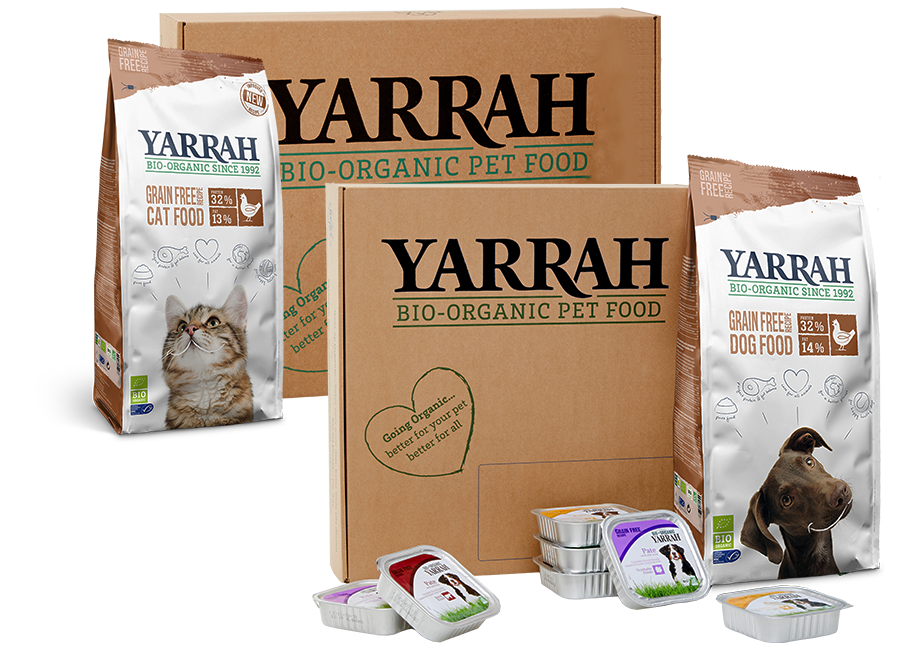
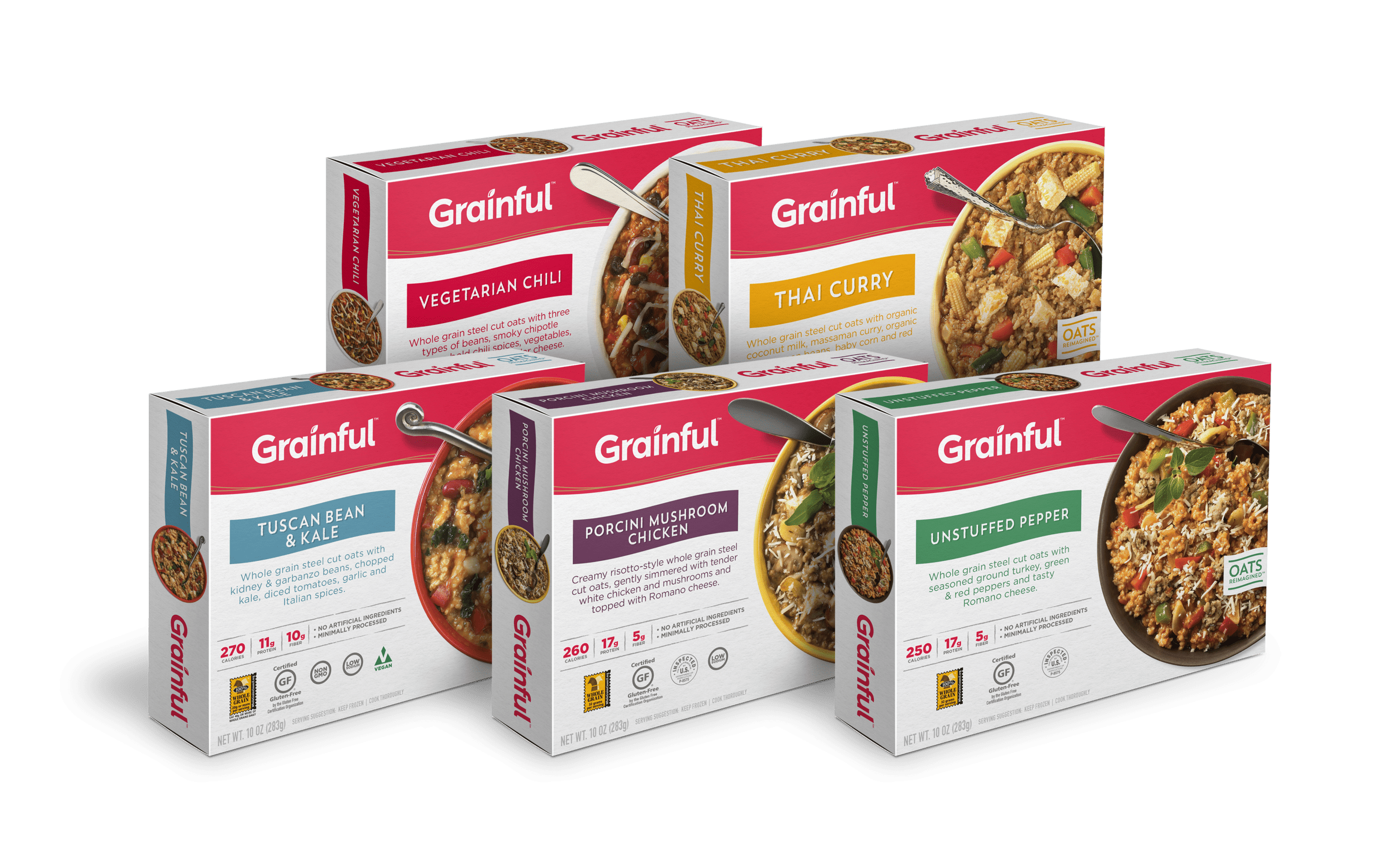
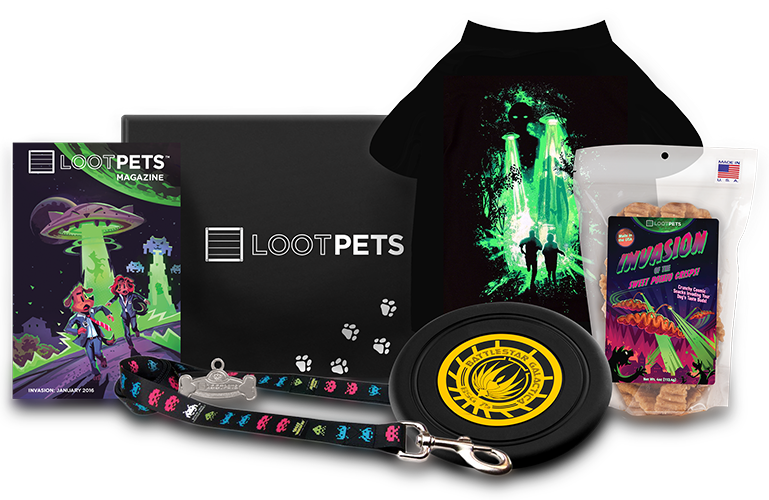
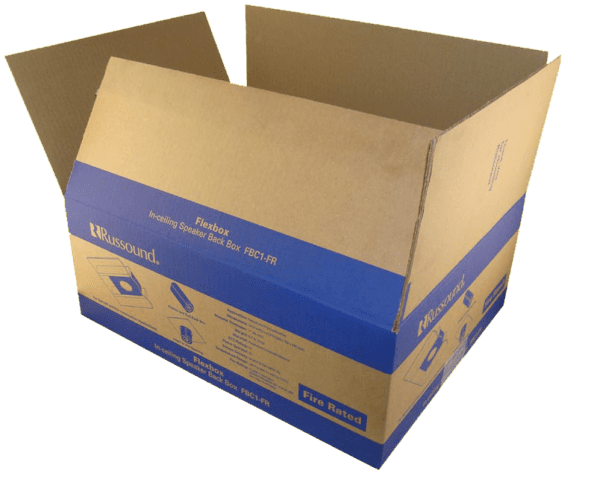
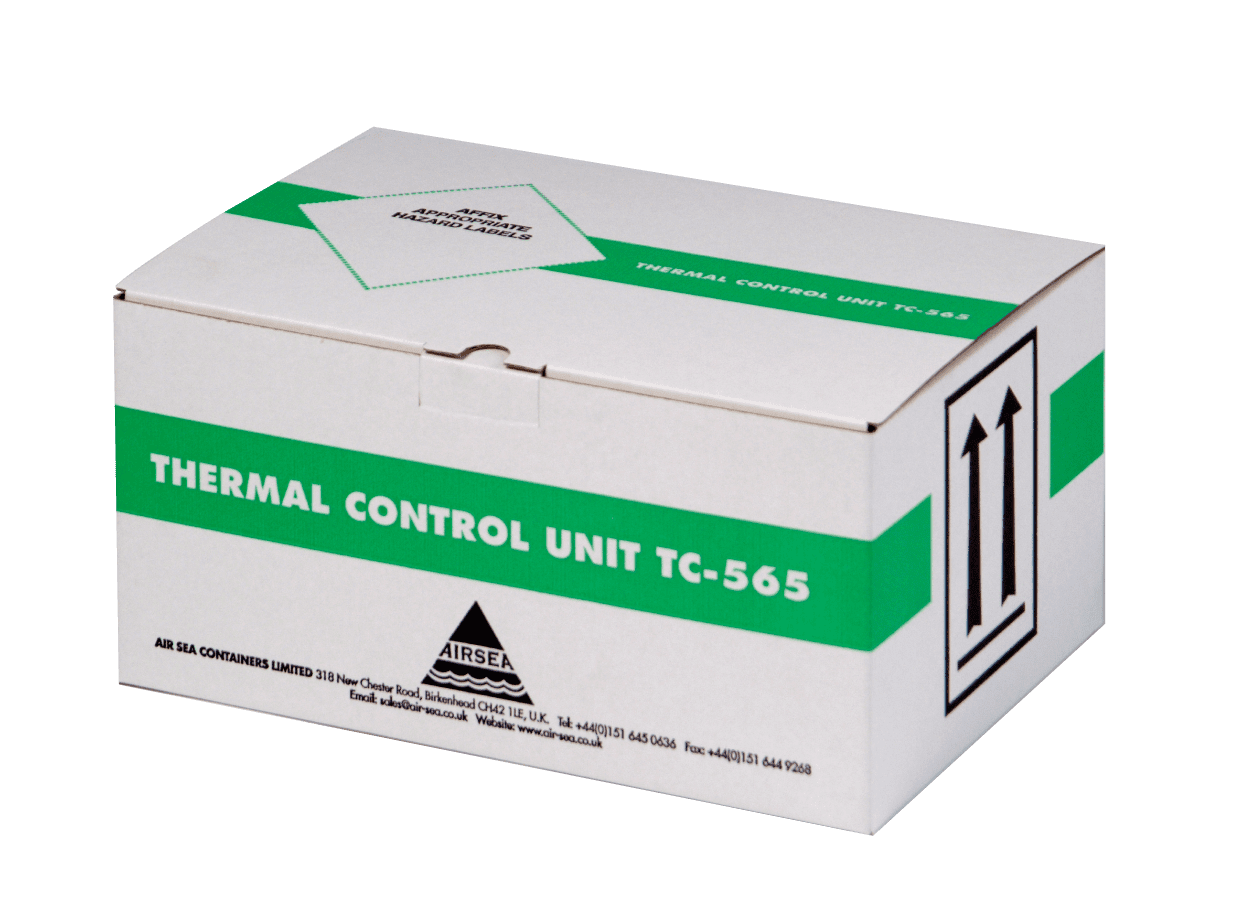
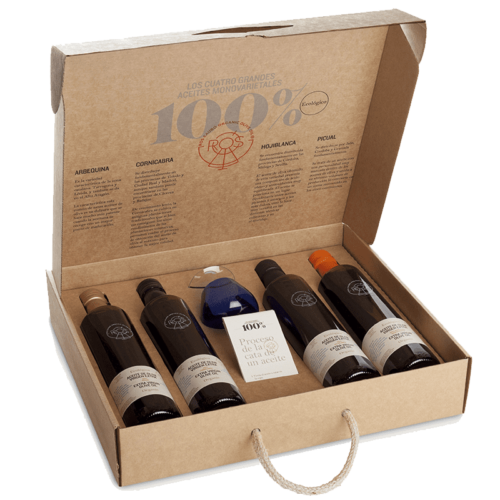
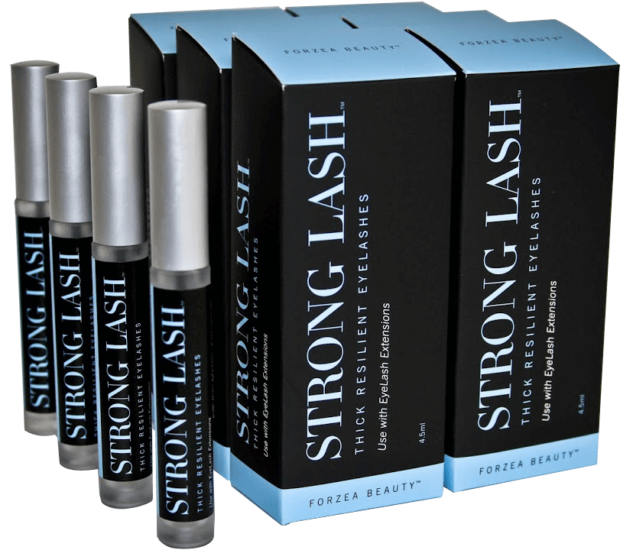
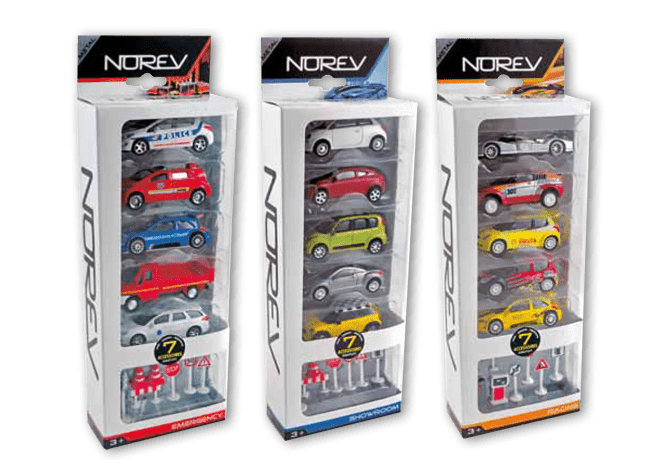
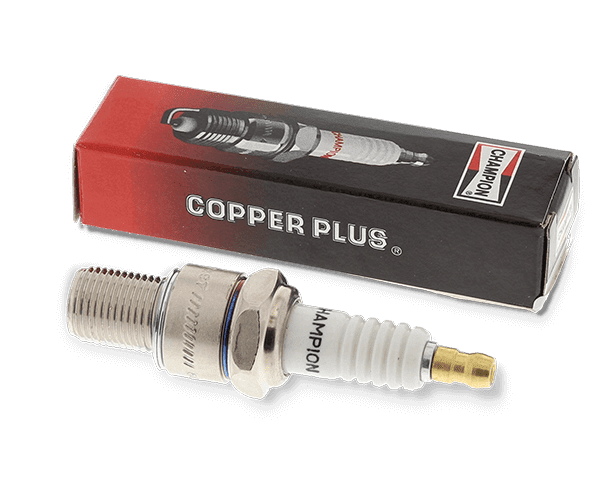
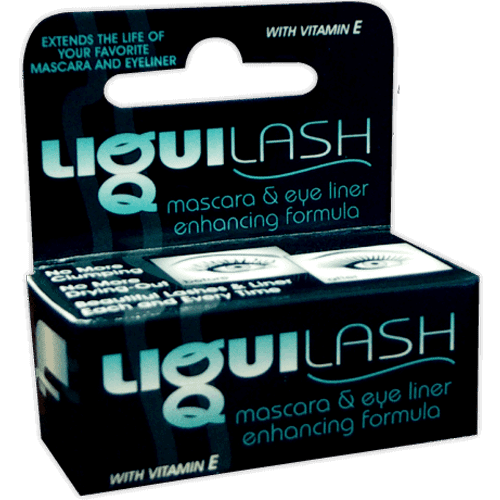
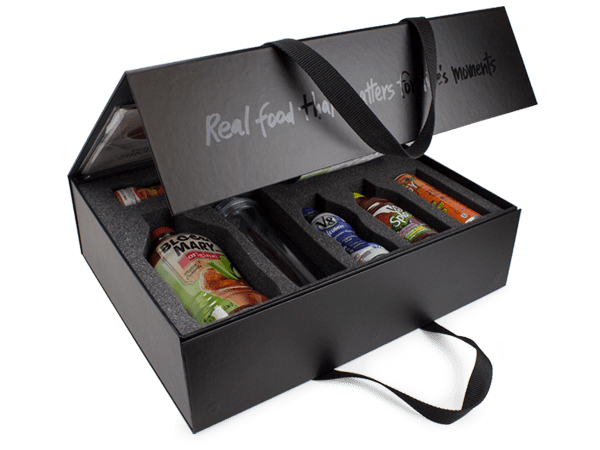
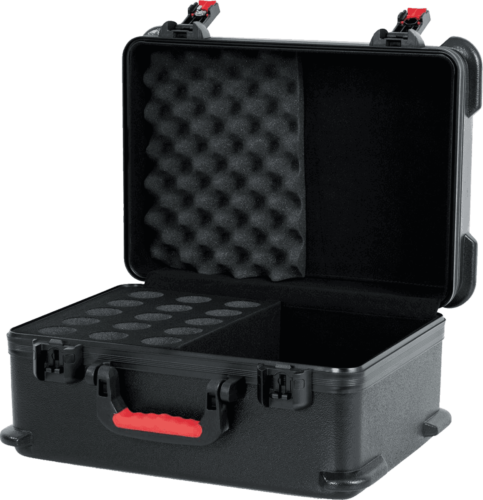
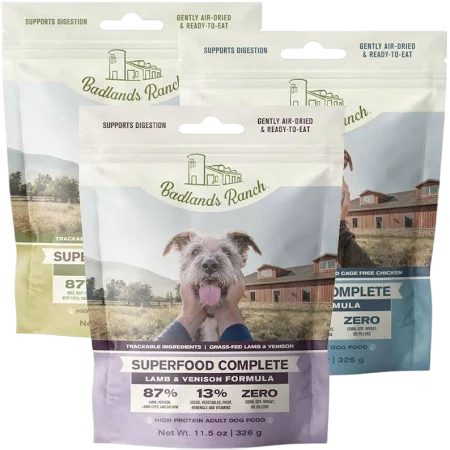
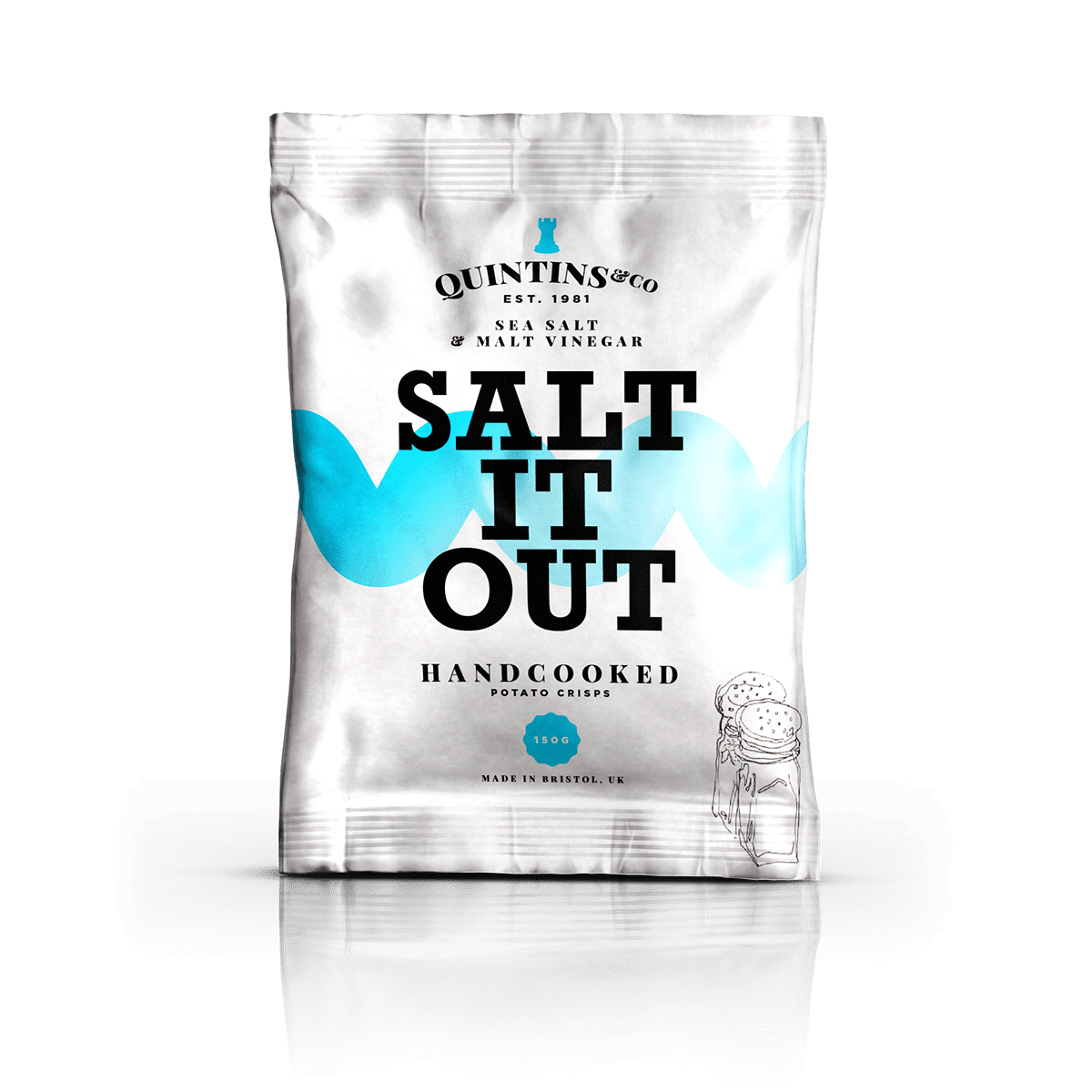
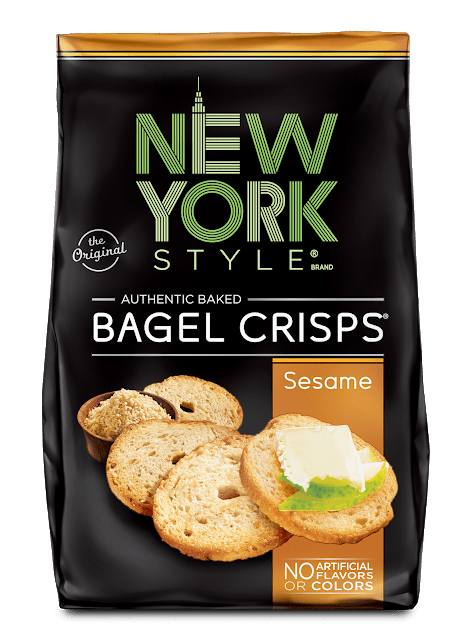
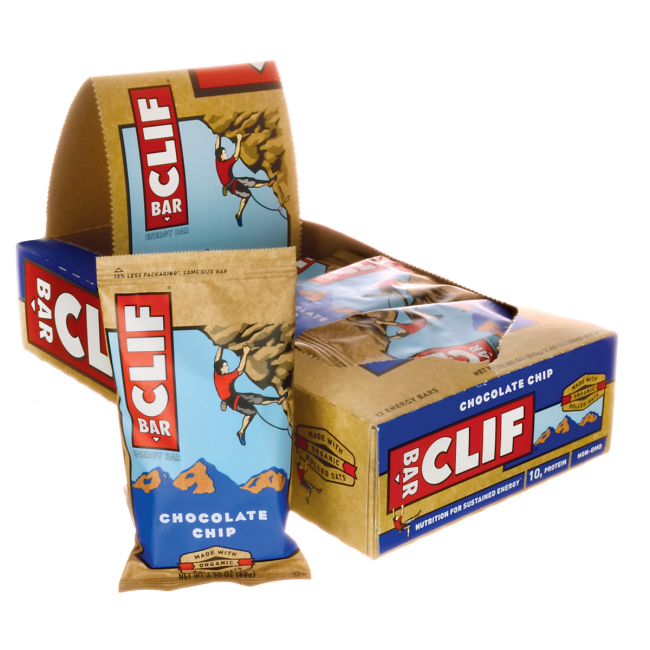
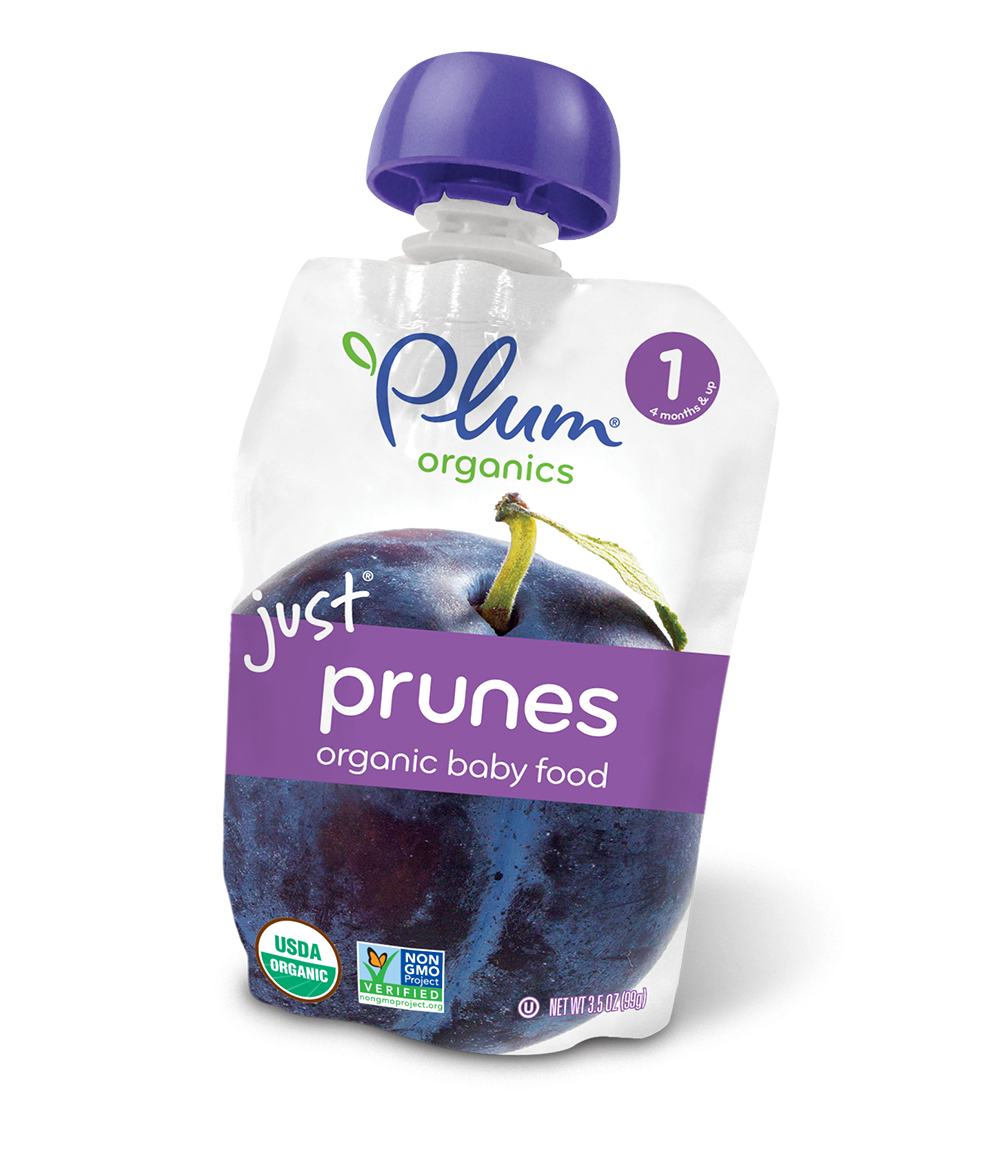
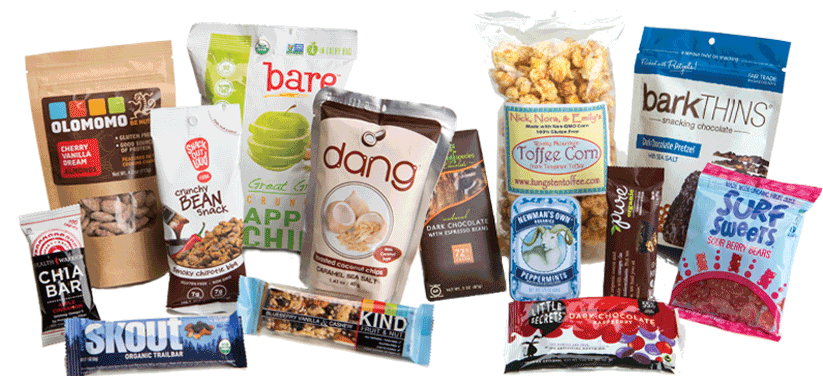
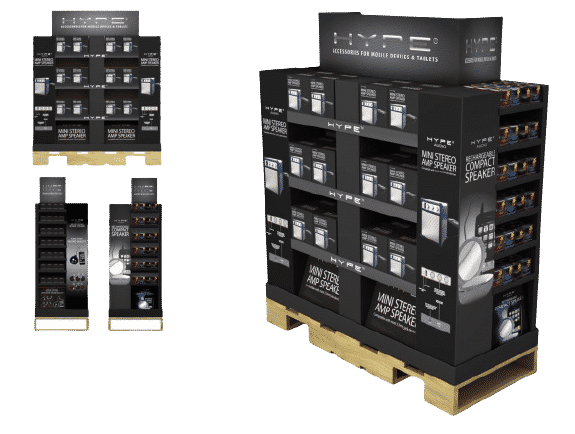
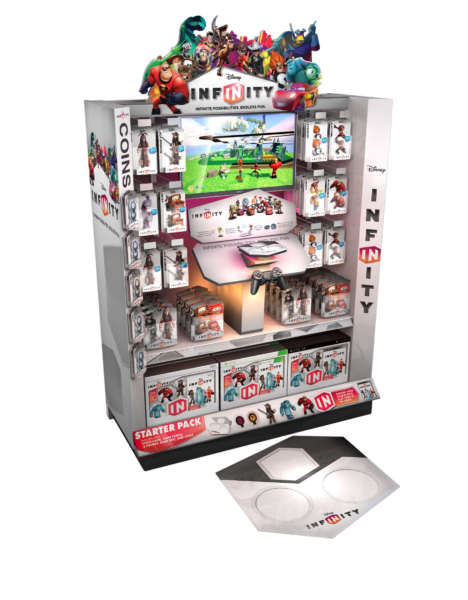
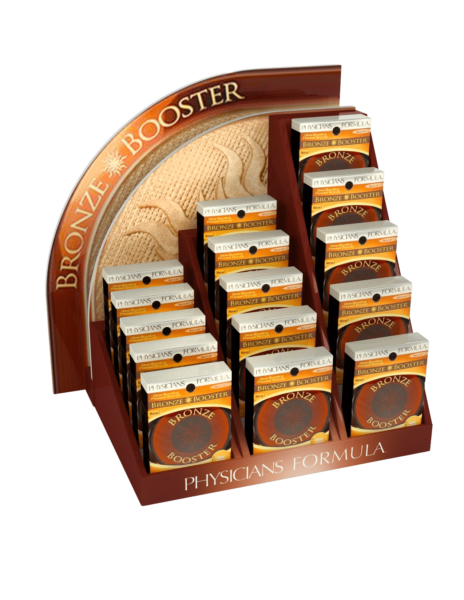
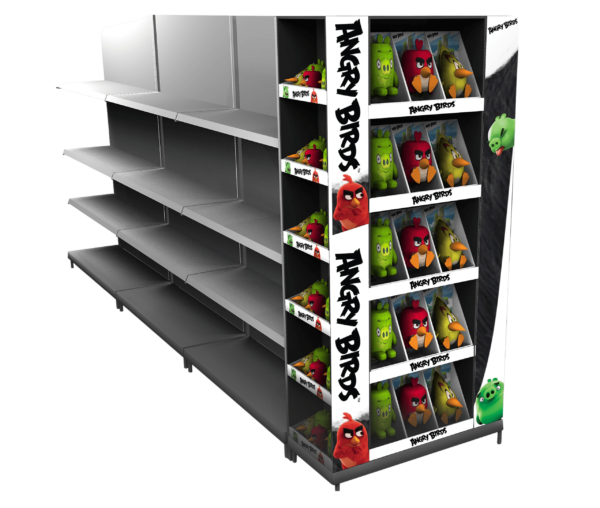
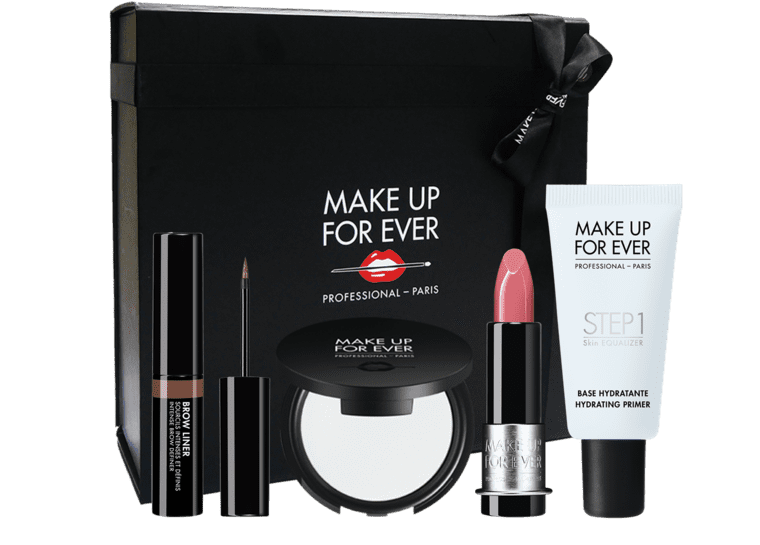
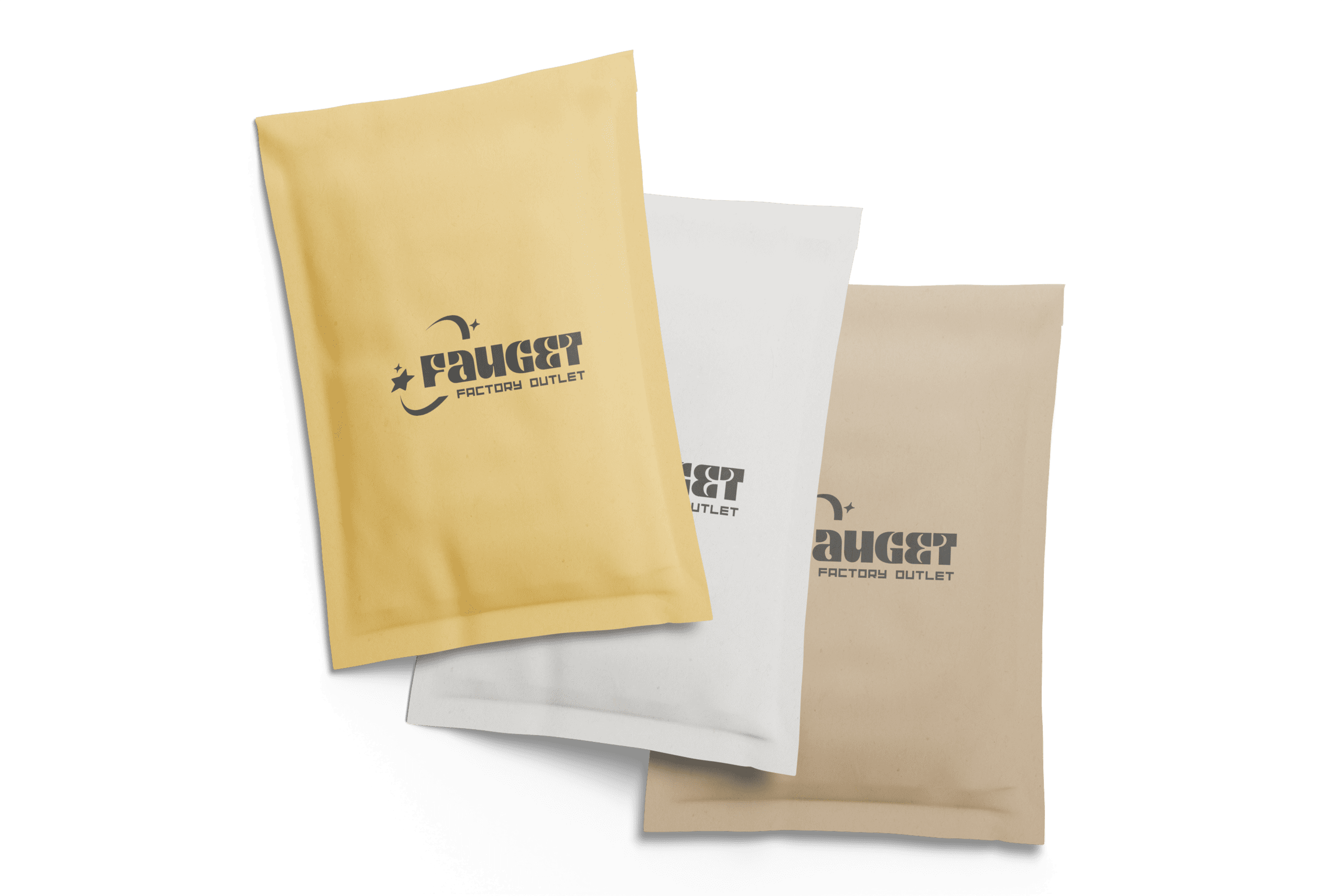
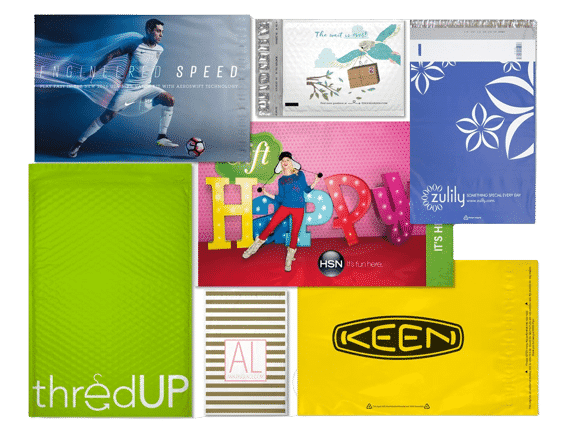
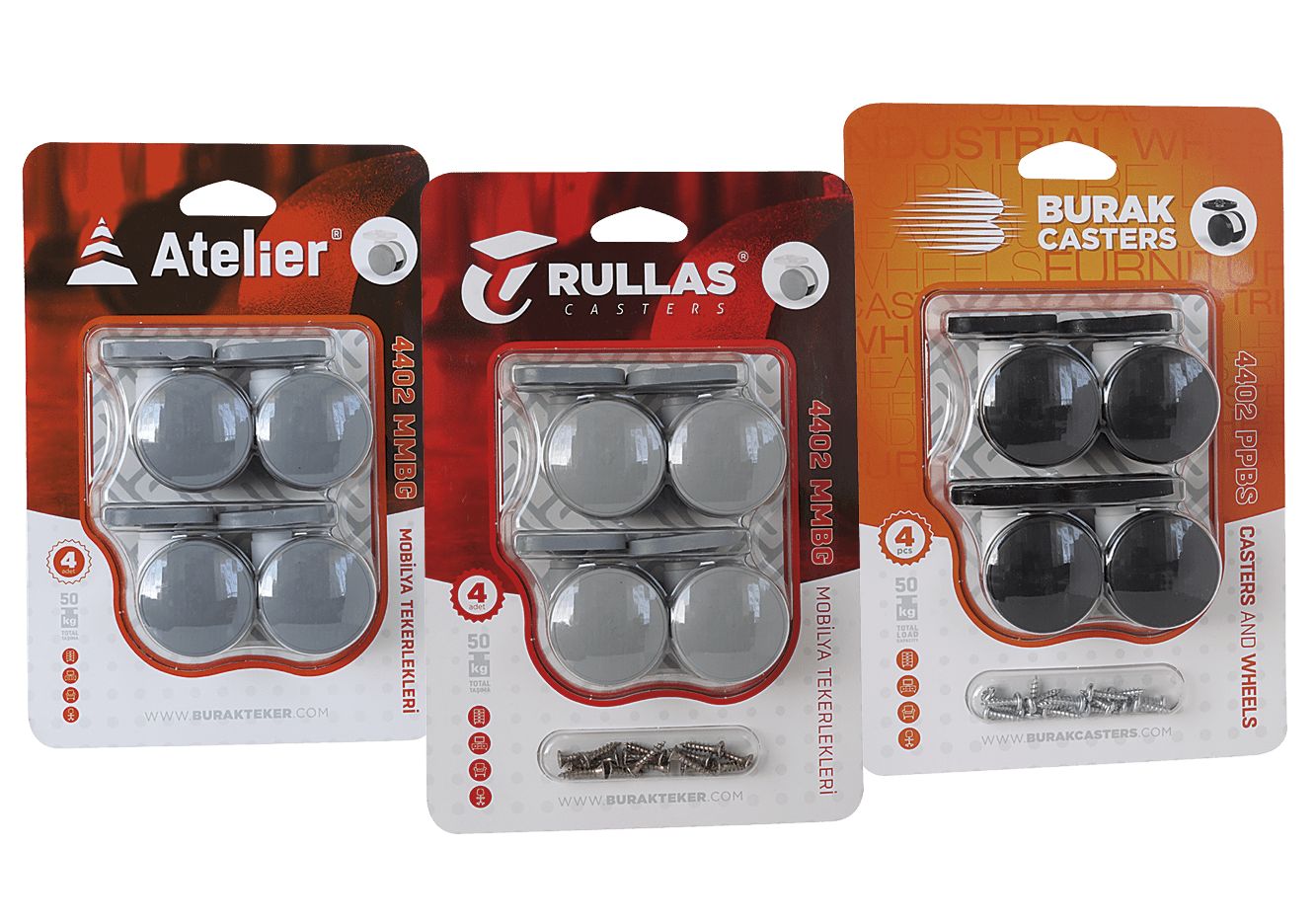
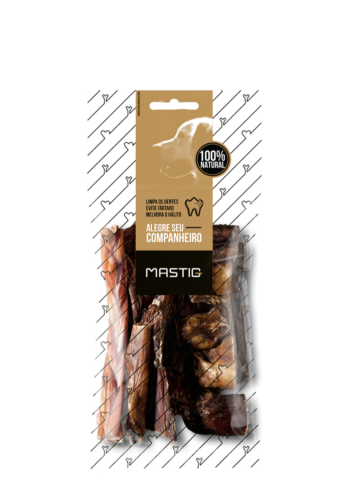
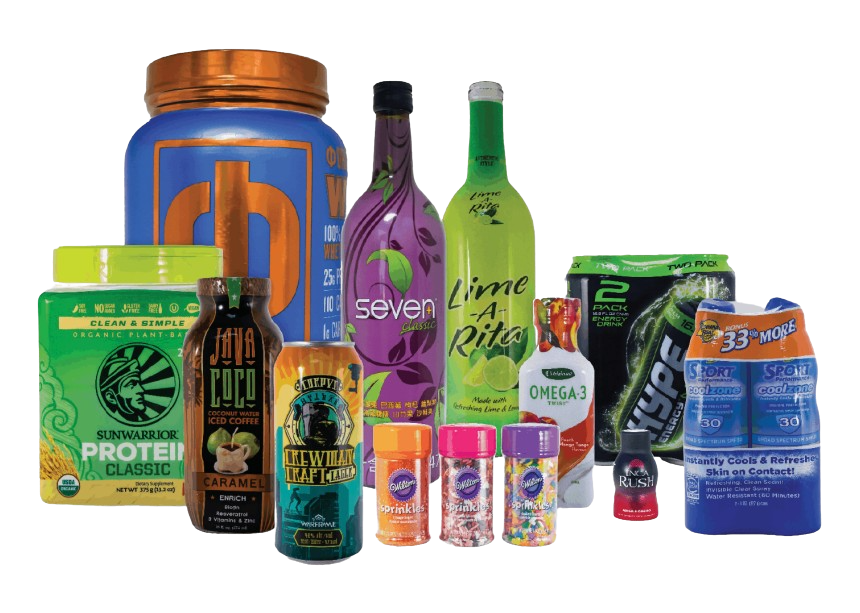
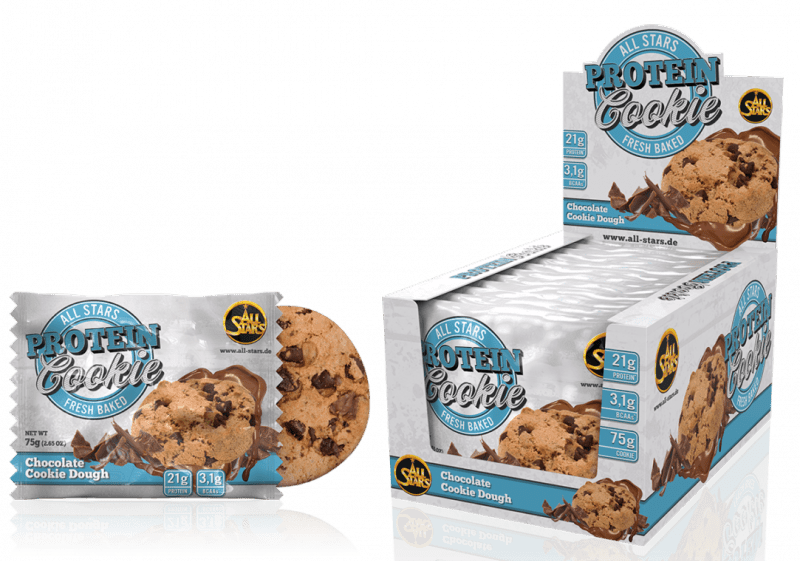
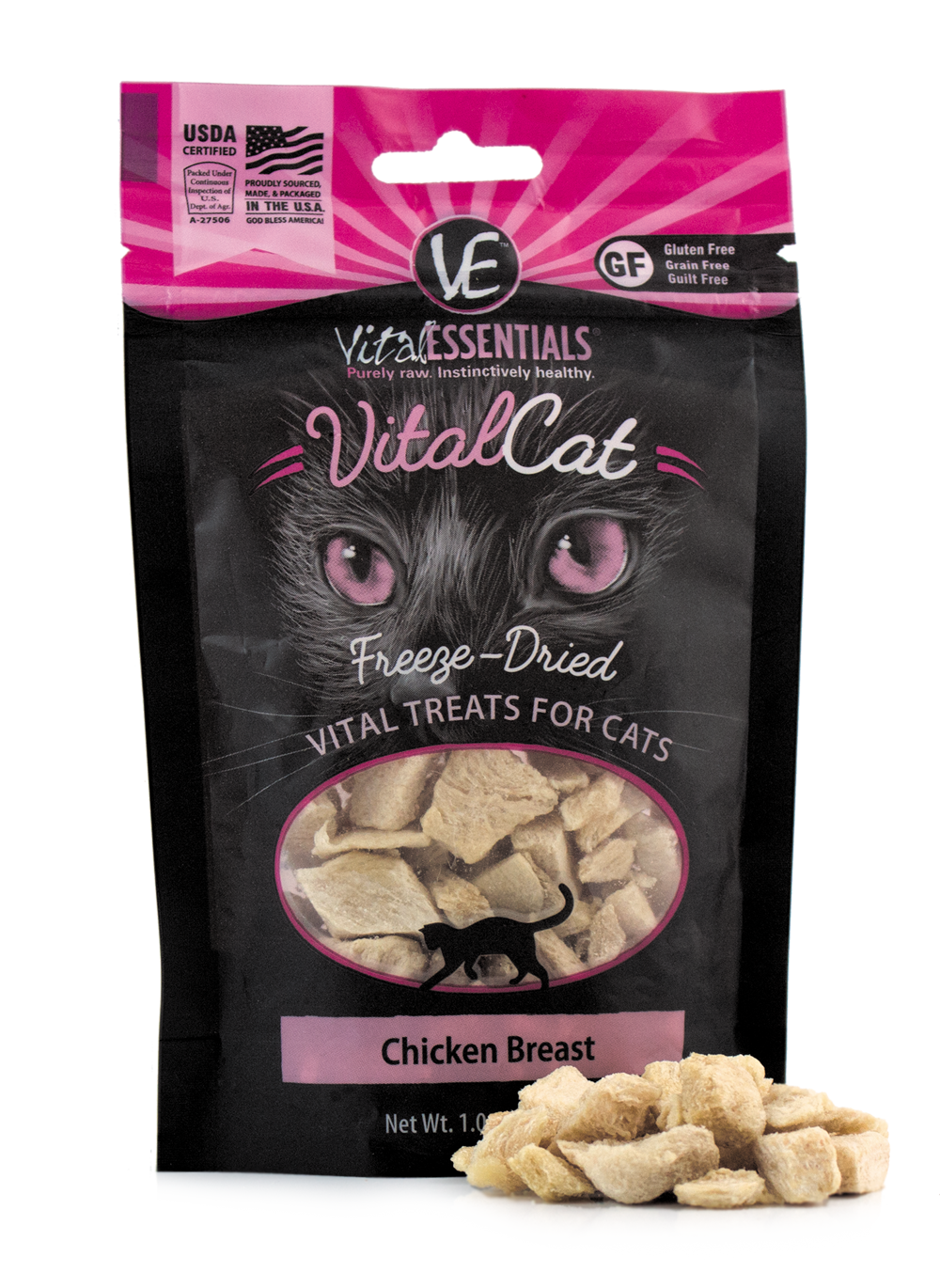
We offer a wide selection of fully customizable packaging products to address any packaging purpose. Customize your packaging product with your logo, brand colors, product information, design, features, and more. If you are unsure on what type of packaging you will need, then contact us for an expert consultation.


Custom packaging is tailored specifically to fit a brand’s unique product requirements, unlike stock packaging, which is pre-made and generic. Custom options allow for precise sizing, materials, and design choices, offering enhanced protection, presentation, and improved efficiency. This personalization makes custom packaging ideal for businesses looking to stand out and create a cohesive brand identity.
At Brown Packaging, our custom packaging solutions are structurally designed to optimize protection, material usage, and sustainability, tailored to meet specific product needs across various applications. We incorporate graphics to reinforce brand identity, ensuring that each package not only protects but also represents your brand effectively. With a focus on durability and functionality, our packaging ensures secure handling for shipping, retail, or storage while supporting sustainability goals.
Custom Packaging Products
We offer a variety of custom packaging products and solutions to meet all your packaging needs in one place. You’ll work directly with a dedicated project specialist to customize your package according to your specifications, including branding, features, and design.


If you need any assistance with your packaging or have a question, then contact us directly at request@brownpackaging.com or (714)300-0650. Learn more about custom packaging by reading our blog posts on new and trending topics.

Holiday e-commerce volumes can overwhelm manual packing operations. Automation offers a scalable way to meet peak demand while maintaining accuracy, speed, and consistency. For packaging buyers, integrating automation into holiday programs reduces labor costs and ensures products ship on time with packaging that meets both performance and branding requirements. Why Automation Matters in Peak Season High order volumes: Hundreds or thousands of parcels processed daily. Labor shortages: Seasonal staff are costly and less efficient. Fulfillment speed: Delays risk missed delivery windows. Consistency: Automated systems reduce human error in packaging assembly. Types of Packaging Automation Automated box erectors: Assemble corrugated boxes quickly and consistently. Right-sizing systems: Create custom-sized boxes on demand. Automated sealing: Tape or glue systems increase closure speed. Labeling systems: Apply shipping labels with accuracy at scale. Pick-and-place robotics: Load products and inserts efficiently. Benefits of Automated Packaging for Holidays Scalability: Easily expand throughput for peak periods. Cost savings: Reduce labor costs over time. Sustainability: Right-sized automation reduces materials and freight impact. Customer satisfaction: Faster, more accurate deliveries. Challenges of Holiday Packaging Automation Upfront investment: Equipment costs may be high for smaller operations. Flexibility: Some systems handle limited box formats. Integration time: Requires planning before peak season. Holiday Automation Success Examples Subscription boxes: Automated kitting lines improve speed and accuracy. Large-scale e-commerce brands: Right-sizing systems minimize void fill. Retail fulfillment centers: Robotic pick-and-pack reduces bottlenecks. Holiday Packaging Solutions with Brown Packaging Brown Packaging helps brands integrate automation into holiday e-commerce programs. From right-sizing machines to full-line automation, our solutions increase speed, reduce costs, and improve accuracy during peak demand. Contact us to scale your holiday packaging operations. References Packaging Machinery Manufacturers Institute (PMMI). (2023). Trends in Packaging Automation. Retrieved from https://www.pmmi.orgSoroka, W. (2009). Fundamentals of Packaging Technology (4th ed.). Institute of Packaging Professionals.UPS. (2023). Holiday Fulfillment and Automation Strategies. Retrieved from https://www.ups.com (714)300-0650 request@brownpackaging.com Most Recent Posts: Categories: Corrugated Ecommerce ESD Design Display Flexible Packaging Foam Folding Carton Packaging Plastic Packaging Pouch Printing Protection Retail Rigid Box Thermoform Sustainability Subscribe To Our Newsletter By submitting your information, you agree to our terms and conditions and privacy policy. Ecommerce Packaging Facebook Twitter LinkedIn Pinterest Relevant Posts

Point-of-purchase (POP) displays do more than attract shoppers—they must also survive the complexities of modern supply chains. From manufacturing and warehousing to transportation and in-store setup, each stage presents risks that can compromise display performance. Addressing these challenges early in design ensures displays not only capture attention on the floor but also arrive intact, compliant, and cost-effective. Manufacturing and Lead Time Constraints POP displays are often tied to seasonal or promotional campaigns with fixed launch dates. Tight lead times create risks such as: Material availability: Shortages of corrugated board, coatings, or inks delay production. Complexity of die-cuts: Intricate designs slow manufacturing efficiency. Volume requirements: High-volume orders may exceed production capacity. To mitigate risks, displays must be designed for manufacturability without compromising branding. Warehousing and Handling Risks Displays frequently move through multiple handling points before reaching retail stores. Poor design choices can lead to: Stacking failures: Weak structural design leads to collapsed units in storage. Space inefficiency: Oversized designs increase warehousing costs. Damage in staging: Displays not built for repeated handling degrade before reaching stores. Transportation Challenges Freight adds another layer of stress on displays. Vibrations, compression, and shifting loads can all cause damage. Key considerations include: Flat-pack shipping efficiency to reduce cube and freight cost. Reinforced edges and coatings to withstand long-haul transit. Pallet compliance to ensure safe and stable shipping. Retailer Compliance Requirements Major retailers impose strict specifications for POP displays. Failing to meet them can result in rejected shipments or costly redesigns. Compliance often covers: Footprint and height limitations. Palletization standards for handling efficiency. Graphics placement for barcode and label visibility. Safety standards for load stability. Strategies to Overcome Supply Chain Challenges Engage structural and graphics teams early for alignment. Test prototypes for strength, compliance, and transit durability. Collaborate with logistics partners to optimize pallet and trailer efficiency. Plan lead times around material availability and peak retail calendars. POP Display Solutions with Brown Packaging Brown Packaging designs POP displays with supply chain realities in mind. From pallet-ready club store displays to compact seasonal promotions, we engineer solutions that balance visual impact with durability and compliance. Contact us to discuss how we can optimize your next display. References Shop! Association. (2021). Best Practices for In-Store Marketing and POP Displays. Retrieved from https://www.shopassociation.orgGS1. (2022). Retail Supply Chain Standards for Packaging and Logistics. Retrieved from https://www.gs1.orgSoroka, W. (2009). Fundamentals of Packaging Technology (4th ed.). Institute of Packaging Professionals. (714)300-0650 request@brownpackaging.com Most Recent Posts: Categories: Corrugated Ecommerce ESD Design Display Flexible Packaging Foam Folding Carton Packaging Plastic Packaging Pouch Printing Protection Retail Rigid Box Thermoform Sustainability Subscribe To Our Newsletter By submitting your information, you agree to our terms and conditions and privacy policy. POP Display Facebook Twitter LinkedIn Pinterest Relevant Posts

Holiday returns cost retailers billions each year, with packaging failures being a major driver. Damaged goods, oversized boxes, and poor protection lead to dissatisfied customers and costly reverse logistics. For packaging buyers, engineering better holiday packaging is one of the most effective ways to reduce returns and protect profit margins. Why Returns Spike During the Holidays High order volumes: More packages mean more opportunities for failure. Rushed fulfillment: Mistakes in packing increase product damage. Fragile products: Gifts like electronics and glassware need extra care. Customer expectations: Shoppers expect pristine deliveries for gifting. Packaging Strategies to Reduce Returns Right-size design: Prevents product shifting and dimensional weight charges. Protective inserts: Foam, molded pulp, or corrugated dividers secure fragile items. Durability upgrades: Double-wall corrugated for heavy or bulk SKUs. Moisture resistance: Coatings or liners protect against winter weather. Clear labeling: “This Side Up” and handling icons reduce rough handling. The Role of Testing in Return Reduction Packaging validation ensures boxes survive real-world conditions: Compression testing for stacked trailers. Drop testing for rushed warehouse handling. Vibration testing for long-haul shipping. Testing reduces the risk of repeat failures that erode consumer trust. Balancing Cost and Protection Not all SKUs need the same level of packaging reinforcement. Buyers should prioritize: High-value and fragile products. SKUs with past return issues. Items that ship long distances or through multiple carriers. Holiday Packaging Solutions with Brown Packaging Brown Packaging helps brands reduce holiday returns through smarter packaging design and testing. From right-sizing to reinforced corrugated and protective inserts, our solutions protect products and profitability. Contact us to strengthen your holiday packaging program. References International Safe Transit Association (ISTA). (2022). Test Procedures for Packaged Products in Transit.UPS. (2023). Peak Season Returns and Reverse Logistics Report. Retrieved from https://www.ups.comSoroka, W. (2009). Fundamentals of Packaging Technology (4th ed.). Institute of Packaging Professionals. (714)300-0650 request@brownpackaging.com Most Recent Posts: Categories: Corrugated Ecommerce ESD Design Display Flexible Packaging Foam Folding Carton Packaging Plastic Packaging Pouch Printing Protection Retail Rigid Box Thermoform Sustainability Subscribe To Our Newsletter Ecommerce Packaging By submitting your information, you agree to our terms and conditions and privacy policy. Facebook Twitter LinkedIn Pinterest Relevant Posts