window.uetq = window.uetq || []; window.uetq.push(‘event’, ‘submit_lead_form’,{ event_label:‘SUBMIT MESSAGE’ }); window.lintrk('track', { conversion_id: 10271009 }); window.lintrk('track', { conversion_id: 10271017 });

The Evolution of Mailing Tubes and Their Applications

The Evolution of Mailing Tubes and Their Applications

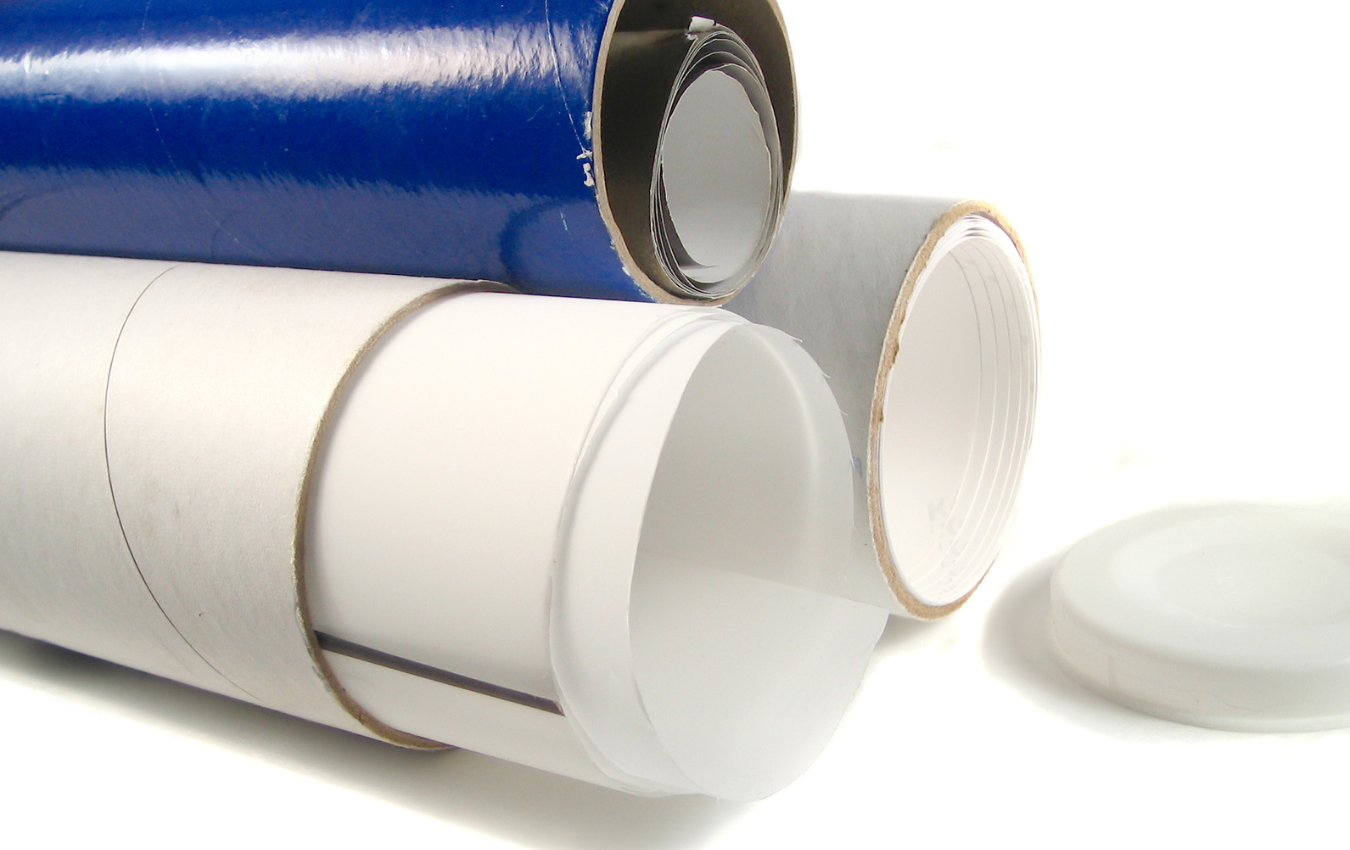
The packaging industry has continuously evolved throughout history, striving to develop solutions that are practical, reliable, and cost-effective. Among these, mailing tubes have emerged as a key player, ensuring safe transport for a variety of items from posters to blueprints.

This blog takes a deep dive into the evolution of mailing tubes and explores their applications across different industries.

The Genesis of Mailing Tubes

Early Innovations

The genesis of mailing tubes can be traced back to the 19th century when they were initially employed in mailing systems to transport long, rolled documents such as maps and blueprints. These humble paper-based cylinders, offering an optimal balance of robustness and weight, revolutionized the world of packaging and shipping.

Technological Advancements and Material Diversification

Over the years, significant advancements in materials science and manufacturing processes have refined the design and durability of mailing tubes. The first major shift was the transition from paper to cardboard, which offered superior strength and durability.

In the late 20th century, plastics entered the scene, providing an alternative for water-sensitive items. Plastic mailing tubes proved highly resilient, providing increased protection from environmental factors. Today, we find mailing tubes made from materials like Kraft paper, cardboard, plastics, and even metals, each tailored to specific use-cases.

Understanding the Design Evolution

Mailing tubes started as simple cylindrical containers, but as demand grew and diversified, so too did their designs. Today, we have adjustable tubes, telescopic tubes, square tubes, and triangular mailing tubes, each designed to cater to particular needs.

The Impact of Sustainability

The turn of the 21st century marked a seismic shift towards sustainability in all aspects of life, including packaging. This shift led to a surge in the production of biodegradable and recyclable mailing tubes. Today, many companies opt for eco-friendly mailing tubes made of recycled cardboard or biodegradable materials, aligning their operations with environmentally conscious values.

Mailing Tubes Across Industries

Graphic Arts and Printing Industry

In the graphic arts and printing industry, mailing tubes are indispensable. They provide a secure, cost-effective, and practical solution for shipping posters, large format prints, canvases, and blueprints. These items can be rolled without damage, making cylindrical mailing tubes the perfect fit.

Manufacturing and Construction Industry

In manufacturing and construction industries, mailing tubes serve a key role in transporting blueprints, schematics, and detailed plans. These tubes offer the necessary protection for such crucial documents during transit.

E-commerce

The e-commerce industry has embraced mailing tubes as a shipping solution for a variety of products, from rolled clothing items to yoga mats. Not only do they protect the product, but their unique shape also provides an interesting unboxing experience for the customer.


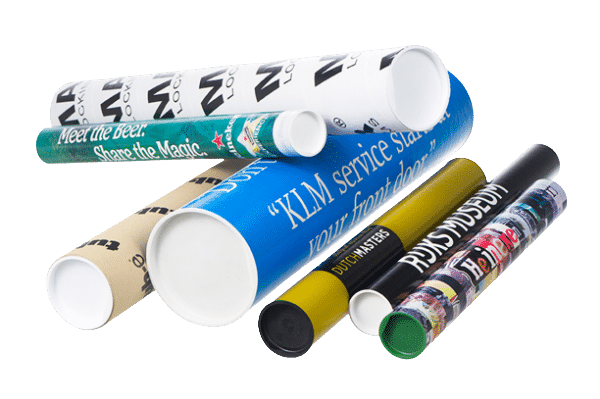
custom printed mailing tubes

Photography and Film Industries

The photography and film industries often require the transport of large format prints, movie posters, film reels, and negatives. Mailing tubes offer a safe and secure means of transportation, ensuring that these valuable items reach their destination undamaged.

Advertising and Marketing

In the advertising and marketing sector, mailing tubes are often used to send promotional material, banners, and posters. Their distinctive shape can make an impression, acting as a part of the marketing strategy itself.

Conclusion: The Future of Mailing Tubes

With the continued growth of e-commerce and global trade, mailing tubes are set to remain a staple in the packaging world. As sustainability remains a critical concern, we can expect to see further advancements in eco-friendly materials and designs. The future will undoubtedly bring further innovation, but one thing is certain: the humble mailing tube will continue to evolve, serving industries worldwide with its practicality and versatility.

Most Recent Posts:
Subscription Packaging Buyers’ Checklist for 2026

Subscription packaging continues to expand across beauty, food, lifestyle, and specialty products. Buyers must balance branding, protection, and sustainability while keeping fulfillment efficient. This checklist highlights the critical areas buyers should review in 2026 when sourcing or redesigning subscription packaging. Branding and Unboxing Experience Seasonal or rotating graphics to keep unboxing fresh. Premium finishes such as foil, embossing, or unique die-cuts. Easy-open features like tear strips for convenience. Right-Sizing and Efficiency Reduce DIM charges with packaging tailored to product sizes. Use modular designs to cover multiple SKUs with fewer box sizes. Ensure packaging works with automation to speed fulfillment. Protection and Durability Inserts that prevent product shifting during transit. ISTA-tested designs to withstand vibration and drops. Moisture-resistant coatings for temperature-sensitive items. Sustainability Requirements FSC-certified corrugated or recycled substrates. Recyclable coatings or compostable options. Clear sustainability messaging to support consumer expectations. Cost Control SKU rationalization to limit unnecessary box variations. Material selection that balances protection and price. Supplier contracts that secure pricing for seasonal peaks. Packaging Solutions with Brown Packaging Brown Packaging designs subscription packaging that combines branding, protection, and sustainability. From FSC-certified corrugated to custom inserts, our solutions help buyers create packaging that builds loyalty and controls costs in 2026. Contact us to review your subscription packaging program. References Sustainable Packaging Coalition. (2023). Subscription Packaging and Consumer Insights. Retrieved from https://sustainablepackaging.orgForest Stewardship Council (FSC). (2023). FSC Certification Guidelines for Packaging. Retrieved from https://fsc.orgInternational Safe Transit Association (ISTA). (2023). ISTA Testing Procedures for Transport Packaging. Retrieved from https://ista.org (714)300-0650 request@brownpackaging.com Most Recent Posts: Categories: Corrugated Ecommerce ESD Design Display Flexible Packaging Foam Folding Carton Packaging Plastic Packaging Pouch Printing Protection Retail Rigid Box Thermoform Sustainability Subscribe To Our Newsletter By submitting your information, you agree to our terms and conditions and privacy policy. Ecommerce Packaging Facebook Twitter LinkedIn Pinterest Relevant Posts

Read More »
Cutting Packaging Costs Without Sacrificing Protection

As budgets tighten in 2026, packaging buyers are under pressure to reduce costs without increasing damage rates. Cutting too aggressively can lead to product loss, higher return rates, and frustrated customers. The key is balancing material use, box design, and supply chain efficiency so that savings do not come at the expense of protection. Where Packaging Costs Add Up Oversized boxes: Drive dimensional weight charges. Excess materials: Overuse of void fill and inserts. Complex SKU mix: Redundant sizes increase inventory costs. Inefficient freight: Poor palletization and stacking. Cost-Saving Strategies That Maintain Protection Right-sizing: Match box size to product dimensions to cut DIM charges and material use. Optimize corrugated grades: Switch to single- or double-wall where appropriate without compromising strength. Consolidate SKUs: Streamline packaging options to reduce inventory overhead. Efficient inserts: Replace foam or excess dunnage with engineered corrugated or molded pulp. Supplier contracts: Negotiate based on annual volumes, not just peak season orders. Testing Before Implementing Changes Use ASTM and ISTA protocols to ensure changes won’t increase product damage. Test for compression, vibration, and drop resistance. Run pilot shipments before scaling across the supply chain. Balancing Sustainability and Cost Eco-friendly doesn’t have to mean expensive: Use recyclable coatings to reduce plastic films. Choose corrugated designs that require less material while maintaining stacking strength. Highlight sustainable solutions in marketing to offset cost concerns. Packaging Solutions with Brown Packaging Brown Packaging helps companies lower costs while protecting products across the supply chain. From SKU rationalization to right-sized corrugated solutions, our team ensures packaging savings don’t compromise performance. Contact us to optimize your packaging program. References Soroka, W. (2009). Fundamentals of Packaging Technology (4th ed.). Institute of Packaging Professionals.ASTM International. (2023). ASTM D4169: Standard Practice for Performance Testing of Shipping Containers and Systems.Sustainable Packaging Coalition. (2023). Packaging Efficiency and Waste Reduction Report. Retrieved from https://sustainablepackaging.org (714)300-0650 request@brownpackaging.com Most Recent Posts: Categories: Corrugated Ecommerce ESD Design Display Flexible Packaging Foam Folding Carton Packaging Plastic Packaging Pouch Printing Protection Retail Rigid Box Thermoform Sustainability Subscribe To Our Newsletter By submitting your information, you agree to our terms and conditions and privacy policy. Custom Packaging Facebook Twitter LinkedIn Pinterest Relevant Posts

Read More »
Preventing Product Damage in 2026 Supply Chains

Product damage is one of the most expensive risks in packaging. Beyond replacement costs, damaged goods lead to lost sales, returns, and reputational harm. In 2026, complex e-commerce, global shipping, and automation create new challenges for packaging buyers. The right materials, testing, and design strategies are critical to protecting products while controlling costs. Why Damage Prevention Matters Financial losses: Damaged products increase replacement and freight costs. Customer impact: Poor delivery experience reduces loyalty and repeat sales. Sustainability: Returns and waste drive higher carbon footprints. Compliance: Retailers often impose penalties for damaged shipments. Common Causes of Product Damage Compression: Pallet stacking weakens boxes in transit. Vibration and shock: Long-haul shipping increases risk. Moisture exposure: Humidity and rain compromise corrugated performance. Poor right-sizing: Oversized boxes allow product movement inside. Strategies to Reduce Damage in 2026 Right-size packaging: Minimize empty space and movement. Material optimization: Choose the correct corrugated grade for load demands. Protective inserts: Molded pulp or engineered corrugated reduce shock. Moisture-resistant coatings: Defend against water and humidity. Automation-friendly design: Prevent jams that damage products on high-speed lines. Testing Protocols for Damage Prevention ISTA testing: Simulates vibration, drops, and compression. ASTM standards: Validate packaging strength and durability. Pilot shipments: Real-world trials confirm lab results. Packaging Solutions with Brown Packaging Brown Packaging designs solutions that minimize damage across today’s complex supply chains. From right-sized corrugated to ISTA-tested inserts, we help buyers protect products while reducing costs. Contact us to strengthen your packaging program. References ASTM International. (2023). ASTM D4169: Standard Practice for Performance Testing of Shipping Containers and Systems.International Safe Transit Association (ISTA). (2023). ISTA Testing Procedures for Transport Packaging. Retrieved from https://ista.orgSoroka, W. (2009). Fundamentals of Packaging Technology (4th ed.). Institute of Packaging Professionals. (714)300-0650 request@brownpackaging.com Most Recent Posts: Categories: Corrugated Ecommerce ESD Design Display Flexible Packaging Foam Folding Carton Packaging Plastic Packaging Pouch Printing Protection Retail Rigid Box Thermoform Sustainability Subscribe To Our Newsletter By submitting your information, you agree to our terms and conditions and privacy policy. Custom Packaging Facebook Twitter LinkedIn Pinterest Relevant Posts

Read More »
Retail Packaging Trends for 2026

Retail packaging continues to evolve as brands balance sustainability, supply chain performance, and consumer experience. In 2026, buyers face new challenges shaped by material innovation, compliance requirements, and rising consumer expectations. Understanding these trends helps companies stay competitive while aligning packaging programs with industry standards. Sustainability Becomes Non-Negotiable Greater use of recyclable and compostable substrates. Retailers pushing suppliers toward FSC-certified materials. Minimalist designs that reduce waste without losing impact. Smarter Packaging for Supply Chains Increased adoption of right-sizing to reduce freight costs. Boxes designed for automation and faster fulfillment. Stronger corrugated grades to withstand long e-commerce journeys. Enhanced Consumer Experience Custom graphics for seasonal campaigns and limited editions. Tear strips, resealable closures, and window cutouts for convenience. Premium finishes that elevate gift packaging at retail. Growth of Hybrid Packaging Formats Combining corrugated strength with folding carton graphics. Modular designs for multi-SKU and club store environments. Packaging engineered to serve both e-commerce and in-store needs. Compliance and Testing Standards Retailers demanding ISTA and ASTM testing for packaging durability. Supply chain audits on recyclability and sustainability claims. More pressure for transparent reporting on environmental impact. Retail Packaging Solutions with Brown Packaging Brown Packaging helps brands adapt to evolving retail packaging trends. From sustainable substrates to automation-friendly designs, our solutions balance branding, durability, and compliance for 2026. Contact us to prepare your packaging program for the year ahead. References Forest Stewardship Council (FSC). (2023). FSC Packaging Certification Guidelines. Retrieved from https://fsc.orgSustainable Packaging Coalition. (2023). Packaging Trends and Consumer Insights. Retrieved from https://sustainablepackaging.orgSoroka, W. (2009). Fundamentals of Packaging Technology (4th ed.). Institute of Packaging Professionals. (714)300-0650 request@brownpackaging.com Most Recent Posts: Categories: Corrugated Ecommerce ESD Design Display Flexible Packaging Foam Folding Carton Packaging Plastic Packaging Pouch Printing Protection Retail Rigid Box Thermoform Sustainability Subscribe To Our Newsletter By submitting your information, you agree to our terms and conditions and privacy policy. Custom Packaging Facebook Twitter LinkedIn Pinterest Relevant Posts

Read More »
Categories:
Subscribe To Our Newsletter

By submitting your information, you agree to our terms and conditions and privacy policy.

mailing tubes
Custom Mailing Tubes
Facebook
Twitter
LinkedIn
Pinterest
Relevant Posts
Design
brownpackaging
What to Do After Receiving a Packaging Sample

Before committing to a full production run, businesses often receive packaging samples to evaluate fit, functionality, print quality, and overall design. Whether it’s a digital sample (3D render) or a physical prototype, thoroughly assessing the sample ensures that the final packaging meets aesthetic, protective, and branding requirements. Evaluating a Digital Packaging Sample A digital sample, such as a 3D rendering or a dieline proof, is typically the first step in the approval process. It provides a visual representation of the packaging without producing a physical sample. What to Check in a Digital Sample: Structural Accuracy: Ensure the dieline dimensions match your specifications. Print & Branding Alignment: Confirm that logos, graphics, and text are correctly placed. Color Representation: Compare digital colors with your brand standards (note that digital colors may vary slightly from printed results). Typography & Readability: Check for font clarity, spacing, and legal text placement. Product Fit Estimation: Use the digital mockup to visualize how the product will fit inside the packaging. Next Steps for Digital Samples: Approve the design for a physical prototype if all elements look correct. Request modifications if there are misalignments, incorrect fonts, or sizing issues. Verify with a packaging expert to ensure compliance with industry regulations (especially for food, pharmaceuticals, or fragile products). Evaluating a Physical Packaging Sample Once the digital sample is approved, a physical prototype is produced. This allows for a hands-on review to confirm material quality, fit, and structural integrity. What to Check in a Physical Sample: Size & Fit: Ensure your product fits securely inside without excess movement. Material Durability: Assess the thickness, rigidity, and protective properties of the packaging. Printing & Finishing: Check for sharpness of logos, consistency of colors, and quality of coatings (matte, gloss, spot UV, etc.). Ease of Assembly: Verify that the packaging can be easily folded, sealed, or assembled as required. Structural Performance: Conduct drop tests, stacking tests, or compression tests if needed. Shipping & Storage Suitability: If your product requires long-distance shipping, assess whether additional protective inserts or reinforcements are needed. Next Steps for Physical Samples: Approve the sample for final production if all elements meet expectations. Request modifications if there are fit issues, material concerns, or branding inconsistencies. Test the sample in real-world conditions, such as placing it in a warehouse or shipping it to a test location. Making the Final Decision After evaluating the digital and physical samples, finalize your packaging decision by: Confirming with your team that the design meets branding, protection, and compliance requirements. Approving mass production once all issues are resolved. Coordinating with your supplier on lead times, material availability, and any final adjustments. Final Thoughts: Ensuring the Best Packaging for Your Product Receiving a packaging sample is a crucial step in avoiding costly mistakes and ensuring a seamless production process. By carefully evaluating both digital and physical samples, businesses can optimize product protection, branding impact, and customer experience. Need expert guidance in reviewing your packaging samples? Contact Brown Packaging today to ensure your final packaging is perfect before production! (714)300-0650 request@brownpackaging.com Most Recent Posts: Categories: Corrugated Ecommerce ESD Design Display Flexible Packaging Foam Folding Carton Packaging Plastic Packaging Pouch Printing Protection Retail Rigid Box Thermoform Sustainability Subscribe To Our Newsletter By submitting your information, you agree to our terms and conditions and privacy policy. Custom Packaging Facebook Twitter LinkedIn Pinterest Relevant Posts

Read More »
How To Save Money on Corrugated Boxes?
Packaging
brownpackaging
How To Save Money on Corrugated Boxes?

Saving on the purchase of corrugated boxes involves strategic planning and smart sourcing to ensure you get the best value without compromising on quality. By exploring bulk purchasing, negotiating with suppliers, opting for standard sizes, and considering lightly used or recycled boxes, businesses can significantly reduce their packaging costs. Bulk Purchasing One of the most straightforward ways to save on corrugated boxes is by buying in bulk. Manufacturers often offer substantial discounts for large orders due to the lower logistics and handling costs involved. Bulk purchasing not only reduces the per-unit cost but also minimizes the frequency of reordering, saving additional time and shipping expenses. It’s essential, however, to have adequate storage space and to ensure that the bulk quantity aligns with your usage to avoid unnecessary stockpiling. Supplier Negotiation and Comparison Establishing a good relationship with suppliers can open the door to discounts, especially if your business is a repeat customer. Don’t hesitate to negotiate prices or ask for special deals. Additionally, regularly comparing prices from different suppliers can uncover more competitive rates or better terms. Keep in mind that the cheapest option is not always the best choice if it compromises box quality, which can lead to product damage and higher costs in the long run. Recycled and Lightly Used Boxes For businesses committed to sustainability and looking to save on costs, recycled or lightly used corrugated boxes are an excellent option. Many suppliers offer high-quality recycled boxes at a fraction of the cost of new ones. These boxes can be just as durable and reliable as new ones, especially if they have only been used once or twice. Moreover, opting for recycled boxes reduces your environmental footprint and supports circular economy practices. Efficient Design and Material Use Work with your box supplier to design packaging that uses material efficiently. Reducing material waste not only lowers costs but also benefits the environment. Consider lighter-weight corrugated options that still provide adequate protection for your products. Innovations in corrugated box design can result in the use of less material without sacrificing box integrity or performance. Inventory Management Effective inventory management can also lead to savings. By carefully monitoring your box usage and inventory levels, you can avoid rush orders, which often come with premium shipping costs. Predictable ordering patterns can also strengthen your negotiating position with suppliers, potentially leading to better prices or terms. Conclusion Saving on corrugated boxes requires a multi-faceted approach that includes smart purchasing strategies, supplier negotiations, and a commitment to efficient design and sustainability. By adopting these practices, businesses can significantly reduce their packaging expenses while still ensuring their products are well-protected. Remember, the goal is to find a balance between cost savings and maintaining the quality and integrity of your packaging to support your brand’s reputation and customer satisfaction. If you are interested in corrugated boxes, then partner with Brown Packaging today to get started. (714)300-0650 request@brownpackaging.com Most Recent Posts: Categories: Corrugated Ecommerce ESD Design Display Flexible Packaging Foam Folding Carton Packaging Plastic Packaging Pouch Printing Protection Retail Rigid Box Thermoform Sustainability Subscribe To Our Newsletter By submitting your information, you agree to our terms and conditions and privacy policy. Custom Corrugated Boxes Facebook Twitter LinkedIn Pinterest Relevant Posts

Read More »
Holiday Packaging Prep: Why Summer Is the Time to Start
Packaging
brownpackaging
Why Summer Is Key to Holiday Packaging Prep

Holiday demand starts long before December. So should your packaging. For B2B and D2C brands alike, Q4 is the most critical—and most chaotic—shipping window of the year. Lead times stretch. Material availability tightens. Freight costs spike. And late packaging decisions almost always translate to missed revenue. The summer months are your opportunity to lock in inventory, fine-tune designs, and ensure packaging won’t be the reason you fall behind when holiday orders start flooding in. Production and Lead Times Are Already Under Pressure Holiday packaging needs to be ordered, produced, and delivered well before peak season begins. But many businesses underestimate just how early they need to act. Custom corrugated orders can carry lead times of 6–8 weeks by late summer, with delays compounding as demand surges across print vendors, die cutters, and fulfillment partners. Waiting until September or October often means settling for compromises in design, quality, or cost. Early preparation lets you finalize specs while lead times are shorter and production capacity is still available. Whether you’re running custom-printed RSCs, branded folding cartons, or seasonal POP displays, June–August is the window for stress-free production. Design Revisions Take Time—Don’t Rush Them Holiday campaigns usually require refreshed branding, new inserts, or modified packaging configurations to accommodate limited-time products or bundles. But packaging design is a technical process. Structural testing, prototyping, dieline creation, and regulatory compliance all require coordination—and last-minute updates can introduce unnecessary risks. Summer is the time to work through revisions carefully. It ensures you don’t rush through decisions that impact protection, retail appeal, or brand perception when it matters most. Lock in Materials Before Seasonal Shortages Hit Packaging material supply is cyclical. By fall, board mills and film suppliers prioritize large Q4 contracts, often pushing out smaller runs or limiting availability of specific substrates and coatings. In 2023, certain grades of white corrugated and foil-lined board were backordered for weeks by early October. When you plan in summer, you avoid price hikes and limited availability. You also give your packaging partner time to source cost-effective materials with enough buffer to meet demand. Peak Shipping Costs Can Be Reduced with Smart Packaging Smart packaging design finalized early can help you avoid excess freight charges later. Optimizing box dimensions, reducing cube size, and minimizing overpackaging helps reduce parcel volume and weight—which directly translates to savings during the holiday shipping crunch. Start those conversations in summer, and you’ll have time to test structural changes and confirm compatibility with carriers before rates spike in Q4. Final Takeaway: Summer Planning Is a Competitive Advantage If you want to avoid rush fees, stockouts, design errors, and missed retail windows, start your packaging preparation now. Whether you need custom printed corrugated boxes, retail-ready displays, or e-commerce inserts, the businesses that act in Q3 are the ones best positioned to capitalize in Q4. Need help getting ahead of the holiday packaging curve? Contact Brown Packaging to start planning your seasonal packaging strategy today. (714)300-0650 request@brownpackaging.com Most Recent Posts: Categories: Corrugated Ecommerce ESD Design Display Flexible Packaging Foam Folding Carton Packaging Plastic Packaging Pouch Printing Protection Retail Rigid Box Thermoform Sustainability Subscribe To Our Newsletter By submitting your information, you agree to our terms and conditions and privacy policy. Custom Packaging Facebook Twitter LinkedIn Pinterest Relevant Posts

Read More »