

Digital Printed Folding Cartons
Our digital printed folding cartons deliver precision graphics on durable, high-quality paperboard. Available in a variety of box styles and finishes, they suit applications from retail displays to cosmetics and food packaging. Fast, plate-free production allows vivid color, crisp detail, and consistent quality across every run.

Is Digital Printing Right for Your Folding Cartons?
Digital printing offers unmatched agility for brands that need frequent artwork changes or shorter production runs. It removes plate costs and setup delays, allowing you to test designs, launch products, or regionalize packaging with minimal lead time.
For folding cartons, it produces photo-quality graphics on coated or uncoated paperboard — ideal for cosmetics, supplements, and retail packaging that rely on shelf appeal. The process captures fine details, gradients, and color consistency that elevate brand perception.
It’s also cost-efficient for multi-SKU programs and rapid reorders, ensuring every carton aligns with your brand standards while keeping production responsive and sustainable.
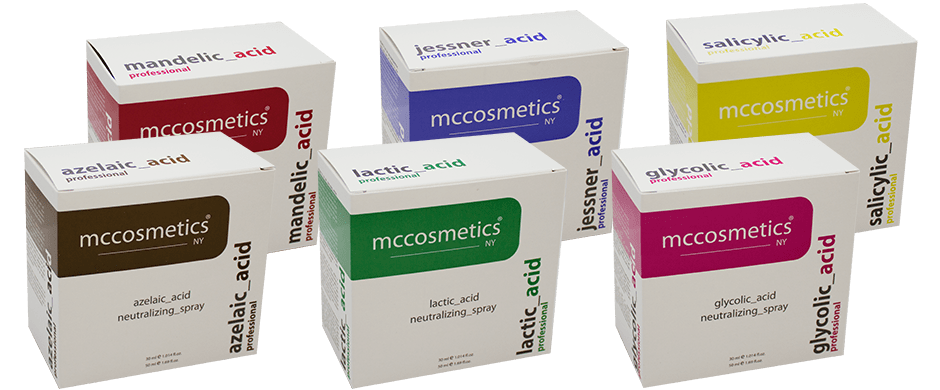
Digital Printed Folding Carton Styles
Our digital printed folding cartons are designed for short runs, fast turnaround, and high-quality graphics across retail and consumer packaging applications. Each carton supports brand consistency, structural precision, and flexible customization, making it ideal for product launches, versioned SKUs, and evolving packaging needs.

Digital printing enhances the clean presentation of Straight tuck end folding cartons, ideal for showcasing vivid graphics on both front and back panels. This style is frequently used for retail products, cosmetics, and small electronics where visibility and branding consistency matter. The straight tuck design allows seamless closure and minimal creasing, keeping printed artwork intact. It’s a reliable option for maintaining both structural and visual quality in shorter production runs.
Digitally printed Reverse tuck end cartons combine efficient assembly with flexible branding options for product lines that change frequently. They’re perfect for personal care, nutraceuticals, and retail goods that require crisp graphics with quick turnaround. The reverse tuck flap orientation reduces friction on artwork during opening and closing, preserving printed surfaces. This makes RTE an excellent match for short runs, seasonal packaging, and prototypes.
With a pre-glued locking base, Auto-bottom cartons excel in speed and strength—especially when combined with digital print graphics for limited-run products. This structure is ideal for heavier items or premium retail packaging where both durability and presentation are priorities. Digital printing provides the flexibility to adjust branding across SKUs without plate changes or tooling. It’s an efficient option for fast, high-impact production.
A Full-seal end carton provides maximum protection and a continuous printable surface for branding. Using digital print, manufacturers can apply variable data, full-coverage color, or product-specific graphics without sacrificing closure integrity. This makes it suitable for food, pharma, and tech products that need tamper-evident or fully sealed designs. It combines secure packaging with flexible print capability for evolving product lines.
Other digitally printed folding carton formats—including gable tops, sleeves, or tuck sleeves—offer versatile options for marketing, product launch, and sample distribution. Each can be customized with high-resolution artwork, serial coding, or targeted branding across variable runs. Digital print provides precision and adaptability across these styles. Contact Brown Packaging to explore additional design and material options tailored to your packaging requirements.
Digitally printed folding cartons deliver high-quality branding for retail shelves without the setup costs of traditional print methods. Shorter runs and SKU flexibility make them ideal for limited editions, product launches, and seasonal packaging. With vivid color accuracy and variable data options, brands can maintain a polished, professional look across multiple product lines.
Digital printing offers the fine detail and color precision needed for cosmetics and skincare cartons. This process ensures consistent tones across metallics, pastels, and gradients often used in high-end packaging. Brands can easily update formulas or designs between print runs, maintaining agility without sacrificing quality.
For short-run or specialty food products, digital print allows compliance labeling and vibrant shelf presentation in one process. It’s ideal for artisanal, organic, or regional food brands needing premium quality without large volume commitments. Variable printing also supports quick ingredient or allergen changes with no added plate cost.
Digital folding cartons bring brand consistency across bottle sleeves, drink mix boxes, and supplement cartons. The ability to run multiple SKUs together helps maintain efficiency across product families. High-resolution color and durable coatings ensure that moisture-prone or refrigerated items retain their branding impact.
Digital print precision enhances folding cartons for compact electronics, accessories, or tech peripherals. With fine-line detailing and barcoding options, these boxes communicate both premium quality and product data clarity. Digital flexibility supports fast prototype cycles and multi-version packaging for new device launches.
For regulated products, digital printing supports lot codes, dosage info, and serialized data directly on the carton. This enables compliance-ready packaging with minimal material waste or lead time. It’s an efficient option for clinical trials, supplements, and over-the-counter products where both accuracy and clarity are critical.
From promotional mailers to luxury folding cartons, digital printing provides unmatched flexibility for low-volume, brand-driven projects. Whether your focus is market testing or premium presentation, every box can be printed with full customization and color consistency. Contact Brown Packaging to discuss specialty materials, finishes, or unique structural options for your next project.
SBS paperboard is the premium choice for digital printing, offering a bright white surface that delivers sharp, vibrant graphics. Its smooth coating allows precise ink adhesion and excellent image consistency across production runs. SBS is ideal for cosmetic, retail, and pharmaceutical cartons that rely on color fidelity and professional presentation. Its superior printability makes it one of the most common substrates for digitally printed folding cartons.
CUK board offers a natural, slightly warm tone that pairs well with earthy or eco-conscious brand identities. Its coated surface supports digital inks while maintaining the strength needed for heavier or moisture-prone products. Often used for beverage, food, and multipack applications, CUK balances performance and visual appeal. This material combines structural integrity with print flexibility for brands emphasizing sustainability without sacrificing quality.
Natural kraft paperboard provides a more organic and tactile appearance, ideal for brands emphasizing authenticity and minimalism. While it absorbs ink differently than coated boards, digital printing still allows for clear, high-contrast designs with a premium handmade feel. It’s a strong option for artisanal foods, wellness, and boutique packaging seeking understated branding. Kraft supports both aesthetic differentiation and recyclability goals.
Coated boards enhance smoothness and color accuracy, ideal for detailed graphics, gradients, and high-resolution imagery. Uncoated boards absorb more ink, creating a softer, natural look that complements minimalist design styles. Digital printing performs reliably on both, depending on finish and intended shelf presentation. Choosing between them depends on your desired color intensity, texture, and visual tone.
Digital print can be combined with matte, gloss, or soft-touch laminates to increase durability and elevate tactile appeal. Specialty coatings such as aqueous or UV finishes enhance protection from abrasion or moisture, especially for retail or refrigerated use. These finishing layers can be spot-applied or full-coverage to create depth and contrast. Together, they reinforce both brand quality and product protection.
Digital Printed Folding Carton Guide
Folding cartons offer versatile packaging for retail, food, and personal care products, combining custom structural design with high-quality printing. Available in styles like straight tuck, reverse tuck, auto-bottom, and sleeve cartons, they provide lightweight protection and strong shelf appeal for a wide range of applications.
Digital folding cartons eliminate traditional setup delays, allowing projects to move from approved artwork to production quickly. This is critical for product launches, seasonal packaging, and tight timelines. Faster turnaround supports agile decision-making and market responsiveness. Speed is achieved without sacrificing print or structural accuracy.
Digital printing removes plate and tooling costs, making short and medium runs more economical. Brands avoid overproducing inventory to offset setup expenses. This supports right-sized production volumes and reduces carrying costs. Cost efficiency improves overall packaging ROI for lower quantities.
Digital workflows support multiple SKUs, artwork versions, and design variations within the same production window. This flexibility enables flavor changes, size variations, and regional branding without separate setups. Managing variation efficiently helps brands scale complexity without added friction. Version flexibility is a core advantage for modern product lines.
Producing only what is needed minimizes excess inventory and obsolete packaging. This is especially important for products with frequent updates or regulatory changes. Short-run digital production supports just-in-time packaging strategies. Reduced waste improves both cost control and operational efficiency.
Controlled digital workflows support repeatable color output and layout accuracy across runs. This helps maintain brand consistency even when quantities are low or designs change frequently. Visual alignment across SKUs strengthens shelf presence. Consistency is maintained without long setup cycles.
Digital folding cartons allow brands to enter production at lower volumes without committing to large runs. This supports market testing, pilot programs, and new product introductions. As demand grows, packaging strategies can evolve without redesigning artwork. Digital provides a flexible starting point for scaling brands.
Digital folding cartons are most efficient at short to medium run quantities. As volumes increase, per-unit costs remain stable rather than decreasing sharply. Buyers should evaluate expected reorder frequency and total annual volume. Aligning run length with digital economics is critical for cost control.
Digital printing delivers highly consistent color, but exact matching to legacy processes may require adjustment. Color appearance can vary based on substrate, coverage, and finish. Establishing clear color expectations during proofing is important. This ensures alignment between design intent and production output.
Not all paperboard stocks perform the same under digital print conditions. Coating type, surface texture, and board caliper influence print results. Substrate selection should balance visual goals with folding and structural performance. Early evaluation helps prevent downstream issues.
Highly detailed artwork, heavy ink coverage, or dense solids require careful planning. Complex designs can impact ink laydown, fold integrity, and registration tolerance. Artwork should be reviewed with production constraints in mind. This supports reliable output without compromising structure.
Certain coatings, embellishments, or finishing steps may add complexity to digital workflows. Compatibility with digital inks should be confirmed during planning. Finishing requirements can influence lead time and cost. Clear alignment prevents surprises late in production.
Digital folding cartons are often used as an entry point, but long-term volume growth should be considered. Planning ahead helps determine when packaging strategies may need to evolve. Artwork continuity and structural consistency should support future scaling. This ensures flexibility without rework.
Digital folding cartons solve challenges tied to low-volume production without forcing overproduction. Brands can produce only what is needed for launches, refreshes, or limited programs. This reduces inventory exposure and warehousing strain. Short-run execution remains consistent and production-ready.
Managing multiple SKUs within a single product line can create complexity and errors. Digital workflows centralize artwork control while allowing SKU-level variation. This simplifies production for brands with expanding assortments. The result is controlled variation without operational friction.
Digital folding cartons support fast-moving launch timelines where speed and flexibility matter. Artwork revisions, compliance updates, and late-stage changes can be accommodated without restarting production. This reduces launch risk and timeline compression. Packaging stays aligned with go-to-market plans.
Seasonal designs, promotional artwork, and limited editions require frequent updates. Digital printing enables versioned cartons without disrupting base designs. Brands can rotate graphics while maintaining structural consistency. This supports marketing initiatives without excess inventory.
Products subject to labeling or compliance changes require controlled packaging updates. Digital folding cartons allow specific panels or SKUs to be updated without redesigning the entire carton. This reduces risk when managing regulated content. Updates can be executed cleanly and efficiently.
Digital production supports packaging strategies focused on right-sizing, testing, and continuous improvement. Brands can trial changes in structure, graphics, or messaging before committing to larger volumes. Feedback-driven adjustments improve long-term packaging performance. This approach minimizes risk while maximizing learning.
Digital presses support high-resolution graphic output on folding carton substrates. This enables precise reproduction of fine text, barcodes, and detailed imagery. Output quality remains stable across short runs and repeat orders. This capability supports both branded and information-dense packaging.
Production workflows are built to handle multiple SKUs and versioned artwork within the same job stream. Each SKU is managed as a controlled production file to prevent crossover or errors. This supports complex product lines with frequent updates. Versioned production remains accurate and repeatable.
Digital folding cartons are produced across a range of SBS and paperboard stocks. Substrate selection is aligned with print performance, fold behavior, and end-use requirements. Material compatibility is evaluated prior to production. This ensures predictable results across different carton specifications.
Artwork is produced against validated die-lines to ensure alignment with cuts, scores, and folds. Structural accuracy is maintained throughout print and finishing stages. This integration supports clean assembly and reliable carton performance. Structural discipline reduces downstream packing issues.
Production includes pre-production checks and in-process quality controls to verify print and structural accuracy. This helps identify alignment, coverage, or material issues early. Controlled validation supports repeatability across reorders. Quality oversight is embedded into the workflow.
Digital folding carton capabilities support low-volume entry as well as repeat programs. Production can scale through additional runs without redesigning artwork or structure. This allows packaging strategies to evolve alongside demand. Scalability is supported without sacrificing control or consistency.

Digital Folding Carton Production Control
Reliable digital folding carton output depends on disciplined production control across print, materials, and structure. Maintaining consistency, accuracy, and repeatability is critical to ensuring cartons perform as intended across short runs, multiple SKUs, and repeat orders.
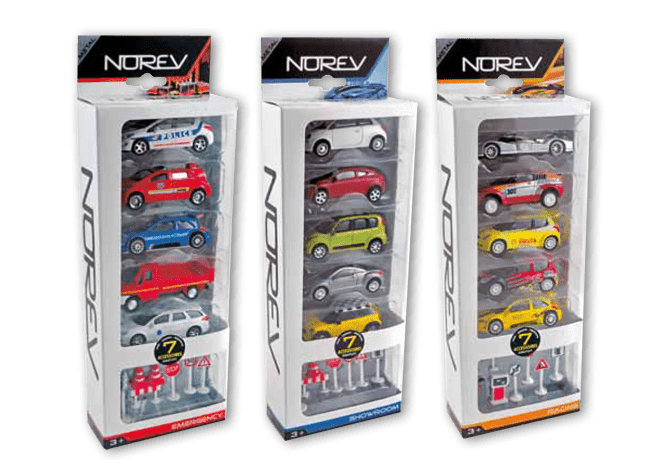
Consistent color output is maintained through calibrated digital presses and substrate-specific color profiles. Profiles are created based on paperboard stock, ink behavior, and coverage levels to ensure predictable results. Ongoing press calibration minimizes color drift over time. This process supports repeatable color reproduction across short and repeat runs.
Approved artwork files are locked at the production level to prevent unintended changes between runs. This includes color builds, layout dimensions, and graphic placement relative to structural elements. File locking is critical for repeat orders and phased rollouts. It ensures each production run matches the approved master file.
Digital workflows support repeat run stability by maintaining consistent press settings and production parameters. This reduces variability between initial runs and subsequent reorders. Stability is essential for brands requiring uniform shelf appearance. Controlled repeatability supports both short-term programs and ongoing packaging lines.
Precise registration control ensures printed graphics align with die lines, scores, and folds. Accurate alignment prevents artwork drift that can impact glue panels or fold integrity. This is especially important for cartons with tight tolerances or high graphic coverage. Proper registration contributes directly to visual quality and structural performance.
Consistent ink laydown is managed to ensure uniform coverage across the carton surface. Controlled ink density supports accurate tonal values, sharp detail, and clean gradients. This is critical for solid colors, fine text, and barcode clarity. Predictable ink behavior also supports reliable folding and finishing.
Structured version control systems track approved files and production history. This prevents outdated or incorrect artwork from entering production. Version control is critical for multi-SKU programs and incremental design updates. It ensures continuity, accuracy, and production confidence across runs.
Digital print should complement—not compromise—box performance. Certain structures, like creased folds or flaps, may affect color breaks or ink density. Design files should anticipate these fold lines and die-cut patterns to avoid misalignment or cracking. Understanding how graphics interact with structure allows for a cleaner, more professional presentation in the final product.
Digital workflows support multiple SKUs within a single production run without requiring separate setups. Artwork variations are managed through controlled file sequencing and job mapping. This allows brands to produce flavor, size, or regional variants efficiently. Consistent production parameters help maintain uniform quality across all SKUs.
SKU variations are handled using variable artwork frameworks that isolate changeable elements while preserving core design integrity. Fixed and variable components are clearly defined within the file structure. This prevents unintended changes to branding, layout, or structural elements. Controlled variation ensures each SKU remains visually aligned with the brand system.
Digital printing enables language, regulatory, and market-specific changes to be managed within a unified production workflow. Required elements such as ingredient panels, warnings, or legal copy can be updated without impacting the rest of the artwork. This reduces risk when managing region-specific compliance. Versioned compliance control supports faster approvals and cleaner reorders.
Each SKU is assigned a distinct, approved production file with documented revision history. File governance prevents cross-SKU contamination during production. Clear naming conventions and approval checkpoints maintain accuracy across complex programs. This structure is critical for high-mix, low-volume carton production.
Design updates are isolated to the specific SKU or panel being modified. This minimizes the risk of unintended changes across other versions. Controlled isolation is essential for frequent updates, limited-edition runs, or promotional packaging. It allows brands to move quickly while maintaining production discipline.
Versioned SKUs are produced using shared production standards to ensure visual and structural consistency. Common elements such as color targets, fonts, and layout geometry remain consistent across the SKU family. This supports cohesive shelf presence. Repeatability across versions simplifies reorders and long-term program management.
Digital folding carton performance begins with selecting compatible paperboard grades. Different SBS and paperboard stocks interact uniquely with digital inks and toner systems. Compatibility testing ensures proper adhesion, coverage, and image stability. This reduces print defects and supports predictable production outcomes.
Coated and uncoated substrates behave differently under digital print conditions. Coated stocks typically provide sharper detail and smoother ink laydown, while uncoated stocks require controlled ink management. Understanding these responses helps prevent mottling, uneven density, or absorption issues. Substrate selection is aligned with both graphic and structural requirements.
Ink adhesion is influenced by surface energy, coating type, and paperboard porosity. Proper adhesion ensures graphics remain intact through folding, gluing, and handling. Controlled adhesion also supports resistance to scuffing and abrasion. This is critical for cartons exposed to distribution and retail handling.
Substrate behavior at scores and folds is carefully managed to minimize cracking and fiber breakage. Grain direction, board caliper, and ink coverage are evaluated during structural planning. Proper control ensures clean folds without compromising printed graphics. Fold integrity directly impacts both appearance and carton performance.
Consistent surface uniformity supports stable ink laydown across the carton. Variations in coating or fiber density can affect color density and image sharpness. Substrate evaluation helps identify and mitigate these inconsistencies. Uniform surfaces contribute to reliable visual output across runs.
Print performance and structural behavior are evaluated together, not in isolation. Heavy ink coverage, coatings, and board stiffness can influence die-cutting, scoring, and carton assembly. Coordinated planning ensures graphics do not interfere with structural function. This integrated approach supports both print quality and carton reliability.
Accurate die-line files are critical to maintaining alignment between printed graphics and carton structure. Die-lines are verified to ensure panel dimensions, fold locations, and cut paths match production tooling. Precision at this stage prevents misalignment during printing and finishing. Clean die-line execution supports consistent carton assembly.
Proper score placement ensures cartons fold cleanly without stressing printed areas. Scores are positioned to account for board caliper, grain direction, and ink coverage. Controlled scoring reduces cracking and maintains graphic integrity at folds. This is especially important for digitally printed cartons with dense coverage.
Printed graphics are aligned to structural elements through controlled registration tolerances. This ensures artwork does not drift into glue panels, dust flaps, or closure areas. Tight registration is essential for cartons with high graphic density or minimal margins. Structural alignment directly impacts both appearance and functionality.
Glue panels require precise dimensional control to ensure proper adhesion during carton assembly. Artwork and coatings are managed to avoid interference with glue application zones. Accurate panel geometry supports reliable forming and sealing. This reduces downstream issues during packing operations.
Dimensional accuracy is maintained across production runs through consistent structural standards. Repeatability ensures cartons assemble the same way across reorders and SKU families. Controlled dimensions support automated and semi-automated packing lines. This consistency reduces setup adjustments and handling variability.
Structural accuracy is validated through pre-production checks and controlled test runs. This confirms alignment between print, die-cutting, and folding performance. Validation helps identify tolerance issues before full production. The result is predictable carton performance at scale.