

Digital Printed POP Displays
Our digital printed POP displays are available in multiple styles, including floor, pallet, endcap, PDQ, dump bin, and sidekick displays, supporting a wide range of retail applications. Designed for strategic placement on the sales floor, at checkout, aisle ends, and high-traffic zones, these displays drive visibility, impulse purchases, and brand impact. We help brands meet major retailer and club store compliance requirements, ensuring displays are built for durability, merchandising standards, and efficient in-store execution.
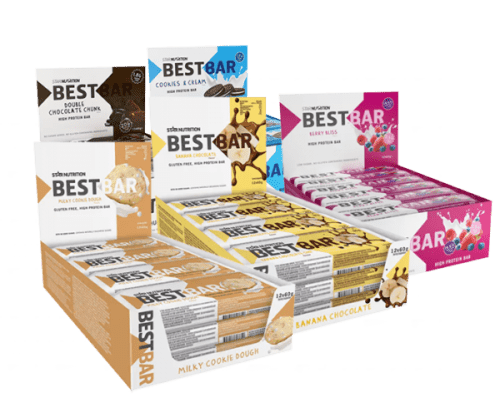
Are Digital Printed POP Displays Right for My Product?
Digital printed POP displays are a strong fit for products that need high visibility, fast rollout, and impactful in-store merchandising. They work especially well for promotions, new product launches, and seasonal programs where speed and flexibility are critical. Digital print allows graphics to be updated quickly without traditional printing plates.
These displays support a wide range of product types, including consumer packaged goods, food and beverage, health products, and impulse items. Performance is driven by the display structure, corrugated materials, and placement strategy, not the print method. Floor, pallet, endcap, and countertop displays can all be digitally printed to meet specific use cases.
Brands also choose digital printed POP displays for multi-SKU programs, regional rollouts, and retailer-specific requirements. Digital printing delivers consistent graphics, accurate color, and flexibility while supporting major retailer and club store compliance. This makes it a reliable option for brands looking to balance speed, quality, and in-store performance.

Digital Printed POP Display Options
Our digital printed POP displays are available in multiple style options, including floor, pallet, endcap, PDQ, dump bin, and sidekick displays, supporting a wide range of retail applications. Designed for strategic placement in high-traffic areas, checkout zones, and aisle ends, they maximize visibility and drive in-store engagement.

Floor displays are designed for high-traffic retail areas and freestanding placement on the sales floor. They maximize product visibility, support larger product quantities, and create strong brand impact. Digitally printed graphics allow fast updates for seasonal promotions and multi-SKU programs.
Pallet displays are built for bulk placement, warehouse clubs, and big-box retail environments. They support heavy loads while delivering strong branding and stackability. Digital print enables consistent graphics across high-volume programs without long lead times.
Dump bin displays encourage impulse purchases by allowing easy product access from all sides. Commonly placed in aisles, front-of-store areas, and promotional zones, they’re ideal for high-turn items. Corrugated construction keeps costs low while digital print boosts visual appeal.
Countertop displays and PDQ trays are designed for point-of-sale placement near registers and service counters. They increase last-minute add-on sales and keep products organized and visible. Digital printing allows quick artwork changes for limited-time offers and brand campaigns.
Endcap displays are positioned at the end of retail aisles, capturing shopper attention as they transition between departments. They provide premium brand exposure and are ideal for featured products or promotions. Digitally printed graphics help reinforce messaging and drive engagement.
Digital printed sidekick (power wing) displays add incremental merchandising space by attaching directly to shelving or endcaps, making them ideal for impulse-driven products and cross-merchandising. They’re commonly used for promotions, seasonal items, and high-turn SKUs where visibility matters without taking up floor space. Digital printing delivers bold graphics, fast turnaround, and flexibility while supporting major retailer and club store compliance.
Beyond standard POP formats, additional display styles, custom structures, and retailer-specific designs may be available depending on product requirements and merchandising goals. Some programs require unique footprints, hybrid designs, or specialized configurations to meet retailer or club store compliance. Contact Brown Packaging to discuss custom digital printed display solutions tailored to your brand, products, and retail environment.
Digitally printed corrugated displays are ideal for retail floor promotions where visibility and brand impact matter most. Floor, pallet, and endcap displays help highlight featured products in high-traffic areas. Digital print allows fast updates for promotional messaging and graphics.
Pallet displays and large-format floor displays are commonly used in warehouse clubs and bulk retail environments. These displays support high product volumes, durability, and strong branding at scale. Digital printing ensures consistent graphics across high-quantity rollouts.
Digitally printed displays are well-suited for seasonal promotions and limited-time programs that require speed and flexibility. Artwork can be updated quickly without long setup times. This makes digital print ideal for holiday, event-based, or short-run retail campaigns.
Countertop displays, PDQ trays, and sidekick displays drive impulse purchases at checkout and high-traffic transition points. Compact footprints and bold graphics help capture shopper attention quickly. Digital print enables frequent creative refreshes to keep messaging relevant.
Displays play a critical role in new product launches by increasing visibility and educating shoppers at point of sale. Digitally printed graphics allow brands to test messaging and layouts before scaling. This reduces risk while supporting rapid market entry.
Power wing (sidekick) and endcap displays are effective for cross-merchandising related products. These placements encourage add-on purchases by positioning complementary items together. Digital print makes it easy to align branding across multiple product categories.
Digitally printed corrugated displays support multi-SKU and mixed product assortments within a single unit. Clear graphics and structure help organize products while maintaining brand consistency. This flexibility is ideal for promotions featuring multiple sizes, flavors, or product variations.
We design digitally printed corrugated displays and packaging to meet Walmart’s retail requirements, including strength, footprint, and merchandising guidelines. Packaging is engineered for high-volume environments and efficient store setup. Digital print allows fast updates while maintaining consistent branding across large rollouts.
For Target, packaging and displays must balance visual presentation, structural performance, and brand consistency. We support floor displays, endcaps, and PDQ trays designed to meet placement and setup expectations. Digital printing helps brands align with seasonal programs and frequent creative refreshes.
Costco requires packaging and displays built for bulk quantities, palletized presentation, and club-store durability. We help design pallet displays and corrugated packaging that support heavy loads and clean branding. Digital print enables consistent graphics across high-volume club programs.
Displays for Sam’s Club must meet strict standards for scale, structural integrity, and efficiency. We help develop pallet and floor displays optimized for large-format retail environments. Digital print supports rapid rollout without sacrificing visual impact.
Home Depot packaging and displays require strong structural performance for heavy or oversized products. We support floor displays, endcaps, and sidekick displays designed for durability and clear messaging. Digital print allows fast updates for promotional and seasonal programs.
For Lowe’s, packaging and displays must support organized merchandising, durability, and ease of setup. We help create corrugated displays that align with store layouts and product categories. Digital print enables consistent branding across multiple SKUs and store locations.
CVS and Walgreens require compact countertop, PDQ, and sidekick displays designed for impulse merchandising and limited floor space. Packaging must meet strict footprint and setup requirements. Digital printing supports frequent promotional updates and short program timelines.
In addition to major national retailers, we also support brick-and-mortar stores and small to mid-size retailers with custom display and packaging solutions. Programs are tailored to meet store-specific requirements, space constraints, and merchandising goals. Contact Brown Packaging to discuss packaging and display designs built for your retail environment.
Digital Print POP Display Guide
Digital printed POP displays offer a flexible approach to in-store merchandising, balancing visual impact, speed, and execution efficiency. Understanding the benefits, considerations, capabilities and solutions helps brands choose the right display strategy while meeting retailer and club store requirements.
Digital printing eliminates plates and tooling, allowing POP displays to move quickly from concept to production. This speed is critical for promotions, seasonal rollouts, and new product launches. Faster turnaround helps brands meet retailer timelines without sacrificing quality.
Digital print delivers high-resolution graphics, accurate color, and consistent branding across display styles. This is especially important for floor, endcap, pallet, and sidekick displays competing for shopper attention. Consistent visuals strengthen brand recognition across stores and regions.
Digitally printed displays support multi-SKU merchandising and versioned artwork without additional setup costs. Brands can easily tailor messaging by product, region, or retailer. This flexibility is ideal for complex assortments and evolving retail strategies.
Digital print is well-suited for short to mid-run POP displays, helping brands avoid excess inventory and waste. Displays can be produced closer to demand, reducing storage and obsolescence risk. This makes digital print a smart option for test programs and phased rollouts.
Digitally printed POP displays can be engineered to meet major retailer and club store requirements, including strength, footprint, and merchandising guidelines. Structural integrity is driven by corrugated design, not the print method. Digital print simply adds speed and visual flexibility.
Artwork changes can be made quickly without retooling, making digital print ideal for limited-time offers and promotional refreshes. Brands can respond to market changes, inventory shifts, or retailer requests efficiently. This agility keeps in-store programs relevant and effective.
Digital printing is most cost-effective for short to mid-run display programs. Extremely high-volume, long-term rollouts may benefit from alternative print methods. Understanding program scale helps determine the right production approach.
Digital print supports full-color graphics, but design intent should align with the display structure and merchandising goals. Overly complex artwork may not always improve performance. Clean layouts and clear messaging often deliver stronger retail results.
Print quality does not replace the need for proper corrugated engineering and load-bearing performance. Displays must be designed to support product weight, handling, and store setup requirements. Structure drives durability; digital print enhances visibility.
Each retailer and club store has unique compliance requirements, including footprint, palletization, and setup standards. Displays must be reviewed against these guidelines early in the process. Planning ahead helps avoid revisions or delays.
While digital print reduces production time, artwork approvals and design revisions still impact timelines. Clear communication and timely feedback are key to meeting delivery schedules. Planning milestones ensures smooth execution.
If a display program will remain unchanged for long periods with no messaging updates, digital print may not always be required. In these cases, alternative approaches can be evaluated. Digital print excels when flexibility and speed are priorities.
We help brands select the right display style, structure, and corrugated construction based on product weight, merchandising goals, and retail environment. Floor, pallet, endcap, PDQ, and sidekick displays are designed to balance performance and visual impact. This ensures the display works in-store—not just on screen.
Digital printed POP displays are developed with major retailer and club store requirements in mind, including footprint, palletization, and setup standards. Early alignment helps avoid revisions and delays later in the process. This supports smoother execution across national and regional retail programs.
Digital print allows artwork updates, retailer-specific versions, and multi-SKU messaging without retooling. Brands can adjust graphics for promotions, regional rollouts, or seasonal programs efficiently. This flexibility reduces risk while maintaining consistent branding.
Clear timelines are established around design, approvals, and production to support tight retail schedules. Digital printing reduces setup time while keeping quality consistent. This approach helps brands meet launch dates and promotional windows.
Digital print supports short and mid-run production, allowing brands to scale programs without excess inventory. Displays can be produced closer to demand, reducing storage and obsolescence. This makes testing and phased rollouts more manageable.
Digital printing delivers high-resolution graphics and color consistency across multiple display formats. Whether running a single display or a full retail program, branding remains aligned. This consistency strengthens shelf presence and shopper recognition.
We support a full range of custom POP display structures, including floor, pallet, endcap, PDQ, dump bin, and sidekick displays. Structures are designed around product weight, SKU count, and merchandising needs. This ensures displays perform reliably in real retail environments.
Digital printed POP displays can be developed to align with major retailer and club store requirements, including footprint, palletization, and setup standards. Programs are planned with compliance in mind to support smooth retail execution. This helps reduce friction during rollout.
We support multi-SKU displays, retailer-specific versions, and regional artwork variations within a single program. Digital printing allows changes without plates or tooling. This flexibility is ideal for complex merchandising strategies.
Digital printing delivers sharp graphics, accurate color, and consistent branding across display formats. Print quality remains uniform across short and mid-run programs. This ensures strong visual impact at point of purchase.
Display programs are supported with clear timelines, coordinated artwork approvals, and defined production milestones. Digital print reduces setup time while maintaining quality standards. This supports tight promotional schedules.
Digital printed POP displays are well-suited for test programs, regional launches, and scalable rollouts. Programs can expand or adjust without unnecessary inventory risk. This allows brands to scale displays with confidence.

POP Display Placement & Strategy
Effective POP display placement and strategy play a critical role in driving visibility, shopper engagement, and sell-through. Aligning display type, placement, and timing with retail environments helps maximize performance while meeting retailer and club store requirements.

Floor displays placed in high-traffic zones maximize visibility and shopper engagement. These placements work best for featured products, seasonal promotions, and new launches. Strategic positioning increases dwell time and improves sell-through.
Endcap displays capture attention at natural shopper transition points between aisles. They are ideal for promotions, brand storytelling, and high-margin products. Strong graphics and clear messaging help convert traffic into purchases.
Displays placed near checkout support impulse buying behavior and last-minute add-on sales. PDQ trays, countertop displays, and sidekicks perform well in these areas. Compact footprints and simple messaging are key to success.
Cross-merchandising places products alongside complementary categories to increase basket size. Sidekick and endcap displays are commonly used to support this strategy. Proper placement helps shoppers discover related items naturally.
POP displays aligned with seasonal events or limited-time promotions benefit from high-visibility placement. Timing placement with marketing campaigns increases relevance and urgency. Digital print allows messaging to change quickly to match promotional windows.
New products benefit from prominent placement that supports education and trial. Floor and endcap displays help introduce unfamiliar items while reinforcing brand credibility. Placement strategy plays a key role in early adoption and awareness.
Effective placement must account for store layout, traffic flow, and space constraints. Different retail environments—such as grocery, mass retail, or club stores—require different placement strategies. Displays should be designed to perform within these real-world conditions.
Club store environments require placement strategies that support scale, palletized displays, and high product volumes. Displays must balance visibility with durability and efficient store setup. Placement is often driven by operational flow as much as shopper behavior.
Placement strategy must align with retailer and club store guidelines to ensure displays are approved and executed correctly. Factors like footprint, palletization, and setup requirements influence where displays can be placed. Planning for compliance early helps avoid delays or rework.